
(Update – check out a one-hour version of this project I tried in a new spot! Then go try it yourself!)
In January, 2018, I began a year-long project to photograph all the beauty and diversity I could find within a single square meter of prairie. In May, 2024, I started a repeat effort with the exact same plot. Both were incredible experiences.
I spend a lot of time trying to convince people that prairies are fascinating places with an astounding diversity of plants, animals, and other organisms. More than anything, I want the stories and photos from this project to help bolster my arguments. By showing people how much happens within one tiny portion of a small suburban prairie, I hoped my audience would feel inspired to go see what’s happening in a prairie (or other natural area) near them.
All the photos on this page were taken with that 1×1 meter plot.
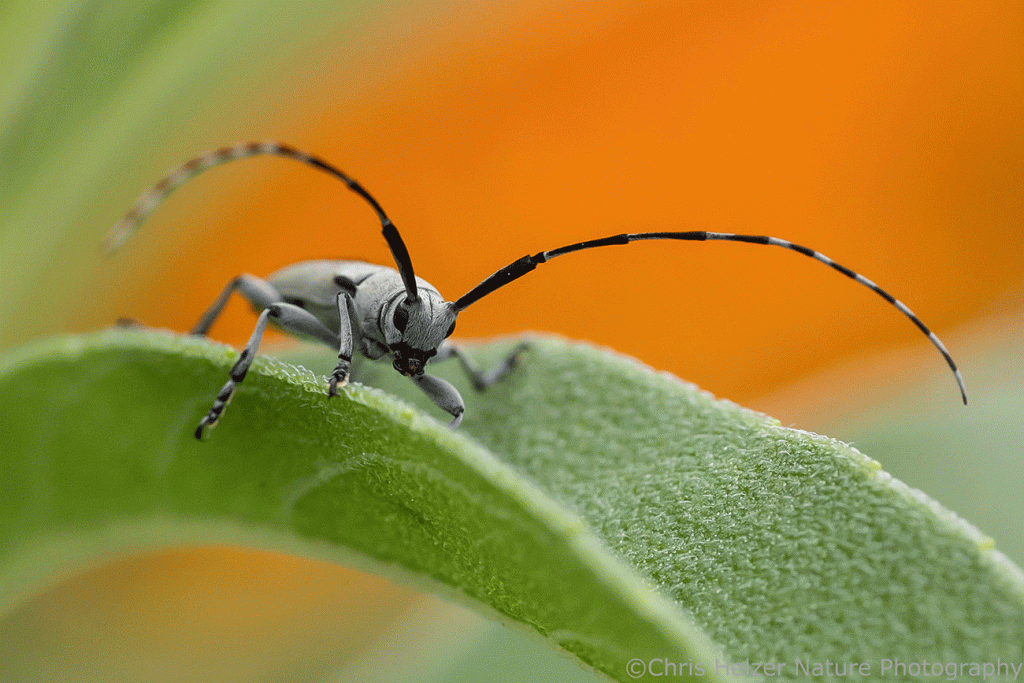
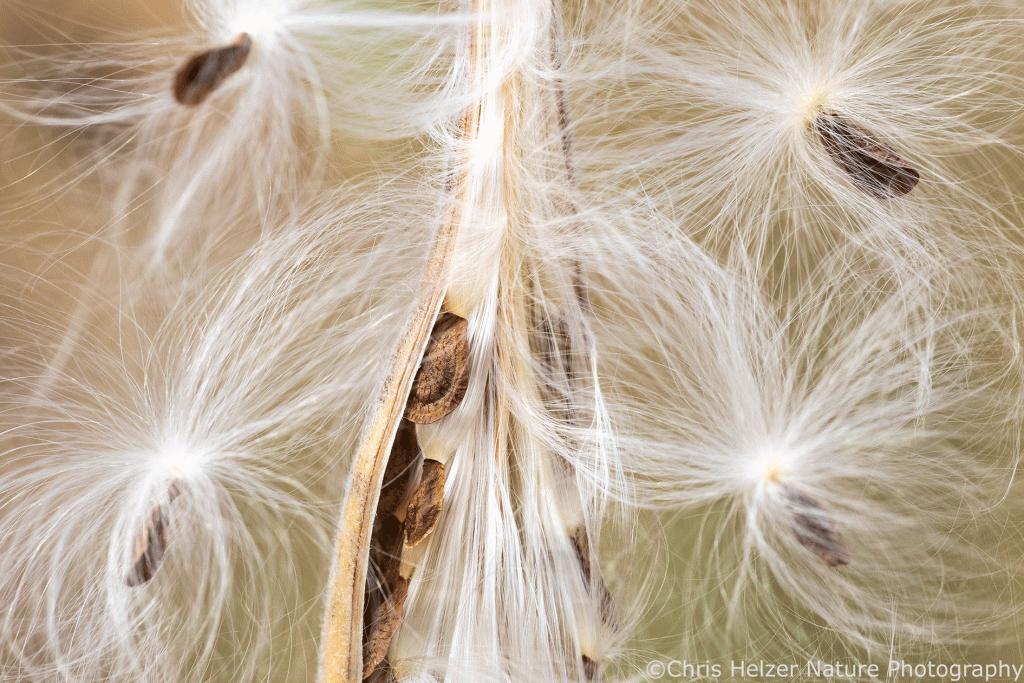
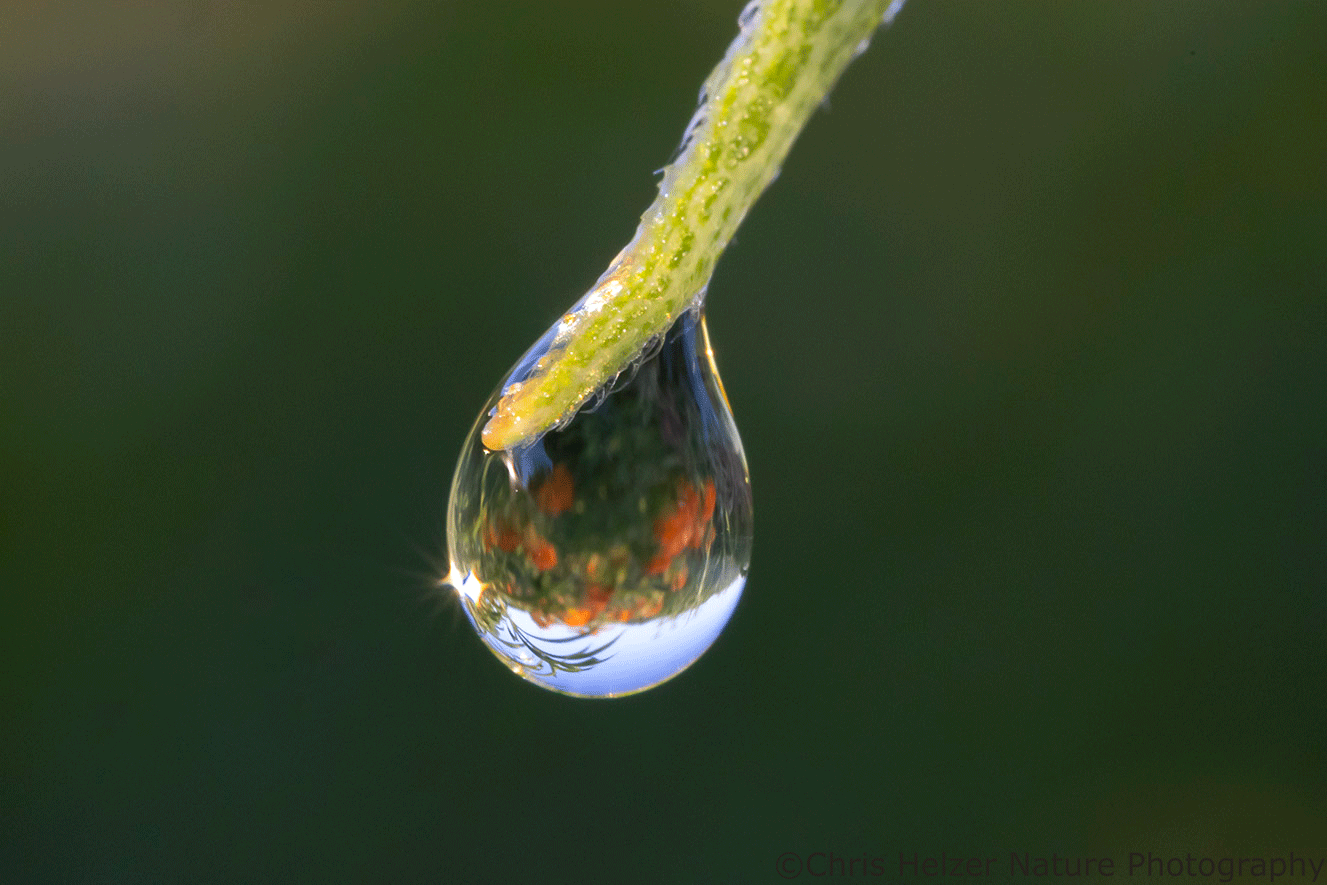
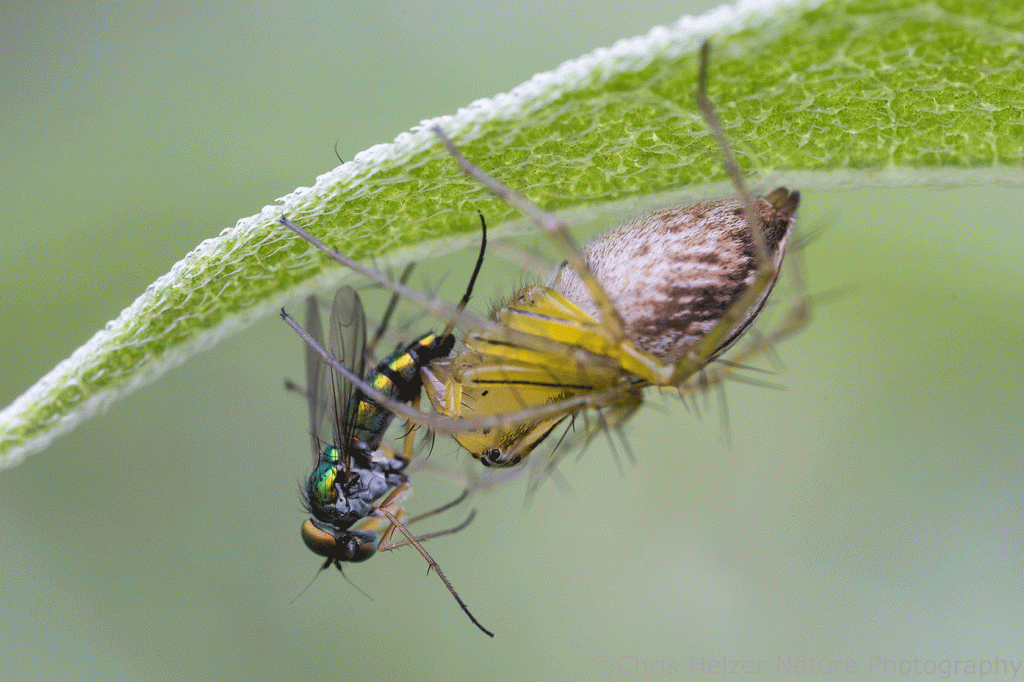

My square meter plot is located in a narrow strip of restored grassland at Lincoln Creek Prairie in Aurora, Nebraska. The prairie was restored by Prairie Plains Resource Institute in the early 1980’s and contains a nice diversity of prairie plants. It’s a great little grassland, but I really chose it as the host site for this project out of convenience – it was located about a mile from my house.
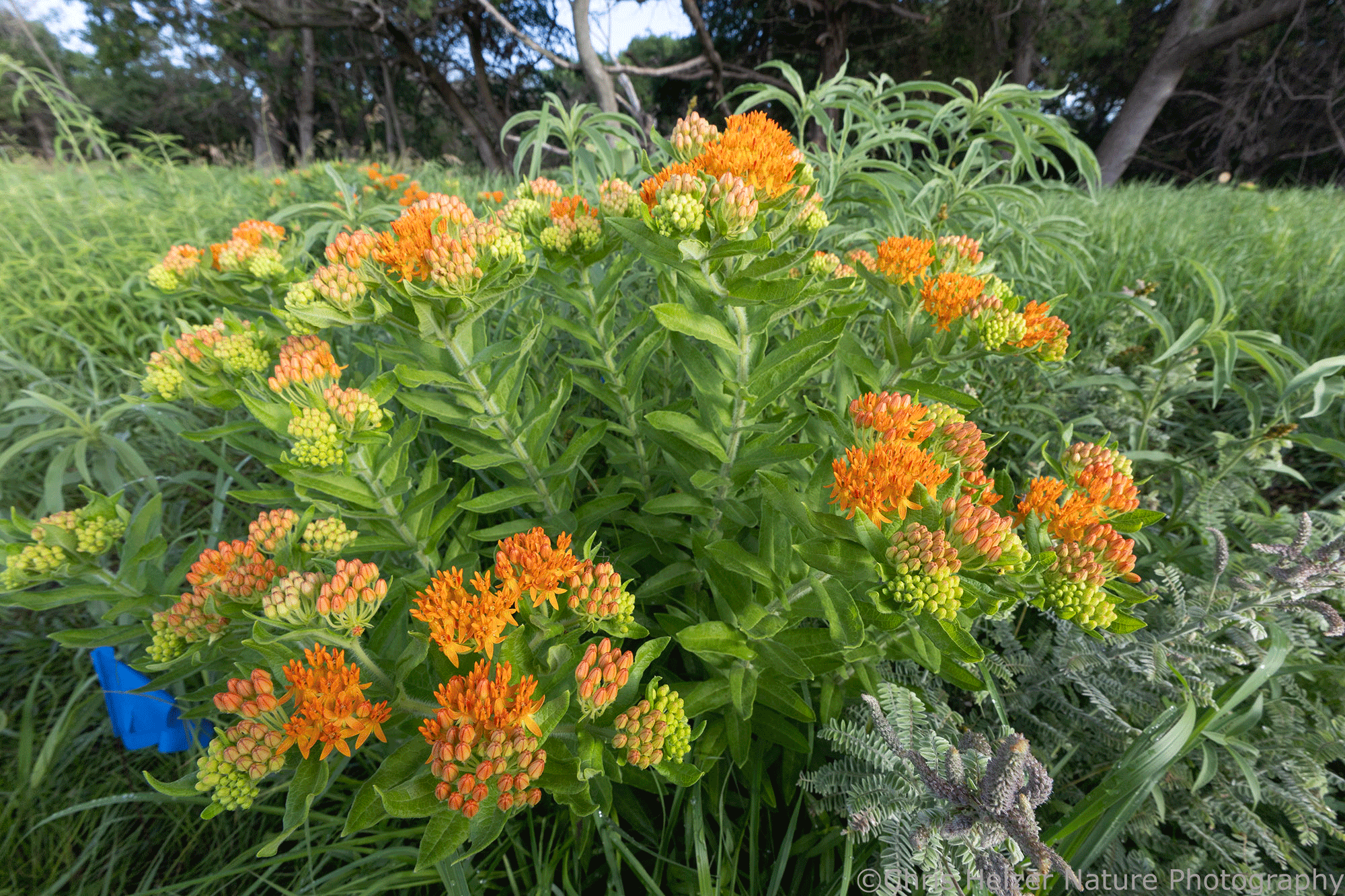
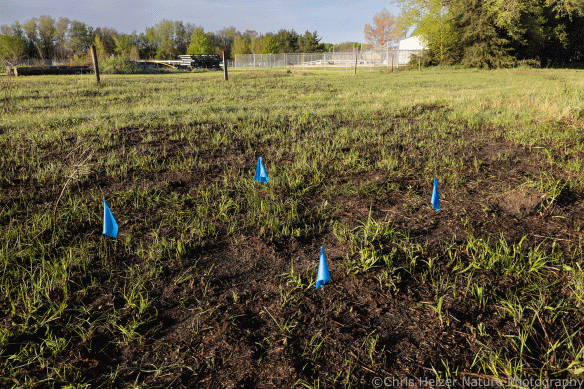
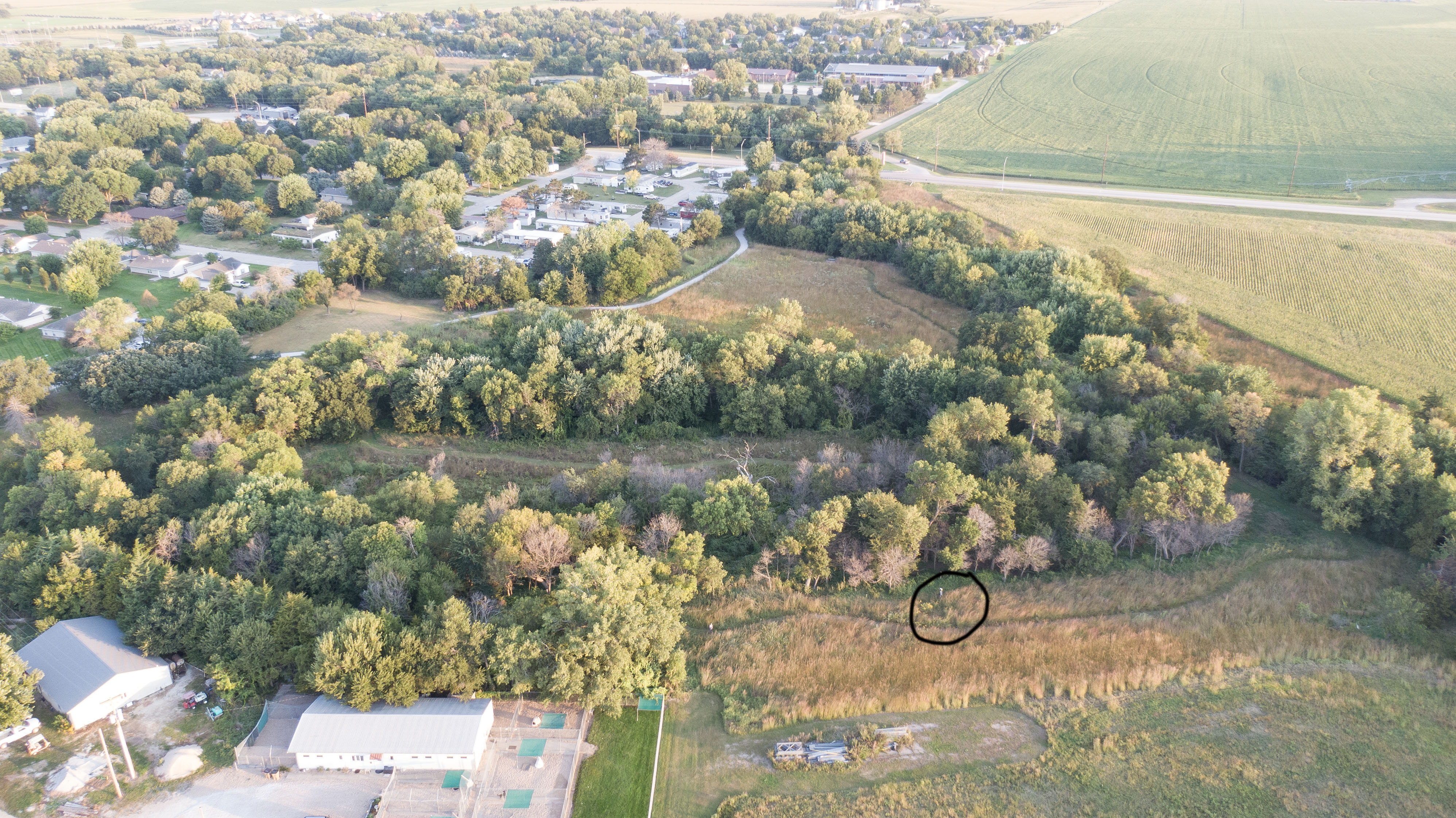
While both were amazing experiences, the 2024 version of the project far exceeded the 2018 version in several ways. First, I photographed more than 300 species within the plot in 2024 (compared to 113 in 2018). I visited the plot more often and was more creative and rigorous in my approach. Mostly, I was just more committed to (obsessed with?) the project. It was a joyful obsession, though. In both 2018 and 2024, when I wasn’t at my plot, I was often thinking about it, wondering what I was missing out on.
Statistics:
Between May 5, 2024 and May 4, 2025, I visited the square meter plot 131 times. I was there twice on 14 days and three times on 2 days. I clicked the shutter button on my camera tens of thousands of times, but came away with about 3,000 unique, high quality images.
One objective of the project was to photograph as many species of plants, animals, and other organisms as I could. I only counted species I managed a good, sharp photo of. That meant that I missed a lot of species because they hopped, crawled, or flew away before I could photograph them. Still, I ended up with photos of more than 300 species. The total number is still in flux as experts help me sort through the photos and figure out how many different species there really are.
As of now, I think I photographed about 55 fly species, 54 wasp and bee species, 50 different leafhoppers, planthoppers, and true bugs, and 38 different beetles. There were 22 plant species, 22 spiders and other arachnids, 19 species of moths and butterflies, and many, many more.
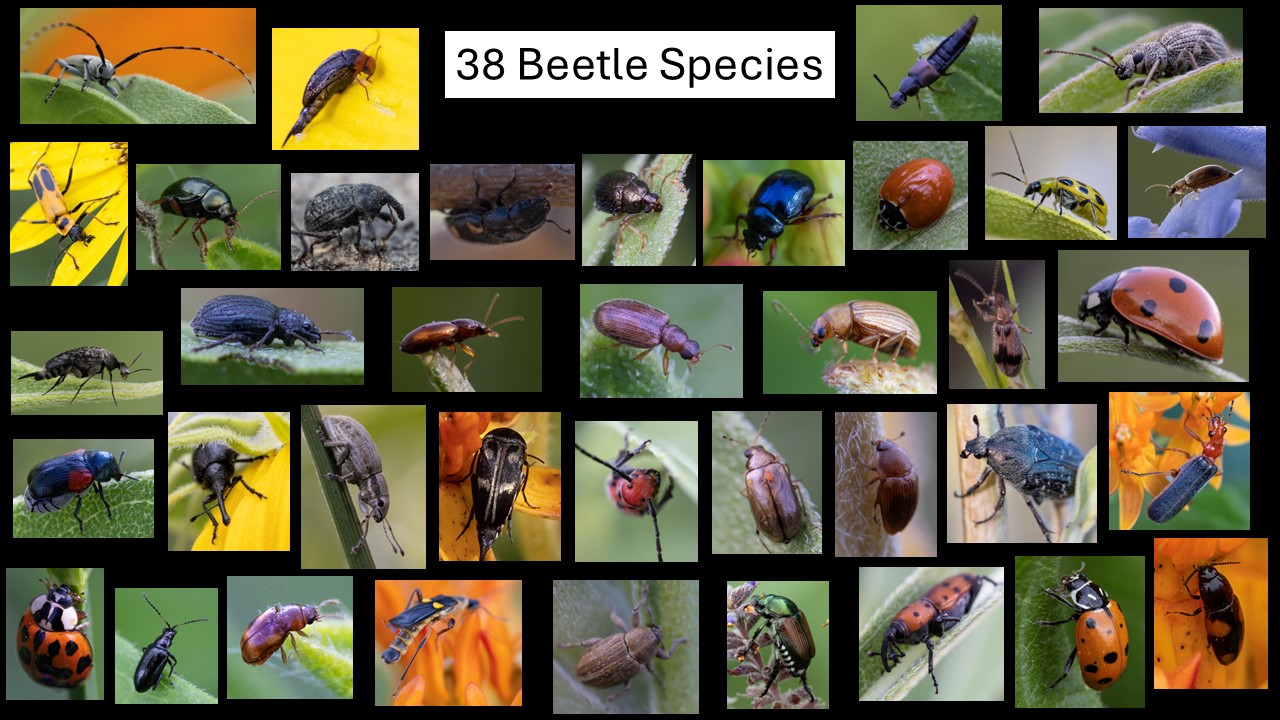
The project was about much more than just a species inventory, though. It was much more about exploration and discovery. I wanted to see what I could find and capture as much as I could to show others. Watching stories play out in front of me was much more rewarding then counting species. It was also a fantastic way to watch the prairie (or at least a minuscule portion of one) change through time.
More than anything, the project was about exploration and stories. I watched incredible events play out in front of me within that tiny area. Predators caught and ate their prey as I watched. Ants roamed up and down sunflowers, sating their desire for sweet treats with little bubbles of “extrafloral nectar”. Spiders mated and guarded their eggs until they hatched into hundreds of tiny spiderlings. Weevils decapitated flowers to discourage other insects from laying eggs where they’d laid theirs. And much, much more.
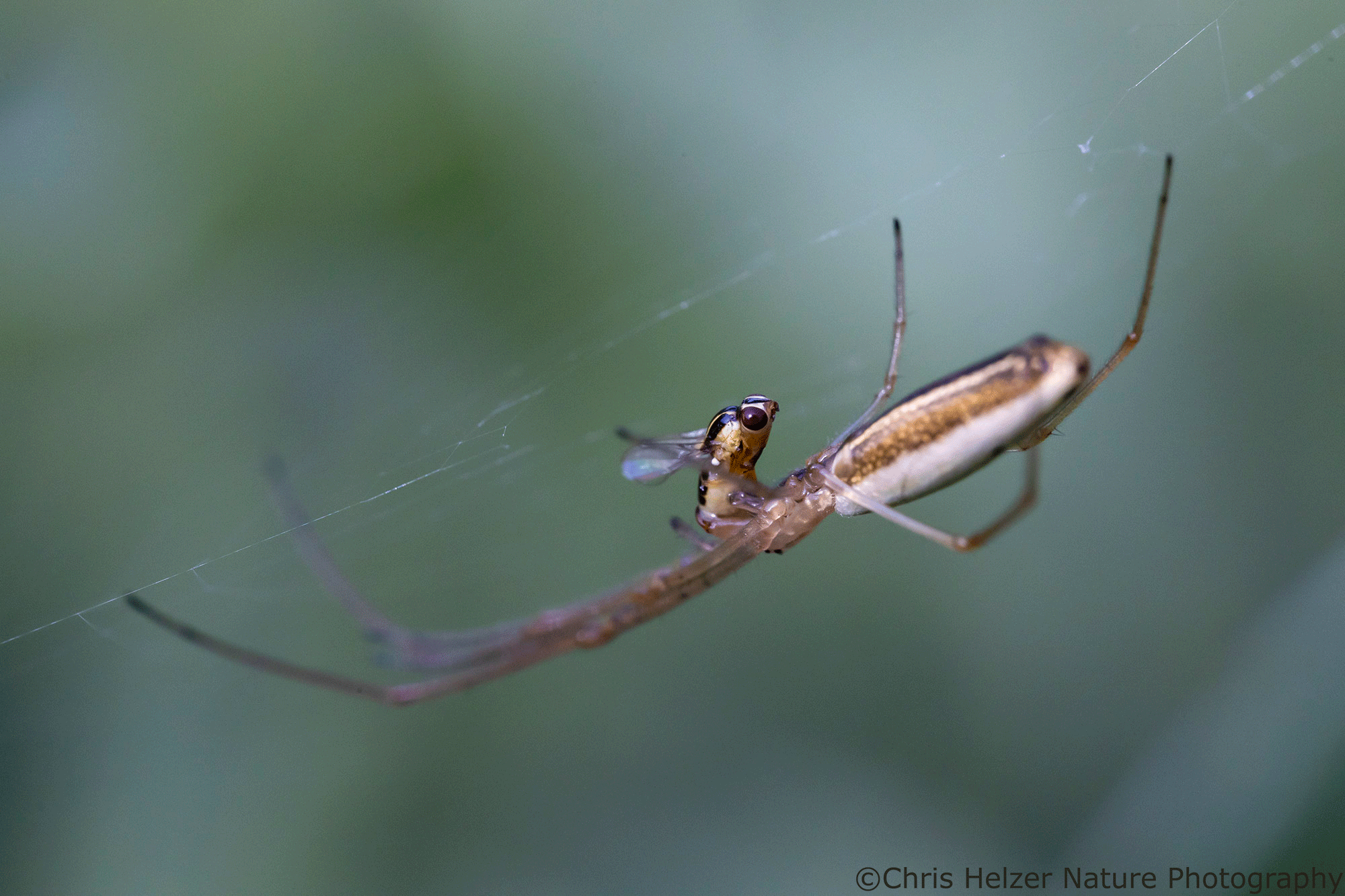
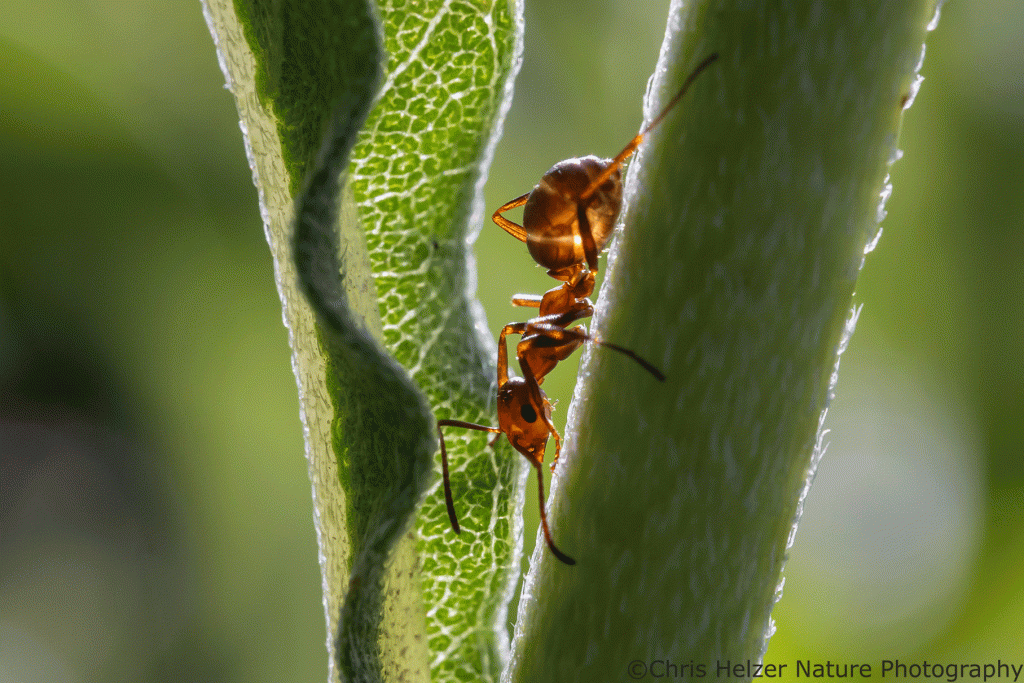
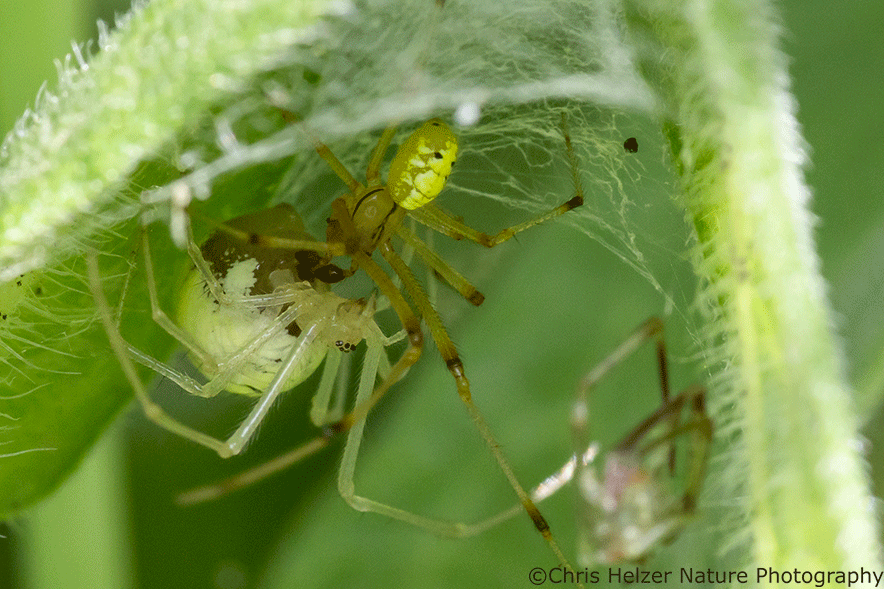
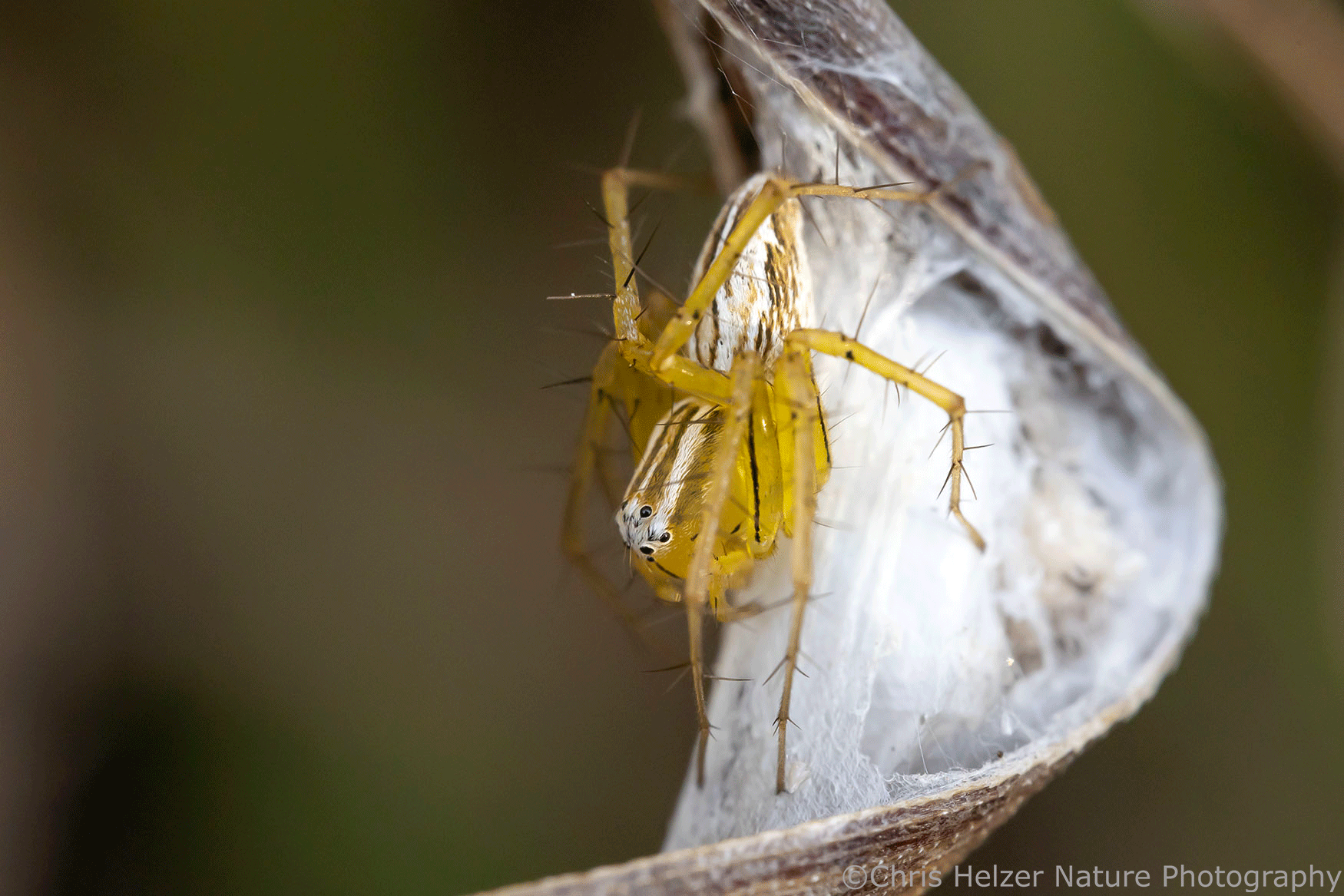
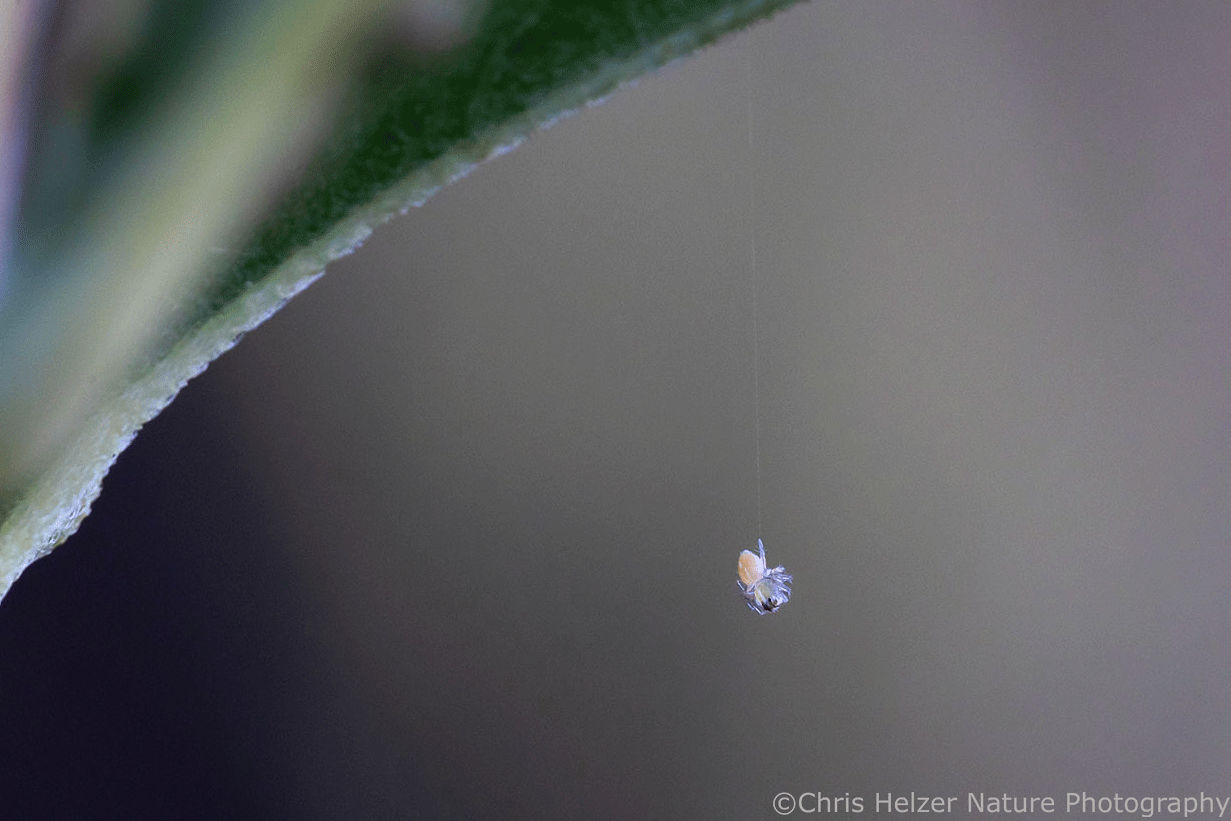
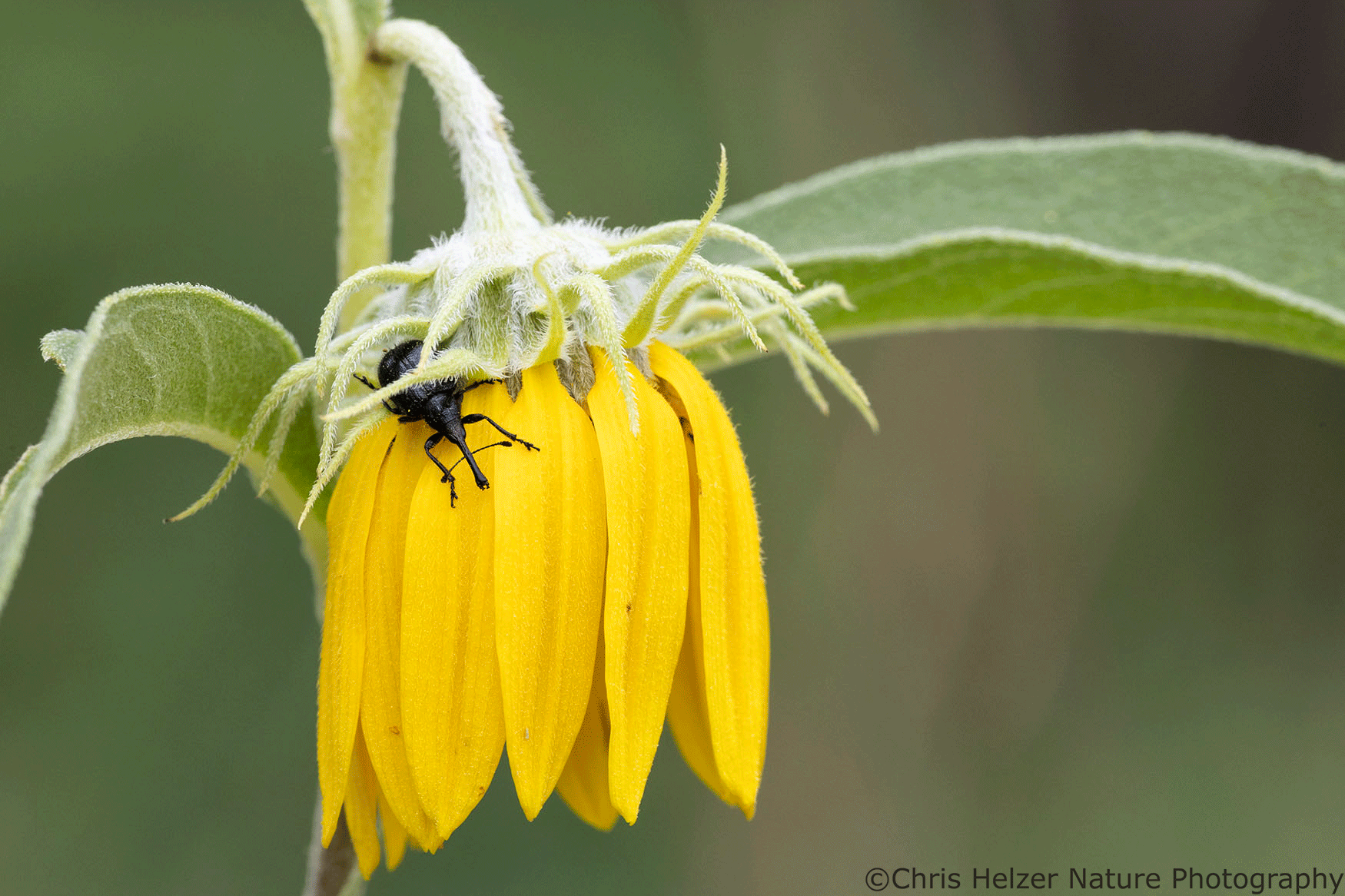
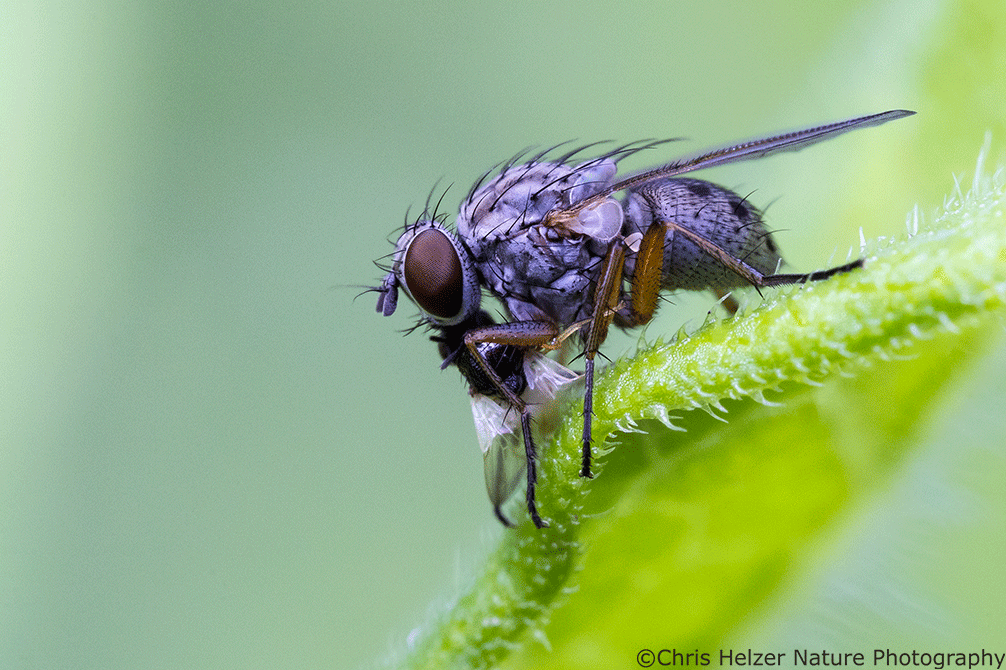
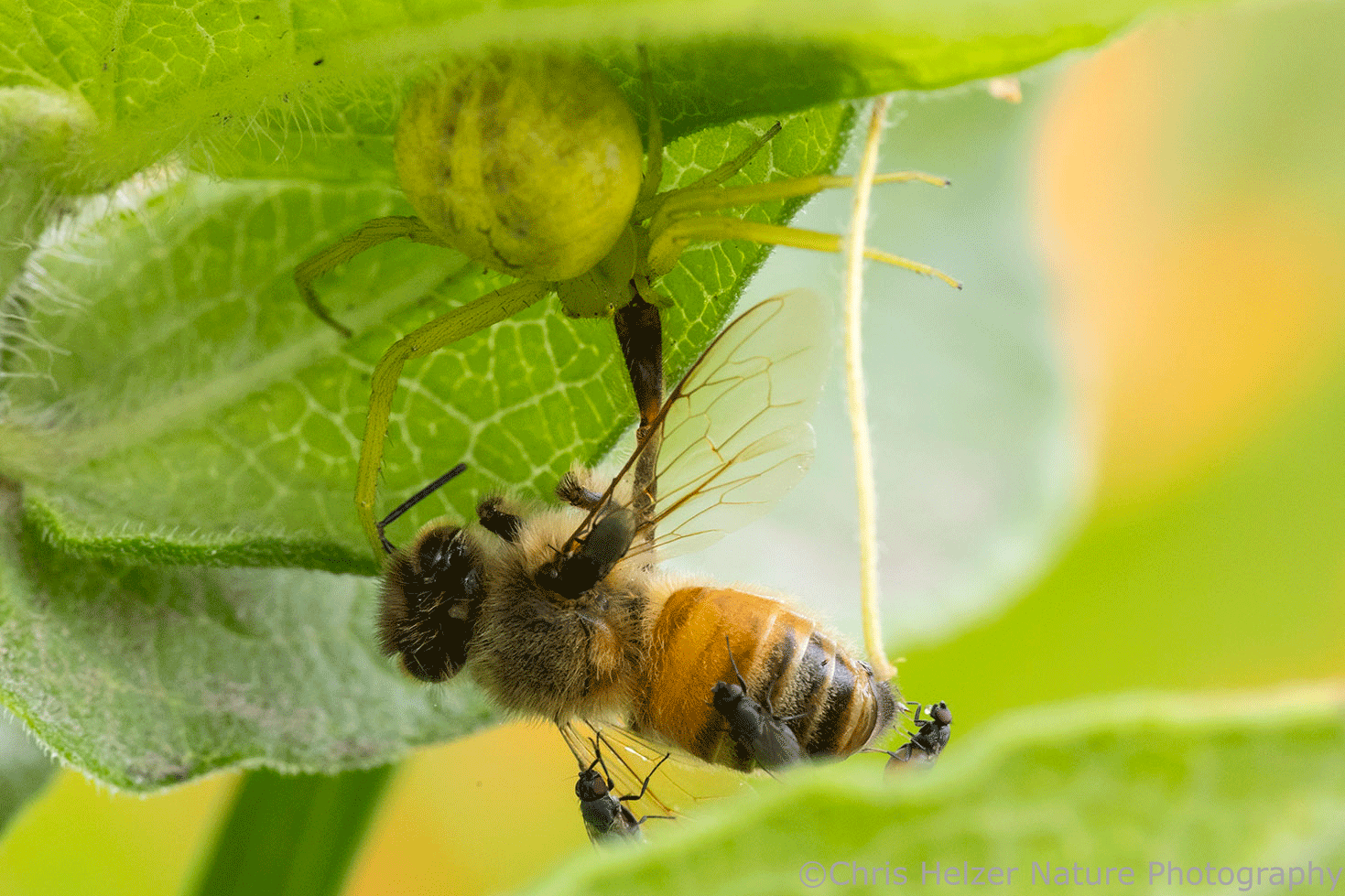
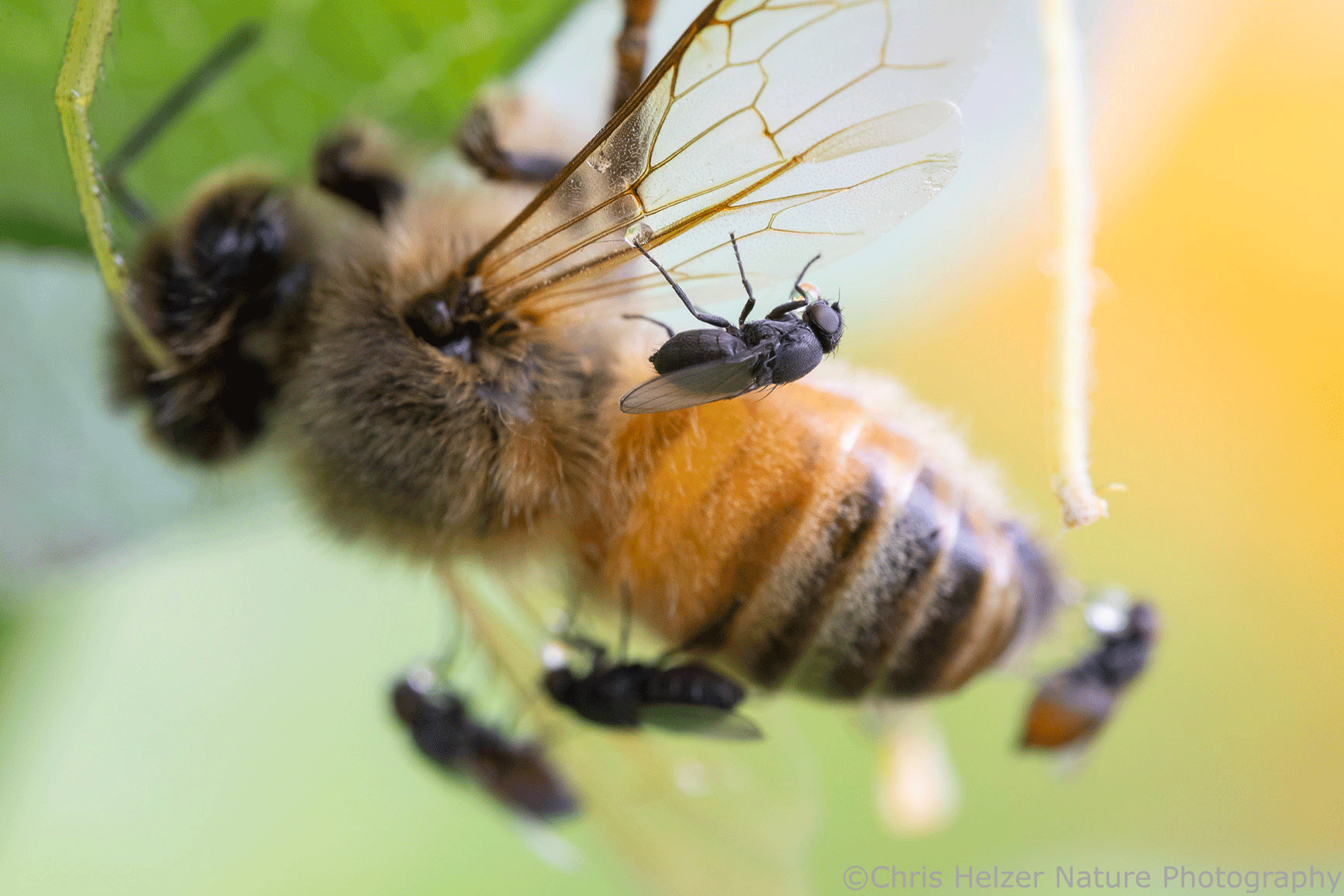
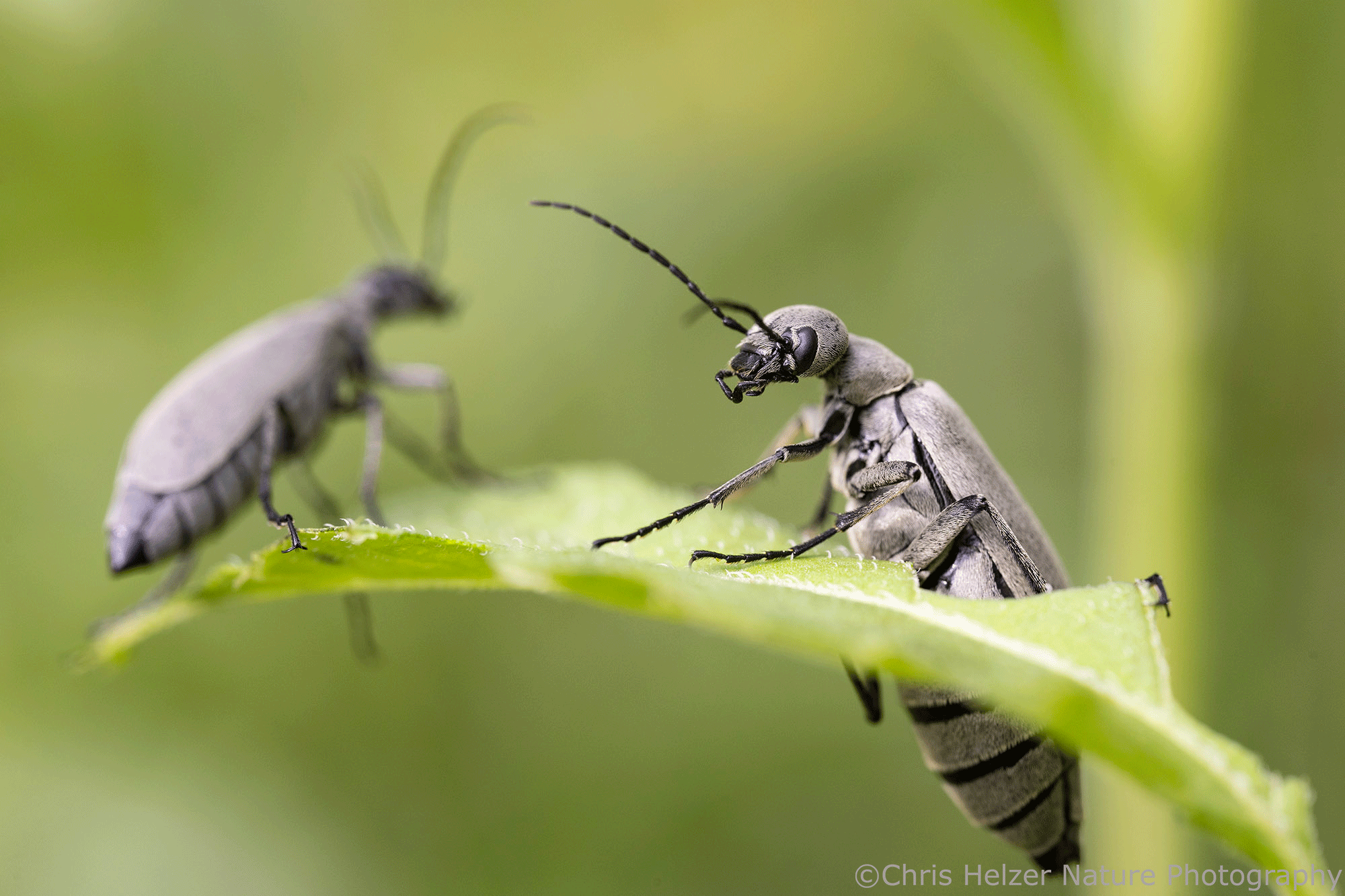
I also discovered species I’d never seen before and learned about their lives. Tiger flies, for example, that catch and eat smaller insects and drone flies that make long distance seasonal migrations. I saw “freeloader flies” that fed on the carcass of a honey bee, which it found by following the airborne chemical the bee released to warn its family of the spider that had just attacked it. One day, a gang of blister beetles descended upon the black nightshade plant in the plot and quickly ate everything but the stem (it subsequently recovered) before flying off, never to be seen again.
.
Click below to see a brief slideshow of some other photos from the square meter plot.
To learn more about this project, and to see lots more photos, check out the following blog posts:
As I mentioned, I’ve relied on many experts, including both old and new friends, to help me with species identification during this project. In addition, I owe a lot to the experts who work on the Bugguide website and identify photos sent in by viewers. If you’re not familiar with the site, I highly recommend it.
Aside from those Bugguide experts, I owe a huge debt of thanks to the following people: James Trager (ants), Mike Arduser (bees), Ted MacRae and M.J. Paulsen (beetles), Angella Moorehouse (bugs), Zachary and Even Dankowicz (flies), Chance Brueggemann and Derek Zeller (fungi), Alfred Wheeler (planthoppers and leafhoppers), Jayne Jonas (grasshoppers), and Samantha Daniel (spiders). THANK YOU to all of you.
 The Prairie Ecologist