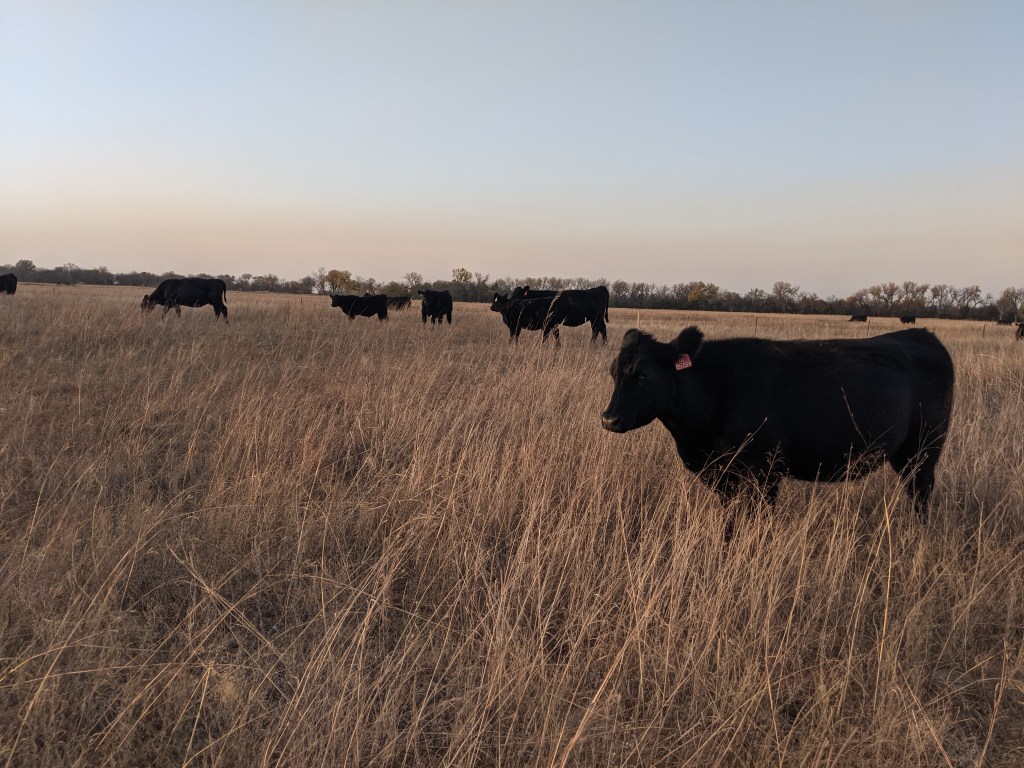
Perspectives of the Prairie: Brandon Cobb

Hi everyone.  The following blog post is written by 2024 Hubbard Fellow Claire Morrical.  Claire put together a fantastic series of interviews with people working in conservation here in Nebraska and we thought you’d enjoy reading and listening to their stories. 

This project – Perspectives of the Prairie – uses interviews and maps to share the perspectives and stories of people, from ecologists to volunteers, on the prairie. You can check out the full project HERE.

This post also contains audio clips. You can find the text from this blog post with audio transcripts HERE. If you’re reading this post in your email and the audio clips don’t work, click on the title of the post to open it online.


Brandon joined TNC as a Hubbard Fellow. Through his fellow project, which was a summit with indigenous partners, Brandon created and filled an invaluable role as TNC Nebraska’s Indigenous Partnership Programs Manager. Brandon and I met to talk about how lessons about life and stewardship from the fellowship impact his work today, the summit and the relationships Brandon works to form today, and his hopes for the future of cultural fire.

Interview: October 24th, 2024
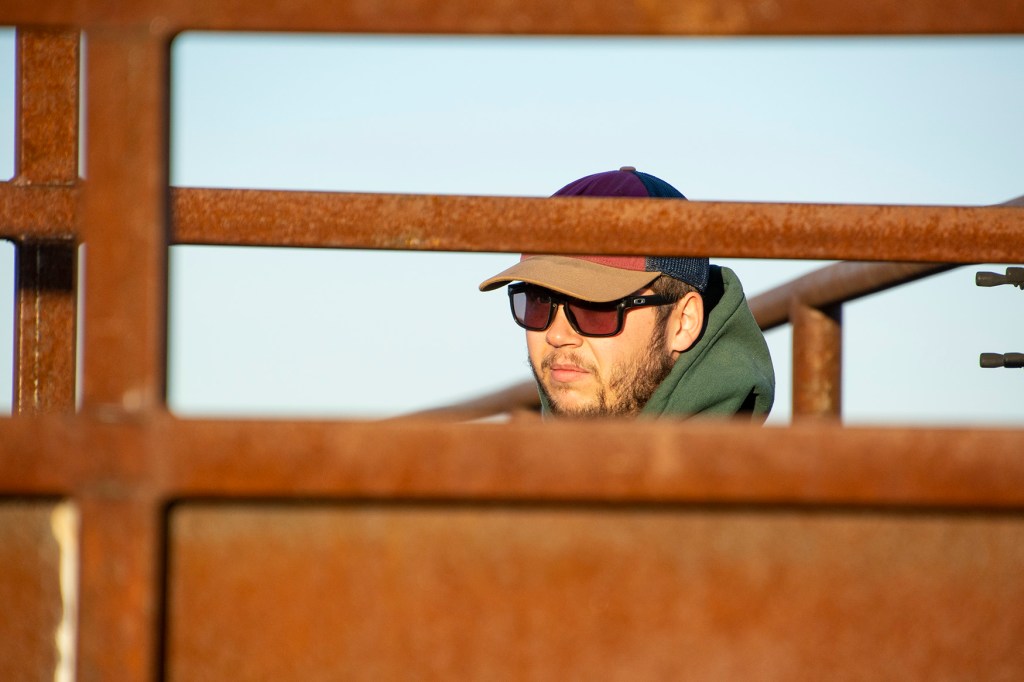
Brandon Cobb stands in a bison corral during the east bison roundup (photo: Chris Helzer)

Part 1: Meet Brandon

Location: The Derr House (the main office) at Platte River Prairies

This is Brandon Cobb. Brandon is the Indigenous Partnerships Program Manager for the Nebraska Chapter of the Nature Conservancy. But before that, he was a 2022 Hubbard Fellow at Platter River Prairies. Hubbard Fellows spend the year immersed in all aspects of conservation. We work as land stewards, researchers, educators, fundraisers, and more.

Brandon and I chatted at a picnic table outside of Platte River Prairie’s main office, which sits on a small hill. From there we could look out over the surrounding acres of prairie. The gently rolling Derr Sandhills, recently re-fenced for grazing, the wetland, and the lowland beyond it. We manage the acres with great care but with the understanding that nature, in all its complexities, will take the reins when it wants to, and so we often give them up willingly. We mix and scatter seed without precision. Although confined to a unit, we watch fire burn what it will and accept what it leaves untouched.

Brandon reflects on this complexity, comparing historic prairies to those now under our care.


Part 2: Life Lessons from Tangled Fences

Location: The Studnicka site at Platte River Prairies

As a fellow, Brandon spent a significant amount of time at our site – Studnicka. Studnicka is a site with a lot of value, but also, it’s fair share of challenges. Studnicka houses two of our crane blinds where viewers can creep in before sunrise and watch the first light reveal thousands of cranes on the water, or watch cranes arrive on the river and disappear as the sun sets in the evening.

Unfortunately, as of 2024, Studnicka also houses a good deal of invasive grasses. But this presents us with the opportunity to get creative, and ask ourselves, “how can we remove invasive grasses and create an opportunity for more diverse prairie to grow here?”

Brandon’s story shares one approach we tried.

Notes for Context: Brandon talks about our use of grazing on prairies here. Many prairie preserves in the Great Plains use cattle grazing to mimic the role that bison have historically played on prairies. Cattle can be a great way to create disturbance and different structures across the prairie (such as areas of tall or short grass that favors different species) and, as Brandon mentions here, to manage invasive species. Learn more about grazing HERE.

  • Riparian: the banks of a river or stream
  • Cody Miller: the preserve manager at PRP
  • Hotwire: electric fence, less sturdy than barbed wire fence, but easier to put up and take down
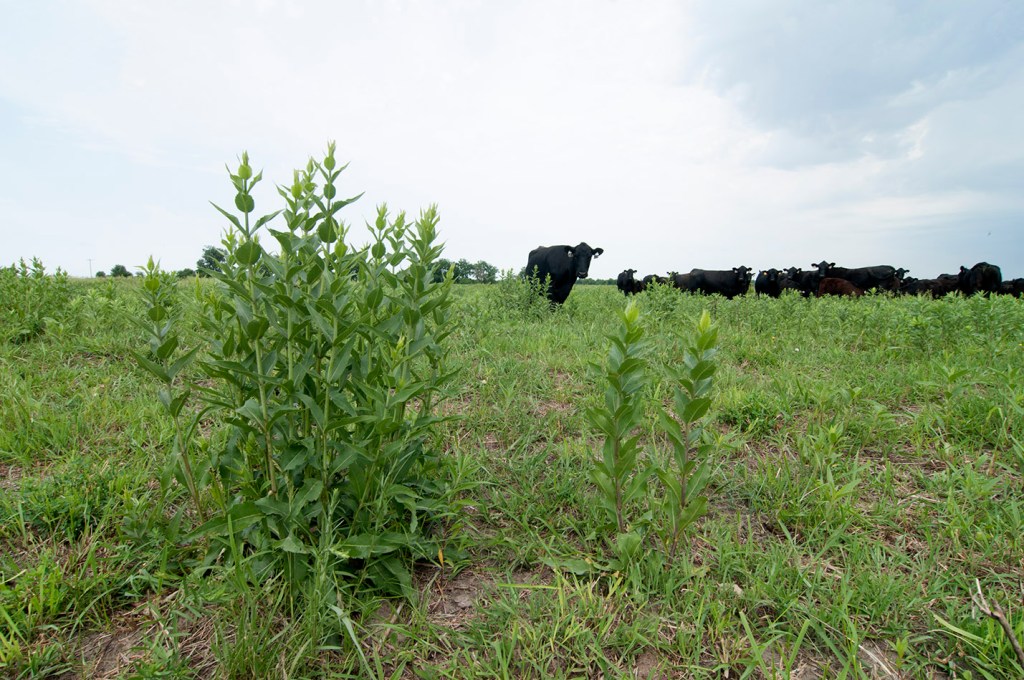
Grazing cattle at Studnicka with rosinweed in the foreground (photo: Chris Helzer)

Brandon does much less stewardship work in his current role, but he’s thoughtful in the way that he carries these experiences with him. These lessons, philosophical and practical, are still relevant in Brandon’s position as the Indigenous Partnerships Program Manager.

Here is another story from Studnicka that continues to influence Brandon’s work.

Note for Context: Brandon mentions the independent project that he completed for the Hubbard Fellowship here. We’ll learn more about the project in “Listening to Tribal Partners“.


Part 3: Listening to Tribal Partners

Location: Eastern Bison Pasture at Niobrara Valley Preserve

As part of the Hubbard Fellowship, each fellow completes an independent project of their choosing. Fellows have completed research projects, written educational comic books, and collected interviews into a project titled “Perspectives of the Prairie” … Anyway.

Brandon’s project began as an exploration of how to better collaborate with tribal partners which grew into a summit and eventually a full-time position.
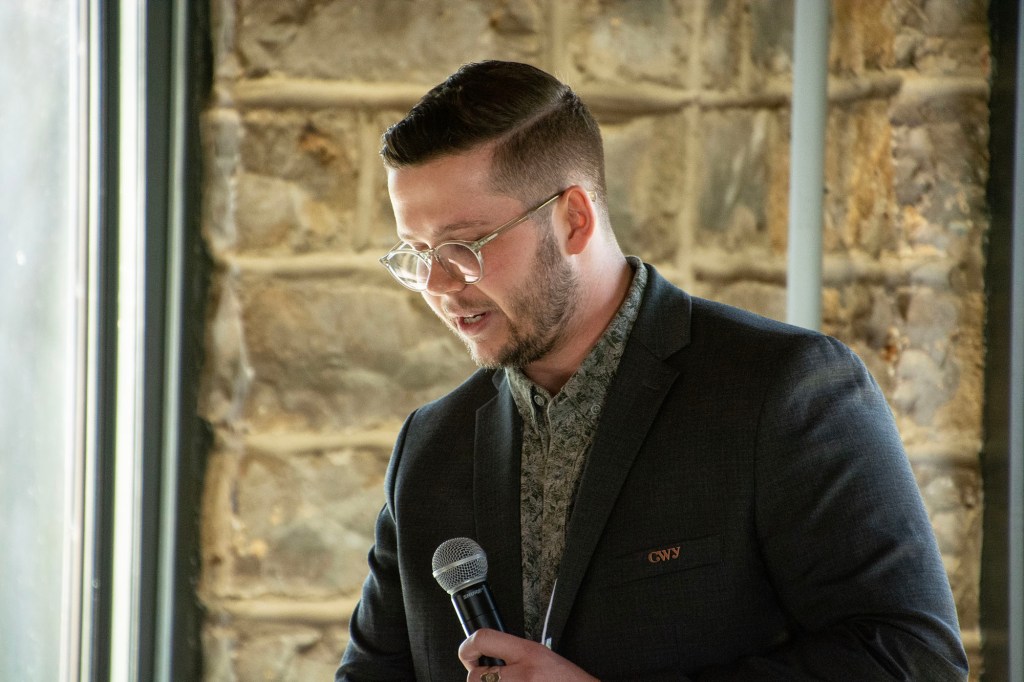
Brandon Cobb speaking at the Nebraska Intertribal Conservation Summit (photo: Chris Helzer)

As Brandon emphasizes, a key part of this summit was spotlighting tribe’s perspectives and objectives, with TNC operating primarily as a listener, rather than a speaker.

Brandon’s fellowship became a full-time position with the Nature Conservancy in Nebraska, as an Indigenous Partnerships Program Manager, where he prioritizes the interests of indigenous partners.

He continues to draw on what the lessons he learned as a fellow, both philosophical and practical.

Brandon shared an example of the grazing work he’s been doing with the Ponca tribe, and how both the Ponca and the Conservancy have learned and grown from this relationship. In reference to this story, and the stewardship, knowledge, and relationships that have come out of TNC Nebraska’s bison herd, the associated waypoint is located in the eastern bison pasture.
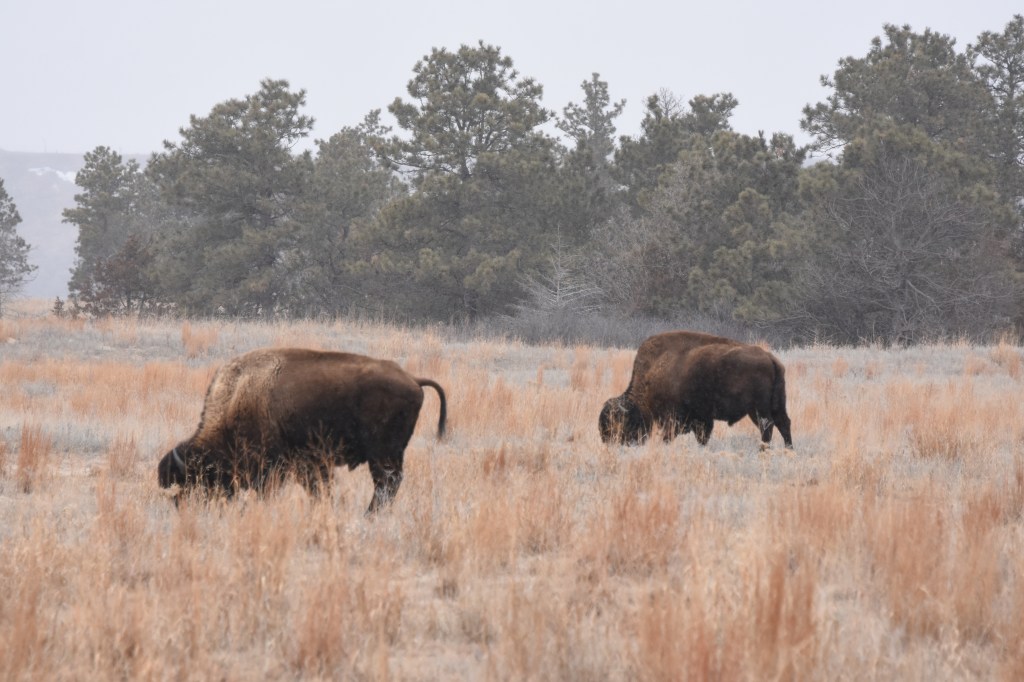
Bison graze in the eastern bison pasture in February

Notes for Context: Brandon mentions a shift away from cow-calf operations in bison ranching. In cow-calf operations, calves may be weaned pulled out of a herd the same year that they are born. This can put stress on bison calves and make it more difficult to introduce them to new herds. As I’ve heard a member of our staff say, “they haven’t learned how to be bison yet.”

  • Niobrara: Niobrara Valley Preserve, located in the Nebraska Sandhills, is 56,000 acres and is home to the Nebraska Nature Conservancy’s two bison herds.
  • PRP: Platte River Prairies

Part 4: Burning the Front Lawn

Location: The front yard of the Derr House (the main office) at Platte River Prairies

As part of the program, fellows participate in prescribed burns. They’re first introduced to fire on a few acres, learning to step boldly through it, monitor it, and watch its behavior as if it were a critter. Fellows spend the year burning on Platte River Prairies, Niobrara Valley Preserve, and with conservation partners in Nebraska. If they’re lucky, by the end of the year, they’ve burned hundreds, maybe thousands of acres. Here’s Brandon sharing the impact of his first burn with the Nature Conservancy.

Notes for Context: Brandon refers to the front yard, two-acre prairie in front of our headquarters surrounded by a gravel lane.

  • Cody Miller: The Platte River Prairies preserve manager
  • Drip Torch: A metal canister with a mix of gasoline and diesel fuel. Fuel runs through a long metal wick to the lit end, where it’s set on fire and falls to the ground, leaving a trail of flames behind the lighter.
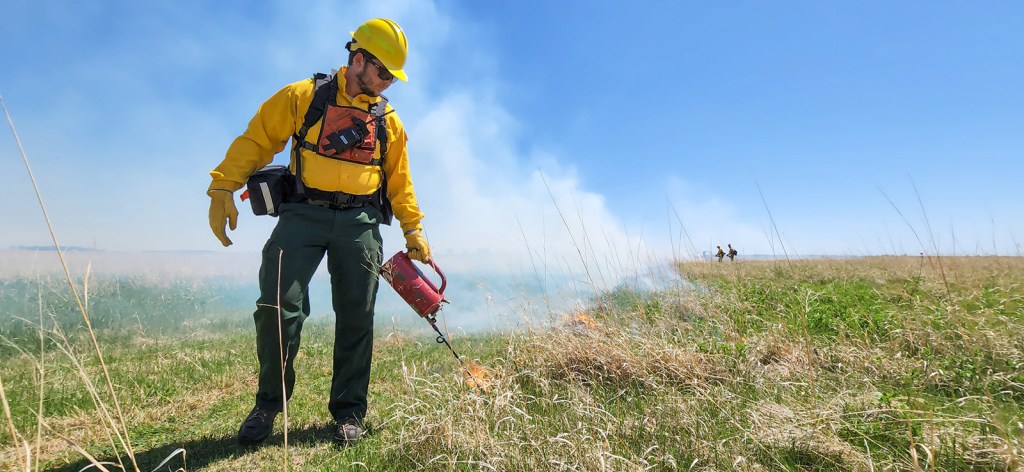
Brandon uses a drip torch to light fire on a prescribed burn (photo: Chris Helzer)

Just as small lessons from the fellowship have grown with Brandon and his career, from the spark of a two-acre burn, Brandon has flourished in fire. His practical experience allows him to build partnerships to put fire on the ground and build community around fire. Brandon shares his experience with one such community, the Indigenous People’s Burning Network (IPBN), telling us about its importance to its participants and the future of fire.

The National Wildfire Coordinating Group (NWCG) is formed by a collective of governmental members such as the US Forest Service, and provides standards, practices, and trainings for fighting wildfire. However, these expectations are often extended to prescribed fire. NWCG standards and qualifications can be extensive and rigid, which makes sense when you’re trying to effectively coordinate and put out large or dangerous wildfires. They can be an excellent resource. But just as fire is complicated and variable across landscapes and conditions, so are approaches to prescribed burning. Brandon shares a perspective shifting conversation and talks more about what cultural fire looks like on the ground.

Notes for Context:

  • Cultural Fire Management Council: Facilitates cultural fire with the Yurok People through projects like fire training programs
  • Hand Line: A line or perimeter where hand tools, like rakes or hoes, are used to expose bare soil, preventing fire from spreading past it

Part 5: Cultural Surveys with Stacy Laravie

Location: The Niobrara River at Niobrara Valley Preserve

As is often the case, looking to the future means also considering the past. In cultural burns, this is relying on generational knowledge of a place to plan and execute the burn. At Niobrara Valley Preserve, this meant investigating the history of what the landscape meant to people and how they interacted with it to inform our perspective and our actions today.

Brandon was joined by TNC Nebraska’s newest board member, Stacy Laravie, in conducting surveys to identify culturally significant sites for tribes whose ancestors would have spent time on what is now NVP. Stacy is a member of the Ponca Tribe of Nebraska, with background as a Tribal Historic Preservation Officer for the Tribe. Her role includes finding, identifying, and interpreting sites such as these.

Notes for Context: You can learn more about discussions to dam the Niobrara HERE (“Amanda Hefner 4: No dam on the Niobrara”).
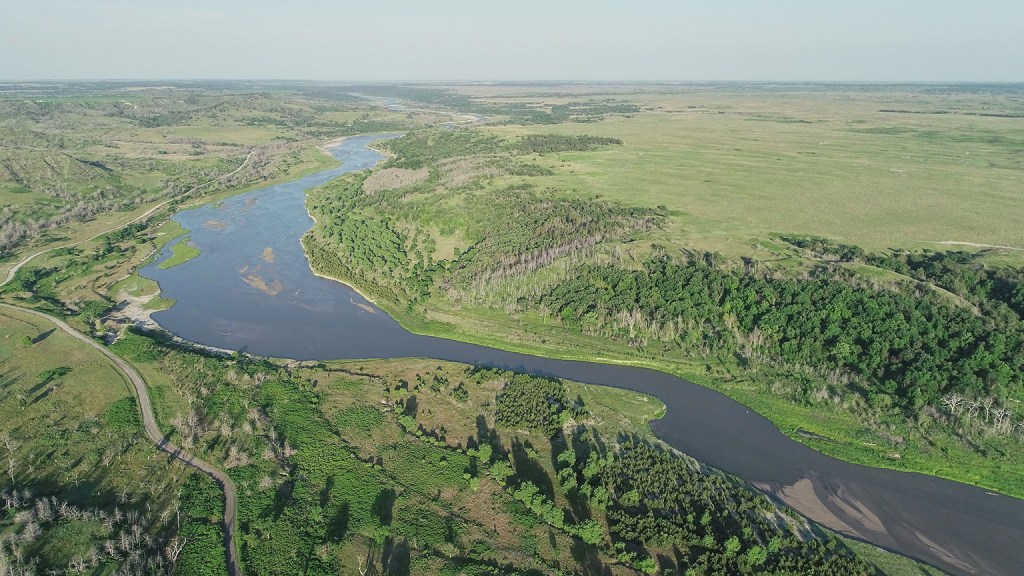
Niobrara River Valley northeast of headquarters (photo: Chris Helzer)

Perspectives of the Prairie: Mike Schrad

Hi everyone.  The following blog post is written by 2024 Hubbard Fellow Claire Morrical.  Claire put together a fantastic series of interviews with people working in conservation here in Nebraska and we thought you’d enjoy reading and listening to their stories. 

This project – Perspectives of the Prairie – uses interviews and maps to share the perspectives and stories of people, from ecologists to volunteers, on the prairie. You can check out the full project HERE.

This post also contains audio clips. You can find the text from this blog post with audio transcripts HERE. If you’re reading this post in your email and the audio clips don’t work, click on the title of the post to open it online.

Find the first entry of Perspectives of the Prairie, Neil Dankert HERE


In 2014, Mike began what is now a 10-year survey of small mammals at Platte River Prairies. I joined Mike while he set traps for the evening to talk about the answers and questions that arose from the survey, what the prairie looks like from the small mammal perspective, and how Mike’s career impacts his work today.

Interview: July 11th, 2024

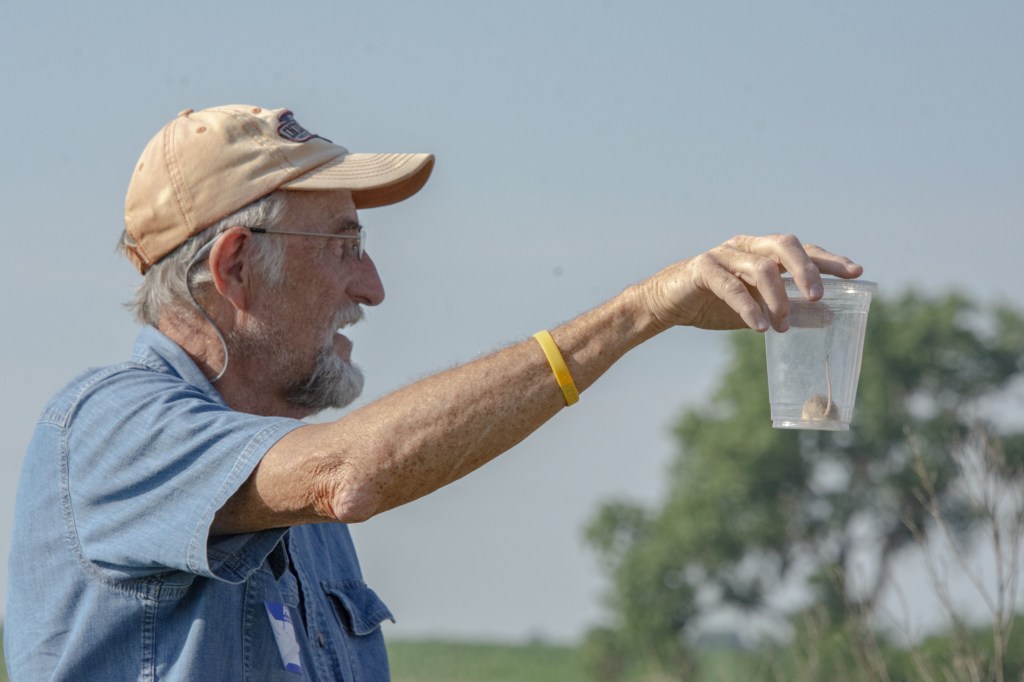
Mike Schrad showing a pocket mouse to a group off-camera

Part 1: Meet Mike

Location: A kangaroo rat burrow in the Derr Sandhills site at Platte River Prairies

This is Mike Schrad.

Three times a year (spring, summer, and fall), Mike drives down to Platte River Prairies and surveys small mammals for two days. In the evenings, he sets up two grids of 40 traps, then returns at dawn to see what he’s caught.

I met up with Mike on a warm July evening and we drive out to the site the Derr Sandhills to set traps. Like the more expansive Nebraska Sandhills to the north, our little sandhills are made up of rolling grass-covered dunes, with sand-loving species like little bluestem and the aptly named sand lovegrass.

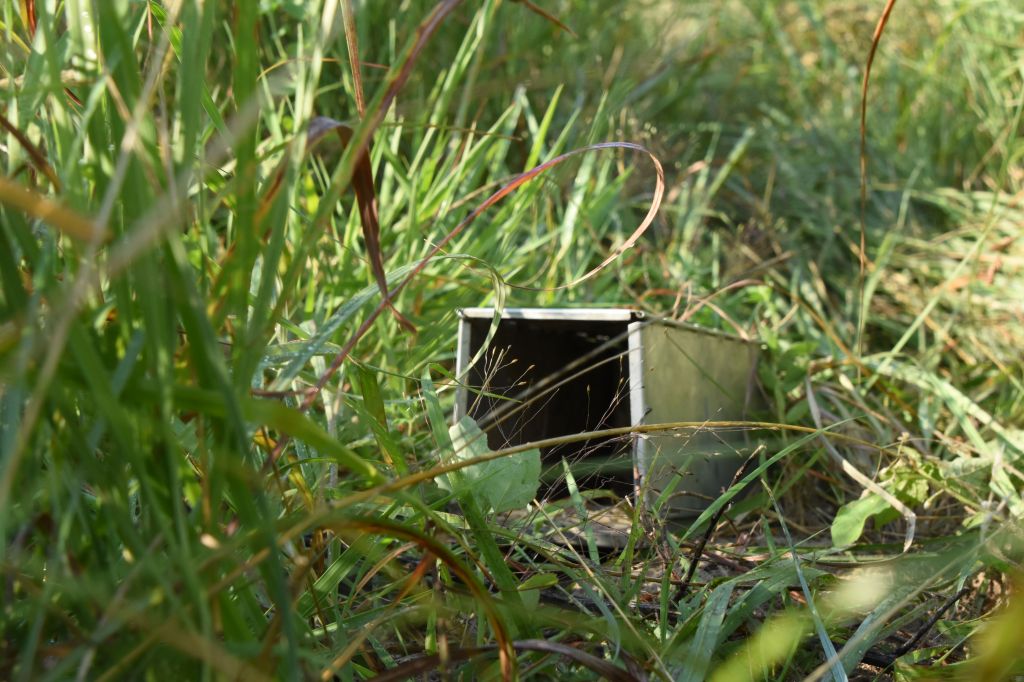
We meander up and down the rows, searching for Sherman traps (picture 2) to refill with seed for tomorrow’s critters. By the morning, a furry little creature will have wandered into the long metal box, looking for food, and a door will snap shut, trapping it until it’s found, measured, and then released back into the prairie.

Mike Schrad is a retired wildlife biologist who has volunteered at Platte River Prairies for the last 10 years. Mike collects small mammal data on this site, helping us to understand the creatures that use it and how our management affects them.

As he works, Mike is quick to point out what he notices.

Notes for Context:

  • Chris Helzer: Director of Science and Stewardship for Nebraska TNC. Chris has spent much of his career at Platte River Prairies
  • Hall County: The Nebraska county where Platte River Prairies is located
  • The Natural Legacy Project: Works to identify and protect at risk, state threatened, and state endangered species in Nebraska (referred to as the Legacy Program by Mike)

In March of 2024, the Ord’s Kangaroo Rat, or the k-rat, was officially recorded on Platte River Prairies for the first time. K-rats are well-named, balancing on strong hind legs and hopping through tall grasses like very little kangaroos (though still bigger than the small mammals Mike aims to catch in his traps). You can tell a kangaroo rat is present by the long s curves its tail leaves in the sand around its burrow entrance.

Camera trap footage of a kangaroo rat at Platte River Prairies

Mikes career as a wildlife biologist continues to inform his perspective and his work on our sandhills, providing the preserve with a better understanding of what is in our prairie. In turn, Mike has learned a lot himself and finds that he is more confident in the next generation of ecologists.


Part 2: Surveying Small Mammals

Location: The site East Dahms at Platte River Prairies where the original small mammal survey was done

What started as a one-time survey has grown into a project that spans ten years and has recorded over 450 small mammals. As we set traps, Mike tells us how it all started.

Notes for Context:

  • Chris Helzer: Director of Science and Stewardship for Nebraska TNC. Chris has spent much of his career at Platte River Prairies
  • The Natural Legacy Project: Works to identify and protect at risk, state threatened, and state endangered species in Nebraska (referred to as the Legacy Program by Mike)

Small Mammals Mentioned:  Plains pocket mouse (Perognathus flavescens)

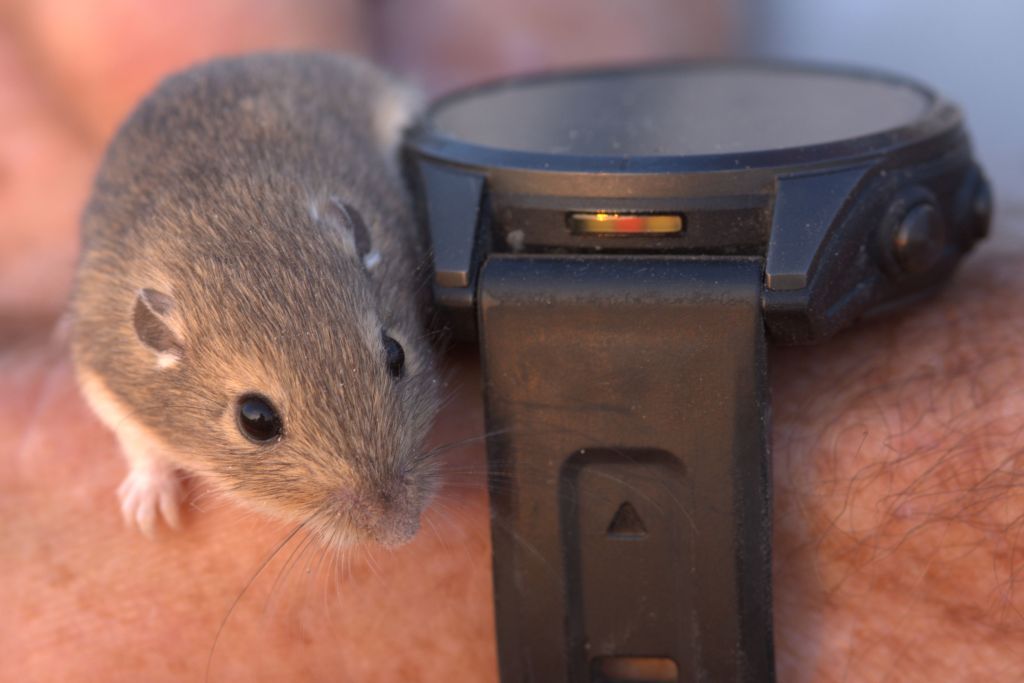
A plains pocket mouse sitting on Mike Schrad’s wrist

What this study gives us is an understanding of what small mammal species are using our the Derr Sandhills. Of them, Mike is particularly interested in the plains pocket mouse. Perhaps most notable for its fur lined cheek pouches (or pockets, if you will), the pocket mouse feeds mainly on seeds which they can store in their pouches, and later in seed caches separate from their nest burrows.

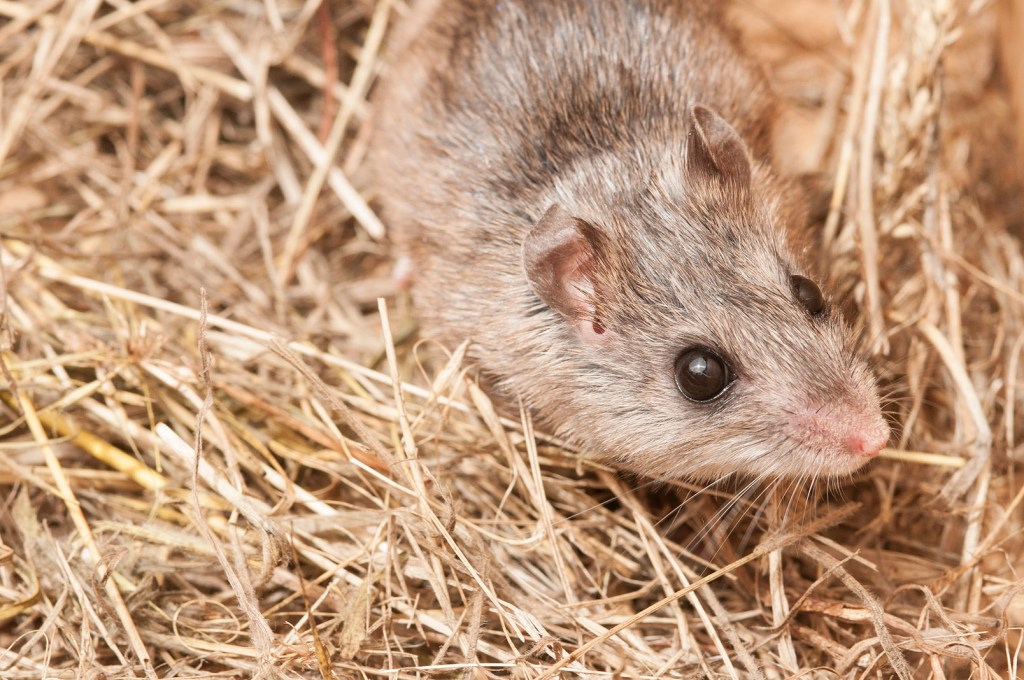
Plains pocket mice can be divided into two subspecies, an eastern and a western subspecies, which can be told apart by slight differences in their fur color. Of the two, the eastern plains pocket mouse is less common, and is listed as a tier one species in the Nebraska Natural Legacy Project.

One of our past Hubbard fellows, Jasmine Cutter, has a great piece about the plains pocket mouse HERE.

Notes for Context:

  • Dr. Keith Geluso: Professor of Biology at the University of Nebraska Kearney
  • Tier One Species:  Species most at risk for extinction

Small Mammals Mentioned: Prairie Vole (Microtus ochrogaster), White-footed mouse (Peromyscus leucopus), Deer Mouse (Peromyscus maniculatus), Plains Pocket Mouse (Perognathus flavescens), Hispid Pocket Mouse (Chactodipus hispidus), Northern Grasshopper Mouse (Onychomys leucogaster)

Northern grasshopper mouse (photo: Chris Helzer)

Northern grasshopper mice ARE really neat. They’re territorial animals, and unlike a majority of mouse species, grasshopper mice are carnivorous, eating mainly insects. In addition to being a terrifying predator (if you’re a grasshopper), grasshopper mice are known for their howl. The mice will throw back their head and let out a high-pitched whistle.

Mike and the Platte River Prairies team have an idea of what’s here, but that’s just the beginning of the story. To start, Mike needs enough data to prove that his findings are accurate. In the meantime, what we’ve ended up with is a door that’s been opened to a whole lot of questions that take their own research to answer.

One example of research that’s stemmed from Mike’s work is a  research project  by a past Hubbard fellow, Jasmine Cutter.

Mike shares another example with us.

Notes for Context:

  • Pit tags: a microchip that can be planted under the skin of an animal, allowing us to track where the animal is at using GPS.

Small Mammals Mentioned: Deer Mouse (Peromyscus maniculatus), Plains Pocket Mouse (Perognathus flavescens)


Part 3: Restored Prairie

Location: The restored portion of the Derr Sandhills site at Platte River Prairies

Purple prairie clover and restored sand prairie (photo: Chris Helzer)

The Derr Sandhills is made up of both restored and remnant prairie. Remnant prairie has never been plowed and never existed as something other than grassland (at least in the last several hundred years). It may be beaten up, over-grazed, overwhelmed with invasive species, but it has always been prairie.

Restored prairie on the other hand, has been fundamentally changed into something that isn’t prairie. In this case, a corn field. As a result, the seed bank is lost, soil nutrients and hydrology may change, and the prairie cannot return to exactly what it was before. That doesn’t mean it can’t be restored to a great prairie. As Mike Schrad will tell you, it’s just different.

This site was restored in 2001. Here at the restored site, the grass is taller and thicker. On much of it, you have to dig through a quarter inch of old grass to get to the soil. So, what have we found on this restored site?

Small mammals mentioned: Plains Pocket Mouse (Perognathus flavescens), Deer Mouse (Peromyscus maniculatus)

Why?” is a question Mike asks often.


Part 4: Remnant Prairie

Location: The remnant portion of the Derr Sandhills site at Platte River Prairies

Leadplant (Amorpha canescens) and Puccoon (Lithospermum caroliniense) in remnant sandhills prairie (photo: Chris Helzer)

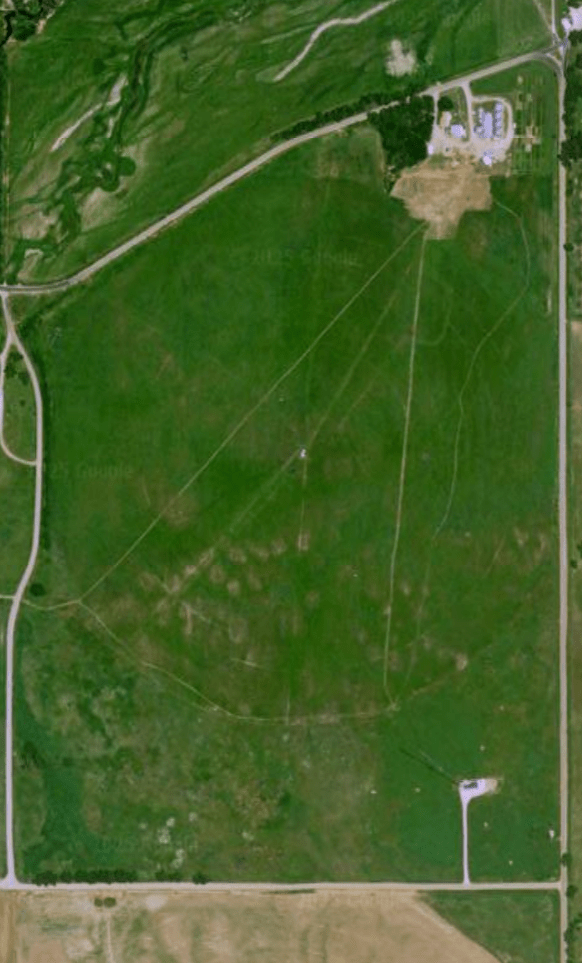
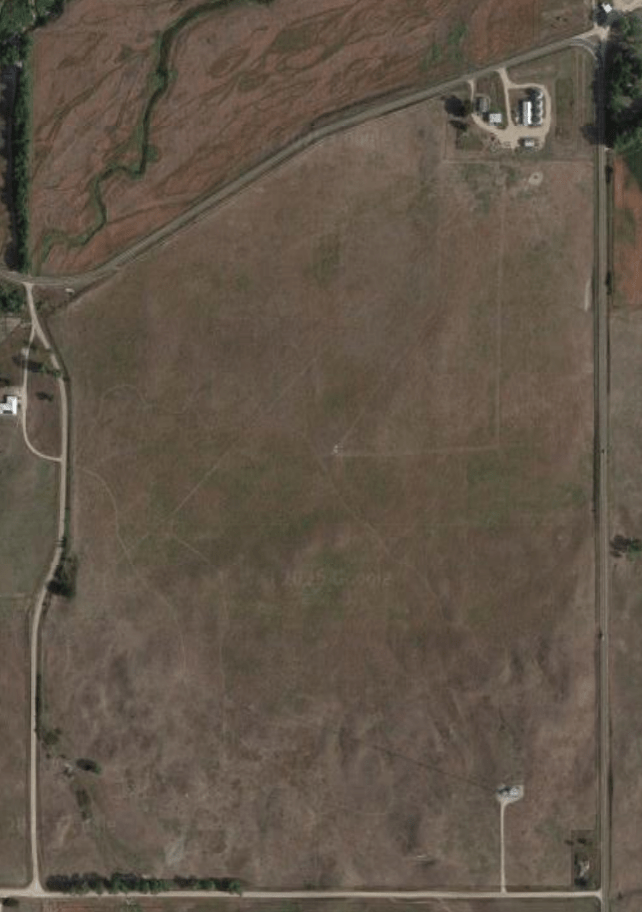
If you look at a satellite image of the Derr Sandhills, you can just make out where the old crop field was and the circle that an old pivot irrigator once drew around the edge of it. To the south of the restored sandhills is the remnant sandhills, noticeably hillier, and as Mike says, “just different”.

The Derr Sanhills in 2005 (trademark of Google LLC)
The Derr Sandhills in 2024 (trademark of Google LLC)

Google and Google Docs are trademarks of Google LLC and this book is not endorsed by or affiliated with Google in any way.

Notes for Context:

  • Remnant Prairie: Prairie that has never been plowed
  • Restored Prairie: Prairie that was plowed (for example, for cropland or housing development), but later replanted back into a prairie

Mike and I stood in the remnant prairie, overlooking the restored portion. There is a line just visible between the two sections where the community of plant species changes. From the Indiangrass and big bluestem in the restored prairie to the sand lovegrass and little bluestem in the remnant, the two different plant compositions complement each other both visually and ecologically. Research by previous Hubbard fellow, Anne Stine, showed native bees using both parts of the prairie as they hunted for pollen.

Mike compares the restored, where the vegetation was taller and thicker, to the remnant.

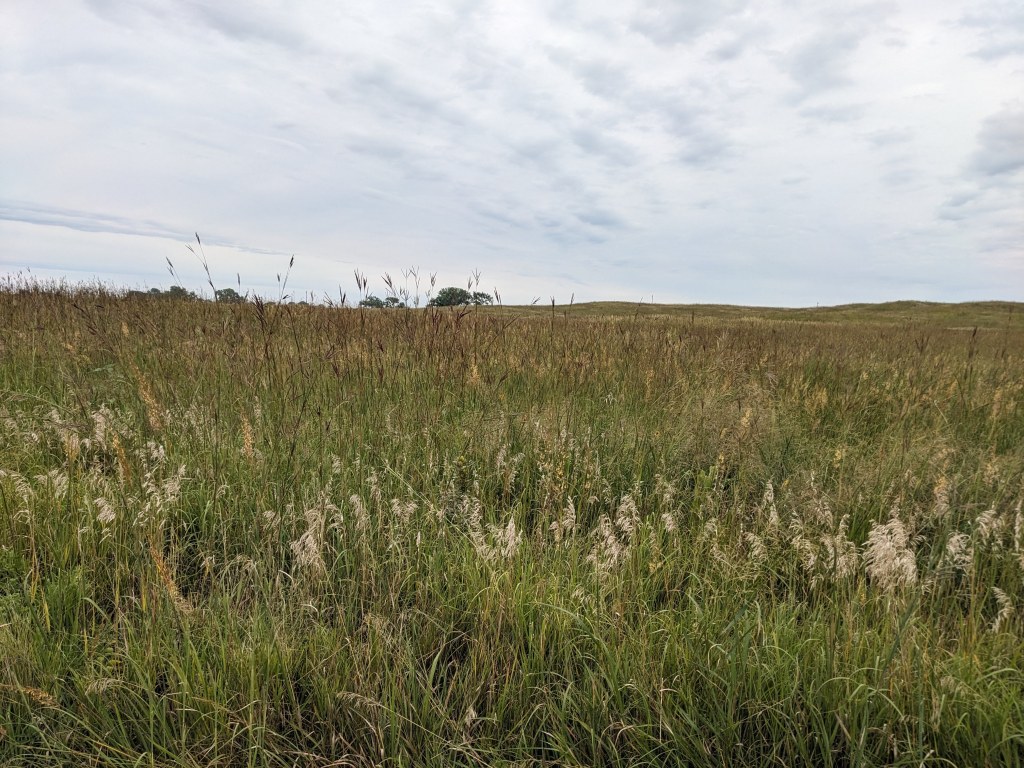
An example of dense grasses in the restored Derr Sandhills

Notes for Context: We use cattle grazing as a management tool on our prairies. Cattle can be a great substitute for bison, adding disturbance to the prairie and helping us manage our invasive species. Mike refers cattle’s role in creating different vegetation structures (like tall and dense or short and sparse) across the prairie. Our goal is to have a variety of vegetation structures (which we call “habitat heterogeneity”) so that the prairie can host many different species with different needs.

This summer, the Derr Sandhills were grazed for the first time in several years.

  • Chris Helzer: Director of Science and Stewardship for Nebraska TNC. Chris has spent much of his career at Platte River Prairies

Mike shares some of his findings from the sandhills and how they just keep raising more questions.


Part 5: From a Mouse’s Point of View

Location: The Derr Sandhills 

This is what Mike notices in the prairie –

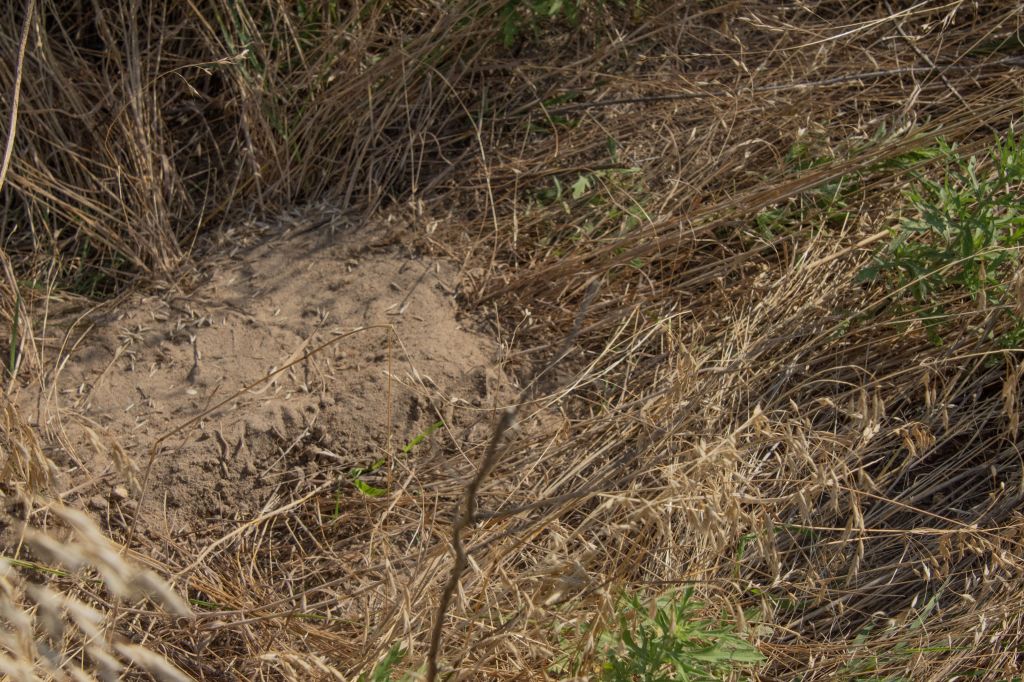
One of many mosaics that Mike pointed out – a pocket gopher mound in the grass

These mosaics that Mike points out are areas of patchwork structure. Some tall grasses with dense thatch, some sparser grass with bare ground below it, some bare sandy mounds, pushed up by pocket gophers as they tunnel underground.

Mike is a strong supporter of seeing from the perspective of his small mammals and encourages others to do the same. Looking through the eyes of a small mammal, these mosaics can make a big difference. It affects how easy it is to move, to hide, to stay warm.

An open Sherman trap in the grass at eye level

Just like people, other animals need different types of spaces. Places where they feel safe, places they can find food. And just like different people have their preferences, so do small mammals. By having diverse habitat across our prairies, we can make sure more species have the habitat and structure they like.

Small mammals Mentioned: Western Harvest Mouse (Reithrodontomys magalotis), Prairie Vole (Microtus ochrogaster)

Unlike grasshopper mice, western harvest mice (R. magalotis) are quite tolerant of their neighbors. Like Mike says, they often nest above ground, such as at the base of clumps of grass.

Prairie voles can be distinguished from the other critters Mike captures by their stout snout and short tails.

Even with an eye to the ground, small mammals can surprise Mike.

Small Mammals Mentioned: Plains Pocket Mouse (Perognathus flavescens)


Part 6: Strip Mines and Sandhills

Location: the site Dahms East at Platte River Prairies, where we use open gate grazing

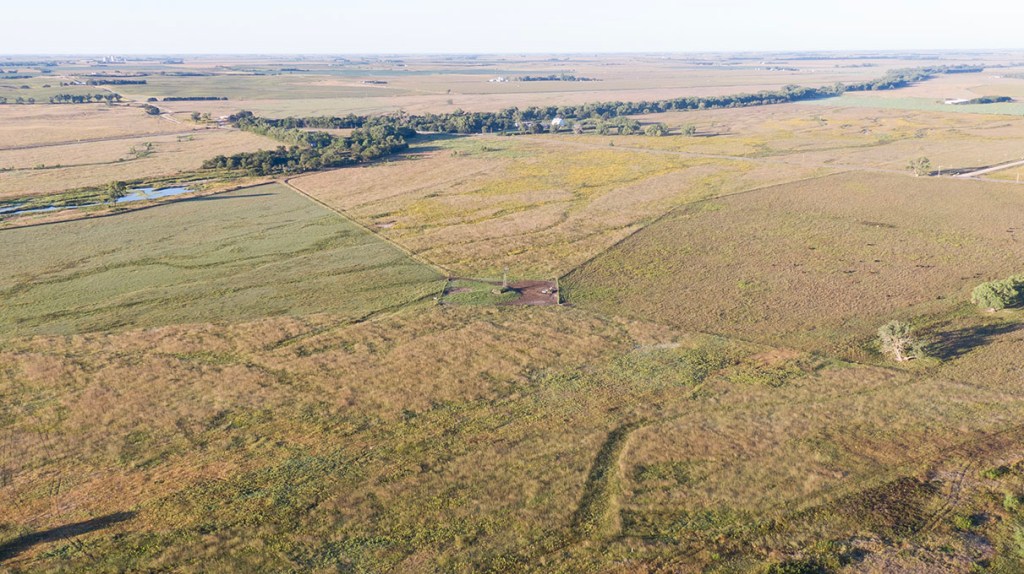
A drone image of open gate grazing at Dahms East, showing different vegetation structures (photo: Chris Helzer)

You might remember this clip from the beginning of Mike’s interview –

That experience continues to shape Mike’s perspective during his volunteer work at Platte River Prairies and of the value of his research.

In his old career, Mike was thinking about how human activity that drastically changed the landscape, would impact animal species, and what could be done to make sure those species persisted in spite of these huge disturbances.

Notes for Context: Mike talks about sage grouse strutting grounds. Also known as leks, these are areas where male grouse gather to perform for females. They inflate and deflate sacks of air, making a bubble-like sound in an unending display in hopes a hen will choose to mate with him. Grouse can be extremely dedicated to a lek site, returning to the same site year after year. Learn more HERE.

Recreating a landscape after mining and watching a prairie after a season of heavy grazing may seem vastly different, but the comparison is clear to Mike. We are still changing the landscape and how we go about doing that affects which critters will thrive here.

Notes for Context:

  • Chris Helzer: Director of Science and Stewardship for Nebraska TNC. Chris has spent much of his career at Platte River Prairies
  • Brome Grass: A genus of grass, many of which are invasive to Nebraska

On a site that hasn’t seen much disturbance in the last several years, Mike is excited to see what the coming grazing will bring, although he hopes to avoid the inconveniences.

Cattle grazing on the prairie

Notes for Context: Mike refers to a new grazing technique. This technique is called “open gate grazing” and is a way for us to create that habitat heterogeneity that will allow many different species to thrive here. You can learn how this grazing system works HERE.

  • Cody Miller: Preserve manager at Platte River Prairies