My stepson Atticus and I had a fun discussion about writing this morning and he reminded me about an April Fools post I wrote back in 2013. It’s the only time I’ve purposely misled my audience on this blog, and even then, I tried to make it pretty obvious that I was being funny, not serious. I hadn’t read the post in a long time and I enjoyed revisiting it. Here’s a link to it in case you’re interested.
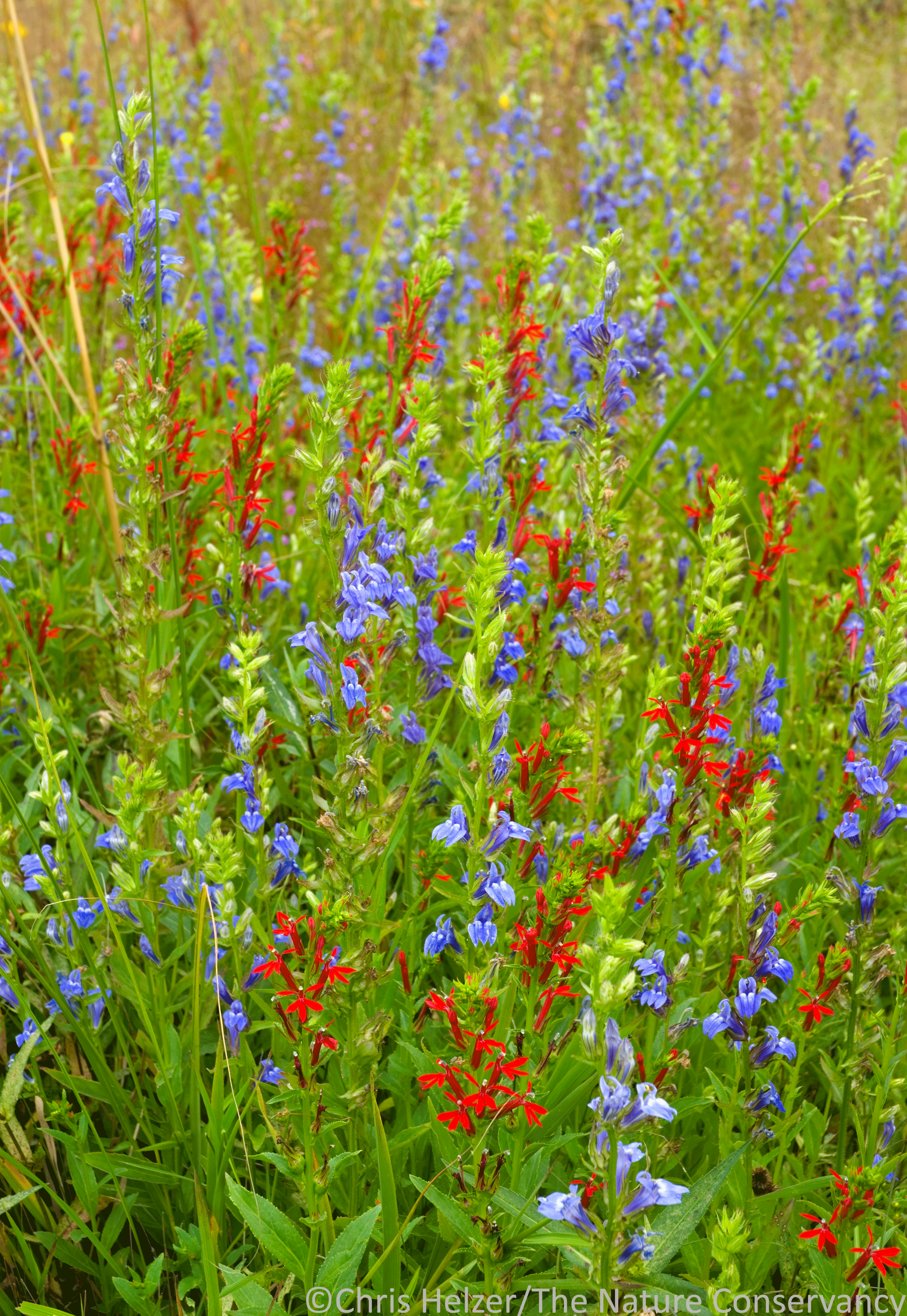
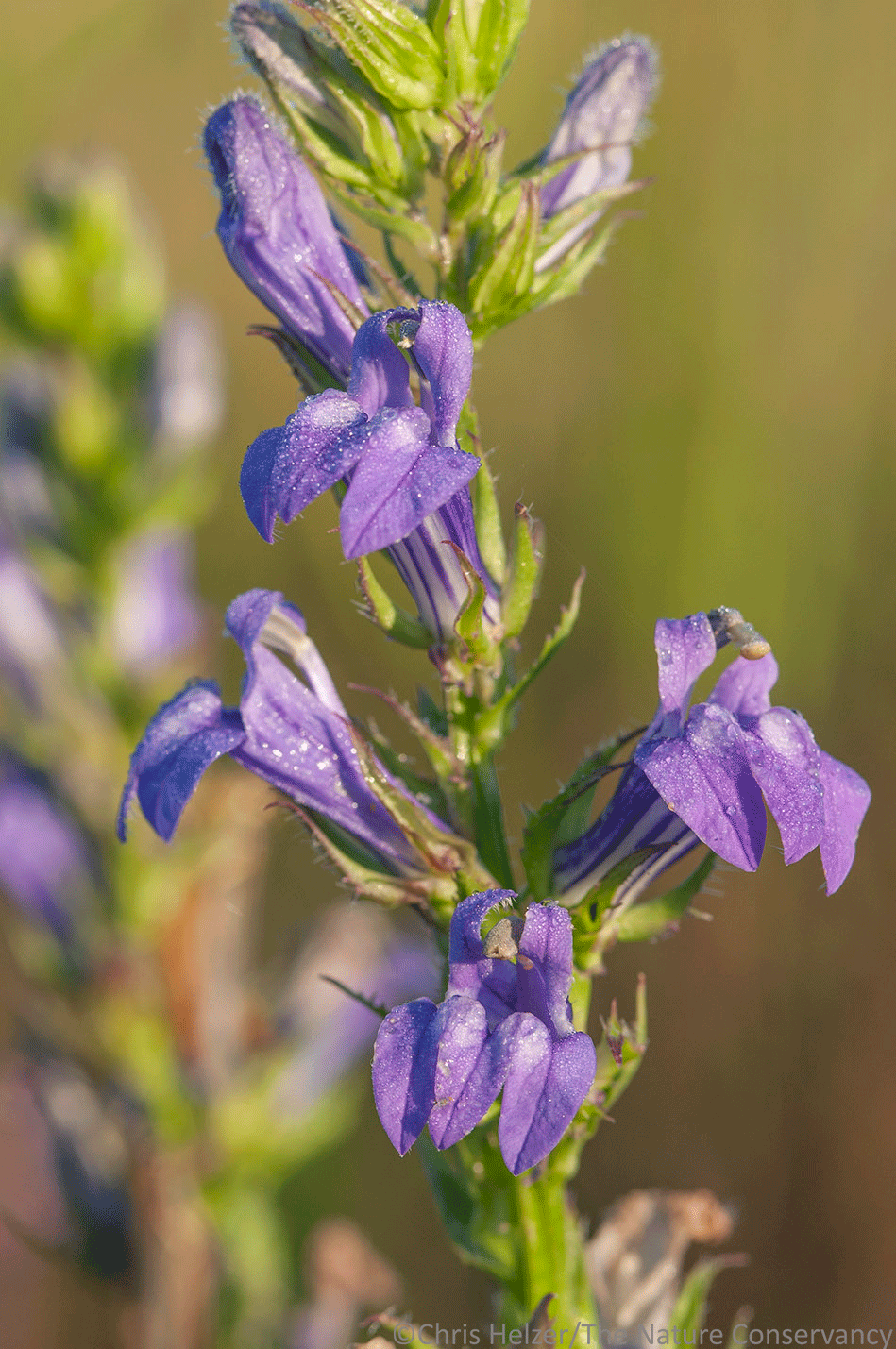
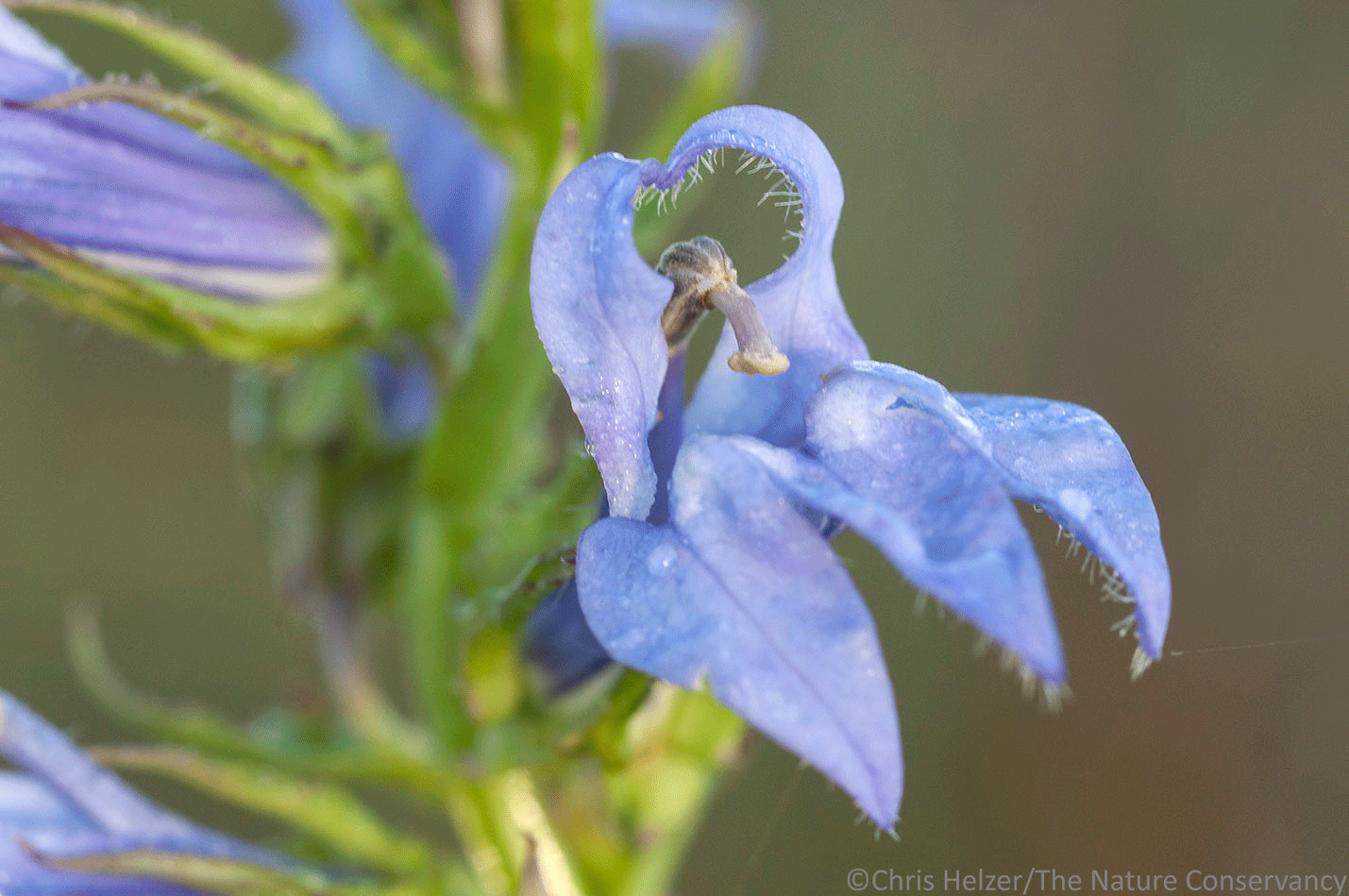
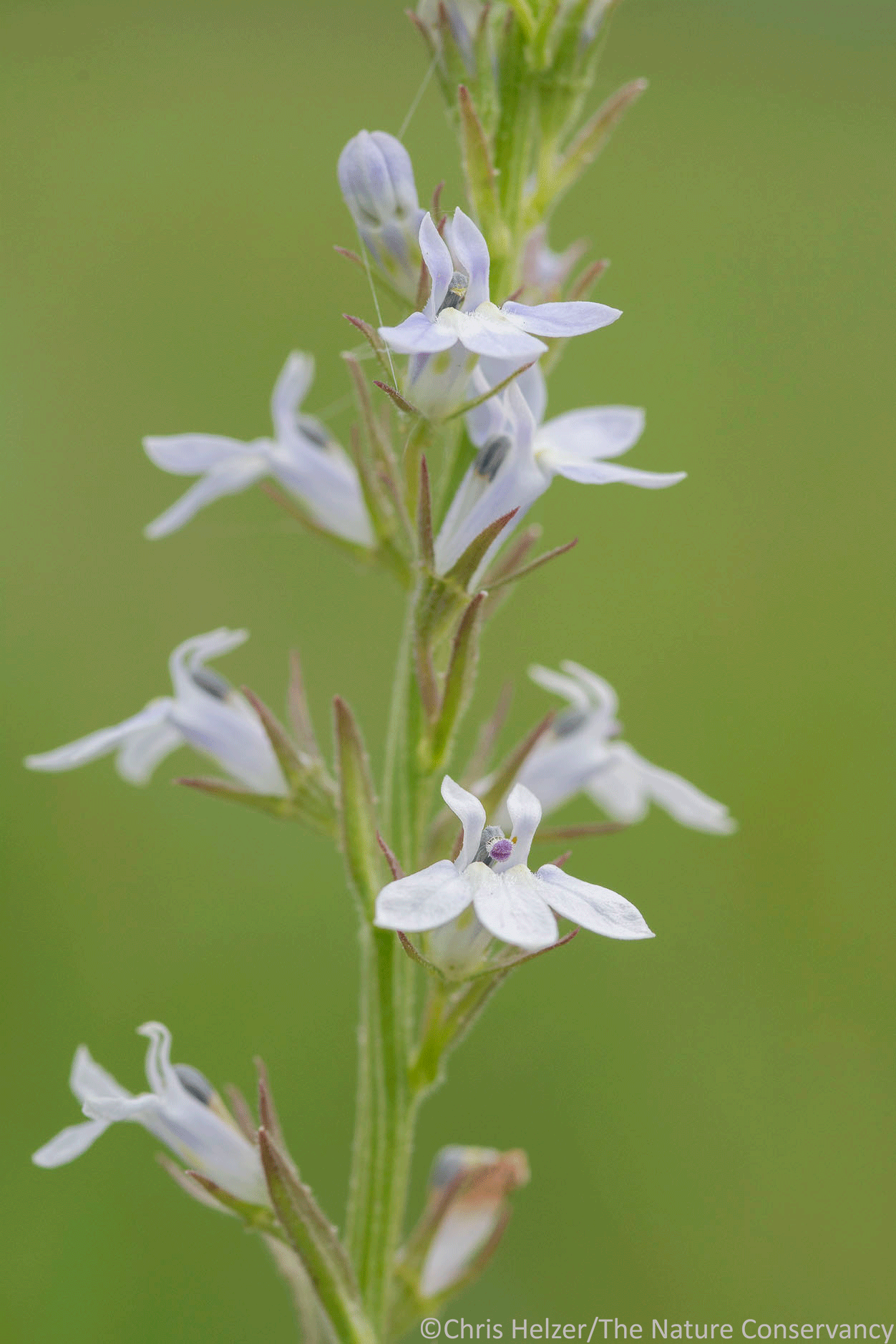
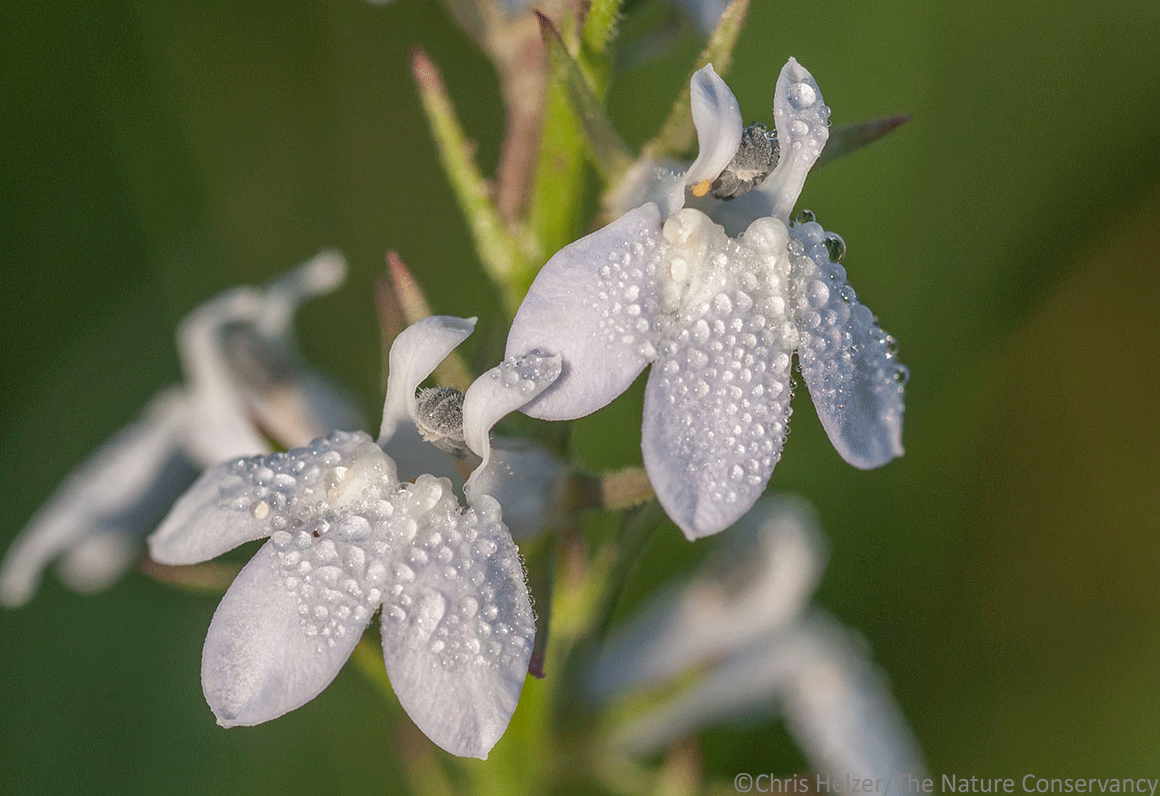
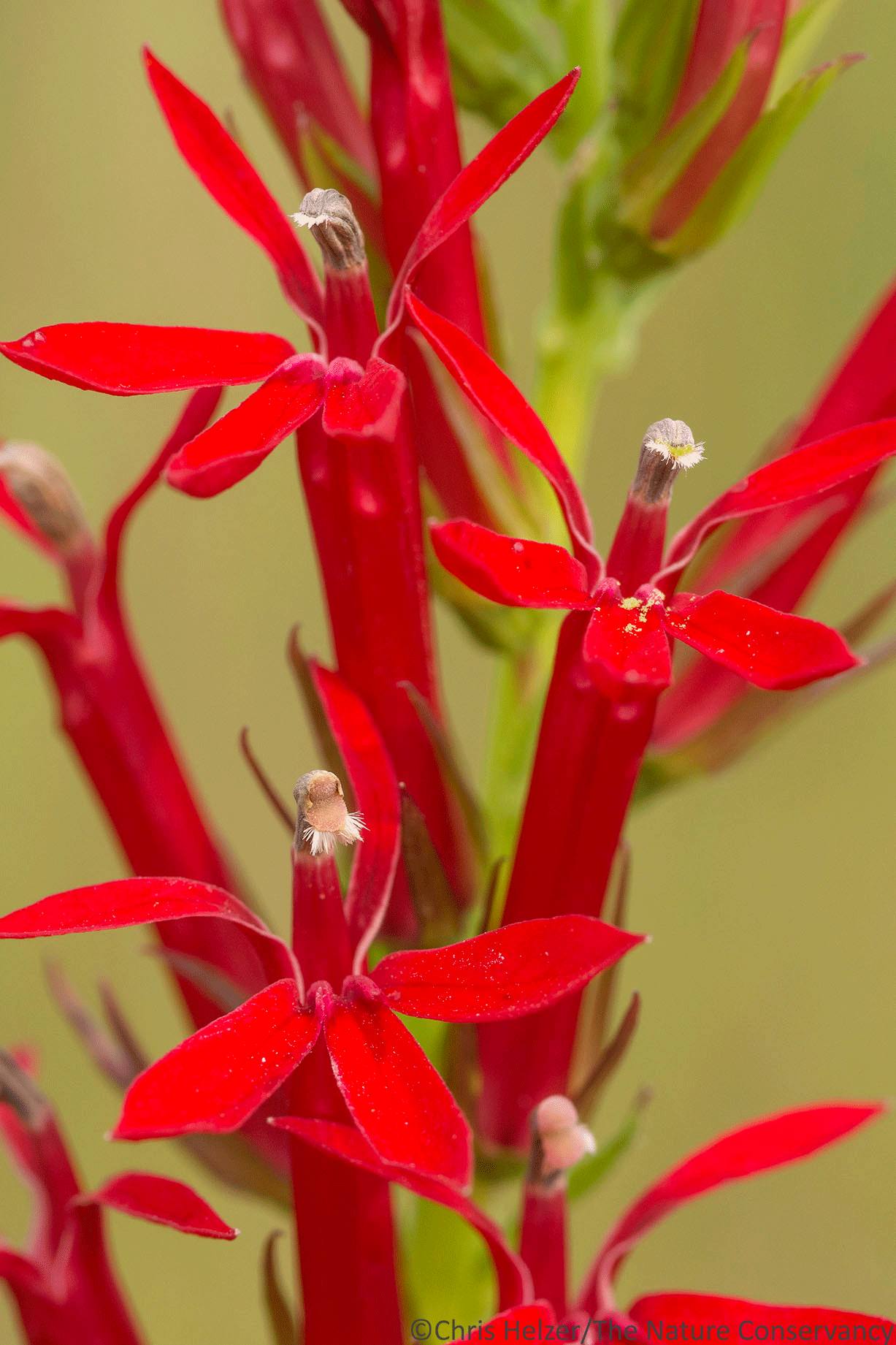
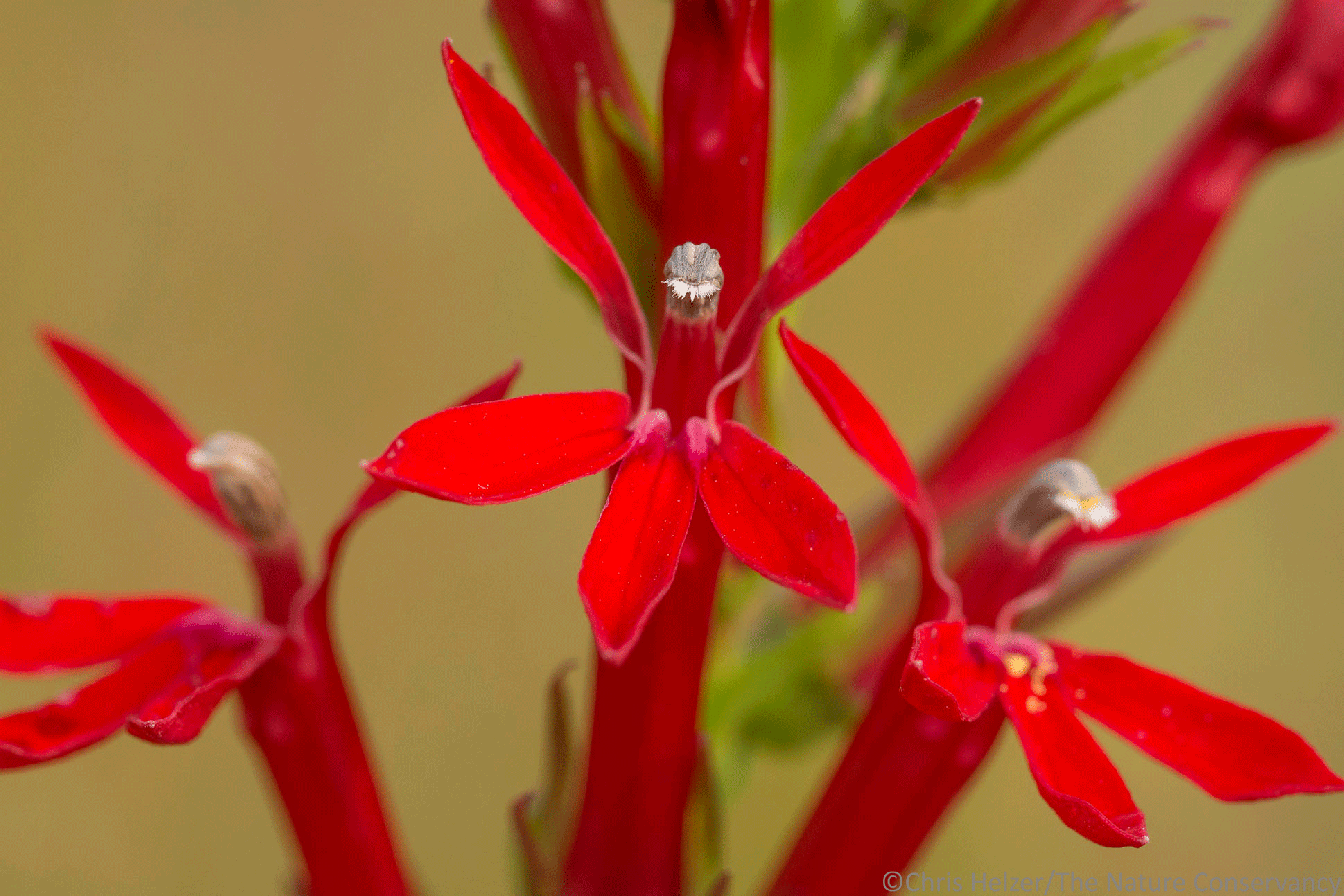
The post also made me think about lobelias, since that was part of its topic. We have three different lobelia species that grow and bloom in our Platte River prairies. Palespike lobelia (Lobelia spicata) is the smallest and earliest bloomer, and grows in mesic sites. Cardinal flower (Lobelia cardinalis) and blue lobelia (Lobelia siphilitica) grow in wetter habitats, often along the edges of wetlands and streams.
Cardinal flower and blue lobelia intermingle in a restored wetland in our Platte River Prairies.
All three species are wonderful, and are always a welcome sight when they bloom. Cardinal flower is certainly the most spectacular, its scarlet color rare among wildflowers and particularly attractive to hummingbirds. Palespike lobelia doesn’t blare its presence nearly as loudly. It is often widely scattered across the prairie and its small flowers aren’t visible from very far away. Trying to find the post-flowering stems for seed harvest can be incredibly difficult, but each plant rewards the finder with hundreds of seeds. Blue lobelia has been the most difficult for me to photograph, but only because I struggle to get my camera to capture the beauty that is so obvious in person.
Here is a quick visual celebration of these three lobelia species to hold all of us over until mid-late summer when they start blooming again.
Blue lobelia.Blue lobelia.Palespike lobelia.Palespike lobelia.Cardinal flower.Cardinal flower.
Yesterday morning, I got up at 5am and drove out to one of our Platte River prairies. Surrounded by lingering stars, I crouched low, carrying a heavy load of photo gear and supplies into a riverbank viewing blind so I could spend the next few hours photographing sandhill cranes on their overnight roost. Recent reports from others using the blind had been fantastic, so I was ready for a great morning.
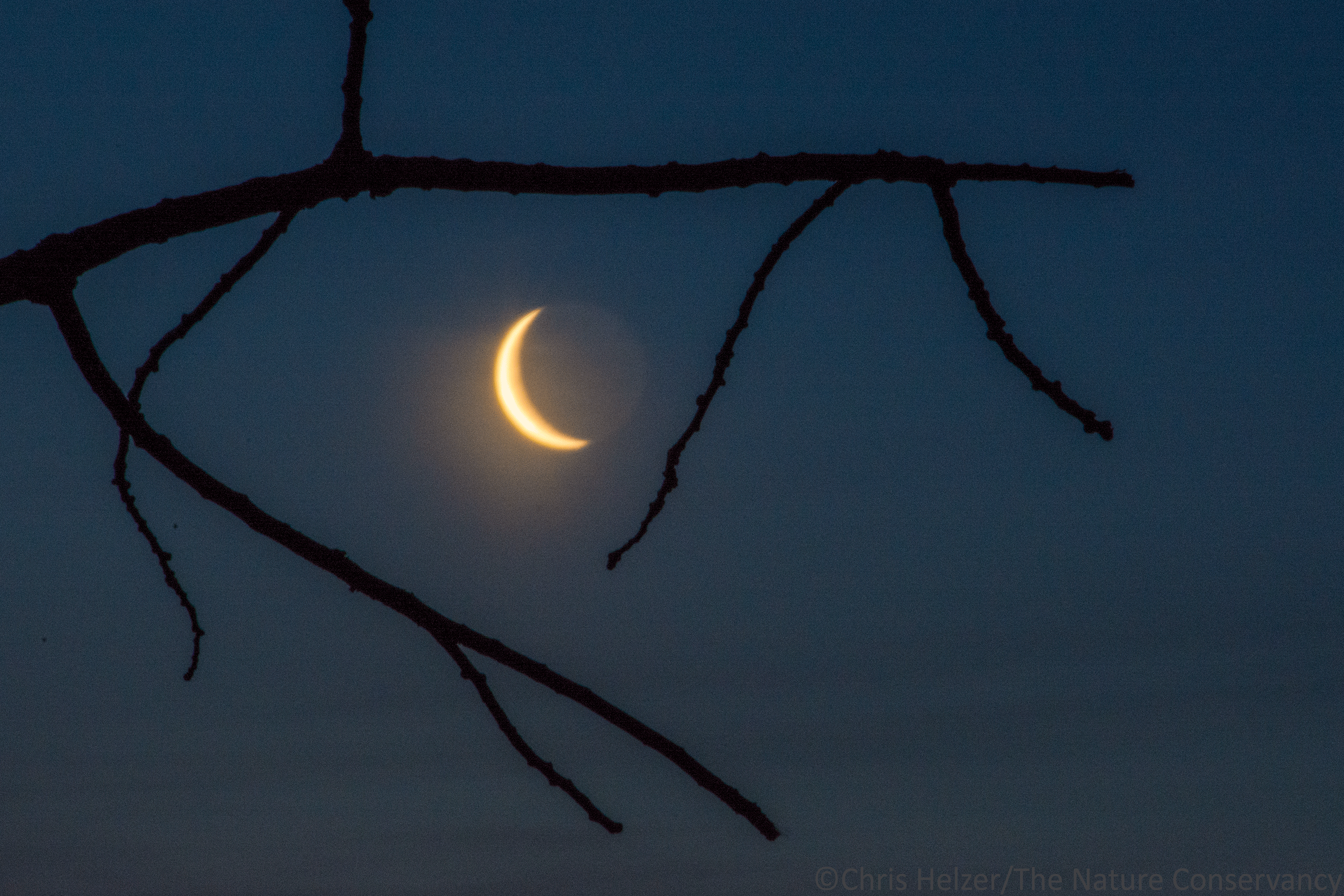
The crescent moon was low in the eastern sky, not far from where the sun would soon appear.
As I’d walked toward the blind in the dark, the landscape had been full of throaty croaks as thousands of cranes started to wake up all along the river. It was clearly going to be a great morning. I very quietly opened the door to the blind and slipped in, moving immediately to the front windows to see how many cranes were awaiting me. I peered through the holes in the burlap and saw a wide stretch of empty river. Not a single crane was in sight.
I scanned upstream and downstream and could see and hear thousands of cranes in both directions, but all were too far away for the kind of photography I was hoping for. Well, now what? I’m very fortunate to have had plenty of other excellent opportunities for crane photography, so this wasn’t a catastrophe, just a mild disappointment. Rather than sit in the blind and fruitlessly aim my camera at distant birds, I decided to instead enjoy a walk around the prairie just to the south.
Cranes flying past the rising sun. The sky was filled with them, including right above me, as they headed out to spend their day in nearby fields and meadows.Synchronized early morning flight.
As I watched the sun rise, I reminisced about how excited I was when I first saw the big sandhill crane migration. Friends and I drove slowly down the gravel roads along the Platte River and stopped to watch and try to photograph big flocks of cranes feeding in fields and meadows. We’d spend ten or fifteen minutes watching a big group and then pull ourselves away so we could drive another half mile and repeat the process with a nearly identical bunch of birds. I still enjoy the annual migration these days, but what I love most is the overall ambience created by the sound and sight of countless cranes milling about overhead as I go about my day.
As the sun rose, so did small groups of cranes, lifting off the river a few at a time to go feed. I tracked their far-off silhouettes as they flew past the rising sun and heard the sound of their wings as many passed directly overhead. I wandered through prairies and wetlands with absolutely no sense of urgency, soaking in the relaxing soundtrack of sandhill crane song. It wasn’t the morning I had planned, but it was turning out just fine.
Here are some of the photos from the rest of my walk.
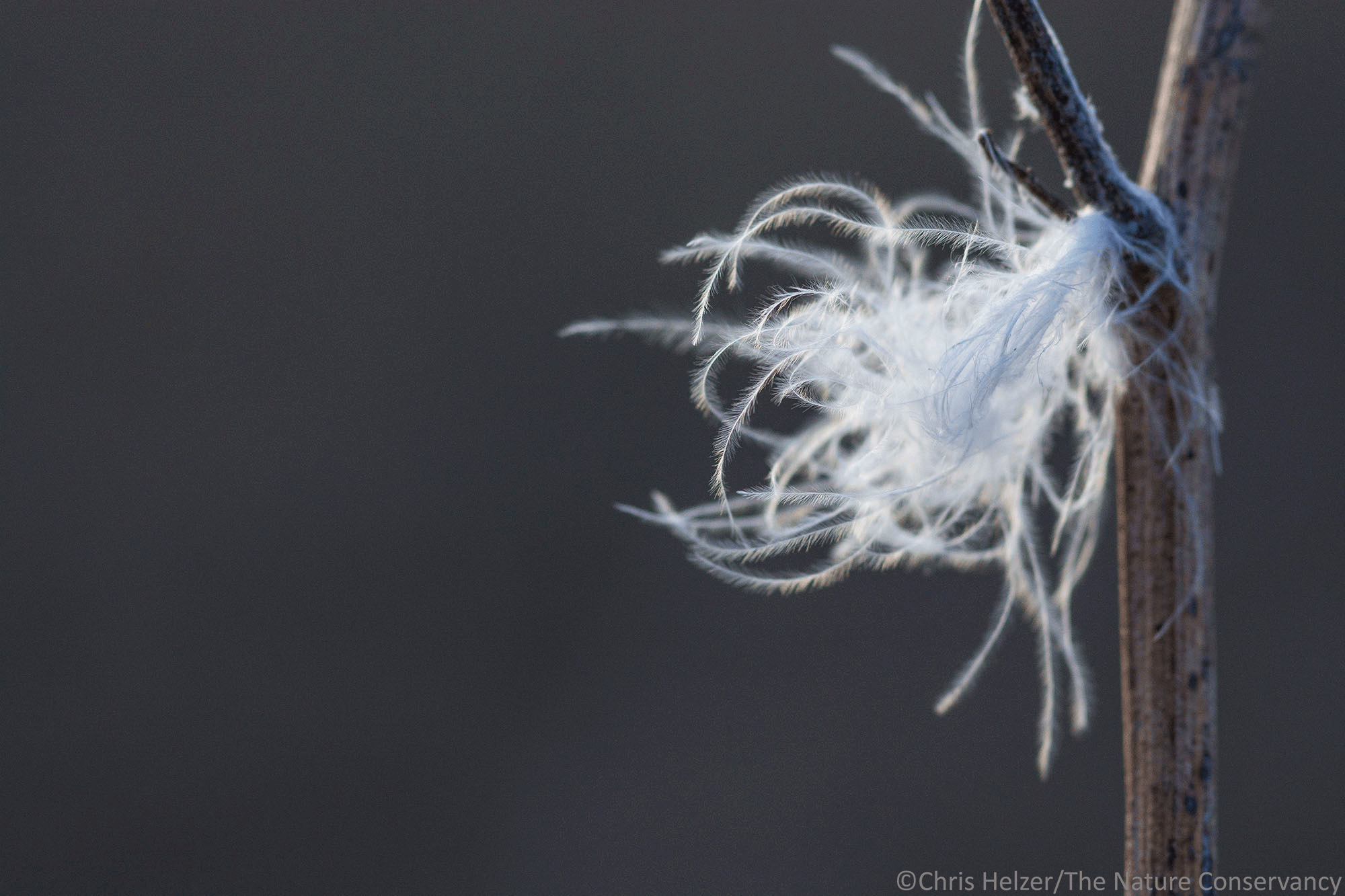
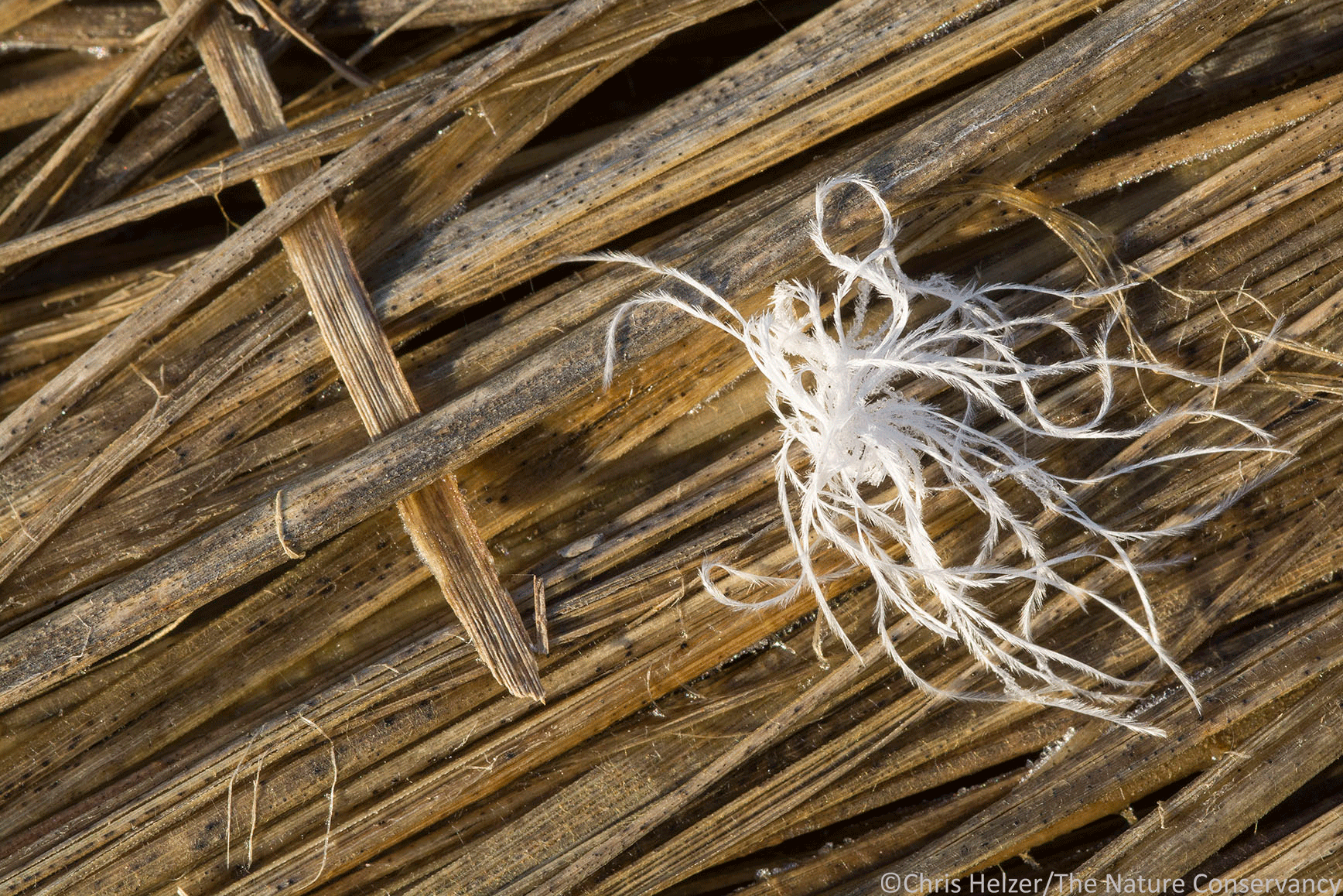
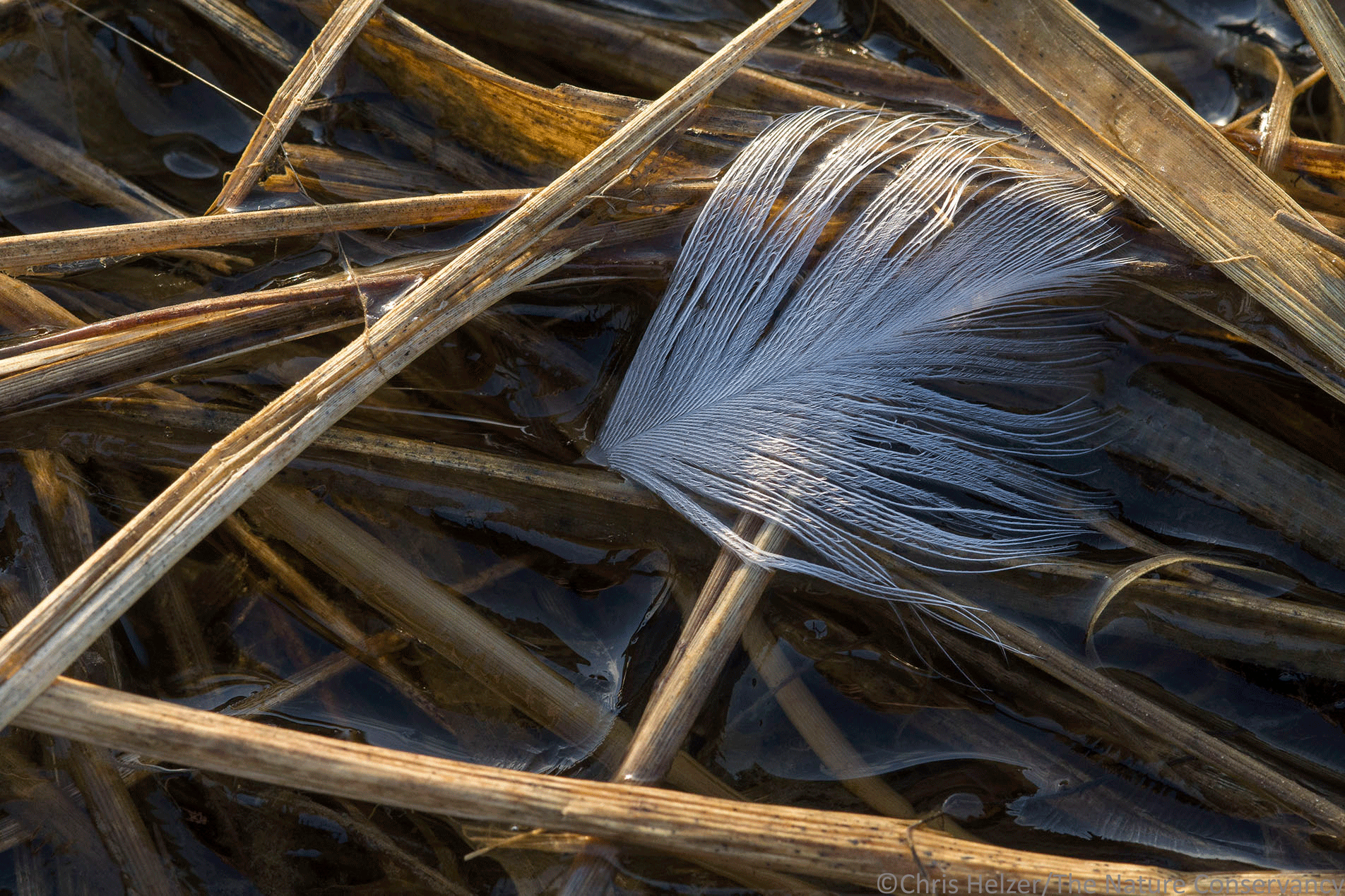
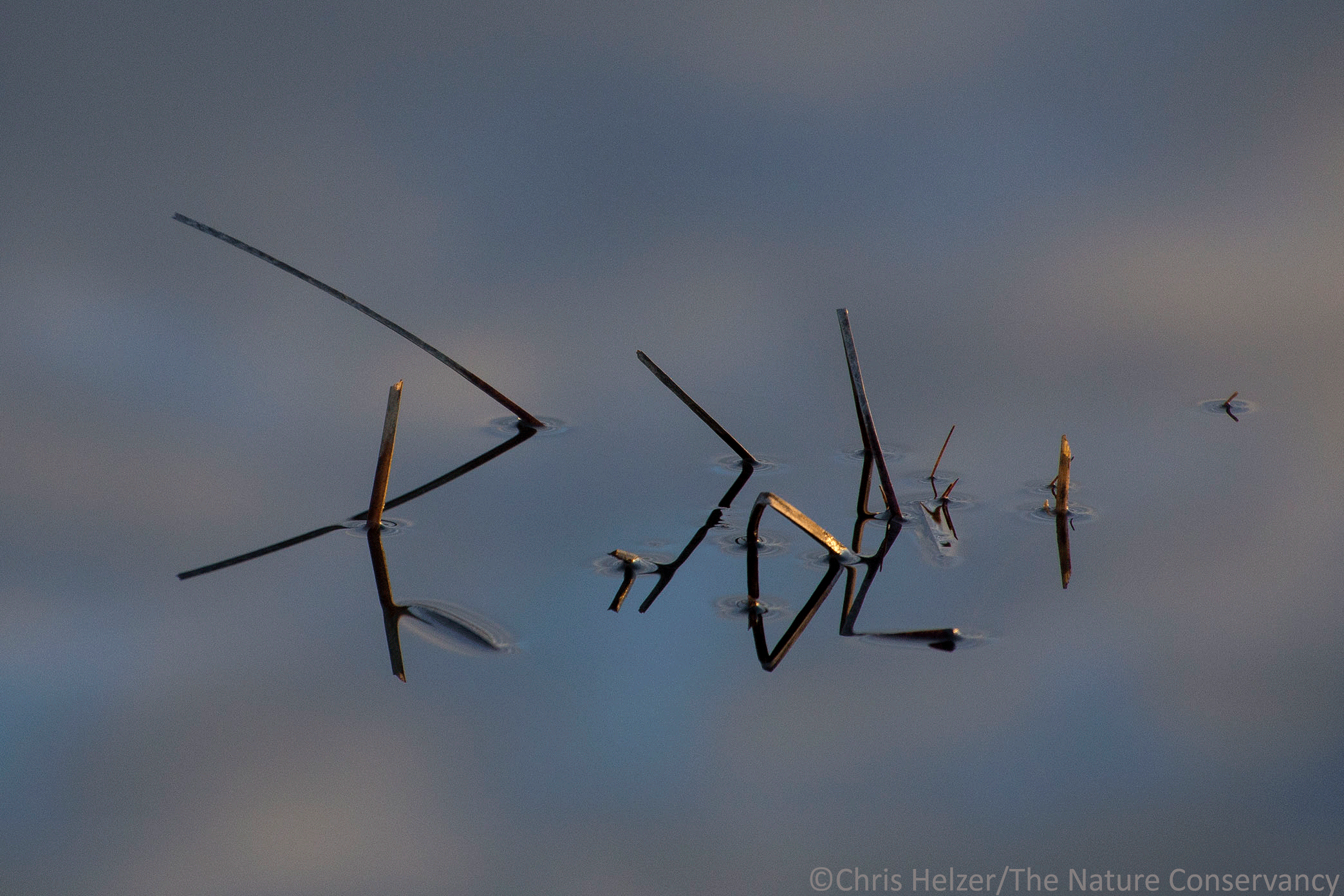
Down feathers from cranes were all over the edges of wetland pools, where the birds had recently spent time feeding and loafing. Since I wasn’t photographing the cranes themselves, I busied myself making portraits of their discarded feathers.Down feather and wetland plants.Small crane feather.Red-winged blackbirds were vocally asserting themselves as I walked past them. They’d fly a short distance when I got close, but never left their newly established territories.This photo begs for flowery language about how reflective I felt as I wandered through the morning prairie. Blah blah blah.This wasn’t the crane photo I had planned to come home with, but I’m pleased with it anyway.





 The Prairie Ecologist