
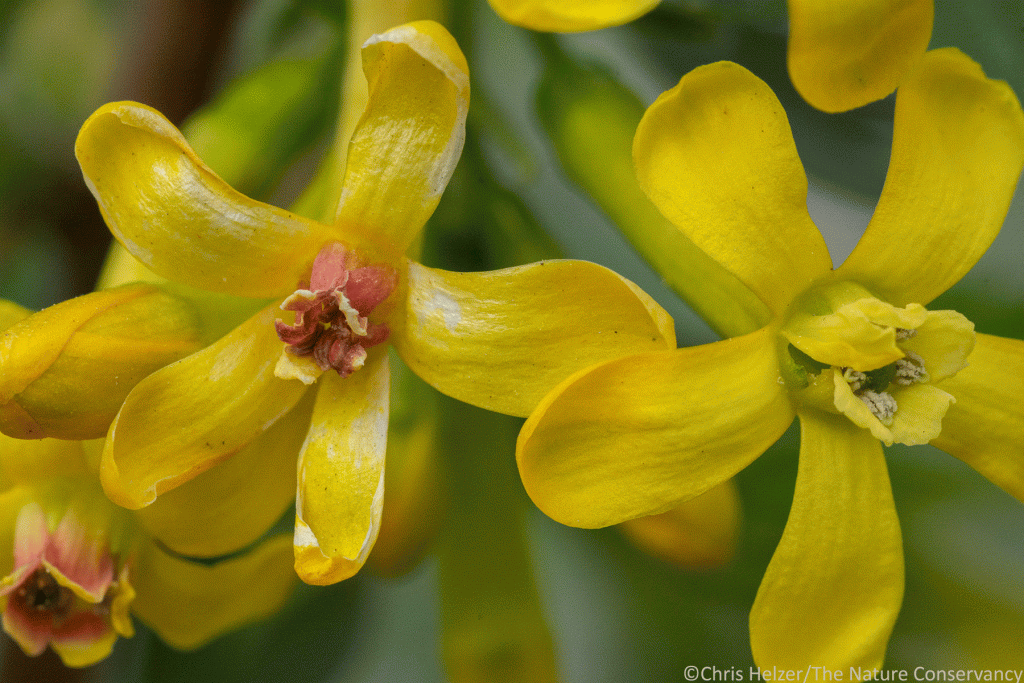
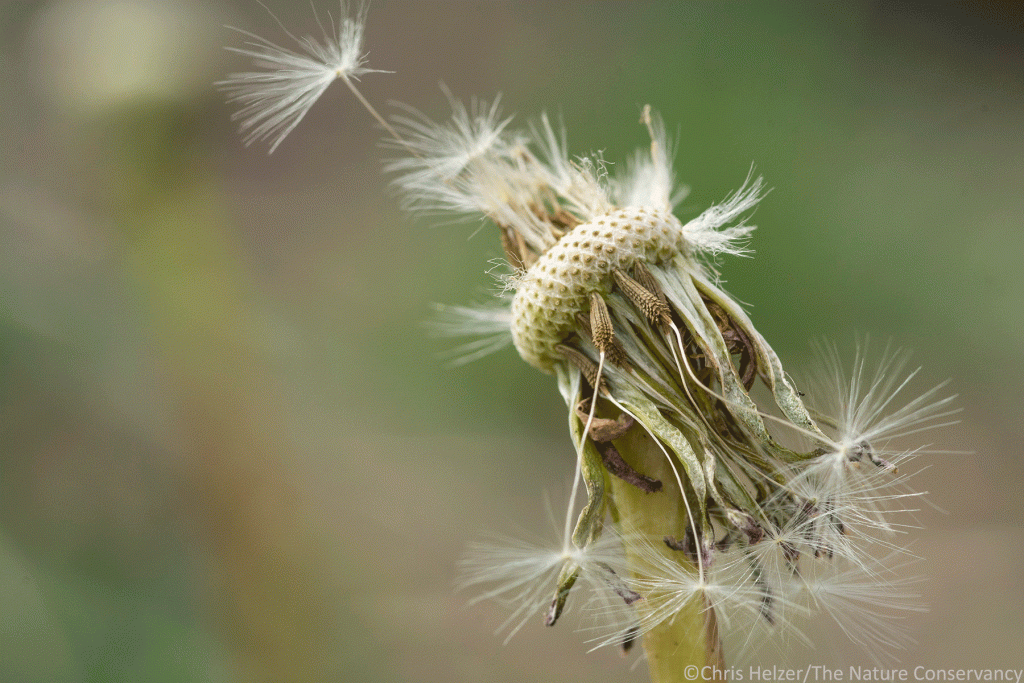
Not surprisingly, I’ve been spending a lot of time around the house this spring. It’s been fun to connect with the nature right in our backyard and to spend some time photographing it. Here are four images out of a large batch of photos from this spring.

I was excited to see small carpenter bees flying around the prairie garden this year. I purposefully left a lot of last year’s flower stems in the garden and/or cut them off 12-15 inches above the ground. This is something I do every year, always hoping carpenter bees will find them and move into the hollow stems. Maybe they have, but if so, I haven’t seen them. This year, there were several bees hanging around for a few weeks, occasionally crawling into the stems, and other times hanging around near the tunnel entrances.
However, I sent some bee photos to Jennifer Hopwood with the Xerces Society, hoping she could help me interpret what I was seeing. Her opinion confirmed what I was afraid of, which is that all the bees seemed to be males. It appears the male carpenter bees found my hollow stems and were optimistically waiting for some females to show up. Since I haven’t seen any bees around those stems for the last two weeks, I’m guessing those females never arrived. Sigh. Maybe next year…
There have been other bees hanging around, however. That includes at least one queen bumblebee who has been feeding from the dandelions and other flowers in the yard and setting up a brand new colony somewhere in the neighborhood. I’m really hoping those bees (and flies, and wasps, etc.) have been energetic enough to pollinate our cherry tree too! Regardless, it’s always great to see a broad diversity of bees and other pollinators visiting all the flowers we’ve worked hard to provide.
I hope many of you have backyards or similar areas you can safely access right now, and that you’re able to enjoy the nature you see there. If not, maybe these photos will help carry you through until you regain that access. Be safe and well, everyone, and enjoy your weekend.

 The Prairie Ecologist