On Wednesday morning, I was out at the Platte River Prairies early to harvest seed, but all the vegetation wet enough I decided to hold off until the sun got a little higher and dried things out. I had to fill time somehow, so I grabbed my camera and wandered a little. You know – just to fill time. Here are some of the photos from that walk. Have a great weekend, everyone!
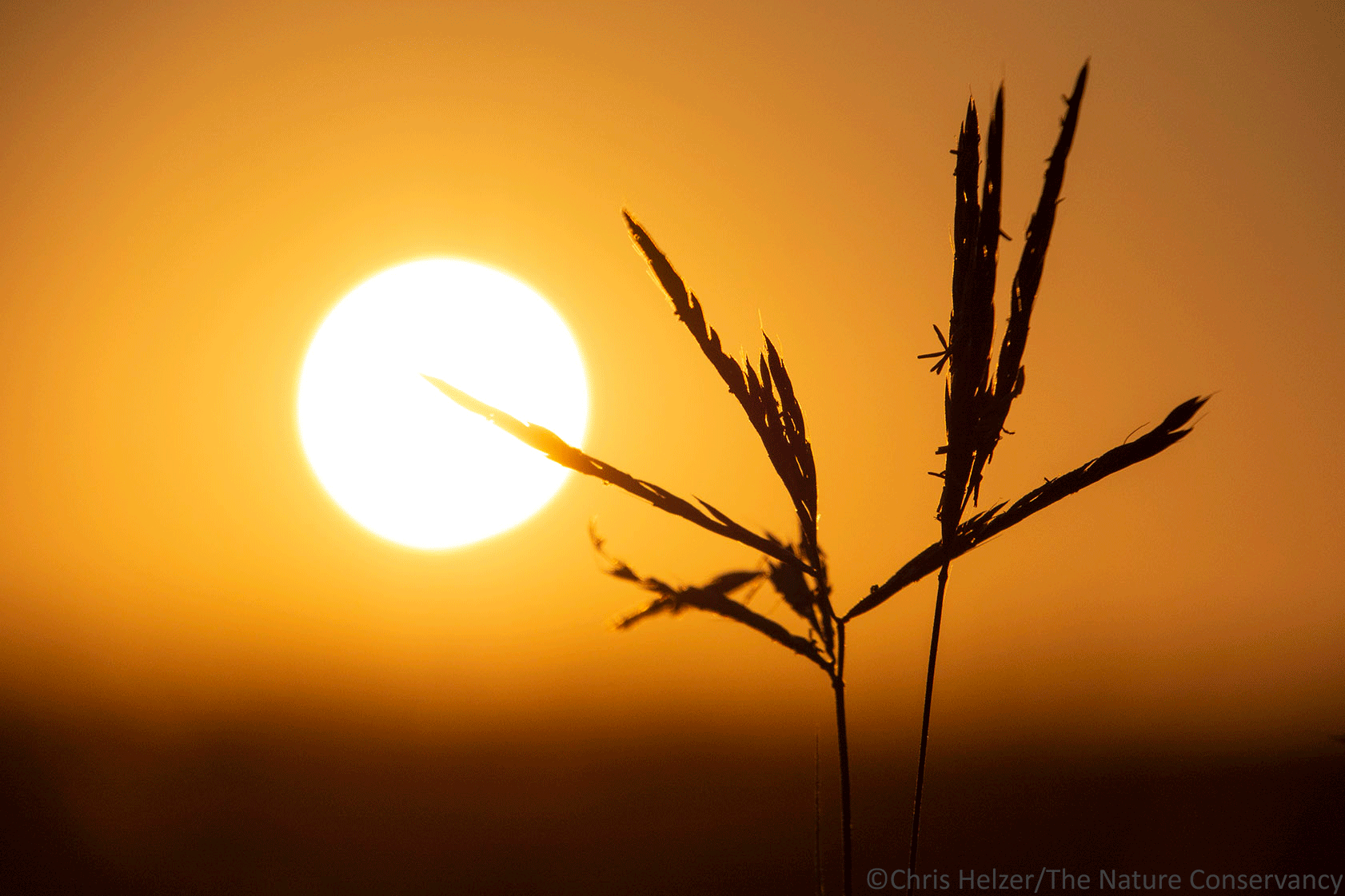
Big bluestem silhouetted against the rising sun. Nikon 18-300mm lens @300mm. ISO 500, f/9, 1/8000 sec.
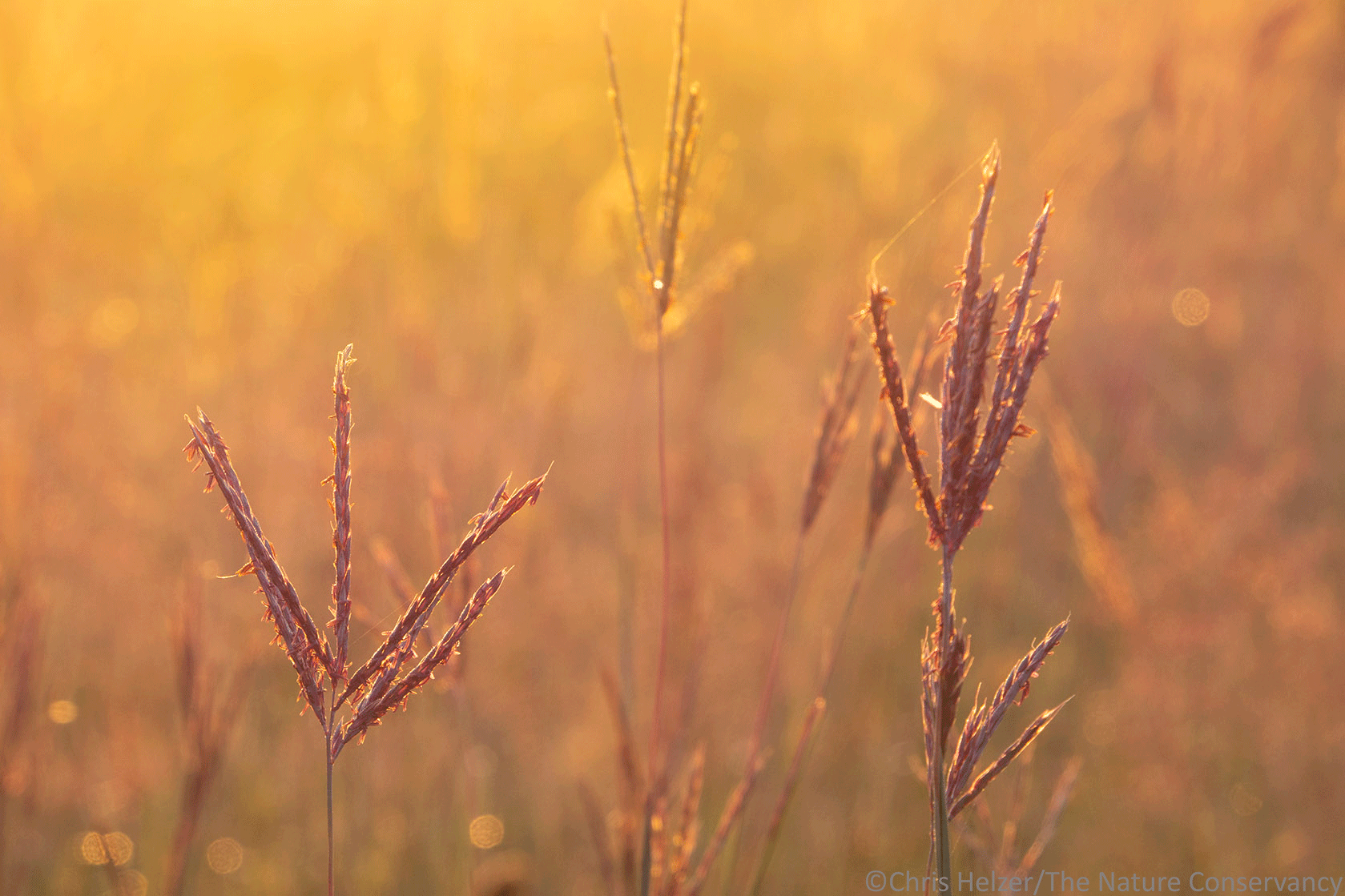
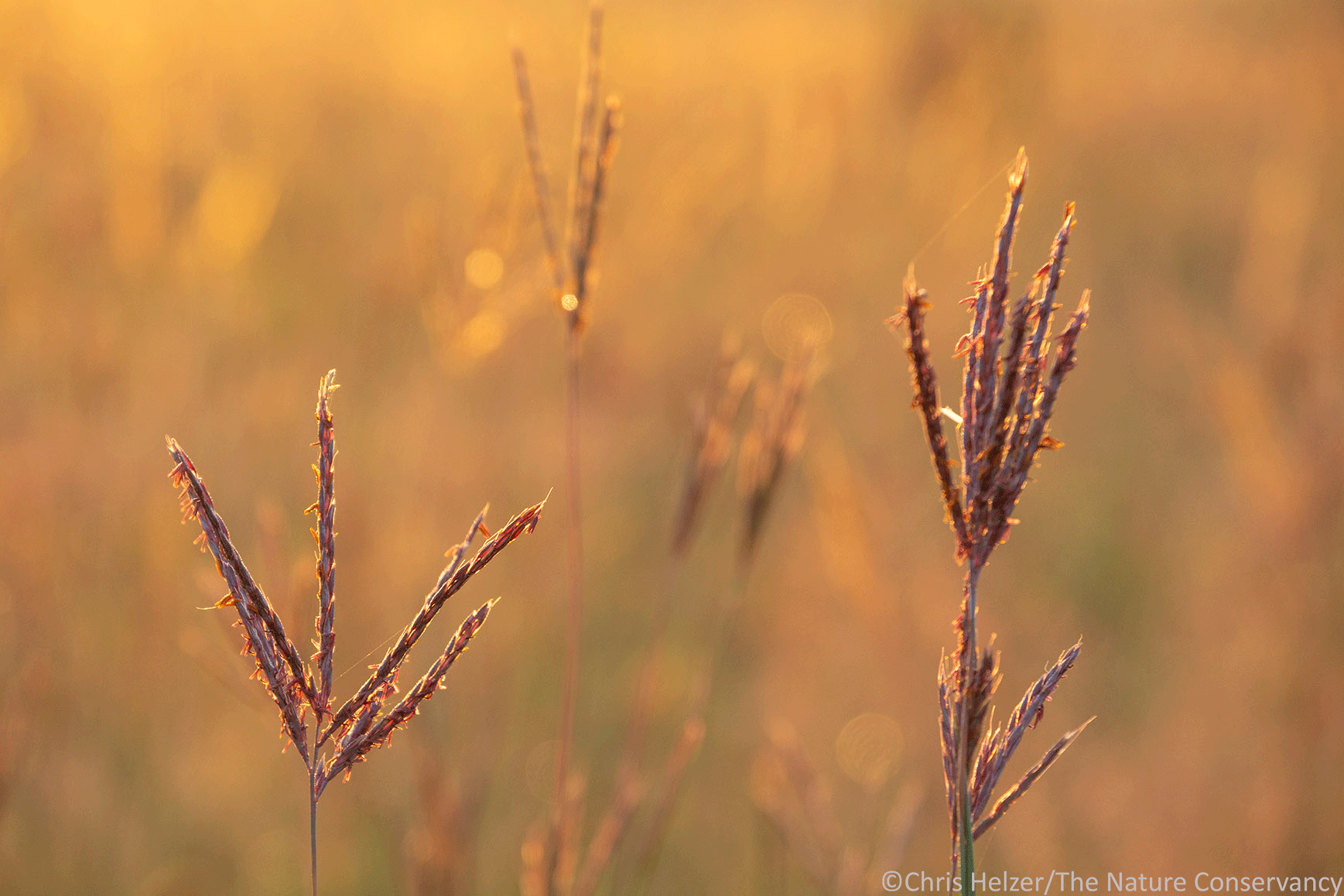
As the sun started to rise, I played around with silhouettes of big bluestem flowers in front of it. After taking the above photo, I found a scene I liked and tried out versions of the image from slightly different angles and with various amounts of depth of field. That always seems like a good idea at the time, but I pay for it later when I have to try to decide which I like best. In this case, I could only narrow the field to three, and decided to keep and share all three.
The first of three photos of the same group of big bluestem flowers. Nikon 18-300mm lens @100mm. ISO 500, f/9, 1/4000 sec. Shadows opened up with Photoshop.A second photo of the same big bluestem, but with the camera pointed down to keep the sun out of the photo. Nikon 18-300mm lens @100mm. ISO 500, f/11, 1/80 sec.The third version, this time with less depth of field because of a different aperture setting. Nikon 18-300mm lens @100mm. ISO 500, f/7, 1/200 sec.
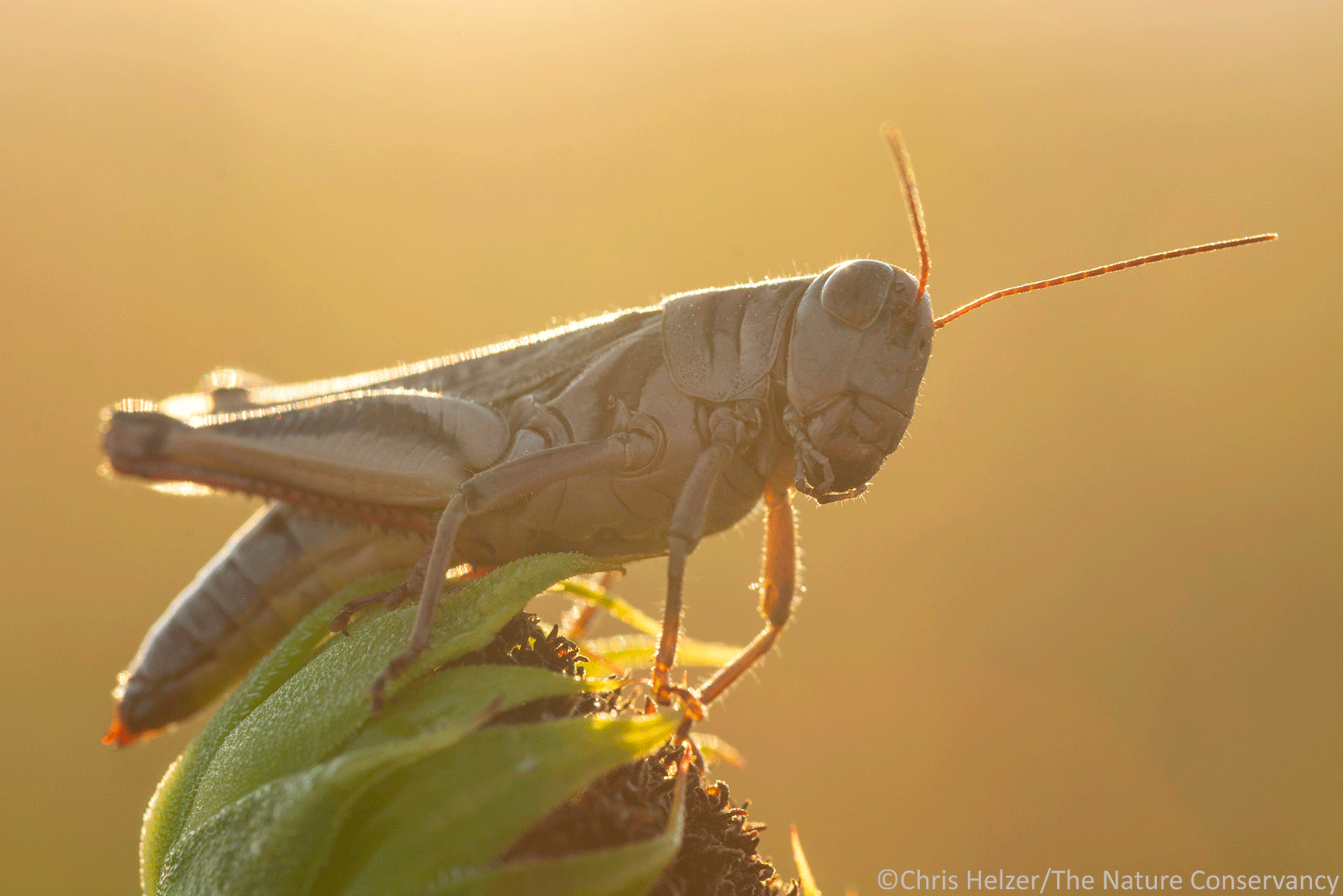
Once the sun was higher and brighter, I stopped playing with backlit grasses and put my macro lens on. The plains sunflowers (Helianthus petiolaris) were loaded with caterpillars, as they often are, including some that were the exact yellow color of the ray flowers. I also spent way too much time face to face with a robber fly that seemed cold and wet enough to tolerate my presence as the sun rose behind it. Then, as I wandered back to the truck to start harvesting seed I got distracted several more times and gave in to temptation. I did eventually get a bunch of seed harvested too…
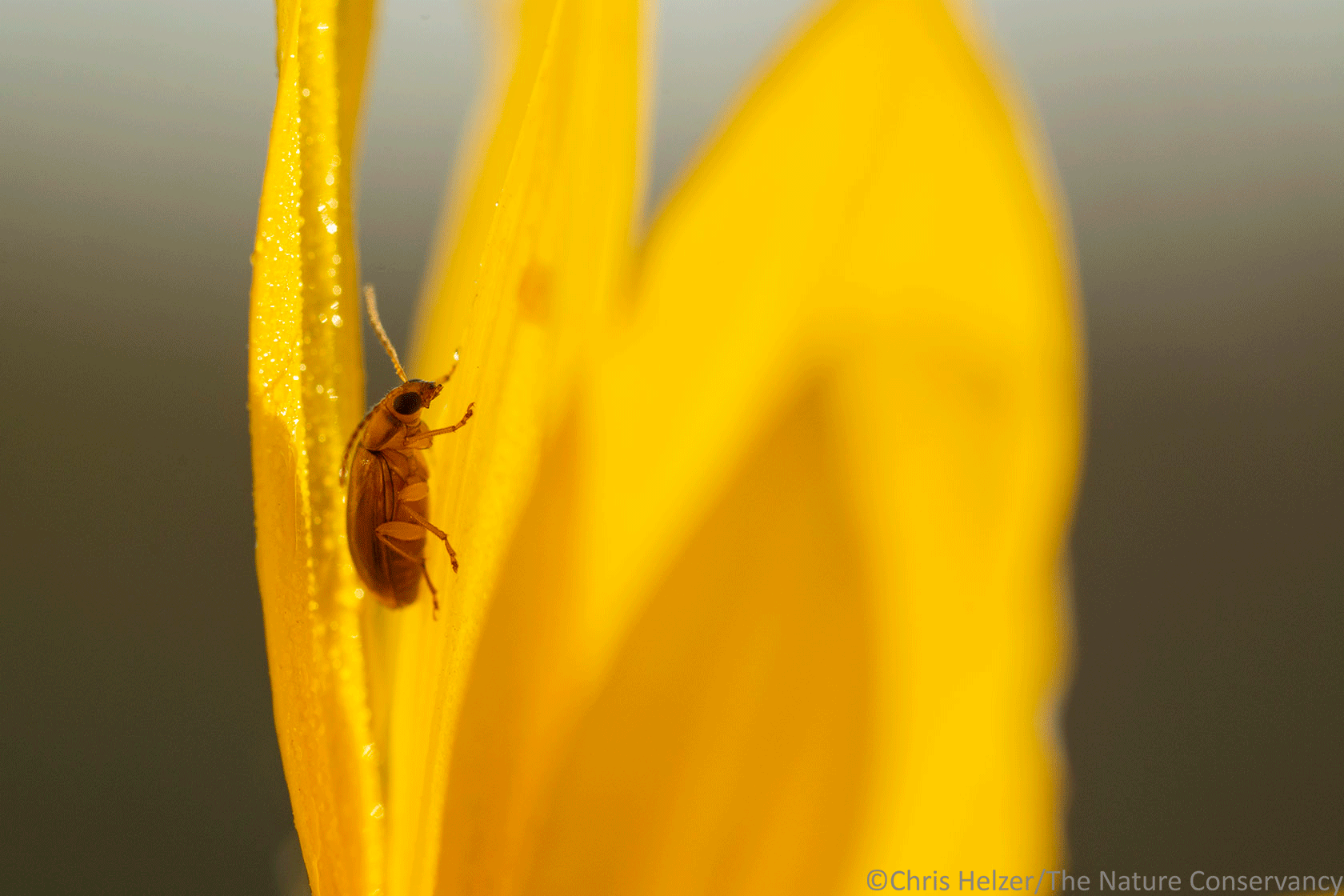
A pretty striking color match between a sunflower (Helianthus petiolaris) and a caterpillar that feeds on it. Nikon 105mm macro lens. ISO 500, f/14, 1/200 sec.A big robber fly on its overnight perch on a stiff sunflower. Nikon 105mm macro lens. ISO 800, f/16, 1/80 sec.A backlit grasshopper. Nikon 105mm macro lens. ISO 500, f/14, 1/125 sec.A tree cricket silhouetted on a plains sunflower. Nikon 105mm macro lens. ISO 500, f/14, 1/125 sec.A tiny leaf beetle nestled between flower petals. Nikon 105mm macro lens. ISO 500, f/14, 1/250 sec.Leaf beetles mating on sunflower petals. Nikon 105mm macro lens. ISO 500, f/14, 1/250 sec.
I’ve been harvesting seed most of this week, while the rest of the Platte River Prairies crew was away at some fire training. It’s been a productive week, but hasn’t left me much time to write. As a result, I’m just putting up a quick post today that shares a few images and video from my seed harvesting.
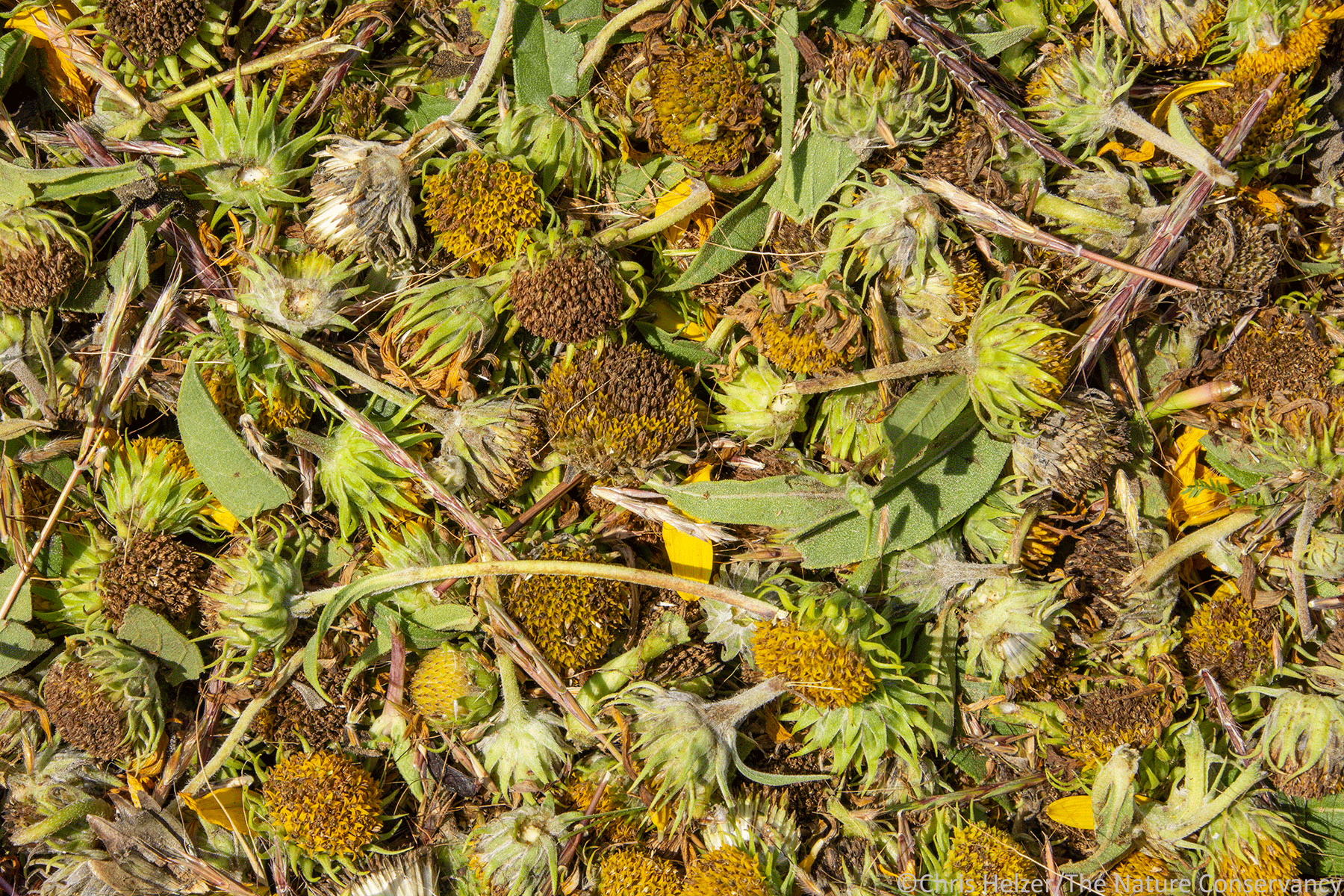
A close up of Maximilian and sawtooth sunflower heads harvested this week with a pull-behind seed stripper.
We’ve been harvesting seeds all summer for two projects – (1) a 50 acre cropland restoration, and (2) continued overseeding of some degraded prairies. For the cropland restoration, we’re trying to harvest as many species as we can, including from wetland plants, since we’ll be doing some wetland construction at the site. We’ve been squeezing seed harvest in between lots of other work, so haven’t been able to get seed from all the species we want. As of today, I think we’ve gathered seed from 108 plant species, give or take, and we hope to get to at least 150 by the end of the season. The overseeding project requires a less diverse mix, but large amounts of seed. There are about 20-30 species we’re trying to add to pastures that are missing plants due to a history of overgrazing and broadcast herbicide use.
Most of those species are harvested by hand, which might seem inefficient if you’ve not been part of an effort like this. In reality, it’s surprising how much seed you can grab with your hands if you’re organized and diligent. We have a spreadsheet of plant species and constantly update it with the best sites to find large amounts of seed from each plant and when the seed is ripe. We’re constantly scouting for seed while doing other work too, keeping track of good populations we’ll want to return to later. Armed with that information, we strap buckets to our waists, wade into the prairie, and grab big handfuls (hopefully!) from each species.
This week, though, while I did some hand harvesting, much of my time was spent running a pull-behind mechanical harvester (seed stripper). I wrote about the particular machine we have several years ago, if you’re interested. We (meaning Nelson Winkel) have made a few minor modifications to it over time and it’s a great way to harvest large amounts of some species. The mechanical approach works best when there are big congregations of plants and an absence of invasive species we need to avoid. This week, I was using the seed stripper to harvest big grasses (big bluestem, Indiangrass, switchgrass, etc.), perennial sunflowers (stiff, Maximilian, and sawtooth), and a mixture of big summer wildflowers (Illinois bundleflower, wild bergamot, showy tick trefoil, and others).
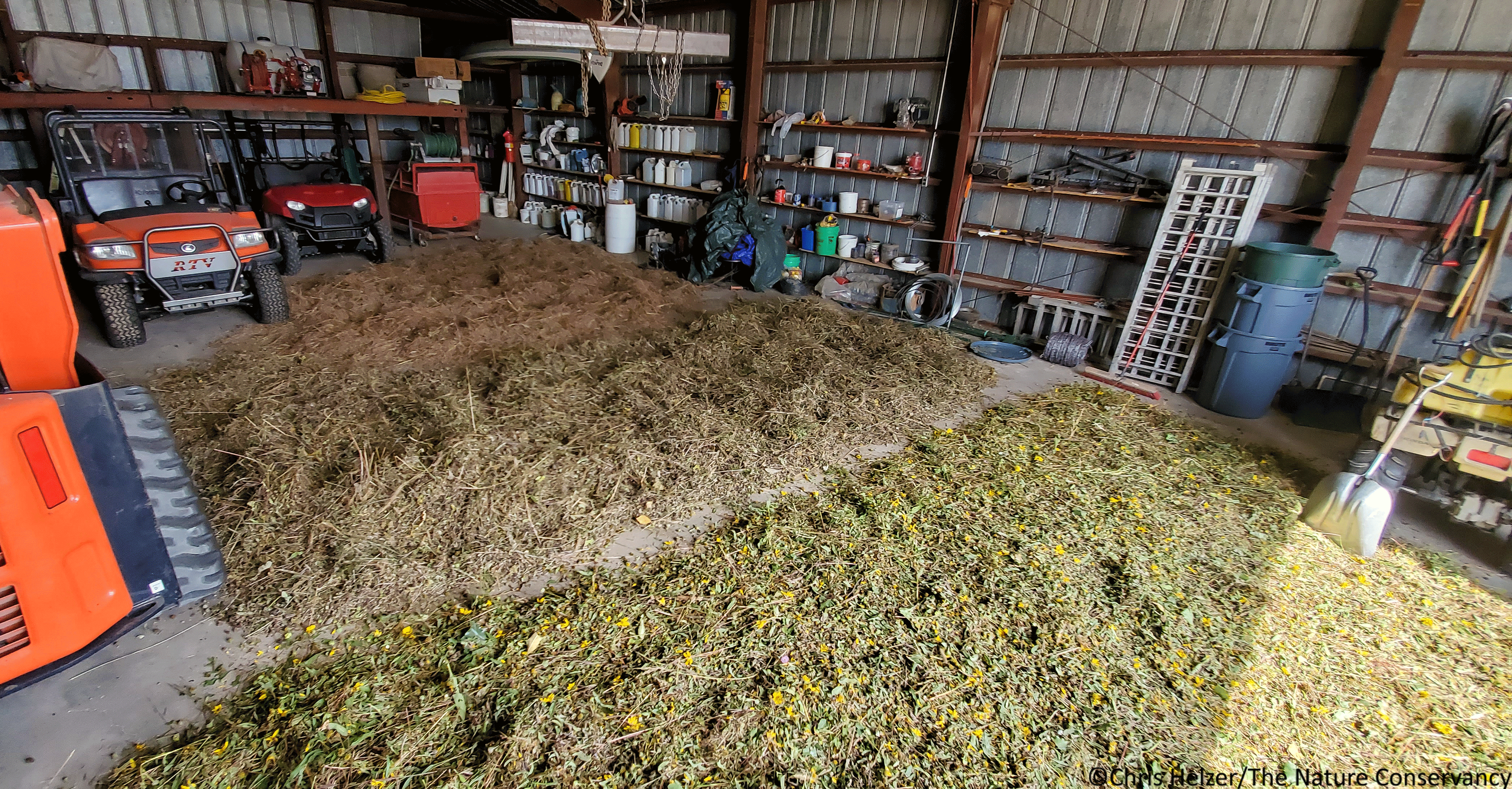
This is what I’ve been staring at most of this week. Here, I was harvesting big bluestem and other tall grasses.Yesterday, I spent a couple hours harvesting Maximilian and sawtooth sunflower from a recently-restored prairie that had big patches of them (mixed together). I got a pretty good load of seedheads within a short time.I hope no one needs to park anything in the shed when they get back because I ran out of room in the seed barn and had to overflow here to find space to lay out the seed to dry.
It’s very gratifying work and also provides a lot of time to contemplate and dream. In fact, I came up with a couple different blog post topics while I was zoning out on my ATV. I also got to watch lots monarchs and other pollinators, scare up migratory sparrows from their hiding places, and even got temporarily mobbed by bumblebees when I stopped the running machine over the top of their nest. (Sorry about that, bumblebees!)
In addition to the few photos I’m including here, I’ve also put together a very rough and amateurish video that shows what the seed stripper looks like in action. For what it’s worth, here’s the video.








 The Prairie Ecologist