
Last weekend, I was honored to be a speaker and hike leader at the annual Loess Hills Prairie Seminar near Onawa, Iowa. It was inspiring and energizing to be around 100 or so other people who were fascinated by, and trying to learn more about prairies. If you have the opportunity to attend this event in the future, I highly recommend it.
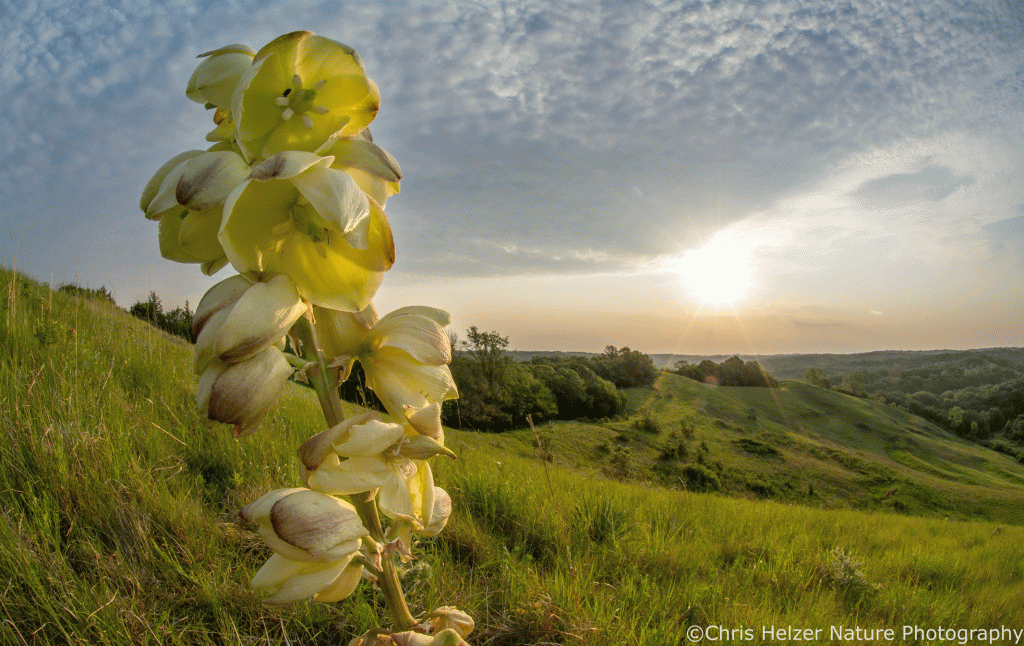
Sunday morning, I woke before sunrise and climbed a prairie ridge at the Loess Hills Wildlife Management Area. I’d scouted it the previous afternoon and knew the sun would light it up beautifully if the weather forecast held true. It did and it did.
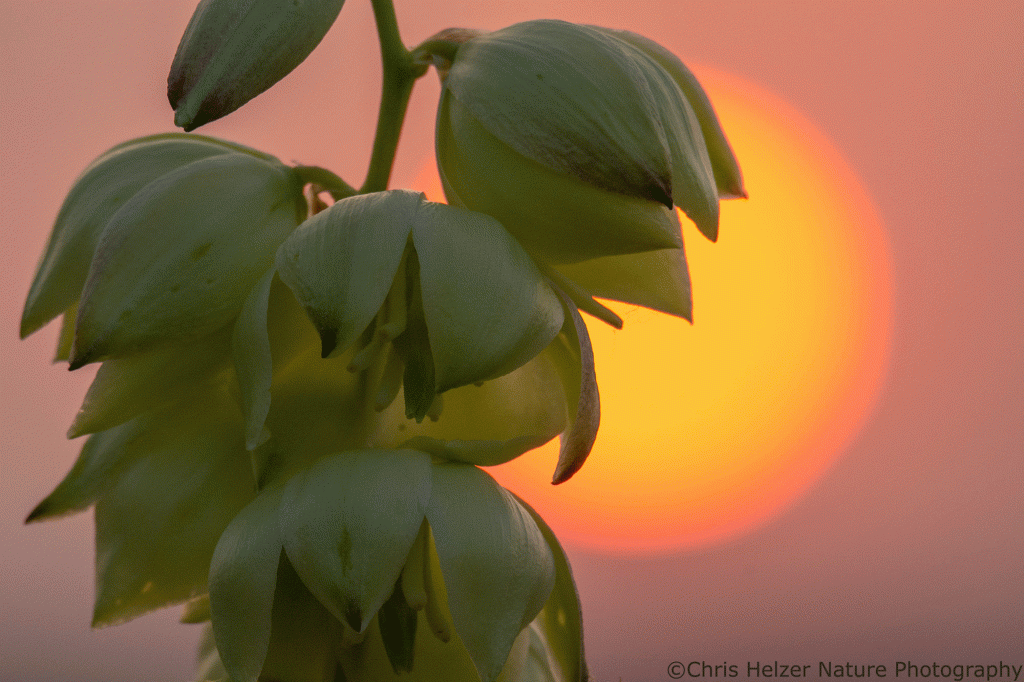


The prairie had quite a few blooming yucca plants, as did lots of other hills in the neighborhood. There were other flowers, too, but it was really hard to ignore the visual power of the yucca plants. I didn’t try very hard to ignore them. As the sun first peeked above the horizon, I grabbed my long telephoto and played around with various compositions that included the sun behind yucca flowers. Following that, I tried other lenses and perspectives until the sun finally rose high enough that it lost most of its color.
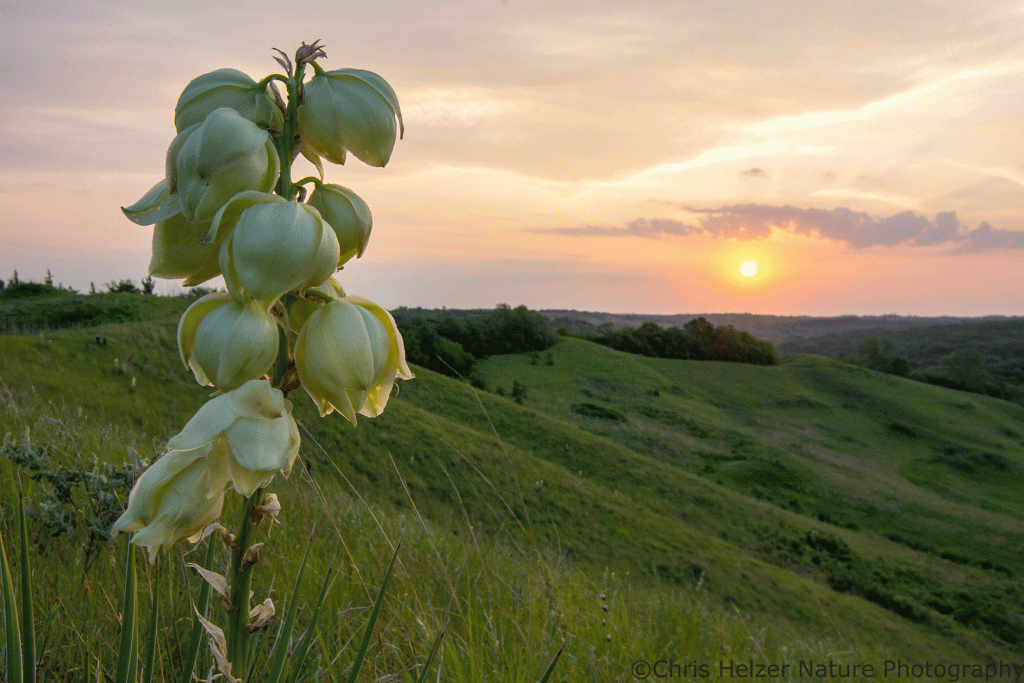
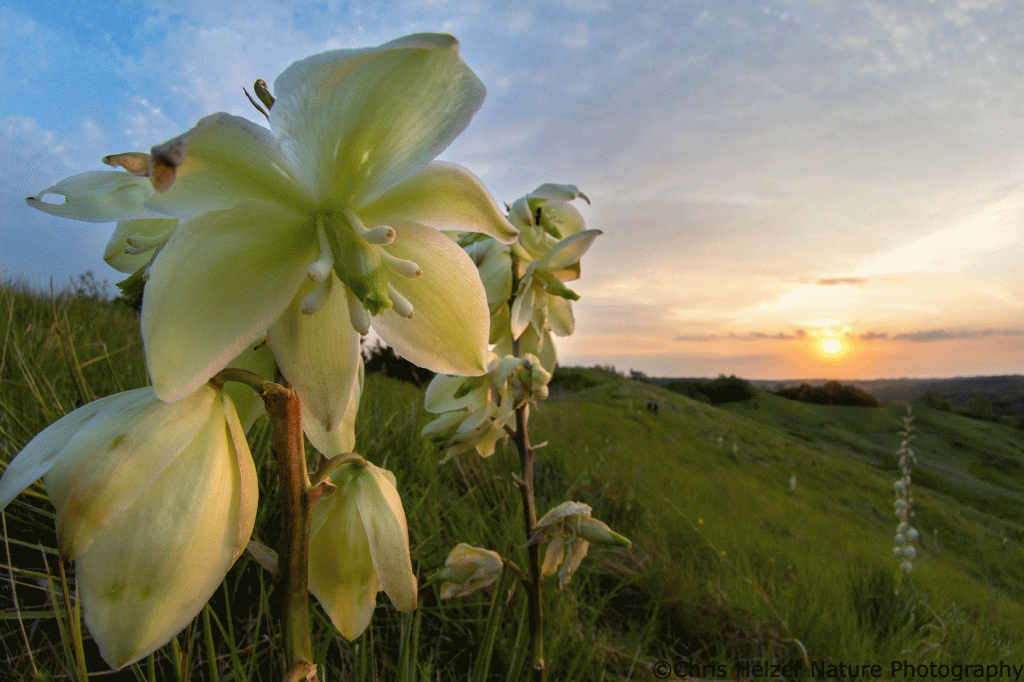
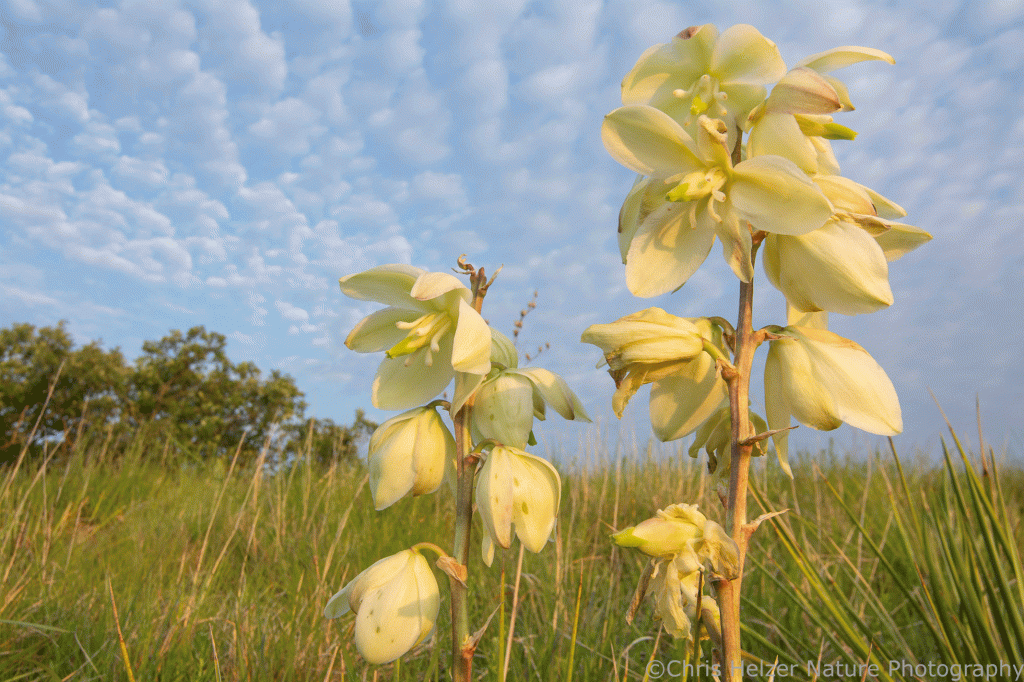
I switched lenses and focused on the individual flowers for a while, appreciating their unique architecture. However, I kept seeing potential wide-angle shots too, so I rotated through lenses quite a bit during the next hour or so.
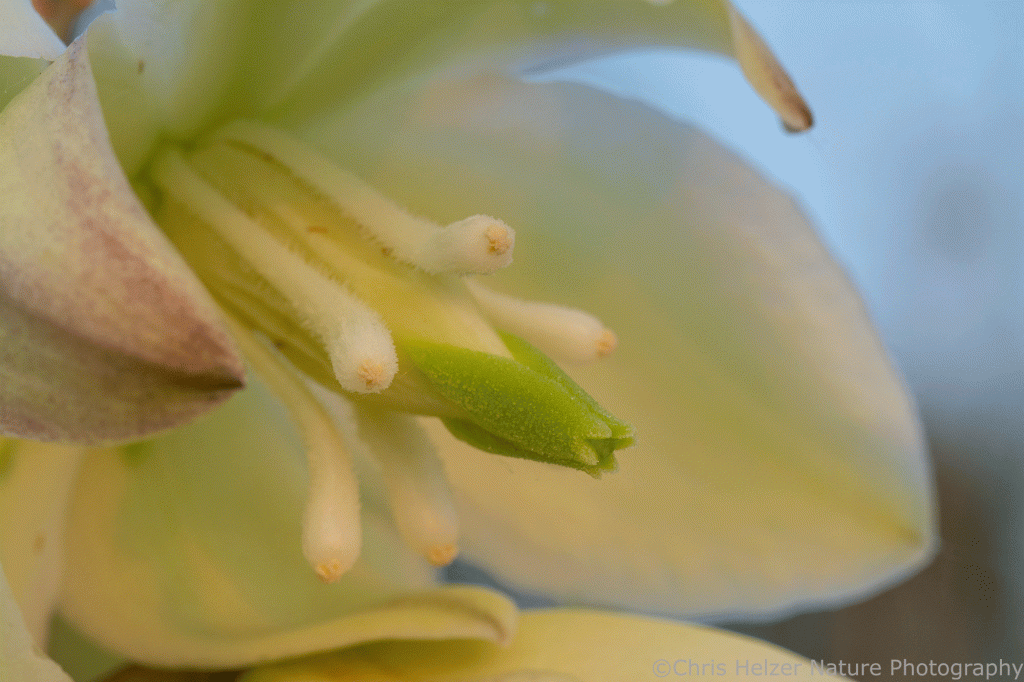

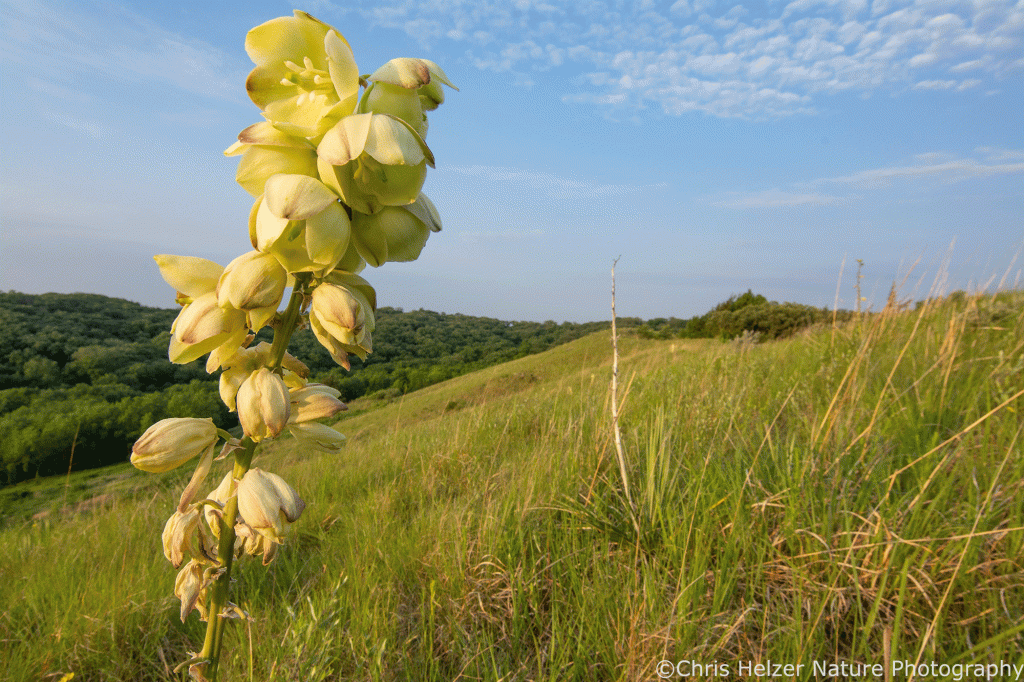
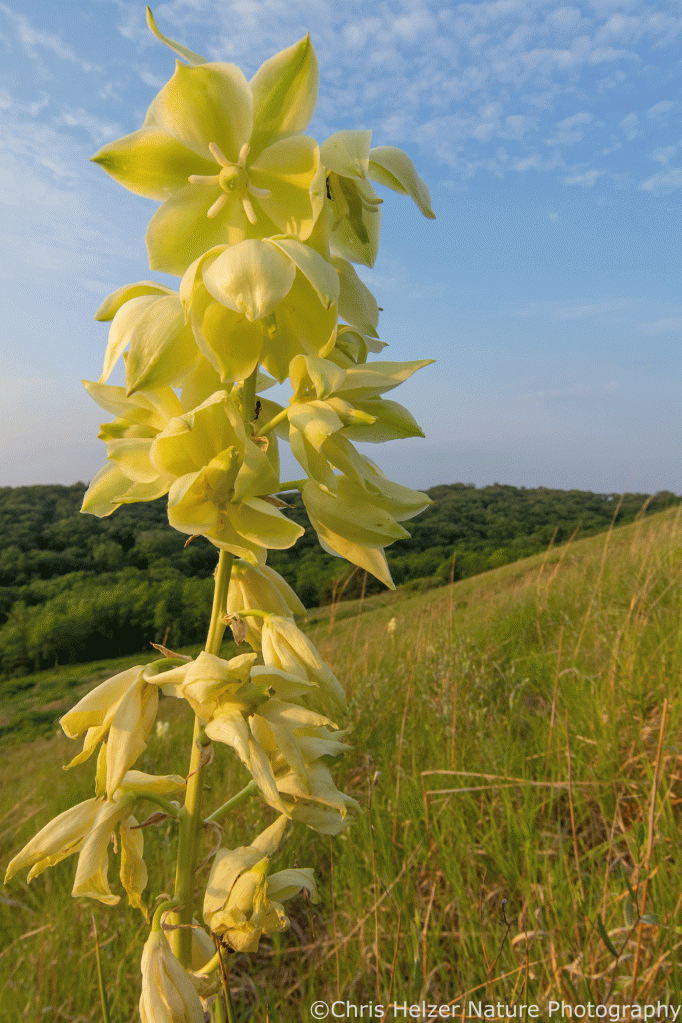
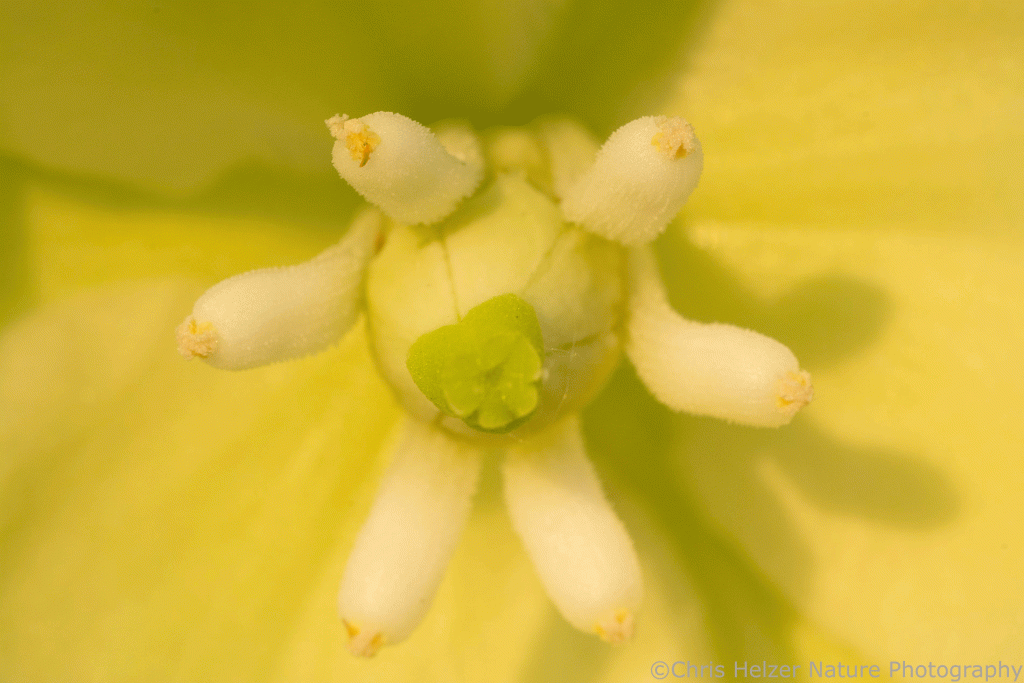
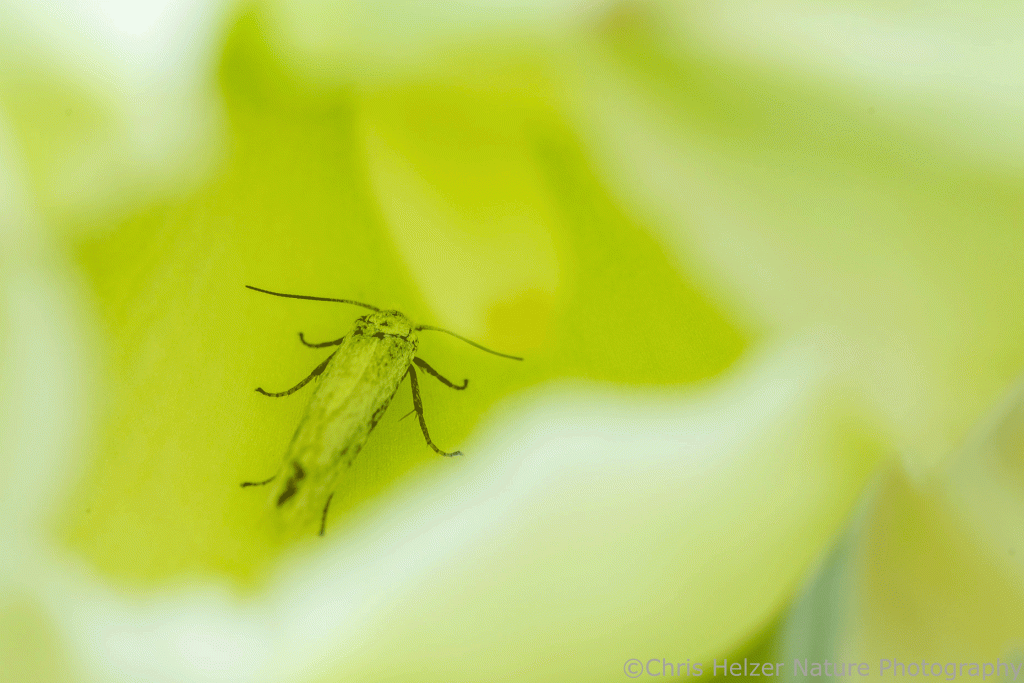
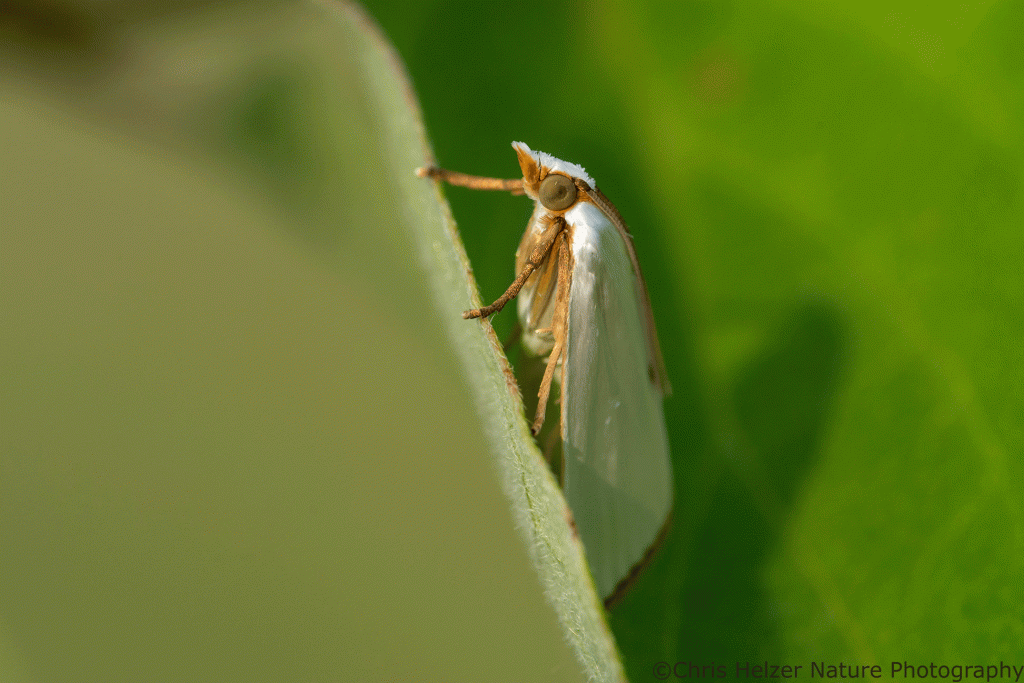
During my scouting trip the previous day, I’d been looking for the tiny white yucca moths that are the sole pollinator of yucca flowers. I found a few and even photographed one of them – using my macro lens to peek through the opening in a partially-closed flower. During my Sunday morning photography hike, though, I couldn’t find any moths that would pose for me, which was a shame since the light was fantastic.
.
By now, you’re probably wondering to yourself, “Surely, he photographed some crab spiders, right?”
Yes, of course I did.
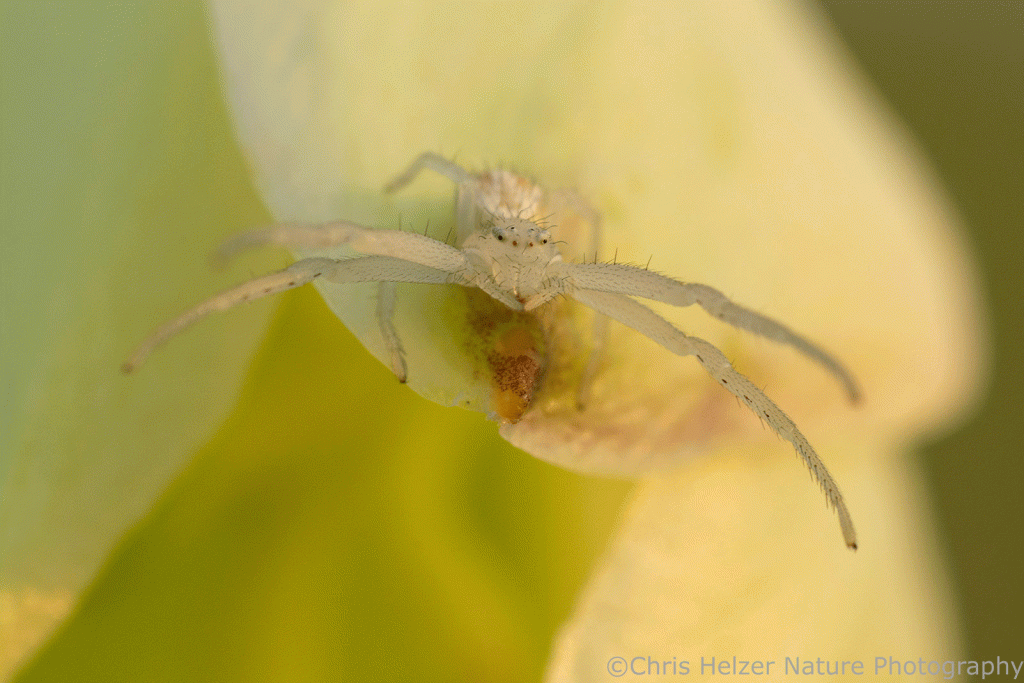
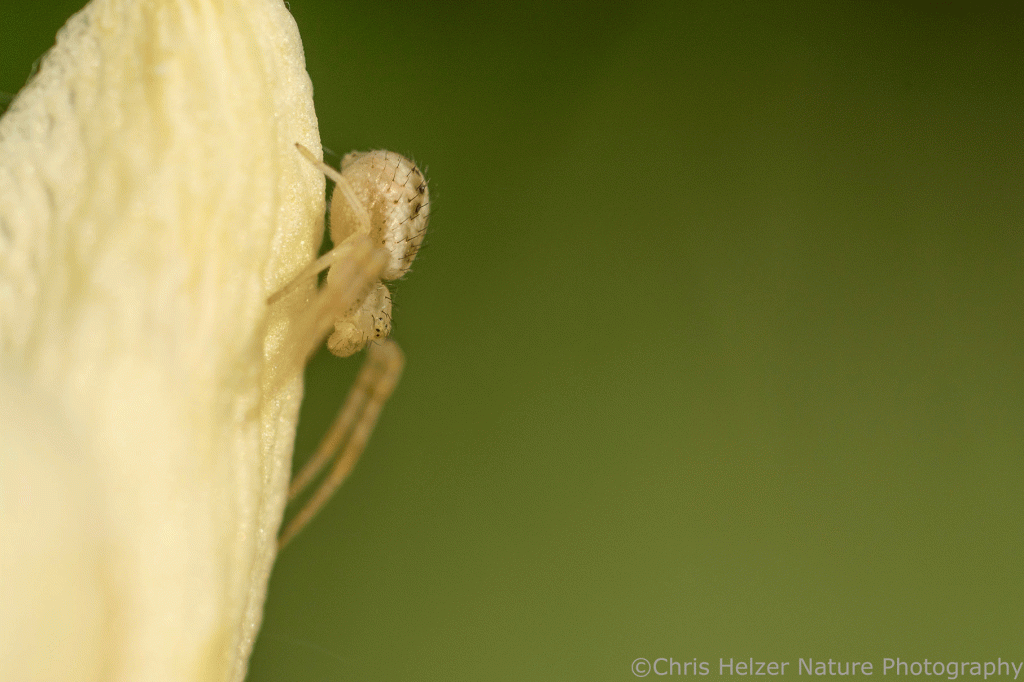

In addition to crab spiders, other spiders were around, including a cute little orb web spider that didn’t seem agitated by my slow, careful approach. In fact, as I positioned my tripod close to the web, little flies swarming around my head kept hitting the silken threads, giving the spider something to distract her and me more action to photograph.


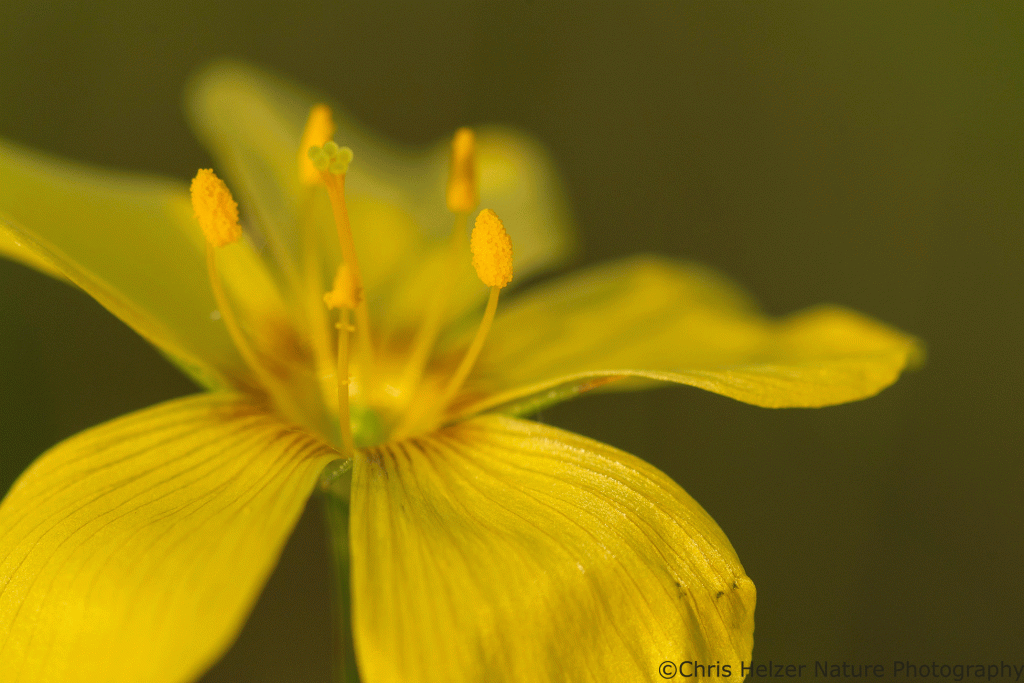
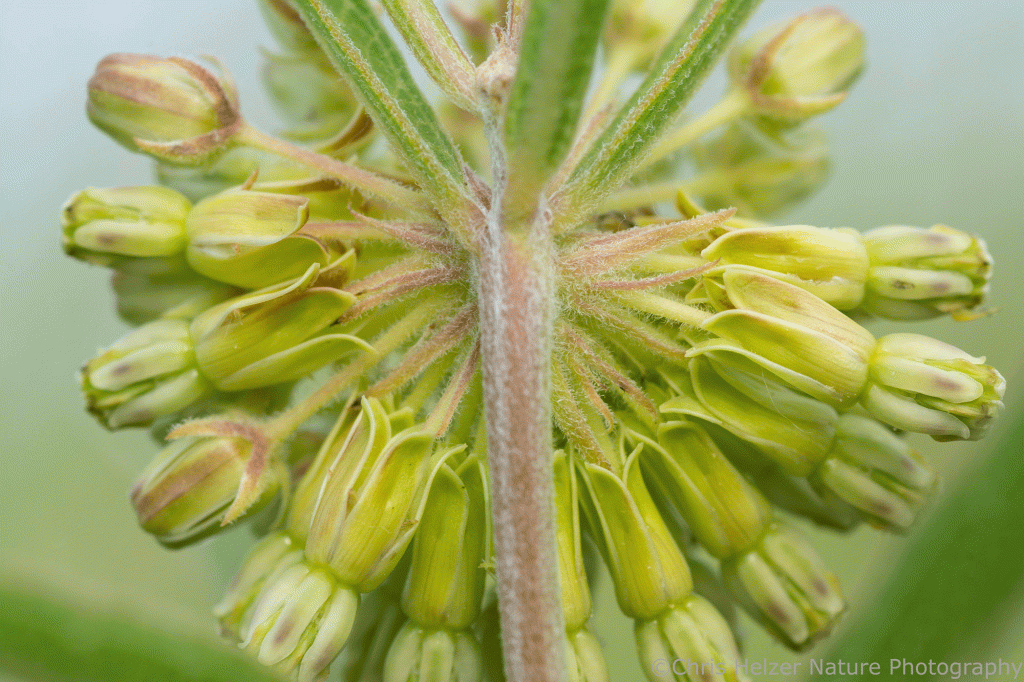
Yucca flowers weren’t the only ones I saw, of course. Bluets were still blooming, though many were done for the spring. Yellow flax flowers dotted the hills, too, and a few green milkweeds were hiding here and there. Unfortunately, I also saw a couple patches of leafy spurge and even more patches of crown vetch. Both are nasty invasive species that are challenging to deal with and are more abundant than anyone would like to see in the Iowa Loess Hills and other prairie landscapes in Iowa and Nebraska.

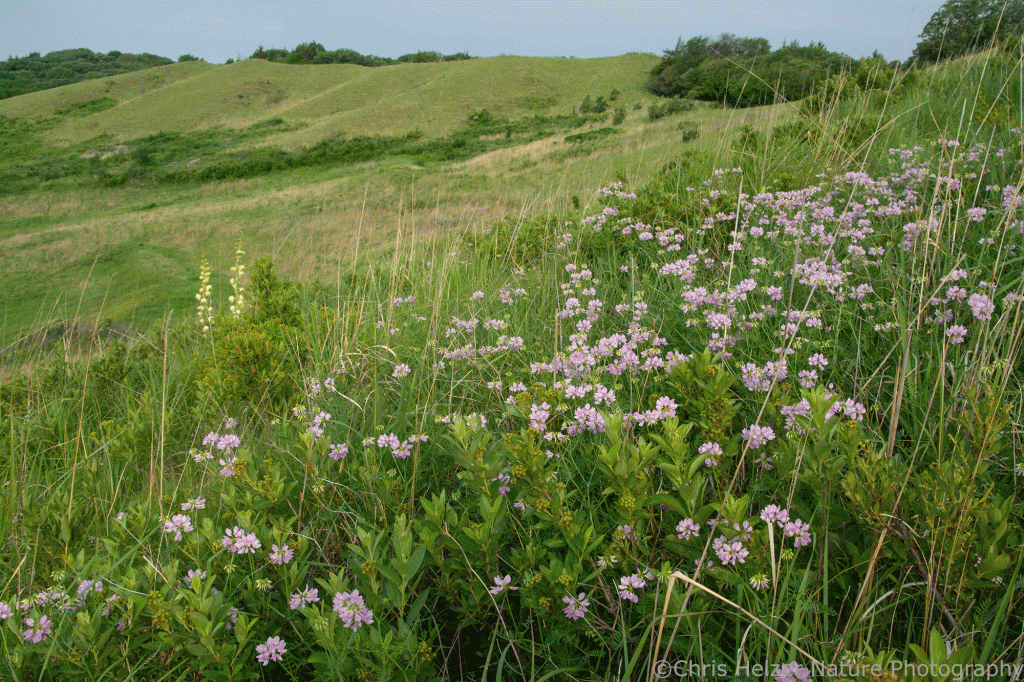


If you’ve not spent time in the Iowa Loess Hills, it’s a fabulous landscape and worth a trip. The steep hills aren’t for the faint of heart, but the climbs are worthwhile when you reach the ridge tops and get to appreciate the views. Though the prairie is in the tallgrass prairie ecoregion, the steep slopes and associated dry soils host a lot of plant species that I recognize from the mixed-grass prairie in central Nebraska. We also share the woody encroachment threat faced in both regions…
All-in-all, the hills, flowers, and wonderful people made a pretty sweet combination. It’s easy to see why so many people were excited to attend the Seminar and celebrate the Iowa Loess Hills.
 The Prairie Ecologist
You get better with age.
Um, Your Bluet flowers are pink.🤔
Thank you for continuing to share the prairie’s treasures with us through your exquisite photographs. That being said, the first three could be painted (which is meant as a compliment).
I grew up in Iowa, but never had heard of Onawa.For that matter, I never saw land like that while I was living in the state. Of course, we never got much farther west than Des Moines, and most of our exploration involved Sunday afternoon drives to see how the corn was doing!
We have several Linum species in Texas; down here on the coast I often see L. alatum . All of the flax flowers are pretty. Ours appeared quite early this year; my first photos were taken the last week of February.
I was especially interested because my family helped pioneer settlement of the Loess Hills area of Iowa, farming a few miles north of Tabor. I have a couple dozen kinfolk buried at the Estes Cemetery there including both my great grandpa Blair and my great-great grandpa Blair plus a slew of cousins, uncles, and aunts. My family helped found the Waubonsie Bible Church, first church in Mills County. I’d long known the area was famously beautiful land and your posting gives details to that. Thanks!
Such beautiful photos and a eye for details too.Thanks for the lovely pics Chris.
I just love your photos! Such beautiful prairies!
I gratefully receive your posts by email. I marvel at your skills, and your generosity, in opening up the intricate macro world of the prairie to those who, like myself, view and admire its dramatic contours and colors, but only from a distance.
May I share this with my HS Biology students?
yes, of course!
Thank you.
Chris, it’s great to see you made it to the Loess Hills! Thanks for helping with the Loess Hills Prairie Seminar. It is a great event. I haven’t been able to attend for years as I’m always on duty that weekend, and am so glad to see it carry on. Thanks for sharing your photos and perspective, and thanks for shining a light on the problem with crown vetch. It deserves more attention and effort.