Quick note – don’t forget our public field day at the Platte River Prairies will be Saturday July 8. Detailed schedule coming soon, but there will be opportunities to learn about plants, birds, mice, invertebrates, prairie restoration and management, and more! The event runs from 7:15am to 2pm and you can come and go as you like. Also, it’s free!
Wow, June has been busy. Attending the North American Prairie Conference next week isn’t going to slow things down, but I’m looking forward to it. Maybe I’ll see you there.
Don’t get me wrong, it’s been a great month, including a productive trip to the Niobrara Valley Preserve last week. I’m sharing just a sliver of the photos from that trip here today. I’d tell you more about it, but see the previous paragraph.
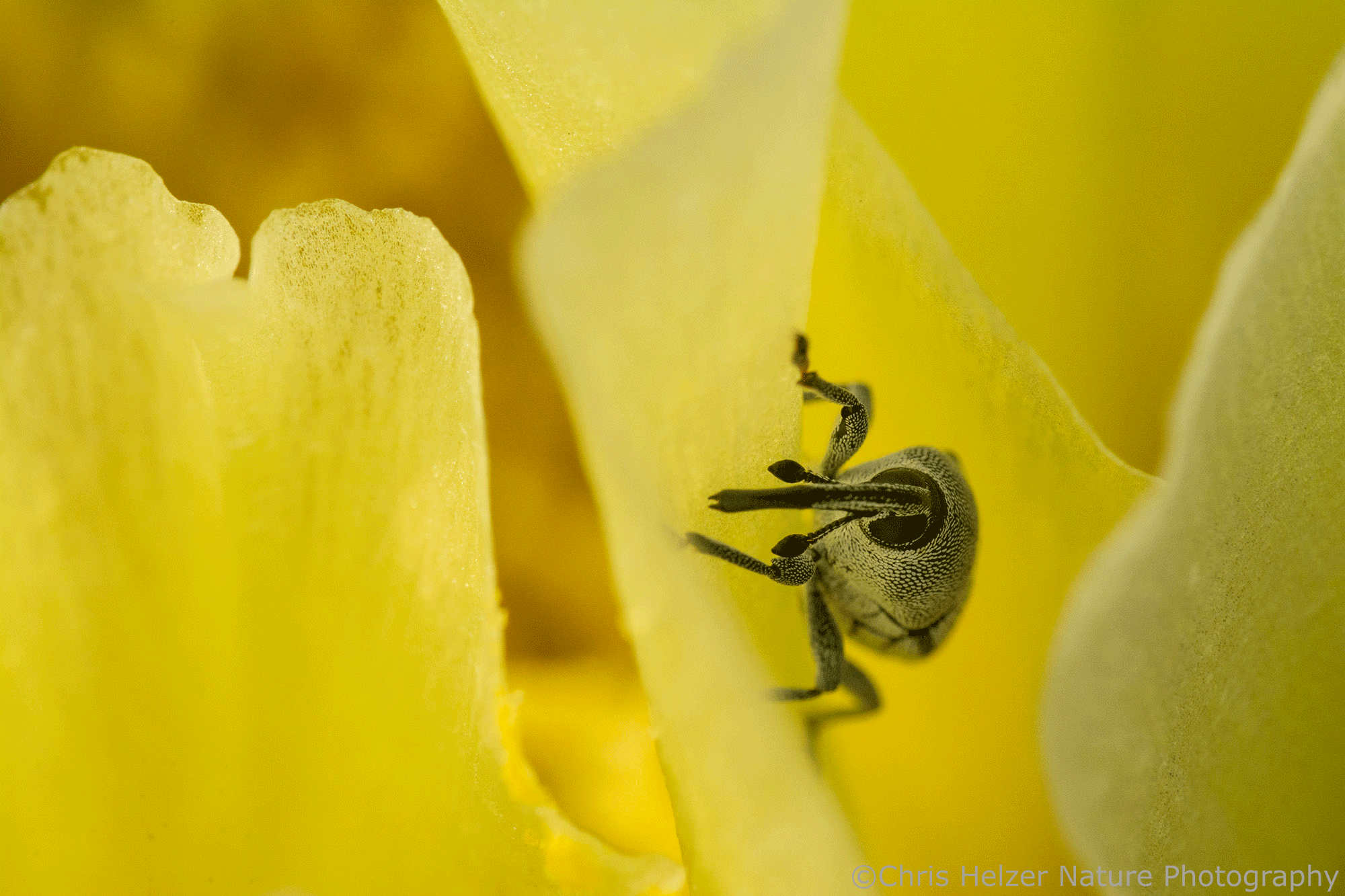
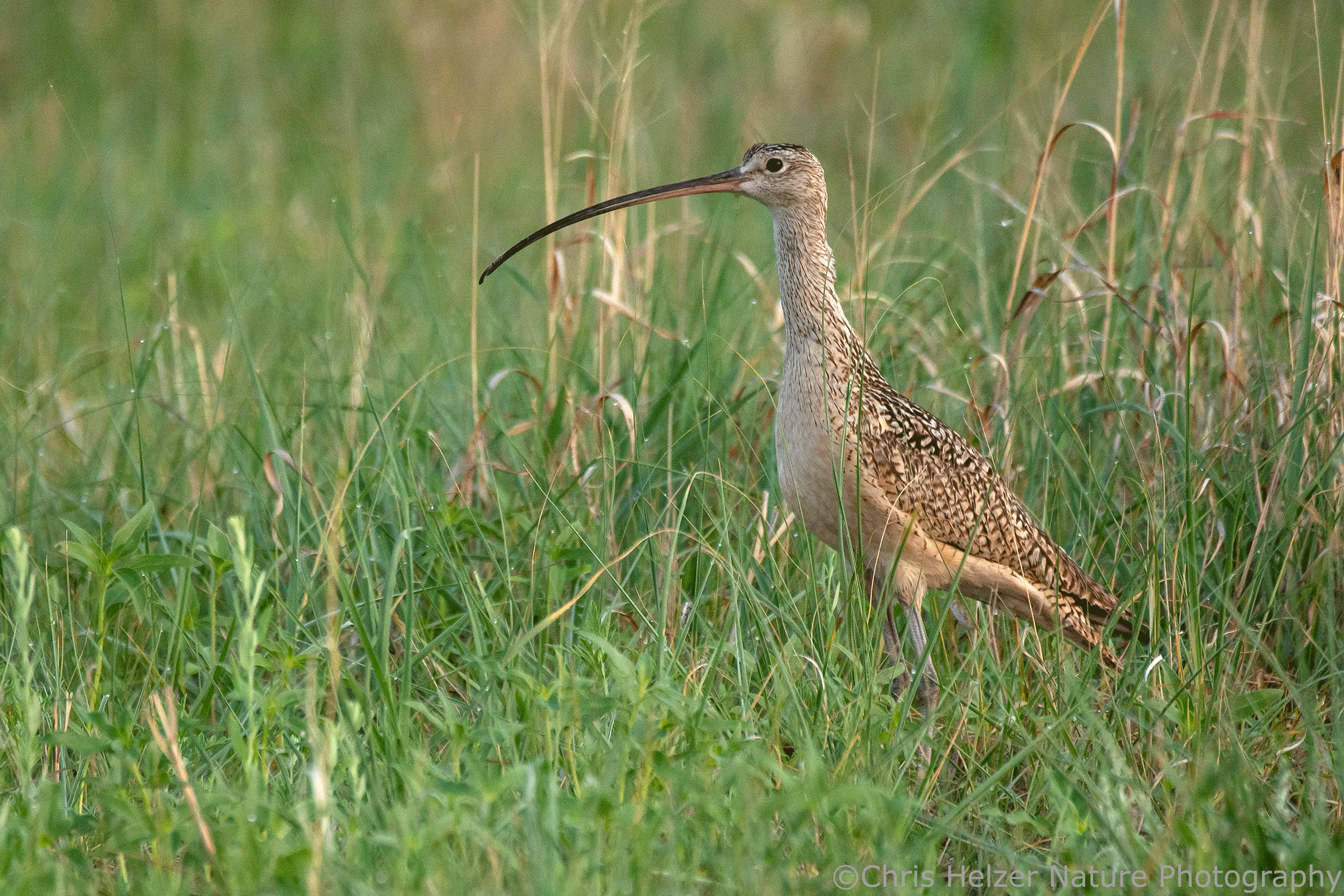
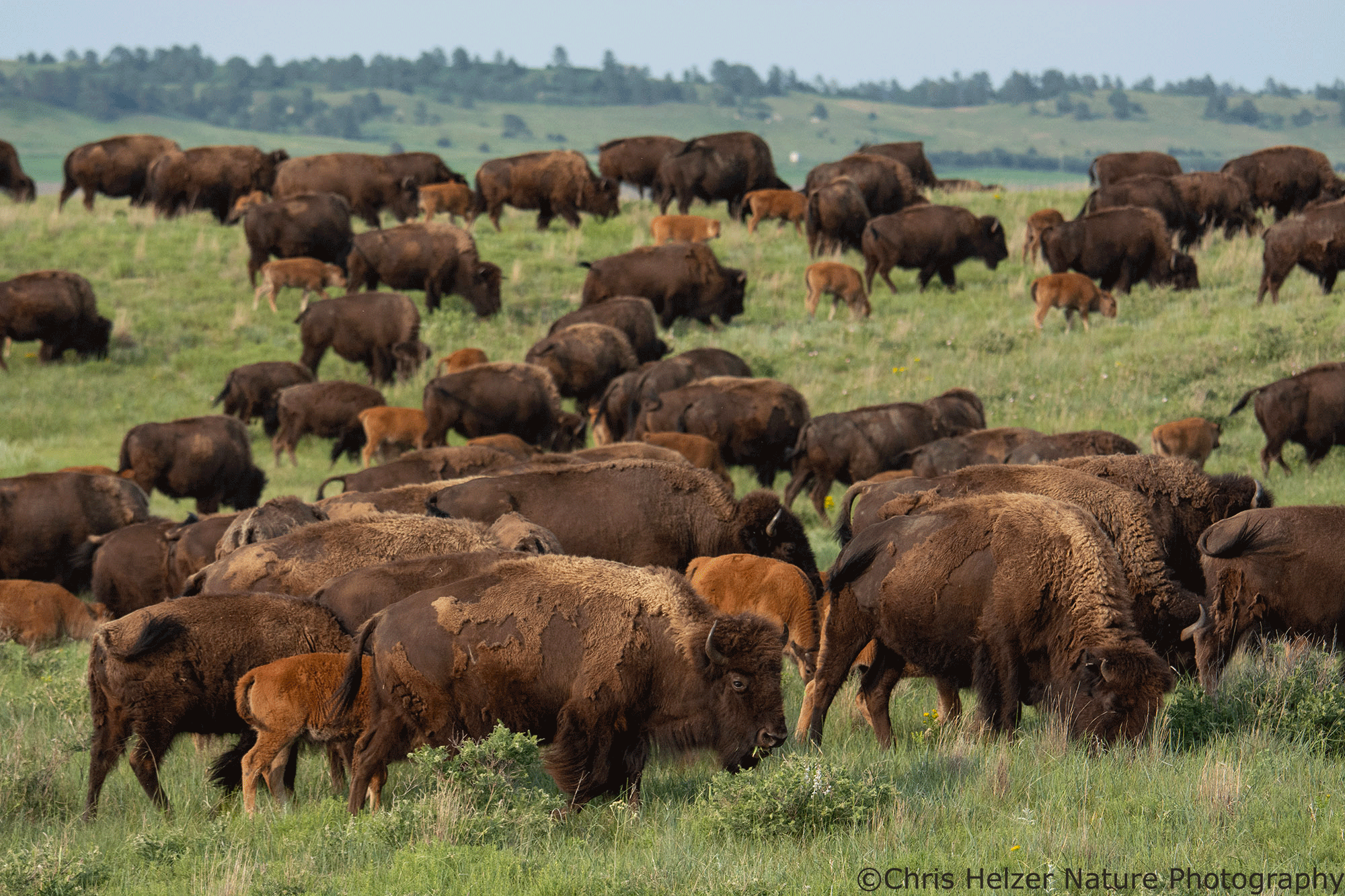
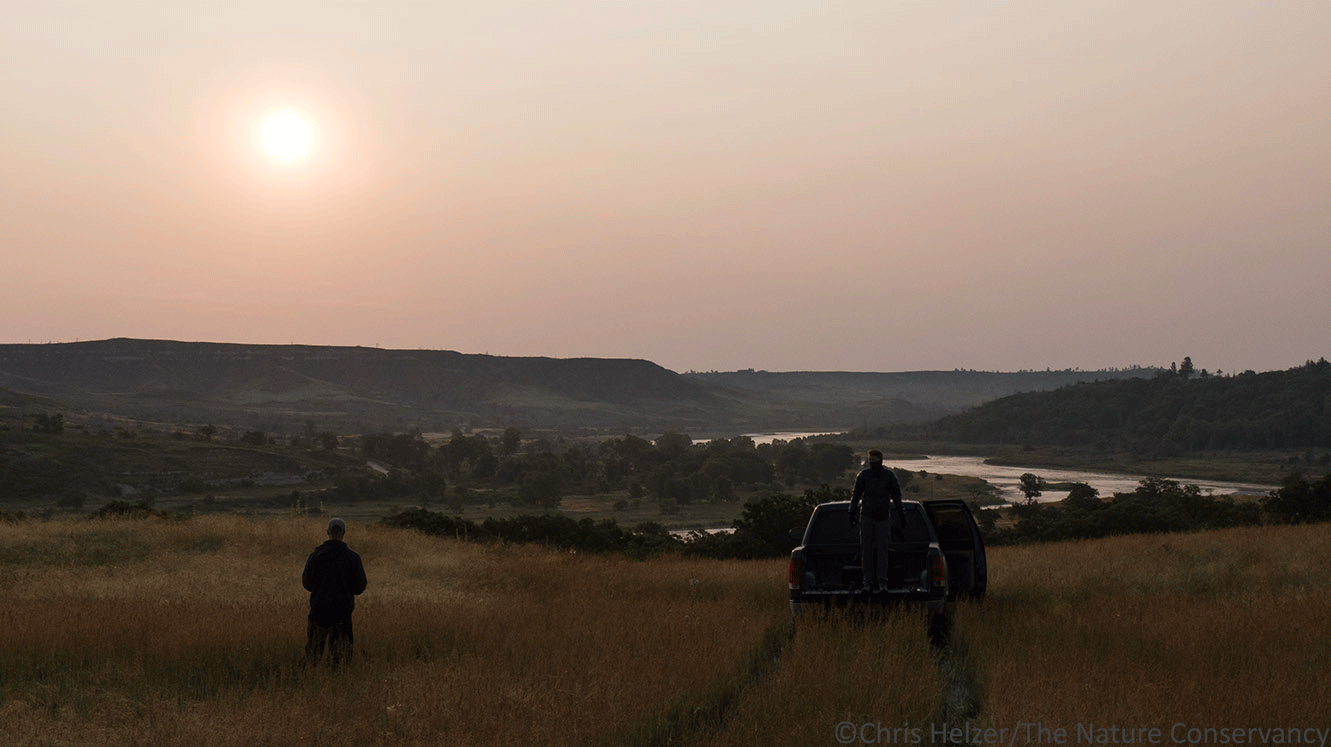
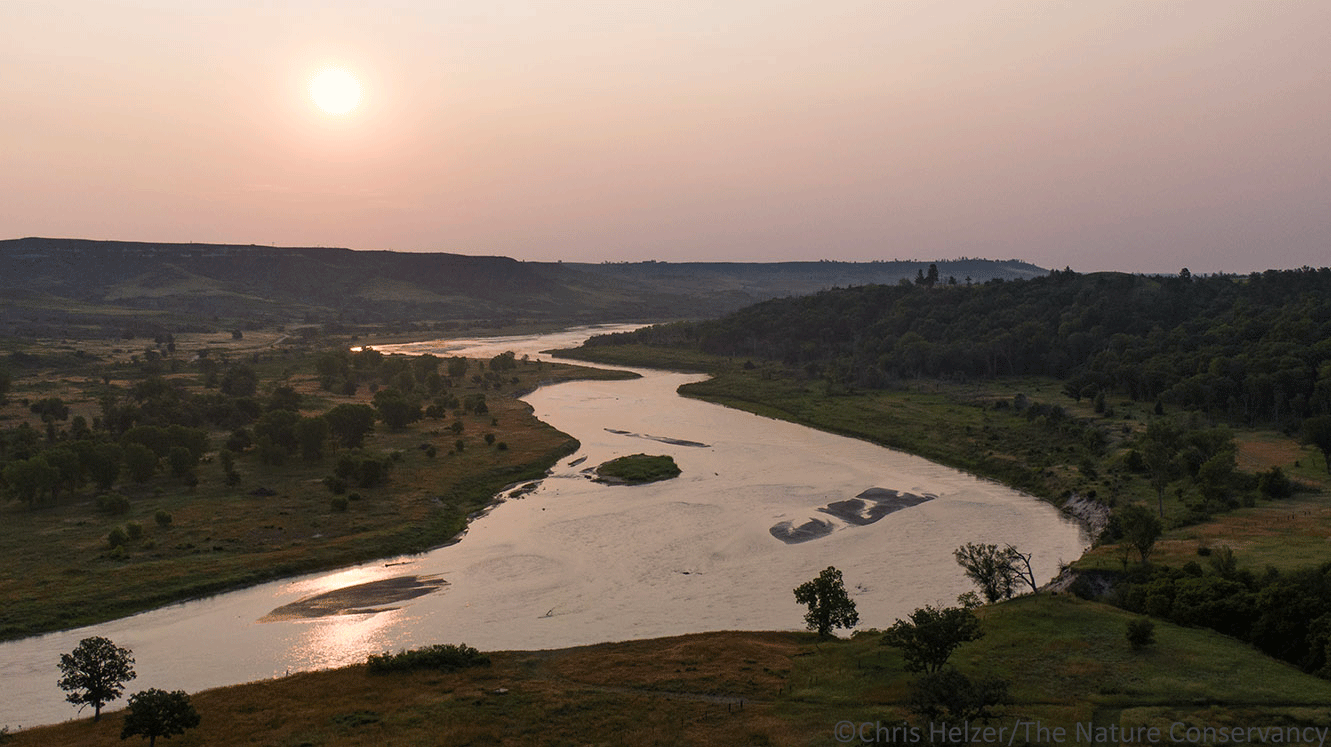
Prairie larkspur (Delphinium virescens) at sunset.Stick insect on porcupine grass.Prickly pear cactus (Opuntiahumifus).Weevil in cactus flower. There was an even cooler weevil, but I didn’t get a shot of it. This, then, was the lesser of two weevils. Good night now!Long-billed curlew. Despite appearances, it didn’t tip over forward even once.Fog in the Niobrara River valley.More fog in the same valley.Pronghorn.Bison. (You probably knew that)Scarlet gaura (Gaura coccinea)A profusion of flowers in a pasture where drought, fire, and grazing all coincided last year. A wet winter and good rains so far this year triggered the explosion.Self-portrait (by drone) of me as a drone pilot (I’m the bearded guy wearing the TNC shirt. On the left. I’m looking down at the controller and view screen. This is too much explanation of a self-portrait.)The drone photo I took shortly after the self-portrait.A photograph taken shortly after the self-portrait, but from the ground with a telephoto lens.
How interesting to see a curlew! We saw one for the first time on our Brown county prairie this year.
We are seeing similar effects of last year’s drought and this year’s wet winter on the wildflowers. It might be more pronounced now that we have essentially cleared every cedar from two prairie sections. Anecdotally, the grazed sections have much more blooming spiderwort, cactus, rose, prickly poppy, and Platte thistle. In the non-grazed section (with all the cedars removed), it seems the drought/wet cycle resulted in an abundance of needle grass. I wish I had time to study all of these things more formally.
Sounds to me like you watched Master and Commander, which made great use of the lesser of two weevils joke. Unless you came up with that yourself? In which case my hats off to you!
Thank you Chris for your great pictures.
The Stick Insect picture was great.
We did see Long-billed Curlew at the Prairie Plains Ranch near Harrison when visiting there.
I saw them again in Texas at the Aransas Whooping Crane festival a couple of years later.
Tony Cur…..
Nice photos. I to have many flowering plants on my little prairie. But only 4 bumble bees. A big decline noticed since 2020. I’m now 100% sure it’s the toxic stew of pesticides farmers are using. I hope the change doesn’t spread your way.








 The Prairie Ecologist
Thank you for the great pics – beautiful sight to see so many calves in the bison herd.
Beautiful! As usual. Thank you.
How interesting to see a curlew! We saw one for the first time on our Brown county prairie this year.
We are seeing similar effects of last year’s drought and this year’s wet winter on the wildflowers. It might be more pronounced now that we have essentially cleared every cedar from two prairie sections. Anecdotally, the grazed sections have much more blooming spiderwort, cactus, rose, prickly poppy, and Platte thistle. In the non-grazed section (with all the cedars removed), it seems the drought/wet cycle resulted in an abundance of needle grass. I wish I had time to study all of these things more formally.
The stick bug on the grass is a an incredible photo. Right place at right time to capture that.
Sounds to me like you watched Master and Commander, which made great use of the lesser of two weevils joke. Unless you came up with that yourself? In which case my hats off to you!
It’s the humor that keeps me subscribed. And the photos. And the learning new things. So basically all of it.
Thank you Chris for your great pictures.
The Stick Insect picture was great.
We did see Long-billed Curlew at the Prairie Plains Ranch near Harrison when visiting there.
I saw them again in Texas at the Aransas Whooping Crane festival a couple of years later.
Tony Cur…..
Nice photos. I to have many flowering plants on my little prairie. But only 4 bumble bees. A big decline noticed since 2020. I’m now 100% sure it’s the toxic stew of pesticides farmers are using. I hope the change doesn’t spread your way.