
Yesterday, I found myself at one of the two prairies where we conducted a summer prescribed fire back on July 20 of this year. The burn was nearly four weeks ago, and it was fun to look at the regrowth. Cattle have had access to the 45 acre burned patch (and the surrounding 450 acres), but grazing pressure has been surprisingly light, mostly because they are also focusing their grazing on a nearby burn conducted back in early May. I’ll admit I’m surprised they haven’t switched more to the recent burn. That’s one of the joys of working with grazers – they aren’t always completely predictable.
I didn’t have a lot of time to explore, but I managed to get a few photos. Some of you expressed an interest in seeing updates after my first post about these fires, so this will be a quick first update. We’re still in a drought here, and the week after the summer fires, we had a long week of temperatures close to 100 degrees F. Things got pretty crispy out in the grassland that week. Shortly after, though, we got some nice rains and those have helped perk up our prairies – both burned and unburned.
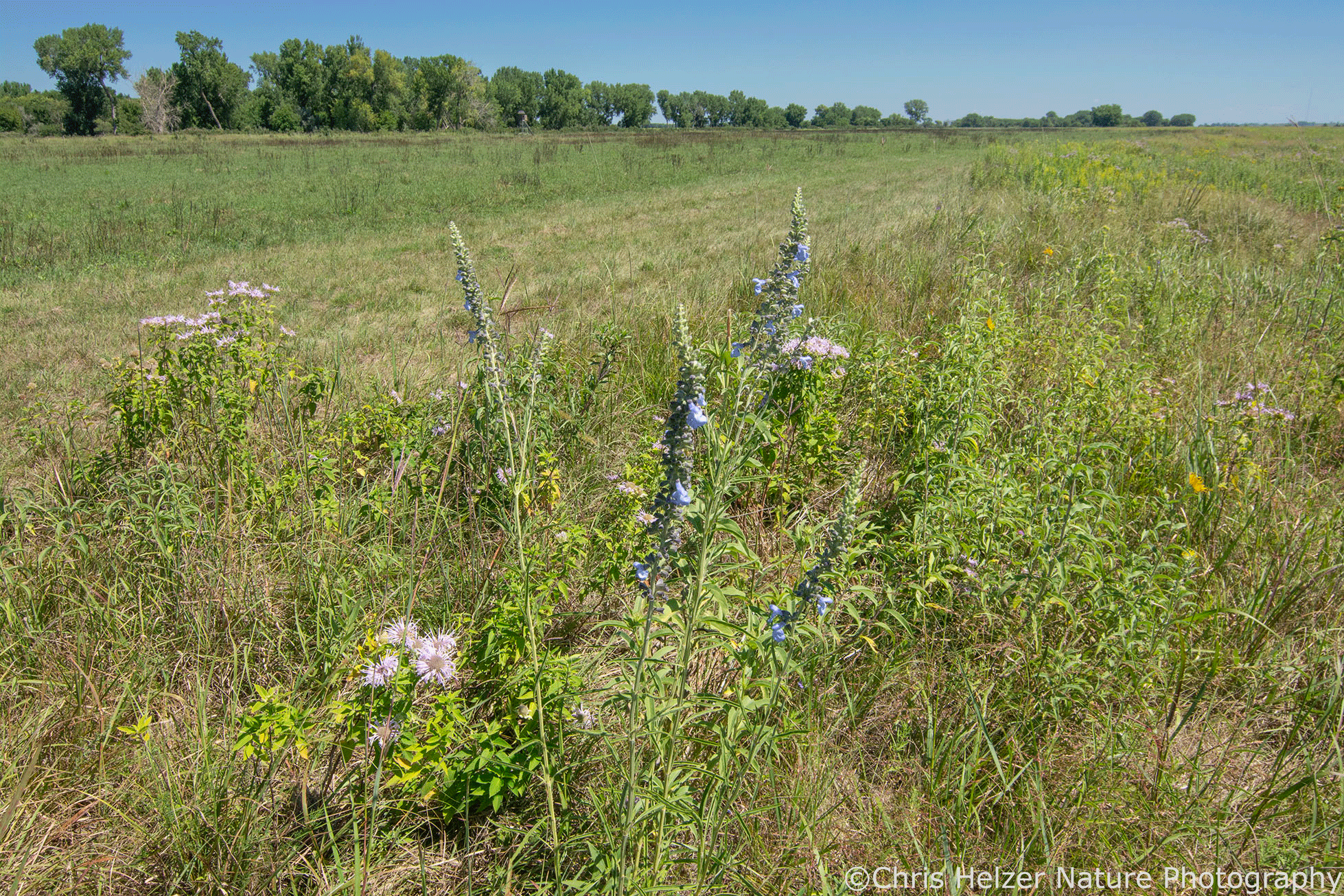
The site shown here is a remnant (unplowed) prairie, but it had lost a lot of its plant diversity by the time The Nature Conservancy acquired it in the early 2000s. In particular, it was missing a lot of summer wildflowers. Sedges, rushes, and some early-season wildflowers (including violets for regal fritillary butterflies) were in pretty good shape. Through time, we’ve added back some of the missing summer flower species by broadcasting seeds after prescribed burns within a patch-burn grazing context. Most of the flowers seen in the above photo are a result of that overseeding.

Most of the plants coming back after the fire are perennials and are growing from buds at their bases, or on rhizomes. We haven’t seen a lot of germination of seeds in the seed bank. That’s not unexpected, especially in a dry year, though I anticipate seeing at least some germination or ‘weedy’ broad-leaved plants later this fall and next spring.
Not all the re-growing plants are natives. Smooth brome and Kentucky bluegrass are also coming on, and will benefit from the fire’s suppression of big bluestem, switchgrass, and other warm-season grasses. That’s where grazing should come in handy. Cattle are normally drawn strongly to that fresh growth and, if so, will keep those invasive grasses from gaining a competitive edge.
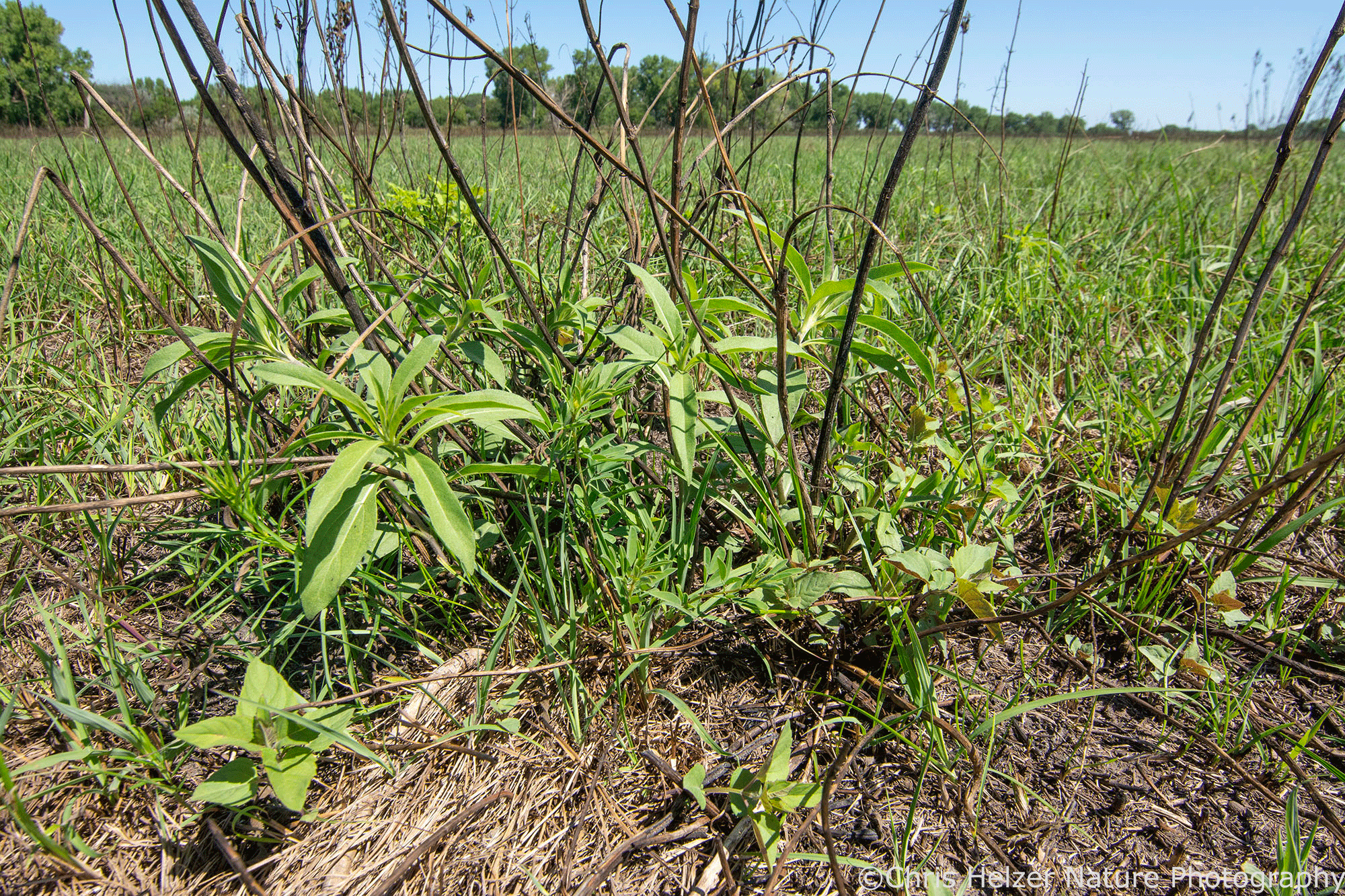
Next year, cattle will probably focus significant grazing on this summer burn. They’ll have access to it all season, at least based on current plans. That’ll provide habitat for animals that require short habitat and/or bare ground. It will also favor opportunistic plants that are good at filling in space when normally-dominant plants are being suppressed. Following next year, those dominant plants (perennial grasses and wildflowers) will regain their status as grazers shift their attention elsewhere.
In other news, there were a lot of monarchs around this week, including at the prairie featured here. I saw at least a dozen of them while I was driving in and out of the site. I stopped and watched one lay eggs on some whorled milkweed. I even got out and checked a plant to make sure that’s what she’d been doing. Sure enough – there was an egg right where I saw her put it. Later in the day, I stopped at our family prairie on the way home and found a little caterpillar on a common milkweed plant. Those eggs and that caterpillar should end up in Mexico this fall if all goes well for them.
Well, the eggs and caterpillars won’t go to Mexico. It’ll be the adult butterflies they turn into. You know what I meant.
Anyway, that’s my quick update on one of our summer burns. The other one is also looking good but I haven’t stopped to photograph it yet. That burn is in a restored prairie (former crop field). After that week of hot temperatures, all the prairie outside the burn turned brown – the loss of organic matter during farming reduces water holding capacity in the soil. However, the burned area stayed vibrant and green. The rest of the prairie looks a little better after our recent rains, but the burned area is still starkly more verdant than its surroundings. Is that ecologically significant? I don’t know, but it’s pretty.
 The Prairie Ecologist
I so do enjoy your posts and photography even though I rarely comment. But would like you to know your blog is greatly appreciated.
Thank you Jim, It’s really nice to hear things like that! I’m glad you’re enjoying it.
Pingback: Habitat Heterogeneity in One Photo | The Prairie Ecologist