
Early this week, I spent about 24 hours at the Niobrara Valley Preserve, helping with an event for members of The Nature Conservancy. In between (and sometimes during) tours and conversations, I managed to get a few autumn photos of the prairie and river valley.
When I woke up Tuesday morning and saw fog outside my window, I knew my plan to sleep in wasn’t going to happen. I drove up the hill and started wandering. The fog was mostly settled down in the river valley, so I looked for opportunities to photograph it with the pre-sunrise color in the background.
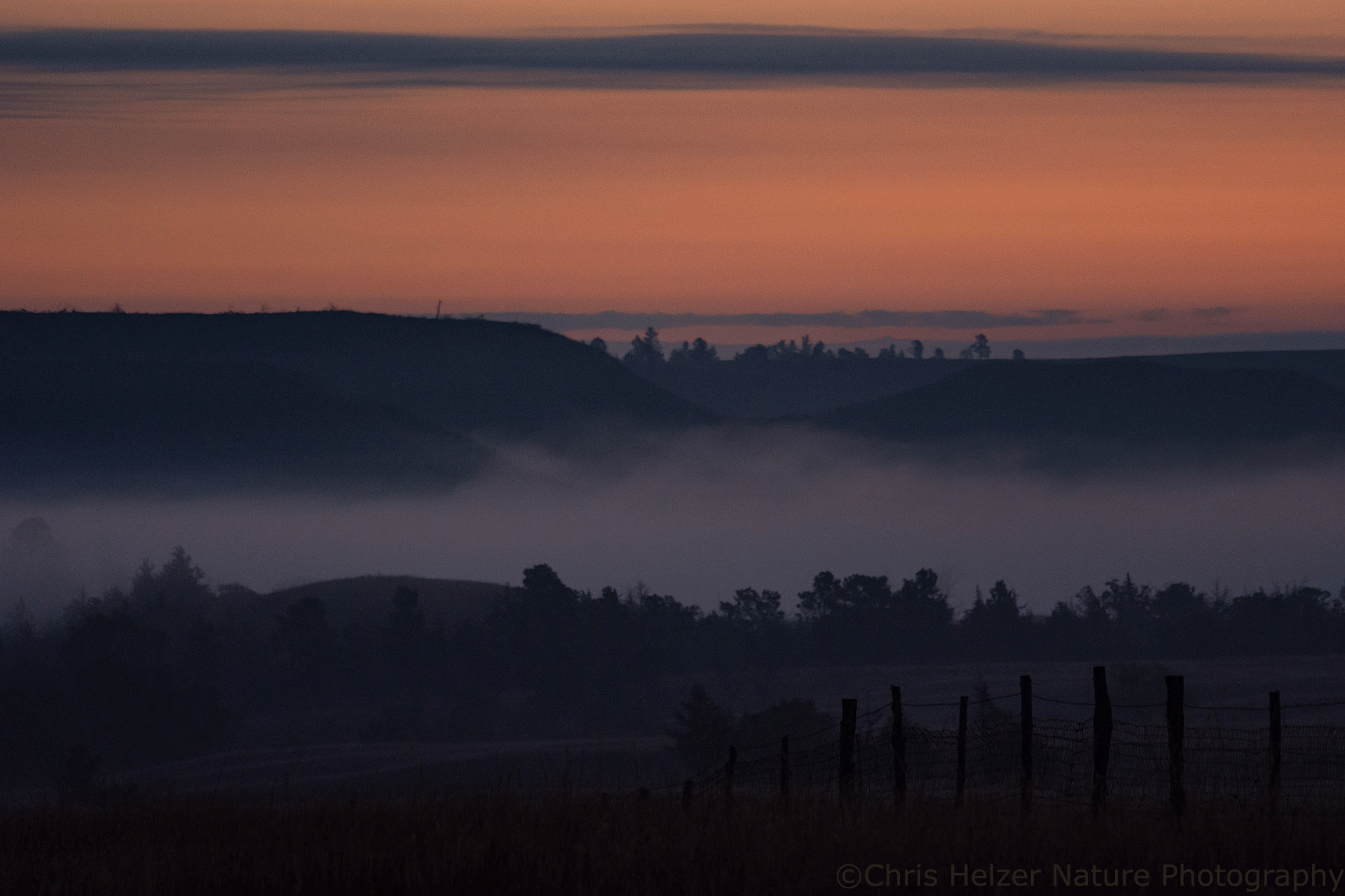
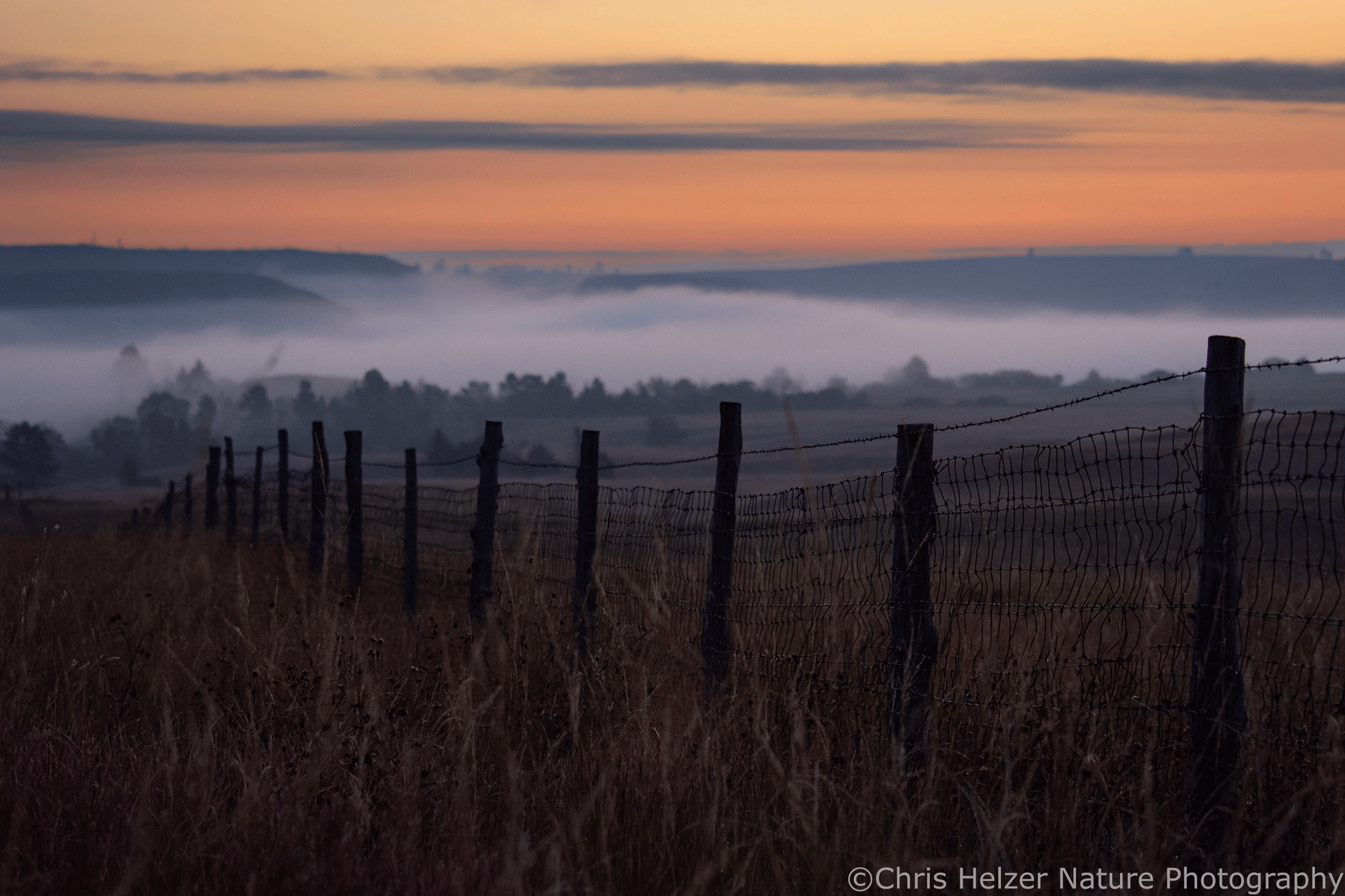


As the sun rose through the fog and scattered clouds, I tried several times to photograph it behind various plants. That mostly failed, but I did find one composition I liked with some sand bluestem flowers silhouetted in front.

Smooth sumac is a native shrub that is both a blessing and curse at the Niobrara Valley Preserve. It’s a gorgeous plant, especially in the fall, and provides lots of resources for lots of animals. There’s also an AWFUL lot of it.
Based on aerial photos, we’ve got lots of patches of sumac that are hundreds of acres in size. On the north side of the river, the 2012 summer wildfire that swept through the area killed most of the ponderosa pine and eastern red cedar trees on the hills and ridges. The footprints of those dead trees quickly filled with sumac and the shrubs have spread from there. We’re experimenting with ways to suppress and shrink sumac patches, but it’s challenging in steep topography, and at the scale we’re dealing with.
Still, sumac is sure pretty when it turns red…

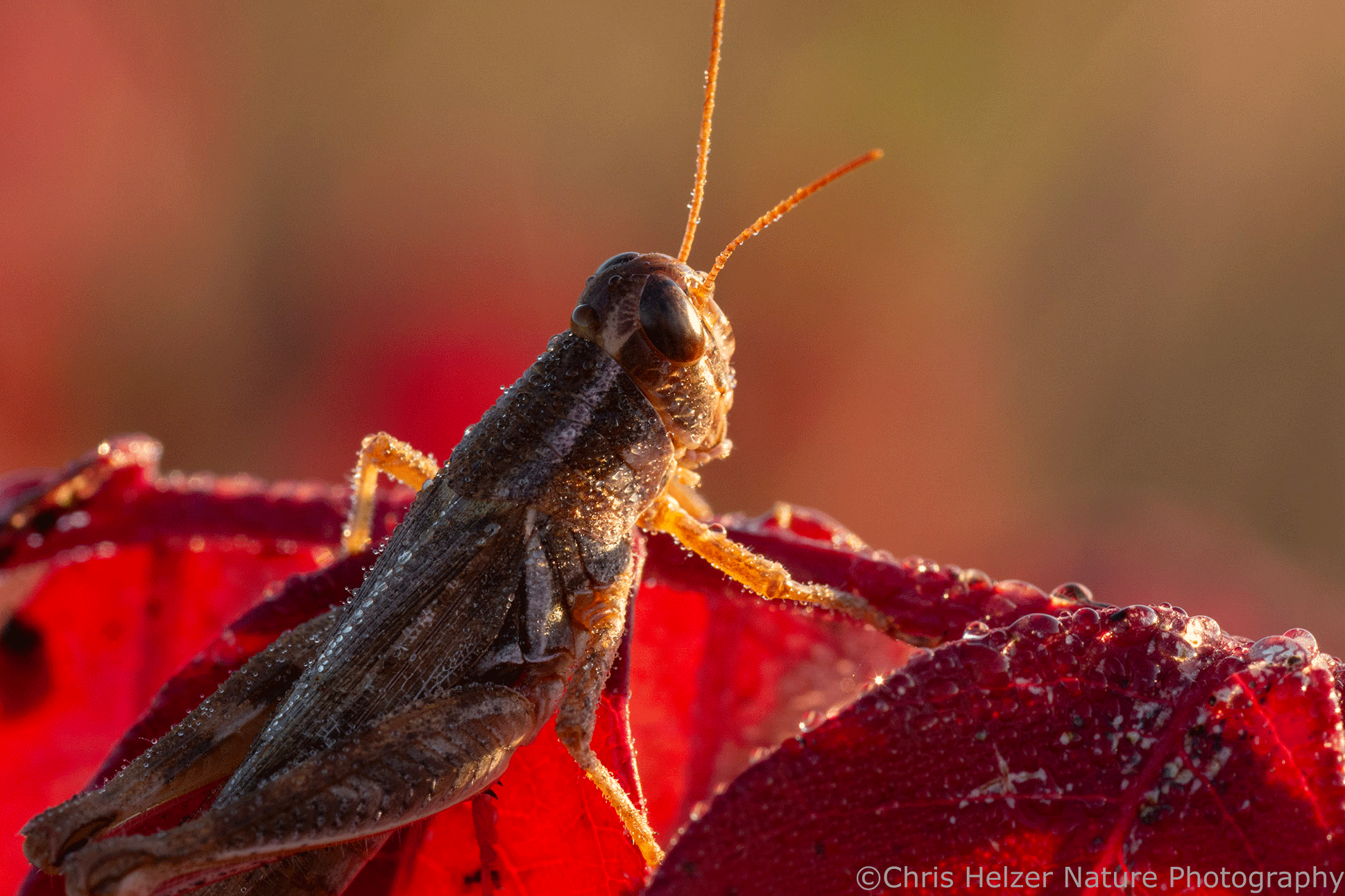


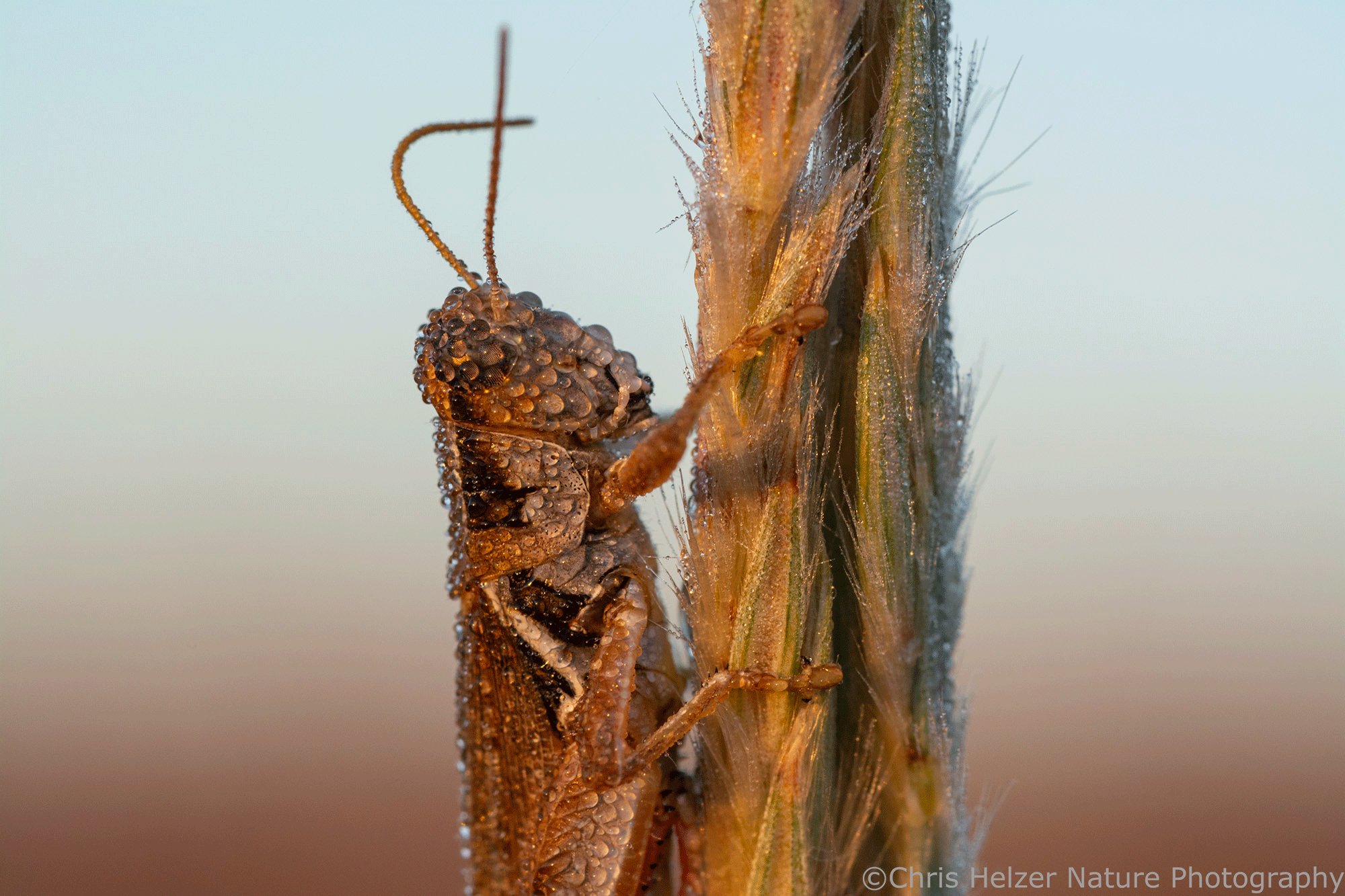
While the fog stayed down in the valley, it was still plenty dewy up in the Sandhills where I was walking. That meant opportunities to photograph insects covered in water droplets, though their numbers were considerably lower than they were during my last visit. I found a bejeweled mayfly and lots of grasshoppers, but no dragonflies or butterflies (though I saw a few of each later in the day).

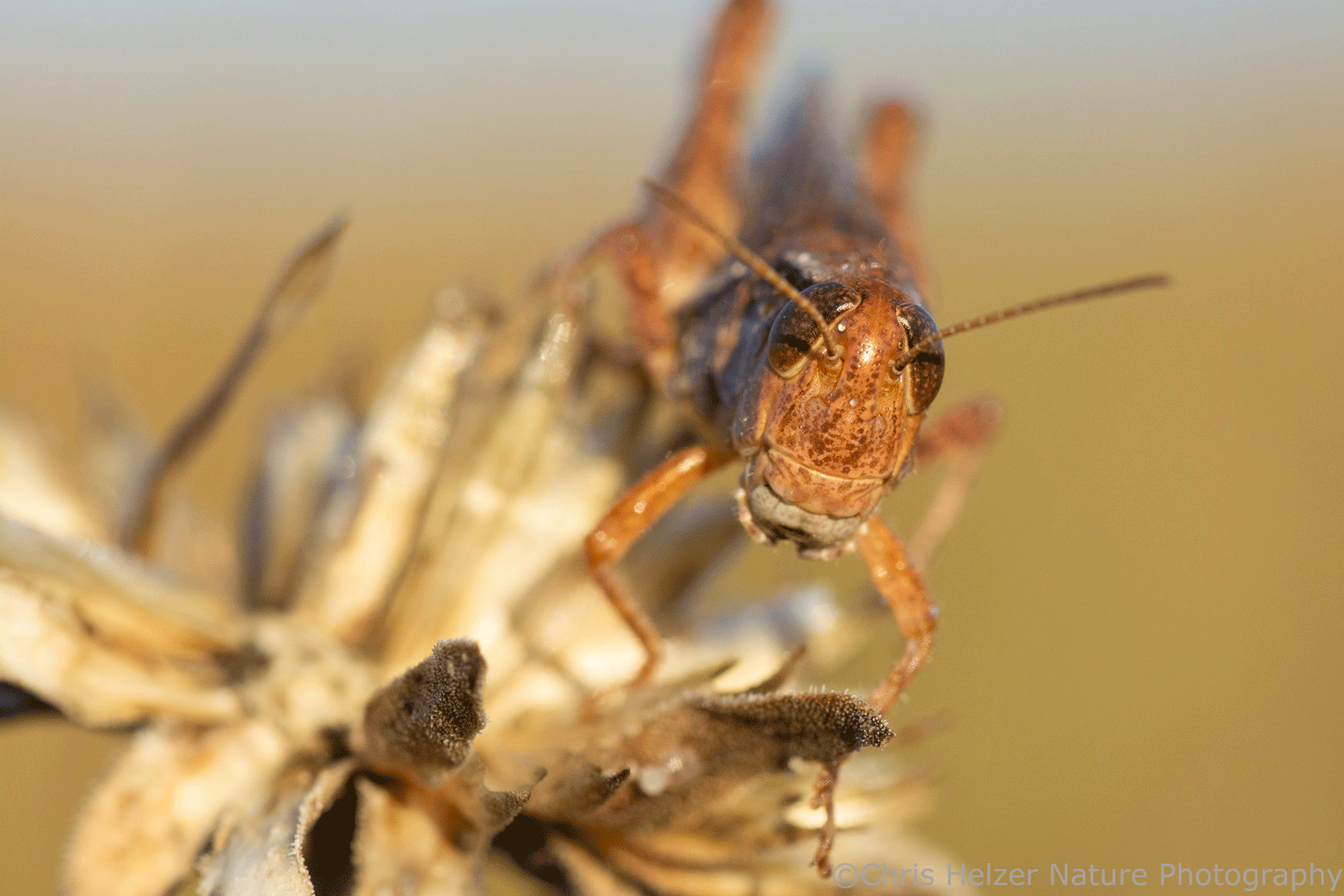
Later in the morning, we took our visitors on a birding hike. I wasn’t the primary tour leader, so while everyone else was looking up at birds, I was looking down at tiger beetles, moths, and spiders. I pointed them out to our guests, of course, but also lagged behind the group for a while and tried to photograph them. Some of that included lying prone in the wet grass to get the right angle, which provided a little extra entertainment for the group.


Aside from the orb webs most people think about when they envision spiders, there were also small tangled webs at the tops of plants – especially switchgrass. I used to assume these were primarily shelters built to protect spiders from predators, etc. As I started looking closer, though, I noticed all the carcasses of small insects caught within the webbing. Clearly, these webs were more effective at catching prey than I’d first assumed.

The tiny spiders in the tangle webs were tough to photograph Tuesday morning because they mostly stayed concealed within their dewy dens. I tried to find angles that showed at least a few legs. I did see a few of them spiders moving around, but most of them slipped back into cover as soon as I got within a few feet. As they should, of course.
I finally managed to get a couple shots of one of the little spiders before it scooted away. These spiders are really small. They were maybe half the diameter of a pea. Or, if you prefer a more modern reference, they’d be able to squeeze into a USB-A port on a laptop or other device.


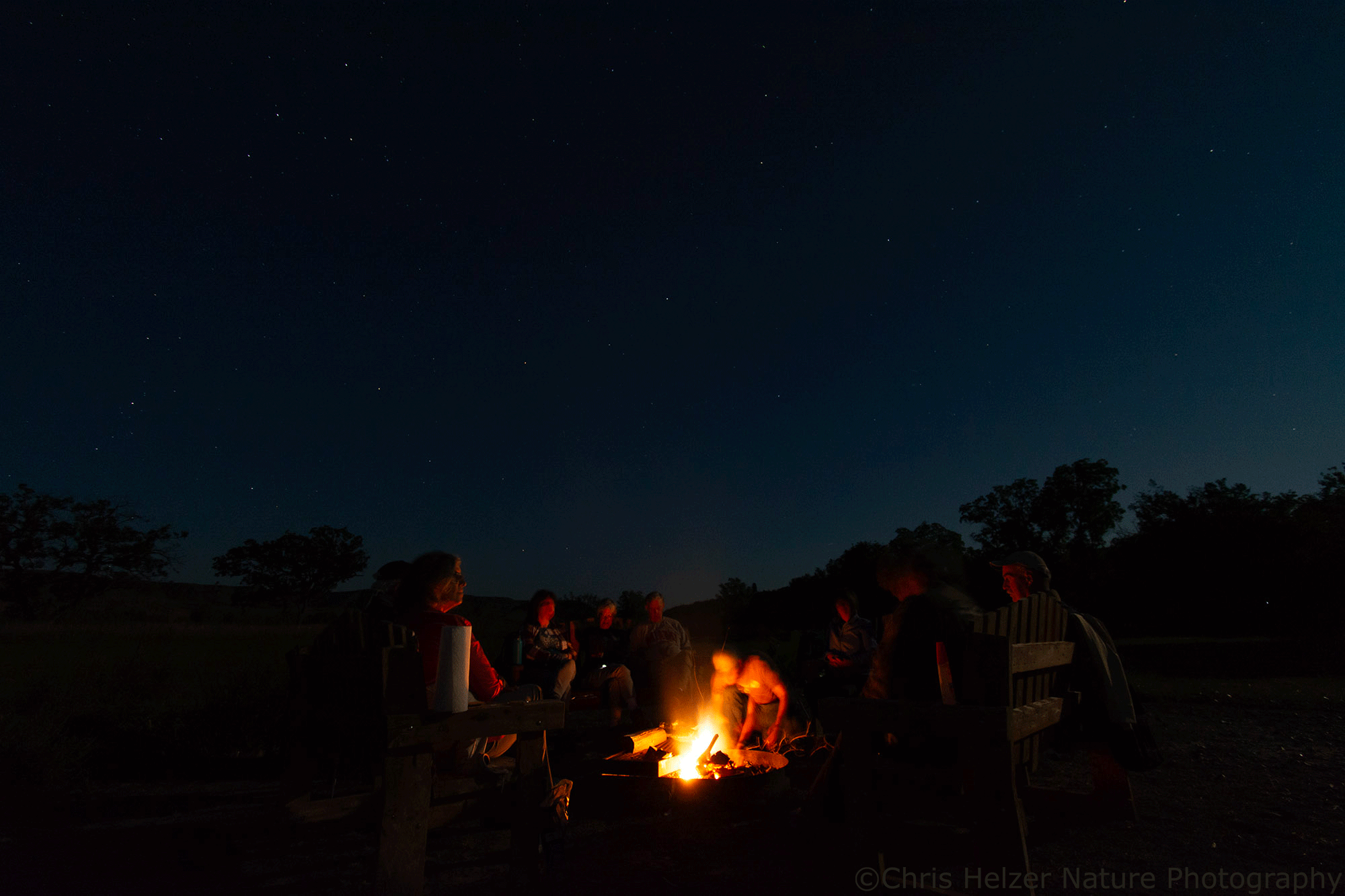
We had a great trip. The fall weather was splendid and our guests were curious, interested (and interesting) people who really seemed to enjoy everything we showed them. I was more than happy to help find things for them to be enthusiastic about!
 The Prairie Ecologist
Beautiful. Do you use a tripod or are you just very adept at holding your camera still when you shoot the macros of the insects and spiders?
Thanks. I use a tripod most of the time unless I’m chasing something that’s moving a lot. Even then, I usually try to use the tripod as a monopod just to provide a little stability. I know not everyone loves tripods, and I keep hearing that with the newer digital cameras and ISO settings they’re not necessary. For the kind of macro work I do, though – using natural light instead of flash – I just find my tripod essential. When my camera is stabilized, I can concentrate on the other aspects of making the image.
Thanks 😊
Hello Chris!
I would love to hear more about your strategies to manage sumac. I’m facing the same challenge in a 10 acre fallow haying field in the Arkansas Boston Mountains/Ozark.
Thank you for your ever insightful and thoughtful posts.
Ingrid Karklins
Thank you Chris! These photos are amazing. I hope to make the Niobrara Tour next year.
Beautiful photos.
Thank you so much for this post. As with every week, your photos are a visual feast for my eyes! Plus I love the bugs’ eyes lol