
There’s nothing to see in a November prairie. Everyone knows that.
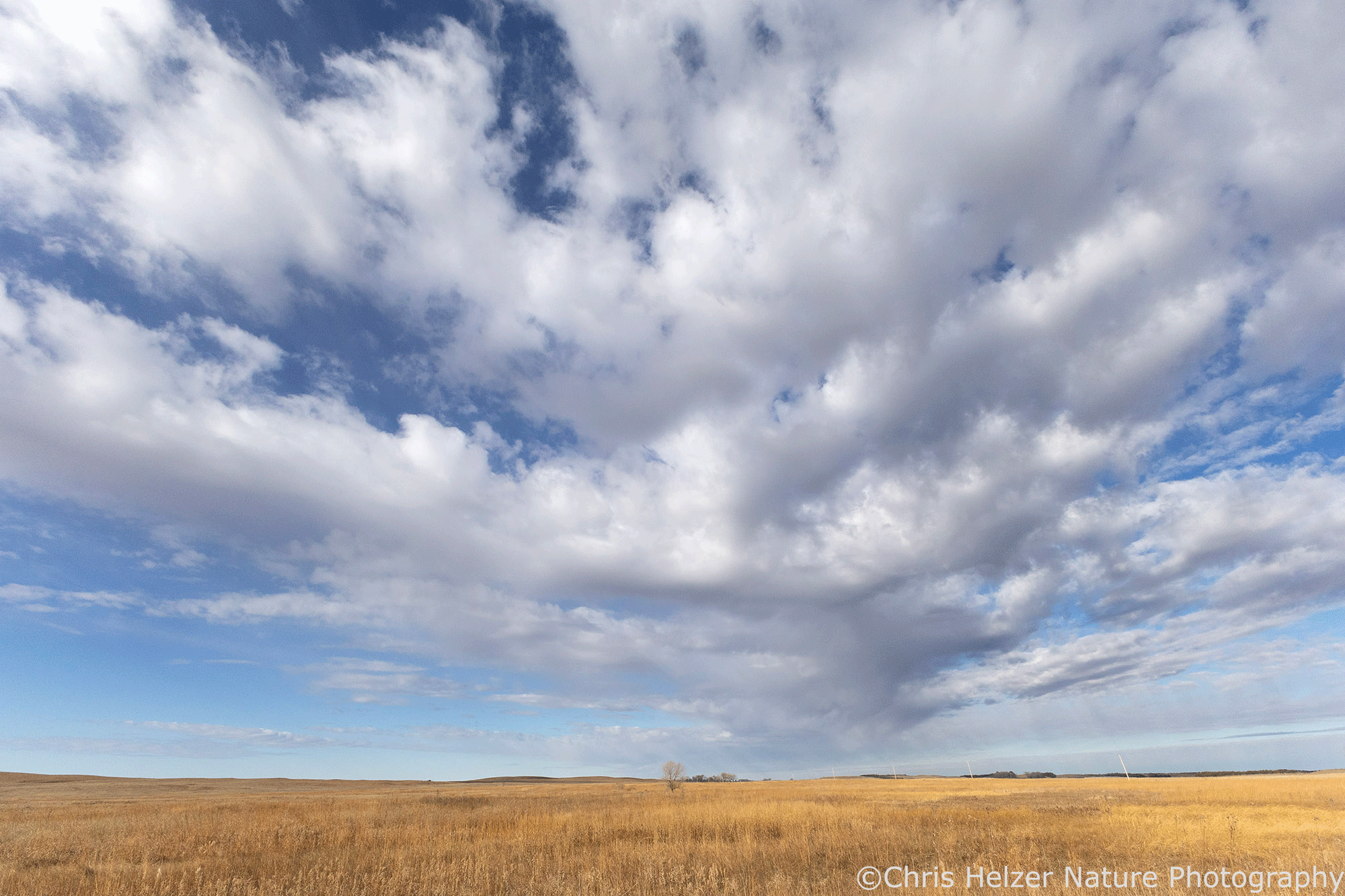
All the plants are brown and dried up. The flowers are all gone and nothing’s moving around. The prairie in November is depressing and sad. Don’t waste your time.
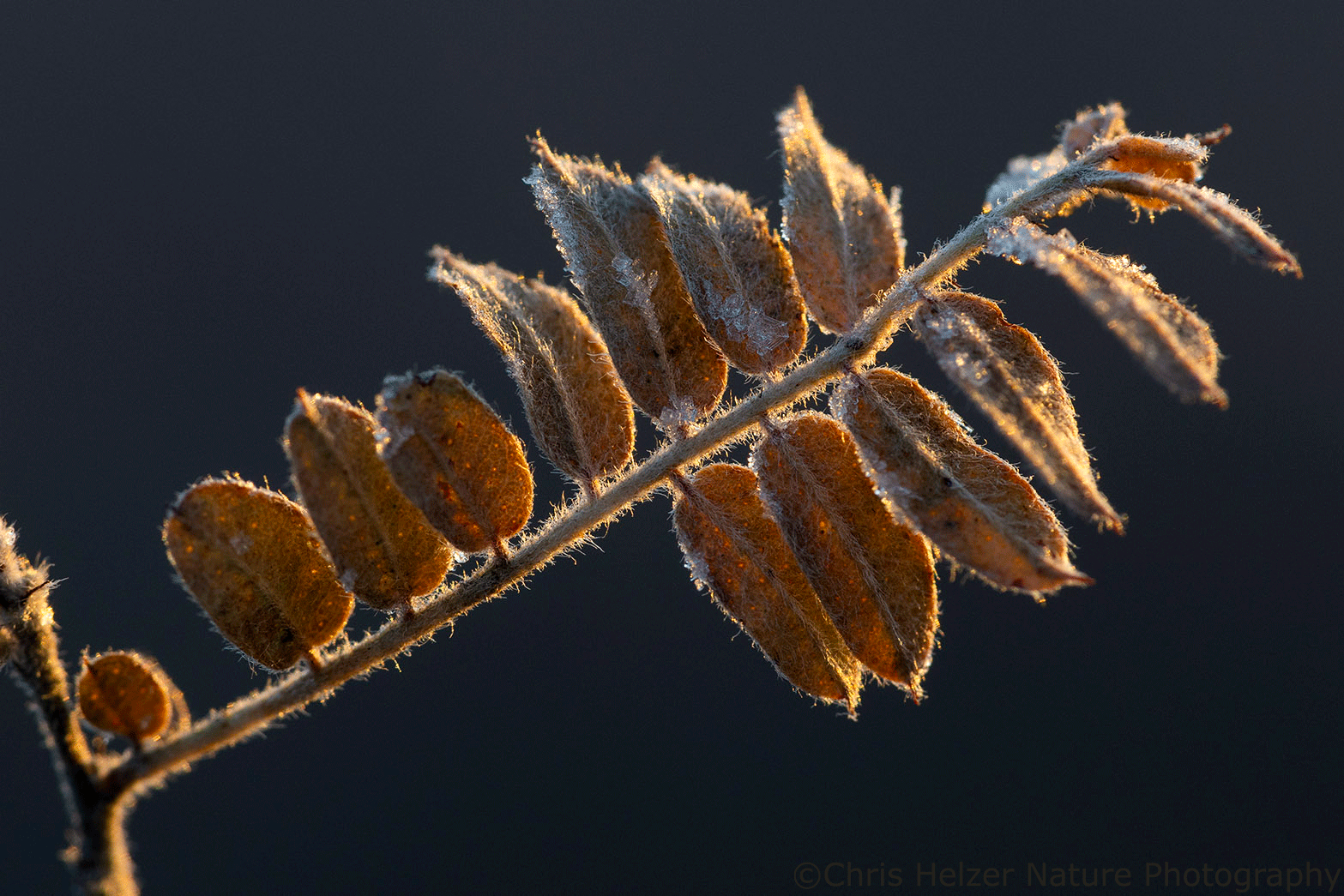
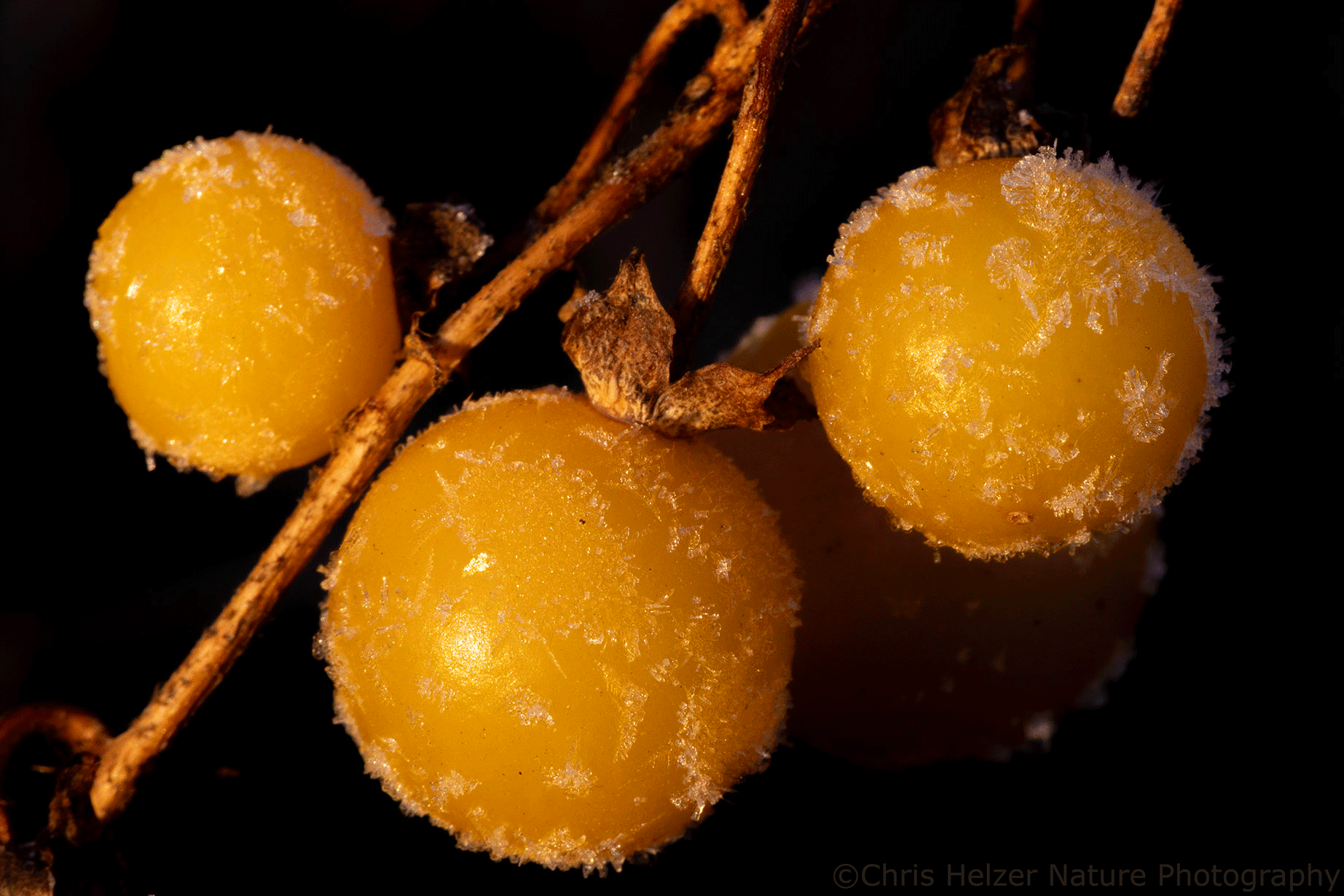
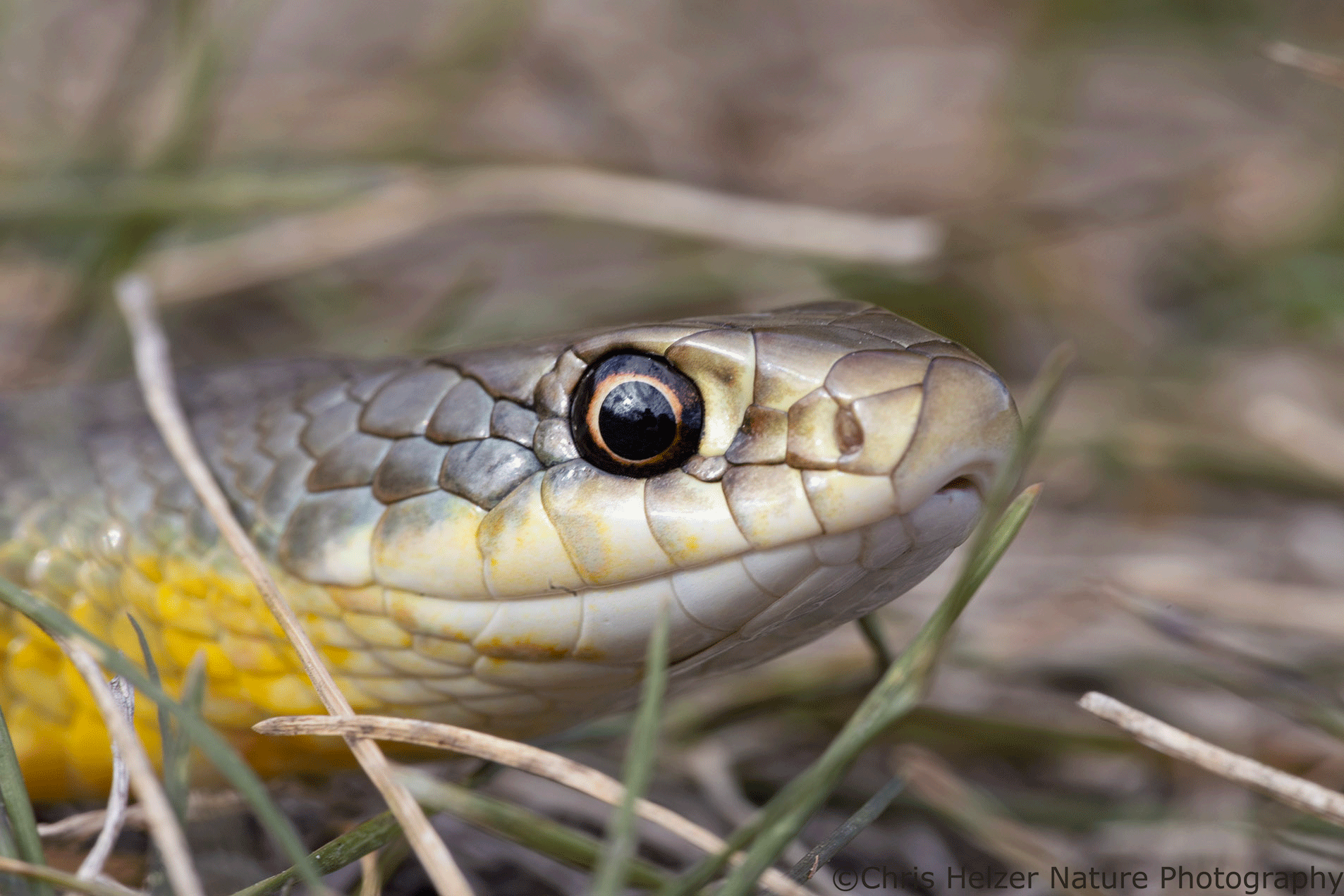
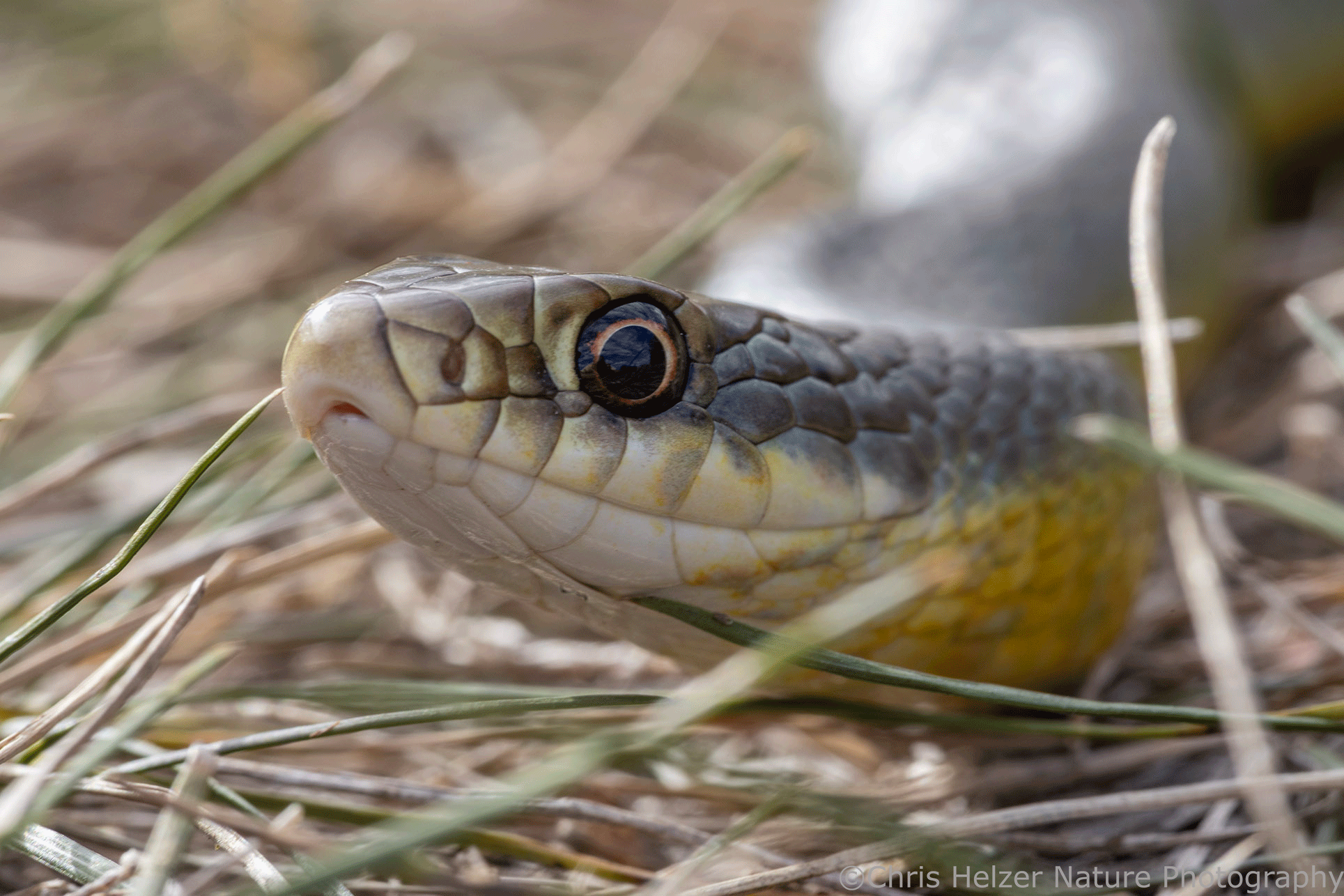
I don’t know why anyone would want to venture out into a drab landscape full of plant skeletons and vague memories. Sure, maybe you’ll get lucky and see an odd grasshopper hopping around. You might even spot a snake hoping for one last shot of sunshine before the long winter. Is that worth all that walking, though?
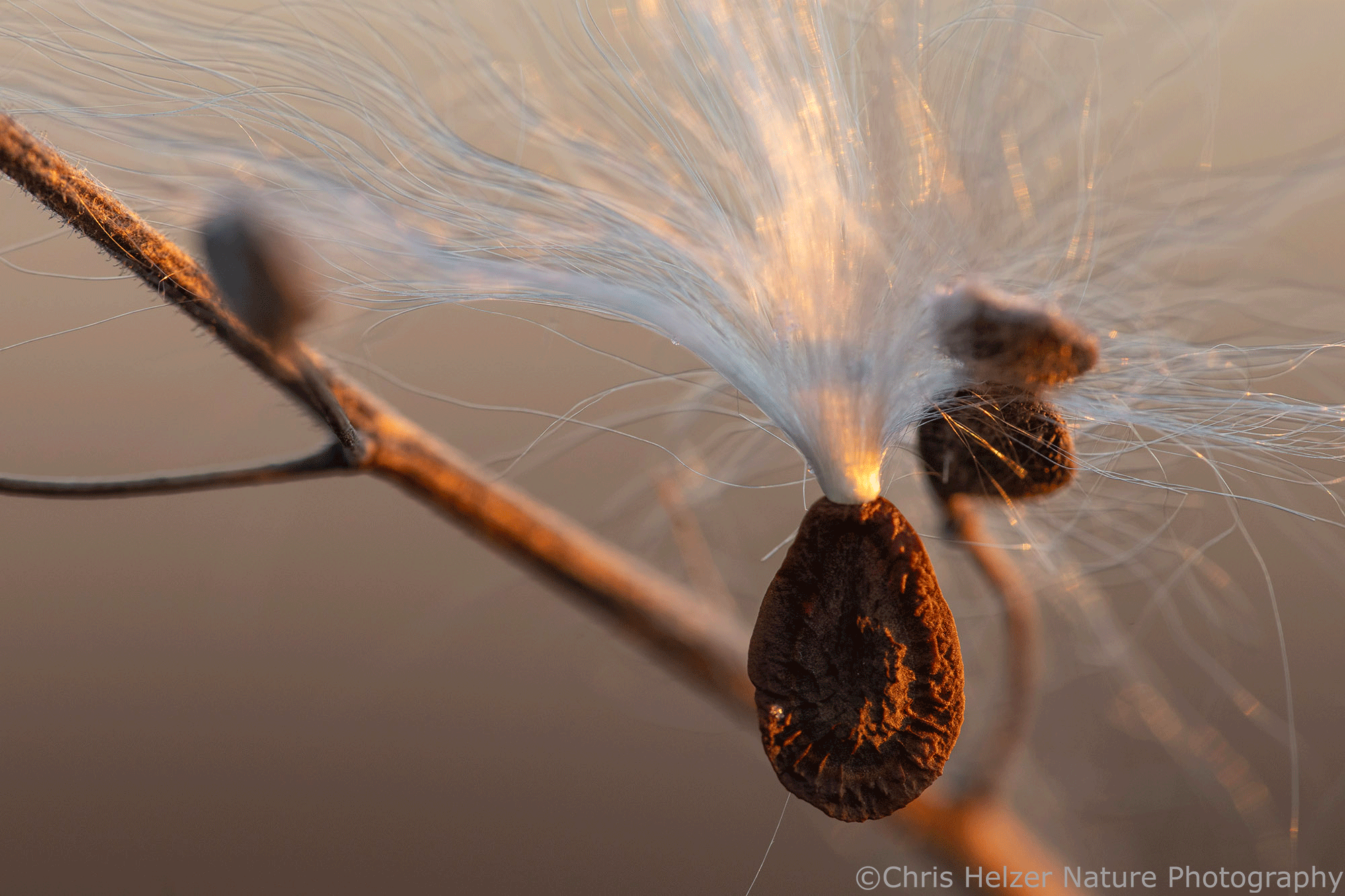
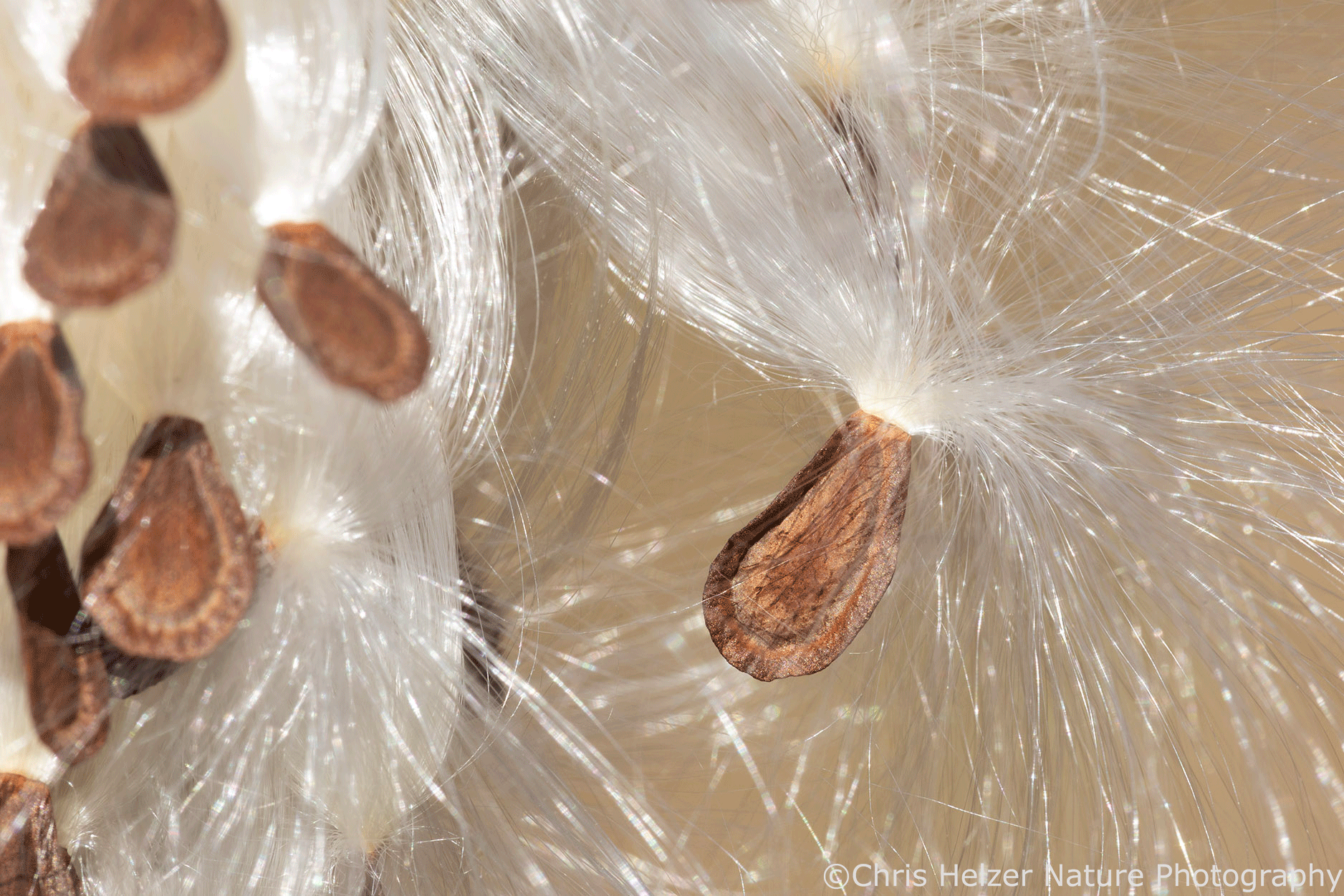
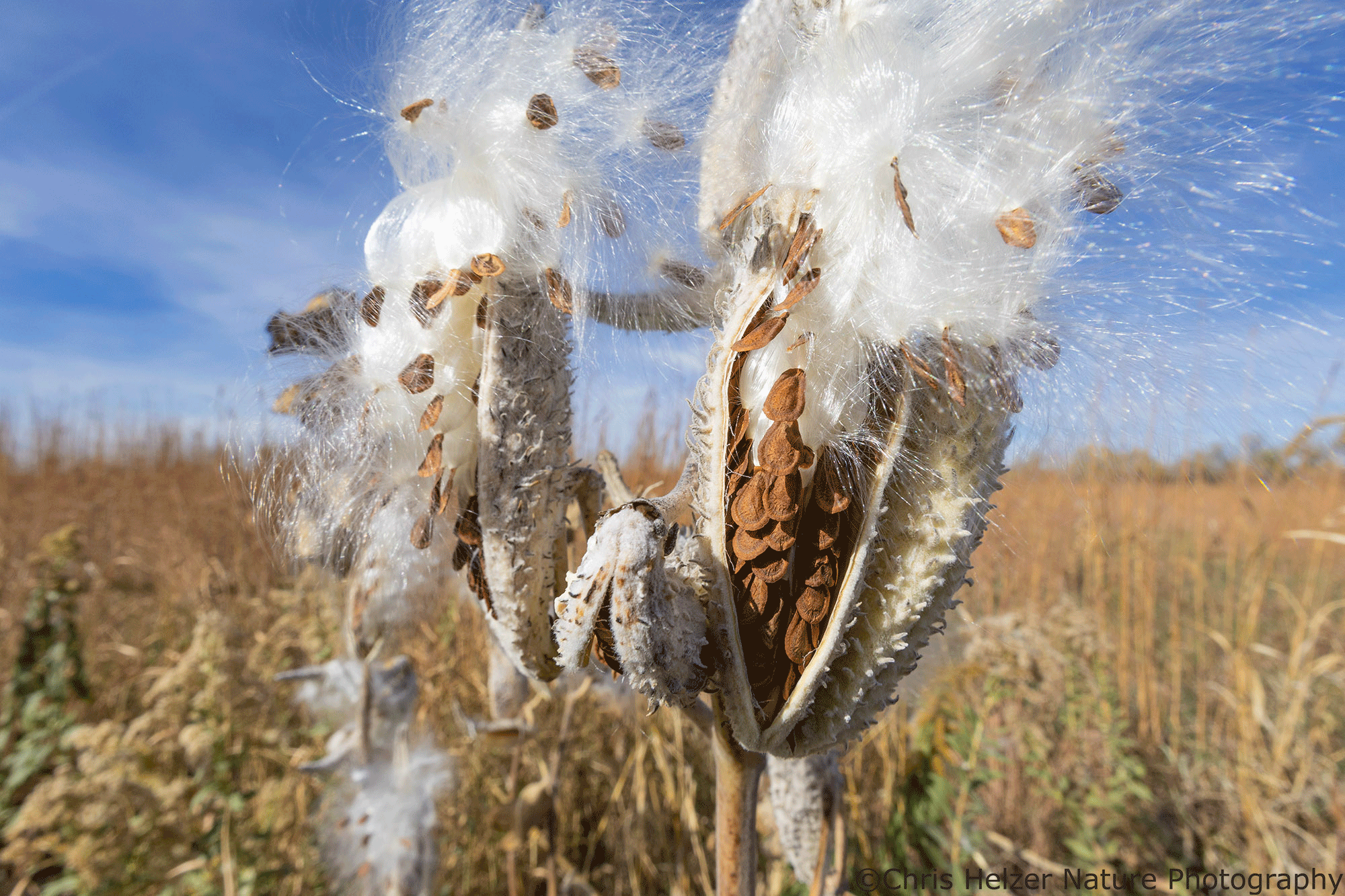
I’ll give you milkweed seeds, I guess. They, at least, have an interesting shape and texture, and they often cling captivatingly to other plants. If you try not to think about the futility of their journeys, most of which will end in failure (they won’t land in a place they can grow), I suppose they’re kind of pretty. But, other than that, November prairies are dismal wastelands. Also, ‘captivatingly’ doesn’t seem like it should be a real word.
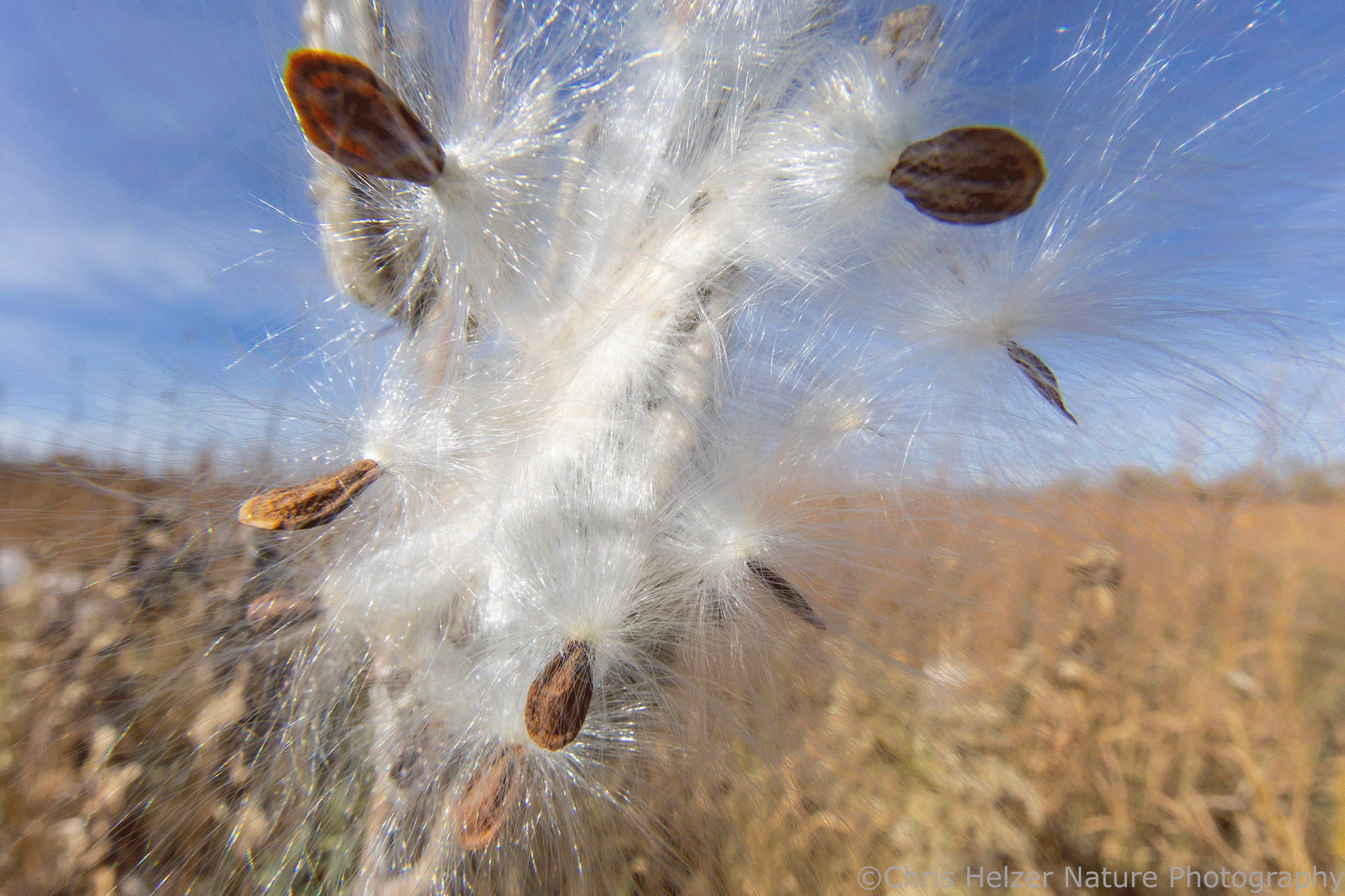
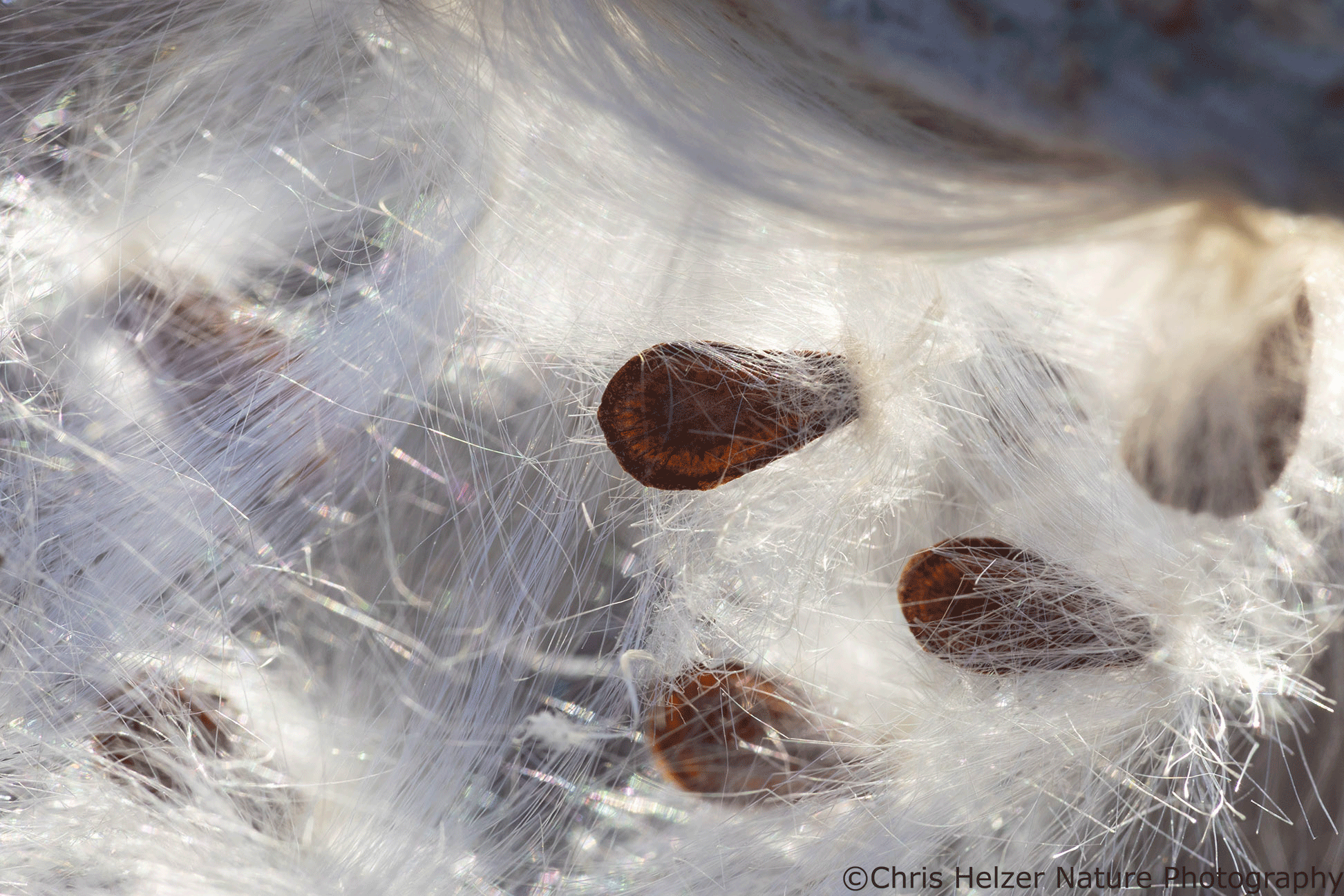
But, other than milkweed seeds, and the occasional insect or other animal hanging around, there’s nothing to see in a prairie this time of year. Ok, occasionally, some striking clouds will pass majestically by, making you feel gloriously small. And, of course, there are the sunrises and sunsets, which can be really gorgeous this time of year, but they don’t look like that every day.
Mostly, November prairies are just a bunch of crunchy, desiccated plants standing around, waiting for a spring that is months away. It’s better to just sit indoors somewhere, staring at a wall and pondering the inescapable desolation of life.
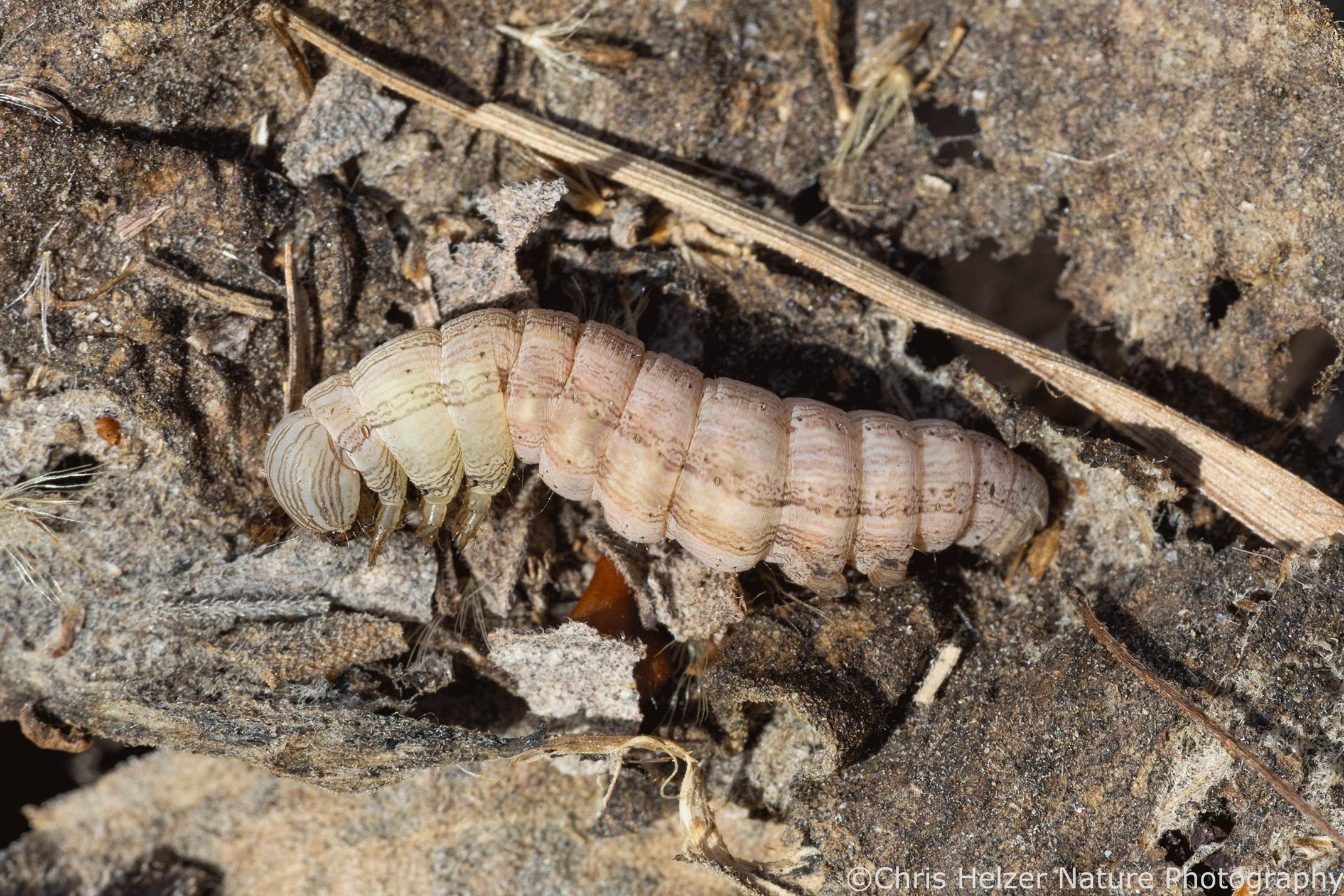
P.S. A lot of people just subscribed to the blog this week, after my post on how long prairie plants can live. Welcome! If you’re new, you might not be used to my weird sense of humor just yet. Heck, even if you’ve been reading these posts for years, you might not be on board with my ‘sense of humor’. Anyway, just to be clear, I’m being facetious when I talk about how boring prairies are this time of year while showing photos that belie that.
‘Belie’ is another word that doesn’t seem like it can possibly be real.
 The Prairie Ecologist
Haha! Love your sense of humor! Good one!
Joe
Sent from my iPhone
Chris, I shared your last fascinating blog post about the lifespan of prairie grass on the Facebook Iowa Prairie Network page, so that may account for at least some of your new subscribers. I thought that they would find it as fascinating as I did. Cheers! Donna Hughes Story City, Iowa
Beautiful snake photo.
The prairie is never depressing to me, now is the time to enjoy clouds and the open expanse of golden grasses
Wow, you changed systems… Looks like it’s agreeing with you.
Thanks Chris. I agree, love walking through especially during heavy frost or snowfall.
I share your fascination with milkweed floss and seeds. I’m old enough to remember picking the floss for use in life preservers, back during World War II. Now milkweed, in addition to it’s beautiful flowers, is used to help Monarch butterflies survive; back then is was our U.S. troops we were working for. It’s a funny old world, isn’t it?
Your droll sense of humor rocks, and your exquisite photography captures with such elegance, the subtle, textured mosaic of prairie life. Food for eyes, mind and heart! Always, thank you!
Thank you. The milkweed seed photos especially