
So far, our local January has been very cold and full of snow, frost, and ice. Schools have been canceled and travel has been difficult, but prairie photography (when I’ve been able to get out) has been pretty great!
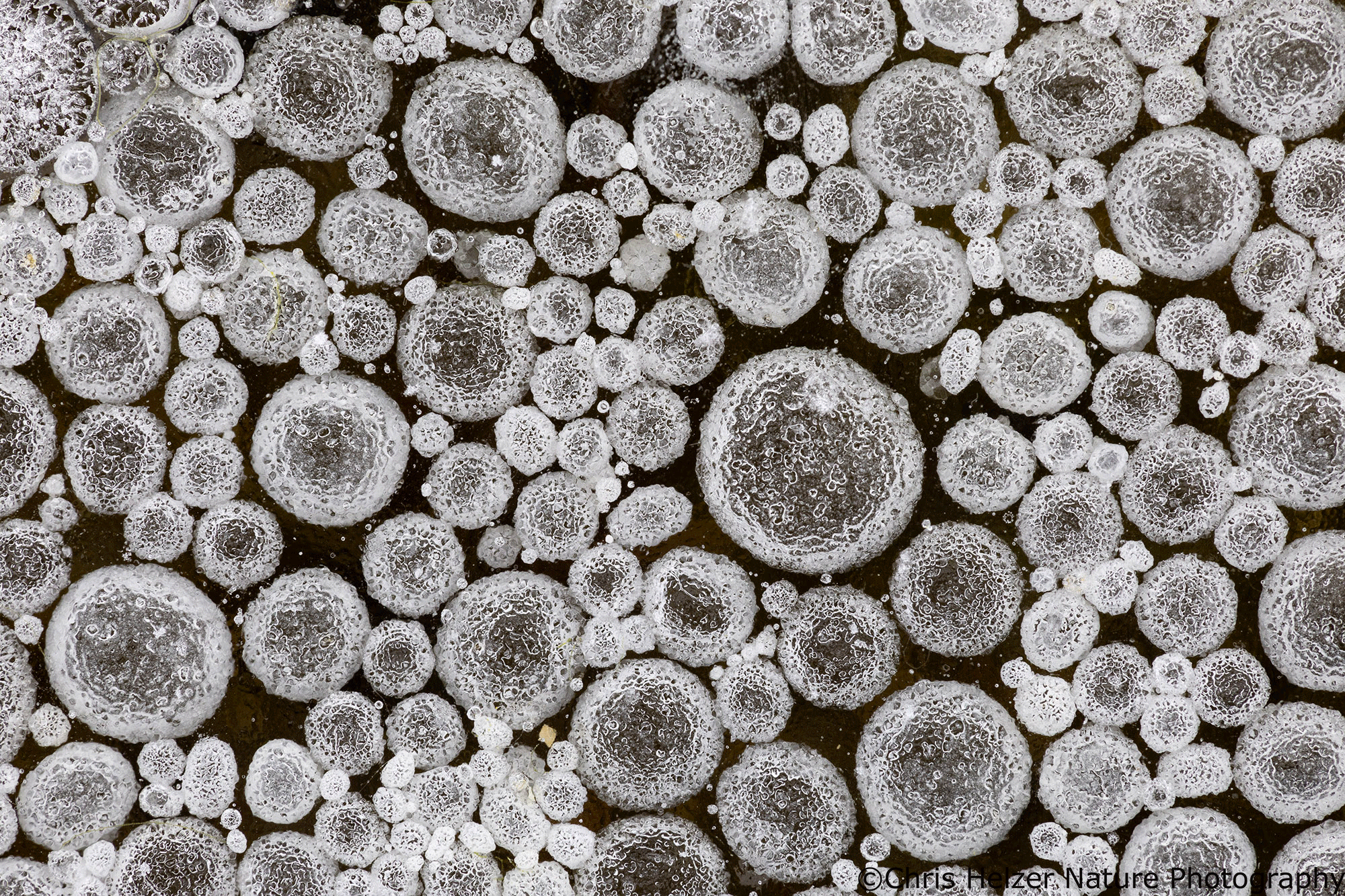
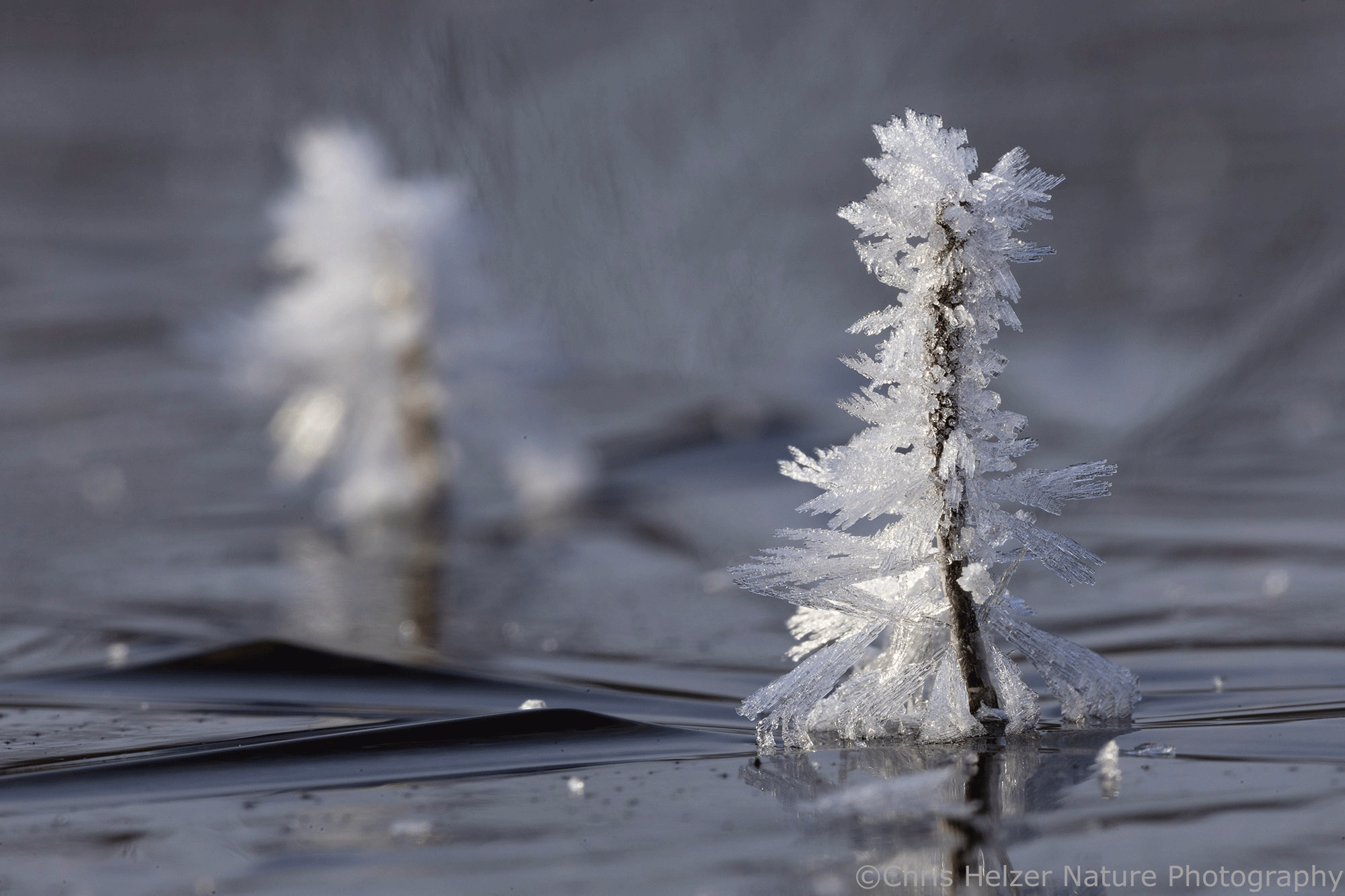
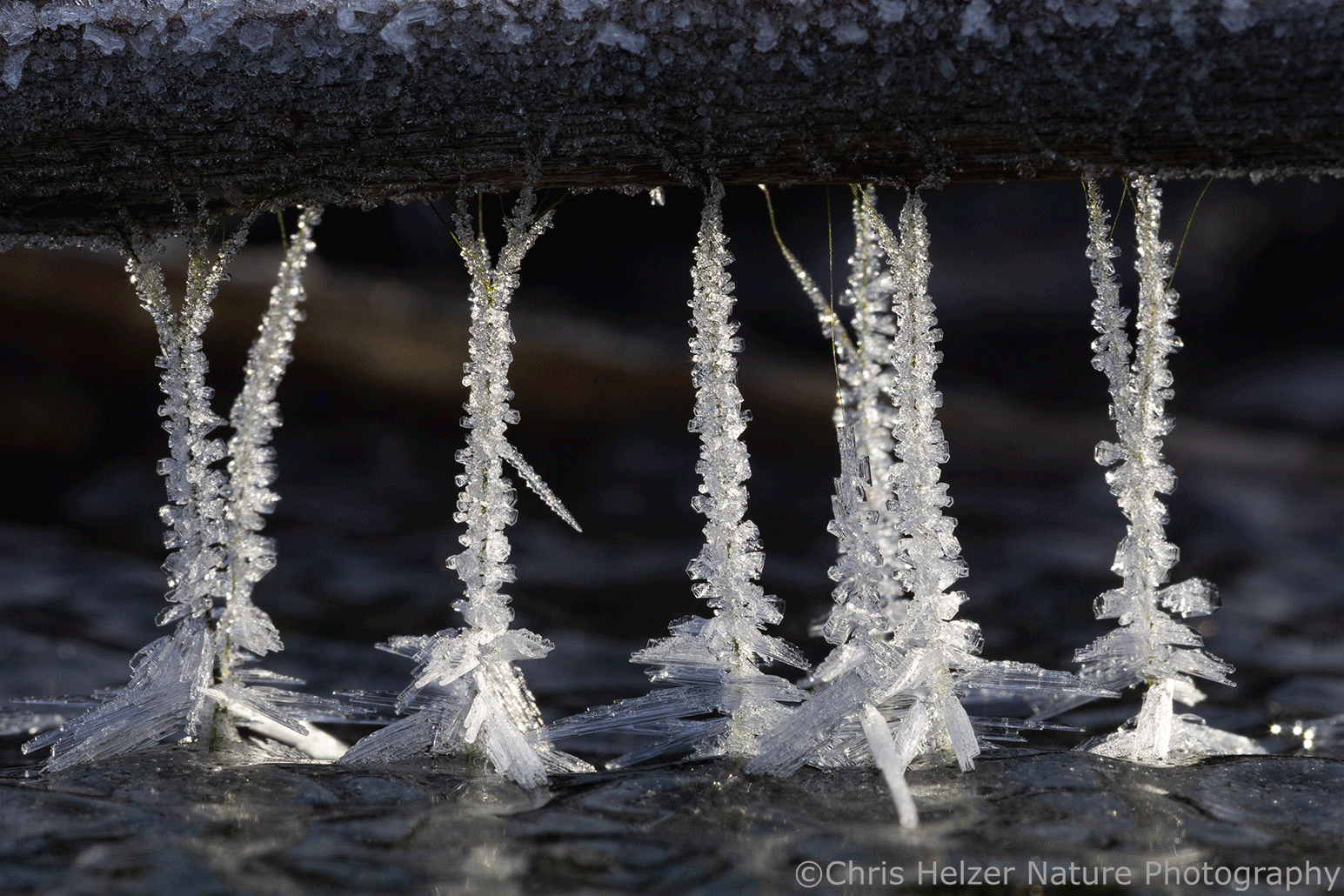
This first set of photos was taken on New Year’s Day at the Platte River Prairies. I visited my favorite wetland restoration (one I spent many years working on) and – as always – it didn’t disappoint. Between frosty and plants, fog, and ice bubbles, there was more than enough to keep me happy on the first morning of 2024.
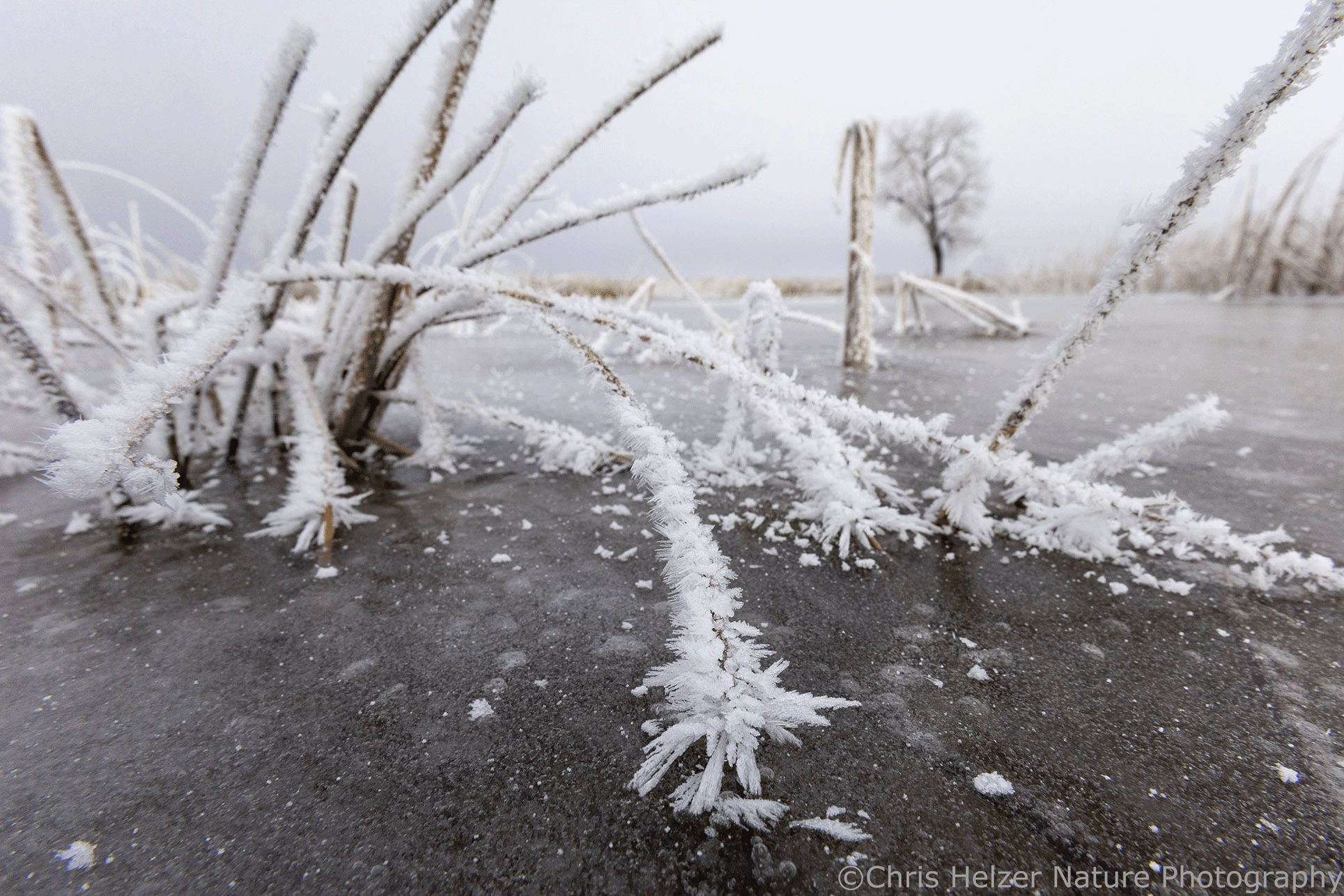
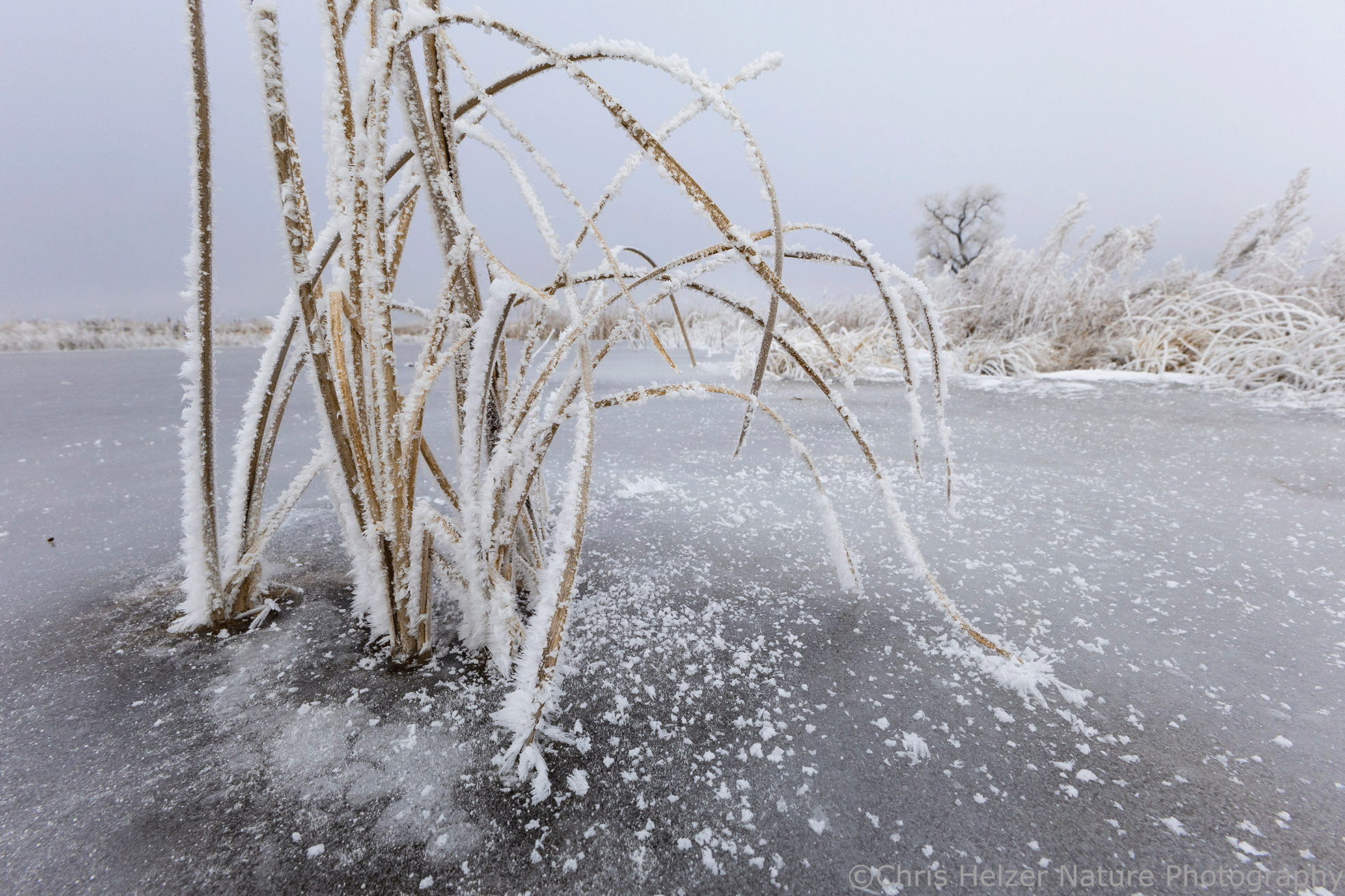
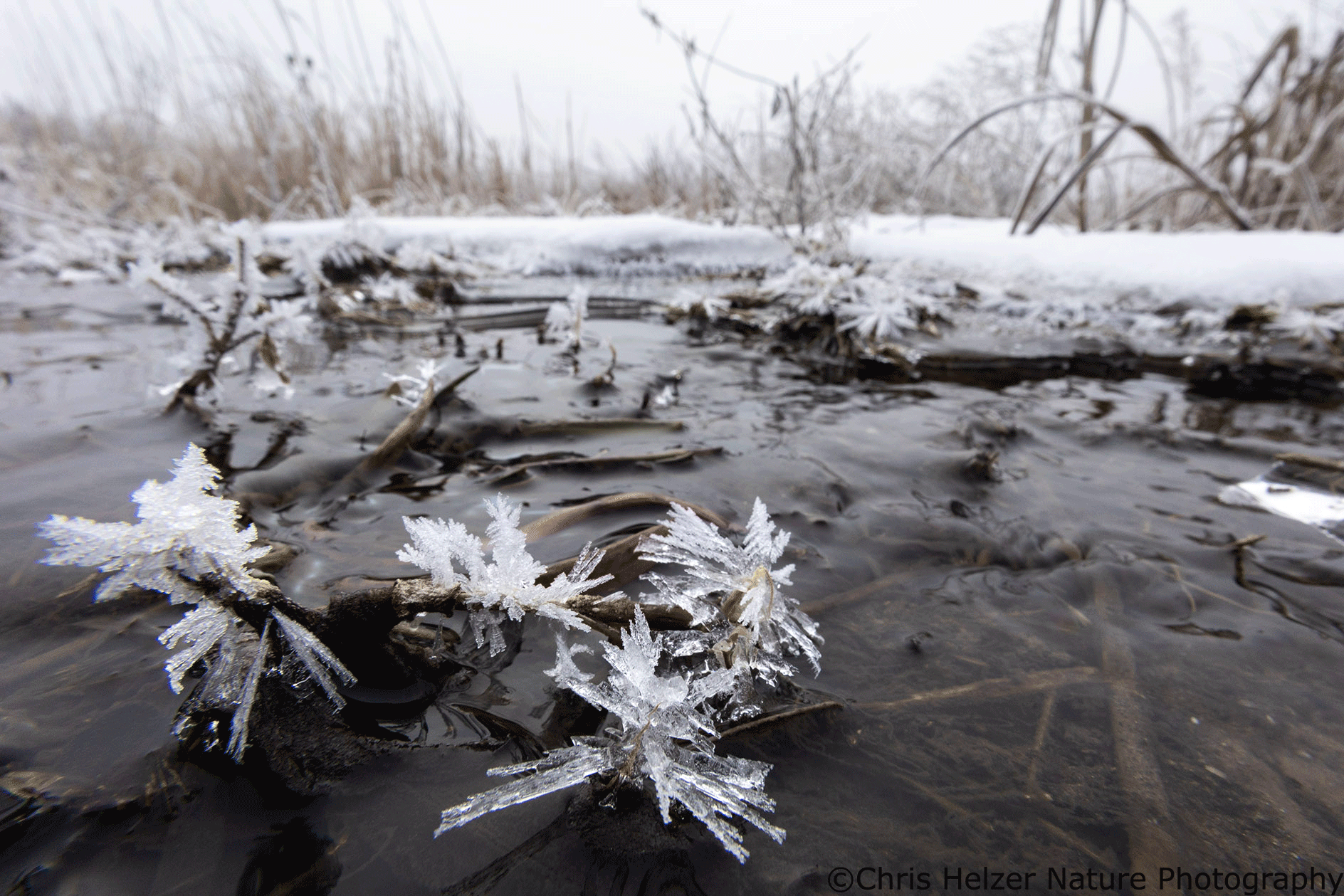
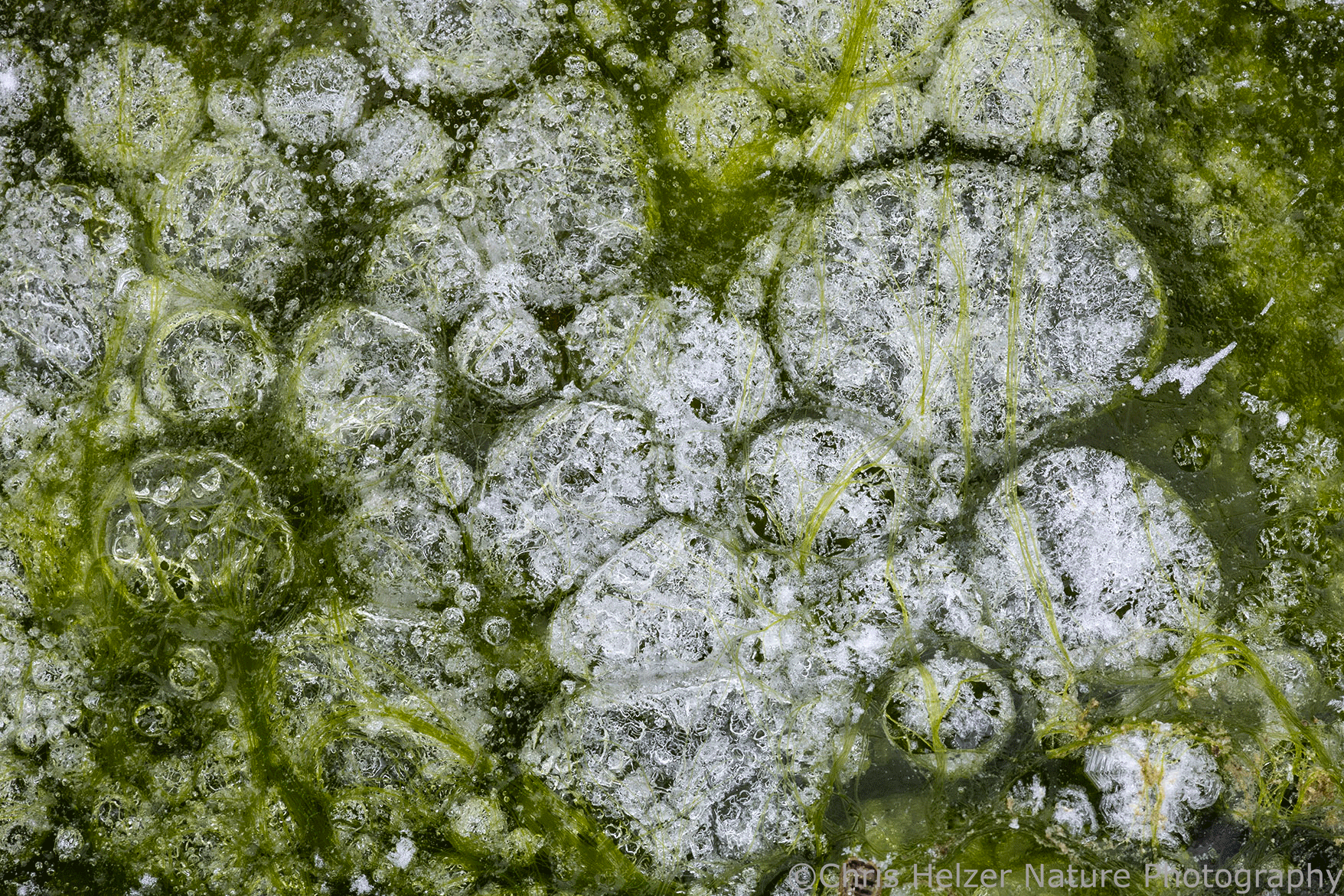
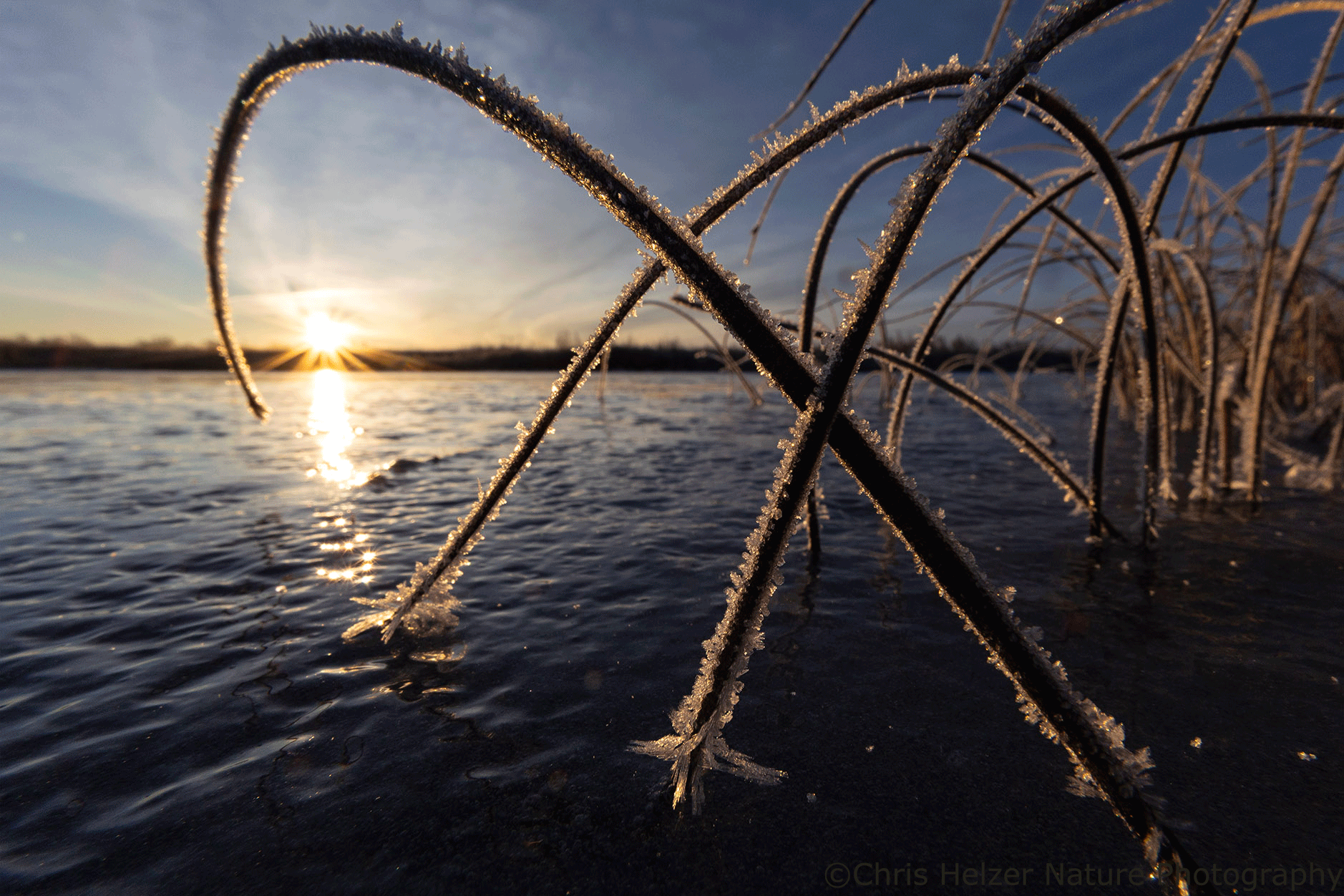
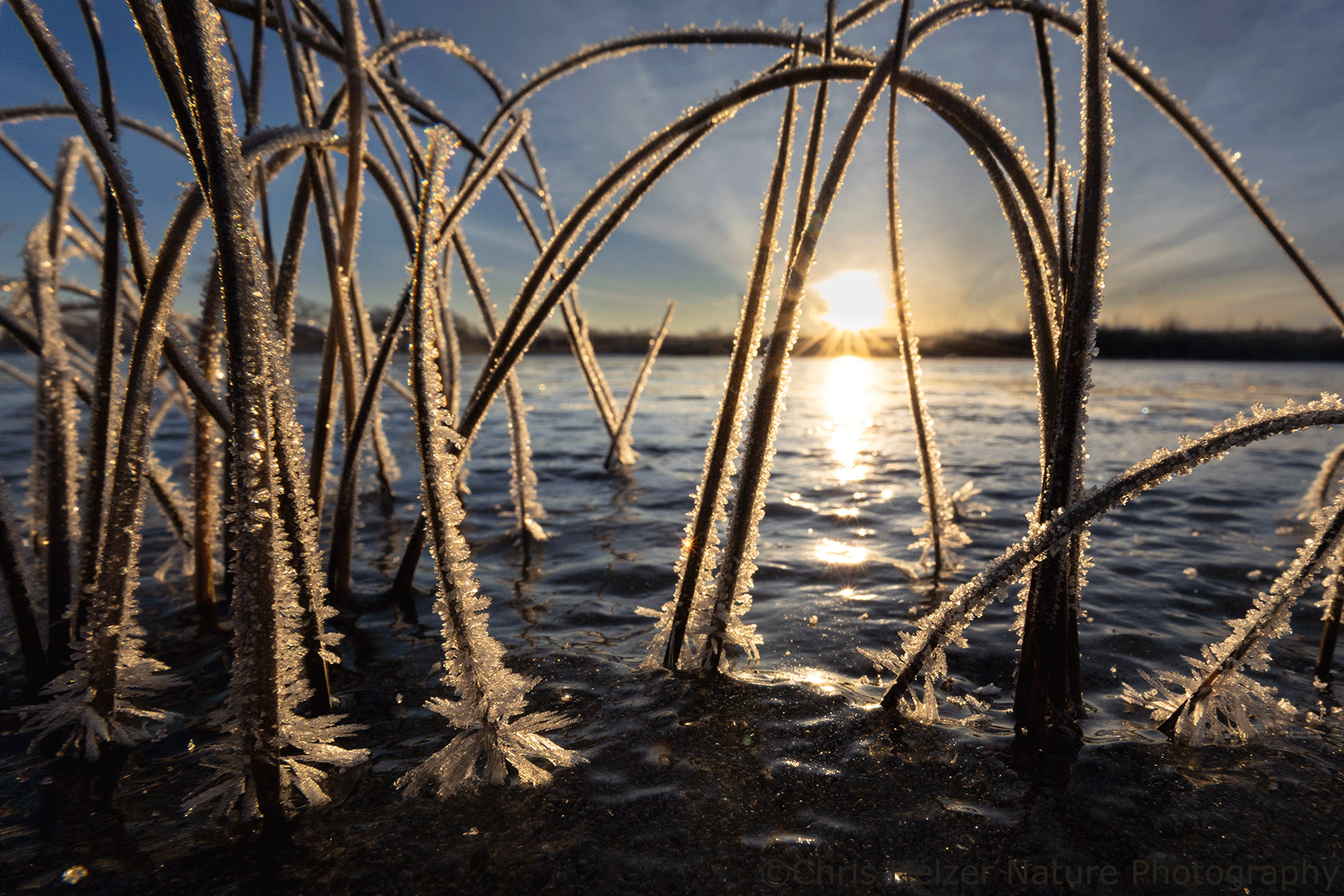
A week later, I returned to the same wetland and played around with frost and ice again, this time with a sunrise thrown in for color. I’m really enjoying my new Canon 15-30mm RF lens that allows me to focus right up to the glass on the front of the lens. The first two photos below are examples of that – the front of the lens was less than inch from the frost in the foreground, providing an amazing perspective.
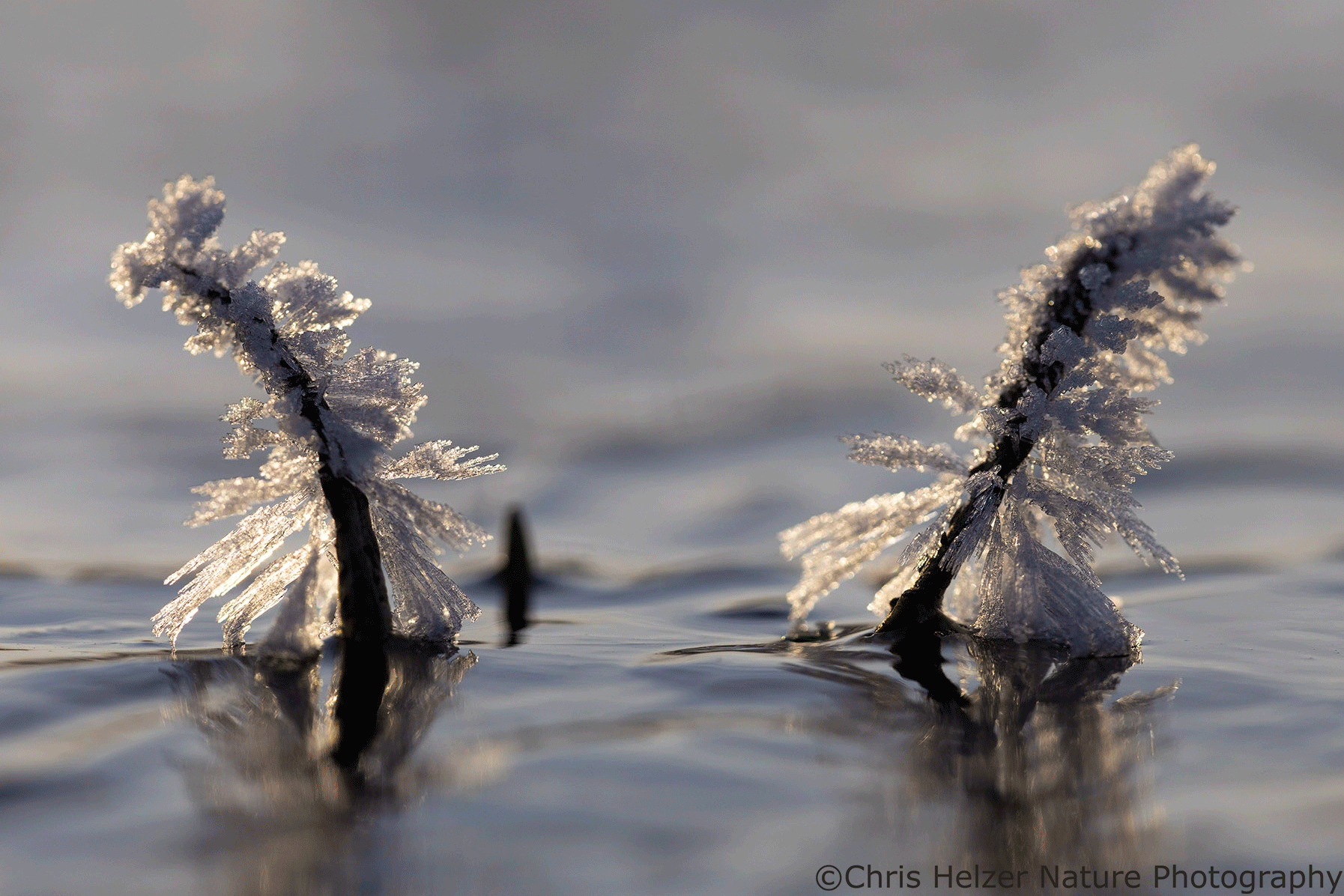
Of course, a good macro lens will always be my mainstay, and frost photography is a lot of fun with that lens. In this case, I used a Canon 180mm macro lens. Some of these were tricky because the ice was thin enough that I was lying on the bank and resting my elbows and the camera (very lightly) on the ice to get the photos. If I’d have put any more weight on the ice, it would have cracked and I’d probably have been shopping for a new camera and lens. What can I say? The adrenaline keeps me warm.
We’ve had two big snowfall events this month, each accompanied by lots of wind that made roads difficult to travel. When road conditions prevented me from traveling far, I just went across town to Lincoln Creek Prairie. After road crews had time to work on the highways, I made it up to Gjerloff Prairie to stomp around in the hills. Both were good in their own way and I’ve visited each site multiple times in the last couple weeks.
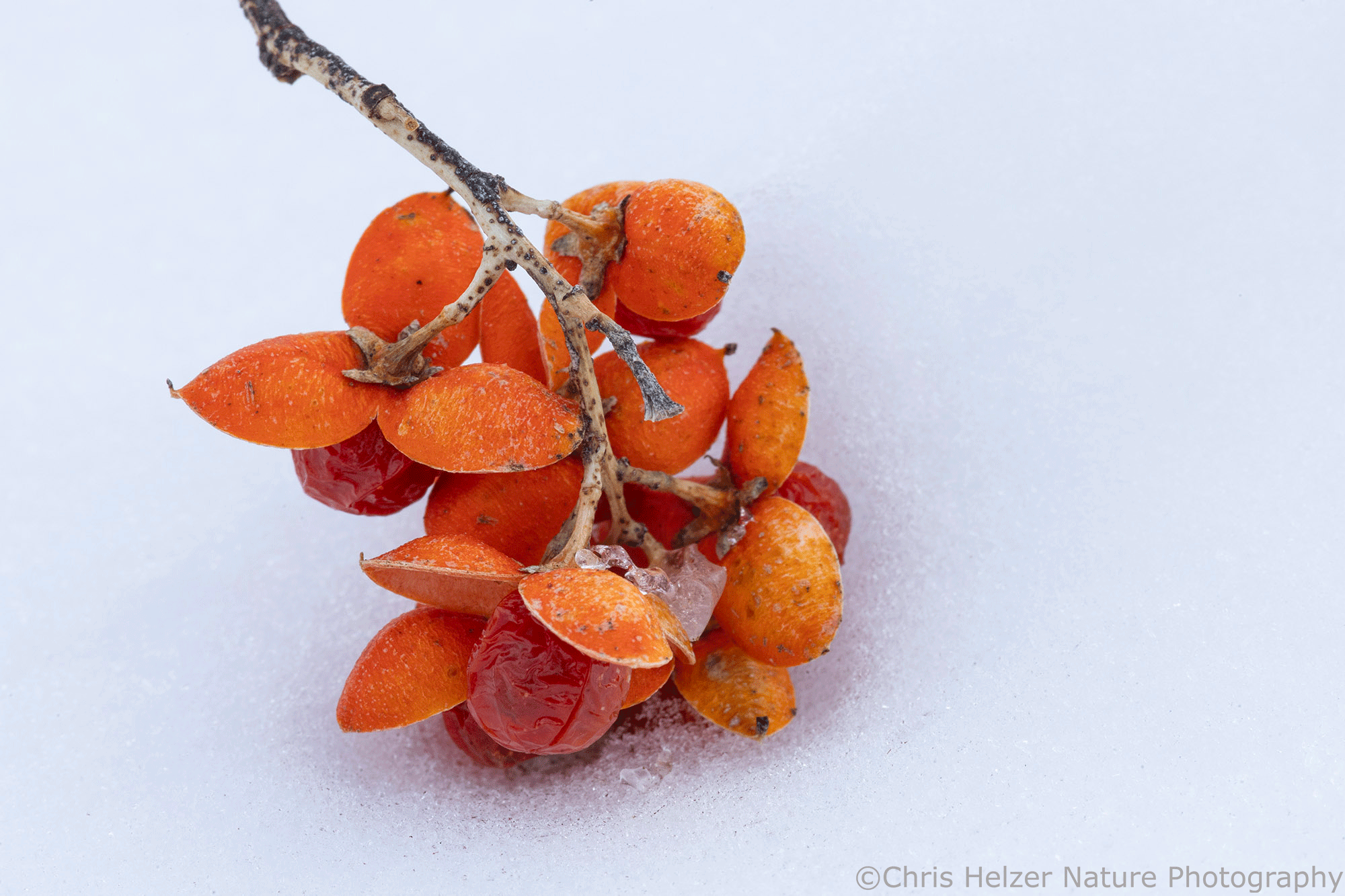
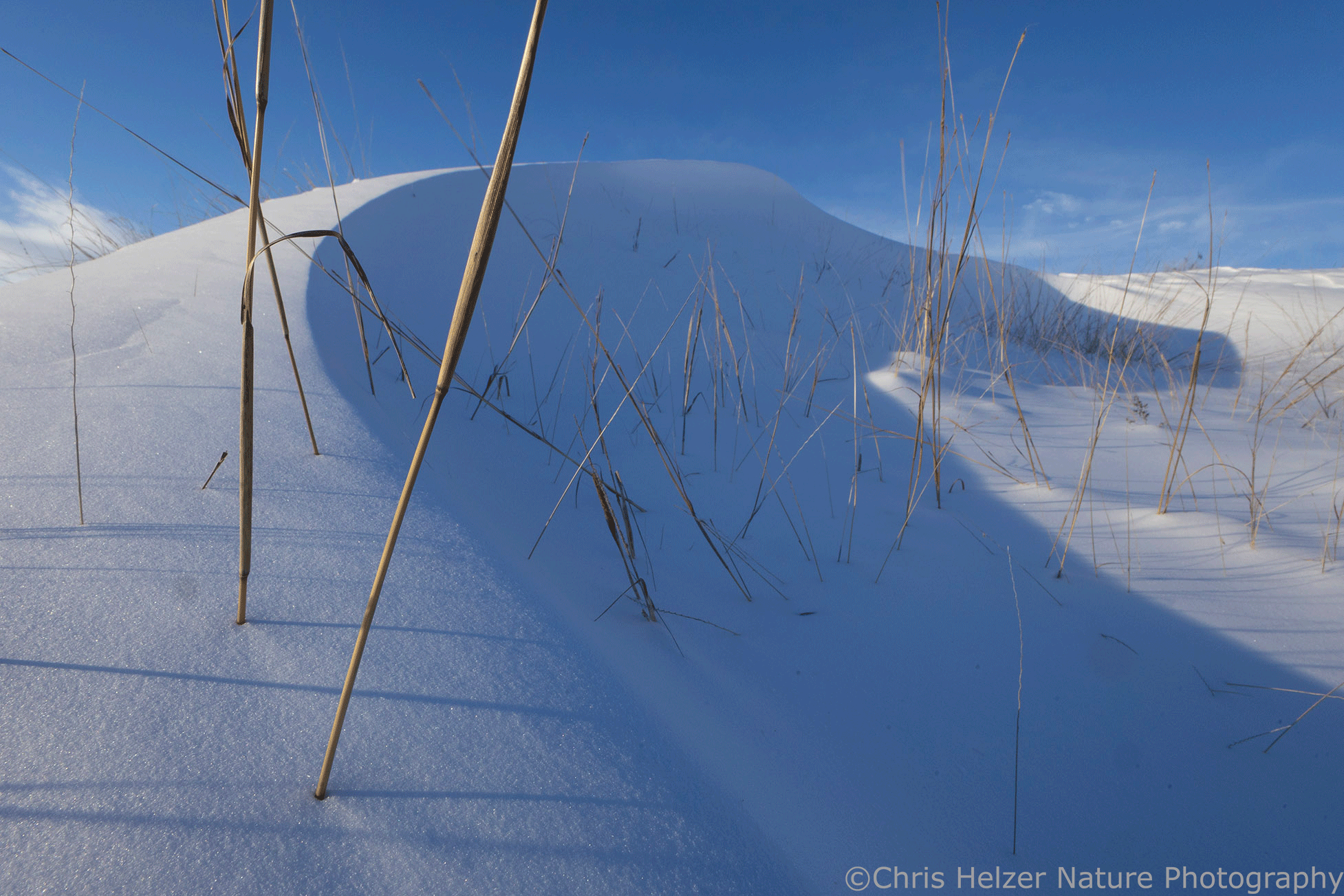
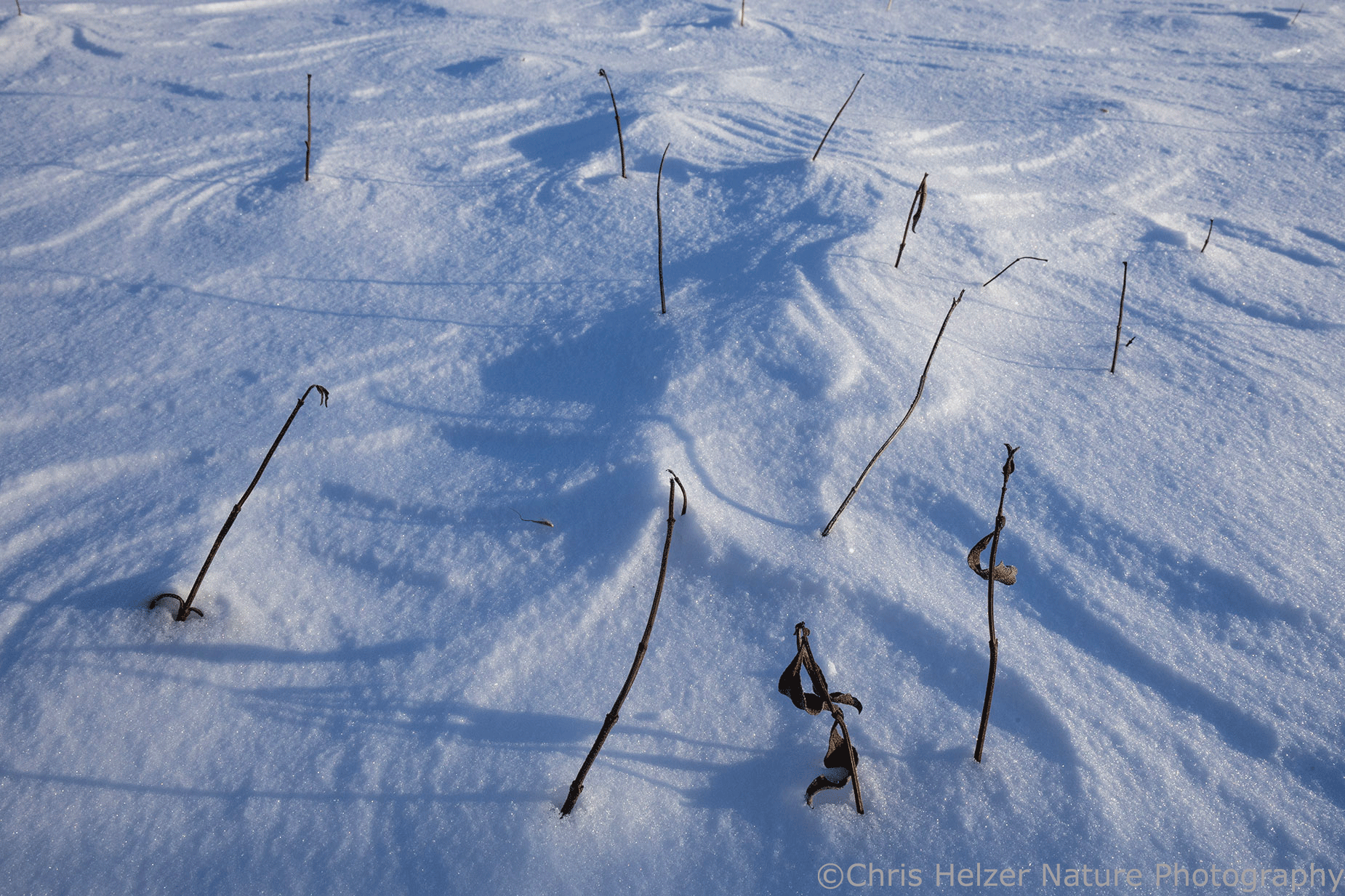
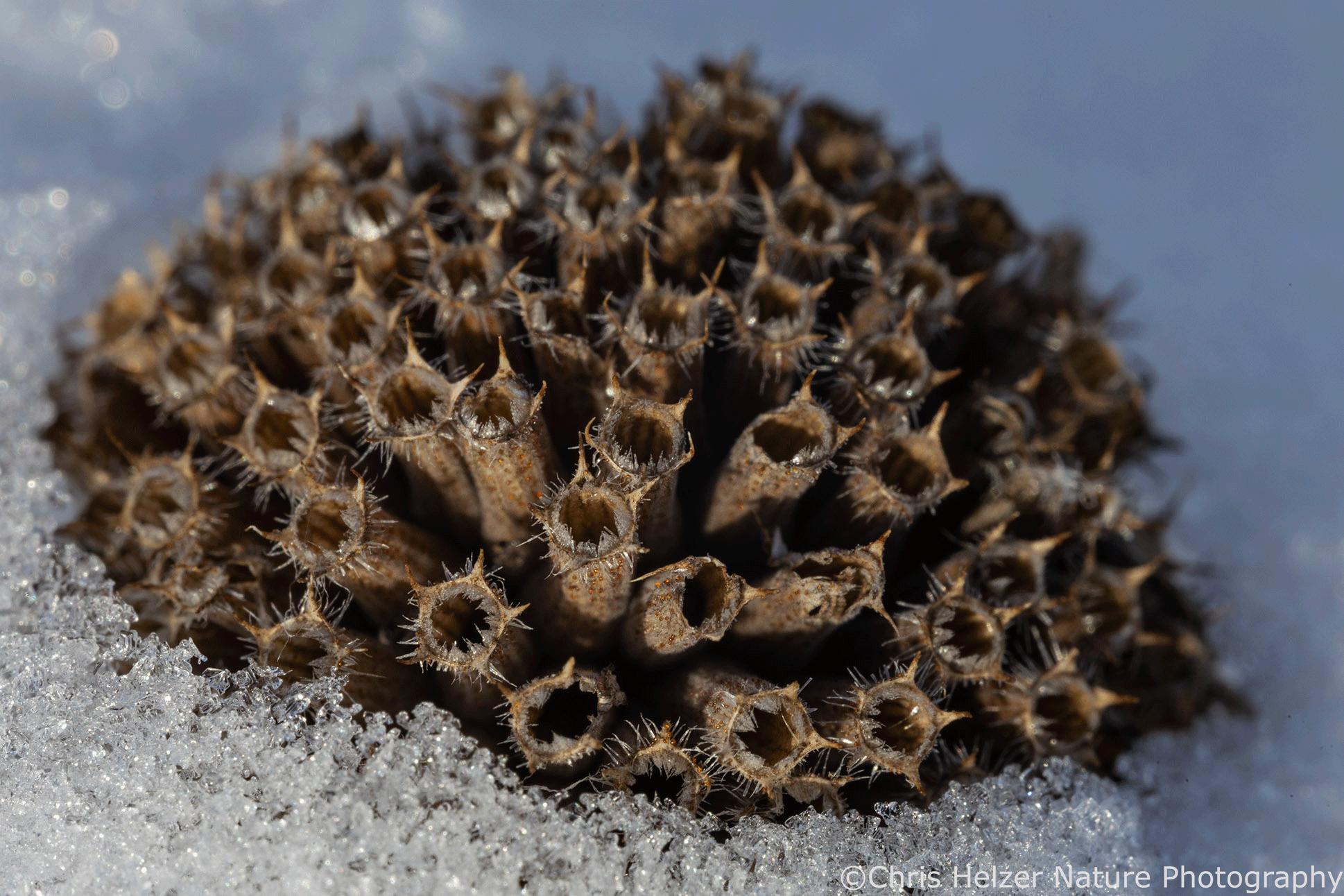
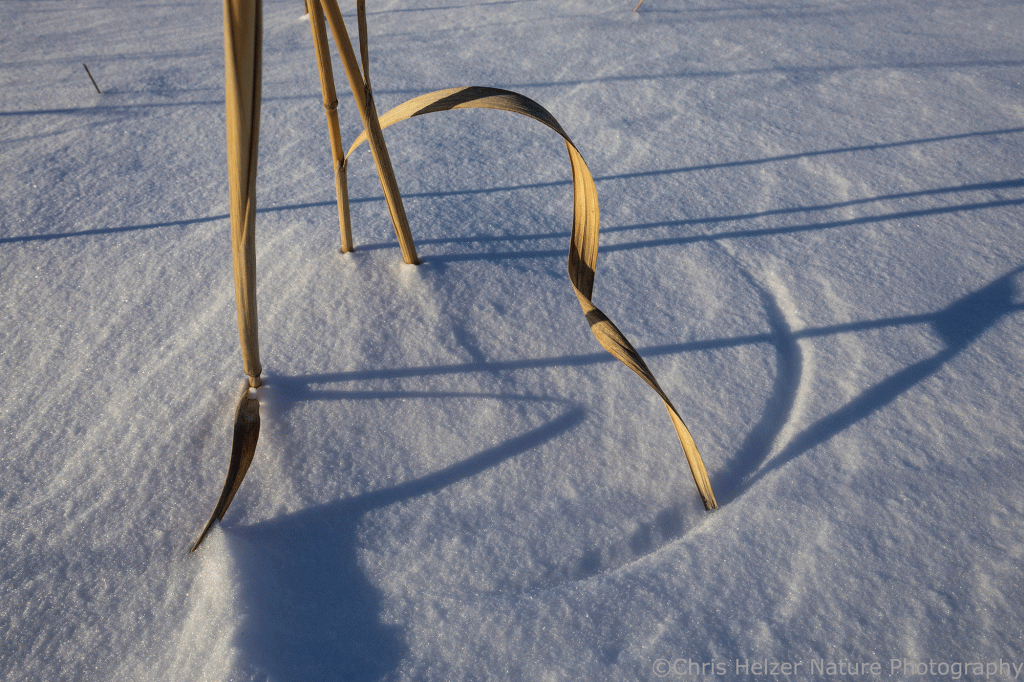
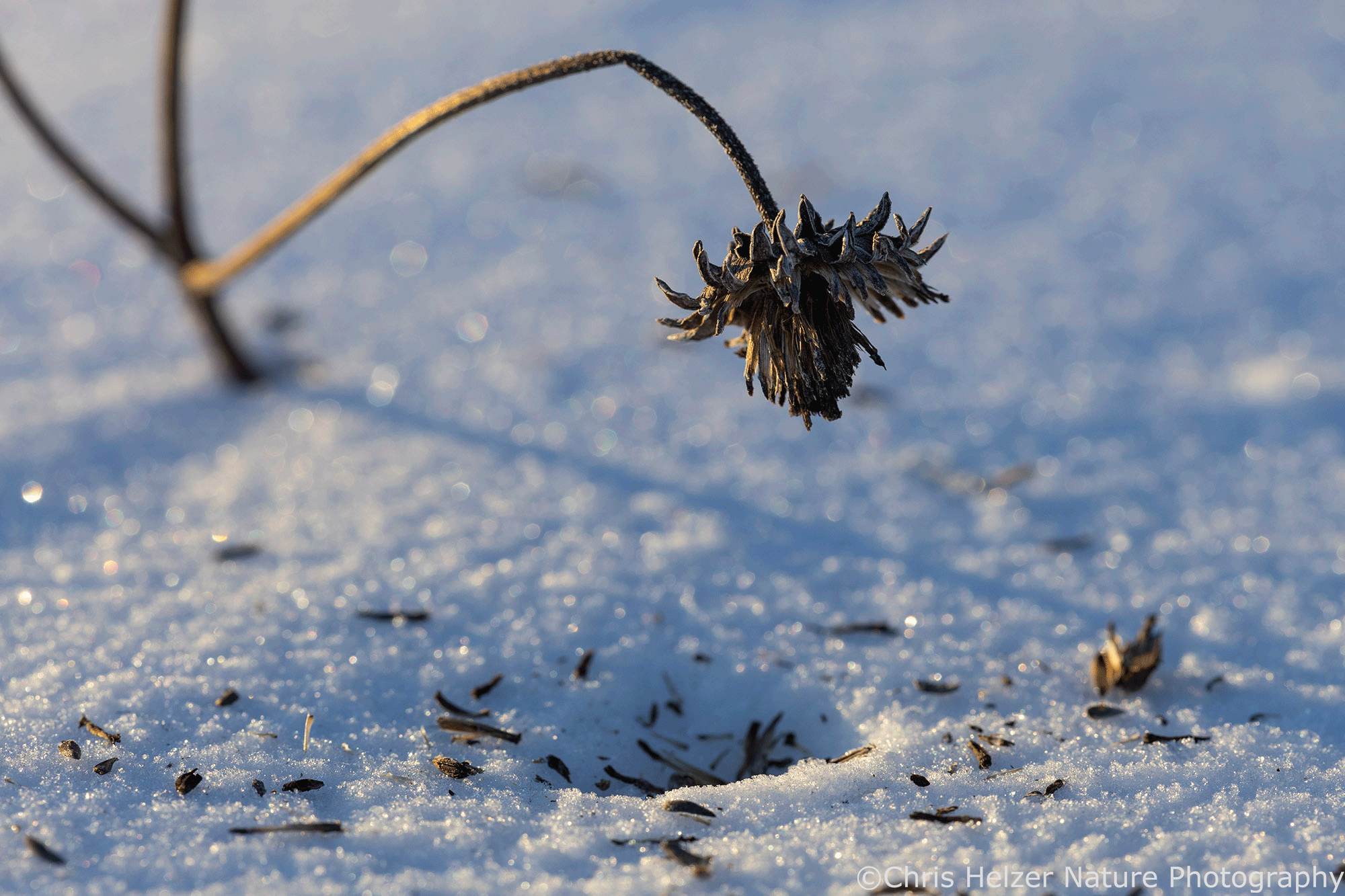
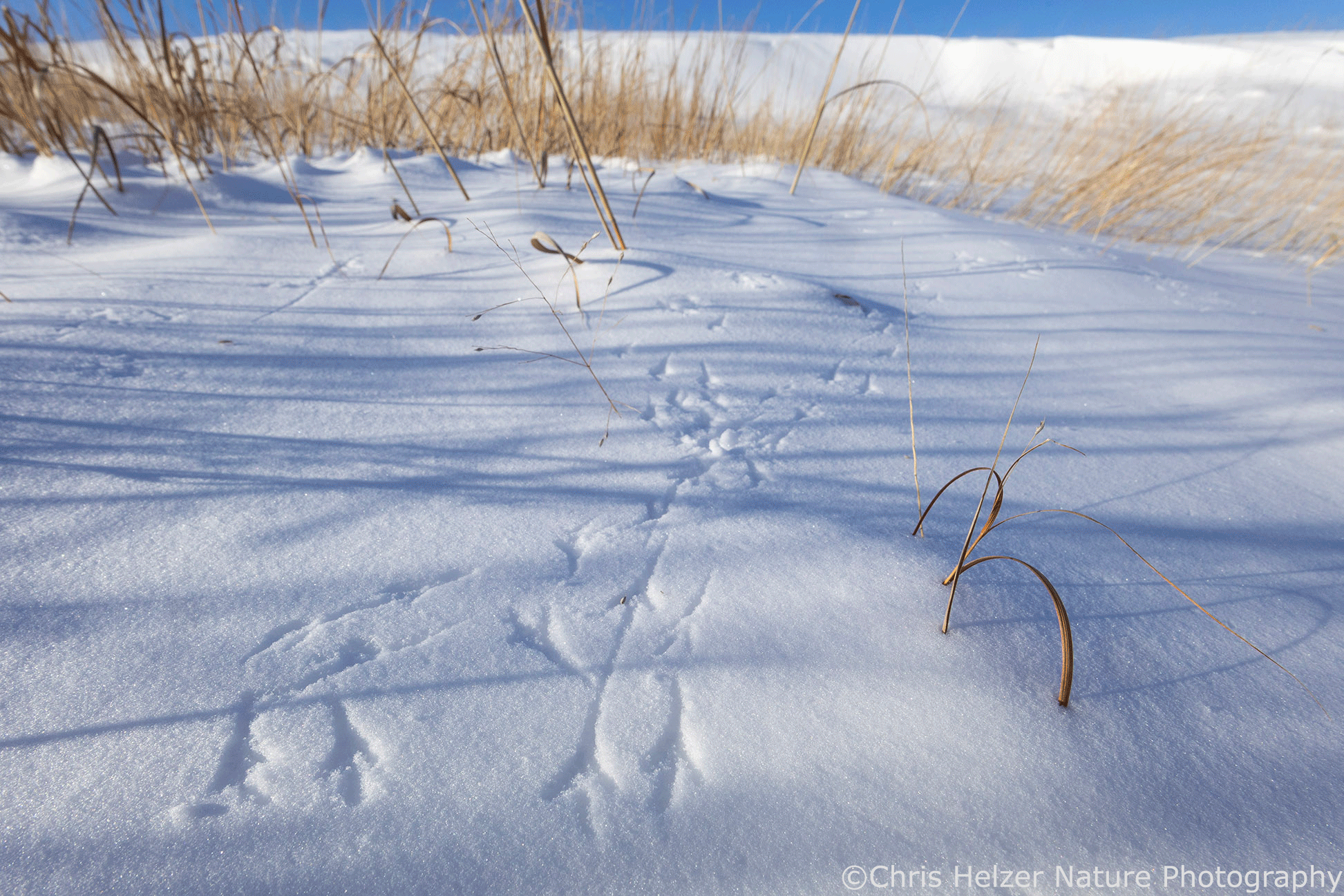
One of the best parts of prairie hiking in the snow is the chance to see what animals have been up to. This month, I’ve seen a ton of dark-eyed juncos feeding on prairie plants. They’ve focused heavily on the seeds of Indiangrass and sunflowers. I haven’t yet photographed the birds, but I’ve taken lots of photos of their tracks and of the remnants of their feeding activity.
Typically, ragweeds get a lot of attention from birds too, but I haven’t seen as much of that at those two sites so far. I’m writing this from the Niobrara Valley Preserve, though, and I saw a big patch of ragweed here that was covered in songbird tracks.
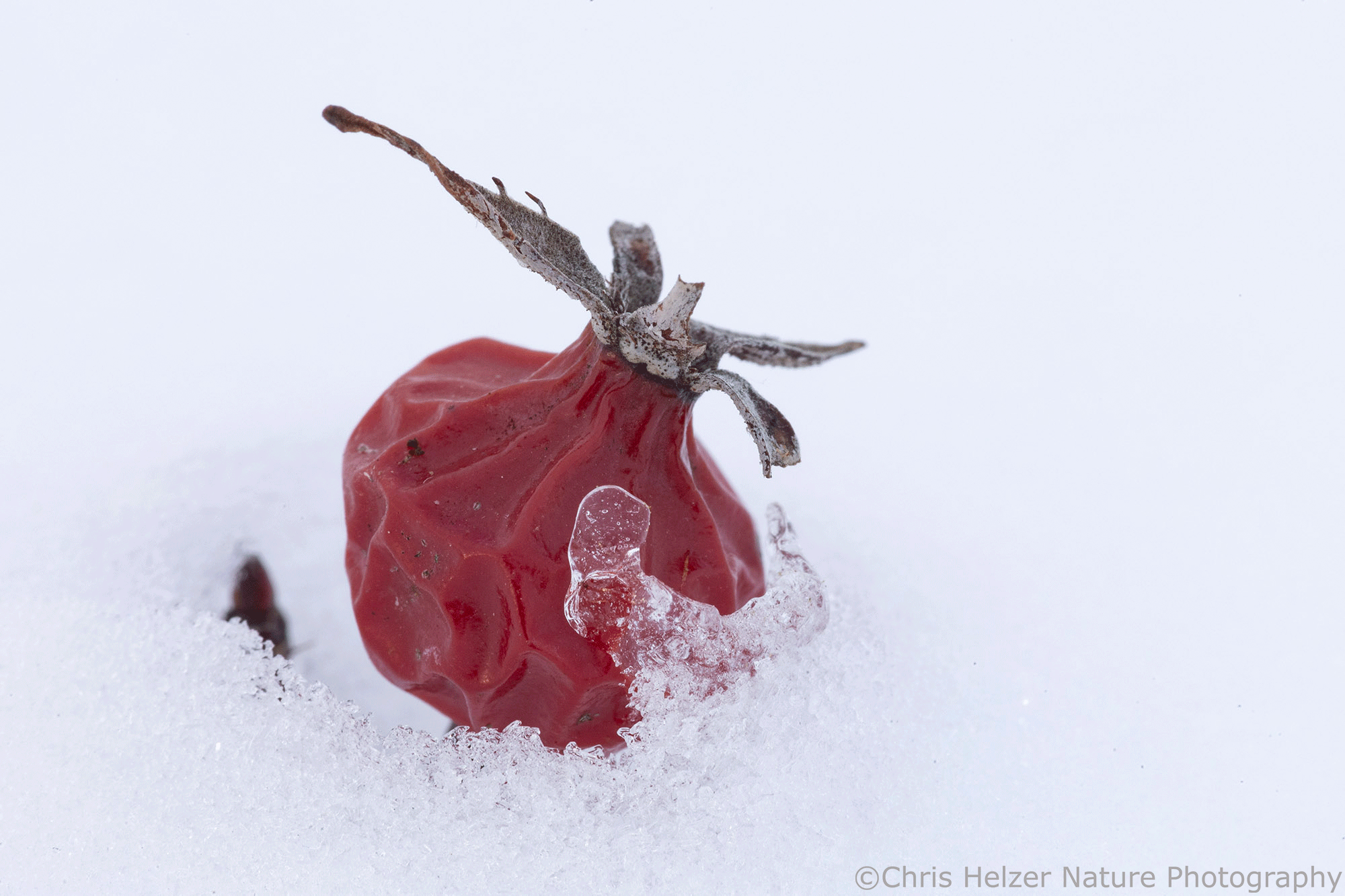
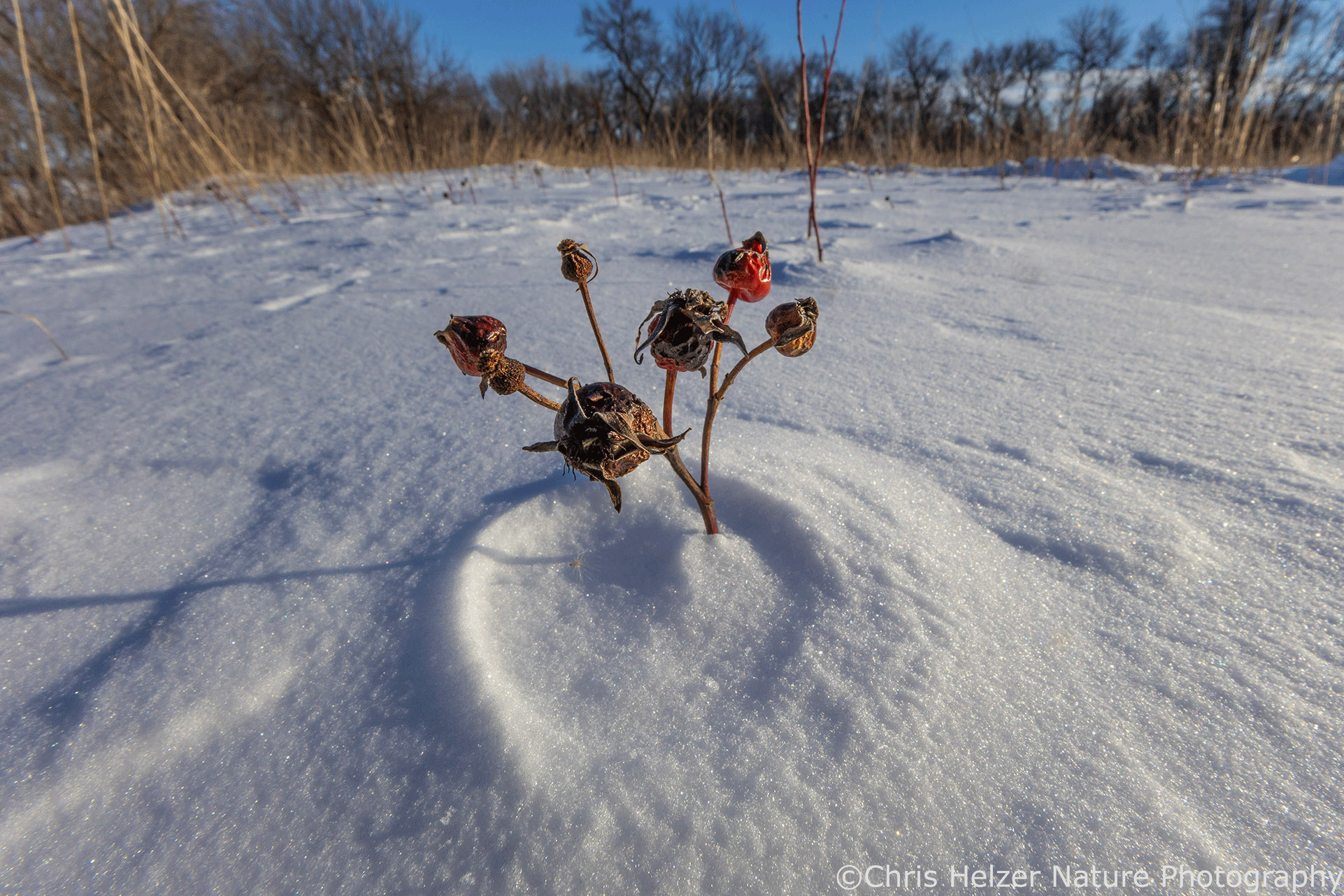
Wild rose hips (Rosa arkansana) are great fodder for winter photography because they provide a splash of scarlet at a time of year when color is generally muted. Because I pay attention to them, I often see evidence of them being eaten by animals. They’re apparently a high quality source of food and I frequently see pheasant and grouse tracks around them.
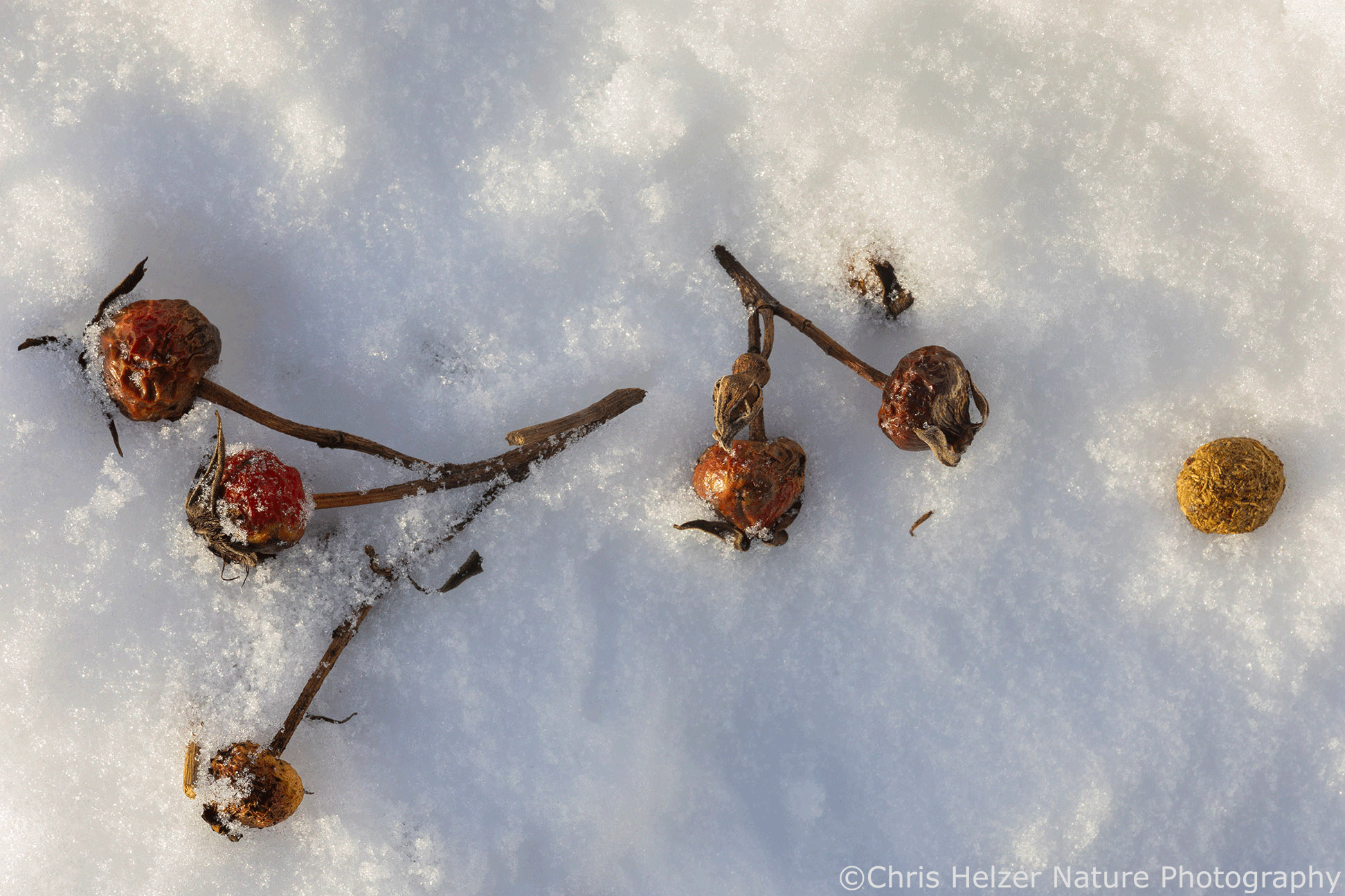
This week, though, I saw clipped rose hips lying on the snow at Lincoln Creek Prairie and the tracks nearby were from rabbits, not birds. When I got home, I looked online and found lots of references of wild rose hips as food sources for rabbits – both wild and domestic. It makes sense, I just hadn’t seen it before.
It’s nice that temperatures are moderating a little this week. Photography is possible in sub zero temperatures (Fahrenheit) but there are a lot of issues to deal with. I have to keep a couple extra camera batteries in my pocket because cold batteries don’t last long. If I breathe on my camera, it fogs up the screen and view finder and the fog turns to frost, which is hard to remove. When I get home and bring my camera in the house, I have to leave it in the bag until it warms up to prevent condensation from forming on it.
Plus, of course, my fingers get cold…
Totally worth it, though.
 The Prairie Ecologist
Gorgeous studies, Chris. Enjoyed the images. :)
Stunning, masterful photography
Somehow , sometimes, beauty is best enjoyed second hand….brrrrrrrrr; and you are to be thanked!
Harold
I second this sentiment, Harold. The photos are lovely, but I think I lack the stamina, and especially the appropriate clothing to get out and get such lovely winter images.
Hi Chris: I’ve been enjoying your accounts for years. Having some issues commenting on your blog site due to login annoyances which might be my machine not shaking hands and might be my wetware failing me. I did have a question about keeping equipment dry. I’ve had issues in the past with mold forming inside the camera body and lenses. I lived in a super humid house at the time. Currently my little point and shoot has a tiny bloom inside the lens. Probably not worth sending out for repairs. Do you take any actions to dry your equipment when you come home from the field? I would think that frost and condensation could be a continuing issue beyond that happening in the field. Regards, Bruce
Hi Bruce. I’m sorry the commenting is frustrating but I’m glad you made it work. The humidity in the house could sure be a problem, of course. Sealing your gear in a bag with some silica packets might be helpful in that situation, but I’m sure no expert on that. The only time I do anything with my gear when I come home is when it’s really cold outside or when my gear got wet. When it’s wet, I dry off the outside and leave it out of the bag to air dry (I’ve never gotten it wet enough to need more than that). Coming in from the cold can be tricker because condensation can potentially form inside the camera and lens. Following guidance from others, I’ll either just leave it in the camera bag to warm slowly in that (relatively) sealed environment or take it out and put it in a sealed plastic bag so any condensation forms on the bag and not the camera. I’m sure there are other options but those are the ones I’m aware of!
Loved the image of American bittersweet seeds. I am very familiar with Asian bittersweet on the East Coast, which has almost completely displaced the native species along the eastern seaboard. I’ve never seen C. scandens.
Hi Chris,
Great stuff as always. Came across an interesting article on a study regarding the possibility some plants are evolving to be more self pollinating and less dependent upon pollinators. It’s at https://www.cnn.com/2024/01/23/world/flower-self-fertilization-pollinator-decline-scn/index.html if you’re interested.
Thanks for that article, Ed. The data is interesting, but it also feels like they’re making some fairly wild extrapolations from a single study of a single species. And, as pointed out by the other scientist interviewed, it may not be sky-is-falling situation even if the study is evidence of a trend. We’ll see. Good food for thought though.
Thank you for braving the chilly conditions to bring us winter’s wonderful works.
thank you! I do love a good drift
Wow. I really appreciate the effort and discomfort you endure to produce these great photos. I especially enjoyed the pictures taken of the snowy landscapes under a blue sky because it reminded me of many happy hours I spent hiking and skiing on similar days in the Palouse hills of north Idaho in the 1970’s and 1980’s. Thank you, Chris.
Exceptionally nice offering this week, Chris. Thank you for beautifying our day.
Beautiful images. Thanks for sharing your camera tips, I forgot about condensation on the camera!
Beautiful captures. I enjoy similar observations here in our local park-morning walks are especially quiet and peaceful for photography. Always appreciate your attention to detail and camera settings.