
It’s always a pleasure to visit The Nature Conservancy’s Nachusa Grasslands in northern Illinois. If nothing else, it’s gratifying to see thousands of acres of restored prairie in a region where very little prairie exists otherwise. Planted prairie surrounds and connects small remnant prairies, wetlands, and savannas. The Conservancy started with little, precious ecosystem fragments and have built a prairie landscape that supports communities of plants and animals and gives them a decent chance of surviving into the future.
Plus, the place is gorgeous.

Nachusa Grasslands hosted this year’s Grassland Restoration Network. It’s a perfect place for a workshop made up of field tours and frank discussions about the challenges and successes of prairie restoration. Nachusa has a strong team of staff and incredible volunteers, and together they’ve built a program and site that is the envy of most of us in the grassland restoration world. Bill and Susan Kleiman, who live right on site, have been guiding that program since the early 1990’s.
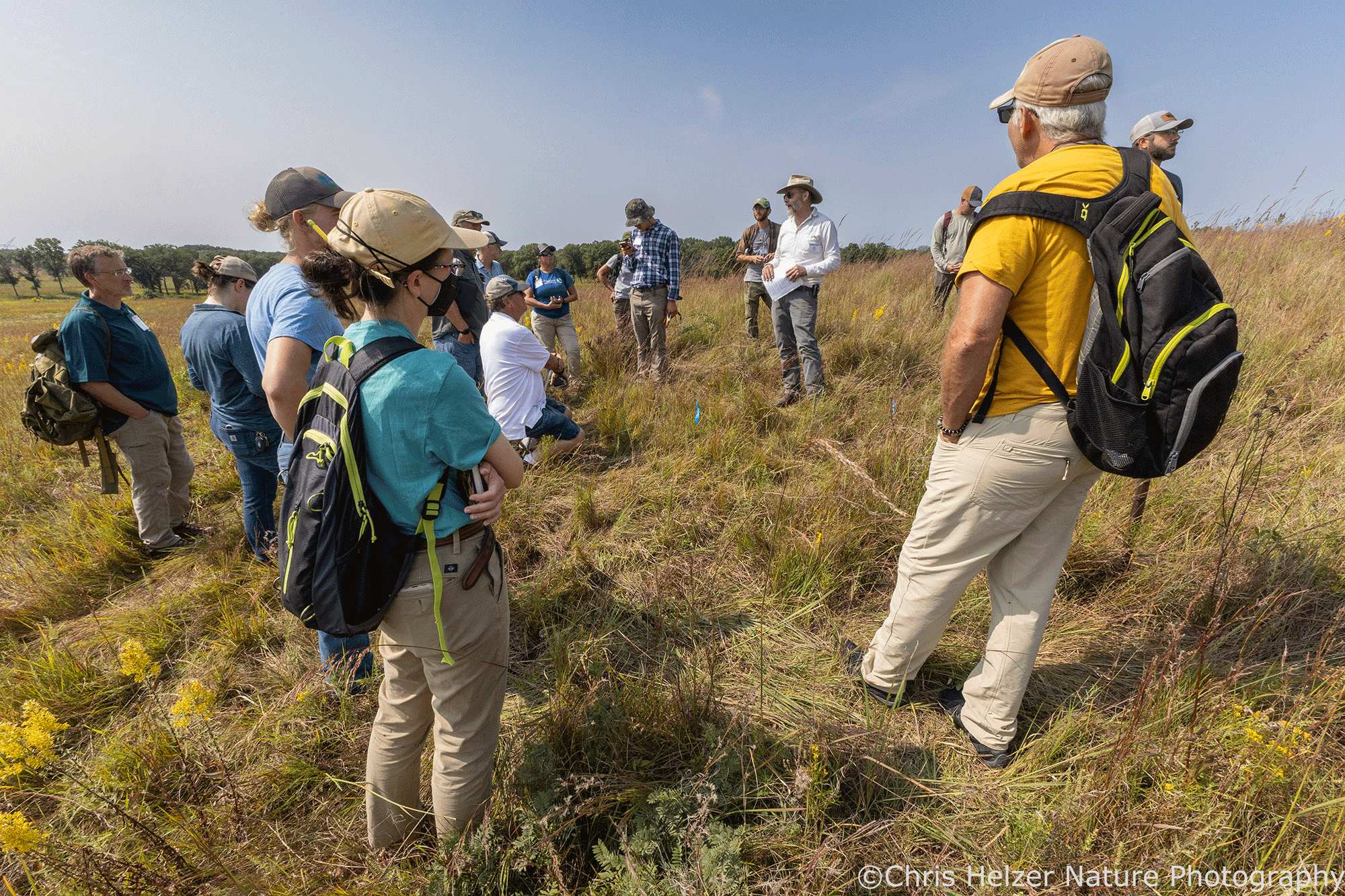
During this year’s workshop, we spent a day and a half exploring (and marveling at) different parts of Nachusa Grasslands. We talked about their strategies for seed harvest, cleaning, and planting, invasive plant control, brush management, and the research and monitoring efforts that help them gauge success. We also went on a long evening tour in search of their bison herd.
Oh yeah, did I mention they also have bison? Apparently, people get a kick out of seeing those. We did too, though it was getting pretty dark by the time we finally came across them.
Each of the workshop tours was led by staff or volunteers who shared their experience with the 100 or so people in attendance (we had five sets of tours during each session, so group size was nice and small). What makes the network so fun, though, was that the field tours often turned into discussions among both experienced and relatively new ecologists and land stewards. Conversations were lively and fruitful, with people asking questions and sharing their own experiences.

Some of the keys to success at Nachusa Grasslands are as follows:
- Use lots of seed (50 lbs or so of bulk, uncleaned seed per acre), including forbs, sedges, and bunchgrasses (prairie dropseed, little bluestem, needle grasses, June grass, etc.). Use very little or no seed for Indiangrass, big bluestem, or switchgrass.
- Burn woodlands/savannas frequently, combined with mechanical shredding/clearing of larger trees.
- Be persistent and strategic with invasive plant control. Map plants/populations and hit them repeatedly with spot spraying, mechanical removal, or whatever the best method is.
- Make sure invasive plants and their seed bank are cleaned up before spending the time and money on a diverse planting.
- Empower volunteers to take ownership of the site, including giving them parcels to manage/restore, and provide them support from staff and a community of other volunteers.
- The buildings, equipment, trainings, and strategies are all incredibly organized. It was almost intimidating to see, but very impressive.
If you’re interested in the in-depth content of our discussions last week, head over to grasslandrestorationnetwork.org. Bill Kleiman, Juli Mason, and Mike Saxton moderate the site, which includes helpful blogs by them, as well as lots of guest posts by others in the field. I’m guessing there will be a summary of this year’s workshop coming soon, but you also can search for and read about lots of topics they’ve already covered. It’s a terrific, practical, easy-to-read resource.
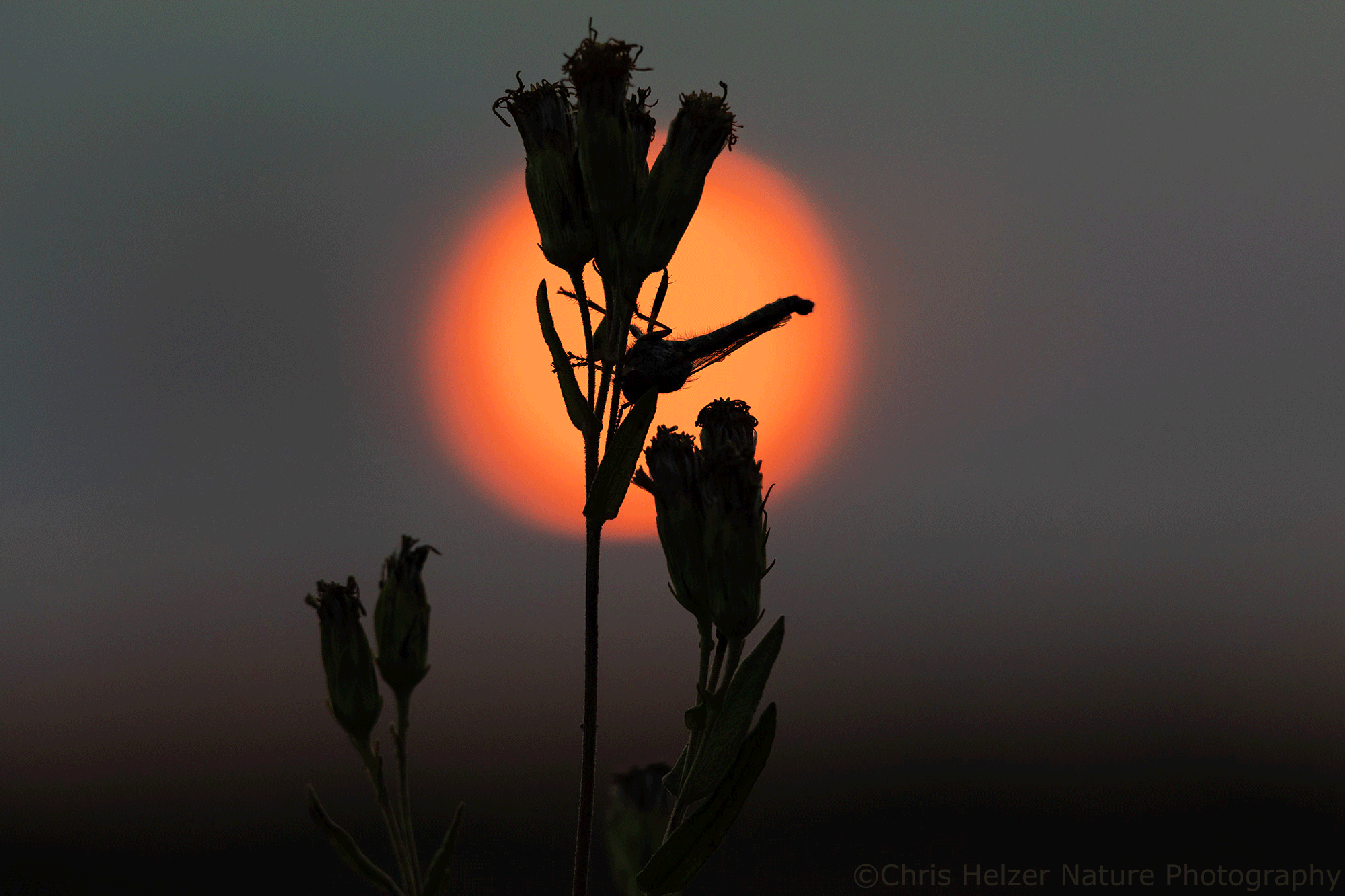
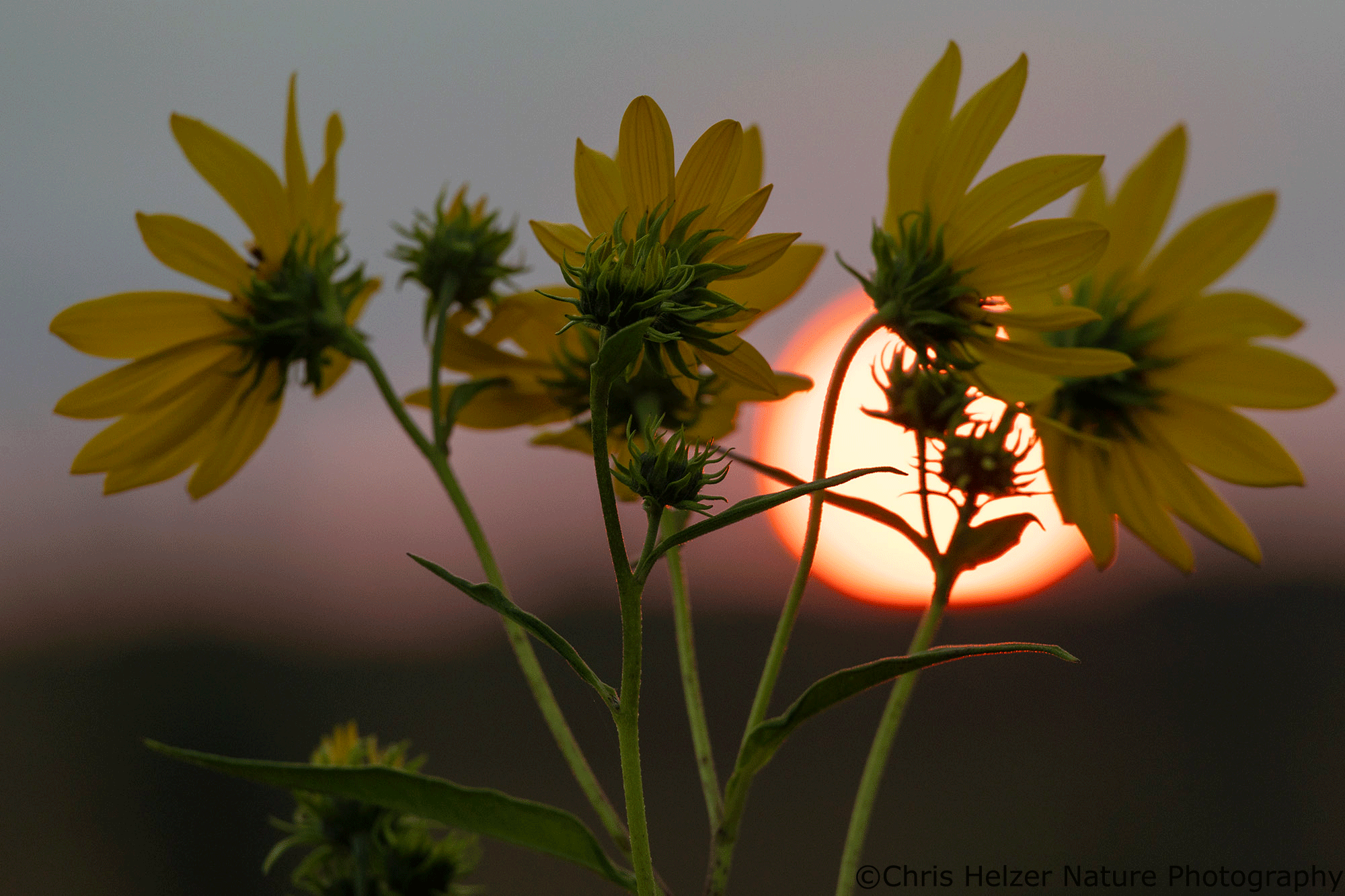
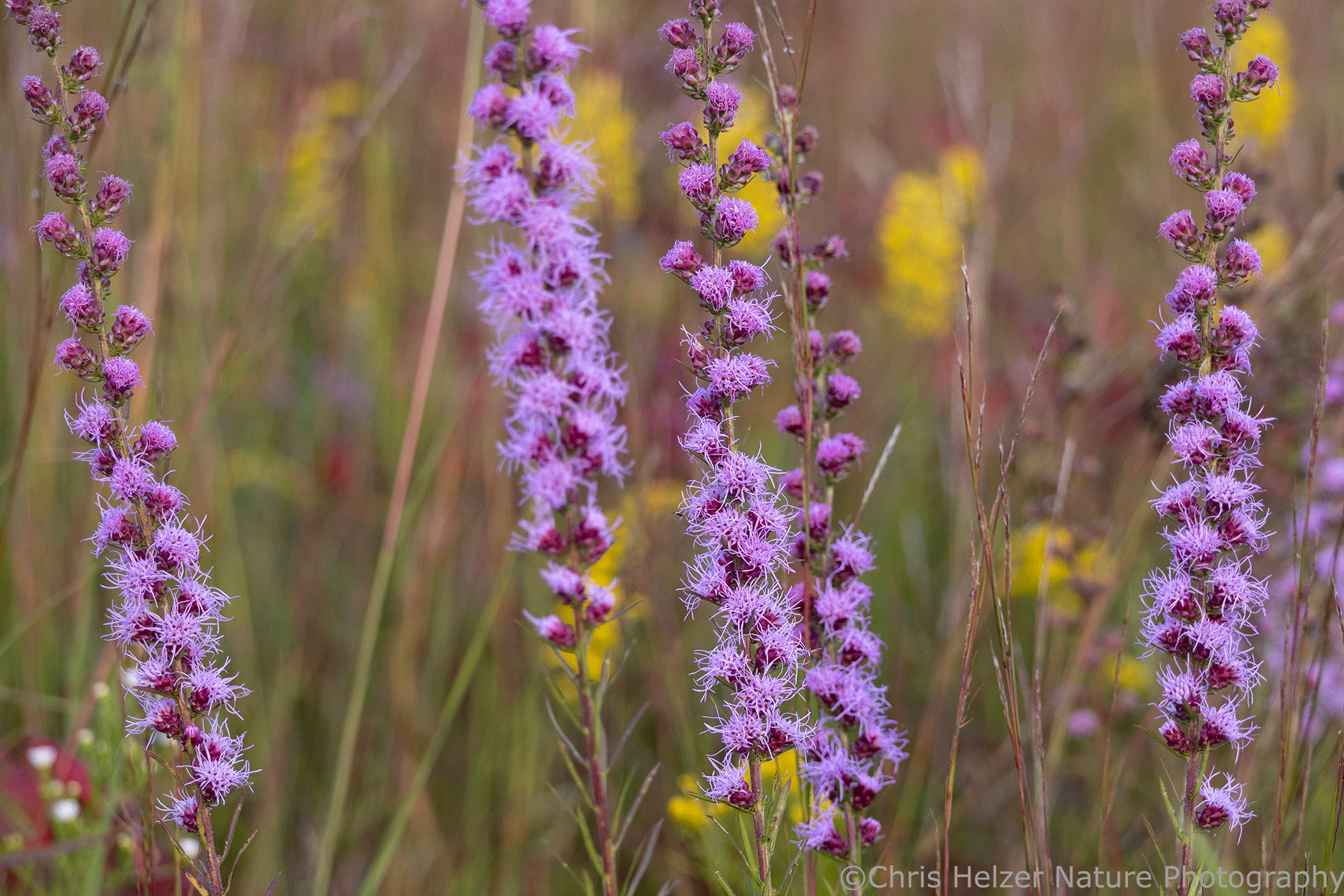
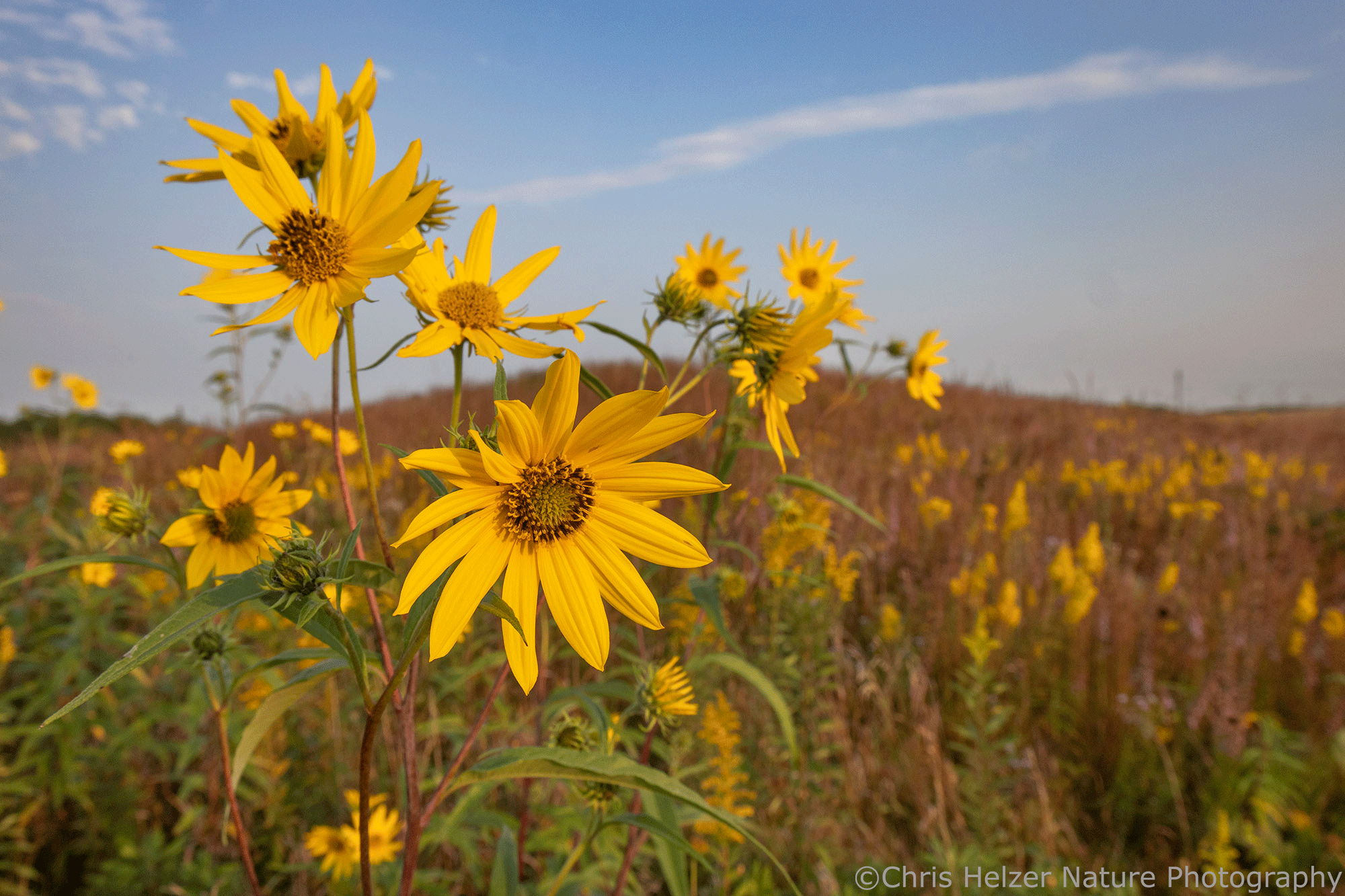
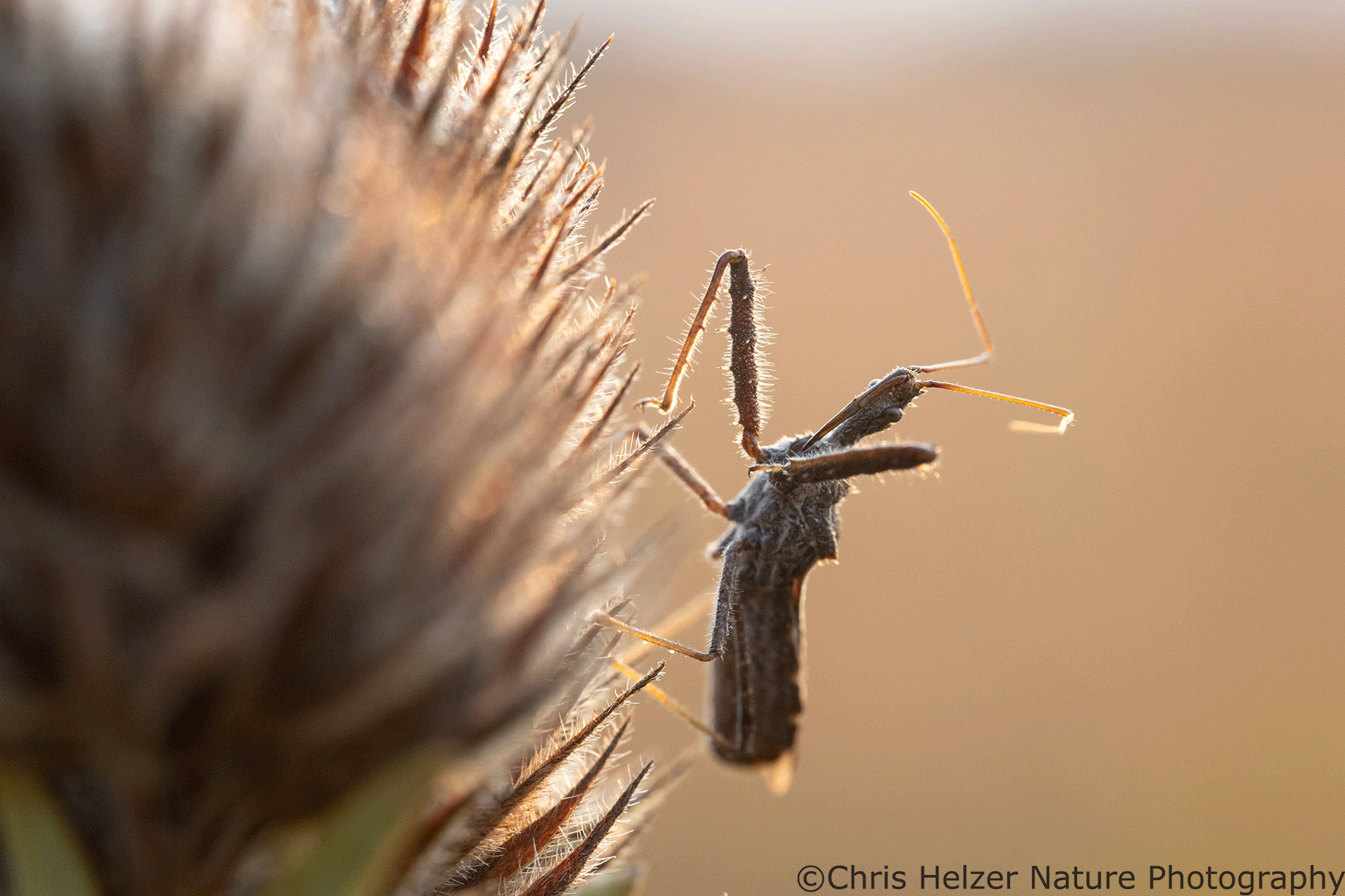
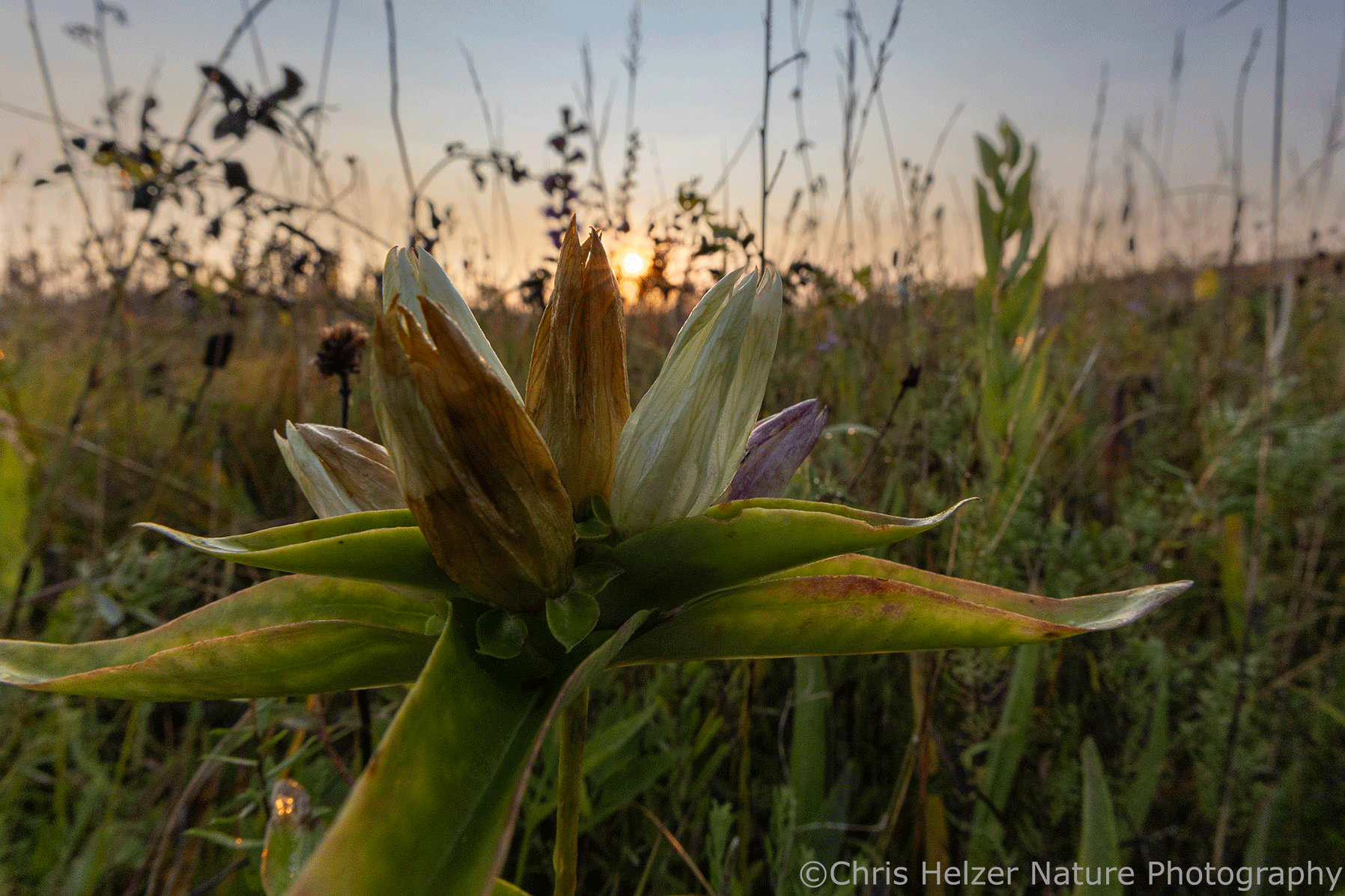
For the rest of this post, I’m mostly going to show you photos from Nachusa Grasslands, with a little commentary. If you live or are traveling nearby, please don’t miss the opportunity to stop by and explore the site for yourselves.








 The Prairie Ecologist
Thank you for the warm kudos. We love Nachusa too and were happy to see so many good people there, especially you.
GORGEOUS PHOTOS! I wish I would have known about this as I live about an hour from Nachusa. Plus, I am a prairie steward on the Schulenberg Prairie at The Morton Arboretum so I would have been interested in this!
Absolutely beautiful photos! But you’ve made me homesick! I’m originally from Dixon, IL, about 10 miles from the Grasslands! I remember when it got started, and I’m just thrilled how much work they’ve accomplished. I was last there a few years ago, and now it’s obvious that I need to go back.
Thank you, Chris, for your blog post and your amazing photography!
Susan Kleiman “A thing is right when it tends to preserve the integrity, stability, and beauty of the biotic community. It is wrong when it tends otherwise.” — Aldo Leopold
Thank you, Chris for another excellent journal entry and wonderful pictures.I have a question: