
There’s been a lot going on this fall. Much of it has been happening up in the sky.
Most of my photography is focused on close-up photos of small things – insects, plants, fungi, and the like. As a result, I’m often looking downward as I explore and appreciate nature. There are times, though, that my attention is drawn upward toward something dramatic happening up in the air.
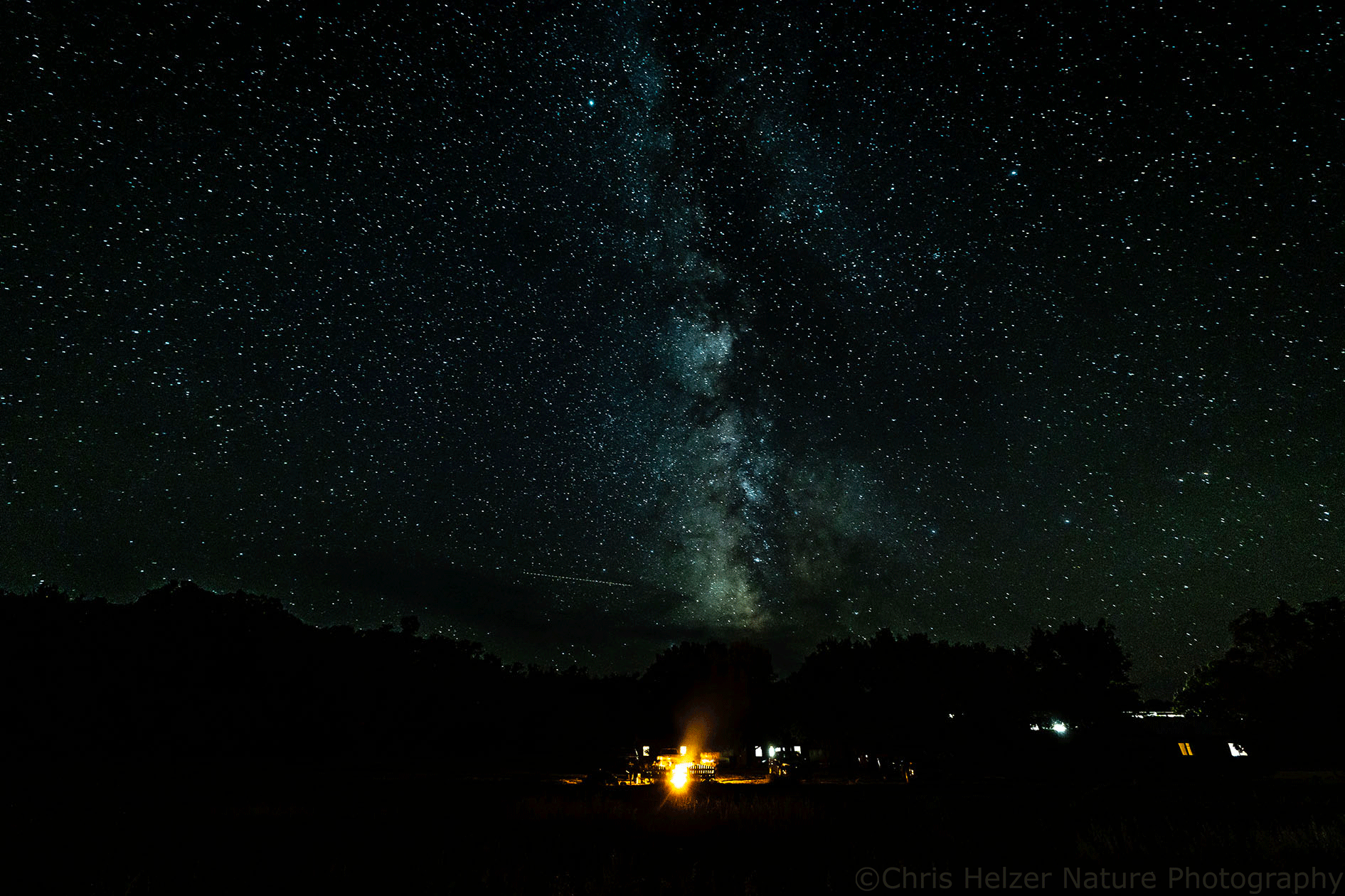
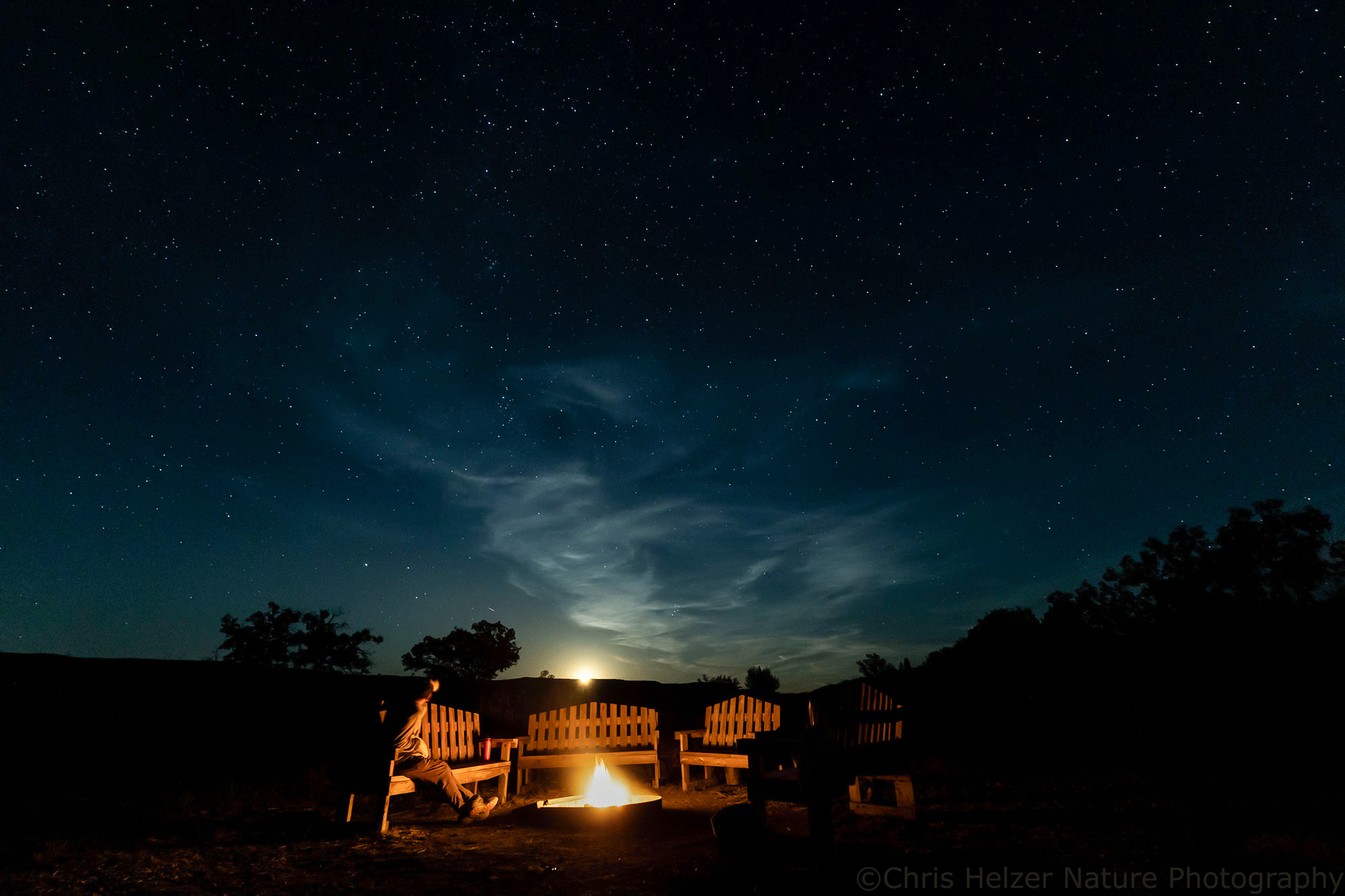
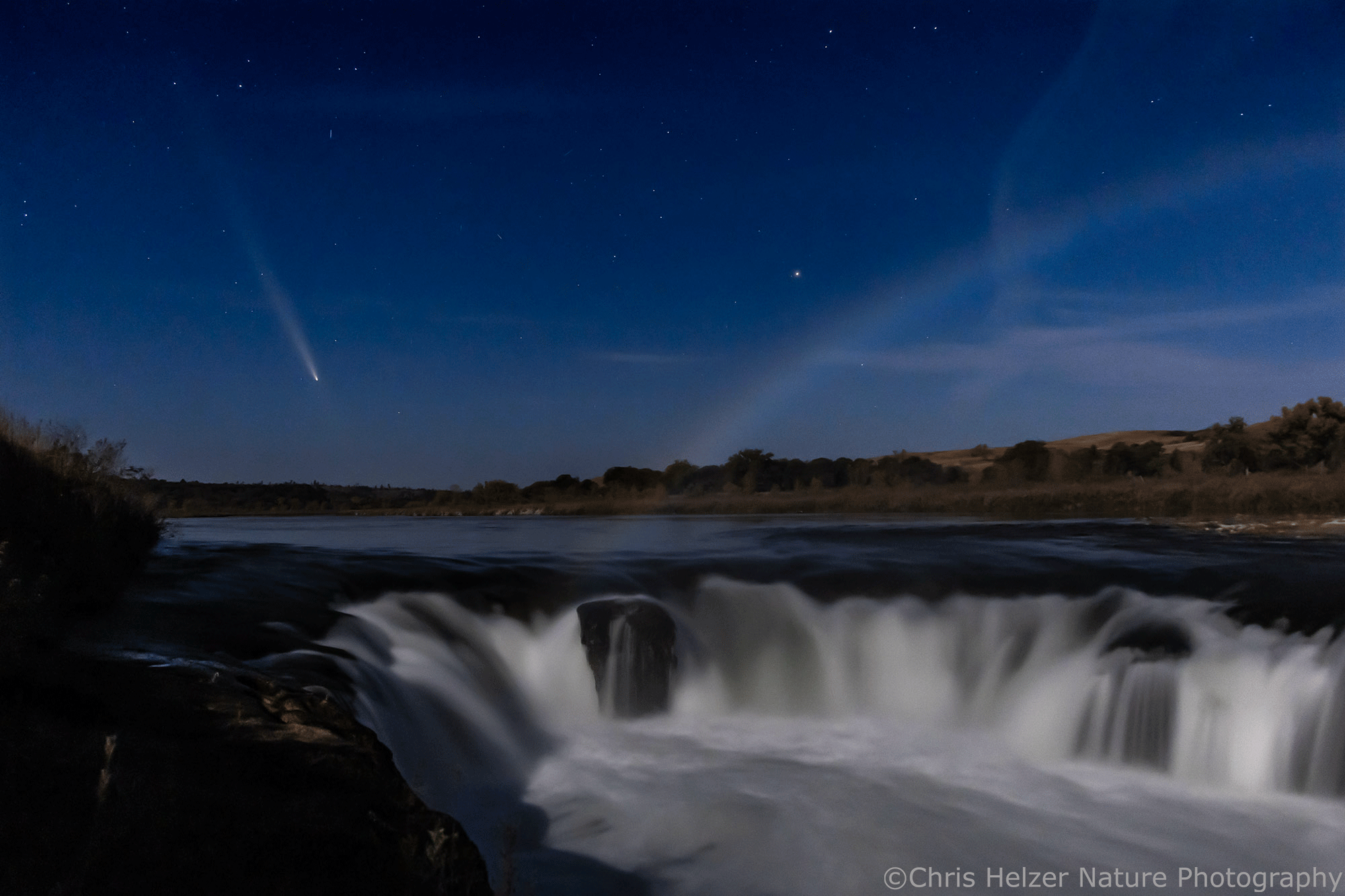
The first two photos shown here were taken at The Nature Conservancy’s Niobrara Valley Preserve back in September. We were hosting some TNC members for an event and enjoyed an evening campfire as the stars started to appear above us. The milky way put on a great show, which was visible despite the bright light from the fire and some of the nearby buildings.
After most people headed off to bed, a white glow started to grow along the horizon to the northeast. As some diffuse clouds moved across the sky, a full (or nearly full) moon popped up over the distant ridge. It was a scene worth staying up late for.
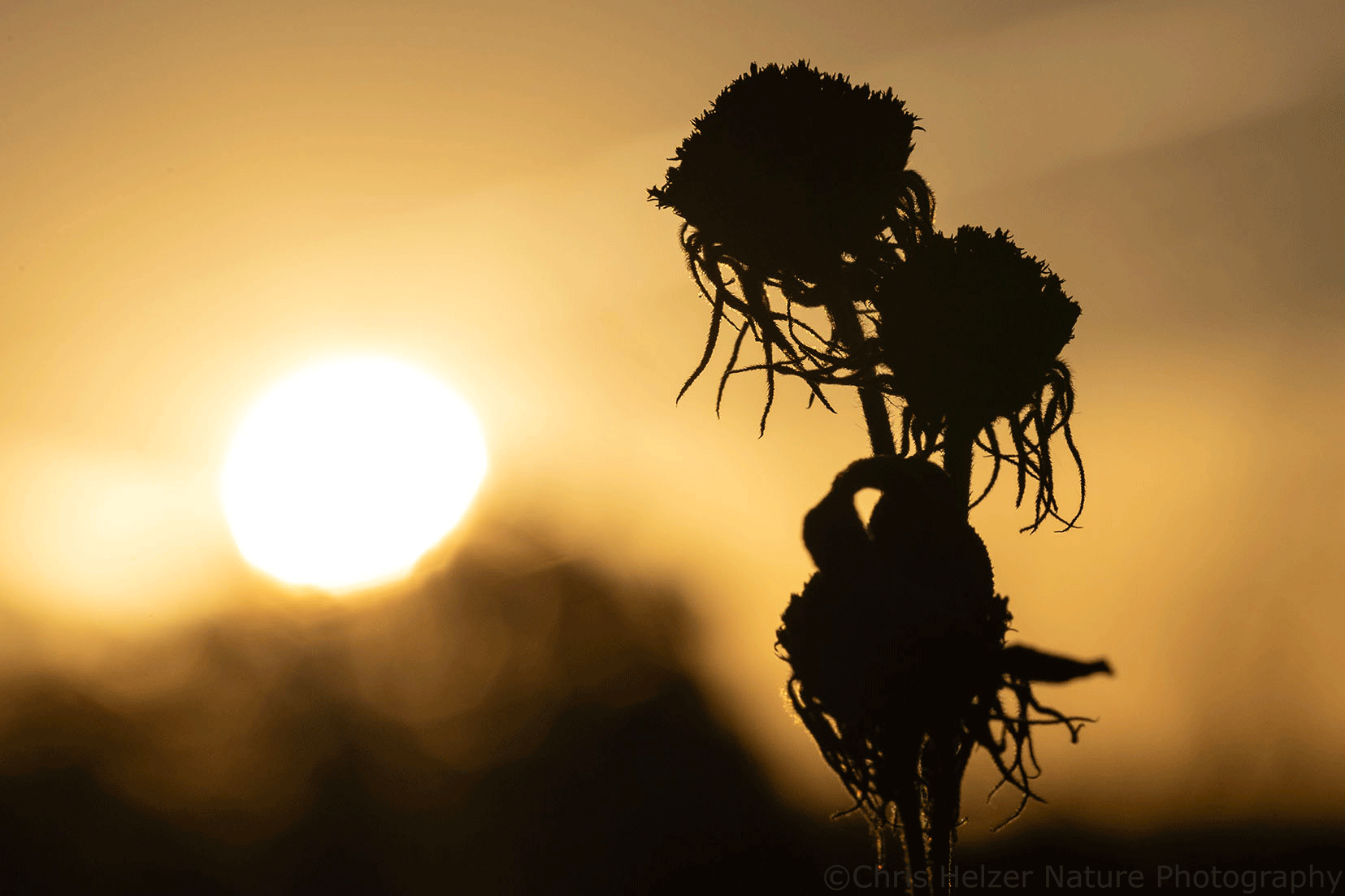
A big component of my square meter photography project this year has been waiting for the sun to emerge each morning above the tree line to the east of my plot. Usually, I’ve got several insects and/or flowers spotted and ready to photograph and I’m just waiting for the light to hit them. Sometimes, though, I flip the script and aim at the sun instead of the subjects it is illuminating. As a result, I’ve got quite a few photos of the sun popping up above what has become a very familiar tree line.
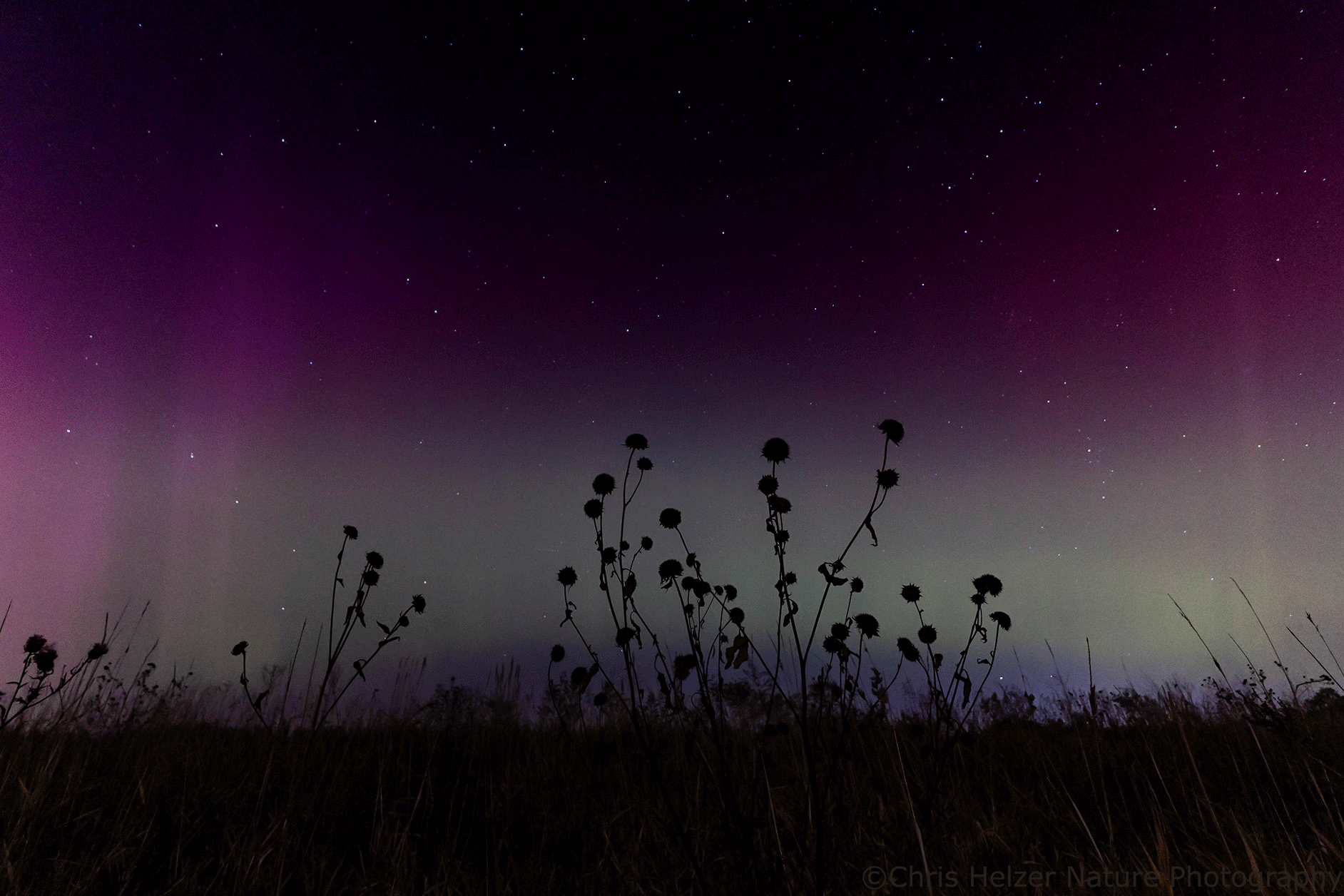
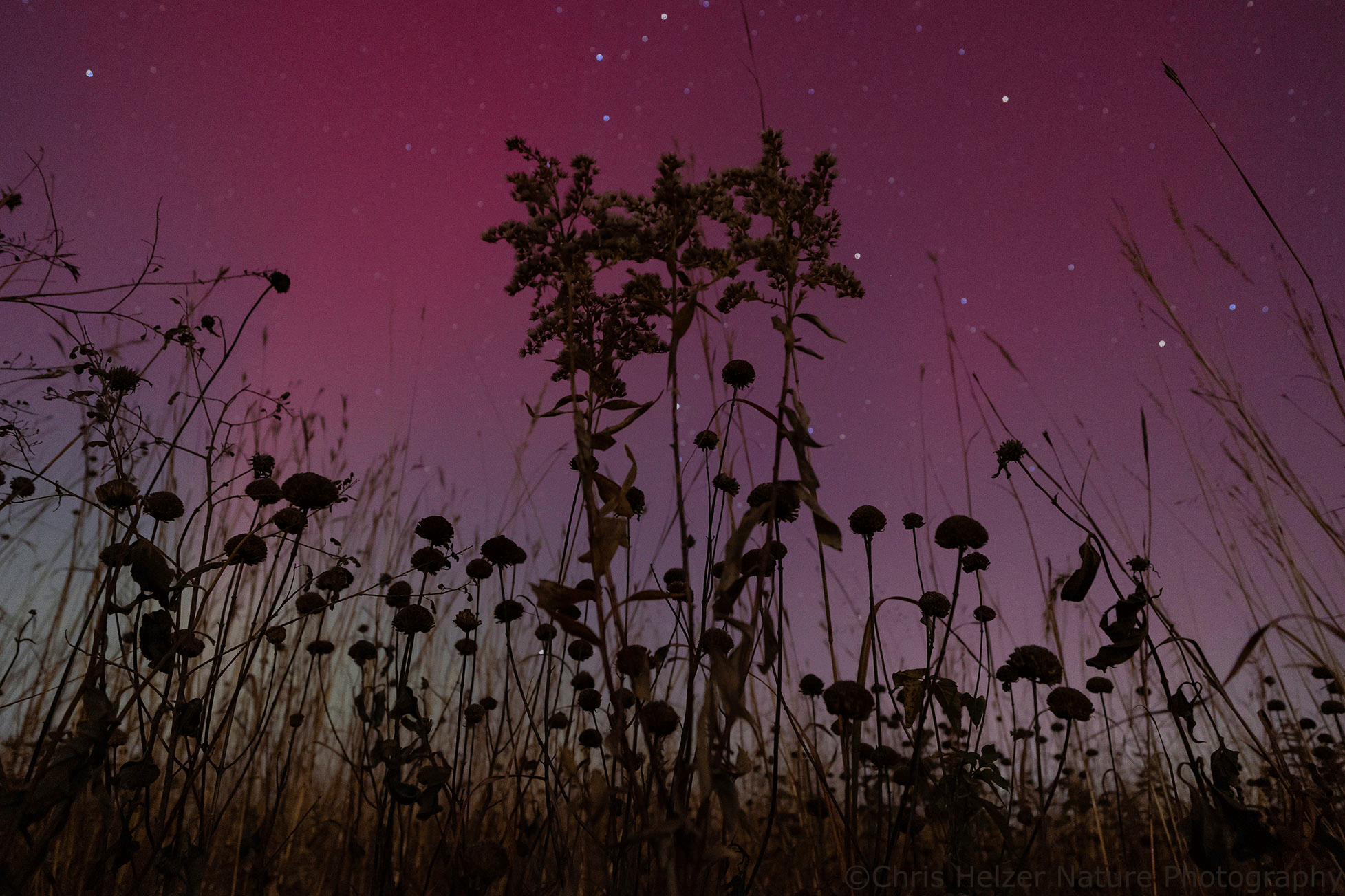
Lots of people in central North America got to see the northern lights this fall. If you’re on any form of social media, you surely saw many results of people’s excited trips out to places dark enough to provide a decent view of the colored sky. The night of the best views, I’d just returned from a work trip and felt tired and a little under the weather (no pun intended). I hadn’t decided whether I was going to venture out, but Kim drove out of town and sent me a photo of a little purple light in the sky.
Since it’s pretty rare that we get to see the phenomenon here in central Nebraska, I decided I’d better not waste the opportunity. I drove west to a little prairie and started playing around. Suddenly, the muted purples gave way to a wild show of reds, greens, purples, and more. I no longer felt tired.
It was spectacular, and I had a hard time concentrating on photography because I just wanted to gaze in wonder at what has happening above me. I ended up doing some of both. I was moderately happy with the photos, but none of them came close to illustrating what it was really like to be out there under that sky.

The northern lights were a popular sensation on social media, but Comet C/2023 A3 (Tsuchinshan-ATLAS) seemed to be even more popular – and harder to spell. I copied and pasted it here to make sure I got it right. That assumes, of course, that the website I copied it from had it spelled correctly.
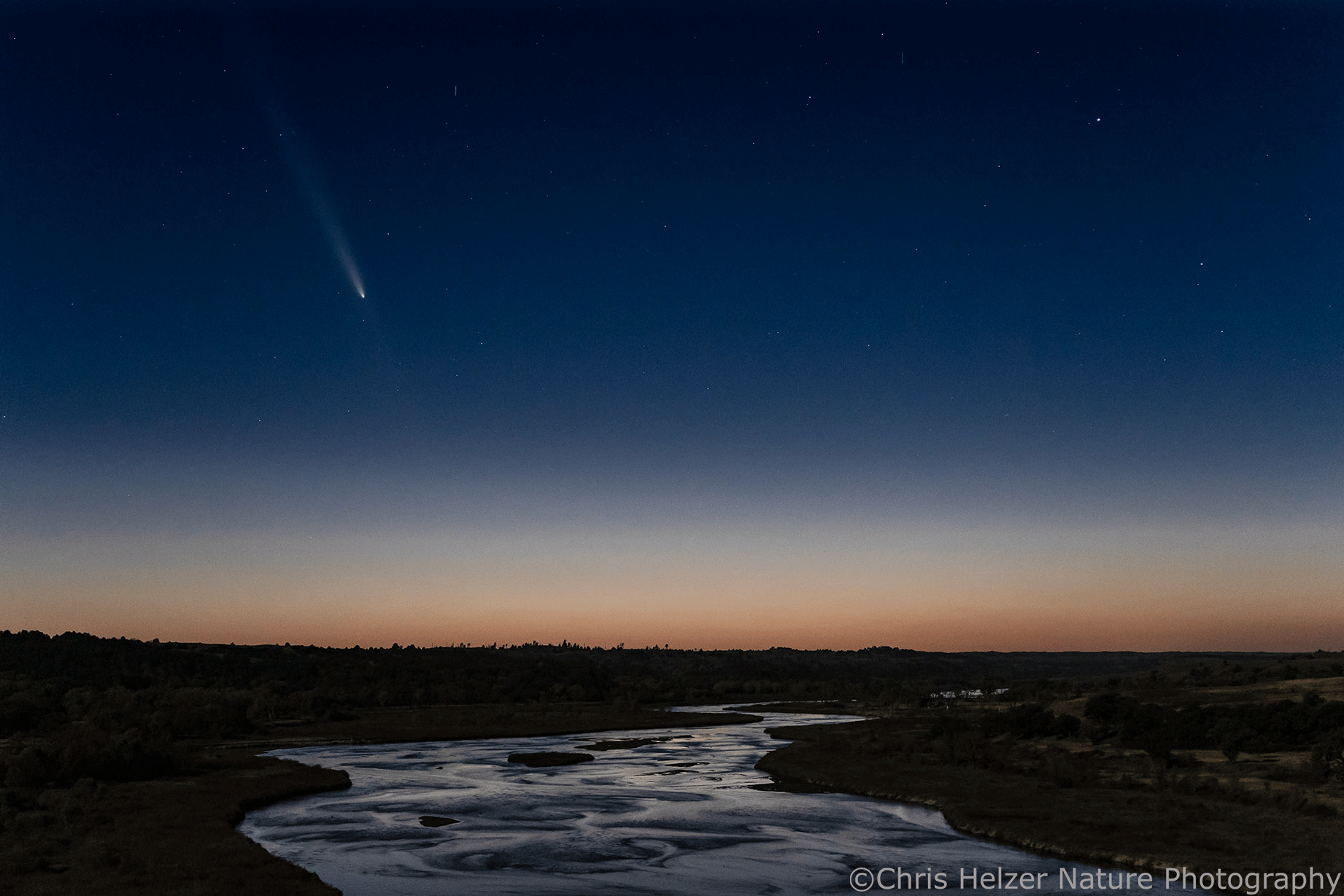
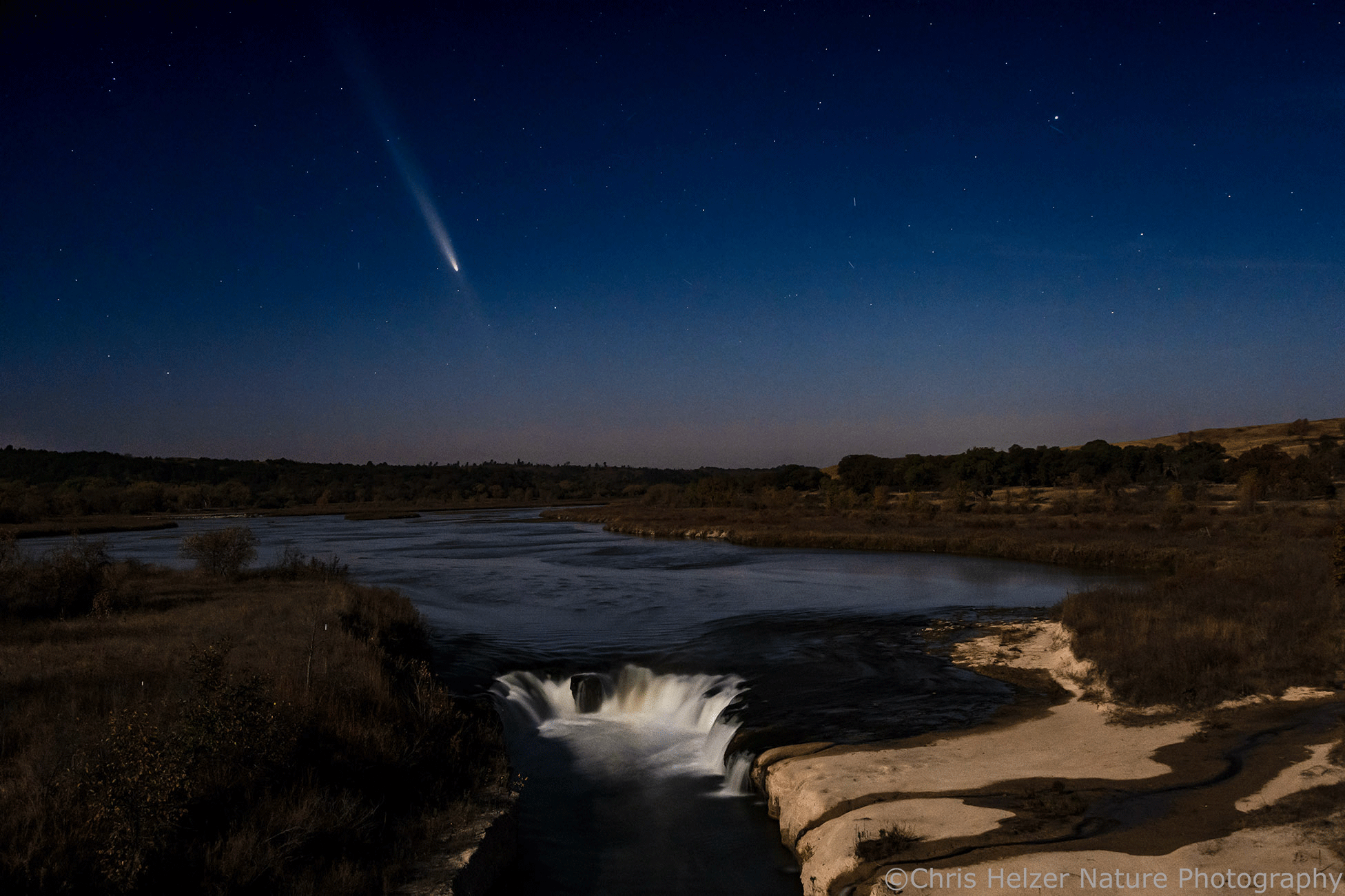
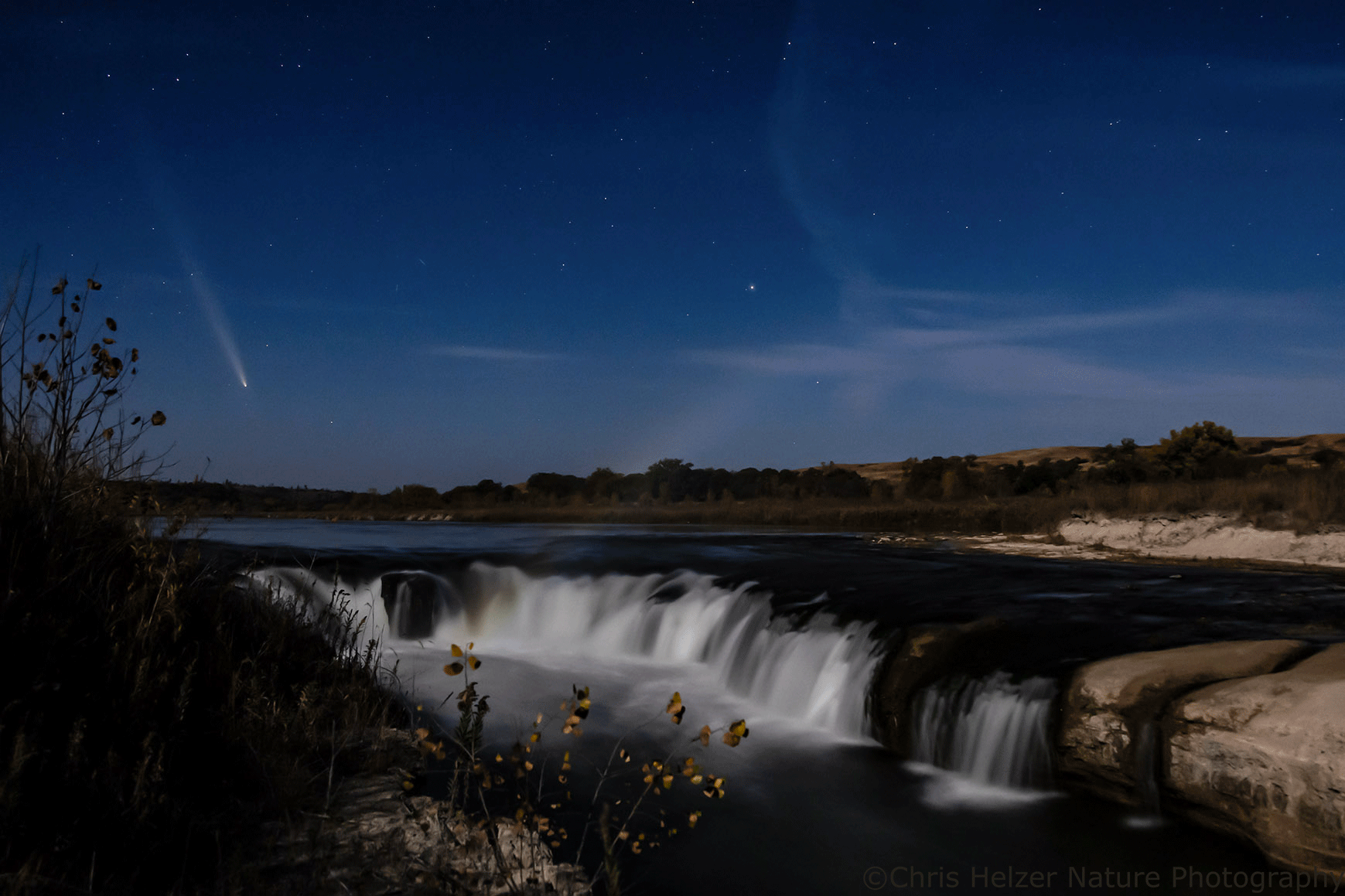
I was fortunate to be back up at the Niobrara Valley Preserve the week the comet was most visible (I was helping with a bison roundup). I’d read up on where to see the comet in the sky and visualized what the scene might look like from my favorite vantage point near the Preserve’s headquarters. Sure enough, the first evening I was there, the sky was clear and the comet was right where I’d hoped.
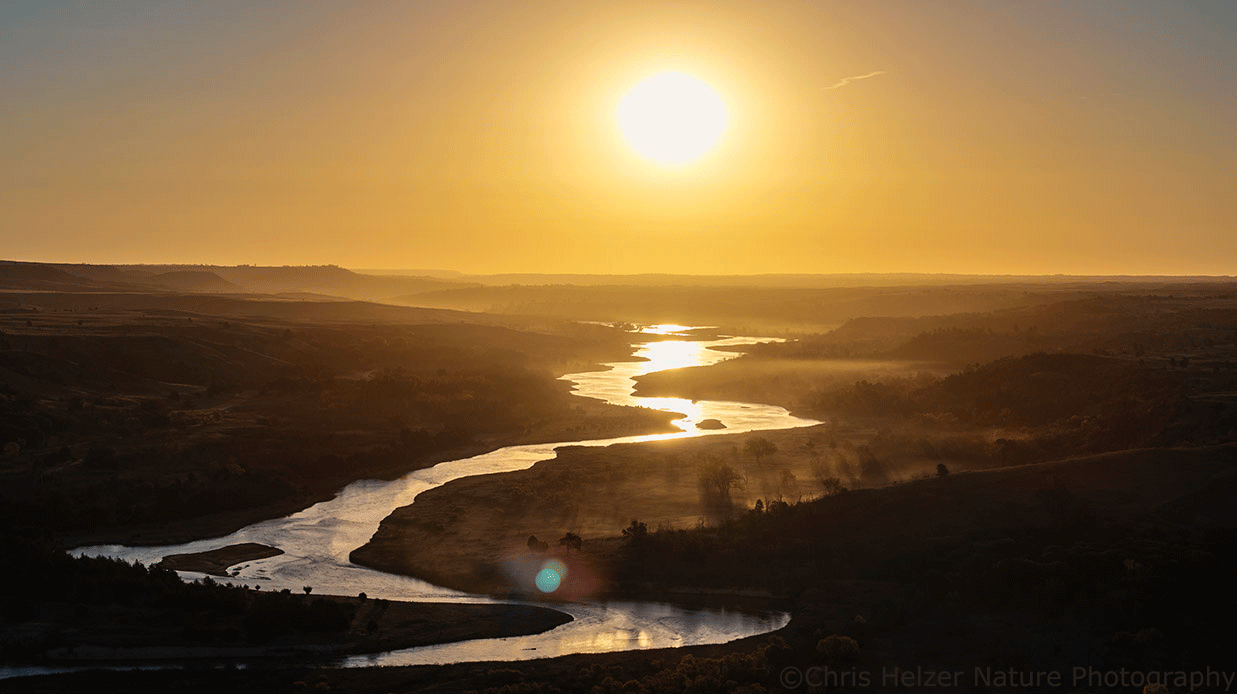
The morning after I photographed the comet, we arrived at the bison corral just as the sun was coming up. While the experts in charge of the proceedings worked through some final corral preparations, I took my drone up into the air to capture the sun rising over the Niobrara River.
Near the end of the week the comet was most visible, I read that a “Hunter’s Super Moon” would be rising just after sunset one evening. That sounded like it might be worth checking out, so I headed to my square meter plot to see if I might be able to see both the moon and comet from there. The comet was hiding behind trees to the west and the town’s lights probably would have obscured it anyway. The moon, though, followed the same pattern as the sunrises I’d become familiar with. It was really windy, which made photography extra complicated, but I still managed to get a few shots of the super moon behind some of the plants in my square meter plot.

Finally, I made one more trip up to the Niobrara Valley Preserve at the beginning of this week. Cottonwood trees were in full color and the autumn sky had just enough clouds to make the light and scenery really interesting.

Just before sunrise on Monday morning, I was back up at my favorite vantage point at the Niobrara Valley Preserve, watching a ribbon of orange light illuminate the horizon and bleed into the dark blue/gray of the clouds above. I spent more than a half hour bouncing around a hillside, changing lenses several times, and lying on the ground in multiple places to get the angles I wanted. There were way too many choices for how to capture the scene and I wanted to take advantage of as many as I could.
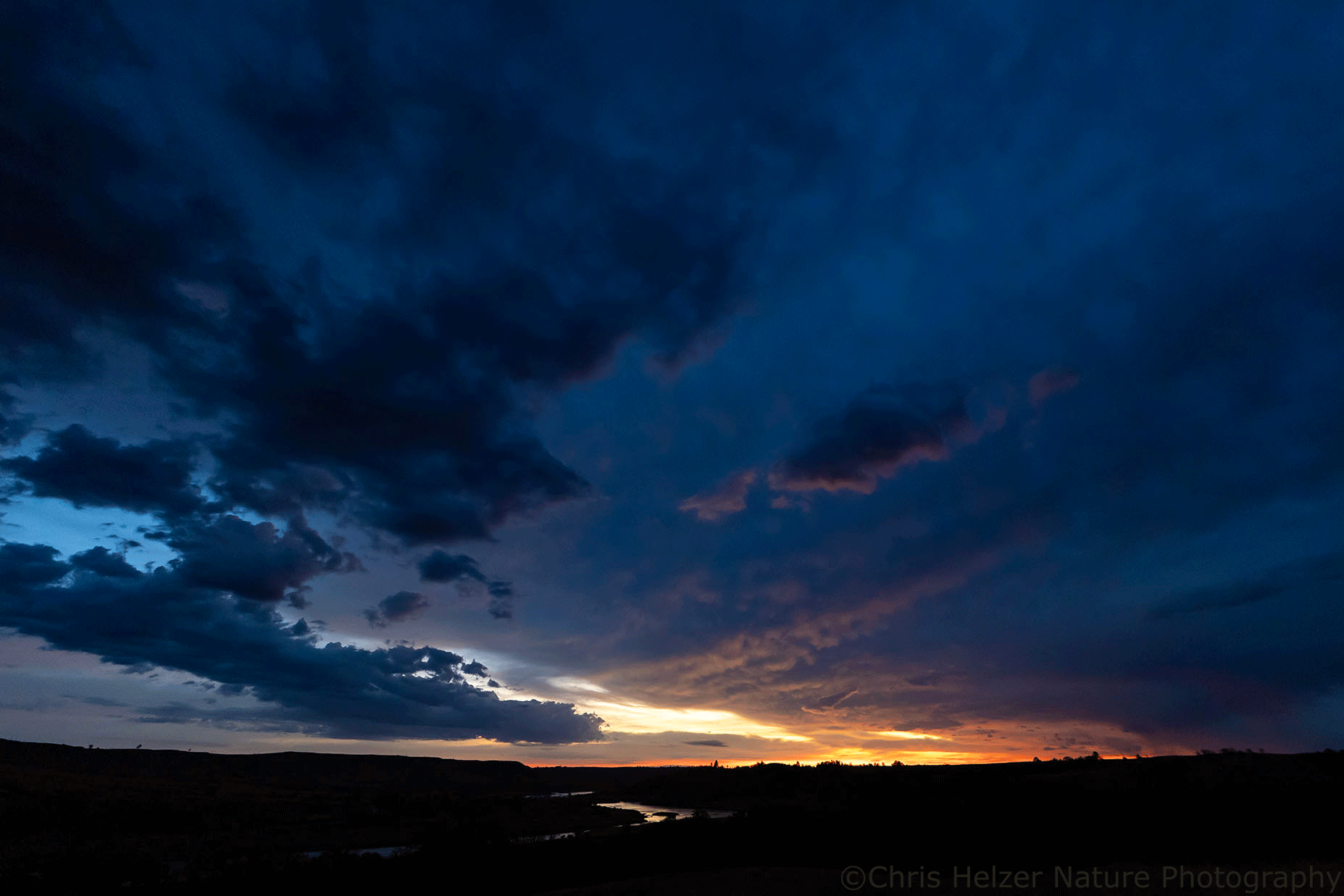
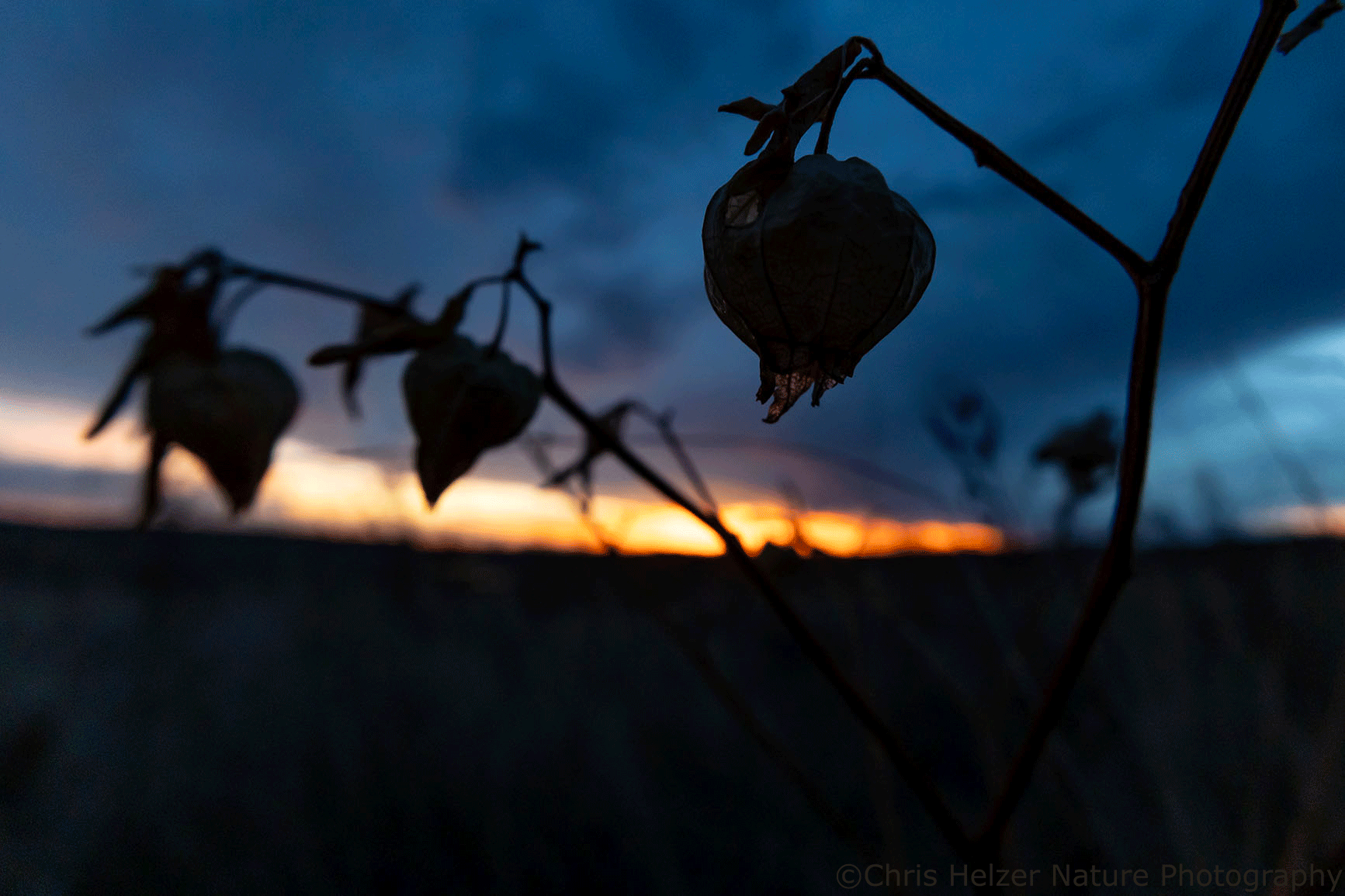
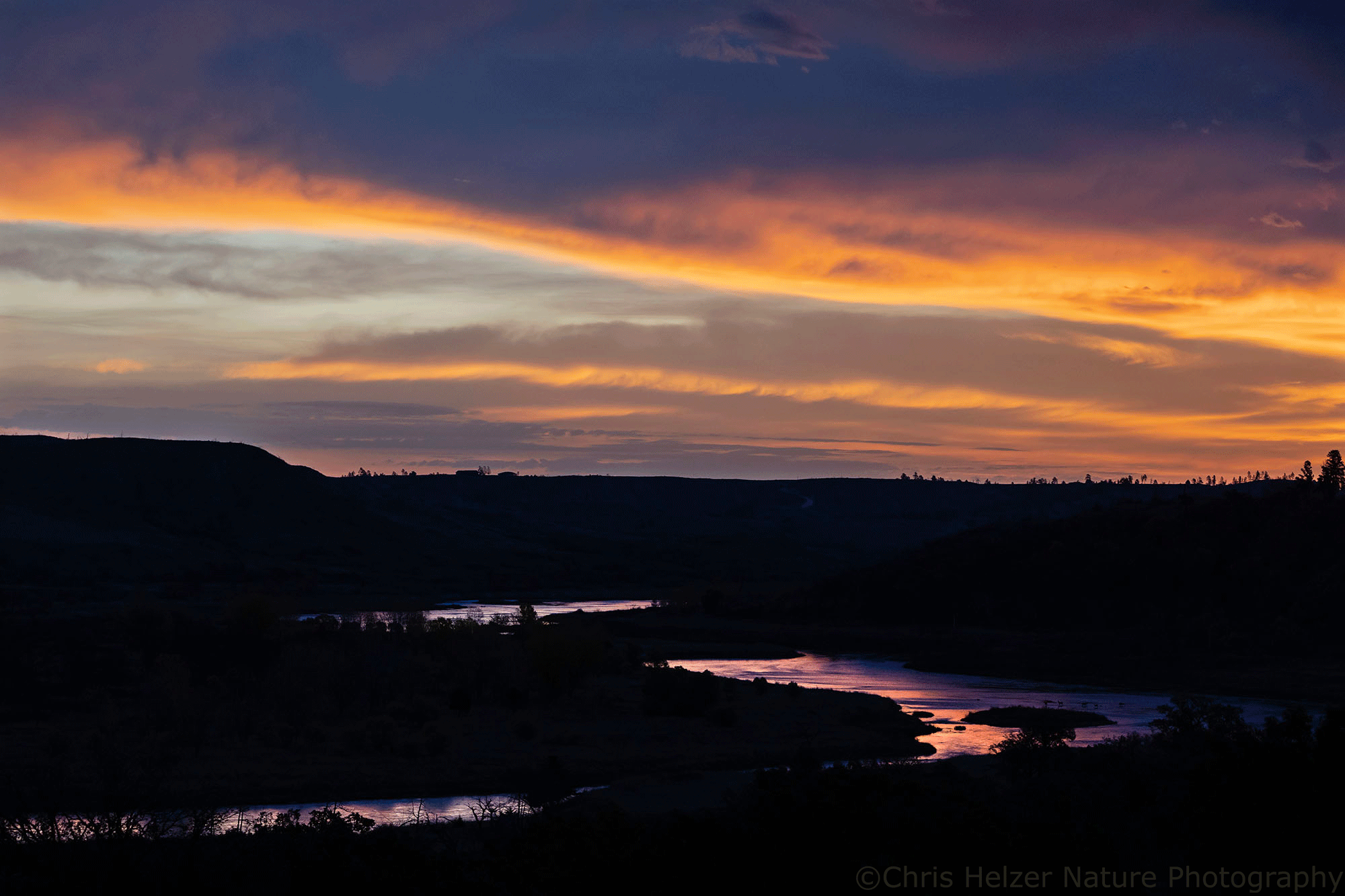
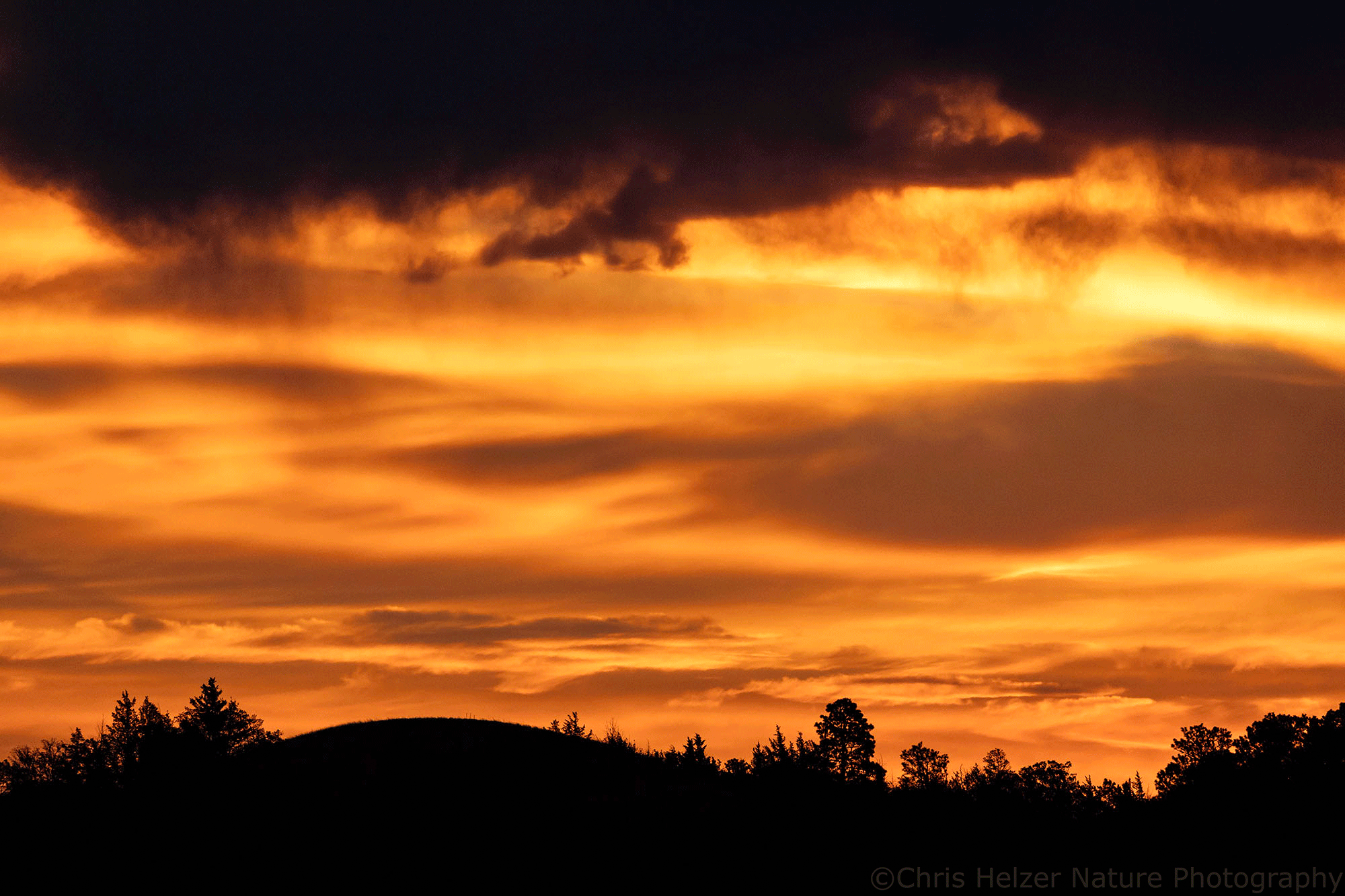
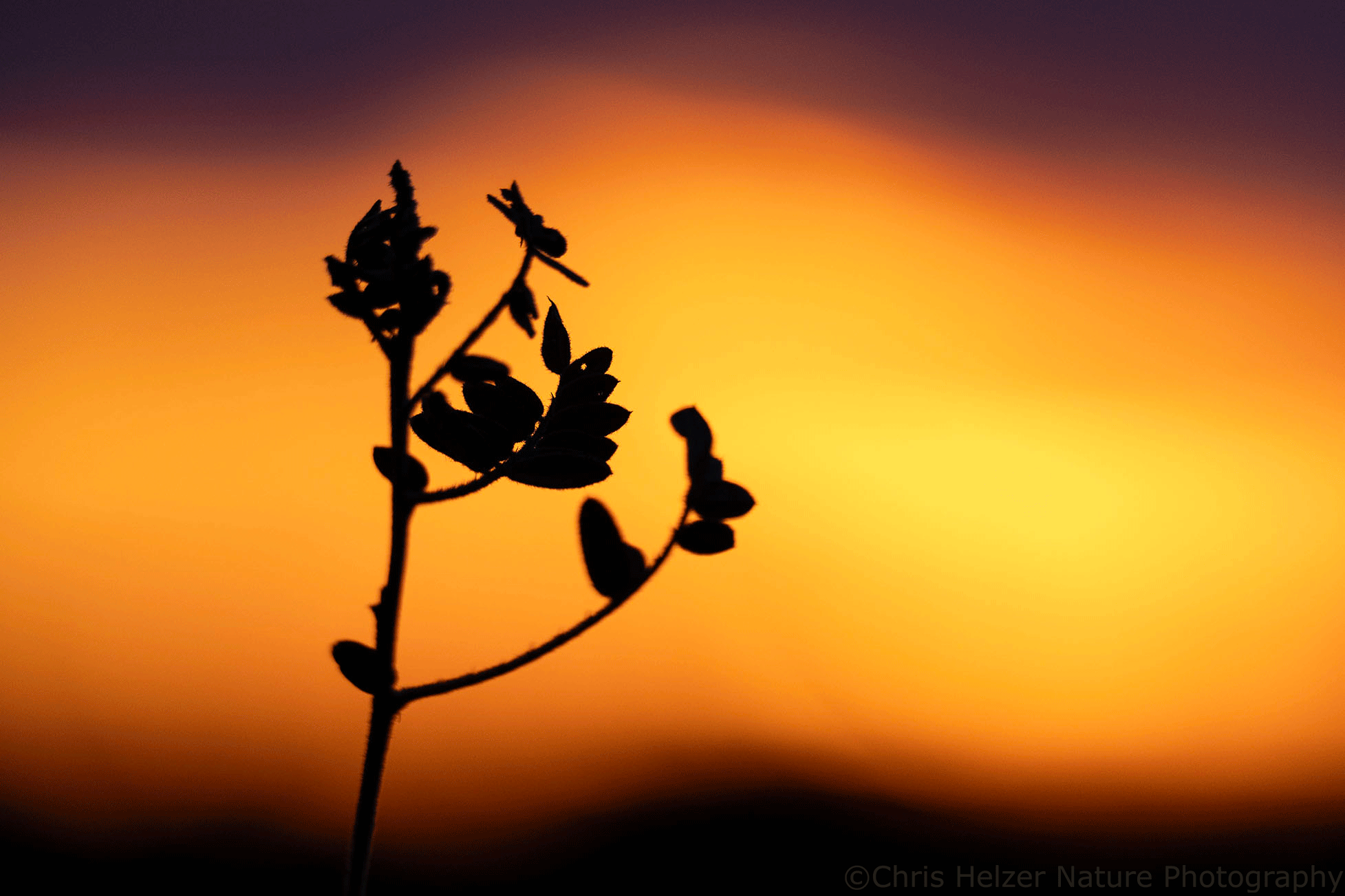
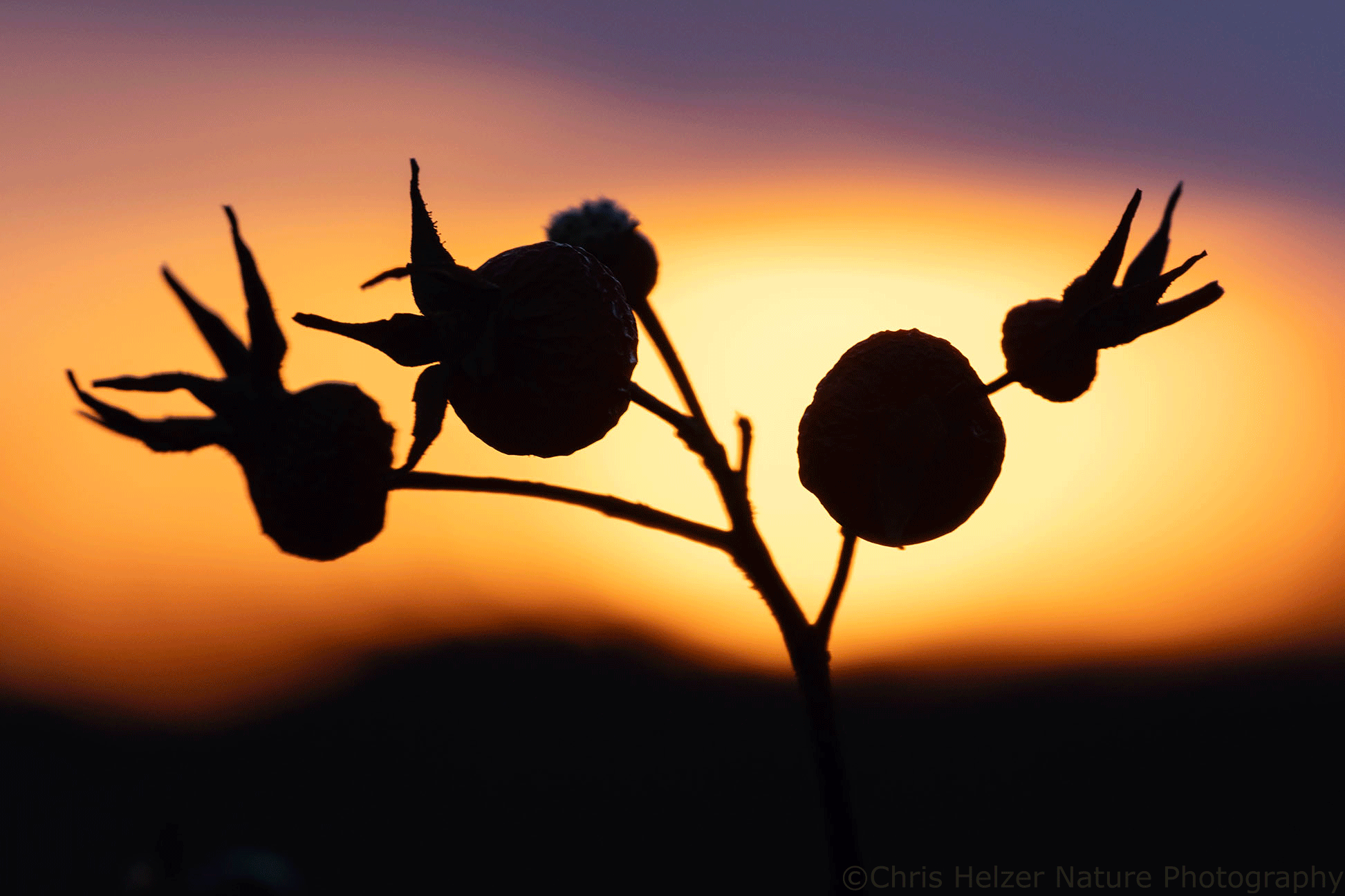
By the time the sun actually breached the horizon, I was heading to meet some college students and take them out to see bison, prairie, and other wonders. We found everything we were looking for – all of it under a fantastic autumn sky.
 The Prairie Ecologist
Exceptional photos! Nice job Chris.Mark Mark Brohman Executive Director Wachiska Audubon
I love your closeup/plant/insect photos and have your book, but these photos are lovely in a different way. I wish you had a “like” icon at the end, as I don’t want to leave my name, address, etc. to comment — hope this isn’t posted, either! –Linda
What a beautiful set of photographs! Thank you!
Your photographic talent is amazing! If the world had worked out a little differently that might have been your profession. Thankyou!
This might be my favorite post of yours this year, or maybe ever! Thanks, Chris. Your photography skills are remarkable!
Love, love, love the sky shots!! Great change of pace.
Love, love, love the sky shots!! Great change of pace.
These are exceptionally beautiful photos.
Echoing other comments – these photos of the sky in all its beauty are spectacular. The definition of big sky, featuring some of the favorite flora we’ve come to appreciate from you.
They’re all gorgeous images and I’d happily stare at them for ages.
Thanks for the fun post pivot to incorporate the busy and beautiful heavens!
Just exquisite!!
Spectacular photographs! Amazing.
Great photos! Thanks for sharing. I went out to see the comet. Very amazing to see and experience, but your photos of that event are so captivating.
Back to your photo of the two skippers on the thistle. I said that the uppermost of the two was a female sachem but that I didn’t recognize the lower one. I did a bit of research, including consulting an expert Lepidopterist who used to live in KS, and he agrees with me that the lower is almost certainly a female Zabulon skipper (Lon zabulon—formerly Poanes zabulon).
Robert Dana
Thank you for all that effort! I don’t think I’ve photographed a Zabulon before, so that’s fun.