As 2024 winds down, there’s a lot to look back on. Photographically, there’s no question what my strongest memories are tied to. Starting in late April, I made 112 trips (and counting) to a 1×1 meter plot of prairie along Lincoln Creek on the eastern edge of Aurora, Nebraska. There, I found an incredible bounty of beauty and complexity that kept me spellbound – often for more than an hour at a time.
To celebrate my square meter prairie year, I’ve chosen 30 of my favorite portraits taken within that little plot of land. I hope you enjoy them, but I’m not finished with the project. There are still four more months to go before I’ve completed a full year of visits and I plan to take full advantage of that time – especially when there is snow, frost, or sky to provide a little extra accent to the story.
In the meantime, here are my favorite 30 photos (so far!) from my square meter of prairie.
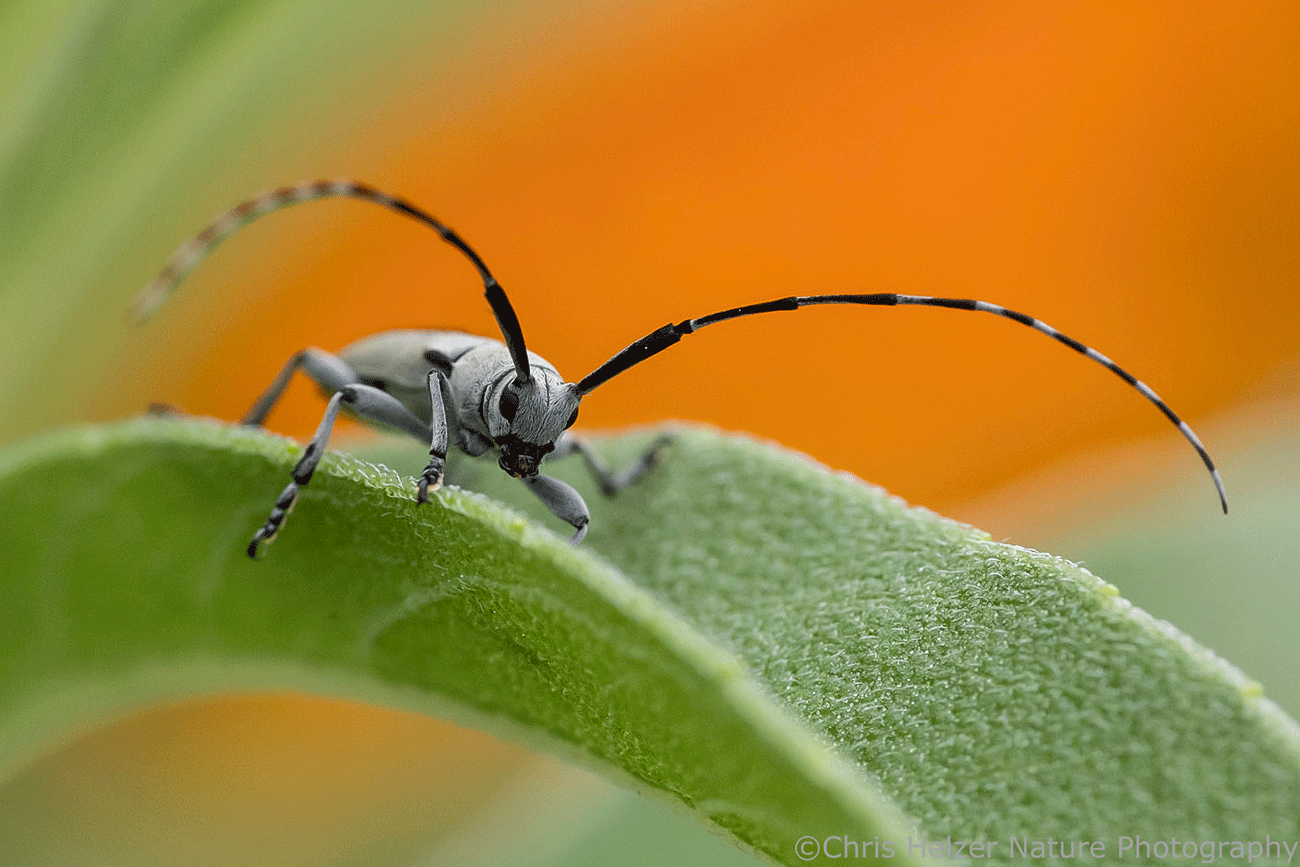
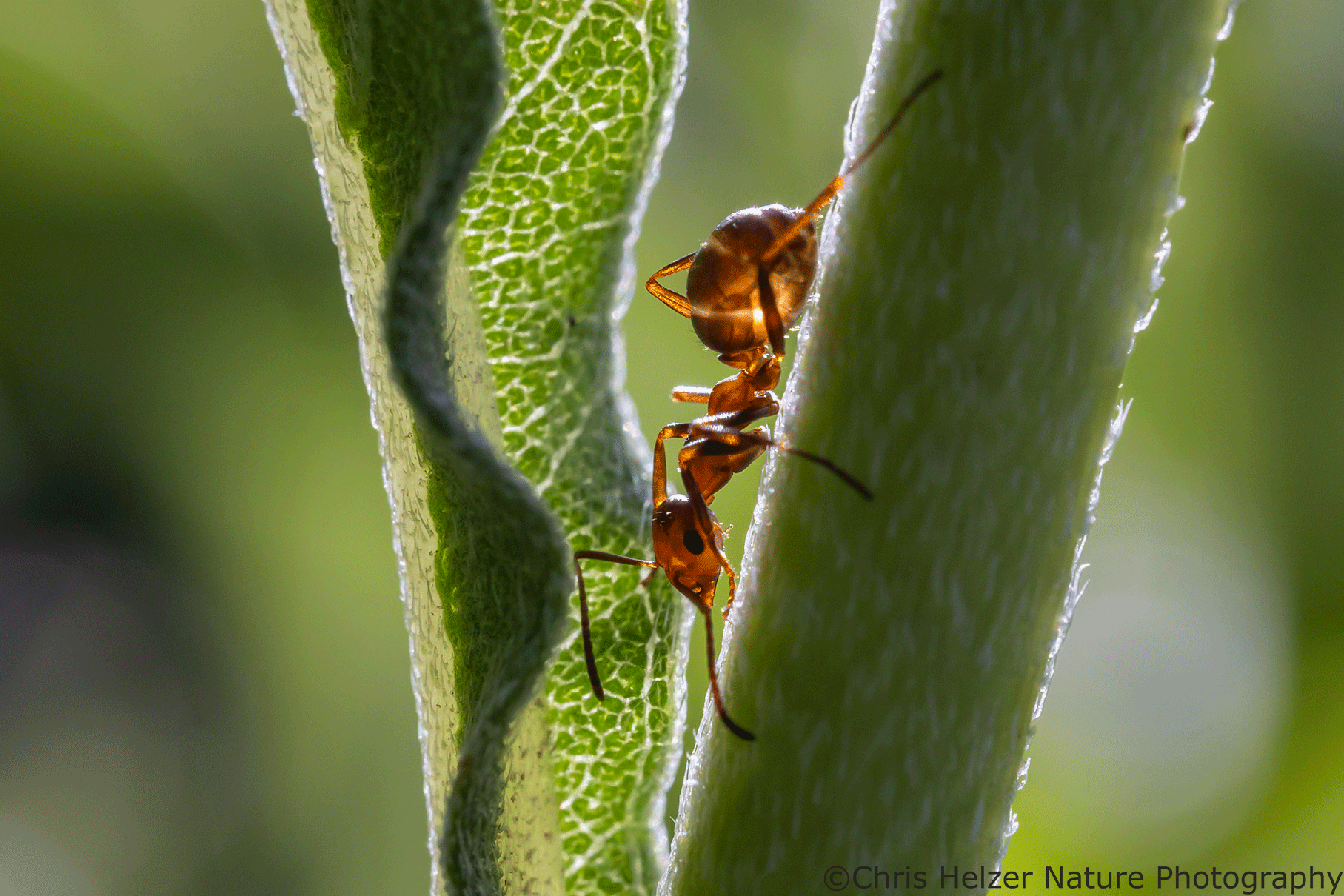
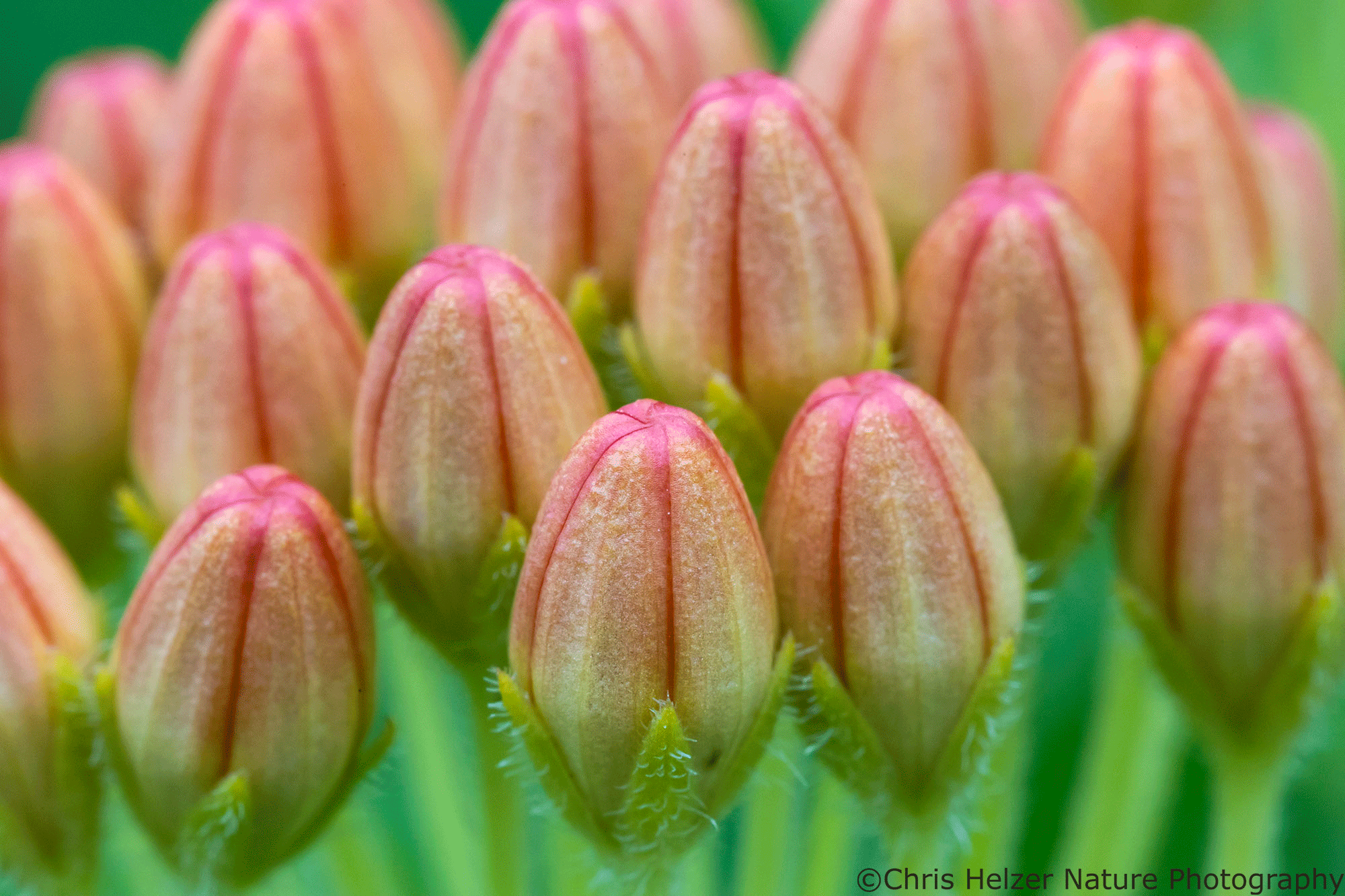
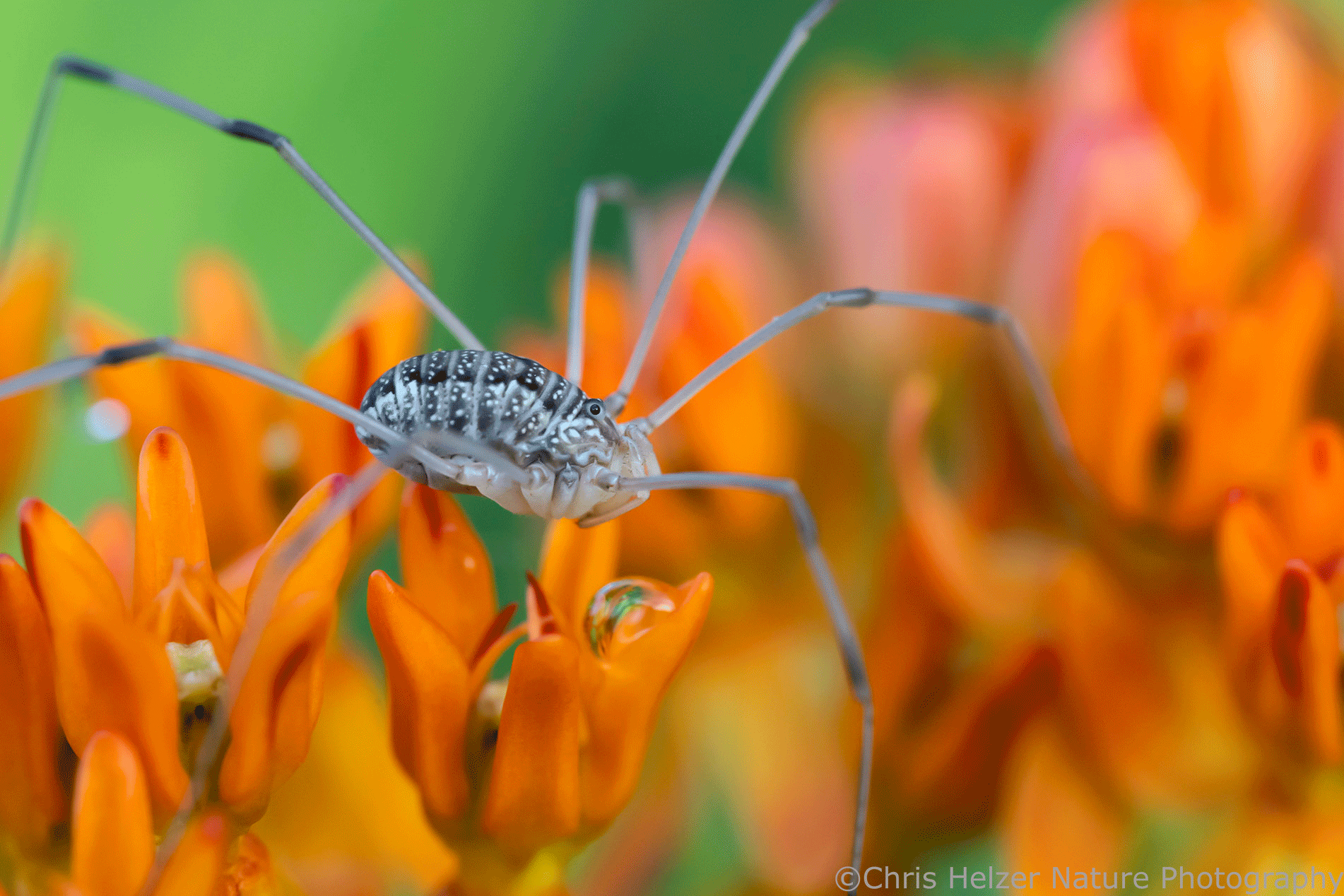
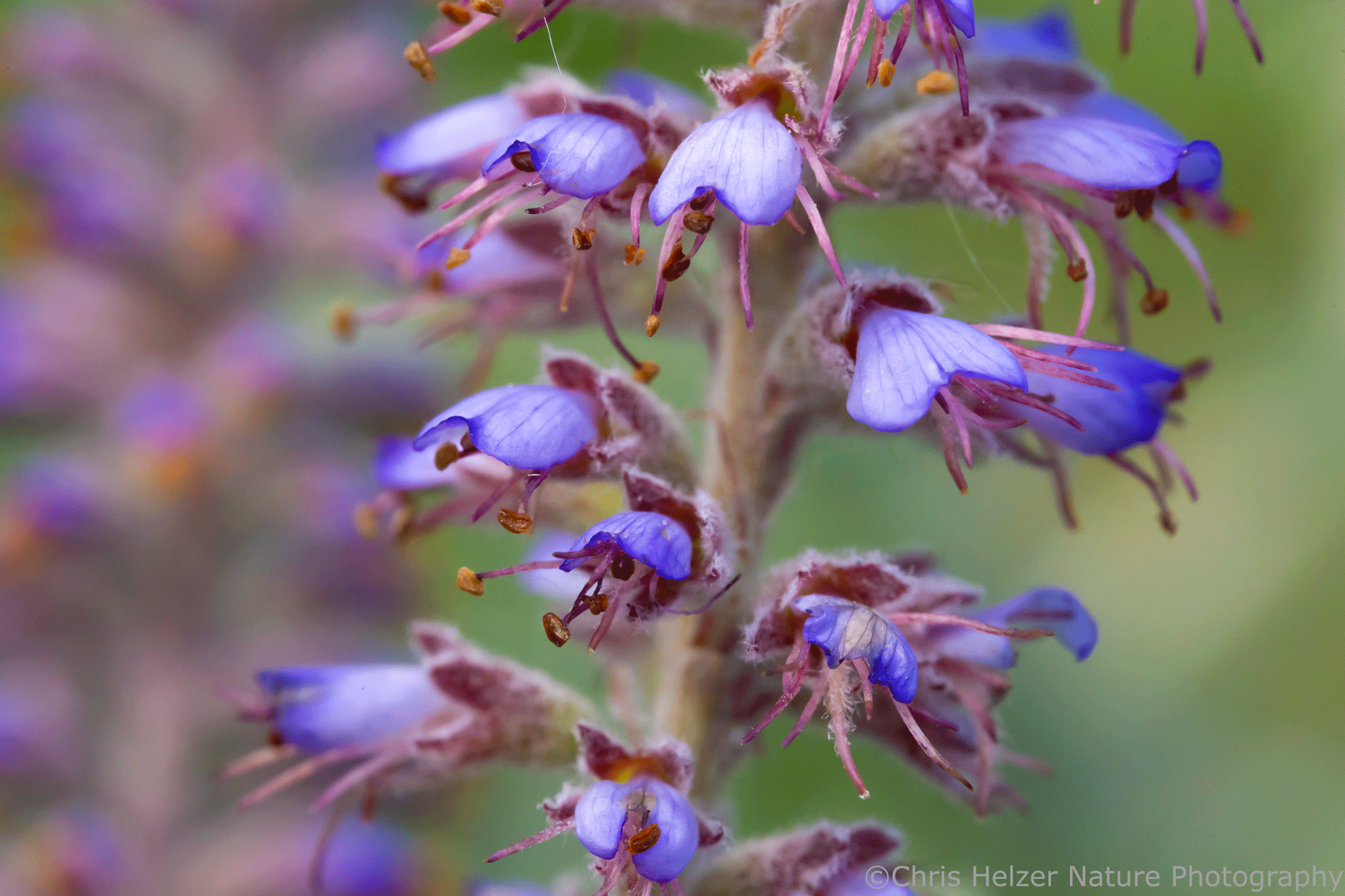
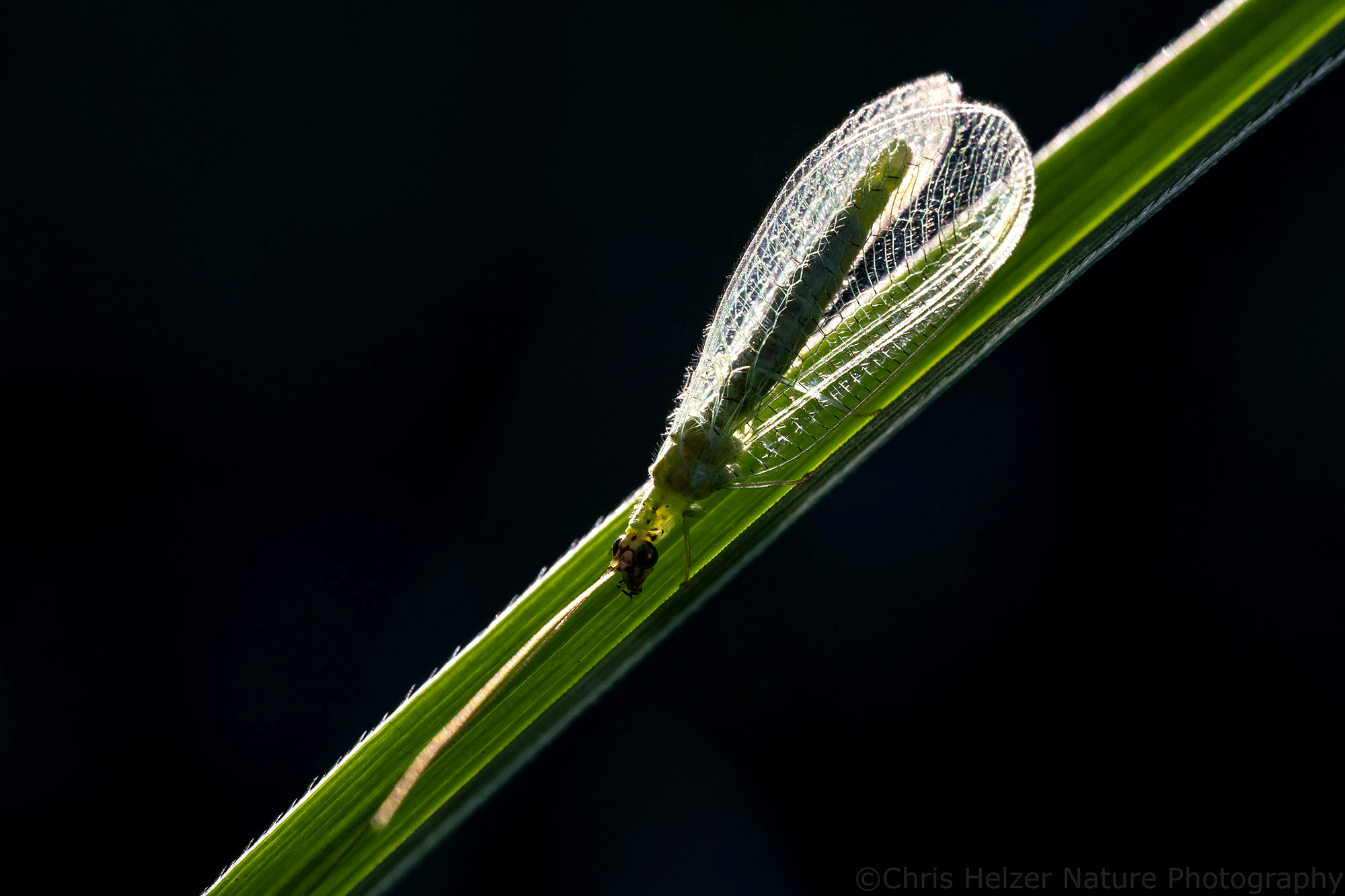
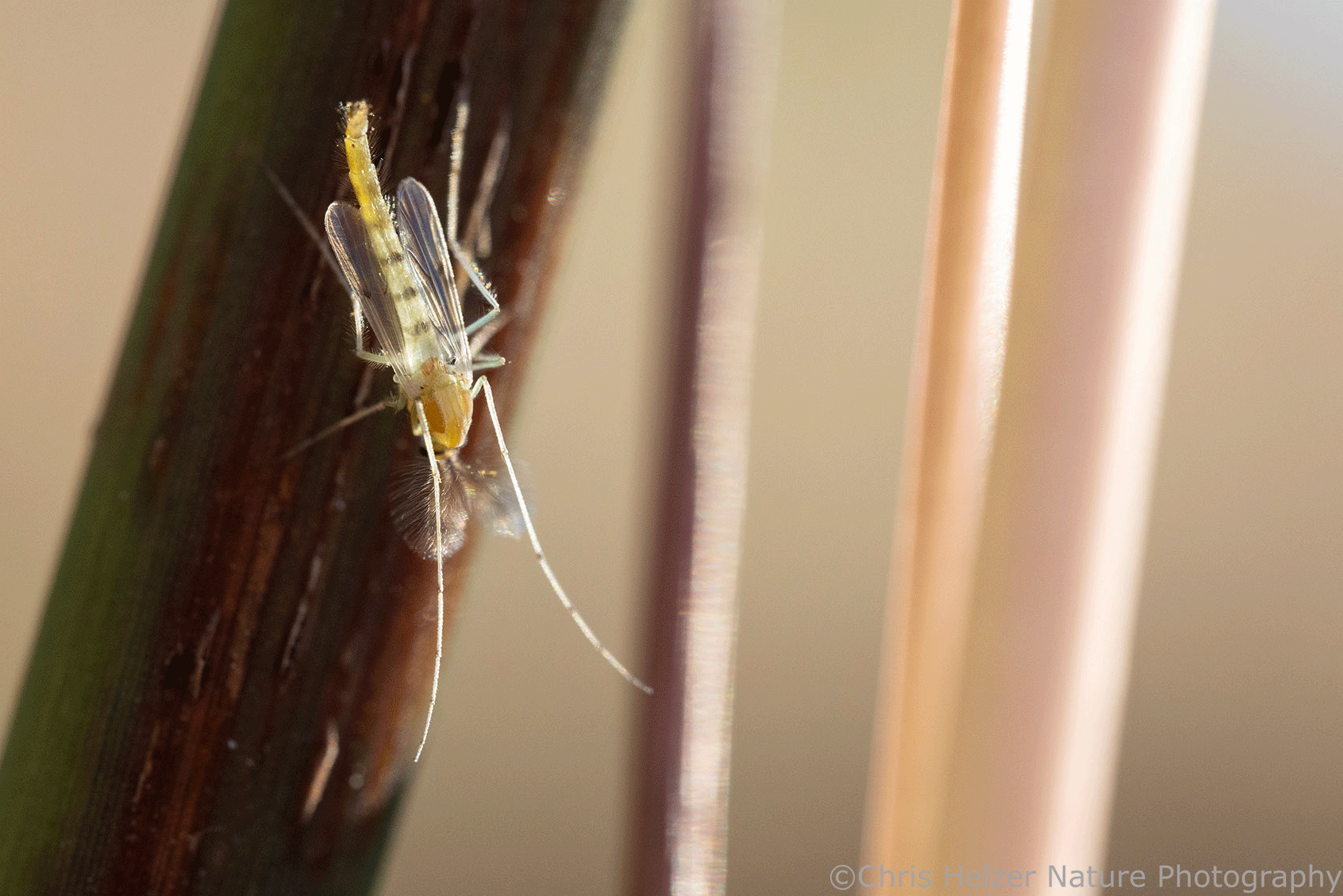
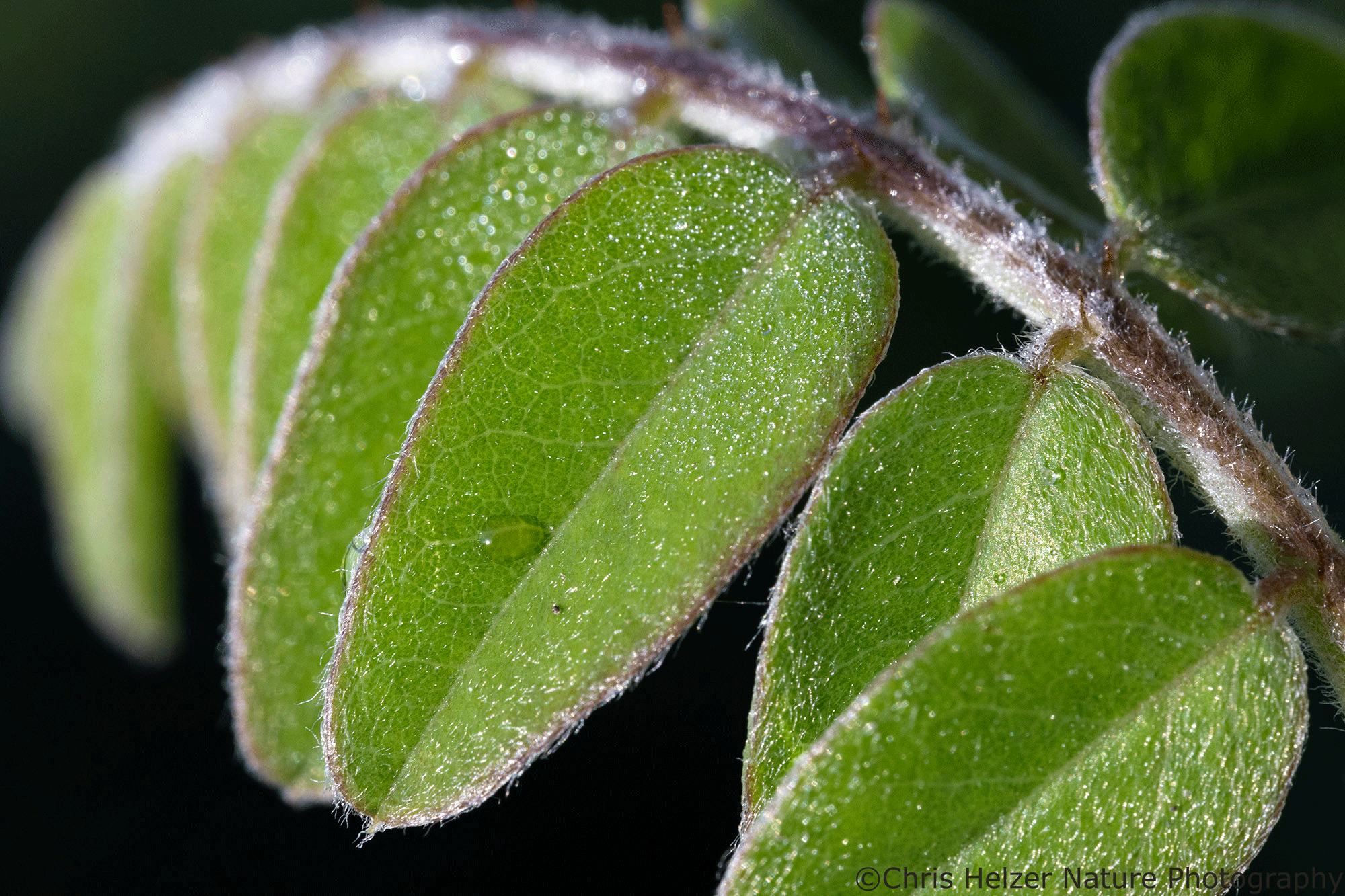
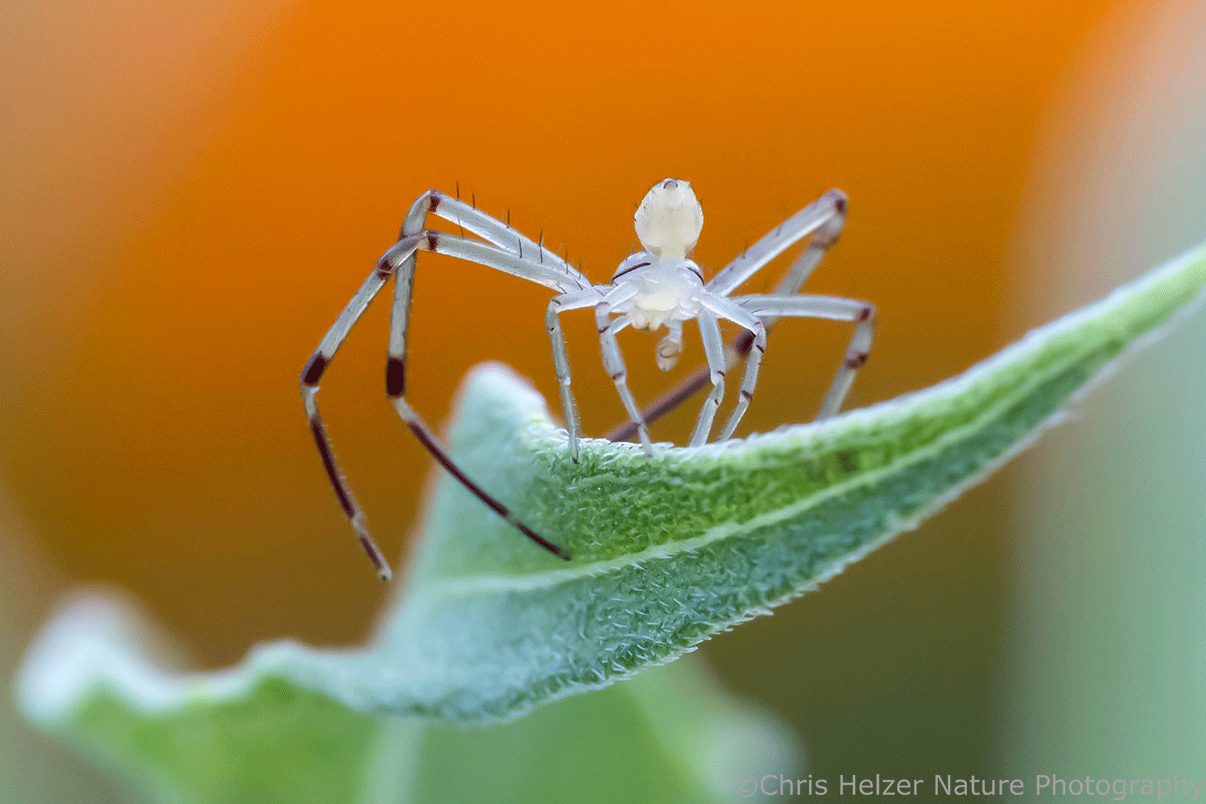
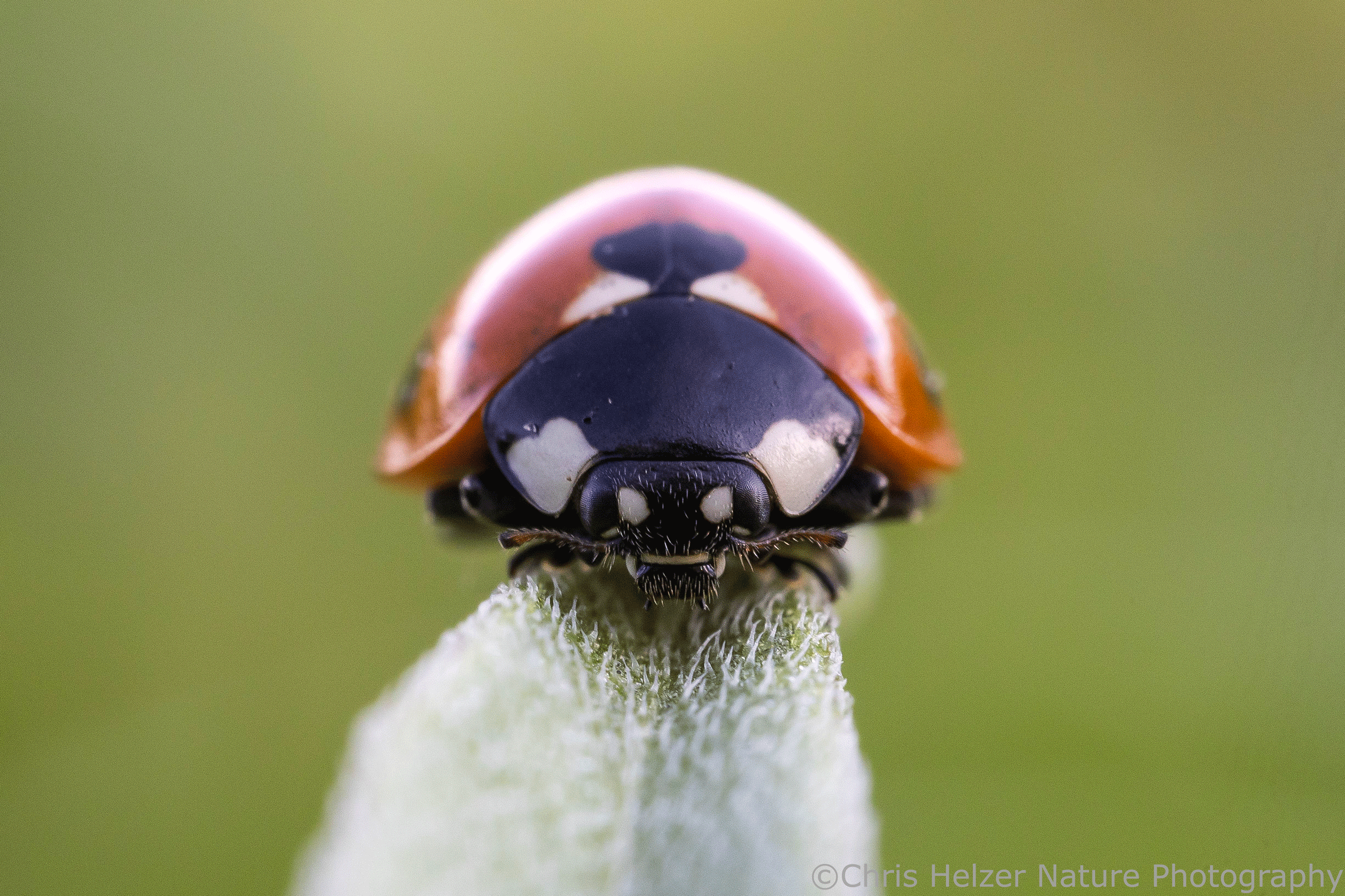
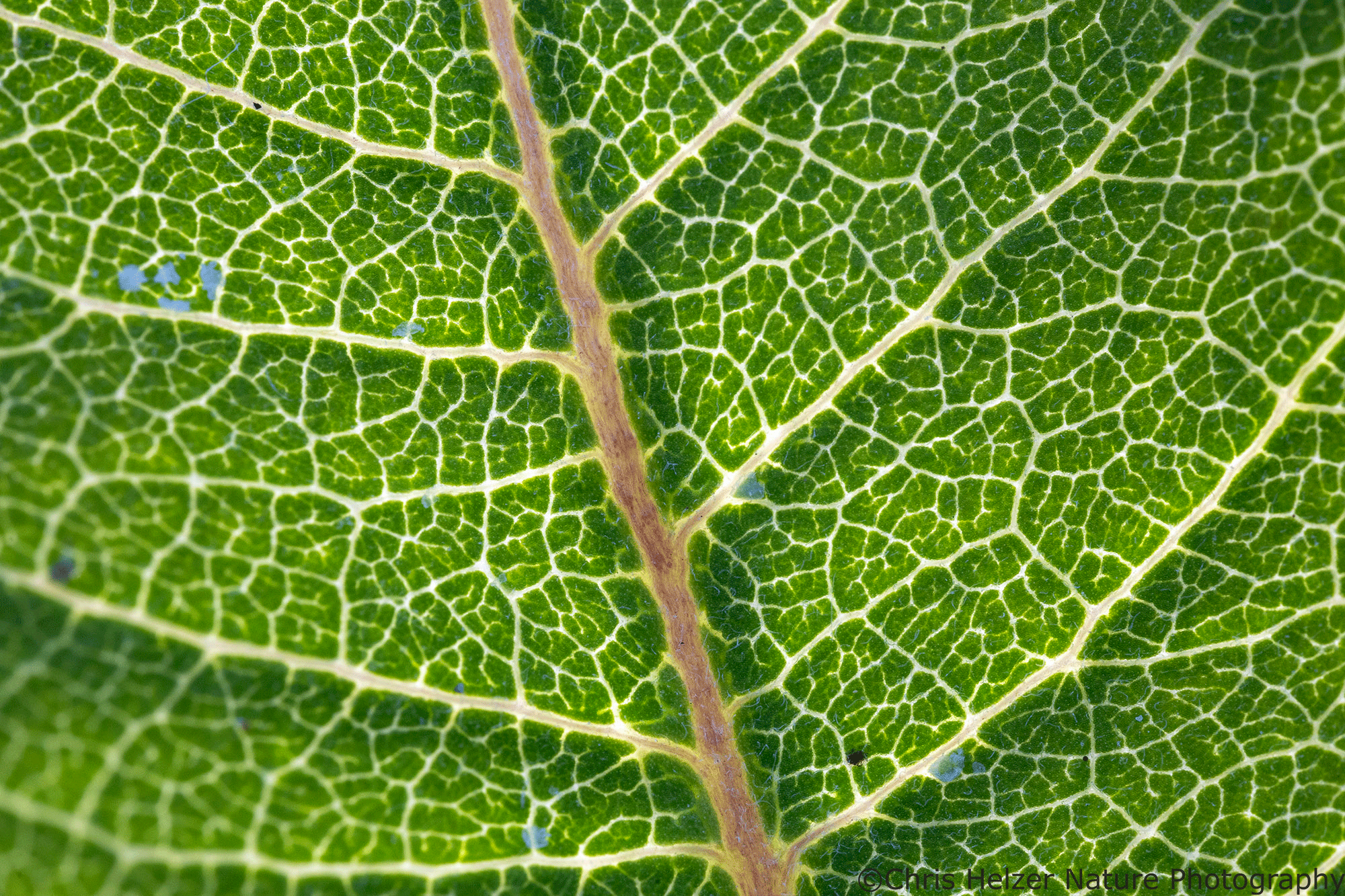
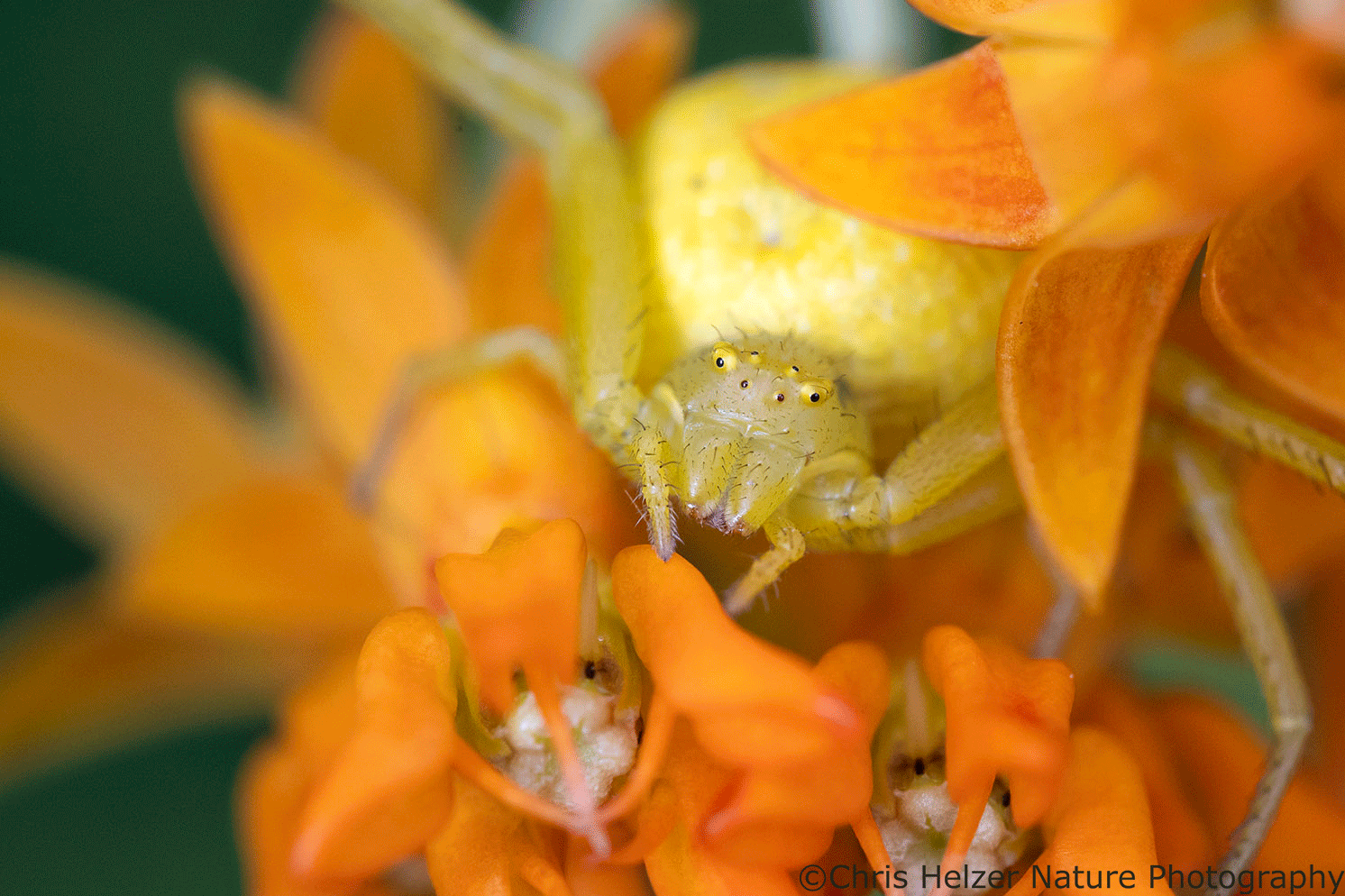
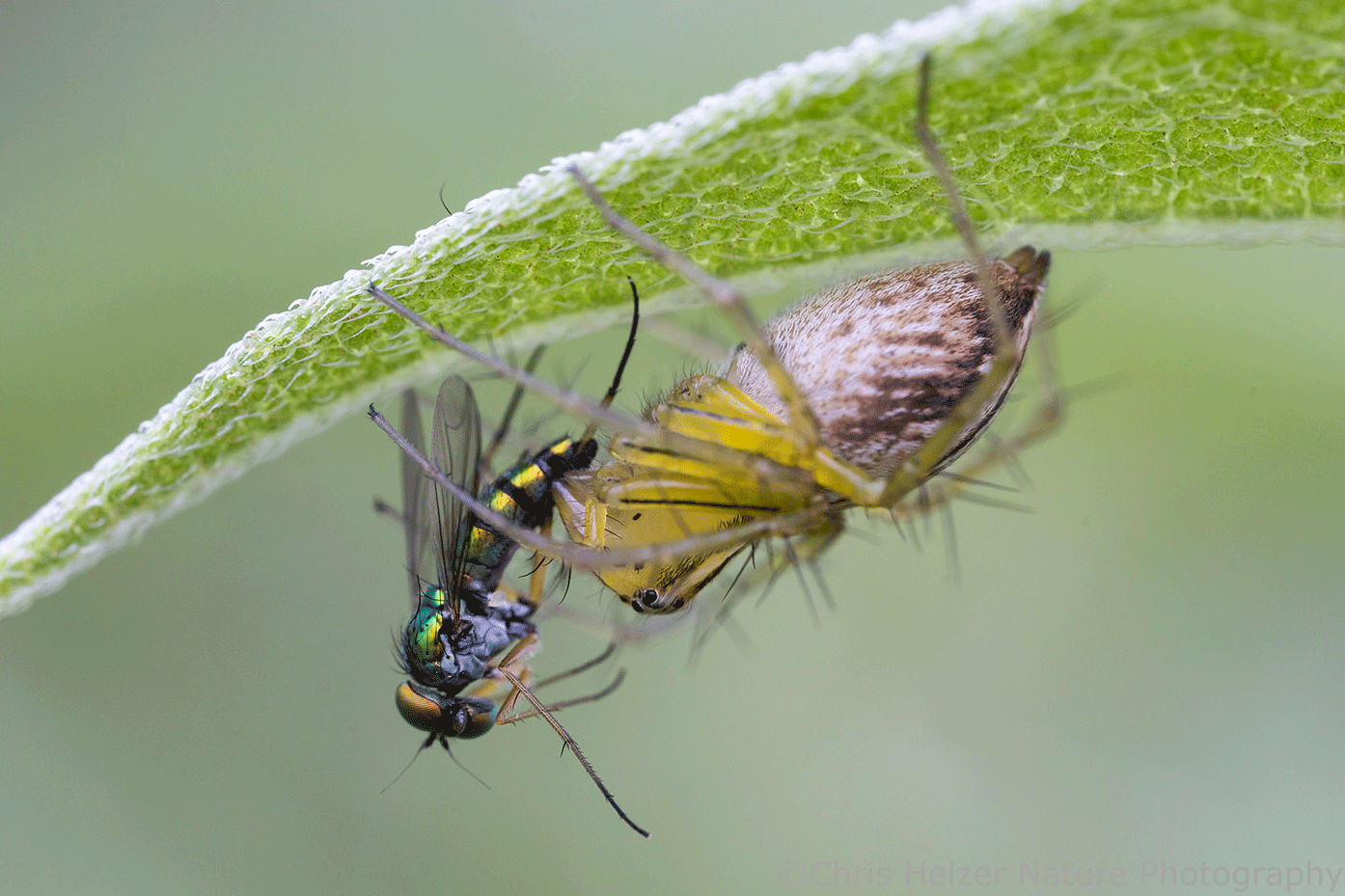
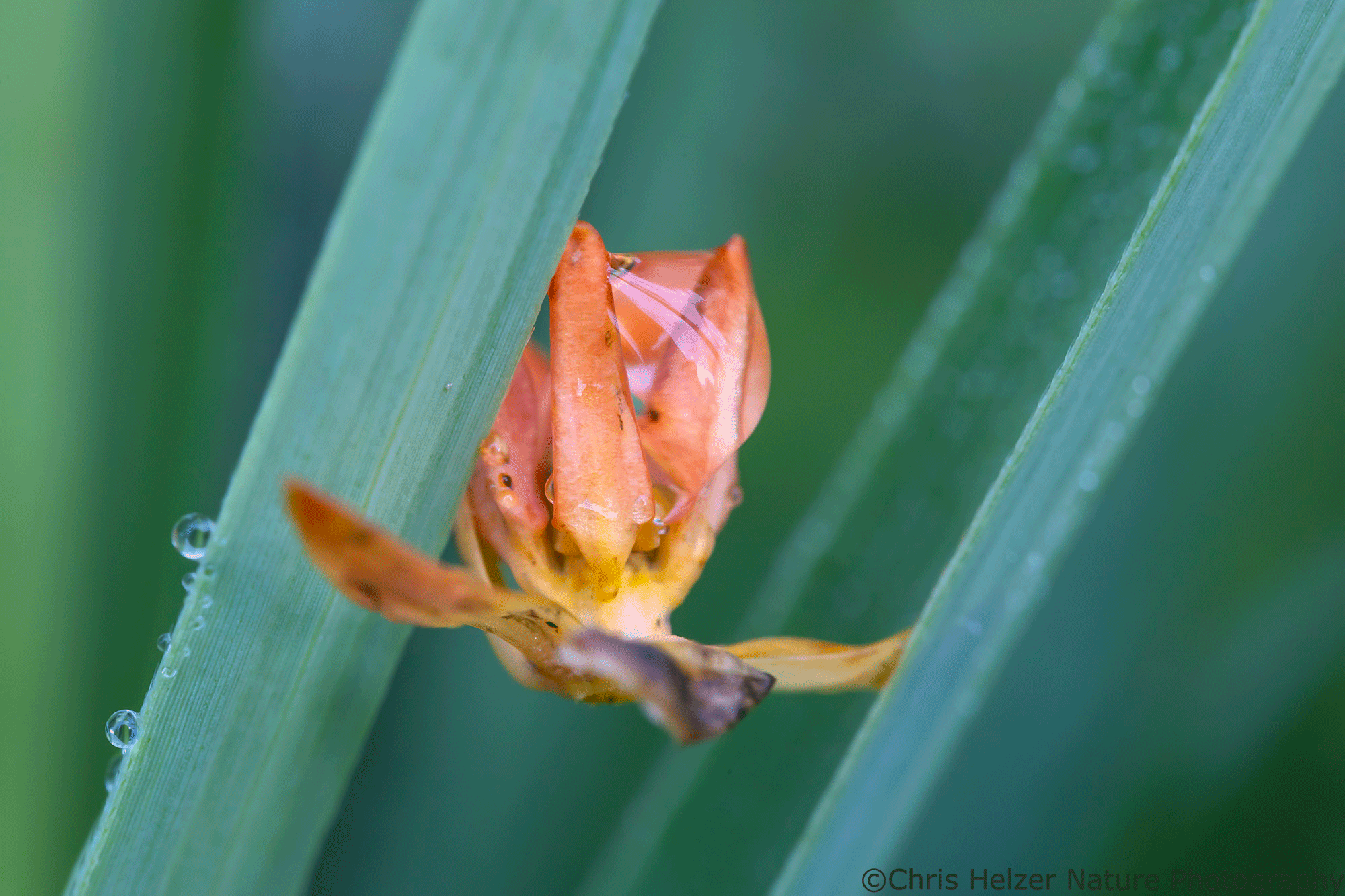
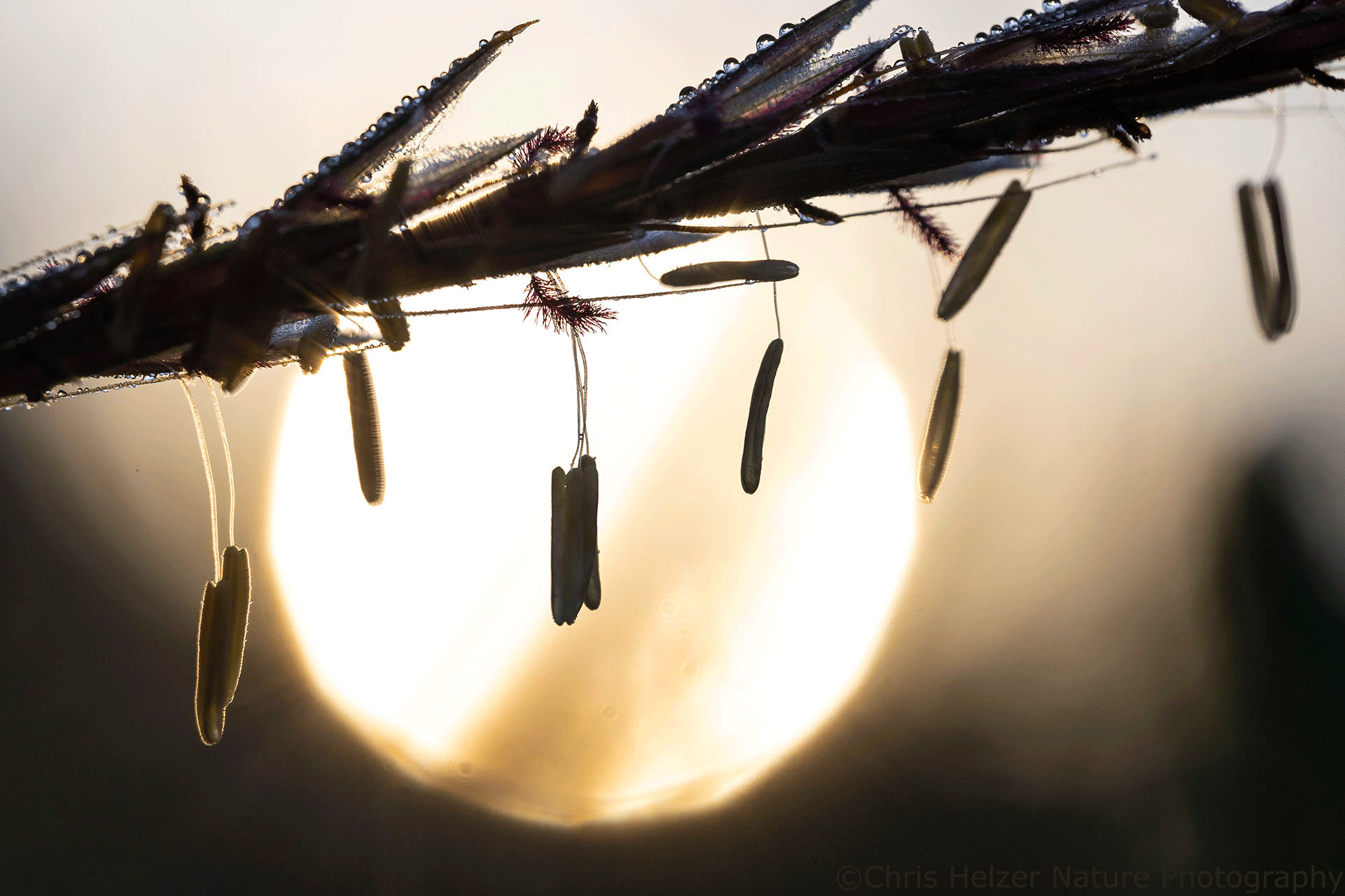
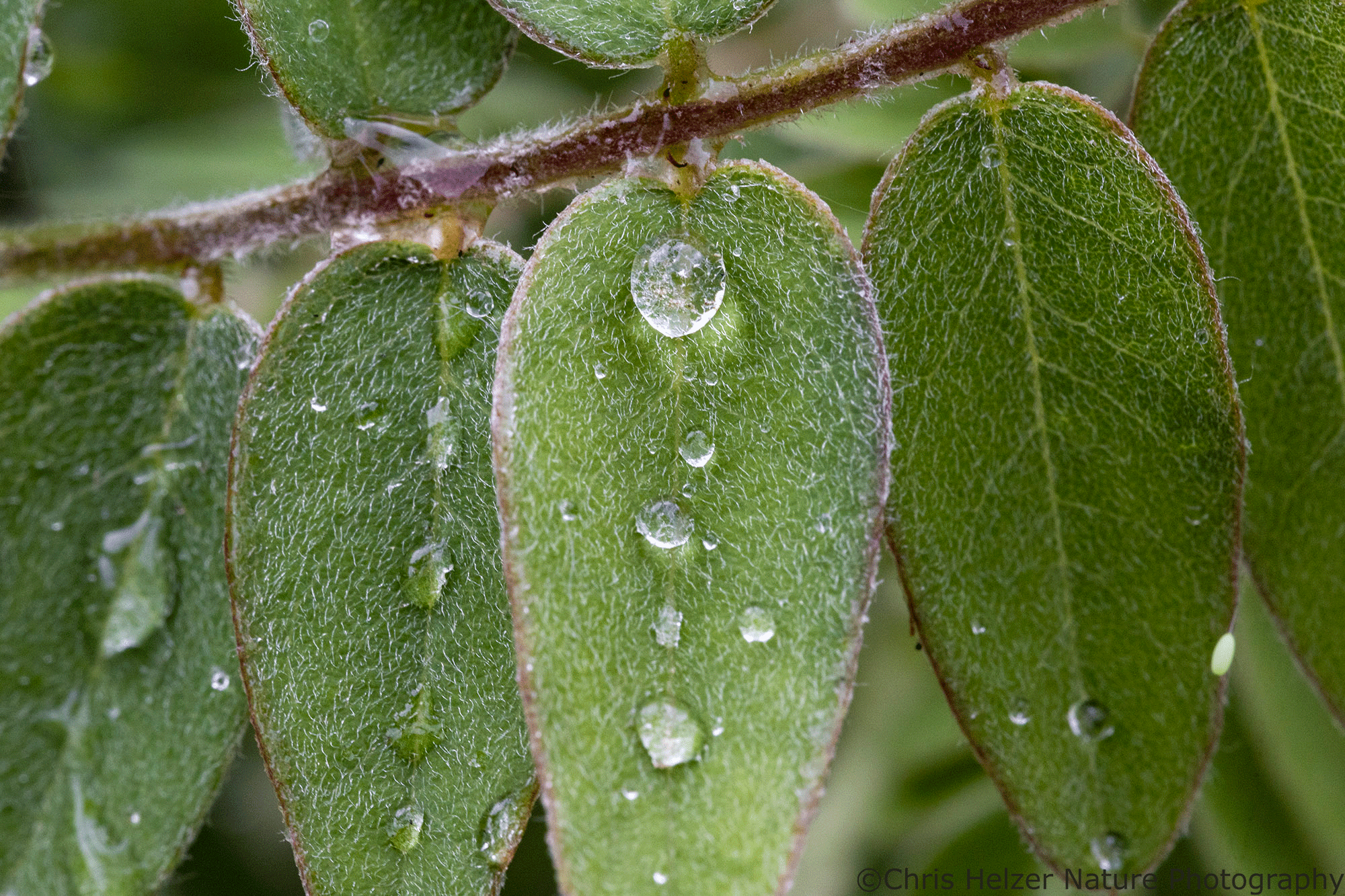
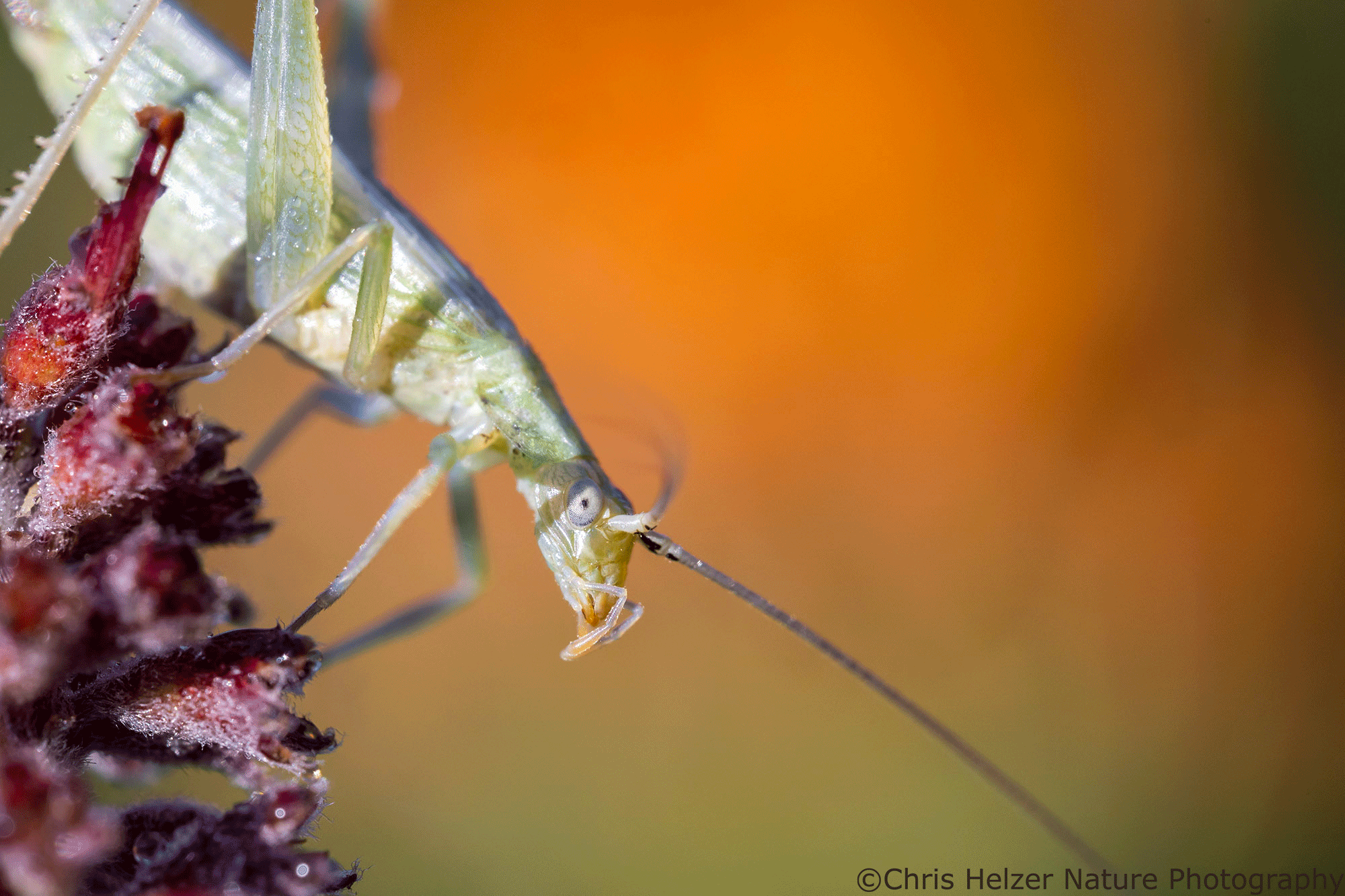
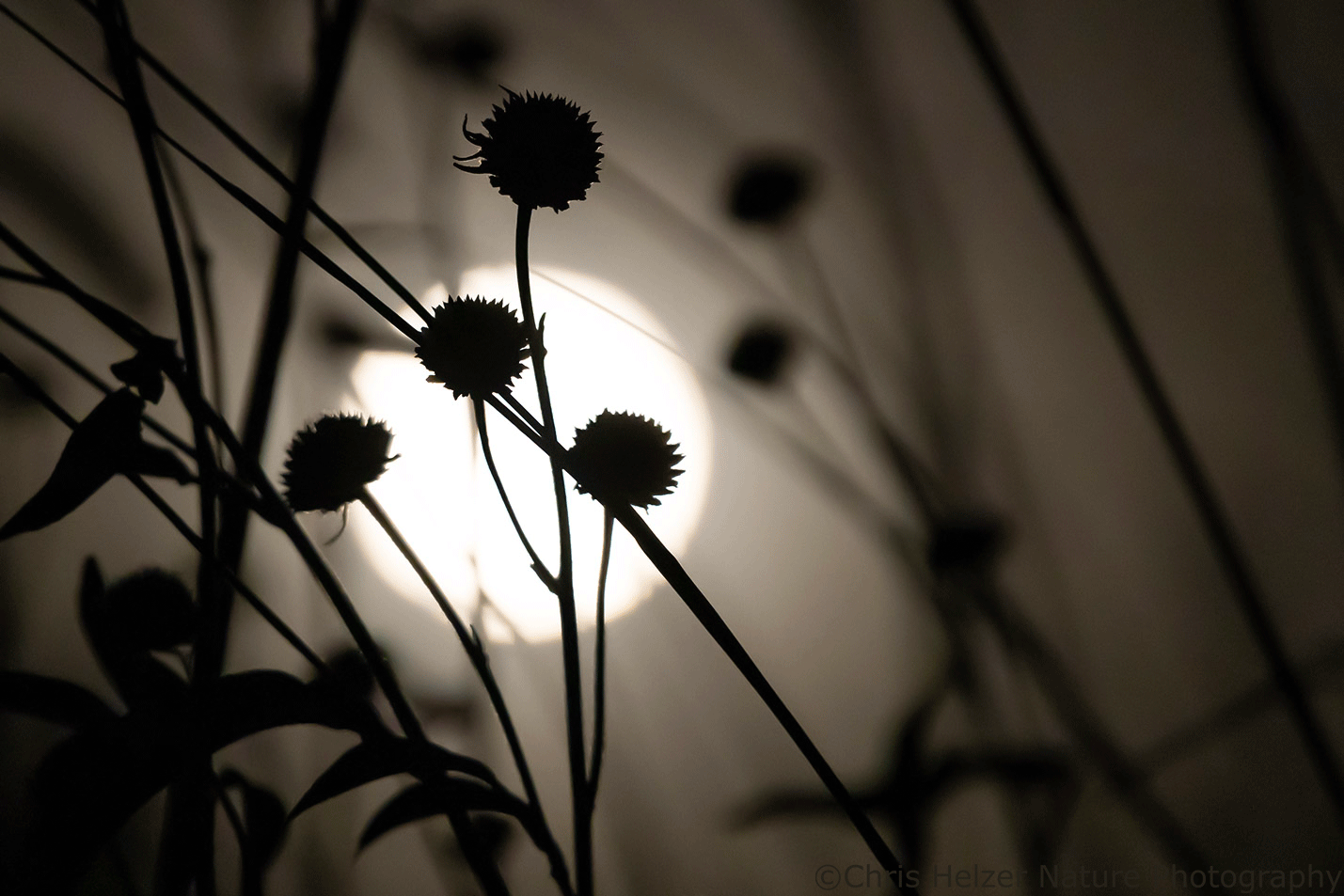
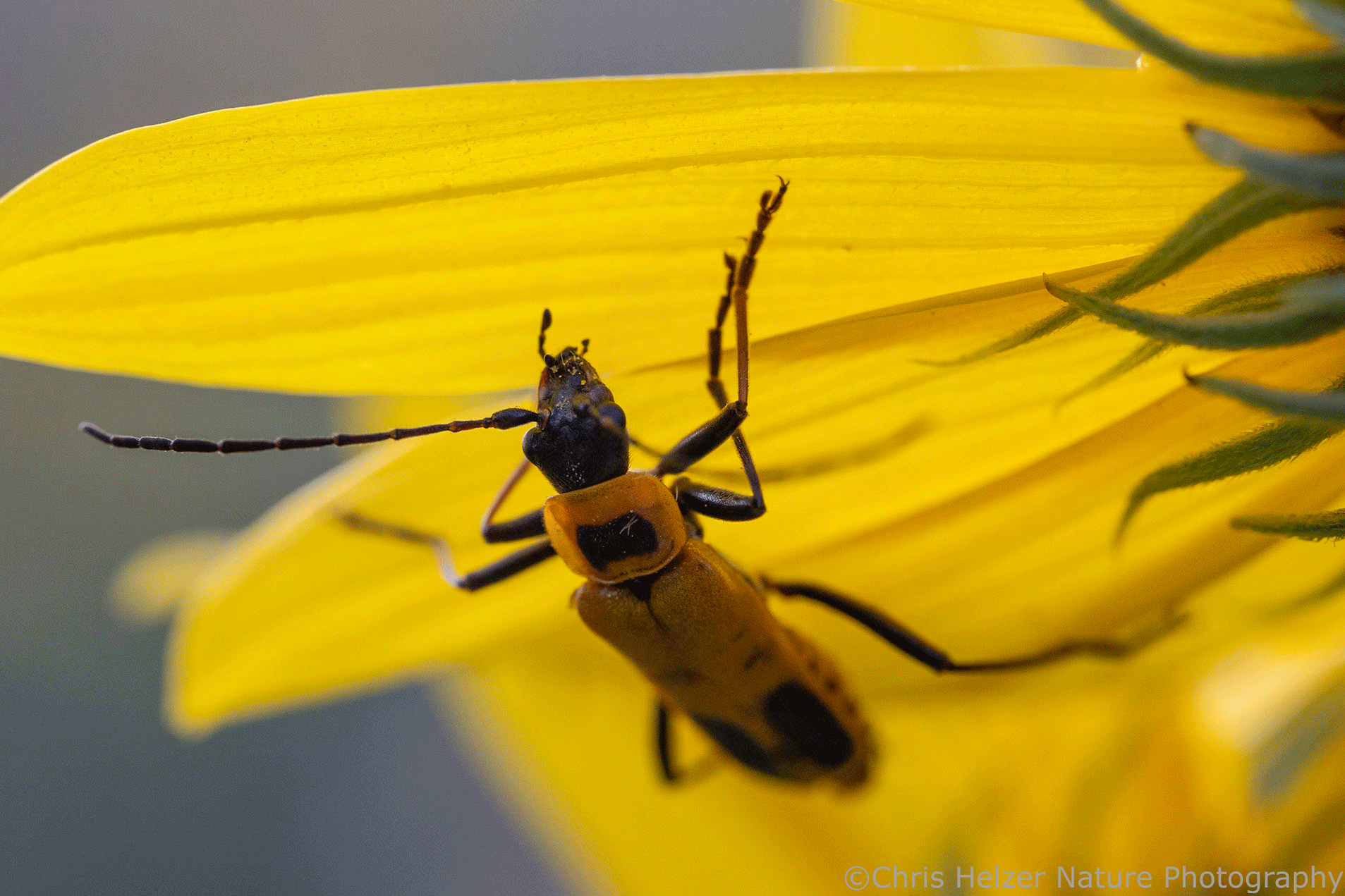
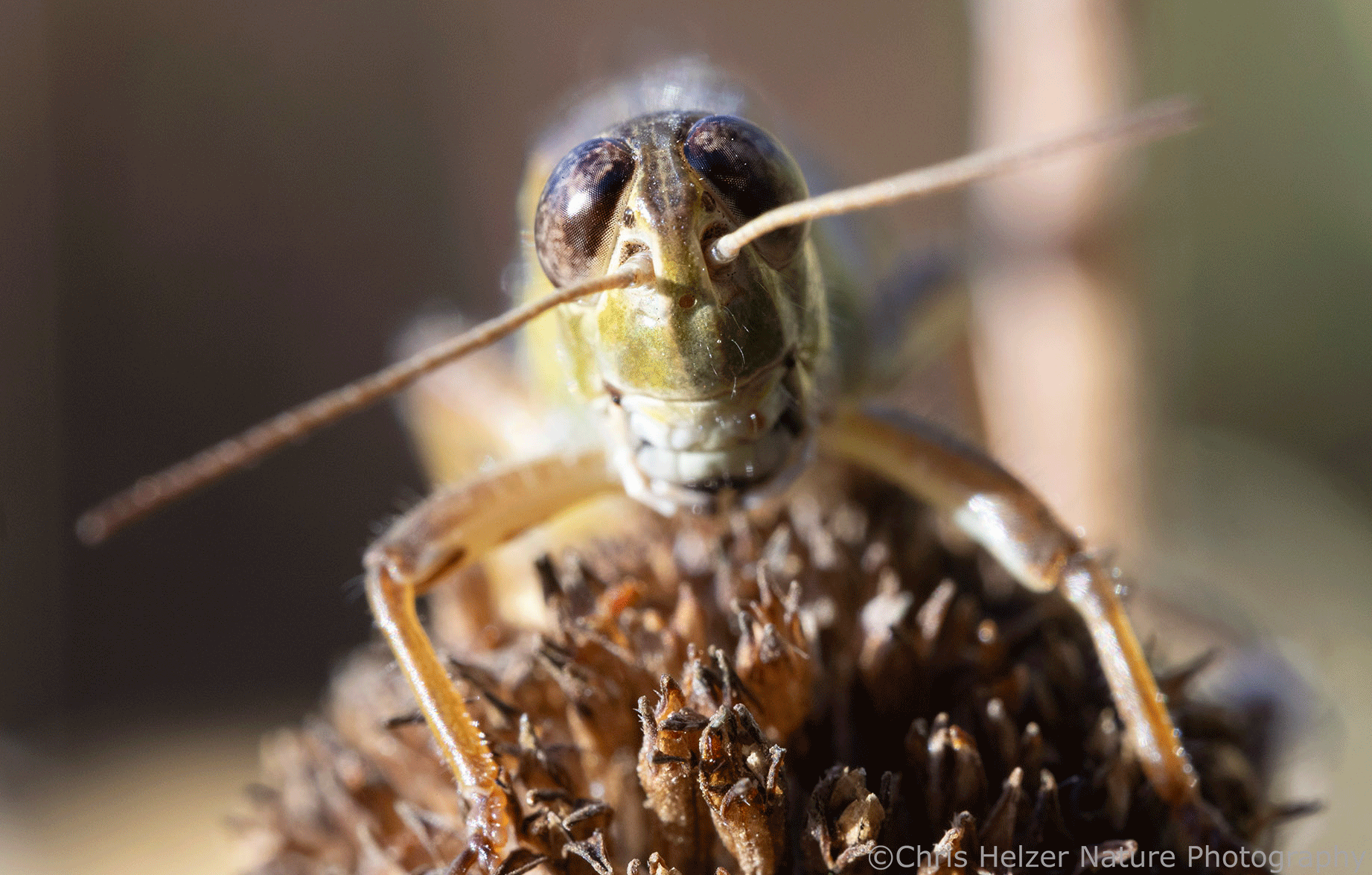
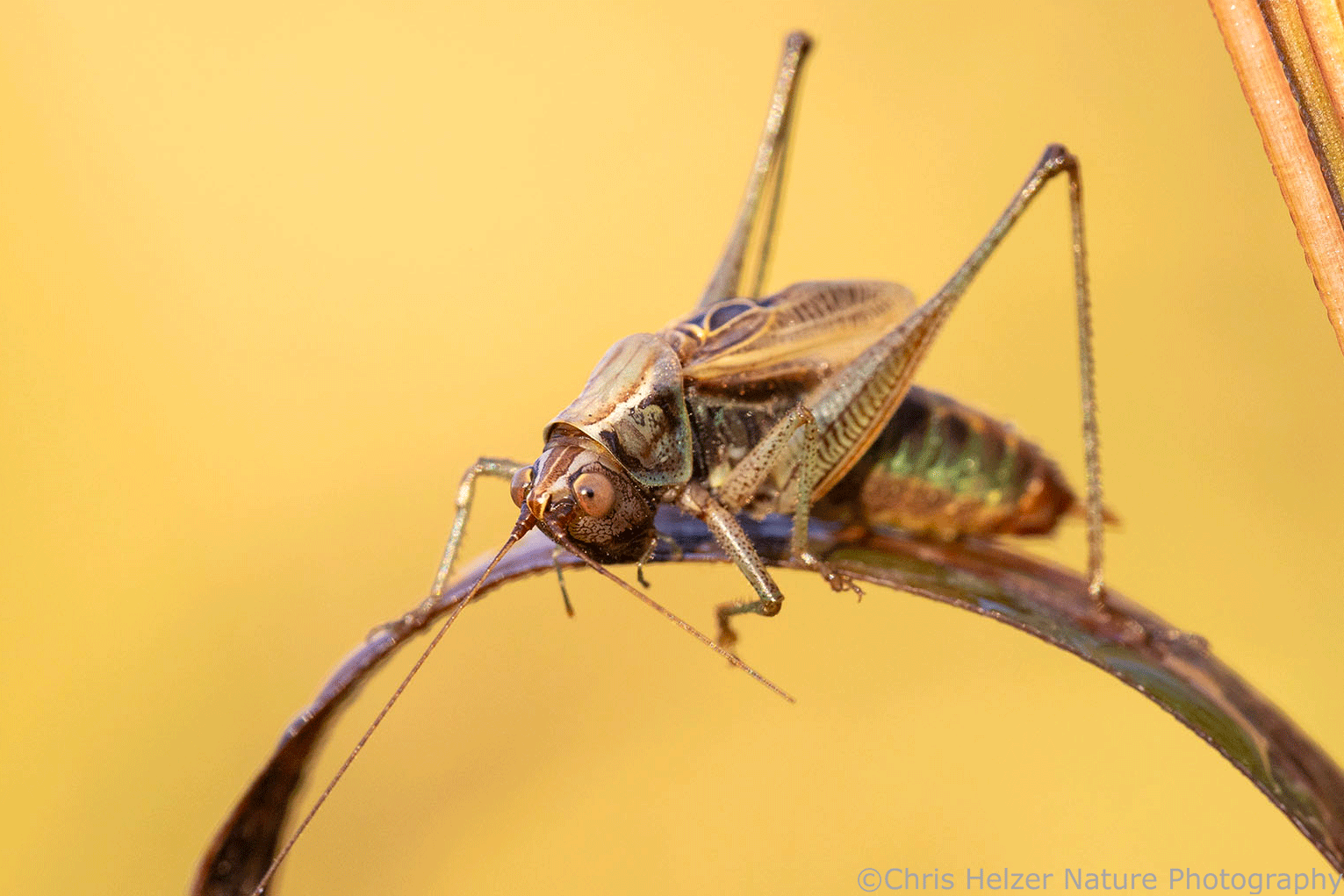
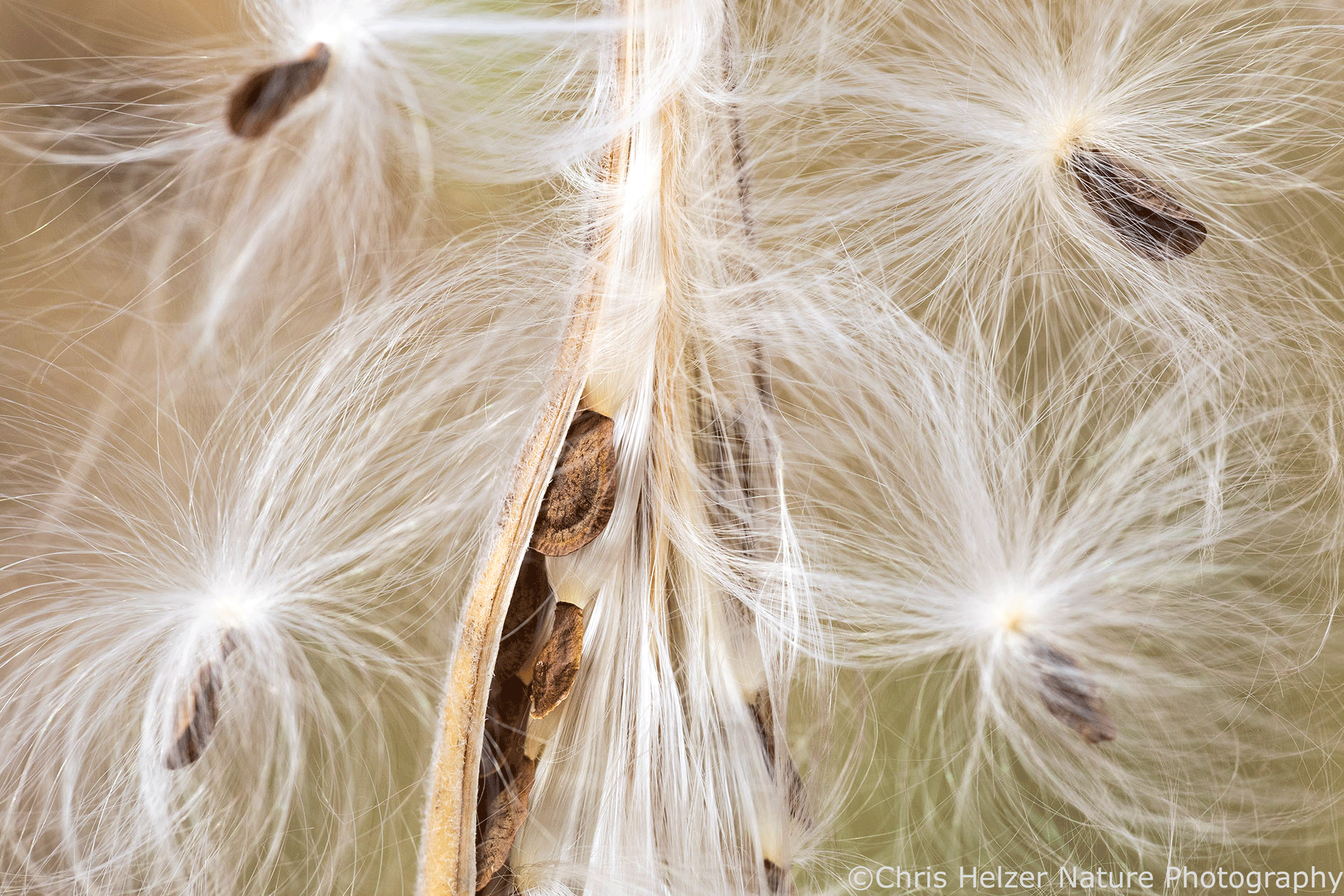
Dectes stem borer (Dectes texanus) on a Maximilian sunflower leaf with butterfly milkweed flowers behind. June 28, 2024Indian grass (Sorghastrum nutans) flowers. September 2, 2024A backlit ant (Formica paledifulva) searching for extra floral nectar produced by Maximilian sunflower. June 22, 2024Butterfly milkweed flower buds (Asclepias tuberosa). June 19, 2024A wood tick (Dermacentor variabilis) perched on a sedge flower (Carex gravida), waiting for something to pass by within reach. May 21, 2024A harvestman (aka daddy longlegs) on butterfly milkweed. June 22, 2024Lead plant flowers (Amorpha canescens). June 28, 2024Green lacewing, backlit by early morning light. June 25, 2024A midge (Chironomidae) on big bluestem. September 27, 2024Lead plant leaves and dew. May 26, 2024A male crab spider with butterfly milkweed in the background. June 28, 2024Seven-spot ladybug (Coccinella septempunctata). May 30, 2024Common milkweed leaf (Asclepias syriaca). August 8, 2024Red milkweed beetle (Tetraopes tetrophthalmus). July 12, 2024Female crab spider hiding on butterfly milkweed. June 30, 2024Striped lynx spider (Oxyopes salticus) with captured long-legged fly (Dolichopodidae). August 12, 2024Fallen butterfly milkweed flower in morning dew. July 3, 2024Big bluestem (Andropogon gerardii) flowers and morning sun. August 25, 2024A wasp nestled among butterfly milkweed flowers on a dewy morning. July 7, 2024Lead plant leaves and dew. May 30, 2024Prairie tree cricket (Oecanthus argentinus) on lead plant with butterfly milkweed behind. July 6, 2024Maximilian sunflower (Helianthus maximiliani) and big bluestem with the “hunter’s super moon”. August 25, 2024The maize calligrapher (Toxomerus politus), a hover fly, feeding on big bluestem pollen. August 25, 2024Goldenrod soldier beetle (Chauliognathus pensylvanicus) on Maximilian sunflower. September 2, 2024Red-legged grasshopper (Melanoplus femurrubrum) on Maximilian sunflower seed head. September 27, 2024Little bluestem flowers (Schizachyrium scoparium). September 6, 2024Woodland meadow katydid (Conocephalus nemoralis) on big bluestem. September 25, 2024Metrioidea beetles feeding on Maximilian sunflower. September 14, 2024Butterfly milkweed seeds. October 11, 2024Maximilian sunflower and morning sky. November 6, 2024
If you take nothing else from this project, I hope you’ll come away with a sense of how much happens beneath the canopy of a prairie. Even in a small, isolated, restored (planted in 1980) prairie next to the local pet adoption center, there was a stupendous abundance of life, activity, and wonder to admire and photograph. Now multiply that across acres, square miles, and landscapes of grassland. Come on, now!
Grasslands are not flat, boring places full of grass. They’re full of complex, interacting species and communities that combine to form a beautiful and resilient ecosystem. Please share this post and project with anyone who still hasn’t discovered that.
15 thoughts on “Best of 2024 – Square Meter Prairie Photos”
Your posts are a delight and an inspiration. The even inspired me to take my own square meter practice (one I began a quarter century ago) to a new level: I cut some pipes and elbows so I can have a square that is a meter on each side in my backpack. When I’m teaching ecology my students and I can quickly assemble it and lay it on the ground to introduce them to the practice of focused observation. Thanks for your wonderful posts and photos this year!
Chris, thank you so much for sharing your observations and wonderful pictures of your project. It reminds me to never forget how beautiful and complex our natural world is. Best wishes to you and your family for very merry Christmas and all the best for 2025. Sent from my iPhone
These are a wonderful recap of your year in the square meter, Chris. I hope this project will stimulate other nature photgraphers to take up similar projects in prairie and other ecological communities. I know of no others like it, but if you do, it could be useful to link to them somehow in your blog, perhaps as a coda of each post or to the end-of-year post. Thank you, thank you, thank you for each and every image. Looking forward to the next year.
PS Perhaps you’ll do this in a remnant site in the future. The comparison could be interesting…









 The Prairie Ecologist
Your posts are a delight and an inspiration. The even inspired me to take my own square meter practice (one I began a quarter century ago) to a new level: I cut some pipes and elbows so I can have a square that is a meter on each side in my backpack. When I’m teaching ecology my students and I can quickly assemble it and lay it on the ground to introduce them to the practice of focused observation. Thanks for your wonderful posts and photos this year!
Fantastic! Thank you for those kind words and for your crucial work inspiring those students!
Beautiful photos, Chris. Thanks for sharing your passion for prairies.
These are great, Chris…as usual. Thanks for sharing them!
outstanding photos
Thank you. Such a pleasure seeing all the colors and amazing detailed bodies. Makes me long for spring…
Beautiful and inspiring photos – thank you!
Happy Winter Solstice Chris.
Even when I’m jammed at work and can’t give your essays my full and deep attention – you photos are a mood lifter.
Thank you!
Chris, thank you so much for sharing your observations and wonderful pictures of your project. It reminds me to never forget how beautiful and complex our natural world is. Best wishes to you and your family for very merry Christmas and all the best for 2025. Sent from my iPhone
Sent from my iPad
These are a wonderful recap of your year in the square meter, Chris. I hope this project will stimulate other nature photgraphers to take up similar projects in prairie and other ecological communities. I know of no others like it, but if you do, it could be useful to link to them somehow in your blog, perhaps as a coda of each post or to the end-of-year post.
Thank you, thank you, thank you for each and every image. Looking forward to the next year.
PS Perhaps you’ll do this in a remnant site in the future. The comparison could be interesting…
Spectacular collection of images.
Congratulations on your amazing work this past year. I totally agree with all of the words of praise in the comments above.
Pingback: Photos of the Year – December 30, 2024 | The Prairie Ecologist
Thank you for your hope in the world gives an old man hope. We will keep fighting to preserve many of our fading ecosystems. You give me hope!!!!