
While I spent a lot of 2024 staring at (and photographing) my square meter prairie plot, I did also take photos elsewhere. Here are some of my favorite 2024 photos from those other locations.
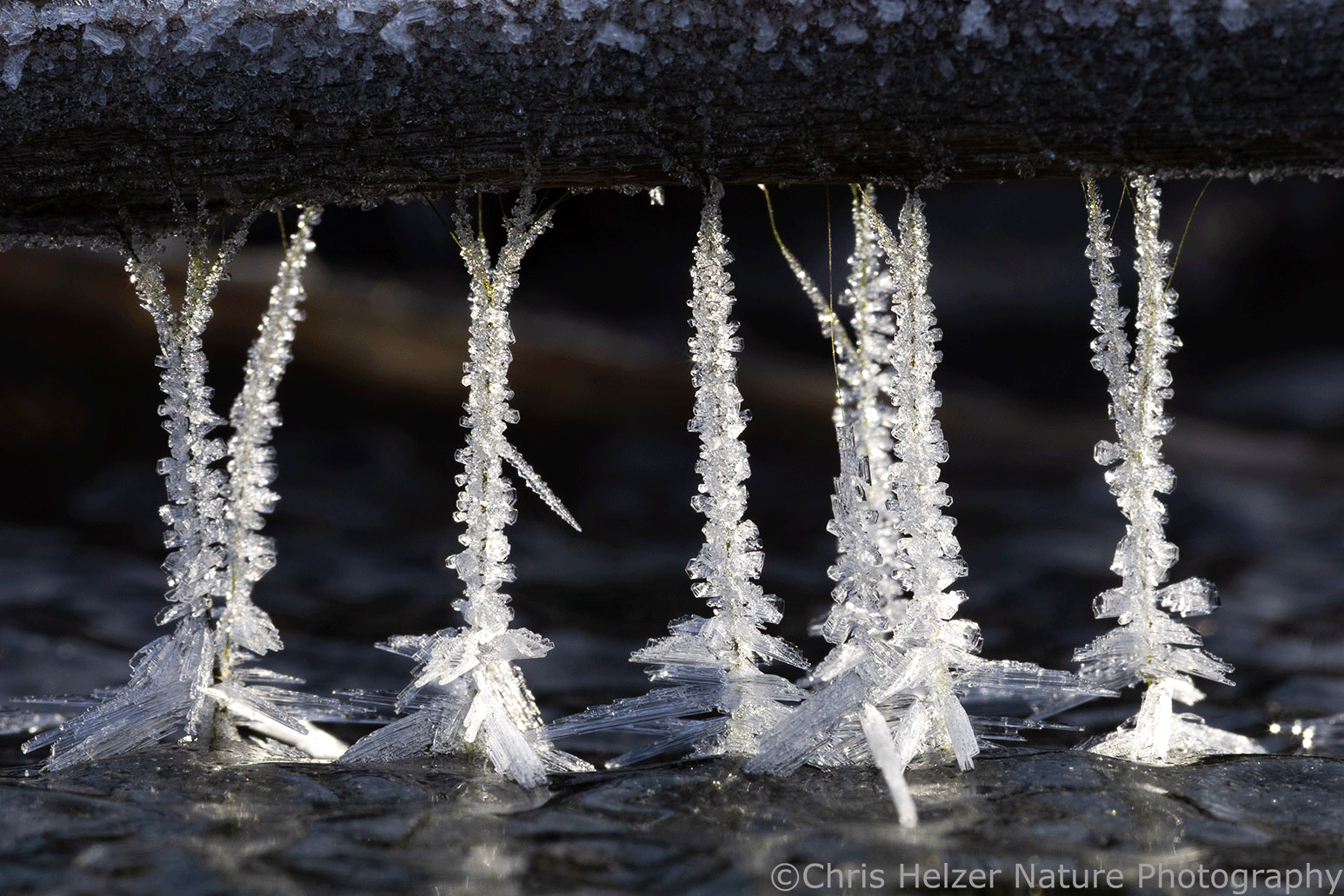
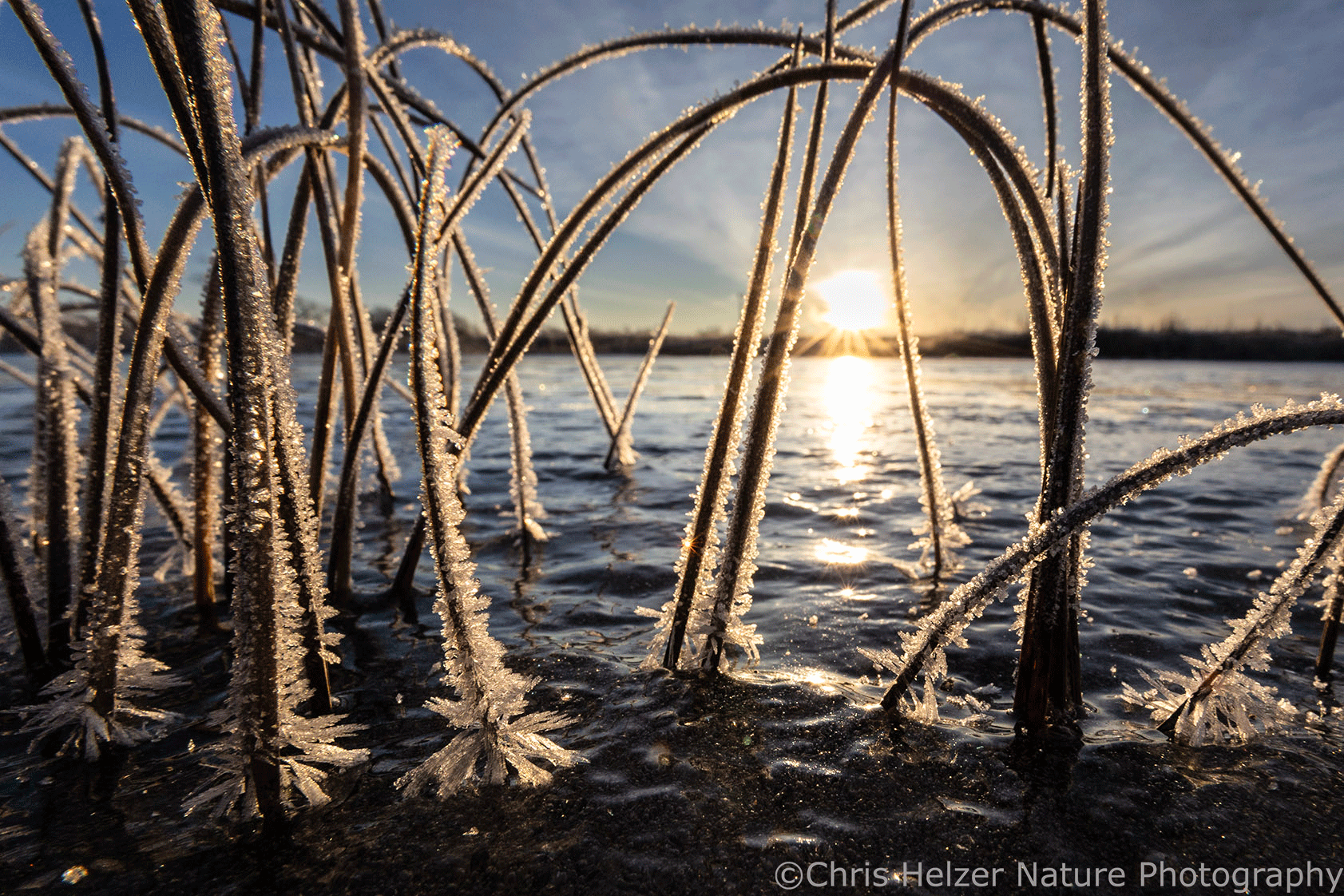
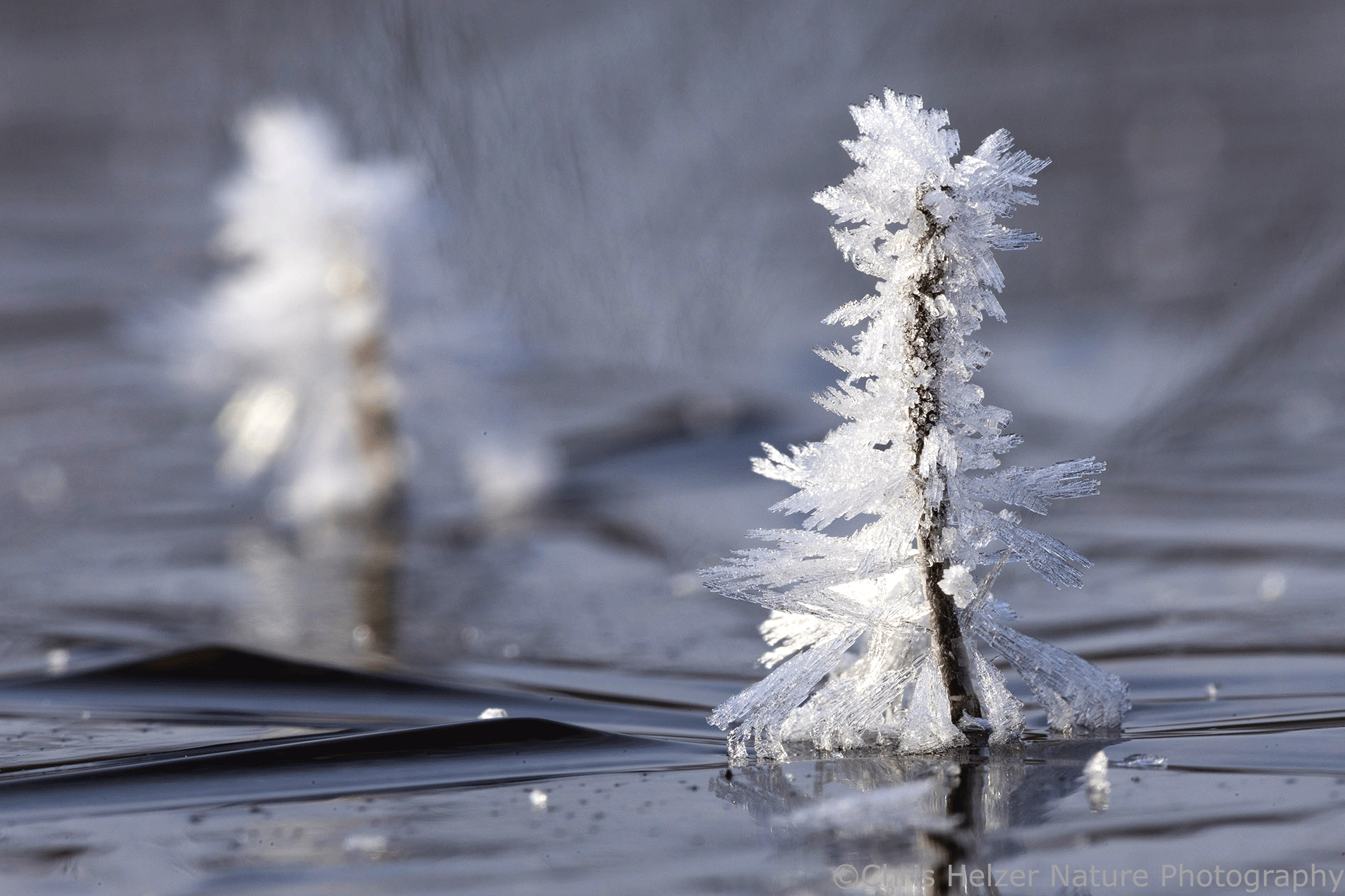
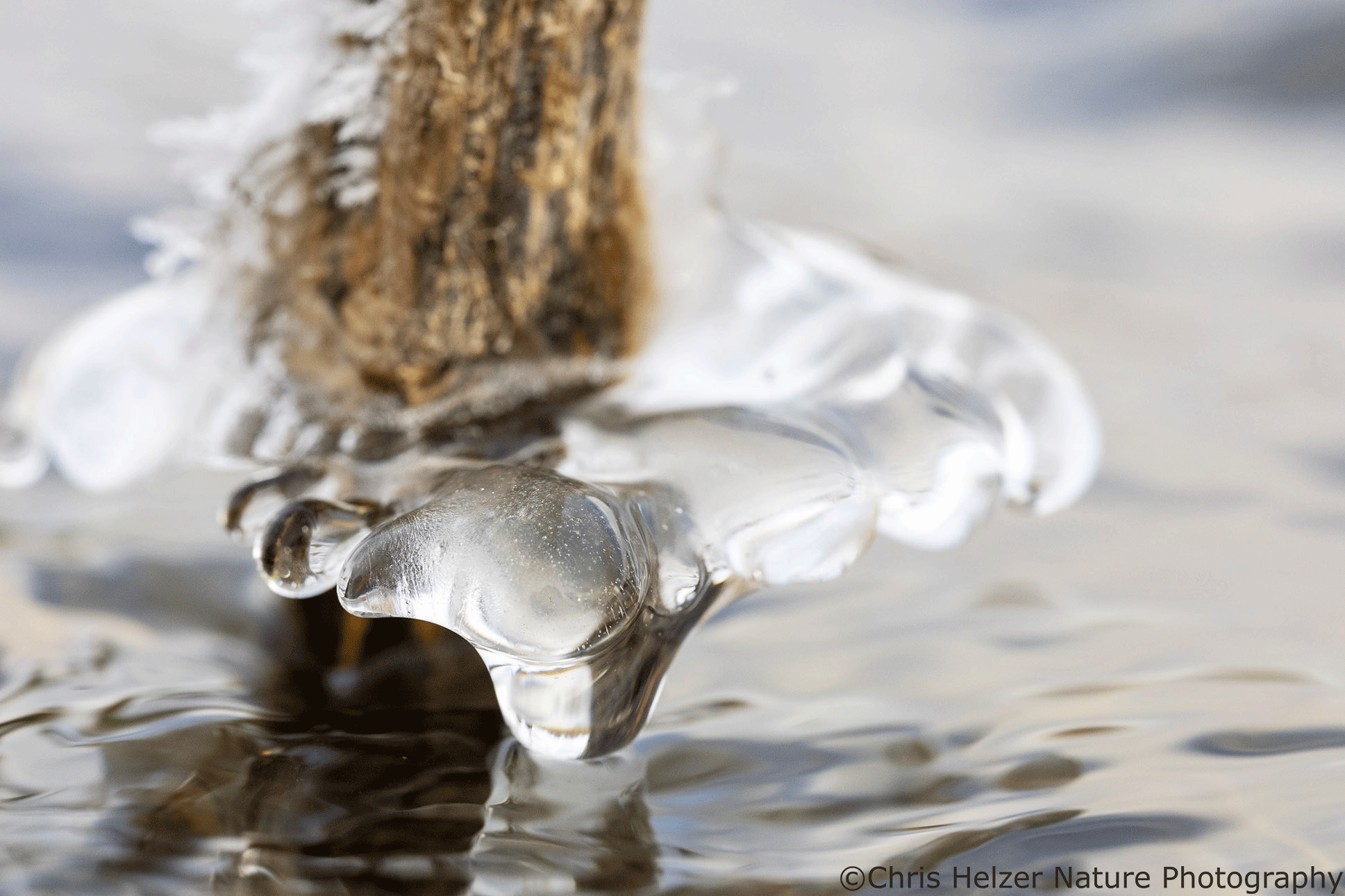
Of these four winter photos, the first three were taken on January 7 and the last one was photographed on December 13, bookending the year nicely.
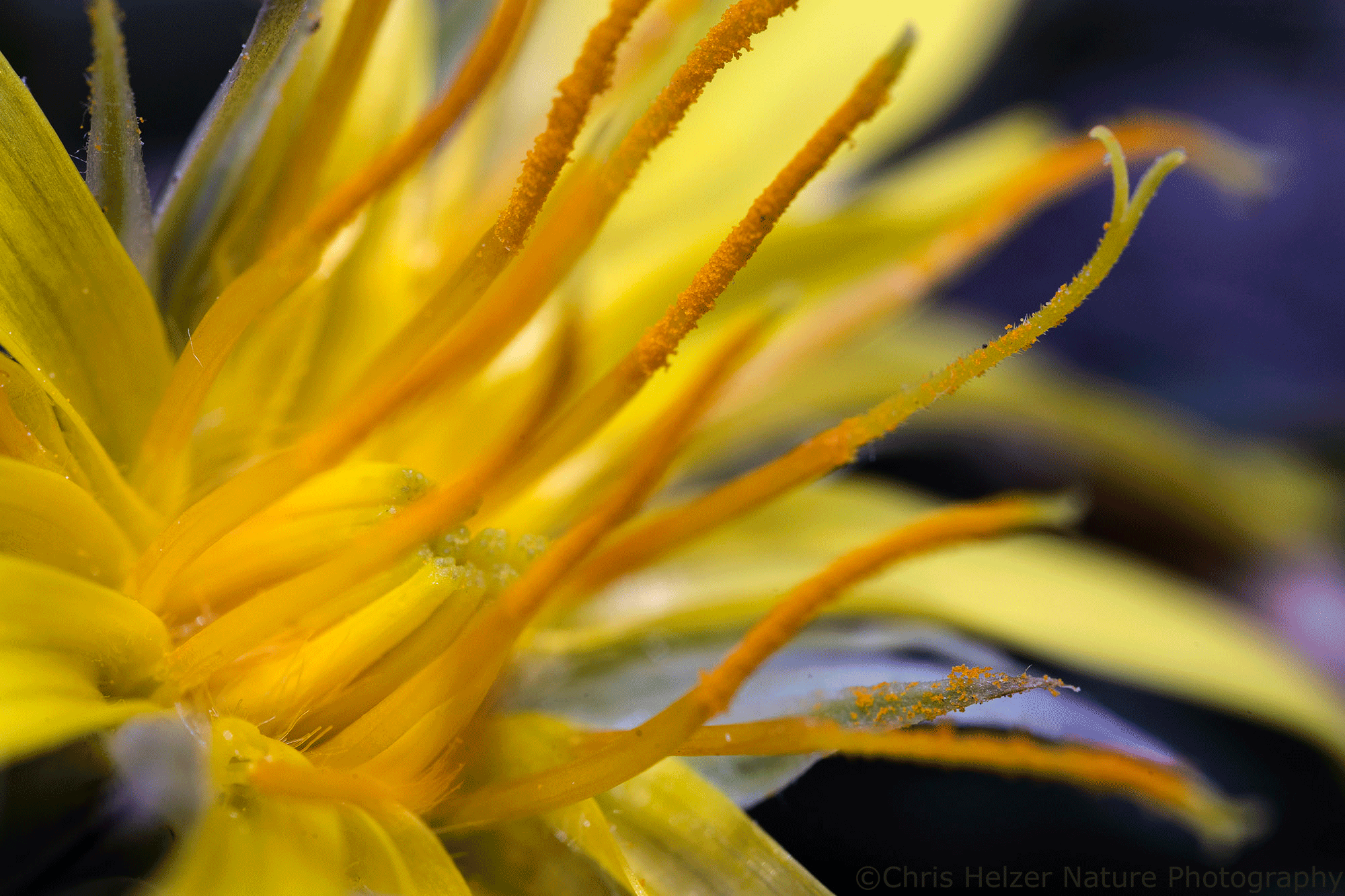
By late March, I was starving for wildflower photos. It was a real pleasure to wander around Prairie Plains Resource Institute’s Gjerloff Prairie on March 30 and find some prairie false dandelion (Nothocalais cuspidata) in bloom. That was a great way to kick off the 2024 growing season.
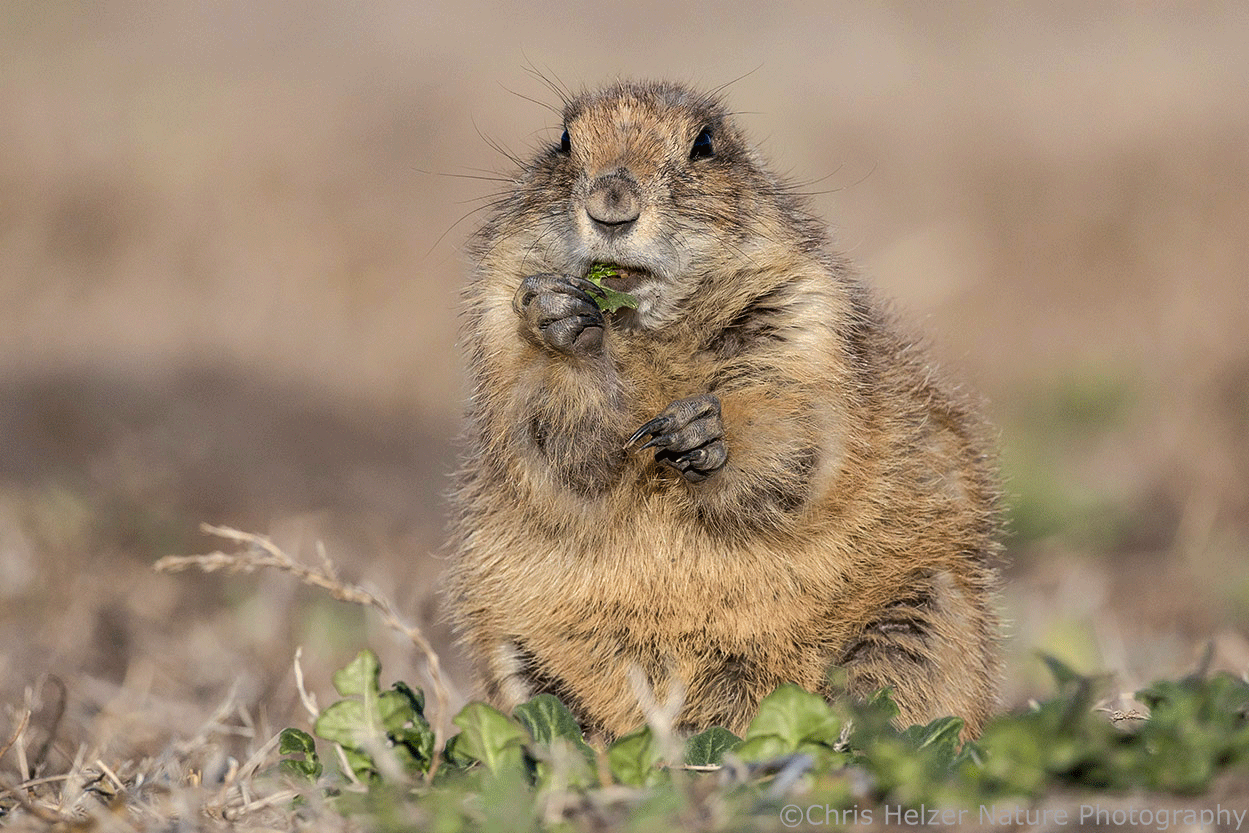
I only photograph prairie dogs that don’t seem concerned about my presence. That’s not really so much an ethical stand as it is a reality. Prairie dogs that are concerned about my presence dive into holes when they see me. That makes photography much more challenging!
While on a quick trip to the Niobrara Valley Preserve in early April, I drove to the edge of a small prairie dog town and noticed that one of the little critters didn’t immediately zip into its burrow. I edged out of the truck and army crawled toward it, pausing for long periods to let it relax. Eventually, I captured the below photo of it chewing on some early-season plant growth.
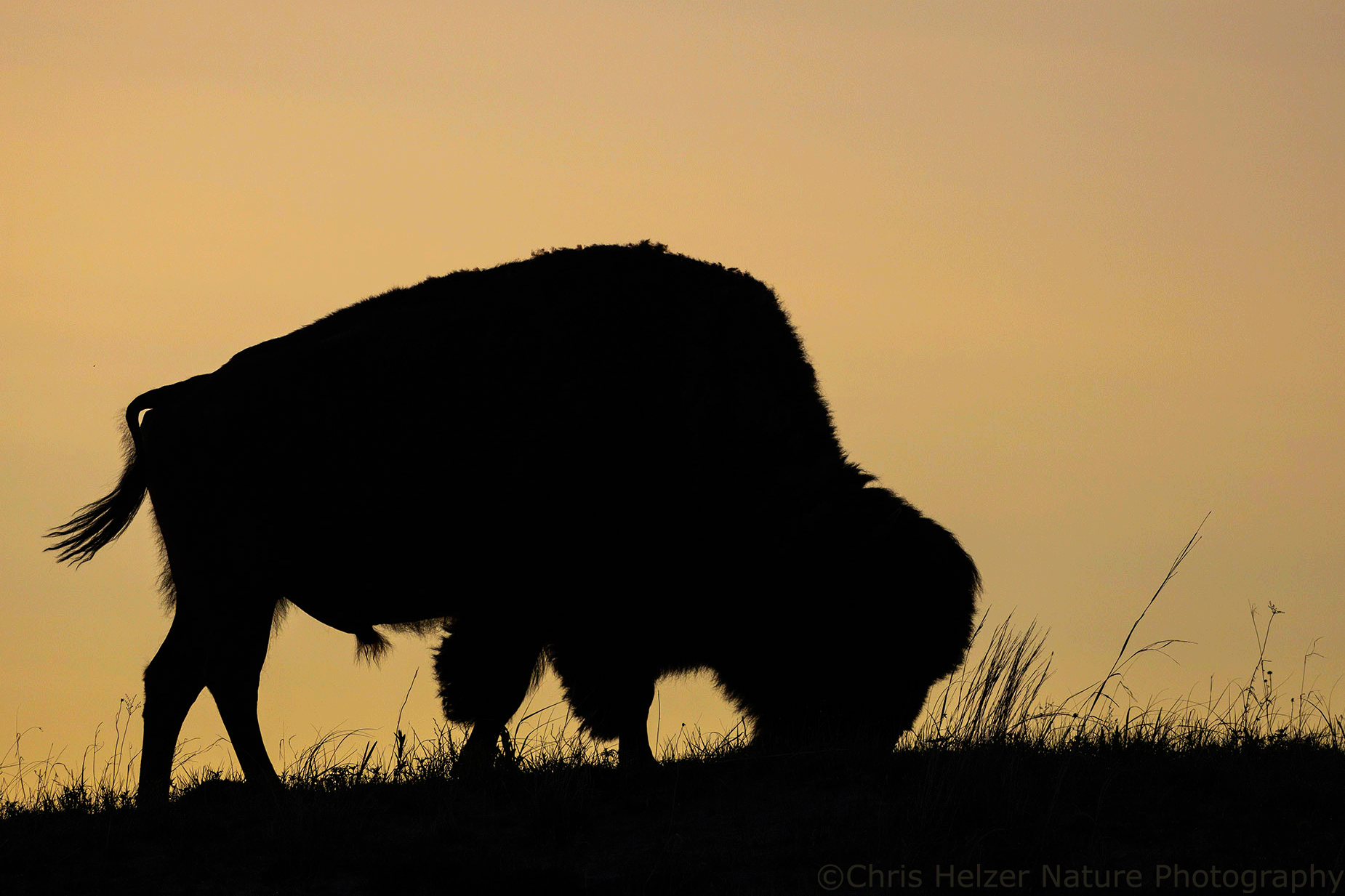
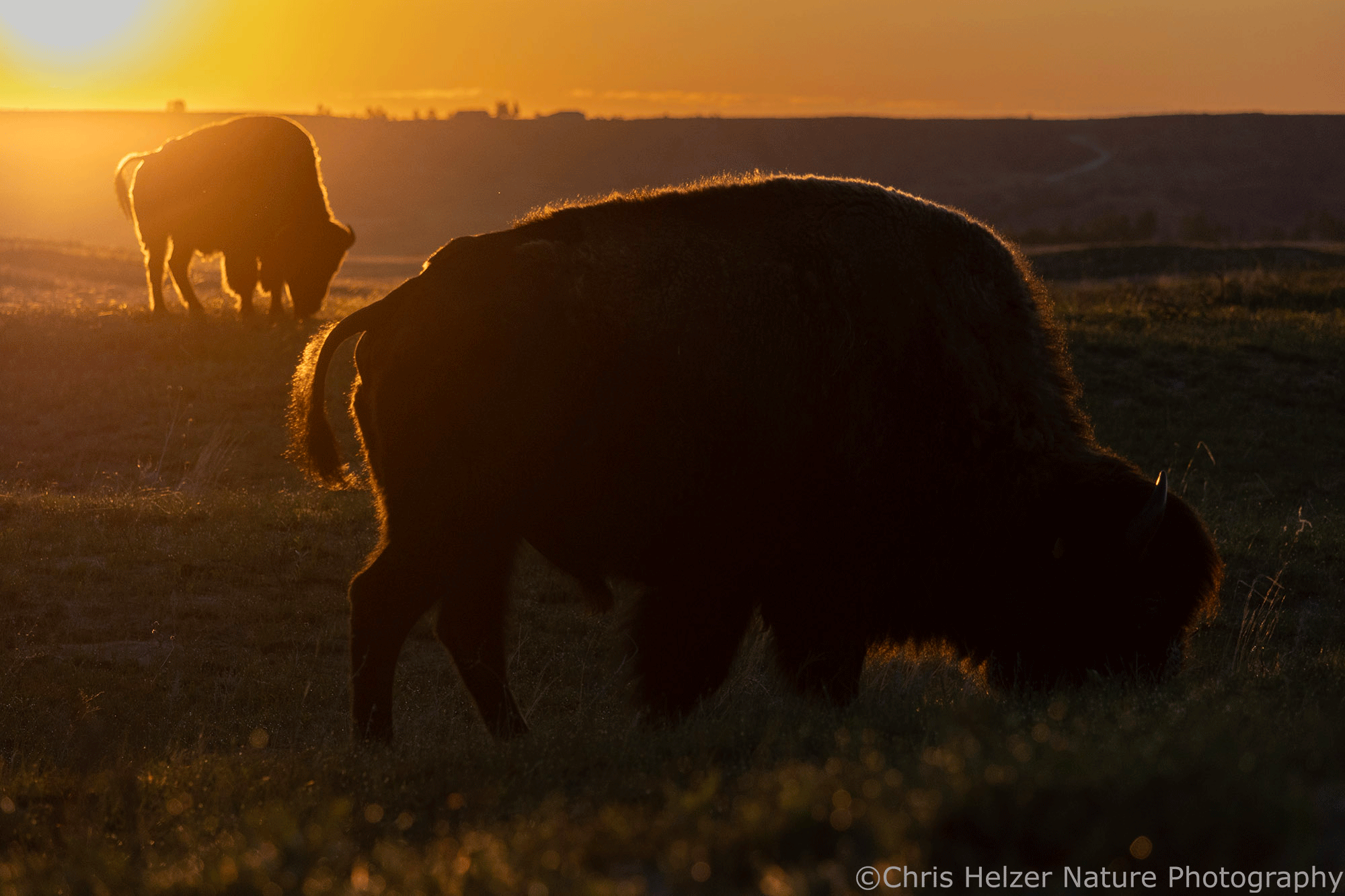
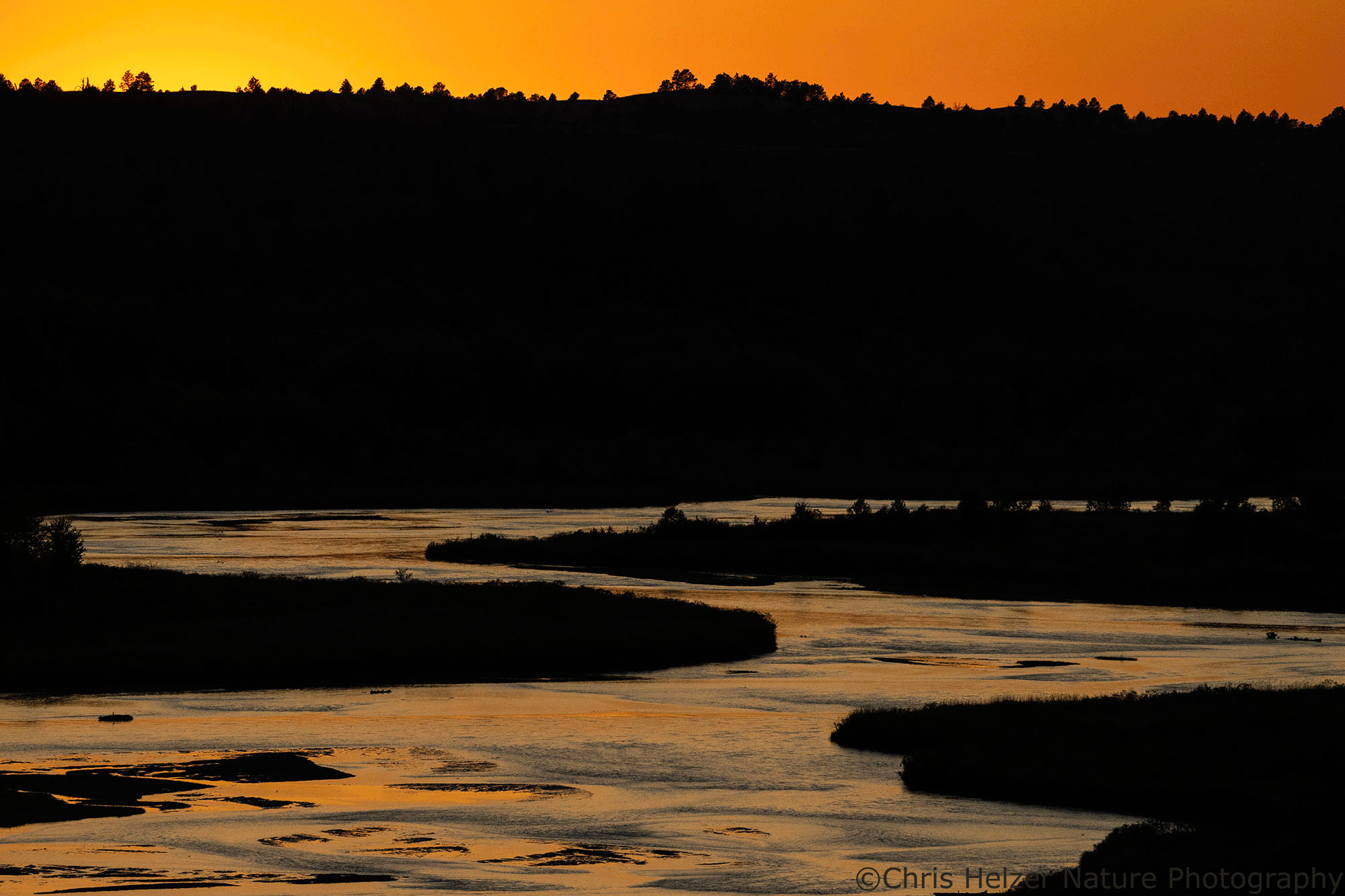
I took another trip up to the Niobrara Valley Preserve in late May and spent a really nice couple hours watching the sun come up in our east bison pasture. The following three photos are all from that morning.

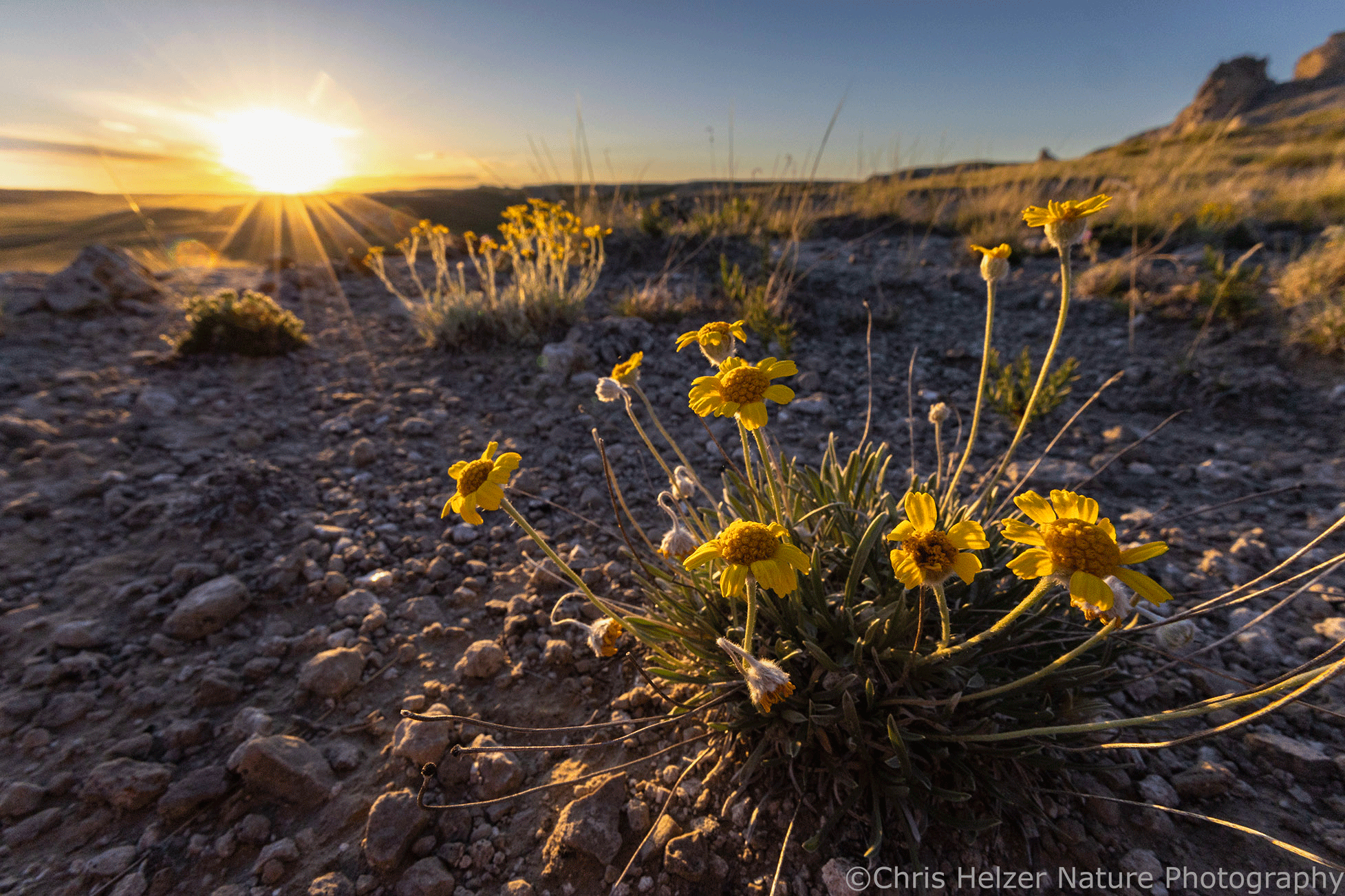
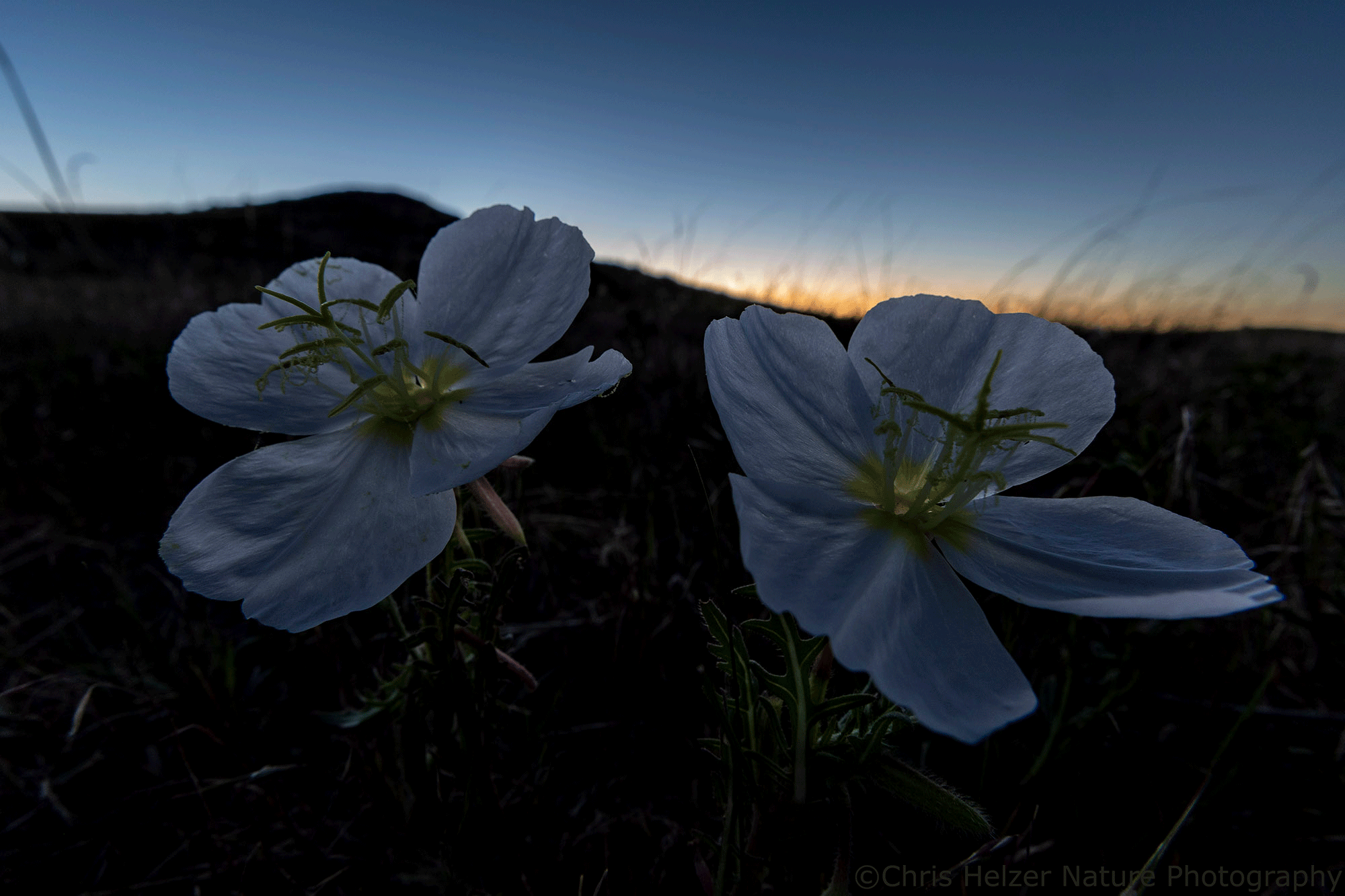
In June, I had a speaking engagement in the Nebraska panhandle and took advantage of the opportunity to visit the Conservancy’s Cherry Ranch nearby. Rather than getting a hotel, I just pitched a tent there. That gave me the opportunity to photograph some evening primroses in the evening (after sunset, technically – is that still evening?).
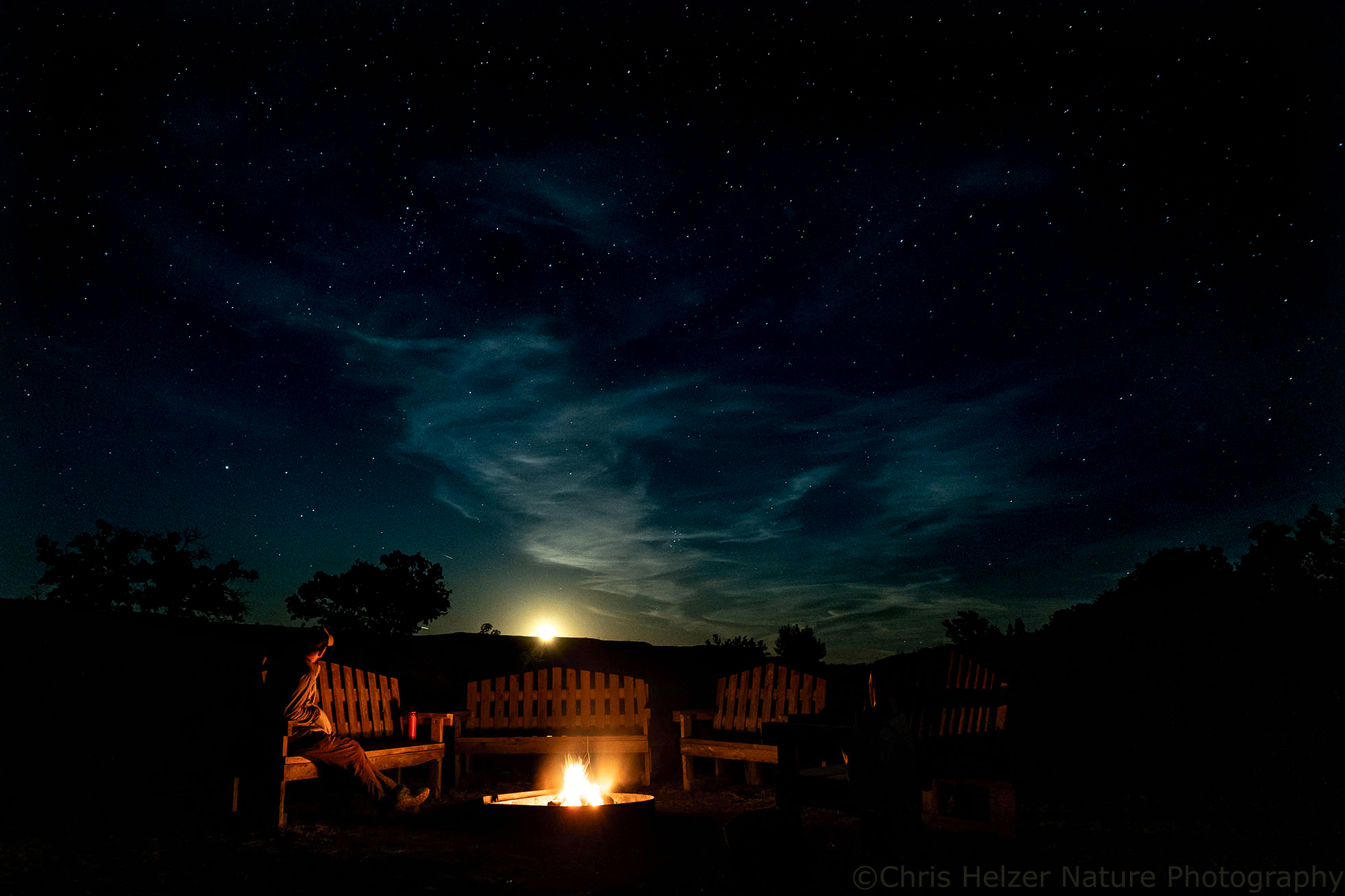
These flowers are named because they open late in the day and are mostly pollinated by night-flying insects. I’ve always wanted to photograph them at night. This photo was taken with my camera set on the ground and propped in the right position by a sweatshirt. It was a four second exposure, so I needed the camera to be stable.

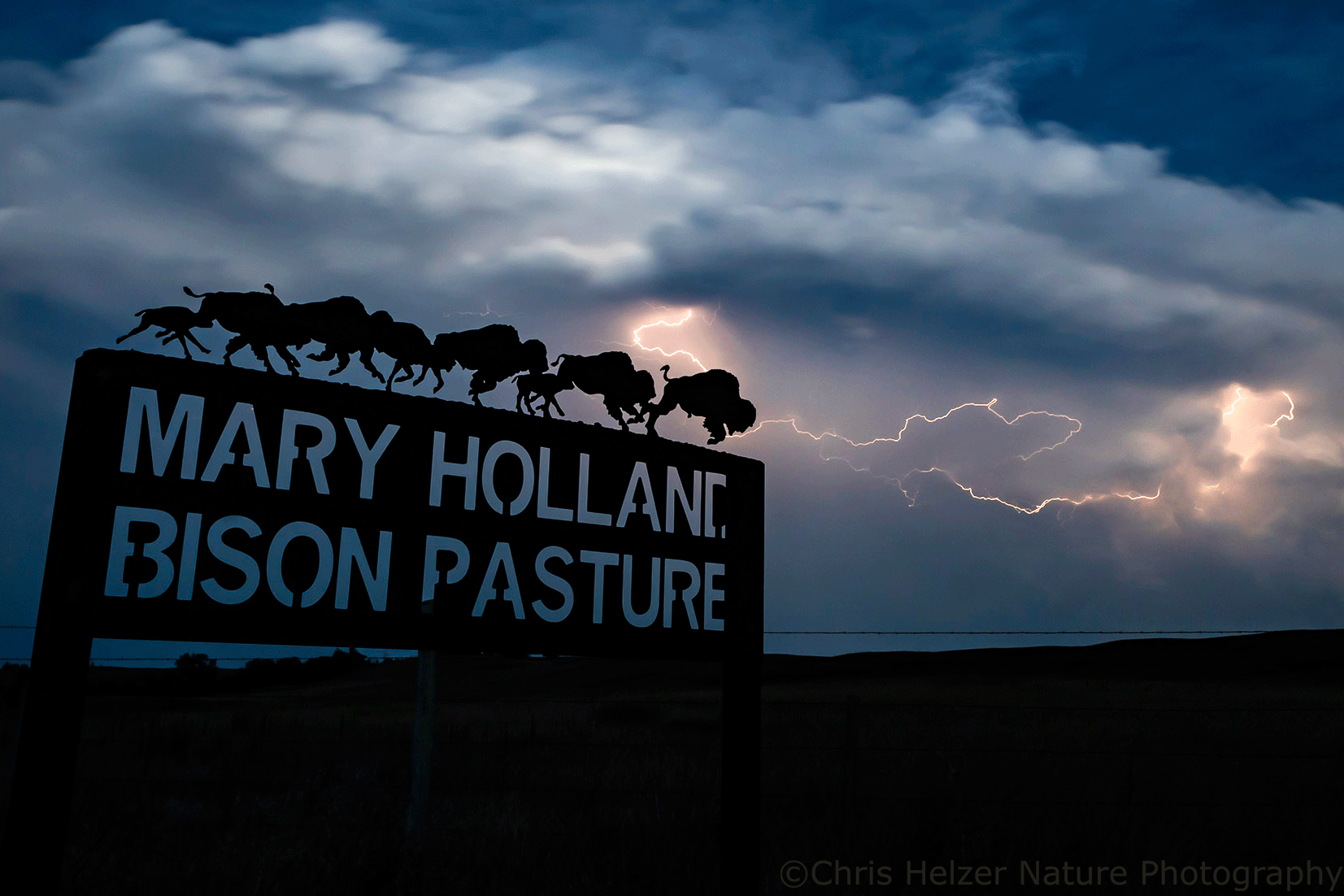
In late July, we had a research meeting at the Niobrara Valley Preserve to discuss options for a potential project. The night before the meeting, a friend and I stood up on a ridge above the Niobrara River and watched a massive thunderstorm move across the sky to the south of us. The thunderhead was so big I had a hard time getting it all in one frame, even with my ultra wide angle lens. As it moved away, there was a lot of lightning on the back side and I scrambled to find something to put in front of it for photos. The photo below was my favorite from the batch.
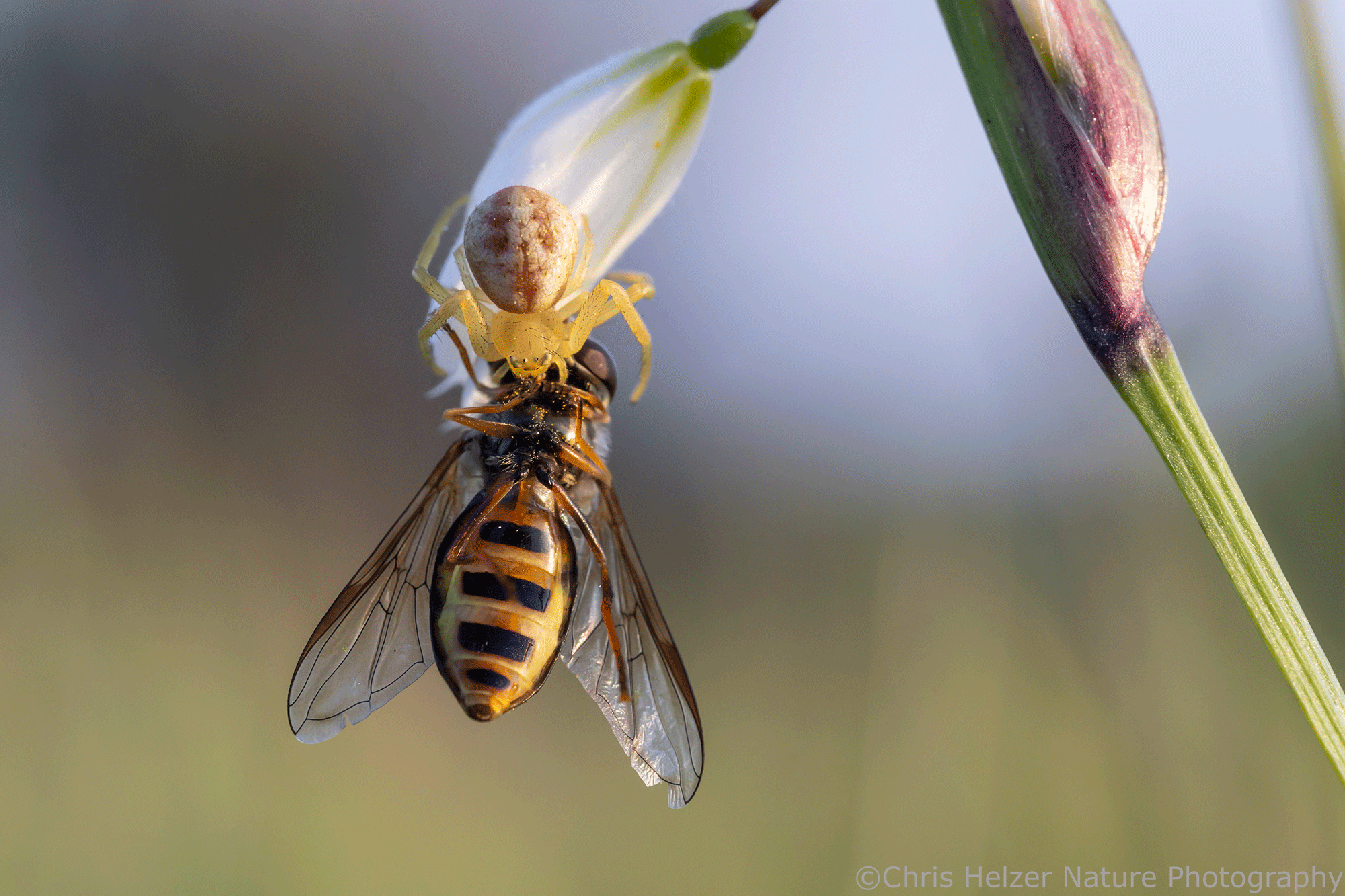
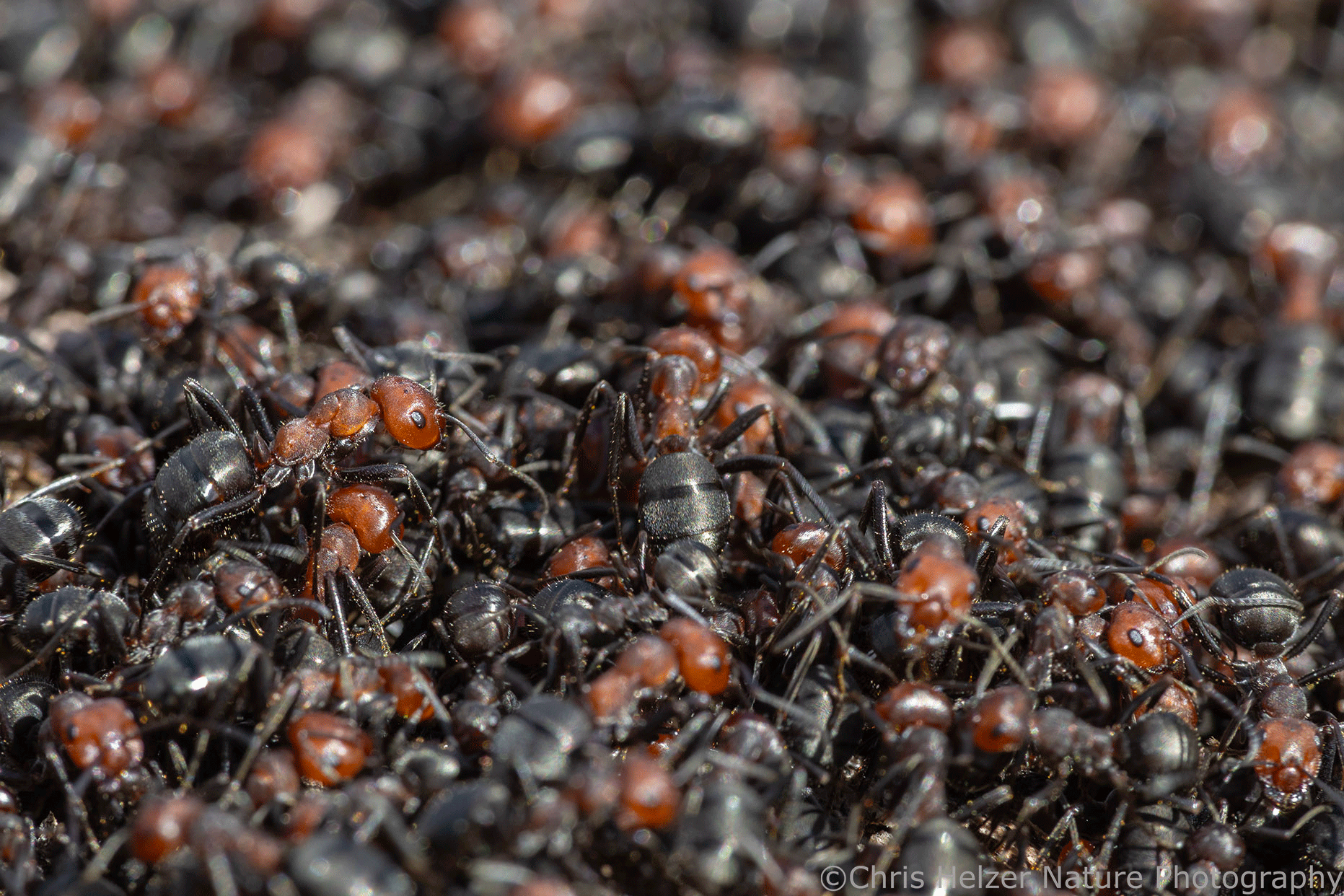
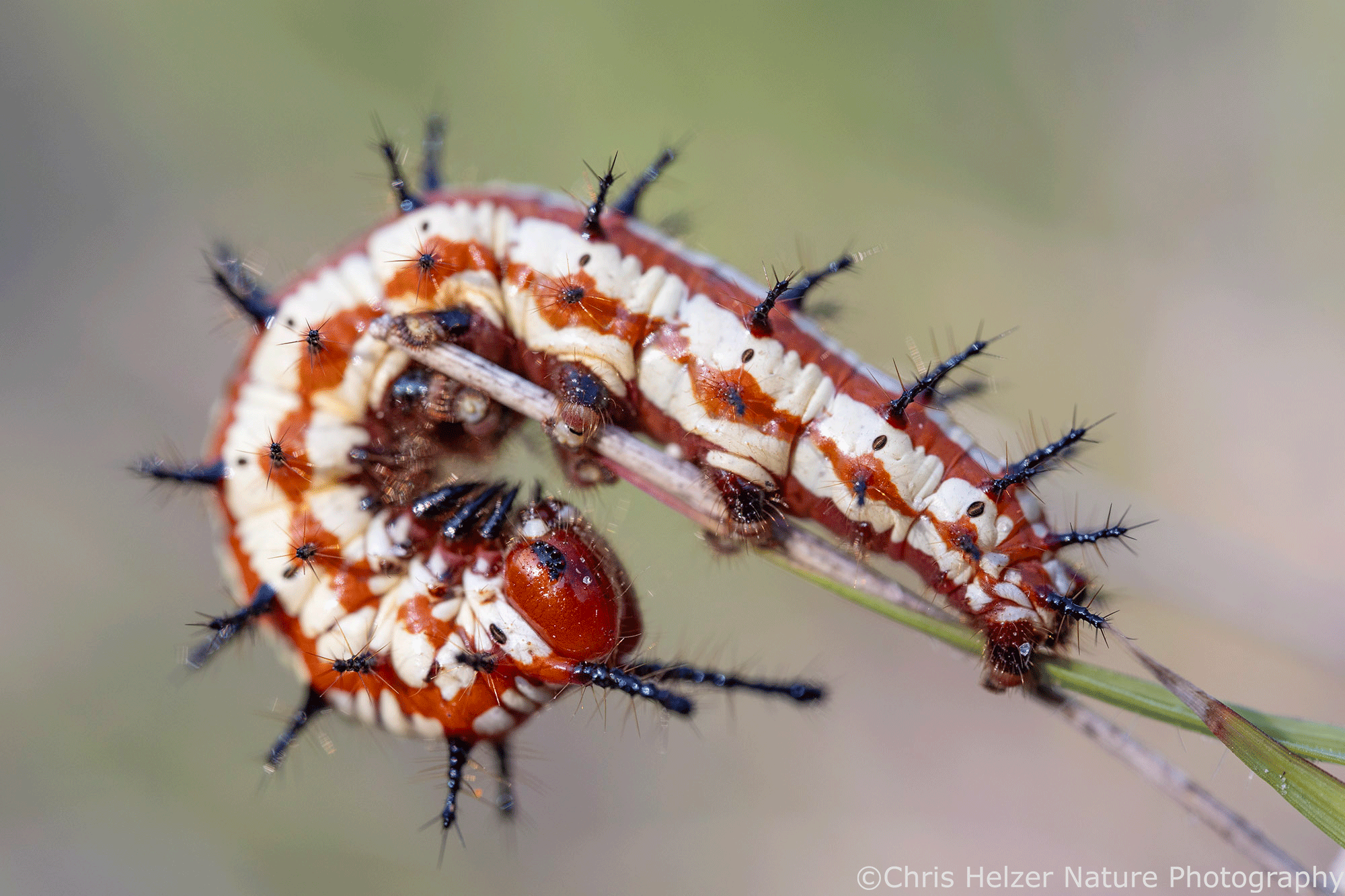
When I photograph small animals, I often try to capture their face because I feel like that makes them more relatable. Since insects and spiders aren’t always the most popular with the general public, I have to work extra hard to make them seem less scary and more interesting. Photos alone don’t usually do the trick, but combining a charming portrait with a good story about how the creature lives its life can often create a feeling of connection. That’s a start.
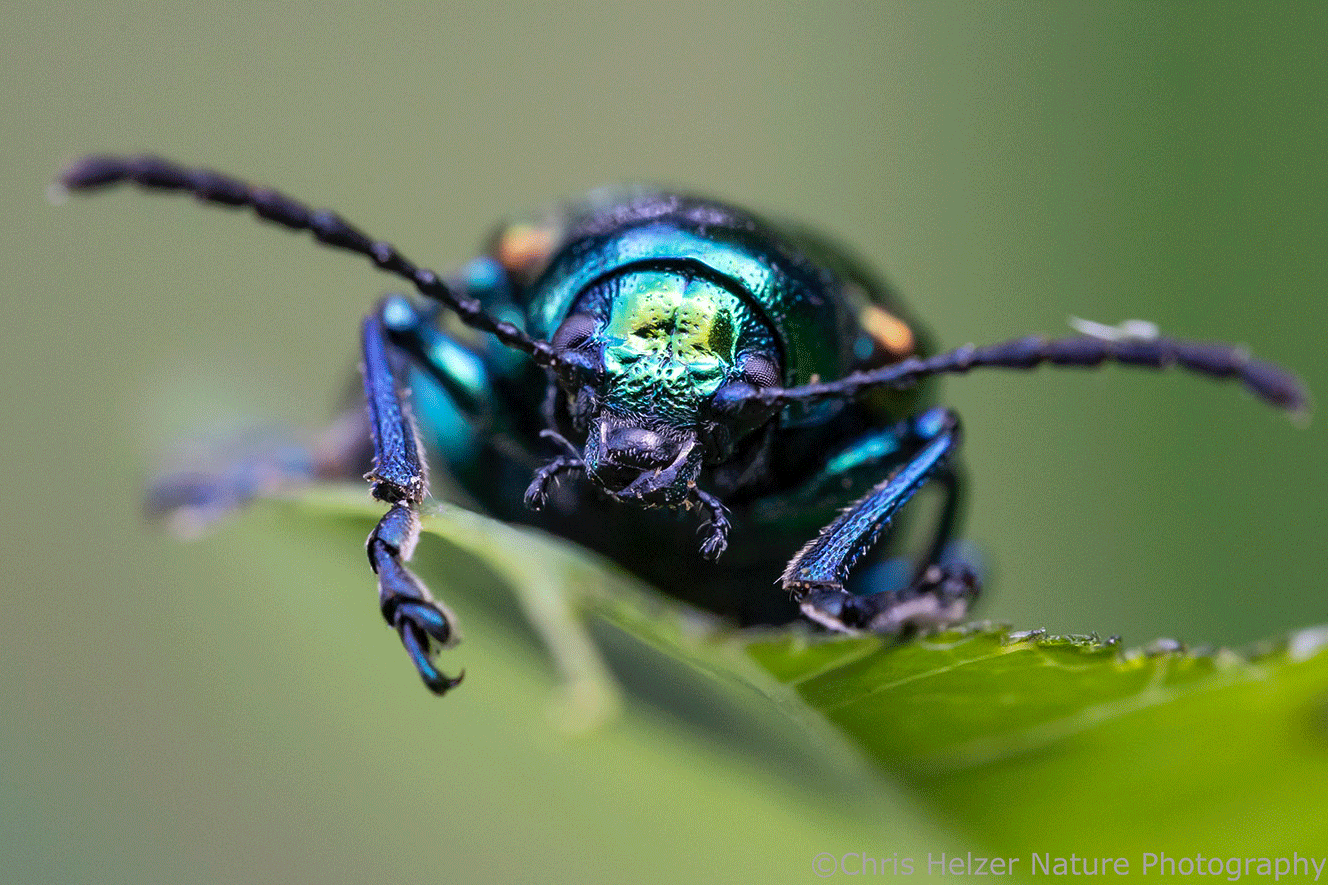
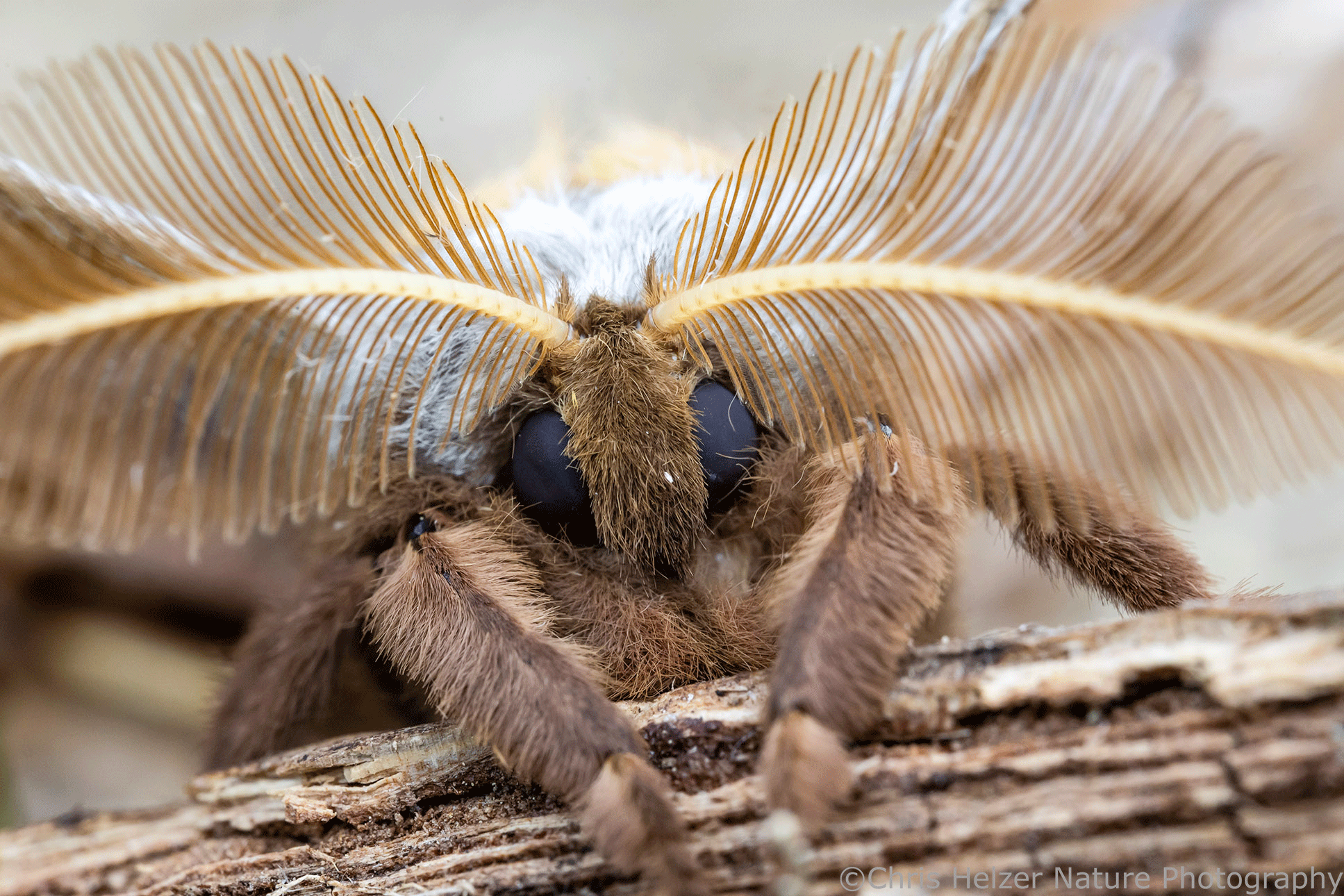
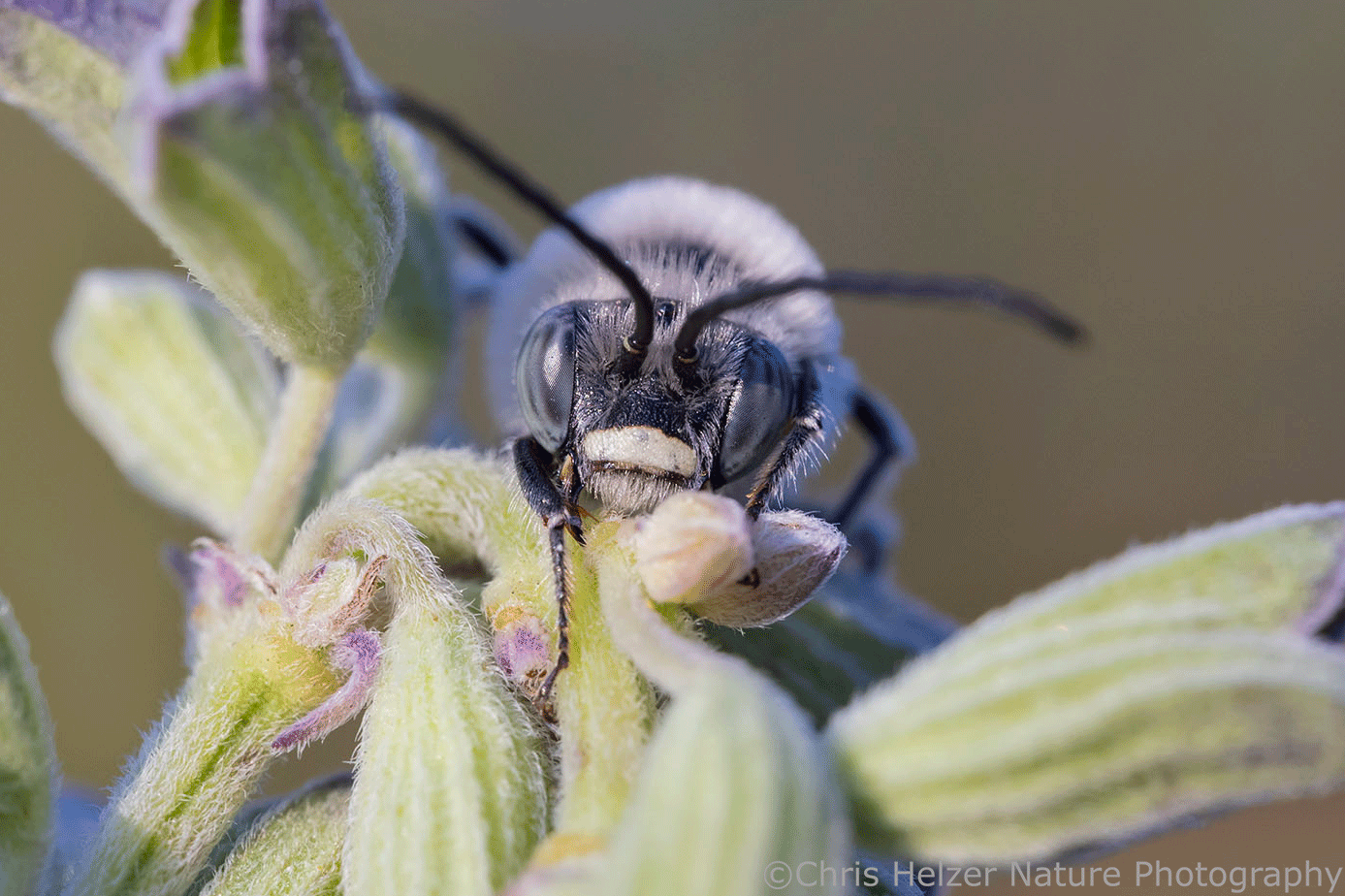

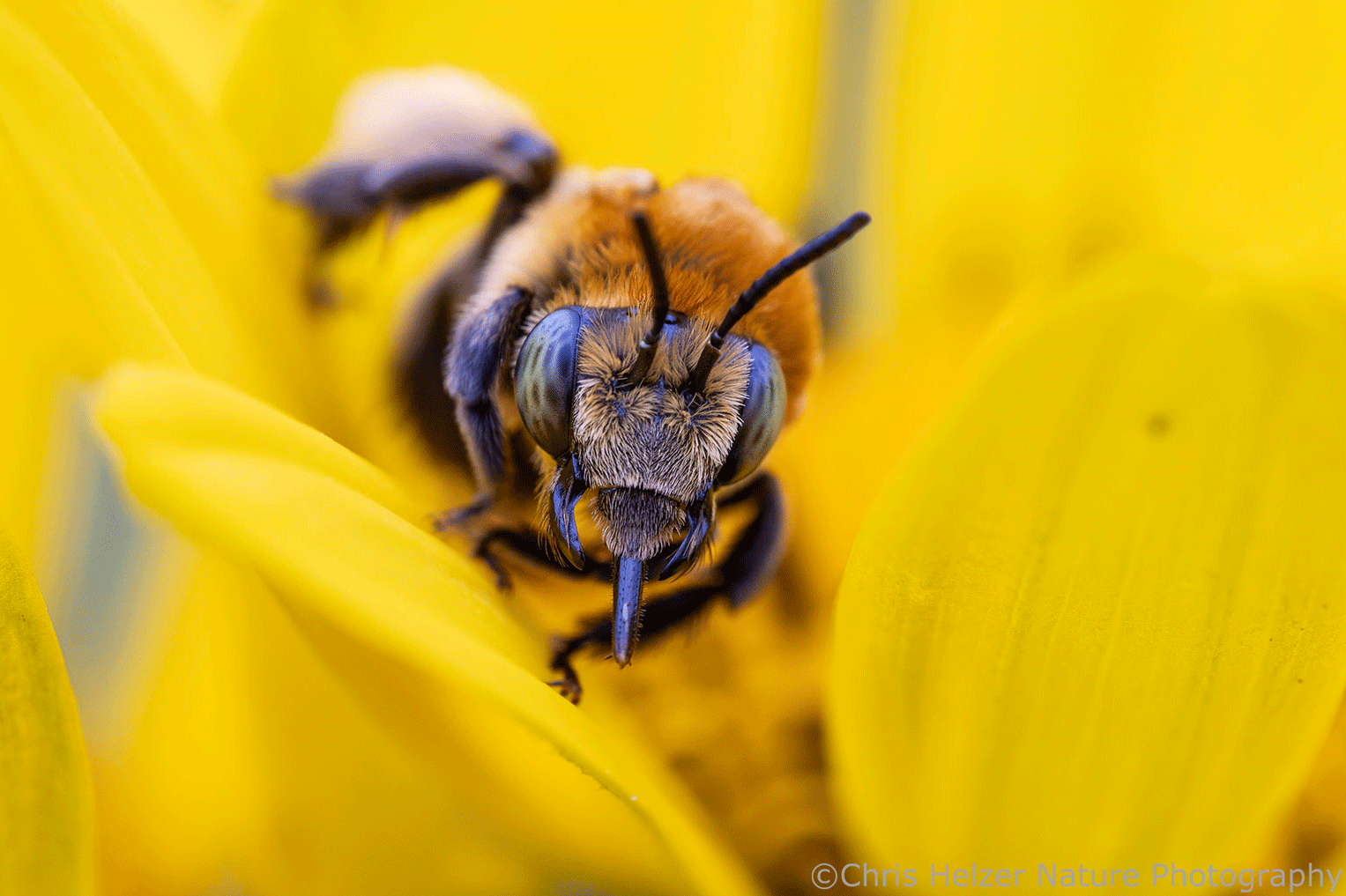
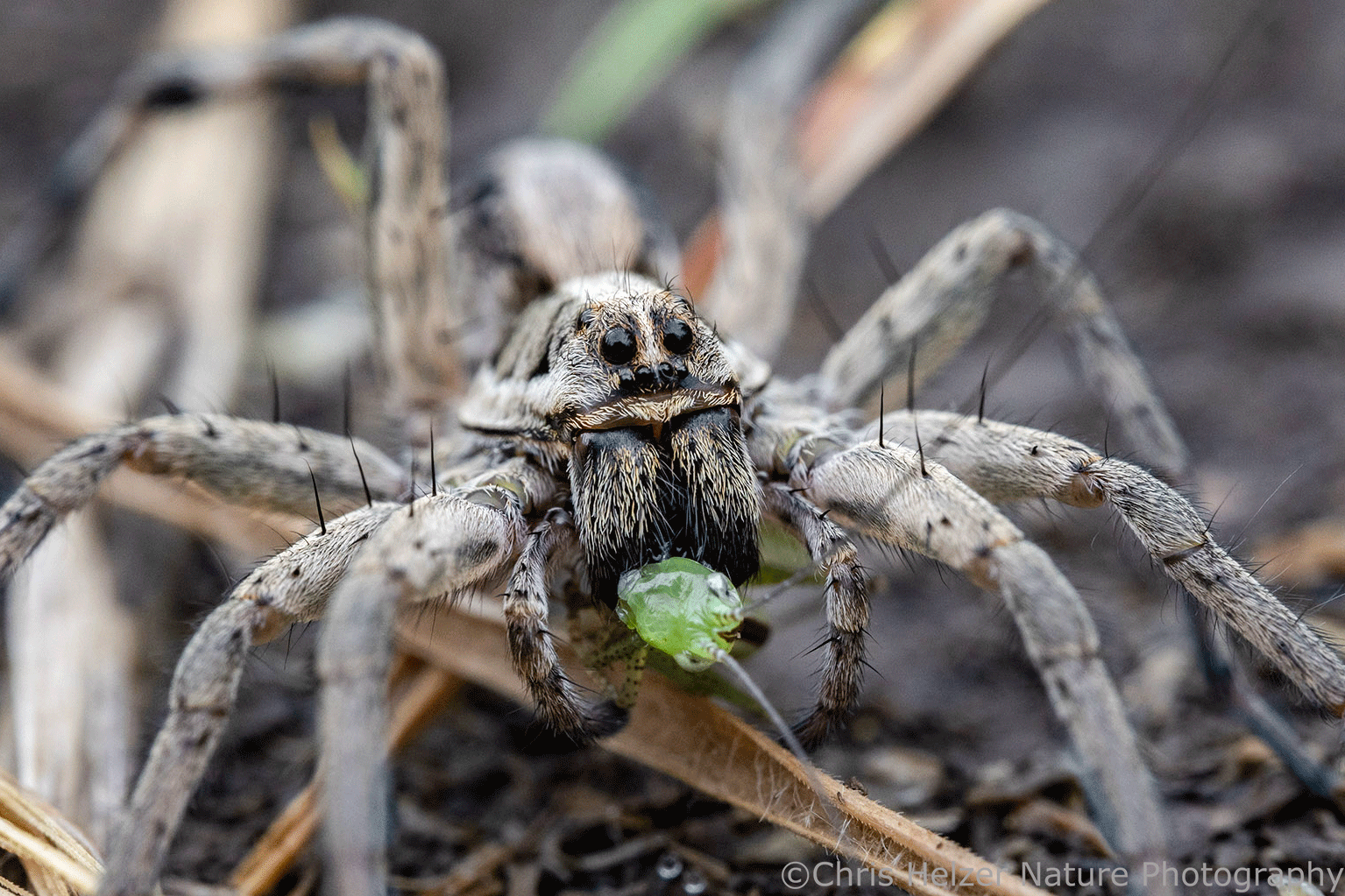
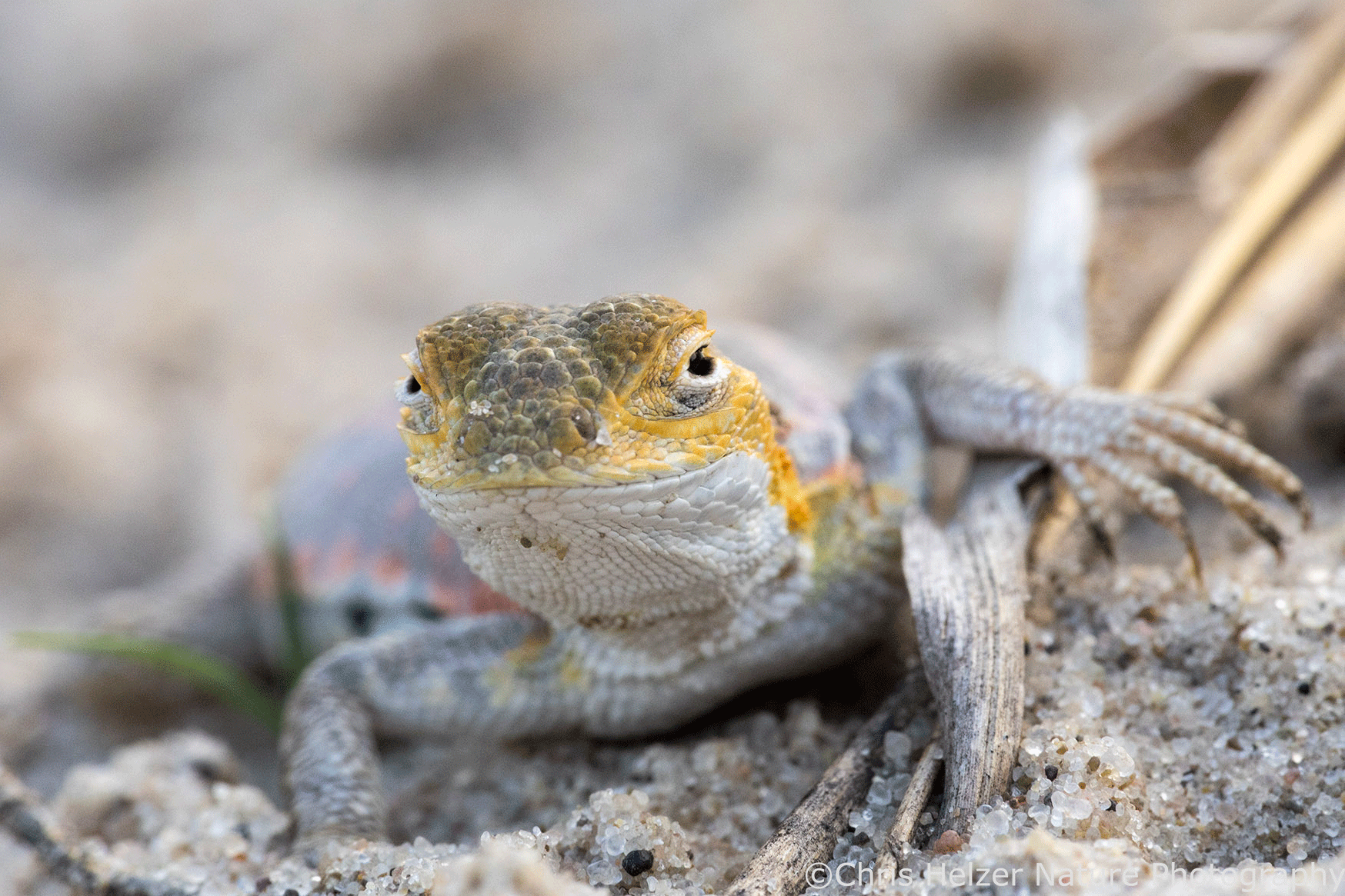
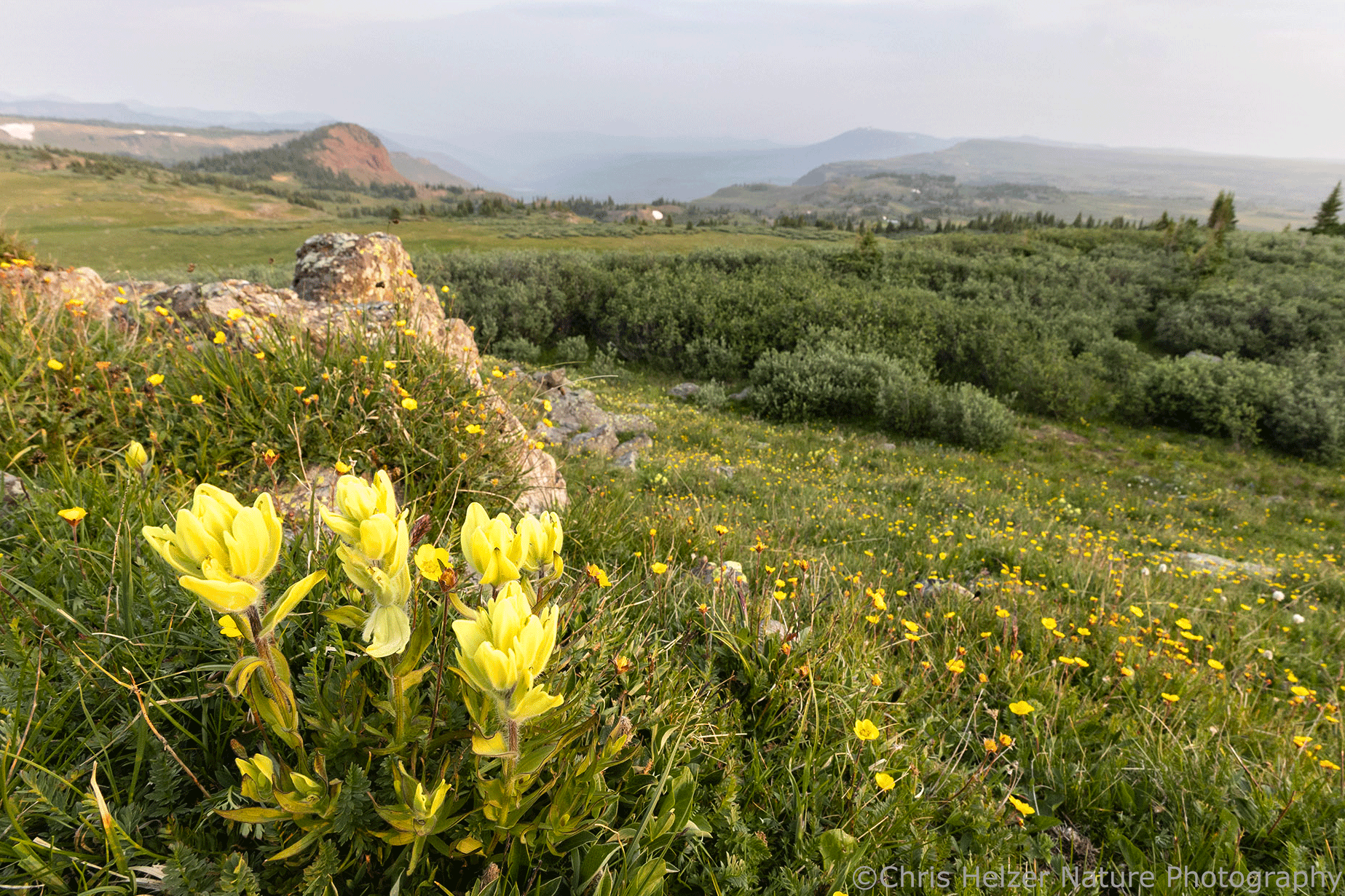
In late July, Kim and I took a vacation excursion to the Flat Tops Wilderness in Colorado. For various reasons you can read about here, we cut the backpacking portion of our trip short and ended up camping at a nearby reservoir and doing some day trips. While it was a different trip from what we’d planned, it was still great, and I ended up with some nice photos as well. Here are a few of my favorites.
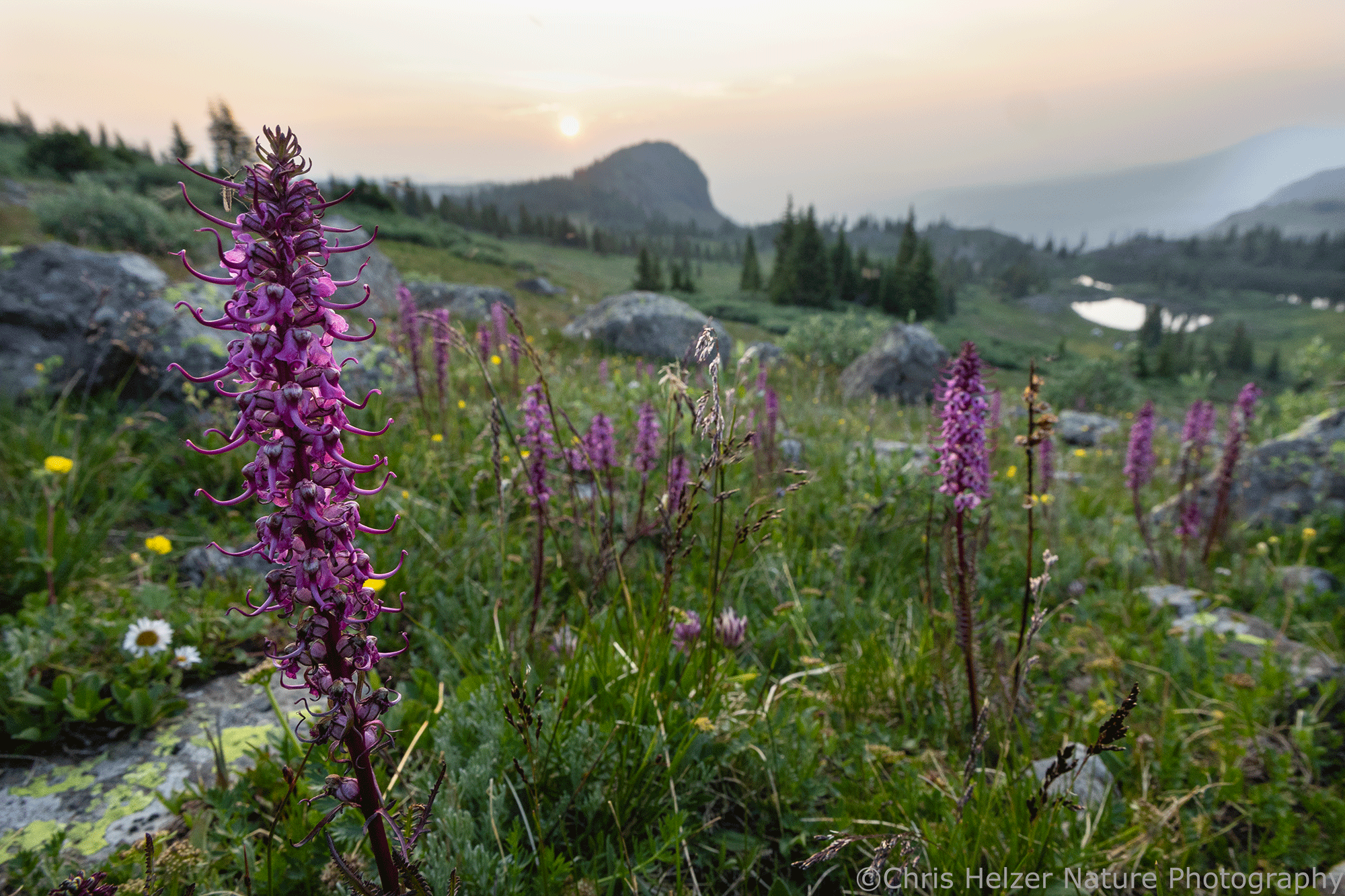
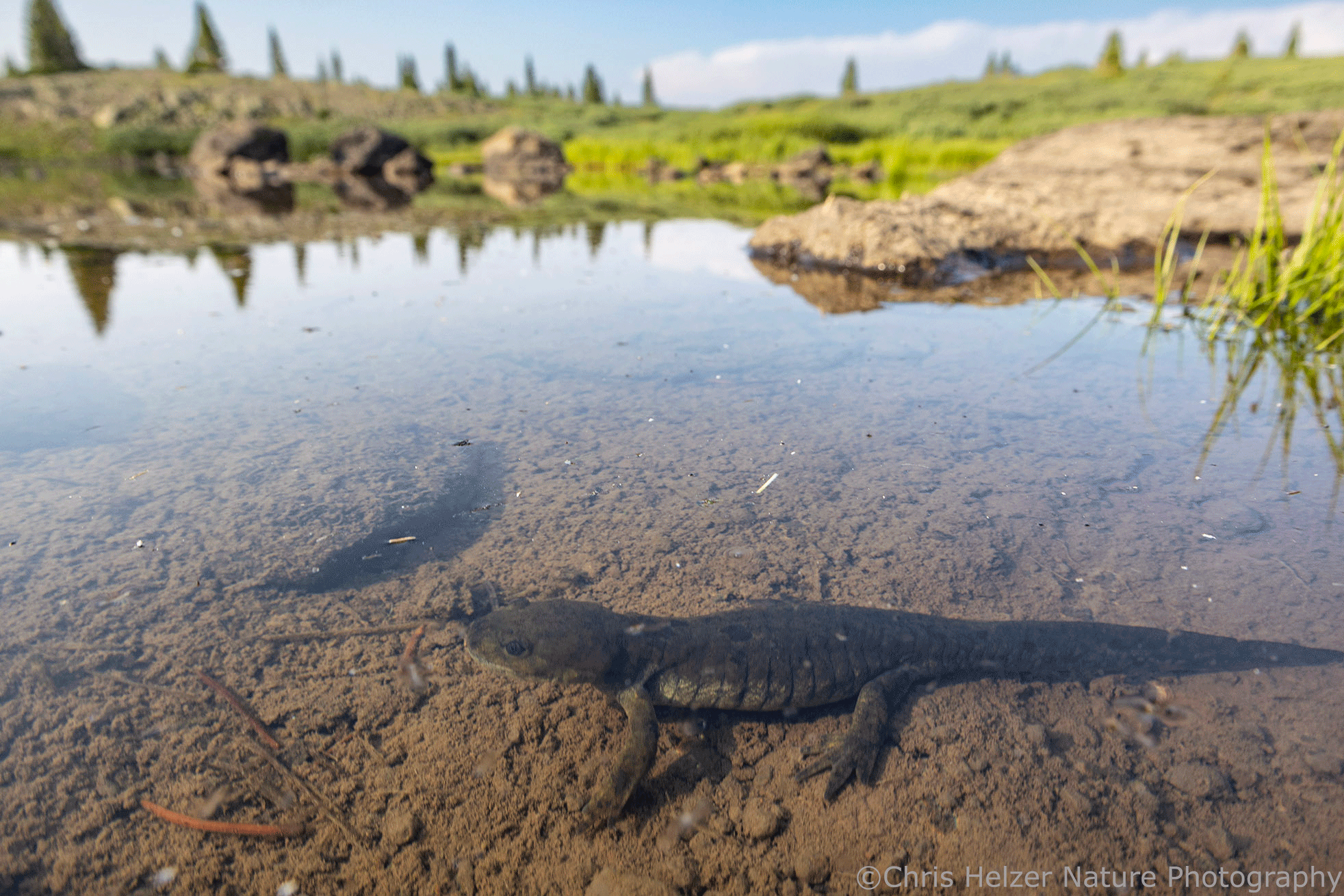

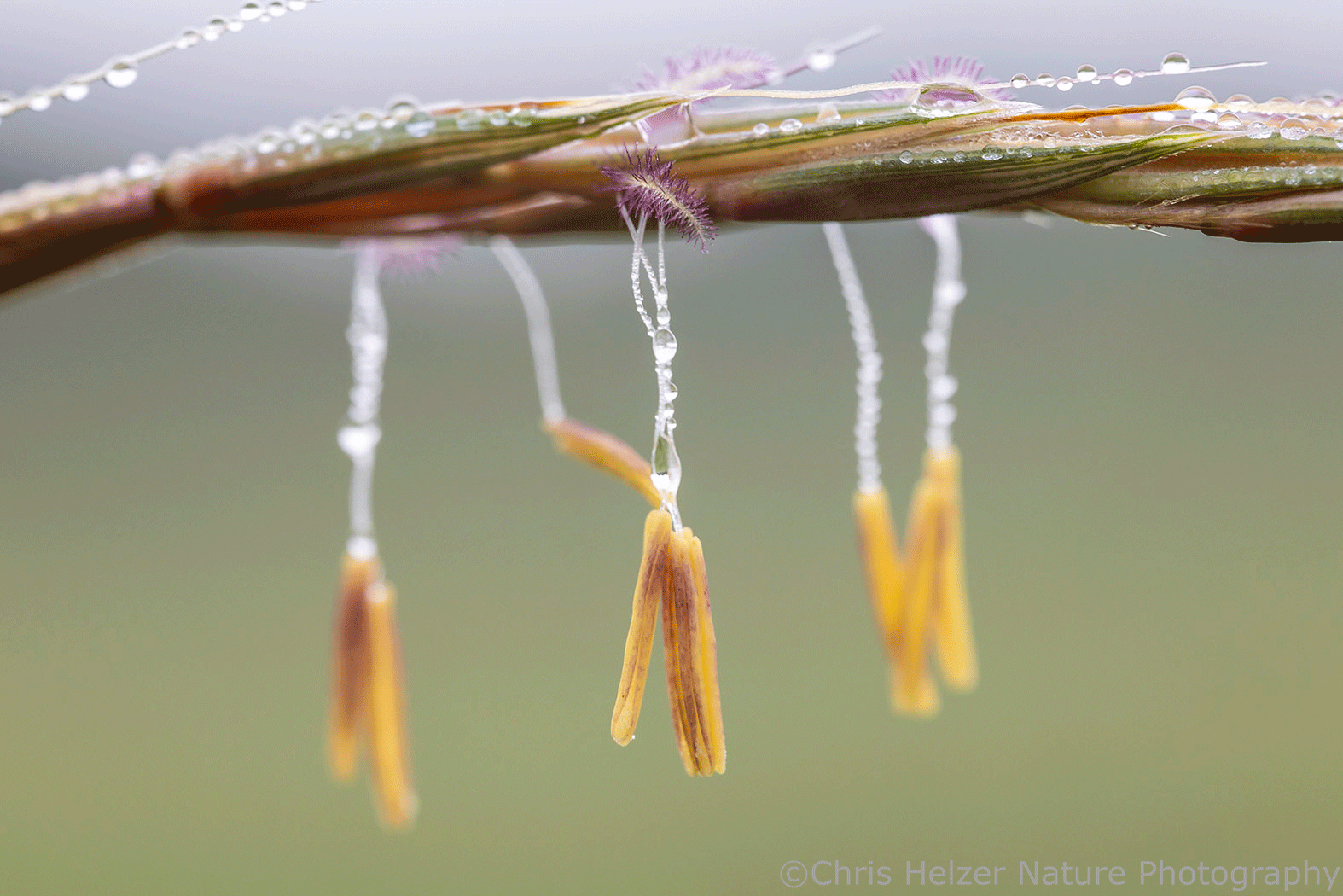
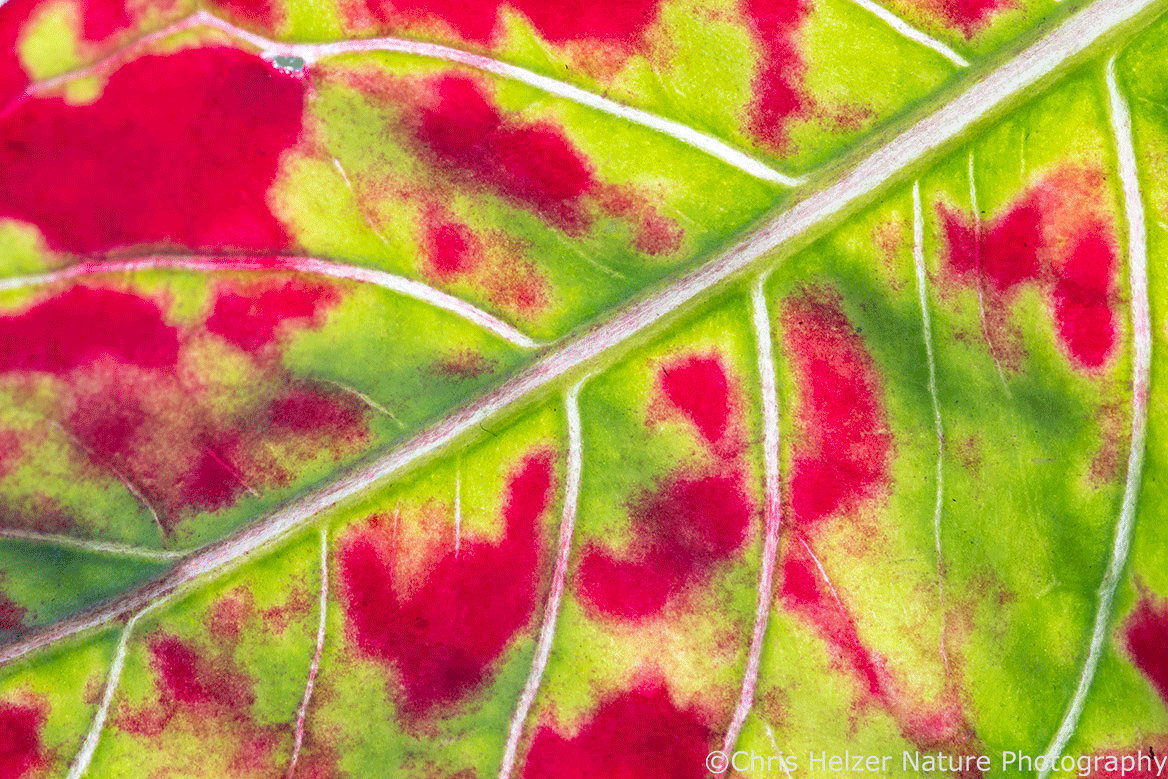
Most of my photography is done in an exploratory fashion. I don’t start out with a plan, other than to find interesting light and then look for subjects that catch my attention. Working on assignment, where I have a particular story I need to capture, is less fun for me. It also constrains me – I’d much rather be able to just find whatever happens to be the most fascinating at the time. Sometimes, that includes dangling, dew-covered grass flowers. Other times, it’s a butterfly that happens by, or a leaf with an attractive color scheme.

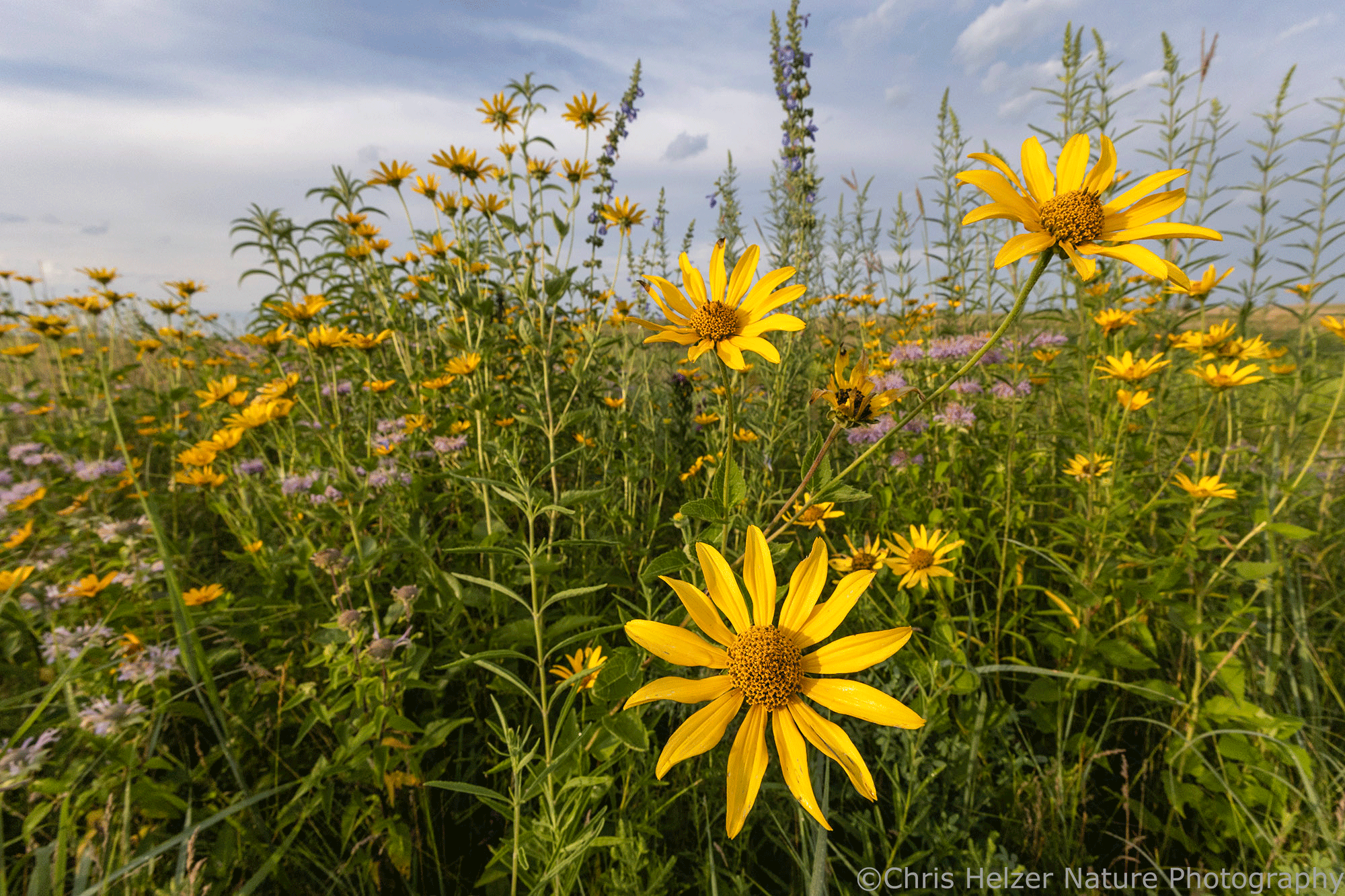
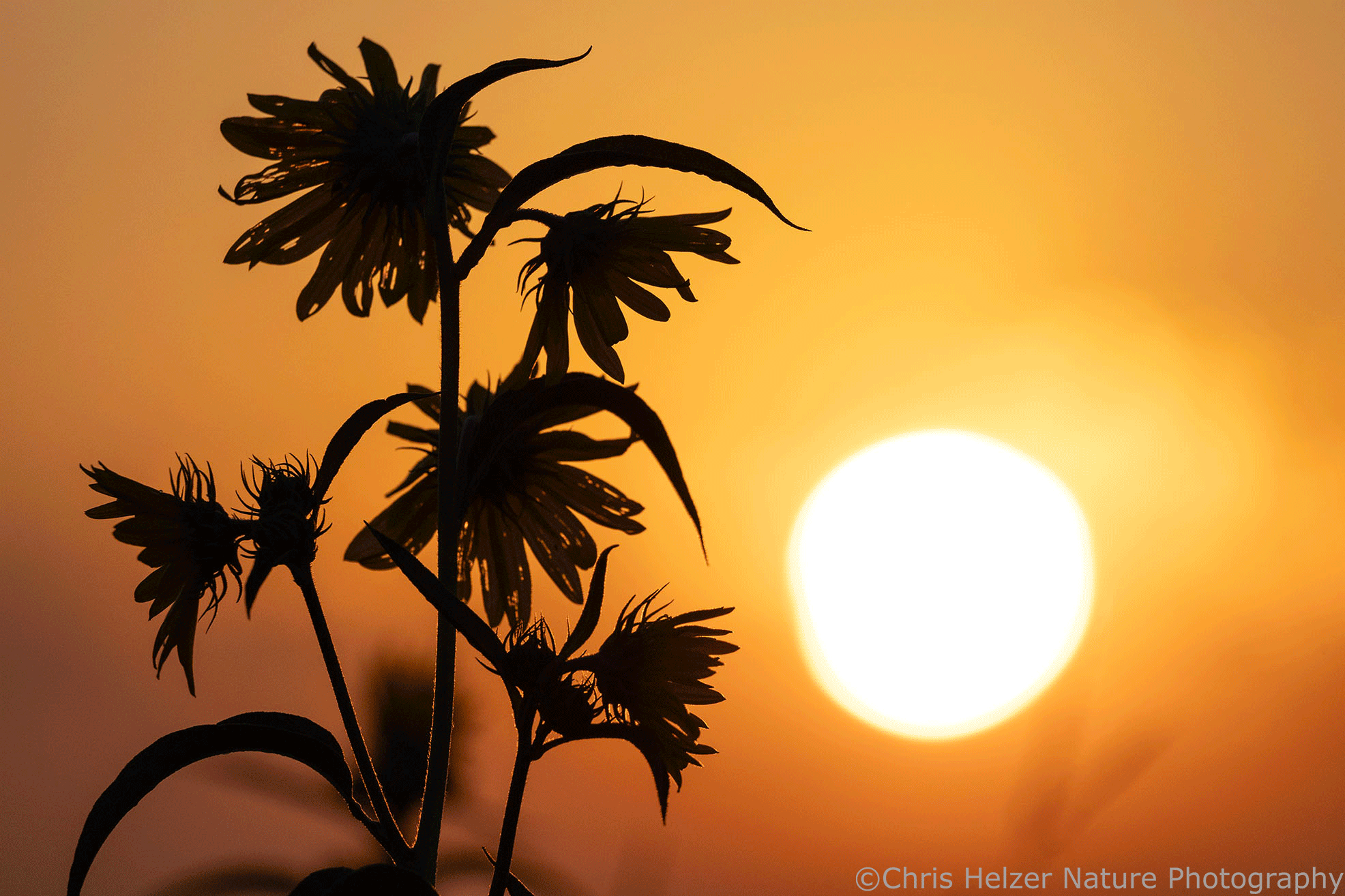
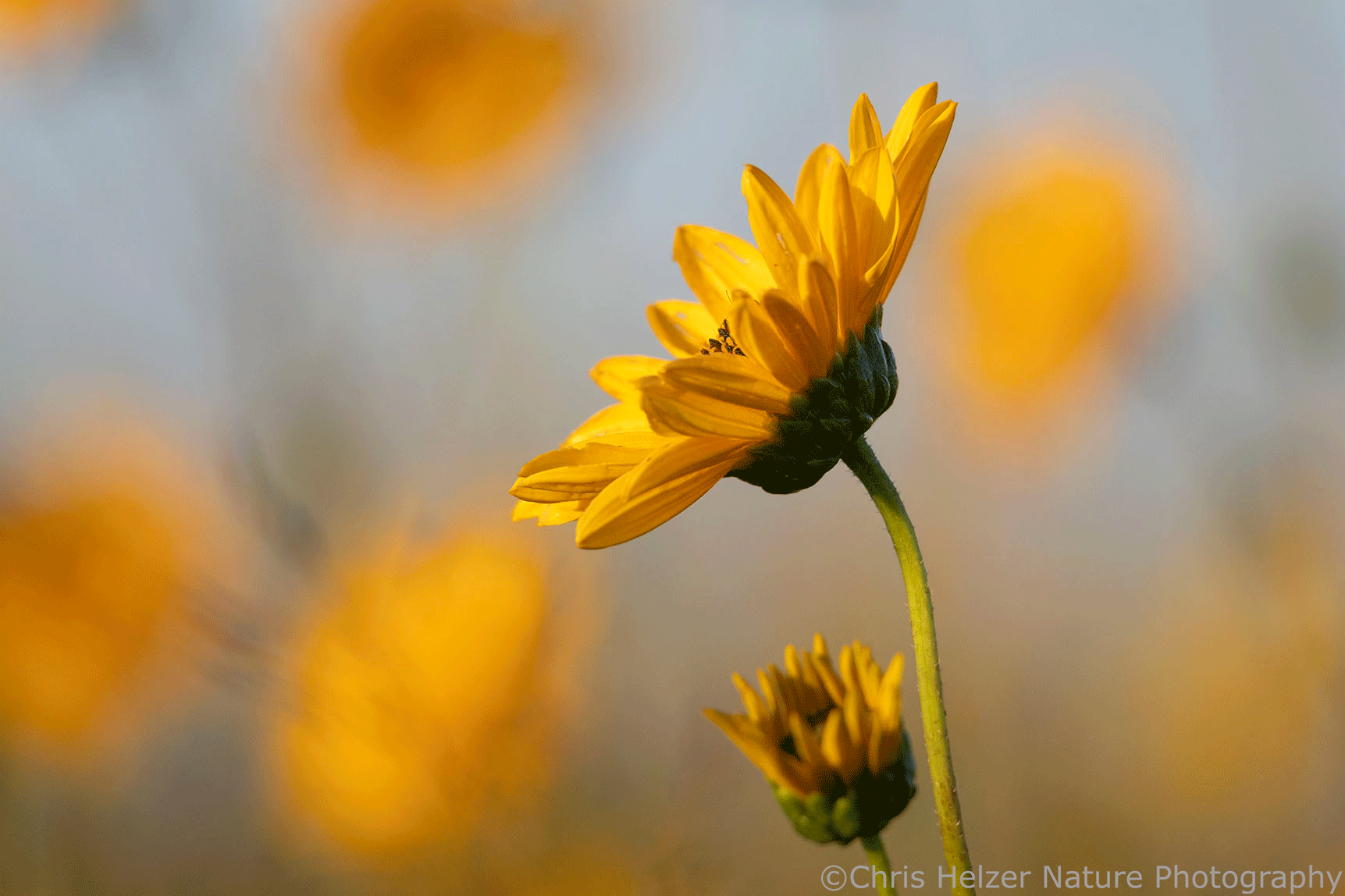
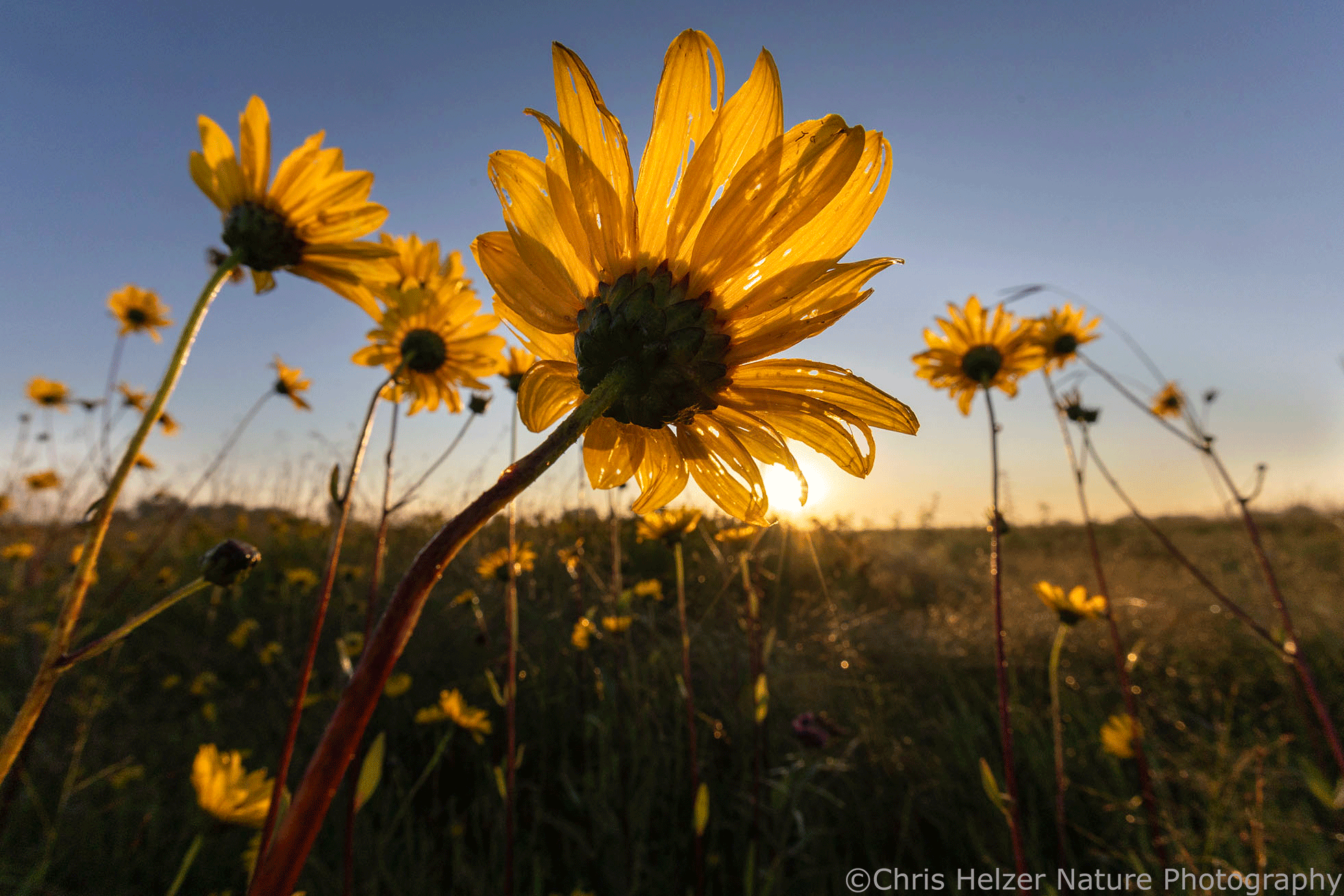
Every year brings new adventures. While 2025 may bring anxiety and strife, I’m confident there will also be lots of opportunities for exploration and photography. I rely on the latter to help me get through the former. I hope each of you has a similar coping mechanism – prairie-related or otherwise.
Be well, friends.
 The Prairie Ecologist
These are great, Chris. Wishing you the happiest new year you can manage.
Re: putting a face on arthropods makes them more relatable. I became an acquaintance of illustrator/artist Charley Harper a few years before he died. I was an aquatic macroinvertebrate expert and a specialist on stonefly nymphs. Some of the nymphs are large, beautiful (in my opinion) and strikingly patterned, and I sent a preserved specimen to Charley, encouraging him to incorporate the likeness into one of his artworks. Charley thanked me for sending him the nymph, but he told me that “Insects don’t sell (except for ladybugs and butterflies).”
I was moved by these photos and tried to share my thoughts in a comment. I tried to sign in to do that, was told a # of times that my password was not consistent with my account. Tried to reset same and got an account in word press, like a needed a new account. Sorry that spam, and folks with nefarious motives are such a problem that those of us who just want you to know how much we appreciate your efforts can’t do it without spending a time gathering frustration and anger. Gay Gilbert
Thank you, Gay. I’m sorry you had trouble, but really am grateful for your kind words and appreciation.
Chris, both your text and your photos are always wonderful! I look forward to your posts, and I keep some of them in a special directory to look at when I need to calm down and be inspired. All the best to you and yours in 2025! I look forward to seeing more from you next year. Anna
That Polyphemus moth is beautiful.
Beautiful collection
Your blog is a small part of my coping mechanism. Thanks Chris!
GREAT PHOTOS! Thanks for sharing.
I can only repeat and underline the six thoughts above. All the best for 2025.
I love your work thanks for being you Happy New Year. Your work helps my anxiety.
Thank you Leroy! Those words mean a lot to me. I wish you the very best in 2025.
Chris, Beautiful and amazing photos. I especially appreciate that you name the plants and insects. Happy New Year. Ann Moshman
what a gift to see your best of 2024 photos. Thank you for sharing these with many of us. We appreciate what you do.
Marcia Blum
I thought I’d been paying close attention but I must have missed the lupines and rainbow – lovely! Thanks for the recap, I liked reading your thoughts about photography.
I thought I’d been paying close attention but I must have missed the lupines and rainbow – lovely! Thanks for the recap, I liked reading your thoughts about photography.
I am a sucker for antennae, so I especially loved the moth with its big feathery antennae. Last summer I had some great beetles with knobby antennae and katydids with antennae that were longer than the body of the insect. I have also been impressed to see how butterflies can manage even when they are missing a hunk for a wing.