Unknown's avatar

About Chris Helzer

Chris Helzer is Director of Science and Stewardship for The Nature Conservancy in Nebraska, where he conducts research and supervises the Conservancy’s preserve stewardship program. He also helps develop, test, and share prairie management and restoration strategies. Chris is also dedicated to raising awareness about the value of prairies through his photography, writing and presentations. He is the author of The Prairie Ecologist blog, and two books: The Ecology and Management of Prairies and Hidden Prairie: Photographing Life in One Square Meter. He is also a frequent contributor to NEBRASKAland magazine and other publications. Chris and his family live in Aurora, Nebraska.

What are those yellow balls?

The prairie in March – at least here in Nebraska – displays a fairly limited range of color. As a result, a cluster of yellow orbs really stands out against the otherwise brown background of dormant vegetation. While on a hike with some college students yesterday, we walked past some of those fruits and one of the students asked what they were. It’s a common question, and the answer is Carolina horsenettle (Solanum carolinense).

The dime-sized fruits of Carolina horsenettle. These were photographed in May – long after they were produced by the plant the previous year, but they were still (mostly) holding their color and shape.

Carolina horsenettle is a member of the nightshade (Solanaceae) family, a large group of plants that includes both very toxic plants as well as some important food crops for humans, including tomatoes, potatoes, bell peppers, and egg plant. At least many members of this family (maybe all?) hold their pollen tightly, requiring visiting bees to use a technique called sonication, aka buzz pollination, to make the flower release its pollen. Many bee species can employ sonication (though not honey bees), but bumble bees are perhaps best known for it.

During sonication, a bee grasps the flower and vibrates its wing muscles at a frequency that causes pollen to be released by the flower. When I’ve watched it in the field, the bee is usually beneath the flower when this happens, so the pollen drops directly onto it. It’s convenient (and probably not accidental) that Solanaceae flowers tend to be oriented slightly or completely downward to help ensure that bees are positioned correctly.

Carolina horsenettle holds its pollen tightly but drops it in abundance upon bees that know how to hit the right note during sonication. You can see the flower’s green stigma curving to the left from the center of the anthers.
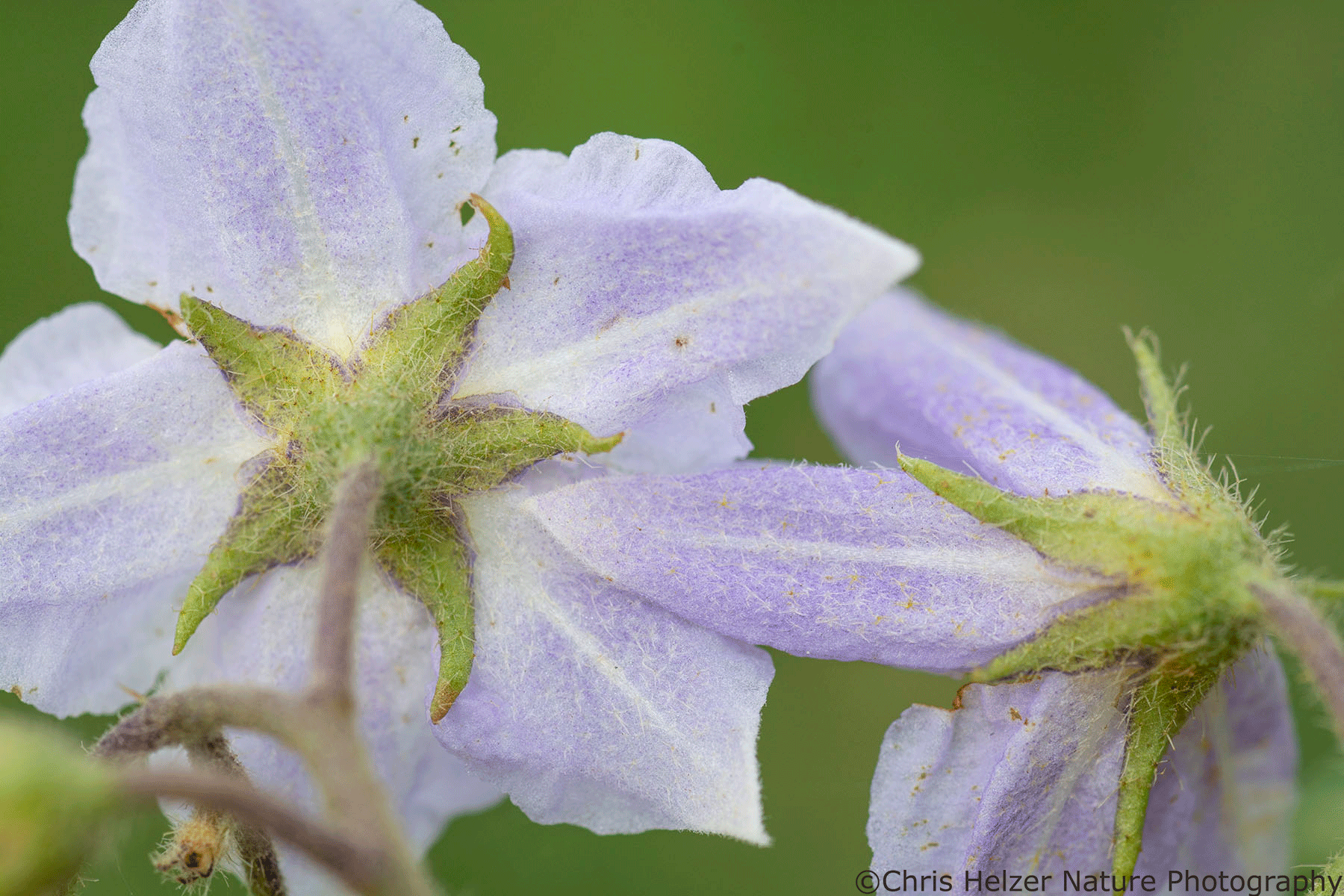
The backside of Carolina horsenettle flowers are pretty – and pretty fuzzy.

Carolina horsenettle has both male and female flowers. Interestingly, both the male and female flowers contain anthers full of pollen. However, the pollen in female flowers, while apparently nutritious for foraging bees, is nonfunctional in terms of fertilization. When a bee collects pollen from a female flower, it comes into contact with the green stigma that protrudes from the center of the anthers and (hopefully) transfers pollen from other flowers onto the stigma. Male flowers have a non-functional stigma that is much smaller. At least, this is my understanding of how all of it works.
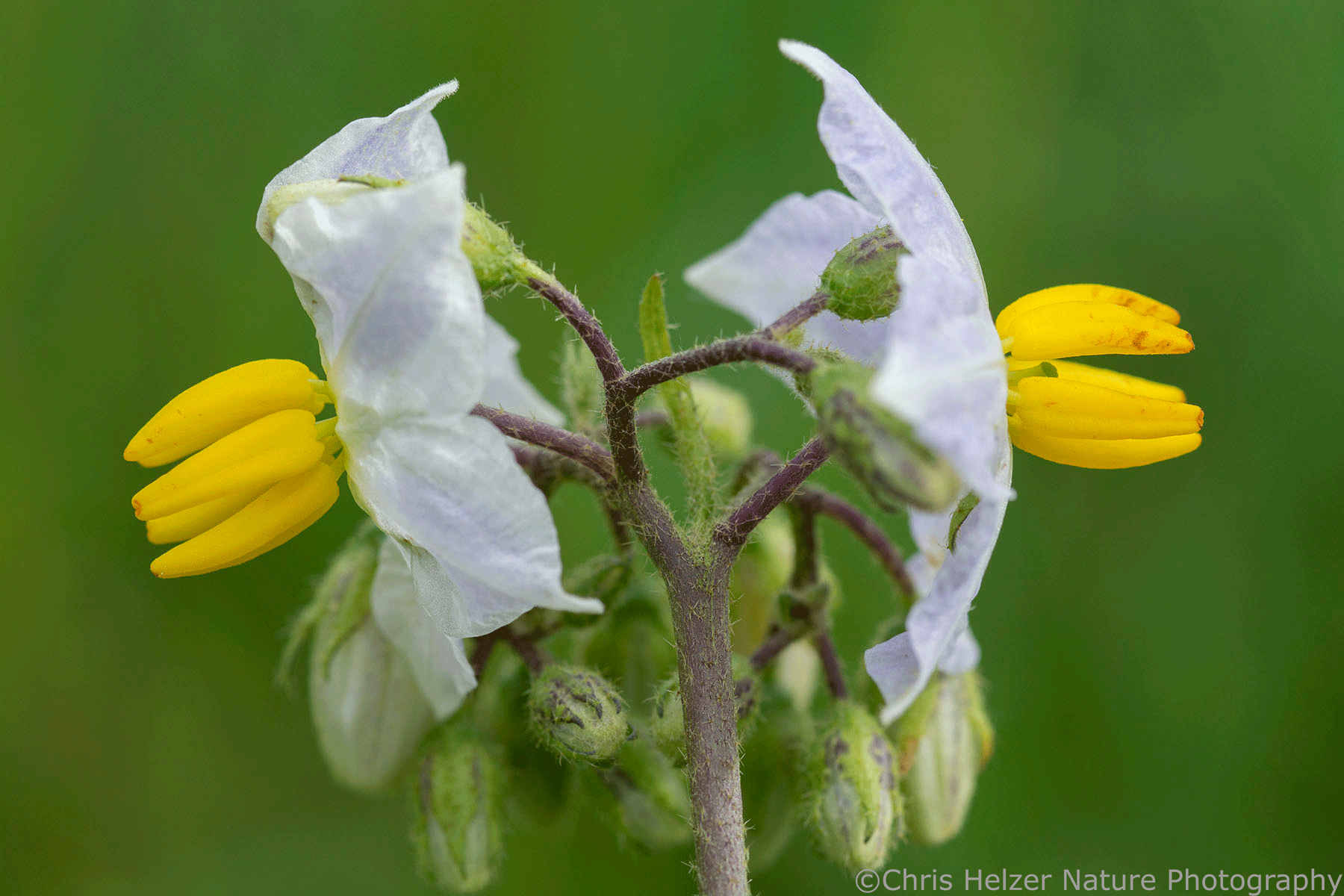
I think these are male flowers since the stigma (the part that receives pollen and contains the seed-producing ovary) is greatly reduced. You can barely see one in the flower on the right (in between the yellow anthers).

I remember being surprised to learn that Carolina horsenettle is a perennial. I’d always assumed it was an annual because it seems to occur in many places where competition from other vegetation has been reduced. But no, it is a deep-rooted perennial native (to Nebraska) wildflower, and pretty one at that.

It’s considered a weed by some, but I’ve never seen it growing in abundance in our prairies here. If do you come across it in a place you don’t want it, be wary of trying to yank it out of the ground. Besides its long roots, it also defends itself with many spines along its stems and leaves.

If you’ve wondered about those little yellow fruits in the past, now you know what they are. Please don’t eat them, though. While Carolina horsenettle is related to plants that have nutritious and delicous fruits, horsenettle fruits are toxic enough to do you some serious harm.

As long as you don’t stick the fruits in your mouth or grab the plant with your hand, Carolina horsenettle is a nice plant to have in a prairie. Keep an eye out for it in a prairie near you this summer, and when you find one, take a few minutes to watch how visiting bees interact with it. If you sit quietly, you’ll hear how the sound of a bee’s buzzing wings changes frequency when it switches into sonication mode. It’s a pretty great sound, and an important part of the larger prairie symphony.

A crab spider waits for any visiting bees that are too anxious to sonicate for pollen to notice the predator lurking there.

Quiz of Total World Distraction

I don’t know about you, but I needed a distraction this week so I made this quiz. I hope you enjoy it.

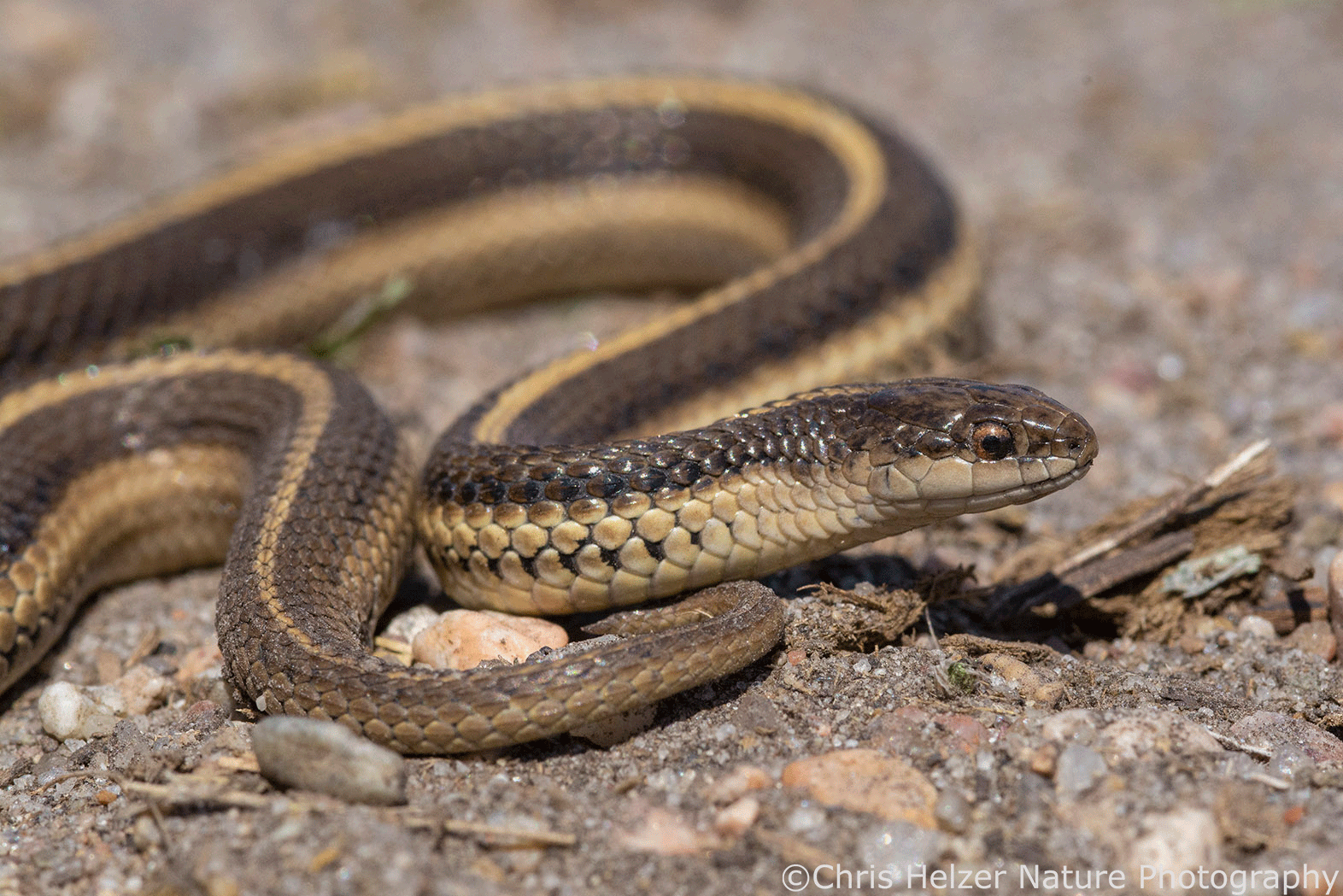
What kind of snake is this?

A. It’s not a snake, it’s a legless lizard

B. Gardener snake

C. Garter snake

D. Lined Snake

E. Wet Banded Snake

.

What is a better name for the lined snake in the above photo?

A. Gerald

B. Stripy Snake

C. Hang on, is it spelled ‘Stripy’ or ‘Stripey’?

D. Both, apparently

E. Weird

What kind of plant is shown above?

A. False gromwell

B. Western marbleseed

C. Onosmodium molle

D. Onosmodium bejariense DC. ex A. DC. var. occidentale (Mack.) B.L. Turner

E. Good grief

F. All of the above, depending upon who you ask

.

What is a better name for the plant above that goes by all those names?

A. Phillipa

B. Tongueflower

C. It’s not a plant, it’s a legless lizard

D. Onosmodium bejariense DC. ex A. DC. var. occidentale (Mack.) B.F. Turner

E. Wait, isn’t that the same as one of the actual names?

F. Nope. How much time are you willing to waste finding the difference?

.

What species of plant is shown in the above photo?

A. Canada wildrye

B. Canada goldeneye

C. Green Foxtail

E. Foxtail Barley

F. Barely Foxtail

G. Foxy Oats

H. Isn’t goldeneye a duck?

I. Yes, and a plant and a James Bond movie

J. Good grief

K. Also, you skipped D

.

In many plant texts, foxtail barley (pictured above) is described as being found in many habitats, including roadsides, pastures, and ‘waste areas’. What are ‘waste areas’?

A. Dry wetlands

B. Flood-prone sites

C. Anywhere foxtail barley and other cool opportunistic plants are found

D. Dynamic and interesting ecological sites that we should stop denigrating with lazy nomenclature

.

We can all agree the answer to the above question is D, right?

A. Right

.

In the above photo, there are four insects. What is the total number of wings on those four insects? You can click on the photo to see a larger version of it.

A. 3

B. 12

C. 14

D. 8

E. 10

.

Isn’t it fun that only the plains lubber (grasshopper) in the above photo has two wings and all the others have four wings each?

A. Yes

.

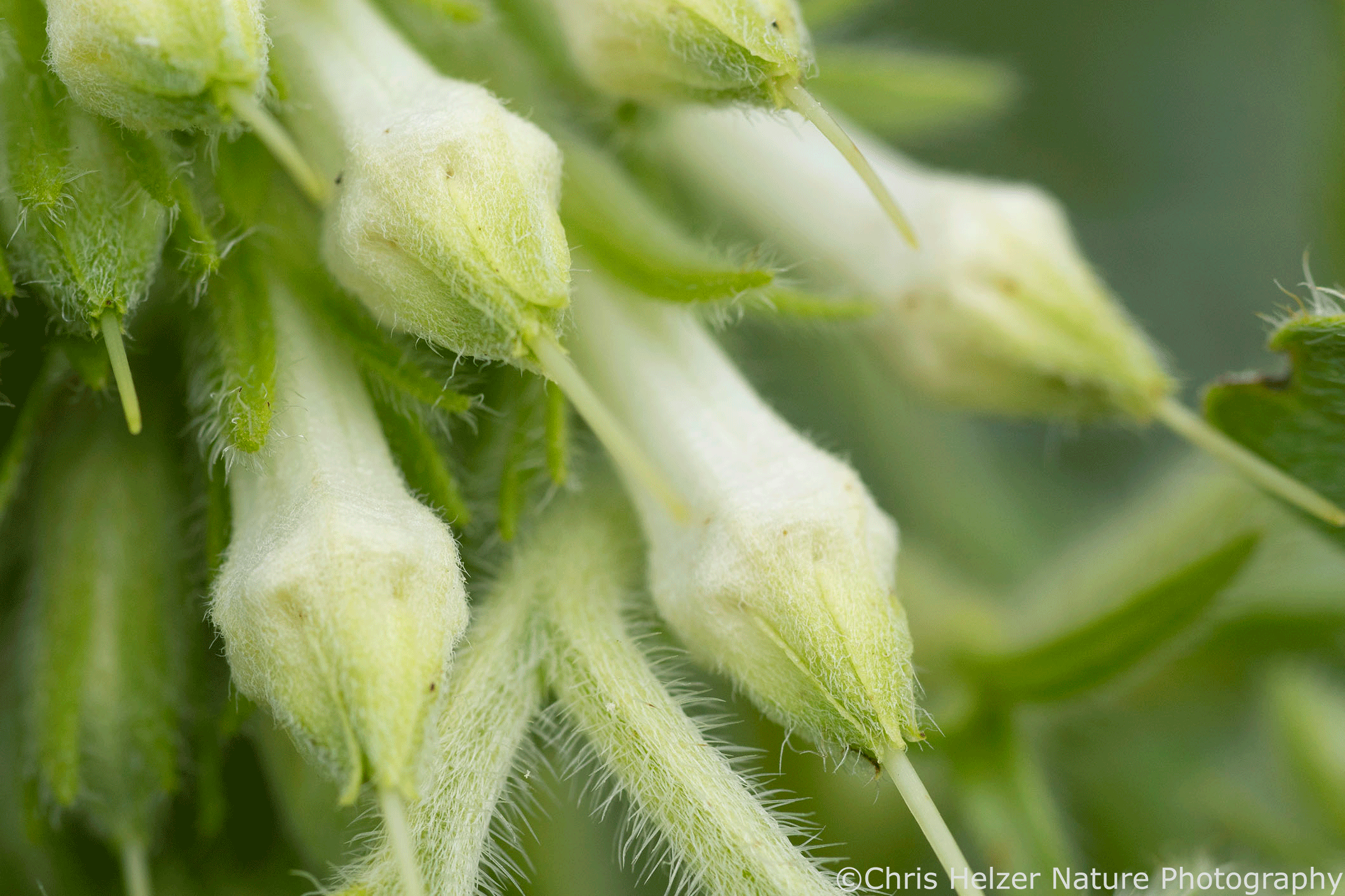
Look at the above photo. What the heck??

A. No kidding

B. Whoa!

C. It sure is fuzzy

.

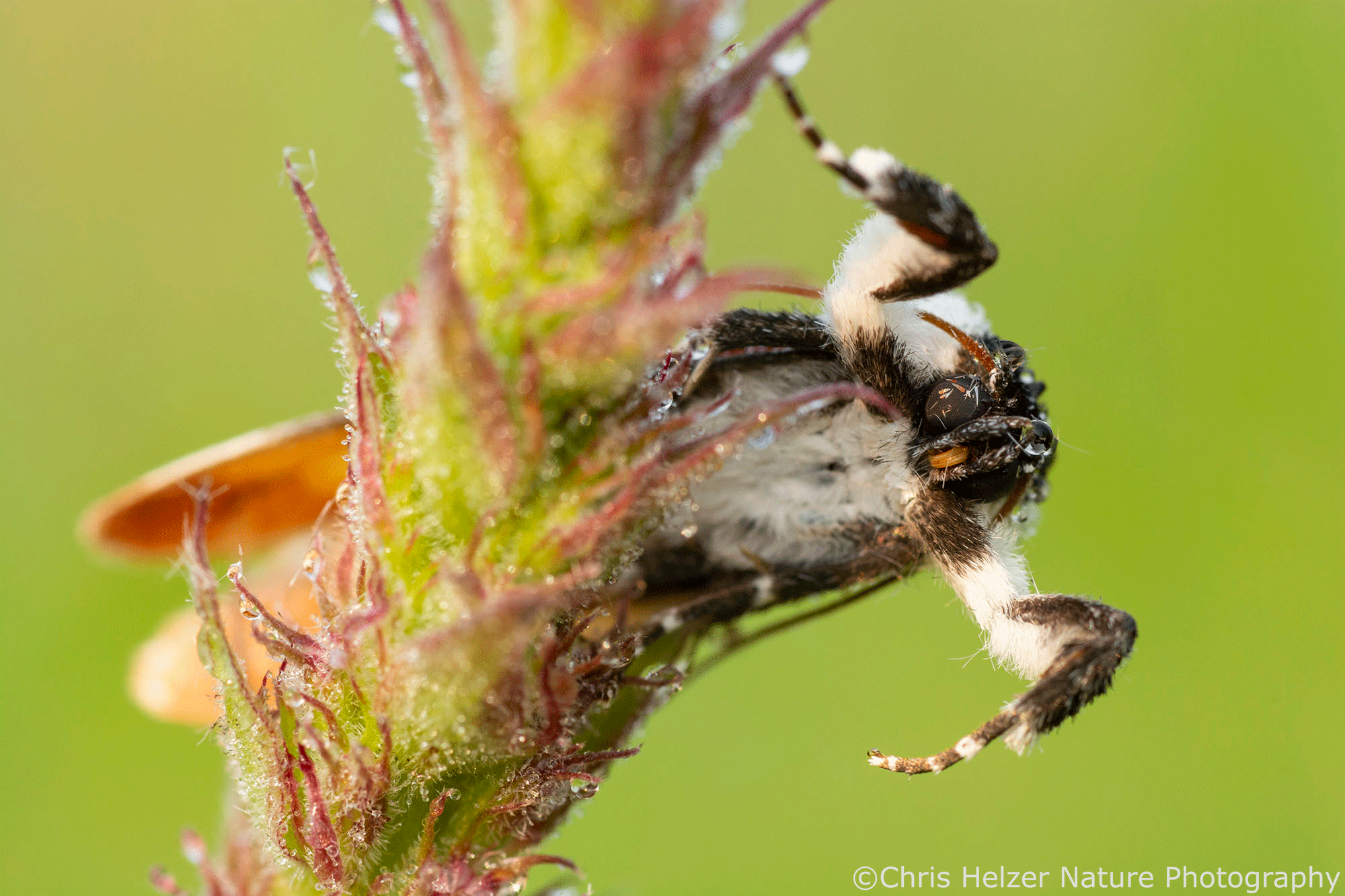
What is a better name for the Pearly Wood-Nymph Moth shown in the above photo?

A. Shaggy Dream-Haunter Moth

B. Gizmo

C. Sweetums

.

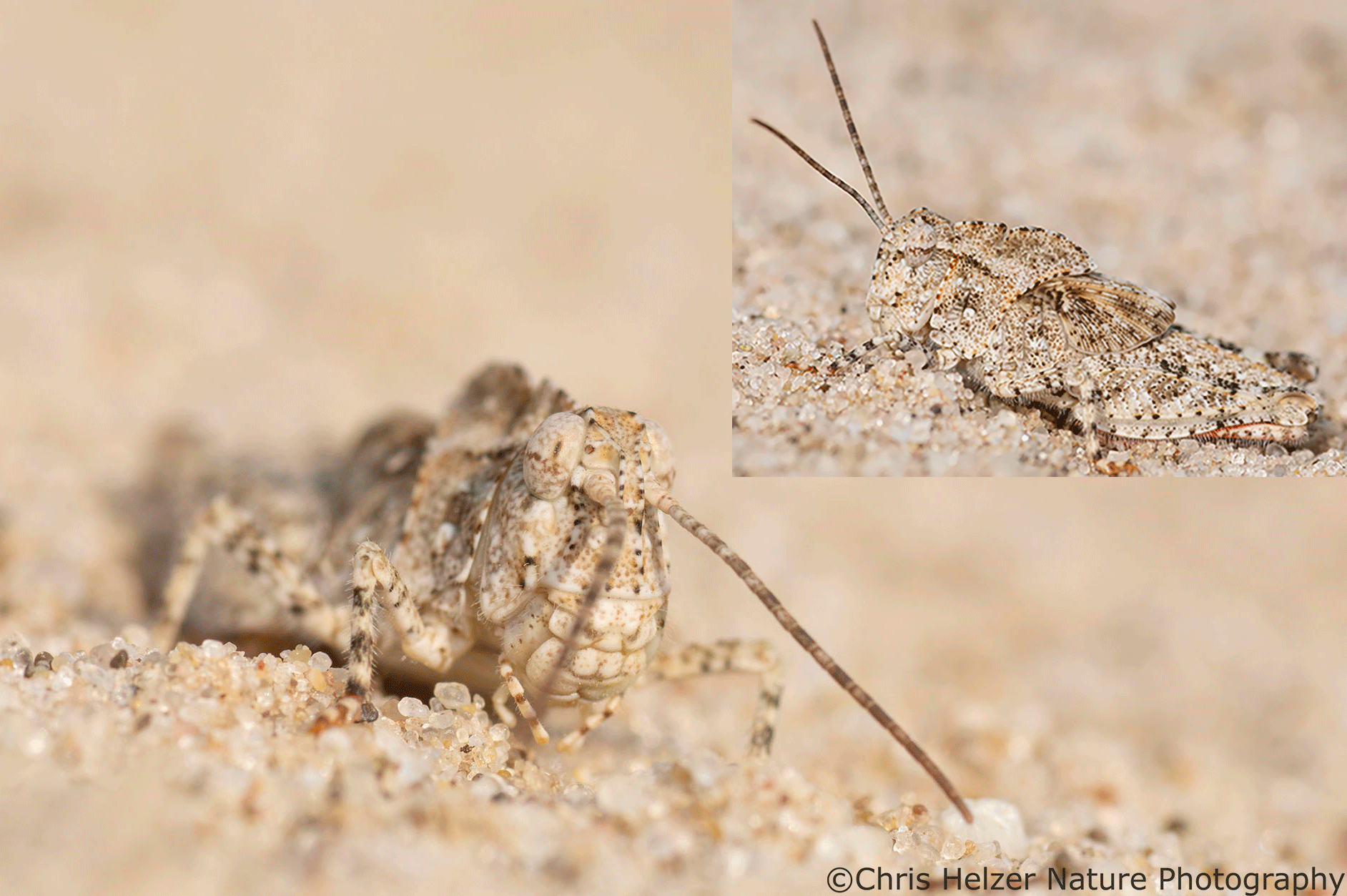
This grasshopper is really well camouflaged.

A. Wow

.

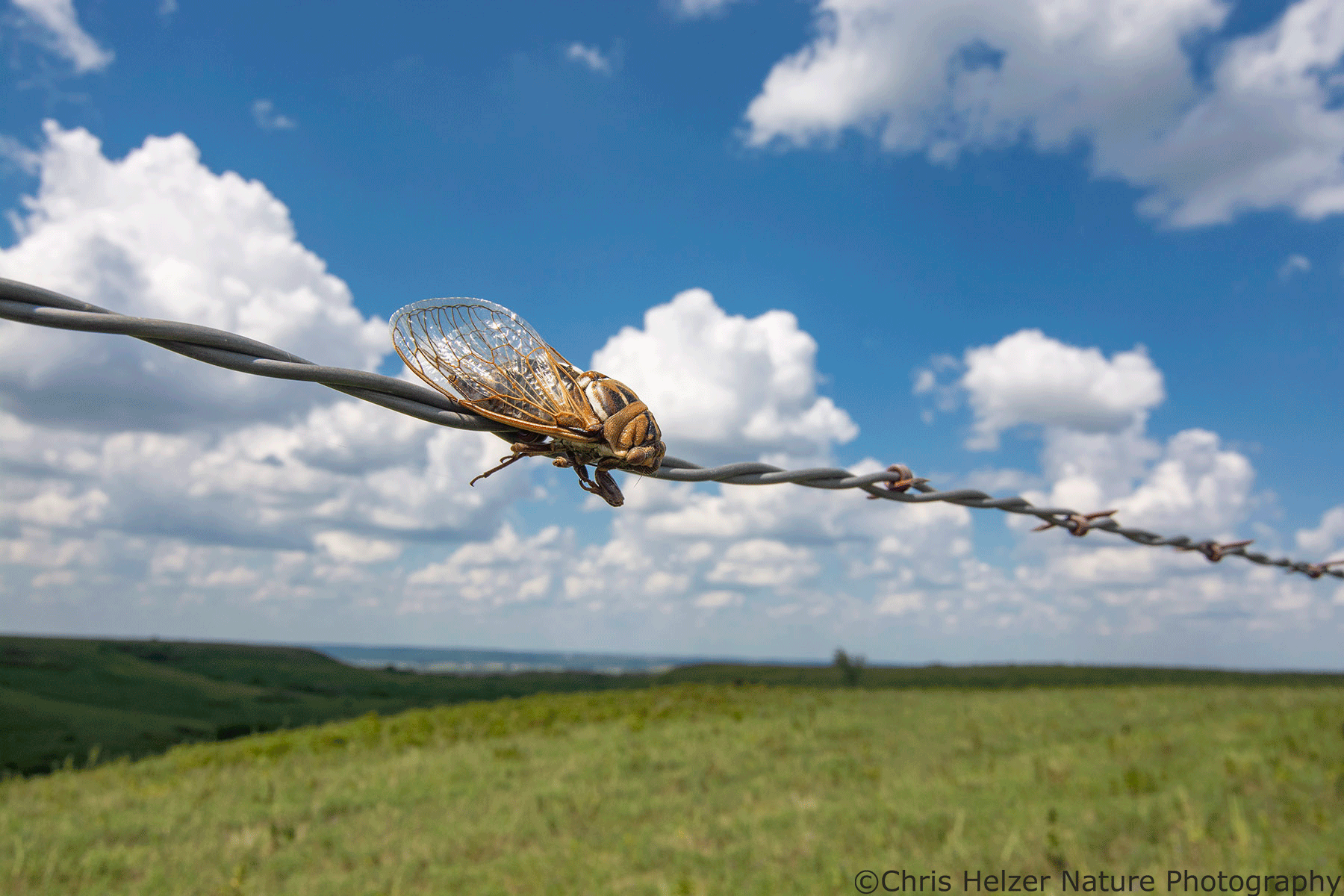
What is the most logical explanation for why this dead cicada is stuck to this barbed wire fence?

A. It was put there by a loggerhead shrike

B. It’s not a cicada, it’s a legless lizard

.

Wouldn’t it be appropriate to end this quiz with a photo of an actual legless lizard?

A. Yes