Chris Helzer is Director of Science and Stewardship for The Nature Conservancy in Nebraska, where he conducts research and supervises the Conservancy’s preserve stewardship program. He also helps develop, test, and share prairie management and restoration strategies.
Chris is also dedicated to raising awareness about the value of prairies through his photography, writing and presentations. He is the author of The Prairie Ecologist blog, and two books: The Ecology and Management of Prairies and Hidden Prairie: Photographing Life in One Square Meter. He is also a frequent contributor to NEBRASKAland magazine and other publications. Chris and his family live in Aurora, Nebraska.
This is one of those seasons when it always feels we’re on a rollercoaster of temperatures. Within the last week and a half or so, we’ve had everything from sub-zero temperatures to 80 degrees F. I’ve done some photography at both ends of that range, including the frozen river shots I shared a week ago. Here are some more examples from both the cold and hot extremes. I’ll start with the cold end first.
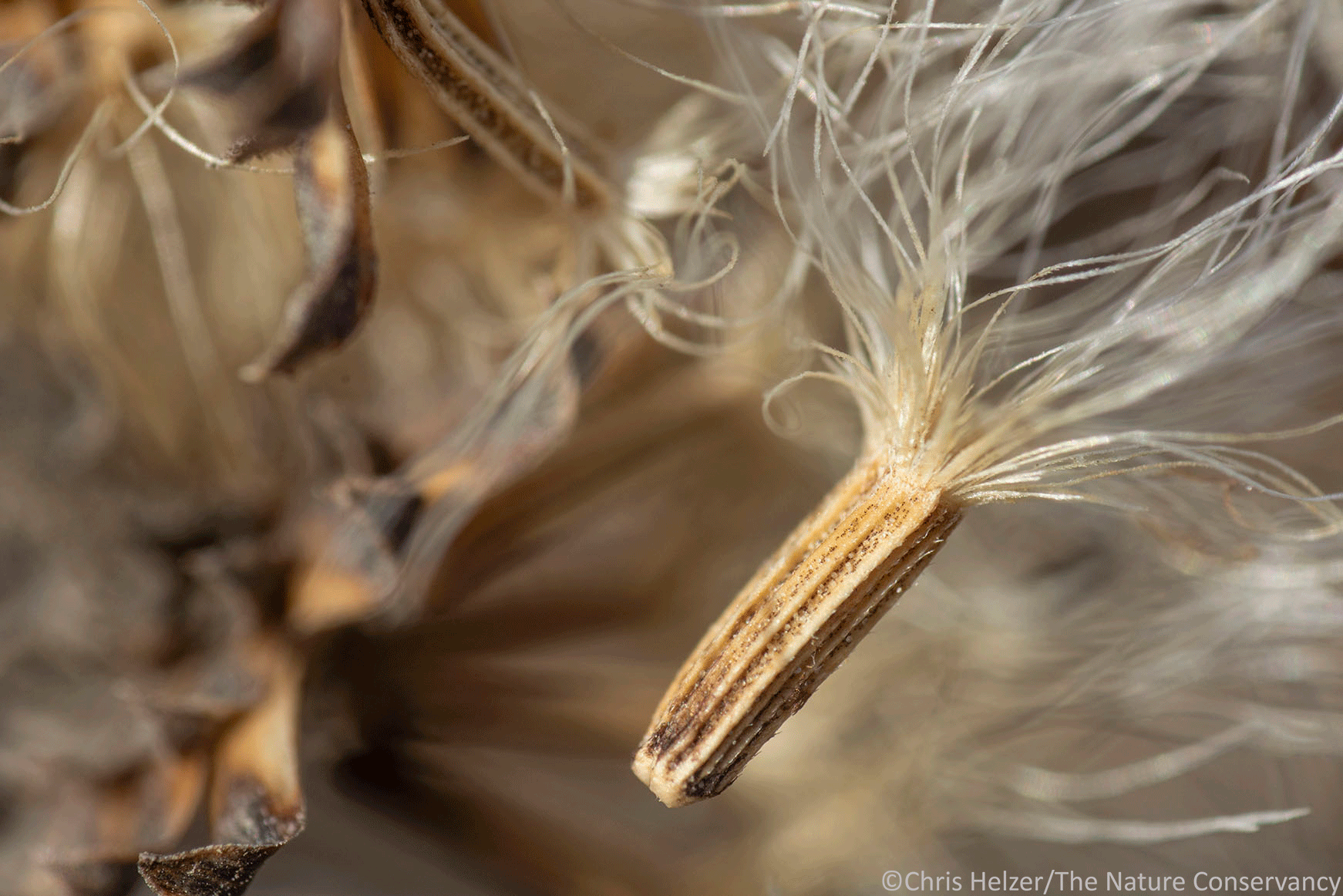
Ironweed seed (Vernonia fasciculata) at our family prairie. Nikon 105mm macro lens. ISO 400, f/16, 1/160 sec.More ironweed seeds at our family prairie. Nikon 105mm macro lens. ISO 400, f/16, 1/160 sec.Cottonwood leaf and ice on Lincoln Creek in Aurora, NE. Nikon 10.5mm fisheye lens. ISO 400, f/22, 1/160 sec.Cottonwood leaf with a skiff of snow on Lincoln Creek. Nikon 105mm macro lens. ISO 400, f/16, 1/125 sec.
The cottonwood leaves above were photographed when the temperature was hovering around 1 or 2 degrees F and it was nice and breezy to boot. I layered up and scampered down the banks to the frozen surface of Lincoln Creek here in town. I had fun tracking down a beaver lodge and dam while photographing leaves and other errata.
Below is a series of photos from Wednesday evening. I finished up what I needed to do for work by late afternoon and drove out to our family prairie to take advantage of the 80 degree temperatures. I didn’t get as many photos as I was hoping for, but had a lot of fun wandering around anyway. I spent a lot of time along the edge of the pond, where I watched bullfrogs, spiders, water boatmen, flies, and some tiny beetle-like insects I couldn’t ever get near enough to identify. The light was a little too harsh for photography until it got pretty close to the horizon, at which point it sent me some gorgeous golden color to work with.
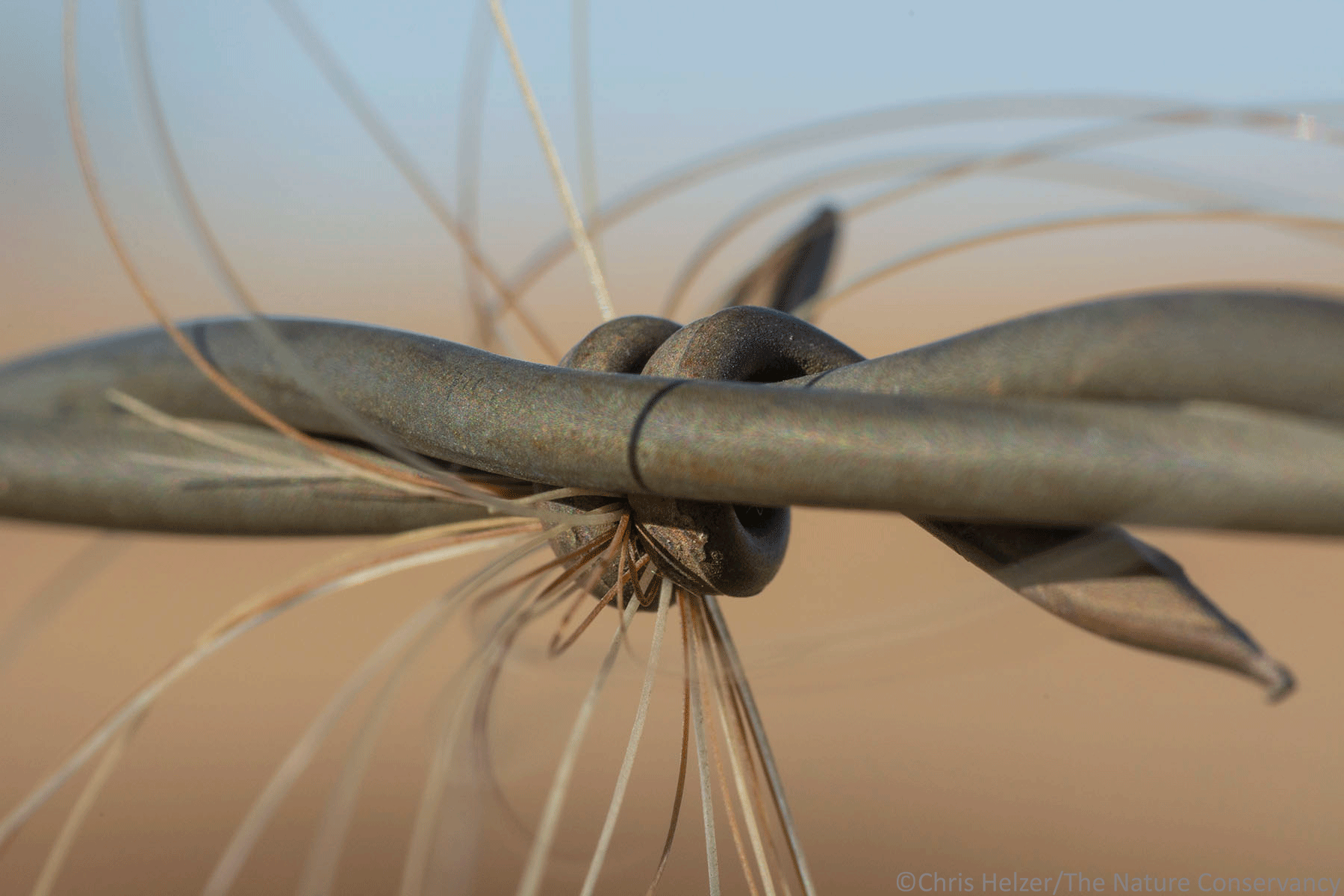
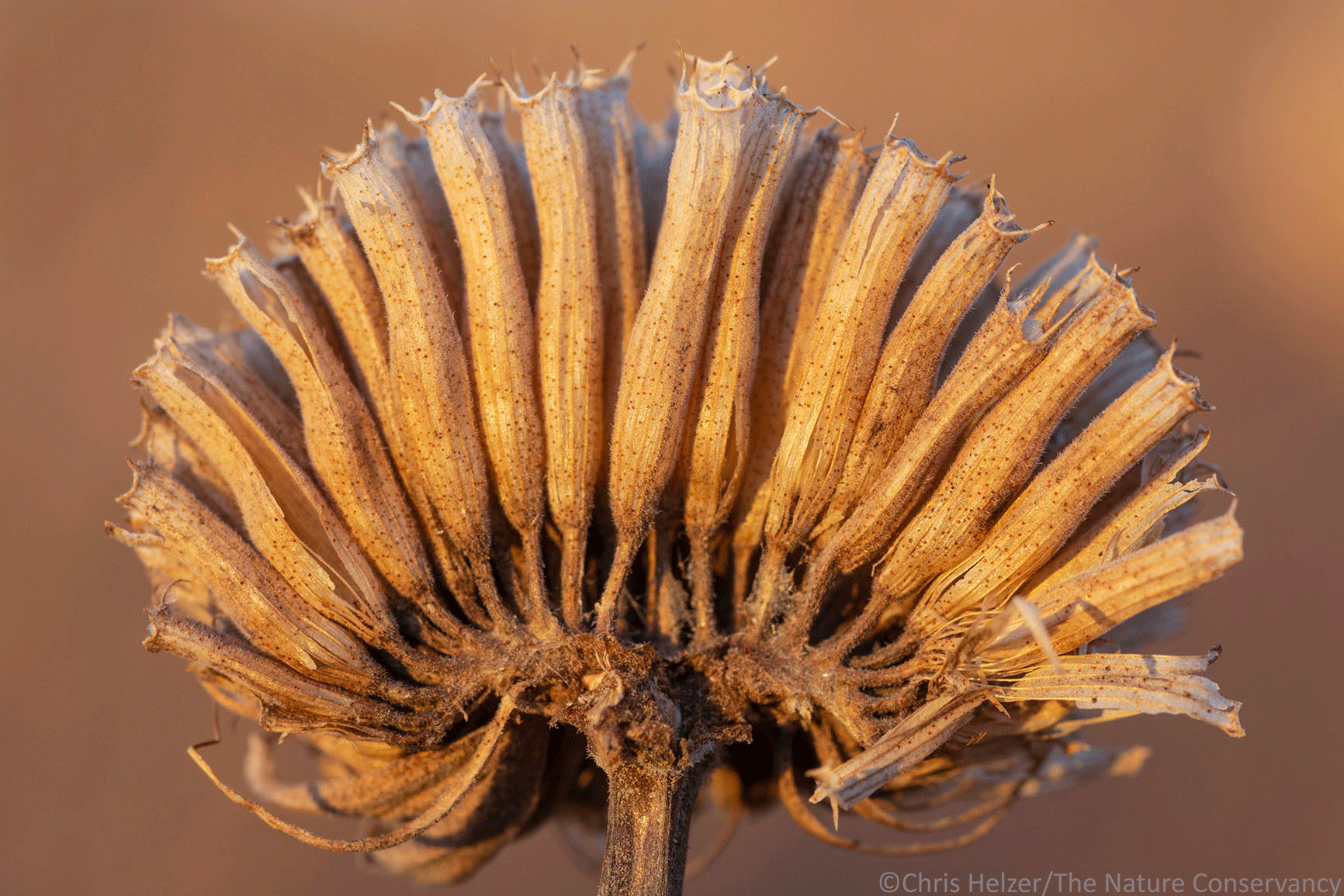
Cow hair in barbed wire fence. Nikon 105mm macro lens. ISO 400, f/22, 1/200 sec.A downy feather from a goose (?) near the edge of the pond. Nikon 105mm macro lens. ISO 400, f/22, 1/160 sec.Half a head of wild bergamot (Monarda fistulosa), showing the long tubes that contain the plant’s seeds. Nikon 105mm macro lens. ISO 400, f/16, 1/60 sec.A sunflower head (Helianthus annuus) in late day light. Nikon 105mm macro lens. ISO 400, f/22, 1/125 sec.
Grasshoppers and katydids provide abundant and nutritious food to many birds and other animals. That works out great for those other animals, but if you’re a grasshopper or katydid, it behooves you to not stand out in a crowd (or a prairie). There are countless examples of great camouflage in the insect world, but I’ve always particularly appreciated the evolved ability of orthopterans to blend into the background. Of course, that sometimes makes photography a challenge, but not in a bad way.
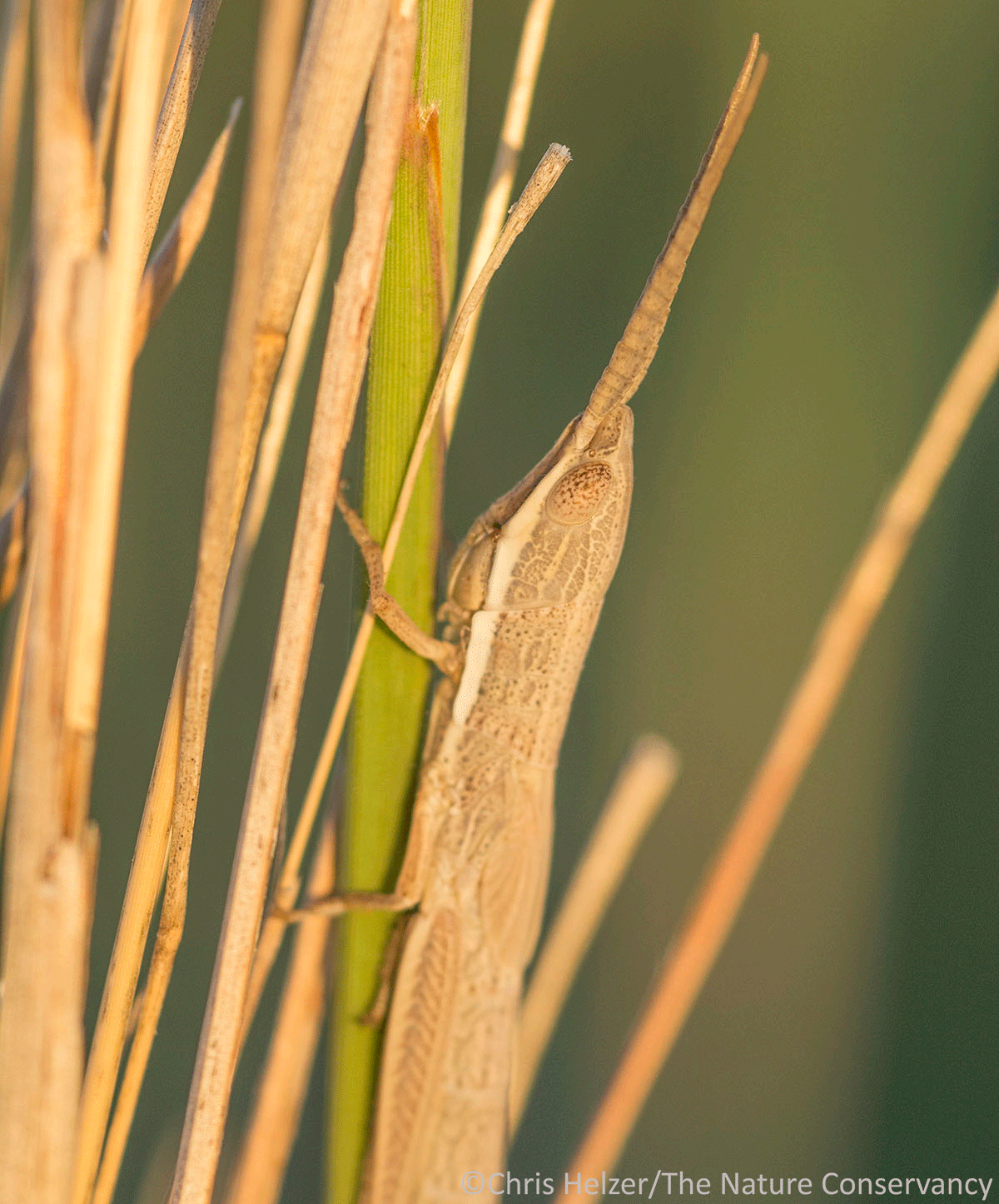
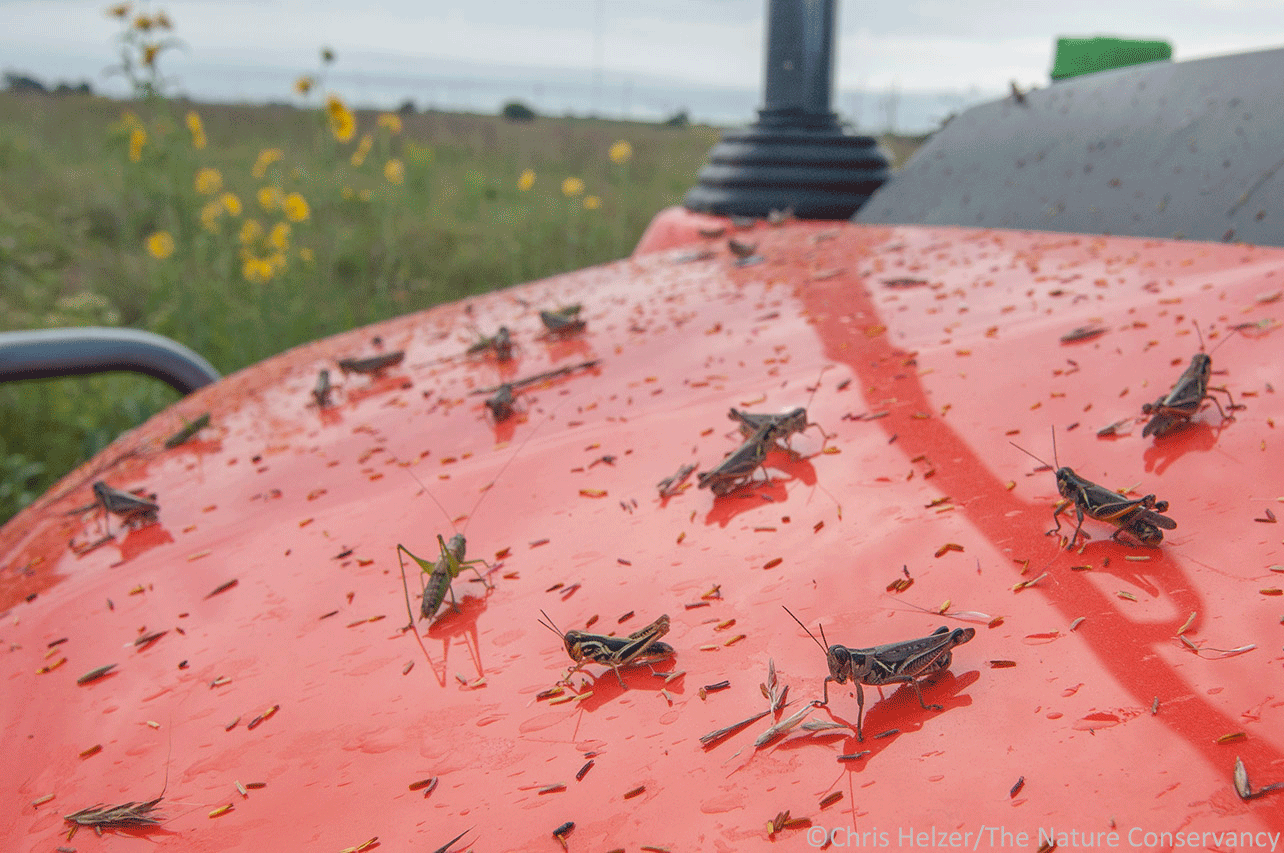
This toothpick grasshopper would have been nearly impossible to spot if I hadn’t seen it hop away from my feet and into this clump of grass.Sometimes, grasshoppers are so abundant that it’s not possible to ignore them, especially in late summer prairies when many species are mature adults and explode from their perches like popcorn in front of a hiker or vehicle.
Grasshoppers don’t rely solely on hiding for survival, of course. They are also incredible jumpers, with the ability to instantly propel themselves impressive distances through the air when they feel threatened. If they’re caught, they can also expel gross substances out of both ends of their bodies to make predators rethink their choices.
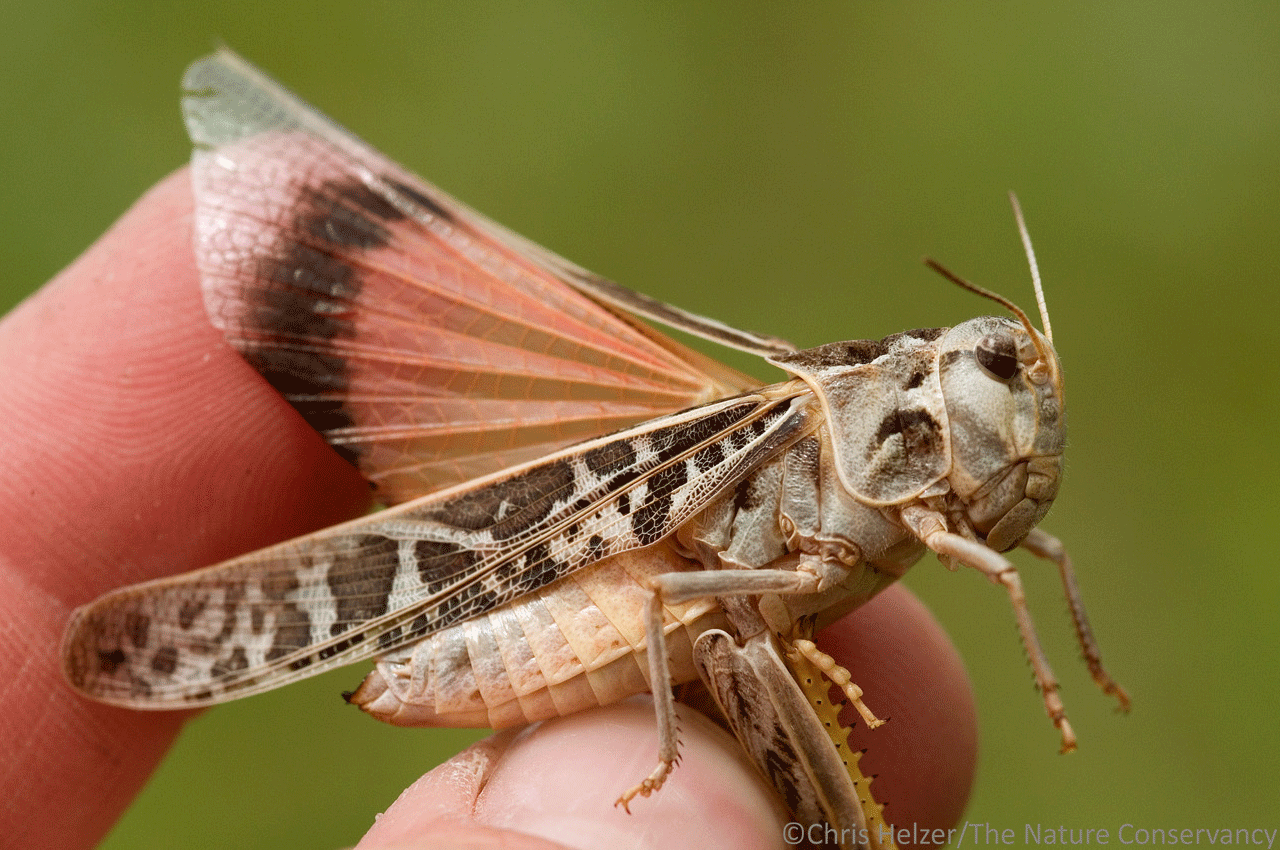
Mature band-winged grasshoppers flash colorful wings and make a loud ‘clacking’ sound as they flee (by jumping into the air and flying), which must be awfully startling and distracting to potential predators. If the strategy works, the predator won’t see exactly where the grasshopper lands and its incredible camouflage makes it difficult to find again. (This strategy also works on photographers, by the way, not just predators.)
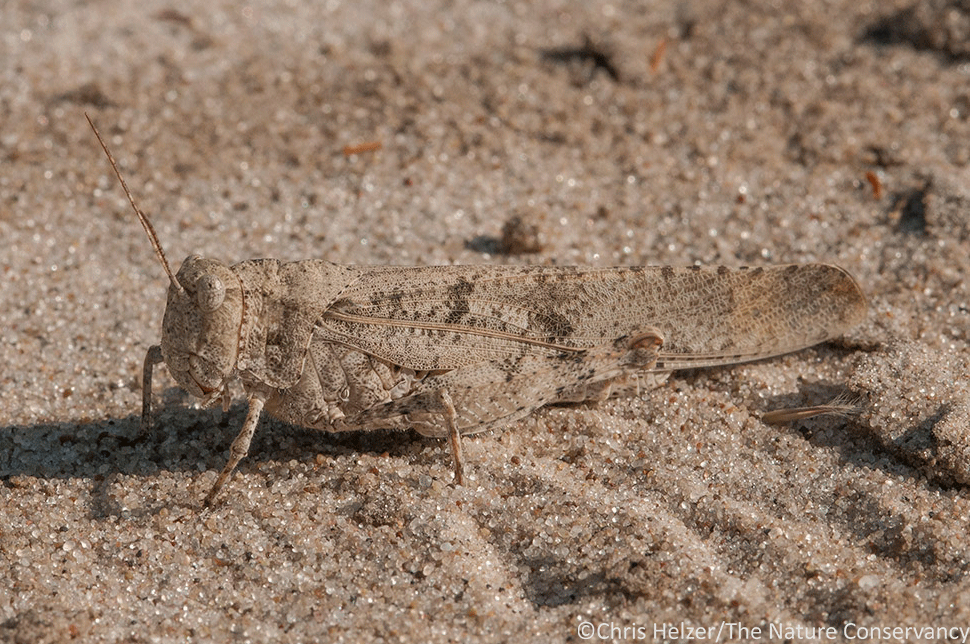
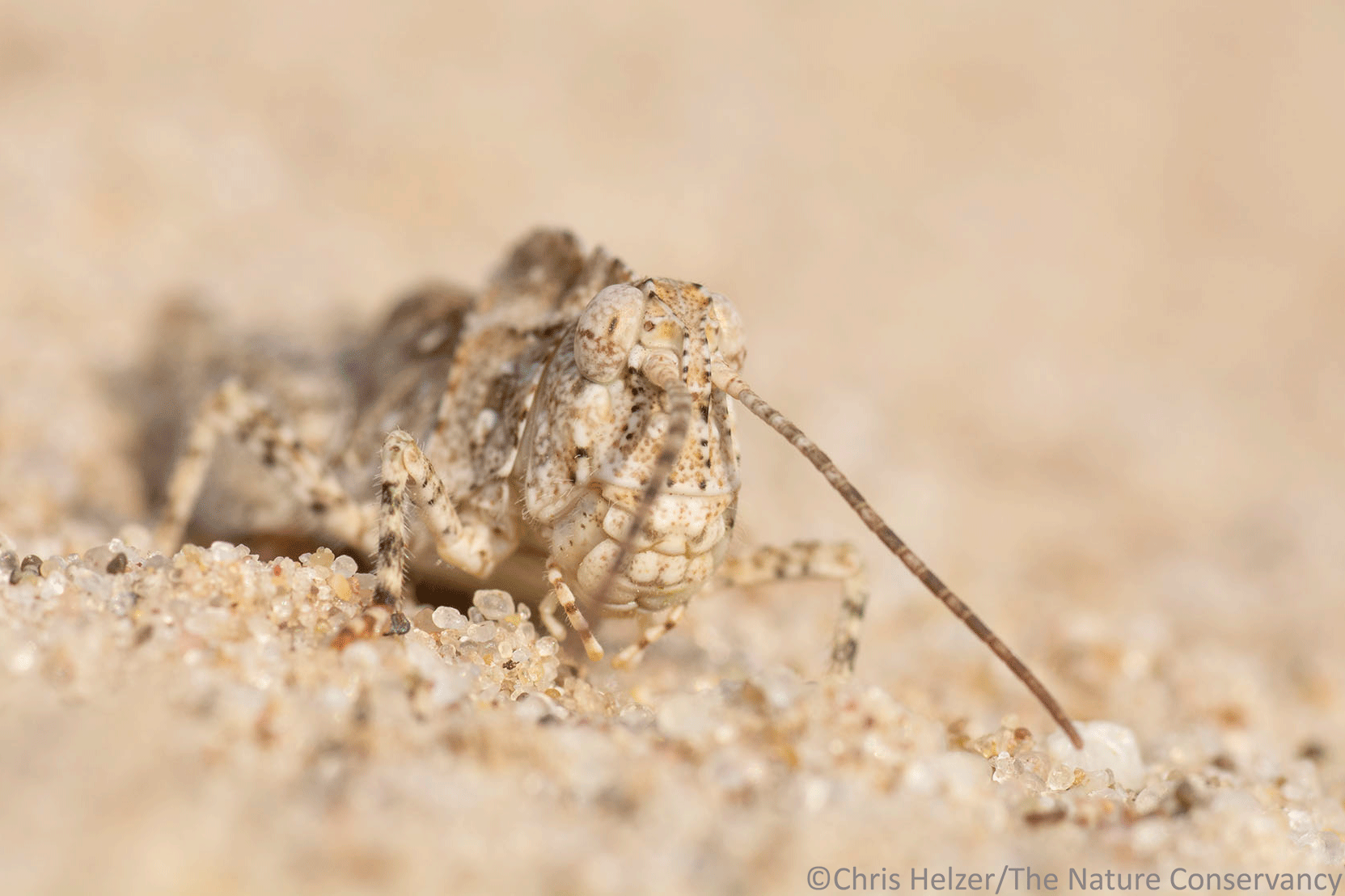
I see frequently see several species of band-winged grasshoppers in the Nebraska Sandhills. They’re particularly adept at hiding in the bare sandy patches between plants. This band-winged grasshopper is basically just a lump of sand with antennae…When adult band-winged grasshoppers flee, however, they switch from a hide strategy to s startle strategy, deploying colorful wings and a loud distracting clacking sound as they hop/fly away.
Grasshoppers are a much more diverse and interesting group of insects than they’re often given credit for. They have complex communication strategies, for example, including both visual and auditory signals. Many people might also be surprised to know that not all grasshoppers eat grass. In fact, quite a few grasshoppers are quite specialized in their diet choices and a lot of them feed on broad-leaved plants instead of grasses.
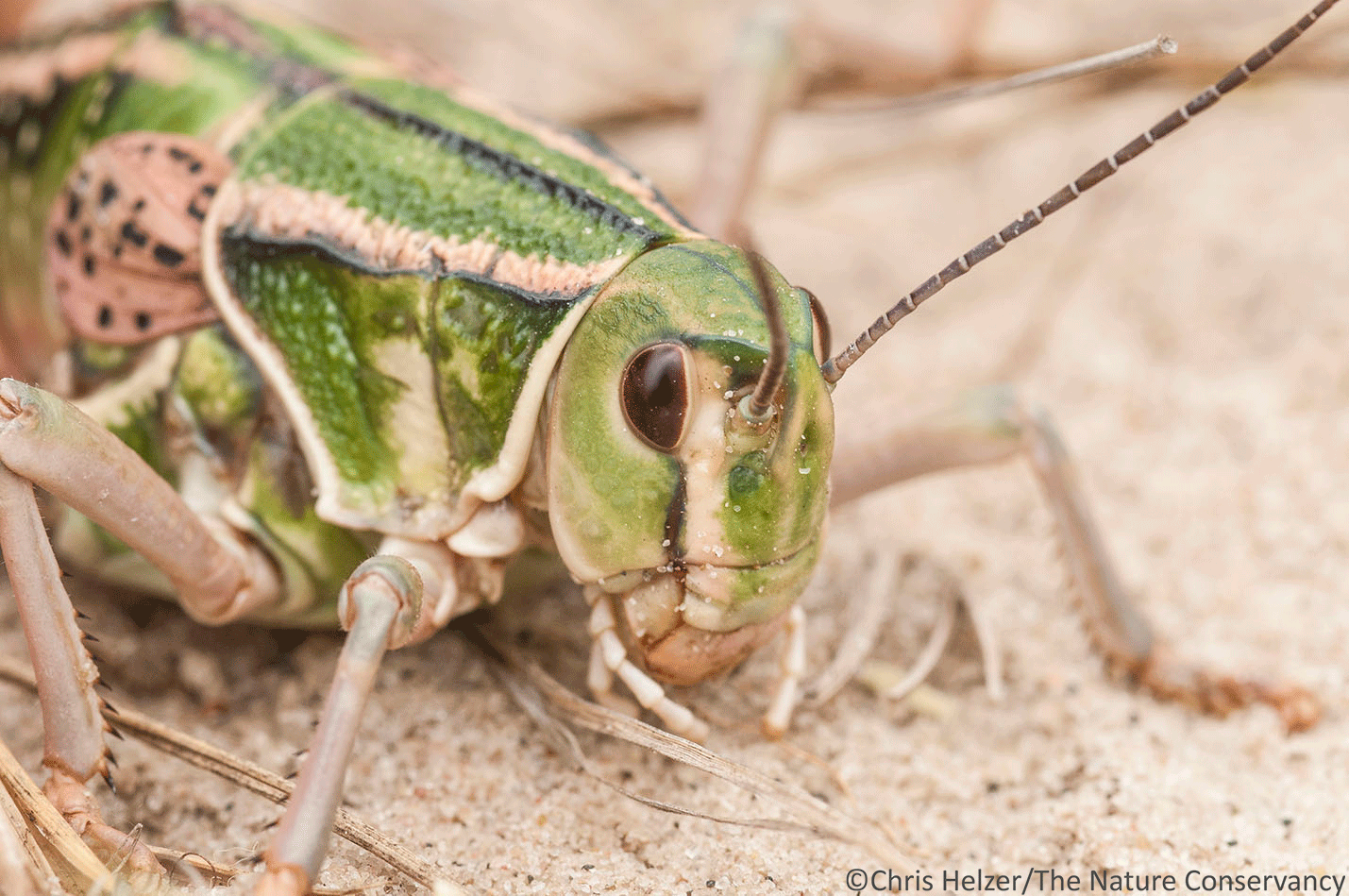
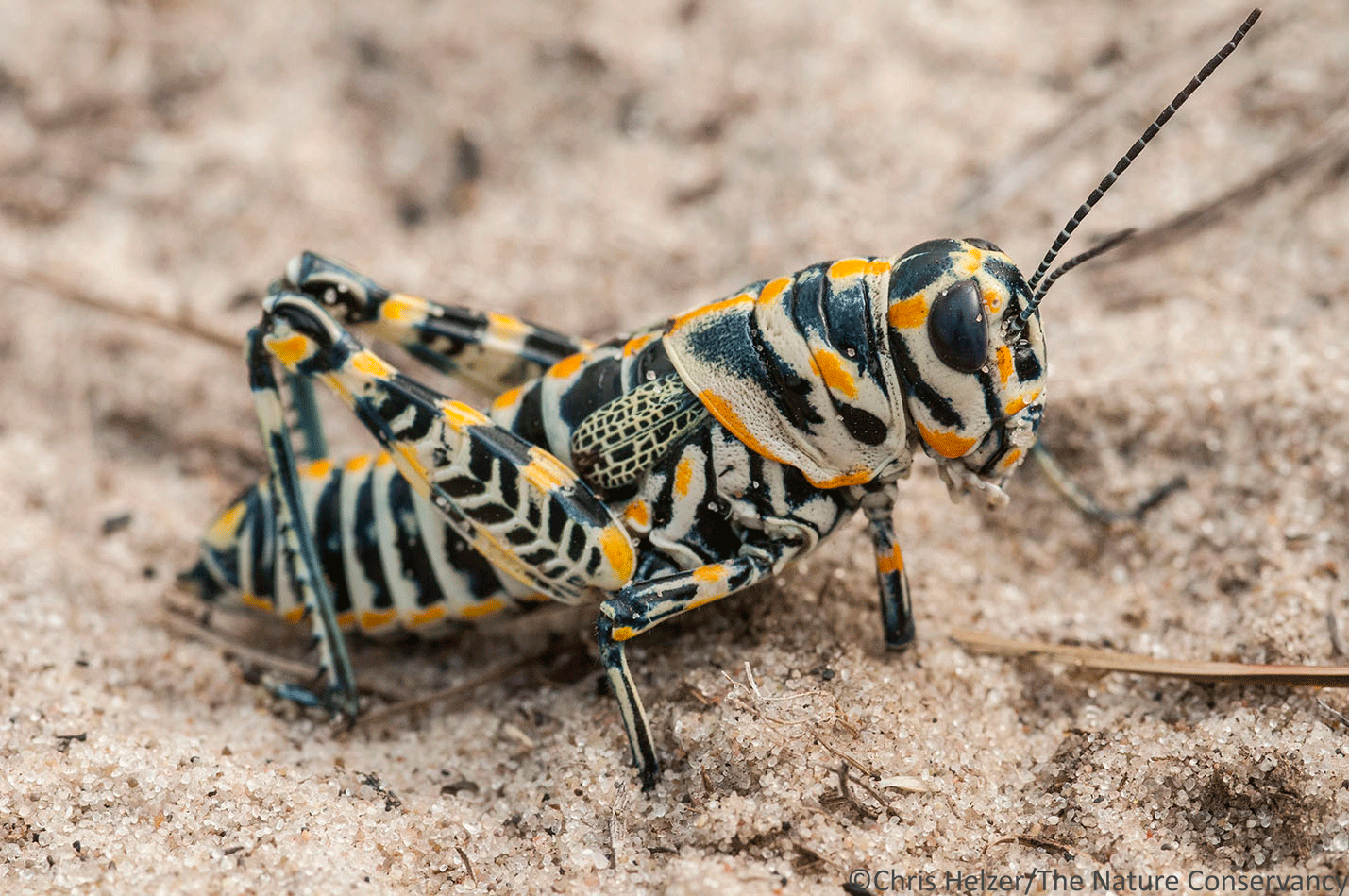
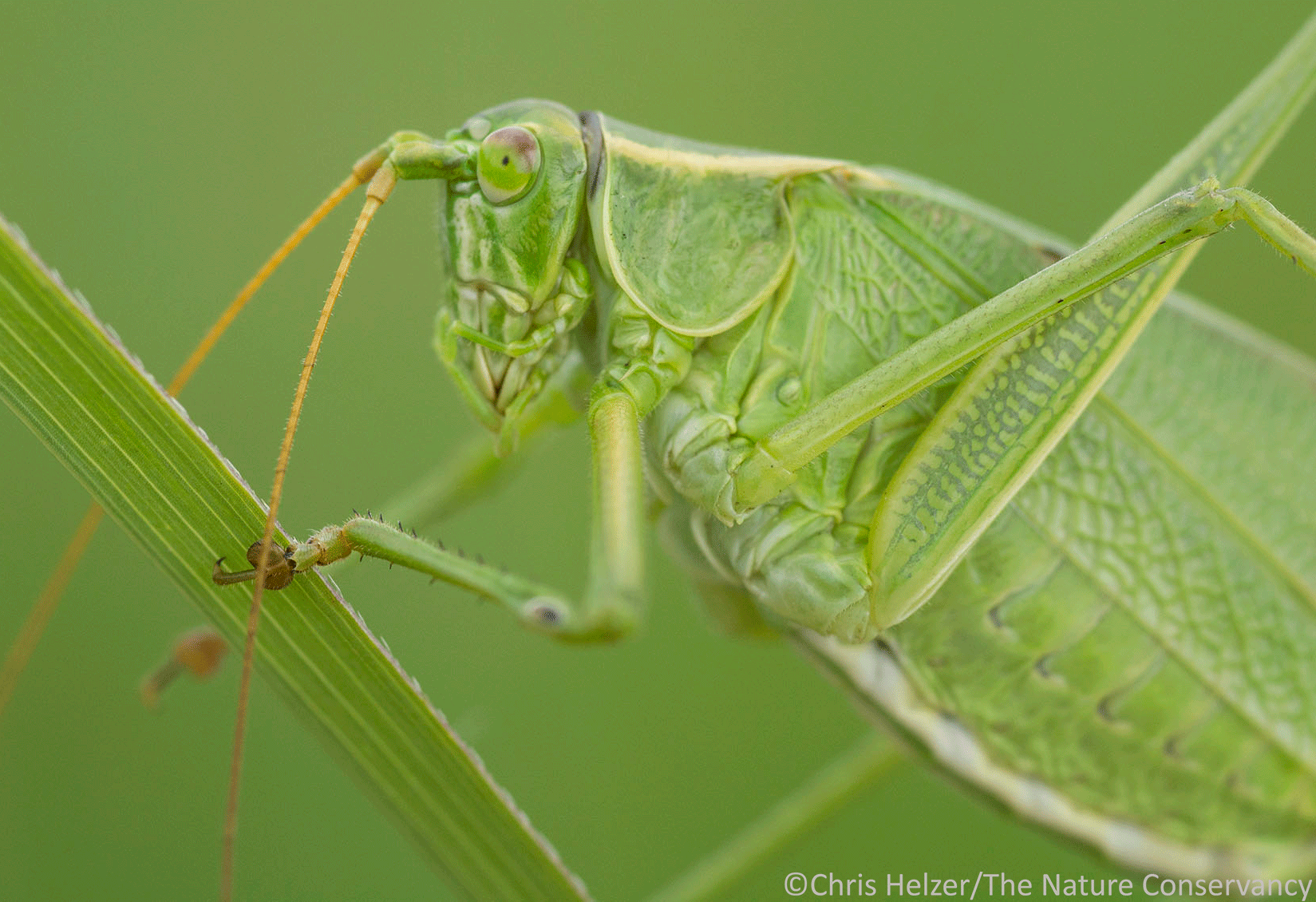
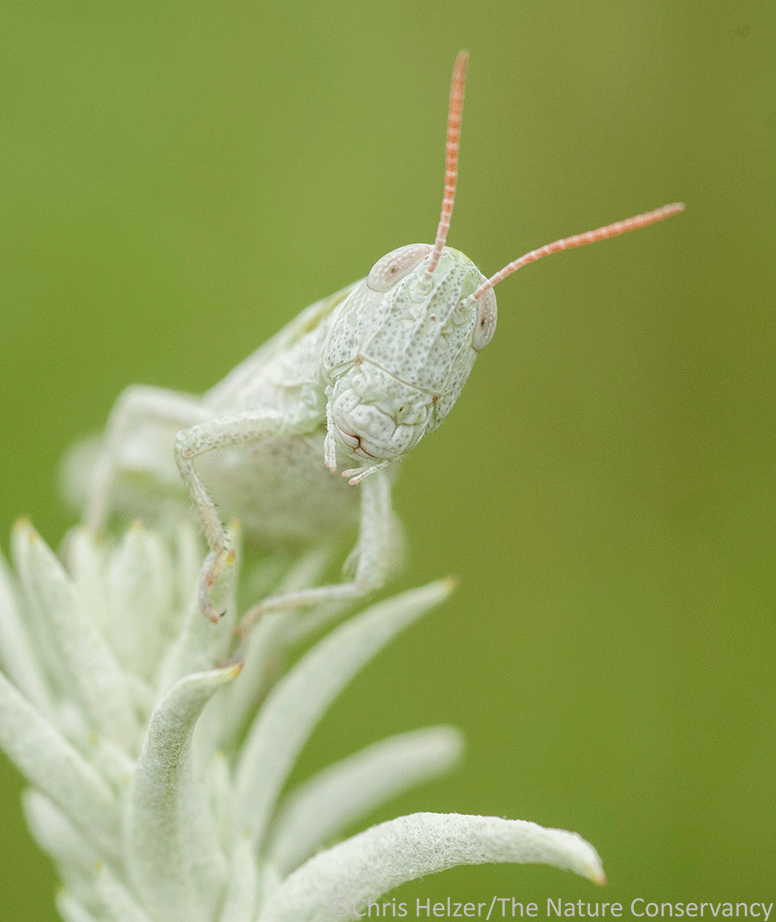
The plains lubber grasshopper (Brachystola magna) is a flightless grasshopper the size of a mouse. Against bare sand, it doesn’t appear particularly hard to see, and it’s size works against it. But…When it’s on its favorite food plant (plains sunflower – Helianthus petiolaris) the plains lubber blends in pretty dang well, despite its size.The painted grasshopper, aka barber pole grasshopper (Dactylotum bicolor) seems like it would be easy to find, but like leopards, they can blend very easily into the shadows and patterns of prairie vegetation.Katydids are no slouches in the camouflage department either. This bush katydid (Scudderia sp.) looks an awful lot like a leaf to someone scanning the prairie for prey.I know I’ve mentioned the cudweed grasshopper (Hypochlora alba) many times on this blog, but it still deserves to be included in any discussion of grasshopper camouflage. Its ability to blend with its favorite food plant (cudweed sagewort – Artemisia ludiviciana) is simply magical.
We’re creeping closer to the beginning of grasshopper season here in Nebraska. Some species overwinter as adults and can be often be found soaking up the sun on warm days in late March or early April. Soon after, they’re joined by many others – of all different sizes and colors. If you’ve never paid special attention to the diversity and beauty of grasshoppers and katydids, maybe this would be a good year to start.







 The Prairie Ecologist