Chris Helzer is Director of Science and Stewardship for The Nature Conservancy in Nebraska, where he conducts research and supervises the Conservancy’s preserve stewardship program. He also helps develop, test, and share prairie management and restoration strategies.
Chris is also dedicated to raising awareness about the value of prairies through his photography, writing and presentations. He is the author of The Prairie Ecologist blog, and two books: The Ecology and Management of Prairies and Hidden Prairie: Photographing Life in One Square Meter. He is also a frequent contributor to NEBRASKAland magazine and other publications. Chris and his family live in Aurora, Nebraska.
Quick note – don’t forget our public field day at the Platte River Prairies will be Saturday July 8. Detailed schedule coming soon, but there will be opportunities to learn about plants, birds, mice, invertebrates, prairie restoration and management, and more! The event runs from 7:15am to 2pm and you can come and go as you like. Also, it’s free!
Wow, June has been busy. Attending the North American Prairie Conference next week isn’t going to slow things down, but I’m looking forward to it. Maybe I’ll see you there.
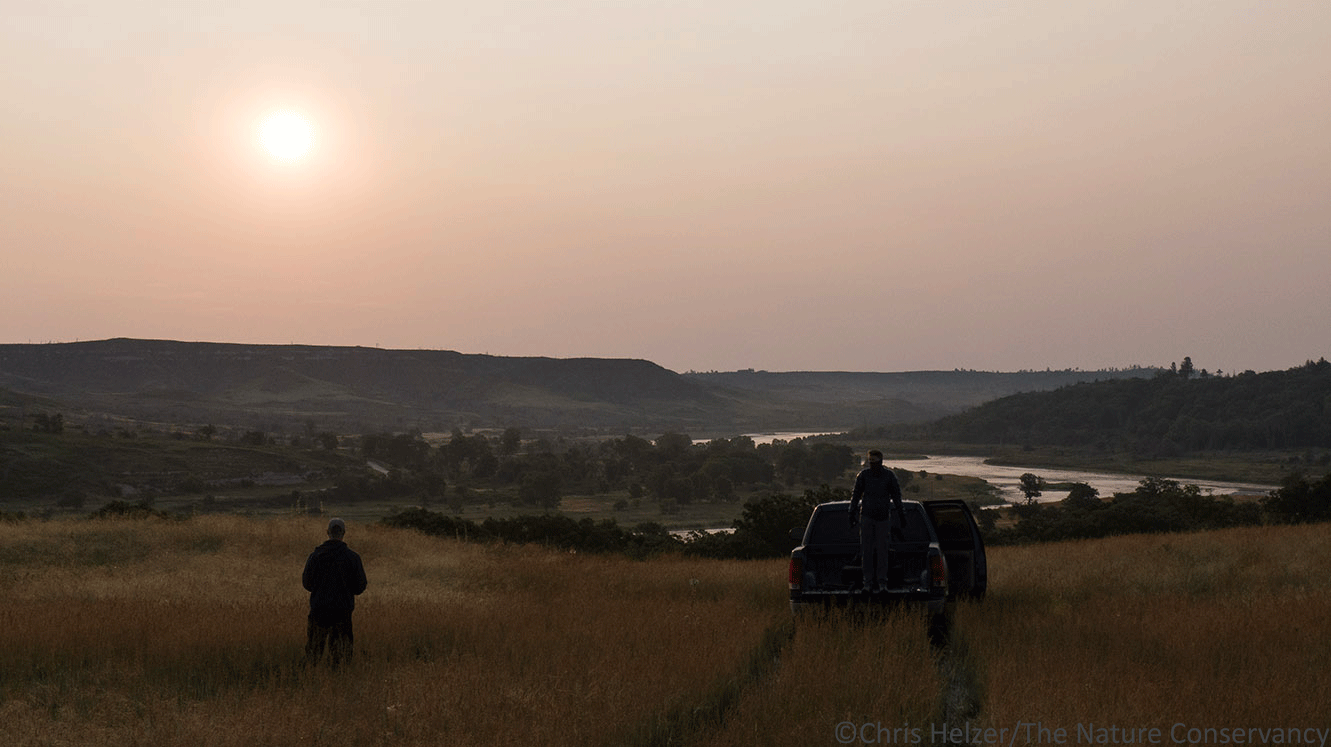
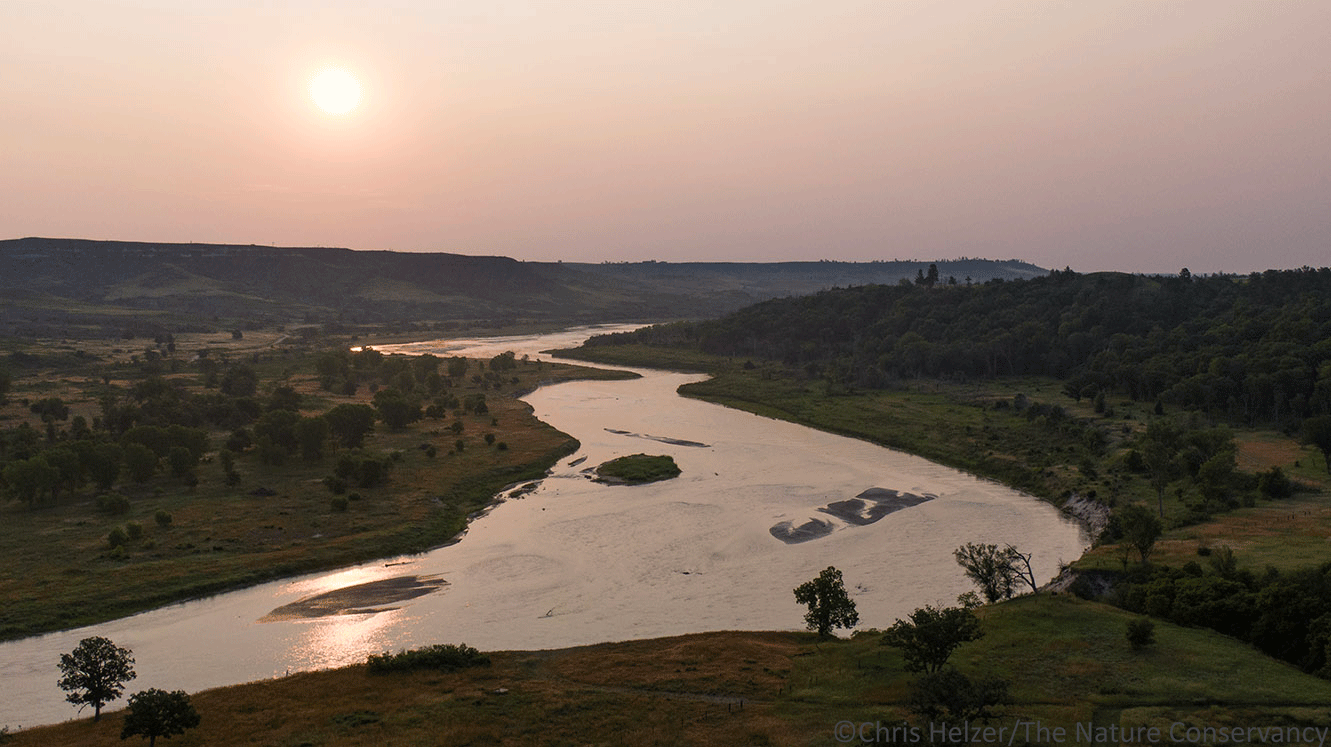
Don’t get me wrong, it’s been a great month, including a productive trip to the Niobrara Valley Preserve last week. I’m sharing just a sliver of the photos from that trip here today. I’d tell you more about it, but see the previous paragraph.
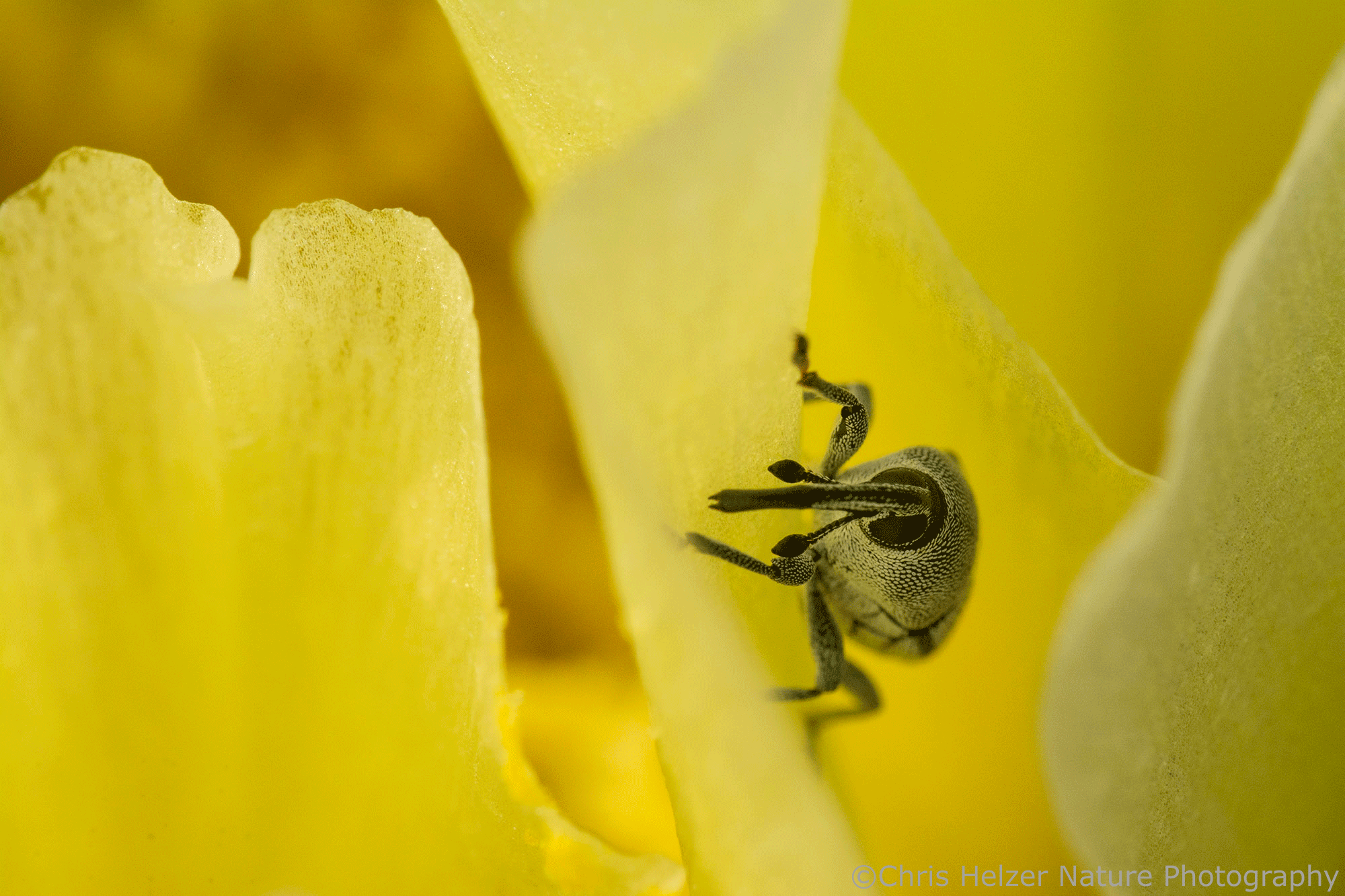
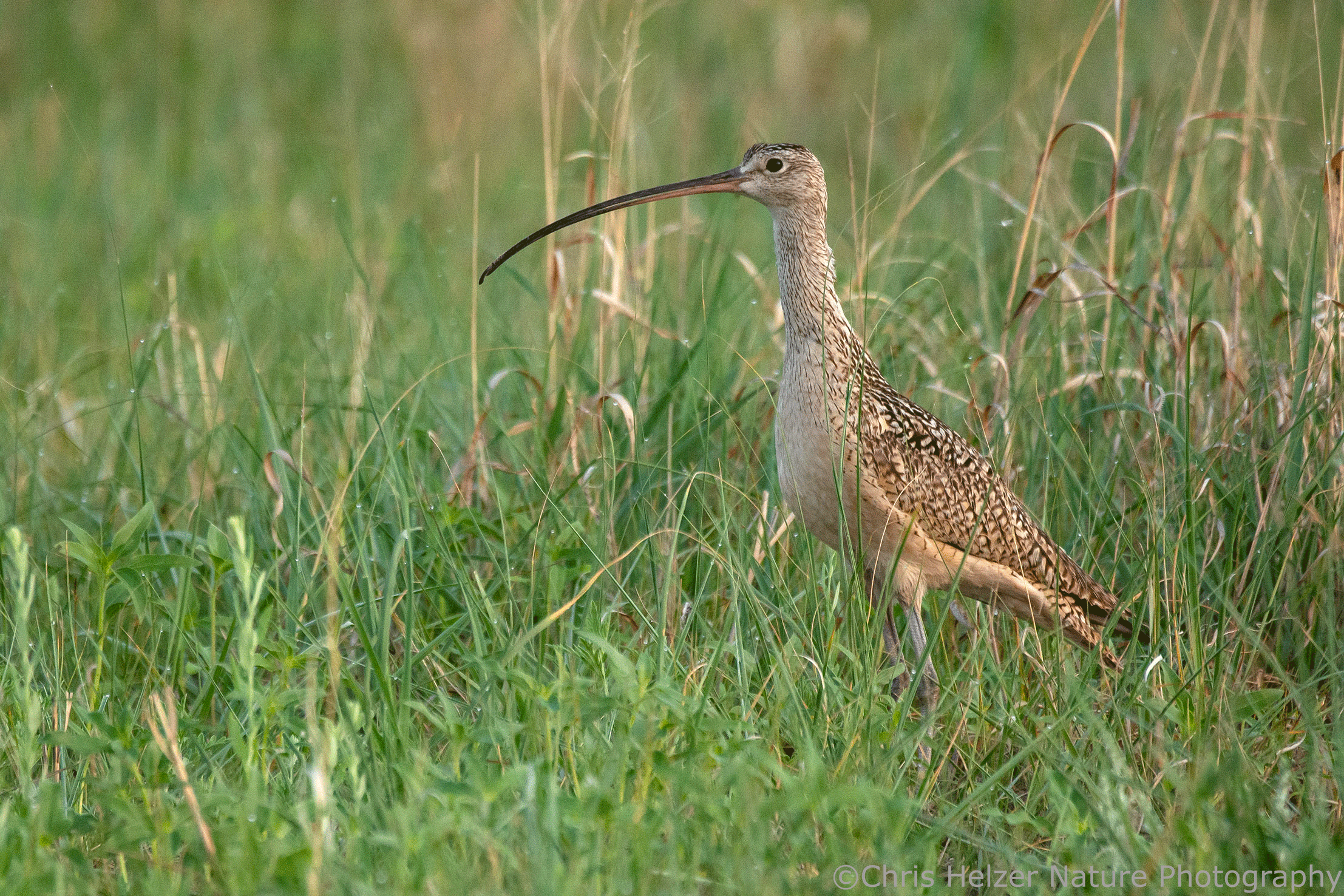
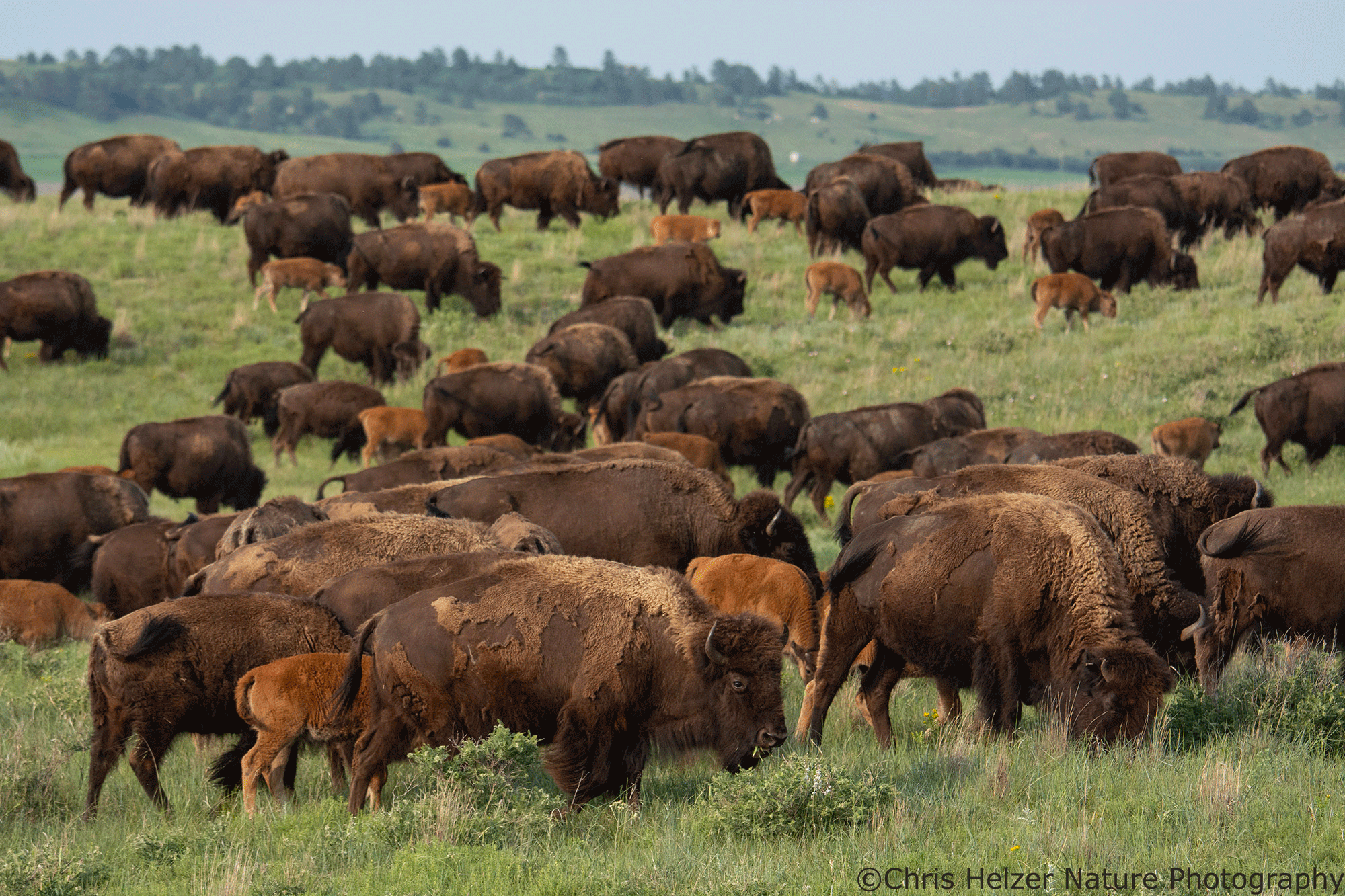
Prairie larkspur (Delphinium virescens) at sunset.Stick insect on porcupine grass.Prickly pear cactus (Opuntiahumifus).Weevil in cactus flower. There was an even cooler weevil, but I didn’t get a shot of it. This, then, was the lesser of two weevils. Good night now!Long-billed curlew. Despite appearances, it didn’t tip over forward even once.Fog in the Niobrara River valley.More fog in the same valley.Pronghorn.Bison. (You probably knew that)Scarlet gaura (Gaura coccinea)A profusion of flowers in a pasture where drought, fire, and grazing all coincided last year. A wet winter and good rains so far this year triggered the explosion.Self-portrait (by drone) of me as a drone pilot (I’m the bearded guy wearing the TNC shirt. On the left. I’m looking down at the controller and view screen. This is too much explanation of a self-portrait.)The drone photo I took shortly after the self-portrait.A photograph taken shortly after the self-portrait, but from the ground with a telephoto lens.
Last weekend, I was honored to be a speaker and hike leader at the annual Loess Hills Prairie Seminar near Onawa, Iowa. It was inspiring and energizing to be around 100 or so other people who were fascinated by, and trying to learn more about prairies. If you have the opportunity to attend this event in the future, I highly recommend it.
Sunday morning, I woke before sunrise and climbed a prairie ridge at the Loess Hills Wildlife Management Area. I’d scouted it the previous afternoon and knew the sun would light it up beautifully if the weather forecast held true. It did and it did.
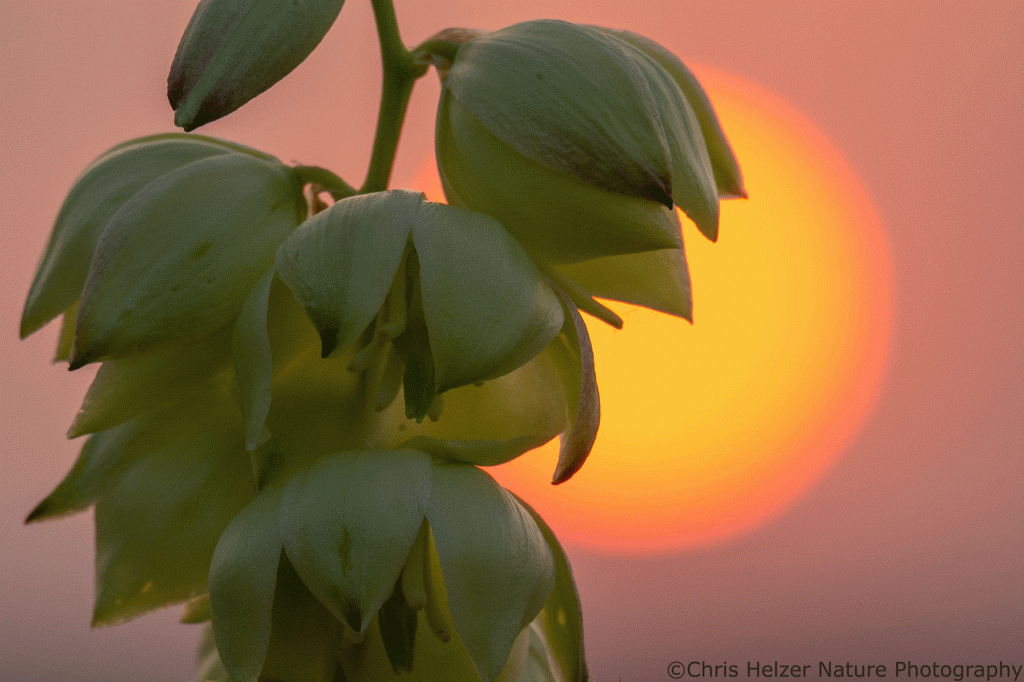
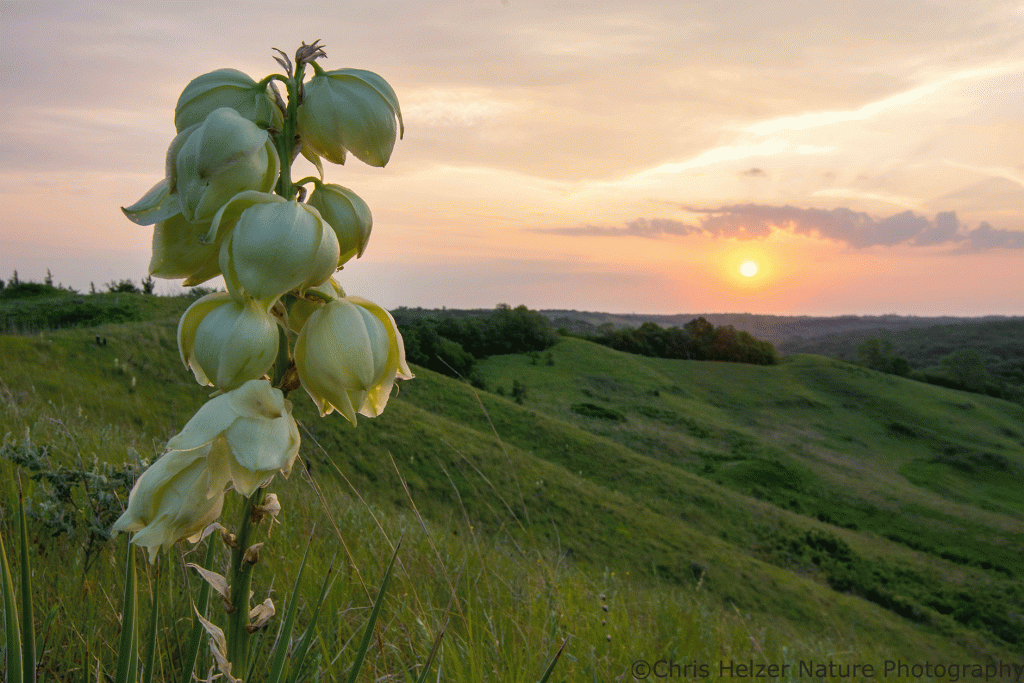
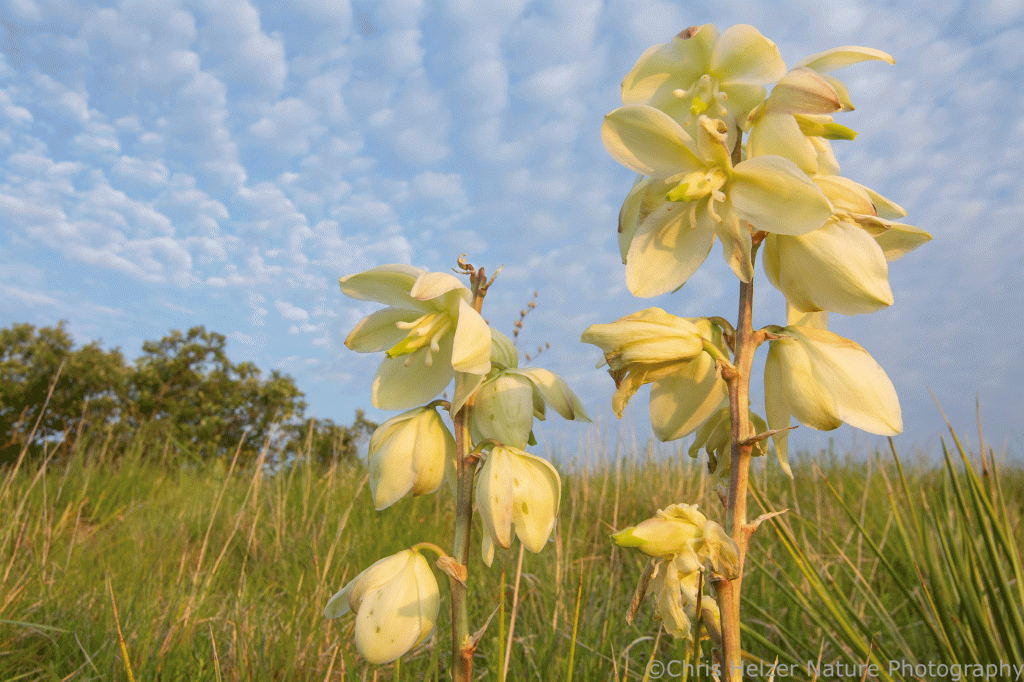
Yucca (Yucca glauca) flowers at sunrise – version1. Tamron 100-400mm lens @400mm. ISO 800, f/9, 1/500 sec.Yucca (Yucca glauca) flowers at sunrise – version 2. Tamron 100-400mm lens @270mm. ISO 800, f/9, 1/500 sec.Yucca (Yucca glauca) flowers at sunrise – version 3. Tamron 100-400mm lens @270mm. ISO 800, f/6.3, 1/500 sec.
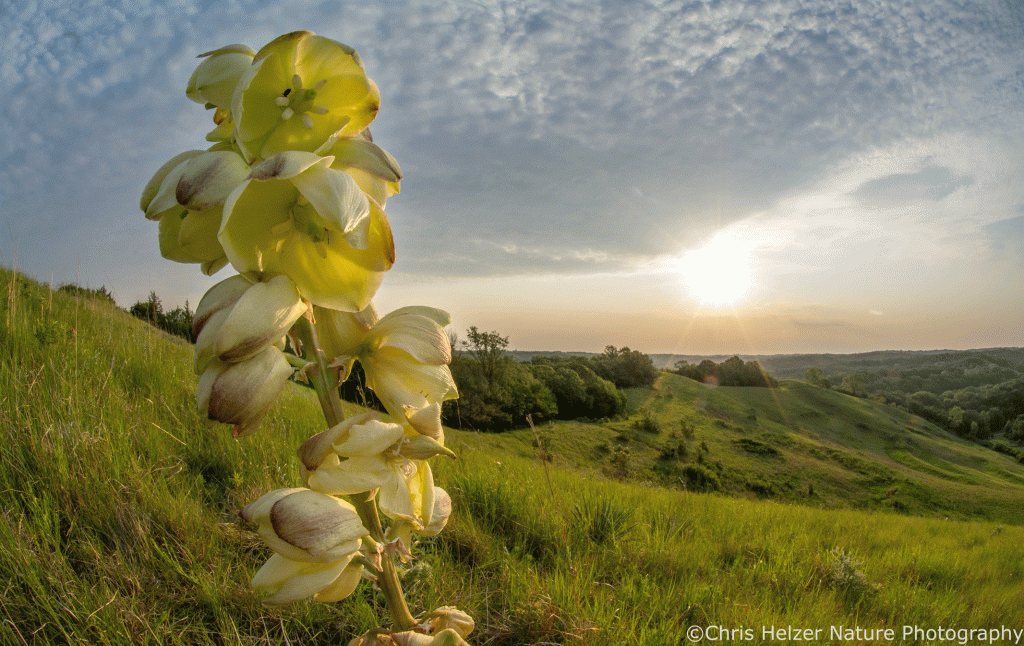
The prairie had quite a few blooming yucca plants, as did lots of other hills in the neighborhood. There were other flowers, too, but it was really hard to ignore the visual power of the yucca plants. I didn’t try very hard to ignore them. As the sun first peeked above the horizon, I grabbed my long telephoto and played around with various compositions that included the sun behind yucca flowers. Following that, I tried other lenses and perspectives until the sun finally rose high enough that it lost most of its color.
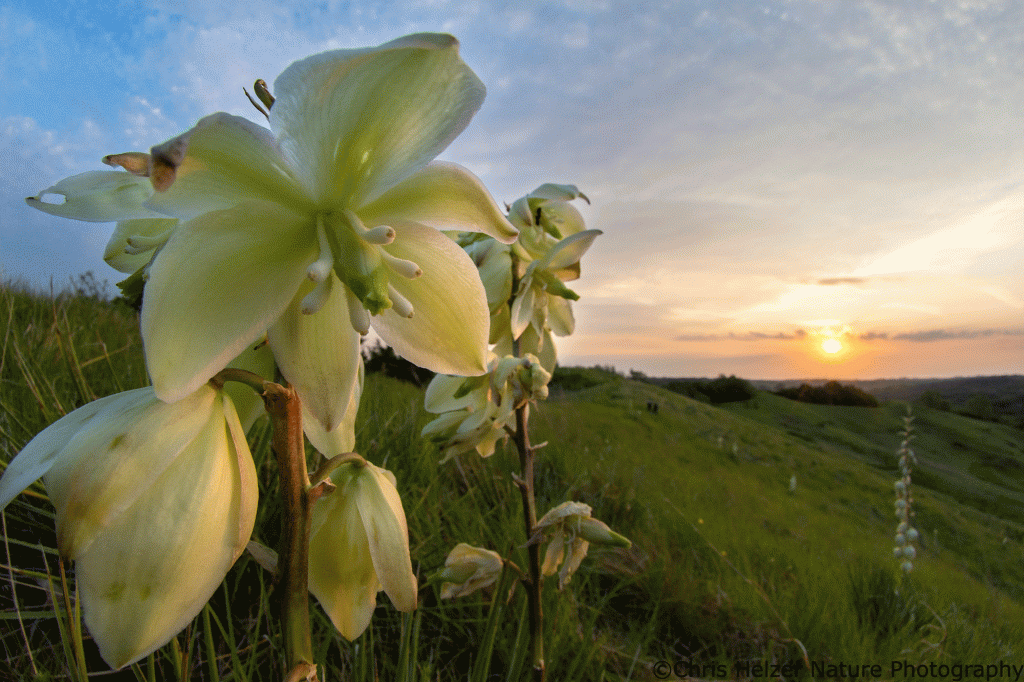
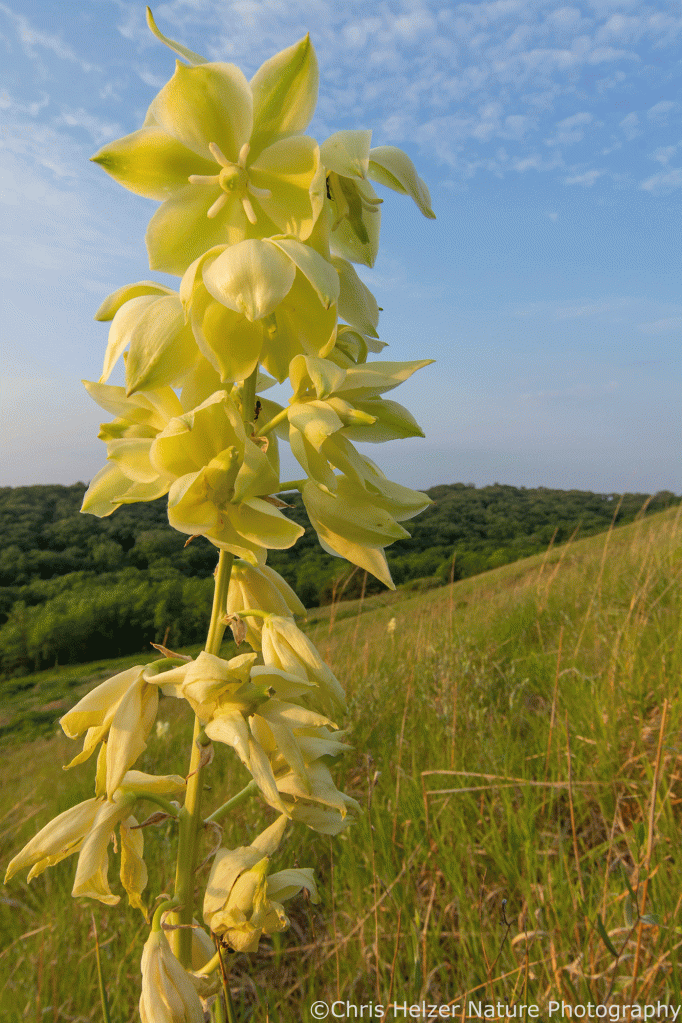
Yucca (Yucca glauca) flowers in the Iowa Loess Hills at sunrise. Tokina 11-20mm wide angle lens @20mm. ISO 500, f/16, 1/50 sec.Yucca (Yucca glauca) flowers in the Iowa Loess Hills at sunrise. Nikon 10.5mm fisheye lens. ISO 500, f/13, 1/125 sec.Yucca and clouds. Tokina 11-20mm wide angle lens @20mm. ISO 500, f/14, 1/125 sec.
I switched lenses and focused on the individual flowers for a while, appreciating their unique architecture. However, I kept seeing potential wide-angle shots too, so I rotated through lenses quite a bit during the next hour or so.
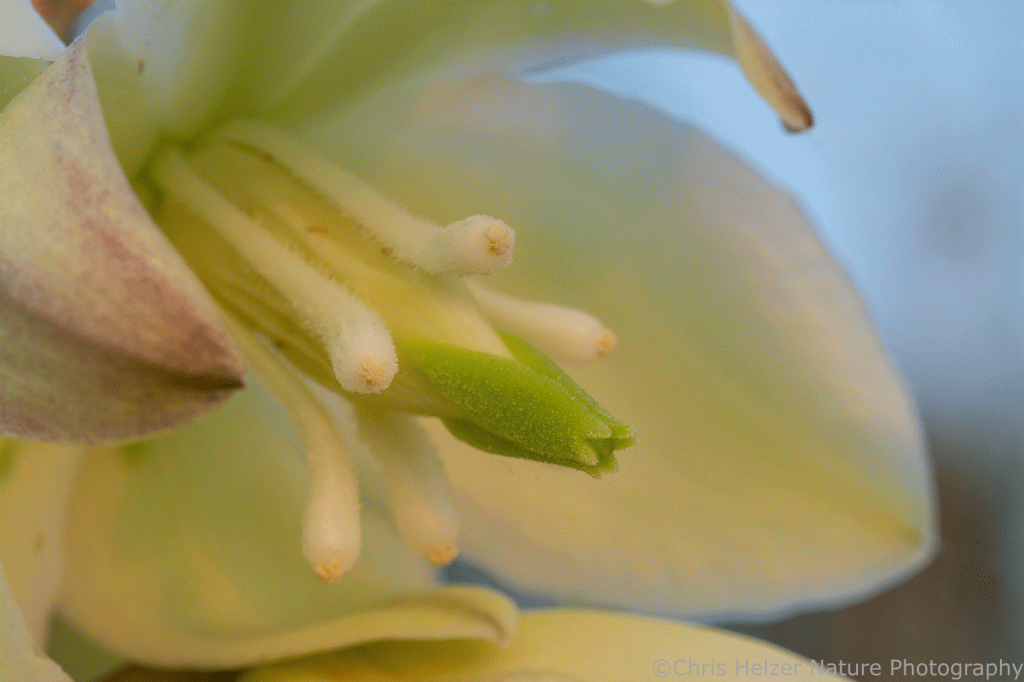
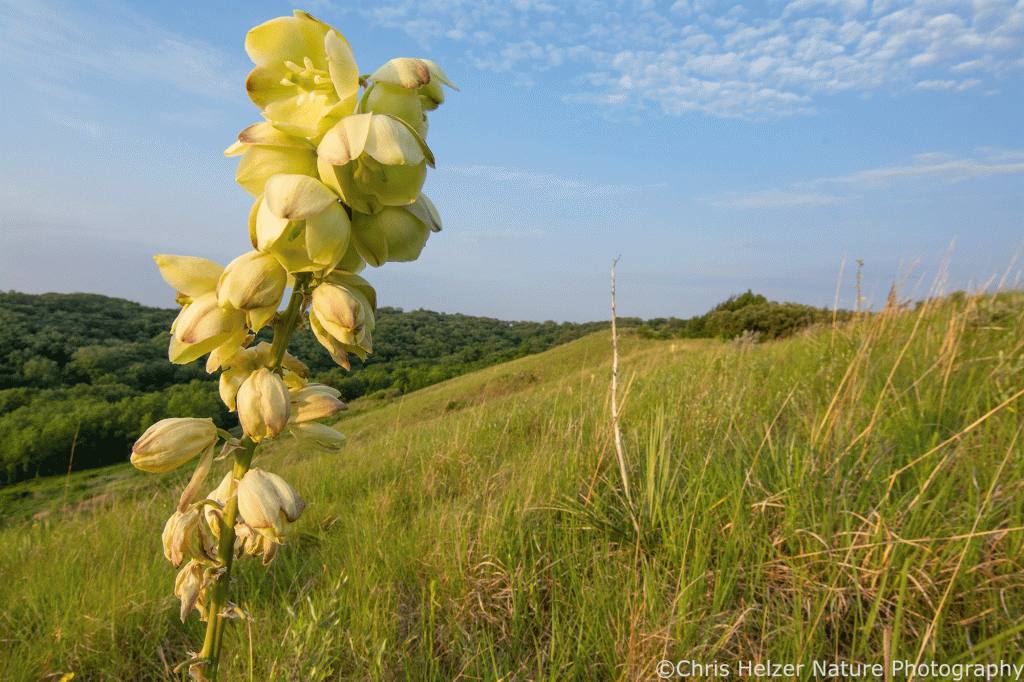
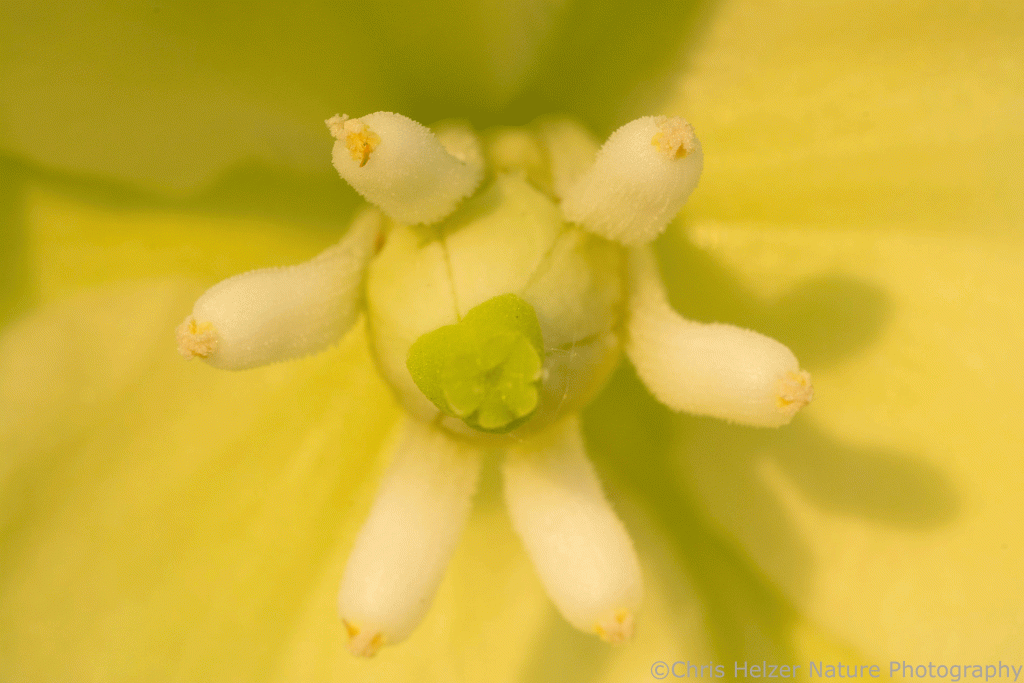
Yucca flower (front lit). Nikon 105mm macro lens. ISO 500, f/16, 1/80 sec.Yucca flower (back lit). Nikon 105mm macro lens. ISO 500, f/16, 1/200 sec.Yucca and Loess Hills prairie. Tokina 11-20mm wide angle lens @13mm. ISO 500, f/14, 1/160 sec.More yucca. Tokina 11-20mm wide angle lens @15mm. ISO 500, f/14, 1/250 sec.Close-up of the inside of a yucca flower. Nikon 105mm macro lens. ISO 500, f/18, 1/160 sec.
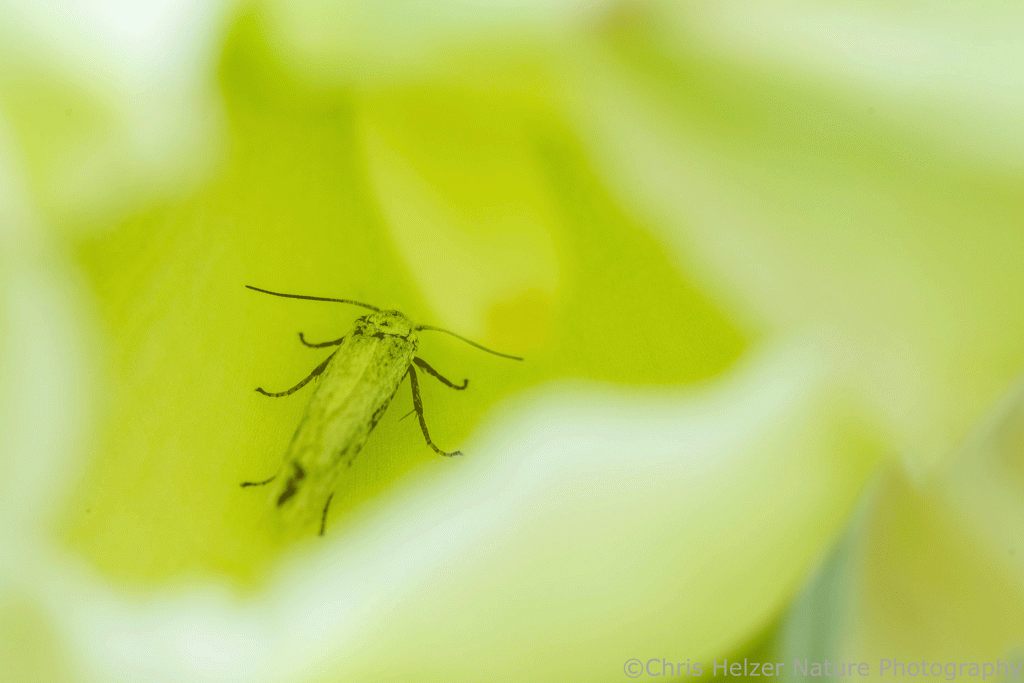
During my scouting trip the previous day, I’d been looking for the tiny white yucca moths that are the sole pollinator of yucca flowers. I found a few and even photographed one of them – using my macro lens to peek through the opening in a partially-closed flower. During my Sunday morning photography hike, though, I couldn’t find any moths that would pose for me, which was a shame since the light was fantastic.
Yucca moth resting in a yucca flower. Nikon 105mm macro lens. ISO 320, f/14, 1/60 sec.Yucca and Loess Hills prairie. Nikon 10.5mm fisheye lens. ISO 500, f/18, 1/200 sec.
.
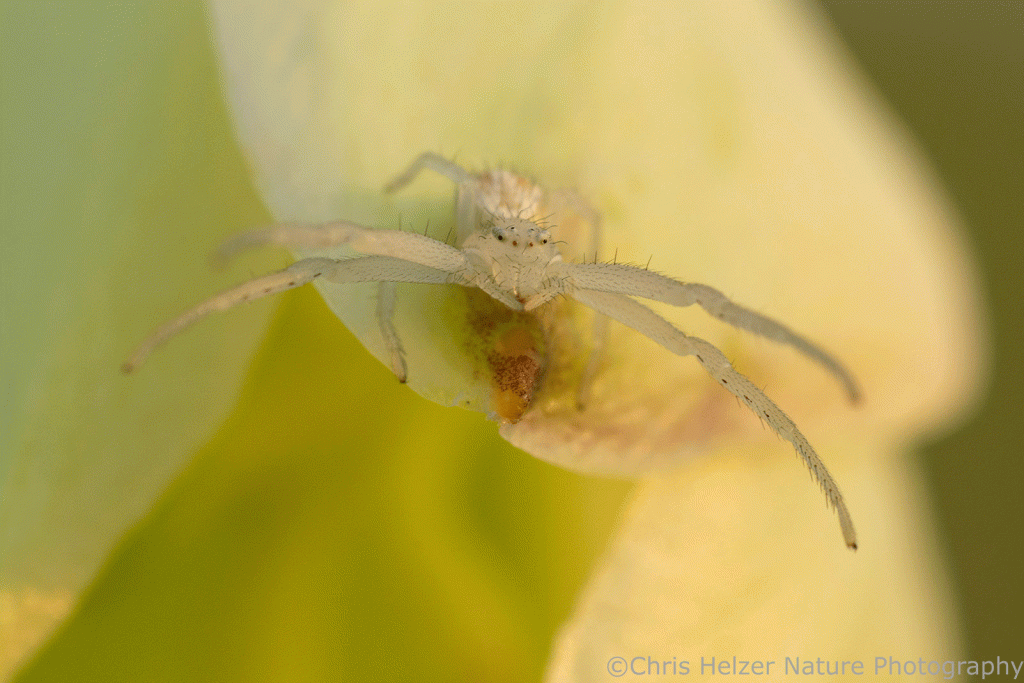
By now, you’re probably wondering to yourself, “Surely, he photographed some crab spiders, right?”
Yes, of course I did.
Crab spider on yucca flower. Nikon 105mm macro lens. ISO 500, f/14, 1/160 sec.Another crab spider on another yucca flower. Nikon 105mm macro lens. ISO 500, f/11, 1/640 sec.Yet another crab spider on yet another yucca flower. Nikon 105mm macro lens. ISO 500, f/13, 1/500 sec.
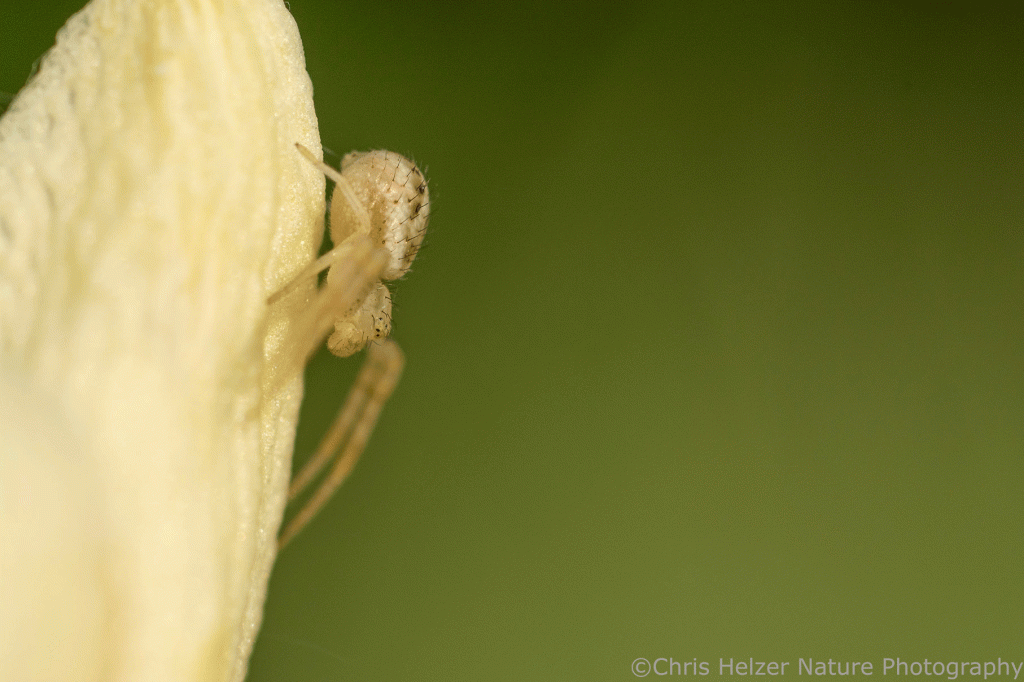
In addition to crab spiders, other spiders were around, including a cute little orb web spider that didn’t seem agitated by my slow, careful approach. In fact, as I positioned my tripod close to the web, little flies swarming around my head kept hitting the silken threads, giving the spider something to distract her and me more action to photograph.
Orb web spider (Larinia borealis). (Thanks to Samantha Daniel for the identification.) Nikon 105mm macro lens. ISO 500, f/18, 1/200 sec.Orb web spider (Larinia borealis). Nikon 105mm macro lens. ISO 500, f/18, 1/200 sec.
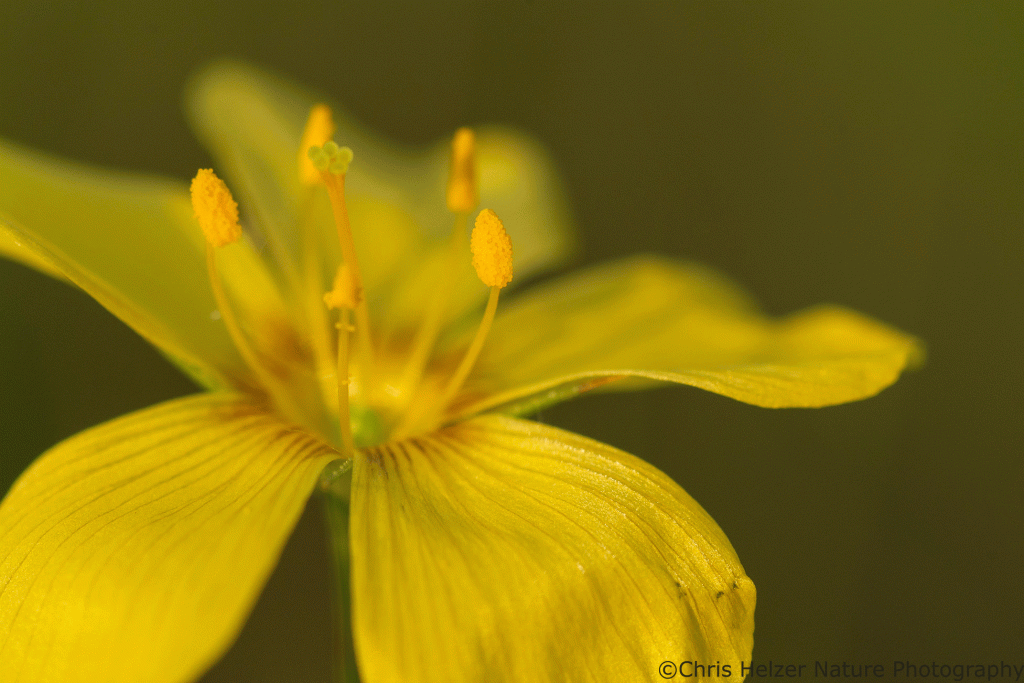
Yucca flowers weren’t the only ones I saw, of course. Bluets were still blooming, though many were done for the spring. Yellow flax flowers dotted the hills, too, and a few green milkweeds were hiding here and there. Unfortunately, I also saw a couple patches of leafy spurge and even more patches of crown vetch. Both are nasty invasive species that are challenging to deal with and are more abundant than anyone would like to see in the Iowa Loess Hills and other prairie landscapes in Iowa and Nebraska.
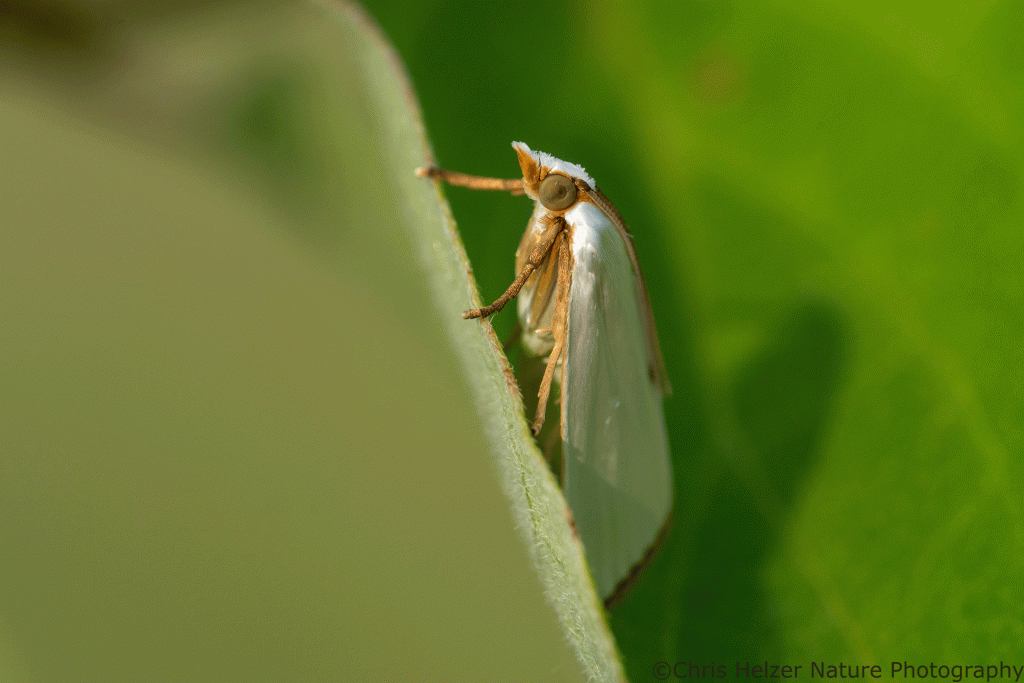
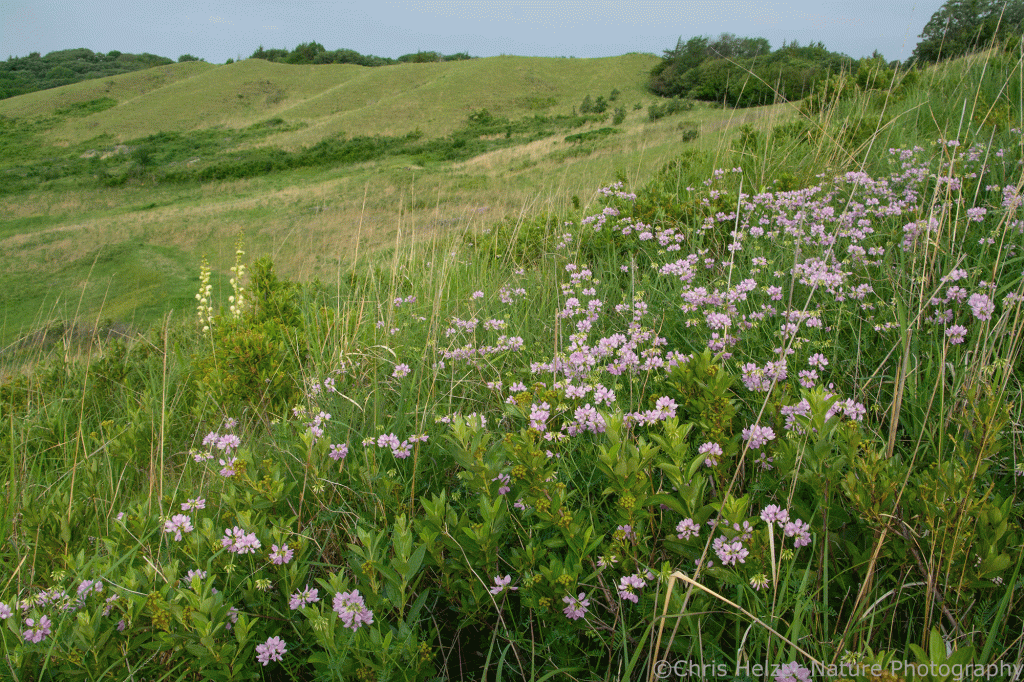
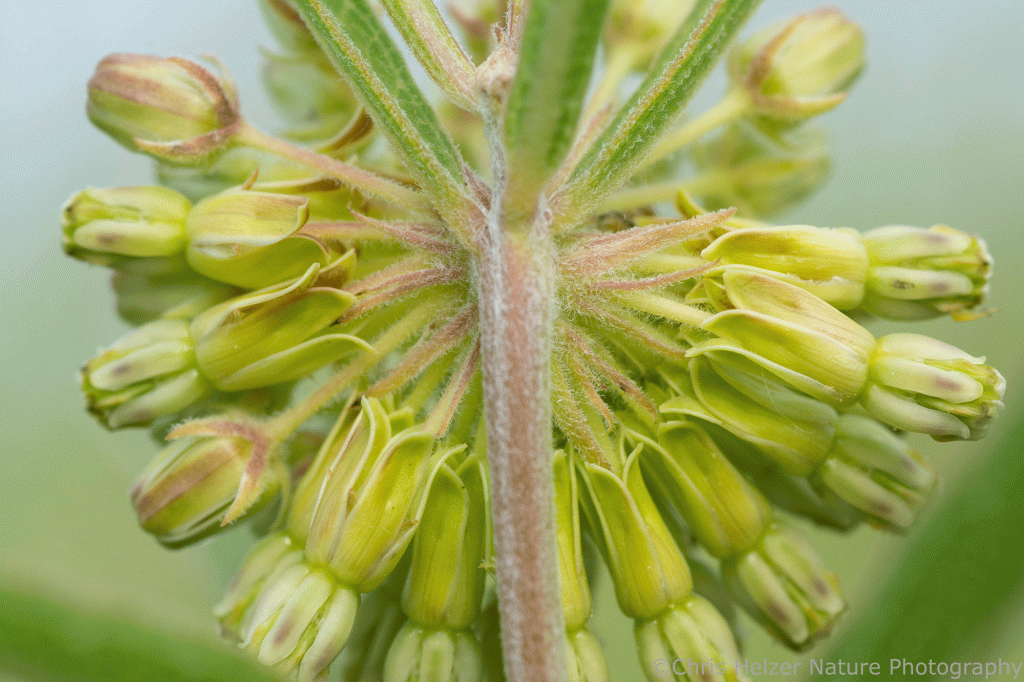
Bluet flowers (Hedyotis nigricans, I think?) Nikon 105mm macro lens. ISO 500, f/13, 1/640 sec.A small moth on a rough-leaved dogwood leaf. Nikon 105mm macro lens. ISO 500, f/14, 1/200 sec.Crown vetch, an invasive plant that is frustratingly common in the Iowa Loess Hills and other prairies in Iowa and Nebraska. Nikon 18-300mm lens @22mm. ISO 500, f/13, 1/500 sec.Flax (Probably Linum rigidum?) Nikon 105mm macro lens. ISO 500, f/13, 1/800 sec.Flax (Probably Linum rigidum?) Nikon 105mm macro lens. ISO 500, f/11, 1/400 sec.Flax (Probably Linum rigidum?) Nikon 105mm macro lens. ISO 500, f/13, 1/640 sec.Green milkweed (Asclepias viridiflora). Nikon 105mm macro lens. ISO 500, f/13, 1/400 sec.
If you’ve not spent time in the Iowa Loess Hills, it’s a fabulous landscape and worth a trip. The steep hills aren’t for the faint of heart, but the climbs are worthwhile when you reach the ridge tops and get to appreciate the views. Though the prairie is in the tallgrass prairie ecoregion, the steep slopes and associated dry soils host a lot of plant species that I recognize from the mixed-grass prairie in central Nebraska. We also share the woody encroachment threat faced in both regions…
All-in-all, the hills, flowers, and wonderful people made a pretty sweet combination. It’s easy to see why so many people were excited to attend the Seminar and celebrate the Iowa Loess Hills.















 The Prairie Ecologist