Unknown's avatar

About Chris Helzer

Chris Helzer is Director of Science and Stewardship for The Nature Conservancy in Nebraska, where he conducts research and supervises the Conservancy’s preserve stewardship program. He also helps develop, test, and share prairie management and restoration strategies. Chris is also dedicated to raising awareness about the value of prairies through his photography, writing and presentations. He is the author of The Prairie Ecologist blog, and two books: The Ecology and Management of Prairies and Hidden Prairie: Photographing Life in One Square Meter. He is also a frequent contributor to NEBRASKAland magazine and other publications. Chris and his family live in Aurora, Nebraska.

Ok, Fine, This Post is Mostly Just An Excuse To Share Cute Bison Baby Photos

It’s been a while since I’ve published a deep, philosophical and ecological essay on prairie conservation. I figured I should remedy that.

But then I went up to the Niobrara Valley Preserve this week to help with a prescribed fire and got distracted. The morning after the fire, I drove my truck into one of the two big bison pastures at the Preserve. Despite being in their pasture, I wasn’t really looking for bison. Mostly, I was hoping to find some early wildflowers and/or insects and the 10,000 acre pasture was the closest prairie area to headquarters. However, just as the morning sun popped over the horizon, I crested a hill and saw a small group of bison bulls between the sun and me. “Fine,” I thought, “I’ll just grab a couple quick photos and then get back to flower/insect searching.”

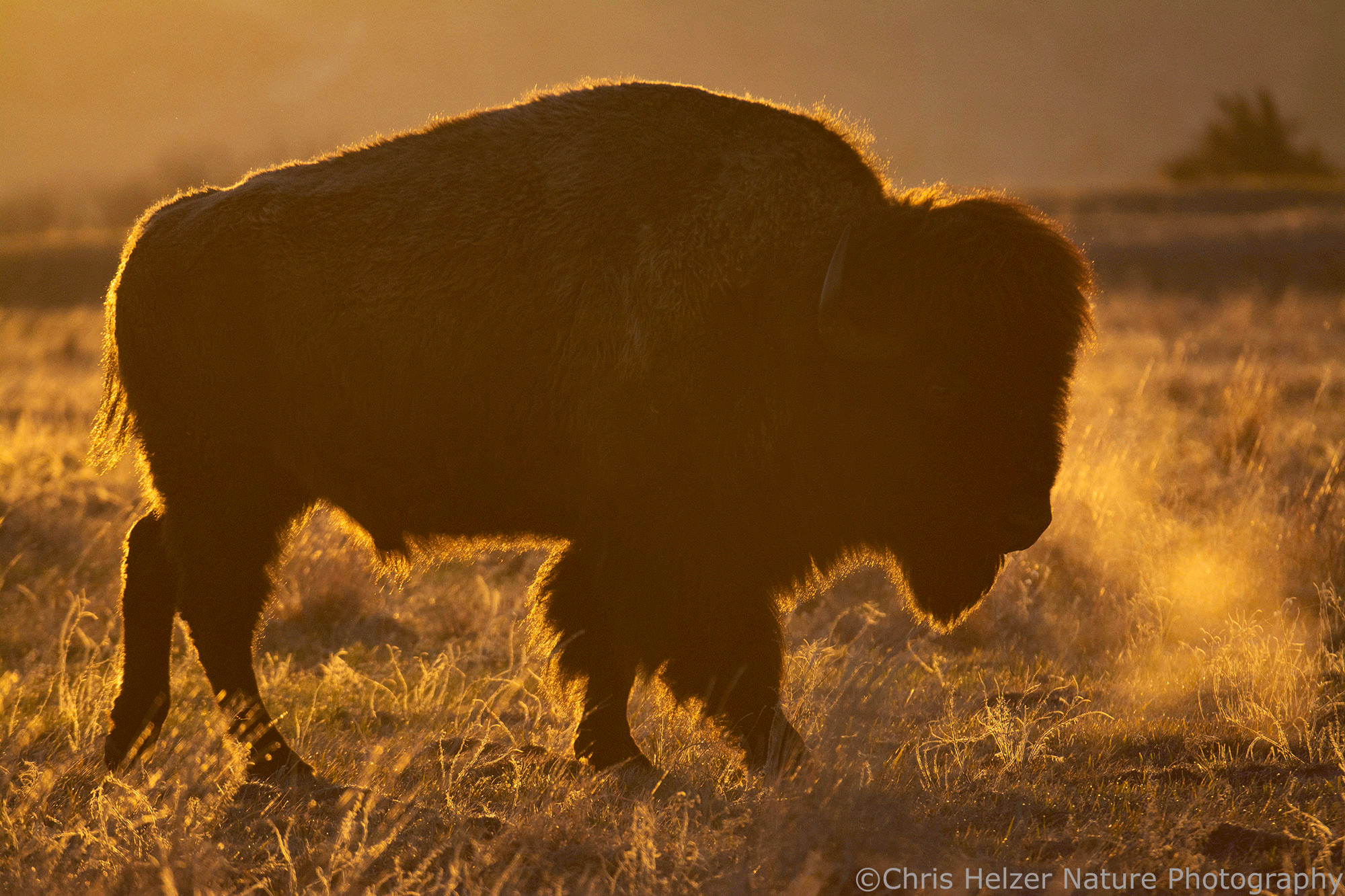
A bison and its breath on a chilly spring morning.

The temperature was just below freezing and the bulls’ breathing was creating little clouds around their heads. That, plus the backlighting made me stick with them a little longer than I’d planned. In the above photo, one animal was standing by himself, posing nicely for a shot. A few seconds later, a second bull stepped into the frame and I muttered something about him ruining the shot. However, when looking at the photos later, I decided I might actually like the photo of both animals better than the photo of one. Opinions?

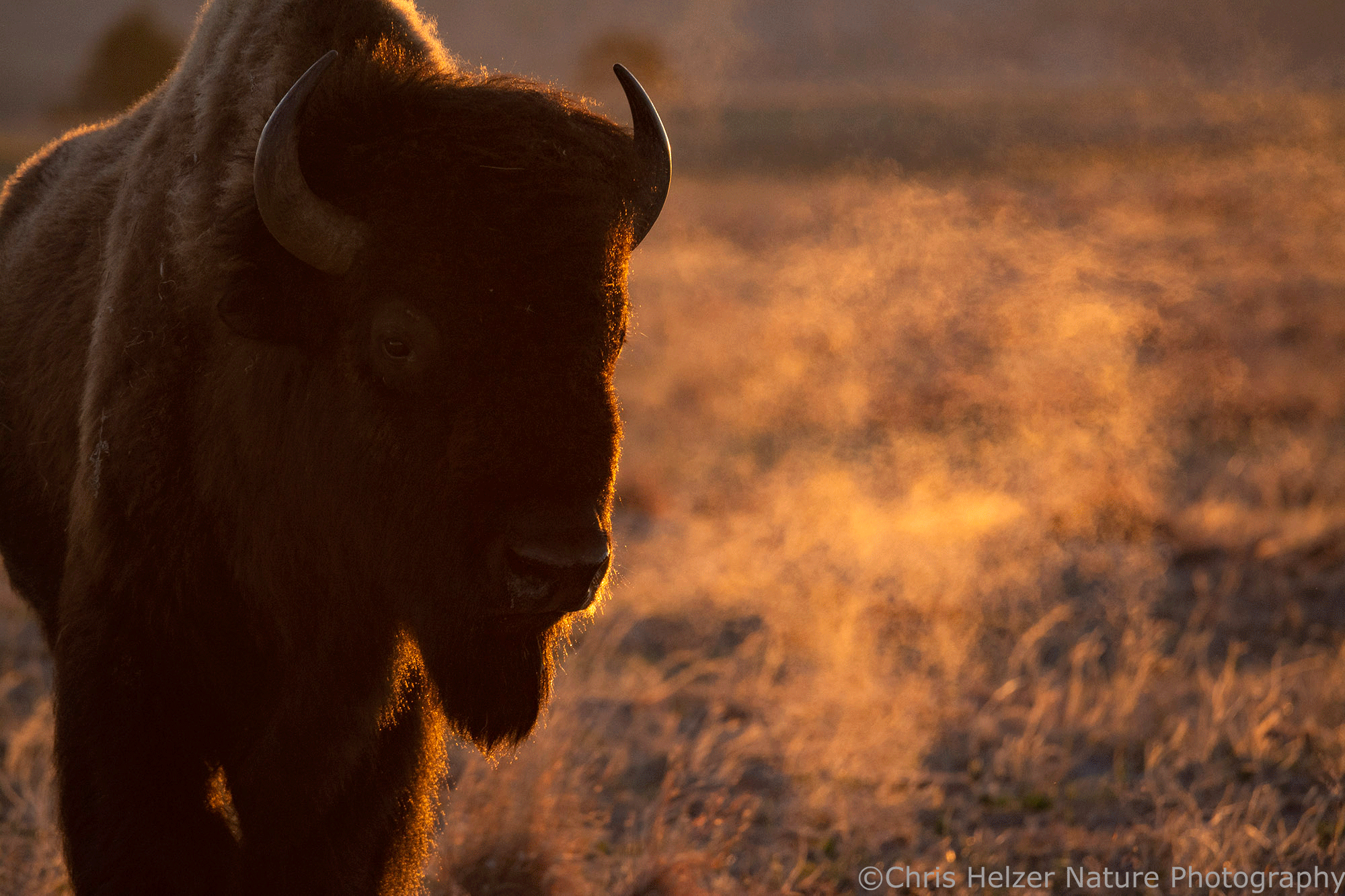
Two bulls and their foggy breath at sunrise.
More bison bull breath
Bison bull and breath in profile

I waited until the bulls grazed their way over the next hill and then started the truck back up and continued my journey. I wasn’t seeing much for flowers, other than lots of sun sedge (Carex heliophila). I stopped and photographed some wind-blown patterns in the sand at a blowout (a bowl-shaped wind-eroded landscape feature) for a while.
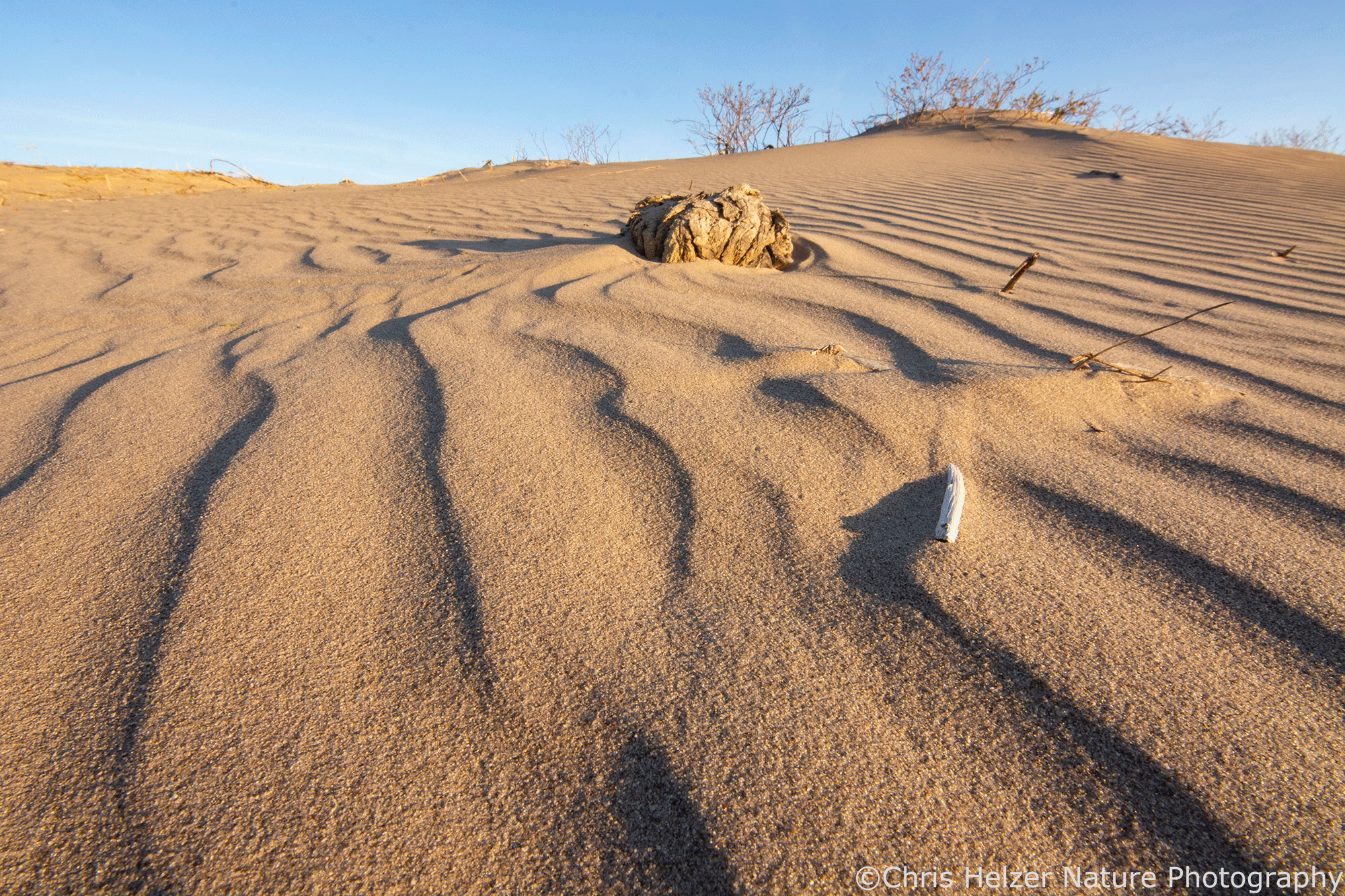
Wind-created patterns in a sand blowout, including around a pile of bison manure in the background. Sand and poop – the subject matter all photographers seek out.
Beetle tracks through the sand in a blowout.

After leaving the blowout, I figured I’d go look for the burrowing owl I’d seen a few weeks ago, just to the south of where I was. I didn’t find the owl, but I did come across a group of bison cows and calves. Cows with new calves are often (understandably) skittish about visitors, so I slowed way down to see if they were going to be spooked by my approach. One of the cows stood up, but the rest continued grazing or resting, so I carefully nudged the truck close enough to get some photos and then shut the engine off.

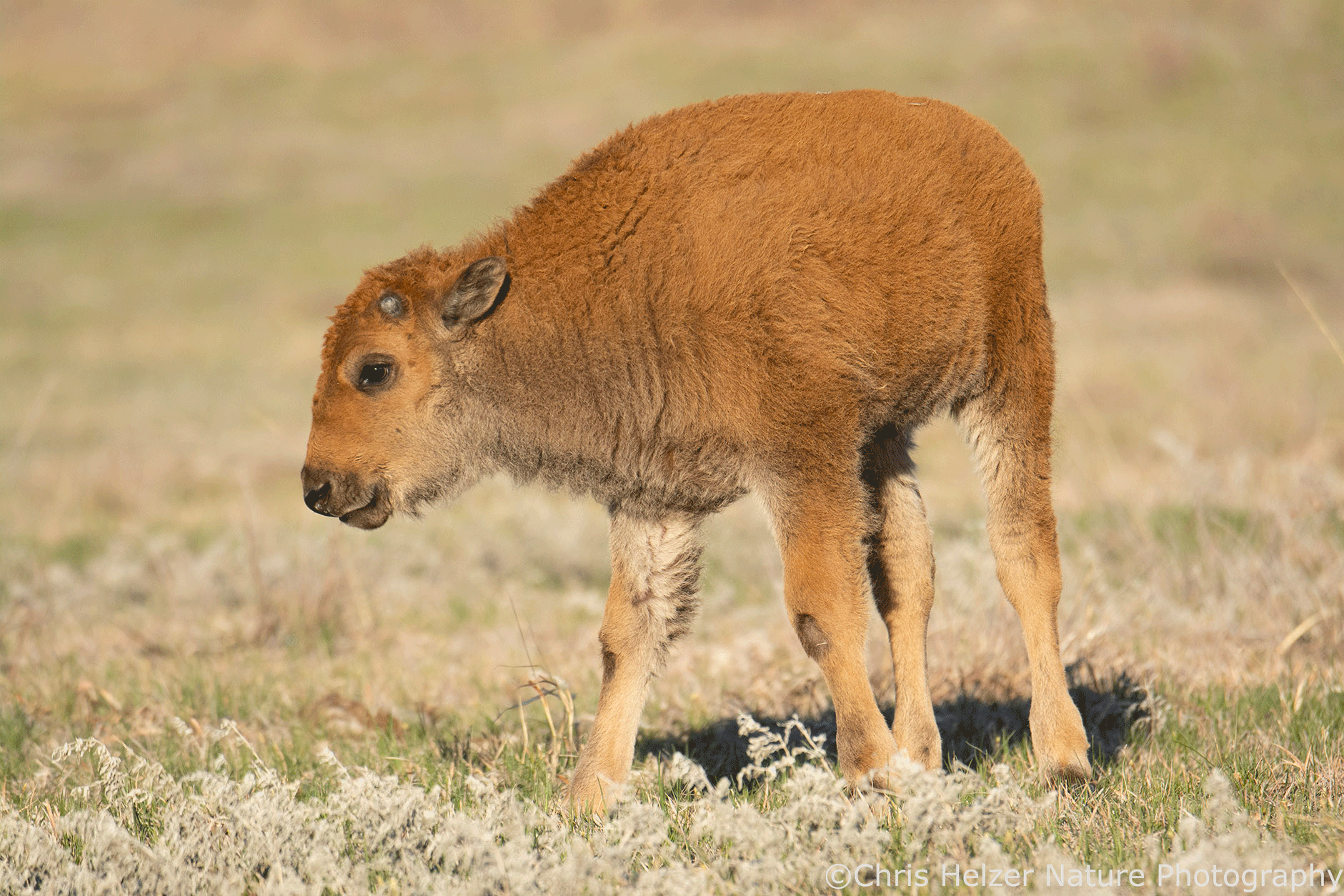
I spent the next 20 minutes or so watching brand new calves (probably 2-3 weeks old?) explore, cavort, and even spar with each other – all under the watchful eyes of their mothers. They weren’t bees, spiders, or any of the other invertebrates I’d started out to find that morning, but I managed to control my disappointment.

The bison eventually sidled off to the south and I let them go, figuring I’d already gotten more than I’d deserved. I started the truck again and turned back toward headquarters and breakfast.
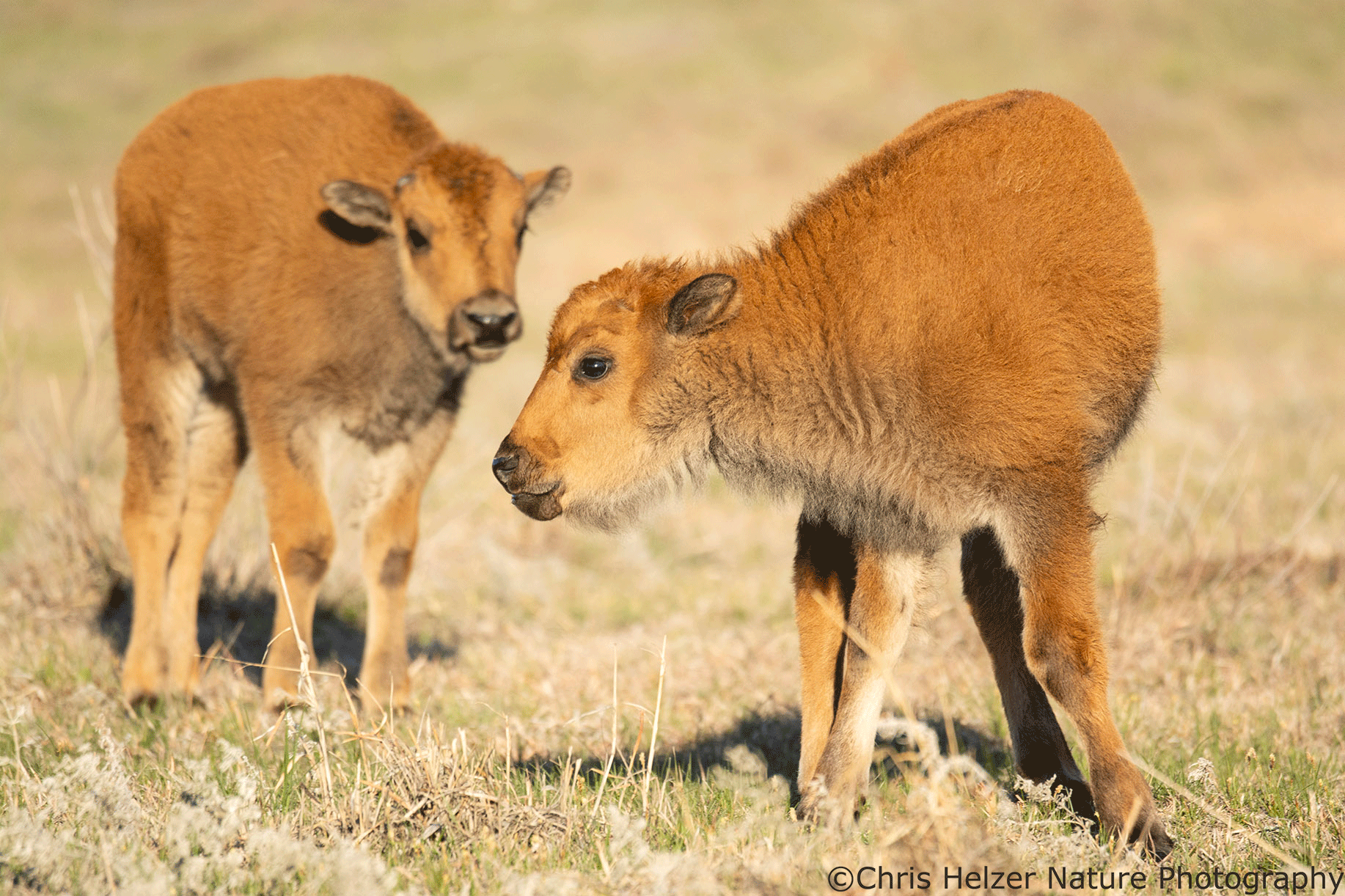
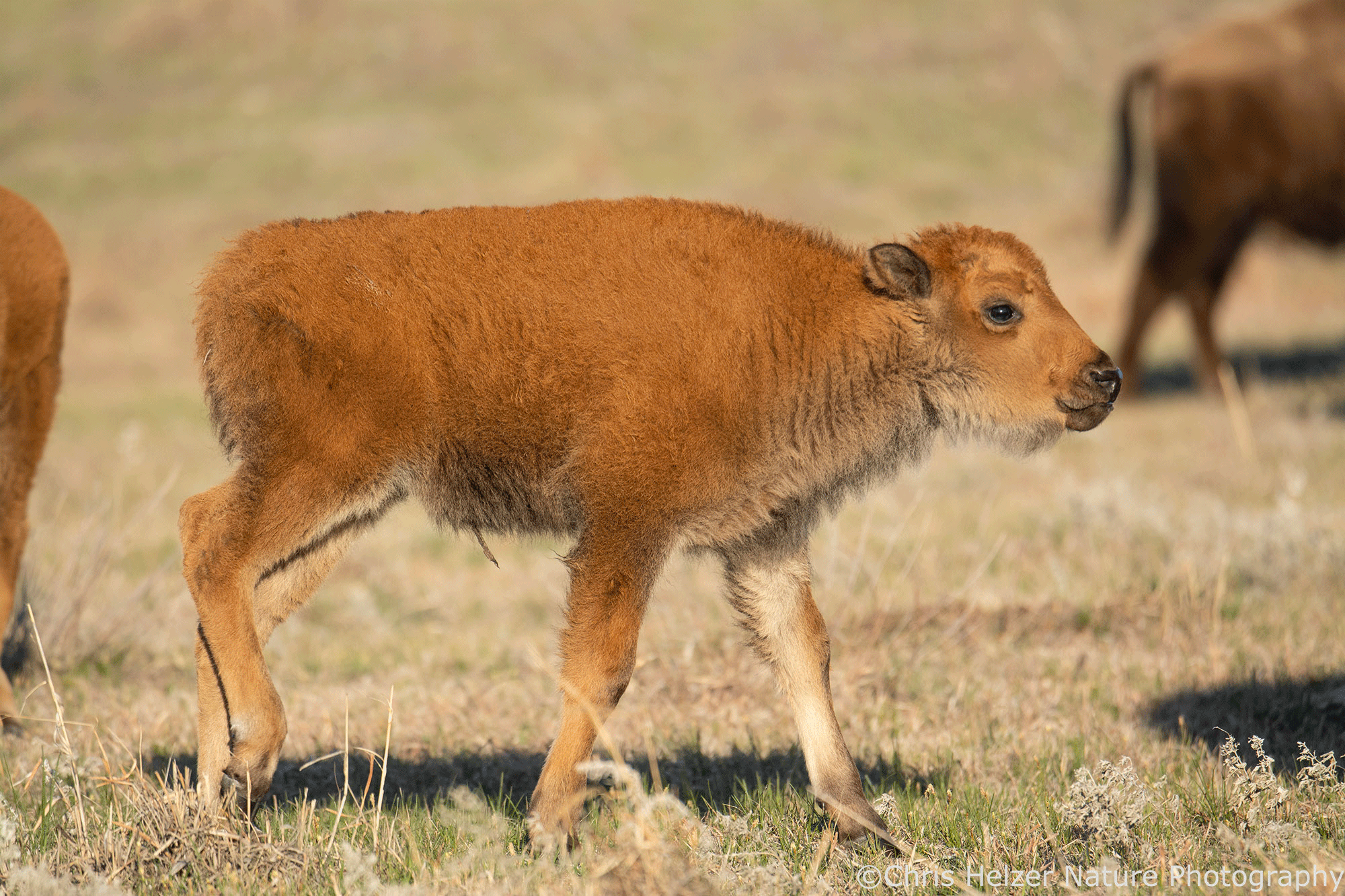
These two spent about a minute play-fighting with each other. It was adorable.

Now, bison calves are clearly cute and charming photo subjects and I felt very fortunate to be so close to them. On the other hand, in the interest of even-handedness, I feel obligated to add that bison calves can also make some pretty goofy faces. Those expressions don’t make them less cute, necessarily, but they do give off a somewhat different vibe. For your edification, I’ve put together a small composite of those bison calf faces. Enjoy:
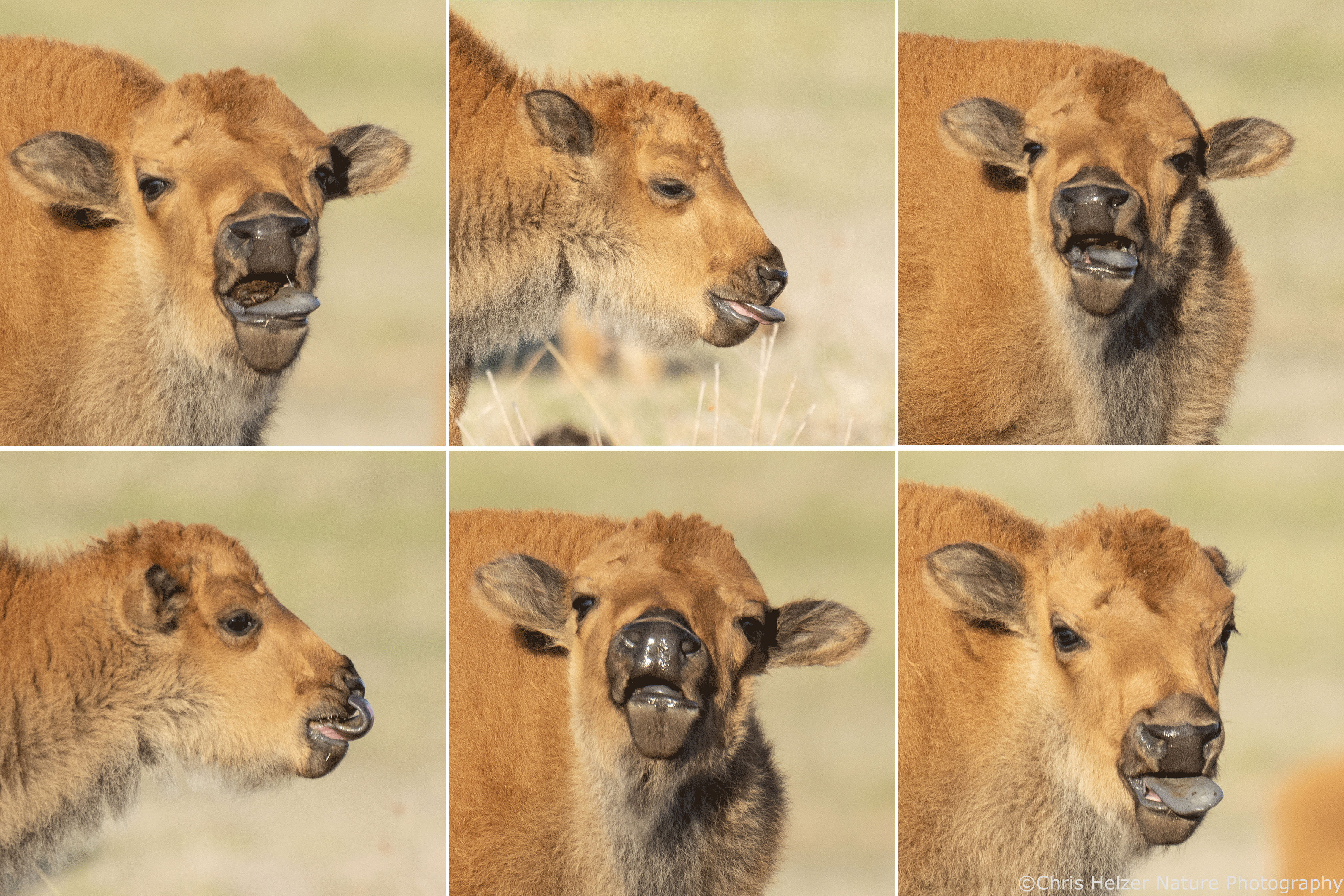
As always, you can click on this and other images to see a larger, more clear version of it. If you’re reading this in your email, click to the post’s title to open it online so you can see the images better.

.

I’ll try to get back to some in-depth ecology or stewardship topics soon. I hope you weren’t too disappointed by this post and its distinct lack of rigorous content.

Photos of the Week – April 25, 2023

It’s been a dry and windy spring here in east-central Nebraska. Up north, including at the Niobrara Valley Preserve, they got a lot of snow this winter, but most of that missed us. Oh well.

Often, when we have dry and windy springs, wildflowers show up a little early because dry and windy is accompanied by warm temperatures. That hasn’t been the case this year. I’m guessing a combination of cool and dry soils is behind what seems like a slow year for plant growth and flowering.

Buffalo pea, aka ground plum (Astragalus crassicarpus) seems to be on schedule at our family prairie this year, but it feels like other wildflowers are behind schedule.
Pussytoes (Antennaria neglecta) are starting to bloom, but are even shorter than usual, and it seems like a small percentage of plants have blossoms. Dry soil?

Regardless, spring is marching on, albeit with a distinct limp. This weekend, I spent a few pleasant hours wildflower hunting at Gjerloff Prairie (Prairie Plains Resource Institute) north of Aurora. Appropriately for the year, the early morning temperature was below freezing (27 degrees F) as I waited the sun to come up, and there was frost in the lower valleys.

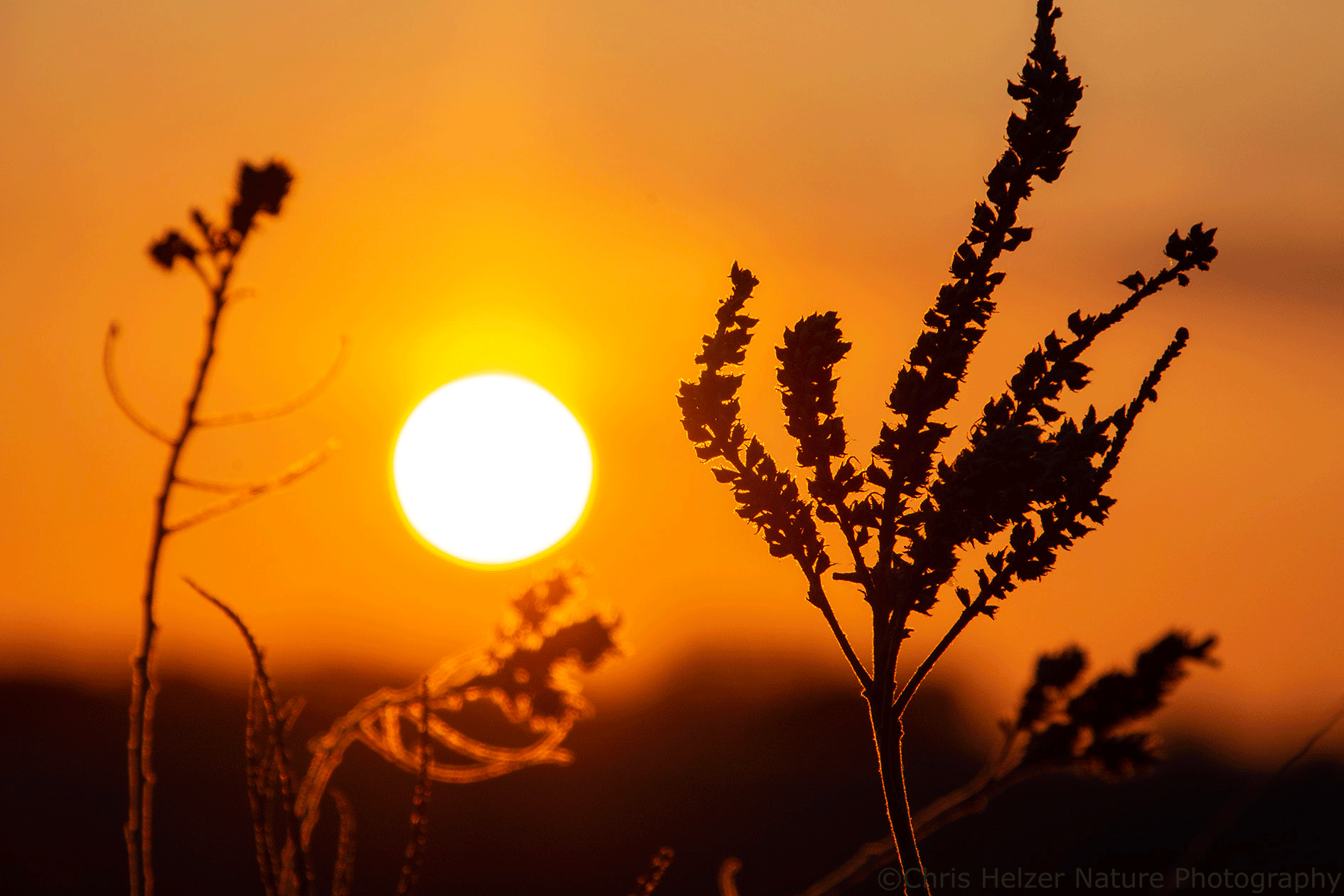
Sunrise behind lead plant at Gjerloff Prairie on a cold Sunday morning.
More lead plant and sun.

Like the spring, my hunt started out slowly and I walked a long way before seeing anything in bloom. Eventually, I found some sun sedge plants in a recently-burned patch. Following that, I started to come across more flowers, but they were few and far-between. As the sun rose, the temperatures quickly followed, and it was a beautiful morning to be out, despite the low number of flowers.

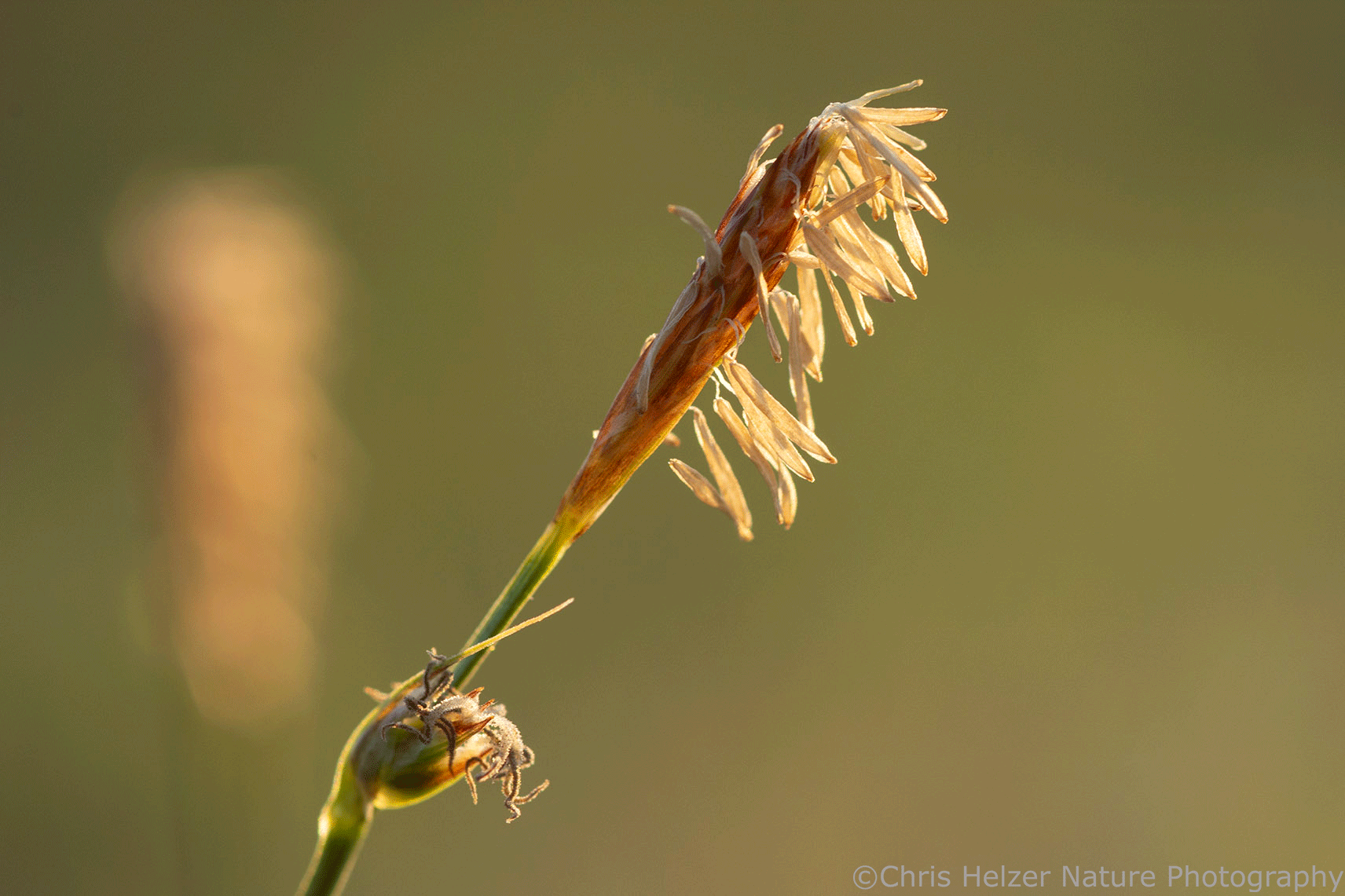
Sun sedge (Carex heliophila) in the early morning light.
More sun sedge.
Hey, look, sun sedge!
Frost and morning light.
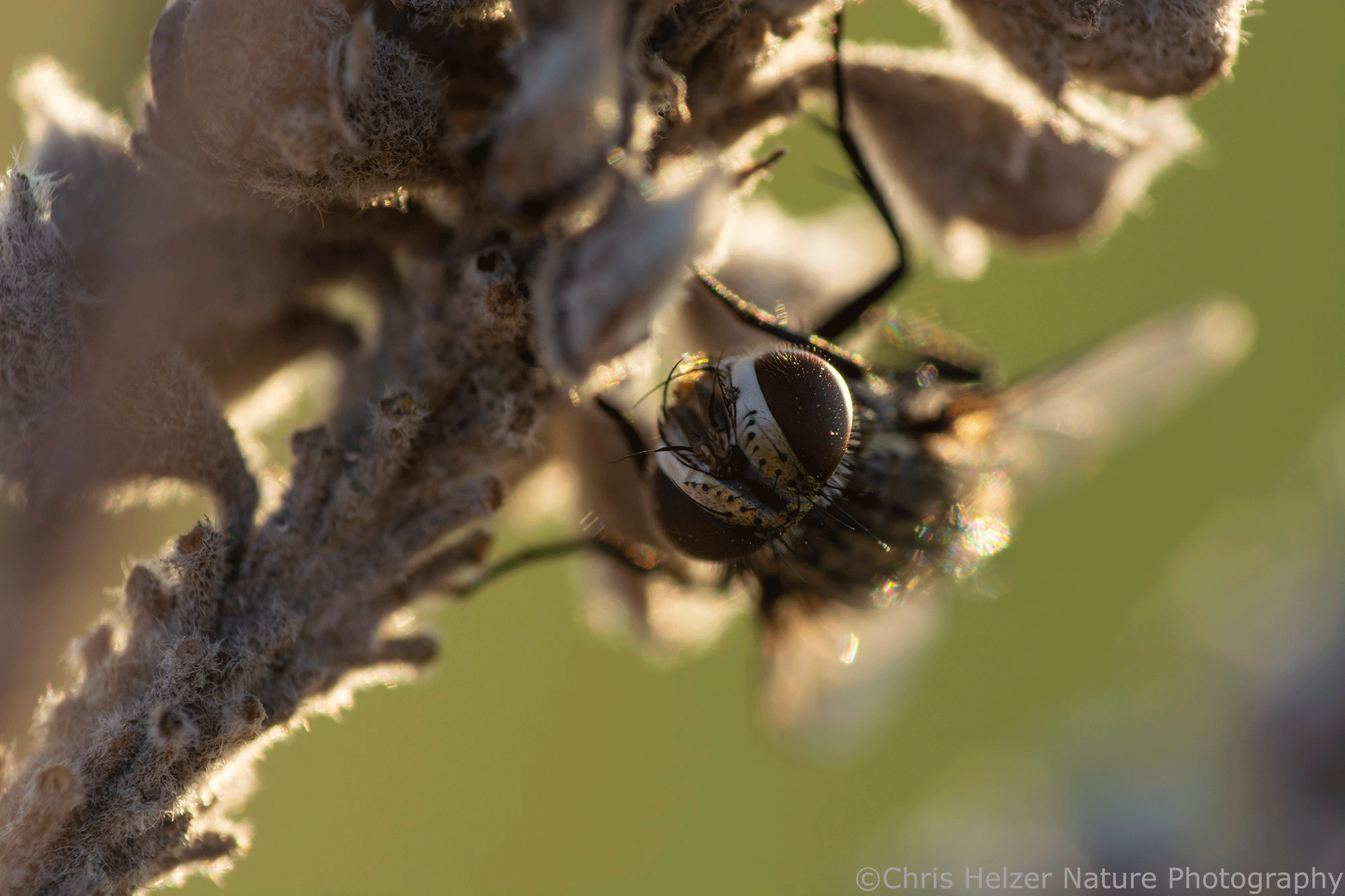
I saw a couple flies hanging out on last year’s plant stems. They looked cold.
Somebody was living down in this hole, judging by the frost accumulation around its opening. I’m not sure what the creature might have been – the hole was about the diameter of a dollar coin.
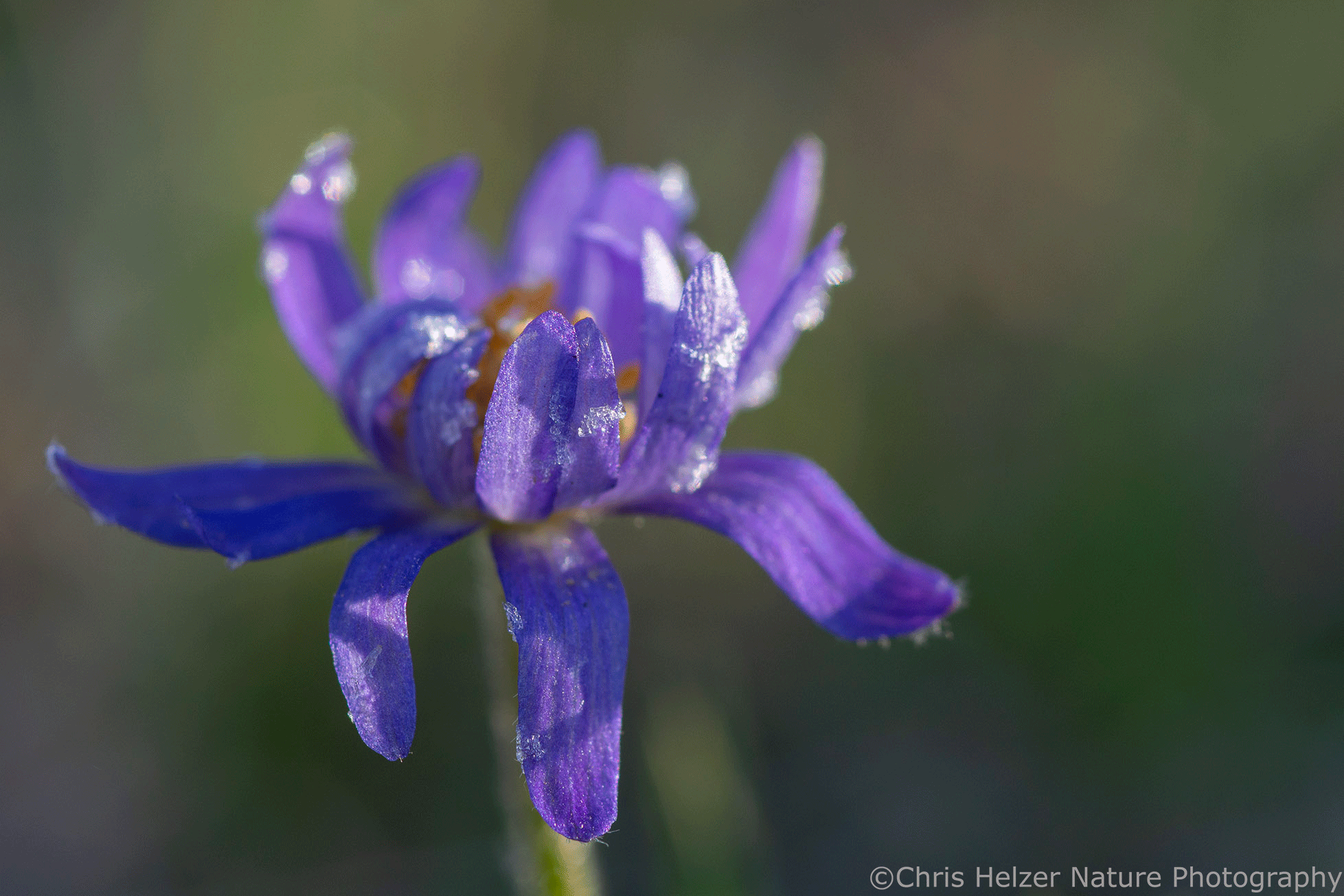
I only found two small patches of windflower (Anemone caroliniana) and only one had a couple flowers that were open.
More windflower.
Last windflower.
I found a slope with a dozen or so prairie dandelion (Nothocalais cuspidata) plants, but none were fully open.
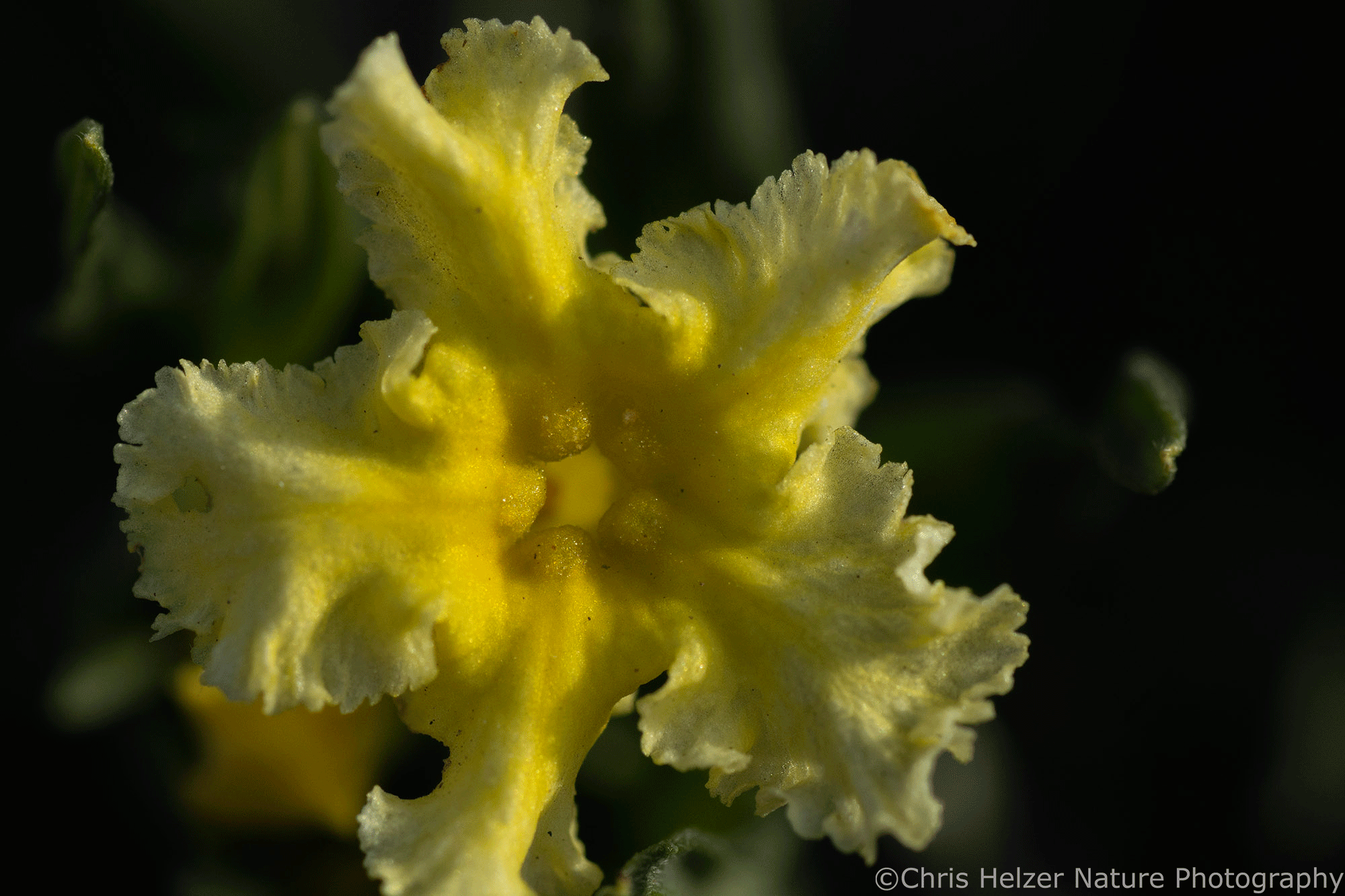
Fringed puccoon (Lithospermum incisum).
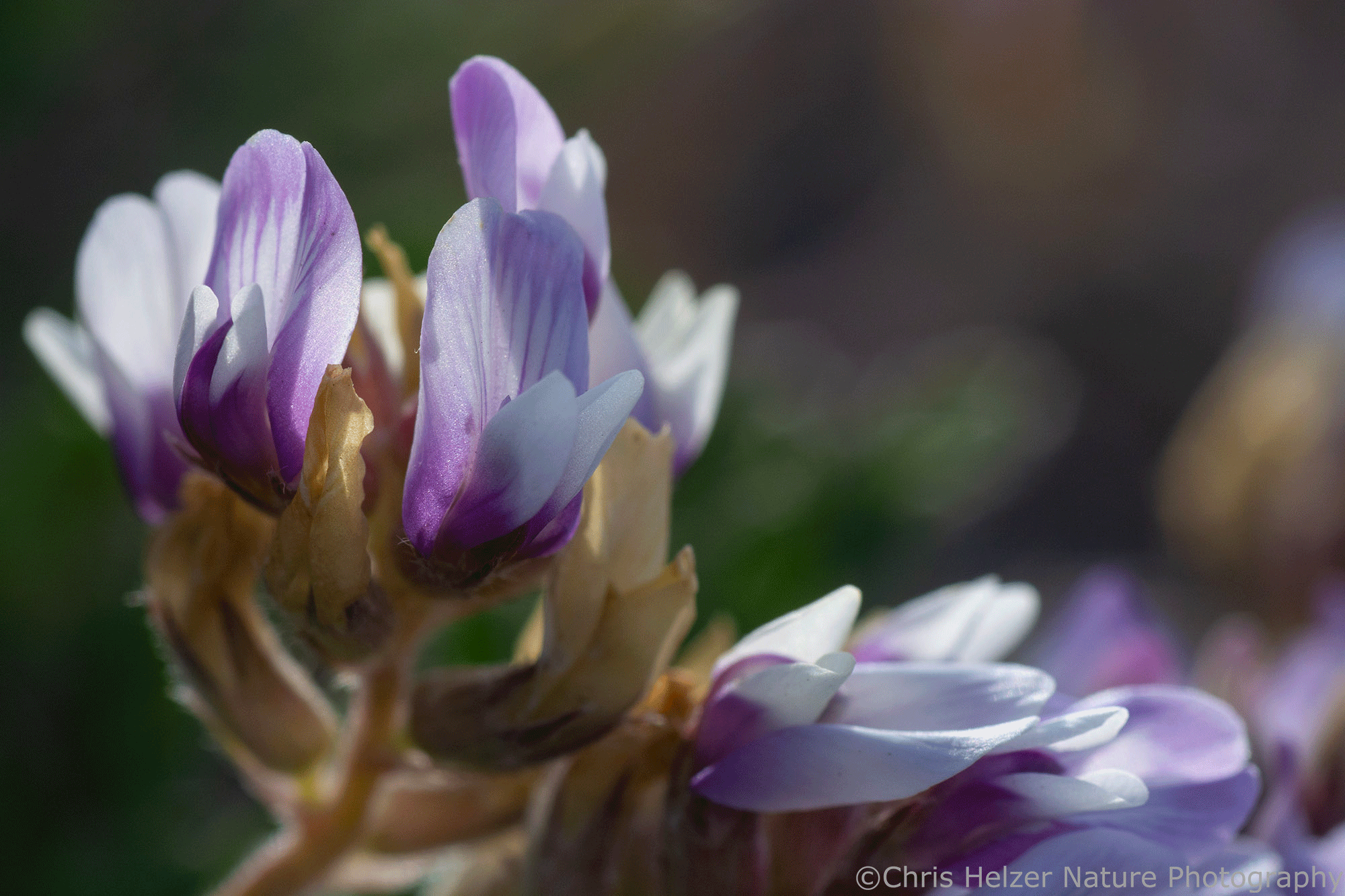
Sarah Bailey, with Prairie Plains Resource Institute, tells me this is Astragalus lotiflorus. I believe her. There are about 25 Astragalus species in Nebraska and more that look like they could be. A lot of the smaller ones are tough for me to identify.
More of that little Astragalus. This species hangs out on very dry slopes and this plant was the only one I found in flower this week.

I didn’t come across any bees out at Gjerloff Prairie this weekend but I’m sure they’re out and around. I’ve been seeing butterflies in my yard (mostly orange sulphurs, which migrate north to us each spring), along with some moths, flies and wasps. Wild plum and other shrubs are starting to flower, which are always crucial pollinator resources, but might be even more important this spring if the other wildflowers are slow to get started.

Wherever you are, I hope you’ve had the chance to see some spring wildflowers in a prairie near you. (Unless you’re in the southern hemisphere, in which case I hope you’re having a pleasant autumn!) It should be an interesting summer – as always.