

My trip to the Niobrara Valley Preserve last week was quick. I was on site for less than 20 hours, including overnight (when I was sleeping). During much of the rest of my visit, charismatic vertebrates seemed to be begging me to photograph them.
It was unsettling. I have a hypothesis I’ll share later.
My experience started shortly after I arrived. After dropping off my overnight bag, I headed out into the late day light. I’d been asked to see if any bison calves had been born yet, and if so, to photograph one. That sounded like a fun challenge, as well as a way to be helpful.
I drove down the road for about 10 seconds before I saw the deer.

I braked very slowly and gently, coming to a gradual stop about 50 yards from the deer to see what it would do. It lifted its head and then went back to nibbling at something on the ground.
Huh.
I turned off the engine and took a couple photos of the deer out my truck window. The deer kept eating. I started the engine again, knowing that this would probably startle the deer and cause it to run away. It didn’t. Weird.
I angled the truck so I could drive closer to it without heading straight for it and closed to a more reasonable distance for photos. I cut the engine again and got a couple nice shots as it slowly wandered away from me, continuing to feed as it went. Since it was moving into a wooded area, I couldn’t really follow it any further so I waited until it was in the trees, started the truck and drove up into the bison pasture. At this point, I was not yet suspicious.

As I drove into the east bison pasture (one of two), I didn’t immediately see any bison, but it’s a 10,000 acre pasture, so that wasn’t surprising. I picked a trail road that led up toward the center of the pasture and headed east, with the sun dropping toward the horizon behind me.
About two minutes later, the burrowing owl made its appearance.

I was driving up a hill in some relatively loose sand when I saw the owl fly up to the right. I stopped the truck and watched it land behind me. That’s when I realized I’d stopped in a risky spot. I wasn’t going to be able to keep driving up the hill, even in 4-wheel drive, because I’d lost my momentum in the loose sand. “Oh well,” I thought, “I’ll back up and take another run at it. I’ll probably flush the owl when I back up, though.”
Nope.
The owl sat very still and watched me back down the hill and stop again. It was clearly baiting me to roll the passenger side window down and lean over with the camera to try to get a photo. Knowing it would fly as soon as I got the camera into position, I did it anyway. No reaction. I took a picture. Still no reaction. I turned off the engine, settled myself into a more stable position, and took some more as the owl just stared at me. After a little while, it flew back up the hill and landed on the side of the road where I’d stopped earlier.
That’s when I noticed the badger hole next to where the owl was sitting. Was the owl nesting, or planning to nest, in that hole? It was certainly possible. It was also possible this was all part of an elaborate ruse. I took a couple photos of the owl as it sat next to the hole. Then I started the truck up again and the owl flew off to the north.
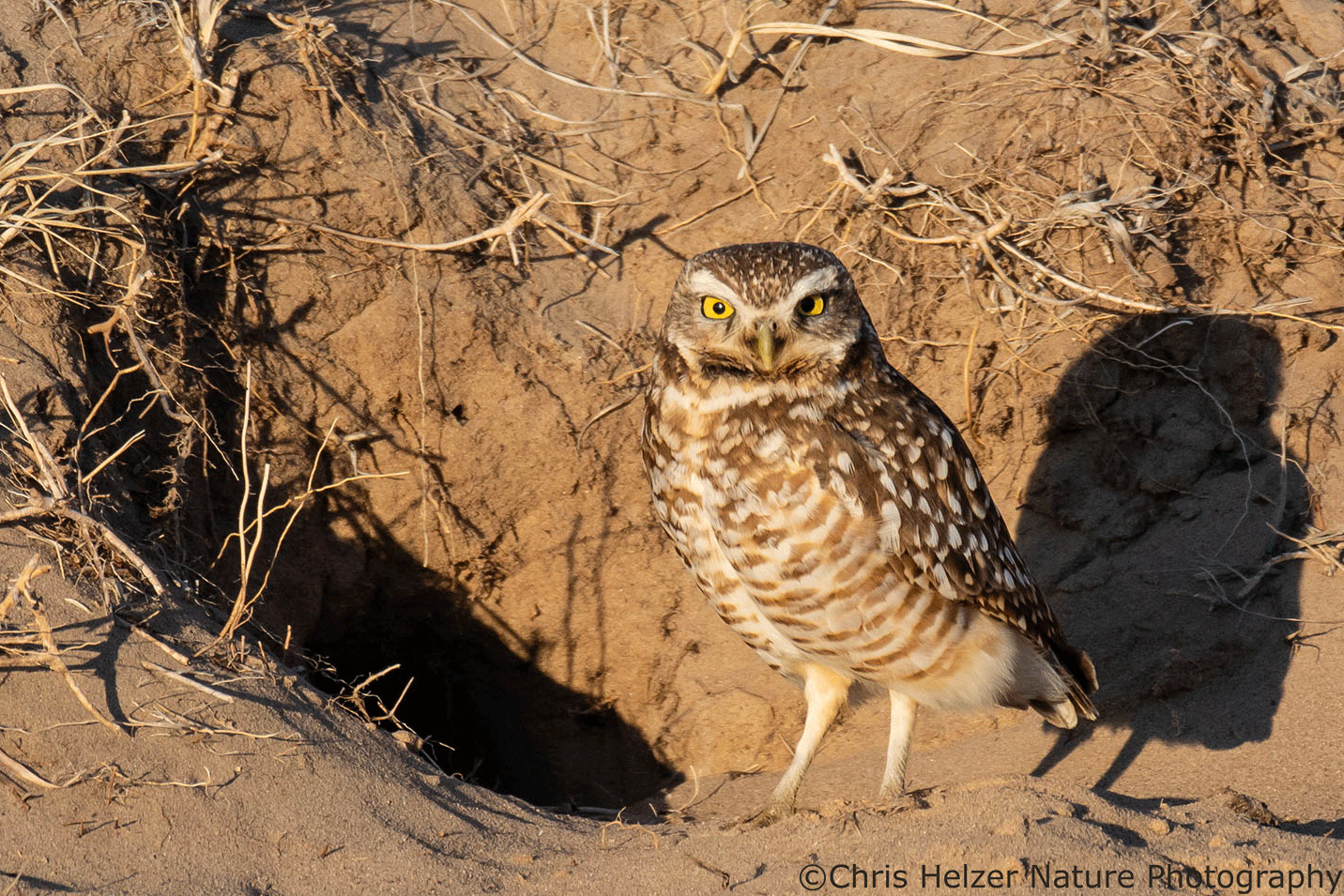
While watching the owl fly north, I spotted the small group of bison beyond where the owl finally landed. Ah ha. I turned the truck and drove cross-country toward the bison, figuring the owl would take off as I came near it and then fly back to its hole. As I approached the owl, it just looked at me. Really? Fine. I stopped the truck and took some more photos of the owl sitting in the grass.

Eventually, the owl did fly back off toward its hole and I continued toward the bison. As I approached them, they started walking slowly in my direction, feeding as they came. I turned off the engine and waited for them. In the meantime, I scanned the group for new calves. Nothing. Just last year’s calves, hanging out with their moms as long as possible before the new siblings arrived and displaced them.

The bison eventually wandered up close to the truck and I squeezed off some photos, including a few of a calf who was checking me out and making a funny face as it did. After a few minutes, I figured I should move on to see if I could find another group and maybe a new calf. I started the engine, anticipating the bison would sidle away from me when I did. They didn’t. Instead, they surrounded the truck and seemed to settle in for some evening grazing. Interesting.

I did some cost/benefit analysis in my head and decided I was probably better off staying where I was and taking advantage of the beautiful pre-sunrise light. The other option was to leave these bison and go look for another group that might have new calves. In a hilly pasture of more than 10,000 acres (about 3 x 5 miles), there was a good chance I wouldn’t find more bison before dark. They could be hiding anywhere. I stayed put and figured I could go look for calves the next day.
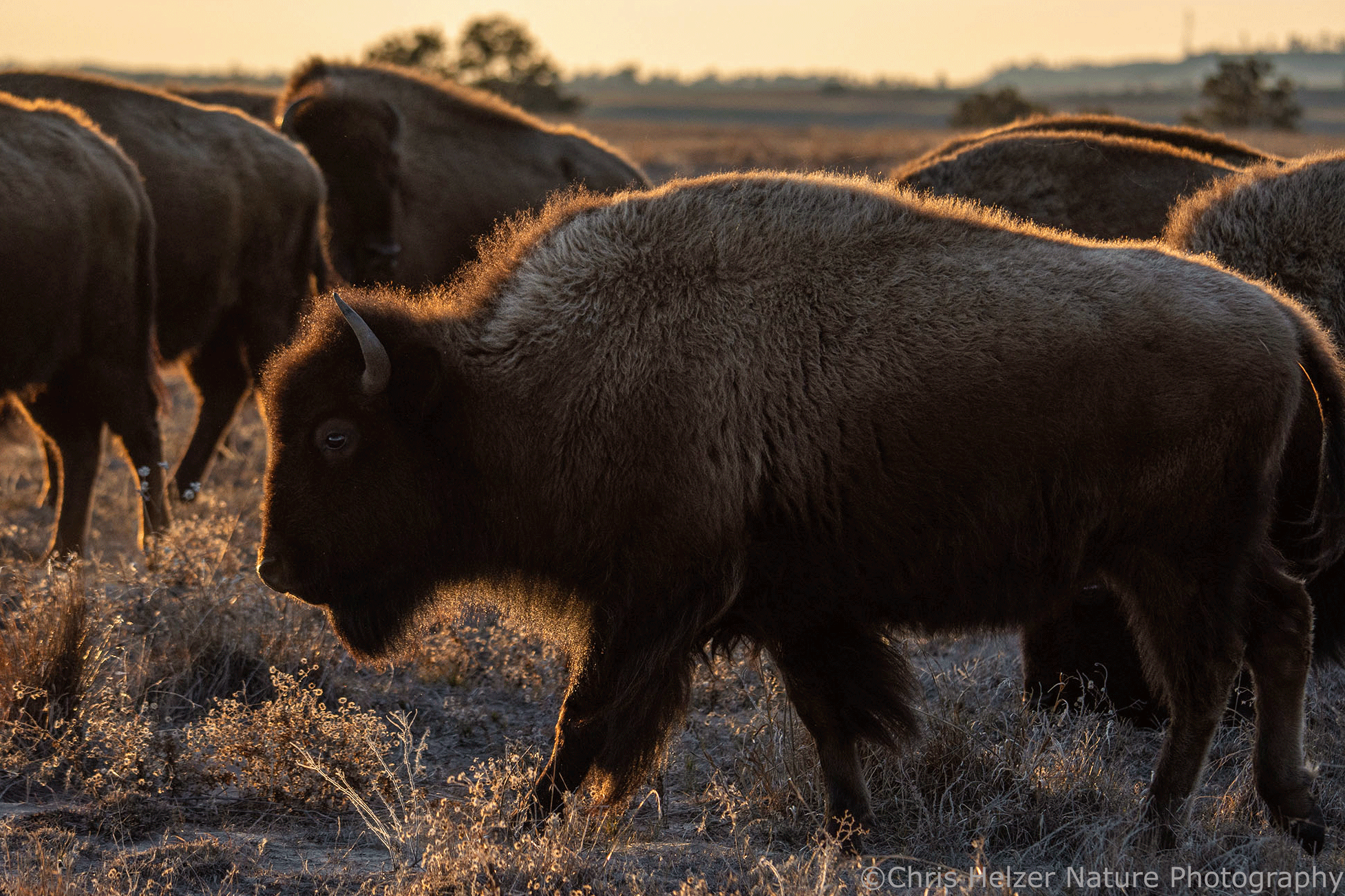
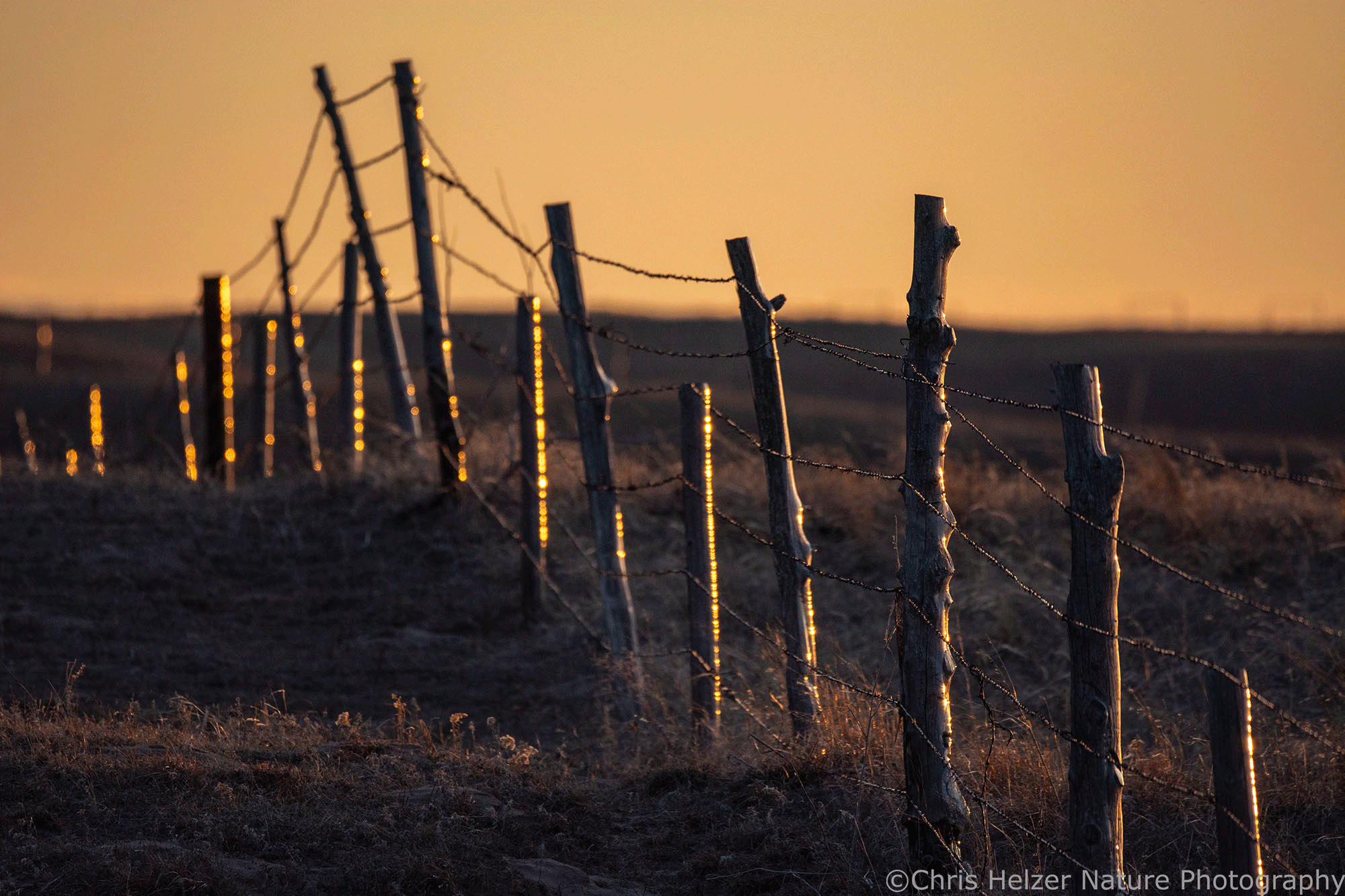
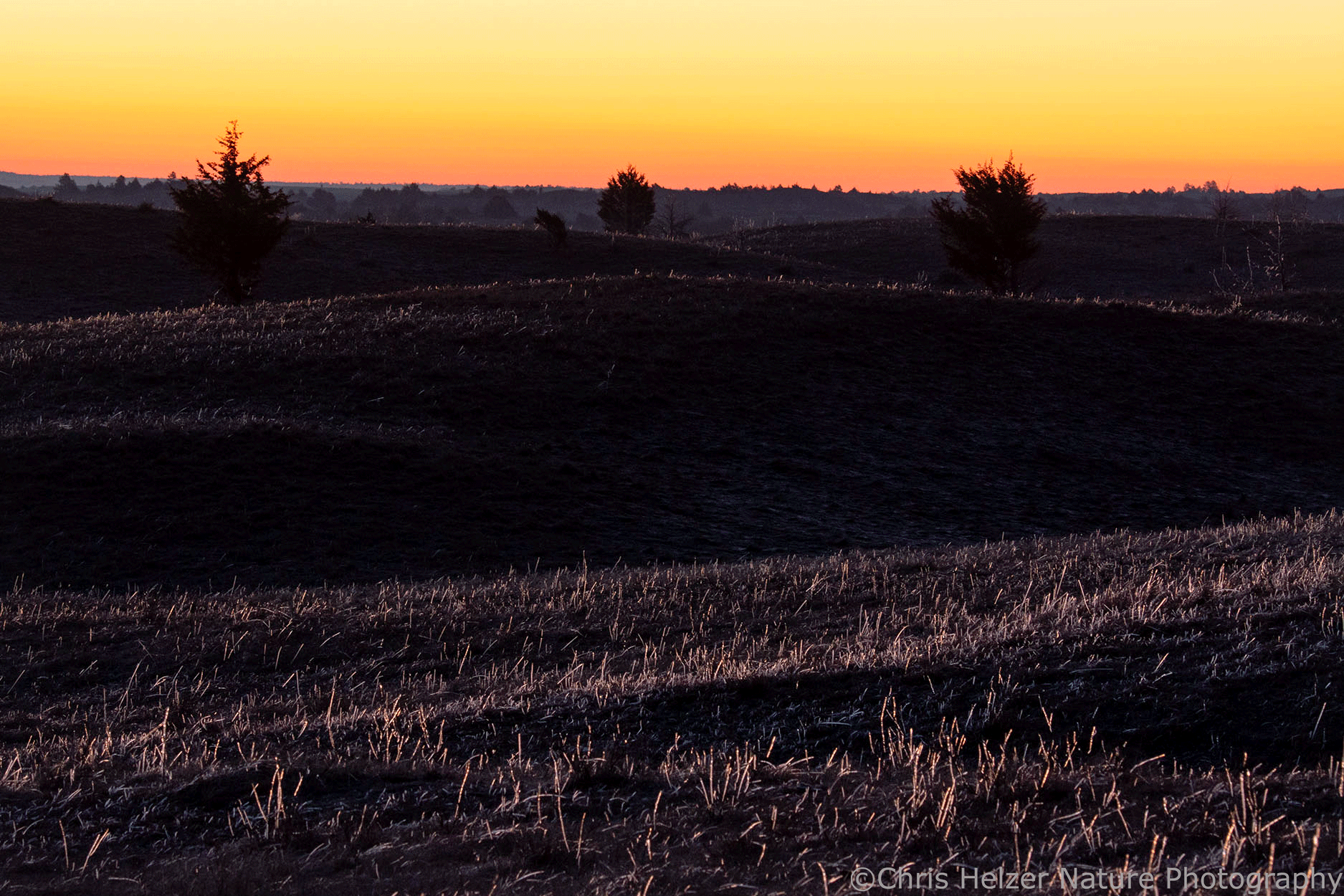
Eventually, the bison moved away and I drove back toward headquarters, stopping briefly to photograph a section of old bison fence against the sunset-colored horizon. I pondered the evening’s events. In succession, a mule deer, burrowing owl, and a group of bison had all been very cooperative. Good luck? Maybe.
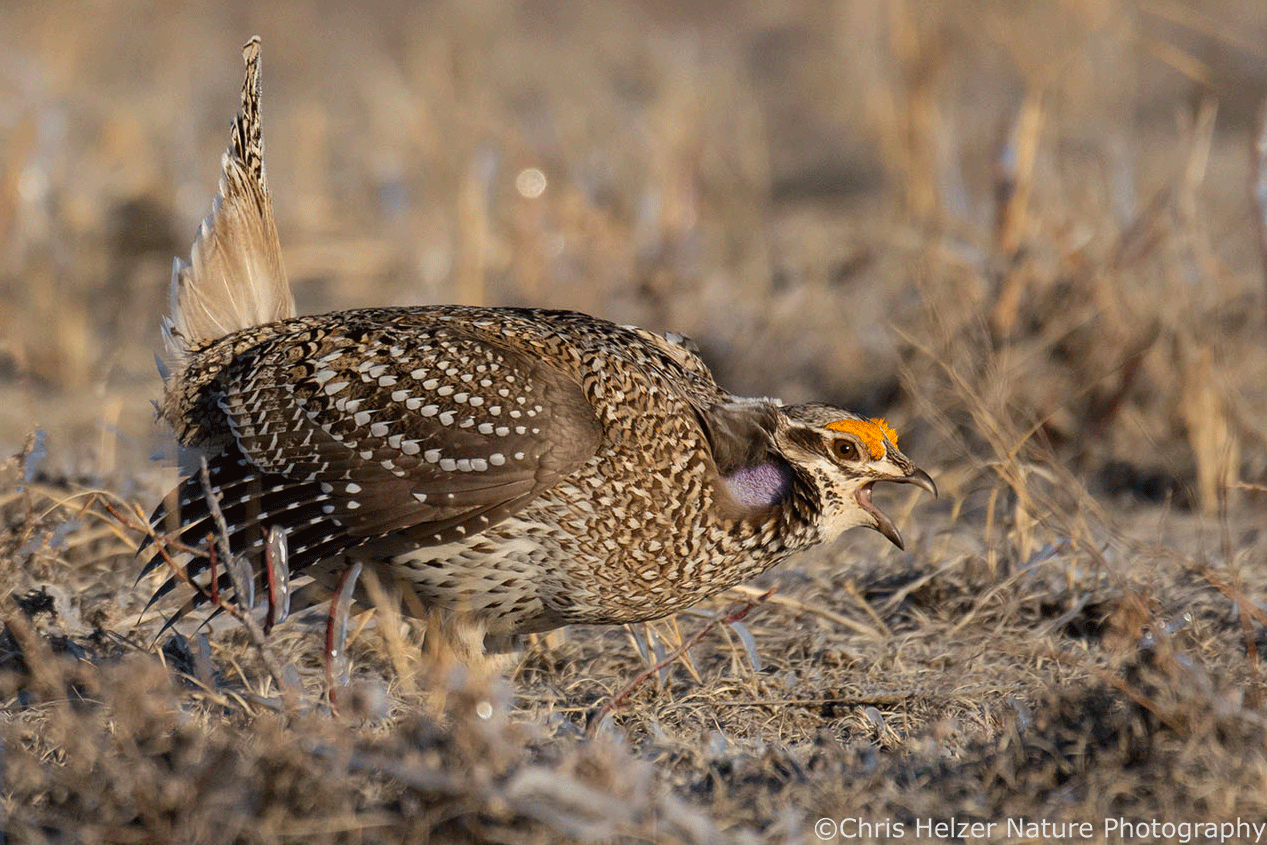
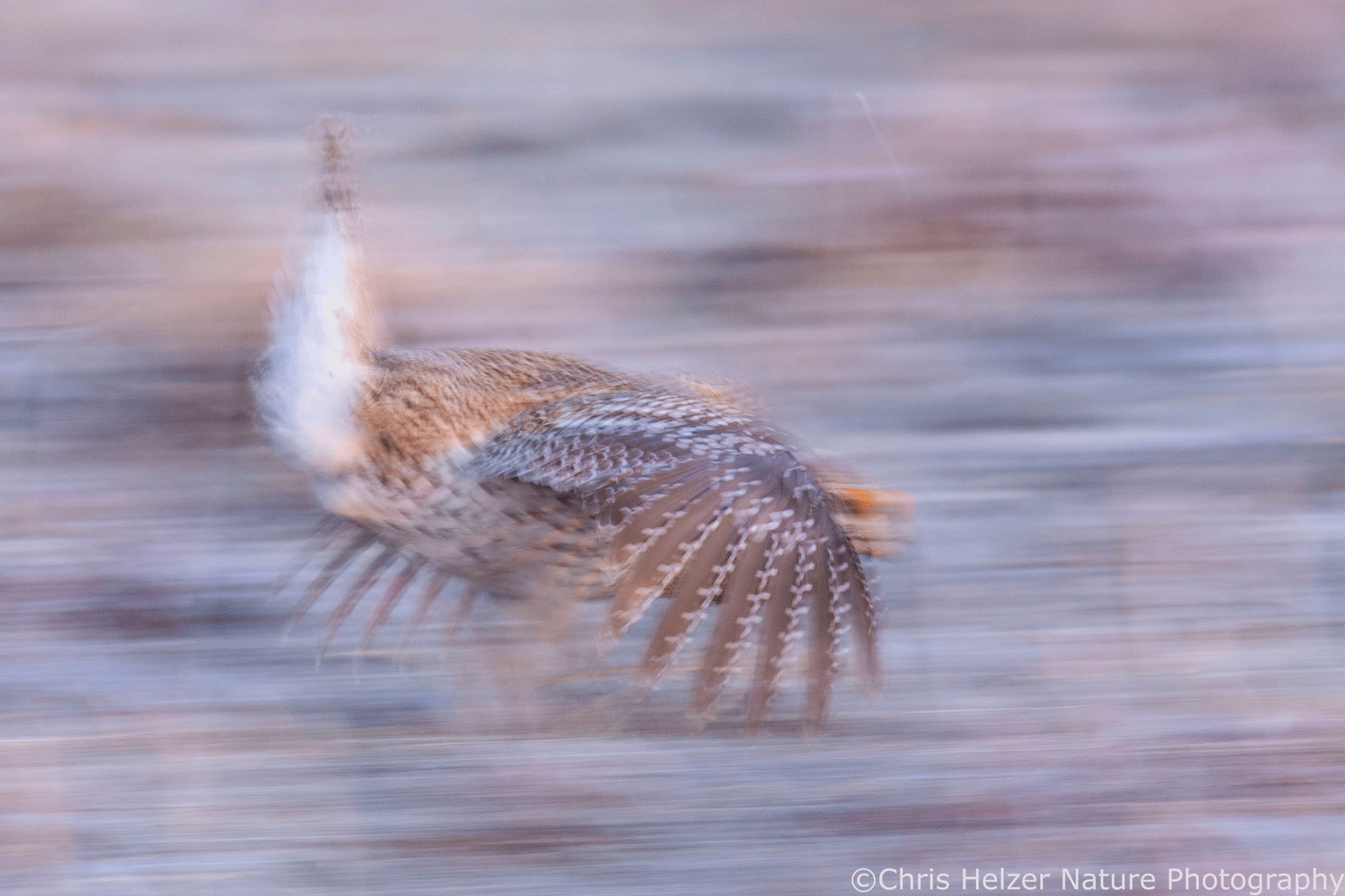
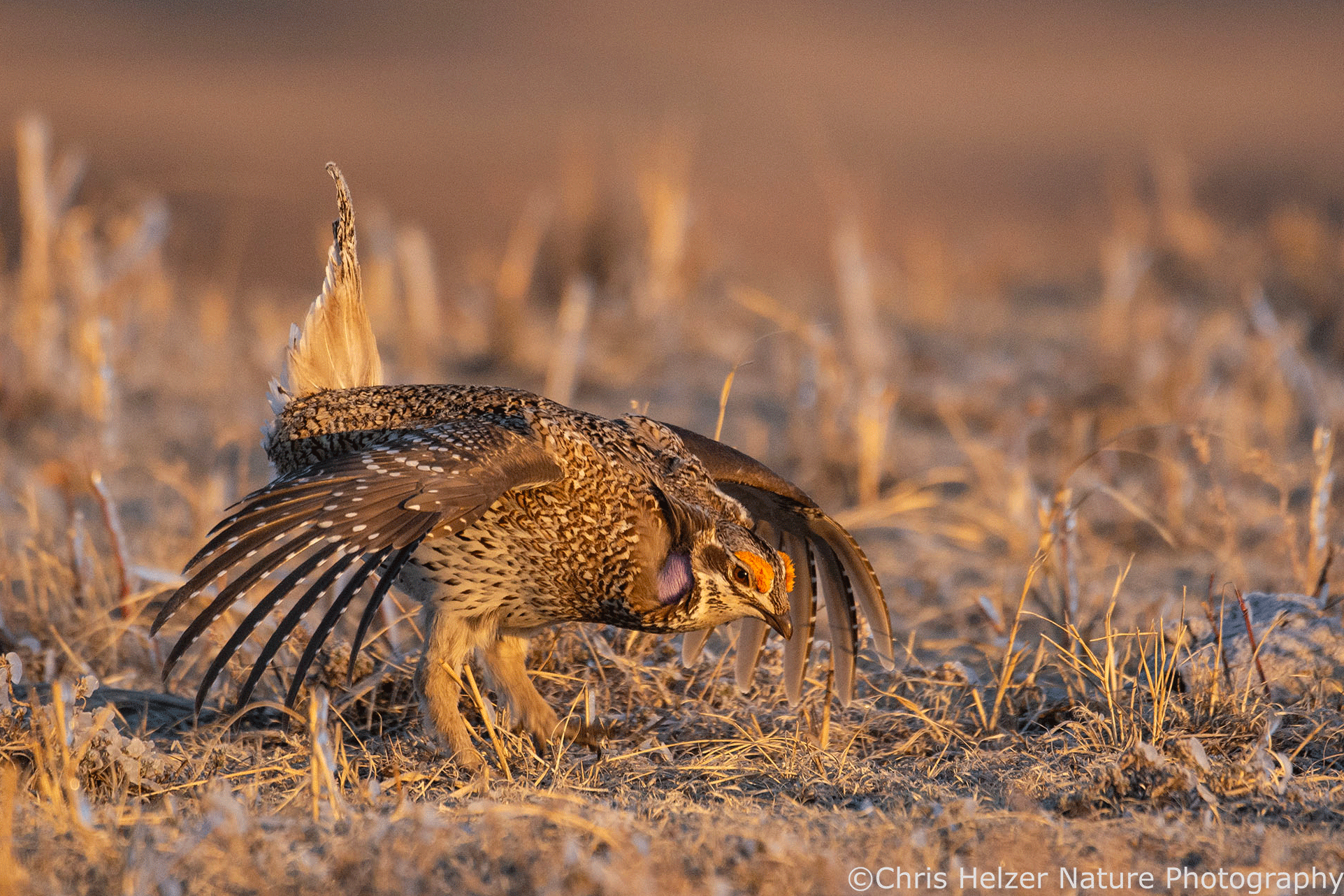
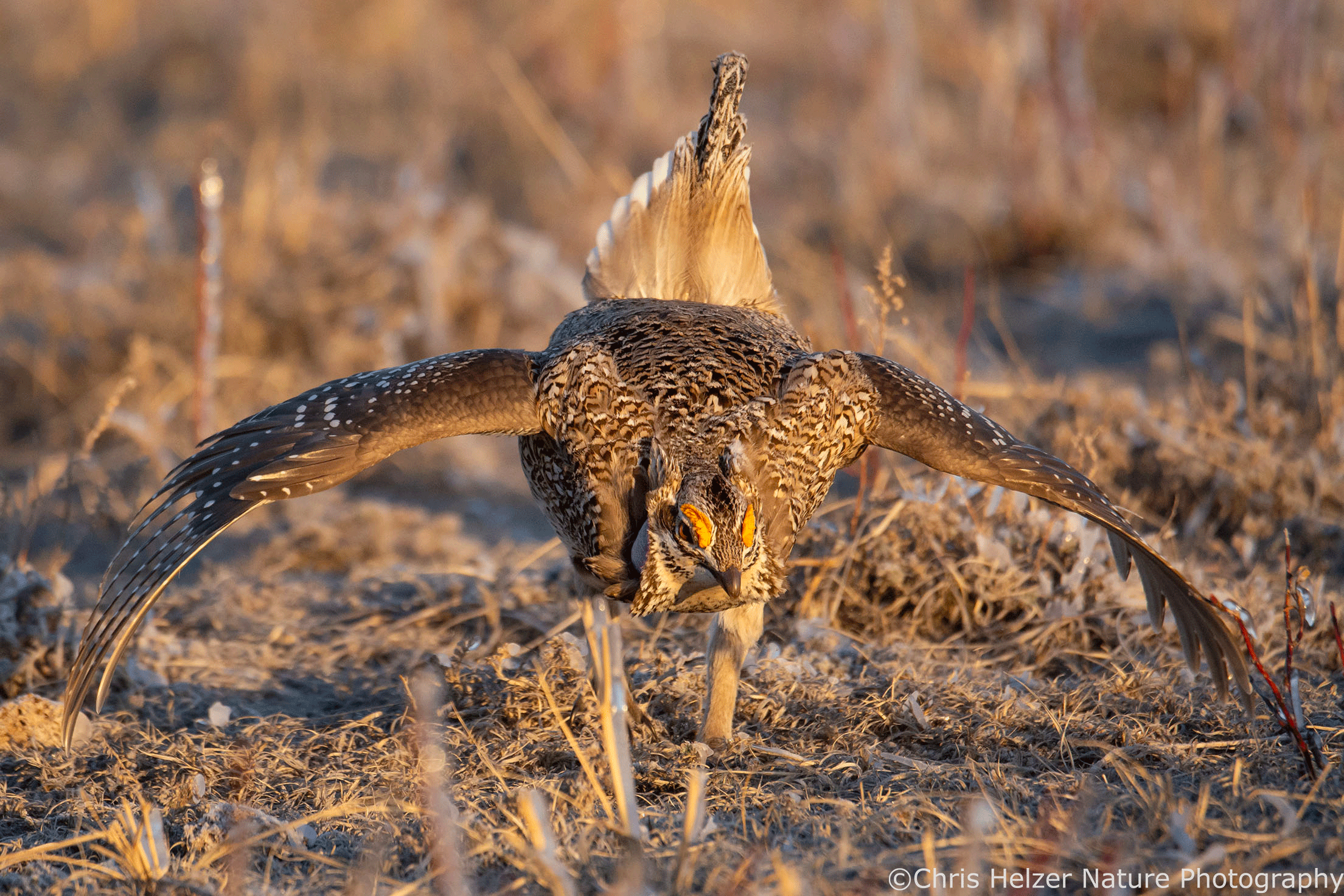
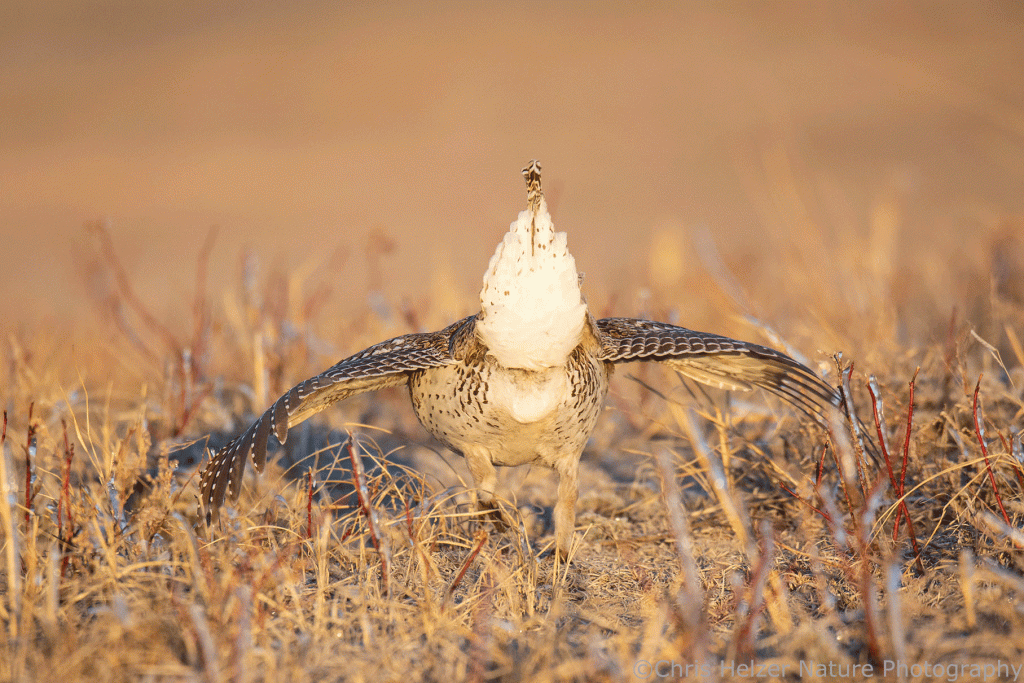
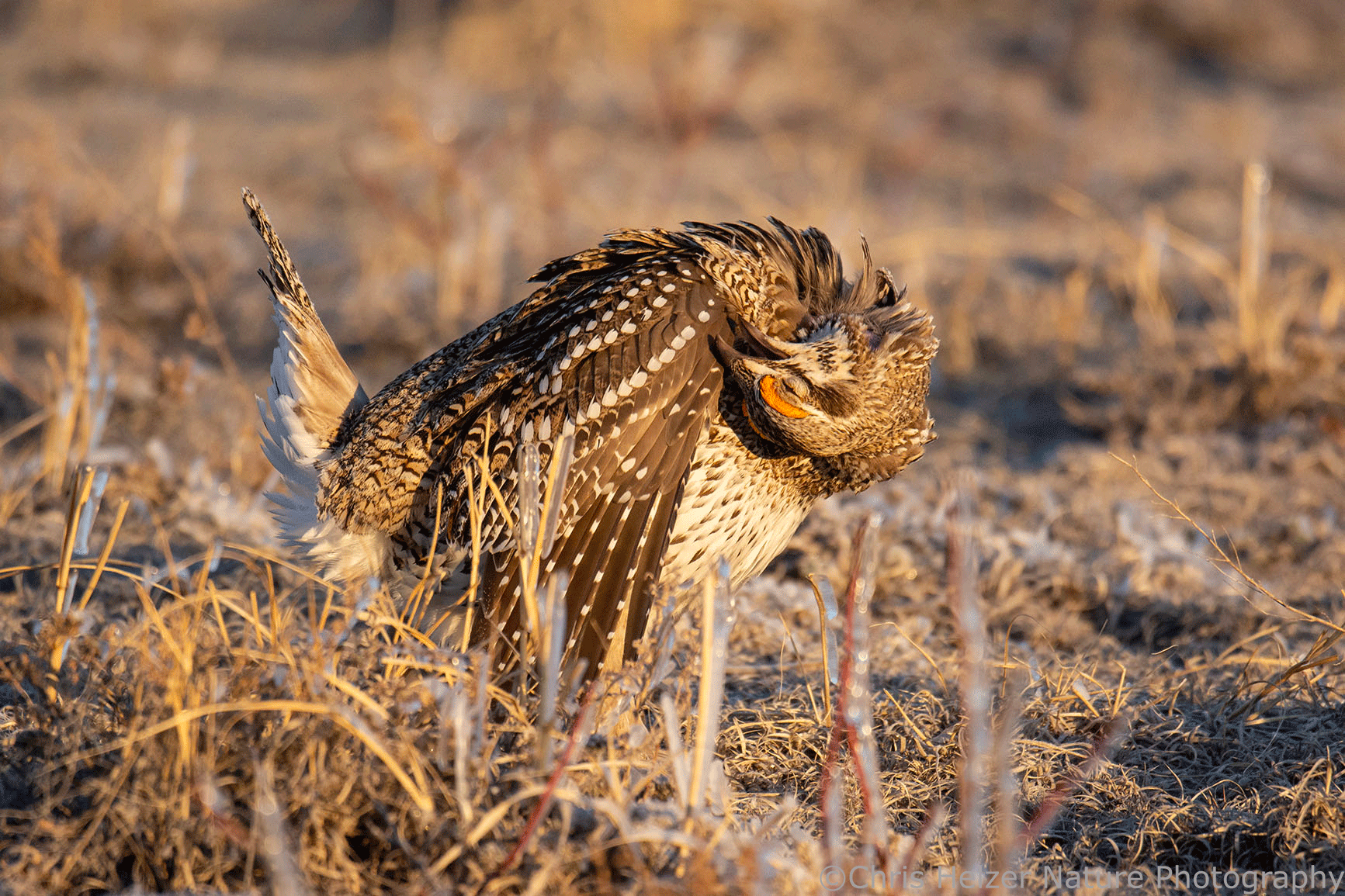
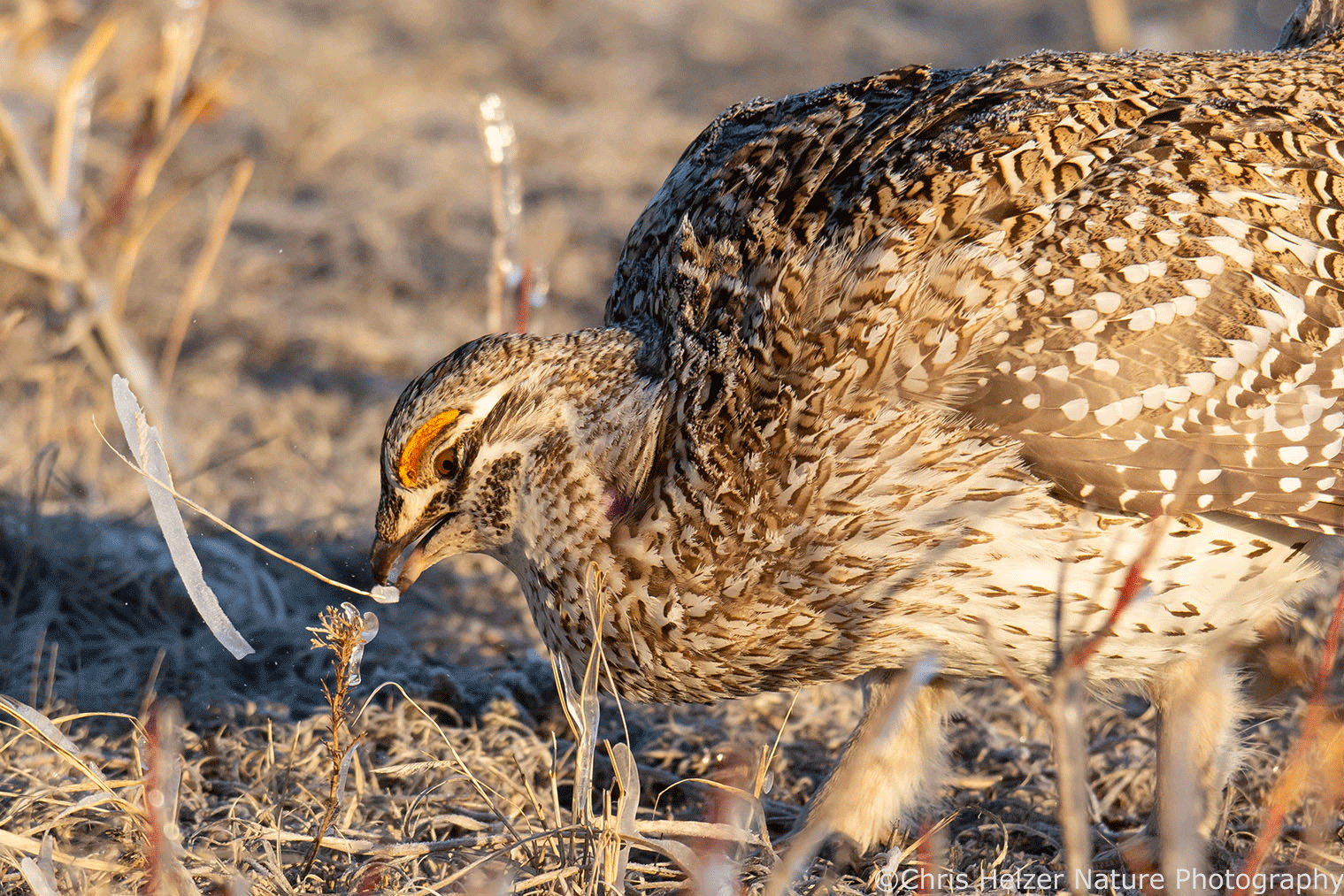
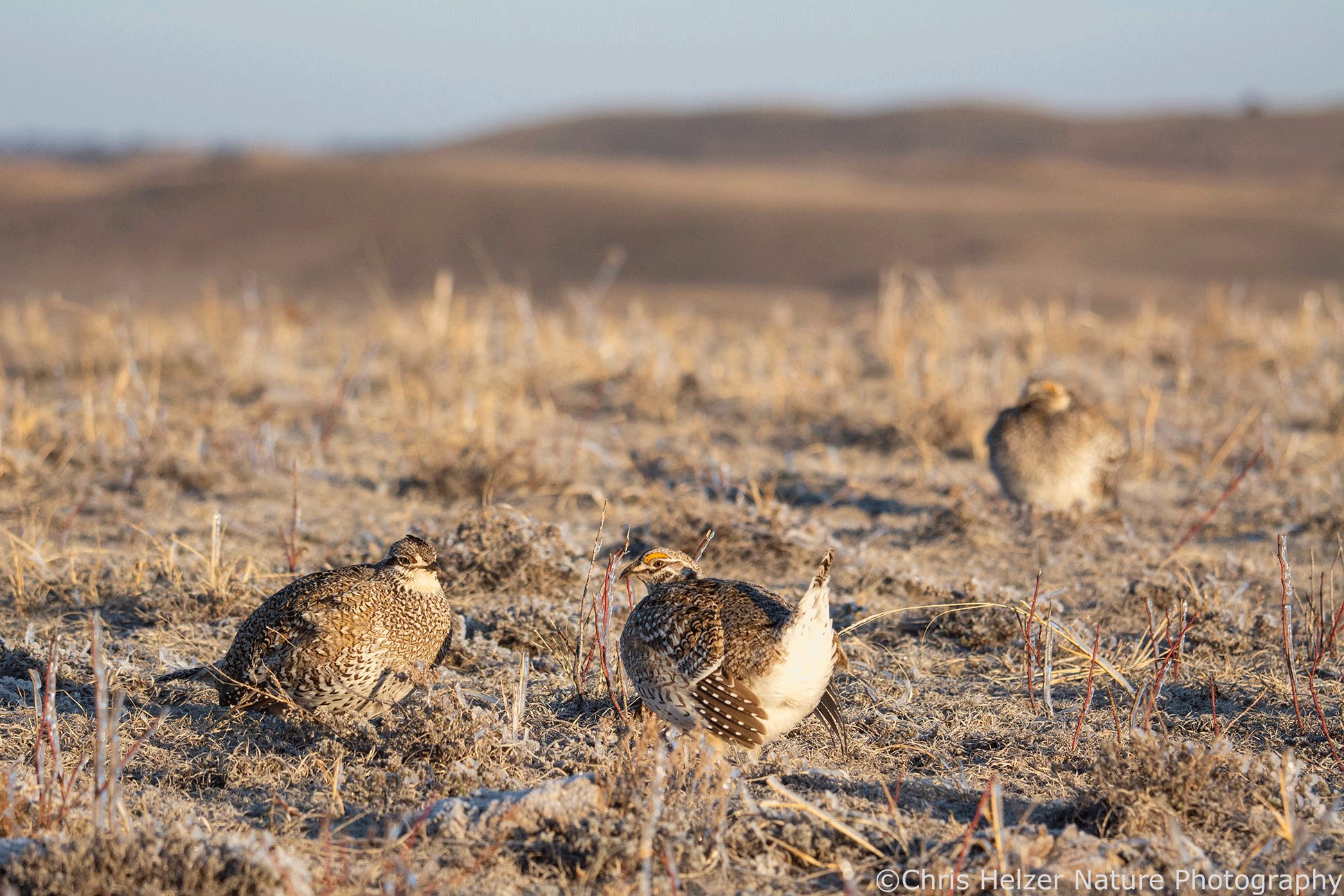
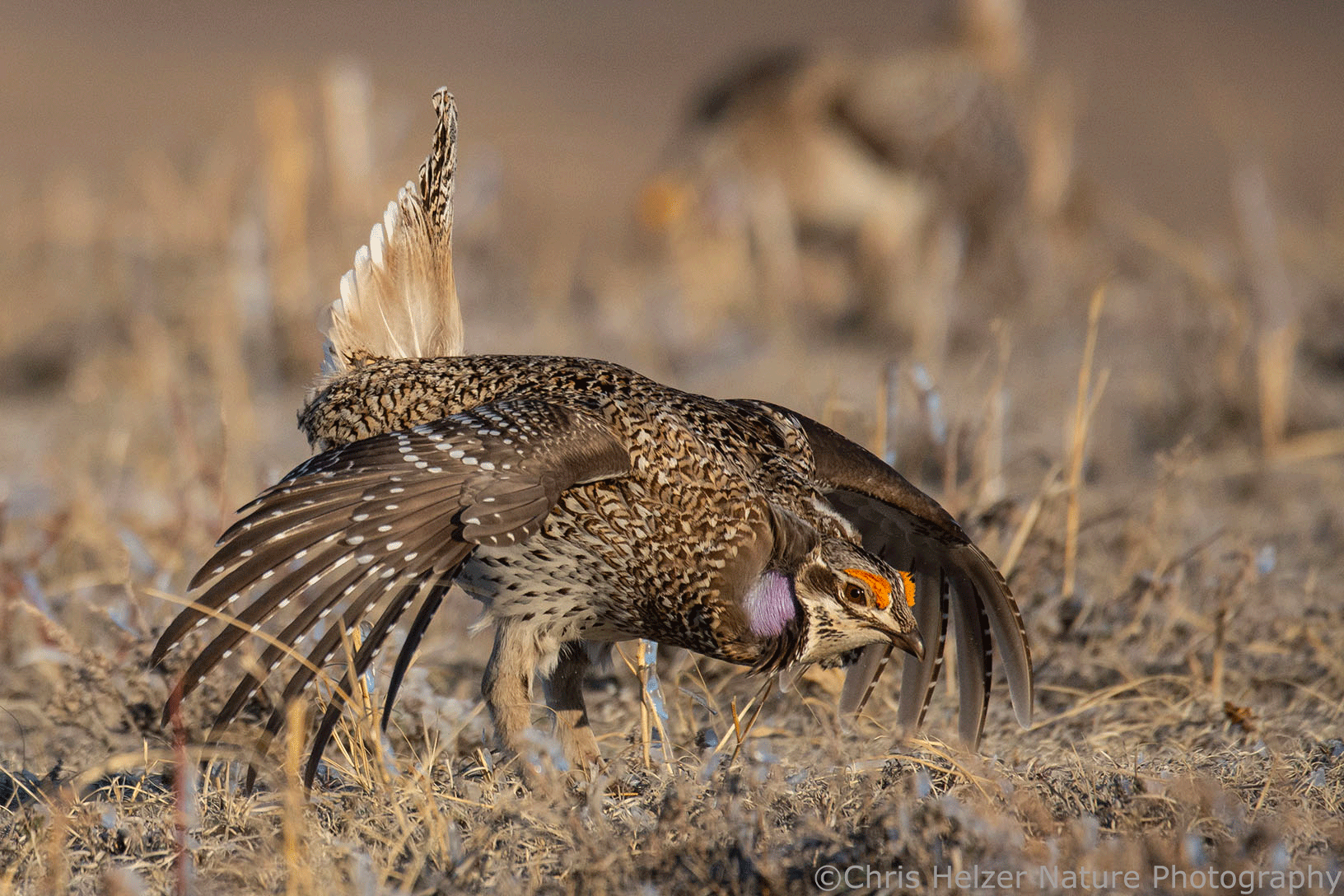
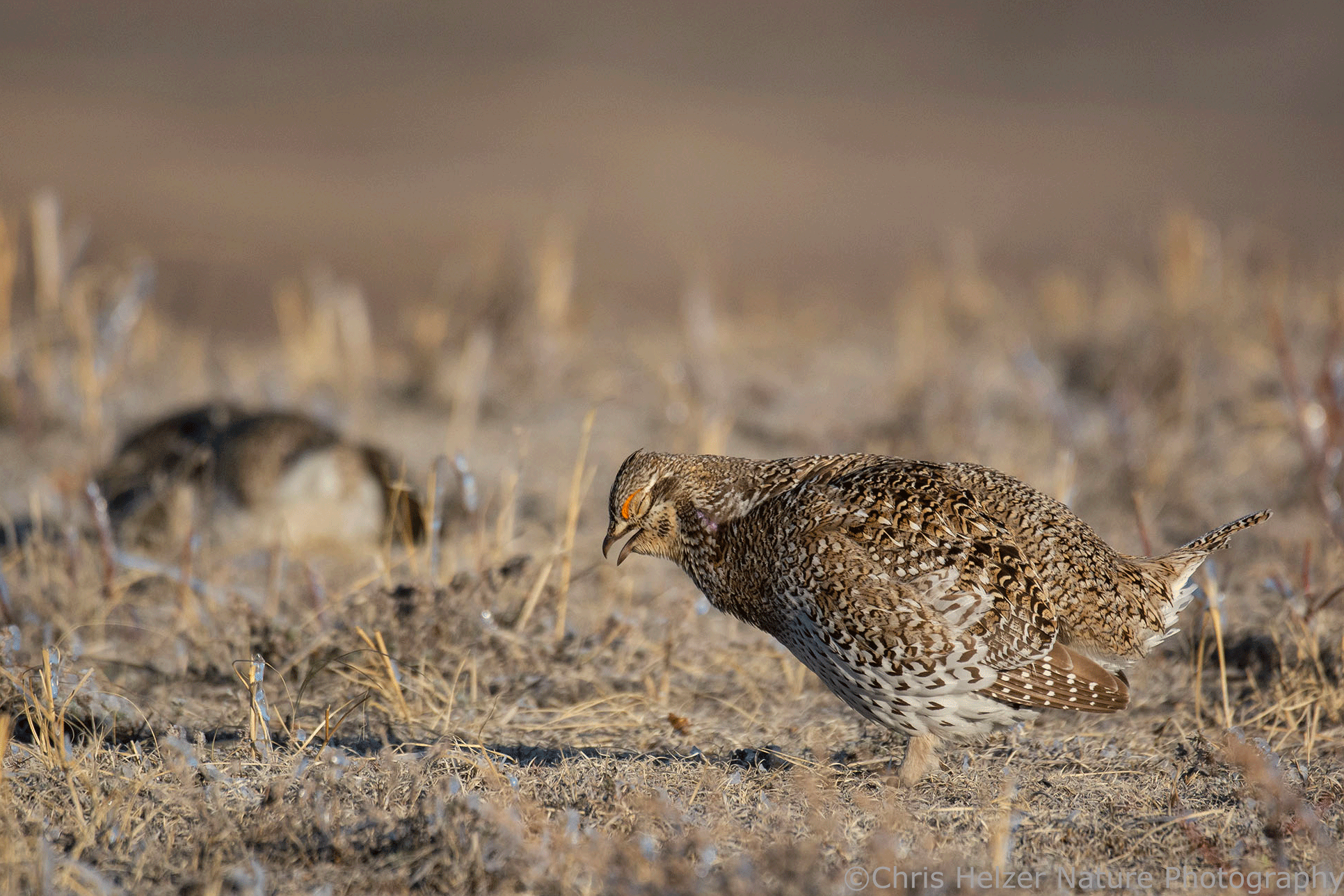
Early the next morning, I was in the grouse viewing blind (see last week’s post for lots of those photos) well before sunrise and stayed in it until about 8:45am. The grouse were active, and ignored the camera lens sticking out of the blind window, but that was normal. Hormones.


As I walked from the blind to my truck, I was admiring the way the ice from some freezing rain (two days earlier) was still hanging on to many of the plants around me. Unable to resist, I stopped and photographed some ice-adorned rose hips with my macro lens. What’s a guy supposed to do? Not lie down on the icy prairie with a camera to look more closely at wrinkled-up plant fruits? Come on…
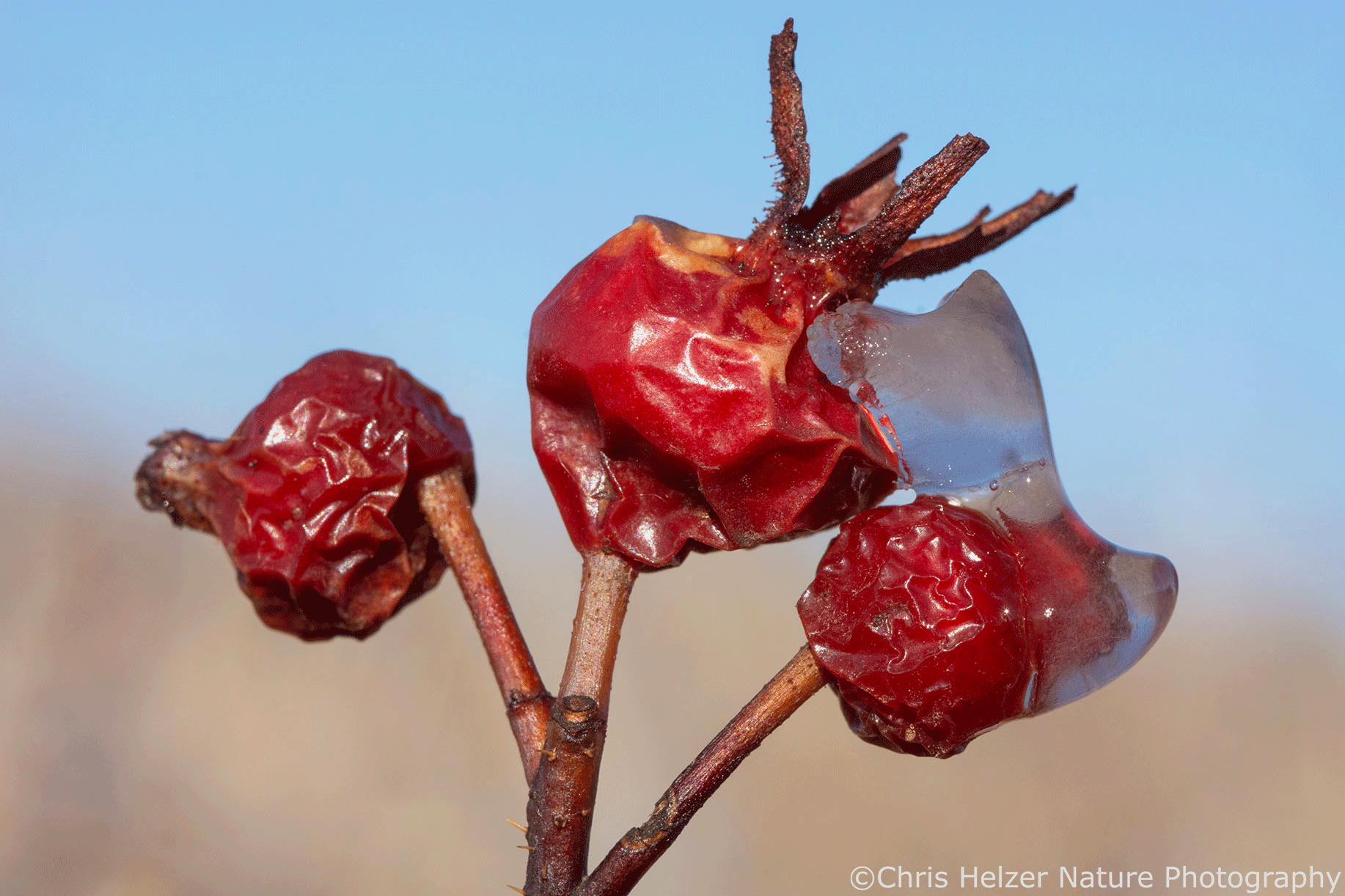
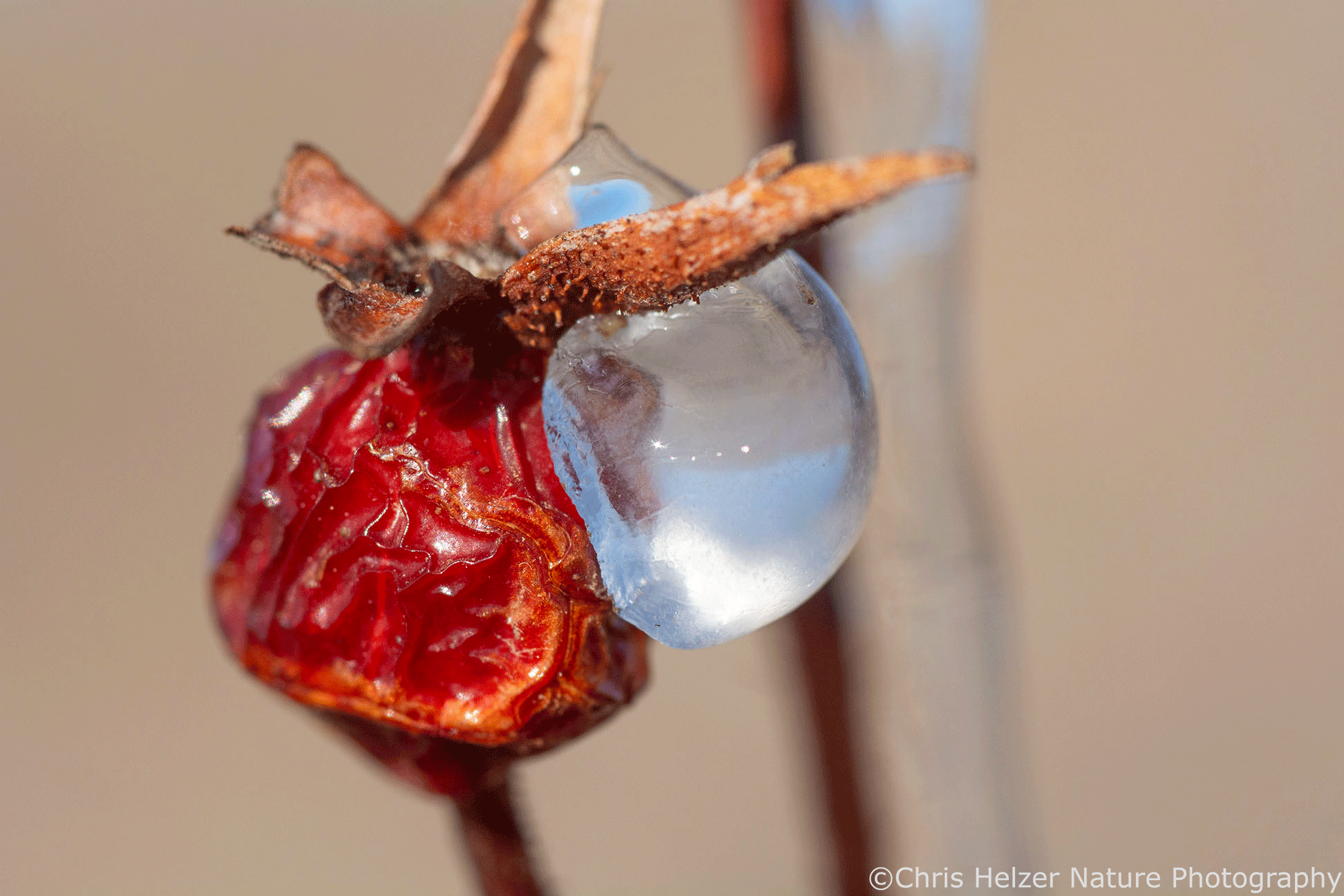
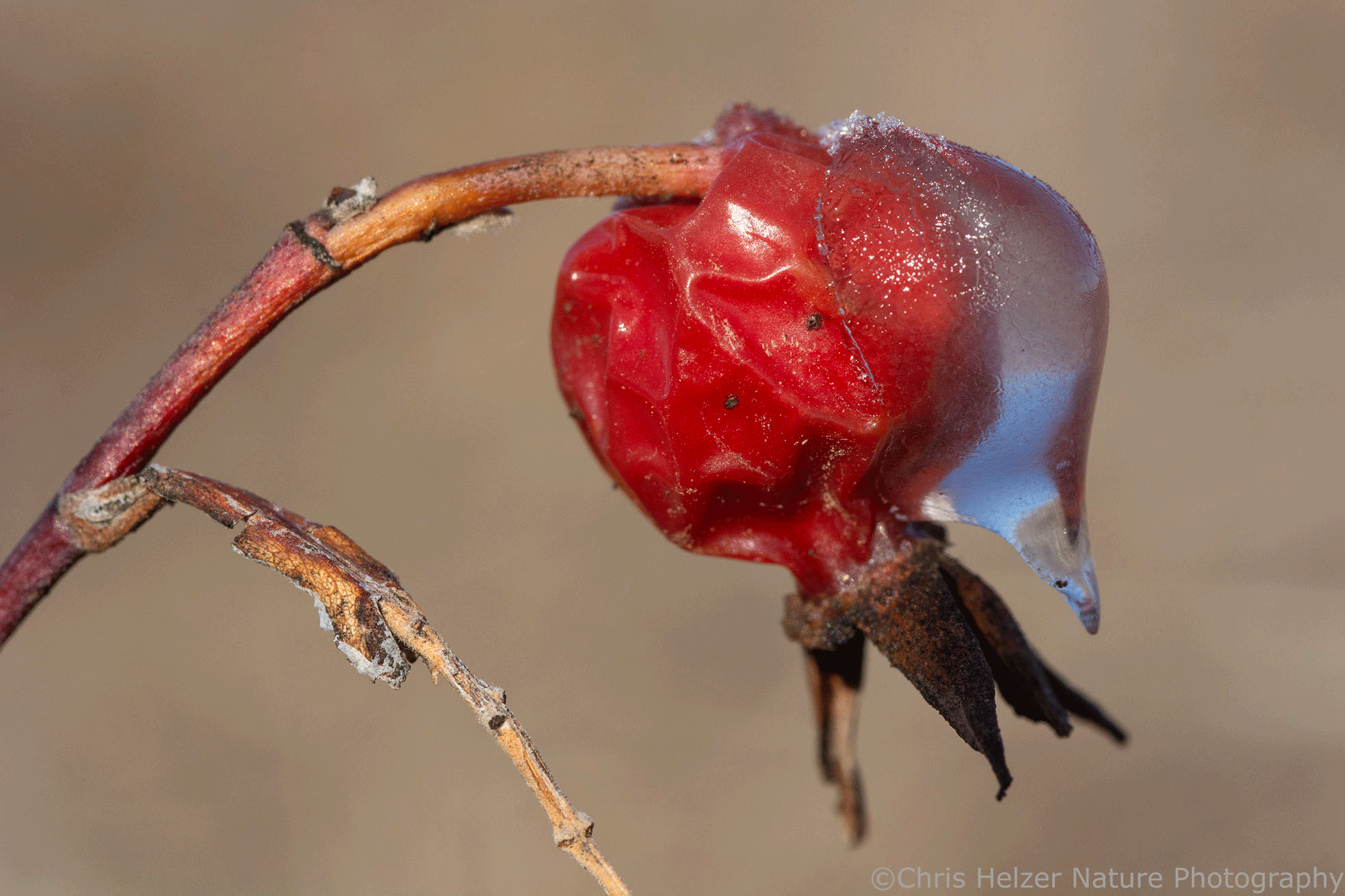
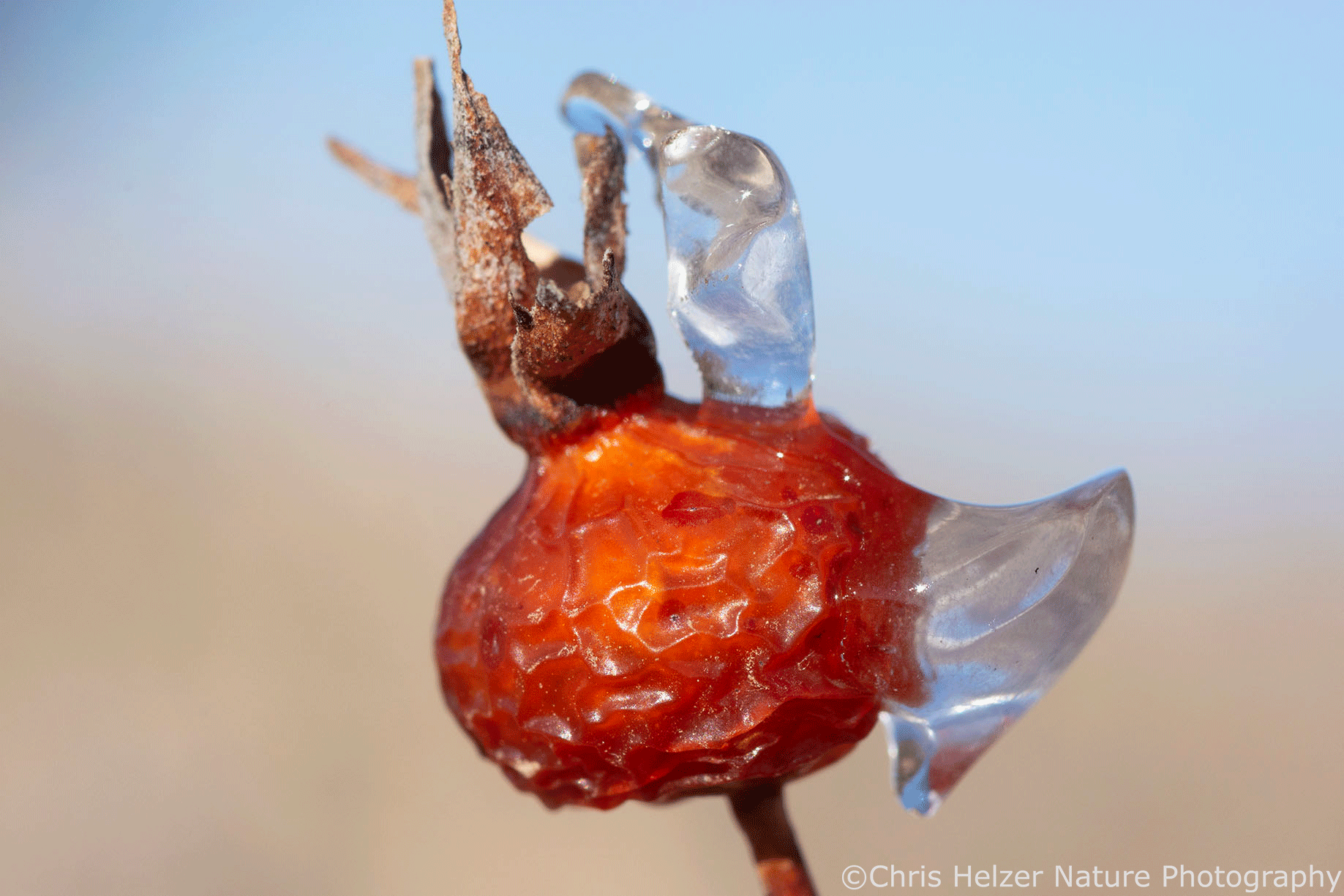
After getting my fill of icy rose hips, I got in the truck to go grab some breakfast before making one more quick trip into the bison pasture in search of calves. As I drove back toward headquarters, I passed a horde of crows (I think that’s the technical term, right?) near the road. I thought about stopping to photograph them but decided there was no way I’d be close enough to any of them to make a good image. Looking back, I bet if I’d stopped, they would have lined up on fence posts for me and posed like models.
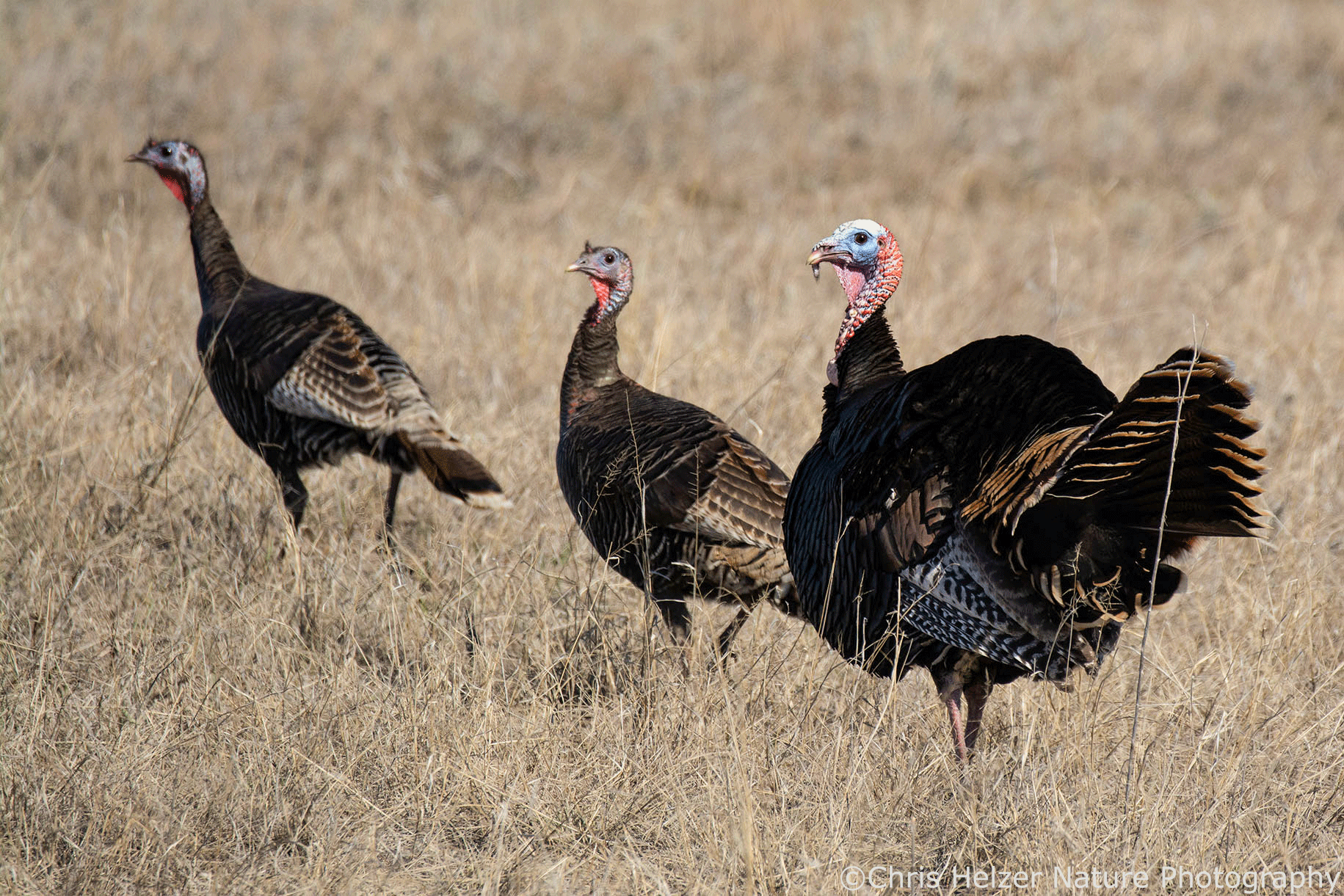
Instead, I kept driving, only to then see a mess of turkeys (technical term) next to the road with a big tom displaying for his harem. Well. A guy can’t just drive past that when his camera is sitting next to him, can he? No, he can’t.

Predictably, the turkeys moved away from me after a few minutes. That was fine. I didn’t need to harass them. I drove on. As I drove, though, I mentally added those turkeys to the list of animals that had been strangely accommodating. There was something odd happening.
As a scientist, I decided to gather just a little more data. There was a prairie dog town nearby. Prairie dogs are notorious for diving into their holes whenever a person or vehicle gets anywhere close. They’d be a good test of the hypothesis that was slowly forming in my mind.
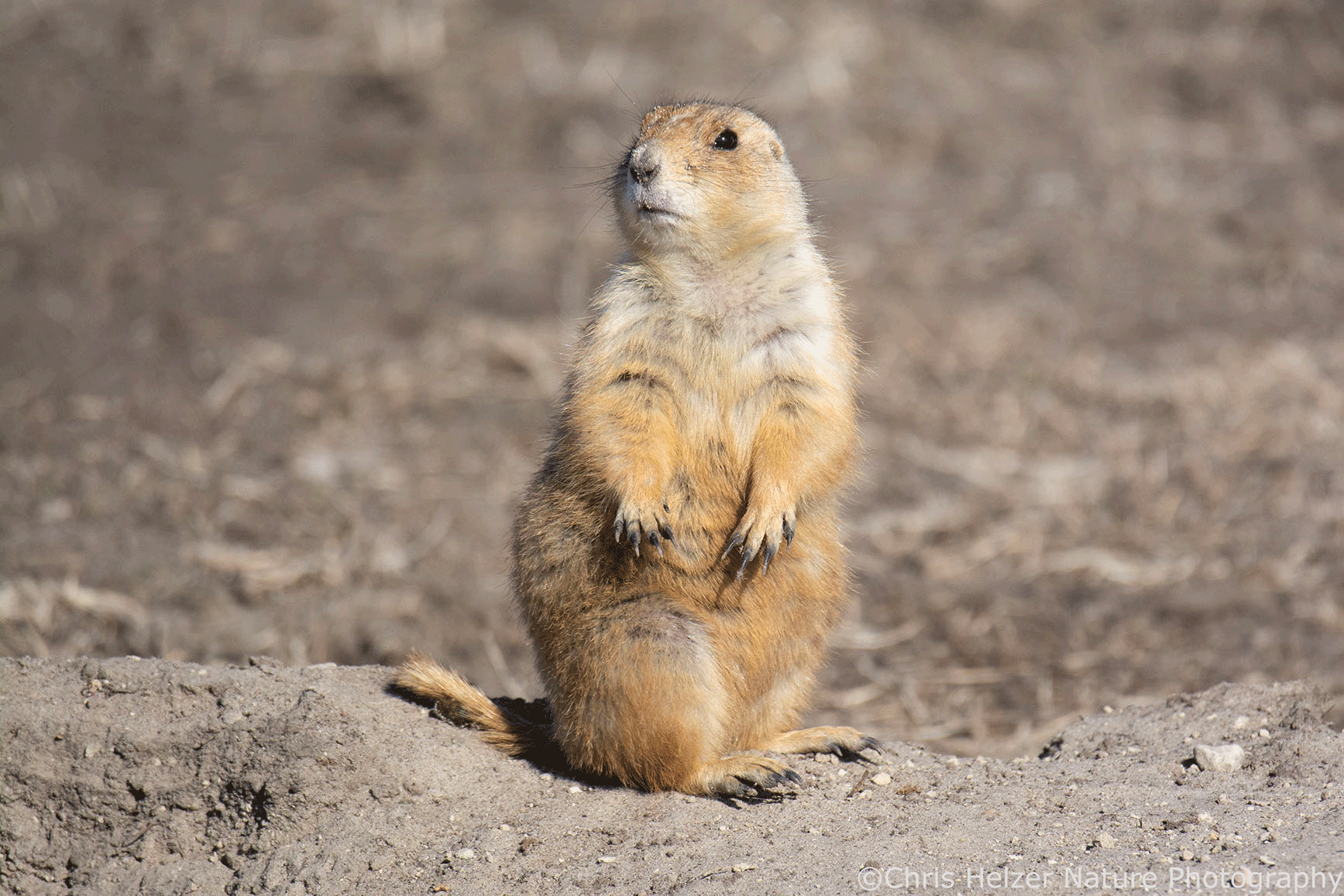
I drove across the river to the dog town and as I approached it, prairie dogs ran for their holes and dived in – as expected. Except one. The prairie dog at the nearest edge of the town to me wasn’t running. It was positioned at the edge of its hole staring at me. I moved a little closer. It stared. Closer. Stared. Huh.
I pulled the truck close enough for photos and cut the engine. The prairie dog looked at me for a while and then started foraging around its hole as I photographed it. I stayed with it for about 15 minutes as it rummaged around, ate a little, and posed in a variety of positions for the camera. Uh huh. I was pretty sure I knew what was happening now.

I looked at my watch and saw that I had just about used up my photography time. I had some actual work to do (scouting research sites) before heading home and there wasn’t going to be enough time to do that and also go look for bison calves. That lined up with my newly-formed hypothesis.
Here’s what I’d decided. All of this had been a vast conspiracy to keep me from photographing the first bison calf of the season. The deer, owl, bison, turkeys, and prairie dogs were all part of a dastardly plan to distract me. I didn’t figure the grouse were involved – they were just horny and doing their thing. There wasn’t any other reasonable explanation for all those animals playing nice. All of them? Within the same 24 hour period? I don’t think so.
I pondered this hypothesis as I drove back across the river toward headquarters. As I turned off the main road and headed down the hill toward the buildings, guess what I saw?
The same group of turkeys from before were blocking the road. They were literally standing in the middle of the lane with the big tom all puffed out. “Fine!,” I shouted at them, “You win! You can all go home now. I’ll leave the poor bison calves alone.”
The turkeys didn’t react to that. They played it cool and slowly meandered off to the north, turning periodically to pose for the camera. I squeezed off a couple shots with my camera just because they were there, but my heart wasn’t in it anymore. They’d fooled me. All of the animals had fooled me.
Now I had to do actual work instead of finding cute little bison babies. I did the work. Then I drove home.
Two days later, I saw a social media post featuring the first bison calf of the season at the Niobrara Valley Preserve. Apparently, Ashley wasn’t fooled by the vast wildlife conspiracy and managed to find the calf. Well, good for her.
I don’t care.



 The Prairie Ecologist