
Last week, I had a couple hours to do some reconnaissance at the Niobrara Valley Preserve. I wanted to see how far along the flowering plant season was in preparation for some data collection efforts we hope to start soon. It was a hot afternoon, and it was nice to be riding an ATV so I could create my own breeze. At one point, I parked the ATV and took a short walk down into a valley filled with sumac. When I came back, something caught my eye as I was swinging my leg onto the ATV. When I checked out the small flash of magenta, I found this:
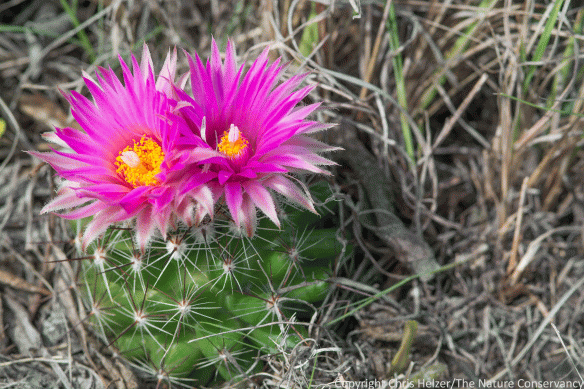
Pincushion cactus (Escobaria vivipara, aka Coryphantha vivipara)
Wow. A gorgeous little plant! I’d photographed the same species at the Niobrara Valley Preserve a dozen or more years ago, but hadn’t seen one since. Since this was the second pincushion cactus I’d seen despite many many trips to the Preserve, I figured it must be a fairly uncommon plant. I pulled out my diffuser (thin fabric stretched across a flexible frame) to soften the harsh mid afternoon sunlight and photographed it. Then I drove away, feeling fortunate and happy.

…and then I saw another cactus about two minutes later. This one had THREE flowers, so of course I had to photograph it! What a lucky day – no pincushion cactus sightings for twelve years or more and now TWO in TWO minutes! Despite the heat, I was in a great mood when I started driving again.
Then I saw another one. And another. During my two hour drive, I saw at least a dozen blooming cacti, all vibrant and spectacular. They were like little sparkling jewels embedded in the prairie. I even found a couple of them blooming within the portion of the big bison pasture that was burned in March this year. The prickly pear cacti in that same burned area was shriveled from the fire and (based on previous experience) going to have to regrow from their bases. I don’t know why the pincushion cactus seemed unaffected; maybe because it sits so low to the ground. Or maybe I just found the lucky ones that ended up in less intense heat.

My dad has this species of pincushion cactus in his garden and says they only bloom for a few days each year. I guess that’s why I’ve seen them so infrequently. I’m sure I’ve walked past them many times without noticing them. The cactus barrels I saw last week were the size of a tennis ball or smaller, and they sit right on the surface of the ground, so it’s easy to see how I’d miss them without the bright magenta spotlights shining at me. I just happened to be in the right place at the right time last week.
…I kind of feel like my career has been a long series of being in the right place at the right time. I’m immensely grateful for every one of those opportunities.





 The Prairie Ecologist