Photos of the Week – September 30, 2026

Quick note: The Hubbard Fellowship application period has been extended through this coming weekend. Applications are now due at midnight on Sunday October 4. Click here to apply and please pass the word!

I was in north central Nebraska over the weekend because Kim was running the Cowboy 100 ultramarathon. She ran 100 miles in about 23 hours, getting third place among women and sixth place overall – a great race for her!

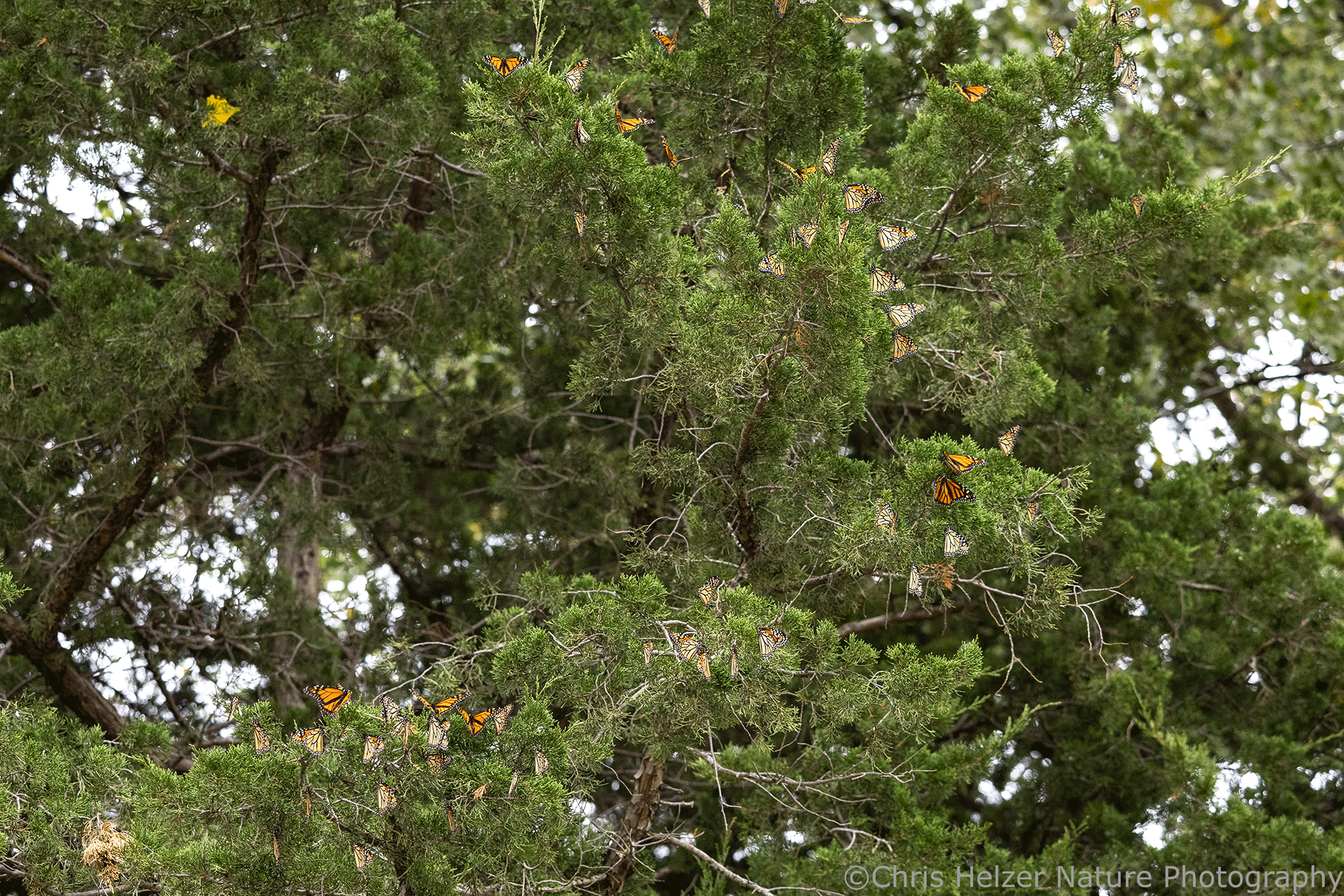
While she was running, I ended up finding an opportunity to photograph more monarch butterflies than the miles Kim ran. I stumbled upon a big roost just north of the town of Bassett, Nebraska. I was driving slowly down a dirt road and flushed a few butterflies from the tree line to my right. They flew up and then circled back to the tree they’d come from. Intriguing. When I stopped and looked more closely, I saw that there were hundreds of them in scattered groups along about 1/4 mile of trees. Most were high up in the branches, and the overcast skies made photography difficult, but I found a few groups I could capture images of during some brief periods of slightly brighter skies.
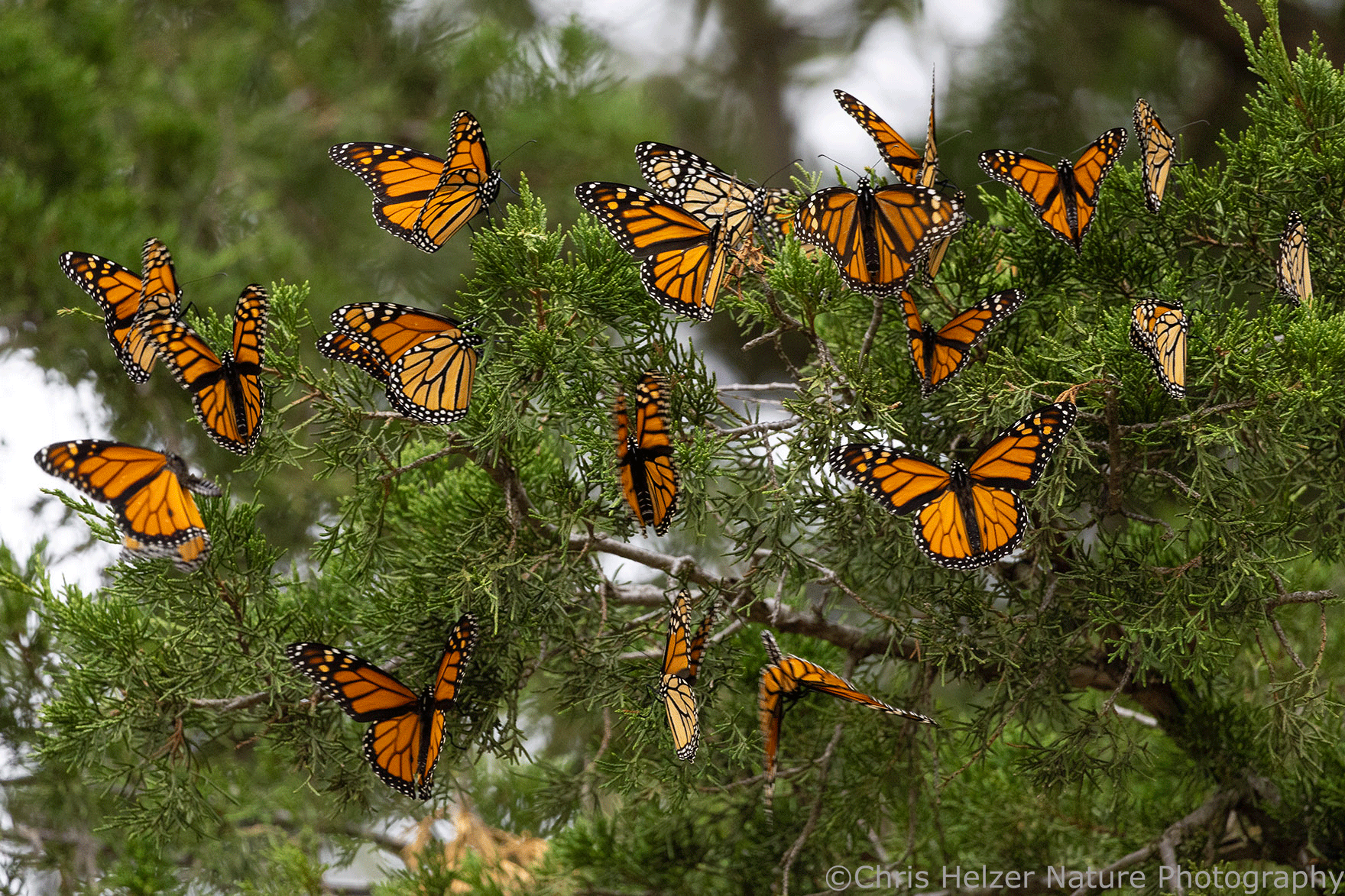
Monarchs fluttering their wings as one of their compatriots flew past.

I was particularly glad to find this roost because it’s more evidence of the value of this part of the world to monarchs. I feel like the Midwest and eastern U.S. gets most of the attention when it comes to monarch conservation efforts and funding. We should certainly spend money in that part of the country to improve habitat. However, further west in the Great Plains, there are tons of monarchs as well, both during breeding and migratory seasons. The numbers are underreported, largely because the human population is low and most of the landscape is privately-owned and not well-explored by people who count butterflies.

I made sure to report this roost and get another data point out there. As I shared the sighting with some local friends, I was told they were also seeing lots of monarchs coming through, both in their yards and on the ranches they work on. It shouldn’t be a surprise that the 12 million acres of Sandhills prairies (and the other 8 million acres of grassland in Nebraska) provide a lot of monarch butterfly habitat, but it’s apparently a story we need to keep telling people. So, here I am telling it.
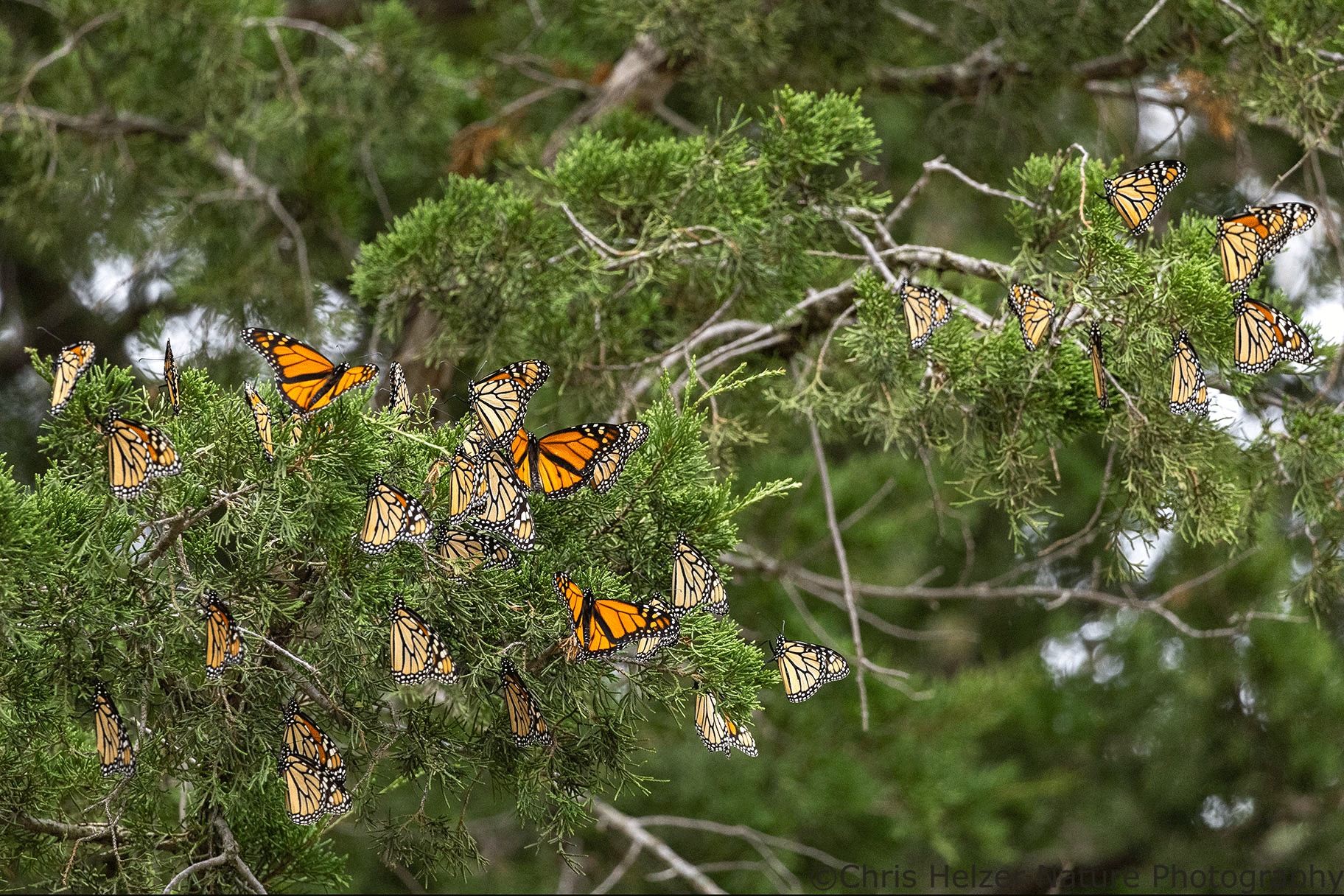
A slightly wider view of that same group shown above.
An even wider view of the same group. I count 54 monarchs in this photo.

Apart from the monarch roost, I didn’t find many other photo opportunities during the day. It was dark and dreary and just breezy enough that things didn’t line up well for photography. Plus, of course, I had race obligations – I had to stay ahead of Kim and meet her at the various aid stations where I could fill her up on water and encouragement. I did stop and watch a little family of milkweed bugs feeding on some milkweed pods, though. I also wandered around and enjoyed seeing the sights without trying to photograph everything I saw.
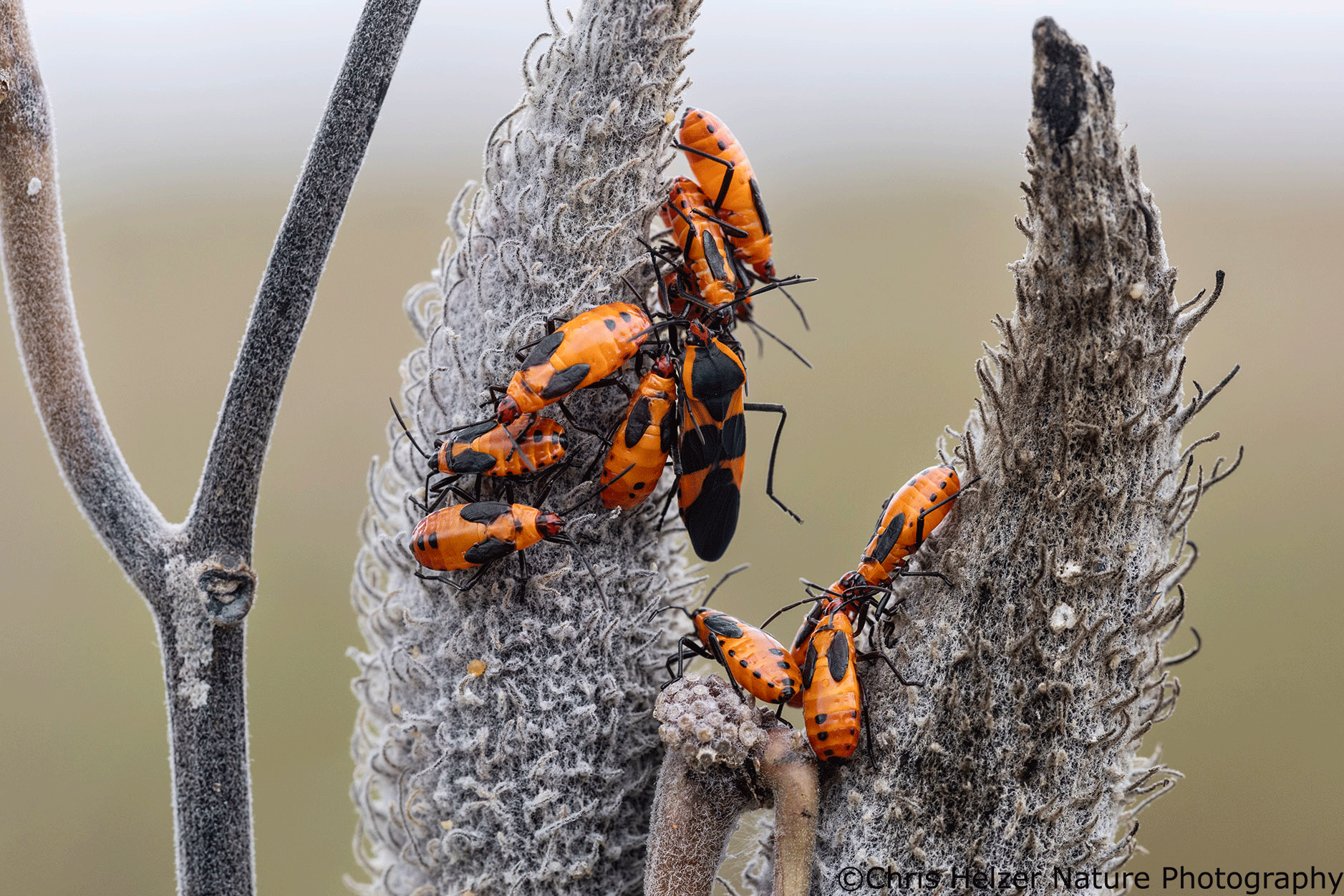
Large milkweed bugs on common milkweed.

As the sun went down Saturday night, a large full (or close) moon rose from the opposite horizon. As it emerged, large and pink, I was helping Kim get back on the trail, but once she was on her way, I drove out of town and found a spot where I could take a few quick photos before it got too high.
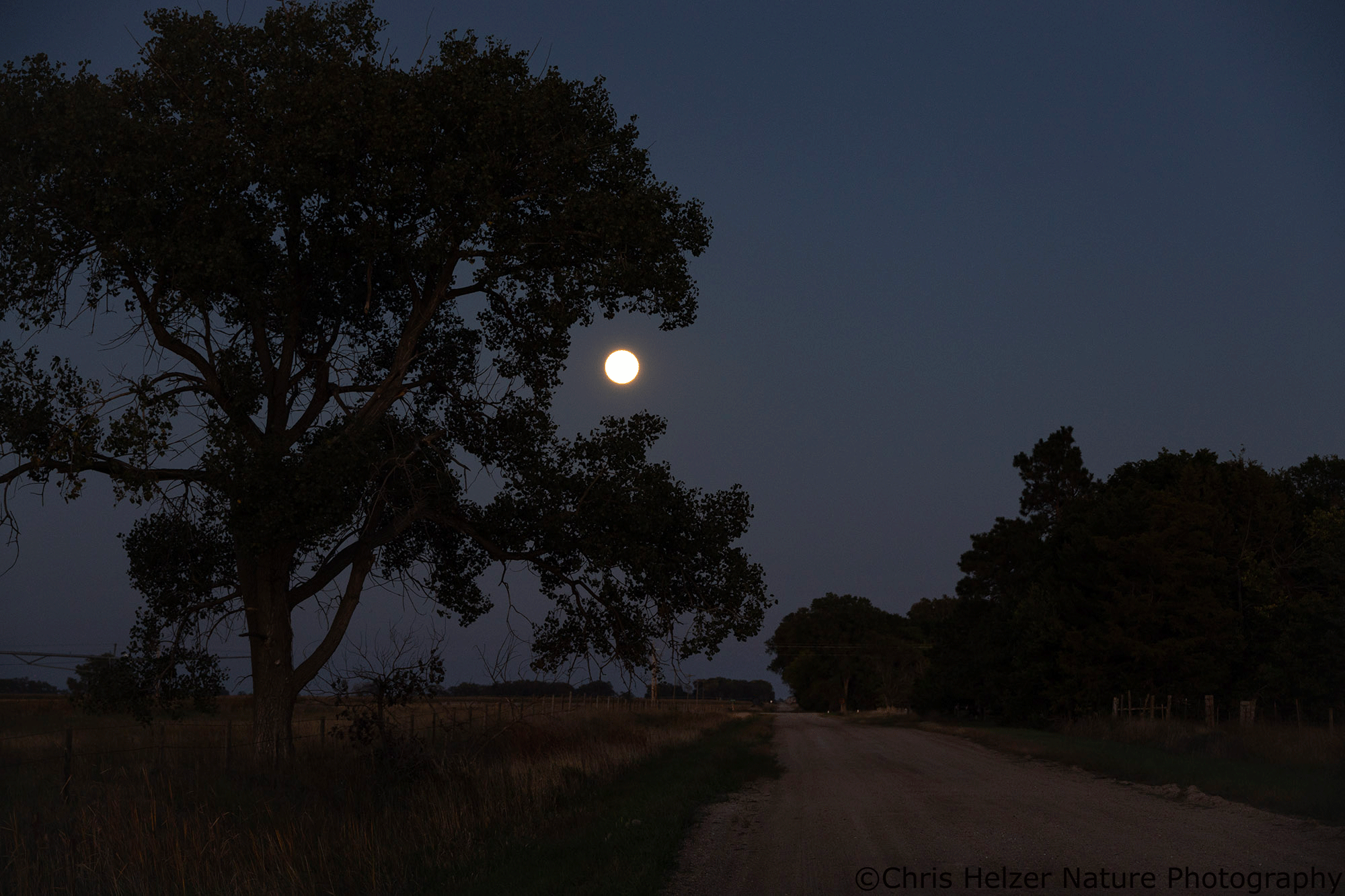
Full moon, cottonwood tree, and a country road.

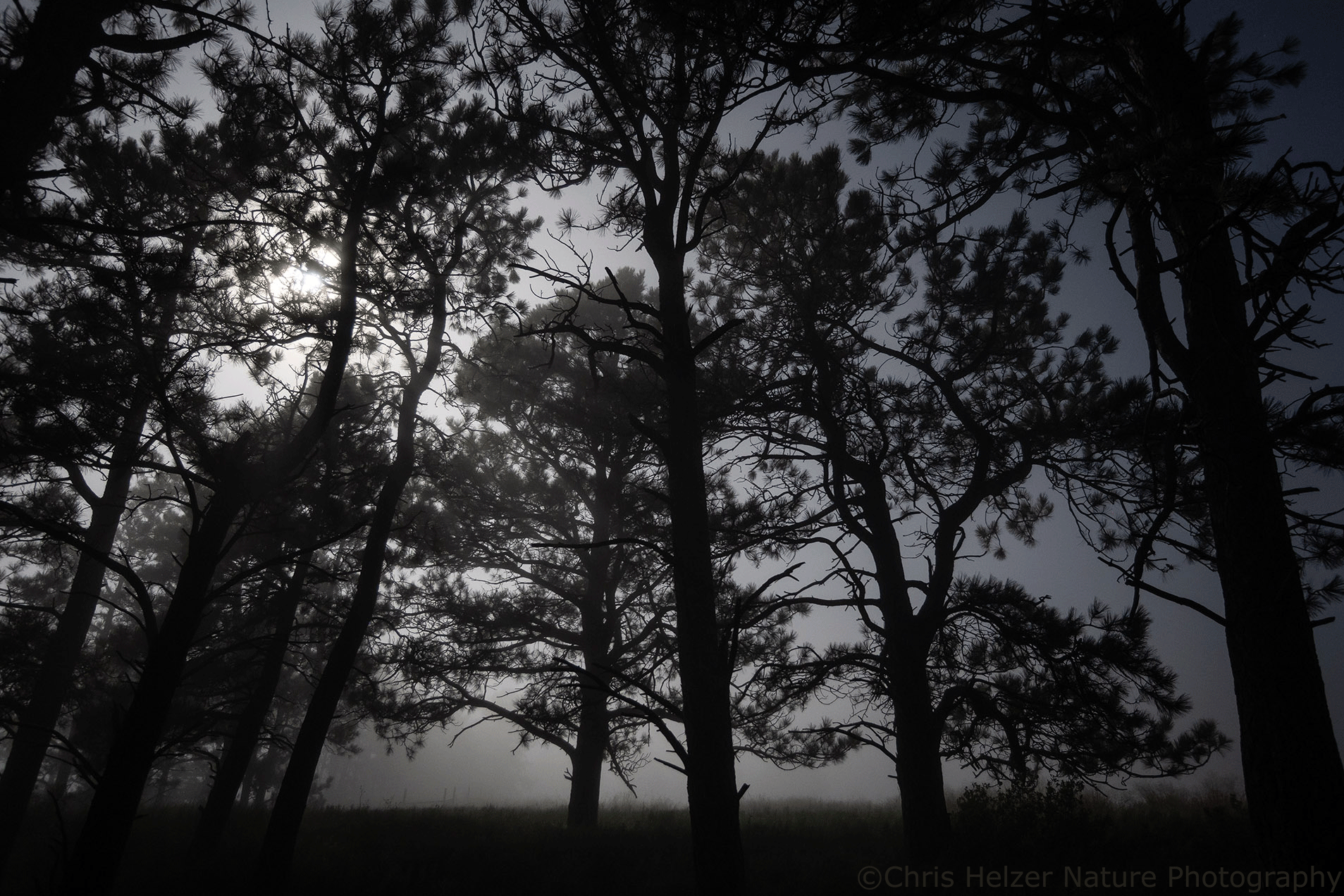
My next photo opportunity came at about 4 in the morning. I managed an hour or two of sleep (car camping) but kept waking up to check on Kim’s progress (online tracking tool). When it was clear I wasn’t going to sleep anymore, I stopped fighting it and drove up to a high point above the Niobrara River, where the full moon and rolling clouds of fog created some magical conditions for photography.
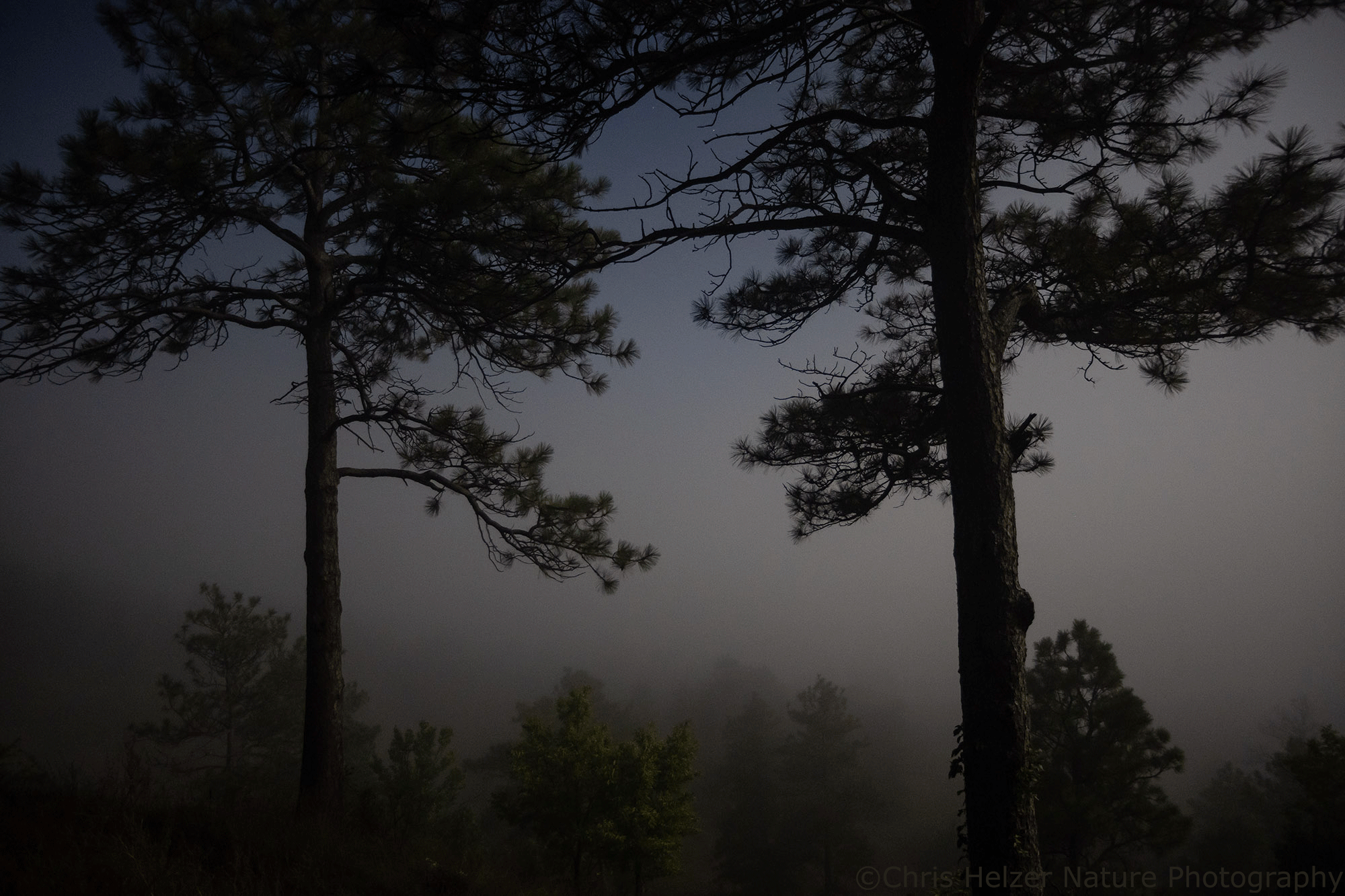
Ponderosa pines at the top of a ridge that dropped down to the Niobrara River (which was concealed by fog). The only light source was the moon.

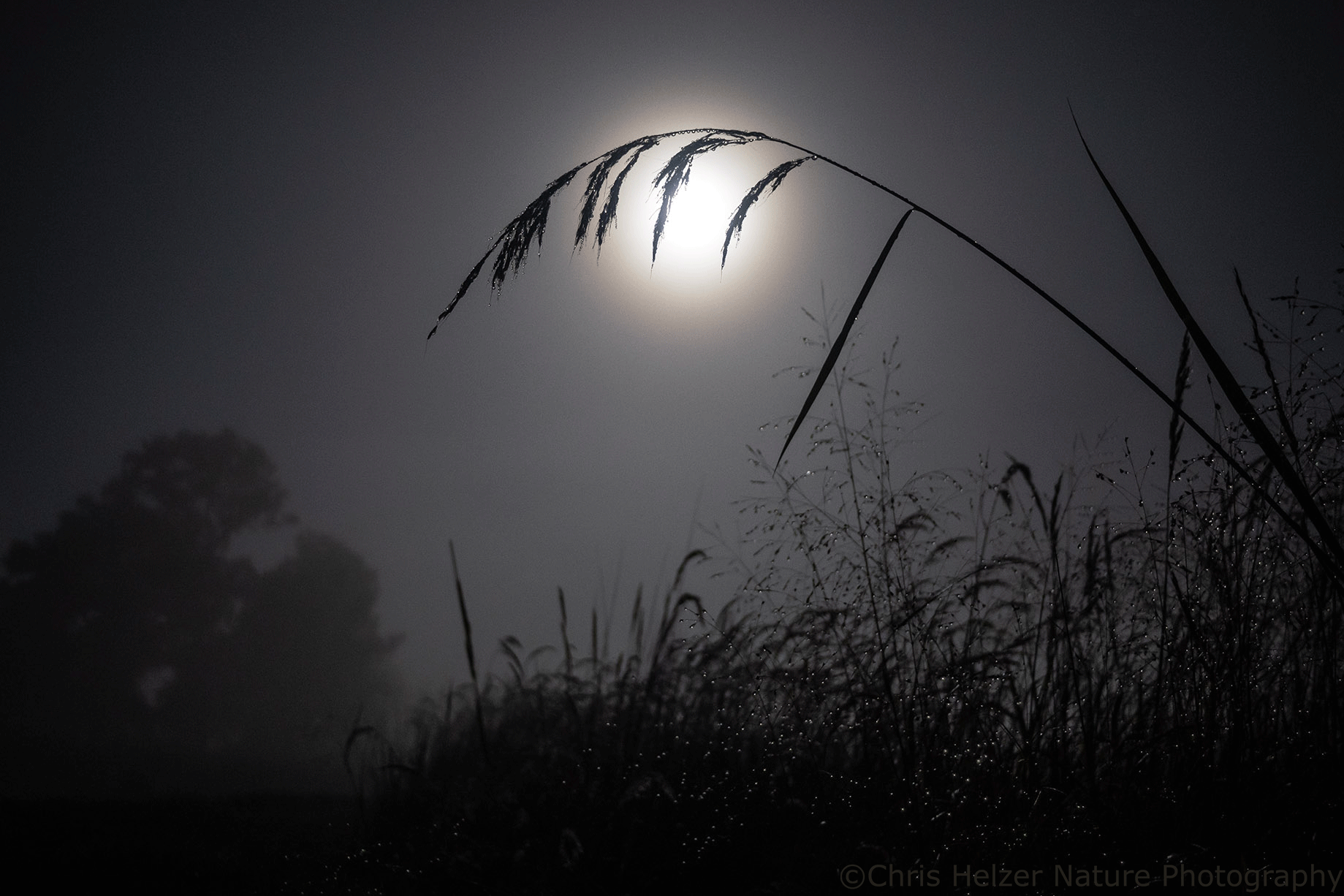
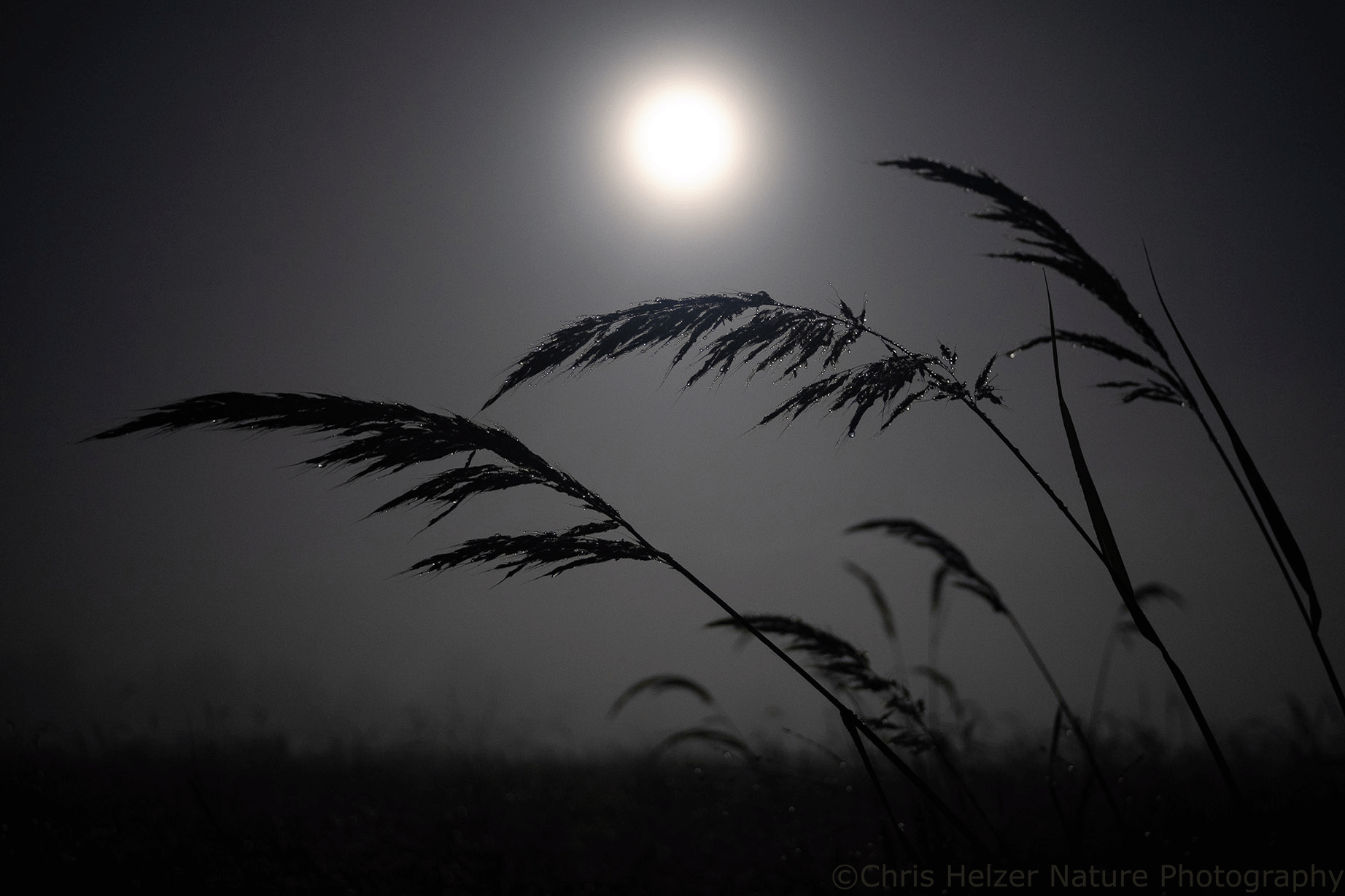
I spent time photographing ponderosa pines silhouetted against the moonlit fog and, periodically, glimpses of the stars above. I also went out into the dew-covered prairie and silhouetted some grasses against the sky as well. Despite being sleep deprived, I was no longer feeling tired. I was totally consumed by beauty all around me and tried my best to capture some of it.
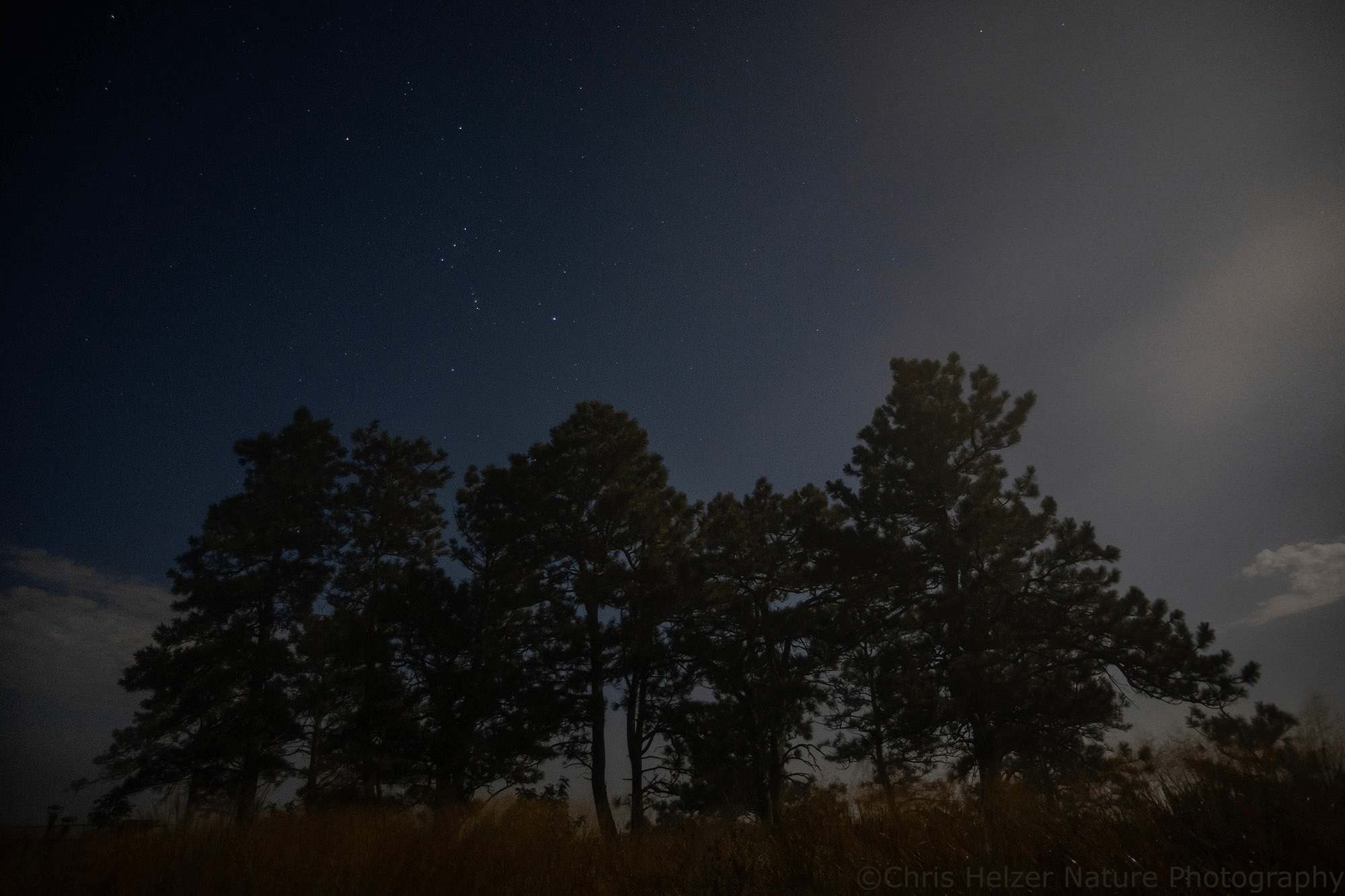
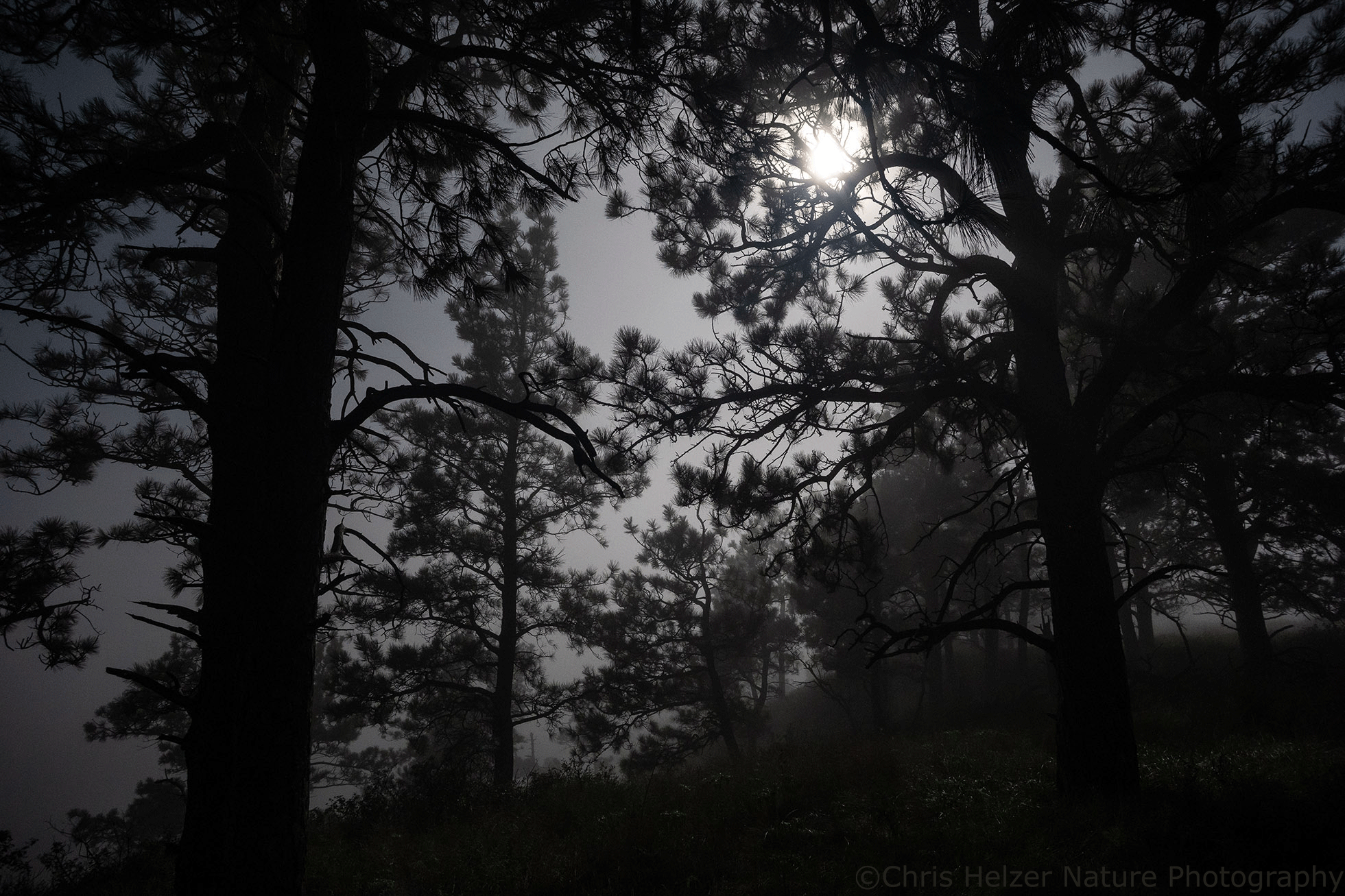
A few stars are visible above these pines but the fog closed that gap soon after I took the photo.
Pines, fog, and the moon.
More of the same.
Indiangrass and foggy moonlight.
A different patch of grass.

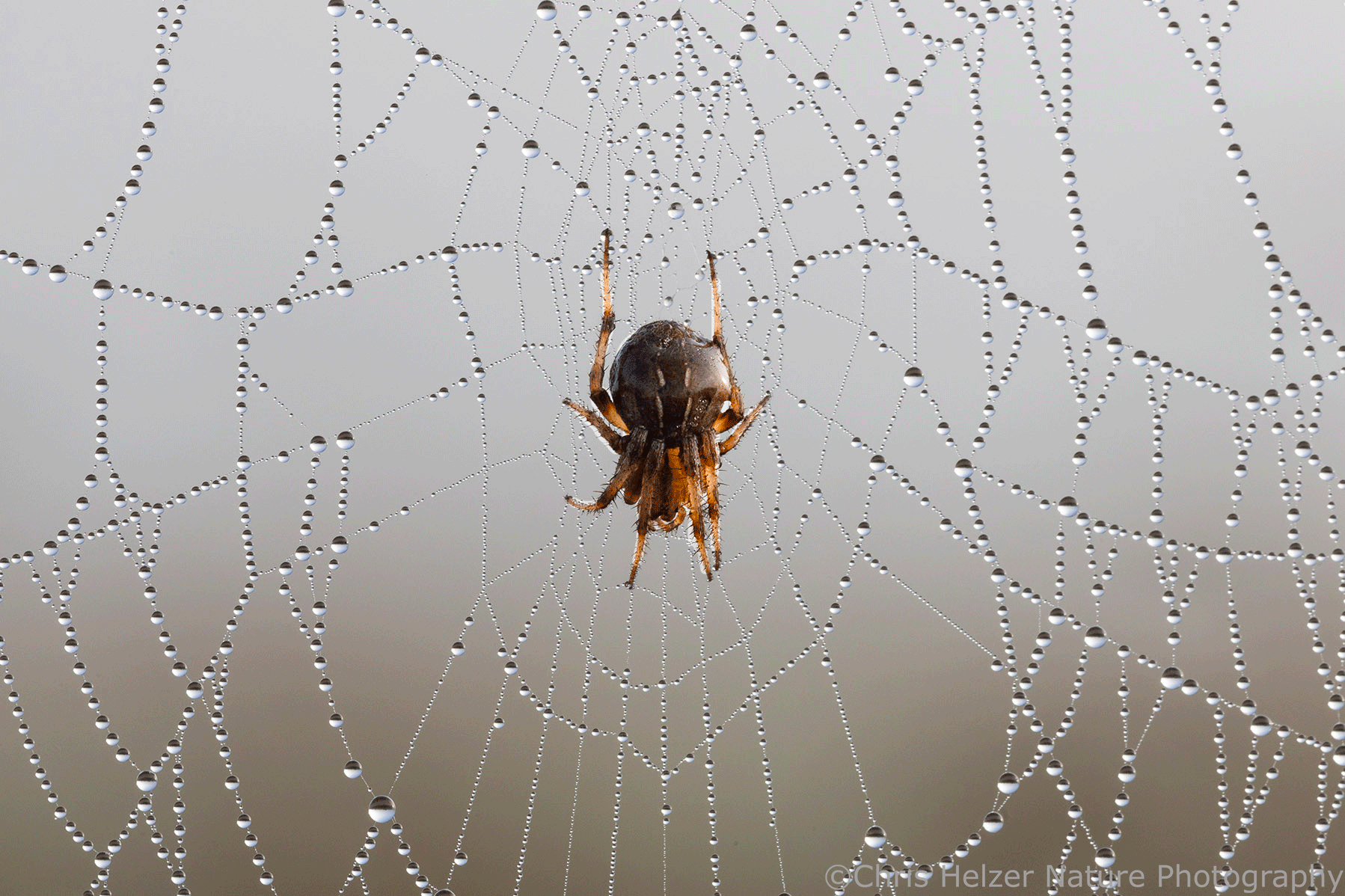
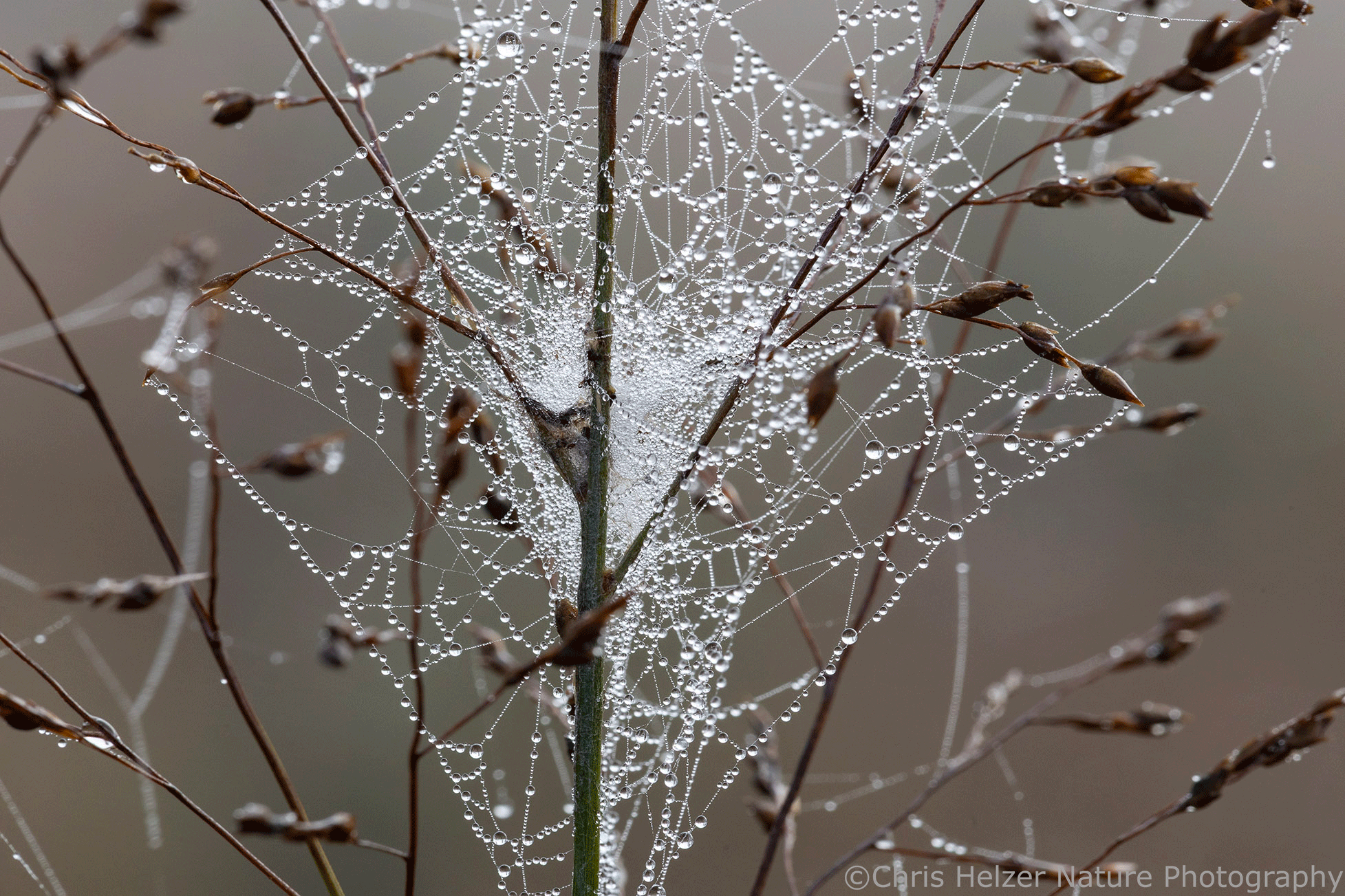
After Kim finished her race at about 7am, I had one more brief window of photography time and focused mostly on the thousands of dew-covered spiders and webs that were scattered along the Cowboy Trail.
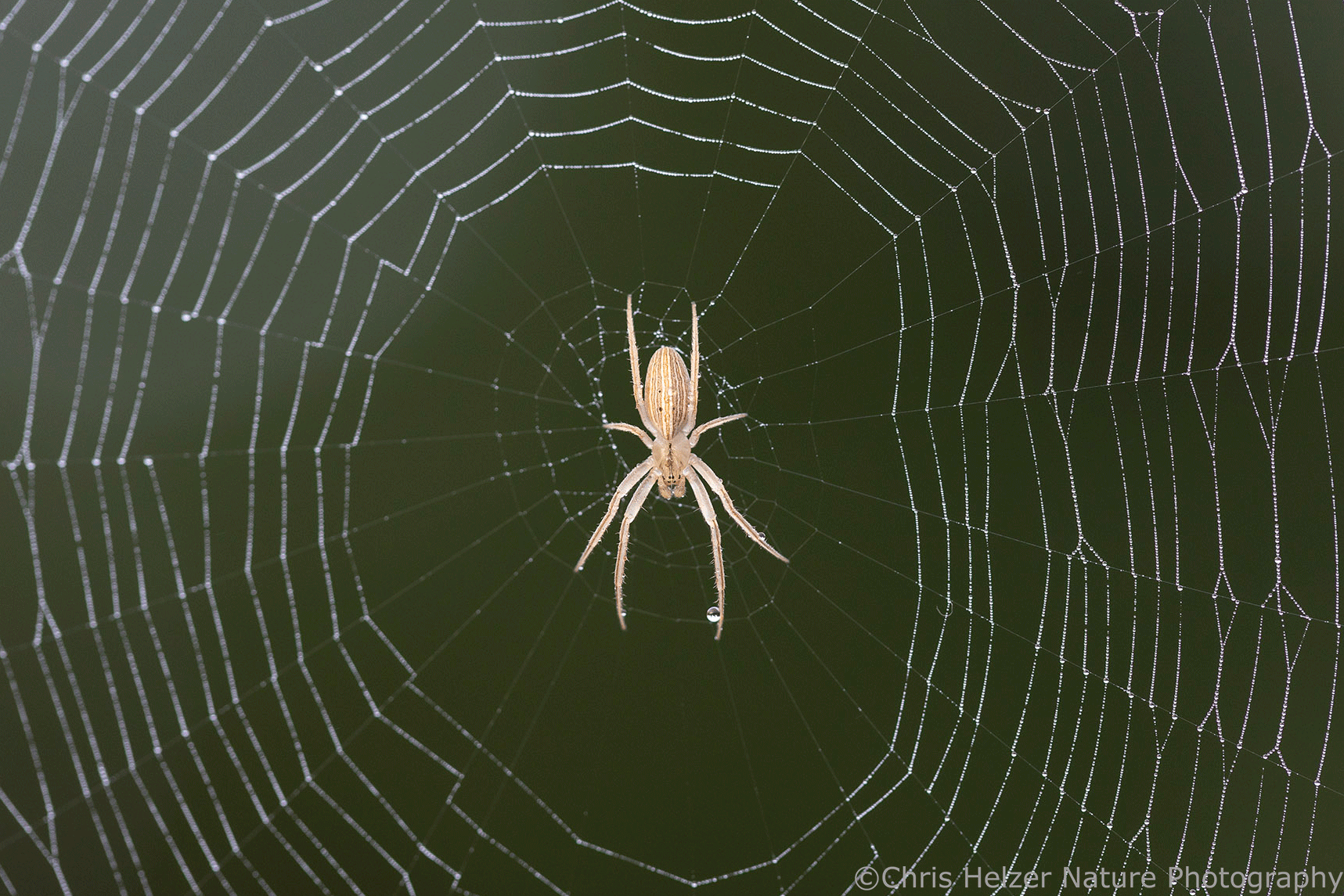
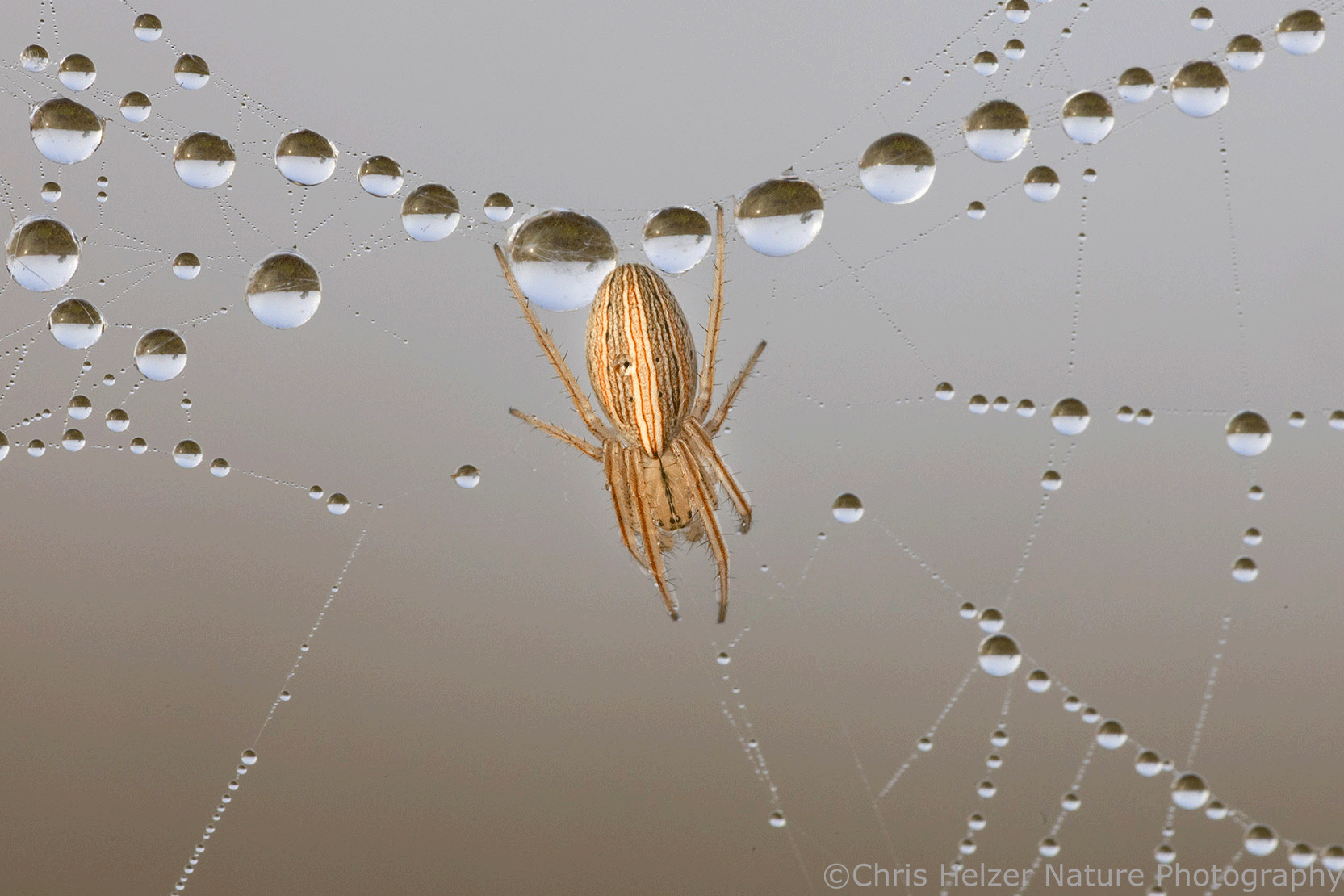
Orb weaver (Larinia borealis)
A different species of orb weaver (Neoscona pratensis).
Spider silk and switchgrass.

Then it was time to head home so both Kim and I could catch up on sleep. I drove and Kim tried to doze while icing her ankle and trying to get her stomach to settle enough to eat some food. Ultramarathoners do this for fun…
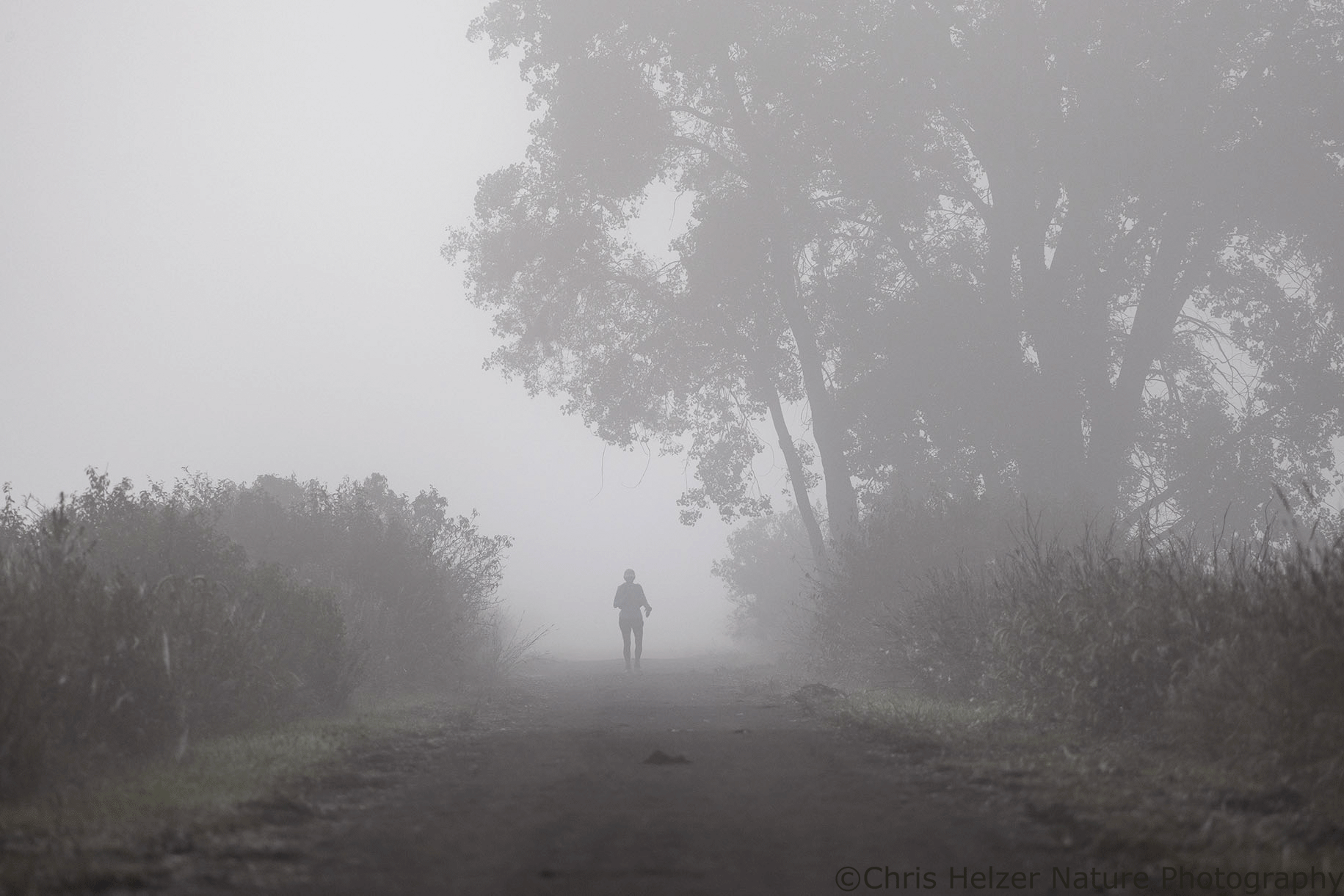
A runner coming through the fog on Sunday morning, heading toward the distant finish line.

I’m mostly caught up on sleep now and Kim is already dreaming about future races. Fine with me! I’m happy to hand out dry socks, nutrition, and encouraging words now and then if I also get time to kick around some beautiful places with my camera. It’s also fun to see Kim do something she’s really good at, even if I think it stretches the definition of “fun” a little.

If you want to see a little video of the race Kim ran, check out this link. It’s a local news story featuring the Cowboy 200/100 ultramarathon. There’s video of Kim crossing the finish line right at the beginning of the clip and brief interviews of a few of the top runners trying to explain why they do what they do.
Photos of the Week – August 12, 2026

Quick last minute announcement – we are hosting a plant identification/habitat workshop at the Platte River Prairies next Tuesday (9am-2pm). Fore more information or to RSVP, please contact Kate Samuelson at kate.samuelson@tnc.org.

I spent a couple days at the Niobrara Valley Preserve this week. There was a lot to see, as always. Here are some of the highlights.

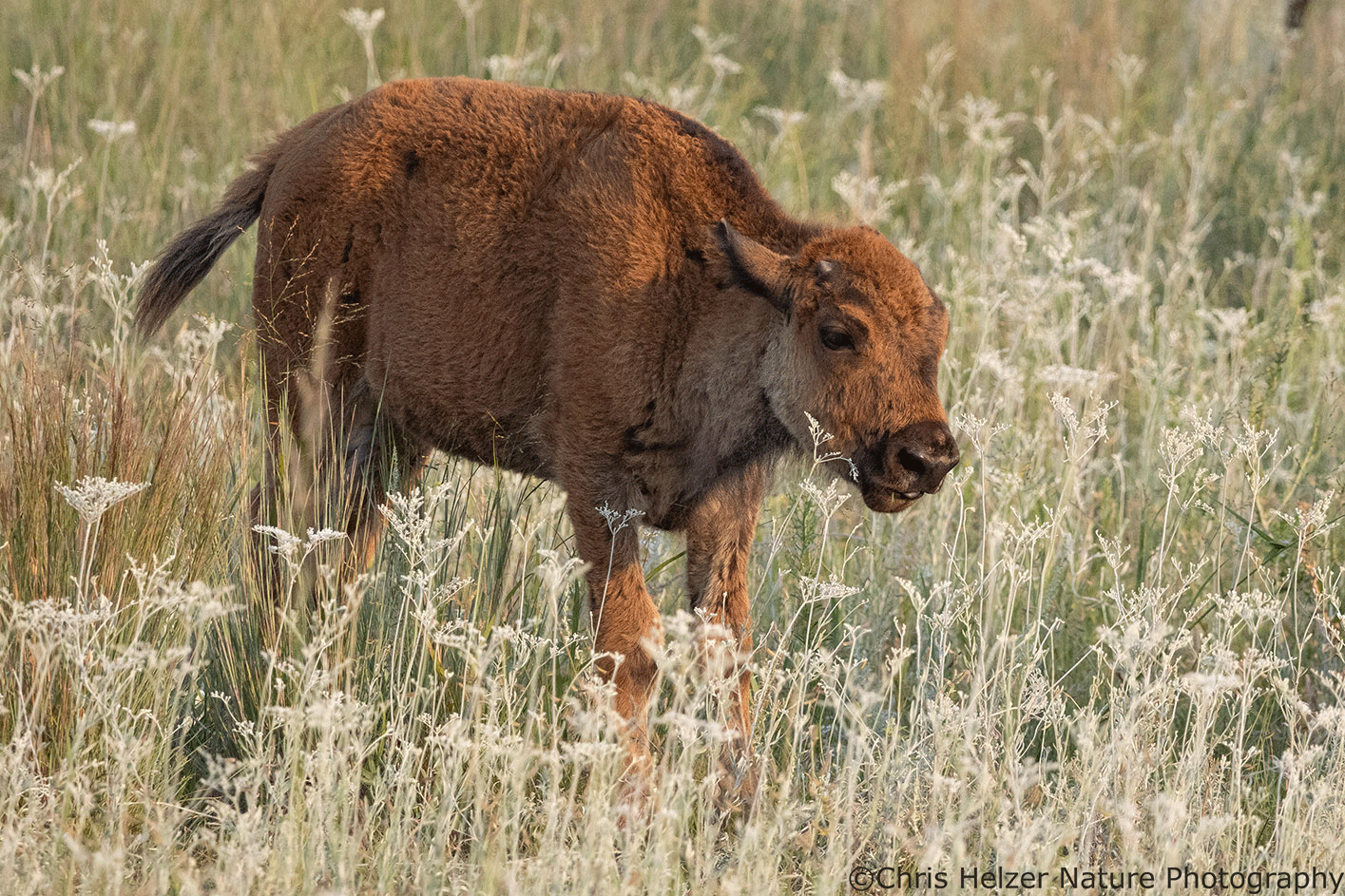
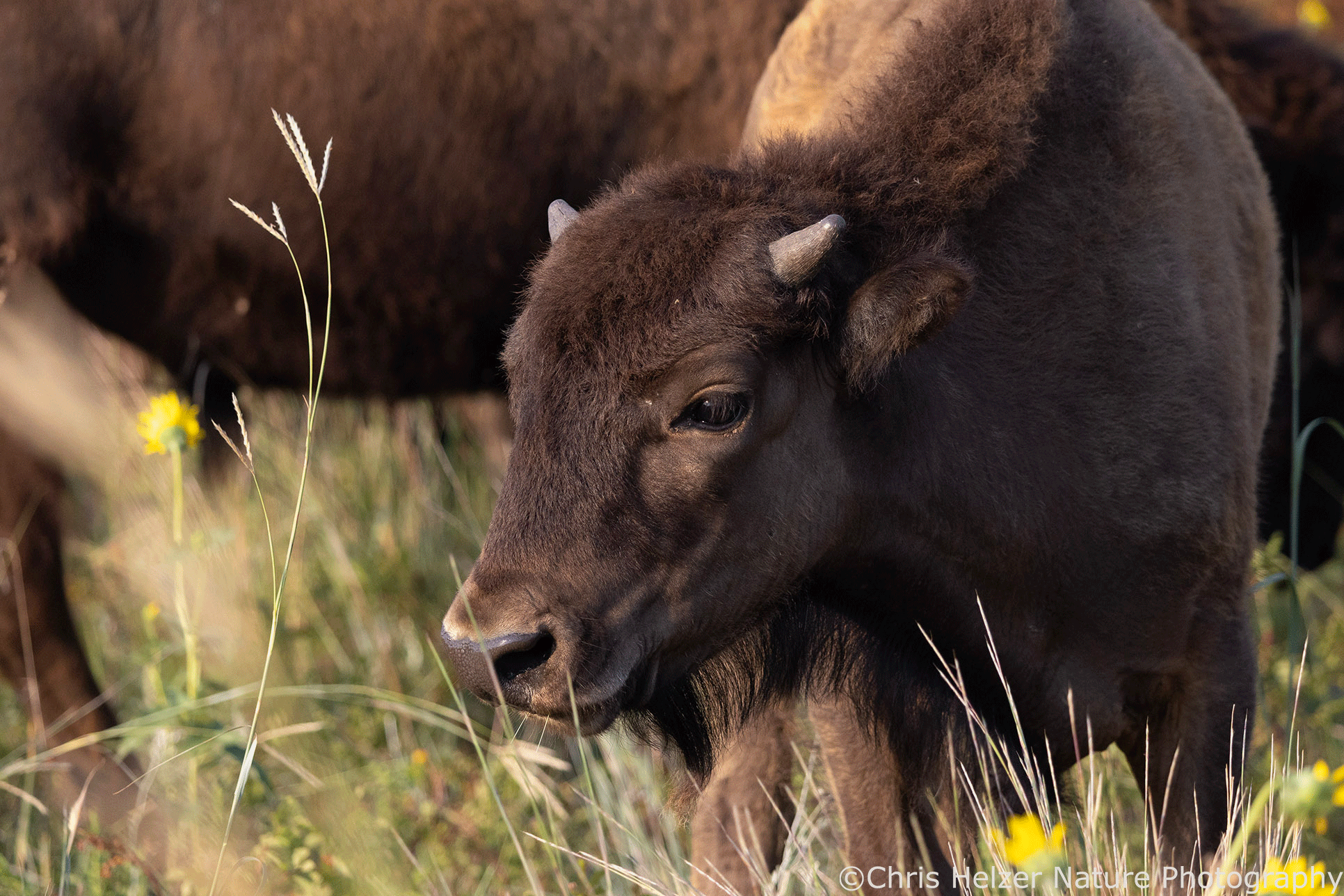
A bison calf at the Niobrara Valley Preserve this week.

It’s mating season for the bison. During the rut, as it’s called, the herd is as noisy as it ever gets. The sound comes mainly from the big mature bulls who take mating very seriously and spend a lot of time “tending” females. That mostly entails finding females in heat and sticking very close to them, preventing them from merging with the larger herd and keeping other males from getting too close until (they hope) mating ensues. You can get a feel for the sounds of this happening in the video below. (If the video link isn’t active, click on the title of the post to open it online.)

We have two herds on the Preserve. The west herd has a 12,000 acre pasture and the east heard has a 10,000 acre pasture. Between the two, there are around 1,500 to 1,600 animals right now. I was hanging out with the east herd this week.

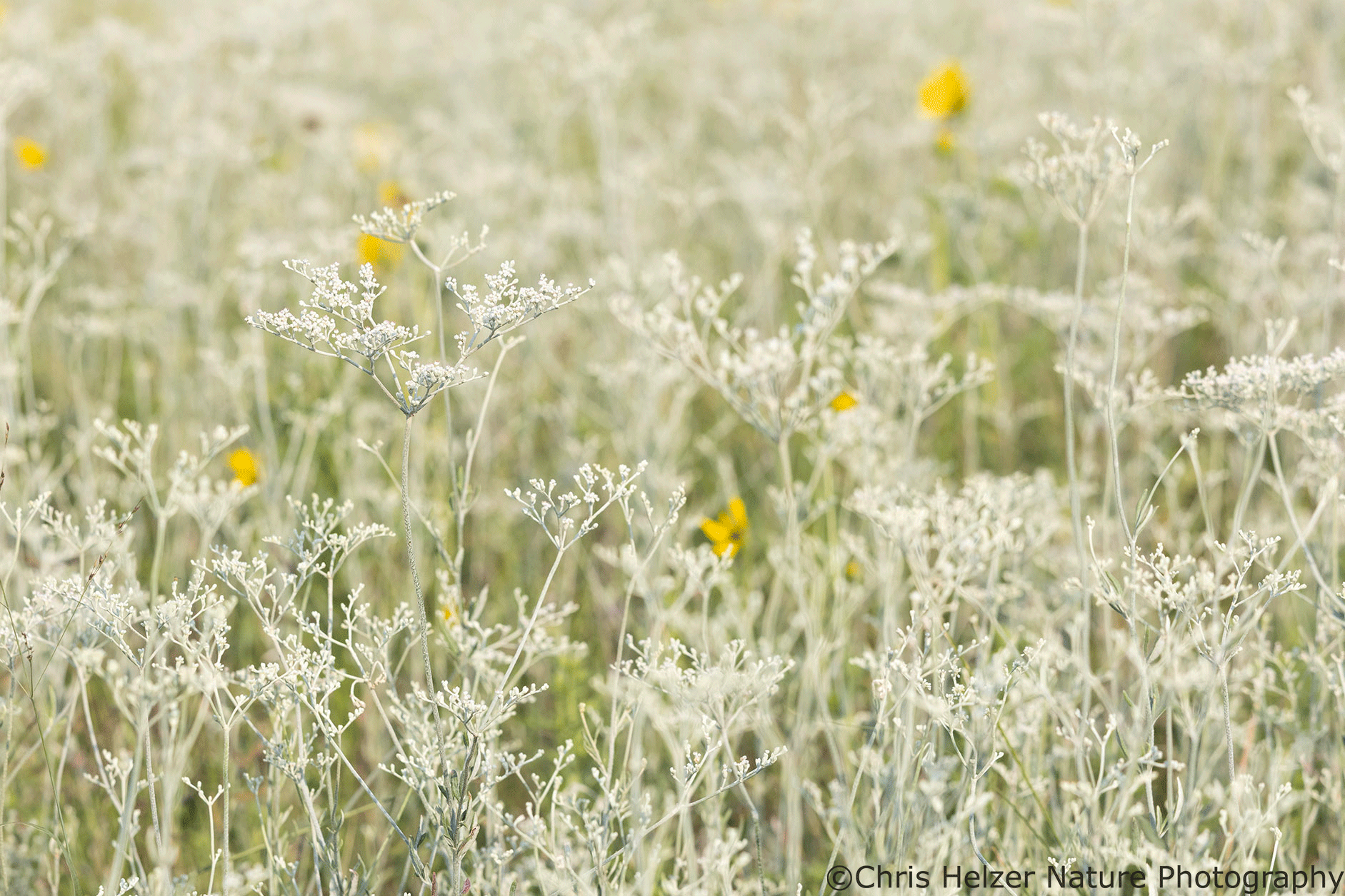
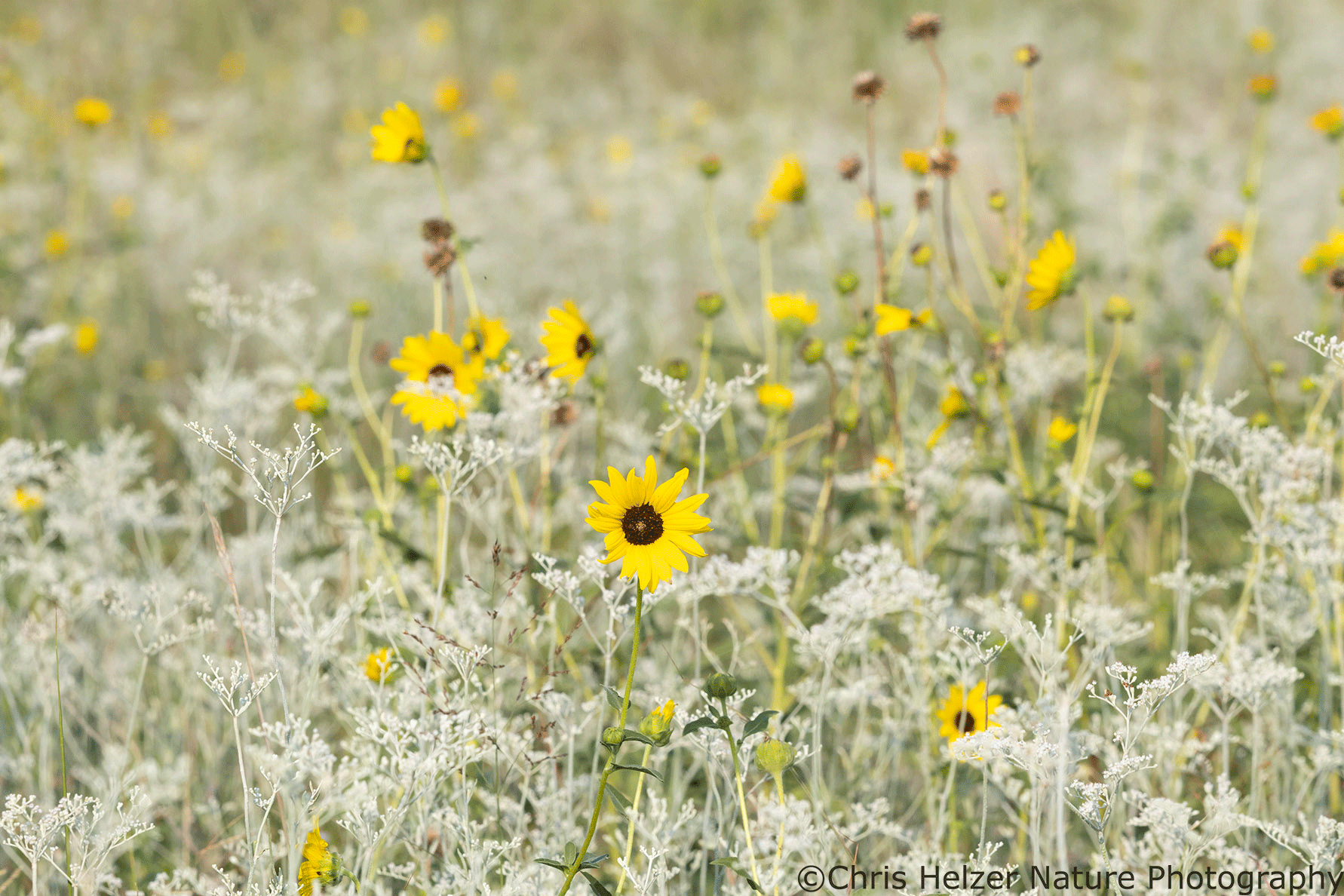
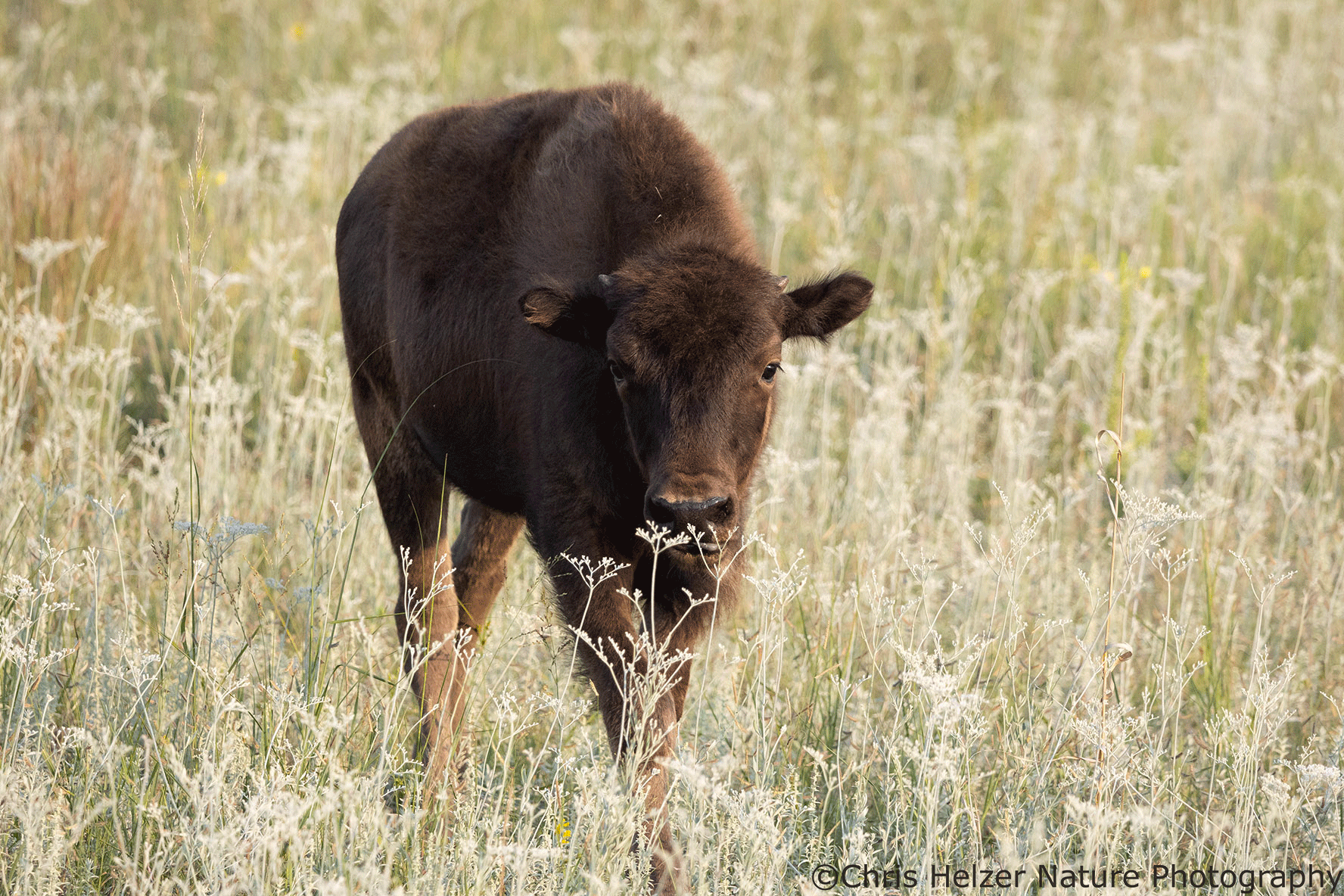
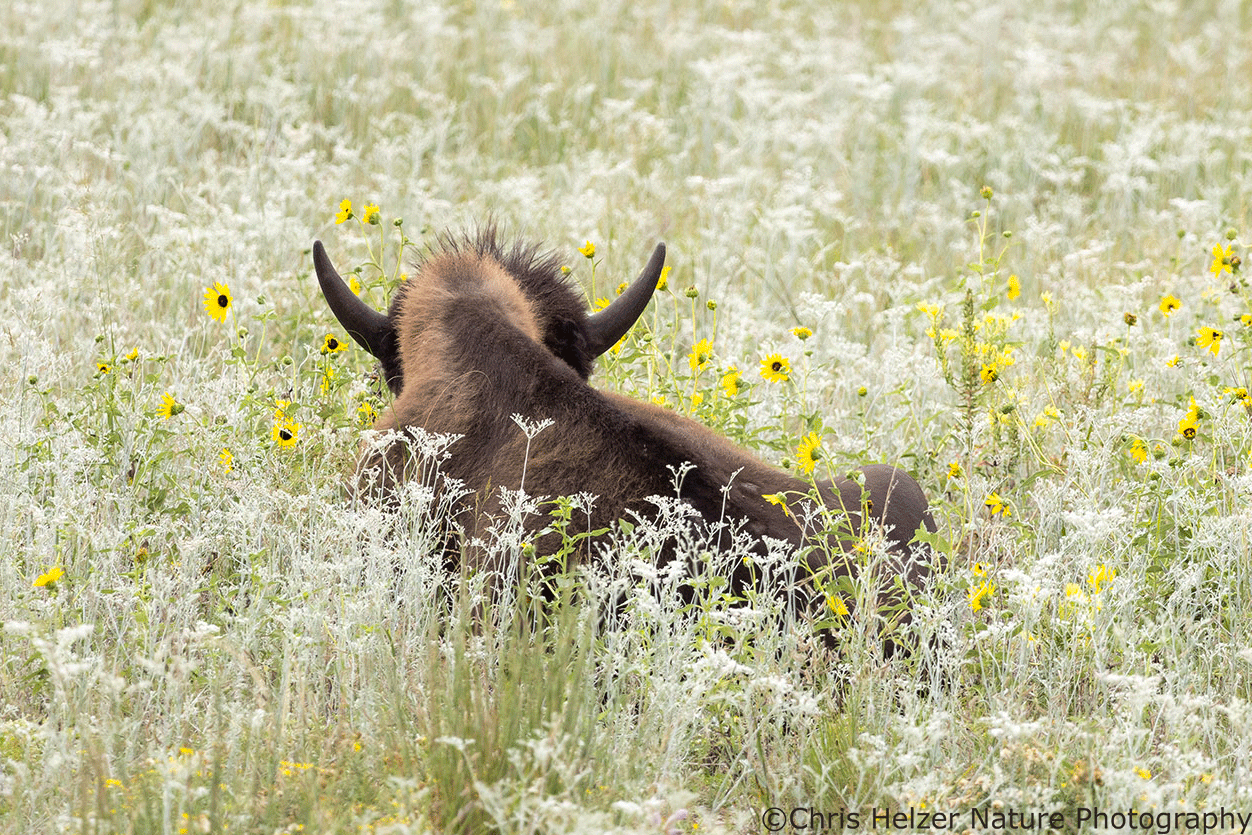
In that east bison pasture, the bison were very noticeable, of course, but the other big scene stealer was a plant. Annual buckwheat (Eriogonum annuum) is as abundant as I’ve ever seen it and I’m not sure why. It made a terrific white backdrop for photographing the bison herd, but also was attractive on its own – especially with some plains sunflowers (Helianthus petiolaris) mixed in for accents.

Young bison bull with buckwheat and sunflowers.
Annual buckwheat
Buckwheat and sunflowers

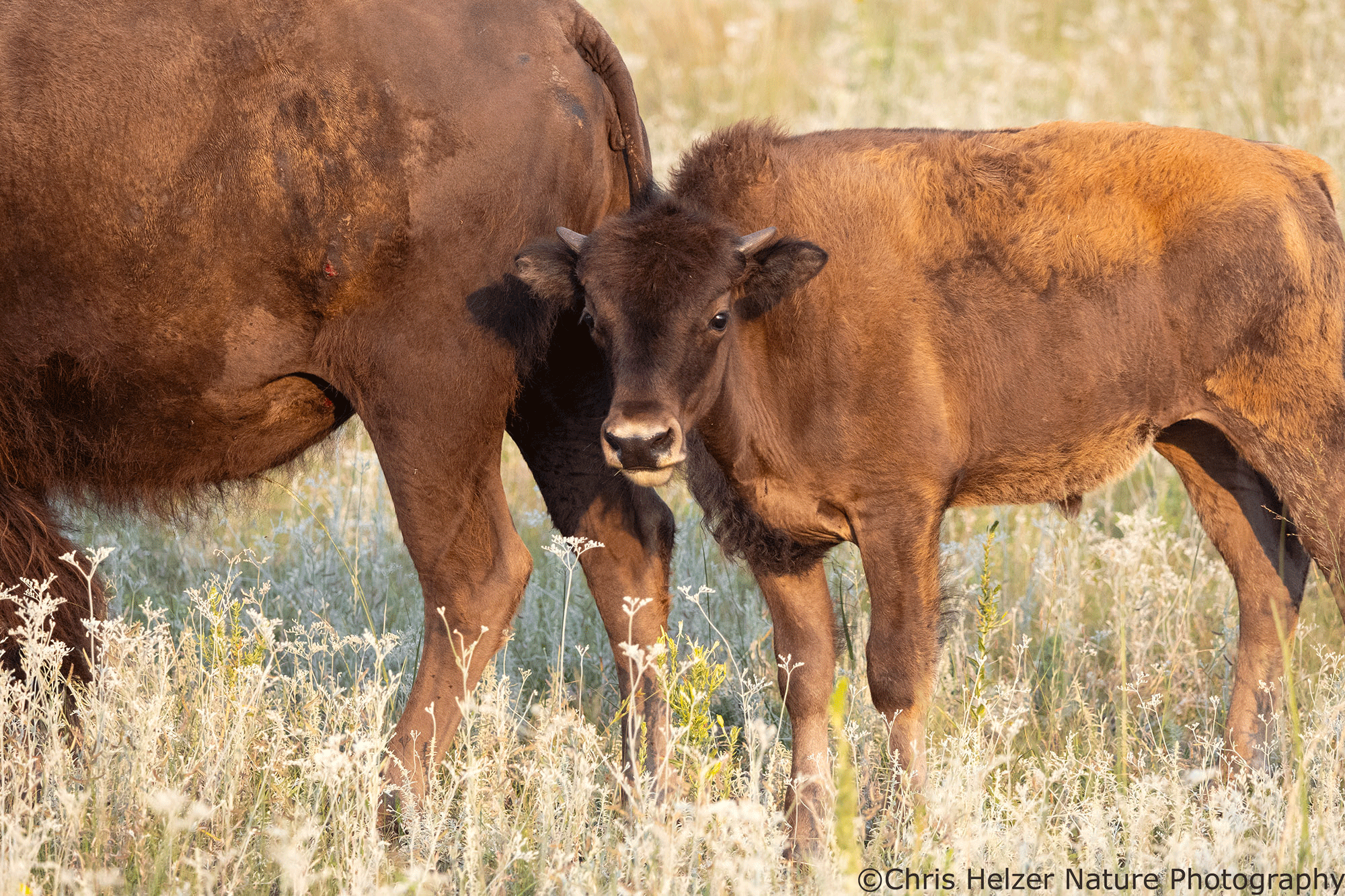
Most of this year’s bison calves are getting big and have lost their red color, making them blend into the herd much more than they did a couple months ago. That’s not uniformly true, though – there are a few red calves around that were probably born within the last month or so. It’s not unusual to have a few outliers like that, even though most calves are born in April and May.

Most calves look a lot like this one
But a few are considerably younger and more red.
This calf had some red color left but was definitely transitioning into more standard bison brown.
A calf feeding from mom.
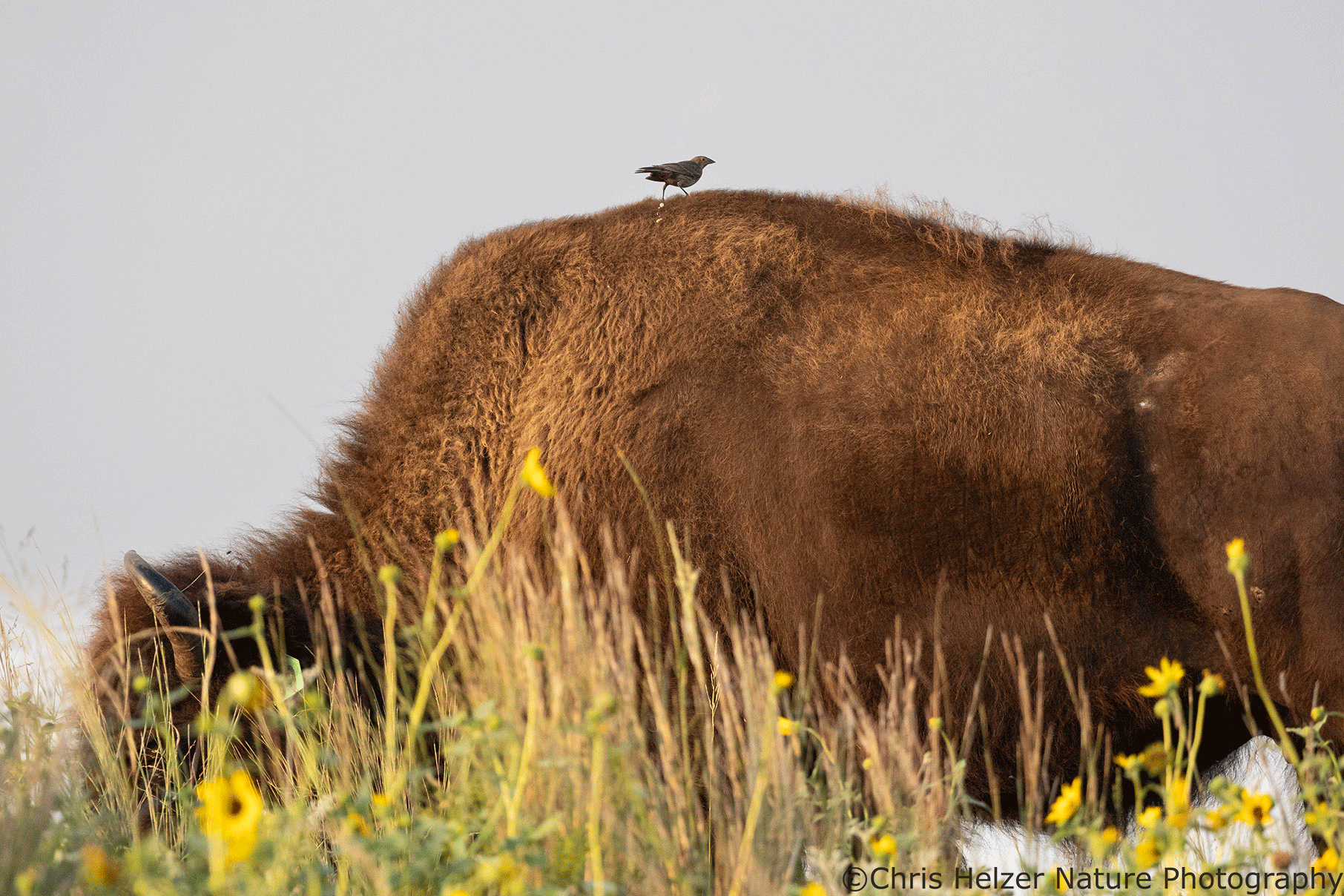
Brown-headed cowbird perched on a bison cow.
A big bull scanning the herd for potential mates and rivals.

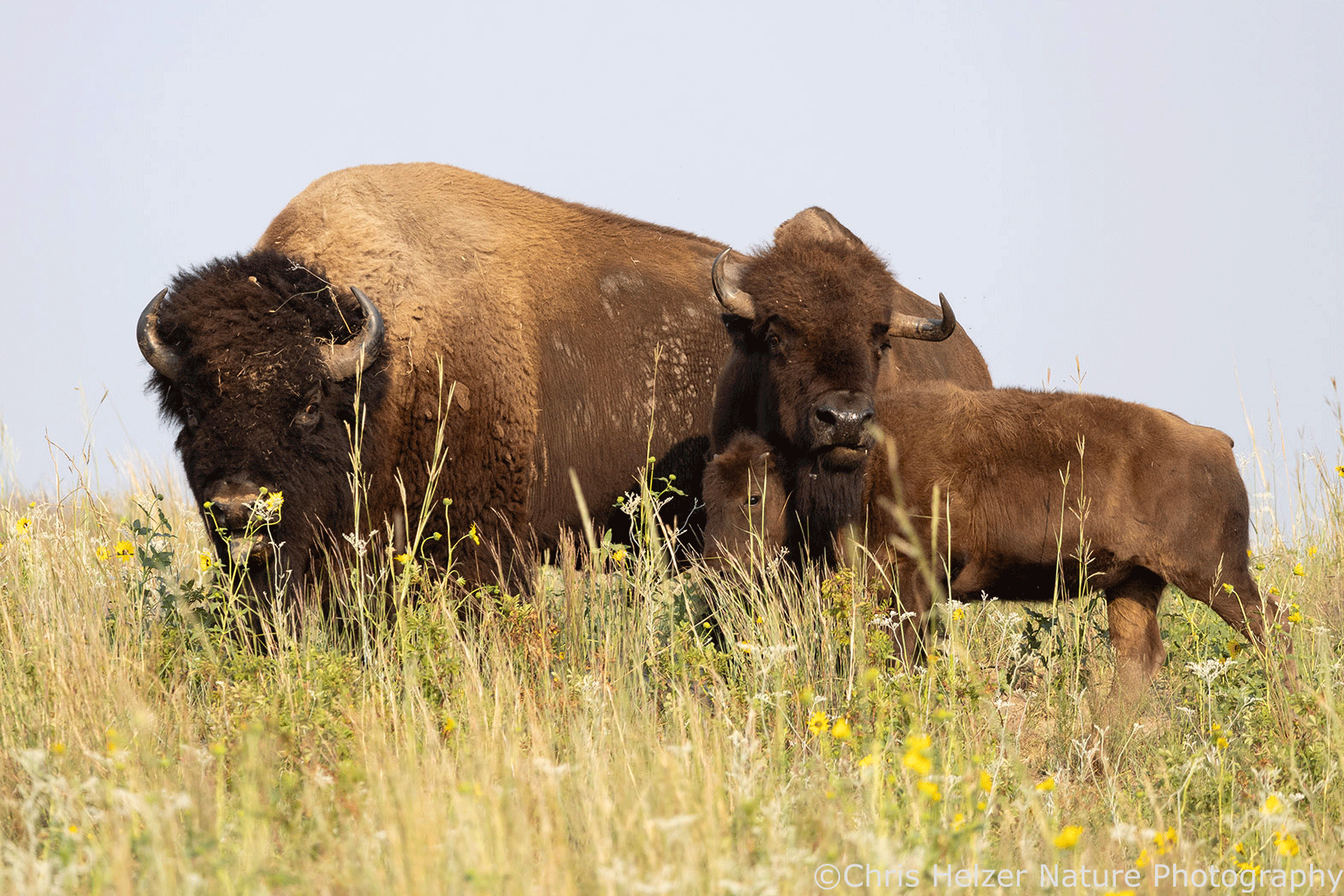
The photo below shows a bull, cow, and calf in what you might think is a little family group. They’re not ‘that kind’ of family, though. What’s really happening is that the cow is in heat (ready to mate) and the bull has separated her from the herd a little so he can keep an eye on her and keep rival males from getting too close. The calf is trying to stay with her mom, too, both for food and comfort.

Left to right: Bull, cow, calf.

Monday evening, I drove slowly out to one of the bigger groups of animals in the east bison pasture and parked near where they were hanging out. Over the next hour, the herd very slowly flowed past my truck. I enjoyed watching all the social dynamics and listening to the sounds of the rut. I also took a few short videos with my phone (shown earlier and below) when the animals were right outside my window. I had a to cut a couple of them short, though, because my truck started swaying too much as a young bull scratched its neck and back on my rear bumper. The video below shows a bull licking its flank and the sound gives you an idea of the rasping power of a bison tongue.

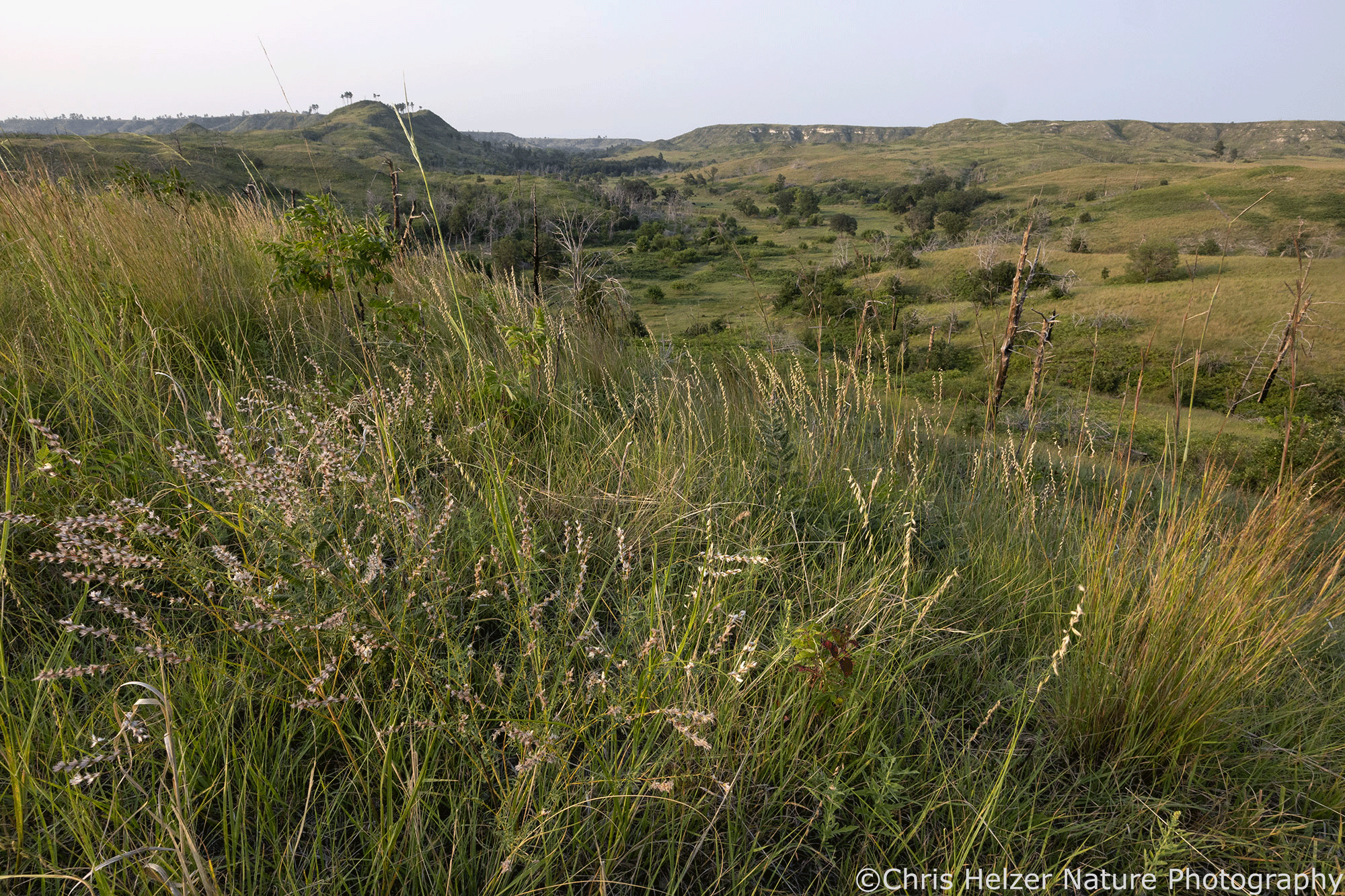
All that bison and buckwheat action took place in Sandhills prairie on the south side of the river. On the north side, we have mixed-grass prairie on “harder ground” – sandy soils, but with a little more clay and silt mixed in.

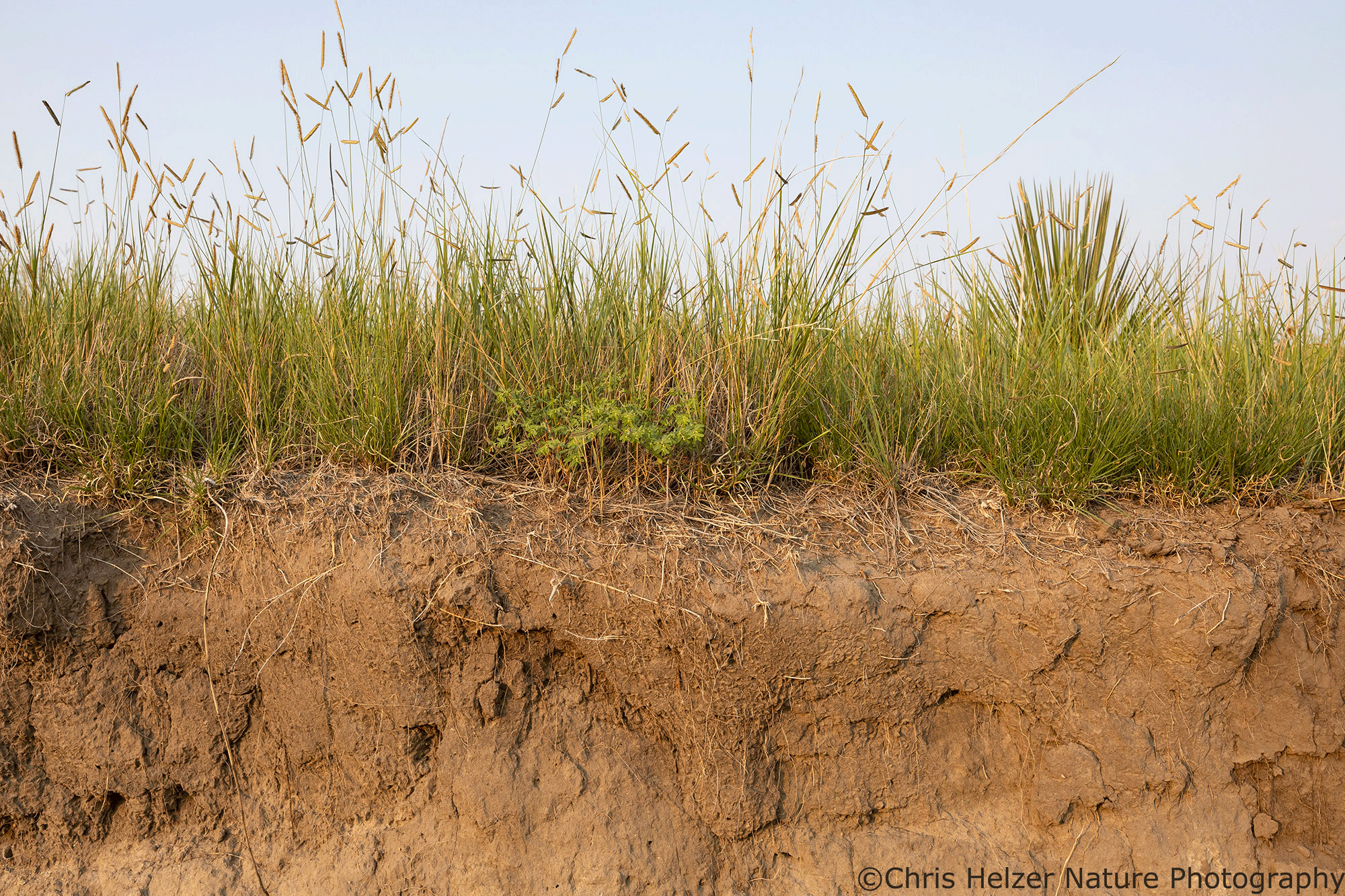
A road cut on a hill north of the river shows the sandy loam soils underneath the mixed-grass prairie.

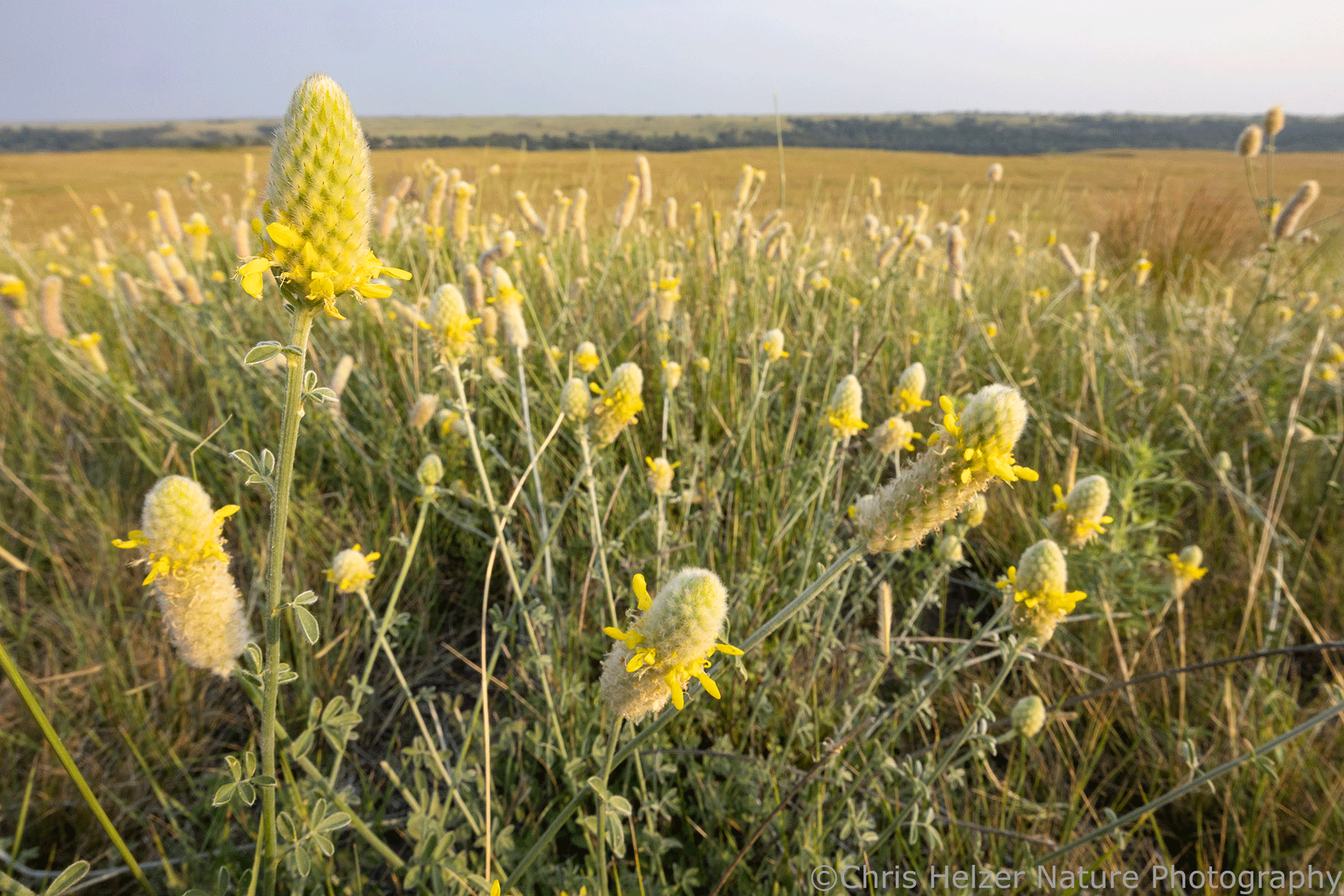
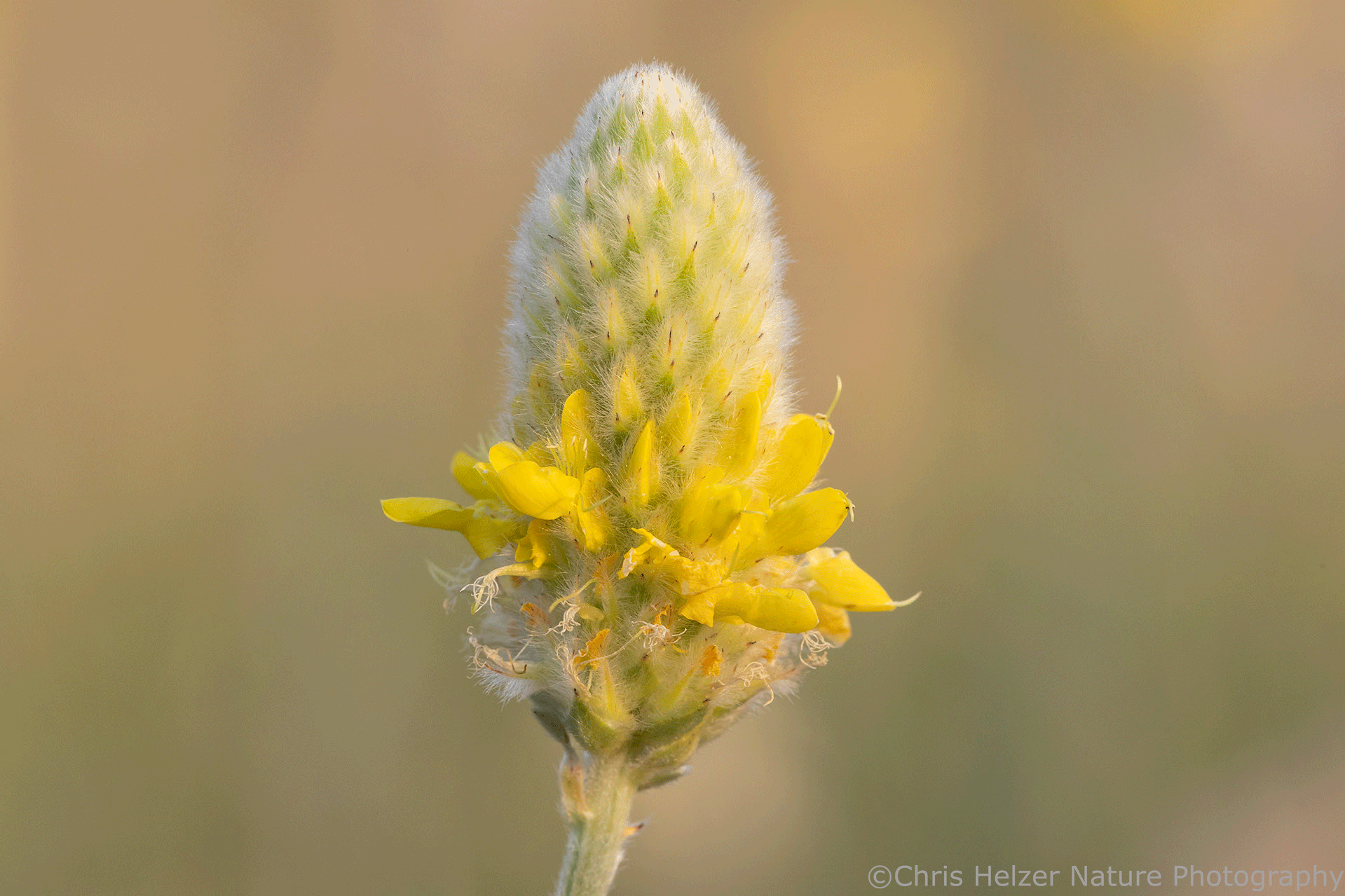
There’s a lot of overlap in plant species composition between the prairie to the north and south of the river, but also some significant differences. For example, purple, white, and silky prairie clovers are all blooming in the Sandhills right now. On the north, there are a few of each those species, too, but also some big populations of golden and nine-anther prairie clover, which aren’t so much Sandhills plants.

Nine-anther prairie clover (foreground) and mixed-grass prairie.

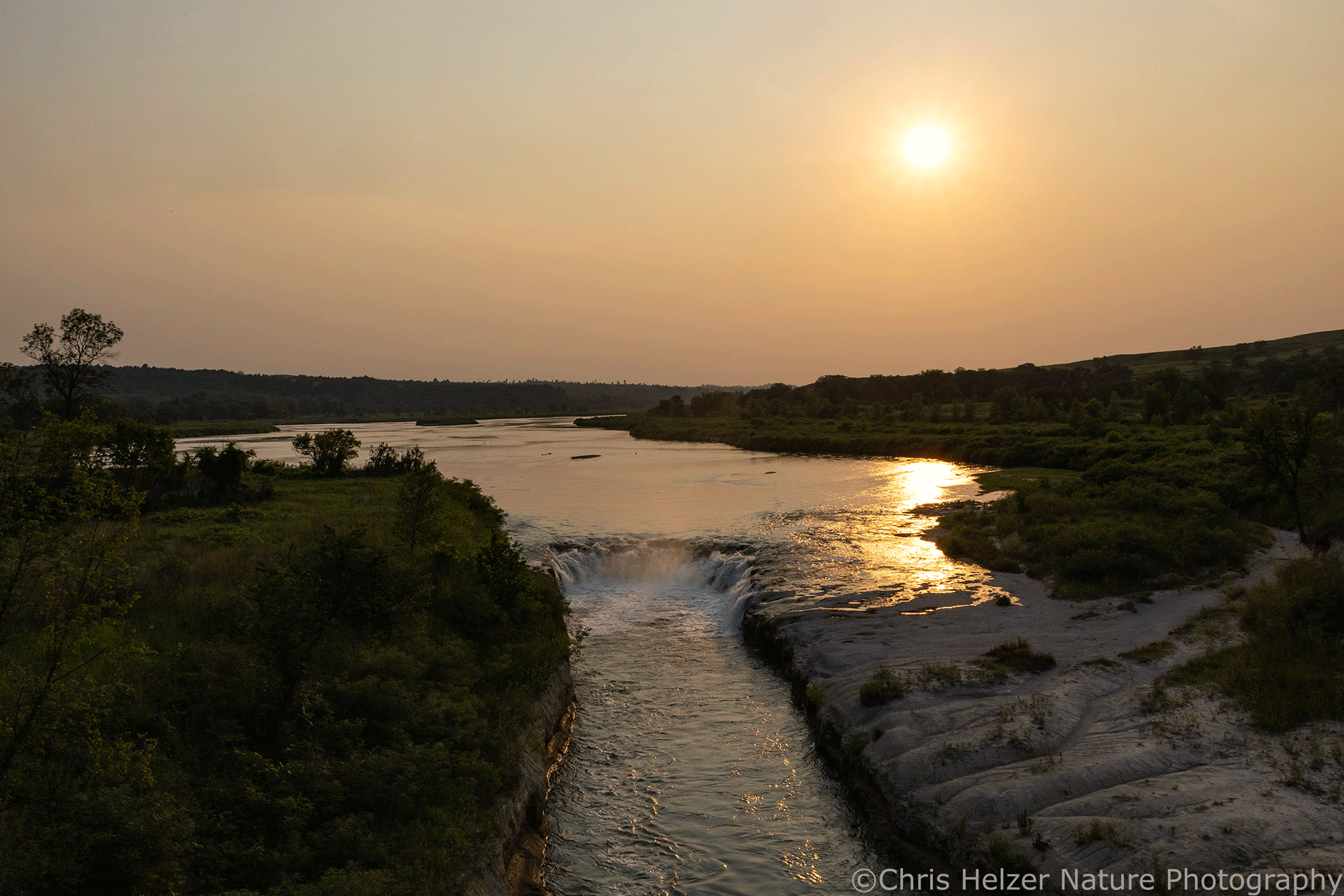
I poked around in the hills north of the river for a while on Sunday evening and then headed down to the river for sunset. I walked up to the Norden Chute, the big waterfall just upstream of the Norden Bridge that crosses the Niobrara River on our property. This local landmark is accessible to anyone who wants to park in the little lot by the bridge and walk under the bridge to get close. (There is also public fishing available in the same spot.) Because the Chute keeps moving upstream a few feet each year, you might want to come see it fairly soon because when it hits the wider channel, it’s hard to know what it will become.

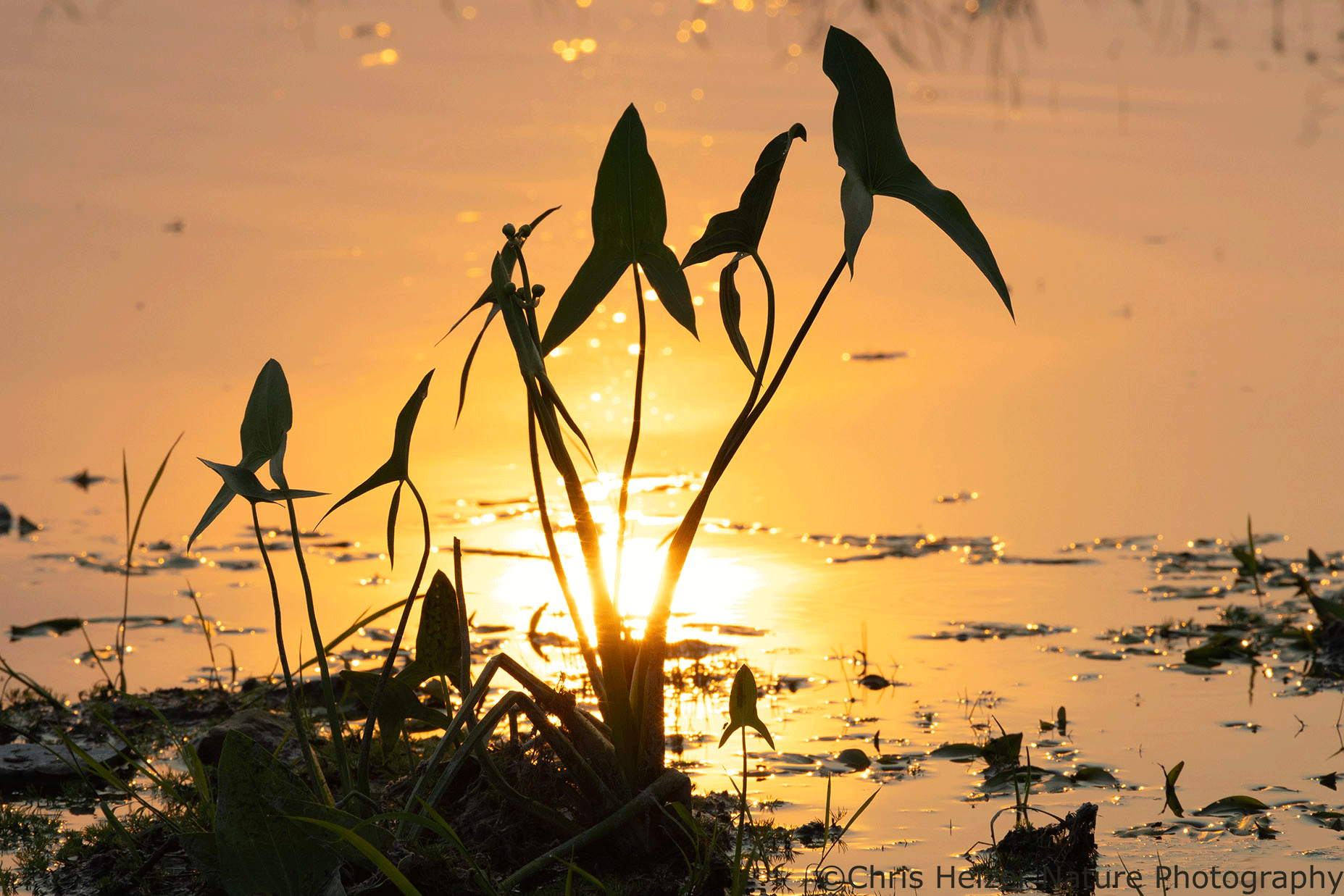
Arrowhead (Sagittaria sp.) and sunset light
The Norden Chute at sunset.

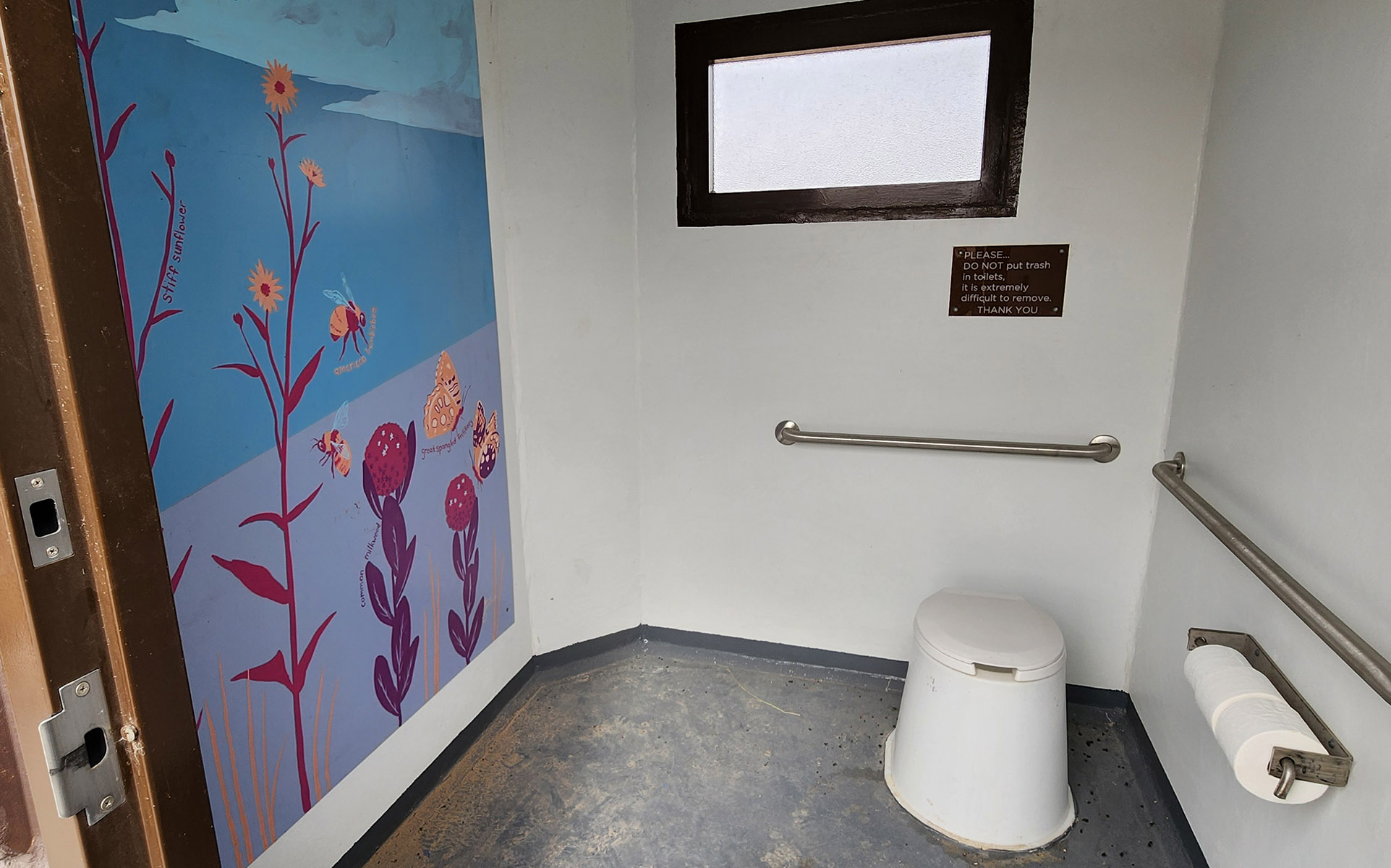
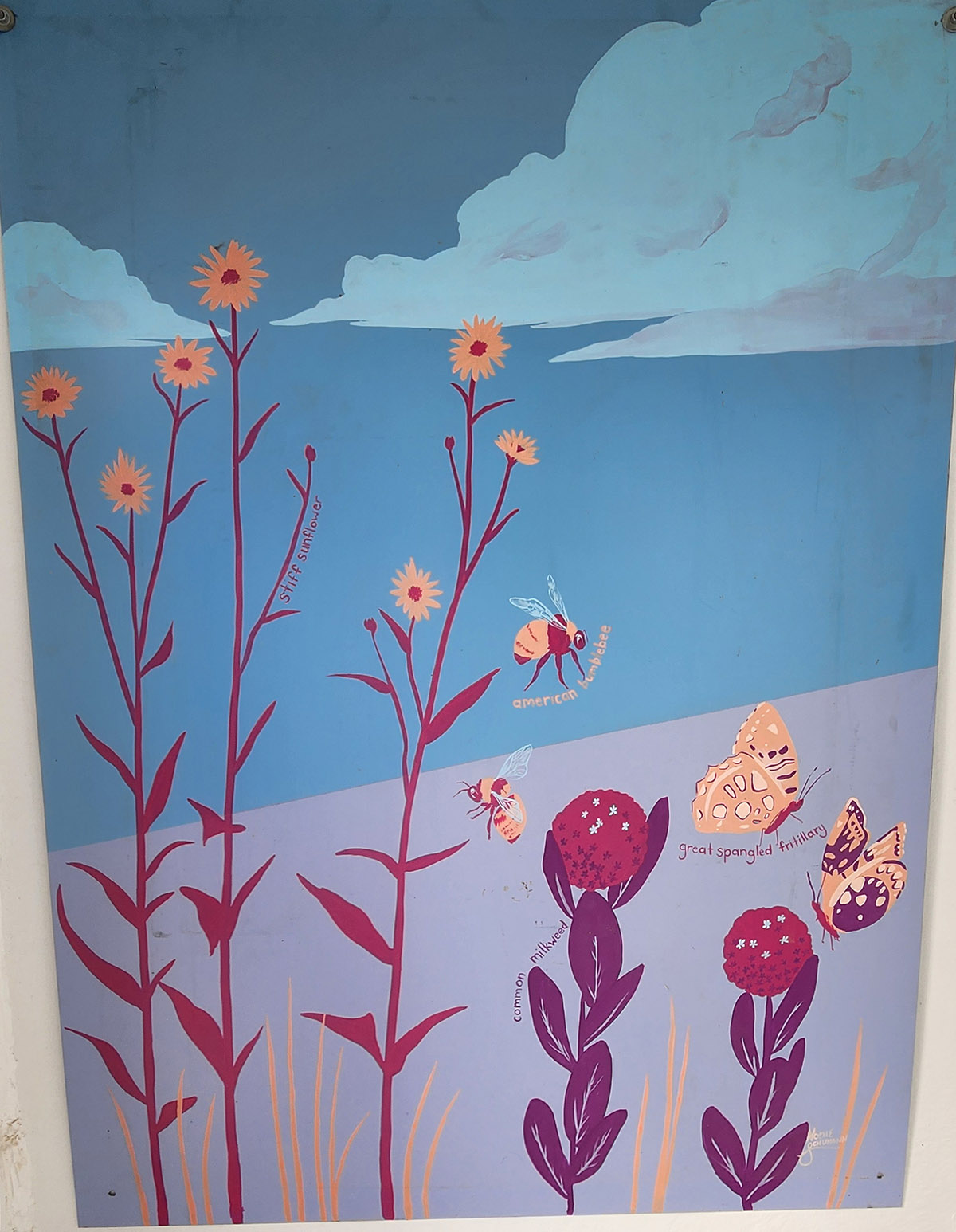
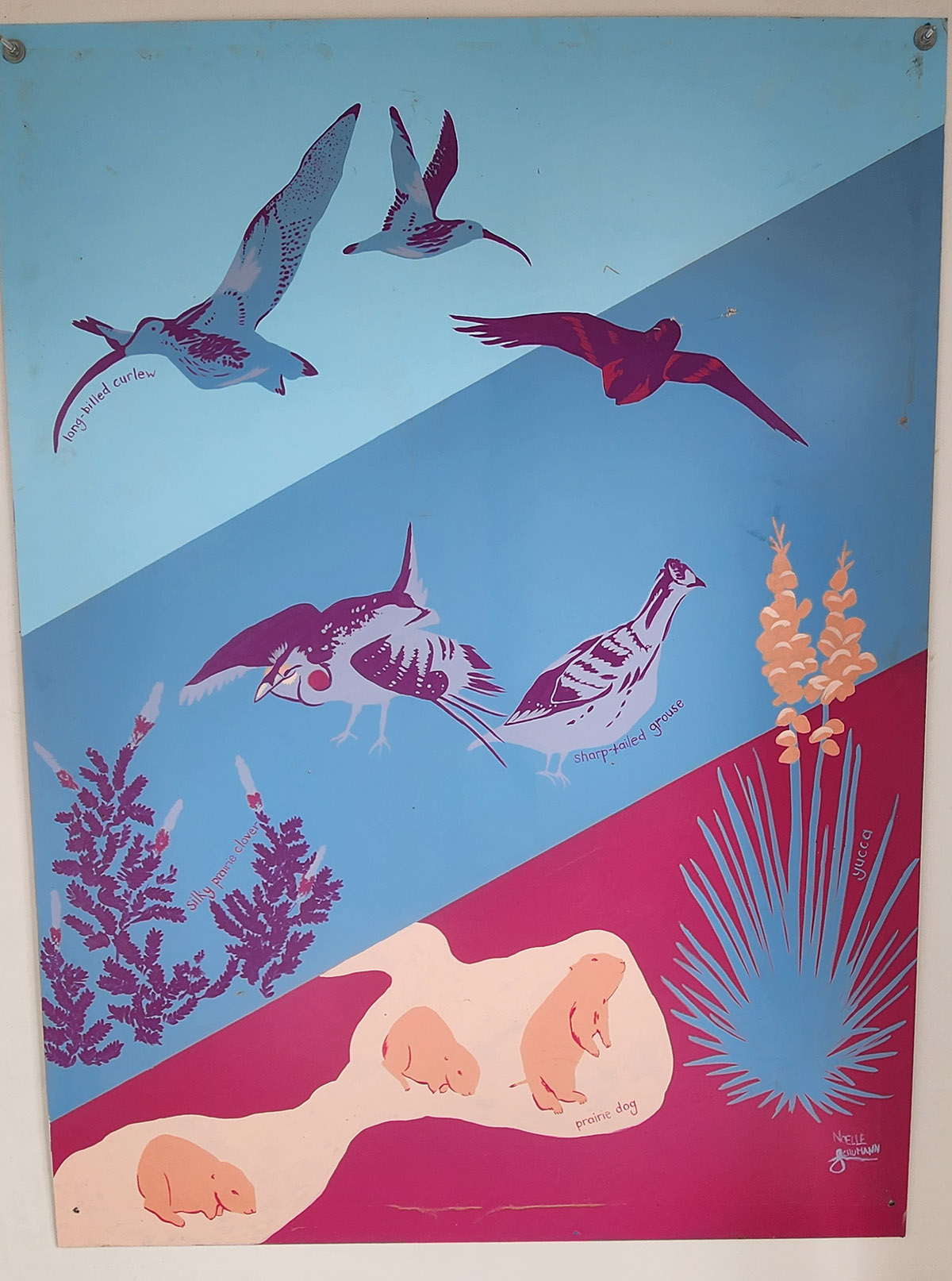
Please come visit both the Niobrara Valley Preserve and our Platte River Prairies! There are public trails at both sites. And, at both sites, in addition to some very nice interpretive materials at the trailheads, you should really take a look inside the bathrooms. They’re perfectly nice bathrooms, but they also include some murals painted by former Hubbard Fellow Noelle Schumann. Here are some photos from the trailhead bathrooms at the Niobrara Valley Preserve: