
For prairie folk, seeds are a frequent topic of discussion. Restoration projects often include buying or harvesting seeds, for example and there are lots of strong feelings about those approaches. Seeds are also brought up as part of conversations about plant communities. We talk and wonder about the seed bank beneath prairies and the role it plays in keeping prairies vibrant. It’s also fun to ponder the varied and fascinating strategies plants employ for dispersing their seeds, relying on wind, water, ballistics, animals, or combinations of transport methods.
What I hear much less about is the value of seeds as food sources for animals of all sizes. It’s not that we don’t know seeds are important, I’m just not sure we fully comprehend or give sufficient weight to that importance, especially as land managers. Be honest, if you’re a prairie steward, are you explicitly considering seed abundance when you plan out next year’s management strategies? I sure don’t, but I probably should.

Prairie animals feed on seeds all year round, but those seeds become even more important during the winter when other food sources are scarce or absent. Most songbirds, for example, tend to feed on insects and other invertebrates during the summer and then switch to seeds when insect availability drops late in the year. Seeds are also harvested and stored by small mammals so they can be eaten throughout the winter.
One of the reasons we might not think about seeds as a food source very often is that we don’t usually see them being eaten. In some cases, that’s because the seeds are being consumed by tiny invertebrates while they’re still inside a seed head or pod. In other cases, though, most of us just aren’t looking for seed predation. Our attention is drawn to the color of blooming flowers, so we notice the heavy activity of pollinators visiting those blossoms, but how many of us are looking closely at seed heads or pods (except when we’re harvesting them)?
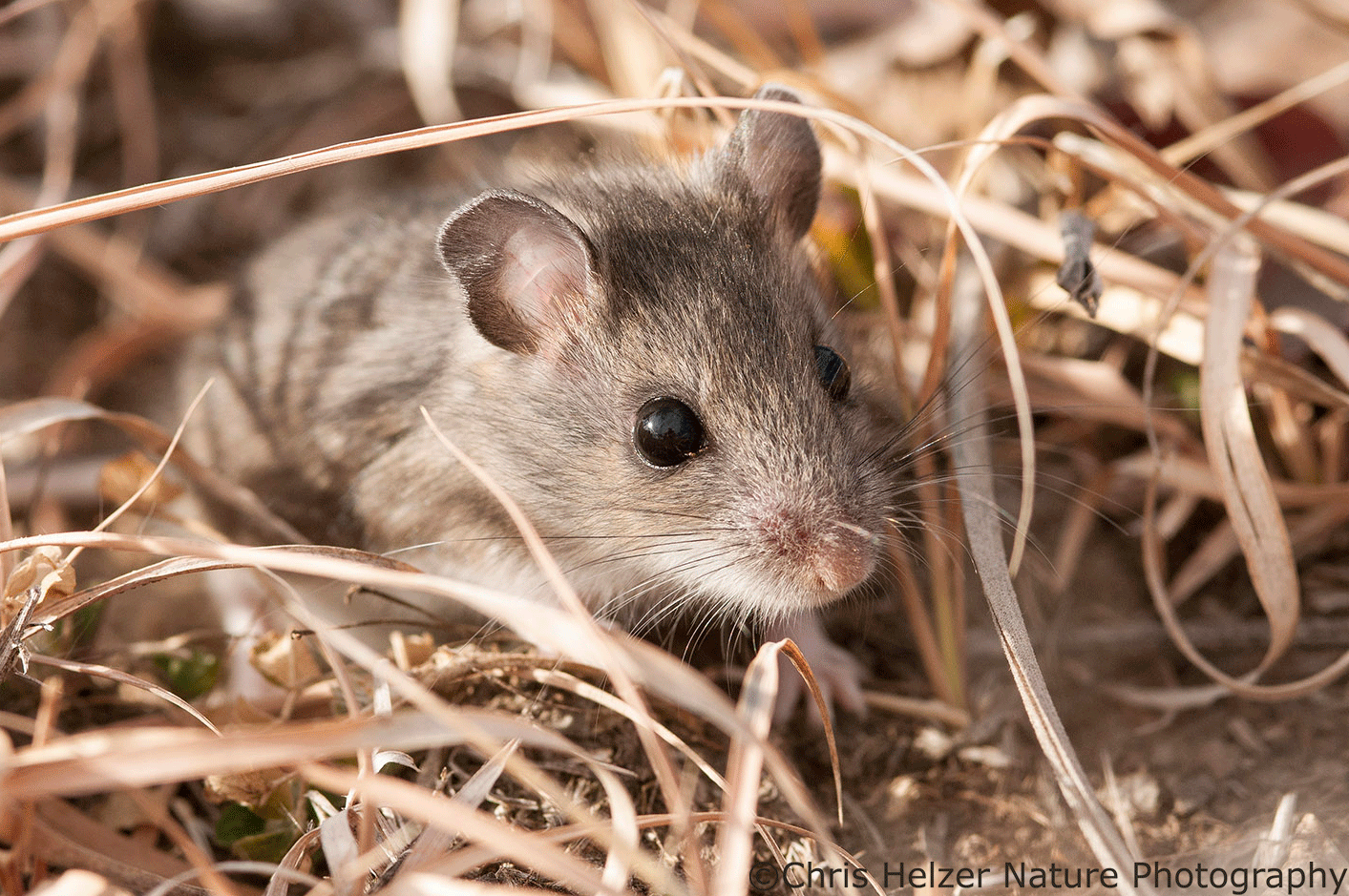
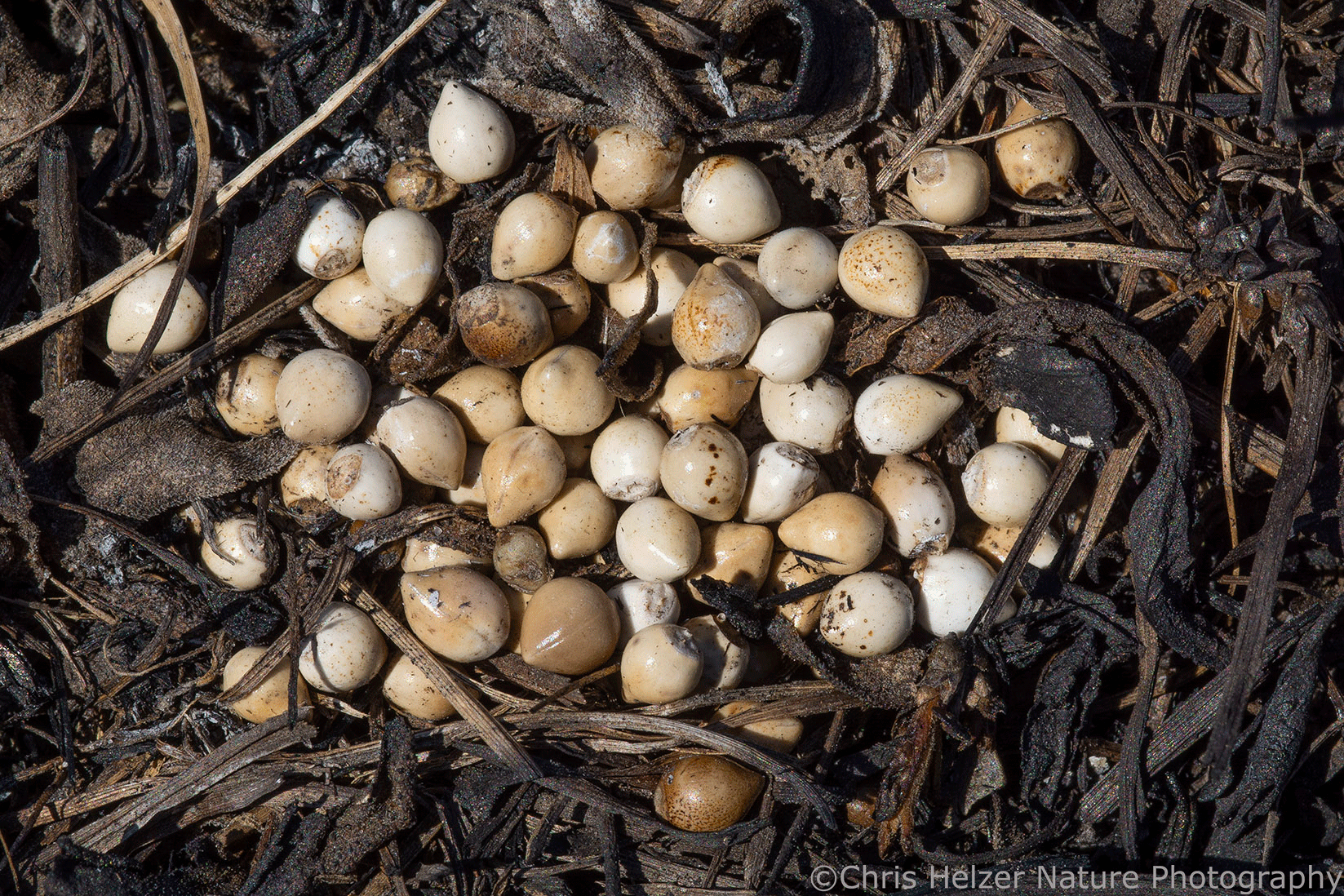
The evidence of seeds being harvested and consumed by animals is all around us if we tune into it. Piles of seeds or clipped seed heads lying on the ground are a good indication that mice have been out harvesting. Seed heads of thistles, pulled apart with fluffy remnants scattered about, are a sign of goldfinches or other birds. I’ve scouted sunflower patches for seed harvest one day, only to return the next and find most of the heads empty – and not because they all dried out and dropped seeds overnight.


If you harvest seeds for restoration work, you’ve likely seed evidence of seed predation, if not the actual hungry critters themselves. Exit holes in seed pods are clear evidence that the seeds have been eaten and that it’s not worth trying to harvest from those plants. Often, I’ll find small animals inside seed heads when I pull them apart to see if there are healthy full seeds inside. Alternatively, I’ve also laid seeds to dry on a tarp and then returned a day later later to find a mass exodus of little grubs or other larvae moving across the floor of the seed barn.

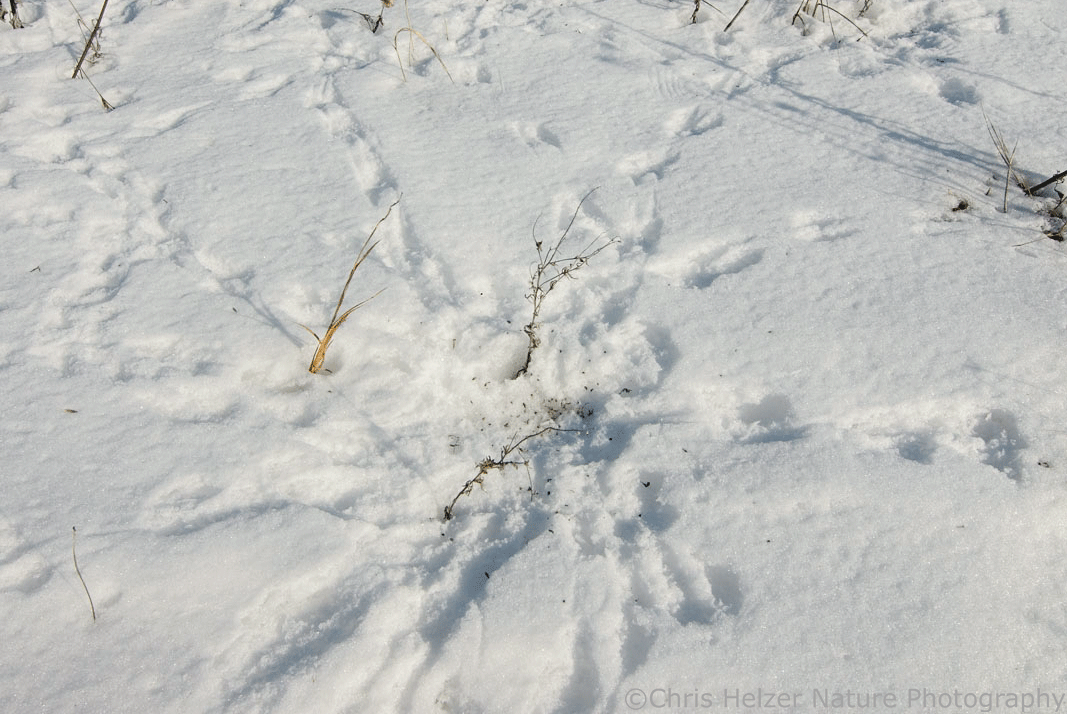
Snowy winter days are great opportunities to see the importance of seeds to birds and other vertebrates. Western ragweed is a plant many people dislike because of the allergic reactions it triggers, but the value of its seed to birds is pretty evident when you look at the abundance of bird tracks around plants. It’s also fun to track mice through the snow from their burrow entrances to see where they’re going to feed. Often, you can see evidence of them climbing (or pulling down) stems grasses or wildflowers and either eating or taking seeds away.
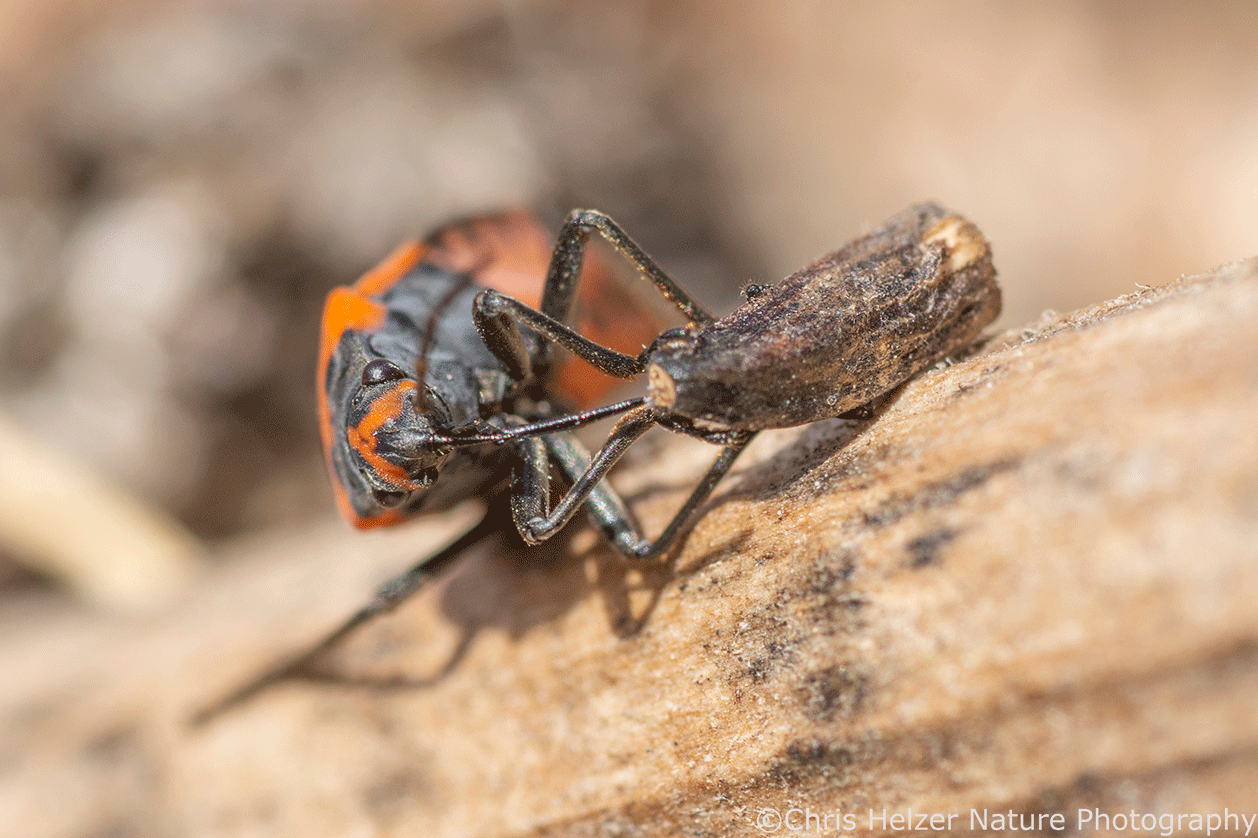
I’m a photographer that spends a lot of time looking at insects but I’ve not seen or photographed very many invertebrates actively feeding on seeds. Milkweed bugs and false milkweed bugs are two big exceptions because they’re pretty obvious and easy to see. Apart from that, I just haven’t looked hard enough for seed-eating insects. I hope to change that.

If you’re a prairie enthusiast, I hope this post inspires you to consider the immense value of seeds to prairie ecosystems and take time to look for evidence of that value as you explore prairies this fall and winter. For those of us who manage prairies, can we all pledge to remember seed production and abundance when we’re planning and evaluating stewardship activities? The timing and frequency of burning, grazing, mowing, and herbicide treatments can all have big impacts on seed availability. A shifting mosaic approach to management should do a pretty good job of ensuring strong seed abundance in at least some habitat patches within a site, but it would be smart to test that assumption.
Prairie animals, especially the small ones, are awfully important to the health and functioning of grasslands. Many of those animals rely on seeds during at least some part of their lives. That’s a pretty good reason for us to think about seeds too.








 The Prairie Ecologist