Most of North America’s bee and wasp species are solitary, as opposed to colonial. That means that instead of being part of a cooperative group of workers supporting a queen, single female bees and wasps act on their own. Without support from others, each individual female (in most cases) has to create a nest, lay eggs, gather food to put with those eggs, and defend her nest. It’s a lot.
Male solitary bees and wasps, on the other hand, have a pretty cushy life by comparison. Their sole job is to hang out near flowers and mate with females as they come to gather nectar (wasps and bees) or pollen (bees). The downside of that lifestyle, however, is that males don’t have a nest to retire to each evening. Instead, they have to just find a roosting place and spend all night exposed to the weather and potential predation.
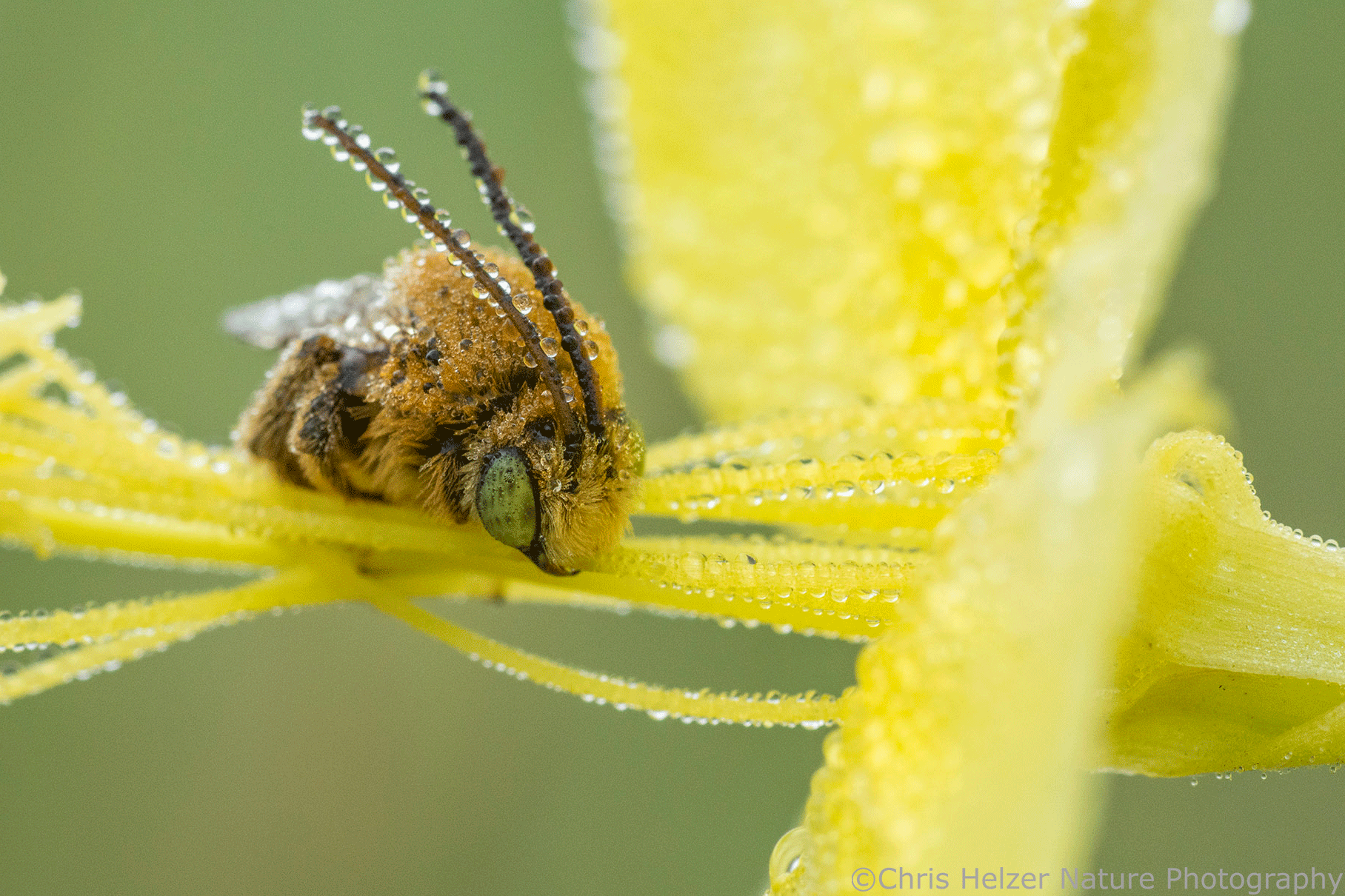
Long-horned bee (Melissodes) at sunrise. Lincoln Creek Prairie, Aurora, Nebraska. Nikon 105mm macro lens. ISO 320, f/14, 1/200 sec.Long-horned bee on fourpoint evening primrose (Oenothera rhombipetala) at the Platte River Prairies. Nikon 105mm macro lens. ISO 1600, f/18, 1/160 sec.
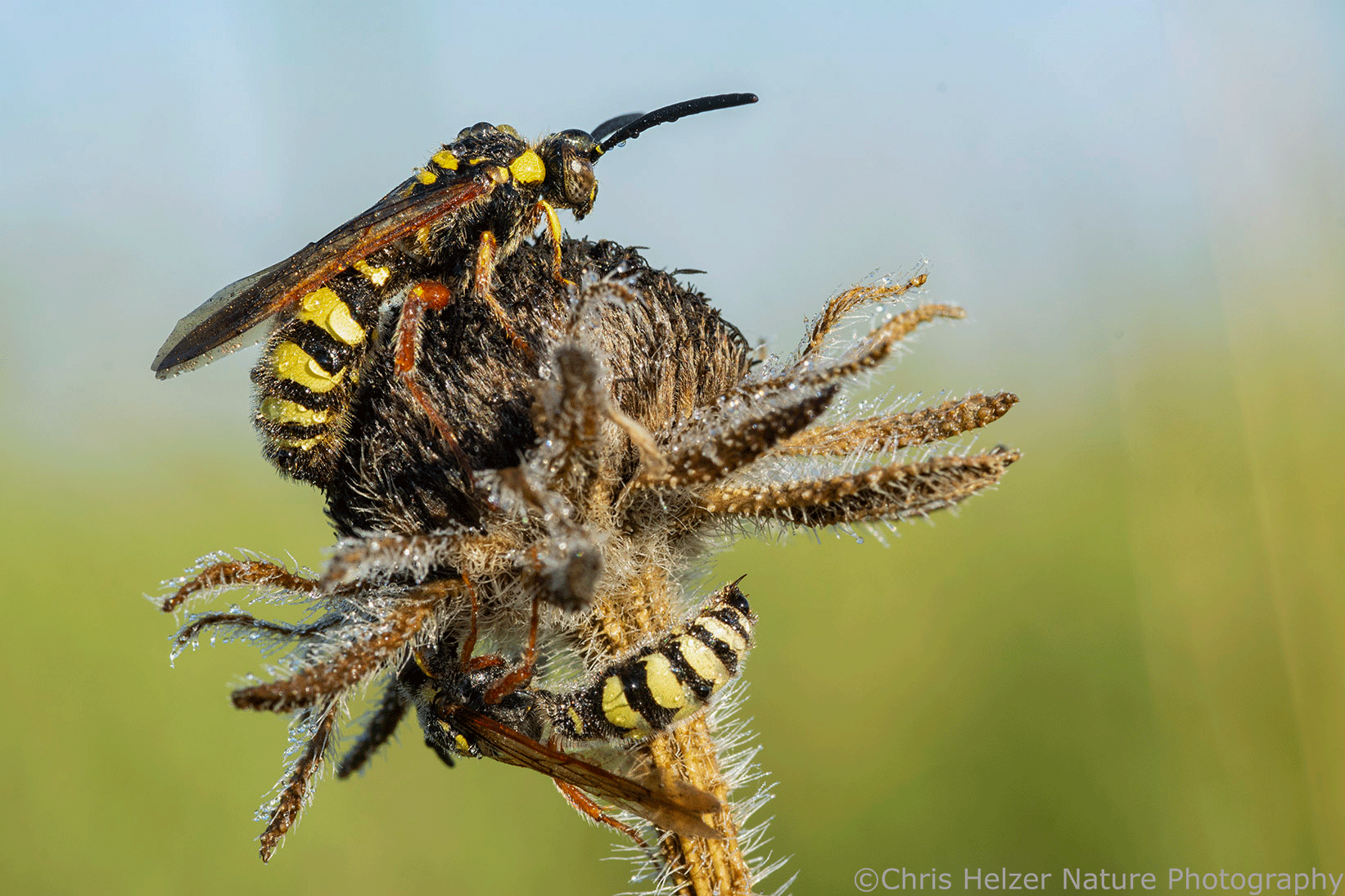
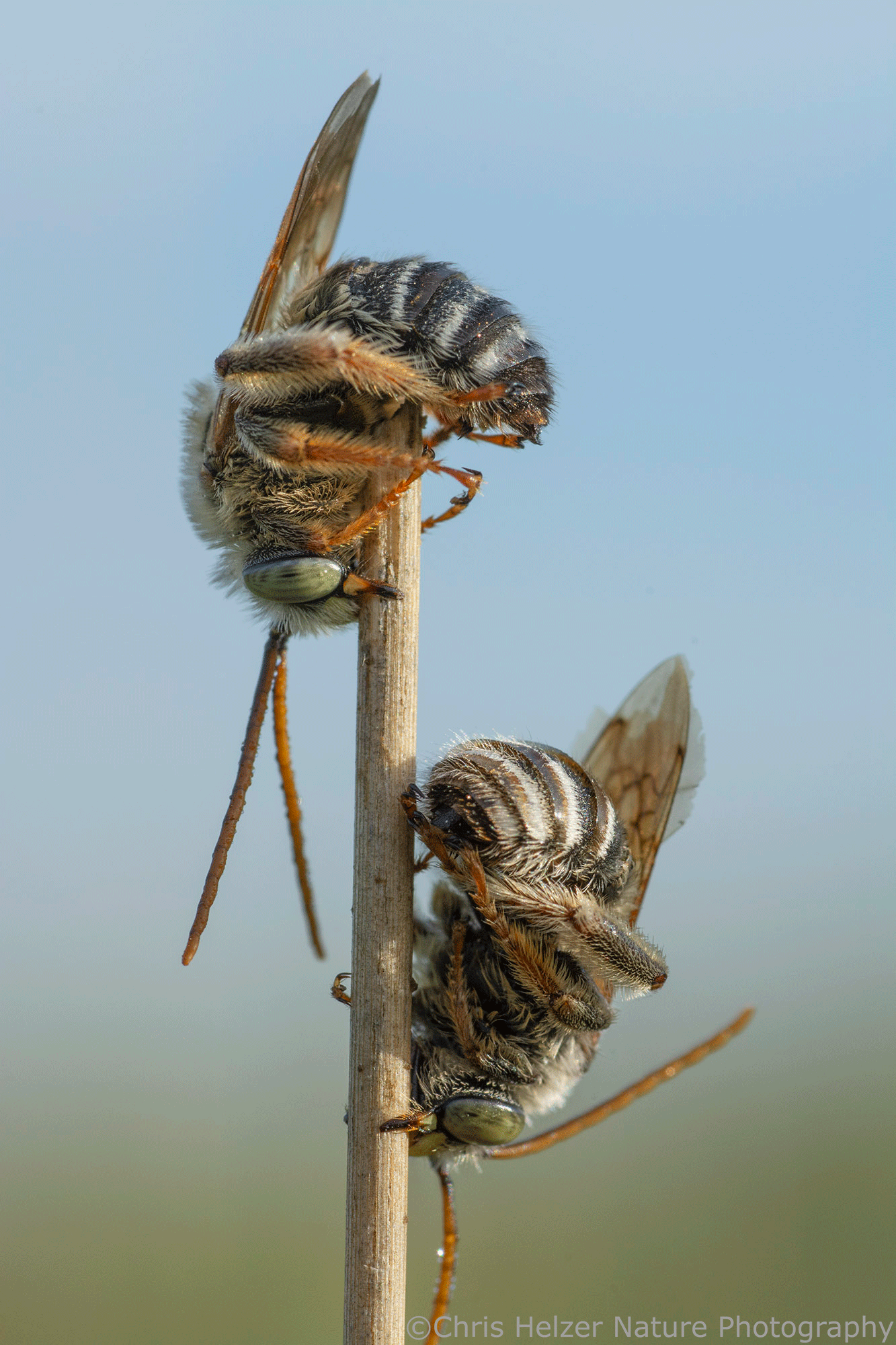
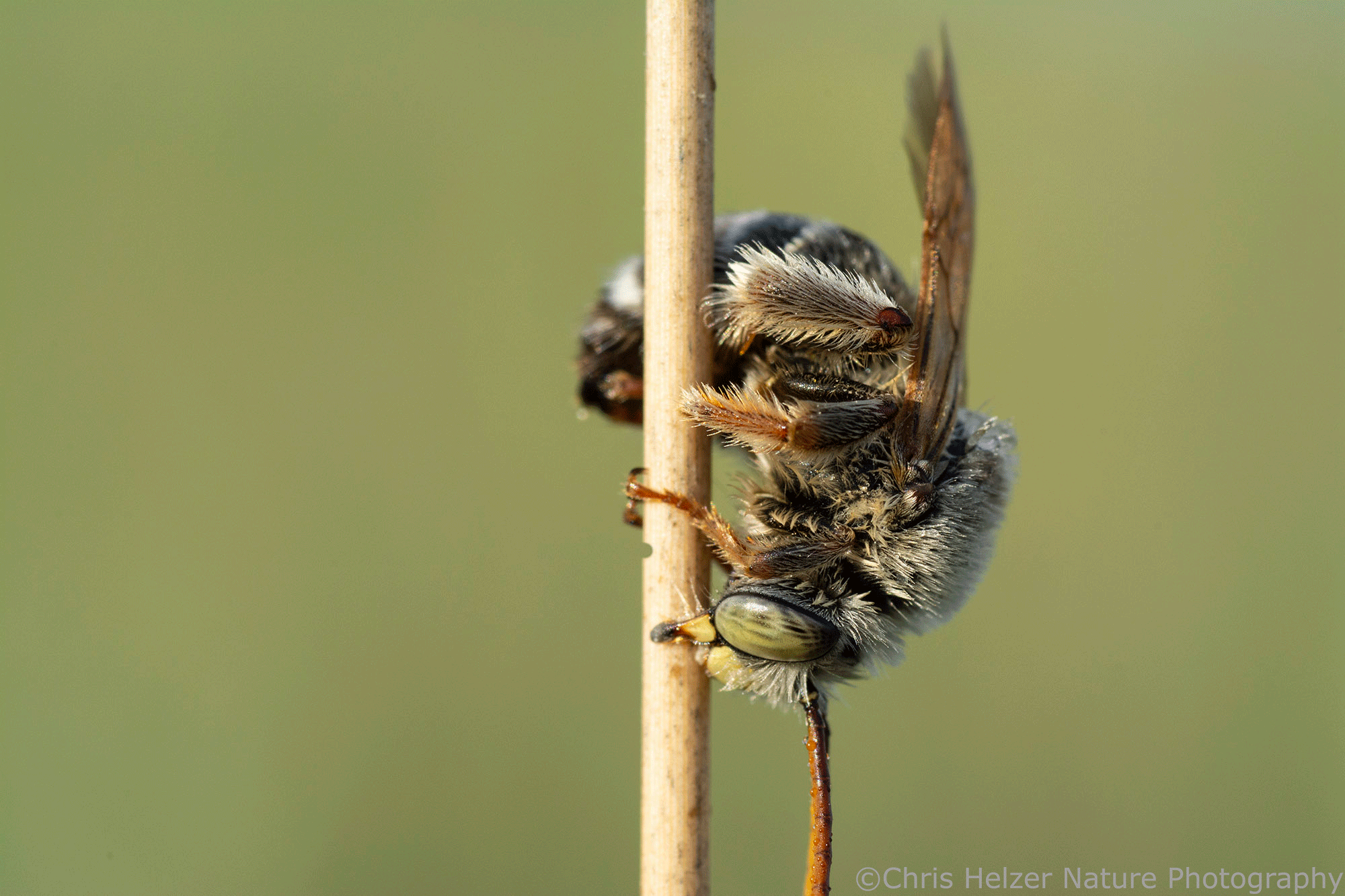
Because I like to go out early in the morning and look for insects (and other things) I often come across male bees and wasps on their overnight roosts. Often, they’re cool and covered in dew, which makes them pretty easy targets for my photography. I assume that makes them easy targets for predators and other threats too.
Eight-spotted scoliid wasps (Colpa octomaculata). Platte River Prairies. Nikon 105mm macro lens. ISO 320, f/16, 1/100 sec.Eight-spotted scoliid wasp (Colpa octomaculata). Platte River Prairies. Nikon 105mm macro lens. ISO 320, f/16, 1/100 sec.Eight-spotted scoliid wasp (Colpa octomaculata). Platte River Prairies. Nikon 105mm macro lens with Raynox 250 attachment. ISO 320, f/16, 1/100 sec.Long-horned bees (Melissodes). Platte River Prairies. Nikon 105mm macro lens. ISO 400, f/13, 1/400 sec.Long-horned bees (Melissodes). Platte River Prairies. Nikon 105mm macro lens. ISO 400, f/18, 1/200 sec.Long-horned bee (Melissodes?). Platte River Prairies. Nikon 105mm macro lens. ISO 400, f/18, 1/125 sec.
This has been a particularly good summer for encountering bees and wasps in the morning, so I thought I’d share some of the photos I’ve gotten over the last couple months. The ones I see are often on or near flowers or seed heads, or in other places fairly high up in the vegetation. That seems like it would make them more prone to being found by birds or other predators, but it also means the sun will reach them early in the morning and warm them up. That’s a tricky tradeoff.
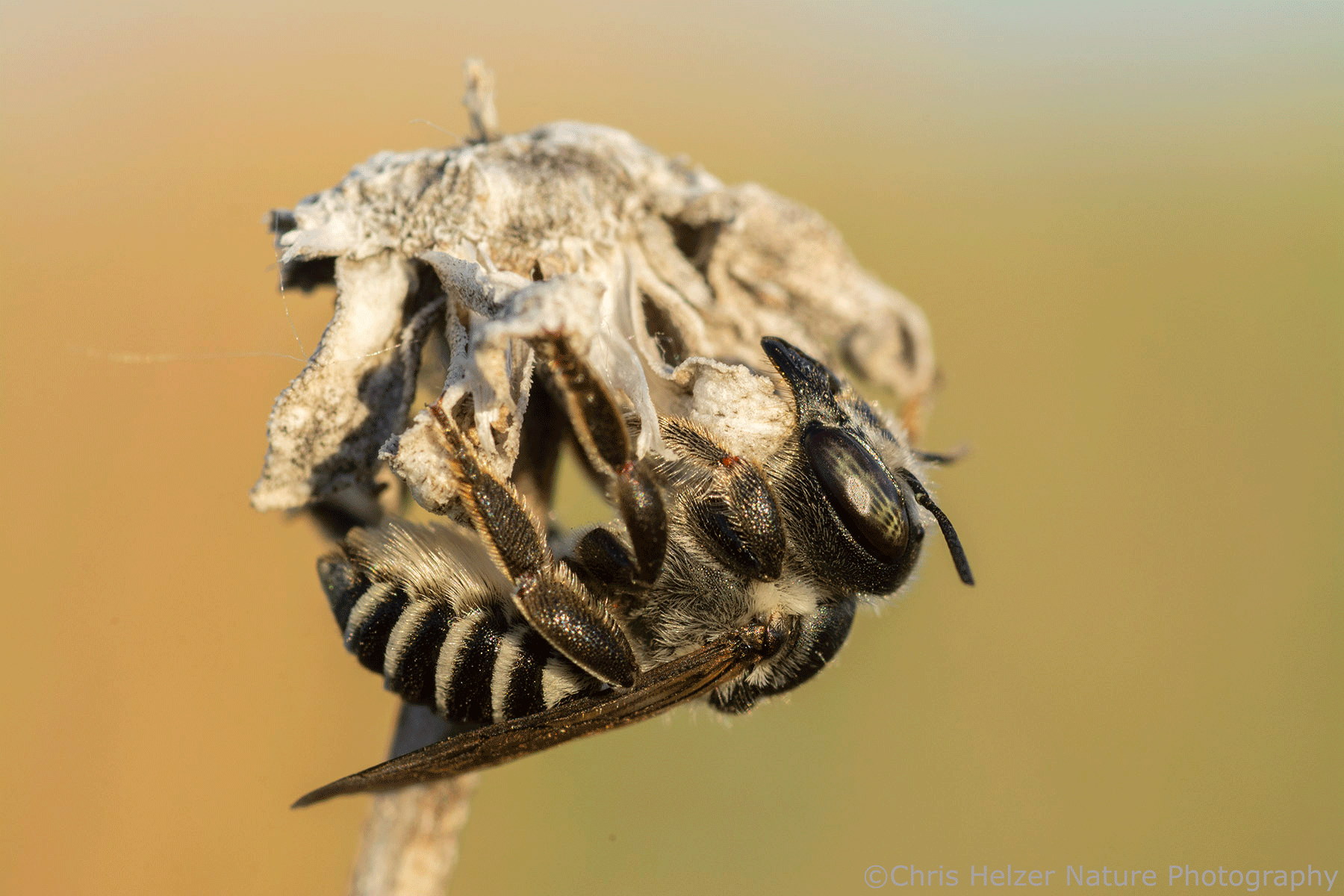
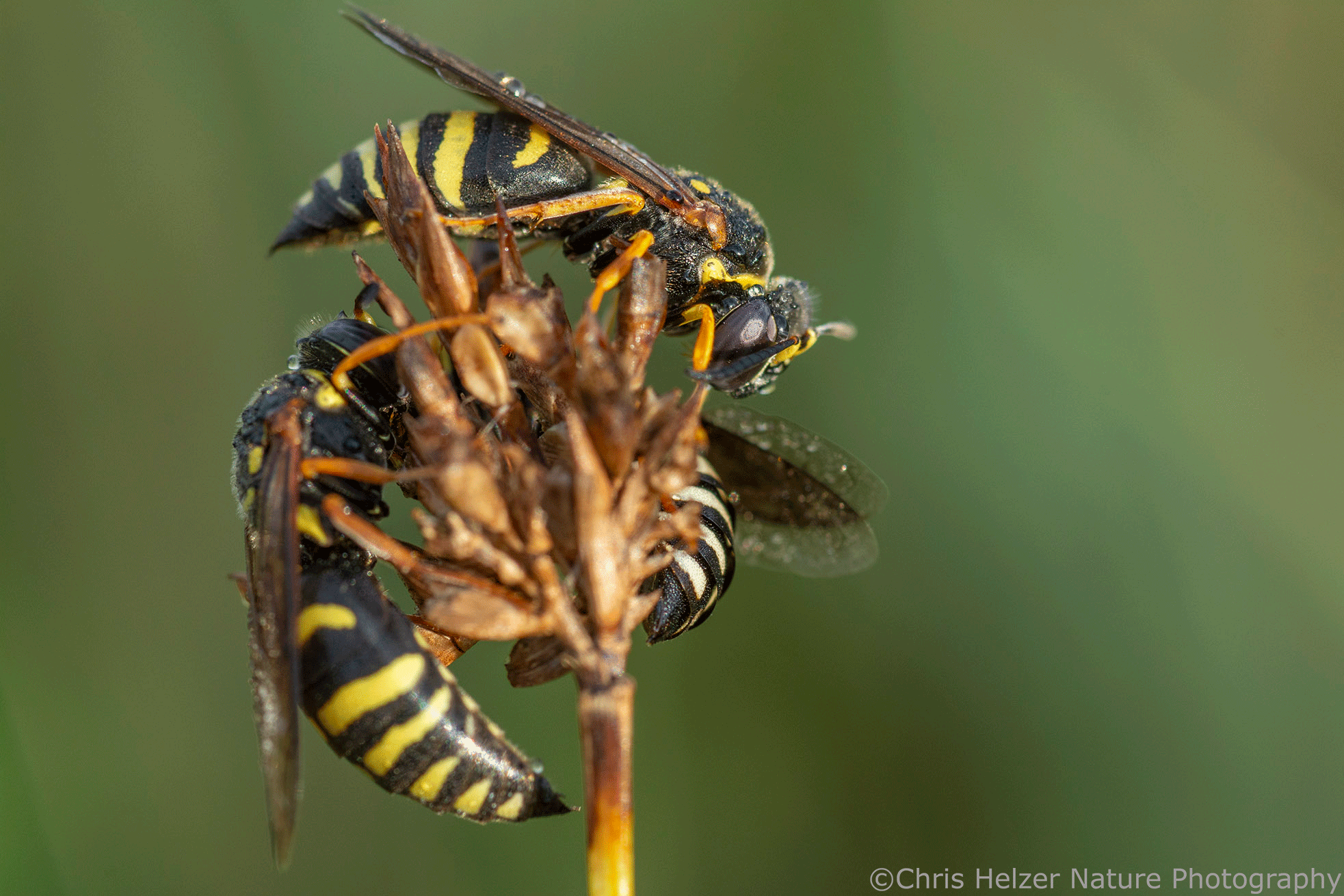
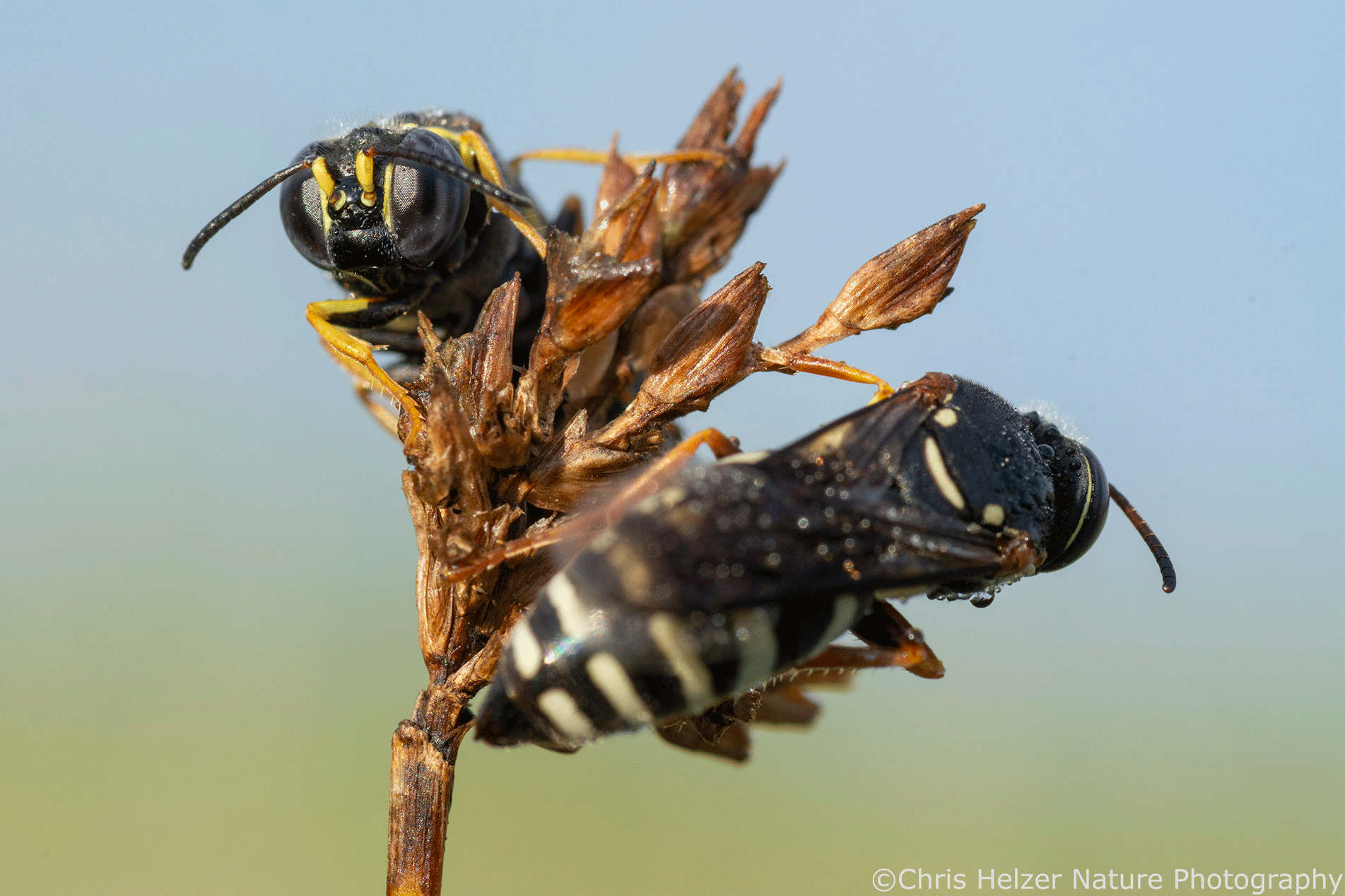
Leaf-cutter bee (Megachile) at the Niobrara Valley Preserve. Nikon 105mm macro lens. ISO 500, f/18, 1/100 sec.Dew-covered bee on hoary vervain (Verbena stricta). Platte River Prairies. Nikon 105mm macro lens. ISO 400, f/14, 1/80 sec.Sand wasps (Bicyrtes sp). Platte River Prairies. Nikon 105mm macro lens. ISO 400, f/11, 1/160 sec.Sand wasps (Bicyrtes sp). Platte River Prairies.Nikon 105mm macro lens. ISO 400, f/18, 1/125 sec.Five-banded thynnid wasp (Myzinum quinquecinctum). Lincoln Creek Prairie, Aurora, Nebraska. Nikon 105mm macro lens. ISO 320, f/11, 1/200 sec.
If you come across any male bees or wasps while you’re out on an early morning walk, it’s a great opportunity to get a close look at these beautiful creatures. As you look at them, though, maybe wish them luck. After all, if you’ve found them and gotten close enough to admire them, others may do the same, and might have hungrier intentions…
Cellophane bees (Colletes sp). Helzer Family Prairie. Nikon 105mm macro lens. ISO 320, f/14, 1/80 sec.Cellophane bee (Colletes sp). Helzer Family Prairie.Nikon 105mm macro lens. ISO 320, f/16, 1/60 sec.
(Thanks to the fantastic experts at bugguide.net for their helpful identifications of some of these bees and wasps. If any of them are misidentified, it those are the ones I tried on my own…)
Earlier this week, I posted vacation photos from the backpacking trip I took with my son in the Flat Tops Wilderness of Colorado. That post included mostly wide-angle landscape images that helped illustrate our surroundings. Today’s post is filled with some closer-up views from the trip. I drug all my camera gear along on the trip and carried it during our day hikes. I also took several lenses in my backpack and used my tripod as a walking stick, which was a poor idea from a weight perspective, but really handy once we got out there.
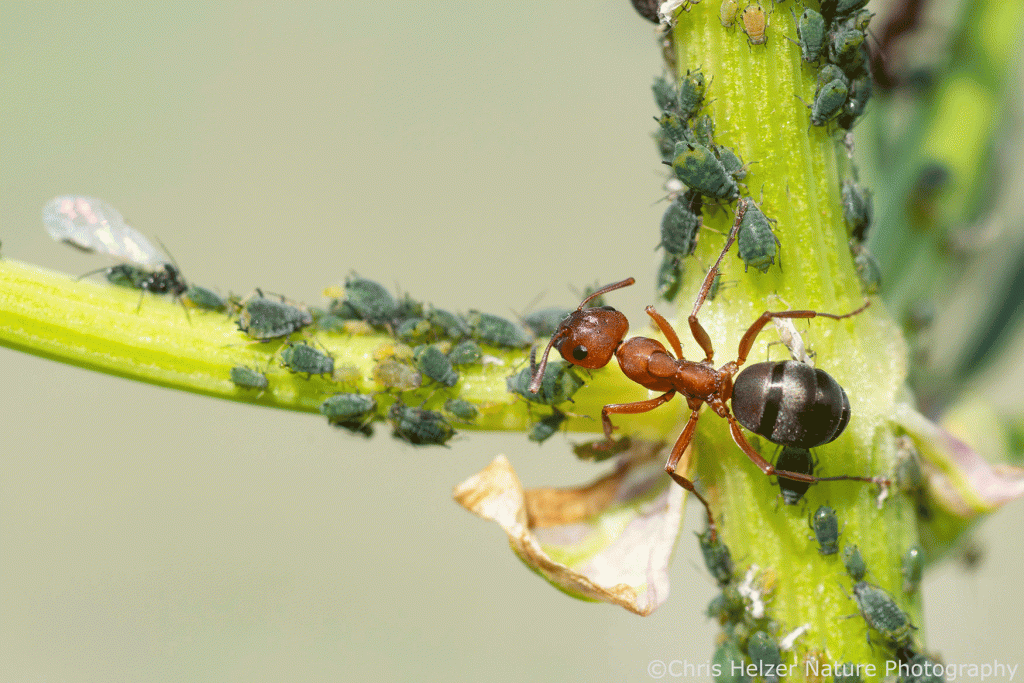
Butterfly on larkspur at sunset. Nikon 105mm macro lens. ISO 800, f/8, 1/100 sec.Scarlet gilia (Ipomopsis aggregata). Nikon 105mm macro lens. ISO 400, f/10, 1/400 sec.Ant tending aphids. Nikon 105mm macro lens. ISO 400, f/14, 1/160 sec.
The three photos above were taken during the day hiking phase of our trip. The butterfly was the last thing I saw one night while photographing wildflowers close to our campground. As I walked back toward the tent in the post-sunset light, I noticed an incongruity in the shape of a spike of larkspur flowers and, upon closer inspection, saw the butterfly. The bluish/purplish light made the gray-white butterfly blend in really well with the flowers and I photographed it from multiple angles. The photo above is my favorite from the batch.
The ant and aphids photo depicts a scene I saw many times during our trip. I usually saw it as we were hiking someplace, and didn’t feel like I could stop to photograph it. This photo also came from a day hike, but we were close to the point of turning around to head back and Daniel wanted to go a little further than I did. That worked out great for me. I sat down and photographed these little critters while Daniel explored up around the bend and then came back.
The remainder of these photos were taken during our backpacking trip. We built the trip to give us plenty of flexible time and that allowed me to take advantage of good lighting when it occurred. I often had to wave mosquitos away from the front of my lens as I took these, but still ended up with a number of shots that had insect blurs in front of the subject. Sometimes, I just included mosquitos in the shot on purpose, as in the penstemon shot below.
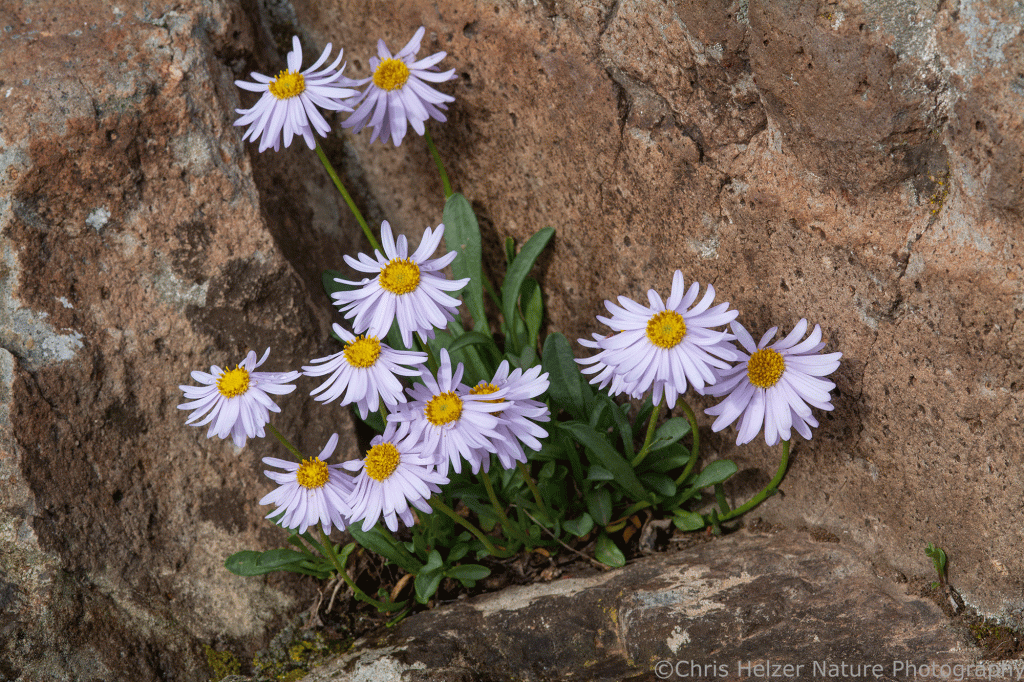
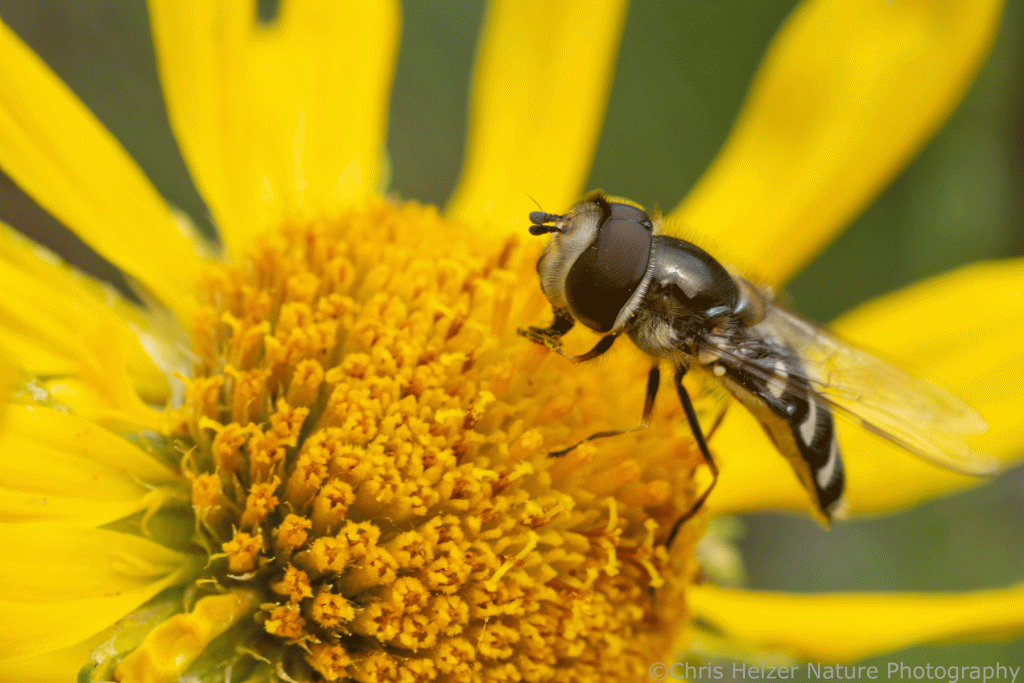
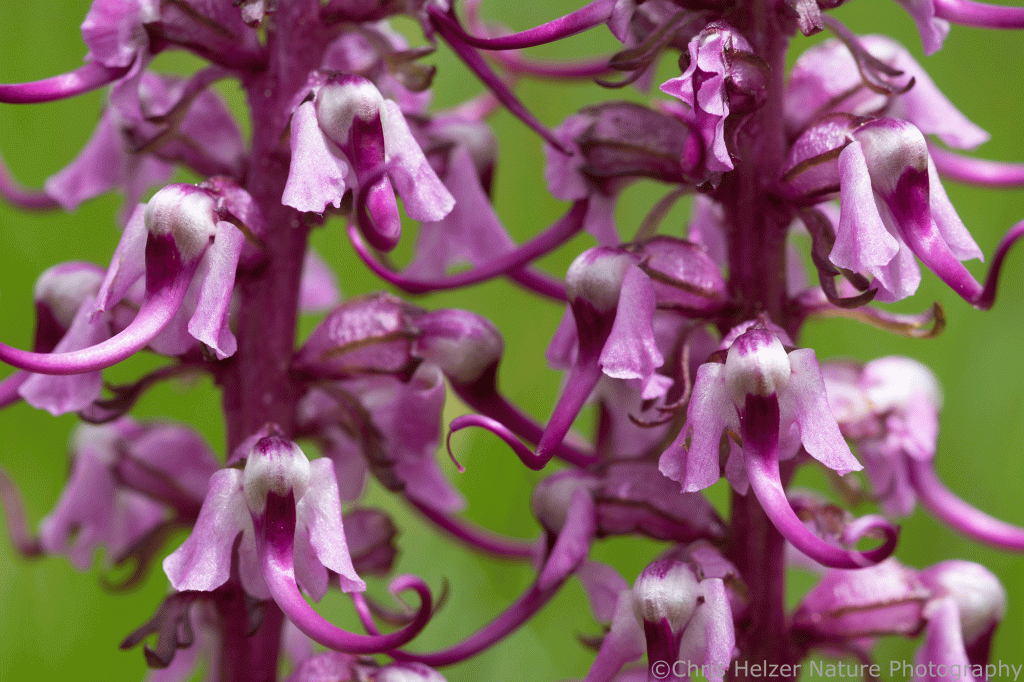
Fleabane (?) growing out of a rock. Nikon 105mm macro lens. ISO 320, f/14, 1/160 sec.Dusky penstemon (Penstemon whippleanus) and mosquito. Nikon 105mm macro lens. ISO 320, f/16, 1/400 sec.Hover fly (Syrphidae) on old-man-of-the-mountain (Hymenoxys grandiflora) on Trapper’s Peak. Nikon 105mm macro lens. ISO 320, f/20, 1/100 sec.Elephantears lousewort (Pedicularis groenlandica). Nikon 105mm macro lens. ISO 320, f/13, 1/320 sec.
I’ve got hundreds more close-up wildflower photos from the trip but tried to pick out a few representative ones to share here. In addition to my macro lens, though, I also took my longer telephoto zoom (18-300mm lens). I used it for some of the scenics in the last blog post, but also as a way to photograph clusters of wildflowers. In the photos below, the first was taken with my 105mm macro lens, using it more like a short telephoto. The remaining three were taken with the longer telephoto, zooming into patches of backlit flowers. I had a lot of fun playing with that perspective, which helps compress groups of flowers together.
Wasp on American bistort (Polygonum bistortoides) in front of Trapper’s Peak. Nikon 105mm macro lens. ISO 320, f/29, 1/60 sec.Backlit wildflowers (Bistort and ragwort). Nikon 18-300mm lens @270mm. ISO 320, f/10, 1/200 sec.Backlit flowers. Nikon 18-300mm lens @105mm. ISO 320, f/11, 1/80 sec.More backlit flowers. Nikon 18-300mm lens @100mm. ISO 320, f/9, 1/100 sec.
Returning from the cool high elevation grasslands of the Flat Tops Wilderness to 100 degree humid days was a pretty good shock to my system. On the other hand, it was really nice to get back to familiar plants and animals. In the mountains, I saw a lot of things that I recognized as likely relatives of familiar species (flowers, butterflies, etc.) but it was weird not to be able to name what I was seeing.
Also, brief single visits to a site don’t tell you much about what’s really happening there and I’ve realized that tracking change and trying to understand it is a major component of why I enjoy wandering my local prairies. Either way, it was a great trip and I hope to go back.










 The Prairie Ecologist