
…
Event Reminder:
July 9 field day at the Platte River Prairies. Details here.
…
My son John will be a college senior this fall, so I was happy to accommodate his request to kayak the Niobrara River again this summer. He drove up and met me at the Niobrara Valley Preserve this week and I took a day off from a week otherwise occupied with meetings, tours, and data collection. It was a terrific day.


I debated whether or not to take my camera on the trip (as opposed to just using my phone for photographs) and eventually decided to take both my camera and my tripod. John convinced me that he didn’t mind if I stopped to do some photography, so that pushed me over the edge. I wrapped the camera and a few lenses in a waterproof bag and we set off down the river early in the morning.
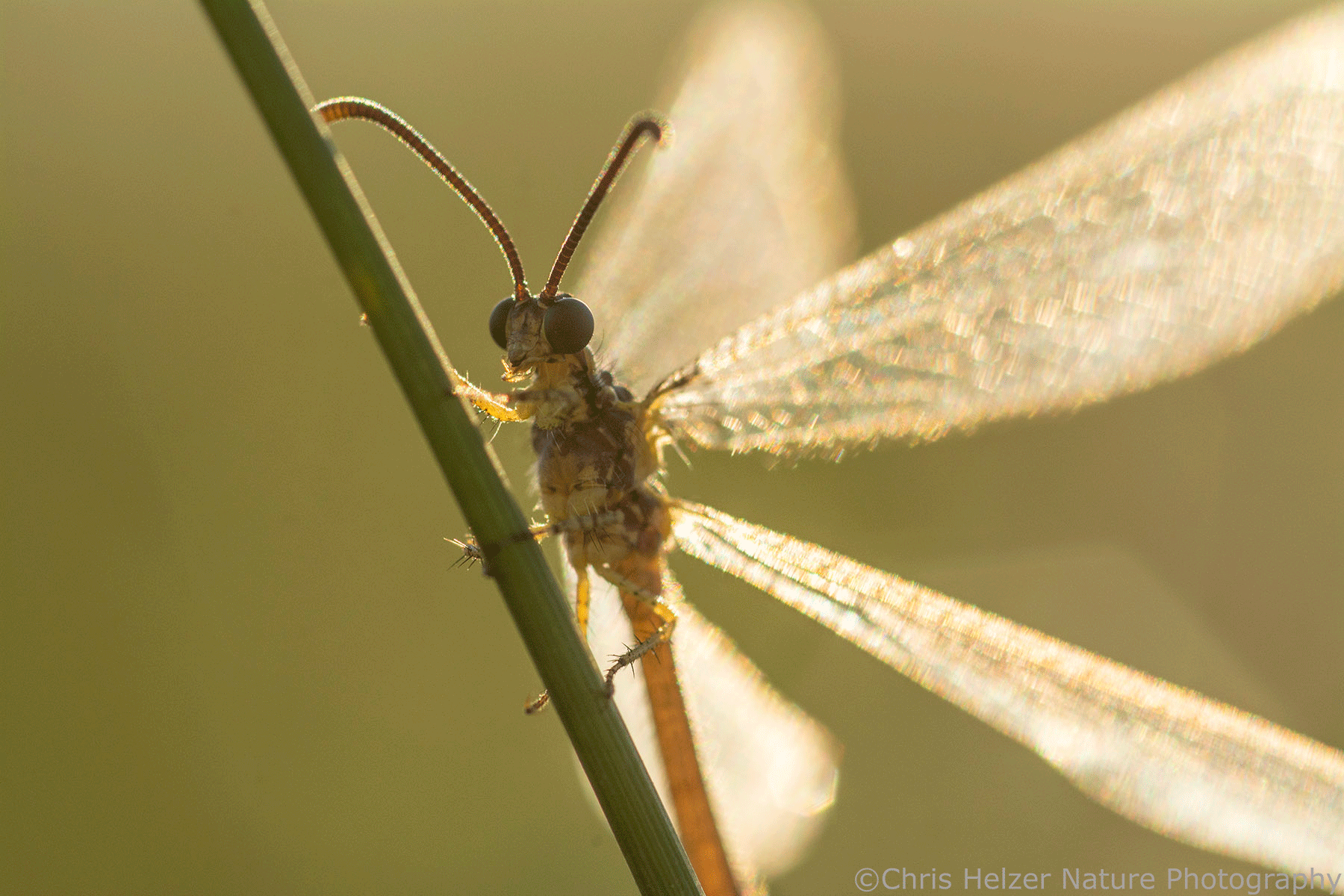
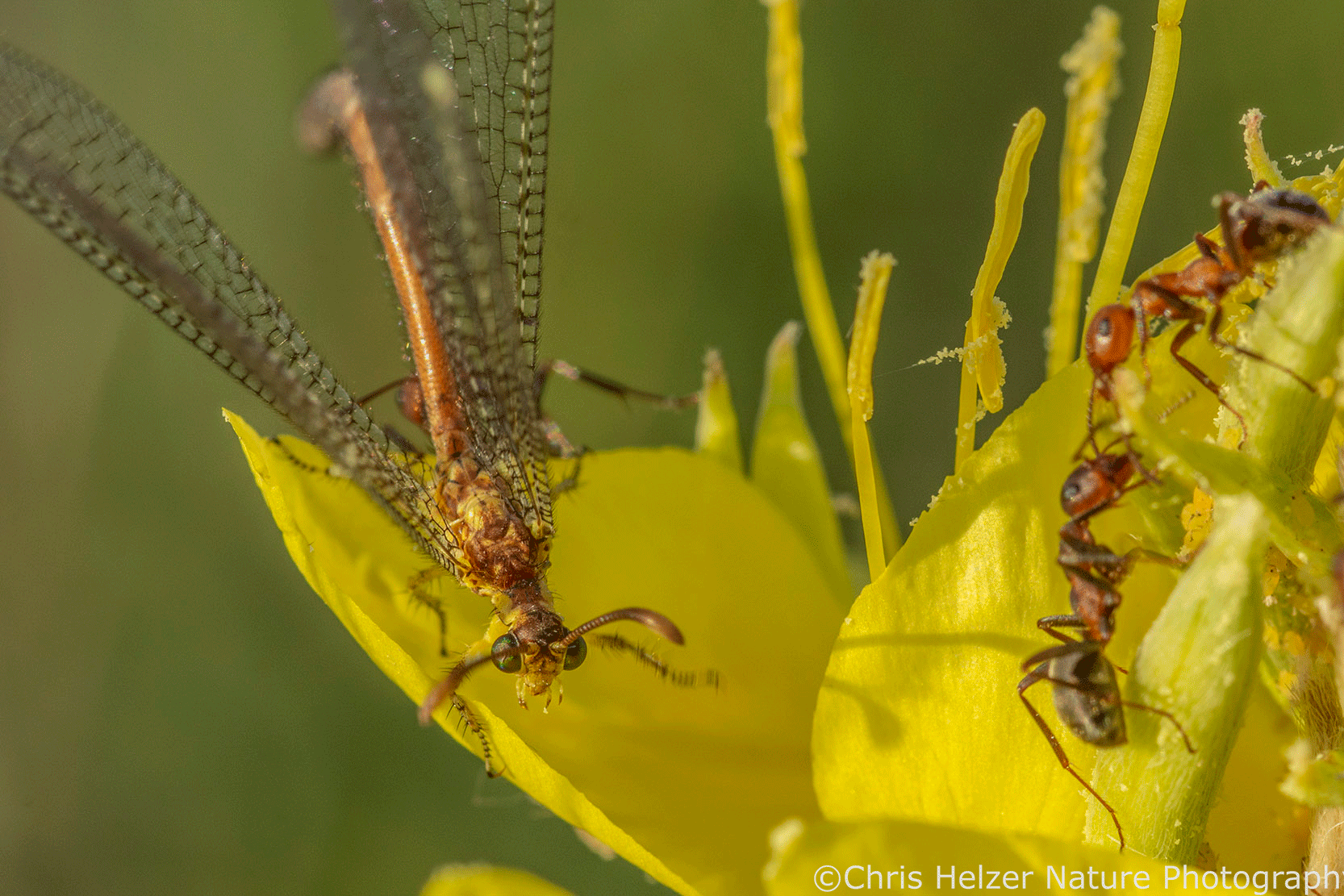
As it happened, the light was magnificent most of the day, so I was really glad to have my camera and John was very patient with me whenever I stopped to photograph him and other subjects (he should be used to it by now). We saw lots of great wildlife and scenery, including waterfalls, steep sandy cliffs, woodlands and grasslands, bald eagles, turkey vultures, waterfalls, shorebirds, deer, and more. Apart from some photos of John and a couple waterfalls, I didn’t photograph any of that stuff. As per usual, I focused on subjects smaller than my thumb. The majority of my expedition photos, therefore, do a horrible job of reflecting the landscape and the fauna most people associate with the Niobrara River.
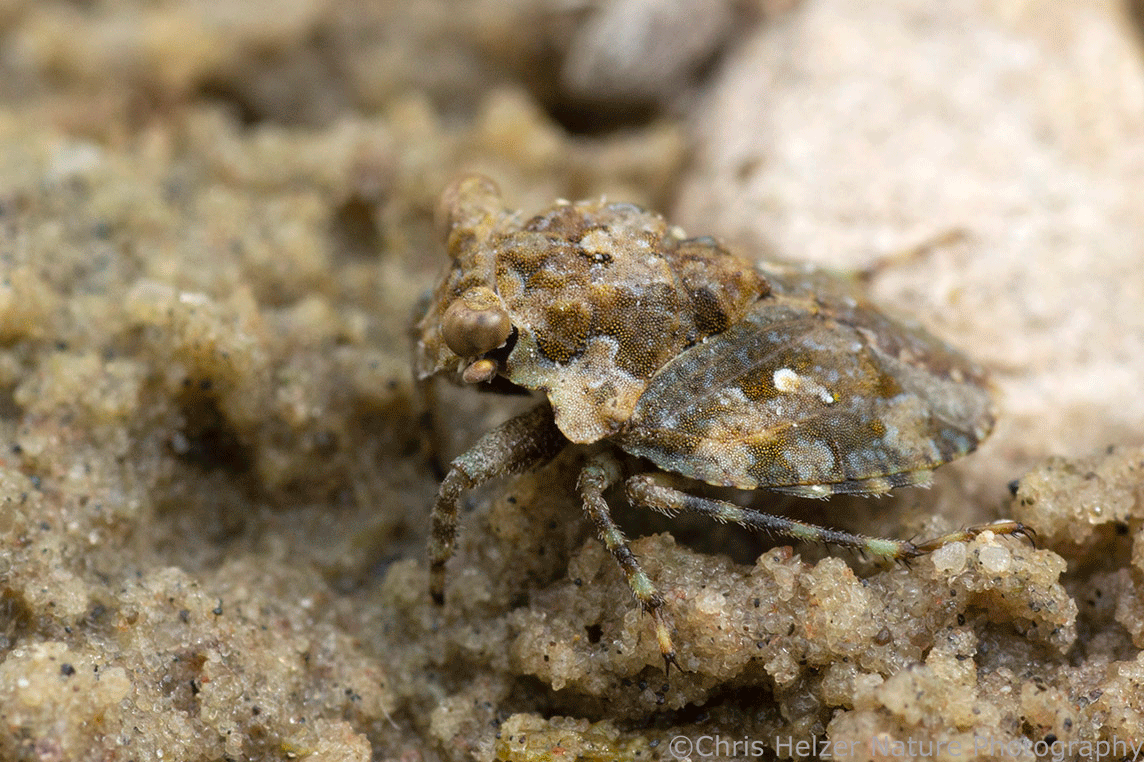
Of course, lots of other people have captured photos of the river, woodlands, waterfalls, and big charismatic wildlife of the Niobrara, so I don’t feel obligated to repeat that. If you’ve followed this blog for a while, I assume you have a more sophisticated palate and will enjoy seeing photos of big eyed toad bugs, damselflies, wolf spiders and tiger beetles. I hope so, anyway, because that’s what you’re getting from here on.



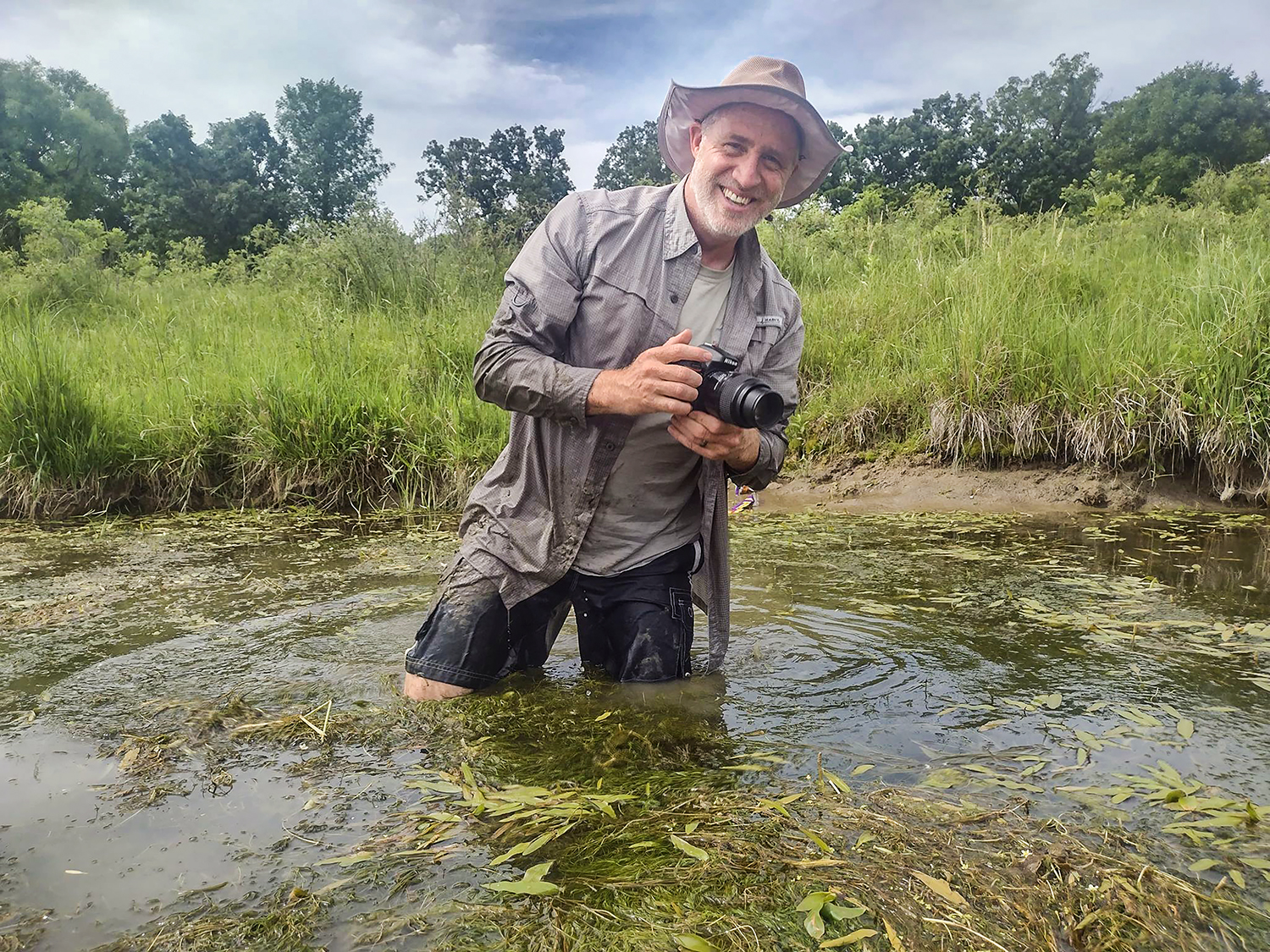
We stopped for lunch on a long rocky island with a mucky wetland embedded within it. As I grabbed my sandwich, I heard some cricket frogs calling and wandered over to the wetland to see if I could spot one. Before I knew it, I was belly deep in muck and water photographing beautiful little amphibians. John enjoyed watching the whole escapade and even took a couple photos of his crazy old man. They ended up being a couple of the best action photos of me in recent history, I think.

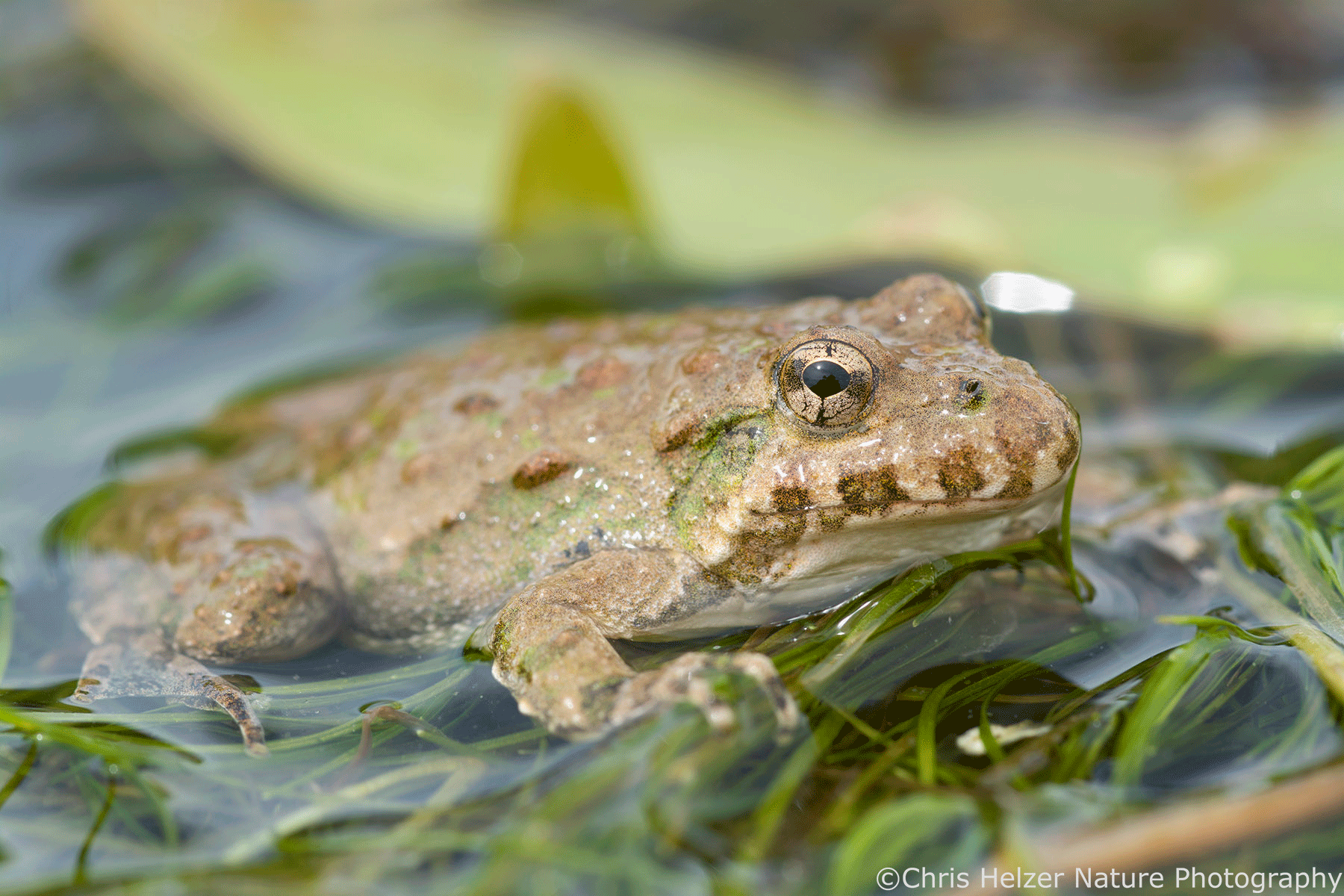
Blanchard’s cricket frogs come in a variety of color patterns. We saw both green and tan frogs in the same vicinity and some of both were very accommodating photo subjects. If you’ve never heard them, their call sounds like someone clicking two rocks together. Actually, their calls sound like that whether you’ve heard them or not. I was surprised to hear them still calling this late in the season, but what do I know?


While I was lying the mud, I saw damselflies both mating and laying eggs, so I belly-crawled around for a while trying to get photos of both behaviors (successfully). As I was doing that, I also saw some common whitetail dragonflies zipping around. Suddenly, a female dropped down low and started repeatedly tapping the tip of her ‘tail’ on the surface of the water. I took a couple quick photos with my macro lens and then slowly squished my prostrate body closer as she continued for a minute or so. I eventually managed some decent shots of the egg-laying behavior, including a couple that showed a male dragonfly hovering above her and defending both her and his territory from potential interlopers. Really cool stuff.


As we pulled our kayaks out of the water at the end of the trip, there were scads of little tiger beetles running around on the sand beach. I, of course, grabbed my camera and as I looked at them through my macro lens, quickly realized there was a lot of sex happening on that beach. In fact, every single tiger beetle we saw was coupled up, endeavoring to make more tiger beetles. I snapped a couple photos and then we gave them some privacy.

If you’ve not floated the Niobrara River, I highly recommend it. You can find lots of information at the National Park Service’s website, but the land along the river is private – including most of the south bank of the most popular stretch, which is owned by The Nature Conservancy (part of the Niobrara Valley Preserve). There are numerous outfitters that can help organize kayak, canoe, or tube trips at very reasonable prices, and most also offer camping if you want to stay the night before and/or after your trip. If you want to avoid crowds, avoid weekends. We floated on a Thursday and only saw one other group of people all day.
If you go, you’ll probably see bald eagles, mergansers, and lots of other larger animals. However, if you’re really fortunate and are willing to look closely, you might even see some truly spectacular creatures like big eyed toad bugs and cricket frogs. Even if you miss those little wonders, you’ll still get to float down a gorgeous river past lots of waterfalls. That’s not so bad.


 The Prairie Ecologist