Picturing Habitat Heterogeneity

If you’ve followed this blog for long, the term habitat heterogeneity won’t be unfamiliar. Neither will the phrase ‘shifting mosaic of habitat‘. I’ve spent a lot of words trying to describe the importance of both, as well as various tactics that can create them. Today’s post is dedicated to illustrating what habitat heterogeneity can look like by sharing some photos taken from within the last week across several hundred acres of grassland at our Platte River Prairies. Cody Miller, our preserve manager, is constantly looking for new management ideas to experiment with, and we still have a lot to learn, but we feel pretty good about the way the habitat looks right now.
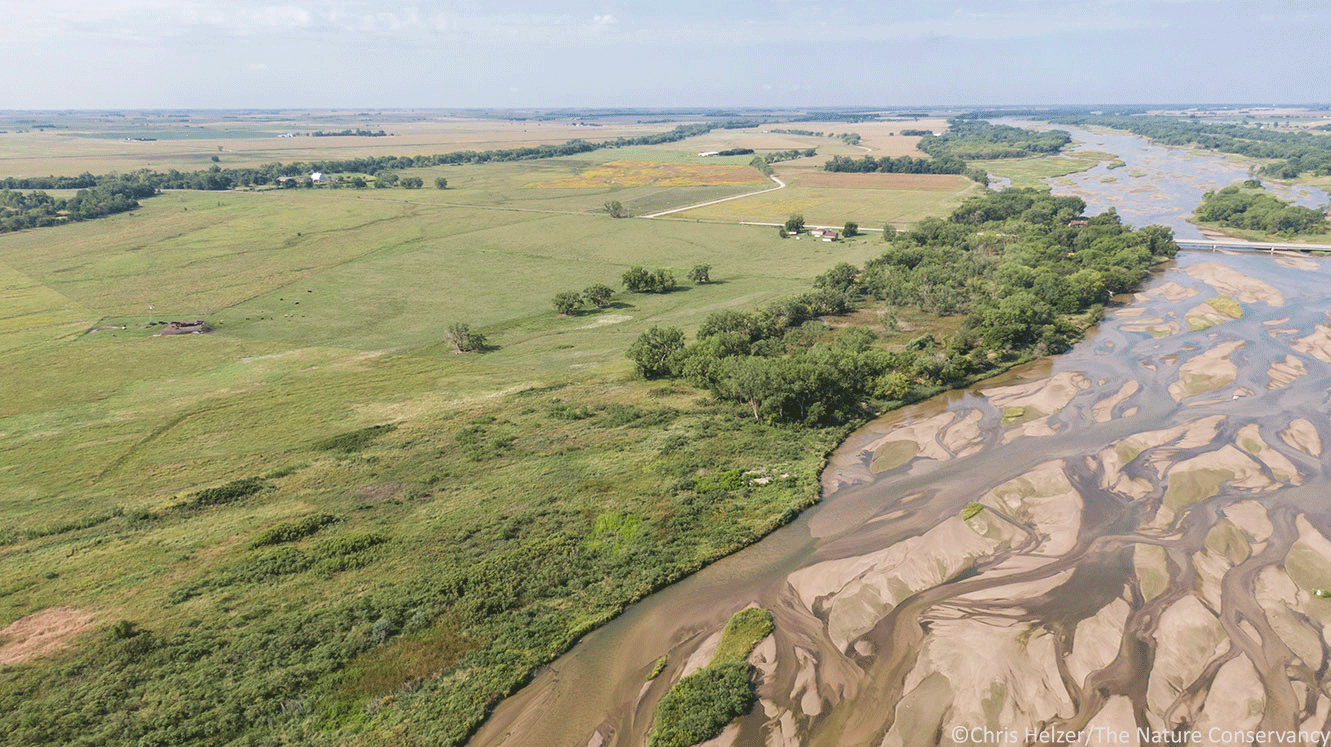
The Platte River flows past a portion of The Nature Conservancy’s Platte River Prairies. The management unit illustrated in this post can just be seen in the far top left of the image.

All the photos below were taken mostly from within one management unit of about 425 acres. I’ve tried to represent the wide variety of habitat patch types currently available across that management unit. That habitat ranges from short/sparse to tall/dense vegetation, with lots of interesting variation in-between. For the most part, each of those habitat patches looks significantly different than it did a year ago, which is where the ‘shifting’ part of a ‘shifting mosaic’ comes into play.
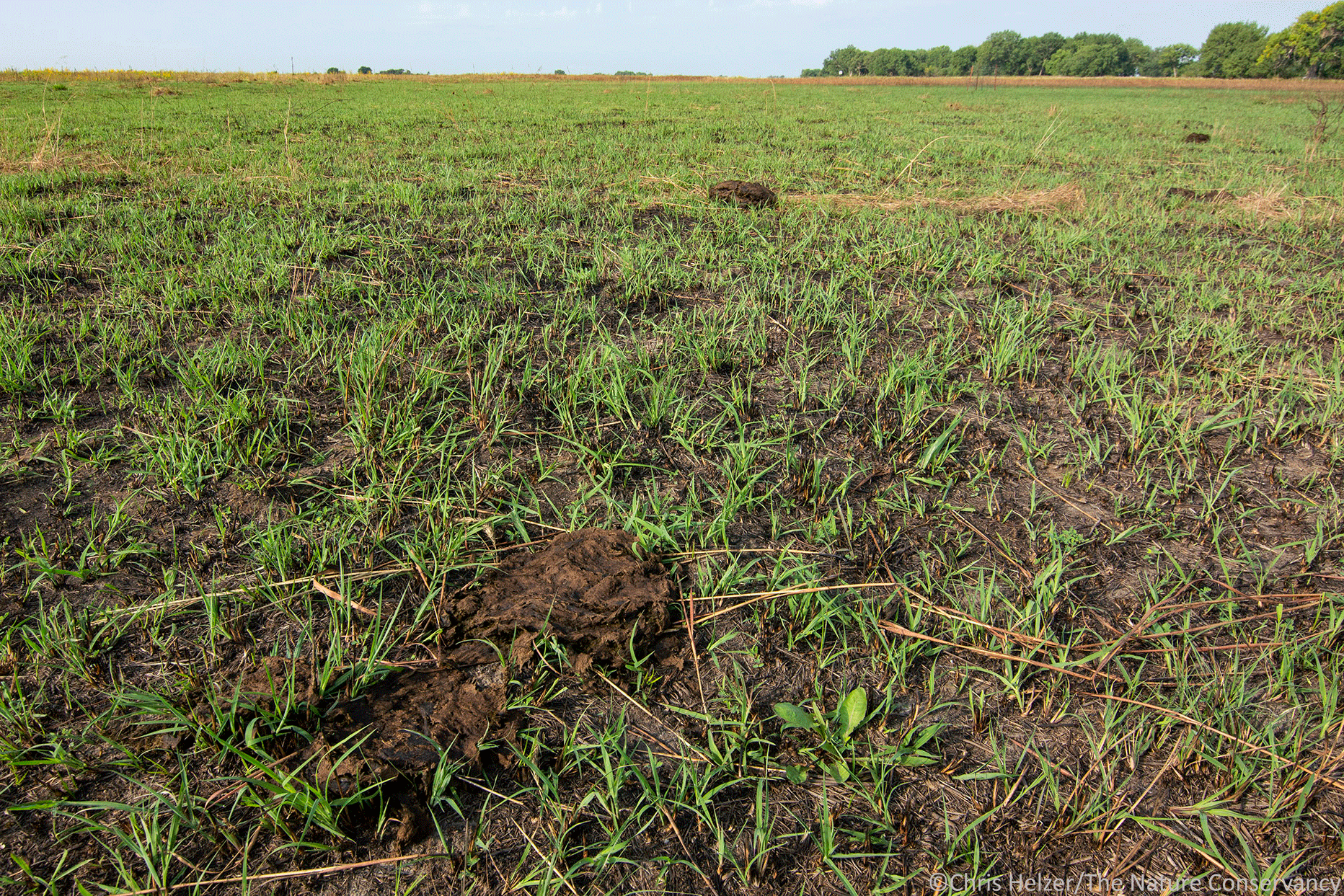
A recent summer prescribed fire (August 12), is now being grazed by cattle, creating habitat on the sparse/short end of the prairie habitat spectrum.
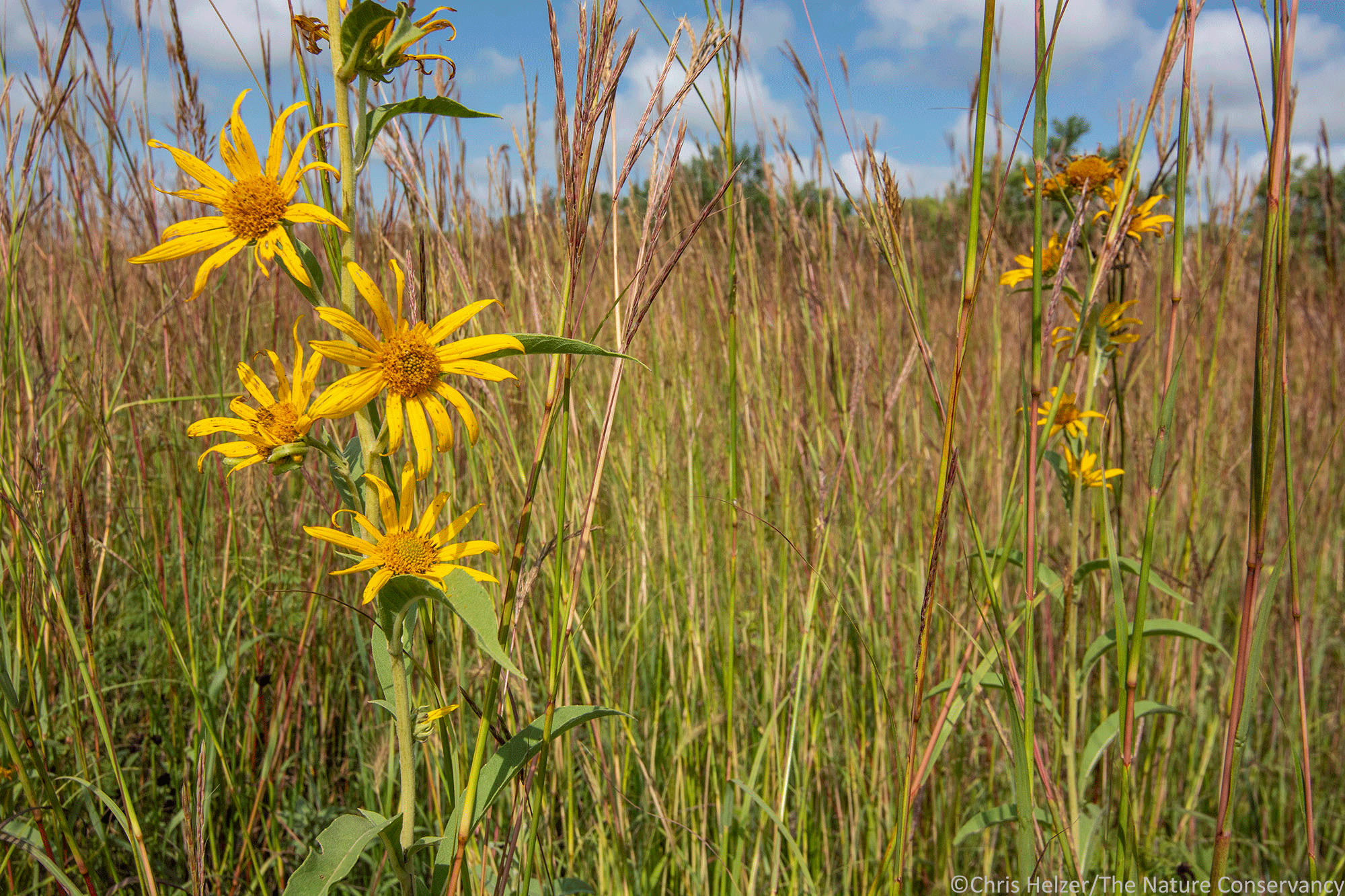
A patch of prairie that was burned this spring and ungrazed all year has resulted in the tall/dense end of the habitat spectrum. This particular patch is in a permanent (at least for now) exclosure within a restored prairie and is managed only with fire. Because fire without grazing pushes plant communities toward grass dominance at our sites, this exclosure is only 9 acres – a small component of the prairie landscape.

Most of the heterogeneity seen across those 425 acres has been created with recent prescribed fire and grazing treatments. Some, though, has developed more slowly over time, through various restoration projects. Those projects include the conversion of cropland to prairie with diverse seed mixes of 180 or more species. They also include restoration of unplowed, but degraded prairie via overseeding of some missing plant species.

The creation and enhancement of plant diversity adds complexity to the habitat structure by through the architectural variety among plant species. A diverse plant community also helps ensure abundant food and other resources for pollinators, herbivores, predators, and other role players in the prairie. Even more importantly, it fosters ecological resilience, which will help keep all the ecological communities viable through droughts, floods, disease outbreaks, and other stresses. In return, a shifting mosaic of heterogeneous habitat supports diverse plant communities by making sure each plant gets a chance to thrive now and then, regardless of what kind of competitive environment it needs.

These cattle are keeping big bluestem and other grasses cropped short in a habitat patch that was burned in the spring, making it extra attractive to grazing animals. The prairie they’re currently grazing was planted with more than 200 species of plants in 2002 and has maintained that diversity since, though the current grazing makes it hard to see some of those plants.
This photo shows a degraded remnant prairie that didn’t have any of the flowers shown here when I first started managing it in 1997. Over time, we’ve added seed, using fire and grazing treatments to help get it established. It’s still not as diverse as we’d like to see it, but is miles ahead of where it was before.
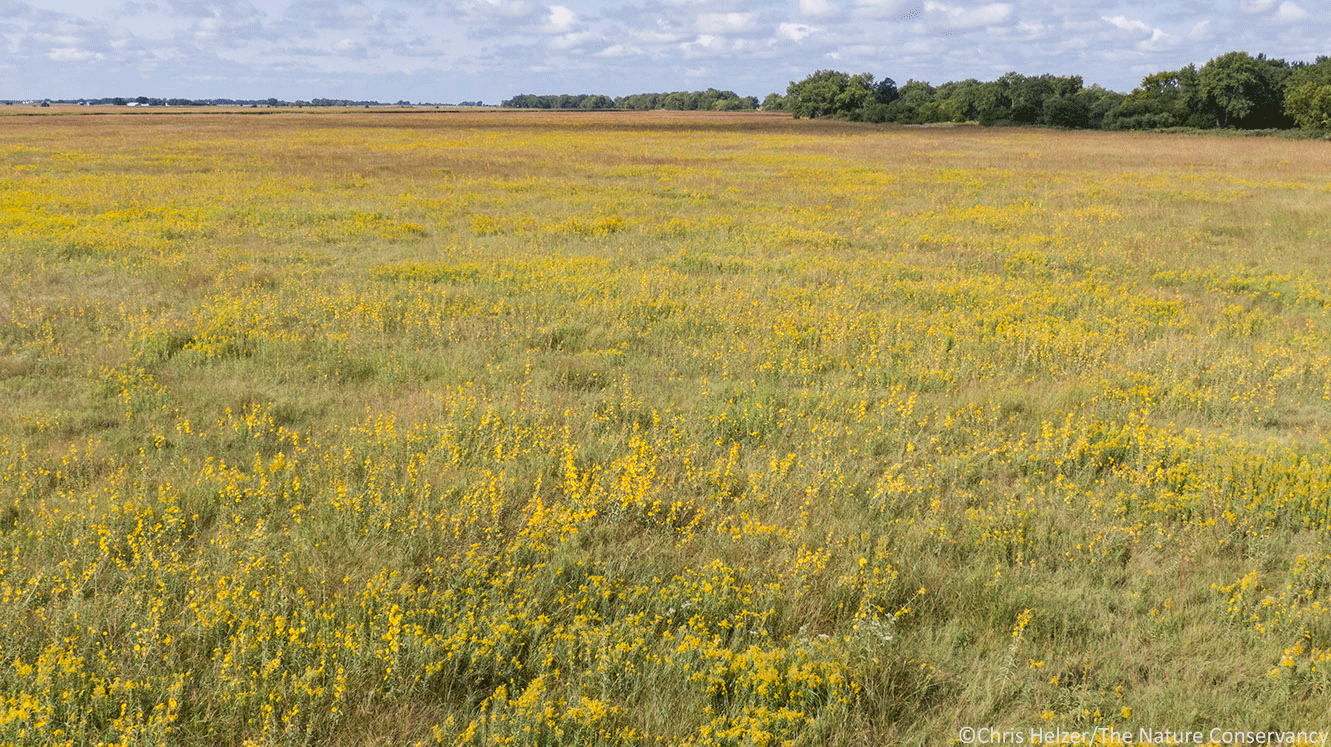
Here’s an aerial view of that overseeded remnant prairie, showing lots of Maximilian sunflower (and lots of other species that are also present, but not as visible from the air).
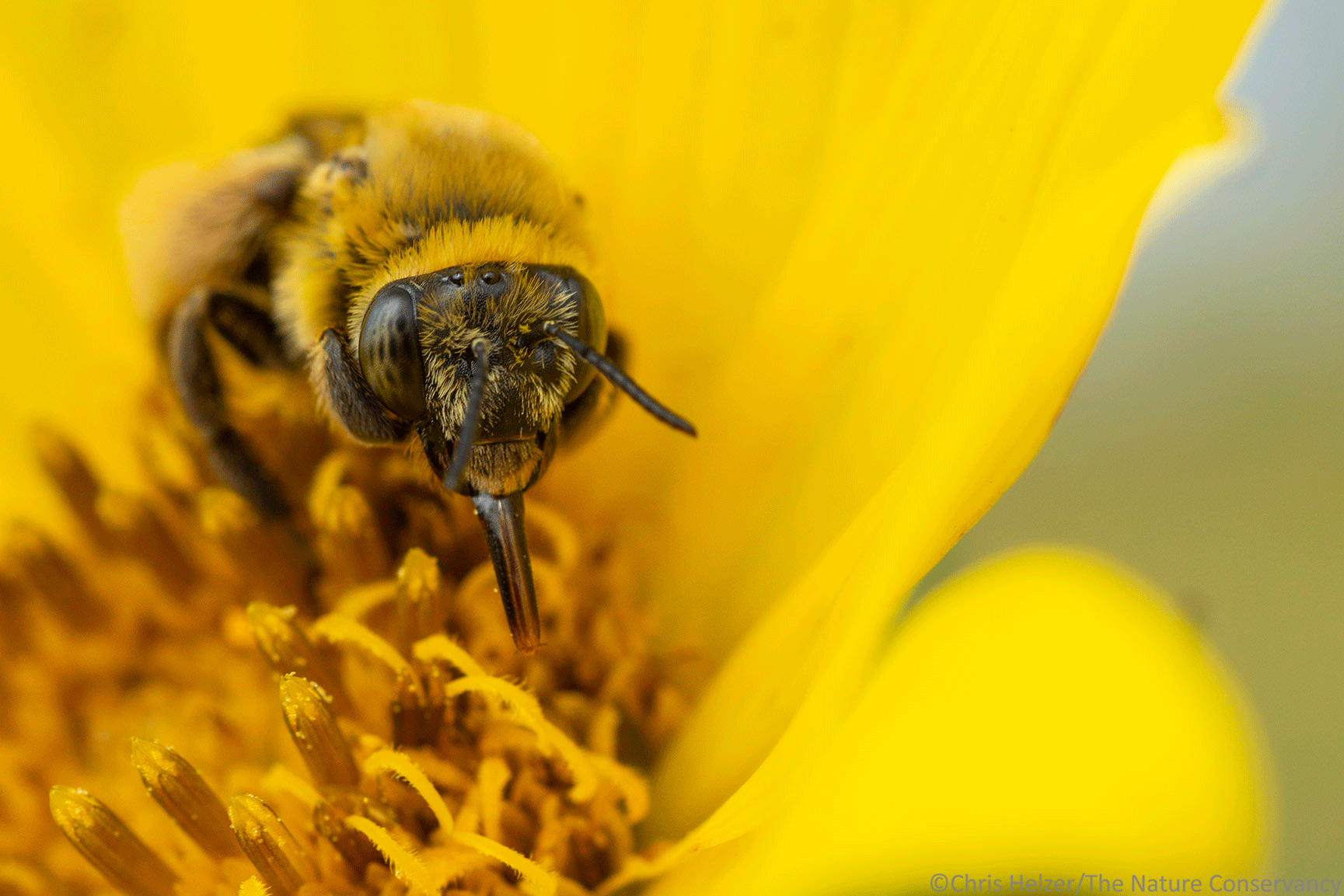
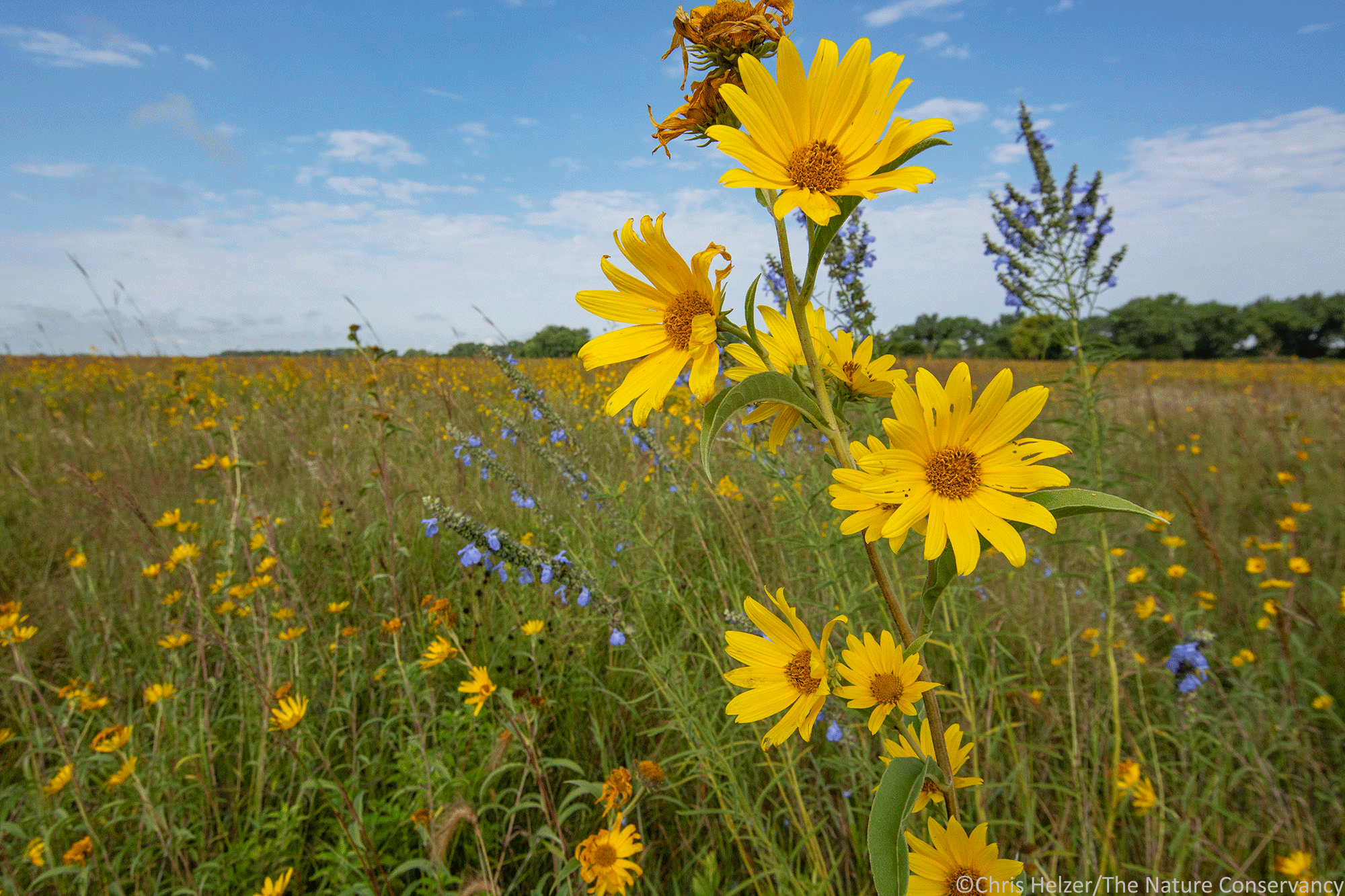
Maximilian sunflower is the most prolific flower in the prairies right now, especially in ungrazed areas or where grazing intensity is light. This bee was one of scads of pollinators visiting the flowers last week.
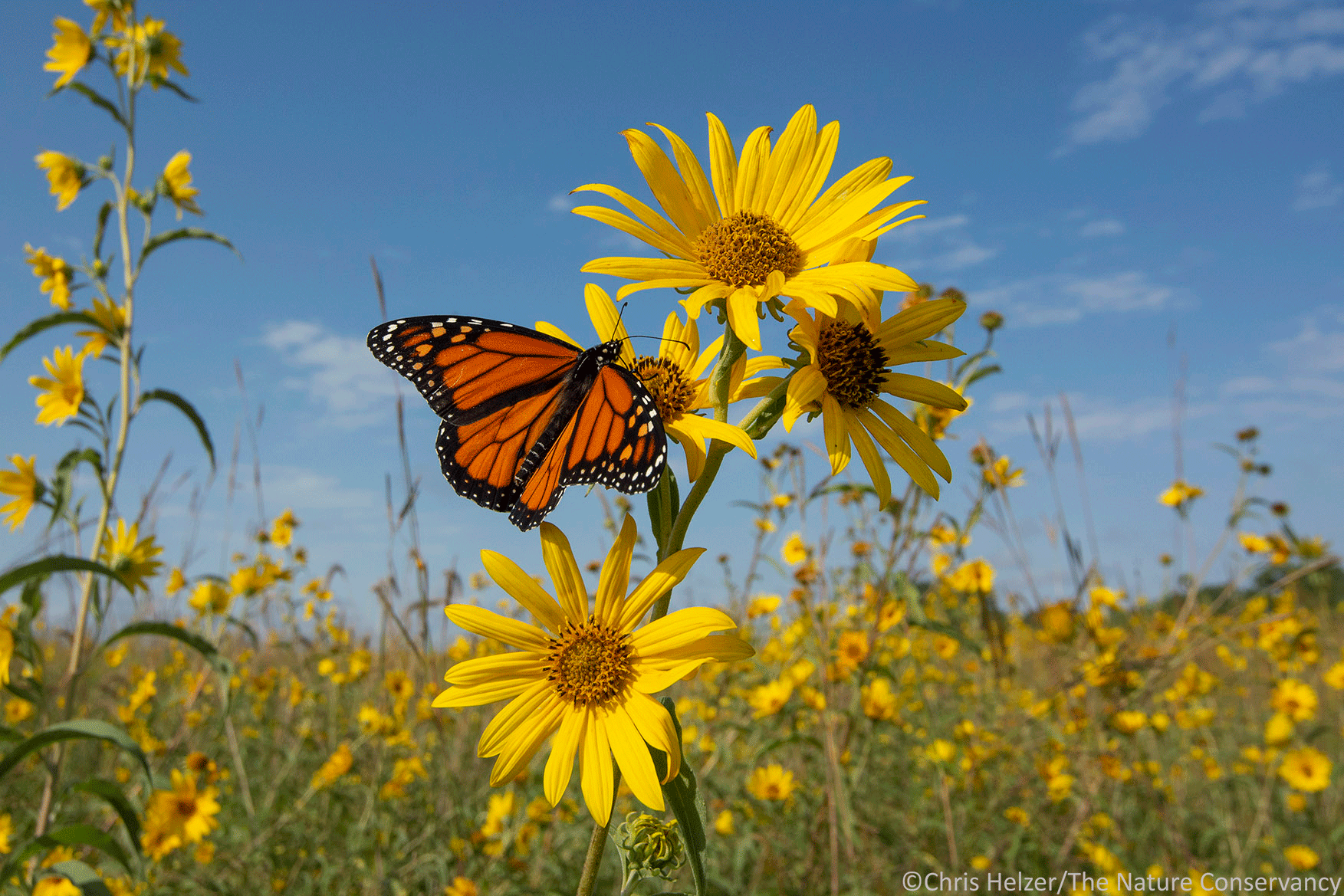
Monarchs are just starting to migrate through the area right now, and the sunflowers (along with tall thistle and pitcher sage) are a big draw for them.
The brownish patch with the squiggly ‘Y’ is the 9 acre exclosure mentioned earlier, which is burned but not grazed. The prairie in the foreground was burned this spring and is being grazed pretty hard by cattle and the yellowish prairie above the ‘Y’ (and to the left of the trees) is the less-intensively grazed sunflower-y patch also shown earlier. On the other side of the trees is the recently restored prairie highlighted in my last post.

I’ve recently become enamored of tile spades as a way to help quantify habitat structure in a way that’s easy to see. In the three photos below, you can see the same spade stuck in the ground in different locations within a management unit. One herd of cattle has access to all three of the locations, but is grazing each of them very unevenly, resulting in heterogeneous habitat. Note how much of the spade’s blade is visible in each photo.
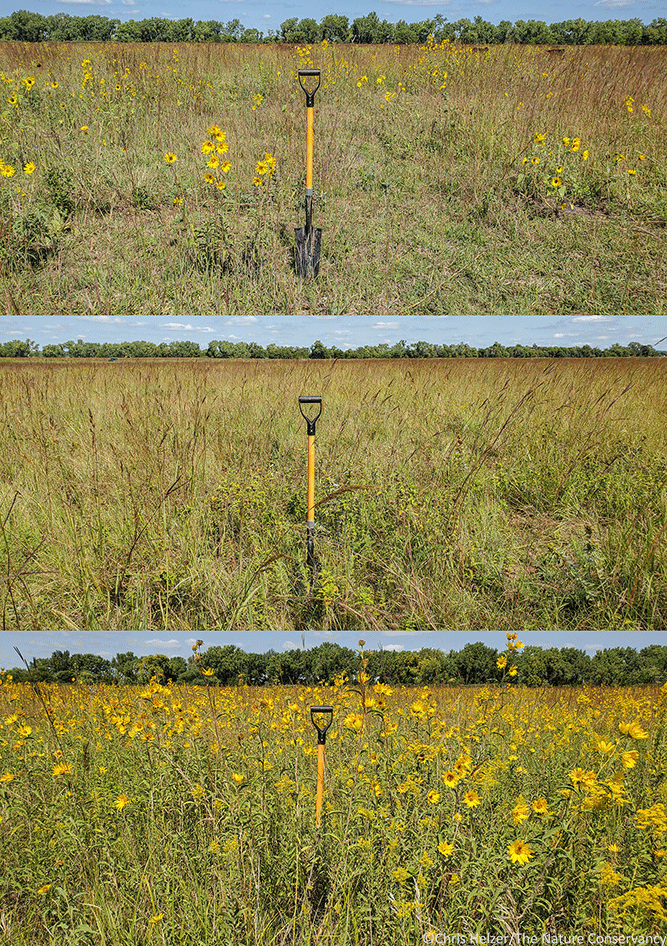
Three photos within the same pasture. You can click on the photo to get a better view. There’s a lot of variation in vegetation structure and each example will favor some plants and animals over others. The sum total supports a diverse prairie community, especially because each patch changes over time so no species are allowed to become too successful at the expense of others.

Again, we’re far from having everything figured out, and Cody and I are frequently talking about the numerous questions we want to answer next. Some of those questions require us to collect data to get answers, but for others we just need to try some new ideas and get a feel for how they work. These days, my job is to share ideas and experiences I’ve had, help measure the results of Cody’s management and restoration practices, and then work with Cody to incorporate what we learn into what he tries next. Not all our ideas work, of course, but I’m really happy with the way these prairies have changed over time and the direction in which they’re trending.

Photos of the Week – September 3, 2021

It’s sunflower season at the Platte River Prairies. Stiff sunflower is winding down its flowering, but Maximilian and sawtooth sunflowers are going crazy, especially in some of our newer restored prairies. During a brief period of good photography light this week, I grabbed some photos of sunflowers from both the ground and the air.

Maximilian sunflowers in recently-restored prairie in the Platte River Prairies. Tokina 11-20mm lens @11mm. ISO 320, f/13, 1/320 sec.
Habitat heterogeneity in The Nature Conservancy’s Platte River Prairies, as shown from the air. The dark rectangle on the right is one of our recent summer burns, the yellow in the background is a 2016 prairie restoration and the remainder is a mix of remnant and restored prairie being grazed in various ways. Photographed with a DJI Mavic Zoom drone.
Here’s a closer view of part of the above image. Both sides show former cropland. The left was planted to prairie in 2013 and is being grazed this year. The right is a 2016 restoration. The whole area shown here was burned in the spring, but bigger areas adjacent prairie were left unburned

There are several interesting things to see in the above photo (you can click on these images to get better views of them). First, while this land was formerly cropland, we did some excavation work before our recent seeding projects and recreated slough wetlands (old river channels). In fact, if you look at the first aerial photo, which shows a broader view, you can see how our restored sloughs match up with the sloughs in the foreground of that photo (below the yellow) which run through unplowed prairie. These prairies are on alluvial soil laid down long ago by the Platte River and the old river channels and sandbars now host their own individual prairie plant communities. In the restored areas, you can see the ‘sandbars’ we recreated from the spoil removed during the excavation of the wetlands as we tried to produce a similar diversity of soil and plant community types.

Second, you can see the abundance of yellow sunflowers, especially in the more recently planted (and ungrazed this year) part of the site. A lot of that yellow is Maximilian sunflower (Helianthus maximiliani), but on this mesic to wet-mesic prairie, there is also a lot of sawtooth sunflower (H. grosseserratus), and stiff sunflower (H. pauciflorus) on the drier areas. Common annual sunflower (H. annuus) is also present – especially in small patches where perennial grasses and forbs haven’t yet fully established. Other plants chipping into the yellow color include several species of goldenrod, a couple Silphiums, and various others.

The left side of the photo shows a restoration that is three years older, but the lack of abundant yellow isn’t due to age as much as to this year’s management. Cattle have been grazing that area at a moderate intensity all season. They are creating lots of small ‘grazing lawns’ where big bluestem, especially, is grazed almost to the ground. But there are also lots of taller patches of grass scattered around. The cows have also been nipping at the sunflowers all season, keeping most plants to waist height or shorter. They’ve also cropped off quite a few of the flowers. Flower abundance is a lot higher in reality than this aerial photo shows, but the grazing definitely affected the height and density of sunflower plants – just as we’d hoped.

Finally, on the right half of the photo, you can also see the varying density of yellow across the prairie. That’s driven by soil, not by anything we did during the seeding process. There are some areas where forbs, and especially perennial sunflowers, are really abundant, and other places where grasses are much more dominant. Even where sunflowers are pretty thick, they’re far from a monoculture, but they’re pretty dang thick.

The more scarce yellow in the grazed area to the left hints at some of the impacts of grazing, but the story is pretty complex. If this site follows the pattern we see in most of our restored prairies, our ‘shifting mosaic‘ approach to grazing will affect the relative abundance of prairie plants quite a bit over the next decade or so. Those big sunflowers will become less visually dominant (smaller, less vigorous plants), and somewhat less abundant, as will big grasses like big bluestem, indiangrass, and prairie cordgrass. Many other plant species will become more abundant around those plants, increasing overall plant diversity. It should be fun to watch.

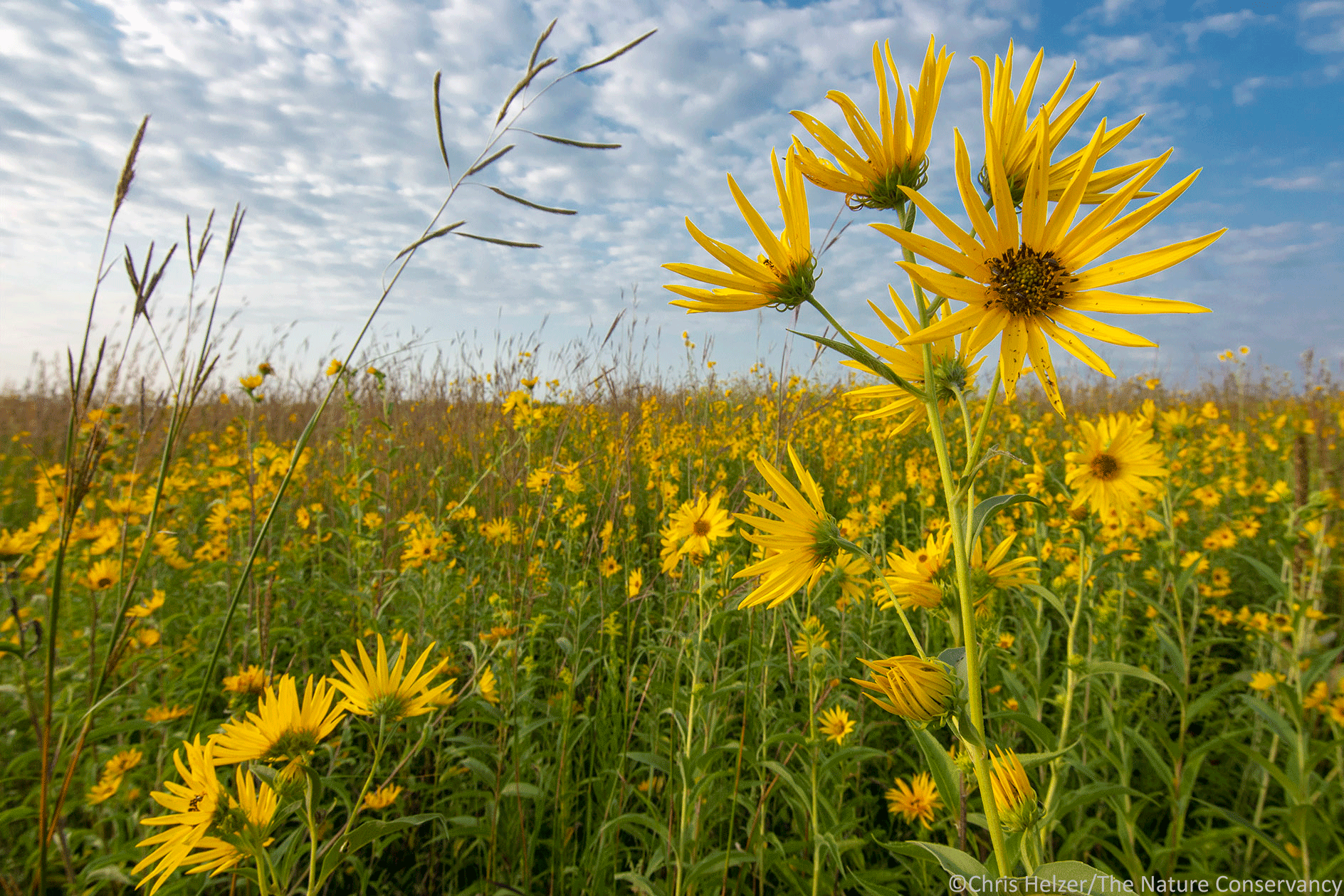
Maximilian sunflowers and prairie cordgrass. Tokina 11-20mm lens @11mm. ISO 320, f/13, 1/320 sec.
Another photo from one of the thick patches of Maximilian sunflower. Tokina 11-20mm lens @11mm. ISO 320, f/13, 1/320 sec.
I stopped to photograph this moth, but quickly realized something was odd about the way it was positioned. Then I noticed the leg of the crab spider sticking out from above the moth. Nikon 105mm macro lens. ISO 320, f/16, 1/250 sec.
I’m not sure if the spider was bothered by me or had just finished its meal, but as I was photographing the moth, the spider dropped it and I photographed the spider with lots of ‘fuzz’ from the caterpillar still sticking to it. Nikon 105mm macro lens. ISO 320, f/16, 1/250 sec.

Late August and early September are very yellow periods in our prairies. The big sunflowers and goldenrods are all going strong, and joined by other less abundant flowering species. Those plants are loaded with pollinators and herbivorous insects that are feeding on the flowers and other parts of the plants. Tiny predators are all over too, chipping away at the abundance of the other invertebrates.

Our newer restorations definitely have the most dramatic yellows. Longer-established sites, especially those that have had years of fire and grazing treatments, tend to have less concentrated yellow, but only because the overall diversity of plants is higher. Patches of sunflowers don’t appear as big monocultures in those older sites, but instead blend into the broader matrix of plant species that make up the plant community. There’s still plenty of yellow, but it’s mixed in with lavenders, whites, blues, and the other flower colors produced by plants that benefit from management that prevents a few species from becoming dominant. Those older prairies might look less striking from the air, but they’re healthy and diverse and literally buzzing with life.