I spent a lot of last week at the Niobrara Valley Preserve and, unsurprisingly, came away with quite a few photos. I’m saving some of them for future stories, but here are a few images that don’t fit into those categories. Have a great weekend!



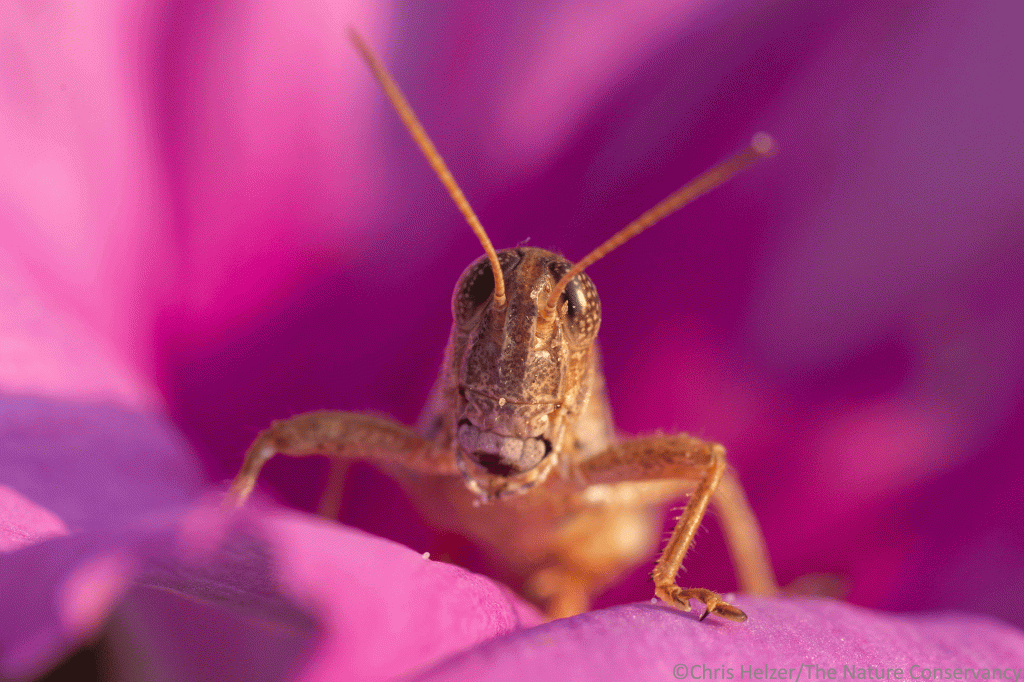
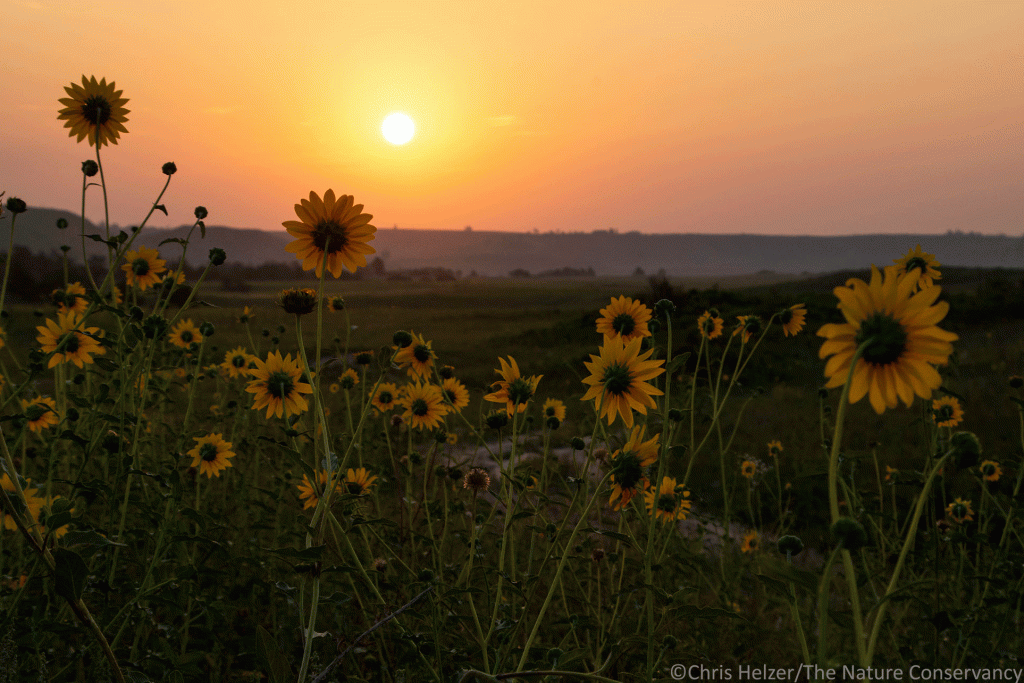


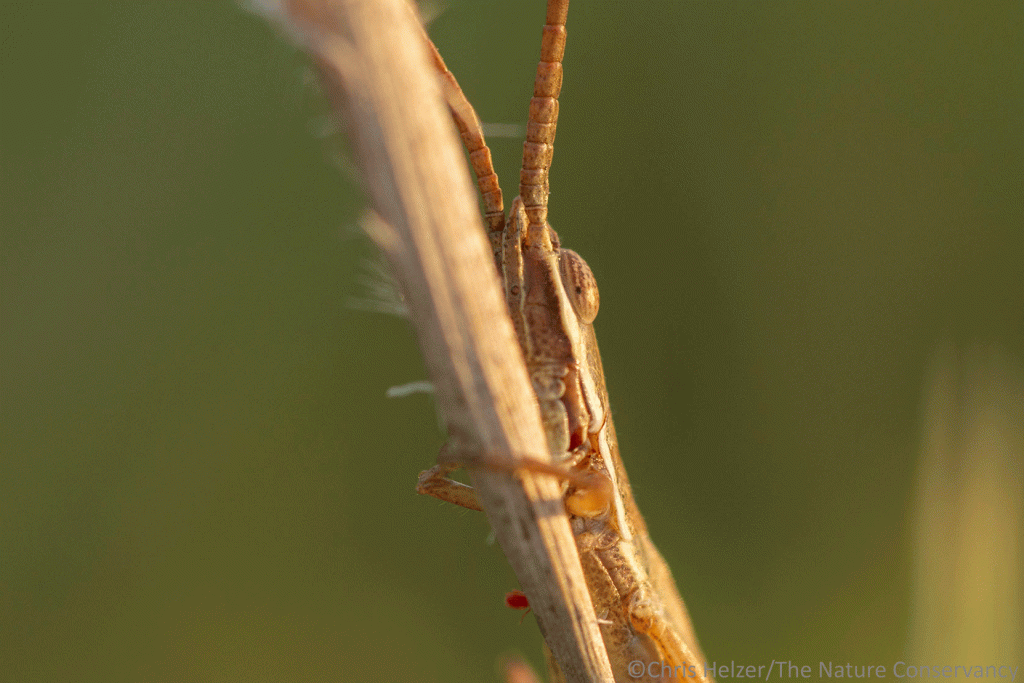
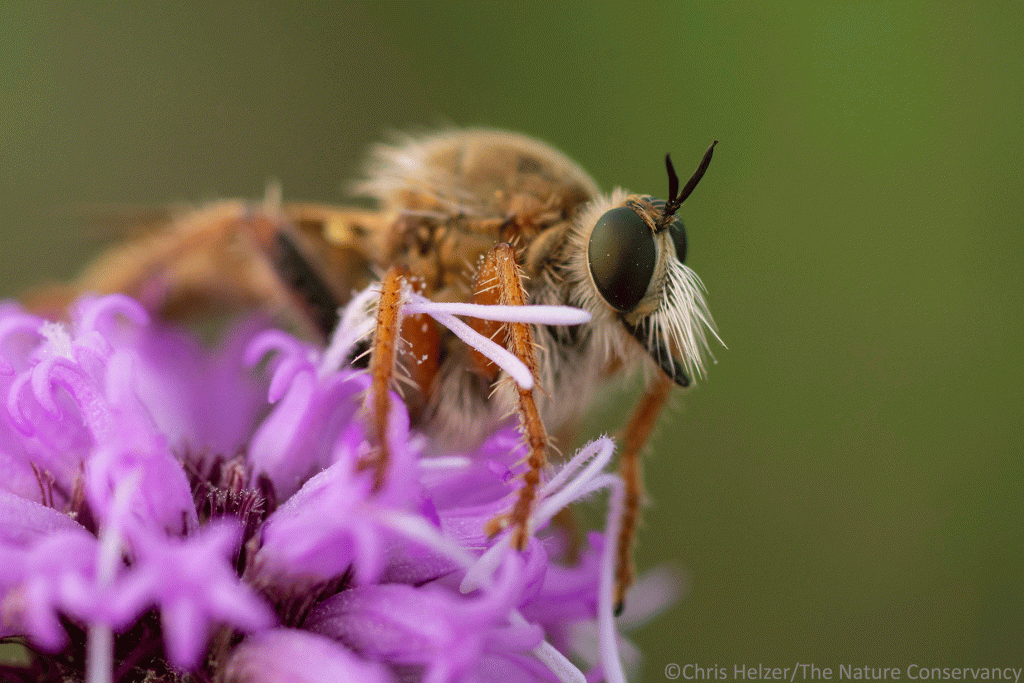


I spent a lot of last week at the Niobrara Valley Preserve and, unsurprisingly, came away with quite a few photos. I’m saving some of them for future stories, but here are a few images that don’t fit into those categories. Have a great weekend!
Longtime readers of this blog might know that my favorite insect is the camouflaged looper (which turns into the wavy-lined emerald moth). This tiny inchworm disguises itself by gluing bits of flower to its back while it feeds on the same flower. It’s a brilliant strategy, and one that has probably kept me from many seeing more individuals of this species when I’m out and around.
Last week, I was driving slowly along a two-track trail road at the Niobrara Valley Preserve, scanning for interesting insects as I drove. I’d just spent a couple hours on my belly, photographing dung beetles, wasps, robber flies, and other insects in a sand blowout and I was tired and ready to take a break. However, the light was still nice. I compromised by driving toward headquarters while still staying alert for potential photo opportunities.
As I drove past one particular sunflower (Helianthus petiolaris), something caught my eye and I stopped and backed the truck up for a second look. Hopping out, I took a few steps over to the flower, bent down to inspect it, and immediately grabbed my camera bag out of the truck. I spent the next 10 minutes or so photographing my favorite insect.
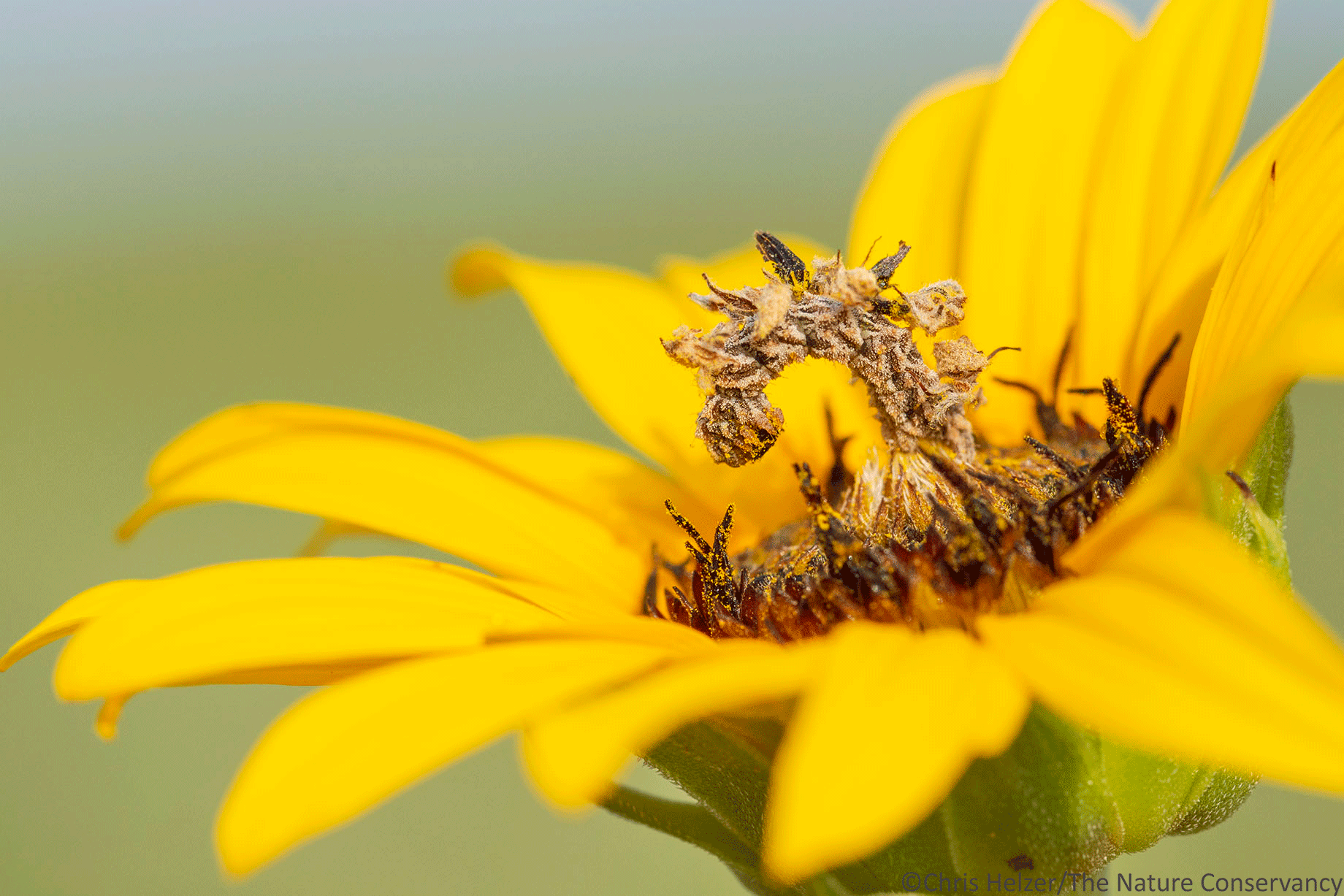
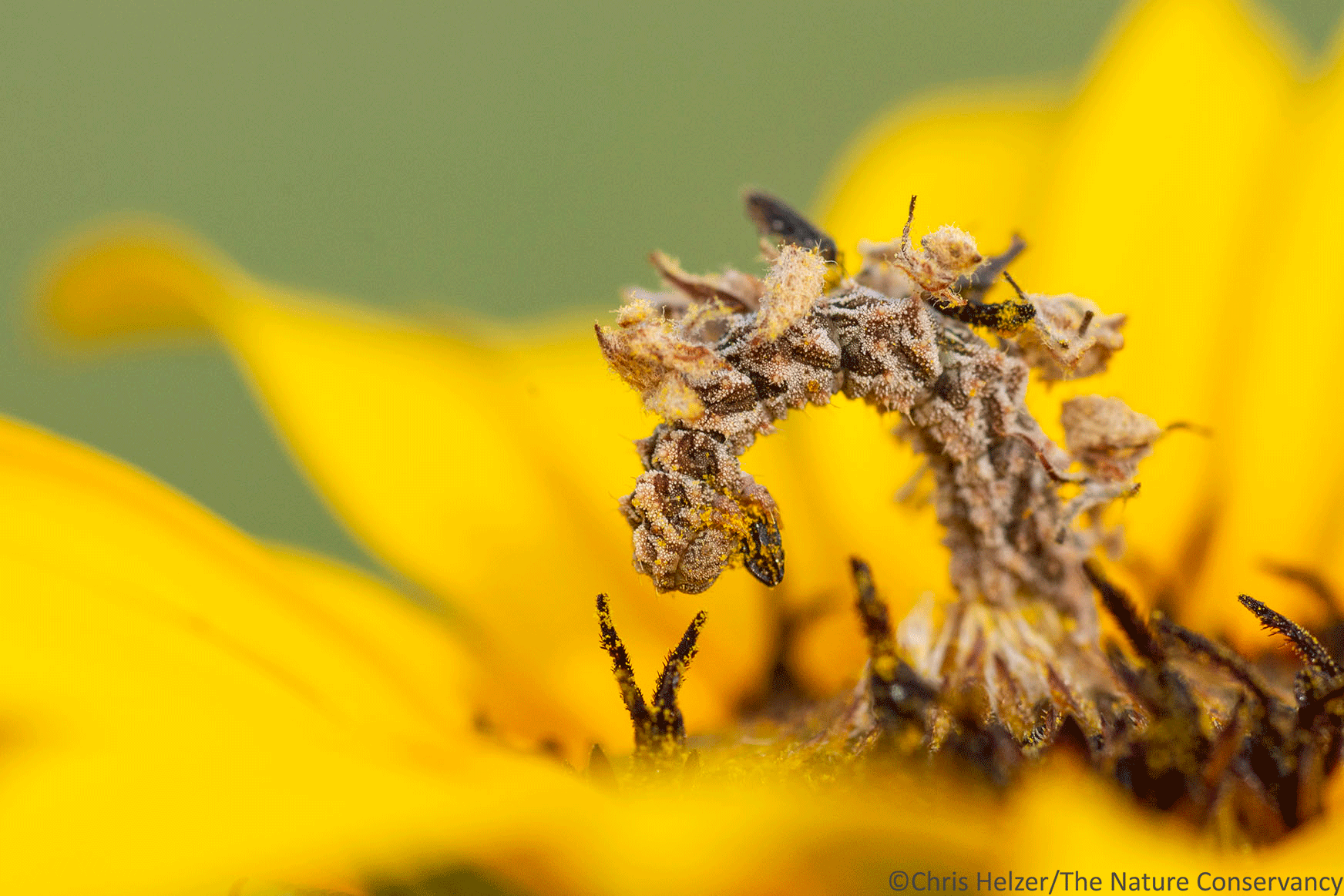
It was a little breezy for photography, so I had to hold the sunflower stem with one hand and click the shutter with the other. Because of that, I wasn’t absolutely sure I was getting perfect shots. When I was done, I took both the sunflower and the caterpillar with me. I figured I might keep it in the cabin with me for a few days and watch it, maybe photograph it some more, and give some other people a chance to see it too.

I put the sunflower in a glass jar of water and put a clear drinking glass over the to create a makeshift caterpillar apartment. Later, I added a couple hoary vervain flowers in case the caterpillar wanted to change diet/costumes. I also put a piece of paper towel across the top of the jar to keep the caterpillar from falling into the water. That turned out to be a more significant decision than I’d anticipated.

When I woke up the next morning and checked the caterpillar, it was doing great. It had also changed its costume, though not as I’d expected. Instead of sunflower anthers or vervain petals, the little bugger had ripped up the paper towel and stuck pieces of paper to its back! It was taking advantage of its surroundings and blending in with what was there. I love it even more now.
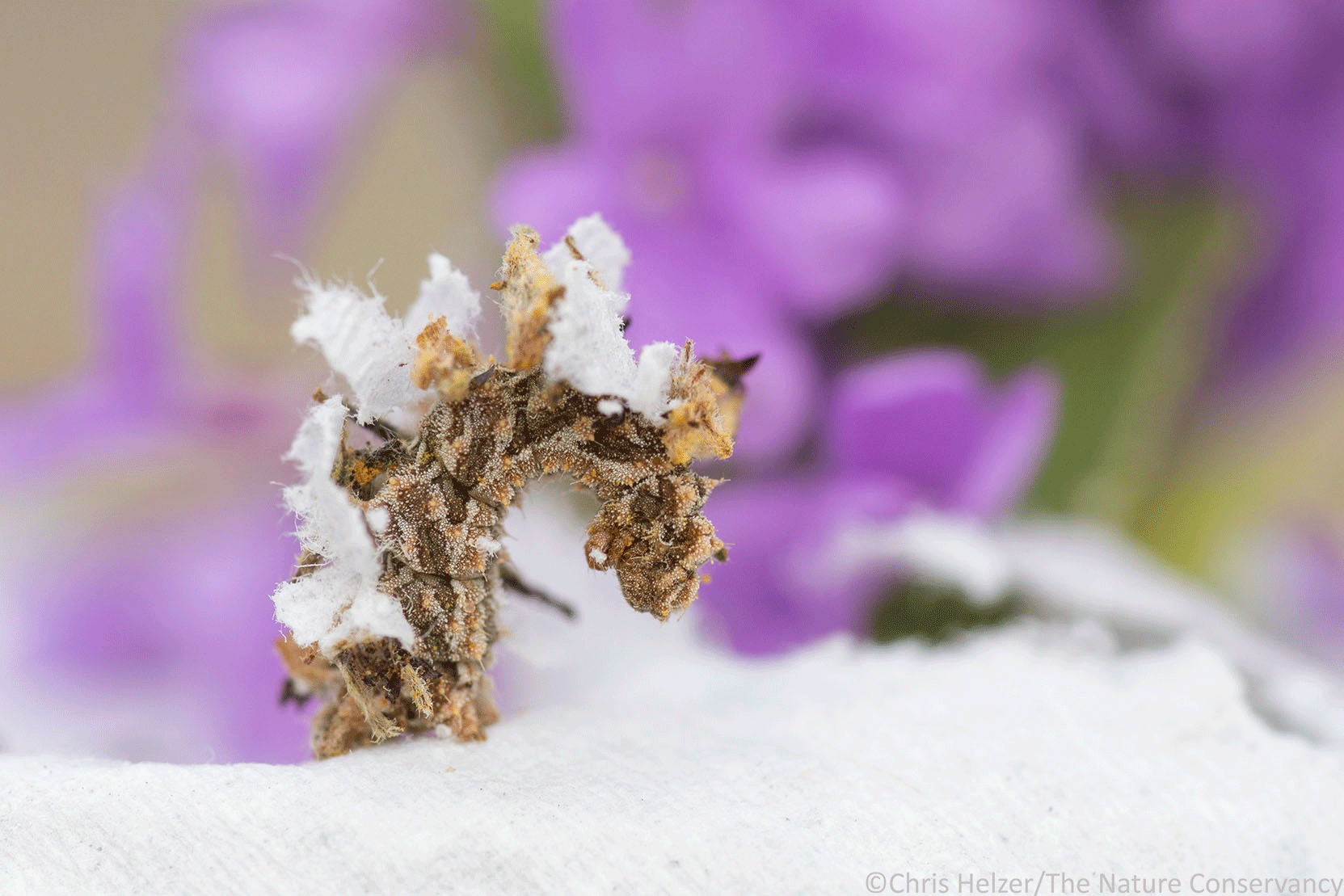
I ended up bringing the inchworm back home with me because I figured it would be fun for the whole family to watch it for a while. As I write this, it is happily munching on a stiff sunflower on my dining room table. I used clear plastic wrap instead of a paper towel to seal up the top of the jar. I wondered if might grab some of that clear plastic (wouldn’t that be something?) but it seems to be more predictably changing out its paper towel costume for one made of stiff sunflower parts. That’s pretty cool too.
 The Prairie Ecologist