
I’m cranky today.
Don’t worry, I’ll be fine. It’s just one of those days when I have been focusing too much on the ignorance of others and the fact that people with loud voices (figuratively) become trusted sources just because they’re loud. No, I’m not going to give you examples. I’m sure you can come up with your own. It just drives me bonkers that people can be so easily misled.
To make myself feel better, I figured I’d impart some factual information and tip the scales just a tiny bit in the other direction. But I also decided to amuse myself at the same time. Hence, another goofy quiz. Enjoy. Or don’t, it’s all the same to me.
I feel better already.

Question 1: What species of bird is shown above?
A. Red-tailed Hawk
B. Common Nighthawk
C. Infrequent Morningdove
D. New York Post
E. Virginia Rail
F. Yellow-headed Blackbird (winter plumage)
.
Question 2: Assuming for the moment the bird in Question 1 is a nighthawk (because it is), which of the following are correct names for the family of birds nighthawks belong to?
A. Nightjars
B. Nightmares
C. Goatsuckers
D. Cowtippers
D. Chickenfingers
E. B
F. A and C
.
Question 3: Yes, I know it’s ‘mourning dove’ and not ‘morningdove’. I was doing a thing.
.

Question 4: How many species of birds laid their eggs in this nest? (The nest was on the ground in a Central Nebraska prairie.)
A. 1
B. 2
C. 5
D. Isn’t the Virginia Rail a kind of dance?
.
Bonus Question #1: Name one of the two species of birds that laid at least one egg in the above nest.
Bonus Question #2: Name the other species.
Bonus Question #3: Neither of those are questions, they are directives.
Bonus Question answers: 1. Brown-headed cowbird (light colored egg), 2. bobolink (other eggs), 3. ‘don’t be pedantic’.
.
The answer to Question #2 is F. Read more here
.
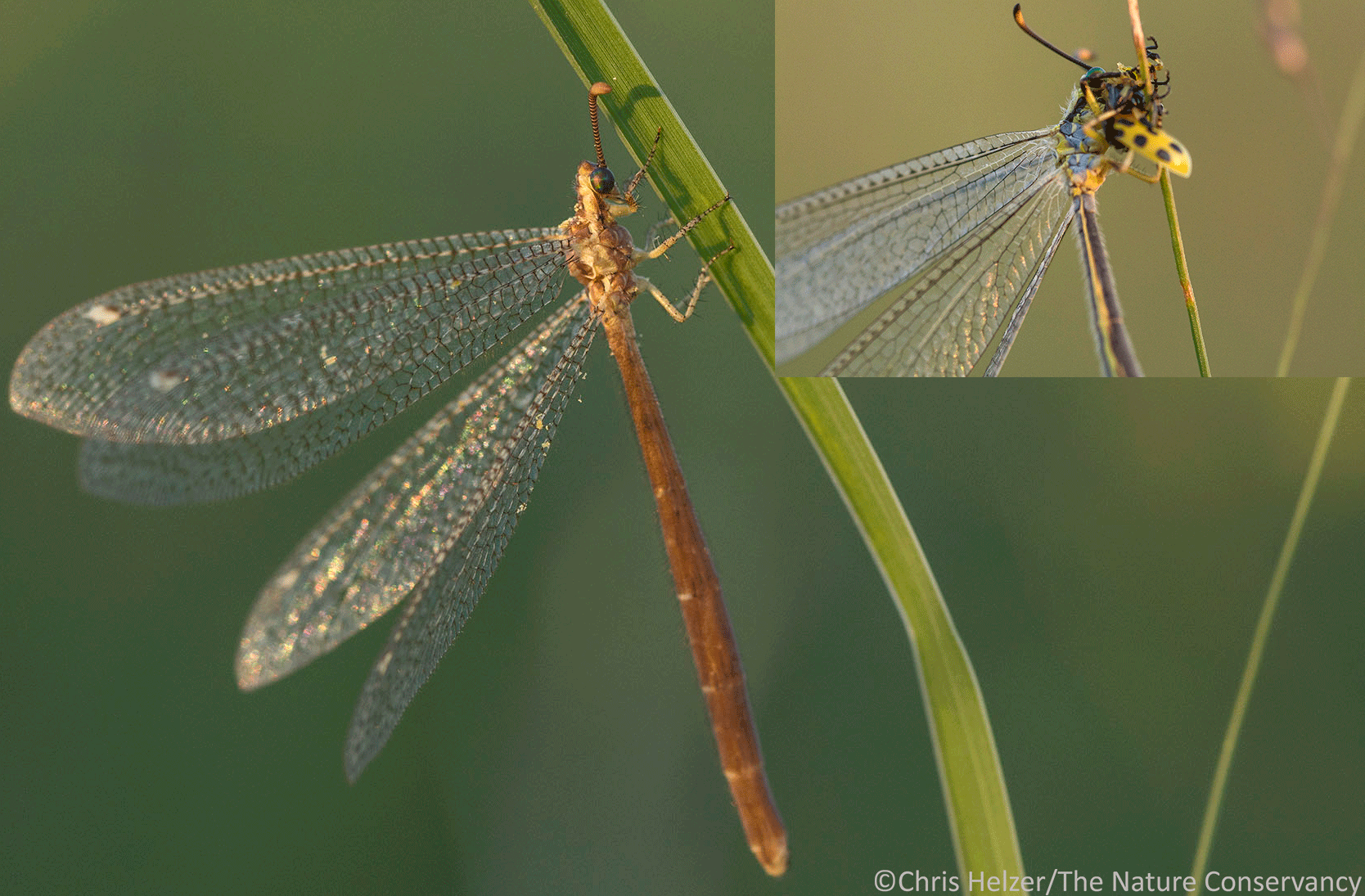
Question #6: What kind of insect is shown above? Hint: the inset photo shows one eating a cucumber beetle.
A. Mayfly
B. Damselfly
C. What happened to Question #5??
D. Dragonfly
E. None of the above.
.
Question #5: Why do adult antlions (pictured above) look so much like damselflies?
A. They are both compound words
.
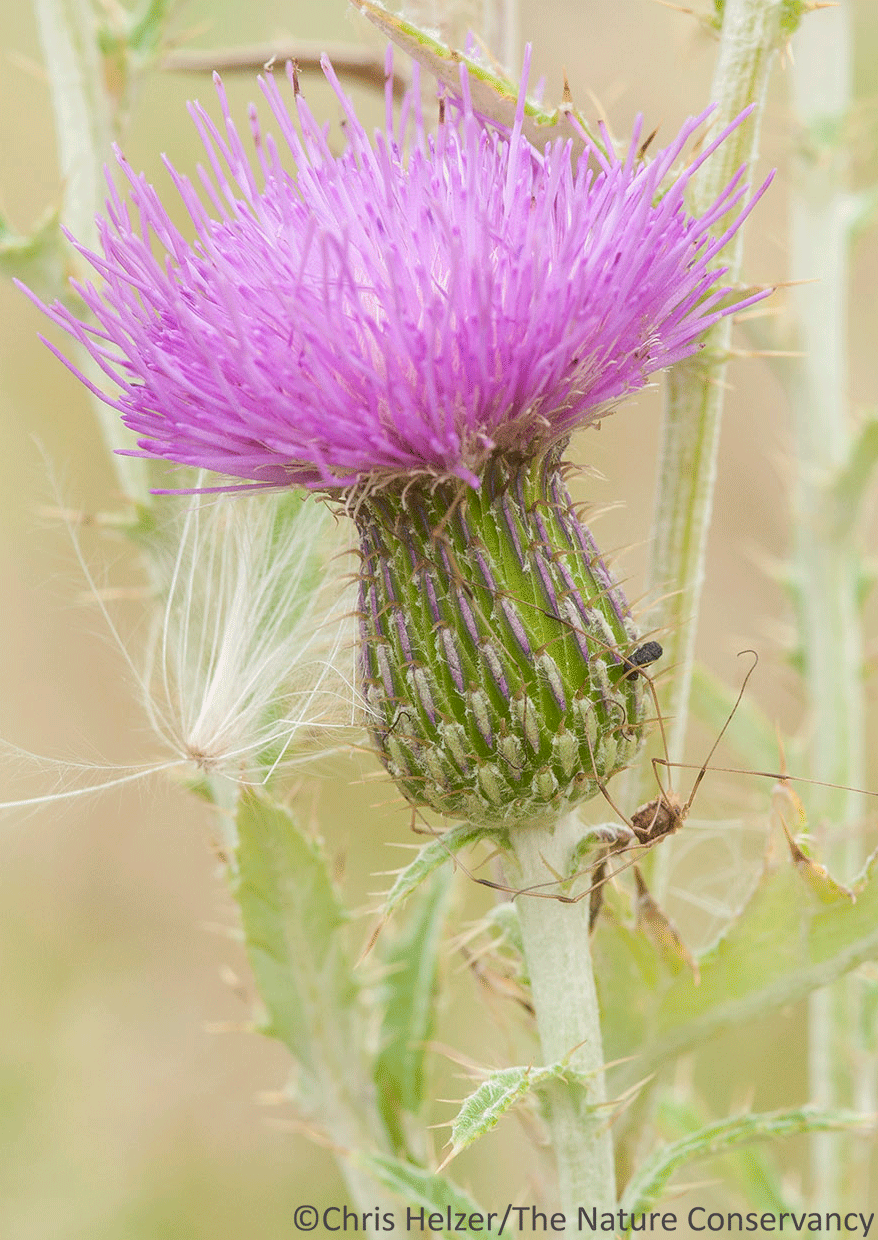
Question #7: This Flodman’s thistle (Cirsium flodmanii) is a native wildflower in Nebraska and a terrific source of nectar and pollen for many invertebrates. What is the daddy longlegs (aka harvestman) doing below the flower?
A. Feeding on the nectar by biting through the bottom of the flower.
B. Pooping
C. Photosynthesizing
D. Dying
E. None of the above. It is dead. It got stuck to the very sticky underside of the flower and died.
.
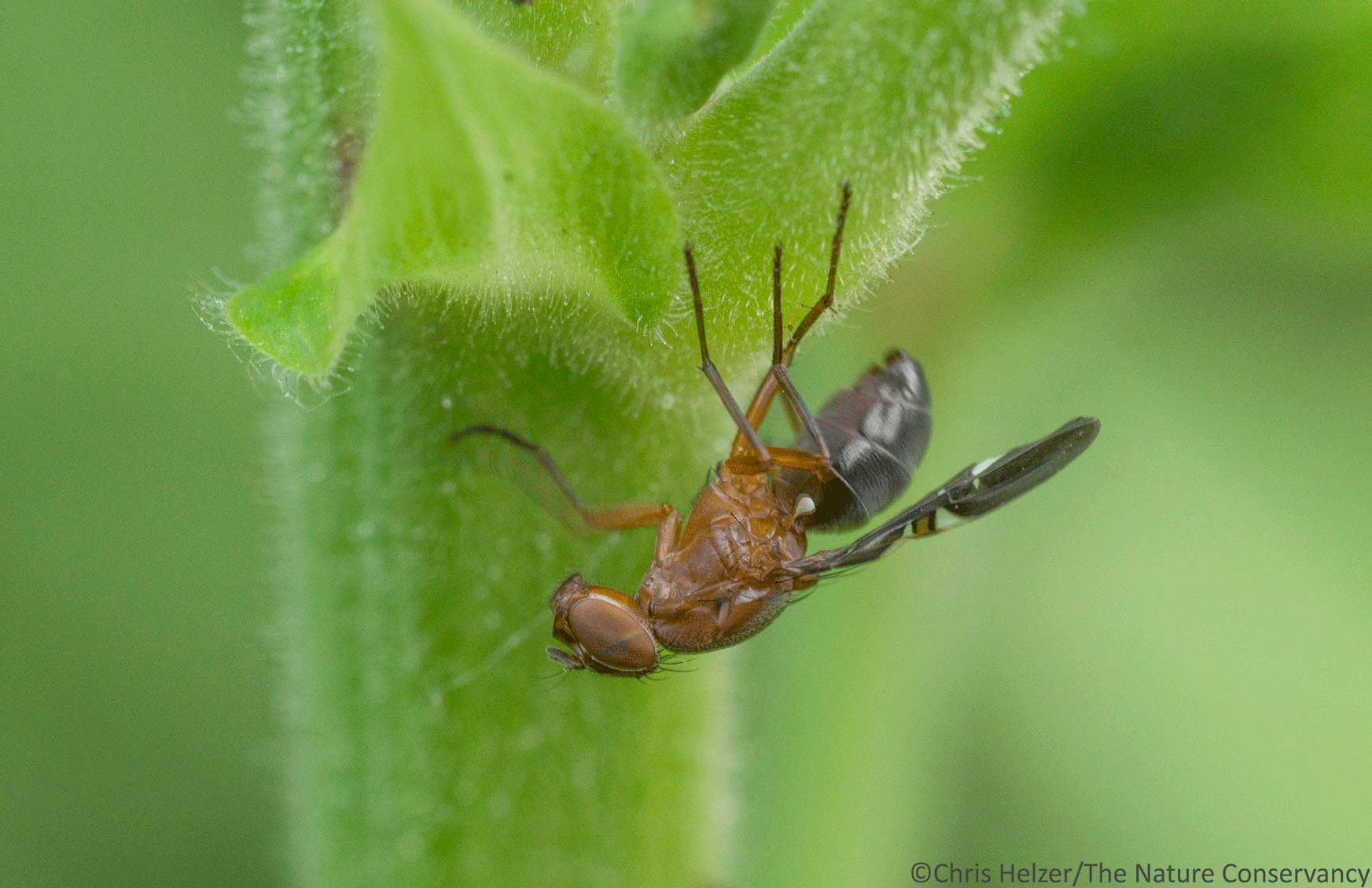
Question #8: What is this picture-winged fly doing on this Illinois tickclover (Desmodium illinoense) plant?
A. Feeding on extrafloral nectar
B. Hunting for even smaller picture-winged flies
C. Performing an upside-down mating dance
D. Dying because, like the daddy longlegs in #7, it got stuck on a plant and couldn’t escape.
.
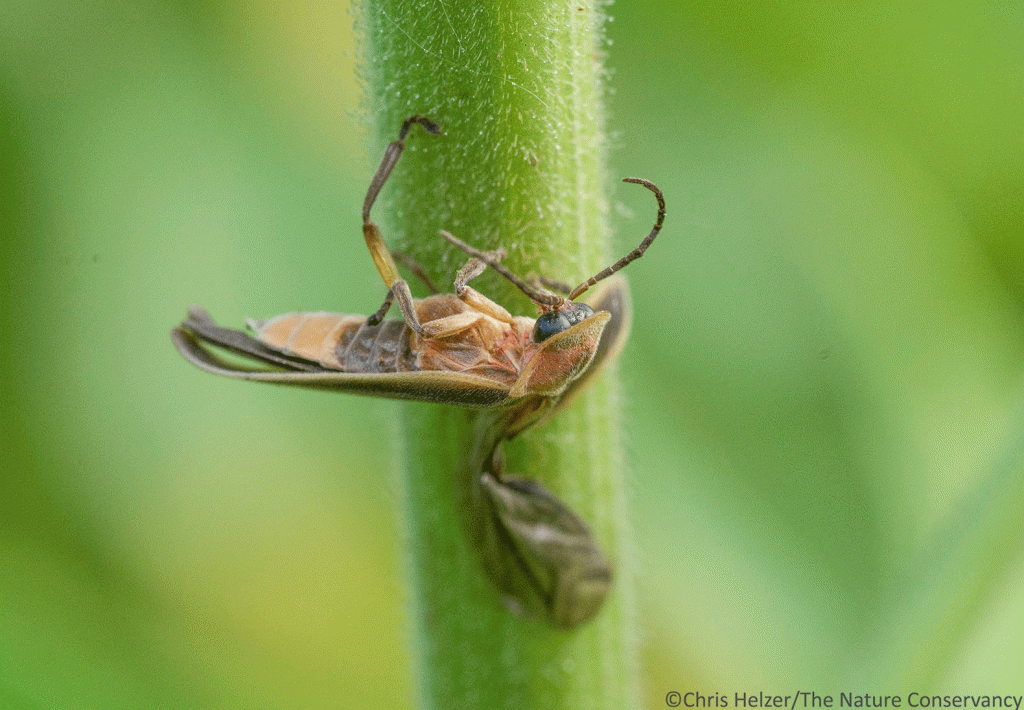
Question #9: This lightning bug (aka firefly) also died by getting stuck to the stem of an Illinois tickclover plant. This is ironic because…
A. It isn’t really a bug
B. It also isn’t really a fly
C. Its New Year’s resolution was to try to stick to one kind of plant
D. This quiz is getting dark
E. A and B
.
Question #10: Why are plants killing so many insects?
A. Life is hard and then you die?
.
The answer to #9 is E.
A. I don’t think you understand the meaning of irony.
B. How do you know it’s not C?
C. D is also correct.
.
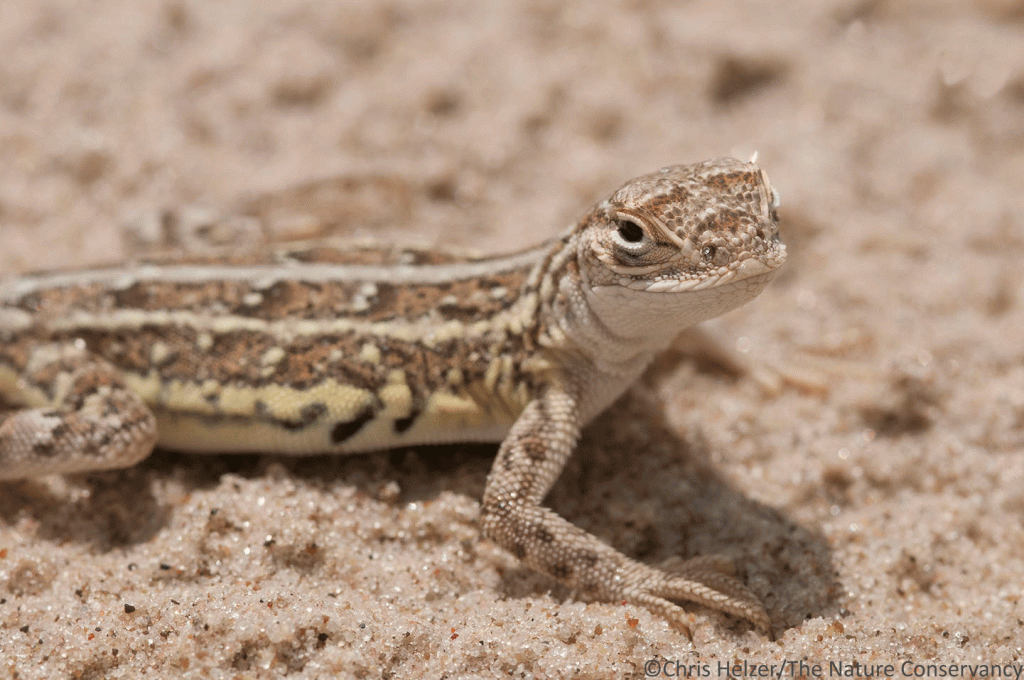
Question #12: On a scale of 1 to 10, how adorable is this lesser earless lizard (Holbrookia maculata)?
A. 15
B. You forgot Question #11
C. Sorry about that



 The Prairie Ecologist