
A year ago, I posted the eighth in a series of ‘quarantine quizzes’ as a way to entertain both you and me during a difficult time. This year, many of us are fully vaccinated against COVID-19 and the vaccine is accessible to just about anyone who wants it in the United States. We still have a lot of work to do, including making the vaccine more available in all countries and convincing skeptics to get vaccinated, but May 2021 sure feels like a more optimistic time than May 2020. In celebration, here is a quiz that has nothing to do with quarantine (or any particular series of space-based movies). It’s just for fun. Enjoy.
Also, if you’re interested, I recorded a podcast episode on Michael Hawk’s ‘Nature’s Archive’ Podcast and it was released this week. You can listen to that episode at this link or by finding it through whatever app you use to listen to podcasts. The episode covers a lot of ground, from prairie ecology and management to the need to engage the public in conservation.
QUIZ:

Question 1 – What is the creature shown in the photo above? Hints: it is native to Nebraska and the dark splotch beneath its chin is a helpful identification mark.
A. Red-winged blackbird
B. Black-winged redbird
C. Woodhouse’s toad
D. Abbey Toad
E. Enigma Toad
F. Depeche Toad
G. Simon Cowell
.
Question 2 – For the moment, assume the creature in question 1 is a Woodhouse’s toad. Which of the following is the best description of its call? (Listen to the call by clicking on the link to the right of the photo on this website.)
A. It’s like a grasshopper sparrow call played at half speed
B. It sounds like a very old and cantankerous man with a gravelly voice exasperatedly trying to mimic the ‘incessant’ crying sounds of the infant child in the apartment next to him as he complains bitterly about said crying to a cab driver who desperately regrets asking the man how his day was going.
C. Hi, this is A again. I want to retract my answer and change it to B.
D. I have nothing to add here. It’s clearly B.
.

Question 3. We found this snake hiding under a log after a prescribed burn this spring at the Platte River Prairies. What kind of snake is it?
A. Plains garter snake
B. Red-sided garter snake (in winter plumage)
C. Lined snake
D. Spotted snake
E. Simon Cowell
.
Question 4. For the moment, assume the creature in Question 3 is a lined snake. Is ‘lined snake’ a helpful and descriptive name or a useless and frustrating name since there are lots of other snakes with ‘lines’ on them?
A. Yes
B. No
.

Question 5. Is this (above) a honey bee?
A. No. It is a long-horned bee (Melissodes agilis)
.

Question 6. Is this (above) a honey bee?
A. No. It is a different long-horned bee (Melissodes trinodis)
.
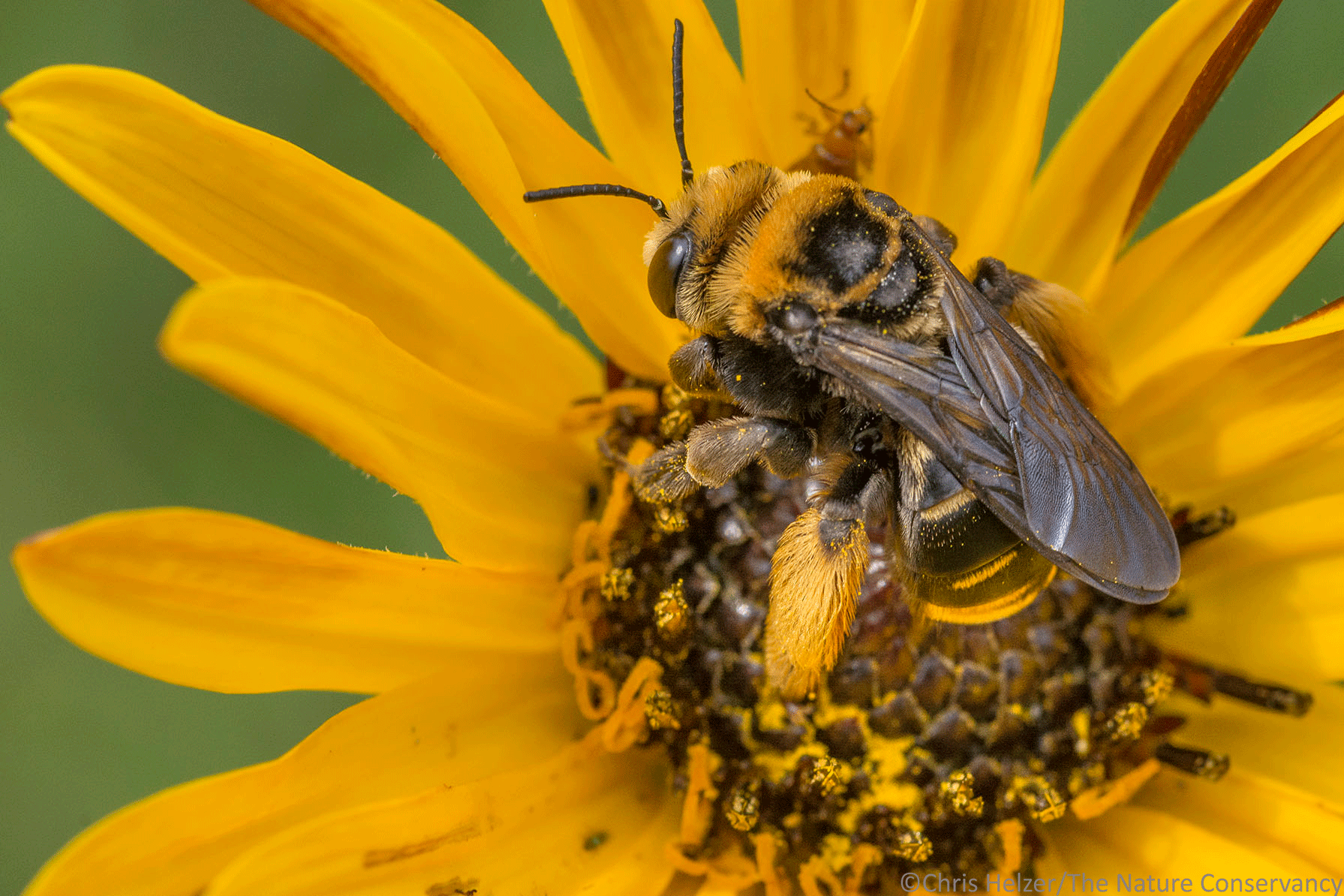
Question 7. Is this (above) a honey bee?
A. No. It is a sunflower bee (Svastra obliqua).
.

Question 8. Is this (above) a honey bee?
A. No. it is a Halictid bee, probably Halictus ligatus.
.
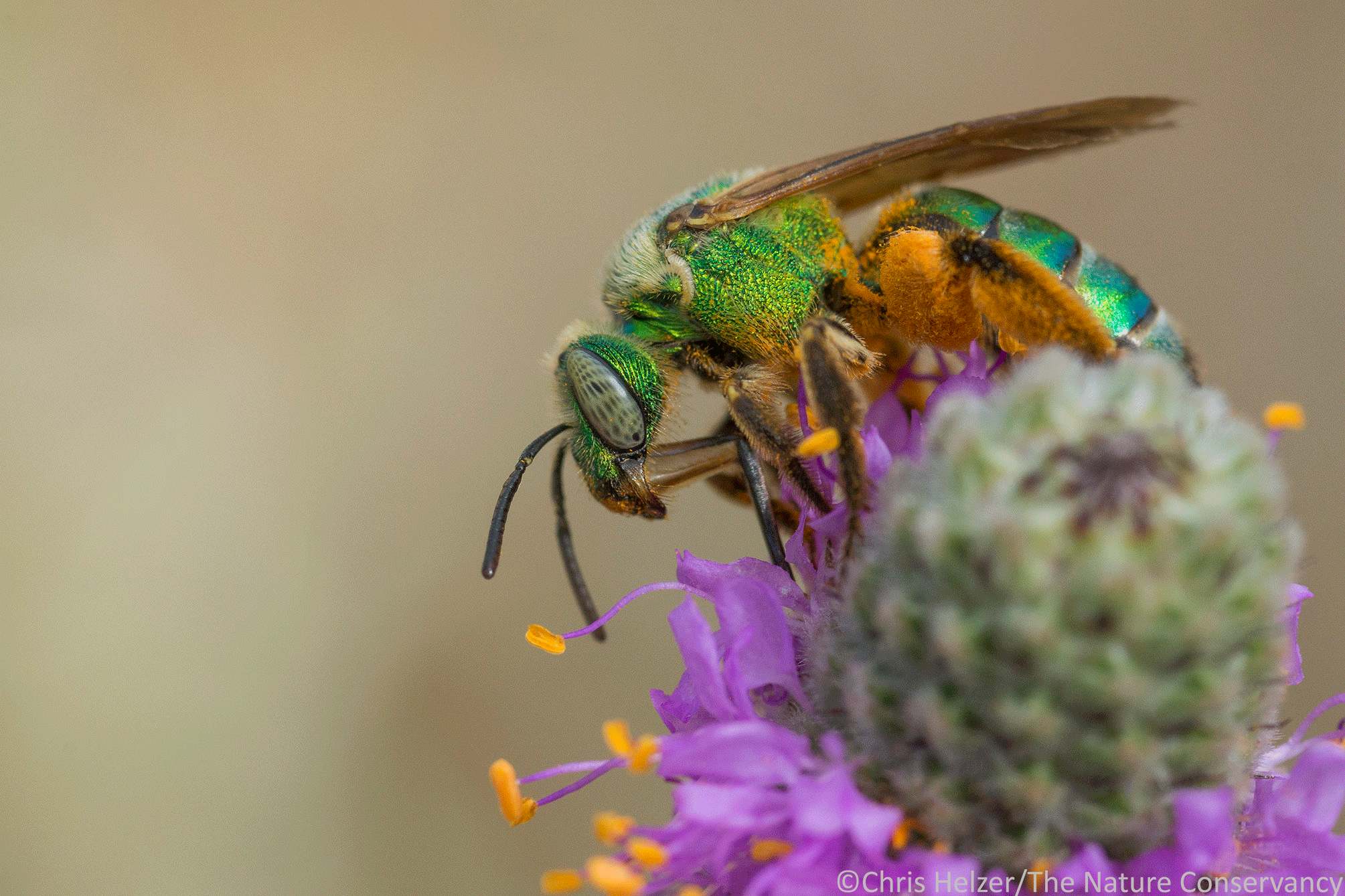
Question 9. Is this (above) a honey bee?
A. No. It is a sweat bee (Agapostemon splendens). You’re not even trying now.
.
Question 10. Gosh, it seems like there are a lot of bees out there besides honey bees. Why do so many people think only about honey bees when they hear about the pollinator crisis and not the 4,000-5,000 bee species that are actually native to North America? Not to mention all the butterflies, moths, wasps, flies, and other creatures who are important pollinators and suffering from the same habitat losses? Plus, honey bees have a strong support system in that humans raise and care for them directly, basically ensuring they’ll not go extinct, right?
A. Yes


 The Prairie Ecologist