As 2024 winds down, there’s a lot to look back on. Photographically, there’s no question what my strongest memories are tied to. Starting in late April, I made 112 trips (and counting) to a 1×1 meter plot of prairie along Lincoln Creek on the eastern edge of Aurora, Nebraska. There, I found an incredible bounty of beauty and complexity that kept me spellbound – often for more than an hour at a time.
To celebrate my square meter prairie year, I’ve chosen 30 of my favorite portraits taken within that little plot of land. I hope you enjoy them, but I’m not finished with the project. There are still four more months to go before I’ve completed a full year of visits and I plan to take full advantage of that time – especially when there is snow, frost, or sky to provide a little extra accent to the story.
In the meantime, here are my favorite 30 photos (so far!) from my square meter of prairie.
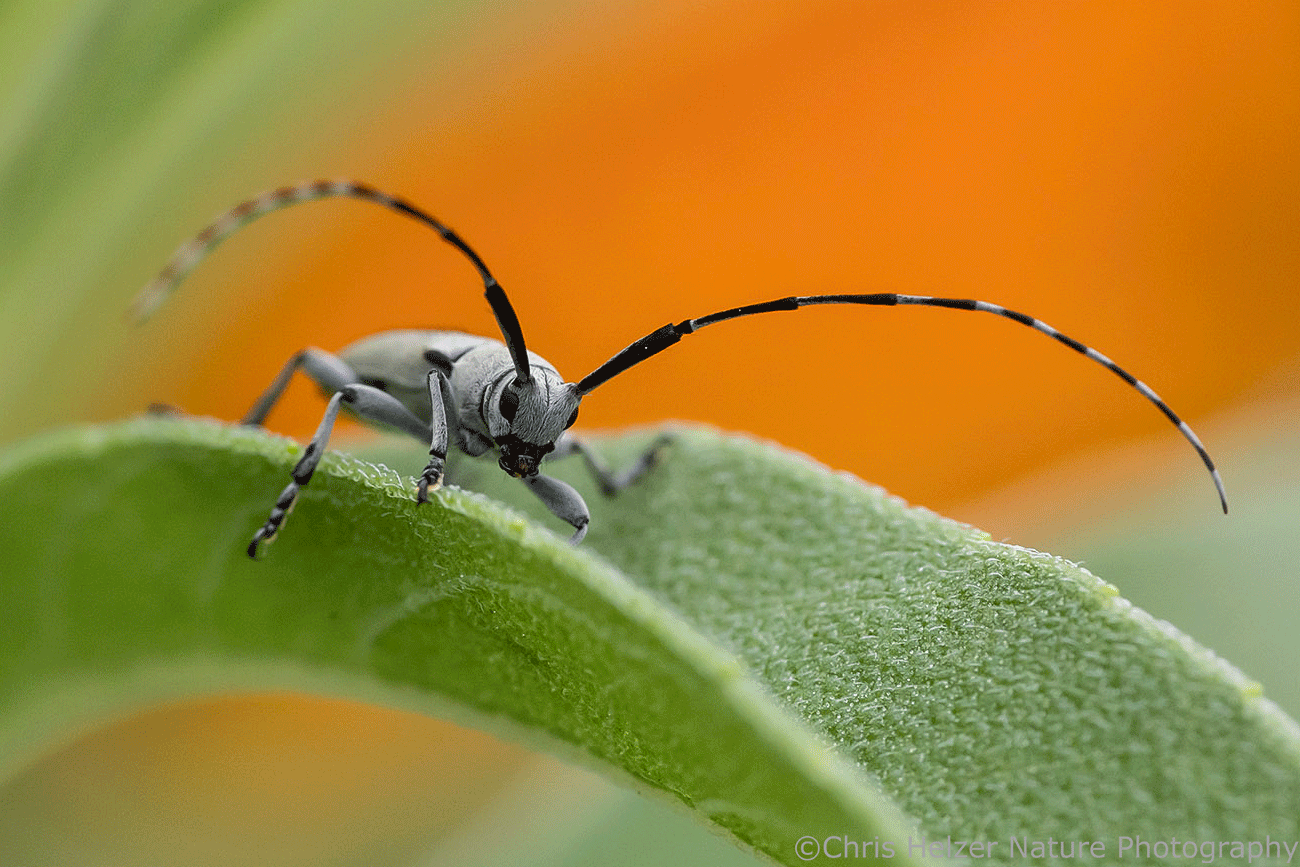
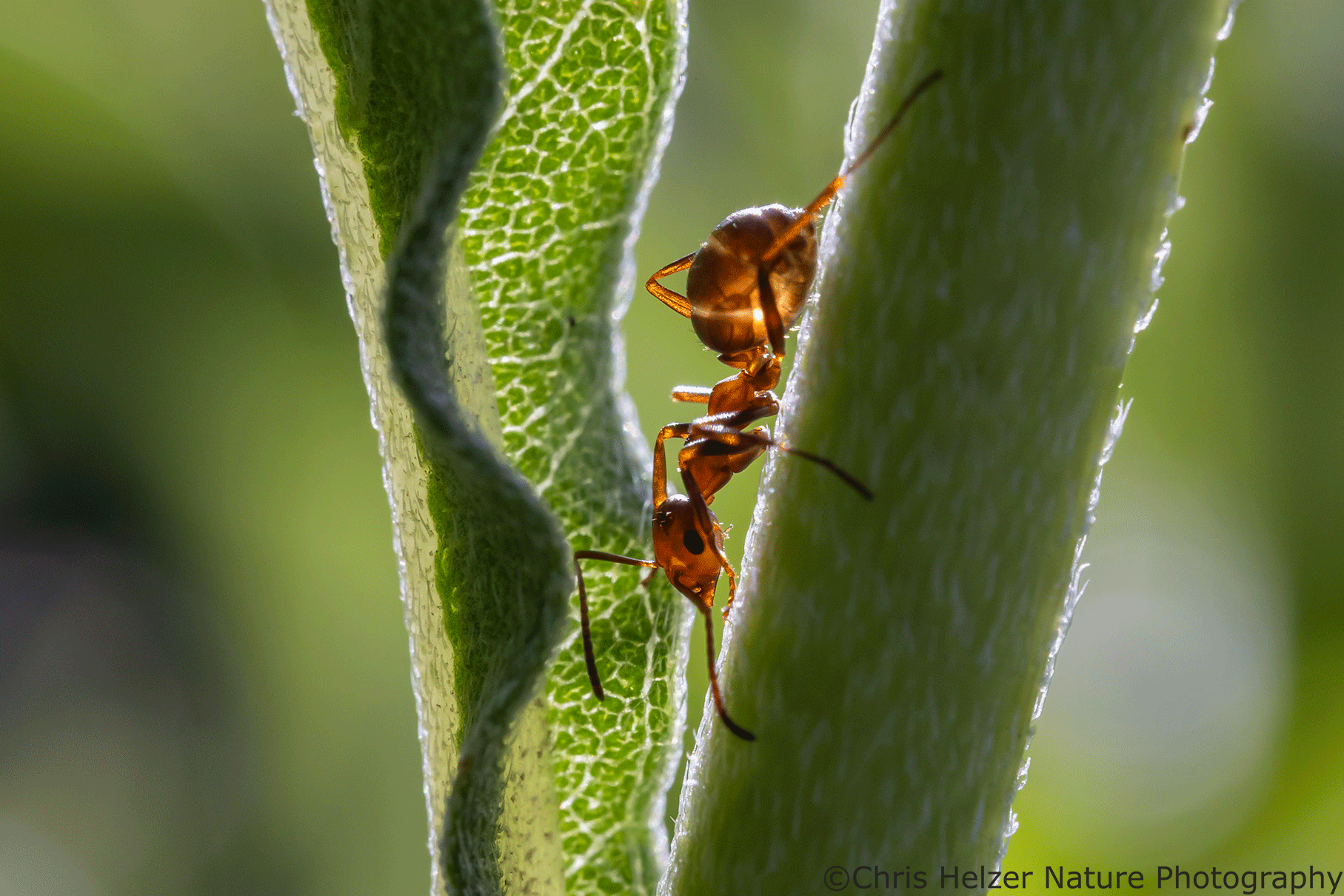
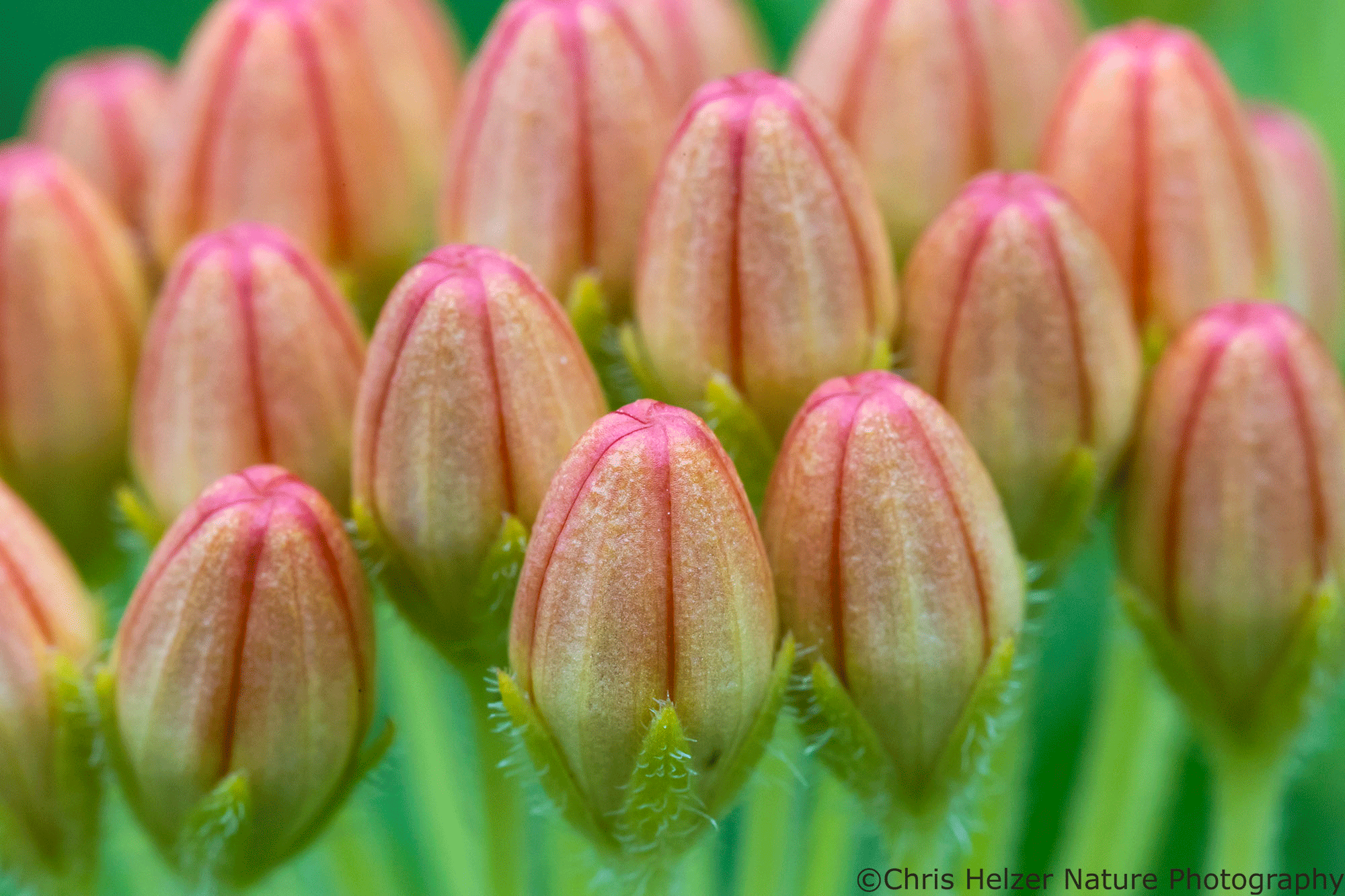
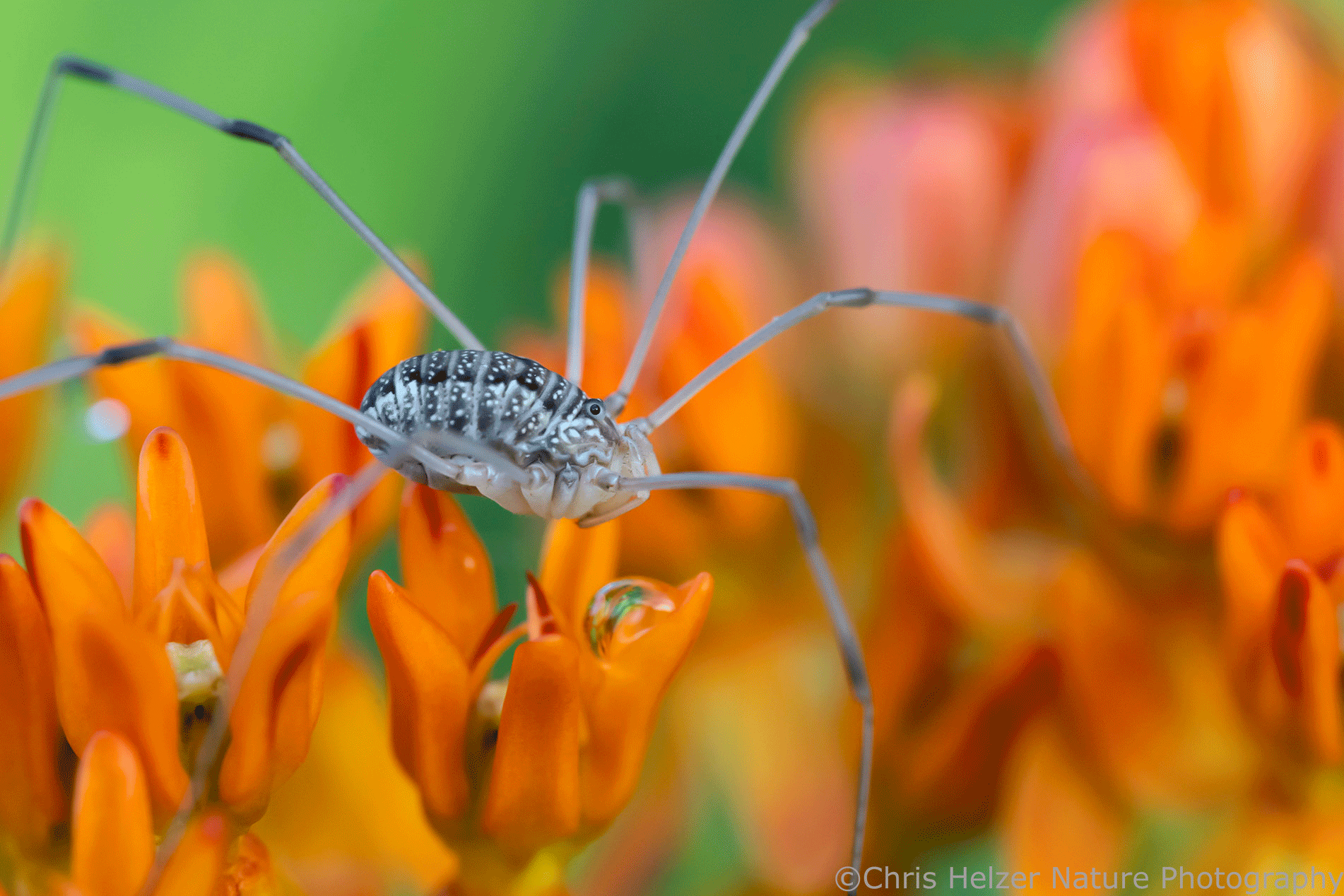
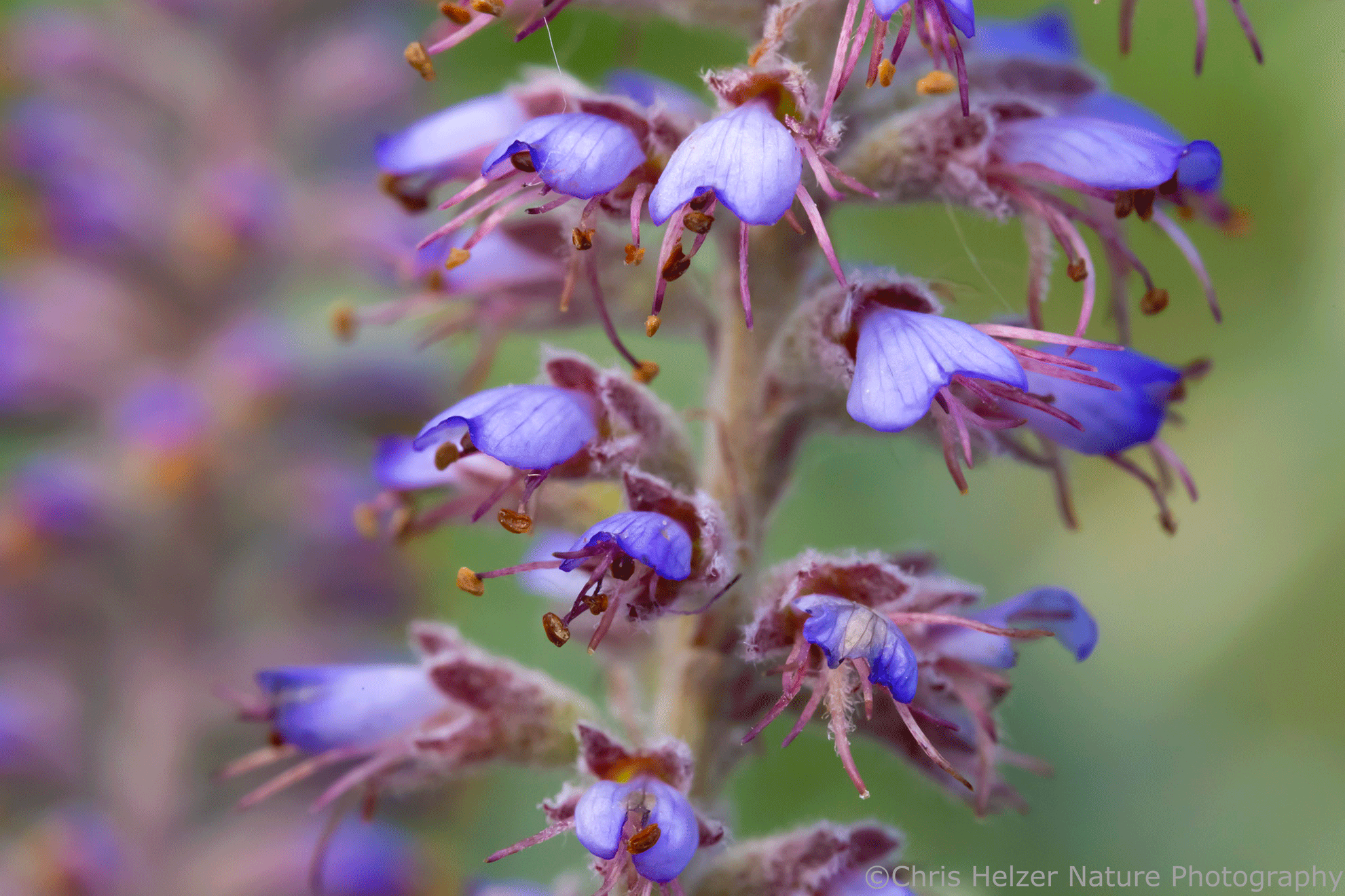
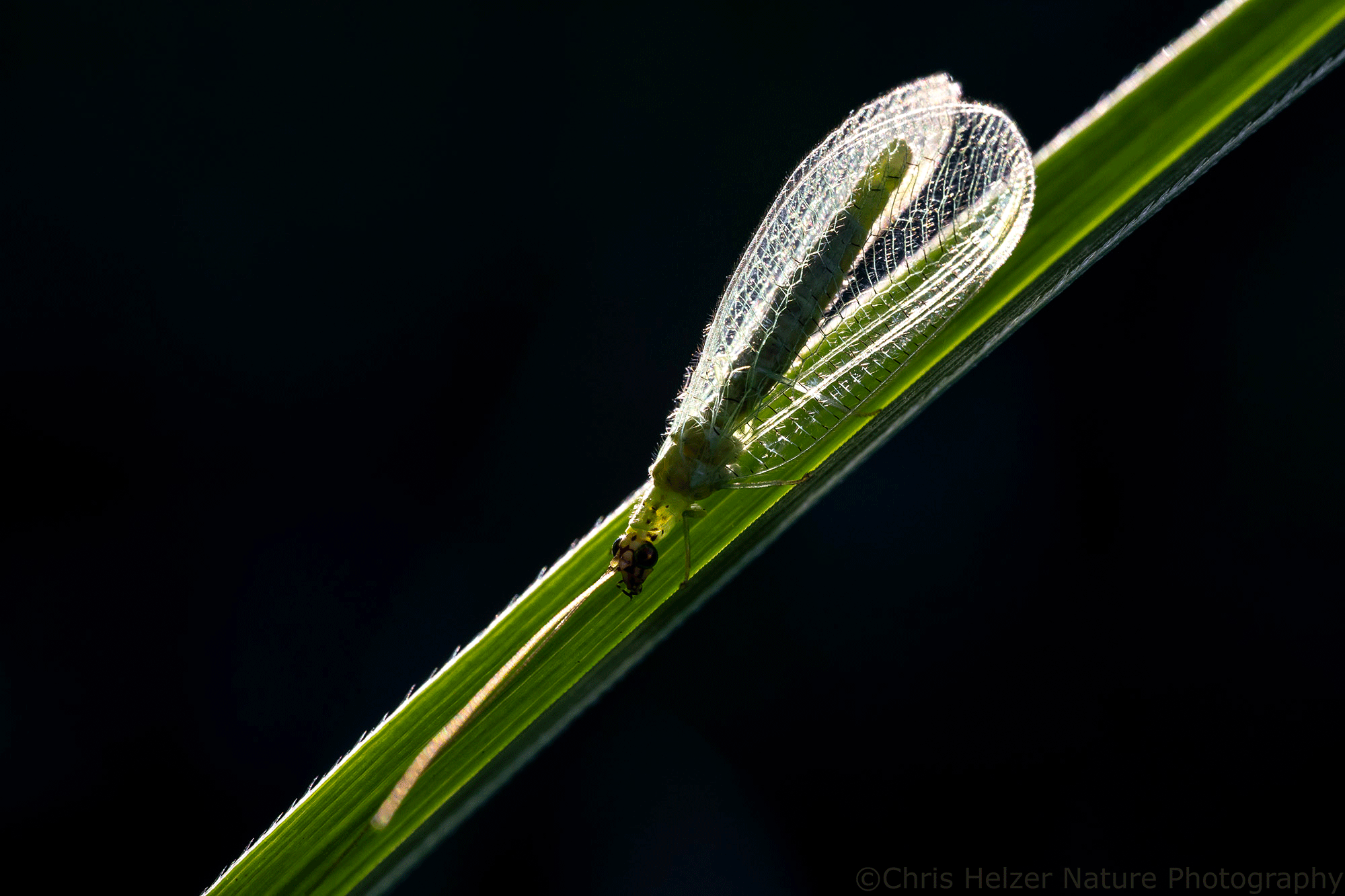
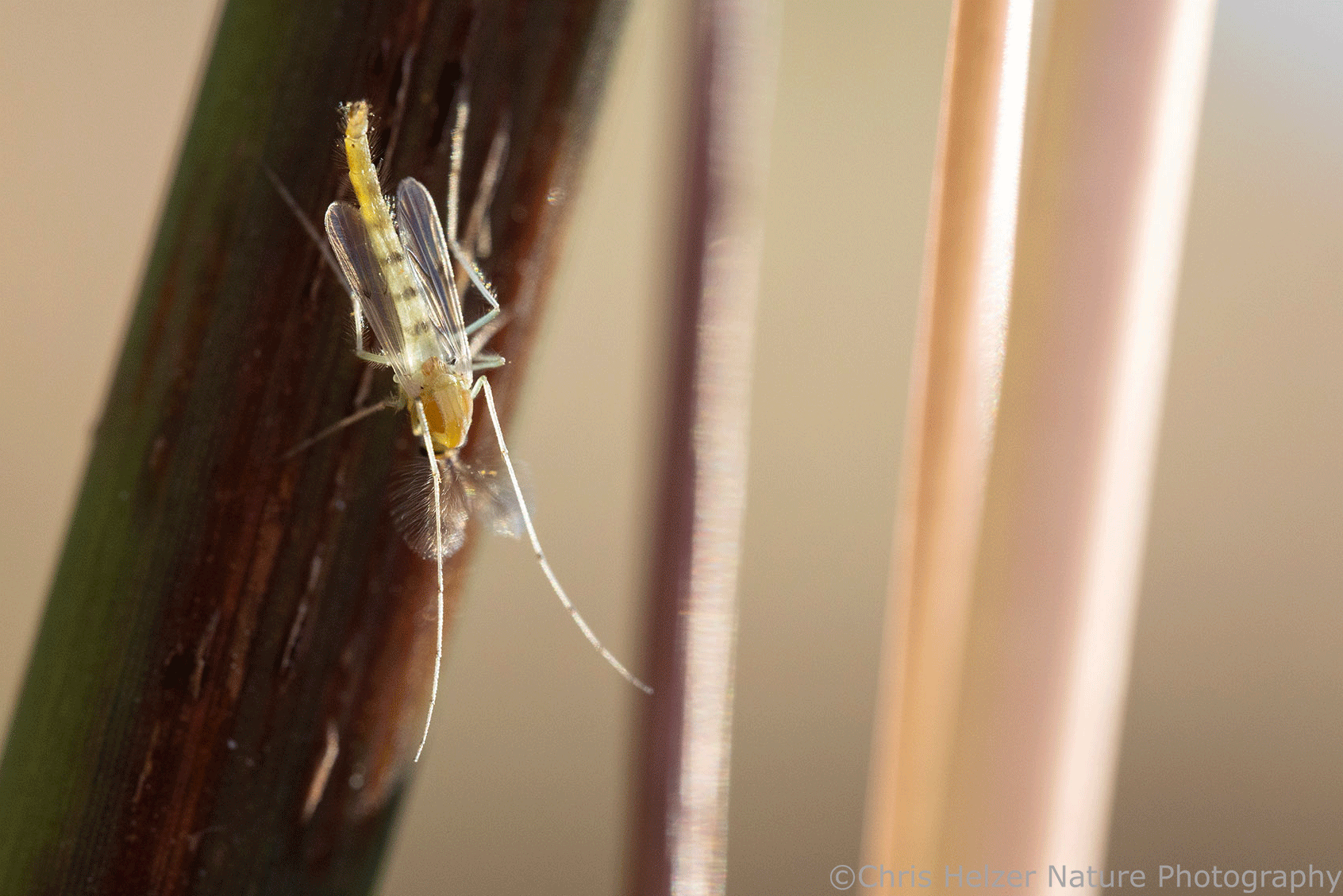
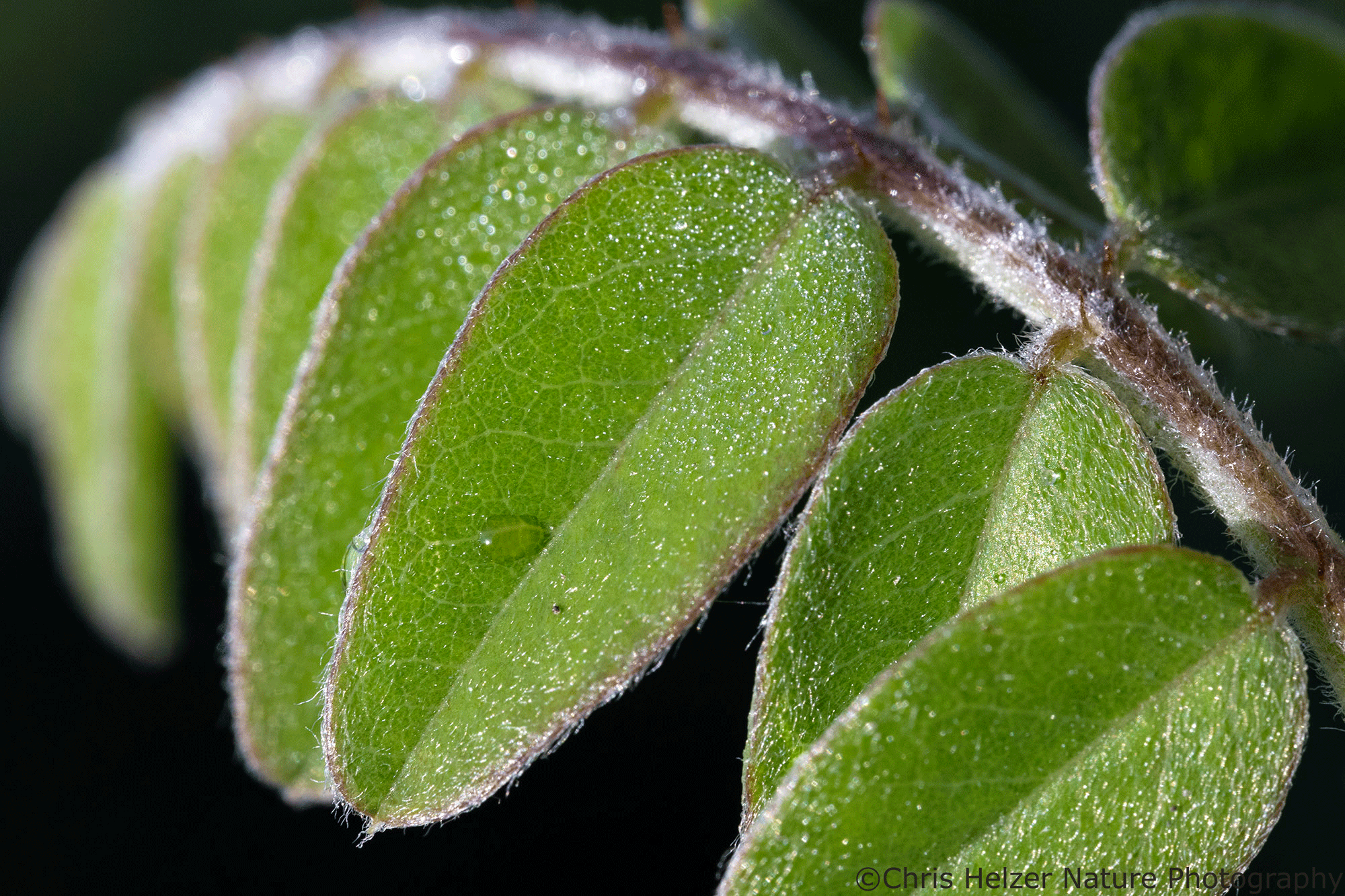
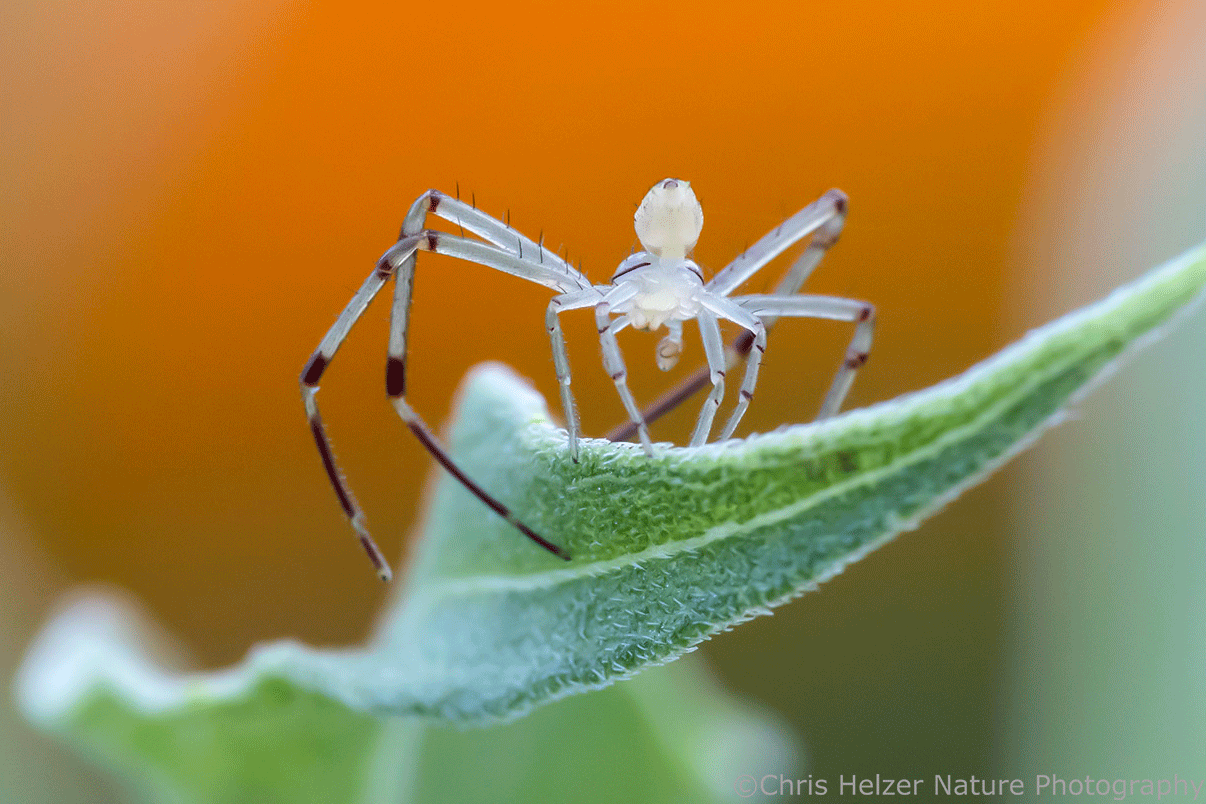
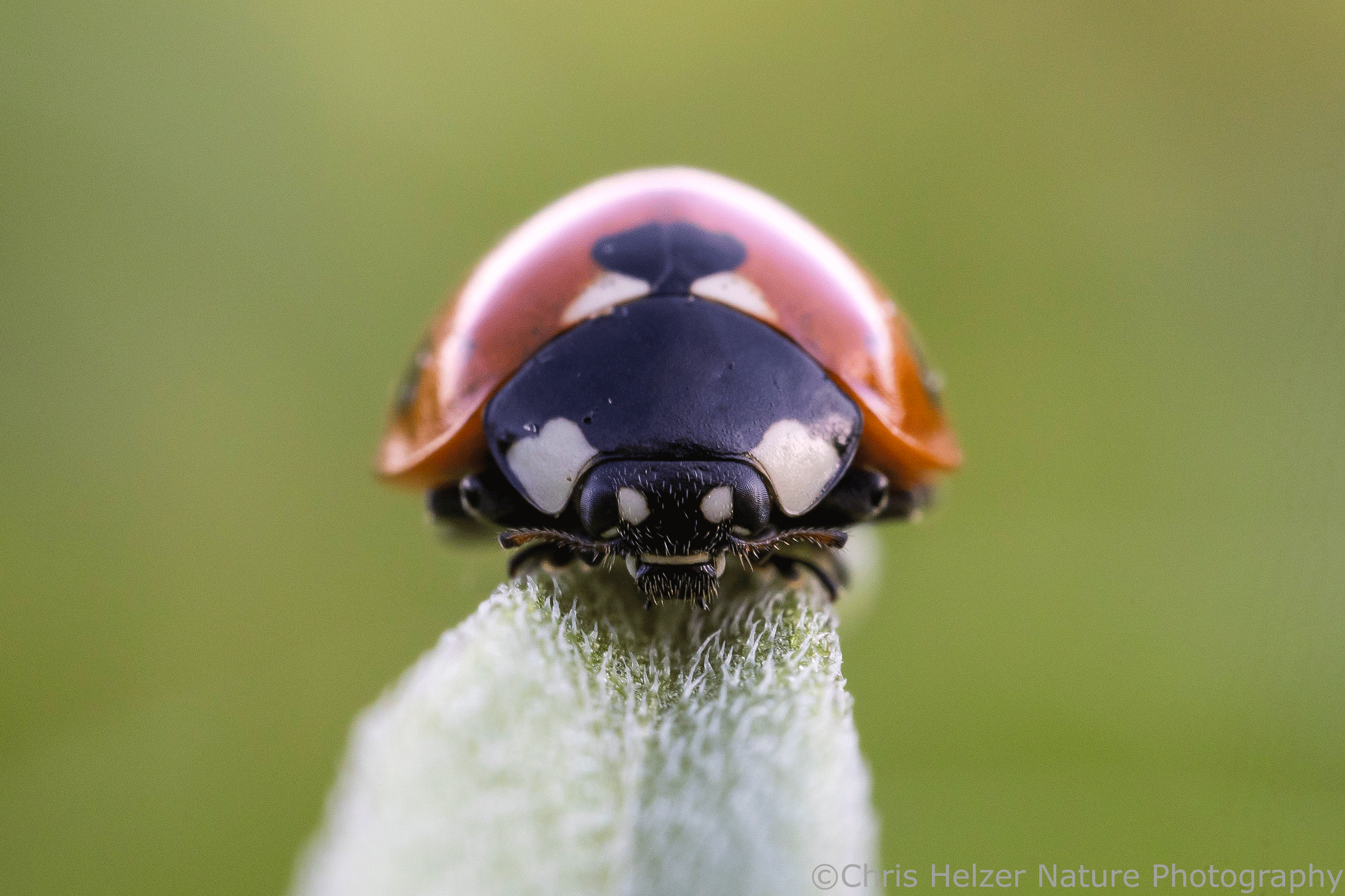
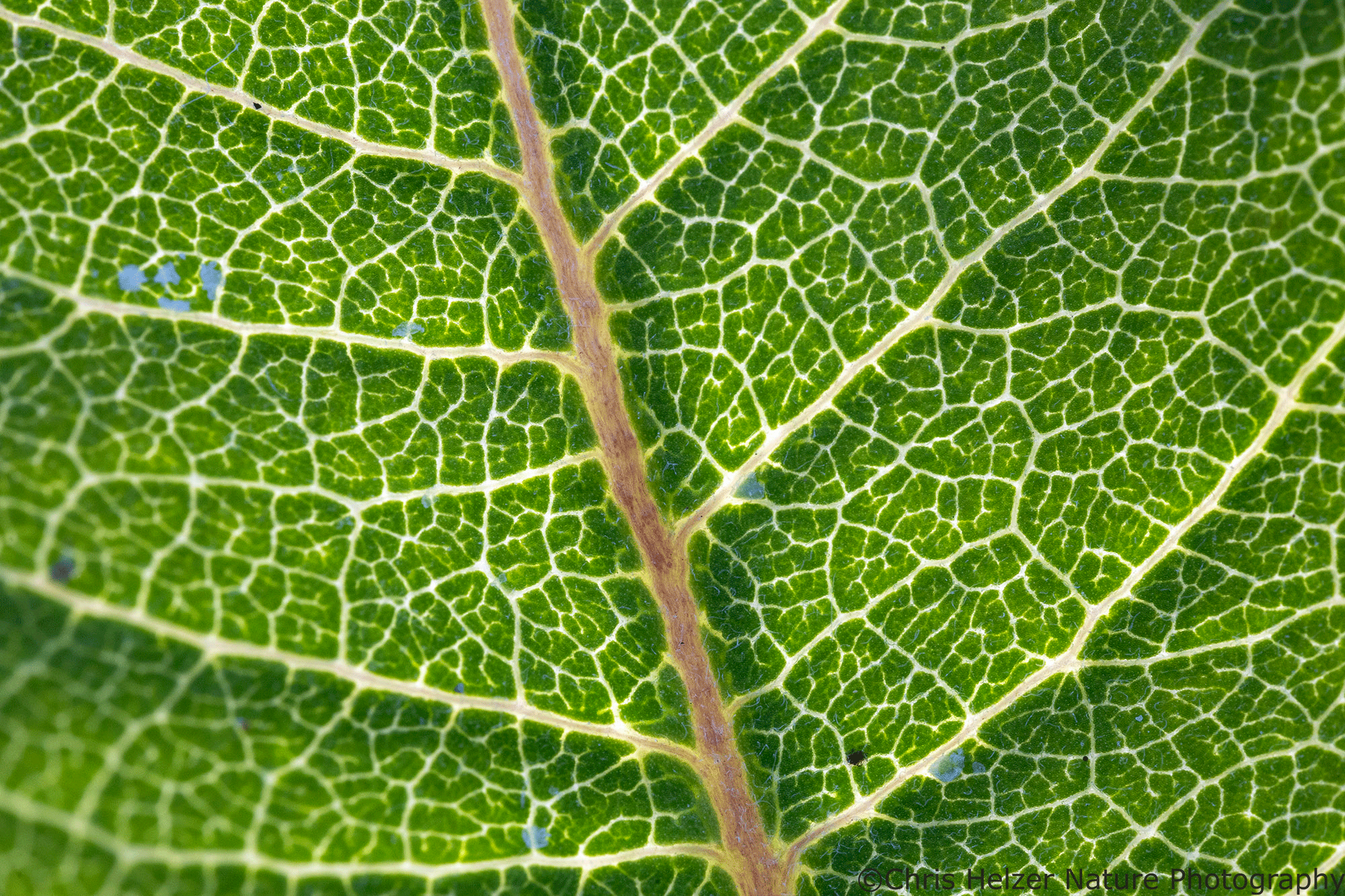
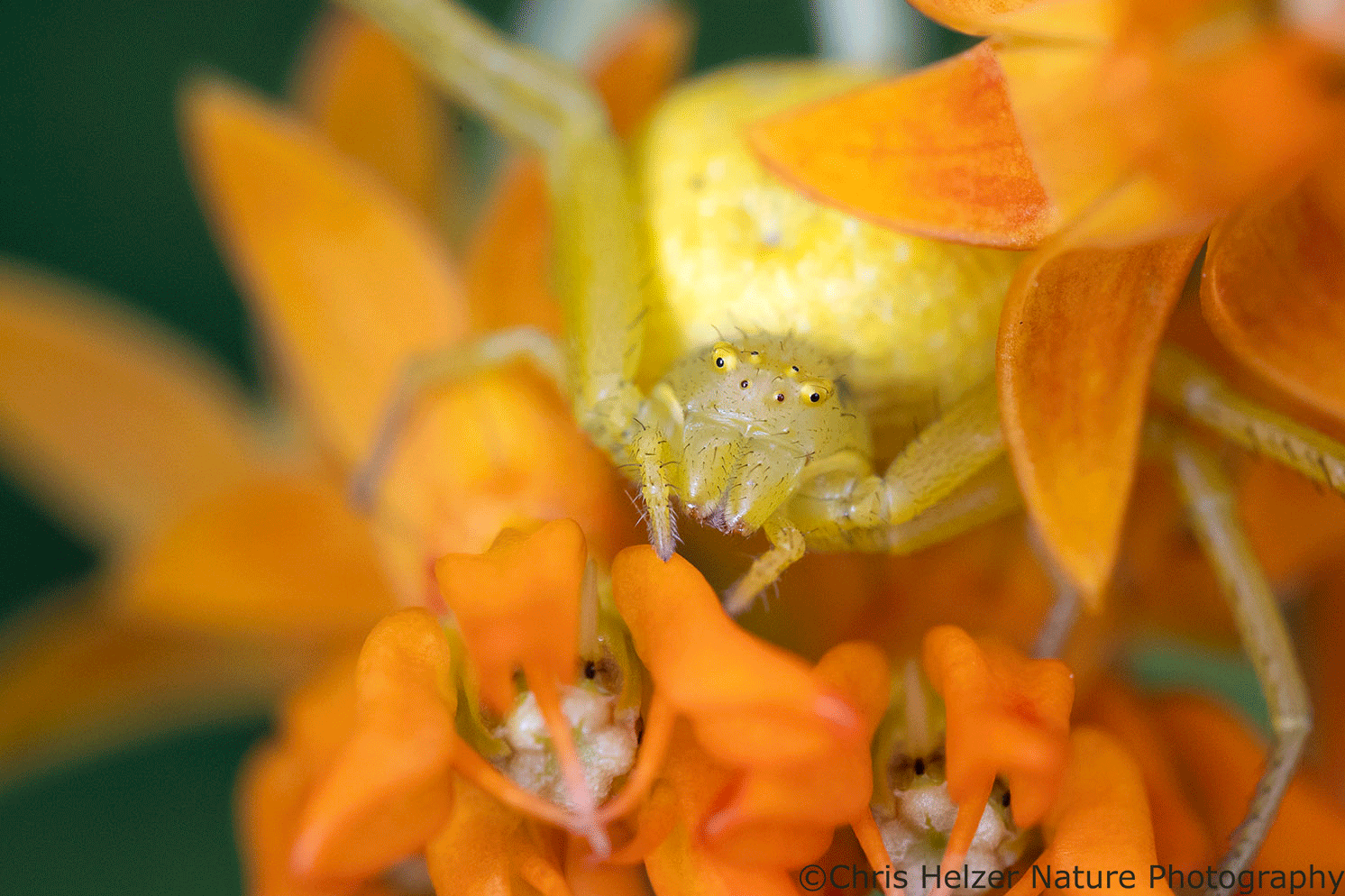
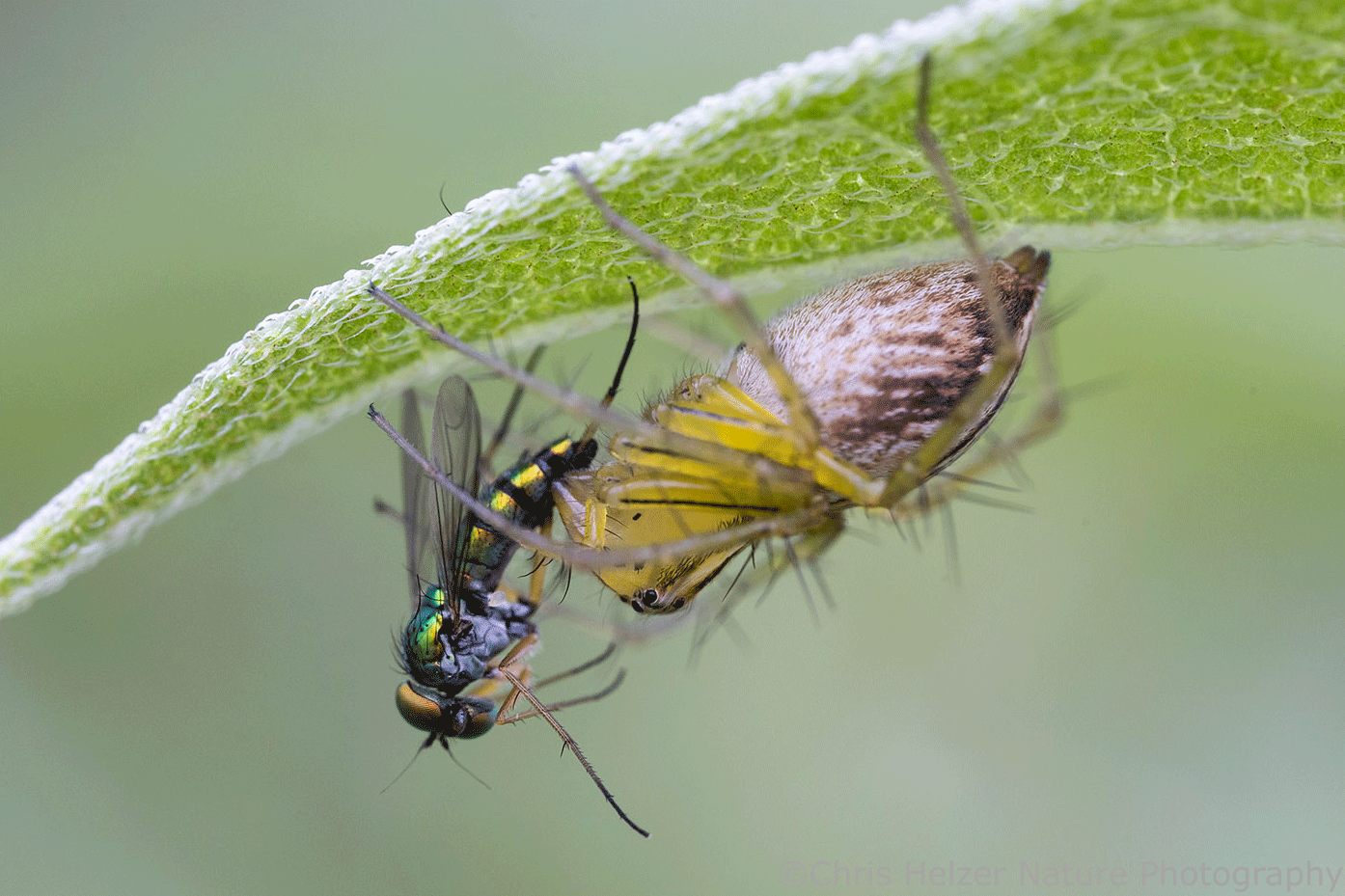
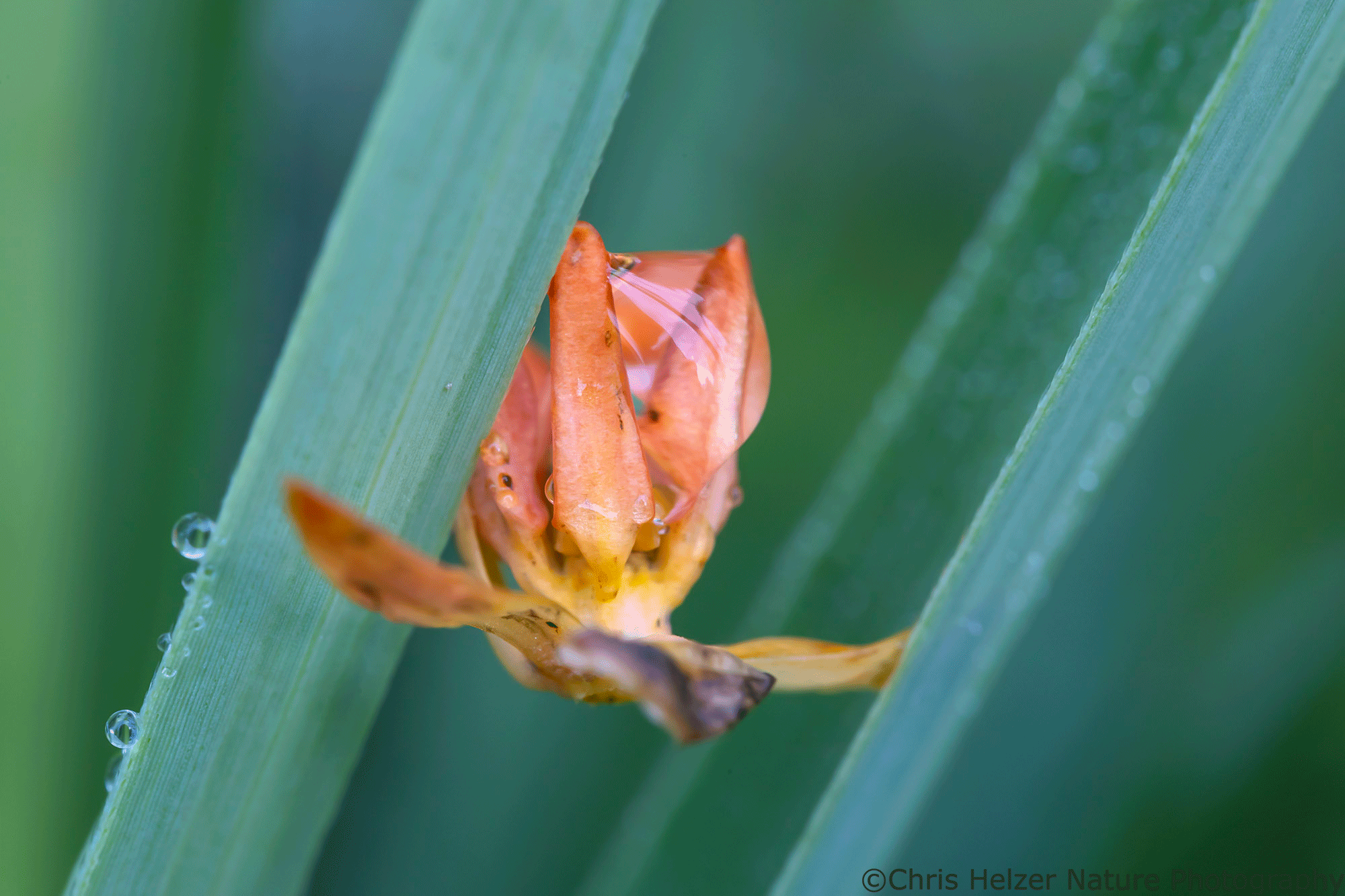
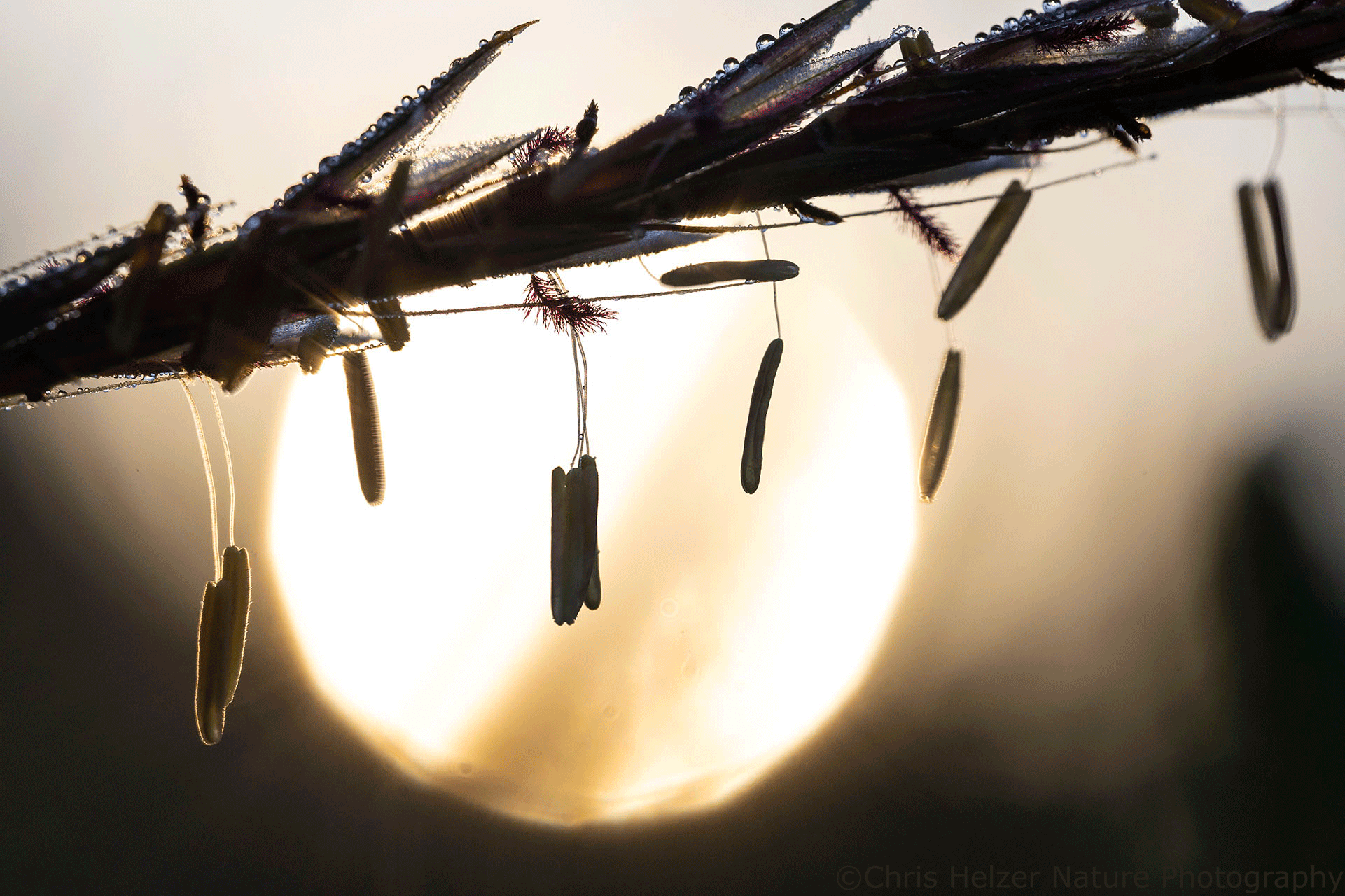
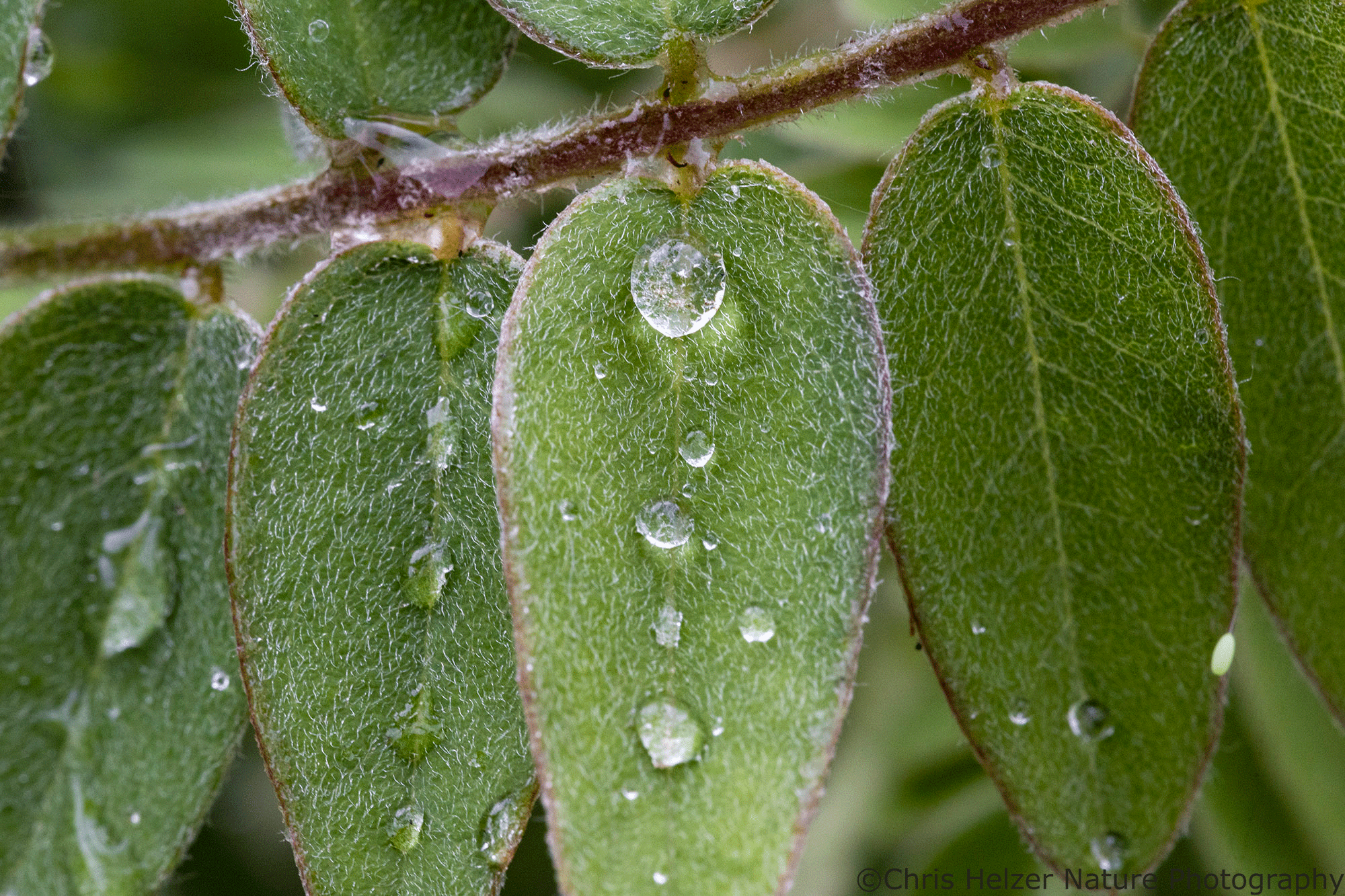
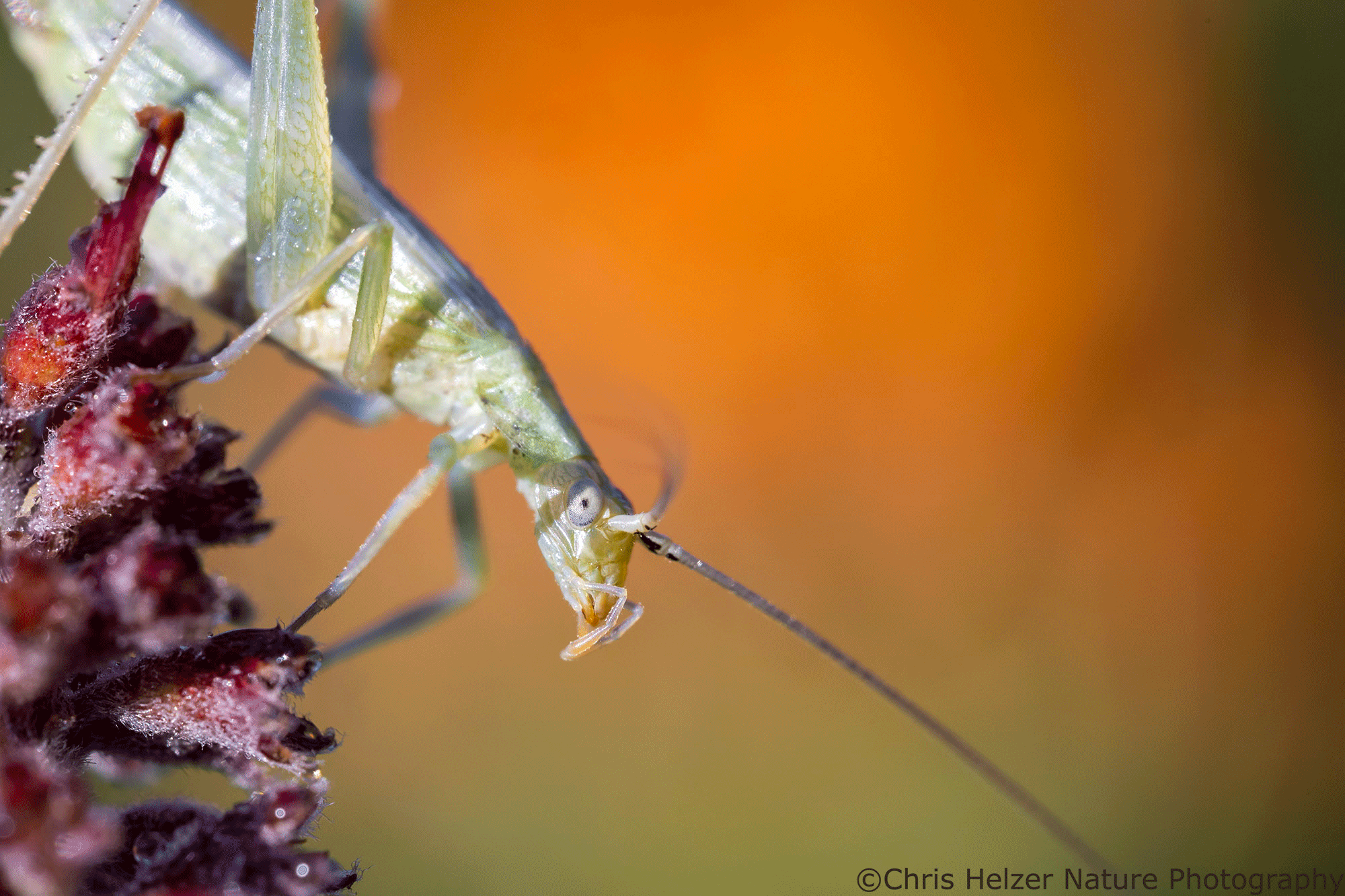
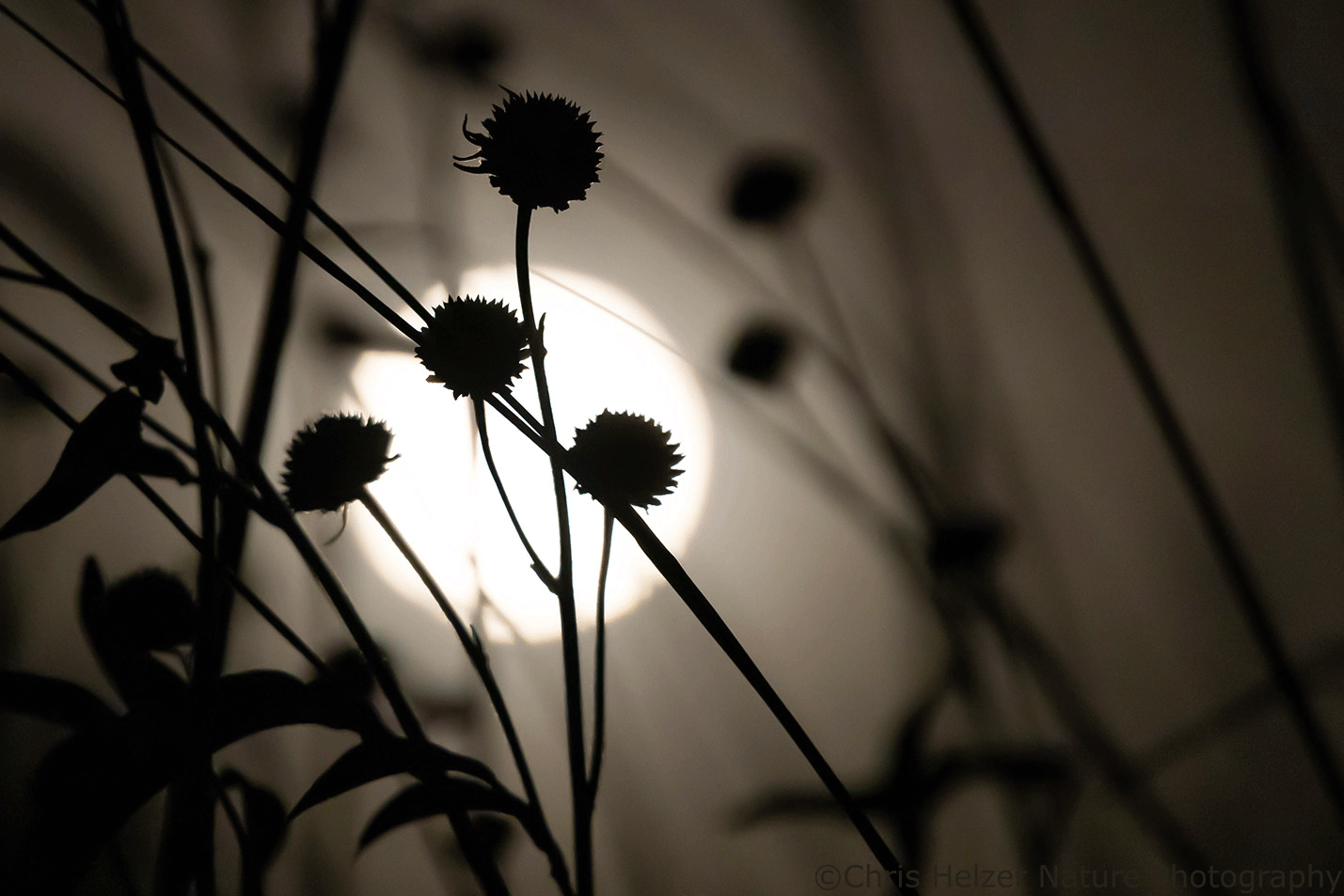
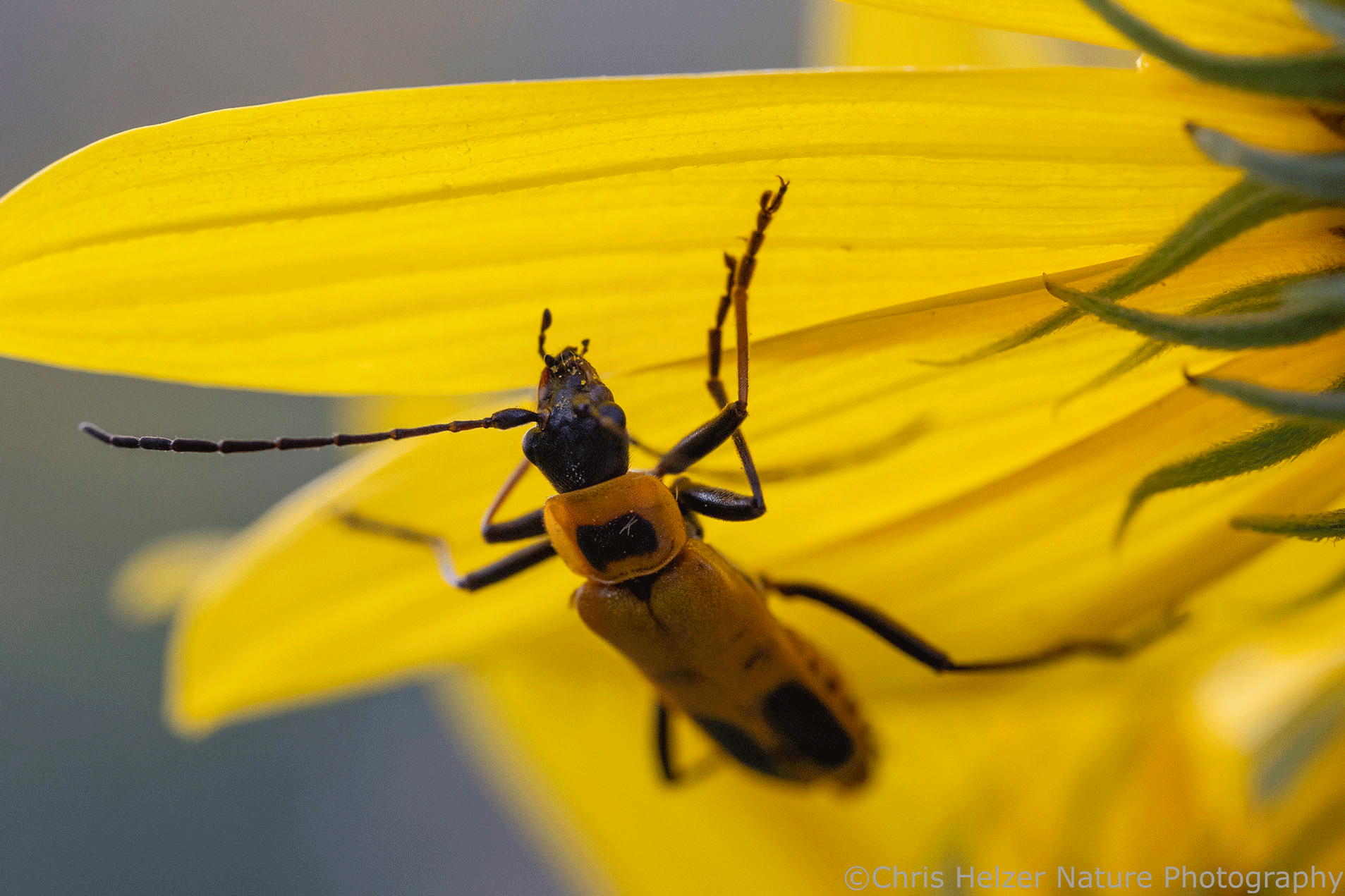
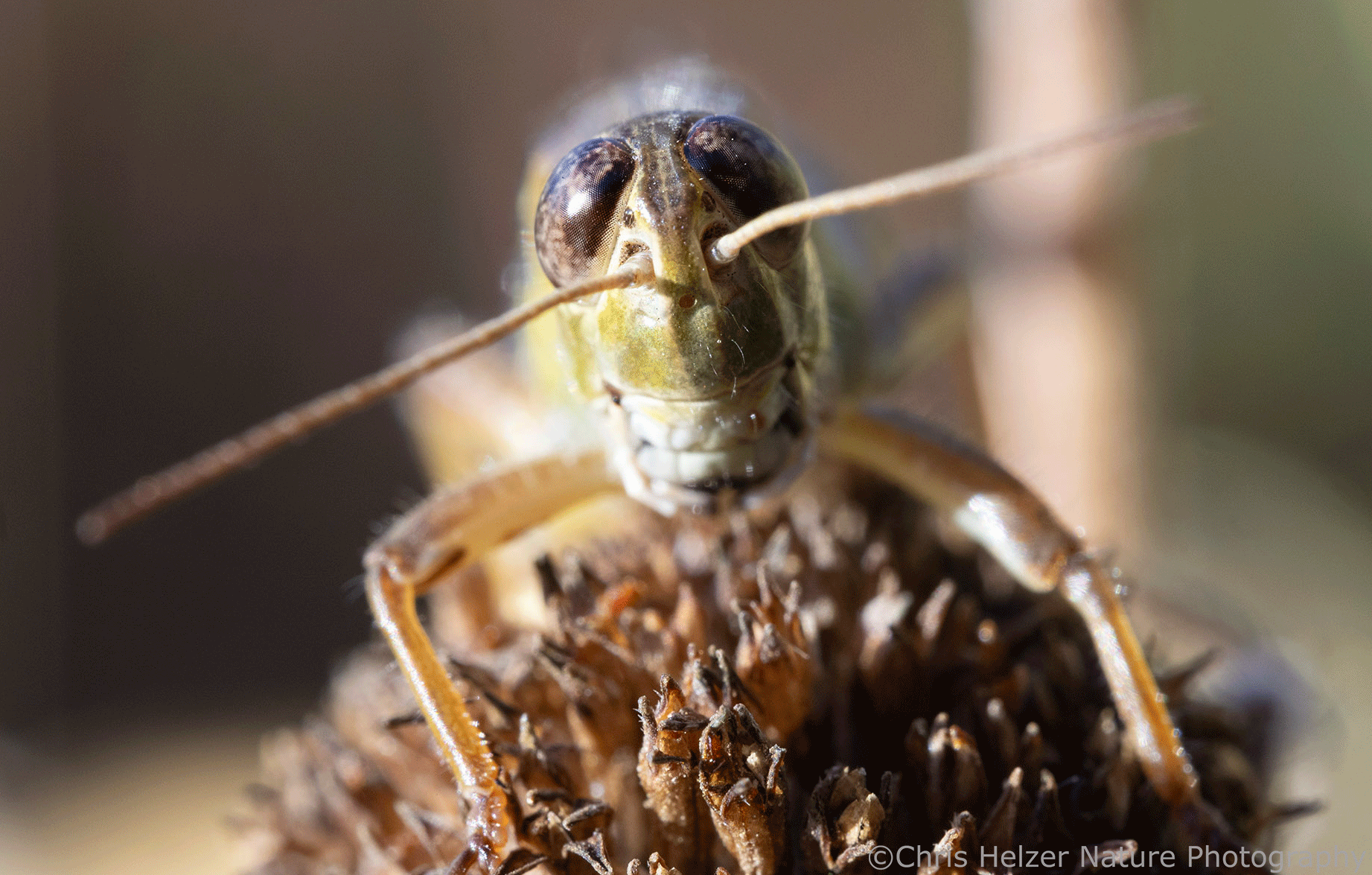
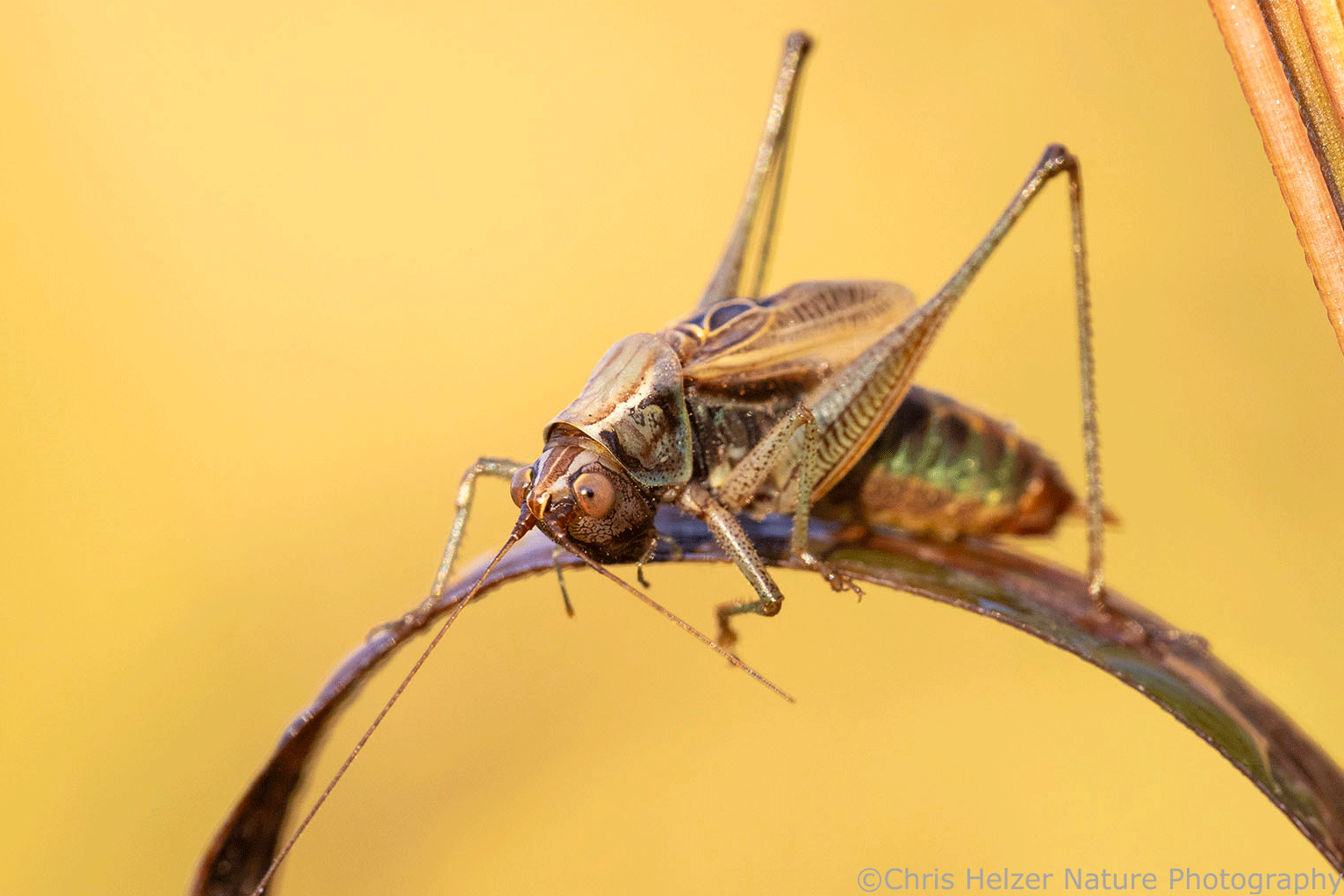
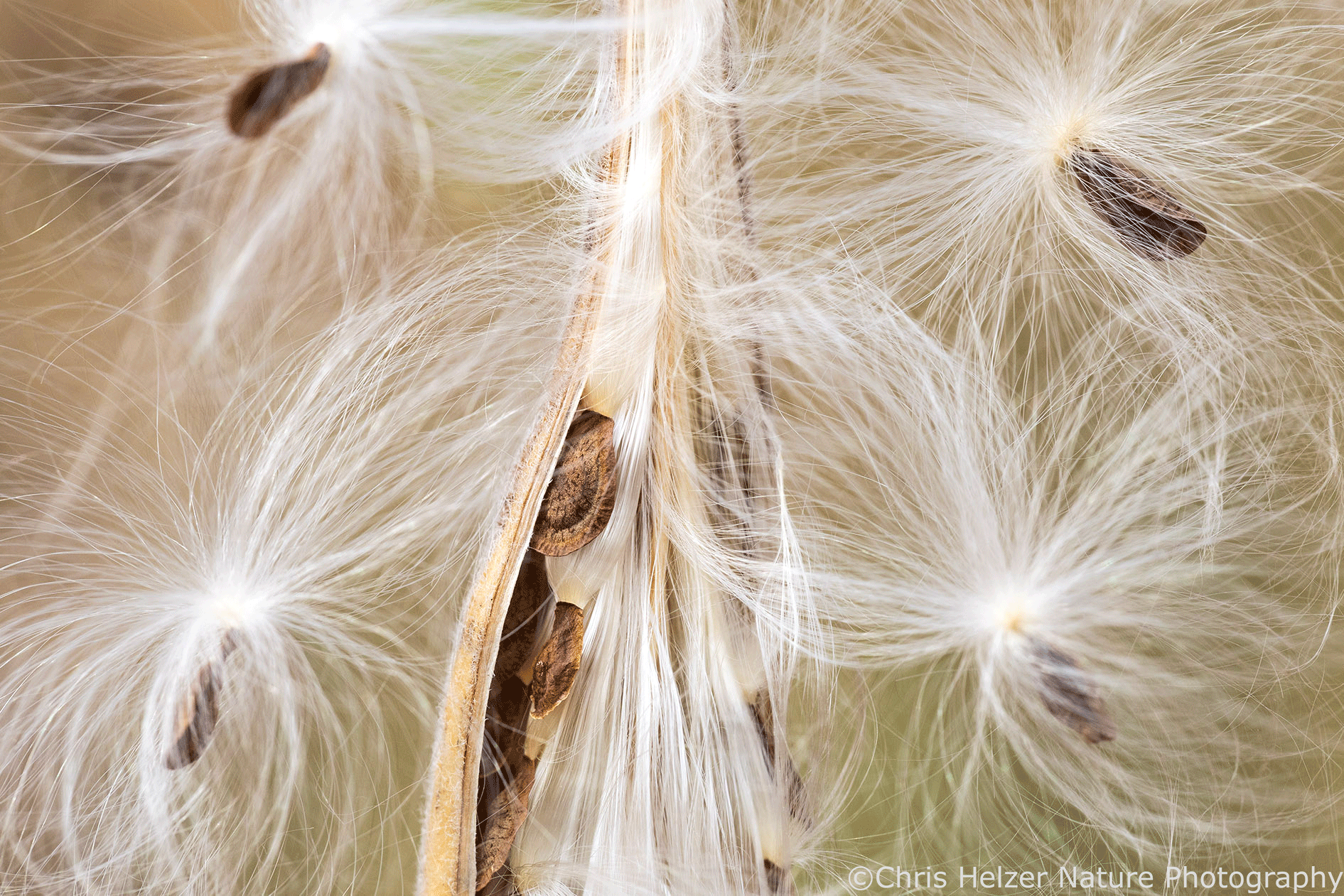
Dectes stem borer (Dectes texanus) on a Maximilian sunflower leaf with butterfly milkweed flowers behind. June 28, 2024Indian grass (Sorghastrum nutans) flowers. September 2, 2024A backlit ant (Formica paledifulva) searching for extra floral nectar produced by Maximilian sunflower. June 22, 2024Butterfly milkweed flower buds (Asclepias tuberosa). June 19, 2024A wood tick (Dermacentor variabilis) perched on a sedge flower (Carex gravida), waiting for something to pass by within reach. May 21, 2024A harvestman (aka daddy longlegs) on butterfly milkweed. June 22, 2024Lead plant flowers (Amorpha canescens). June 28, 2024Green lacewing, backlit by early morning light. June 25, 2024A midge (Chironomidae) on big bluestem. September 27, 2024Lead plant leaves and dew. May 26, 2024A male crab spider with butterfly milkweed in the background. June 28, 2024Seven-spot ladybug (Coccinella septempunctata). May 30, 2024Common milkweed leaf (Asclepias syriaca). August 8, 2024Red milkweed beetle (Tetraopes tetrophthalmus). July 12, 2024Female crab spider hiding on butterfly milkweed. June 30, 2024Striped lynx spider (Oxyopes salticus) with captured long-legged fly (Dolichopodidae). August 12, 2024Fallen butterfly milkweed flower in morning dew. July 3, 2024Big bluestem (Andropogon gerardii) flowers and morning sun. August 25, 2024A wasp nestled among butterfly milkweed flowers on a dewy morning. July 7, 2024Lead plant leaves and dew. May 30, 2024Prairie tree cricket (Oecanthus argentinus) on lead plant with butterfly milkweed behind. July 6, 2024Maximilian sunflower (Helianthus maximiliani) and big bluestem with the “hunter’s super moon”. August 25, 2024The maize calligrapher (Toxomerus politus), a hover fly, feeding on big bluestem pollen. August 25, 2024Goldenrod soldier beetle (Chauliognathus pensylvanicus) on Maximilian sunflower. September 2, 2024Red-legged grasshopper (Melanoplus femurrubrum) on Maximilian sunflower seed head. September 27, 2024Little bluestem flowers (Schizachyrium scoparium). September 6, 2024Woodland meadow katydid (Conocephalus nemoralis) on big bluestem. September 25, 2024Metrioidea beetles feeding on Maximilian sunflower. September 14, 2024Butterfly milkweed seeds. October 11, 2024Maximilian sunflower and morning sky. November 6, 2024
If you take nothing else from this project, I hope you’ll come away with a sense of how much happens beneath the canopy of a prairie. Even in a small, isolated, restored (planted in 1980) prairie next to the local pet adoption center, there was a stupendous abundance of life, activity, and wonder to admire and photograph. Now multiply that across acres, square miles, and landscapes of grassland. Come on, now!
Grasslands are not flat, boring places full of grass. They’re full of complex, interacting species and communities that combine to form a beautiful and resilient ecosystem. Please share this post and project with anyone who still hasn’t discovered that.
Quick announcement for graduate students doing research in the Great Plains. J.E. Weaver grant applications will be accepted throughFebruary 7. They provide $1,500 to students working on topics that will help better understand and conserve Great Plains ecosystems.
Last week was a flurry of activity, both at work and home. On Friday, I took a quick mid-day break and drove up to a small reservoir just north of town. Temperatures had been well below freezing for several days and I hoped to find some ice to photograph. Winter can be a tough time for this bug-and-flower photographer, but when temperatures are cold enough, I can usually find some interesting ice patterns to play with.
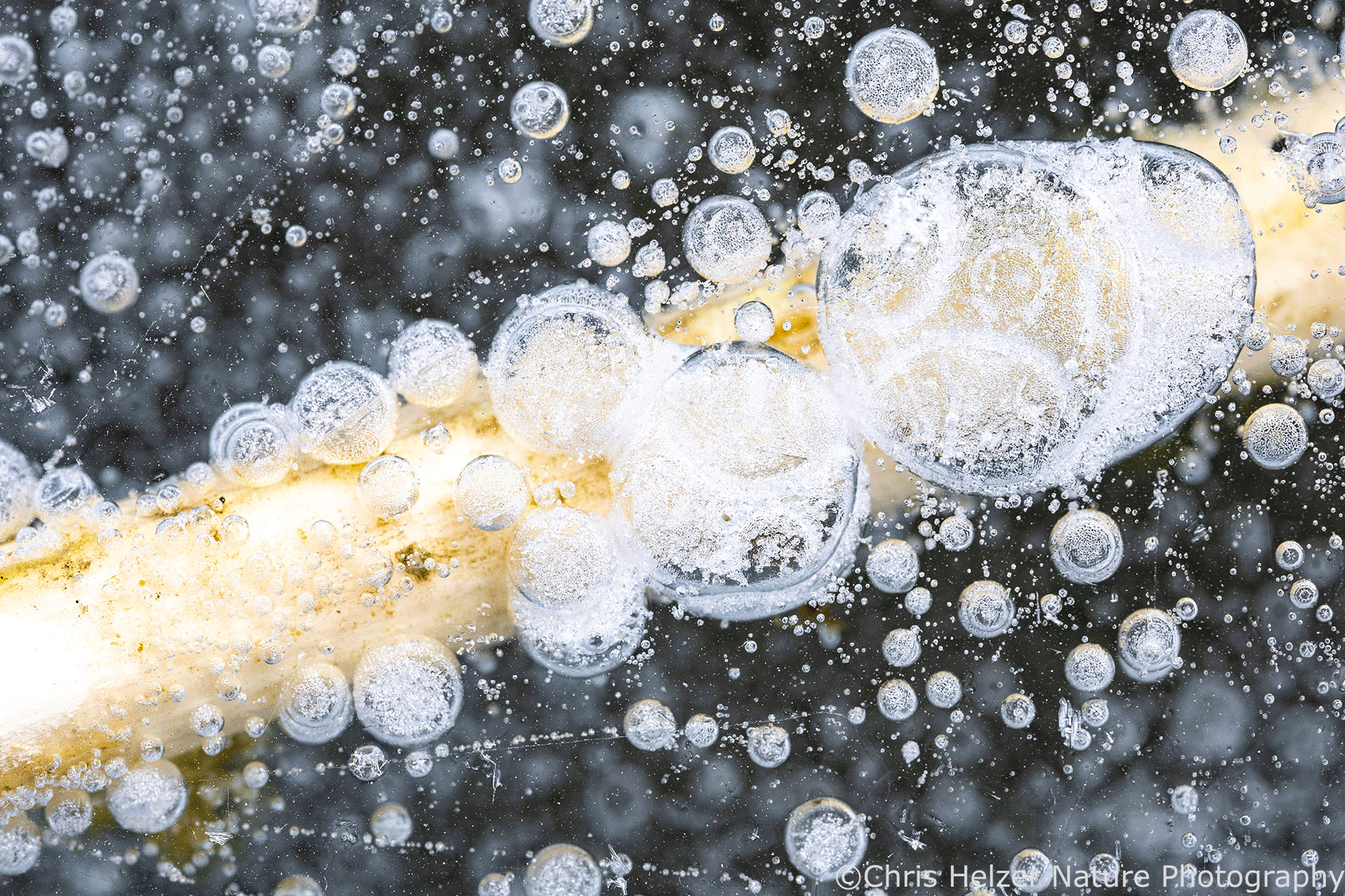
Ice bubbles on the frozen surface of the reservoir.Here’s what the reservoir looked like. I had it all to myself!
There are a couple great aspects of ice bubble photography. One is that they’re pretty easy to find, and usually abundant enough to provide lots of options for artsy compositions. Another, though, is that even public sites like the Pioneer Trails Recreation Area rarely have other visitors during ice bubble season. Even the county road that goes through it only had one pickup on it during the 45 minutes or so I was crawling around on the ice. It was nice and peaceful.
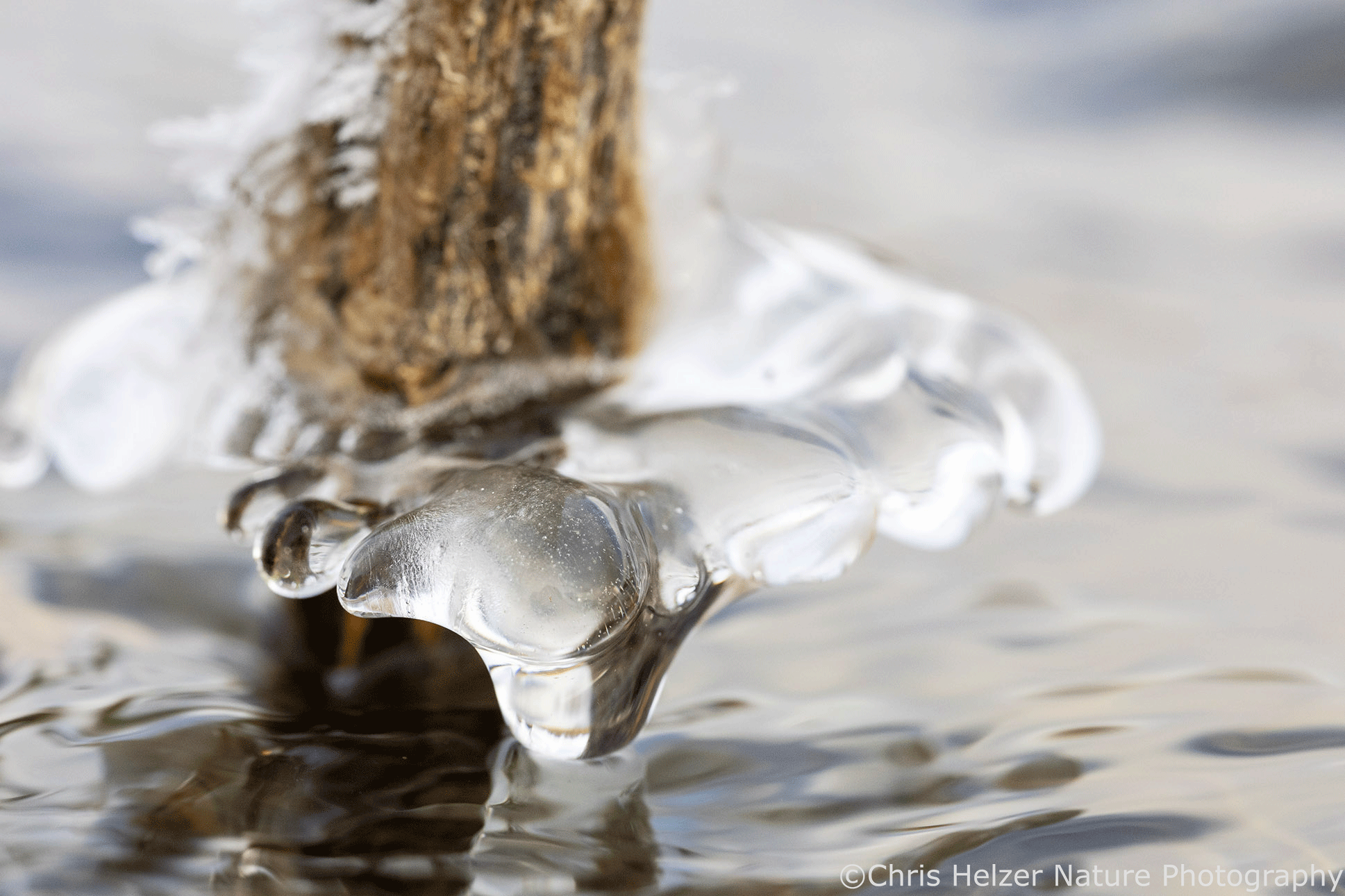
There were a few patches of open water, despite the cold temperatures. I played around with that ice/water boundary a little, but didn’t find much to catch my imagination. I did, though, find a sunflower (I think?) stem protruding from the water that had gathered an ice ring around it. I spent a pleasant five minutes or so laying on my belly and watching water lap against the stem and ice. Did I mention no one else was around?
Ice ring around a sunflower stem in shallow water. I watched small waves hit the ice and water droplets fall back into the lake.Little bits of algae in the ice added a little color to the ice bubble scene.More ice bubbles. I think this is a smartweed leaf embedded in the ice.
I enjoyed looking at partially-submerged plants that had become trapped in the ice. As I was looking at those – mostly within a few feet of the lake’s edge, I started to notice some tiny black specks on the ice. At first, I just assumed they were bits of dirt or something, but when I started looking more closely, I realized they were alive!
Grass stems in the ice with tiny snow fleas at their bases.
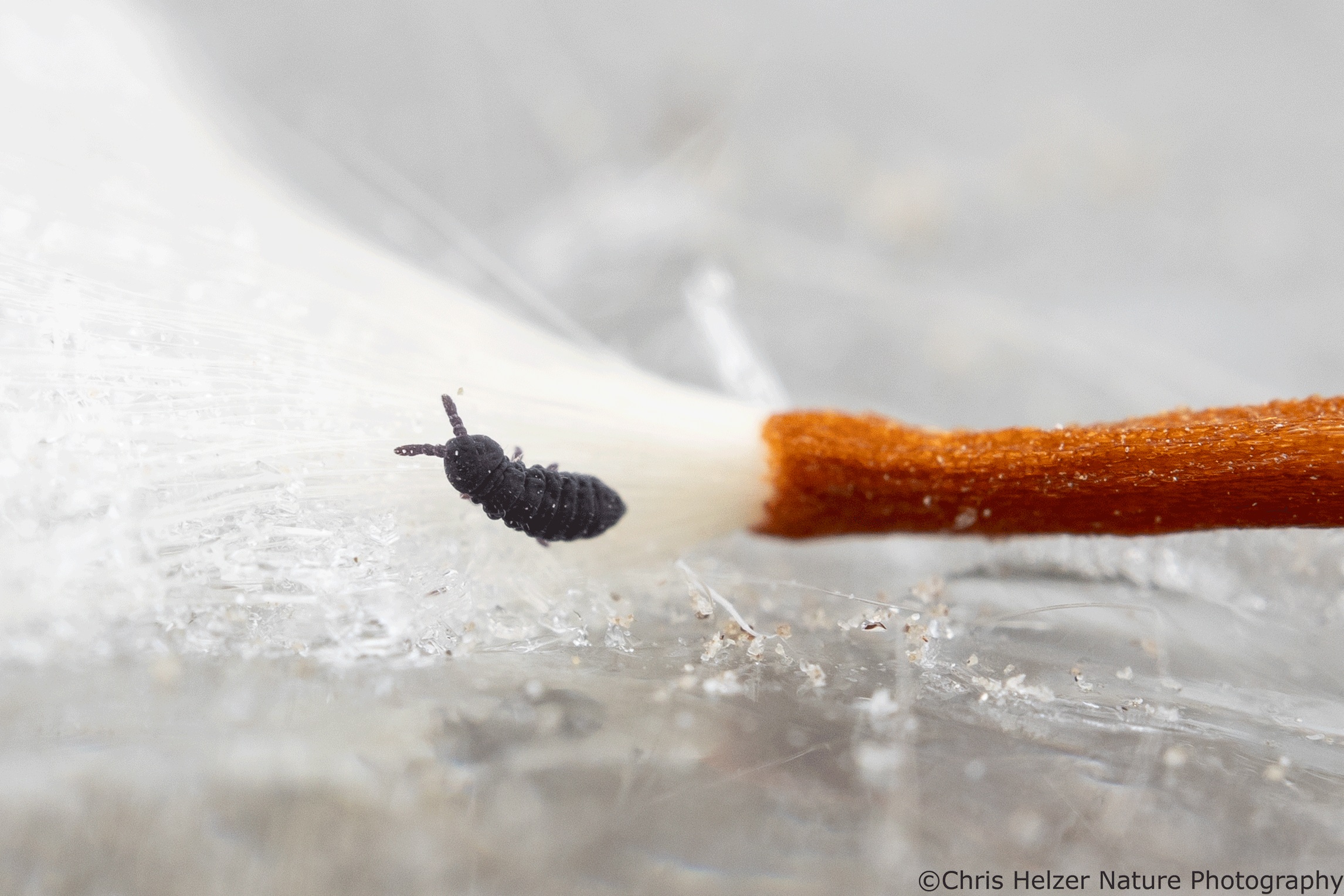
In fact, they were snow fleas! Snow fleas are a kind of springtail (Collembola) that feed on decomposing plant material but that are often active during the winter. I’ve heard about, but have never come across huge congregations of them on top of snow. On this day, however, they were out on top of the ice for some reason. I’m not sure if they were feeding – it was hard to watch creatures that small and figure out what they were doing. Plus, by the time I came across them, it was about time to be heading back to work.
Snow fleas and a dogbane seed on the frozen surface.
I did, though, spend a few minutes watching one particular snow flea explore what I’m pretty sure was a dogbane seed lying on the ice. I didn’t learn much about it, but it sure didn’t look like it was suffering from the cold temperature, which was well below 20 degrees Fahrenheit.
Here’s a close-up of one of the snow fleas.
As per usual, the choice to go outside an explore yielded more than I expected. I went looking for ice bubbles, but ended up chasing around tiny insects as well! It’s a good reminder to myself that it’s always worth going out to explore, even if I’m not sure what might be there to find.












 The Prairie Ecologist