
Hey, guess what? I’m still hanging out at my square meter photography plot.
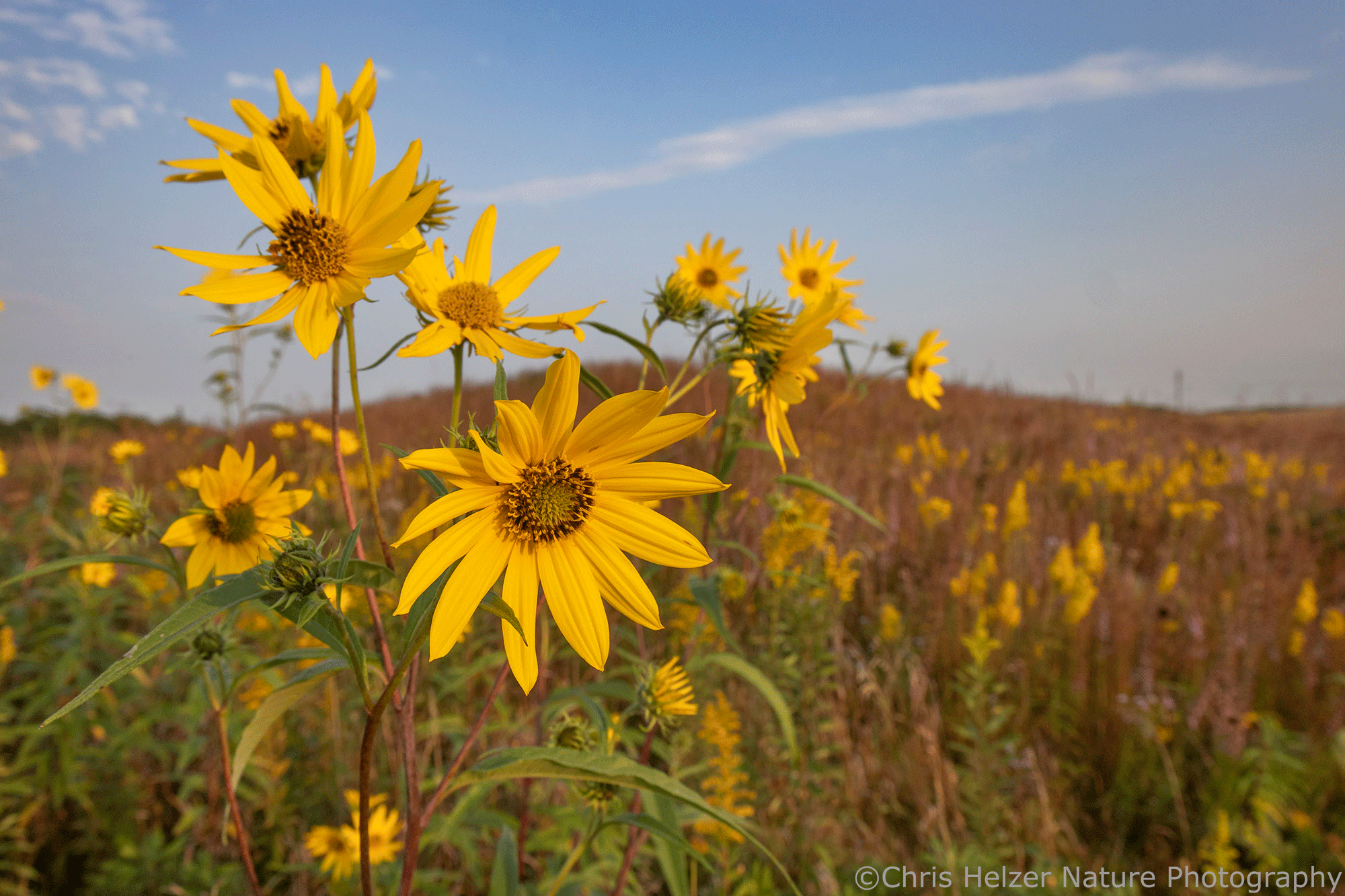
September has been a month of big changes within the little bit of prairie I’ve been photographing all year. The month started with a flush of Maximilian sunflower blossoms and lots of bees, flies, beetles, and other pollinators. Then, I went to Illinois for a few days. When I got back, the sunflowers were pretty much done. Pitcher sage continues to bloom, but only a few flowers are open each day and it appears to be nearly finished.

I wanted to start this post by showing you where this little square meter plot is located. Lincoln Creek Prairie is about 14 acres on the eastern edge of Aurora, Nebraska. The park is bordered by crop land, housing developments, the local adopt-a-pet facility, and the city waste site. My little plot (circled in black on the two aerial photos shown here) is in a small strip of restored prairie nestled between a line of trees and some mowed grass leading to the waste site. I walk past the barking dogs at the pet adoption center whenever I visit my plot.

It’s been about three weeks since I shared photos from this project. Within that time period, though, I’ve taken way more good photos than will fit in a single blog post. As a result, I’m splitting today’s post into two parts. Part one (this one) will focus on the general appearance of the plot and its inhabitants/visitors. Part two (not this one) will be more story-based. The photos in both posts cover the period between about September 8 and September 25, 2024.
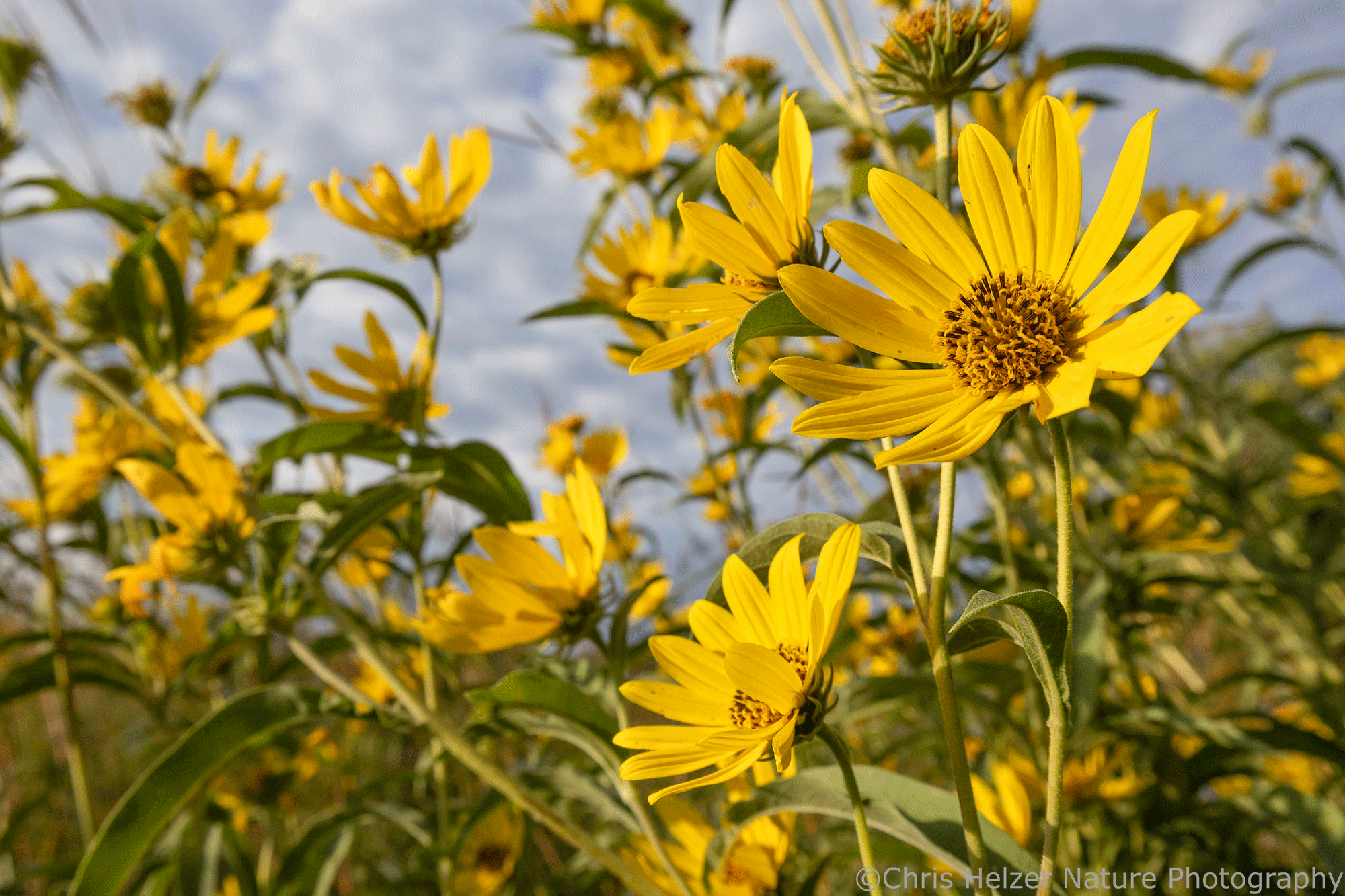
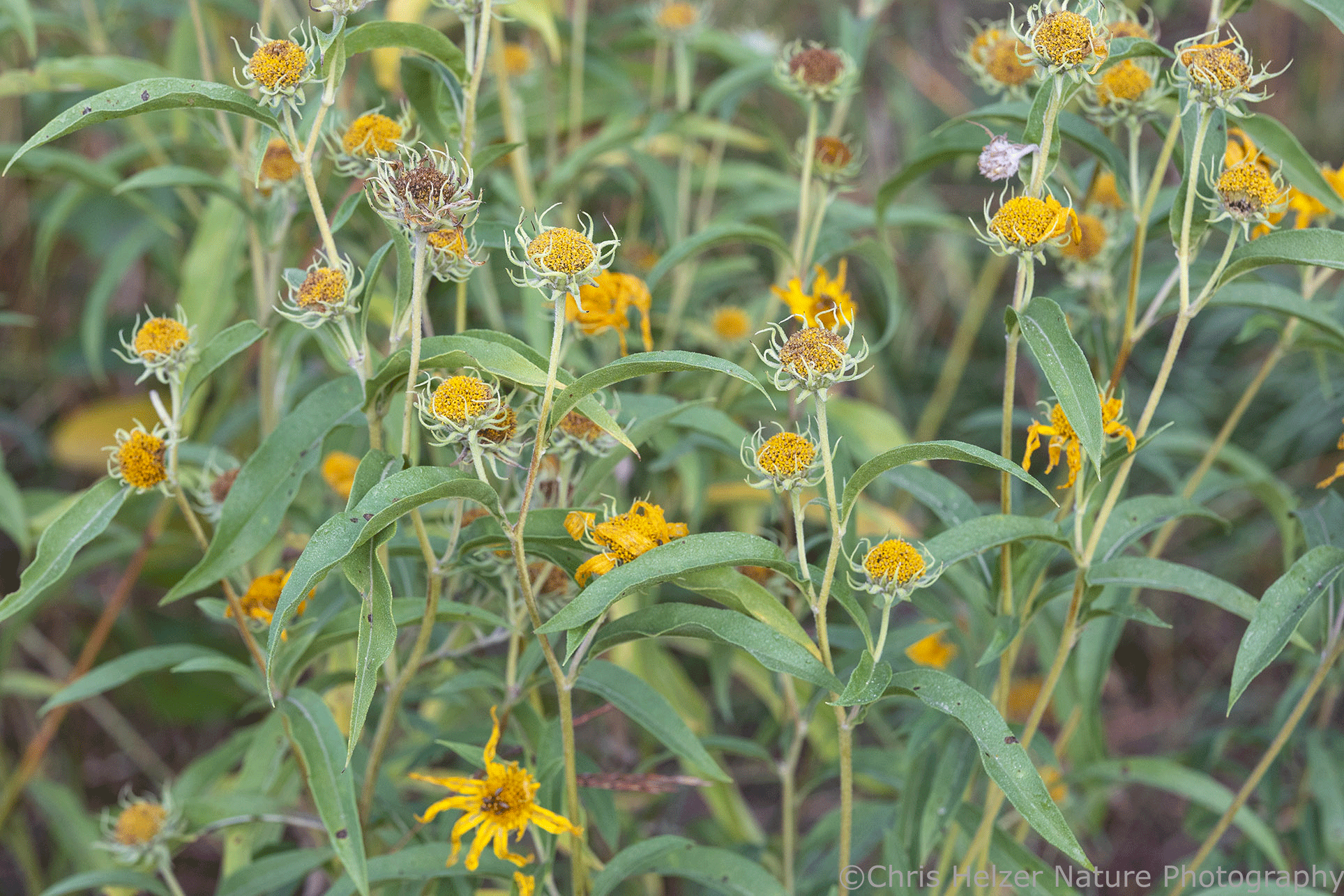
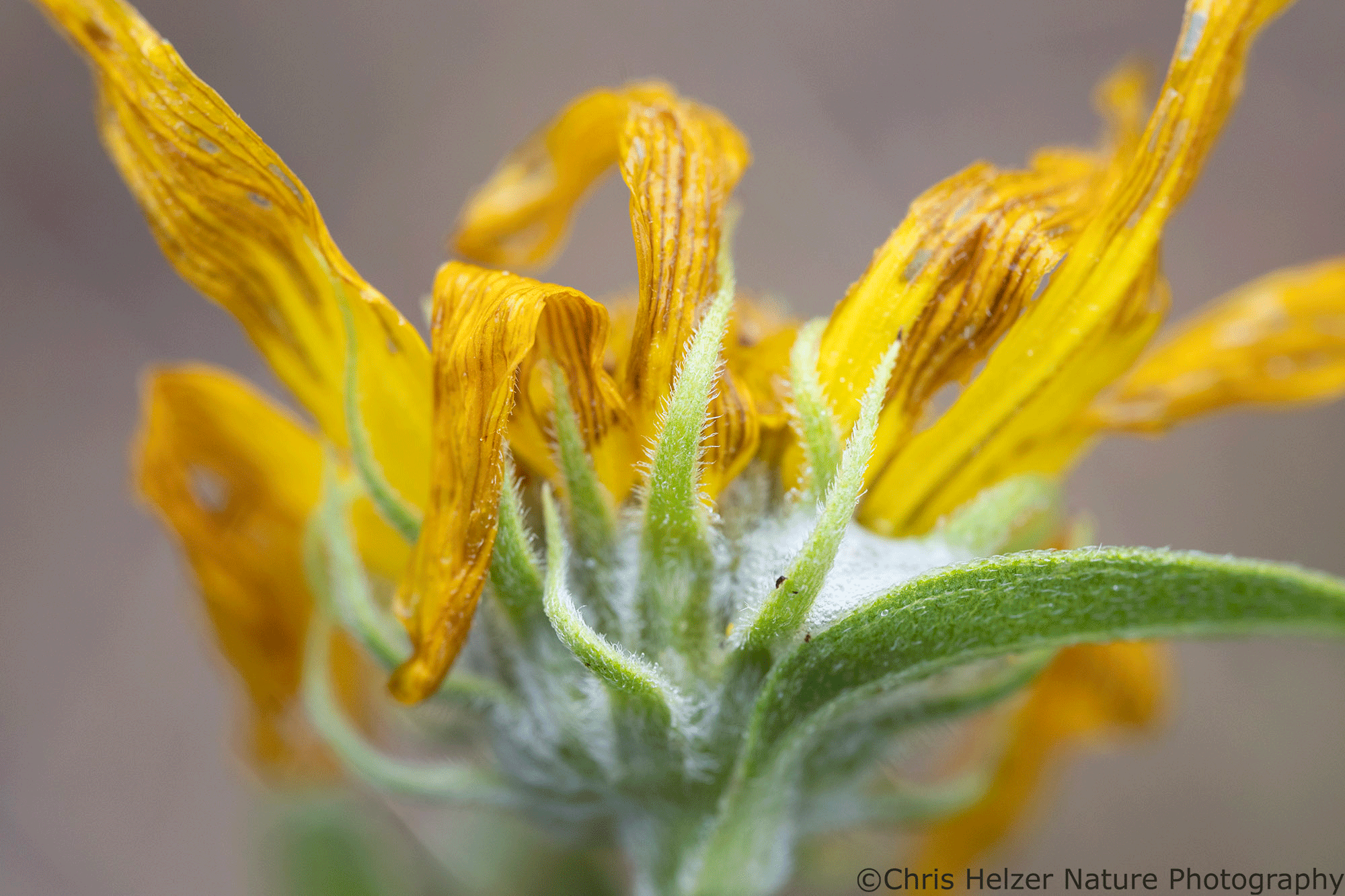
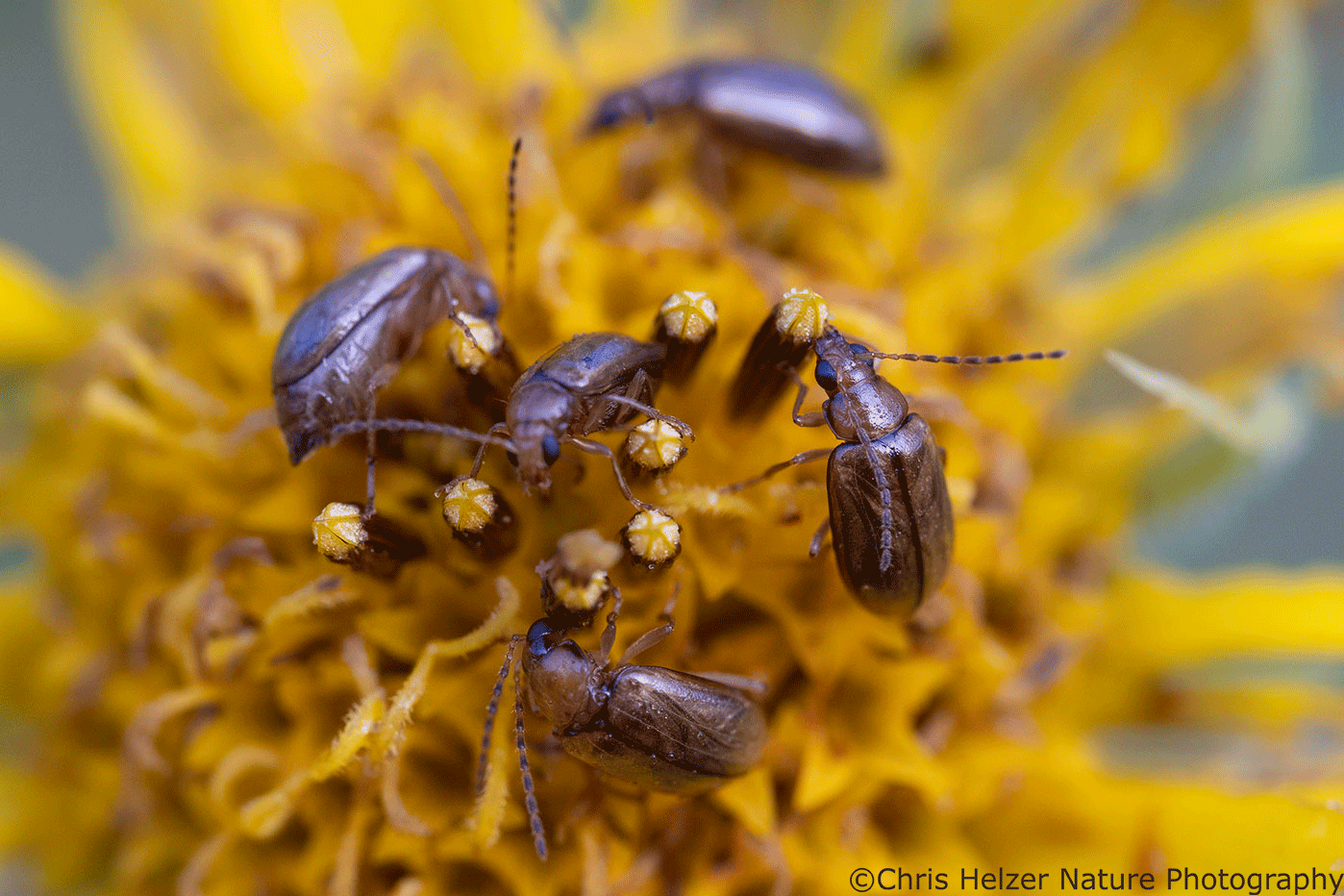
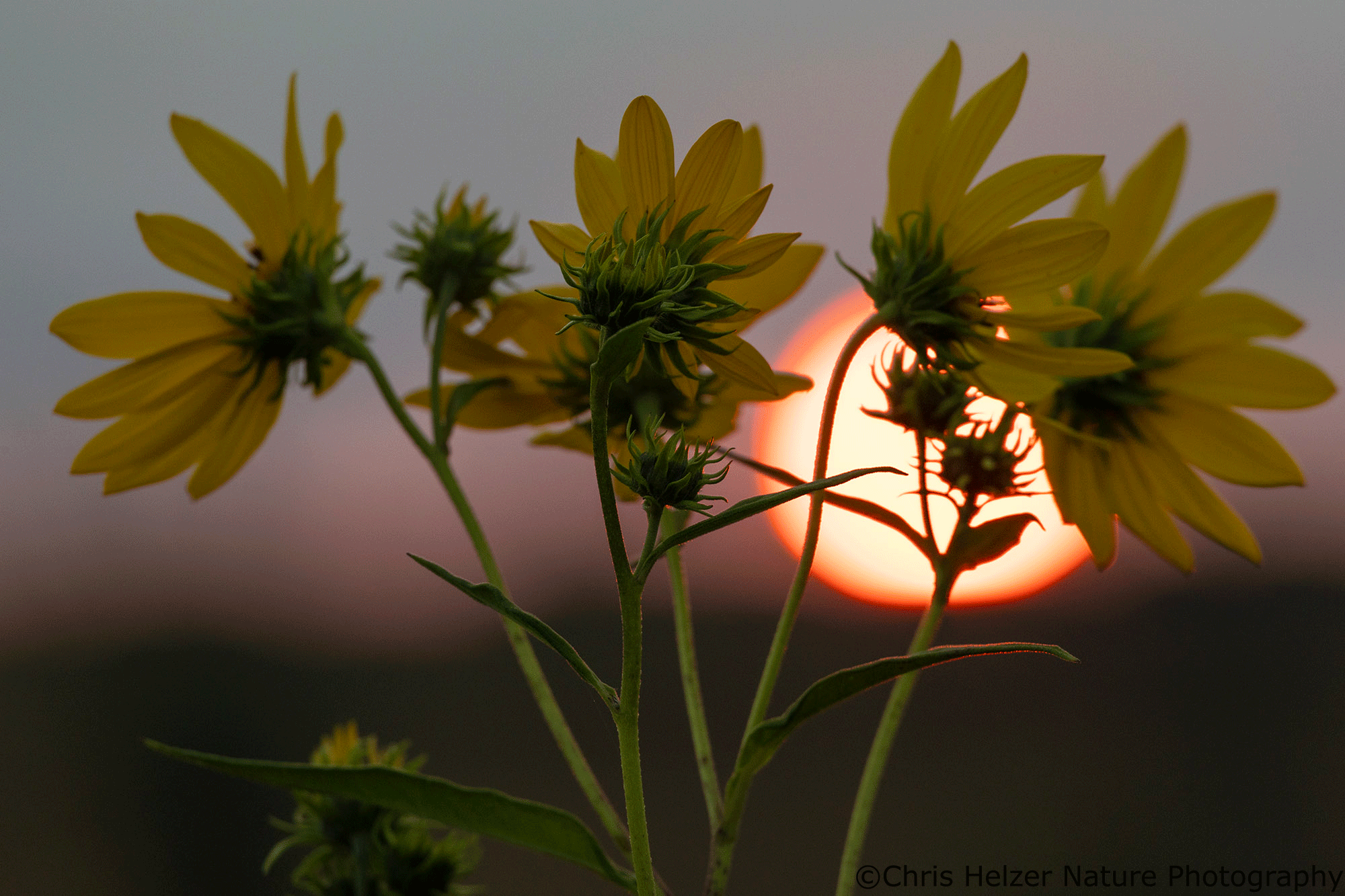
Sunflowers have been done blooming for a couple weeks now. It was fun while it lasted, but there was also a lot of beauty in the waning of the flowering period. I took a lot of photos of the sunflowers as they wilted. Here are three examples.


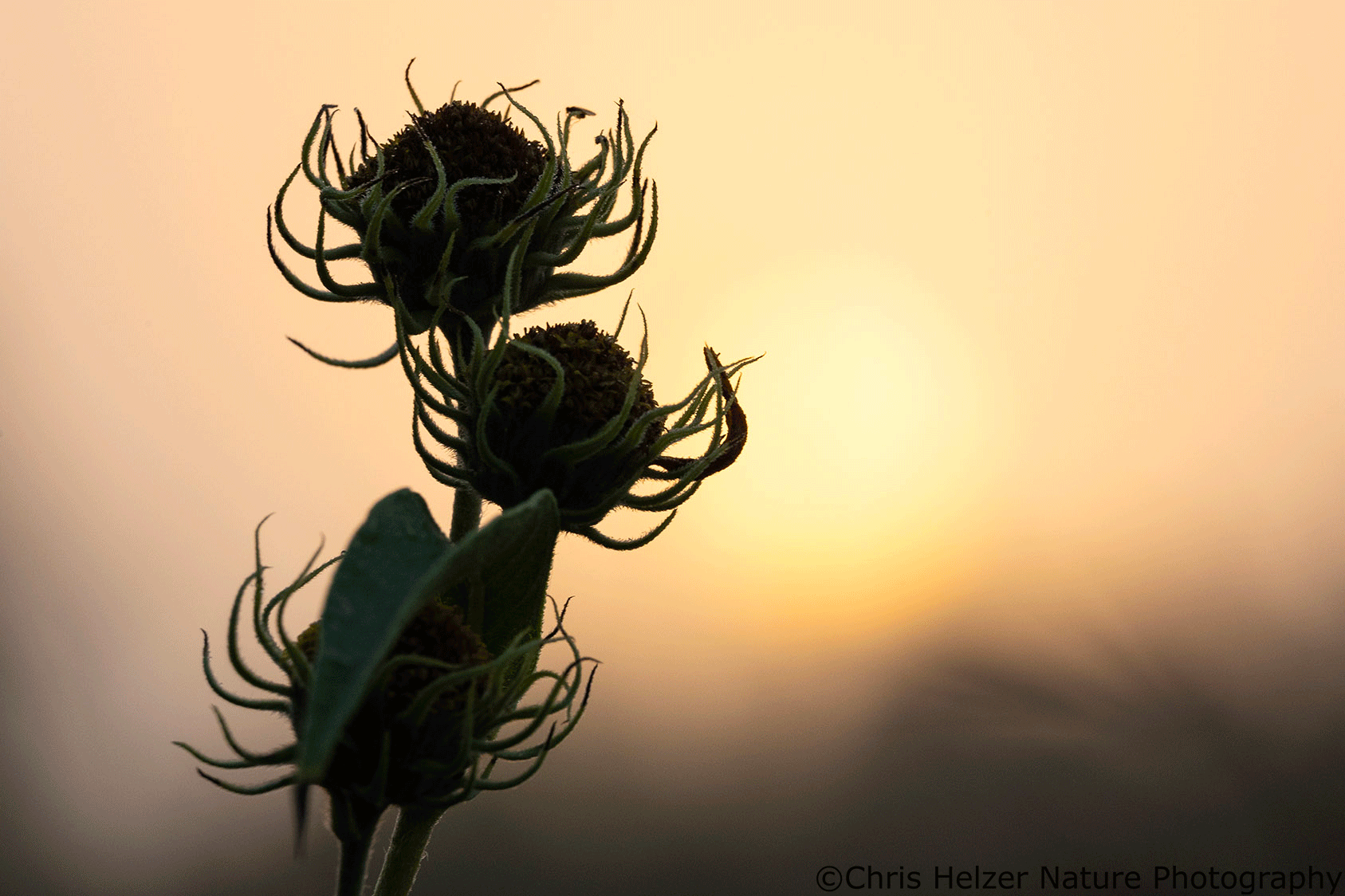
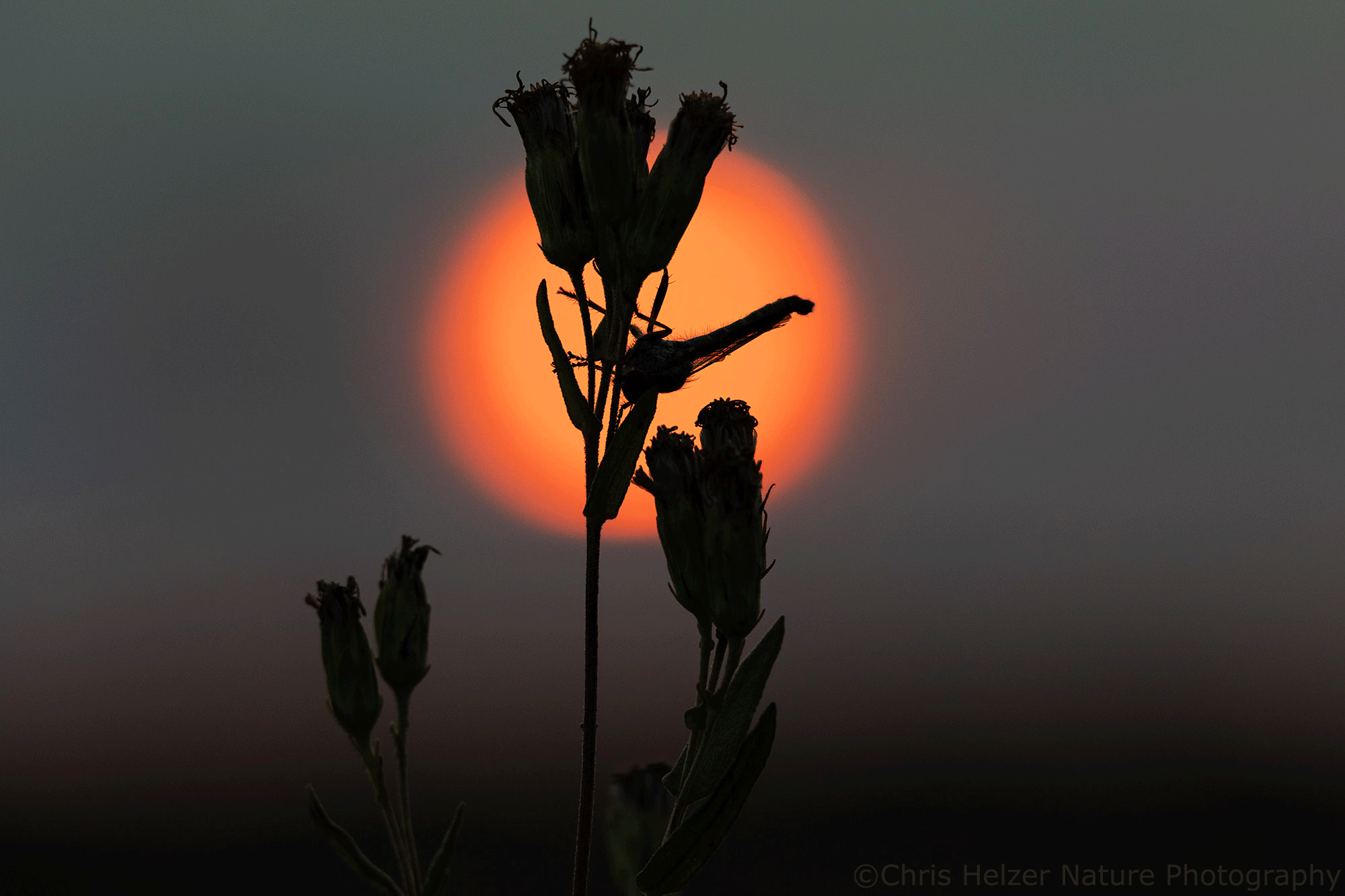
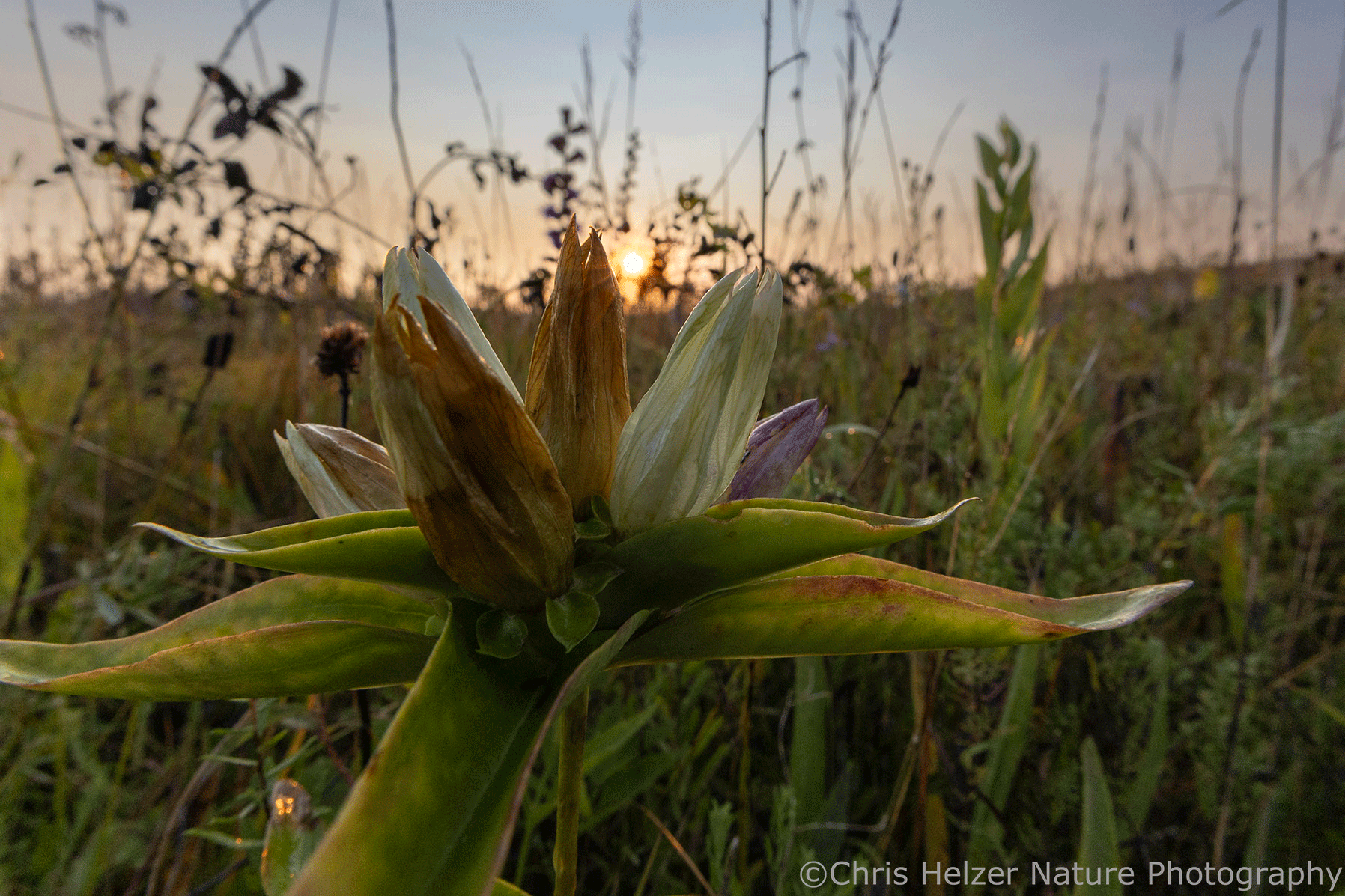
Most of my recent visits to the plot have been in the early morning. I especially enjoy the mornings with a few diffuse clouds along the horizon and calm winds. I have to wait about 20 minutes or so after sunrise before the sun pops over the trees in the distance. On cloudless days, the sun is already pretty bright by that point and my opportunity for good photo light is pretty brief. With some diffuse clouds, though, that period is extended quite a bit.

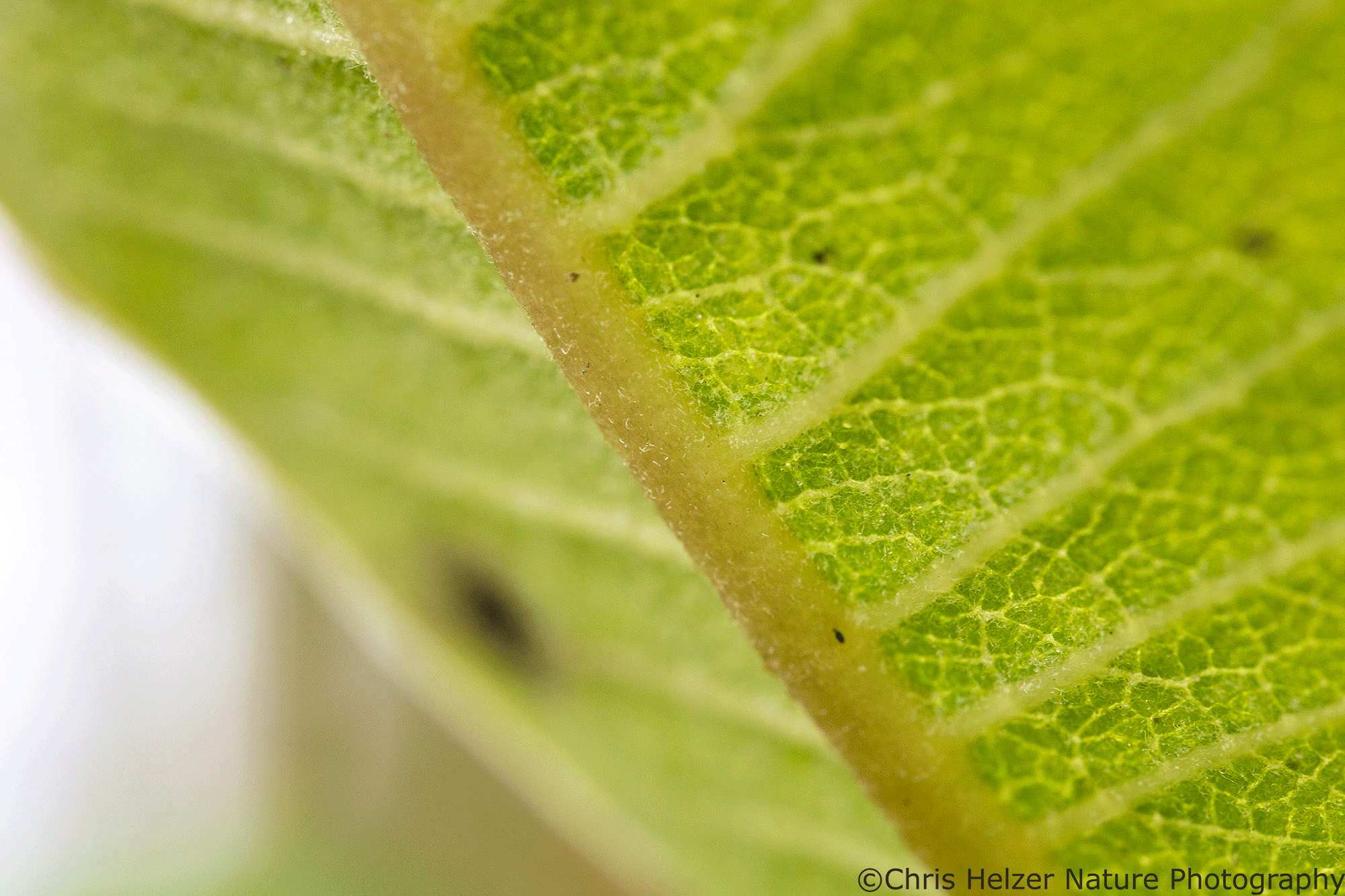
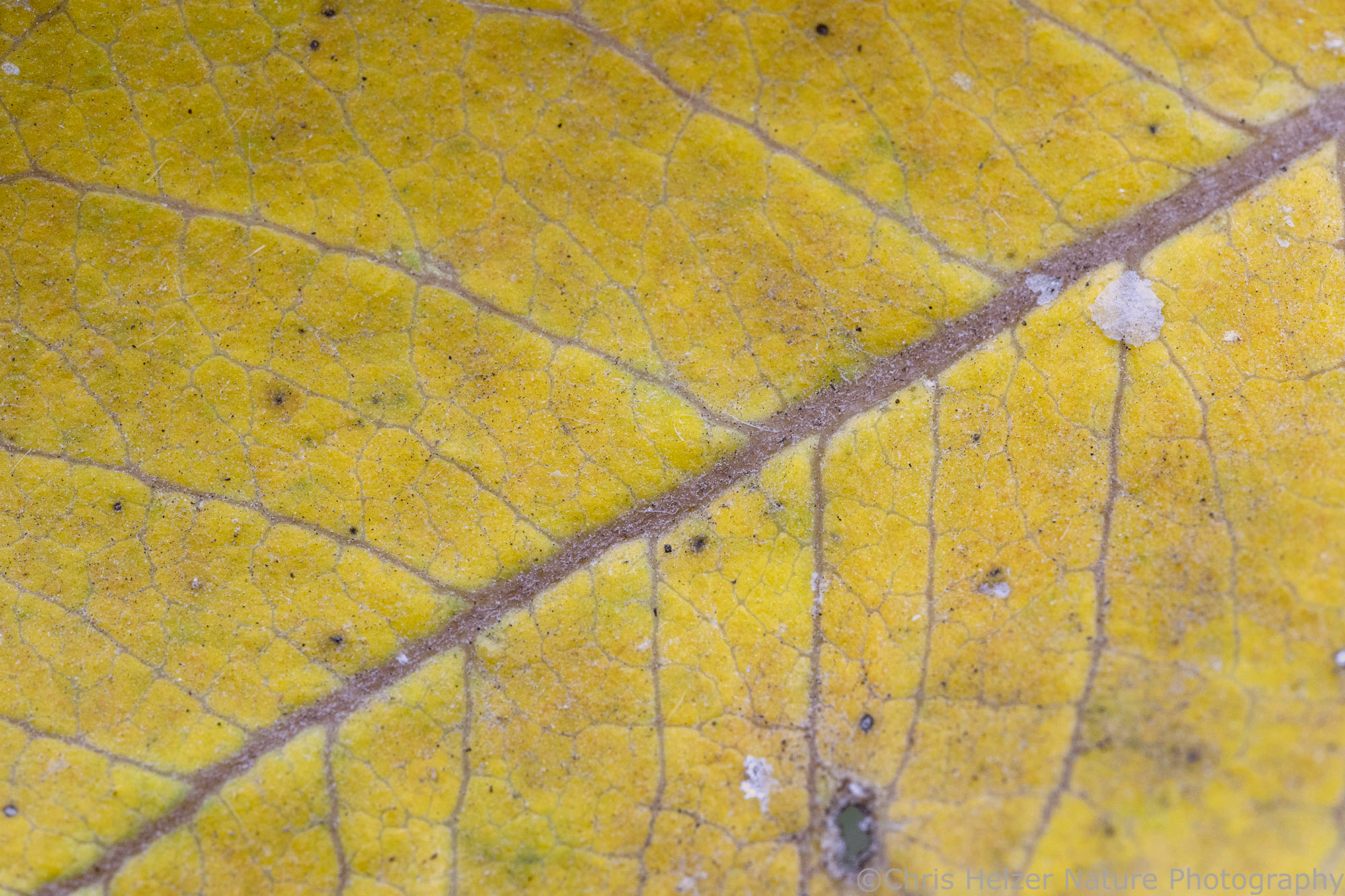
The leaves of wildflowers in the plot have been dropping quickly, starting toward the bottoms of the plants. Maximilian sunflower, butterfly milkweed, and common milkweed, especially, have been self-pruning themselves. That’s changed the appearance of the plot substantially, making it a lot easier to see into and through the lower portions of the vegetation.
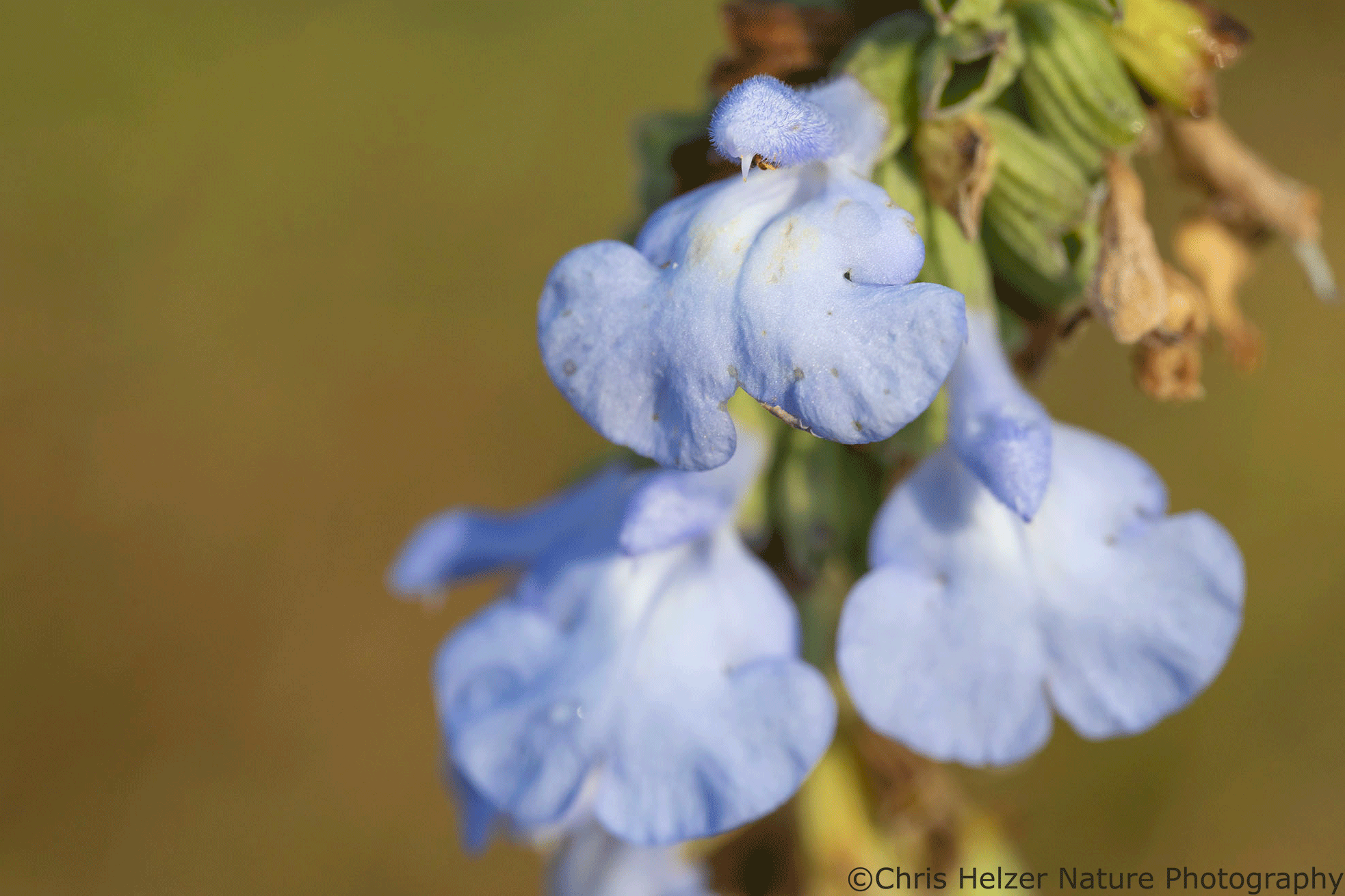
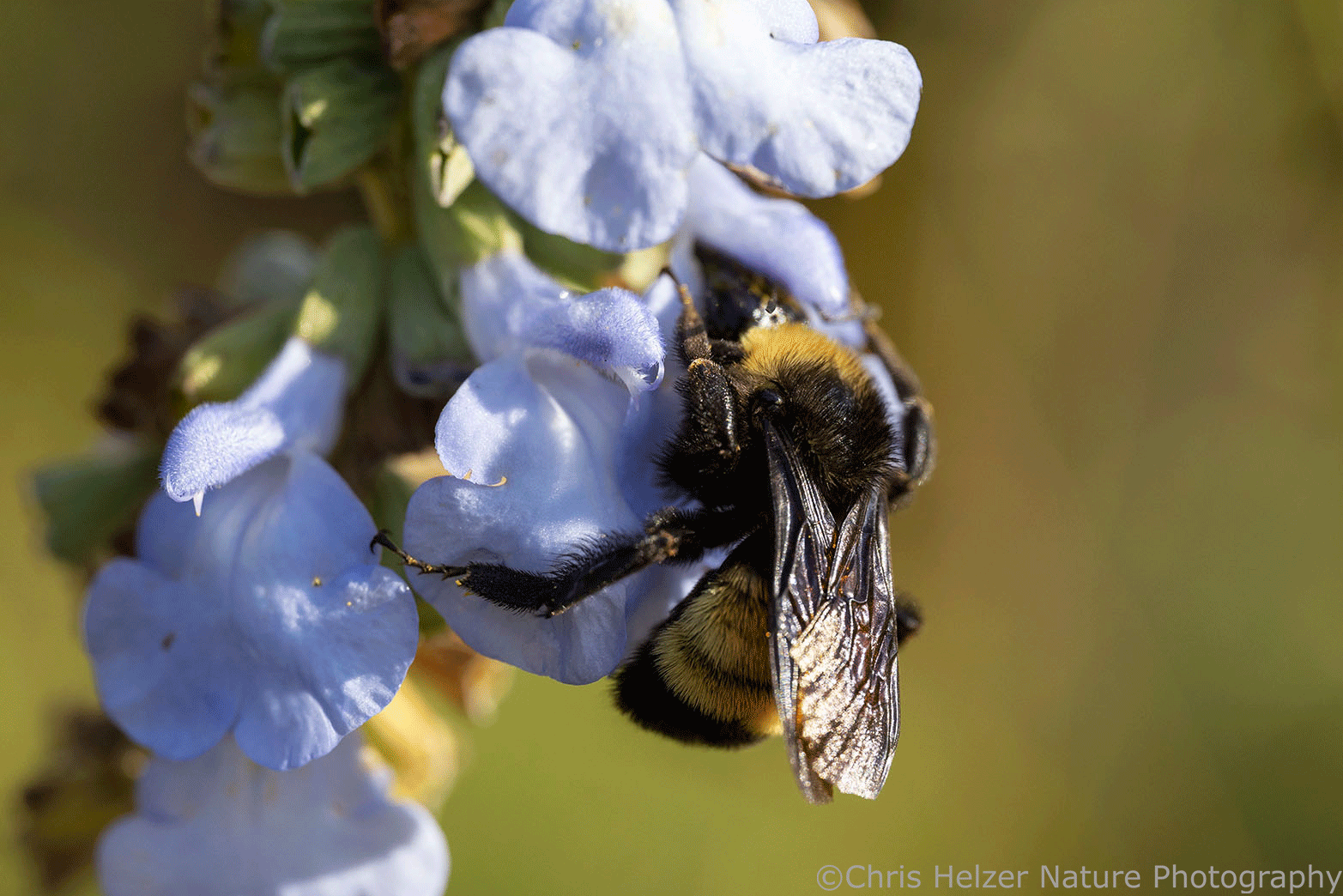
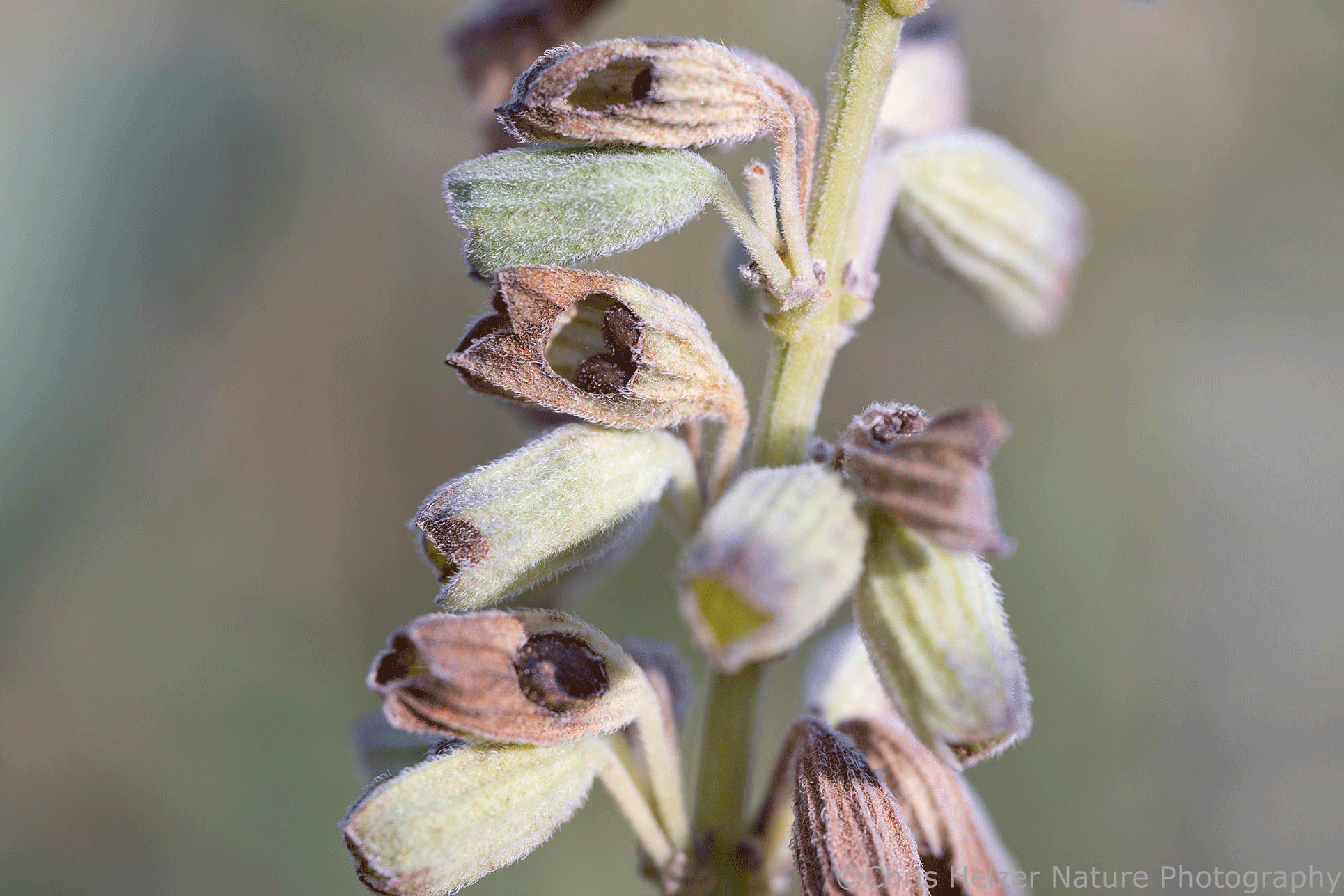
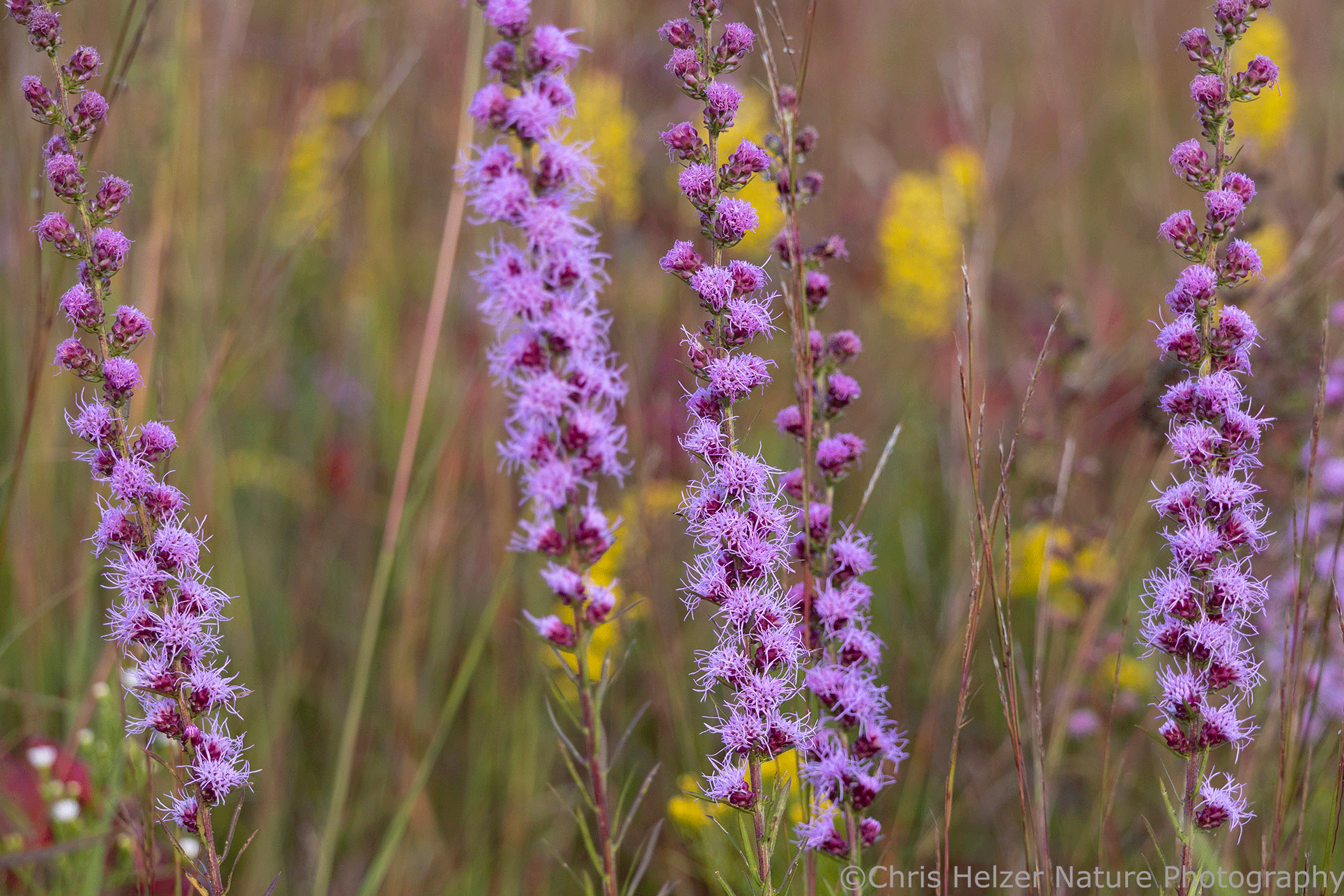
As I said earlier, pitcher sage has been the last flower to continue blooming. It hasn’t drawn as many pollinators as I’d expected, but it sure gets a lot of bumble bee visits. I’ve definitely seen other insects visiting it, including a sphinx moth that comes well before there’s enough morning light to capture any photos of it. I still haven’t photographed an adult butterfly in the plot this year, though, and I figured pitcher sage would have given me my best chance. There was a week or two when monarchs were abundant on pitcher sage nearby, but I never saw one come to my pitcher sage.


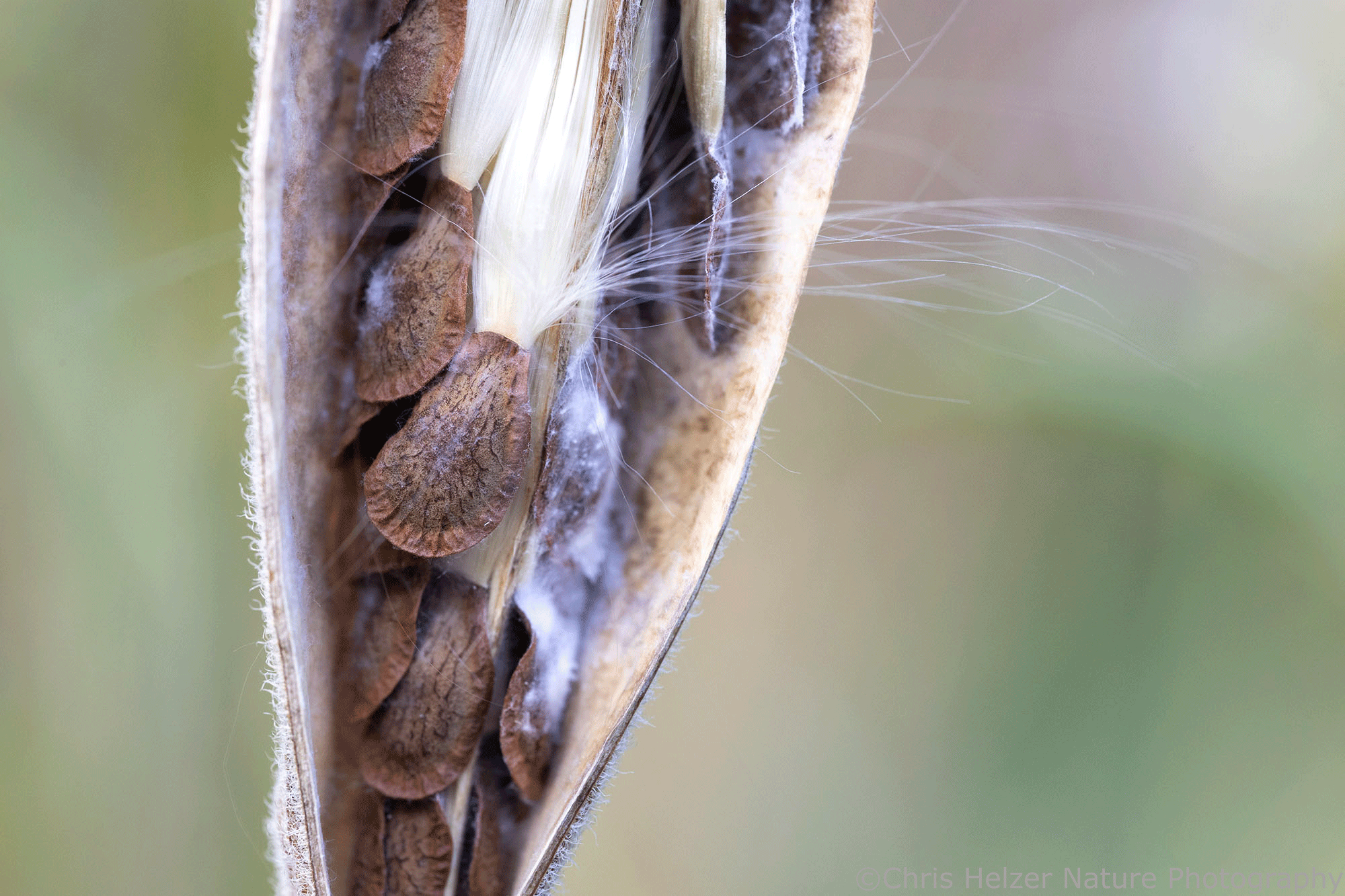
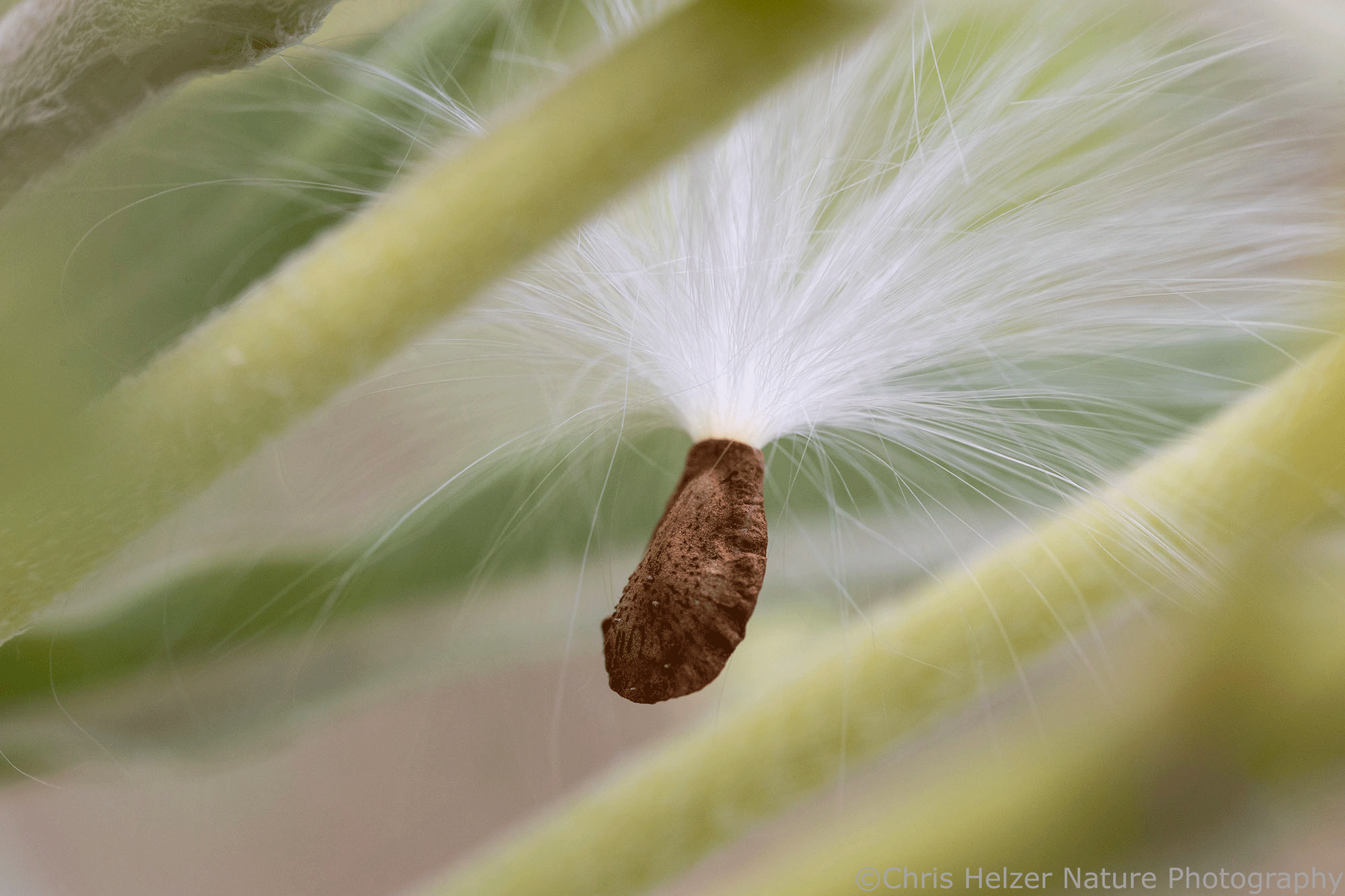
Butterfly milkweed is producing a lot of seeds in my plot this year. That’s a stark difference between this year and my initial attempt at this project in 2018. In that first year, only one seed pod was produced, so every seed was precious to me and I worked hard to photograph as many as I could.
This year, I’m still enjoying all the seeds, but there are a lot of pods and a lot of seeds, so I worry less about when a particular pod might open and release its contents. My next collection of images (not part 2 of this post, but the one after that) will probably have a lot more milkweed seeds featured in it. This last week of September and the first week of October looks like they’ll be the peak time for those seeds.
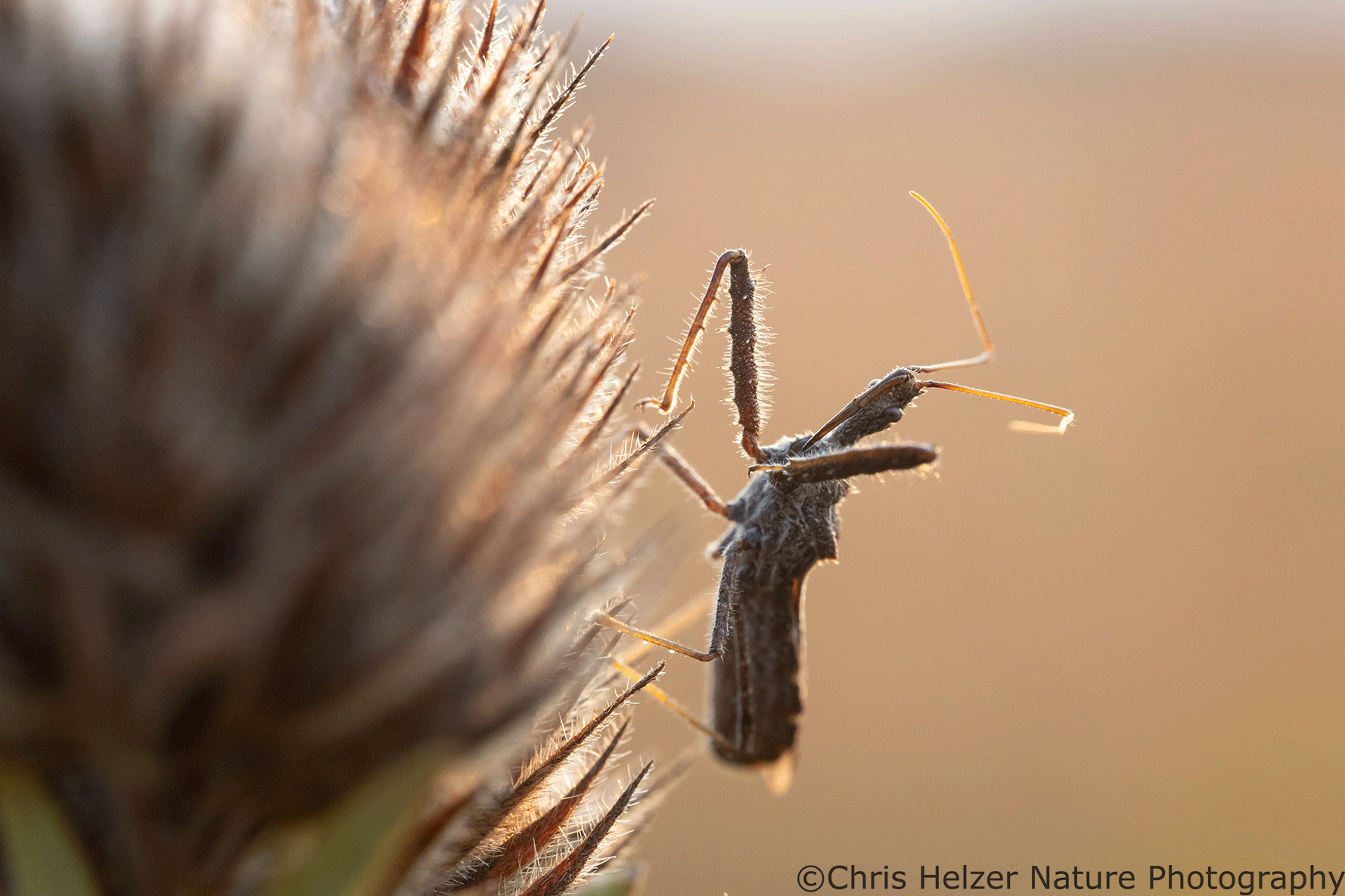
Invertebrate activity has dropped off significantly in the last few weeks. There’s always something moving around during my visits, but I’m not seeing the kind of frenetic activity I experienced when the sunflowers were still yellow and morning temperatures were warmer. That’s ok. It gives me time to do more thorough searches and to spend a little more time with each little creature I find. You’ll see the results of that in part 2 of this post.
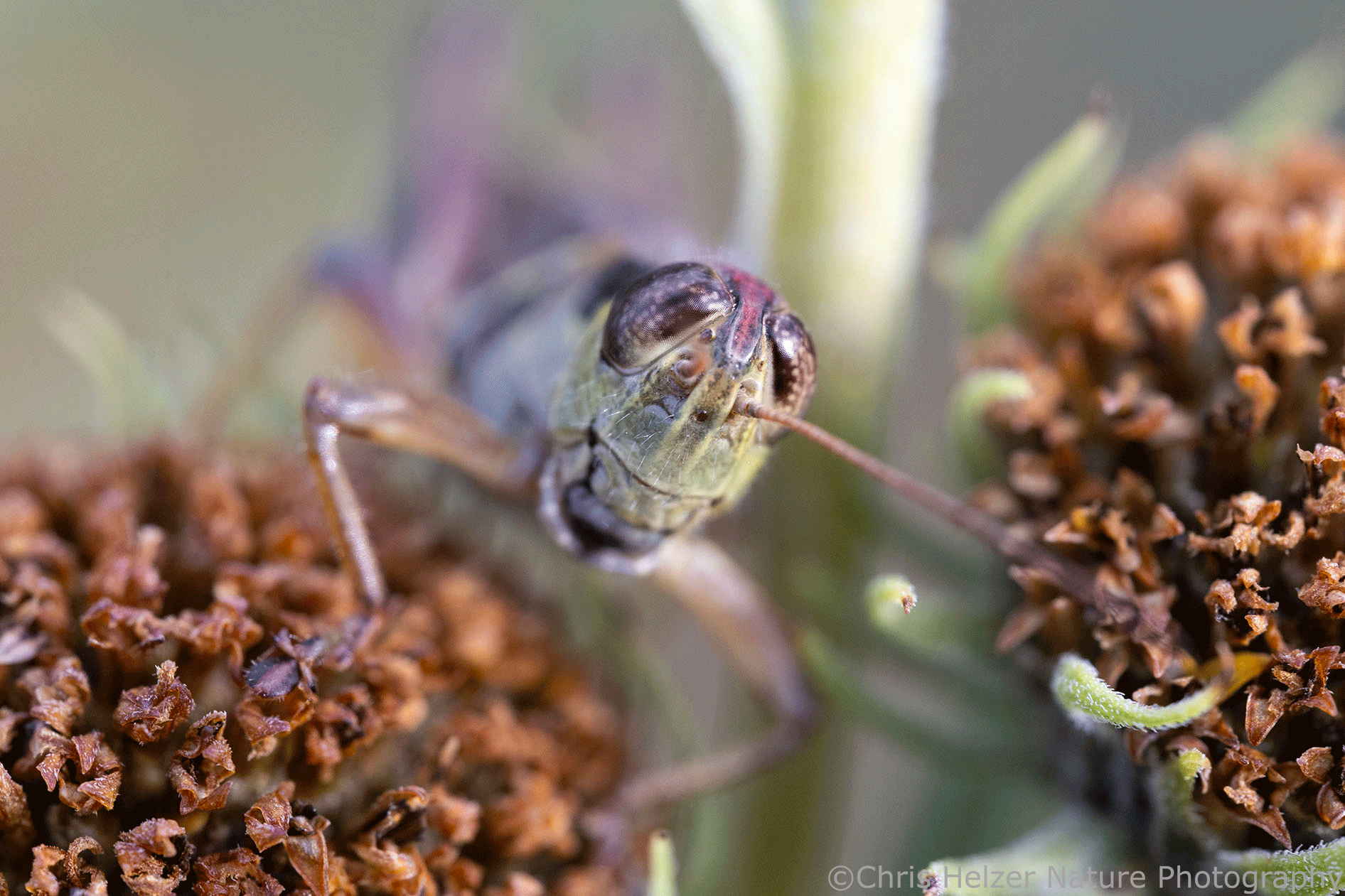


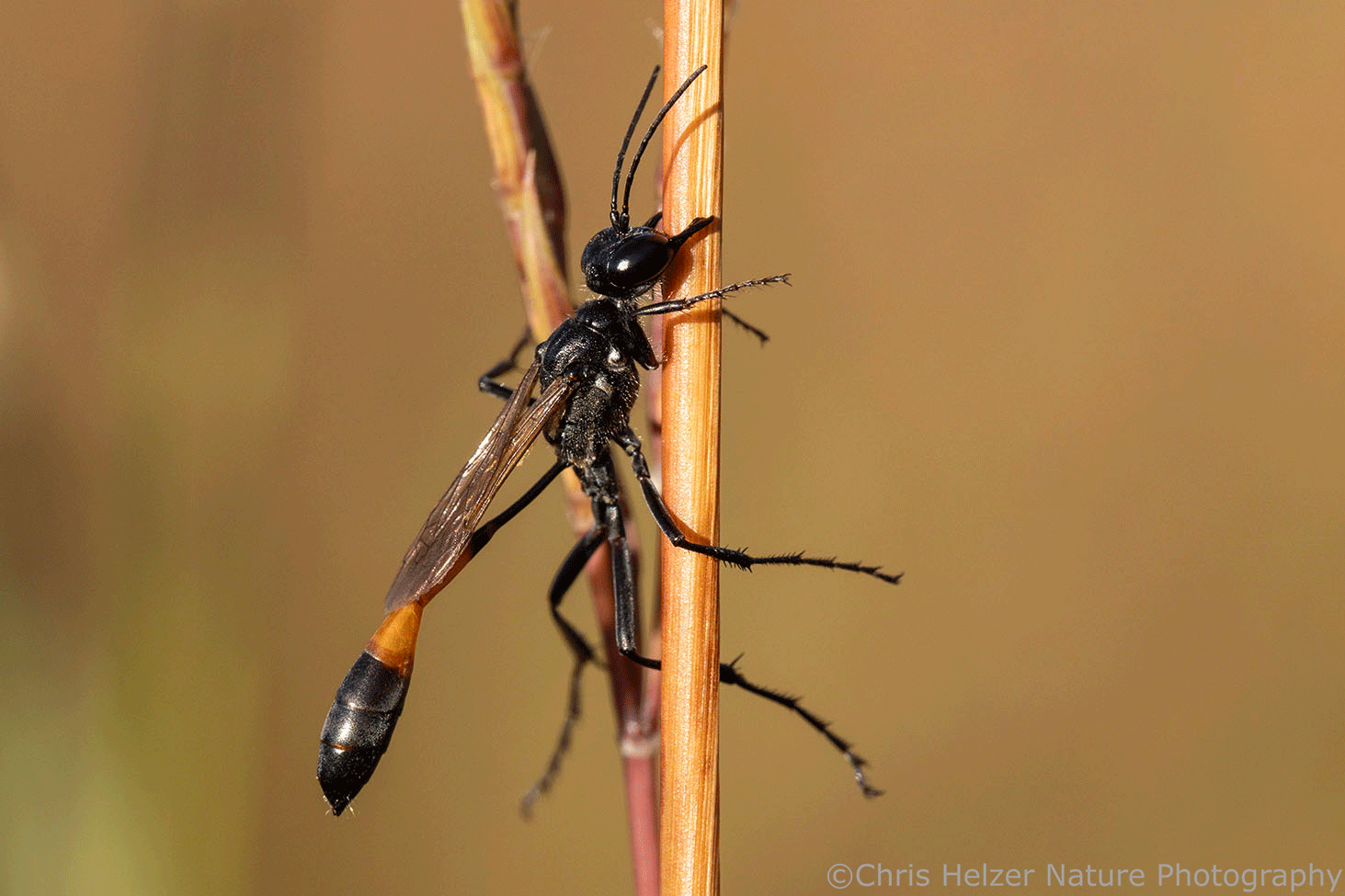

So far, I’ve got about 2,400 good quality images from this project. About 350 were taken during the Sept 8-25 period covered by this post. That doesn’t include the many thousands more that I took that were blurry, too bright/dark, or just not as good as the versions I decided to spend time working up and storing.
In terms of the species I’ve photographed in the plot, I’ve creeping very close to the 300 mark. I might already be there, but I still need to find some help separating species from each other among the flies, leafhoppers, and other groups. Being conservative with those identifications, I think I’m at about 288 species right now. Comparing that to the 113 I photographed in 2018, I feel pretty good, though there are a few near misses I’ll think about for a long time.
Ok, stay tuned for part 2 of this post coming soon! Get out there and explore a little bit of prairie (or whatever bit of nature you can) near you!










 The Prairie Ecologist