
Quickly, for those of you who might be proximate and/or interested, we will be hosting another public field day at The Nature Conservancy’s Platte River Prairies this summer. On July 13, 2024, we will have our staff and a number of guest presenters on hand to lead hikes and give presentations on a variety of topics. At a minimum, we’ll have some live reptiles you can see up close, a demonstration of small mammal live trapping (for research), and opportunities to explore and learn about prairies, prairie restoration, land stewardship, and much more. Mark your calendars and watch this space for more details!
Now, to business.
Thanks to Jared Barnes and Rebecca McMackin, this blog was briefly mentioned in a New York Times article last week. As a result, a couple hundred new people have subscribed within the last several days, and others have stopped by to take a look. Even apart from that recent flurry, I’m continually surprised and gratified by the number of new readers who find and subscribe to this odd little digital newsletter.
Since we’ve got a bunch of new people here, I thought it might be helpful to provide a brief explanation of what you’ve signed up for. I say brief, but it’s a little difficult to summarize this blog in a few words. I’ll try anyway. Perhaps some long-time subscribers can add their descriptions and thoughts about the blog in the comments section (which continues to be a startlingly and gratifyingly positive environment for discussion.)
At the end of this post, I’ve also included links to some earlier posts that provide examples of the kind of content you can find here.
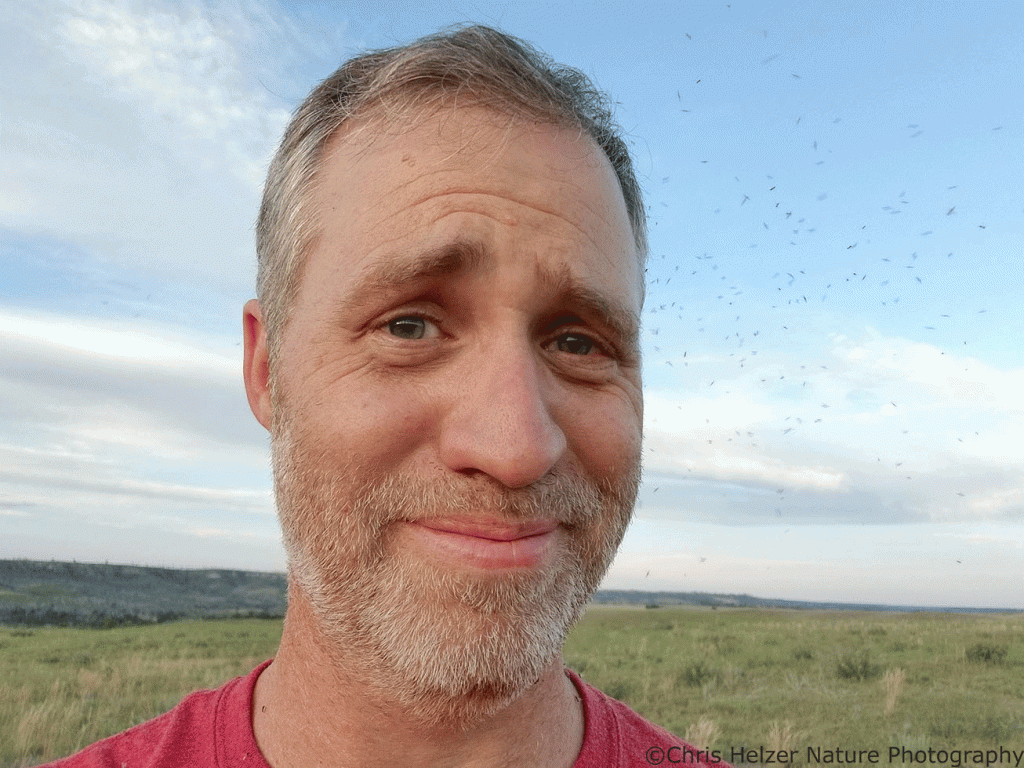
First, a quick introduction of myself. I’m the Nebraska Director of Science and Stewardship for The Nature Conservancy. I started with the Conservancy in 1997 as a land steward along the Central Platte River and in other sites in eastern and south-central Nebraska. Over time, I’ve continued my involvement in (and passion for) land stewardship, but have become more active with science and communications work as well.
I also own and manage 160 acres of land, including about 110 acres of prairie, that I’ve inherited/bought from other members of my extended family. That land is about 12 miles south of my home in Aurora, Nebraska. The Helzer Family Prairie, in addition to land at The Nature Conservancy, makes up the backdrop for a lot of my photos and writing. I have a long relationship with those grasslands and they continue to teach me amazing lessons.

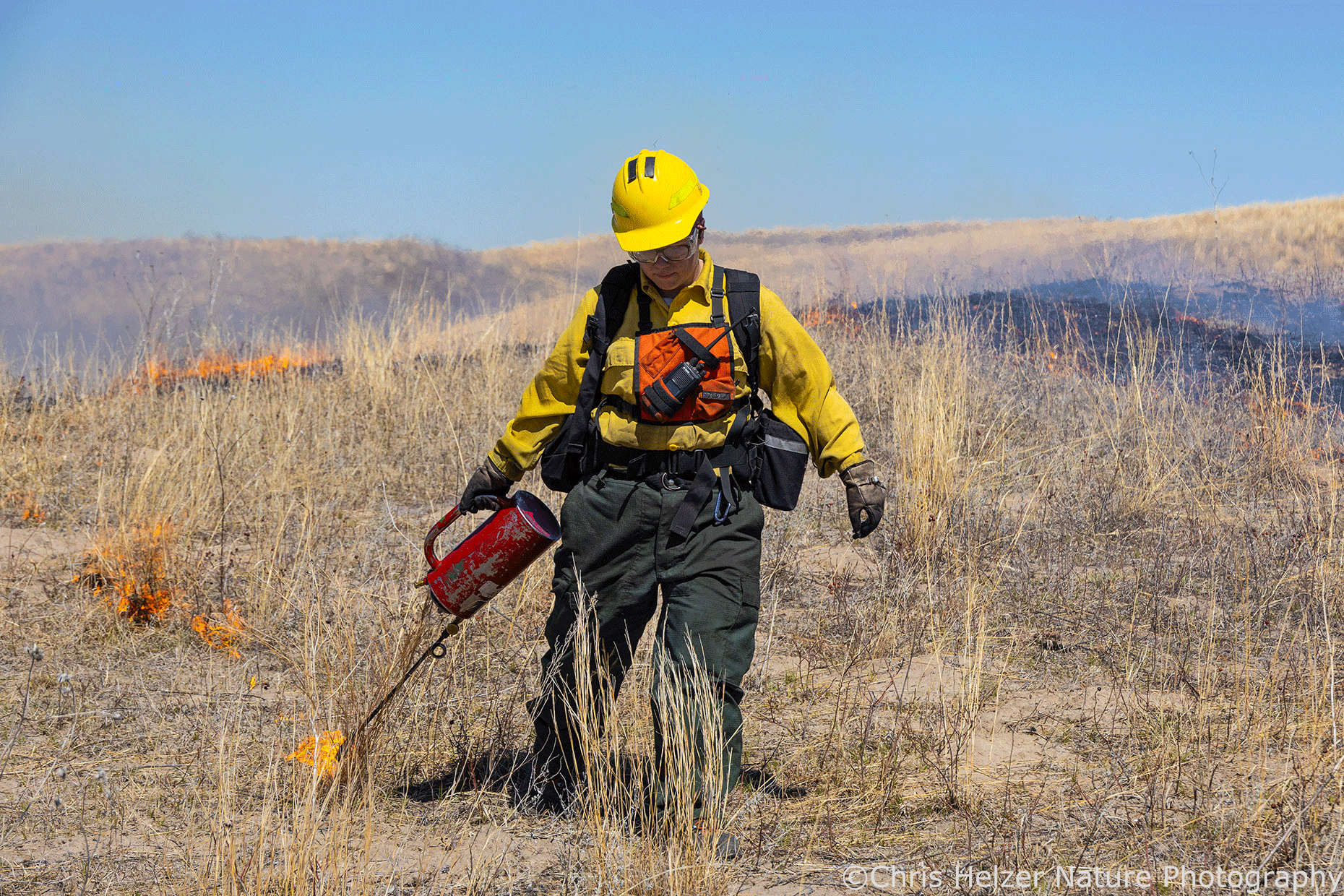
These days, I supervise The Nature Conservancy’s stewardship staff at the Niobrara Valley Preserve and Platte River Prairies. I also conduct and collaborate on research projects related to prairie stewardship and ecology and help evaluate the stewardship work done by our staff. We try to take a very experimental approach to that stewardship work – developing and testing new ideas that push boundaries and help us learn. Finally, I spend a lot of time sharing the lessons from those experiments, through field tours, presentations, writing, and photography.
I wrote a book on prairie ecology and management back in 2009. By the time it was published, I already had a lot of new ideas and information, but no way to add them to the book. I also found it frustrating that I wasn’t able to engage with readers of the book so we could trade thoughts and learn from each other. As I talked to friends about that frustration, several people suggested I should start a blog. I’d never read a blog and barely knew what one was. In spite of that, I started this blog in September of 2010.
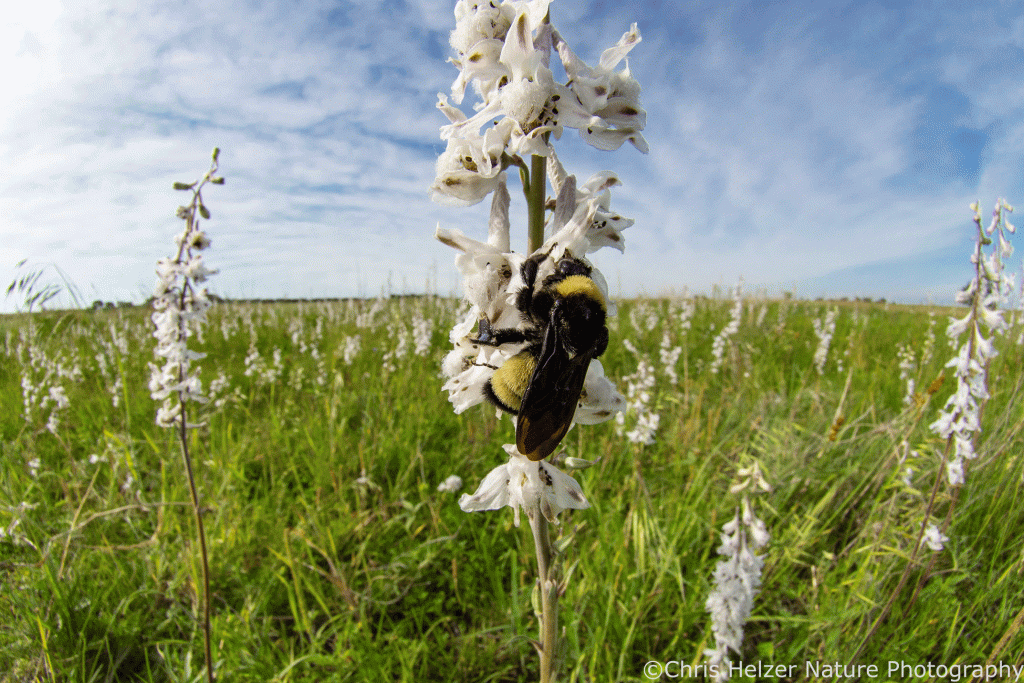
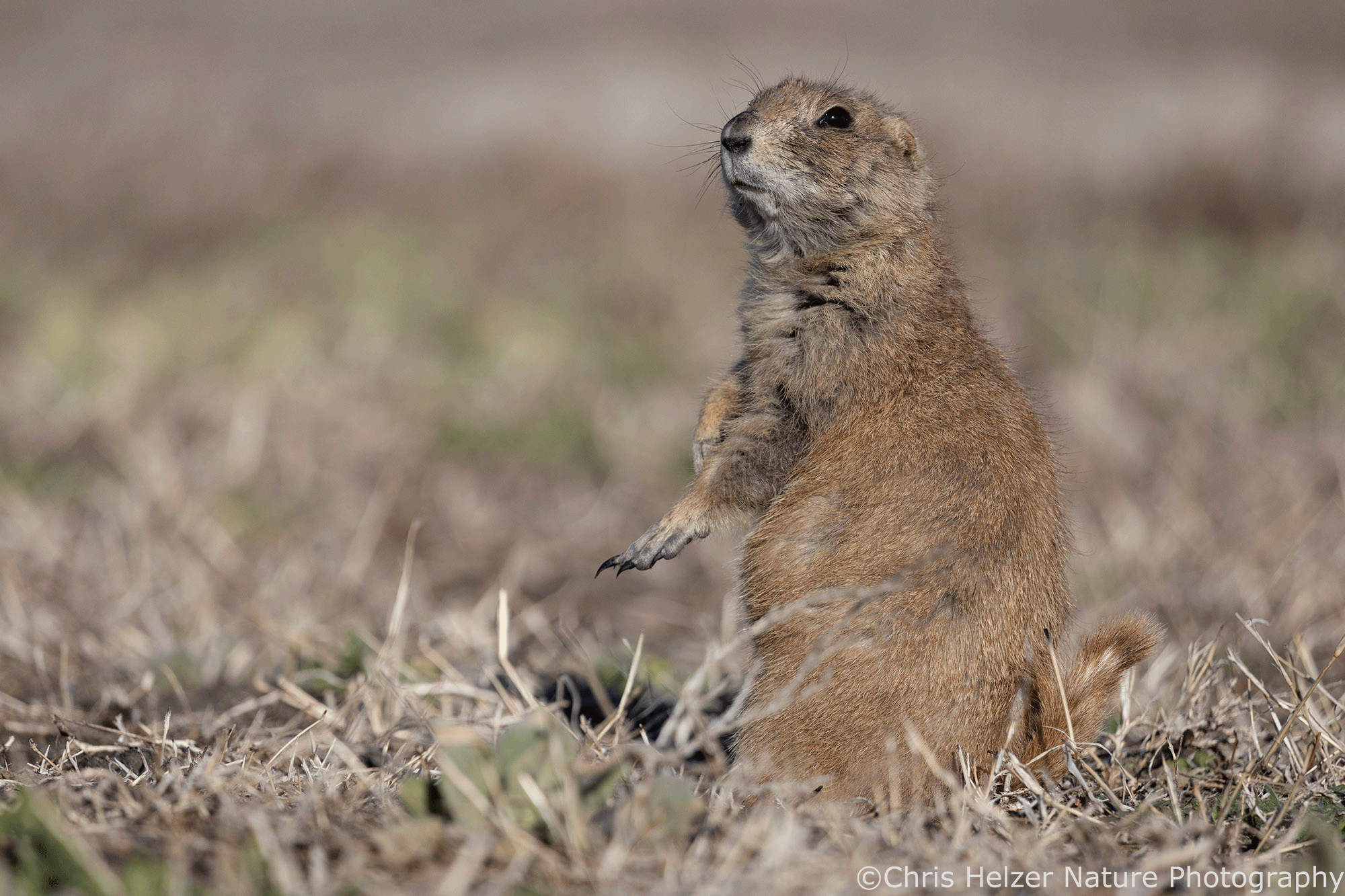
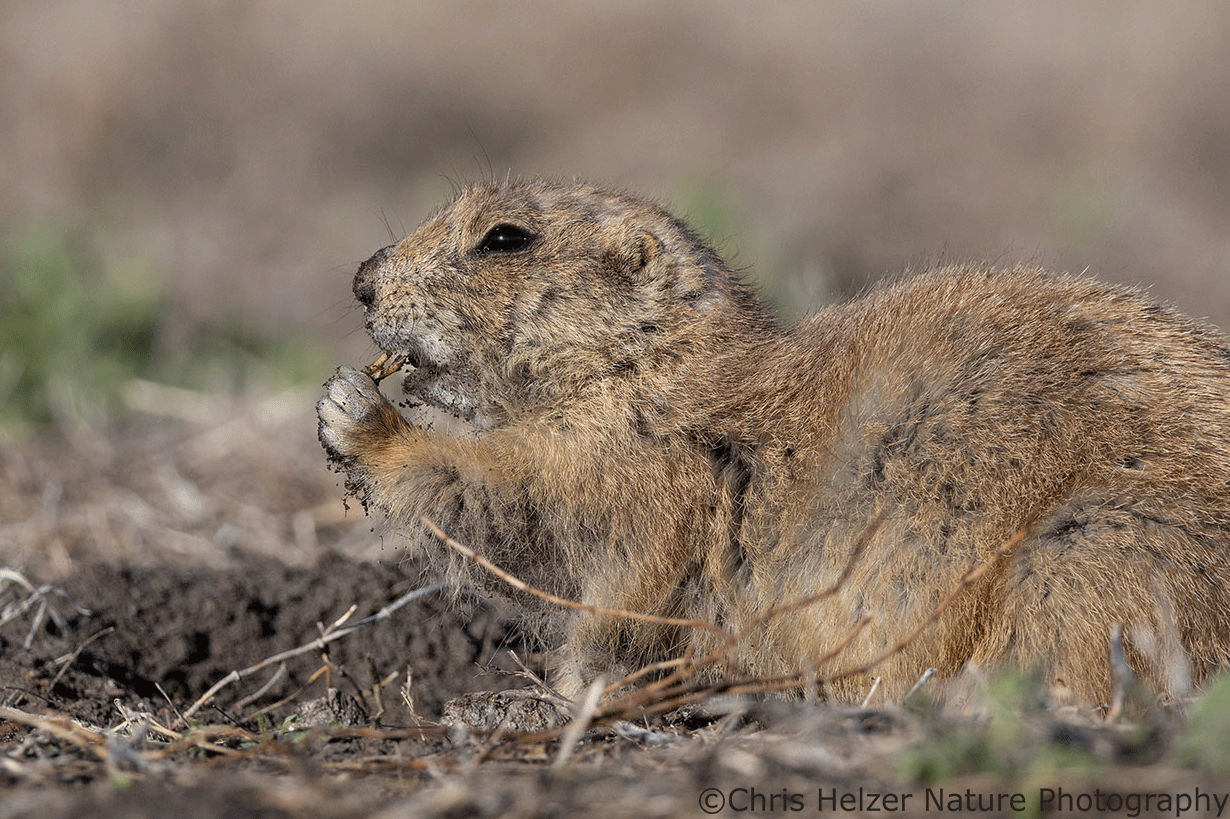
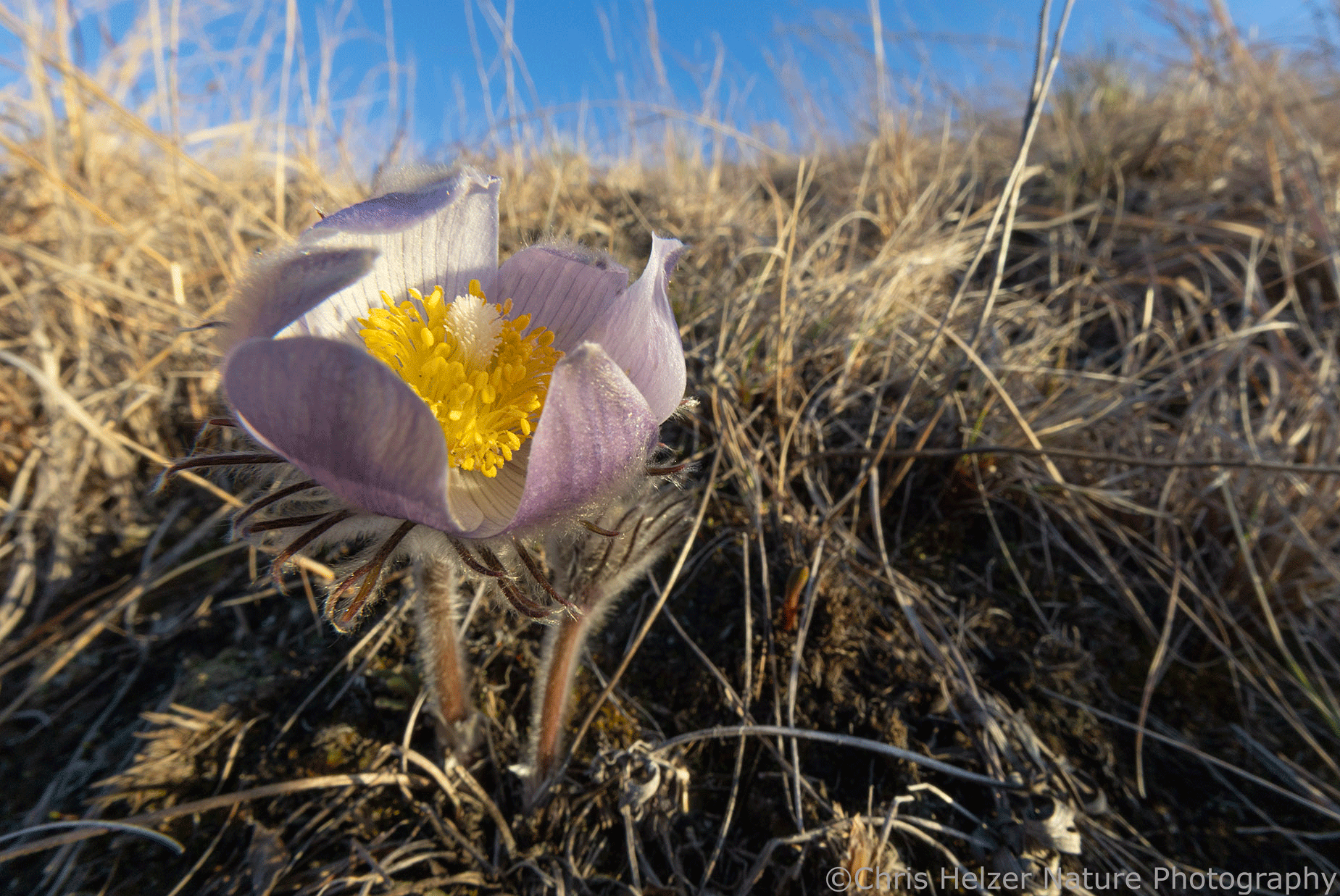
As I see it, the blog serves three purposes. First, it is a way for me to advocate for the beauty and complexity of prairies. Through writing and photography, I try to show people how fascinating grasslands are and why their conservation is important. I don’t focus much on the utilitarian value of prairies (carbon sequestration, food production, and such) because I don’t think that’s the best way to inspire people to support conservation – at least not initially. I’d rather introduce you to the incredible organisms and complex interactions within prairies so you’ll fall in love with them and the habitats they rely upon.
Second, the blog is an important vehicle for sharing the results of the prairie management and restoration projects and experiments we and others are working on. A substantial percentage of readers are landowners, land managers, or others associated with prairie conservation. I present research results, ruminations, and wild ideas related to stewardship and restoration of prairies and hope it inspires others to ask questions, try new approaches, and help us all work together to save grassland ecosystems.
Finally, I write blog posts to entertain myself. Often, other people seem to be entertained by them, too, but that’s honestly just a fortunate by-product. I like to insert humor into most articles, but I will occasionally write an entire post for no other reason than to make myself laugh.
That’s about the long and short of it. Thank you to all you new subscribers. Even more, thank you to those of you who have been here for many years. This blog continues to exist because I’m able to convince my supervisors that it contributes something to conservation. I hope it inspires people to love and support the conservation of prairies. I also hope it is helpfully thought-provoking to all of you working on the land to keep prairies vibrant and resilient.
Please help spread the word about this blog. Notwithstanding periodic mentions in The New York Times and other media outlets, most new subscribers find the blog when readers forward a post to their friends. Keep it up – I really, really appreciate it.
Now, here are some old posts you might enjoy, and that give you a flavor – by topical category – of what this blog contains:
Ecology and Natural History:
.
Land Stewardship and Science:
.
Goofy Humor:






 The Prairie Ecologist