Like many people across North America today, I took a break from my afternoon to view (with safe eclipse-viewing glasses) the solar eclipse. I definitely looked up often enough to gauge the progress of the eclipse, which only reached about 80% coverage here. However, unlike many, maybe even most people watching today’s event, I spent the rest of my time taking photos of butterflies and wildflowers.
An orange sulphur butterfly sheltering from the wind at our family prairie.
It was a bright sunny day at our family prairie prior to the eclipse, which is not good light for photography. But as the moon slid in front of the sun, the intensity of sunlight was reduced enough that I had about 20 minutes or so of pretty decent photo light. What am I supposed to do, waste it? I’m not going to have another chance to photograph butterflies under a (mostly) total solar eclipse in North America for 20 more years!
There were quite a few orange sulphur butterflies hanging around our prairie today. Most of them were sitting on the ground, looking pretty low on energy. It was breezy enough that flight seemed difficult for them, but even so, they didn’t seem to be trying hard.
I don’t think they were mesmerized by the eclipse, but who’s to know? Maybe they were recent migrants, tired from a long flight. Alternatively, (and reasonable, based on their vibrant color), they were freshly emerged from chrysalises. Neil Dankert, a renowned butterfly expert who tolerates my sporadic emailed questions, says the fresh emergence hypothesis is the most likely, but either is possible. Regardless, I was able to slide up close to several of them with my macro lens and get some nice shots..
I did stop and check out the eclipse action now and then. I also took my legally-mandated selfie with eclipse glasses to prove that I wasn’t dumb enough to stare at the sun with naked eyes.
Solar eclipse self-portrait
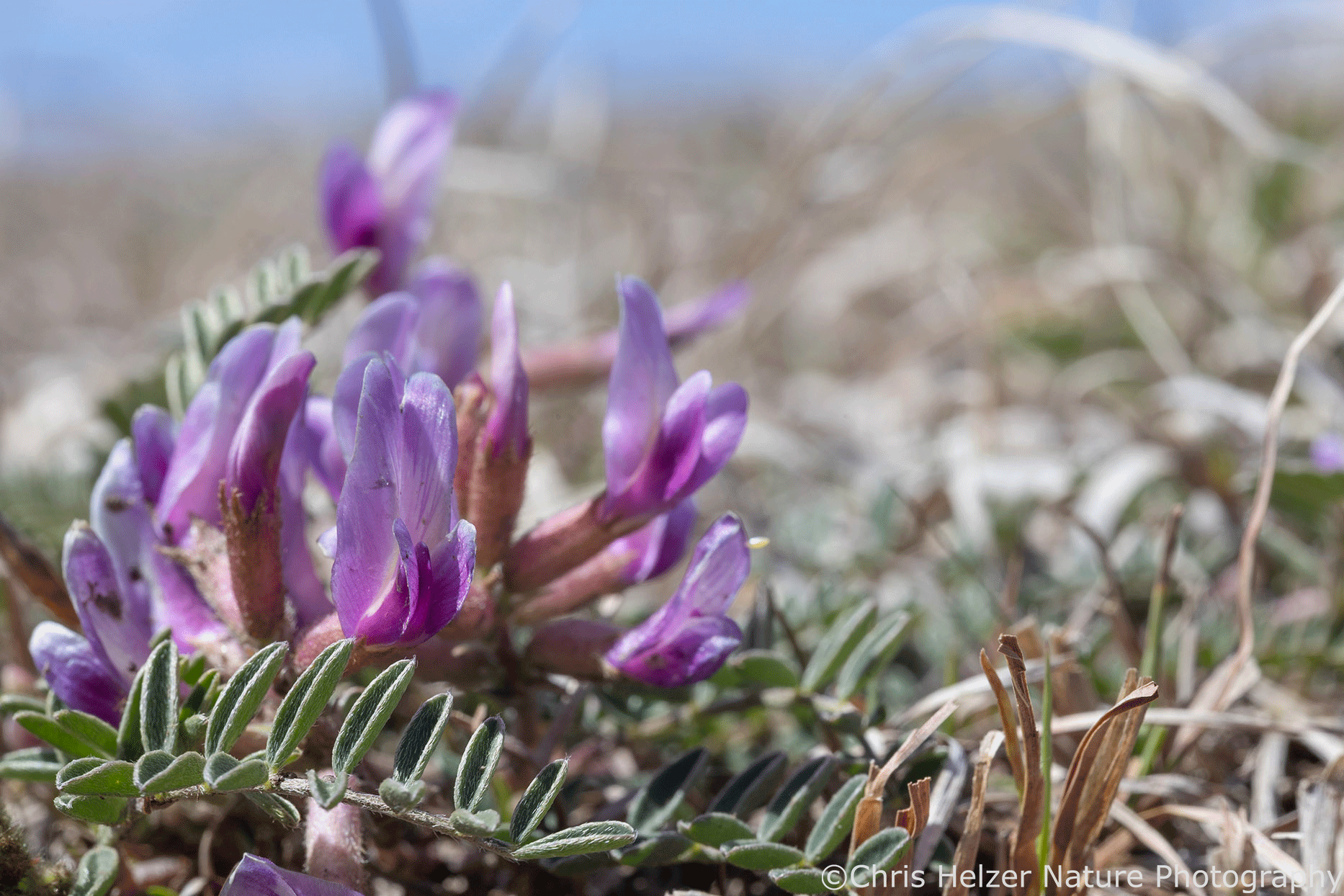
As the moon started uncovering the sun again, I switched my attention to some of the ground plum (Astragalus crassicarpus), which continues to bloom here and there on the drier slopes of the prairie. I expected maybe I’d see some of the sulphurs feeding on the flowers, but no dice. I wonder if they’re the kind of flowers that make all their nectar overnight and run out after the first pass of pollinators of the morning. I tried to look it up online but didn’t find anything. …I didn’t look very hard.
Ground plum, aka buffalo pea (Astragalus crassicarpus).
Welp, this will be my last butterfly-photography-under-mostly-total-solar-eclipse post until at least 2044. I’m sure blogs will be just as popular then as they are now, so you can all wait with baited breath and bells on for that post.
Today’s post covers a lot of ground, but is also a pretty good representation of the current state of spring in Nebraska. There are still hundreds of thousands of sandhill cranes on the Platte River (and there were more than 90 whooping cranes around last week). Simultaneously, spring wildflowers are starting to pop.
I don’t remember many years when I could walk the prairies and see hordes of cranes and blooming wildflowers at the same time. This year, the cranes are being slow to leave and flowers are coming a little early. Does that mean anything? I have no idea. I guess it means a lot of sandhill cranes get to look at pretty flowers before they continue their northward journey. That’s probably nice for them.
This photo was taken a week ago, but is still what the Platte River looks like at sunset this week – a never-ending cascade of cranes coming to their evening roost in the channel.
Two days after I took the above crane photo, I was showing some friends around our family prairie. After they left, I stuck around to photograph wildflowers, which isn’t something I’ve been able to do since last fall. It was like riding a bike, in that I remembered how to do it. (It was also very much unlike riding a bike, in that there was no bike and I was lying flat on the ground. Lying flat on the ground is usually a sign that a bike ride has gone poorly.)
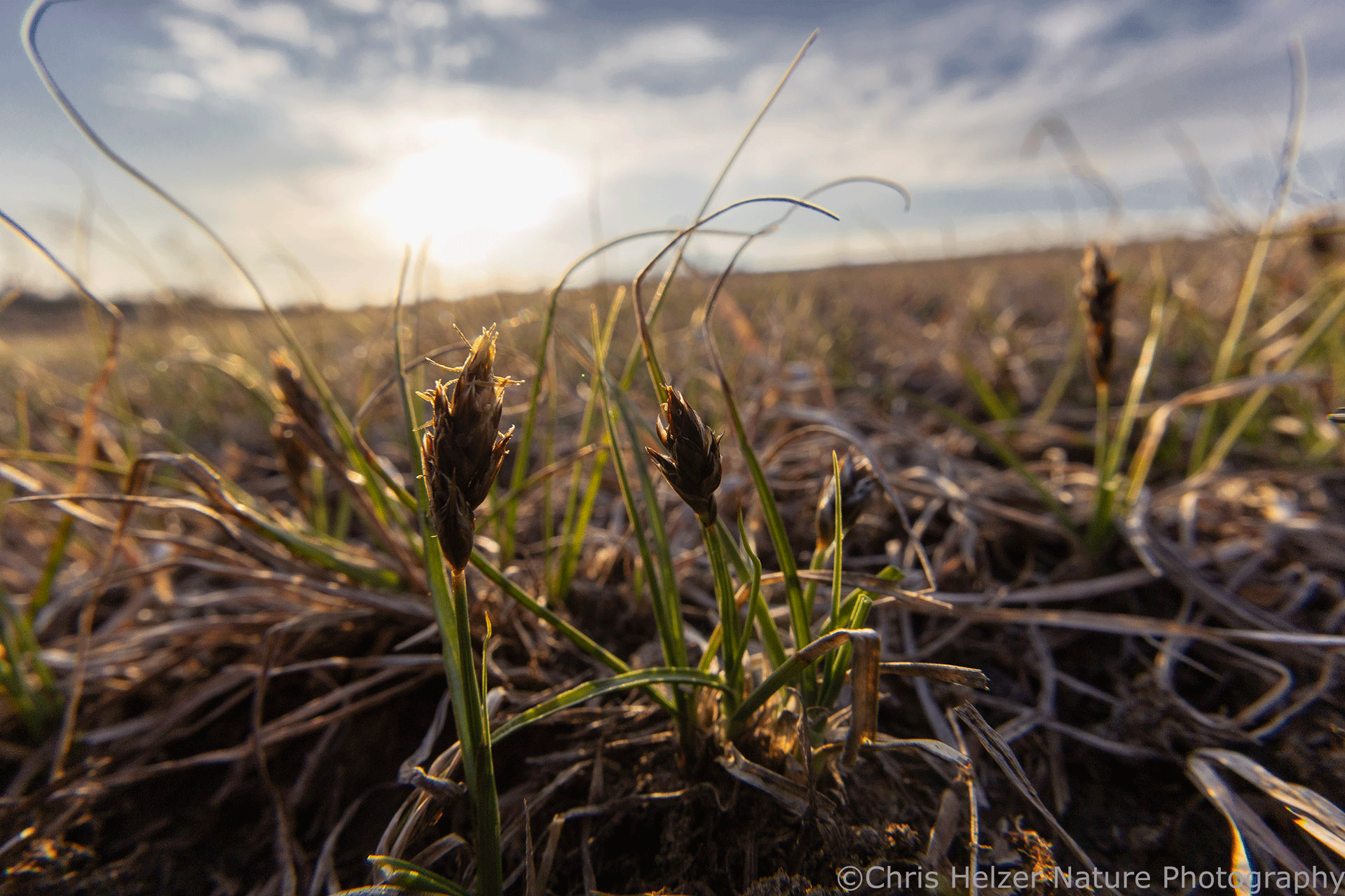
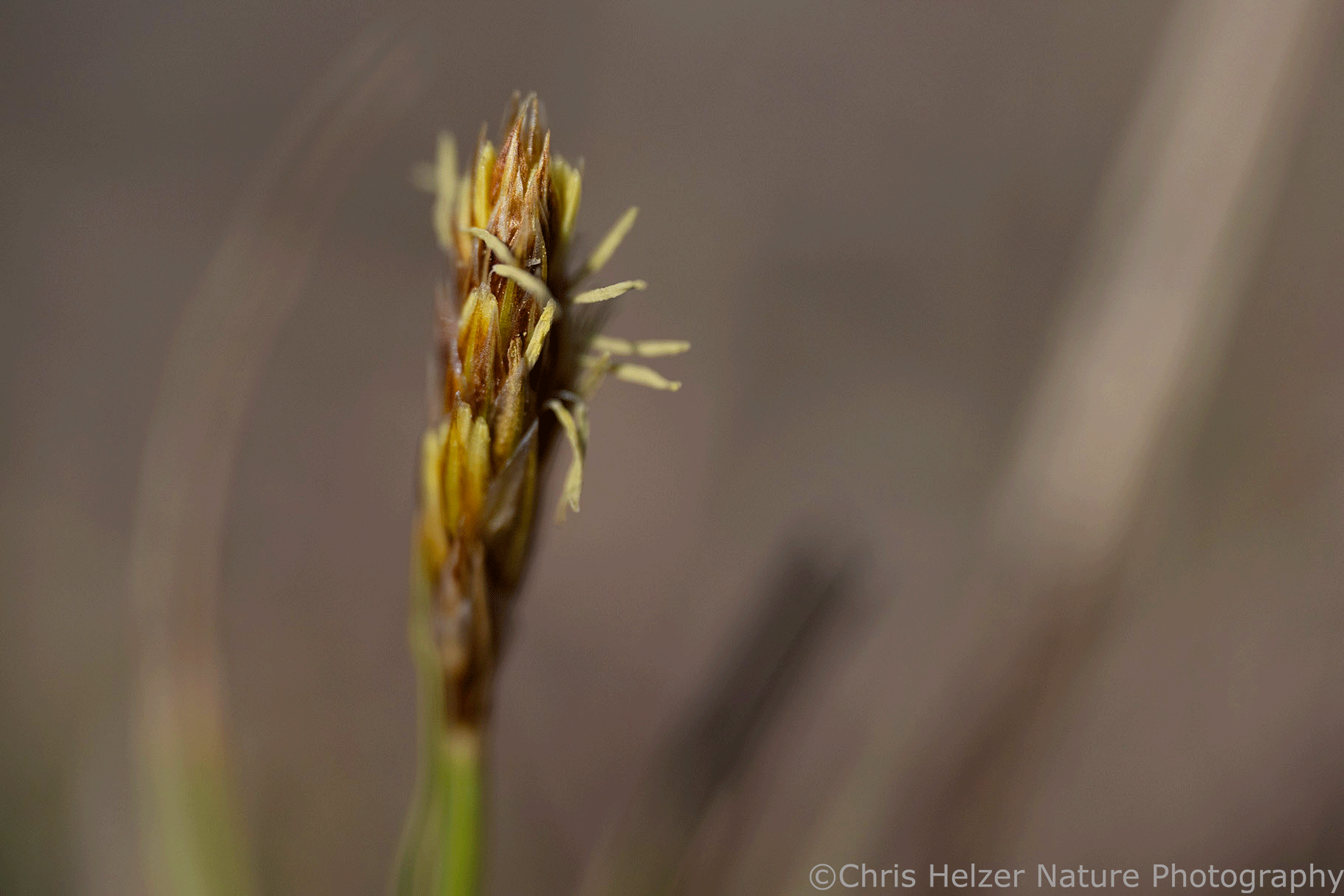
Sun sedge (Carex heliophila) was nearly done blooming already, but still had some anthers hanging on here and there. Here’s a closer look at a flowering sun sedge plant.
As per usual, almost all the first flowers to bloom were found where cattle had grazed the hardest last year. The short-cropped vegetation and patches of bare soil, especially on south-facing slopes, probably facilitated a little warmer soil and more light for early growth. You could argue, of course, that maybe there were wildflowers hiding in the taller grass in other parts of the prairie. You’d be wrong, but you could argue that if it made you happy. The flies, moths, and other early-season pollinators would be on my side of that argument. They were all hanging around in the short grass.
Ground plum, aka buffalo pea (Astragalus crassicarpus) was just starting to flower at our family prairie.
It was nice to try out my new camera gear on some wildflowers, since I transitioned into the mirrorless camera world after the end of last field season. So far, the reports are mostly positive on the new equipment. I’m especially enjoying the Canon RF 15-30mm that lets me focus nearly to the front of the lens and provides some cool perspective photos that include both the flowers and their surroundings.
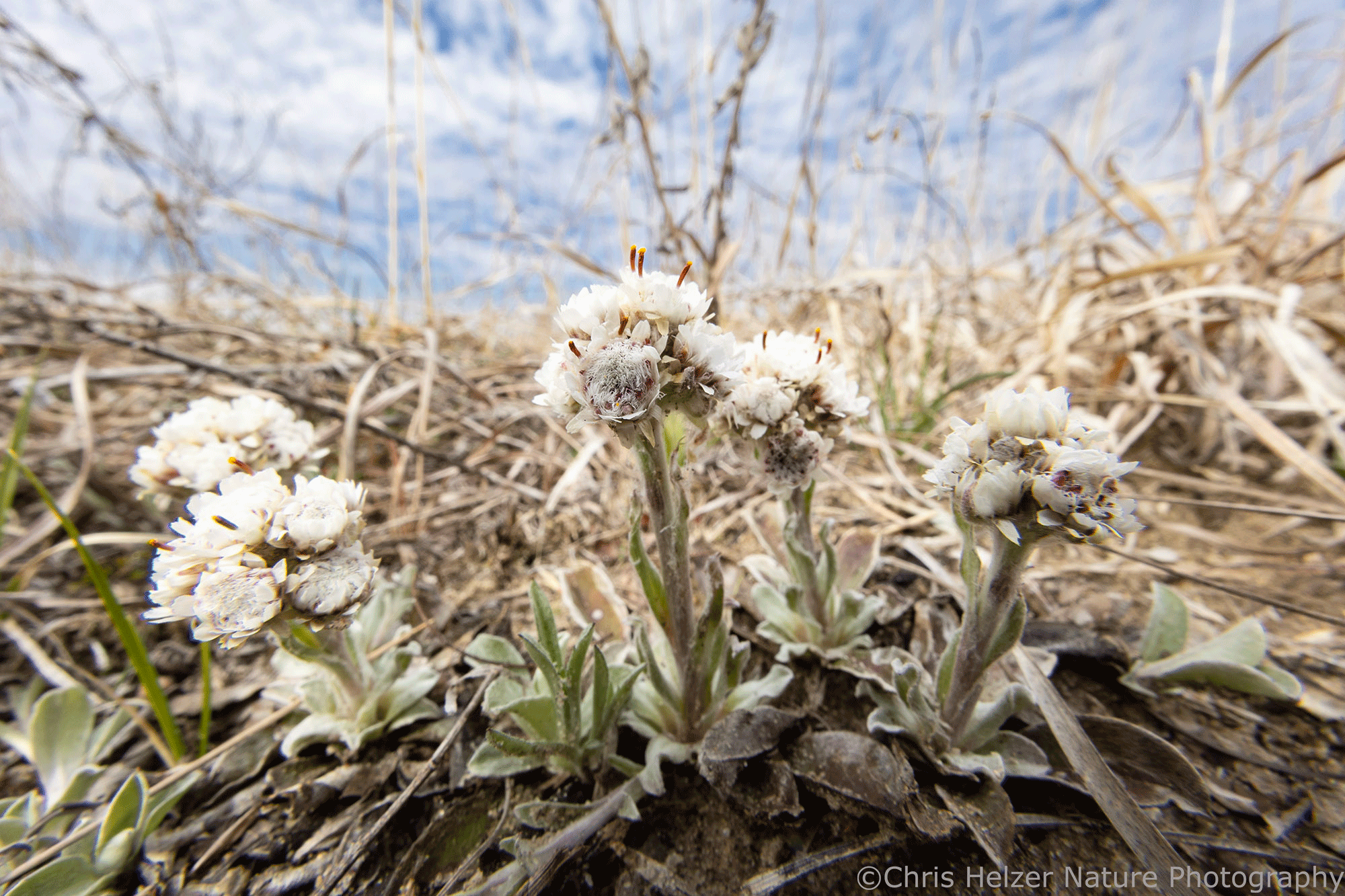
Pussytoes (Antennaria neglecta) was also blooming
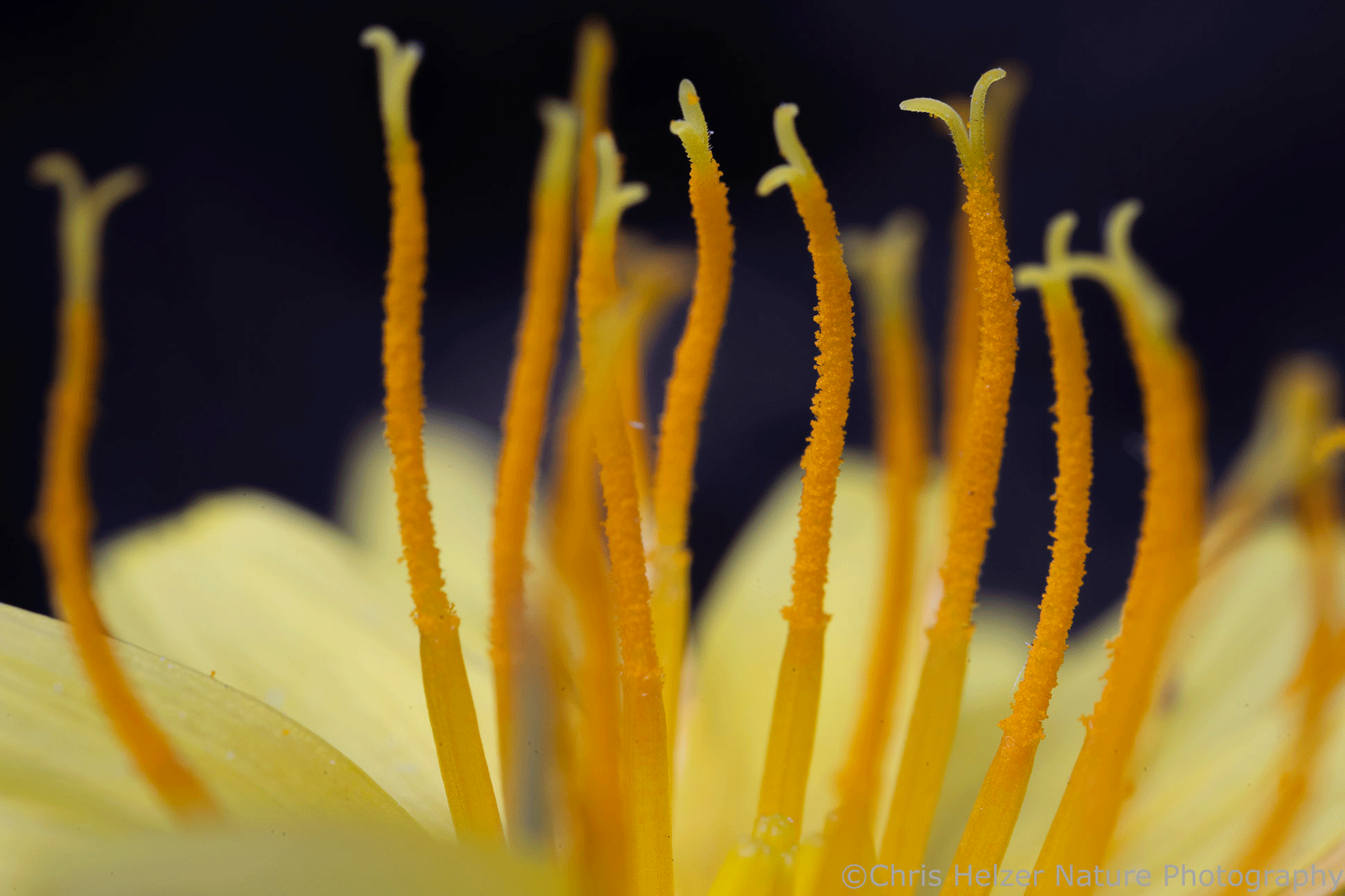
Riding high on the wildflower bounty at our family prairie, I drove up to Gjerloff prairie the following day to see what else I could find. I was really hoping to come across some patches of Carolina anemone (Anenome caroliniana) but I failed to find any. Instead, I was pleasantly surprised to find some prairie false dandelion flowering on some steep south-facing slopes (also in sites that had been grazed last year).
Prairie false dandelion (Nothocalais cuspidata) at Gjerloff Prairie on March 30, 2024, photographed with a Laowa 90mm f/2.8 2x macro lens.Taken with the 15-30mm lens.
I did some more camera gear experimentation and played with lots of perspectives as I photographed the handful of plants that had started blooming. The 15-30mm lens was nice, but so was the Canon 185mm macro and the Laowa 90mm macro (2x magnification!). You know you’re a big deal when you own TWO macro lenses, I guess. (Oh, look at mister big shot with his TWO macro lenses over here! One macro lens isn’t enough for MISTER BIG SHOT, is it??)
You all have these kinds of internal monologues too, right?
Taken with the Laowa 90mm macro lens.Another one with the Laowa macro.
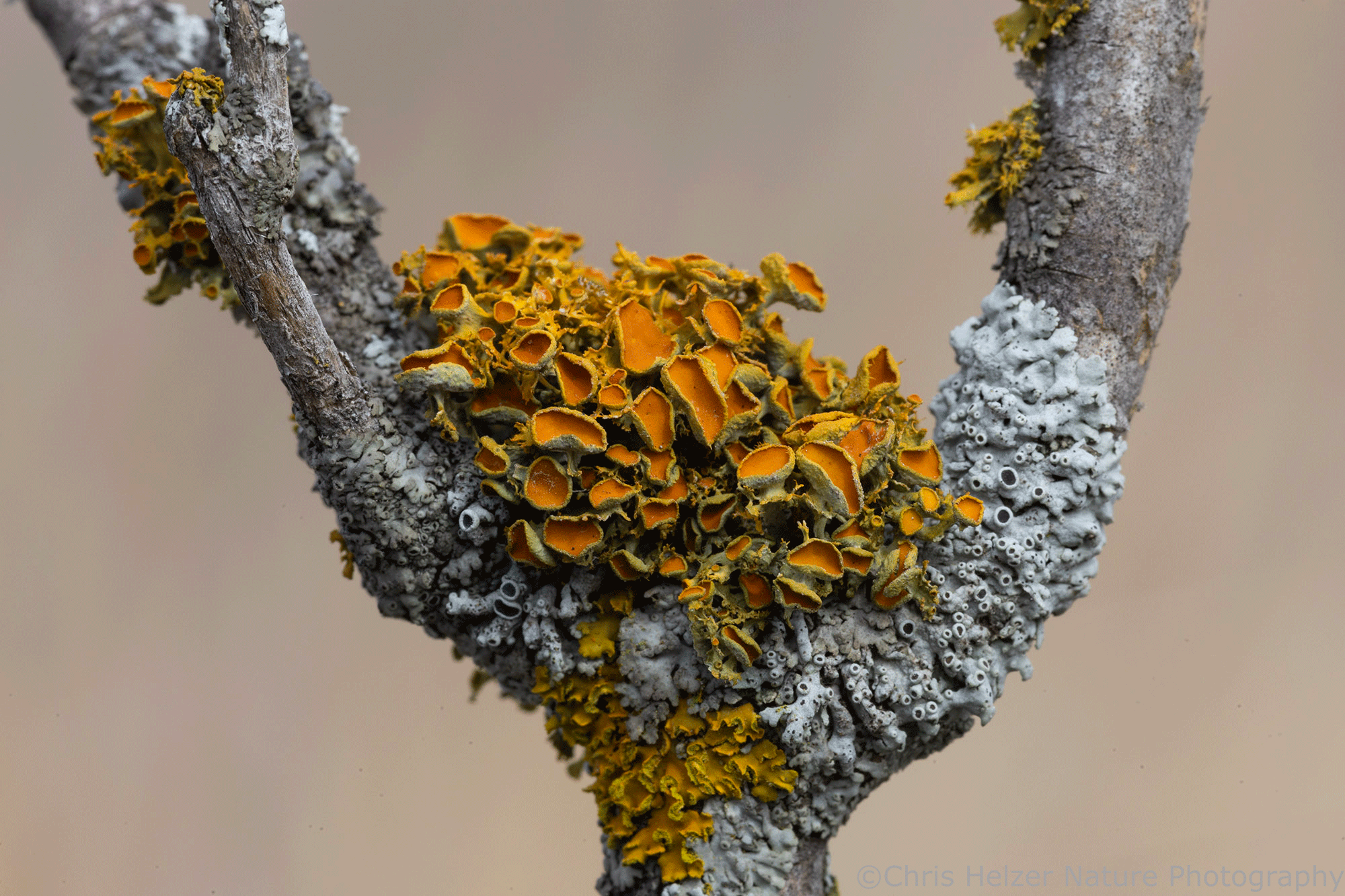
On my way out of Gjerloff Prairie, I stopped to photograph some particularly charismatic lichen on a dead sumac stem. That’s not to imply all lichen aren’t charismatic – of course they are. These just seemed especially pretty at the time.
That was late last week. This week started with a trip up to the Niobrara Valley Preserve. I had a few things to accomplish up there, including giving the new(ish) Fellows some more time to explore the place. Another of my objectives, though, was to photograph pasqueflowers (Pulsatilla patens), which I’d been told had started to flower. The Fellows got their exploration opportunity, and I did photograph some pasqueflower, but the flower photography went a little differently than I’d envisioned.
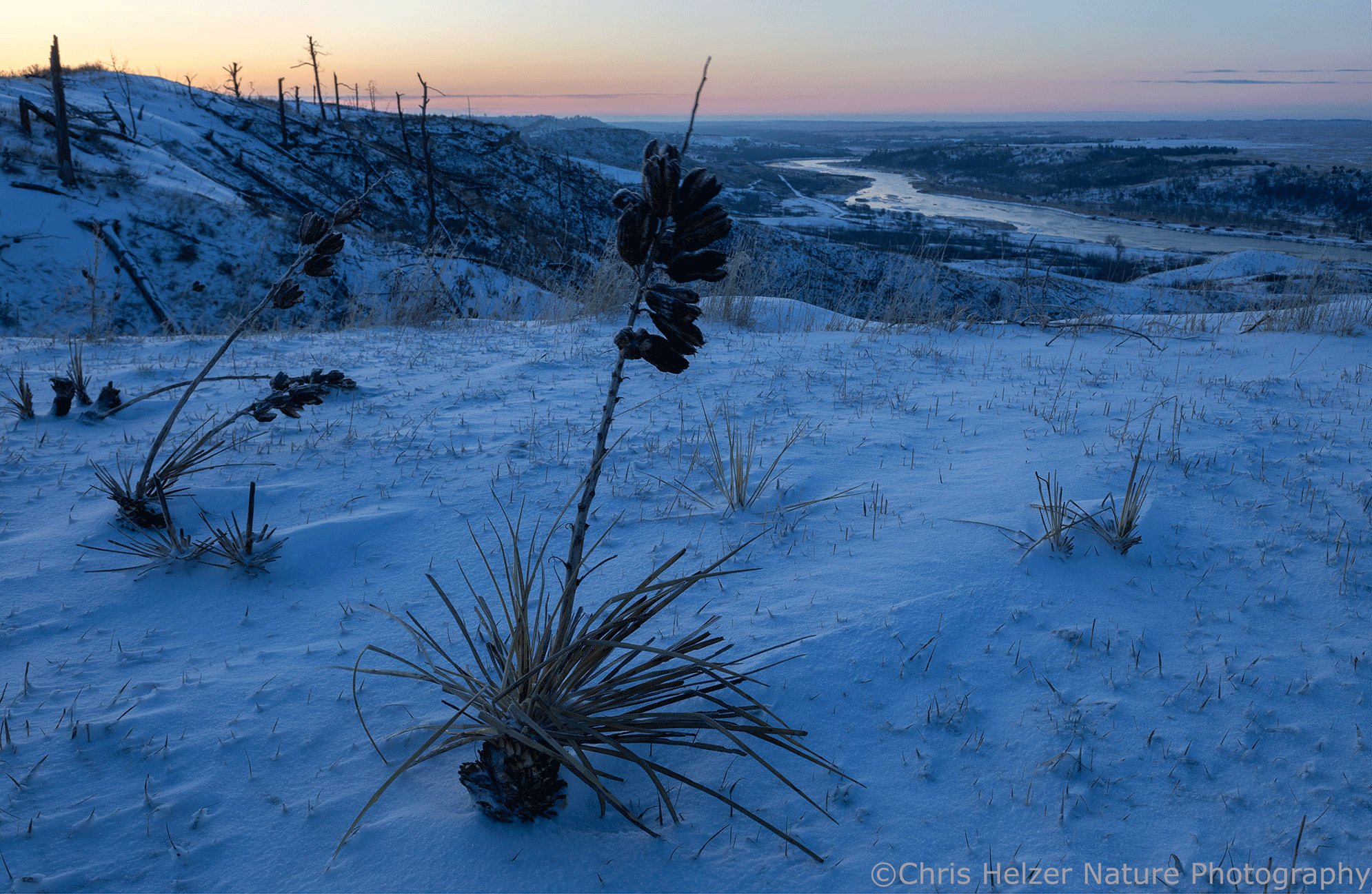
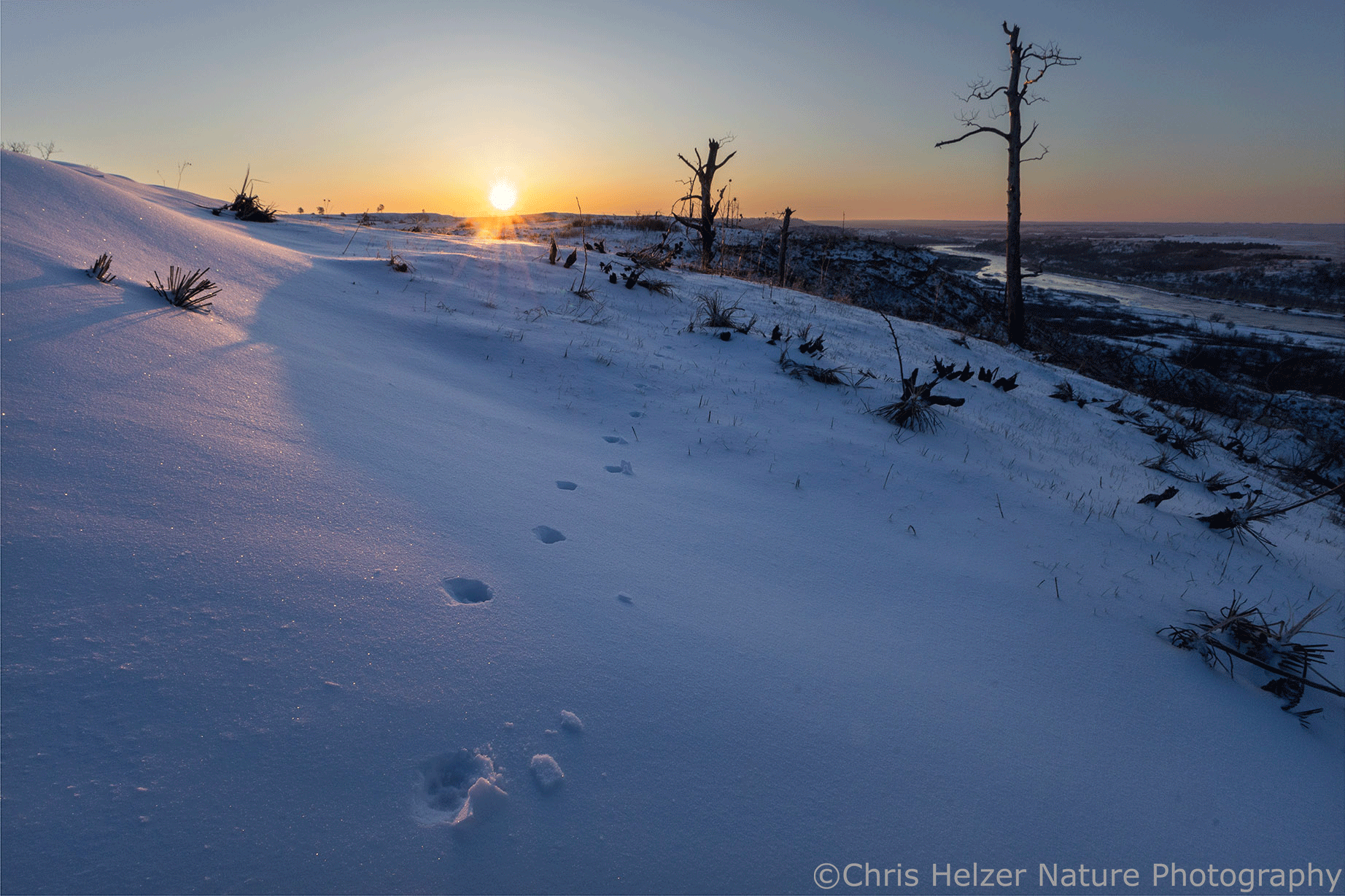
We drove through light rain and mist during most of the trip north to the Niobrara River. However, as we started up the final (muddy) road north, the mist abruptly turned to snow and we were immediately driving on 3 inches of snow on top of mud. That was more than enough excitement to be getting on with, but we managed to arrive safely. There wasn’t much opportunity for photos that evening, but the Fellows and I caught the sunrise Tuesday morning from the bluffs north of the river.
Sunrise and snow over last fall’s prescribed fire on the north bluffs of the Niobrara River.Bobcat tracks (I think) and sunrise.Yucca seed pods.
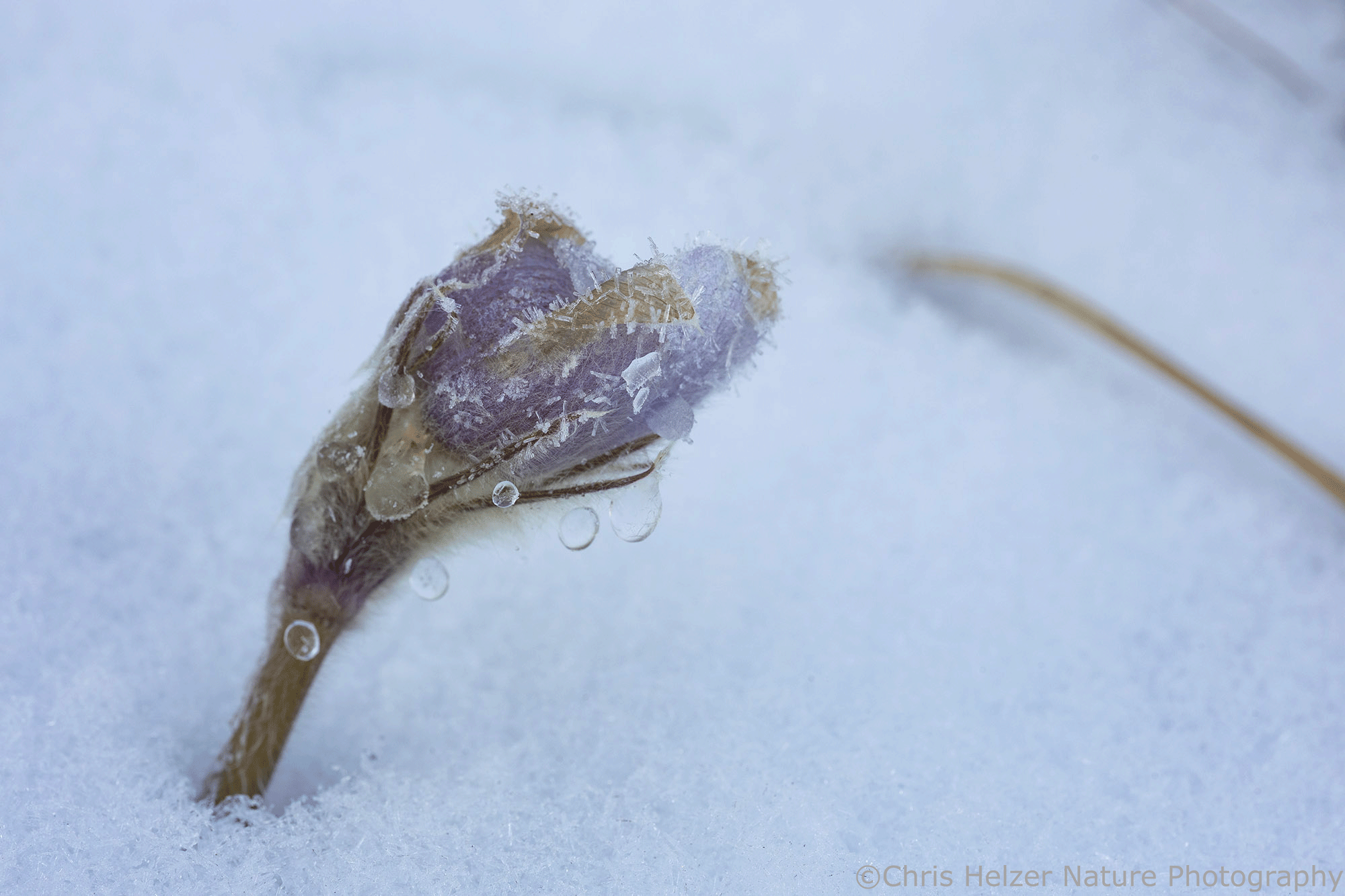
After sunrise, we went to check out the state of the pasqueflowers. In my head, I had visions of lovely blossoms, artistically framed by freshly-fallen snow. Years ago, I came across that exact phenomenon on a spring break trip to the Nebraska panhandle and I remember it fondly. This time, I think the cold weather had more time to work on the flowers and they were a little less impressive than the ones in my memory. We’ll try again in a few weeks.
A sad-looking, frozen, and wilted pasqueflower blossom in the snow.
I don’t know if there were other plants blooming up at the Niobrara Valley Preserve. I doubt it, but the snow cover made it hard to confirm or deny. I was a little disappointed not to add some pretty pasqueflowers to my Spring 2024 photo album but we’ll try again in a few weeks.
On the other hand, it was nice to get one more chance at snow photography before the season completely transitions. It was also a fun juxtaposition with the relative bonanza of wildflowers just a few hours’ drive to the south. Hour’s? Hours’? No one knows how apostrophes really work. I suppose it has to come after the “s” since the drive was possessed by multiple hours, right? Better than being possessed by ghouls, I guess. Possessive ghouls are the worst.
Also, you know how sometimes words suddenly look like they couldn’t possibly be spelled correctly, even when you know they are? I’m not kidding – I just typed “Hour” into Google to double check. While we’re at it, “ghouls” is another word that doesn’t look like it’s spelled correctly. Brains are funny.
Anyway, the Fellows and I played around in the snow for a couple hours (if that’s even a word) and called it work time. Don’t tell anyone. The secret will be hours.
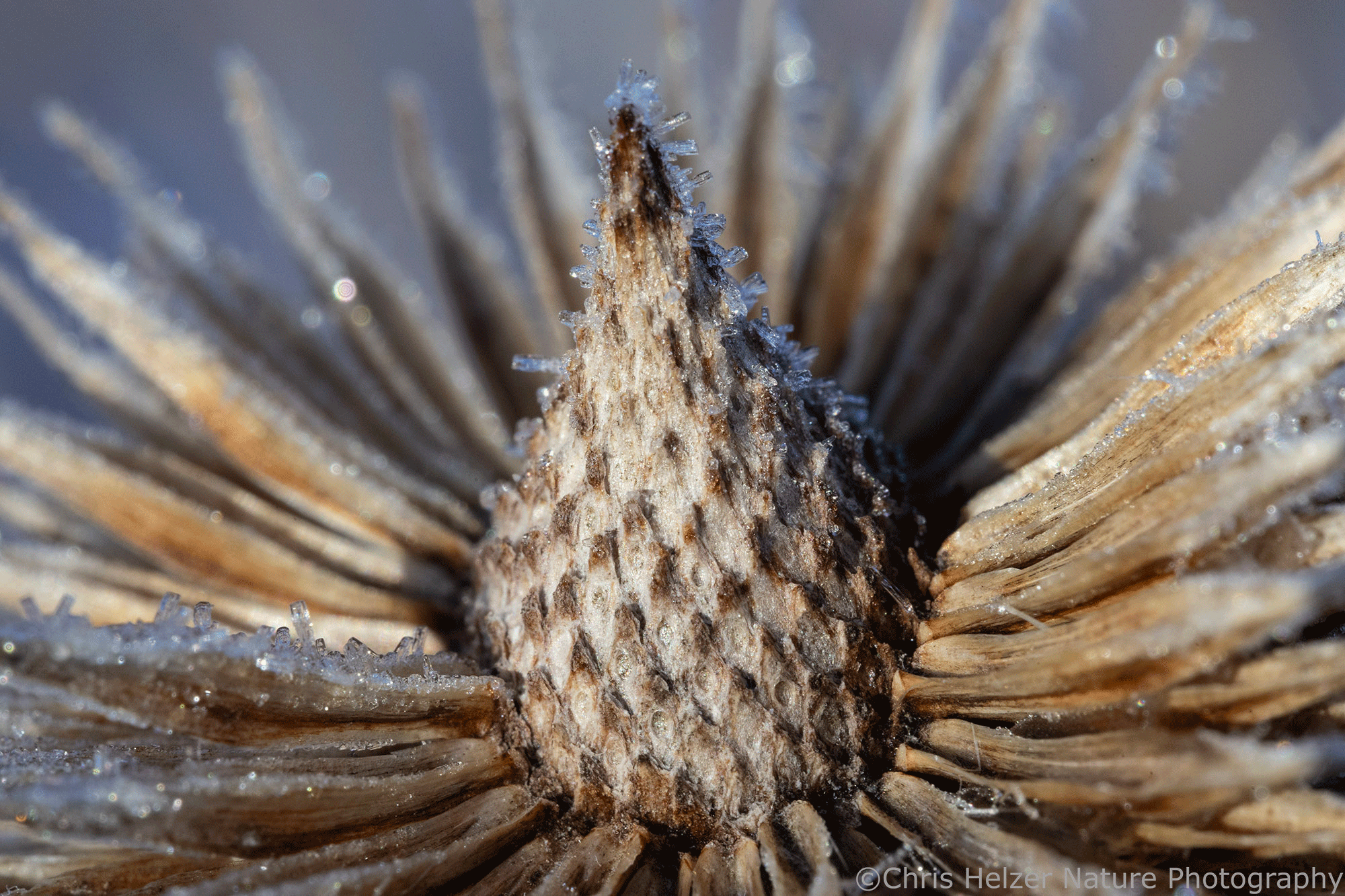
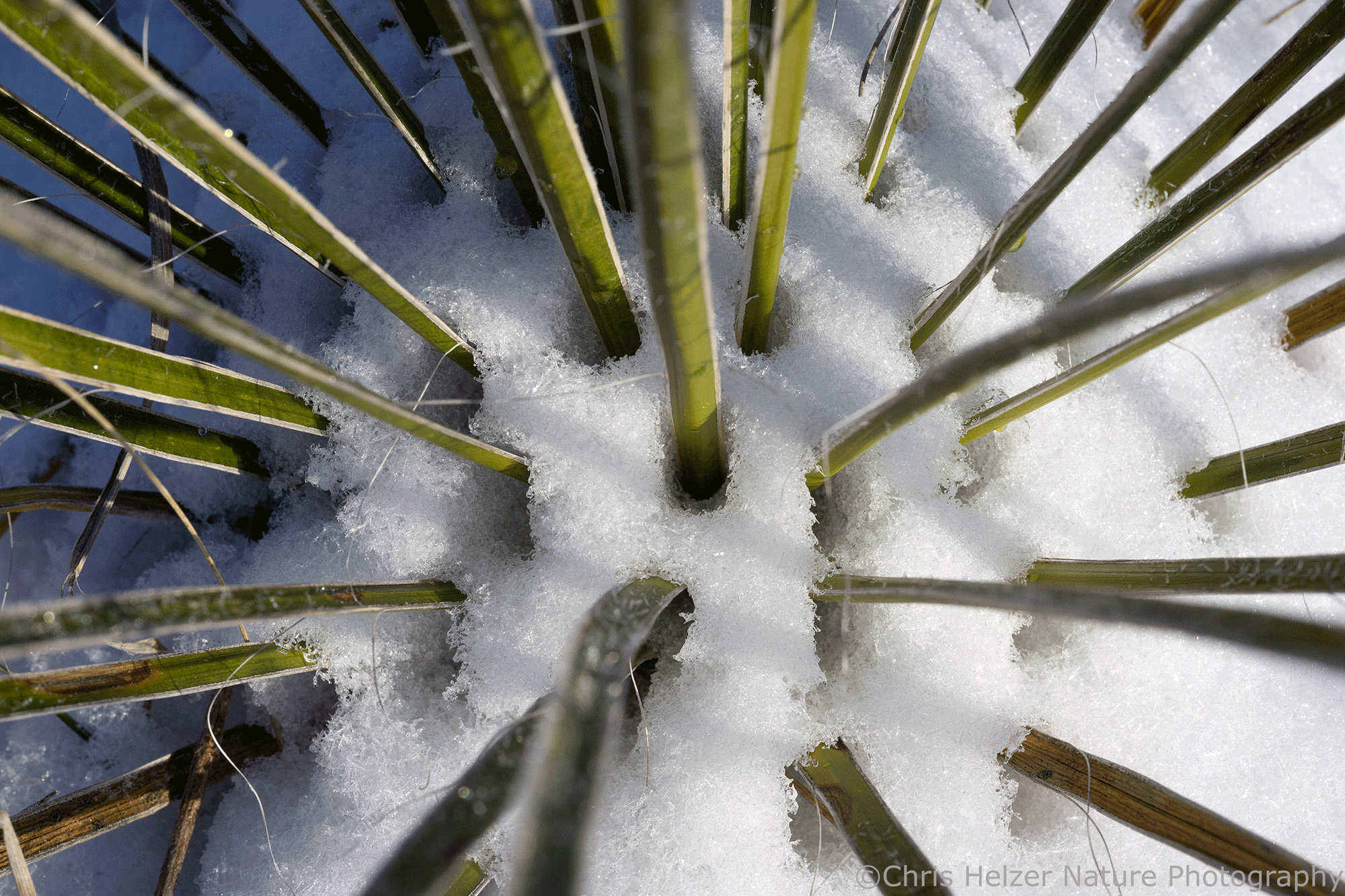
A frosty seed head of purple coneflower (Echinacea angustifolia).Yucca leaves make funny patterns in the snow.
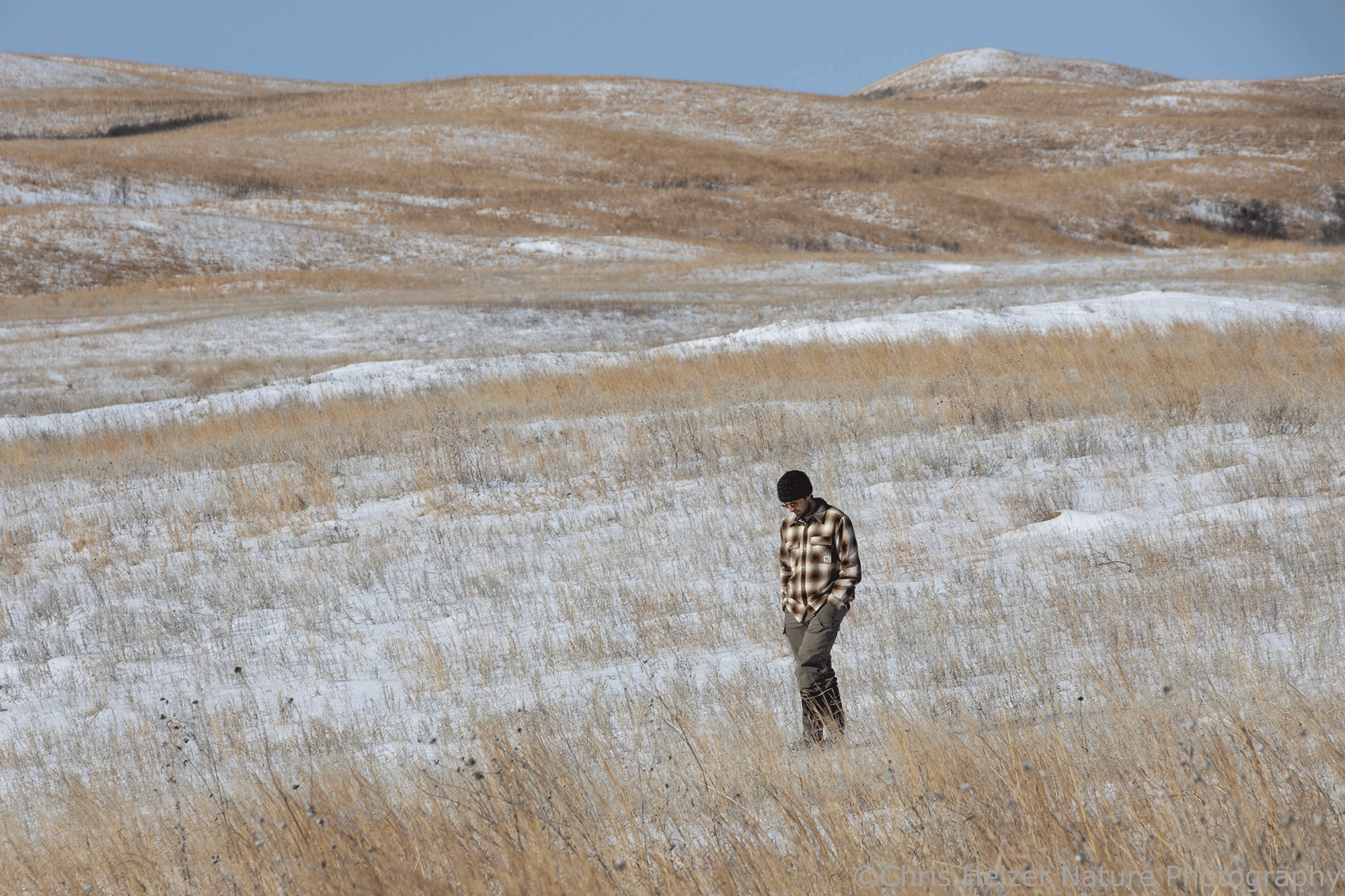
Kees, one of this year’s Fellows, grew up near Los Angeles (the one in California), so seeing real snow was on his list of wishes for this year’s Fellowship. He’s already had a few opportunities to see it since arriving in early February, but the shine has apparently not worn off yet. It was fun to watch him revel in both the snow and the big broad prairie landscape – another item on his Fellowship wish list. There should probably be a comma or two in the phrase “big broad prairie landscape” but it doesn’t feel like we should be breaking up big broad prairies so I’m not gonna do it.
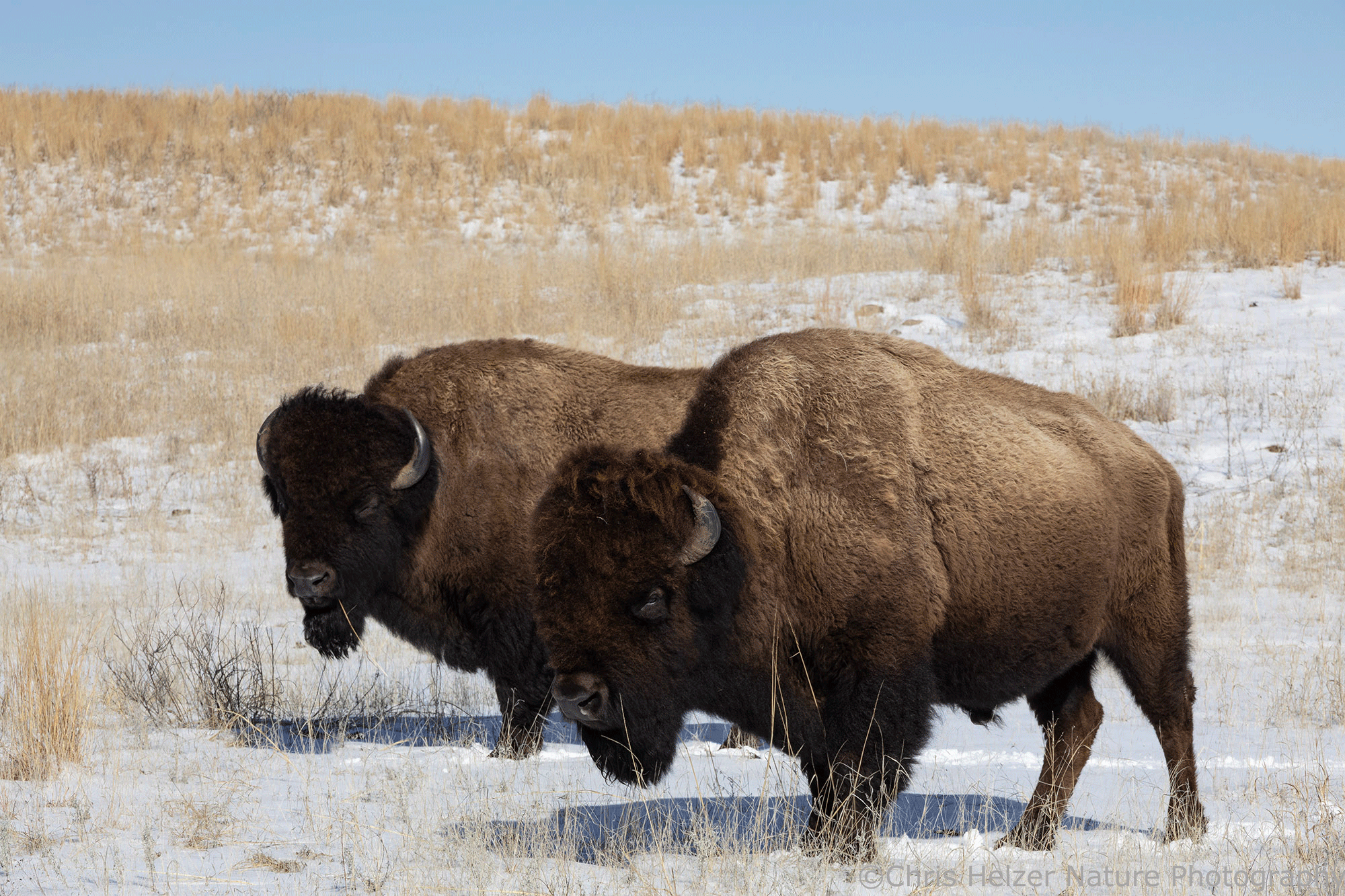
Here’s Kees (pronounced “case”) enjoying a hike in the snowy Nebraska Sandhills.Here’s a pair of bison in the same Nebraska Sandhills. I won’t say they weren’t enjoying the snow, but they didn’t portray the same obvious enthusiasm Kees did.
In summary, Spring is here. Wildflowers are blooming in south-central Nebraska and there’s snow in the north-central part of the state. Western meadowlarks are singing, but they’ve been doing that for a couple months and I’m not convinced they really mean it yet. Also, prairie ecologists with new camera gear are enjoying the chance to try it out on real wildflowers instead of their spouse’s house plants.
Cranes are still hanging around the Platte River in huge numbers, but surely the sunny days and south winds will clear a bunch of them out this week. I hope they all get to see a few flowers before they go. Most of them will soon be setting up nesting sites in cold northern locations that won’t see much green growth for at least a few weeks after their arrival. At least they don’t have to drive over snow-covered muddy roads to get there. And they don’t have to worry about whether “hours” is a real word or how to correctly use apostrophes and commas.










 The Prairie Ecologist