
I spent some time at the Niobrara Valley Preserve this week. Apart from some other work duties, I was curious to see how far spring had progressed and check on the results of a prescribed fire we conducted last November. The executive summary is this: spring isn’t quite here yet and the results of the fire look great so far.

I know it’s only mid-March, which is pretty early to expect much green-up, let alone flowering of plants in northern Nebraska. On the other hand, it’s been a mild winter, especially during much of February and March. I’ve been seeing photos of blooming pasqueflower on social media and have been finding more and more insects as I walk around. I figured there might be a chance of finding an early pasqueflower in bloom at NVP.
Not quite yet.
However, there was still plenty to see. I spent time with a small group of bison and watched them graze on the dormant vegetation from last season. Even after seeing this for many years, it still astounds me that these huge animals can fulfill their nutritional needs from dried-up plants. They’ve had millennia to hone their methods, of course, but still. Those are big animals and I don’t know if you’ve ever chewed on dried up grass but it doesn’t seem very satisfying.
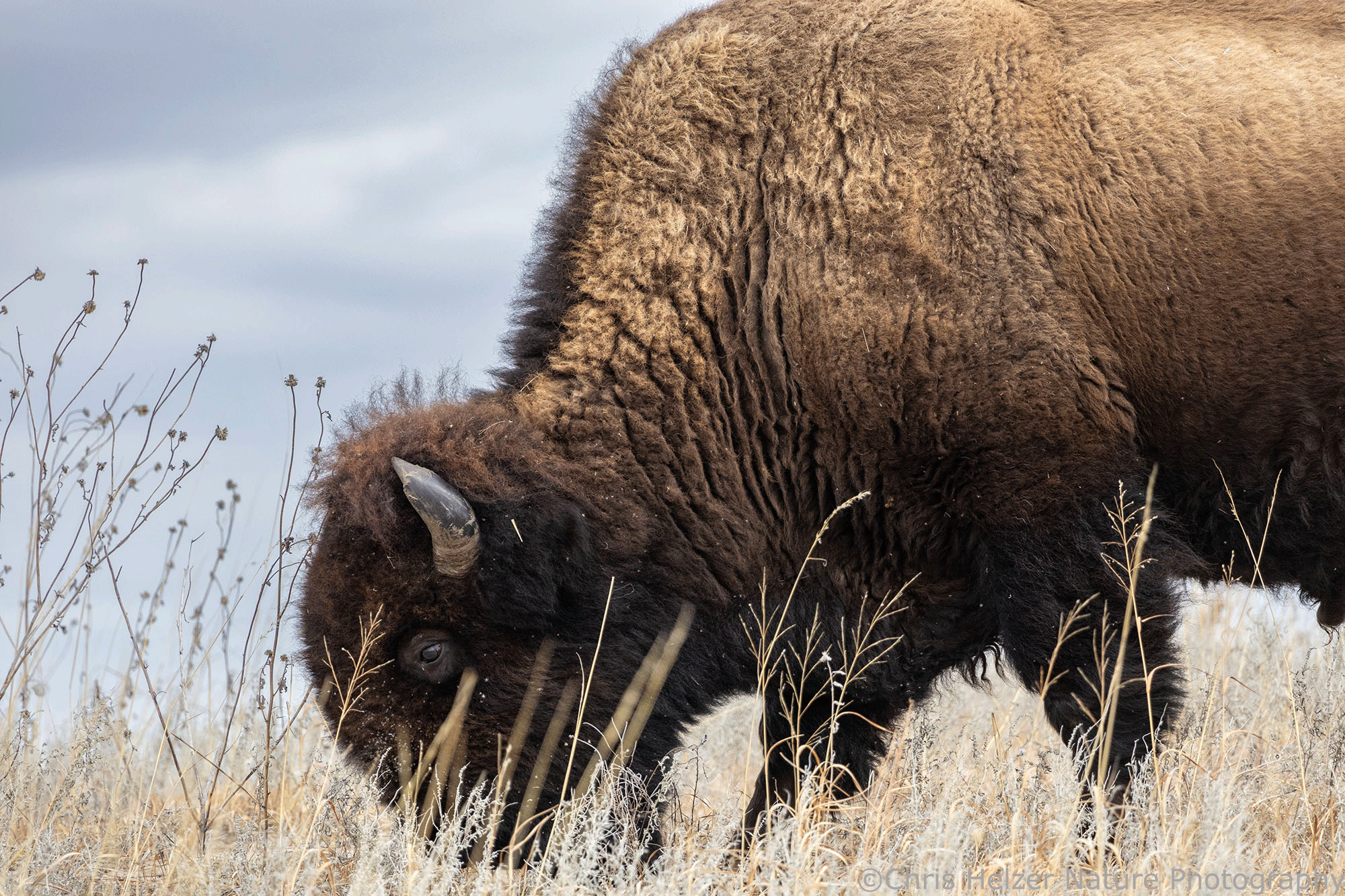
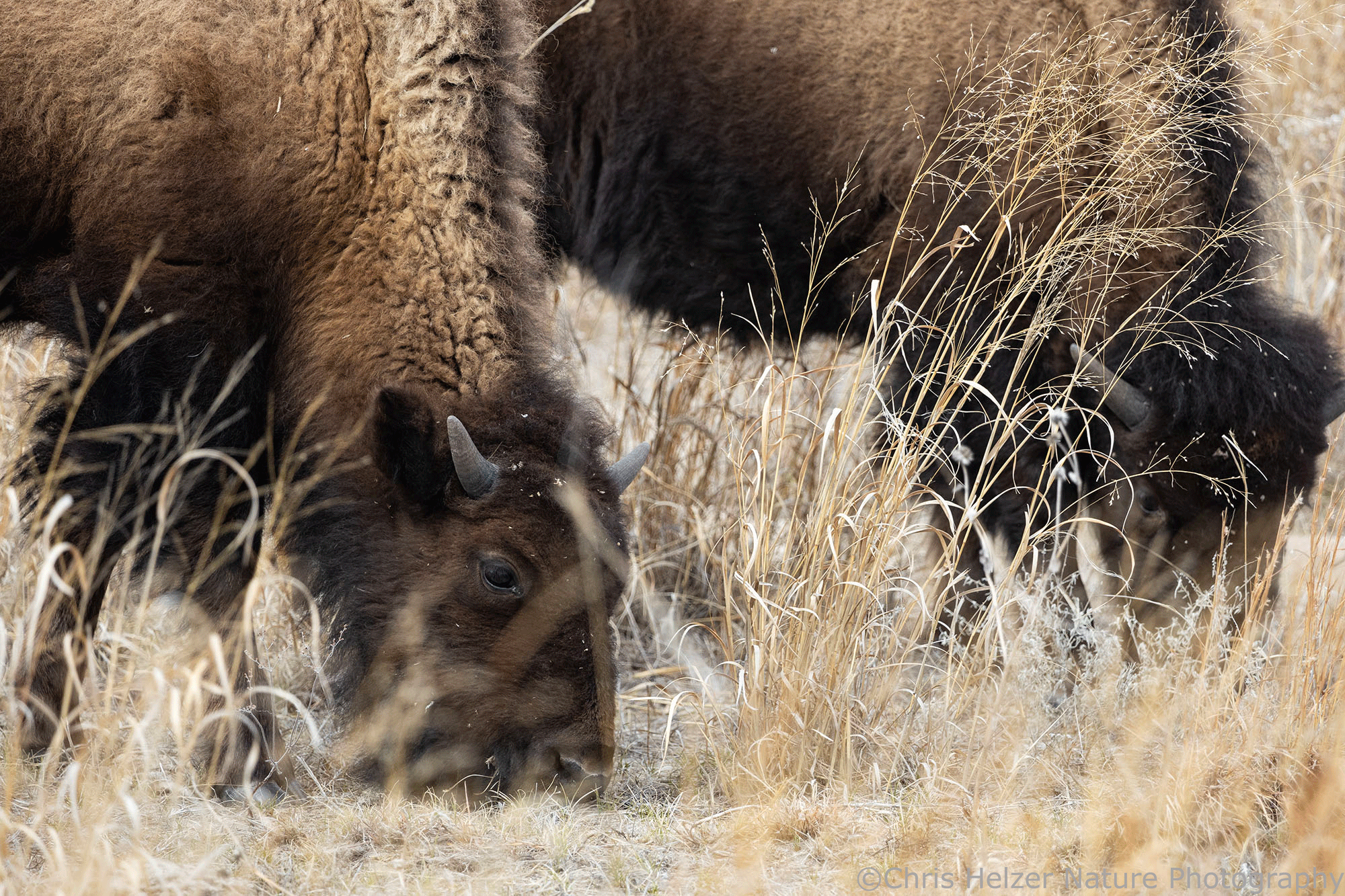
Those bison are picking up some green(ish) sedges too, of course, which are valuable because they green up early and stay green late into the fall and early winter. Even so, the bulk of what the bison were eating this week was not green.
You might be thinking – well, wait, hay is just dried vegetation too, right? That’s supposed to be nutritious.
The thing with hay is that it’s harvested during the growing season when the leaves and stems are green and full of nutrients. Plants tend to lose nutritional quality as they mature, and that’s especially true by the time autumn forces full dormancy. Some plants reserve more nutrients in their aboveground portions than others, but they’re still not what they were in the summer.
Haying equipment cuts the tops off plants while they still have their full complement of nutrients and those nutrients remain as the vegetation dries out and gets baled or stacked up for later. The plants these bison are eating had completed their annual cycle of growth and dormancy, so the nutrient content was significantly different.
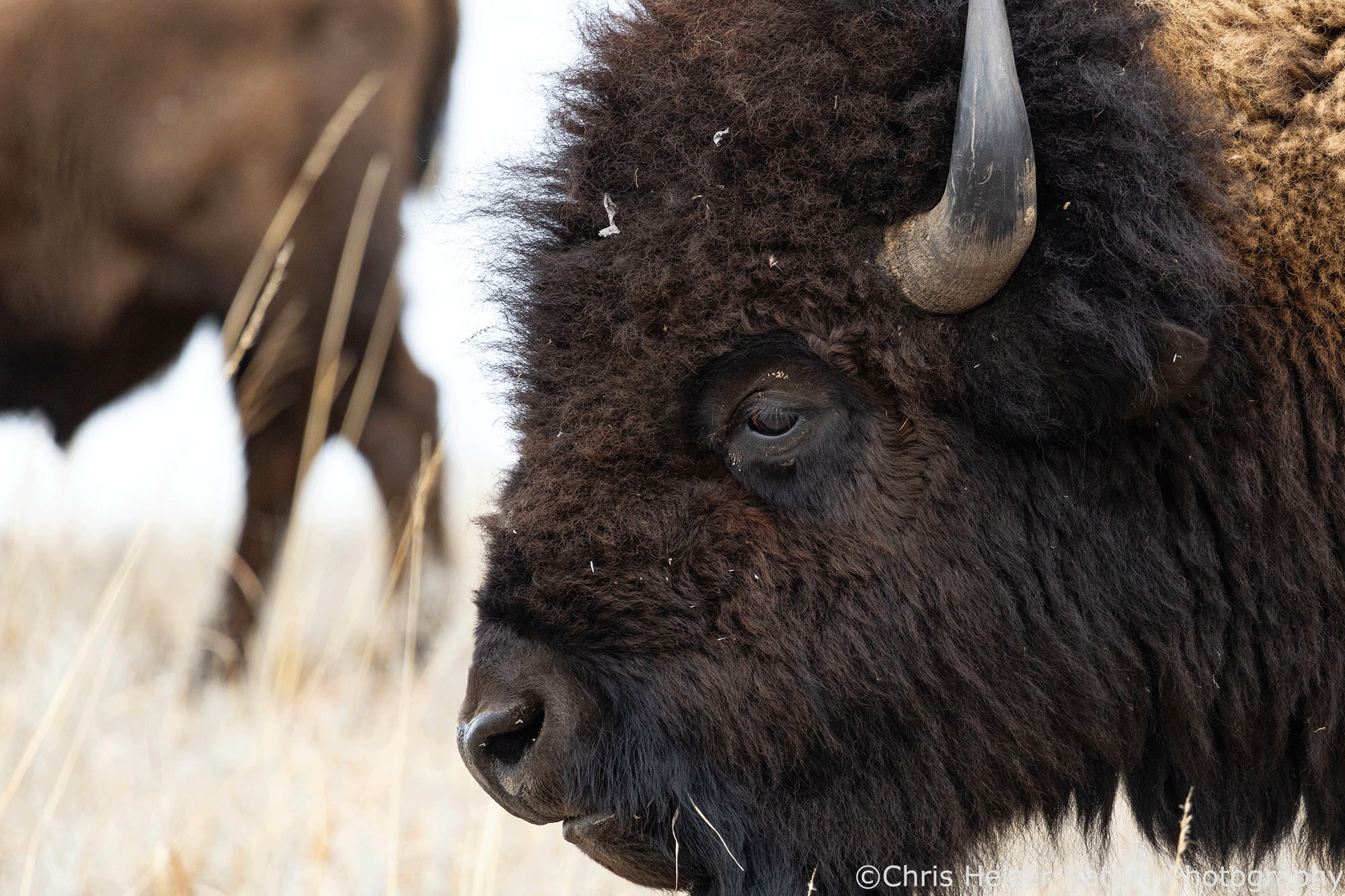
While I was in the area, I checked quickly on the little prairie dog town closest to headquarters to see what the activity level was like. It wasn’t frenetic, but there were a few running around. One of them was willing to stare at me long enough for me to get a photo before it dove underground. I didn’t linger, and let them get back to whatever they were doing.

When I stopped by my favorite hotspot for pasqueflowers, it took me a while to find any of them. The patch grows on a steep north-facing slope and I wandered up and down that slope for several minutes before I spotted the first fuzzy bud. It helped that I was looking back toward the sun, which backlit the tiny hairs and made each bud look like a tiny lightbulb. No flowers yet, but it won’t be long!

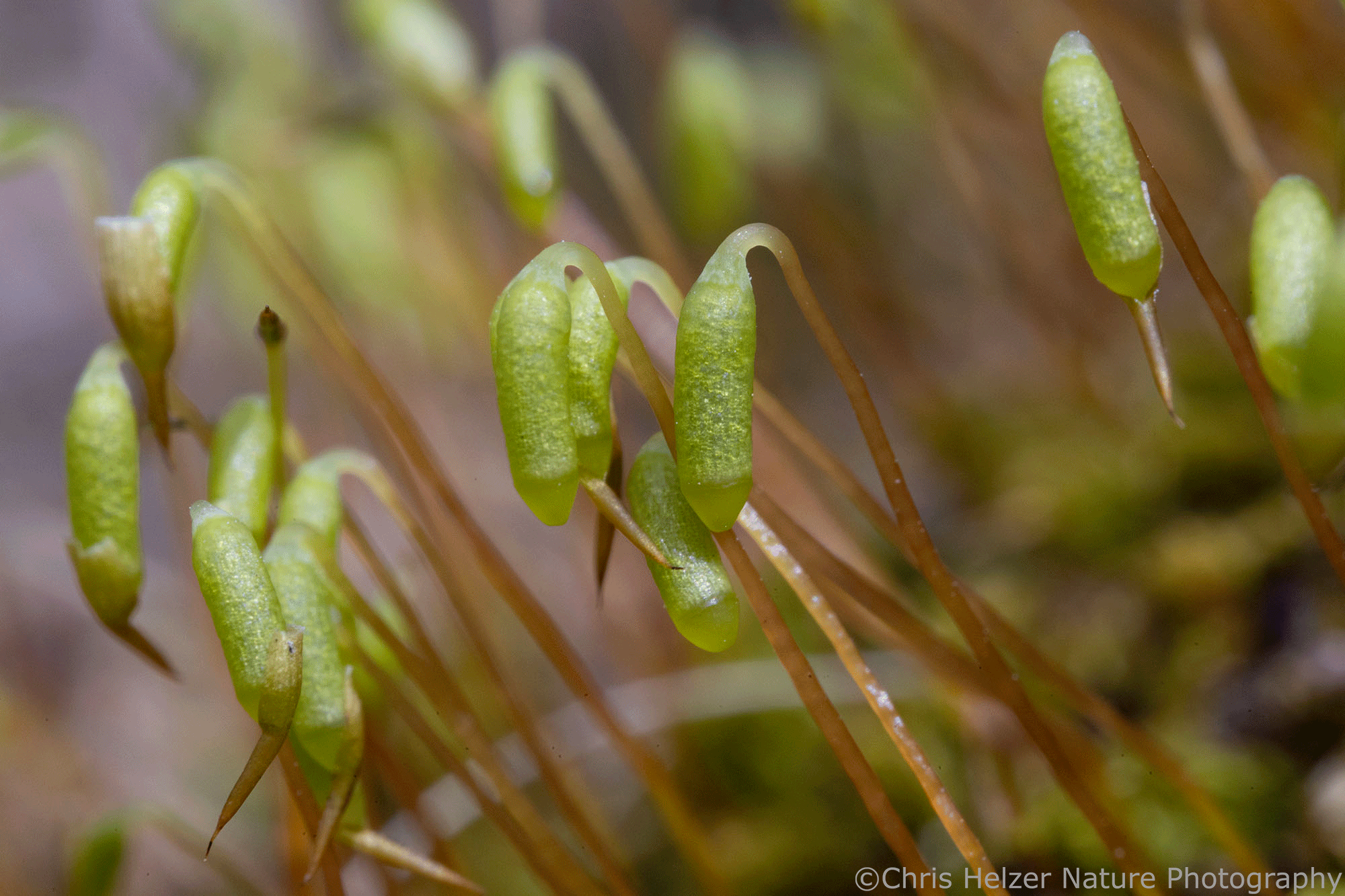
I didn’t see any flowers, per se, on the whole trip. However, I did find flower-like structures on a couple different species. There were at least a couple different mosses with sporophytes (fruiting bodies) growing in shady spots, both at the edge of the prairie/woodland border and down along a creek. In addition, some of the lichens in the woods were showing off their vase-like perithecia (I had to look that one up).



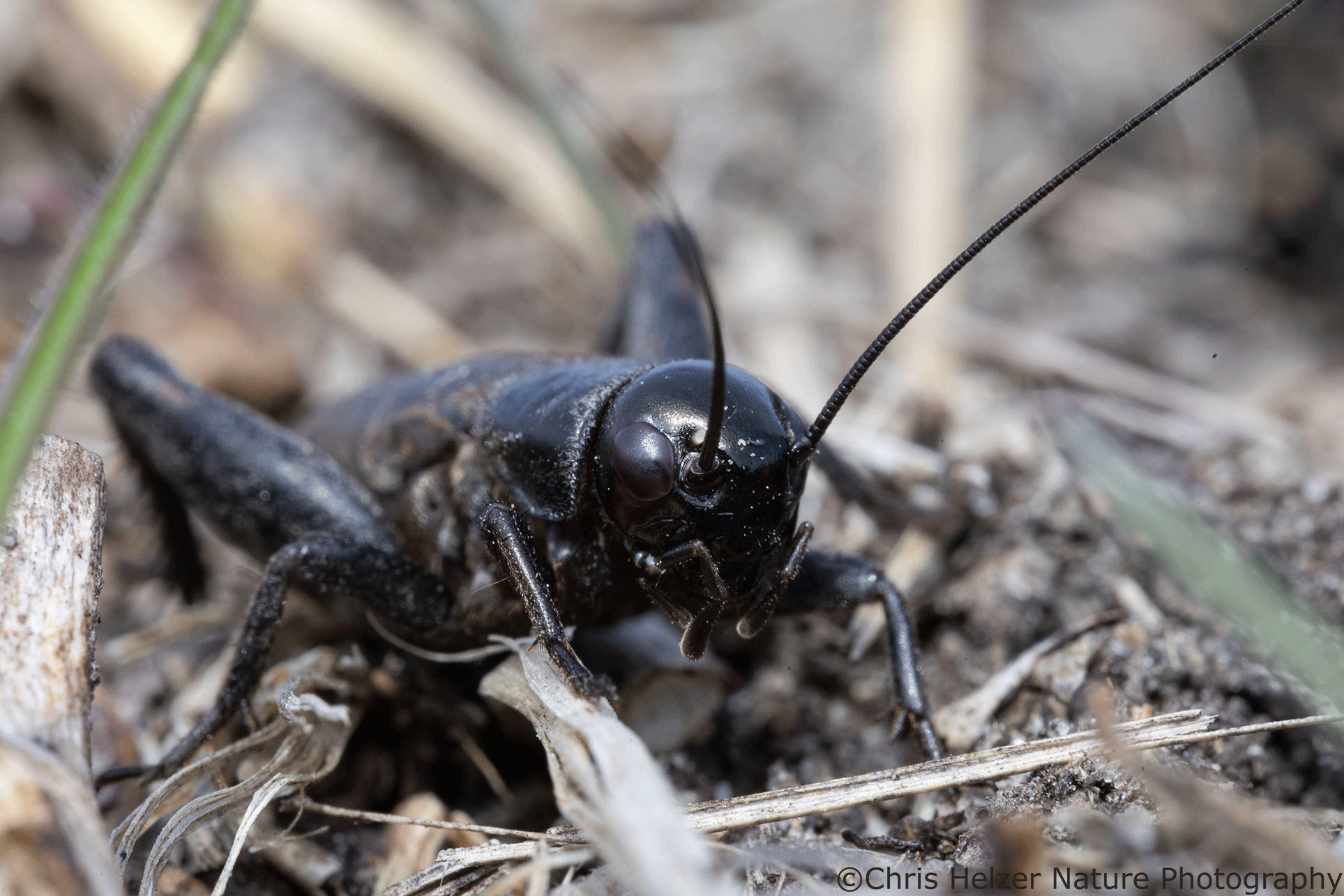
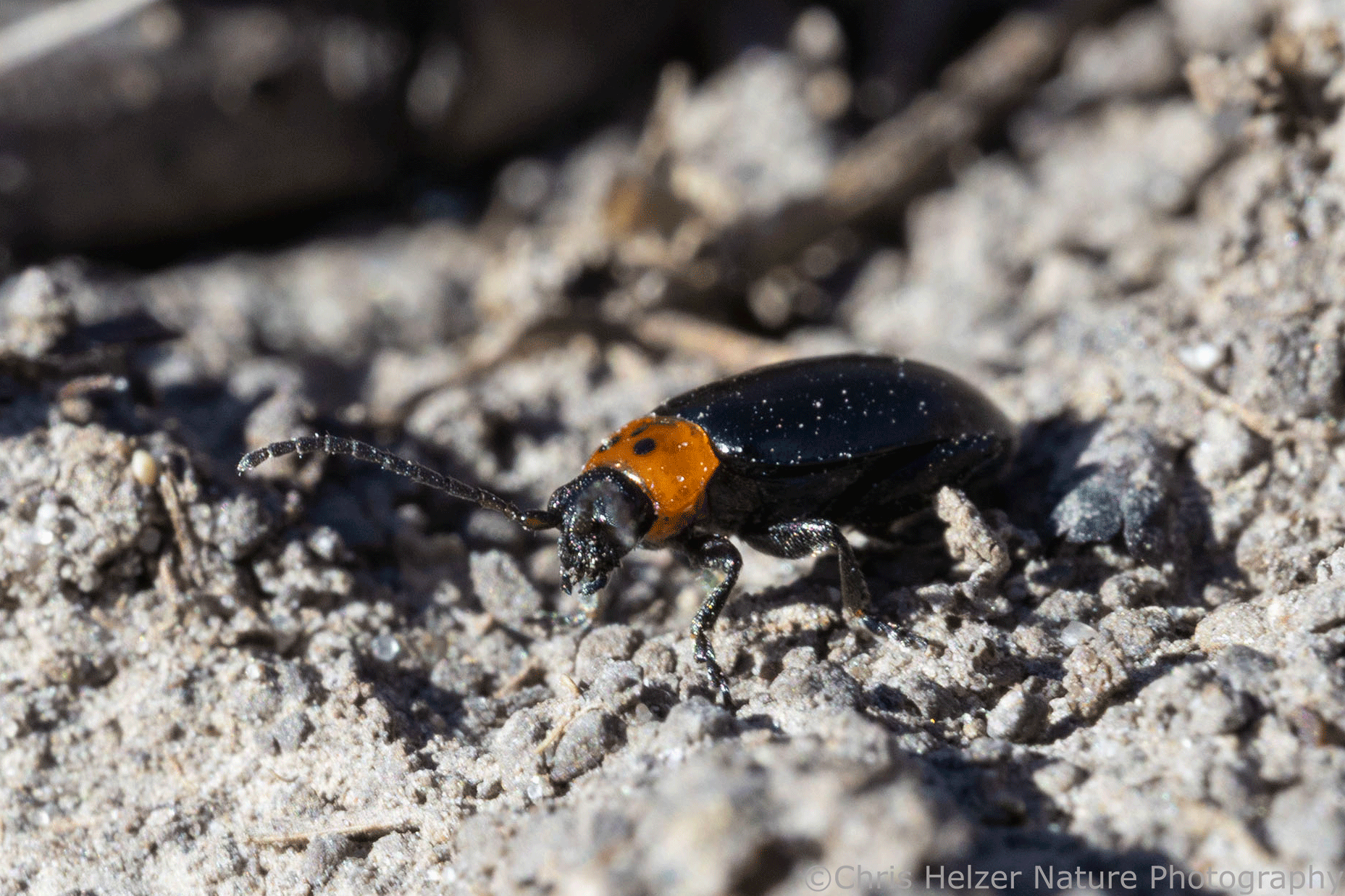
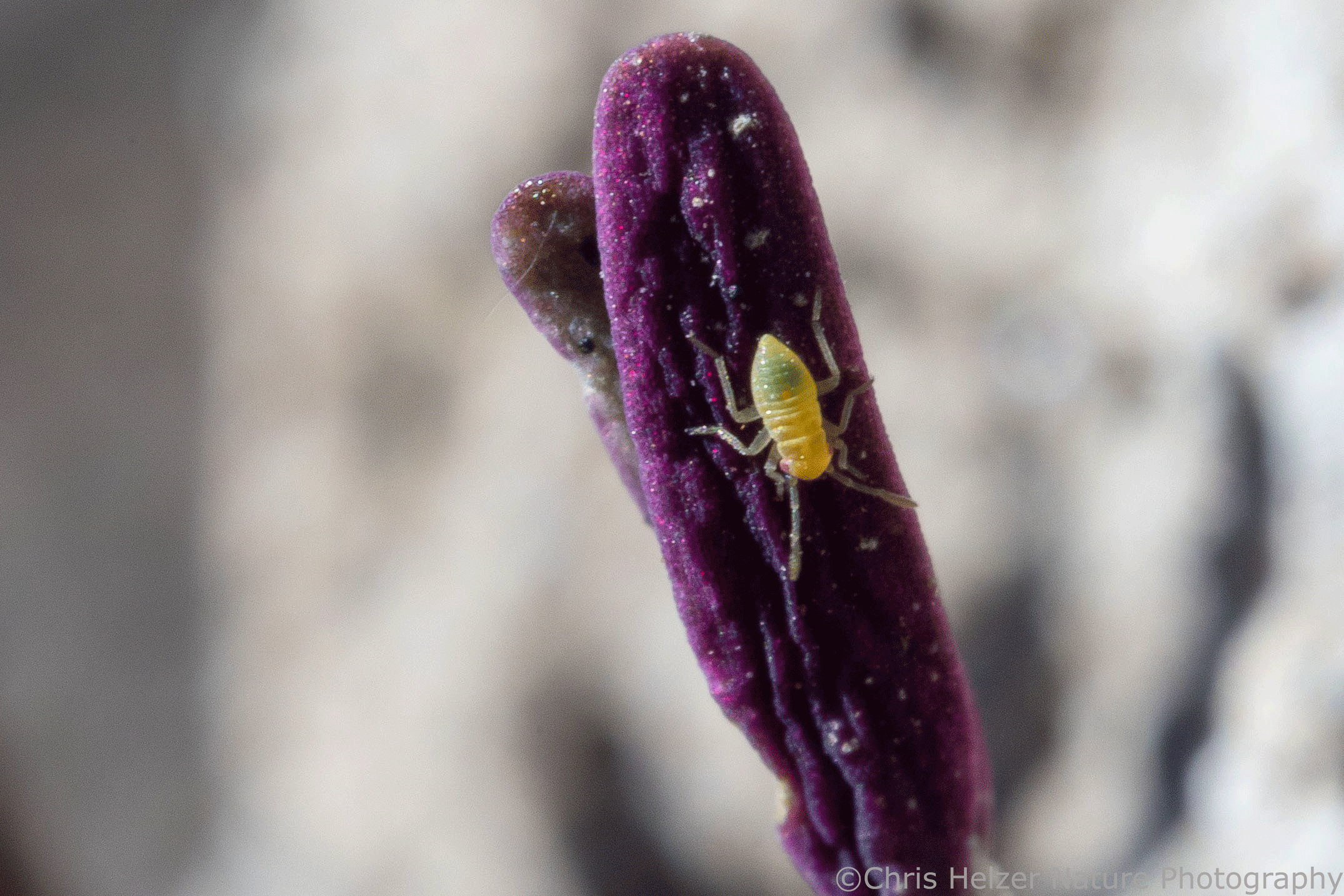
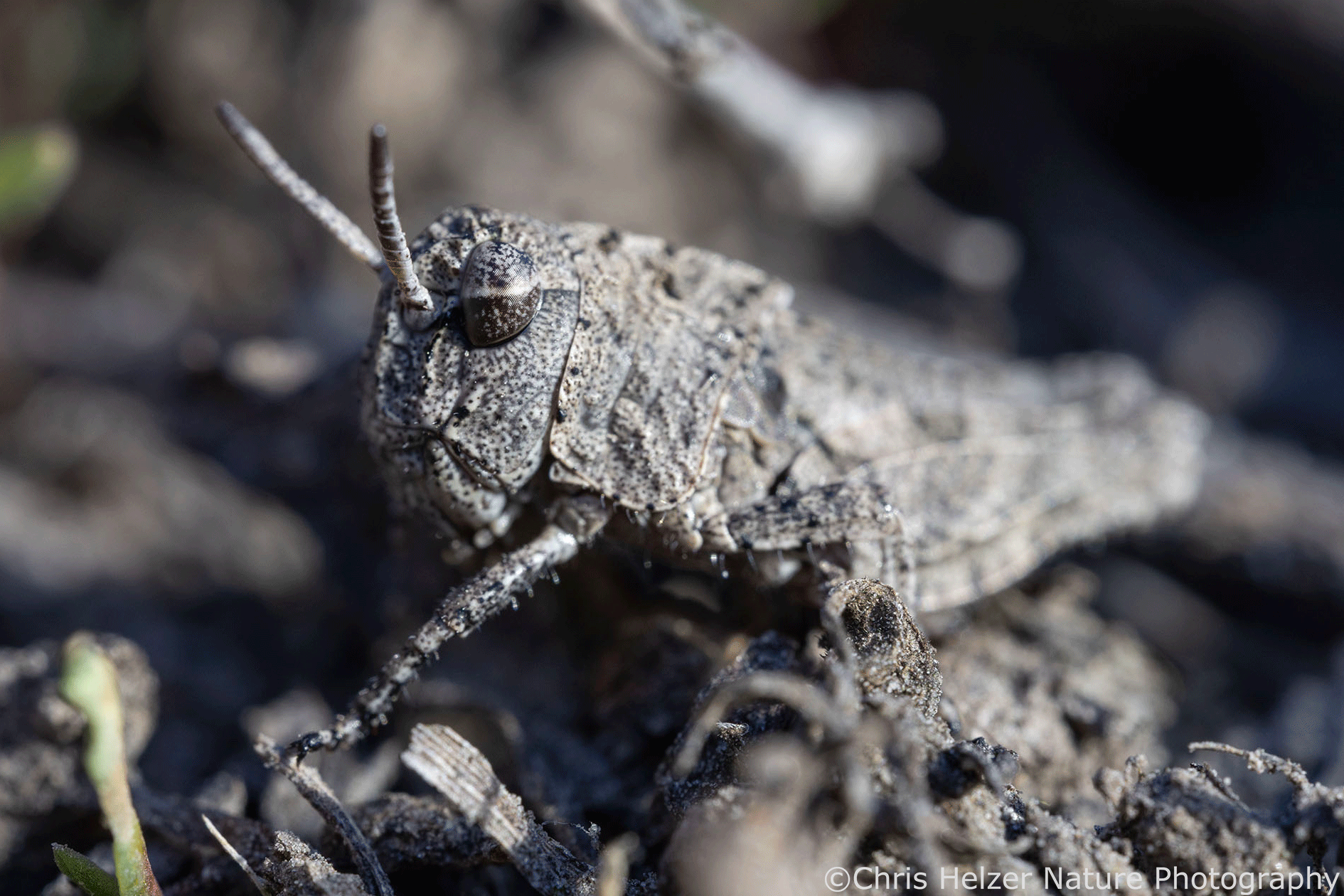
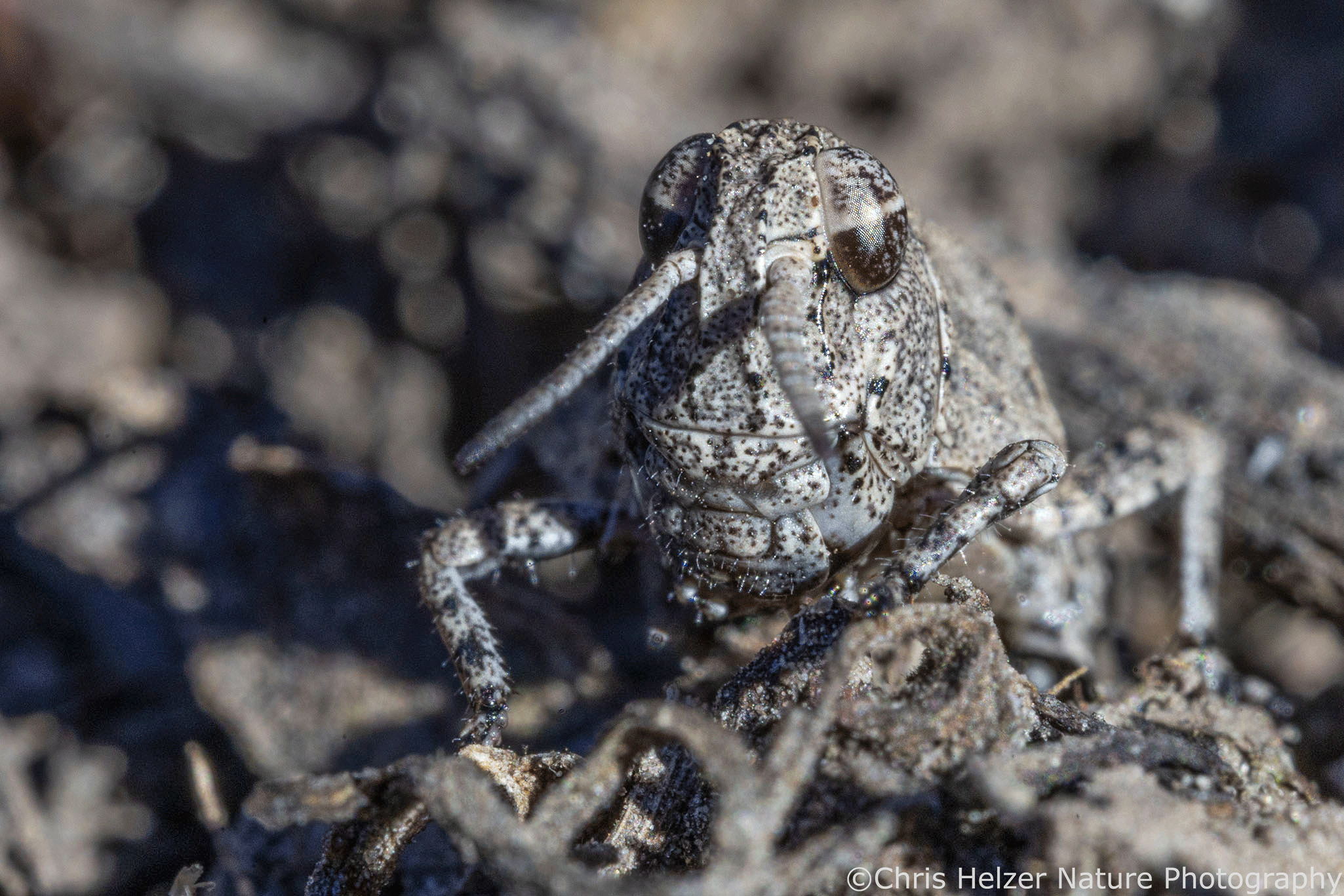
Little invertebrates were starting to move around, too. I saw flies, lacewings, and lots of grasshoppers – especially in bare ground on sunny south-facing slopes. I played for a while with a little wolf spider in the woods who was surprisingly willing to put up with me. When it started running off, I just put my hand down in front of it and it turned around and climbed back up on a leaf for more photos. That’s not usually the way that works out, but I was sure grateful.

One of my priorities for the trip was to spend some time checking out the results of last year’s late November burn in the bluffs north of the river. The 2012 wildfire had taken out most of the big ponderosa pines and eastern redcedars and forced many of the bur oaks to resprout from their bases. Since then, smooth sumac had spread significantly and little eastern redcedar trees were popping up all over. We needed a fire to kill those little cedars and help us (temporarily) set back the sumac a little – in conjunction with some other treatments we’ll be trying.

I was most curious to learn the fate of some little ponderosa pines that had been planted near the top of the ridge after the wildfire. At the time they were planted, I was skeptical that they’d survive. I figured they’d either fail to establish roots or would be taken out by the first prescribed fire we ran up that slope. After all, they’re not known to be good about surviving fires when they’re little.

I was pleasantly surprised by what I saw. There were definitely some toasted pines up there, but I’d say 80% of the trees I found were alive – either untouched by fire or only lightly scorched. The ignition pattern of the fire probably helped a lot. We’d lit along the top and let the fire work down the hill, which kept the heat low and flame lengths short. In fact, the fire didn’t burn very far downslope in many places because the density of grass wasn’t enough to offset the fact that the fire had to burn downhill (heat rises, so fires burn much better going uphill than down).
Later in the burn, fires lit down below raced upslope for a while, but most ran into enough bare rocky areas on the ridges that the flames never reached the top where the pines were. As a result of all that, we have quite a few little pines that still have a chance to become part of a future pine savanna up there. In fact, we’ve got way more than we really need, since we don’t want very high tree density. We’ll deal with that later if we have to. Those little guys still have a lot of living to do before they’re savanna-sized.
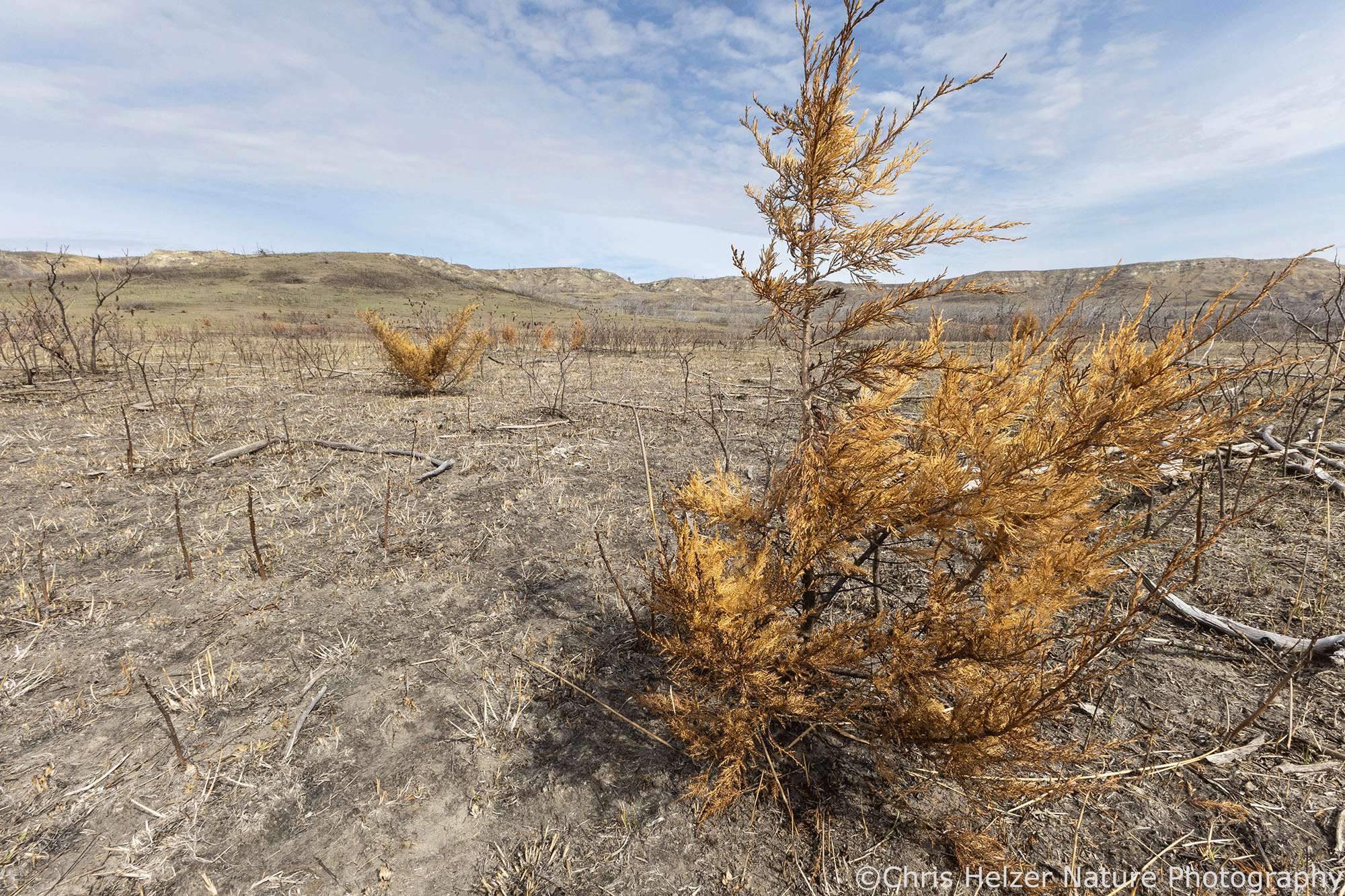
We sure did kill a lot of eastern redcedars in the fire. I knew there were quite a few moving in, but I was still surprised by the number of orange (and dead) trees scattered around. Many of them were on the lower slopes, where the fire burned really well, but we got some up higher on steep slopes too. There will be a few the staff will have to chase down with chainsaws at some point, but I was really pleased by how well the fire did the work for us.
The smooth sumac will pop right back this spring, but the fire at least took out all the aboveground buds and that’ll stress the plants a little. We’re talking now about what we can do to build upon that stress and slow the recovery of the sumac clones long enough to let the prairie community beneath the shrubs survive. That’ll be part of a continuing set of trials we’ve been setting up to learn more about how to suppress sumac and other shrubs in this kind of topography and at this scale. Stay tuned!




 The Prairie Ecologist