Well, it’s February, 2024 – the perfect time to share the last of my posts containing my favorite photos from 2023. Other blogs share those kinds of photos series at the end of a year, or – at the latest – a few days into the next. I, however, eschew convention, and will share ‘best of’ photos whenever I feel like it.
Also, I’ve been really busy.
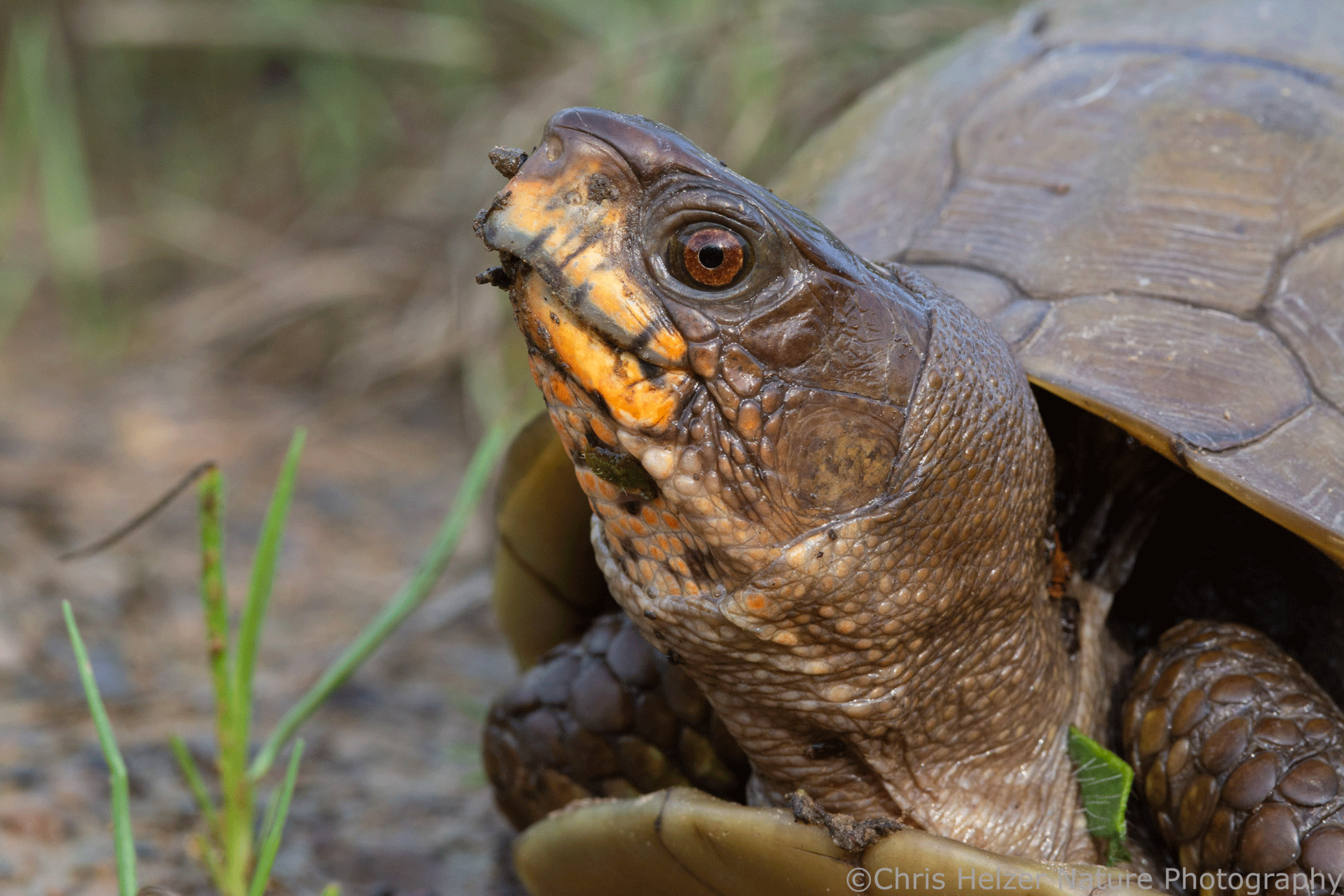
Eastern box turtle. Osage Hills State Park, Oklahoma.
Most of my photography takes place in Nebraska. That’s largely due to the fact that I live here. Of course, it’s also a worthwhile place to photograph, with incredible diversity and beauty, though you’d never guess that by the way it’s often portrayed by non-Nebraskans. Yes, there’s a lot of corn here, too, and they even named the most popular football team the ‘cornhuskers,’ but that doesn’t mean it’s all we have.
Anyway, here’s the point. All the photos in today’s post were taken OUTSIDE Nebraska. I had lots of opportunities to travel last year – many while following my ultramarathoning wife around for training runs and races. Sometimes light and opportunity lined up well enough for me to do some photography on those trips. Here are some of my favorite 2023 photos from those excursions.
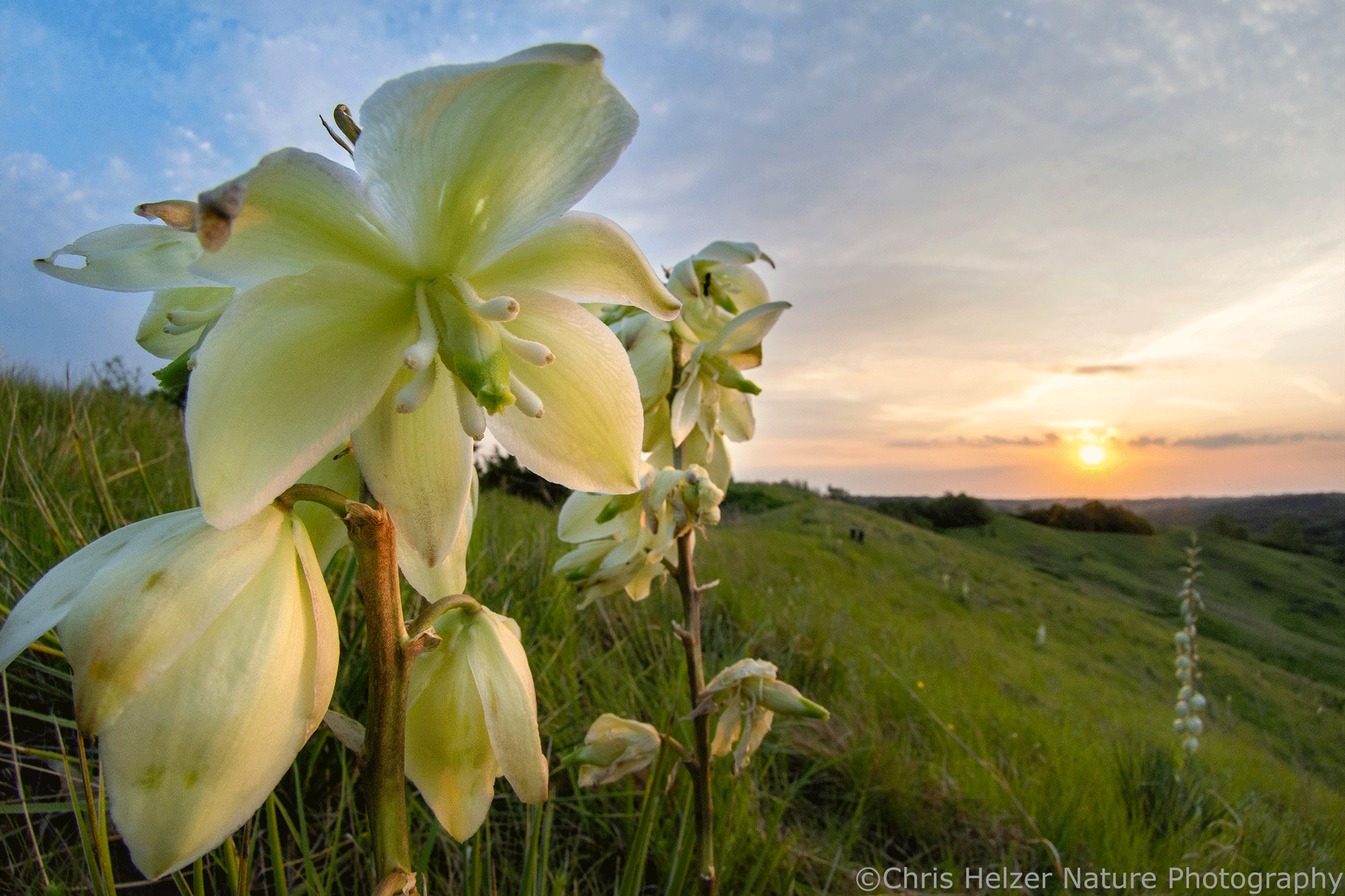
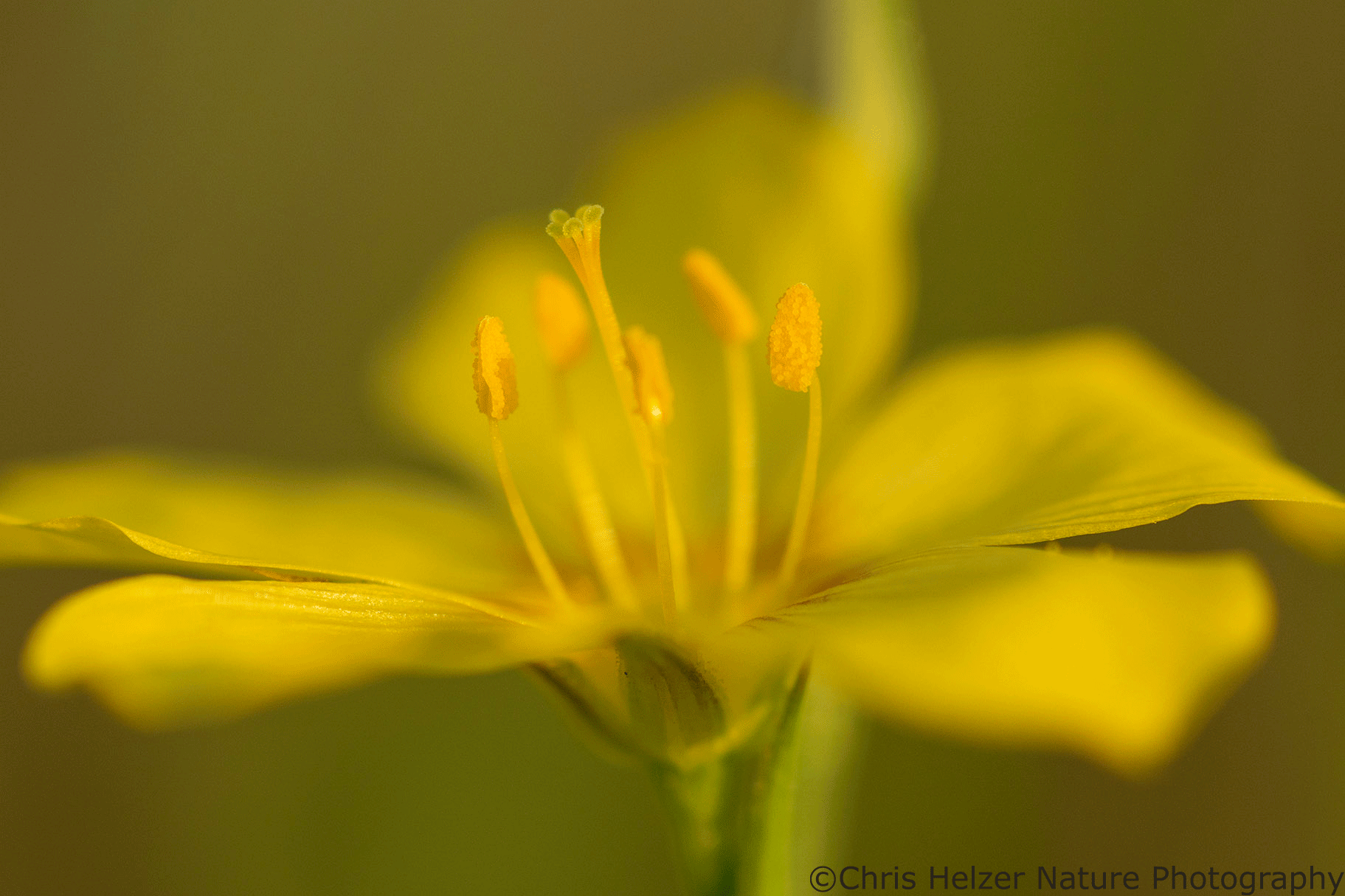
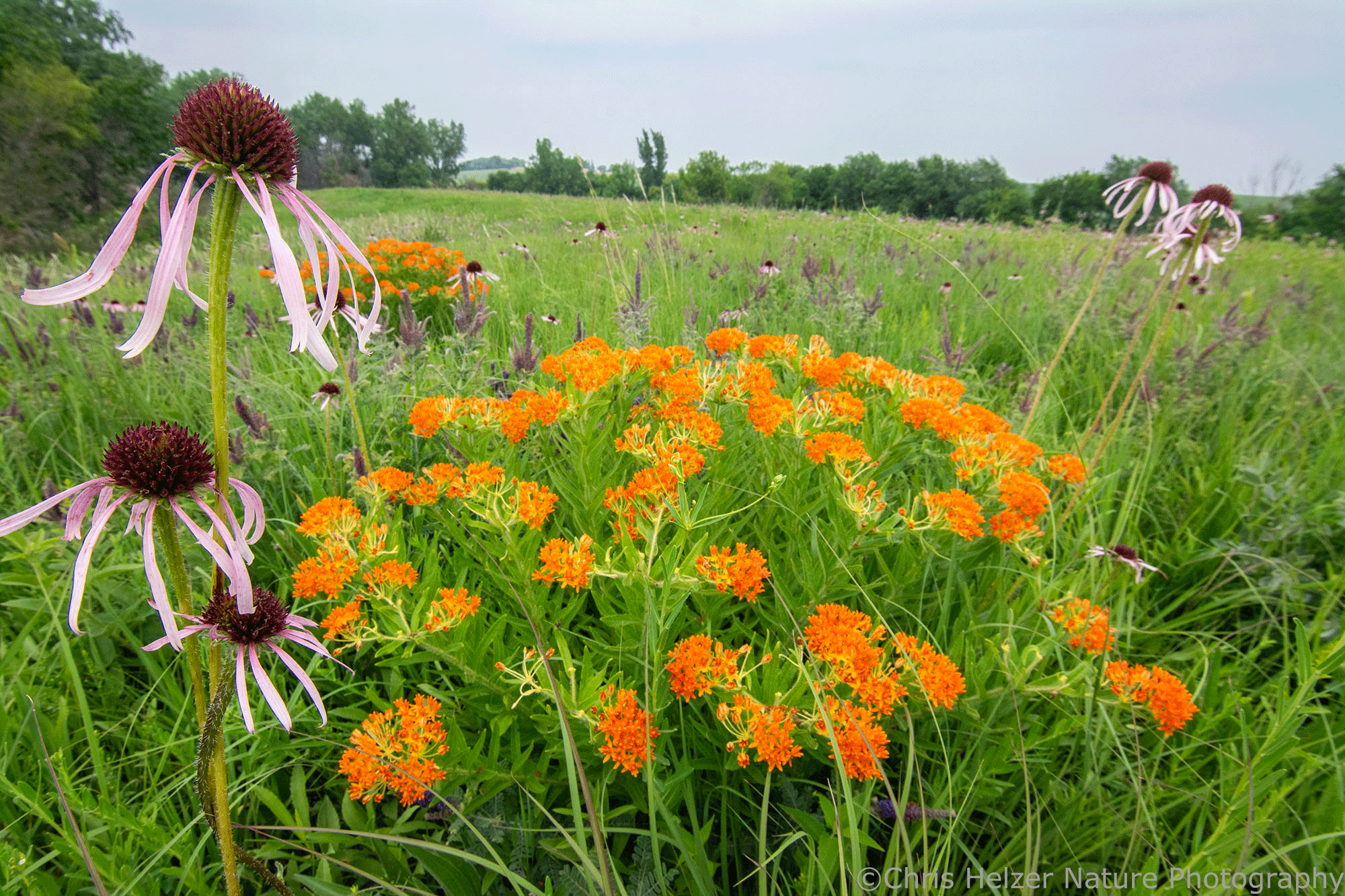
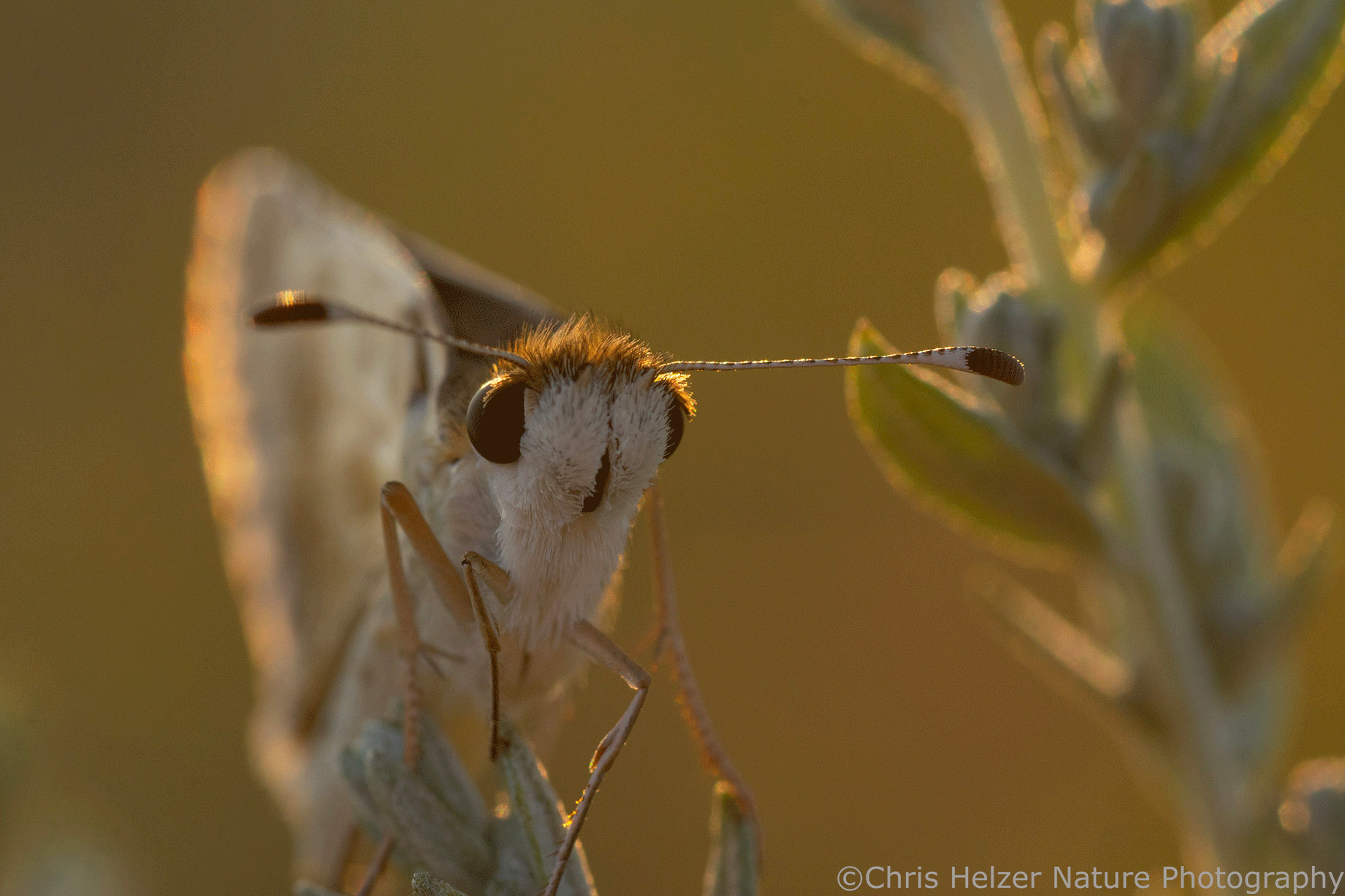
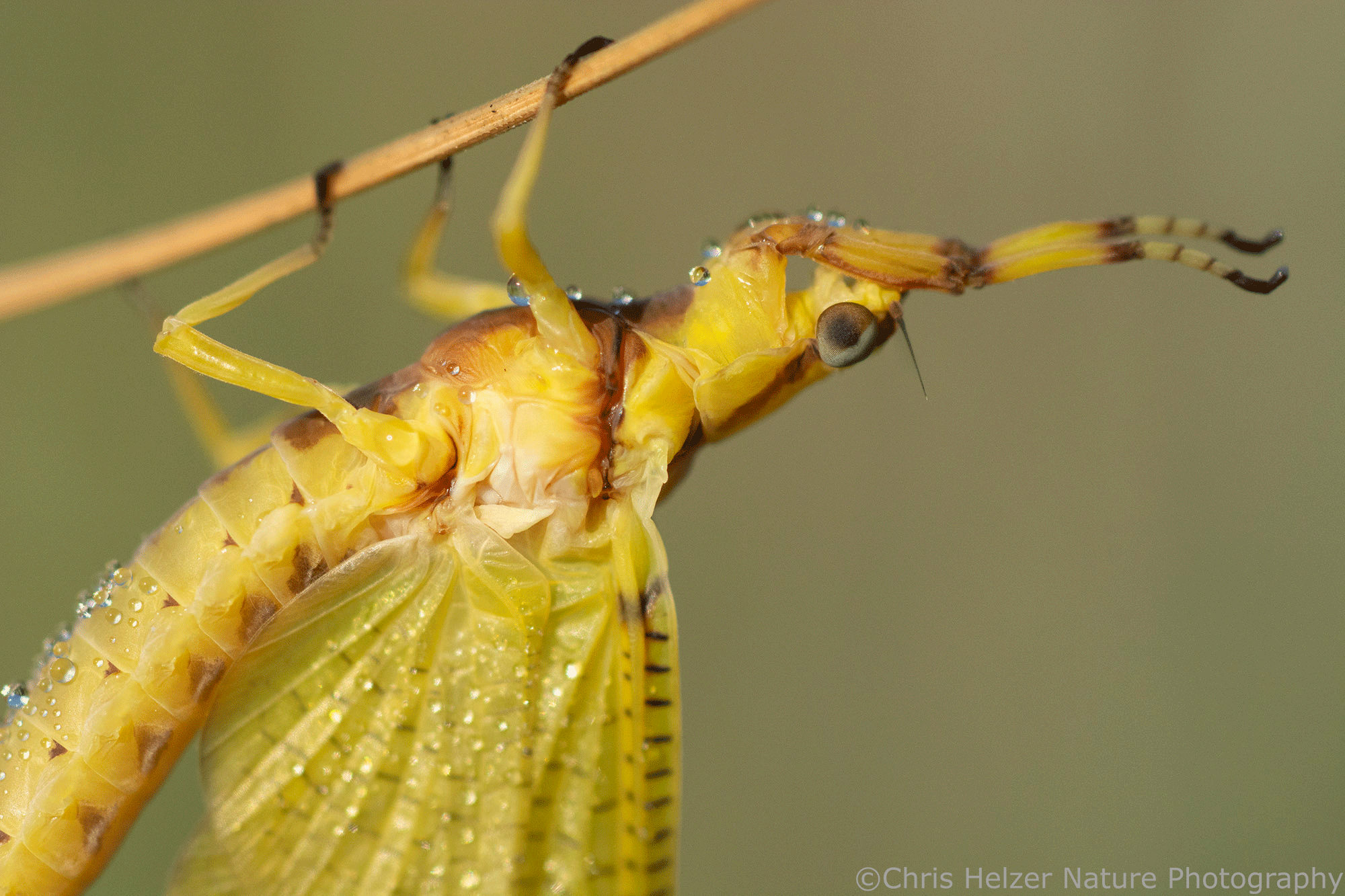
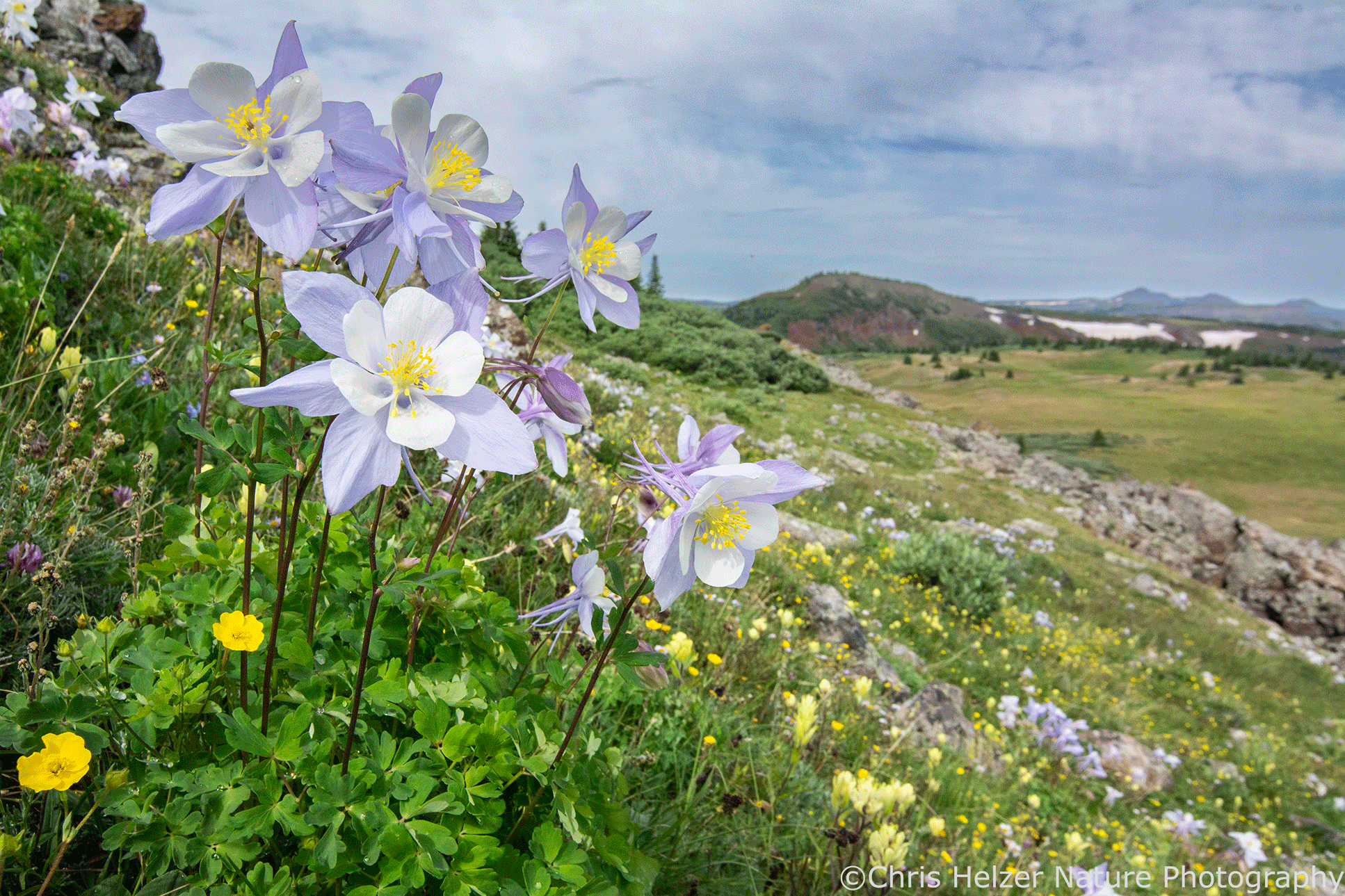
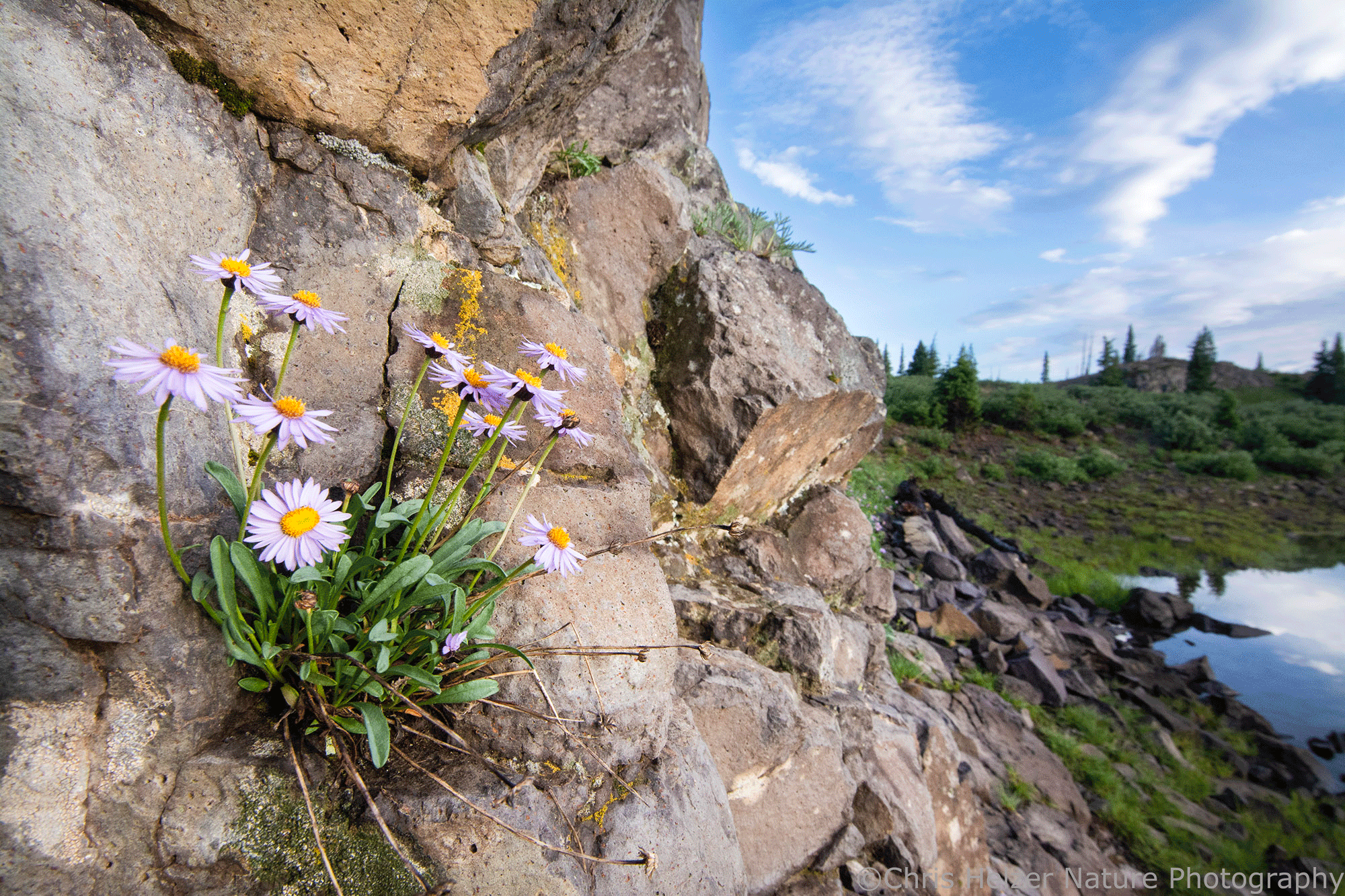
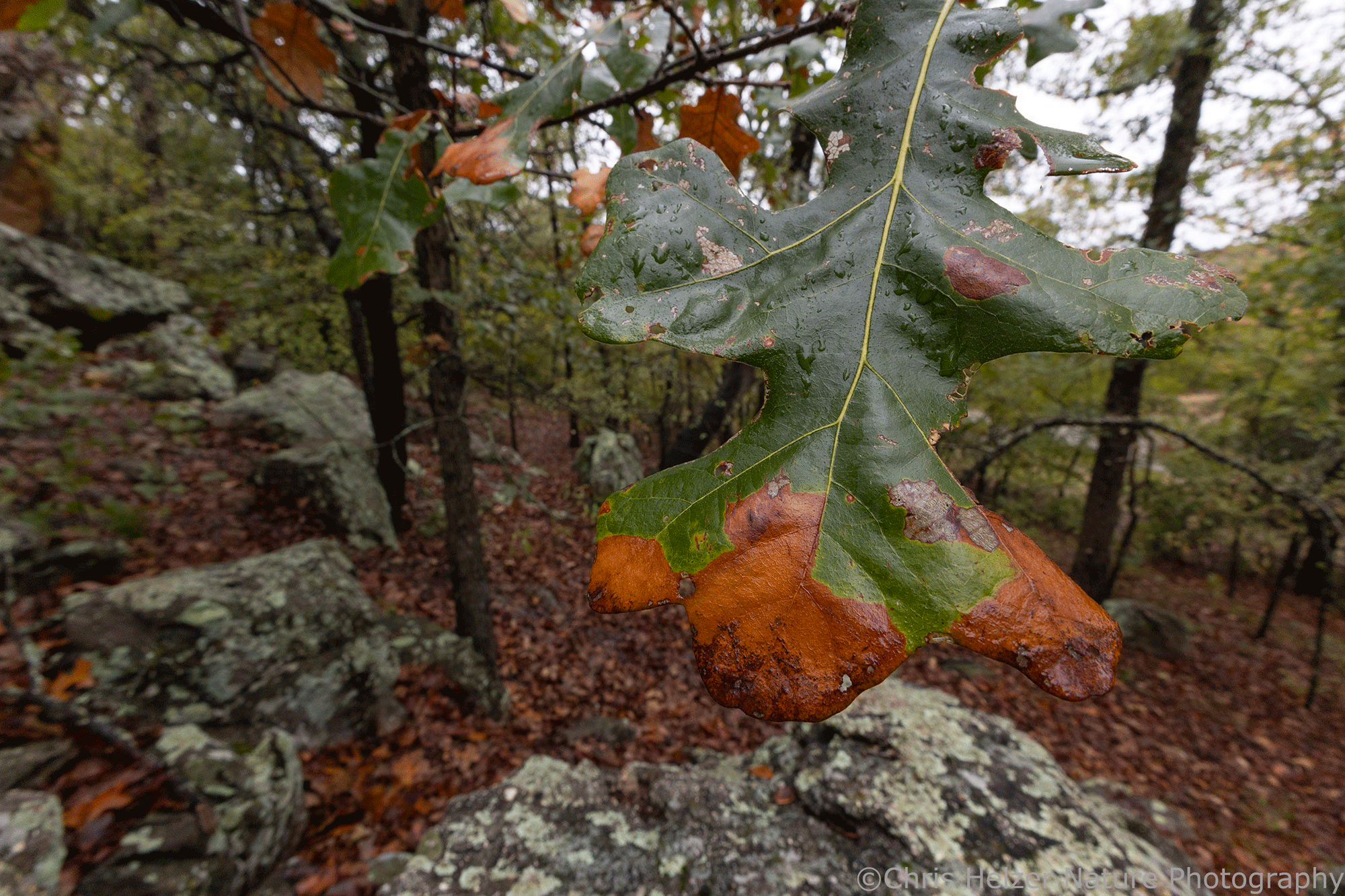
A miner bee (Anthophora abrupta) on spider milkweed (Asclepias viridis) at Osage Hills State Park. Thanks to Mike Arduser for identifying the bee for me. I figured out the milkweed on my own.Yucca (Yucca glauca) and sunrise at the Loess Hills Wildlife Management Area in western Iowa.Yellow flax blossom (Linum rigidum?) at the Loess Hills Wildlife Management AreaSpider (Larinia borealis) and prey. Loess Hills Wildlife Management AreaGreen milkweed (Asclepias viridiflora). Loess Hills Wildlife Management AreaYucca (Yucca glauca) and sunrise at the Loess Hills Wildlife Management area in western Iowa.Coreopsis flowers at the White Rock Conservancy in Iowa.Reconstructed prairie full of pale purple coneflower (Echinacea pallida) and white wild indigo (Baptisia alba) during a North American Prairie Conference Field trip to land owned and restored by Jon Judson.Butterfly milkweed (Asclepias tuberosa) and pale purple coneflower (Echinacea pallida) during a North American Prairie Conference Field trip to land owned and restored by Jon Judson.Common checkered skipper (butterfly) at Wilson Lake, KansasMayfly at Wilson Lake, KansasColumbine and other wildflowers in the Flat Tops Wilderness in ColoradoWildflowers (Arnica sp?) in the Flat Tops Wilderness in ColoradoWildflowers growing out of a rocky cliff in the Flat Tops Wilderness in ColoradoOak trees and rocks near Lake Murray in OklahomaA wheel bug at Konza Prairie Biological Station in the Flint Hills of KansasHiking trail at Konza Prairie Biological Station in the Flint Hills of Kansas
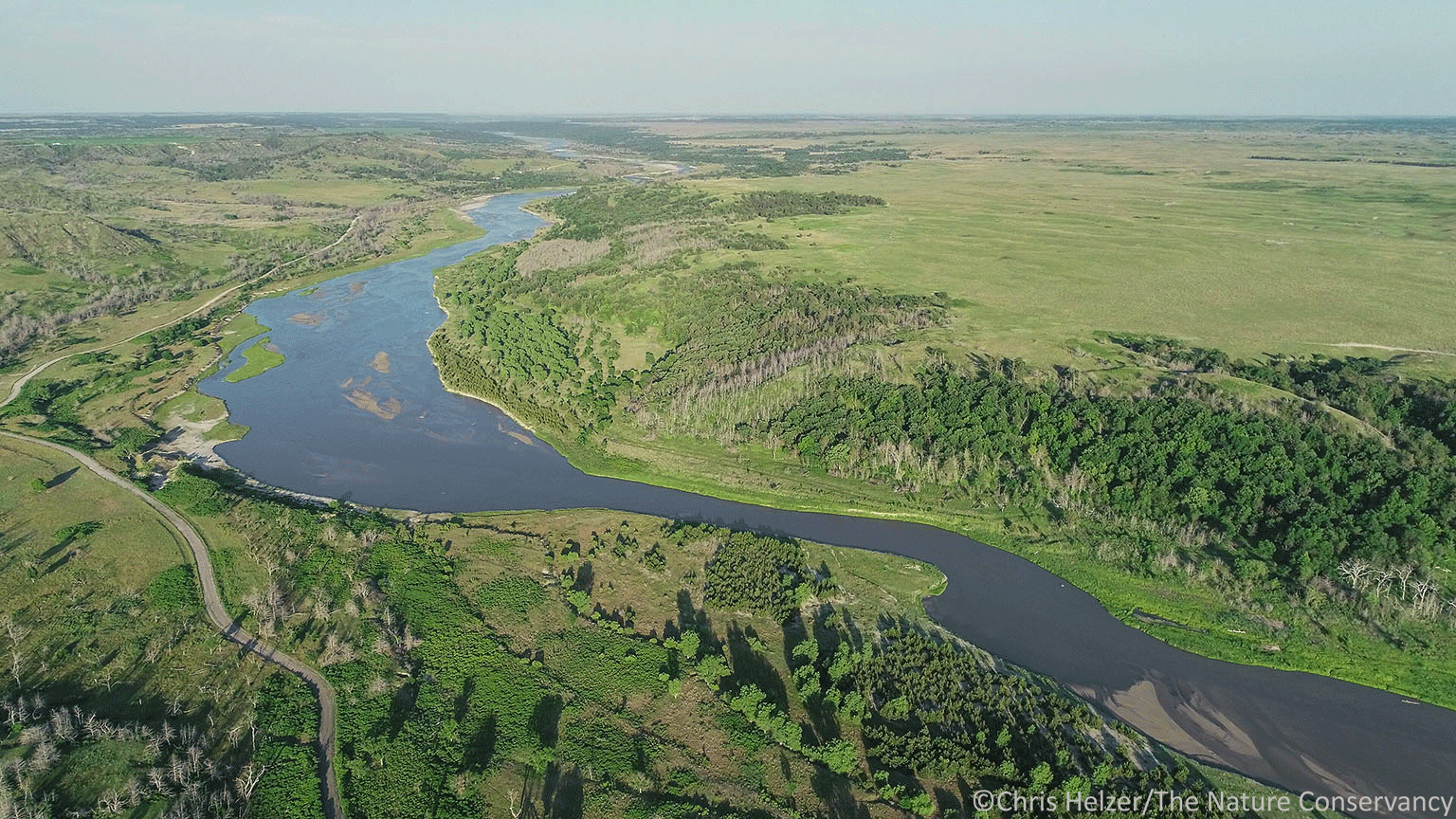
The Niobrara Valley Preserve encompasses a wide variety of habitats, including prairie, woodland, streams, and about 25 miles of the Niobrara River.
If you’ve followed this blog for very long, you’ve seen lots of photos and stories from the Niobrara Valley Preserve. It’s a spectacular place, located on the northern edge of the Nebraska Sandhills – the largest contiguous prairie landscape in North America. Would you like to work there? Of course you would!
Well…
The Nature Conservancy is hiring a stewardship manager at the Niobrara Valley Preserve (NVP) in north-central Nebraska (near the towns of Johnstown, Ainsworth, and Valentine). This position will supervise two other full-time land stewardship positions and oversee all land management operations across the site’s 56,000 acres. We are looking for an experienced person who can bring a creative approach to this role and build/manage a cohesive and energetic stewardship team.
This role encompasses a wide range of land stewardship, including grazing by leased cattle and two resident bison herds, invasive species management, prescribed fire, and more. The majority of the Preserve is Sandhills prairie, but it also includes tall and mixed-grass prairie, bur oak and ponderosa pine savannas, deciduous woodland, streams and wetlands, and more. Our land management has two primary goals: 1) to sustain biological diversity and ecological resilience; and 2) to develop and test innovative stewardship approaches that can inspire land management elsewhere.
We envision that the NVP stewardship manager will be working in the field about 75% of the time. In addition, they will be responsible for employee supervision, management planning, grazing and hunting leases, bison herd management, and infrastructure related to land stewardship (fence, livestock water facilities, equipment, and buildings.
If you’re interested, visit nature.org/careers, click on ‘join our team’, and search for job #54636 to see the full job announcement. Applications are due February 16.
IN ADDITION, there are a few days left to apply for a Prescribed Fire Specialist position (job #54585) that will also be based at the Niobrara Valley Preserve. This position will help train and provide technical assistance to private landowners and others in the Nebraska Sandhills. They’ll also help conduct burns on private land in the Sandhills, as well as at the Niobrara Valley Preserve. Applications for this job are due Feb 2.
Here are some more photos of the Niobrara Valley Preserve…
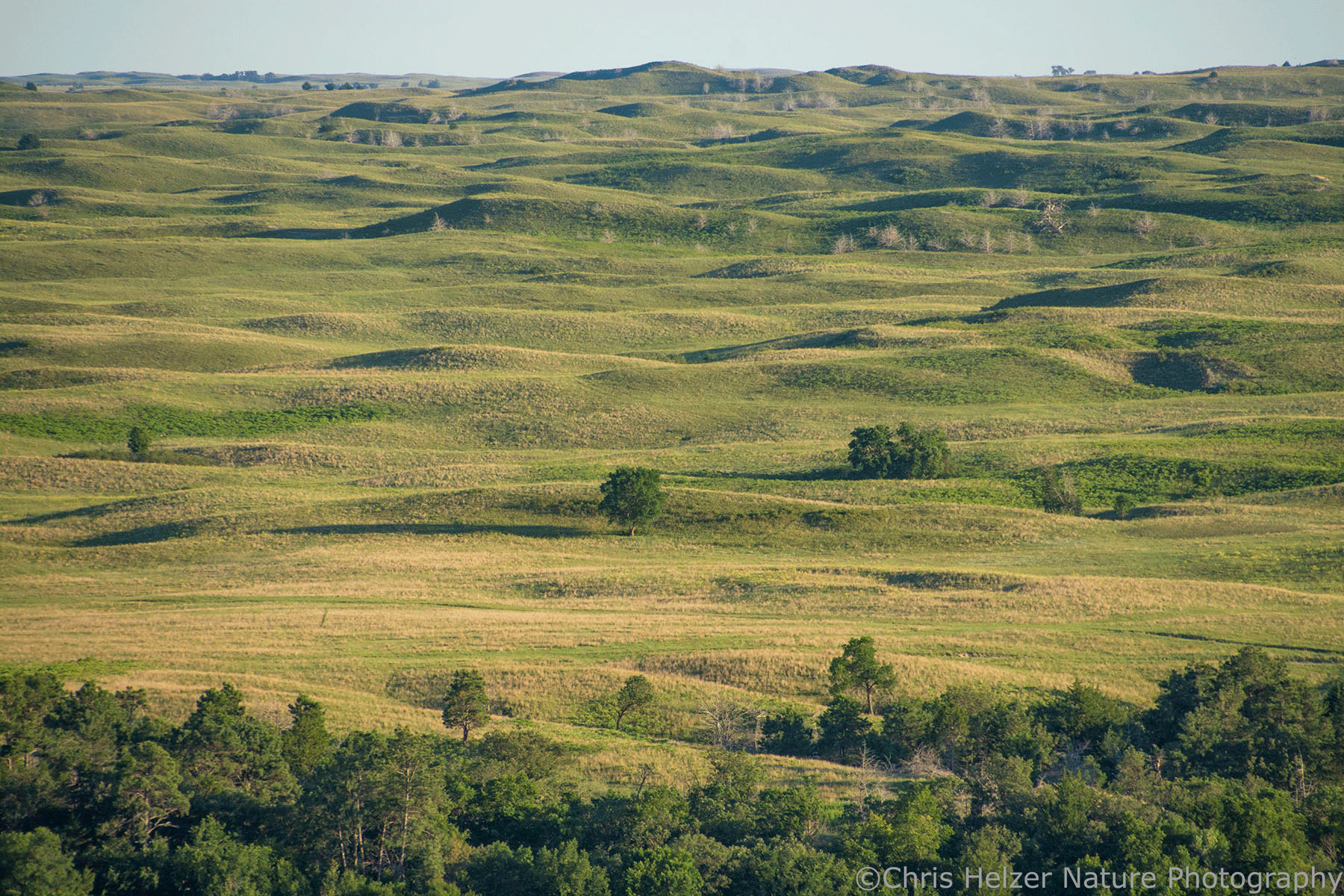
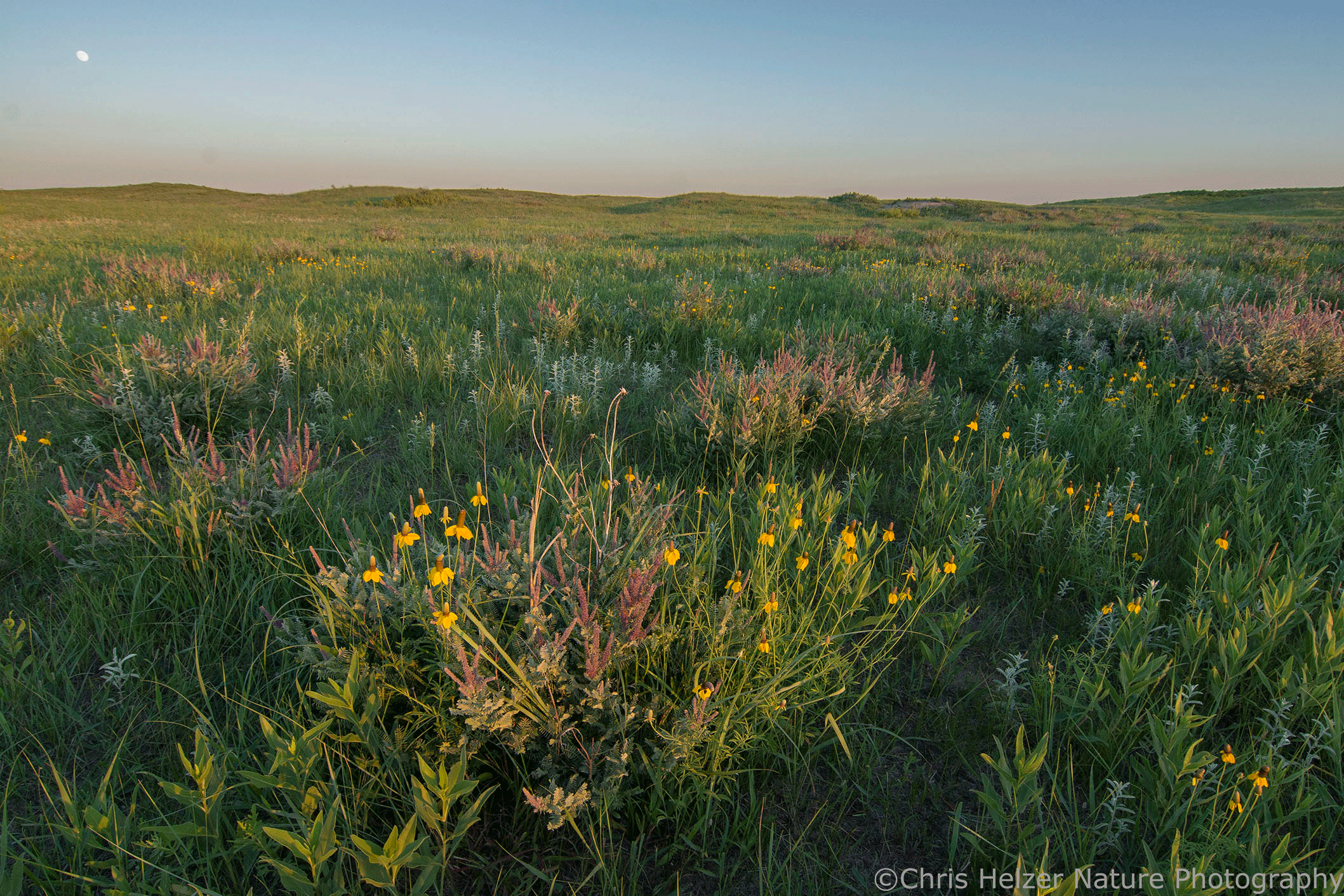
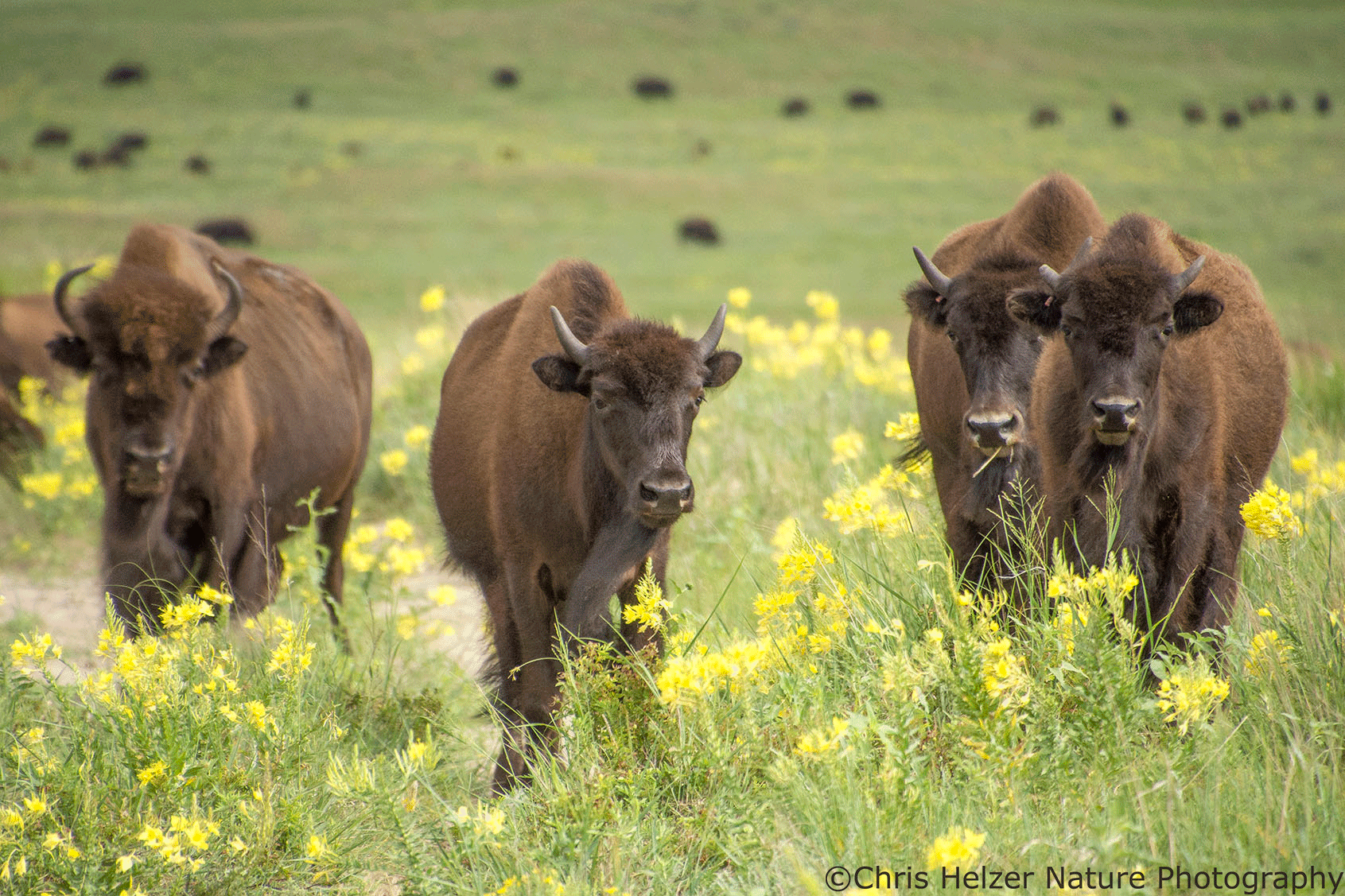
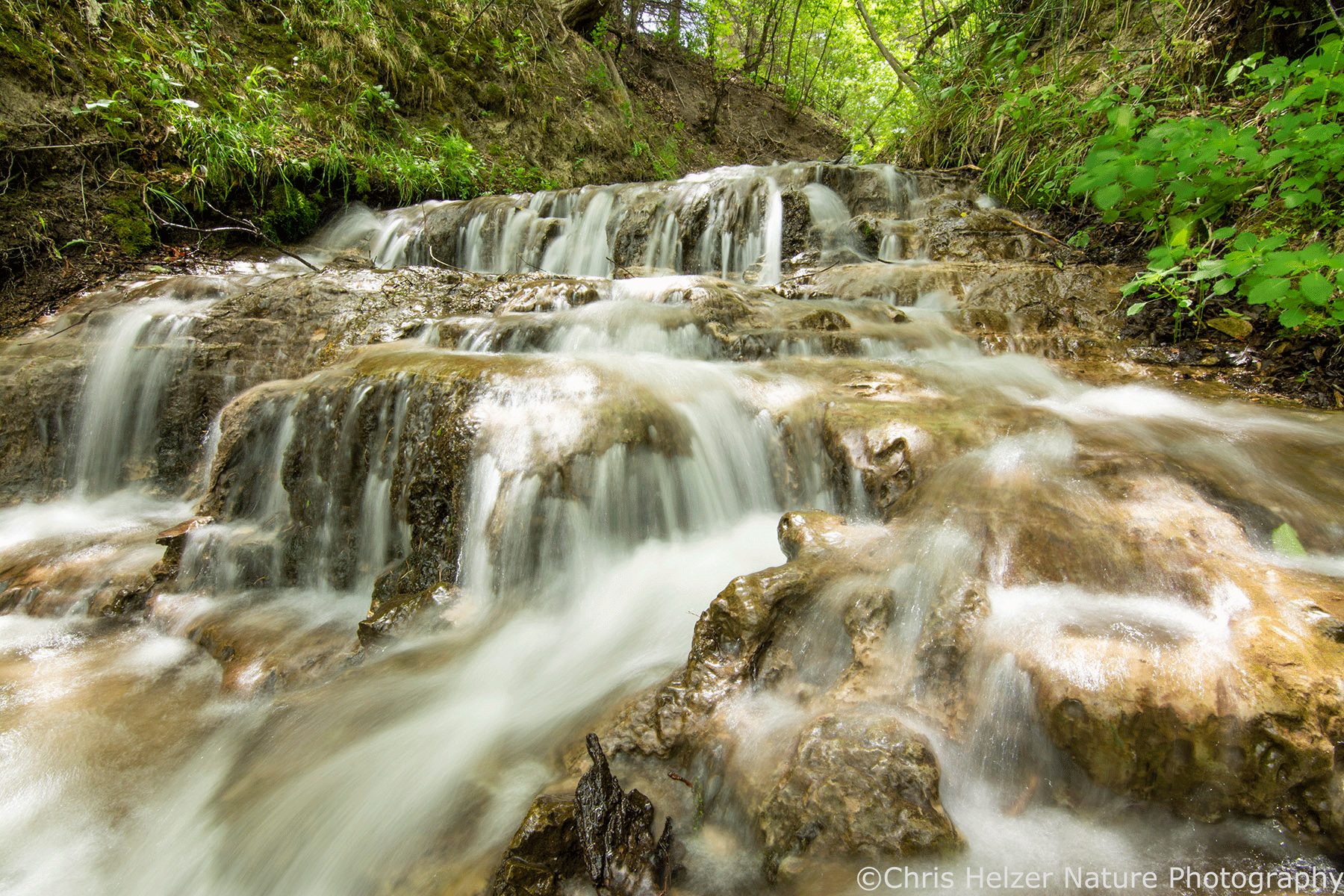
The Niobrara Valley Preserve sits at the northern edge of the Nebraska Sandhills. This view looks south from the woodland at the south edge of the Niobrara River.Sandhills prairie supports a broad diversity of plants and animals.There are two herds of bison at the Niobrara Valley Preserve, totaling about 1000 animals on roughly 22,000 acres of prairie.Stairstep falls is one of several locally-famous waterfalls on the Preserve and is a favorite stop for people floating the river.







 The Prairie Ecologist