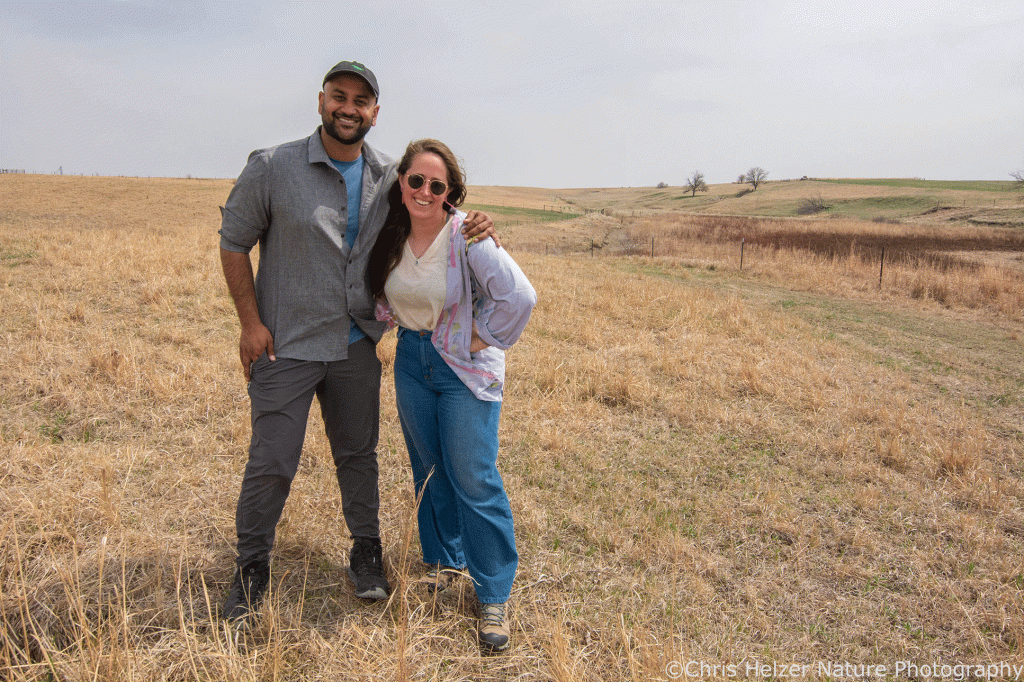
2023 Hubbard Fellows Sanketh Menon and Jojo Morelli.
The Hubbard Fellowship program is a one-year fellowship with The Nature Conservancy in Nebraska, designed for recent college graduates. Fellows spend a year as employees of The Nature Conservancy and gain experience with land stewardship, conservation planning, research and monitoring, outreach, marketing, fundraising, and all other aspects of working for a conservation organization.
We’ve designed this program as a way to bridge the gap between college and career – combining the experiences you’d get from several seasonal positions into one. You don’t need extensive experience to be qualified for the Fellowship. We’re looking for potential and enthusiasm. We’ll provide the training you need to be successful in the program.
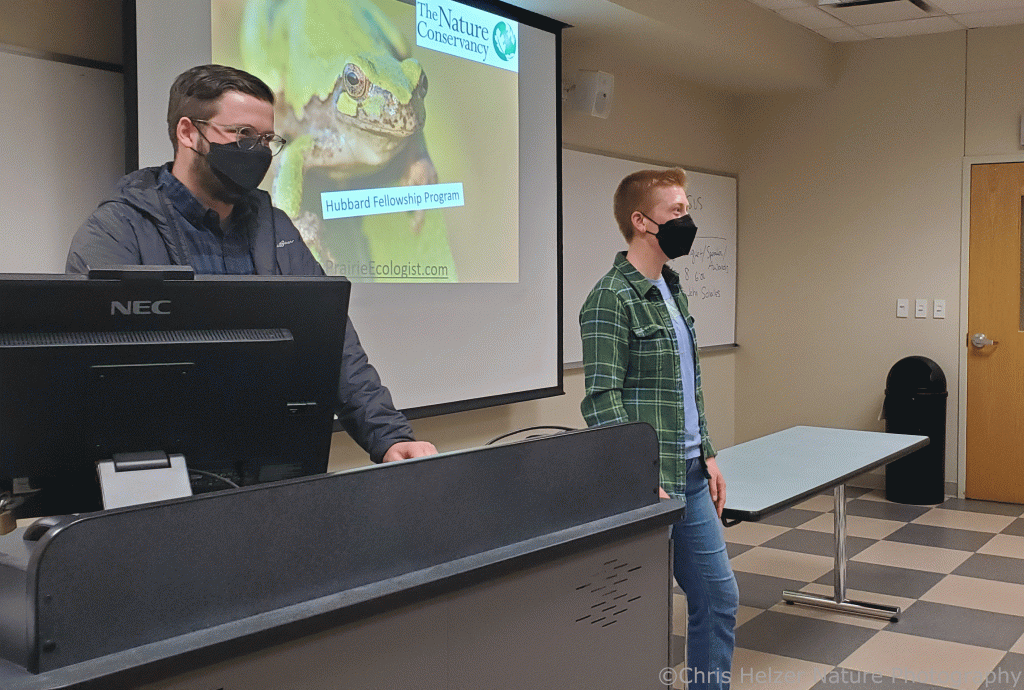
2022 Fellows Brandon Cobb and Emma Greenlee give a presentation to high school students.
Some Fellows come to the program after graduate school. Others use the Fellowship to help prepare them for an advanced degree or move into a career path that doesn’t require a graduate degree. We’ve had Fellows who have come in with strong interests in land stewardship, science, conservation policy, social science, communication, or other topics. Our job is to help bolster those interests and broaden the range of Fellows’ experiences and skills to make them more effective (and more employable) in whatever field they choose to pursue.
Applications are due October 9, 2023 and the Fellowship period runs from February 4, 2024 – January 31, 2025. Housing is provided at The Nature Conservancy’s Platte River Prairies and the position comes with an annual salary of $27,300 plus full benefits, including comprehensive medical insurance. Click here to see the job description and to apply. Read more about the Fellowship in this brochure.
2014 Fellow Dillon Blankenship helping with one of two annual bison roundups.
In addition to a broad range of experiences as Conservancy employees, Hubbard Fellows each design and carry out their own independent project. That can be a research project, but could also be anything that provides the Fellow a chance to deepen their knowledge of a topic and provide a tangible benefit to The Nature Conservancy.
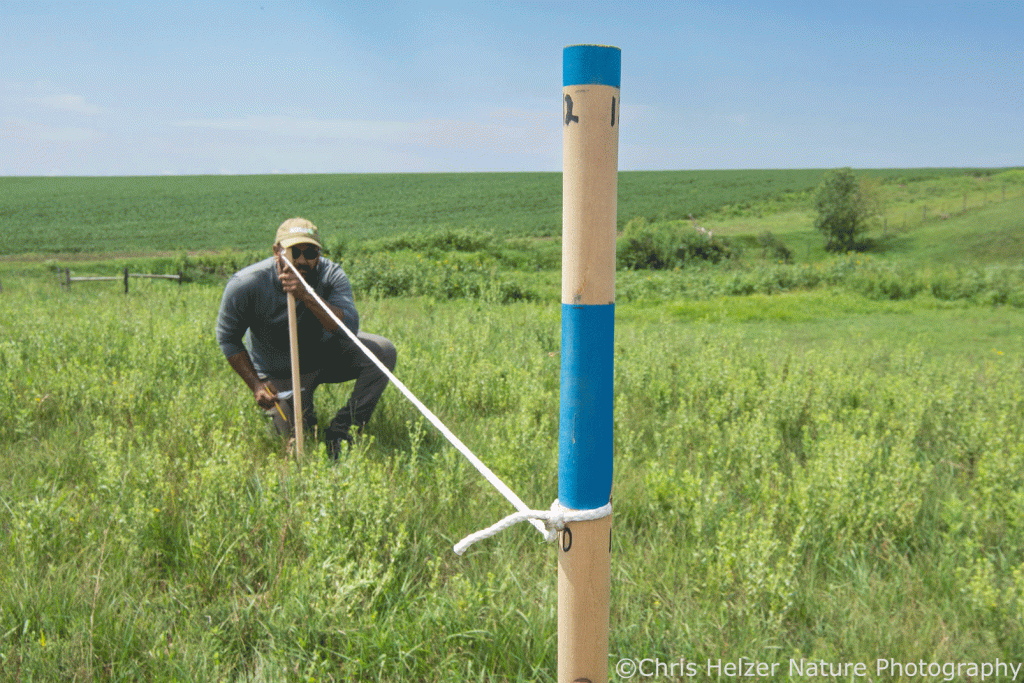
2023 Fellow Sanketh Menon collects data for his independent project.2020 Fellow Dat Ha holds a plains pocket mouse captured as part of a long-term research project at the Platte River Prairies2021 Fellows Sarah Lueder and Kate Nootenboom pose with a pile of harvested prairie seed.Fellows live and work mostly at The Nature Conservancy’s Platte River Prairies, south of Wood River, Nebraska.Fellows also spend considerable time at the Niobrara Valley Preserve north of Johnstown, Nebraska.
More than anything else, the Hubbard Fellowship is meant to support and facilitate the development of future conservation leaders. Conservation leadership can take many forms, and we don’t prioritize among those. Fellows come away with a solid base in land management and restoration and some go on to become professional land stewards. Others, however, have moved into a wide variety of conservation careers. We’ve even got two former fellows who are now fundraisers for non-profit organizations.
If you’re a recent college graduate looking for a career in conservation, I hope you’ll consider applying for the Hubbard Fellowship. It really is a terrific program and one I’m proud to supervise.
Last week, I talked about how great late summer is for photography and promised more photos from the last week or two of August. Here they are. All these were shot close to home, either at our family prairie (15 minute drive) or in Lincoln Creek Prairie (a mile from my house).
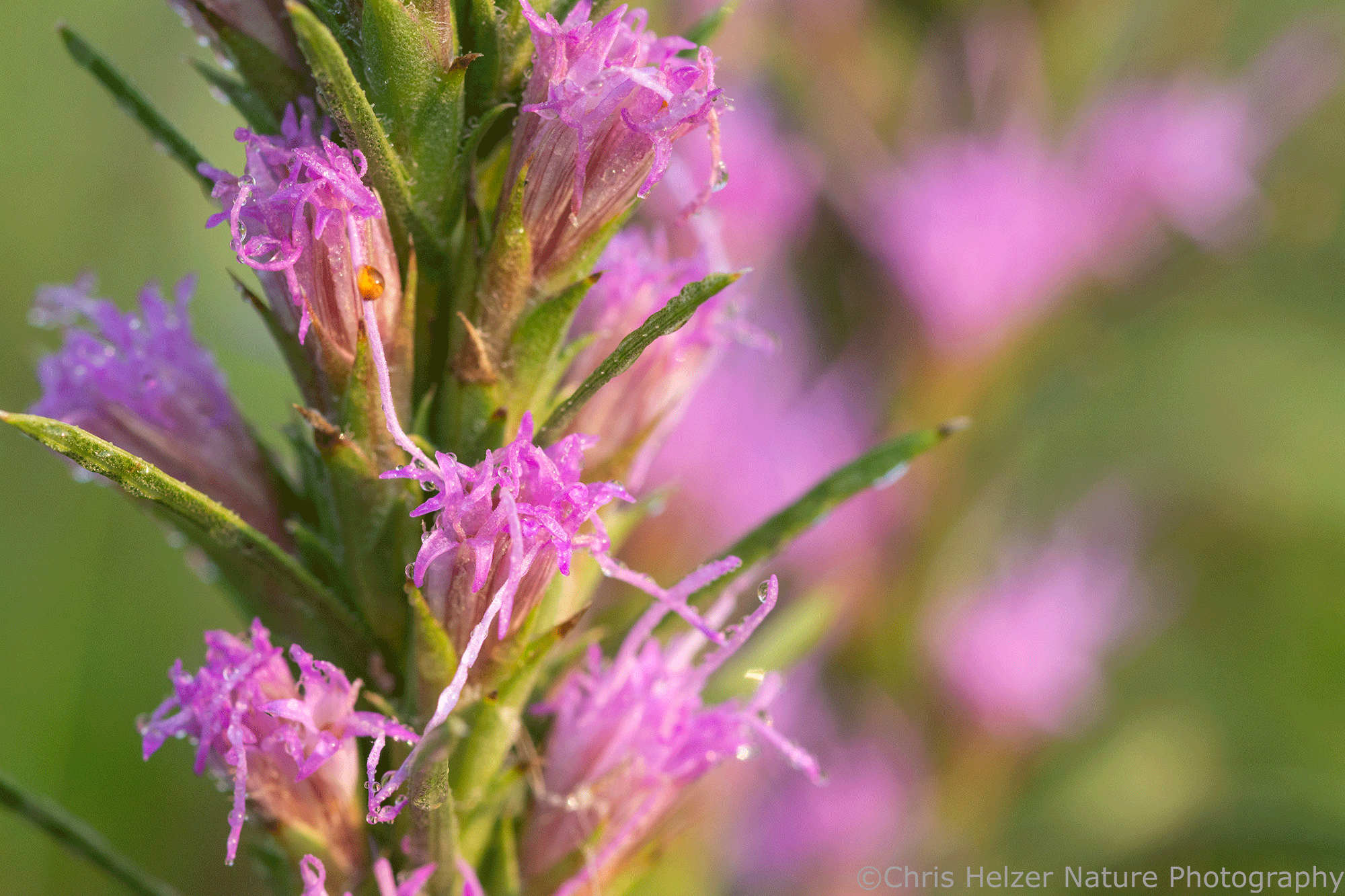
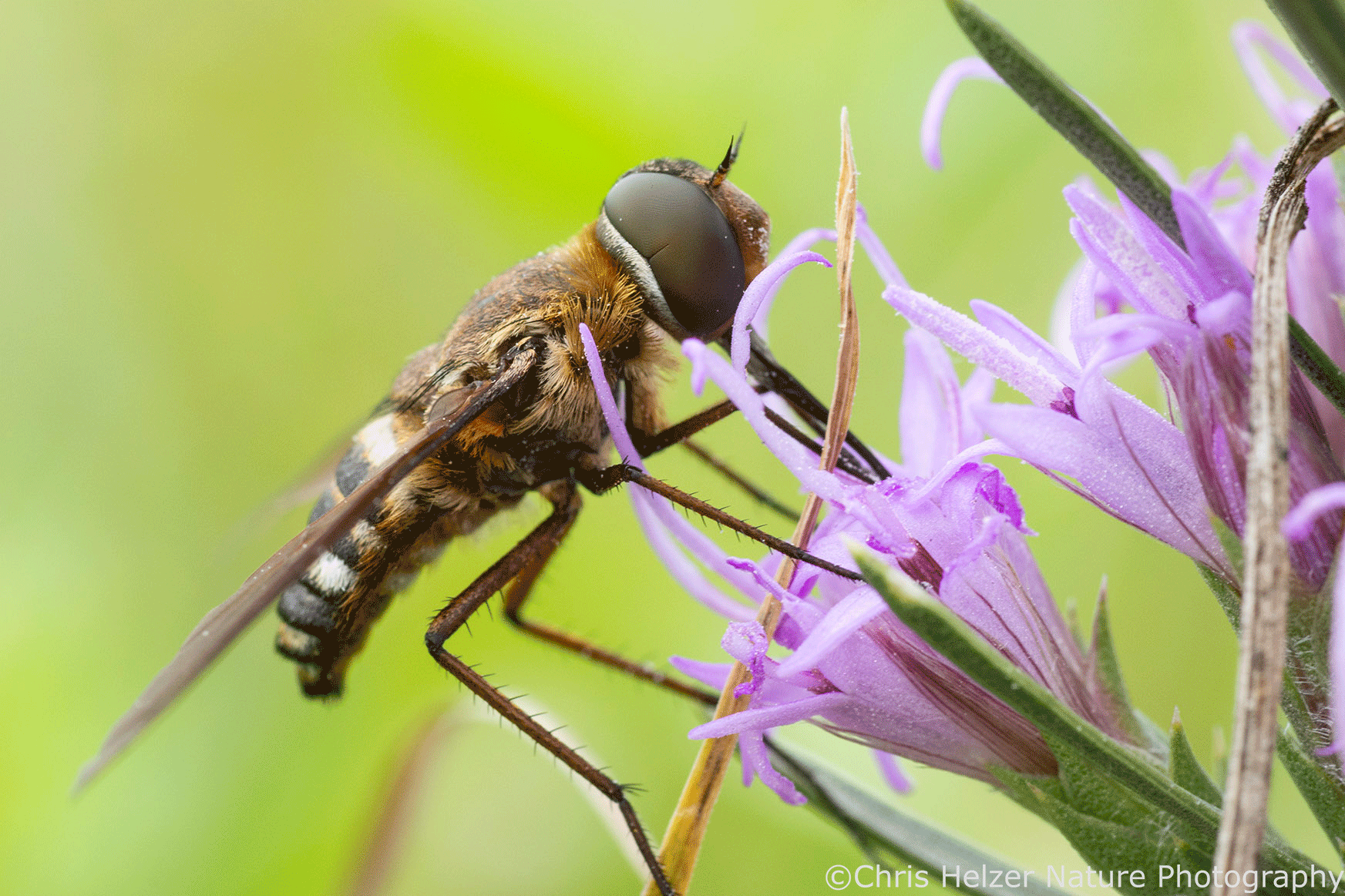
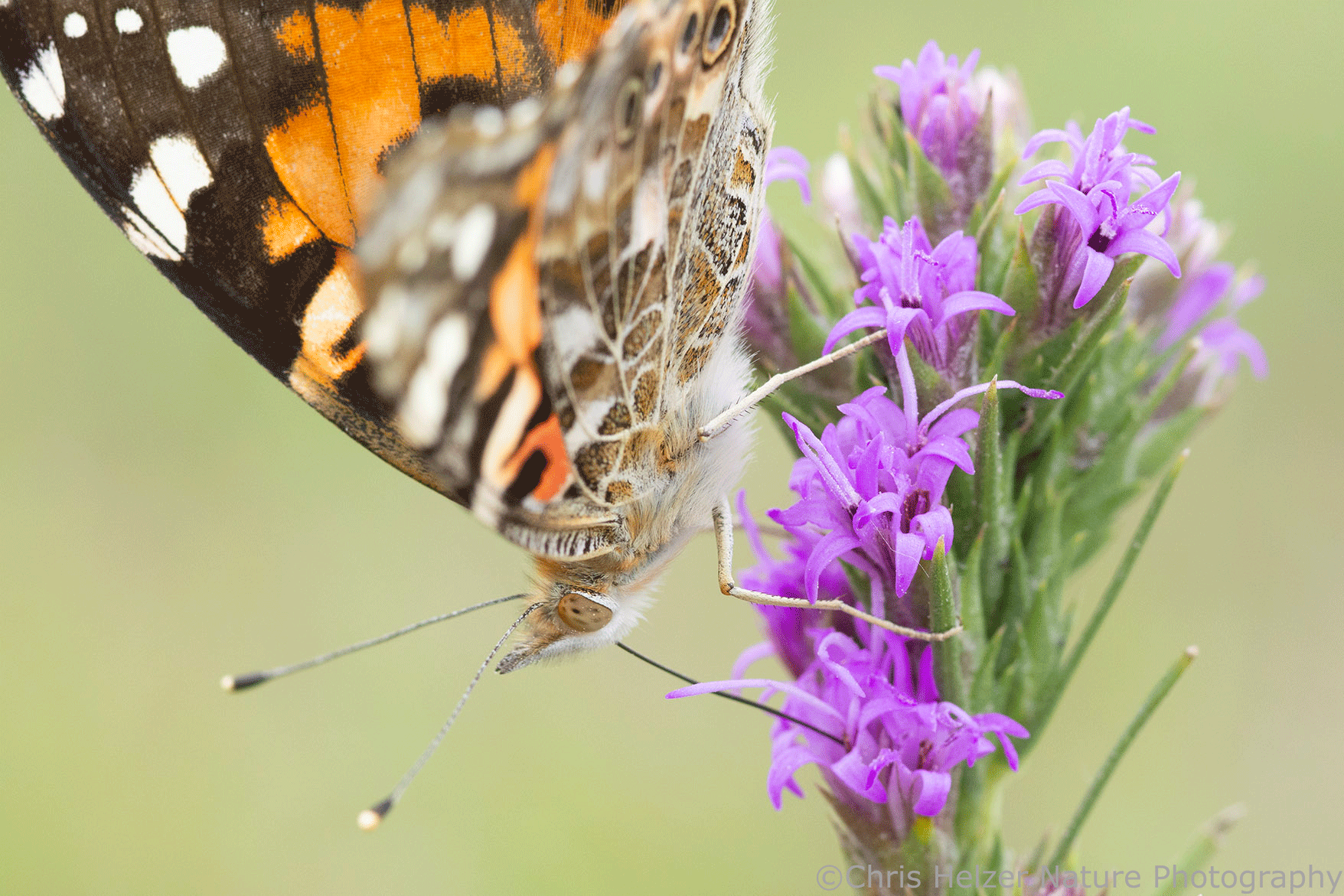
Dotted gayfeather (Liatris punctata).at the Helzer family prairie. 105mm macro lens. ISO 640, f/11, 1/200 sec.Hover fly on dotted gayfeather. 105mm macro lens. ISO 800, f/16, 1/160 sec.Painted lady butterfly on dotted gayfeather. 105mm macro lens. ISO 800, f/11, 1/400 sec.
There’s almost a frantic energy to pollinators this time of year, it seems. Many bees, wasps and flies are nearing the end their lives. They have limited time to lay more eggs, provision them with food, or do whatever else they need to do before their time comes to a close.
Some butterflies are either migrating through or preparing to push south. Monarchs are well-known for that, of course, but the painted lady butterfly pictured above is another species that takes long-distance flights. In North America, I think they push out of the desert southwest each year into other parts of the continent and then return in the fall. Back in 2017, which was a spectacular year for that species, their return flight was picked up by National Weather Service radar in Denver!
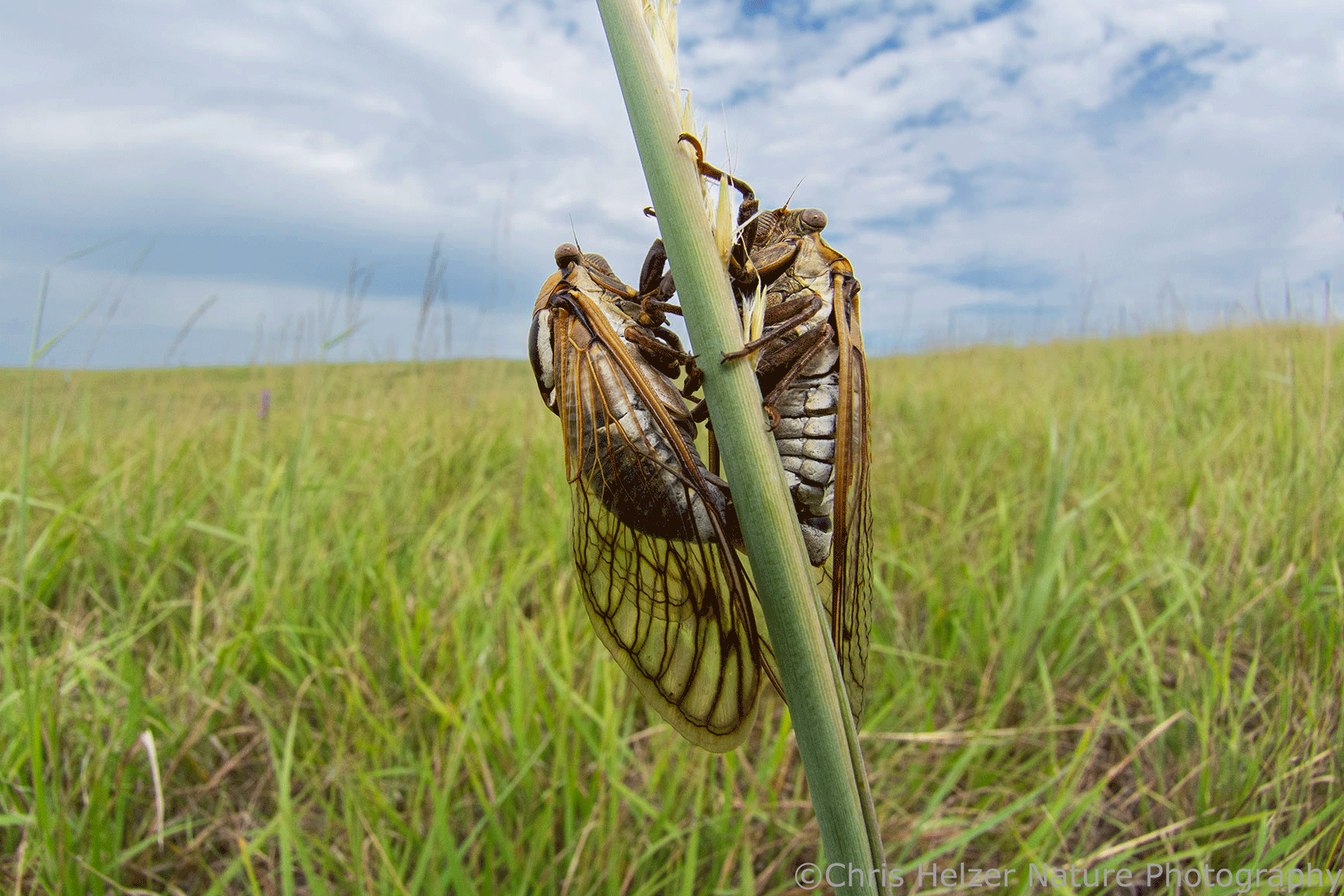
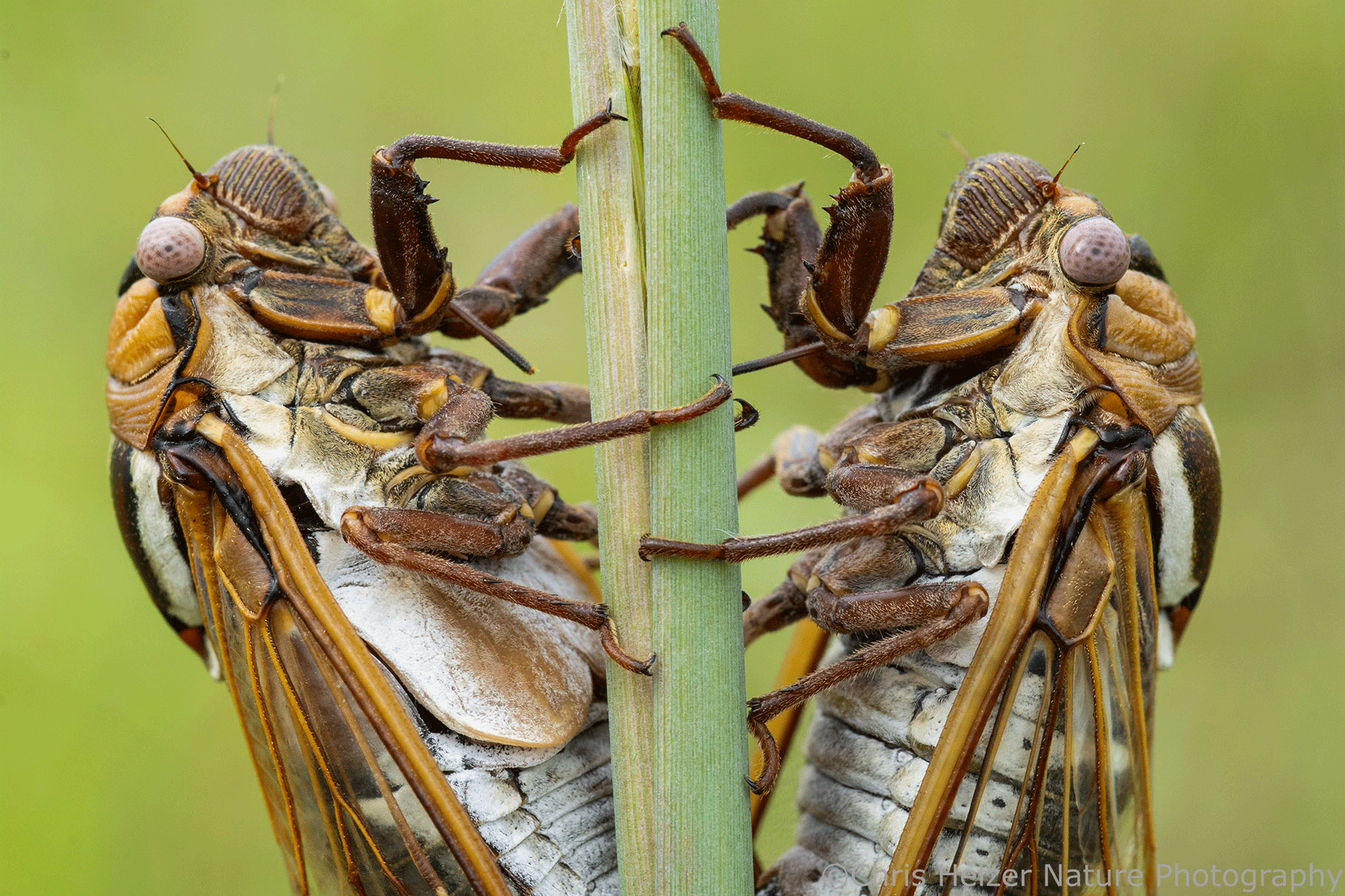
Mating bush cicadas (Megatibicen dorsatus) at the Helzer Family Prairie. 10.5mm fisheye lens. ISO 800, f/11, 1/640 sec.Bush cicadas up close. 105mm macro lens. ISO 800, f/16, 1/160 sec.
I really enjoy seeing, hearing, and photographing prairie cicadas. I don’t know the species very well yet, but have become familiar with a few of the ones I see most commonly. When I spotted a pair of them at our family prairie a few weeks ago, I hoped to get a quick photo before they flew off. Instead, they were sufficiently occupied with each other that I spent about five minutes with them before leaving them to finish what they were working on.
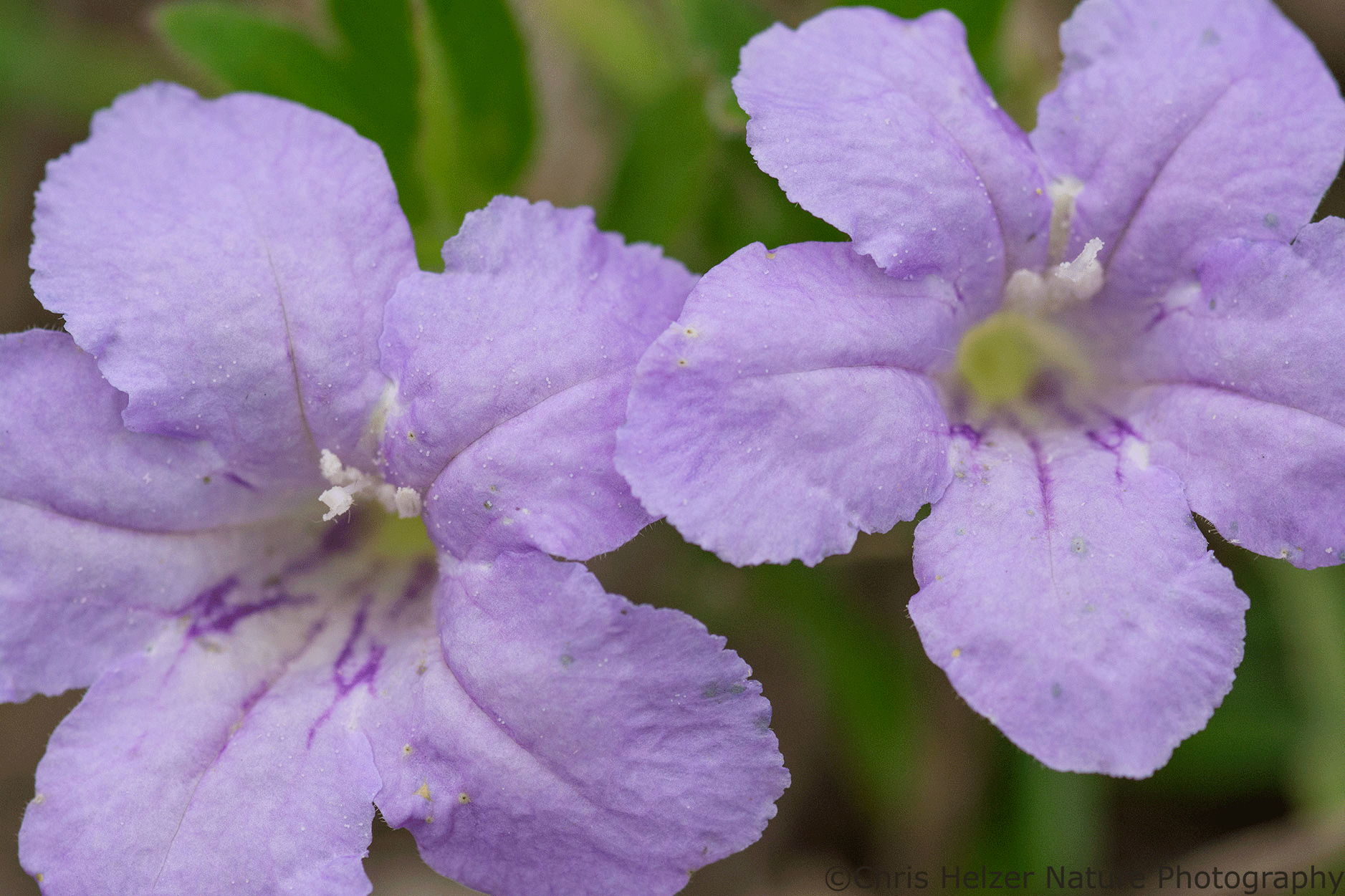
Wild petunia (Ruellia humilis) at the Helzer Family Prairie. 105mm macro lens. ISO 800, f/9, 1/1600 sec.
I don’t see wild petunia blooming at our family prairie every year. In fact, I went years before even knowing it was in the prairie at all. This year, though, there is a patch bigger than the footprint of my house that contains hundreds of blooming individuals (you all know how big my house is, right?). It’s in a part of the prairie that was mostly rested from grazing for a couple years but then got some heavy grazing during July and August.
Did the plants flower prolifically because of this year’s drought? The rest from grazing? This year’s intense grazing? Or for some other reason altogether? I have no idea. The grazing certainly didn’t seem to have any negative impact on them since they were going strong in late August. It’s sure fun to see them.
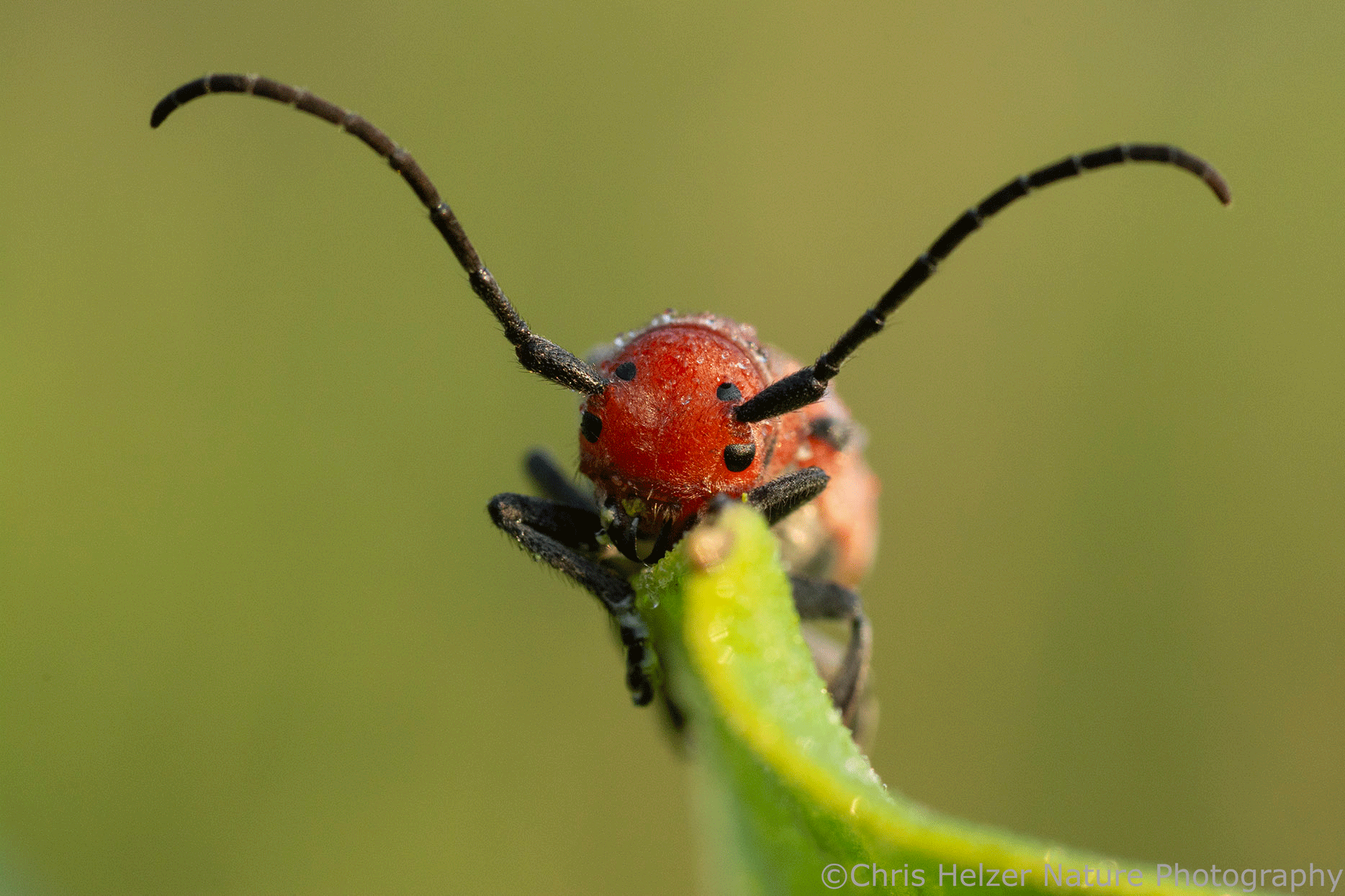
Red milkweed beetle (Tetraopes tetropthalmus). Lincoln Creek Prairie. 105mm macro lens. ISO 800, f/16, 1/160 sec.Black and yellow garden spider (Argiope aurantia). Lincoln Creek Prairie. 105mm macro lens. ISO 800, f/16, 1/160 sec.
The big black and yellow garden spiders are always a great addition to late summer prairies. They also make great ambassadors for spider kind when I can talk to people about them and show how harmless they are to people. When I get the chance, I’ll try to entice one onto my hand and let it crawl around while I’m talking to a group of people. Seeing that the spider isn’t attacking me is a revelation for many people, and opens up a conversation about how things that seem creepy or scary often aren’t.
That doesn’t mean everyone leaves those encounters and goes home to find and hug their own spiders. That’s a future step. I do hope, though, that people might not immediately flee the premises when they see one, and might even spend a little time admiring or watching one. How many of us have enjoyed tossing an insect to a spider like that and watching it roll it up in silk? Those kinds of interactions help breed connections with nature that are hopefully unbreakable.
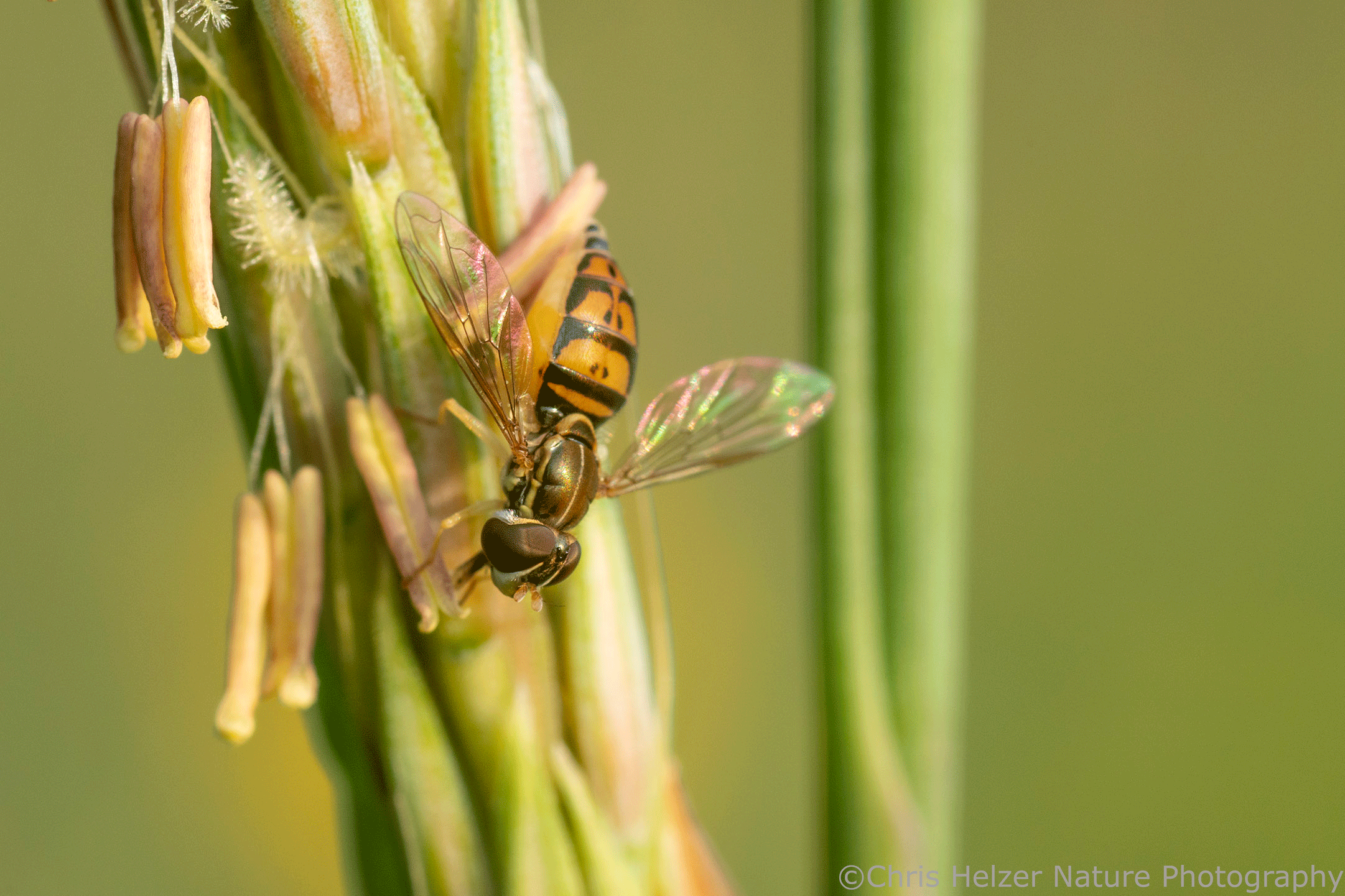
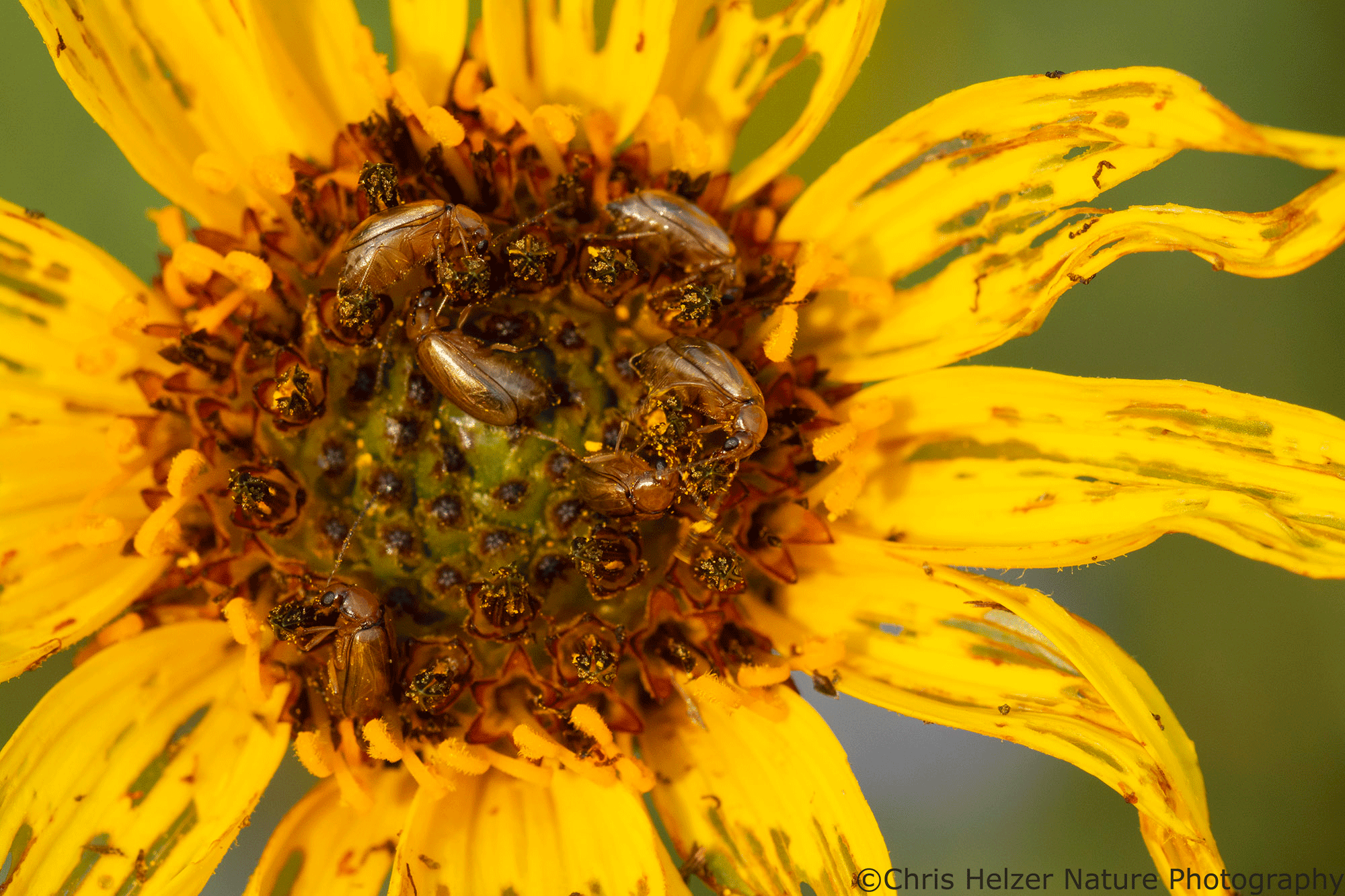
Hover fly on big bluestem. 105mm macro lens. ISO 800, f/18, 1/100 sec.Leaf beetles feeding on stiff sunflower (Helianthus pauciflorus). Lincoln Creek Prairie. 105mm macro lens. ISO 800, f/16, 1/125 sec.
One of many research projects I’d enjoy doing would involve the little shiny brown leaf beetles that feed on stiff and Maximilian sunflowers this time of year. I’d love to track their abundance from year to year, and the percentage of flowers that are fed upon through time. This seems like a moderately abundant year for them at Lincoln Creek Prairie, but I’m not keeping good records or doing any kind of sampling to really find out. It would be fun to see whether their abundance tracks with weather, management, or other factors, but apparently not fun enough that I’ve prioritized that data collection…
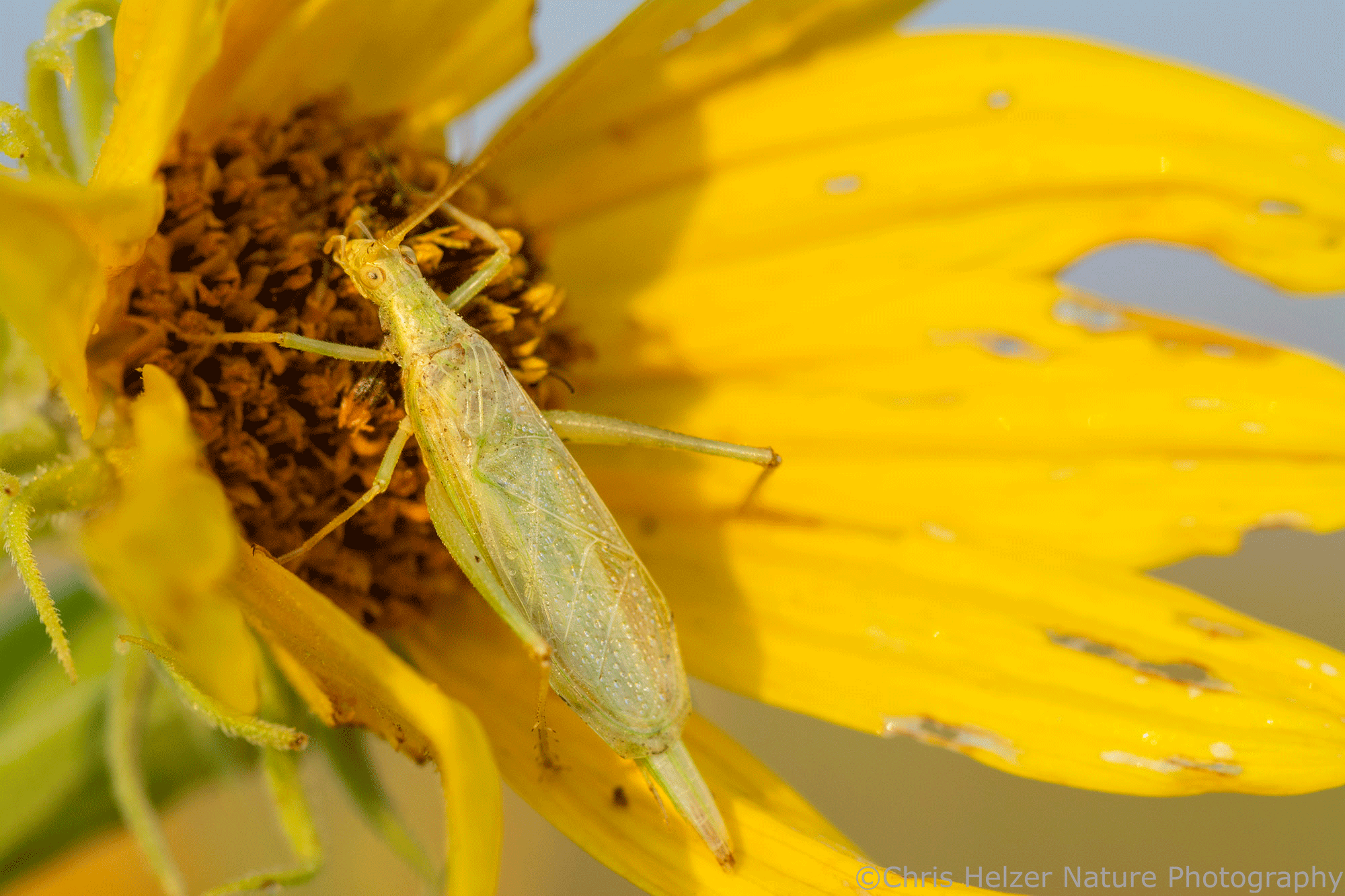
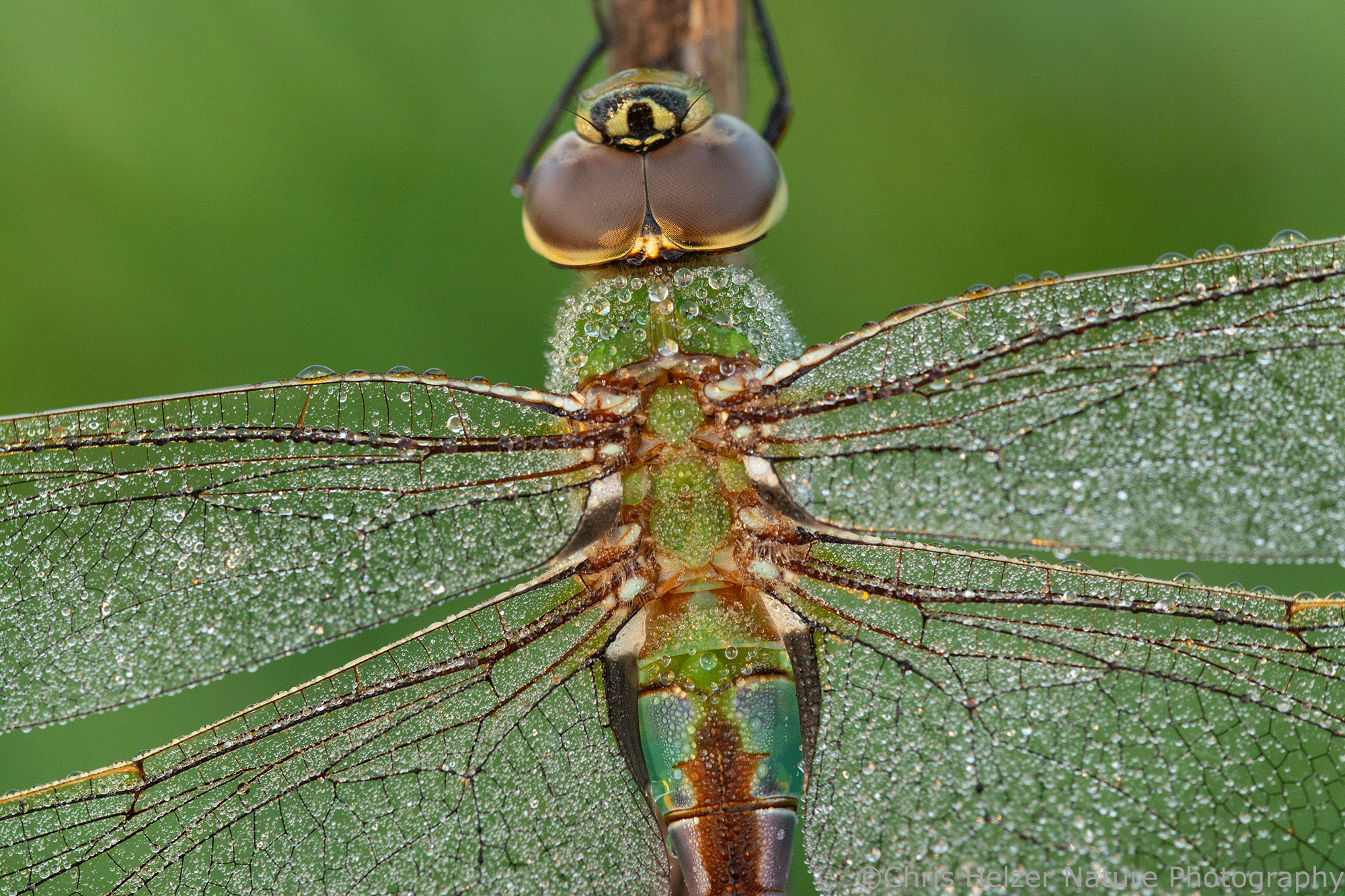
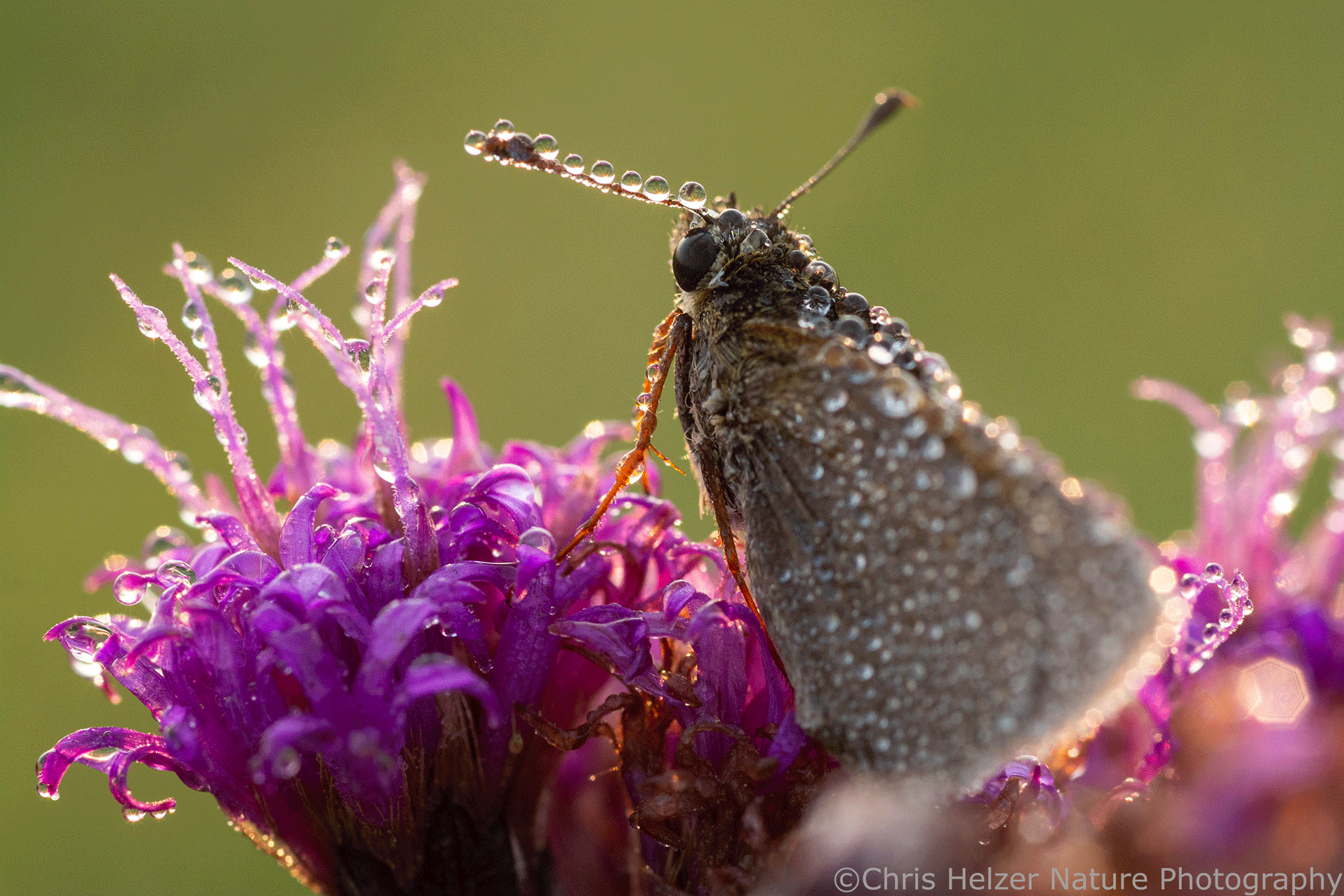
Tree cricket on Maximilian sunflower (Helianthus maximiliani). Helzer family prairie. 105mm macro lens. ISO 640, f/16, 1/160 sec.Green darner dragonfly. Helzer family prairie. 105mm macro lens. ISO 800, f/11, 1/125 sec.Skipper butterfly on ironweed (Vernonia sp.). Helzer family prairie. 105mm macro lens. ISO 800, f/14, 1/125 sec.
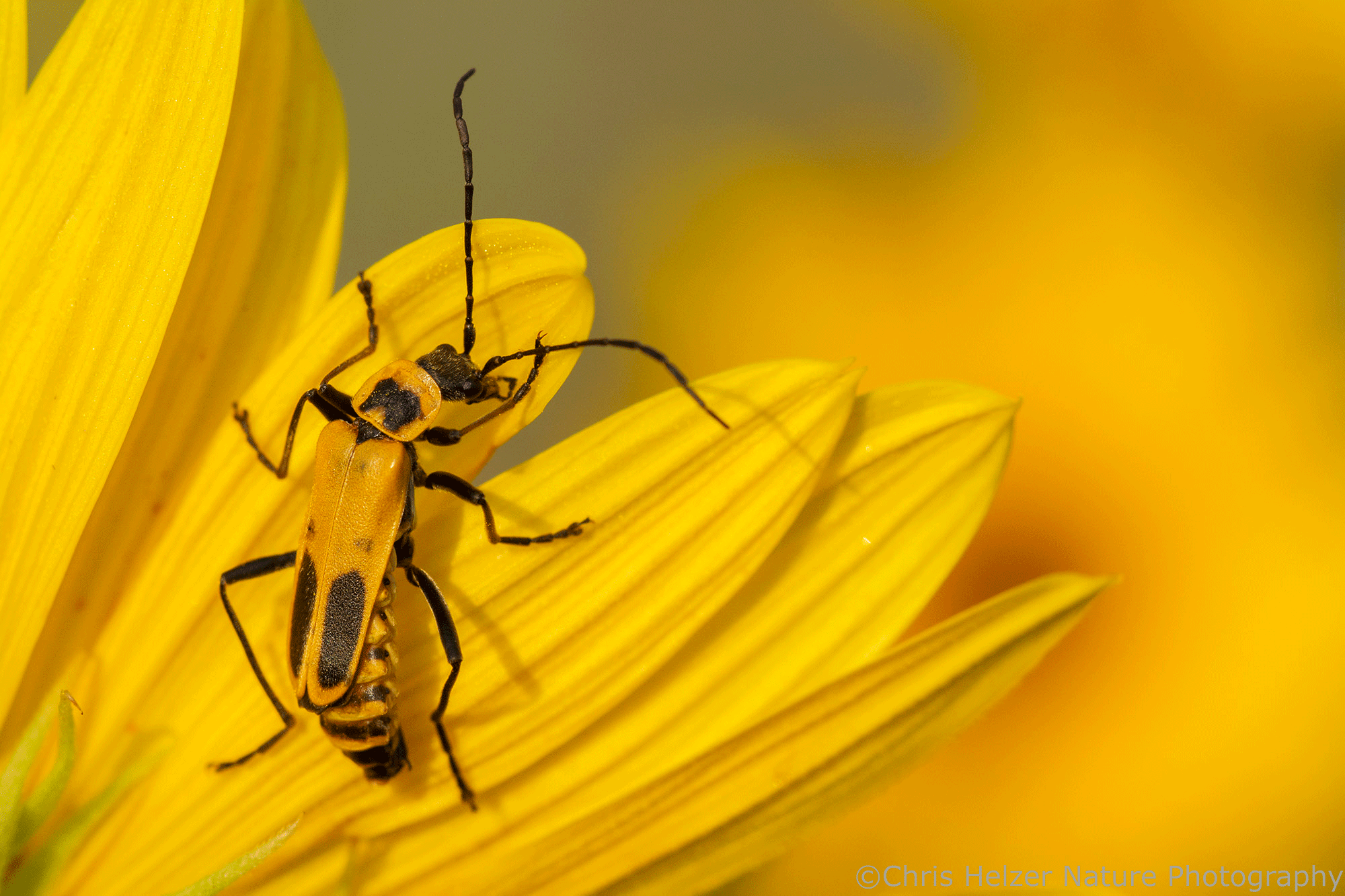
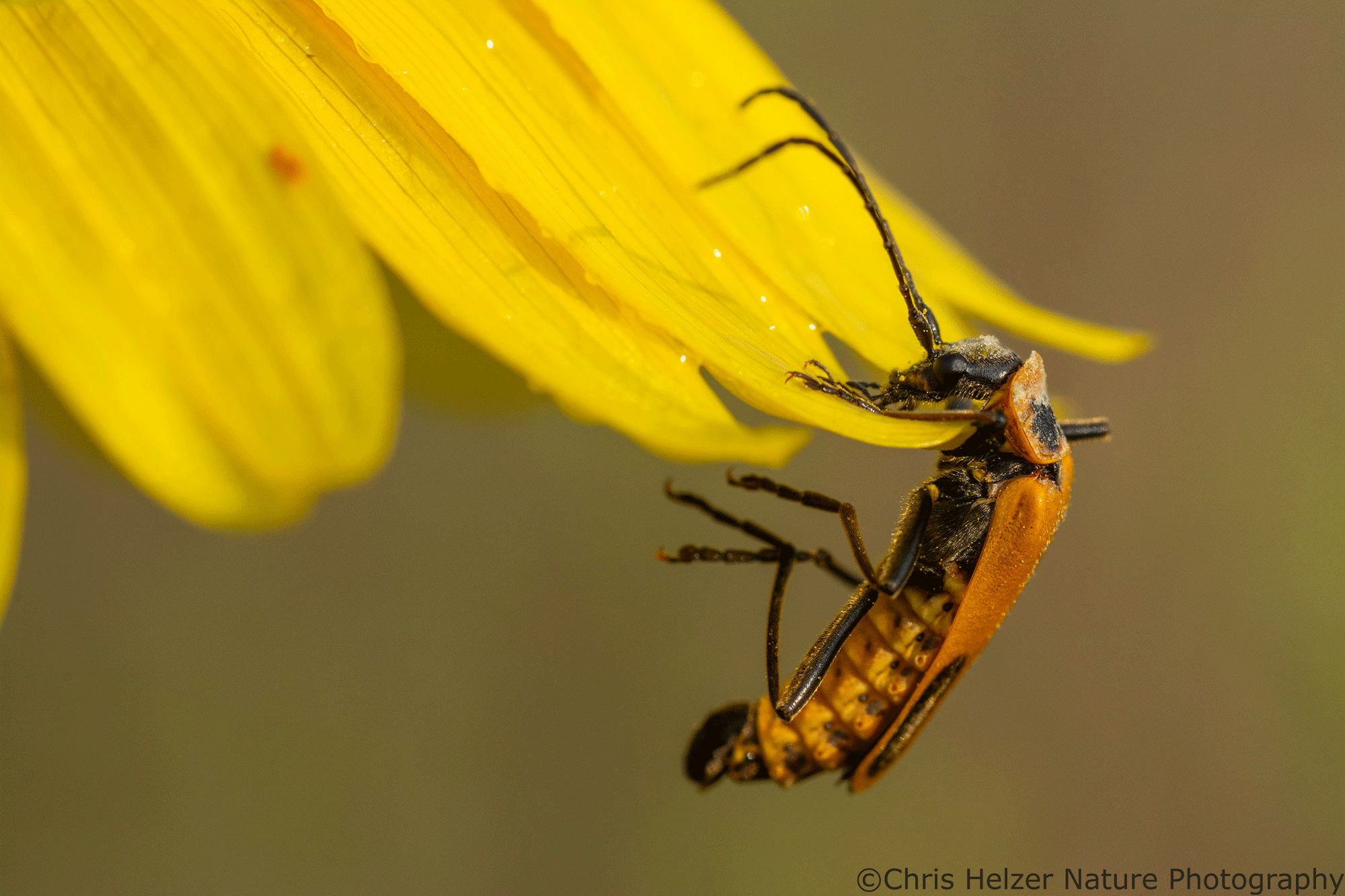
It took me many more years than it should have to realize that we have two waves of soldier beetles each year in our prairies. The first wave occurs in late spring/early summer and the second – a different species – is happening now. Goldenrod soldier beetle adults (Chauliognathus pensylvanicus) seem to be on every sunflower in the prairie right now, feeding on pollen and nectar. They’re on other flowers too, but they sure seem especially enamored of sunflowers and close relatives. Because they often sit fairly still, or move slowly, they make great photo subjects.
Goldenrod soldier beetle on Maximilian sunflower. 105mm macro lens. ISO 640, f/11, 1/800 sec.Goldenrod soldier beetle. Helzer family prairie. 105mm macro lens. f/16, 1/160 sec.Goldenrod soldier beetle. Helzer family prairie. 105mm macro lens. ISO 640, f/16, 1/160 sec.
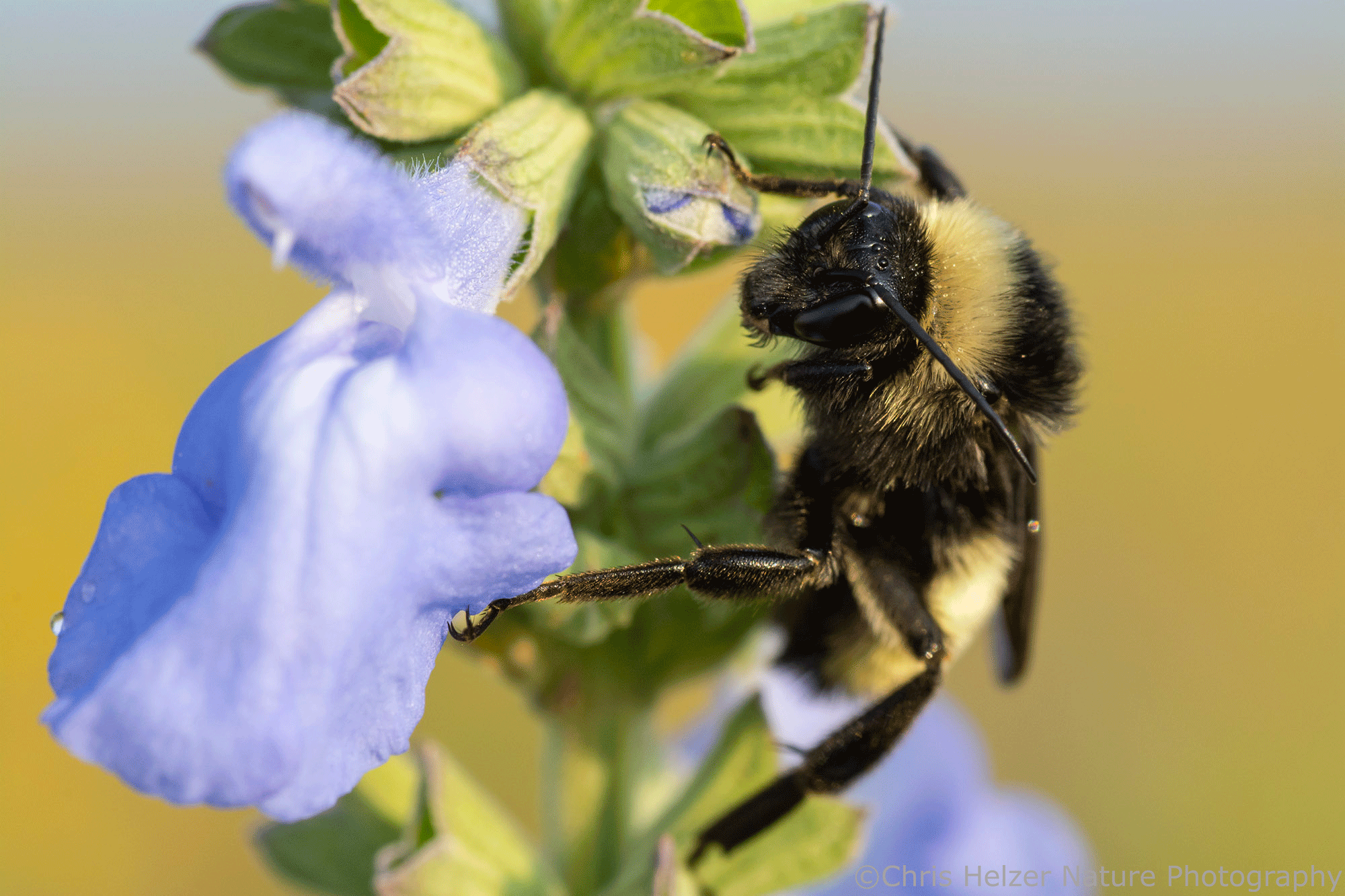
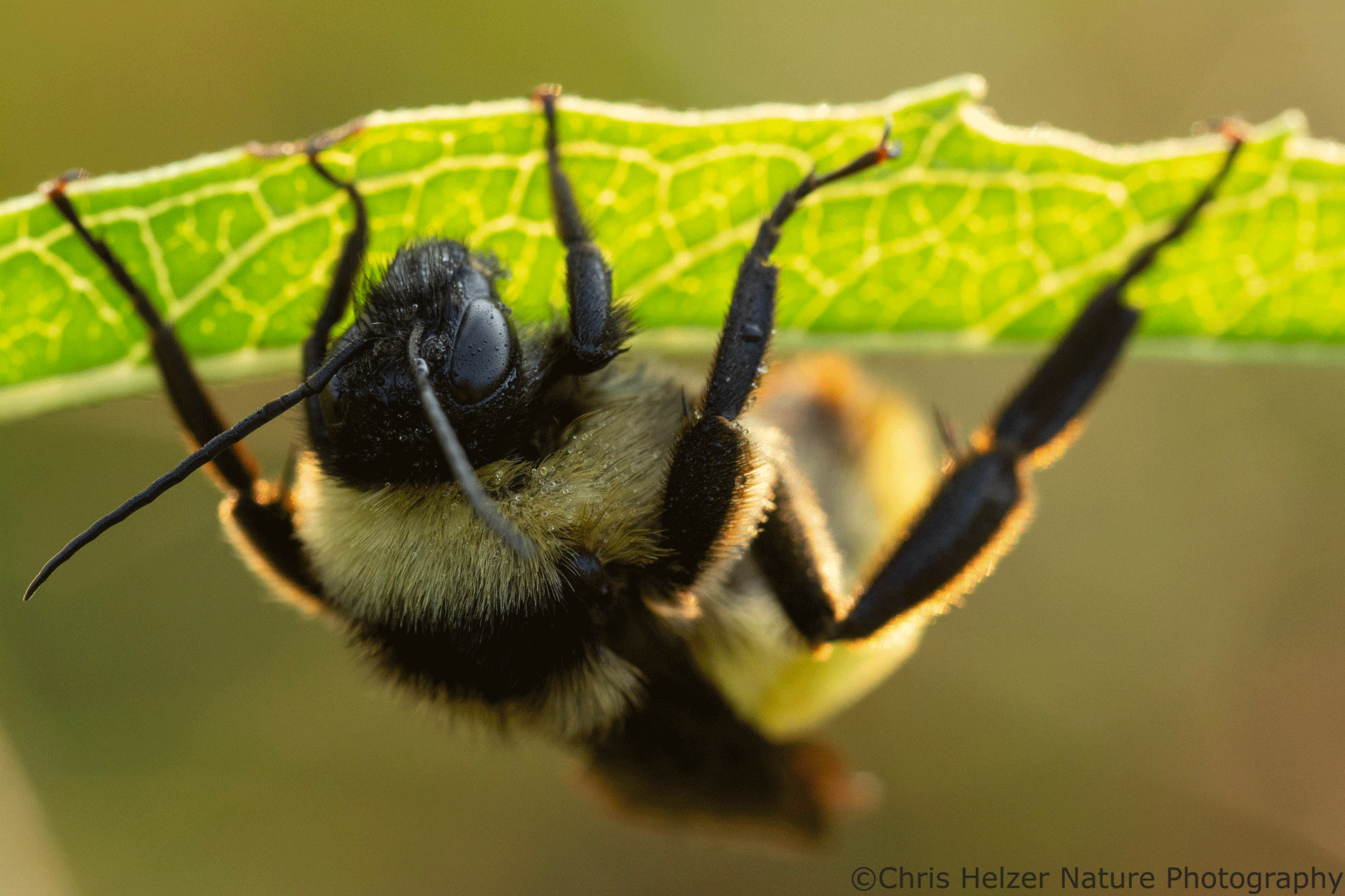
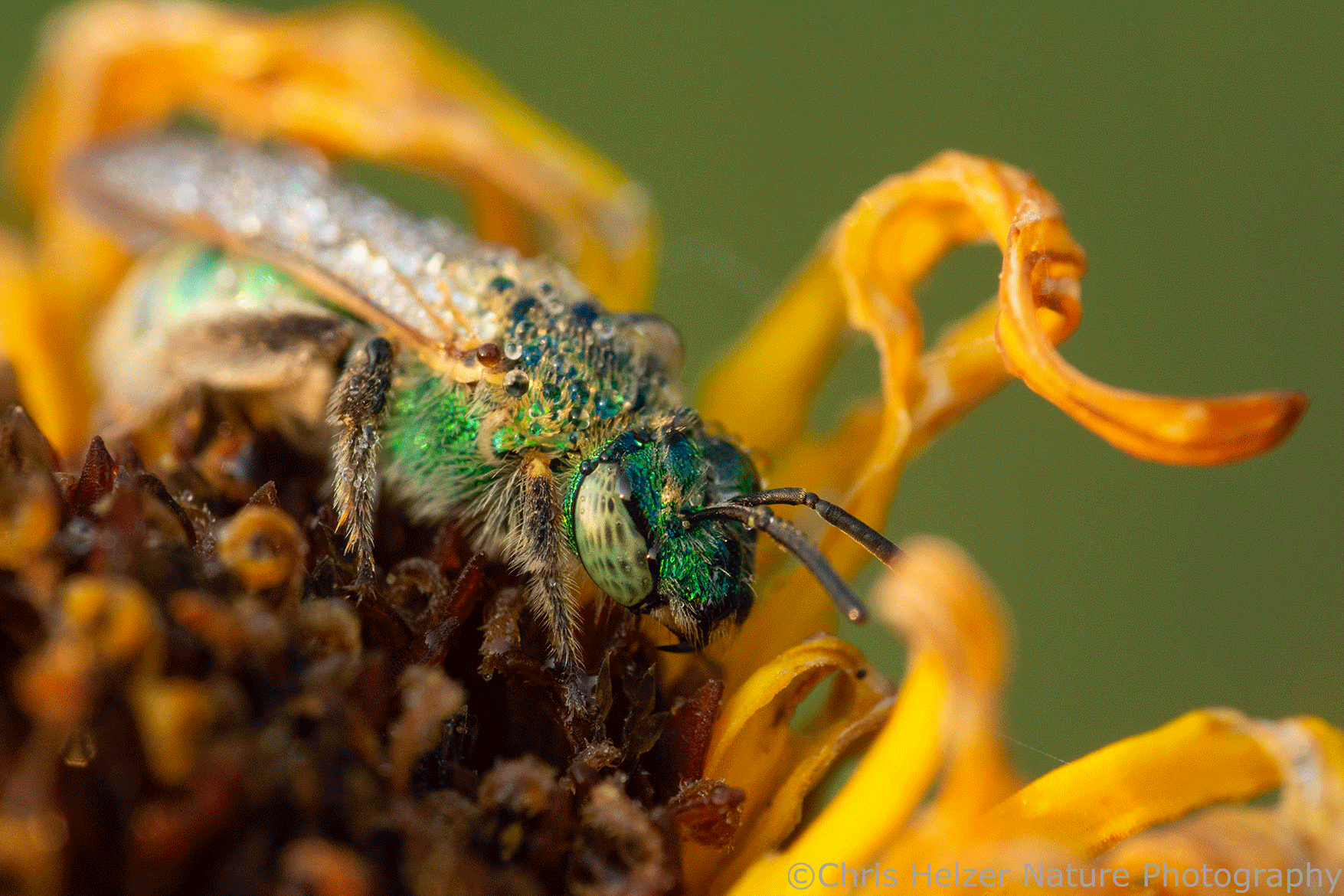
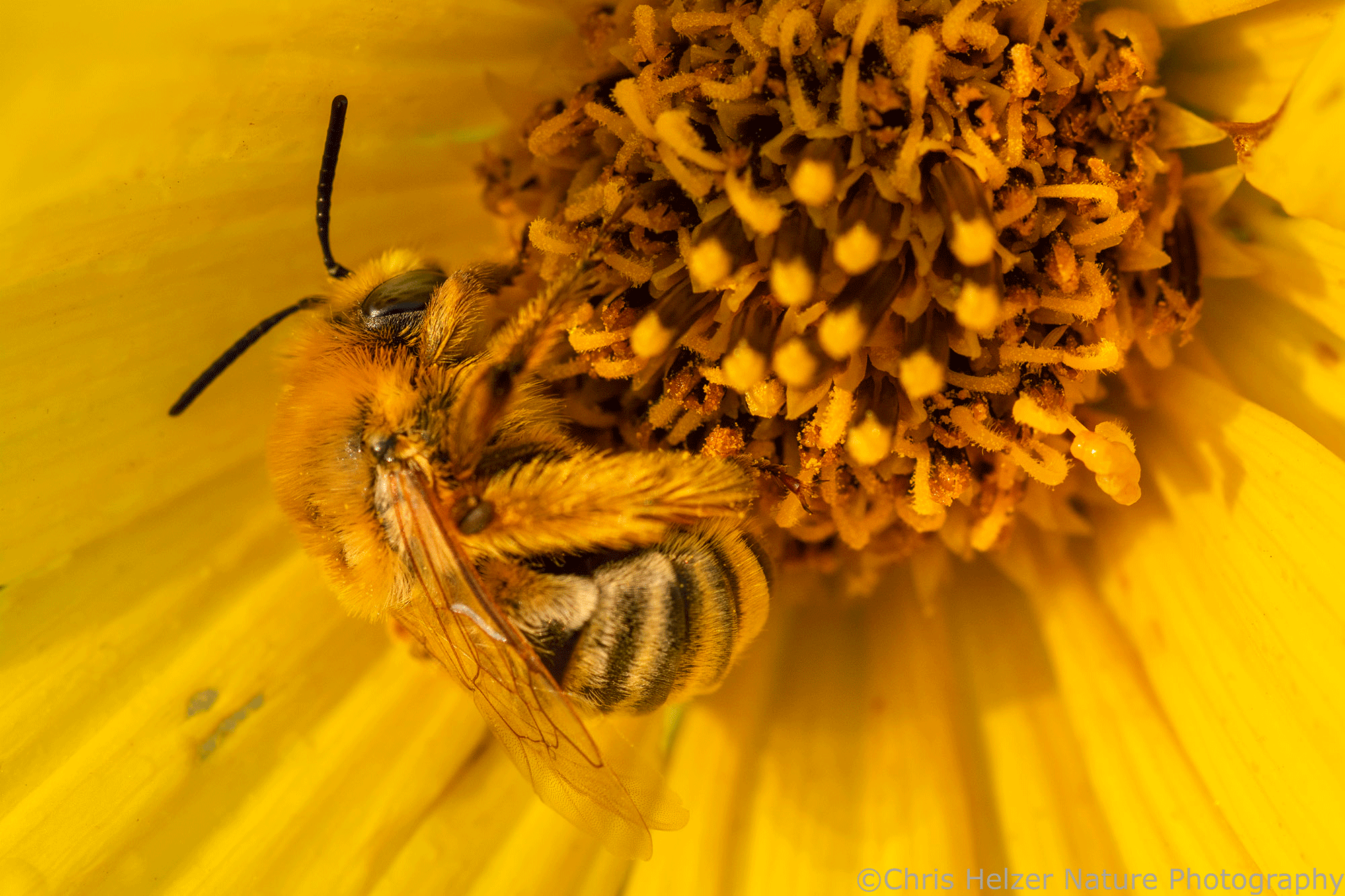
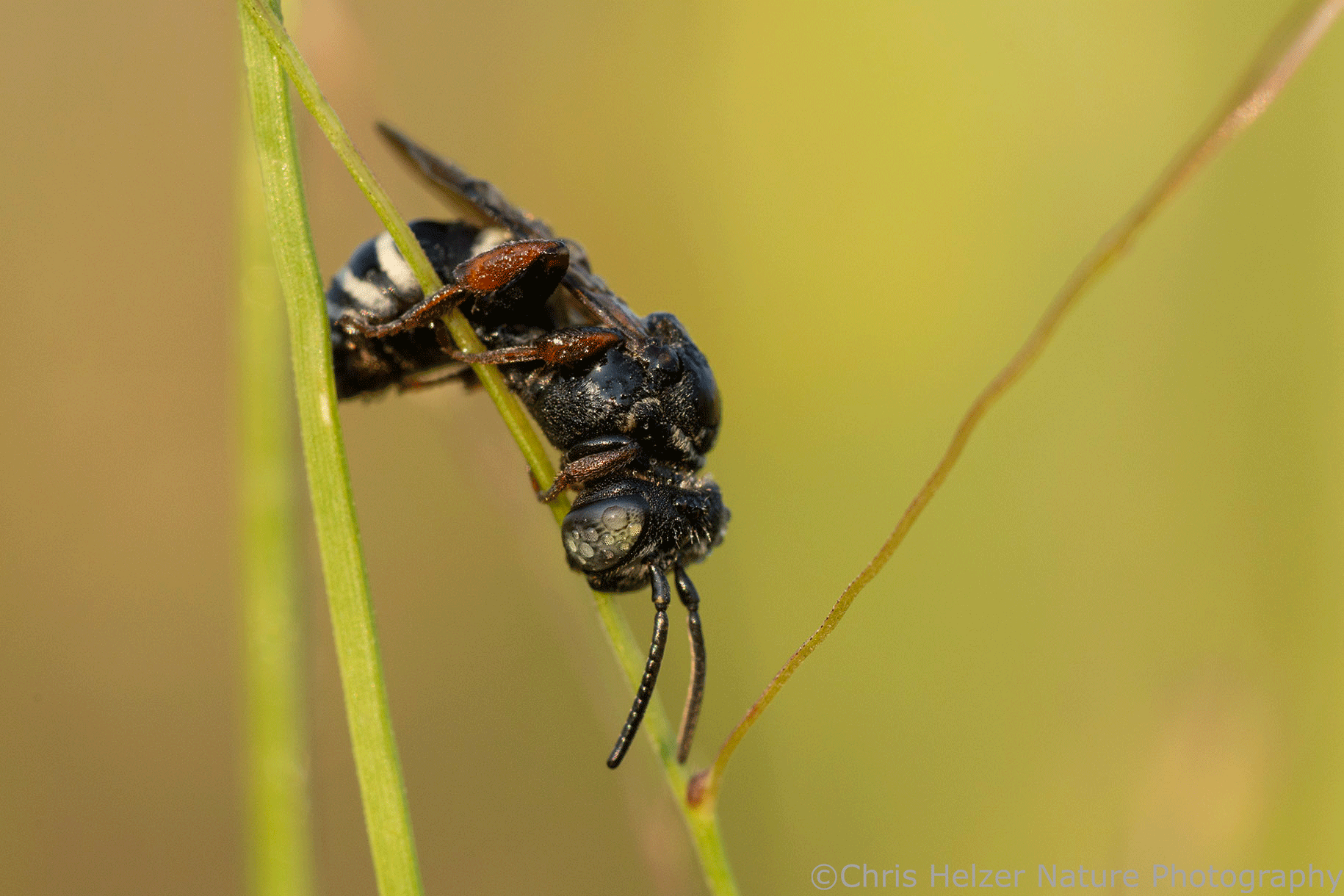
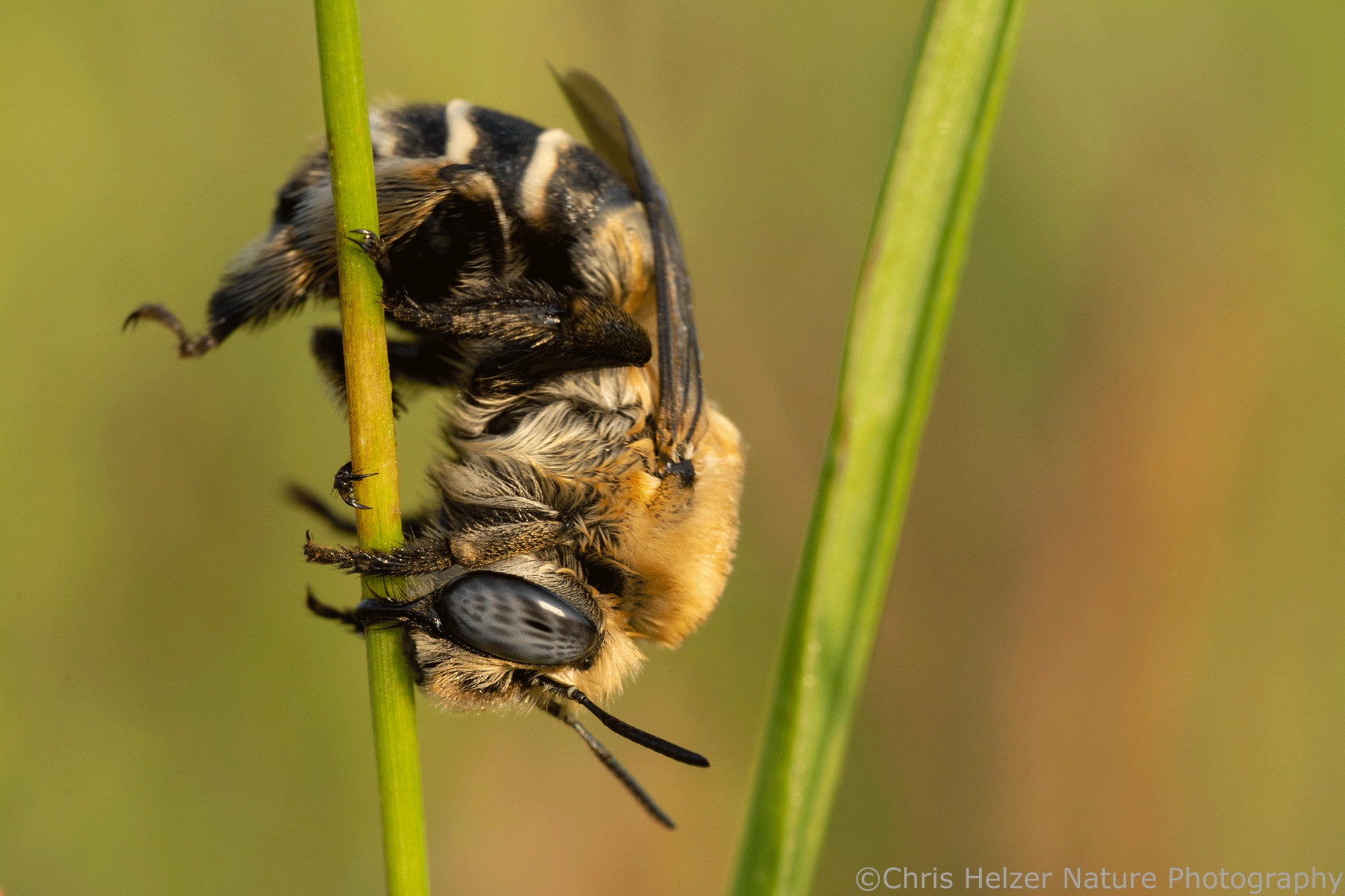
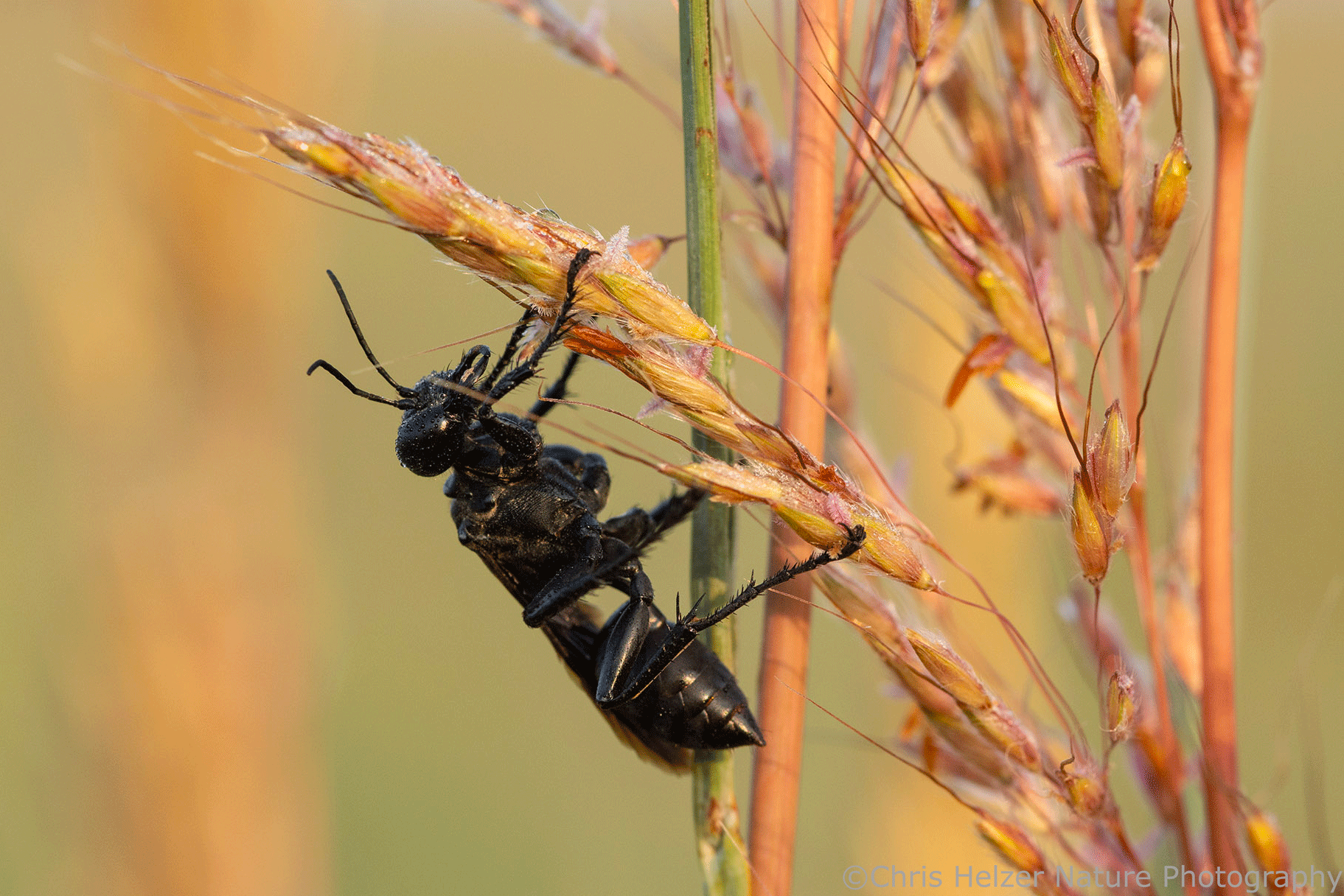
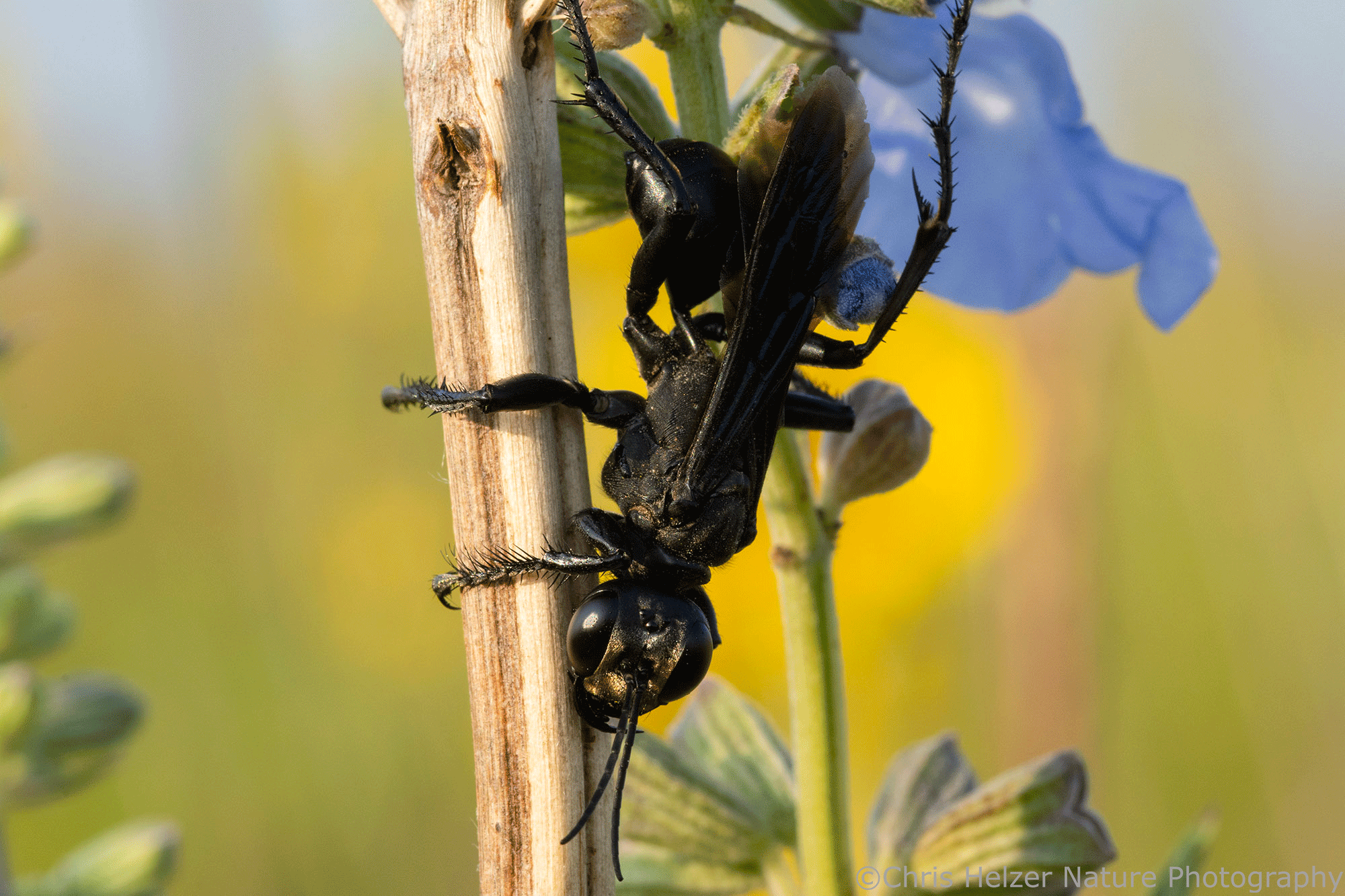
I talked last week about male bees and other insects that spend the night roosting in vegetation and wake up covered in dew most mornings. Here are more photos of those insects, taken as they begin to warm up and dry out. I don’t need to understand why or how they choose their roost sites to be grateful for them as photo subjects! (Which is a good thing because I definitely don’t understand those choices!)
American bumble bee (Bombus pensylvanicus) in morning dew on pitcher sage (Salvia azurea). 105mm macro lens. ISO 640, f/16, 1/160 sec.American bumble bee and dew. Helzer Family Prairie. 105mm macro lens, ISO 640, f/16, 1/160 sec.Metallic green sweat bee in the morning dew. Helzer family prairie. 105mm macro lens. ISO 800, f/18, 1/60 sec.Longhorn bee on overnight roost. Helzer family prairie. 105mm macro lens. ISO 640, f/16, 1/125 sec.Roosting bee in the Helzer Family Prairie. 105mm macro lens. ISO 640 sec, f/16, 1/160 sec.Digger bee and its overnight roost. Helzer Family Prairie. 105mm macro lens. ISO 640, f/20, 1/100 sec.Roosting wasp on Indiangrass. Helzer Family Prairie. 105mm macro lens. ISO 640, f/11, 1/250 sec.Roosting wasp. Helzer Family Prairie. 105mm macro lens. ISO 640, f/16, 1/160 sec.The same roosting wasp from a different angle. 105mm macro lens. ISO 640, f/16, 1/160 sec.
If you haven’t yet, I’d sure encourage you to experience some late summer prairie hiking this year. Here in Nebraska, many prairies are tall and full of color, movement, and noise. Sunrise isn’t until after 7am, which is a pretty reasonable time to be up and out. An early morning in a dew-covered, flower-rich late-summer prairie is something everyone should enjoy at least once. On the other hand, if you do it once, it sure won’t feel like enough, so be prepared to go back again!







 The Prairie Ecologist