
Late summer might be my favorite time of the year for prairie photography. Sunrise is at a reasonable time of day and is often accompanied by calm winds and heavy dew. Many of the tall summer wildflowers are in full bloom, as are a lot of the warm-season grasses. Insects are super abundant, active, and (some of them) noisy. Perfect.
The last week has been particularly great for all of those reasons and I’ve had an unexpected amount of time for photography. As a result, I’m only sharing a fraction of my favorite images from that period and will probably share at least another post’s worth next week. I sure hope you are all getting a chance to explore late summer prairies wherever you are. Unless you’re in the southern hemisphere, of course. In that case, happy spring!
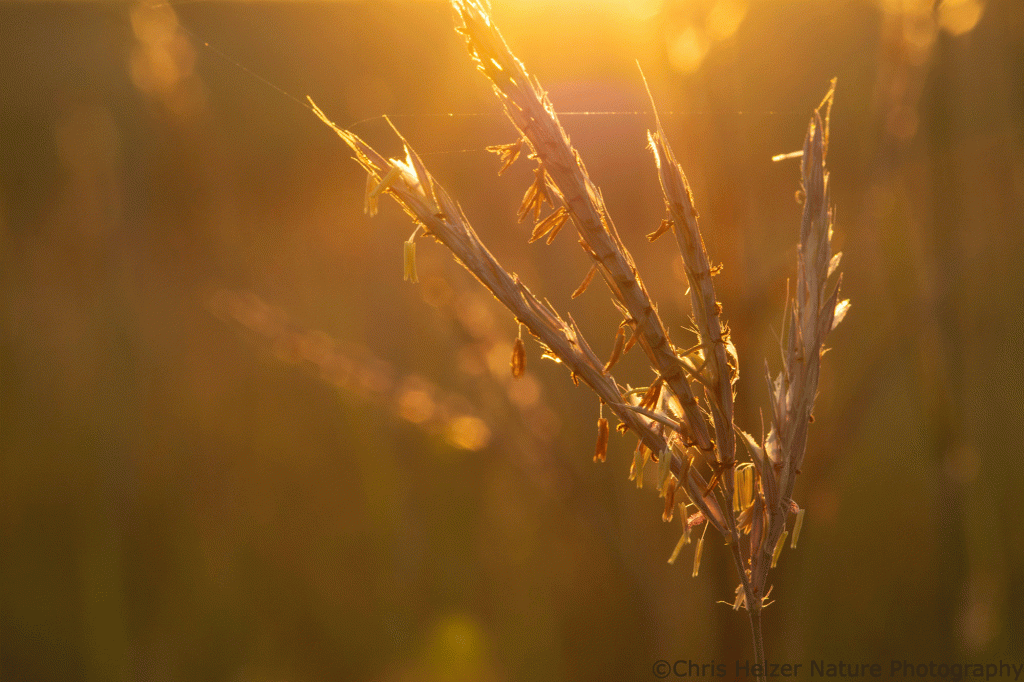
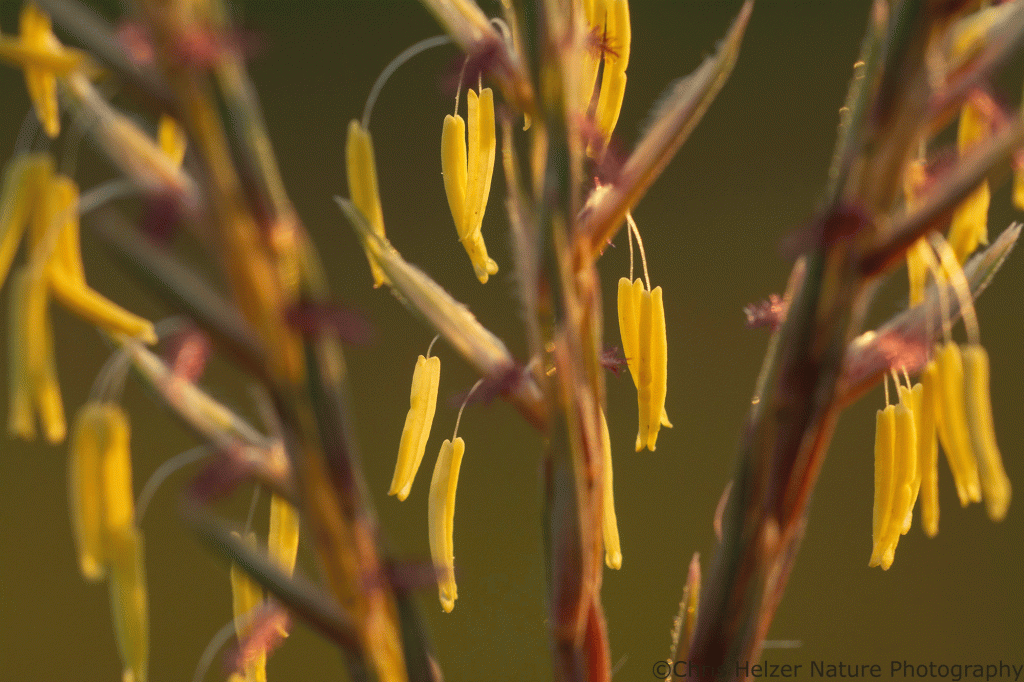
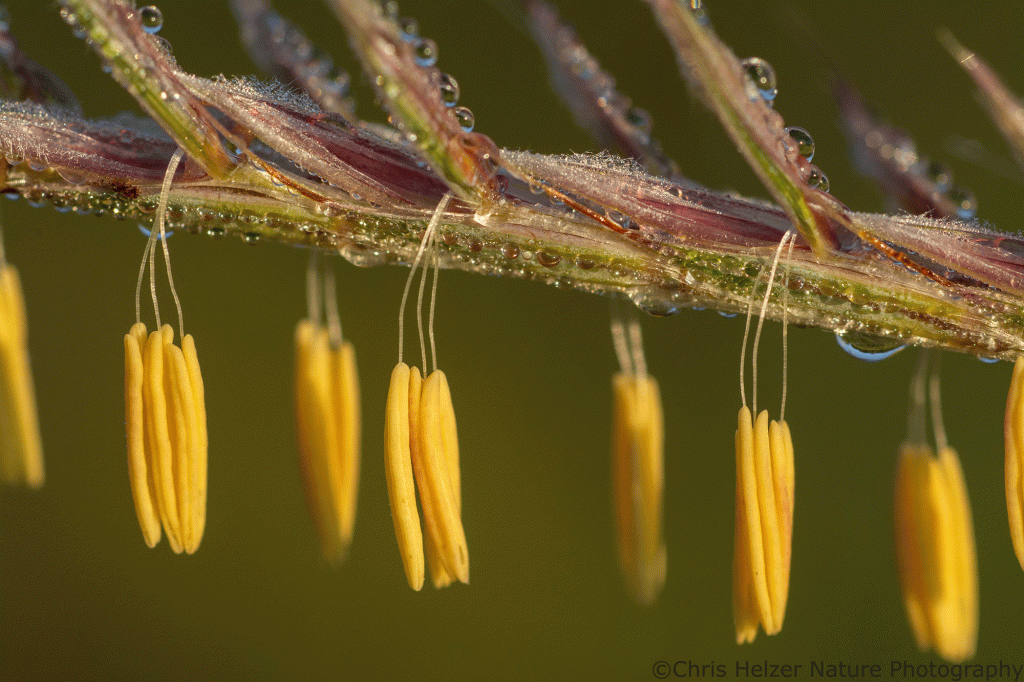
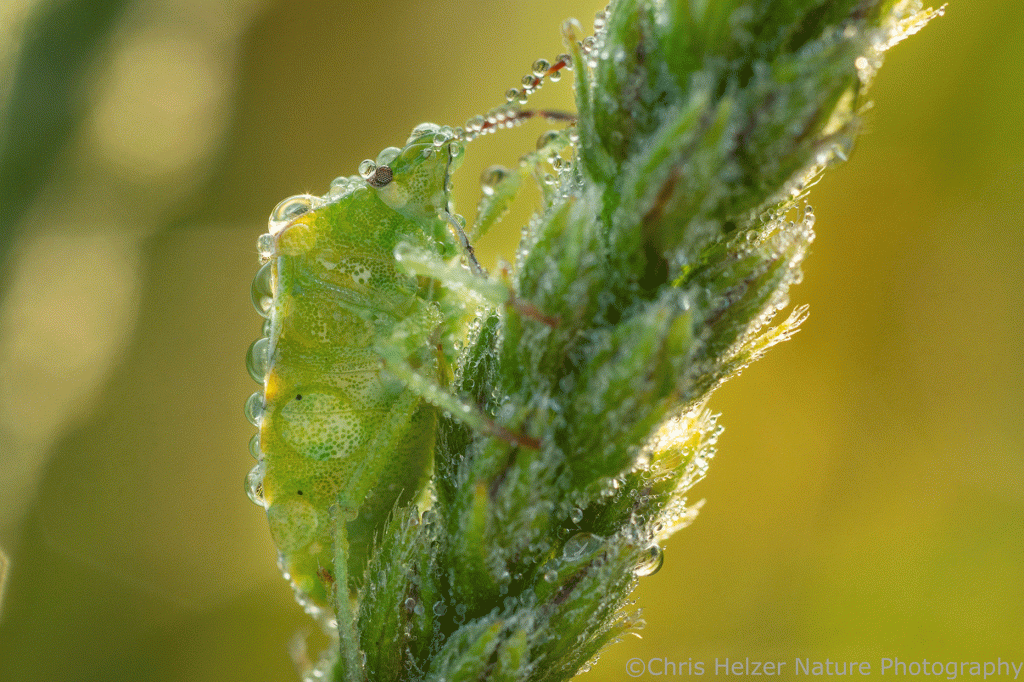
A lot of grasses are blooming right now. Big bluestem, Indiangrass, sideoats grama, and other tall-to-mid-height grasses are full of anthers. I’m not going to make a joke about what questions they might have anthers to. That would be puerile. Also, I don’t get the chance to use the word ‘puerile’ very often.
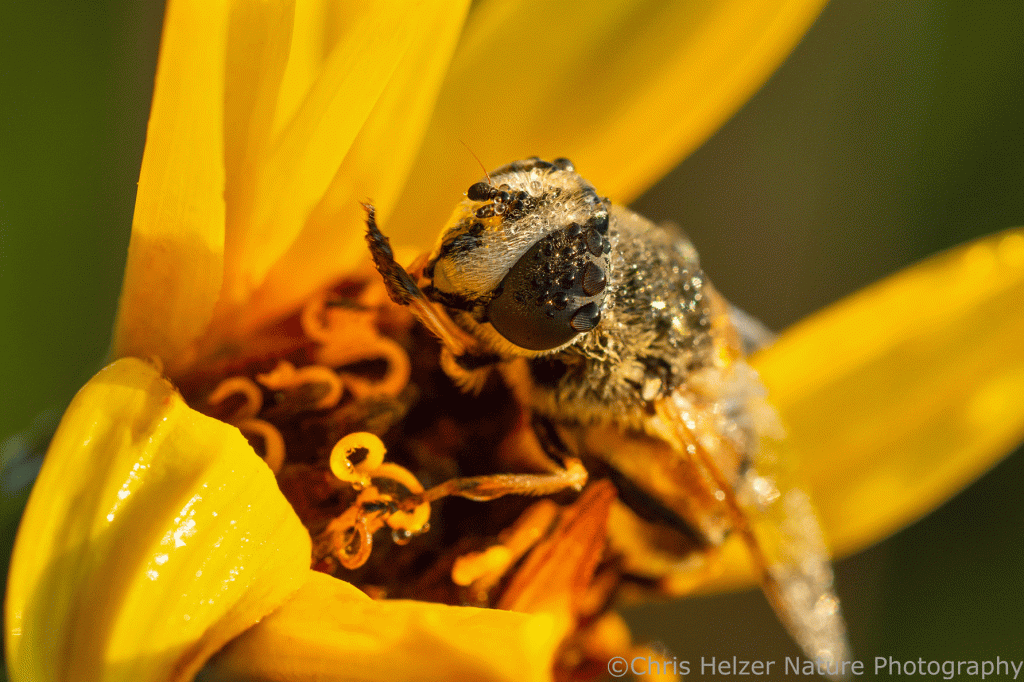
Because grasses are wind-pollinated, they don’t have showy flowers or nectar to attract insects, but they do still have flowers. Grass pollen, though, is nutritious enough that at least some pollinating insects are drawn to grass flowers to feed. There’s a little leaf beetle I see on those flowers pretty often, along with lots of little hover flies (both pictured below).

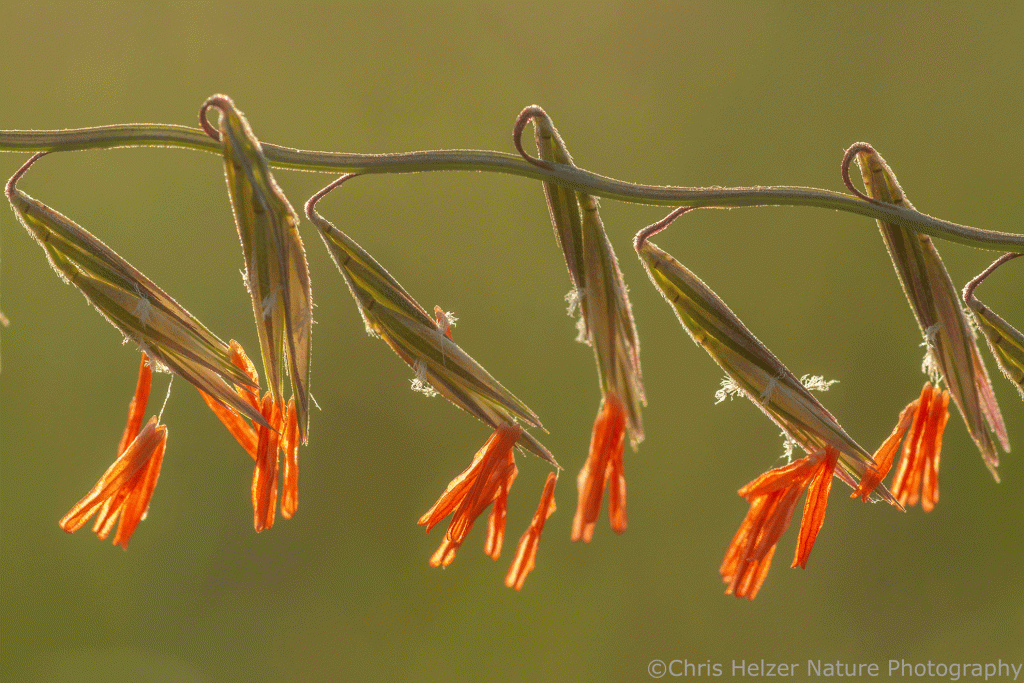
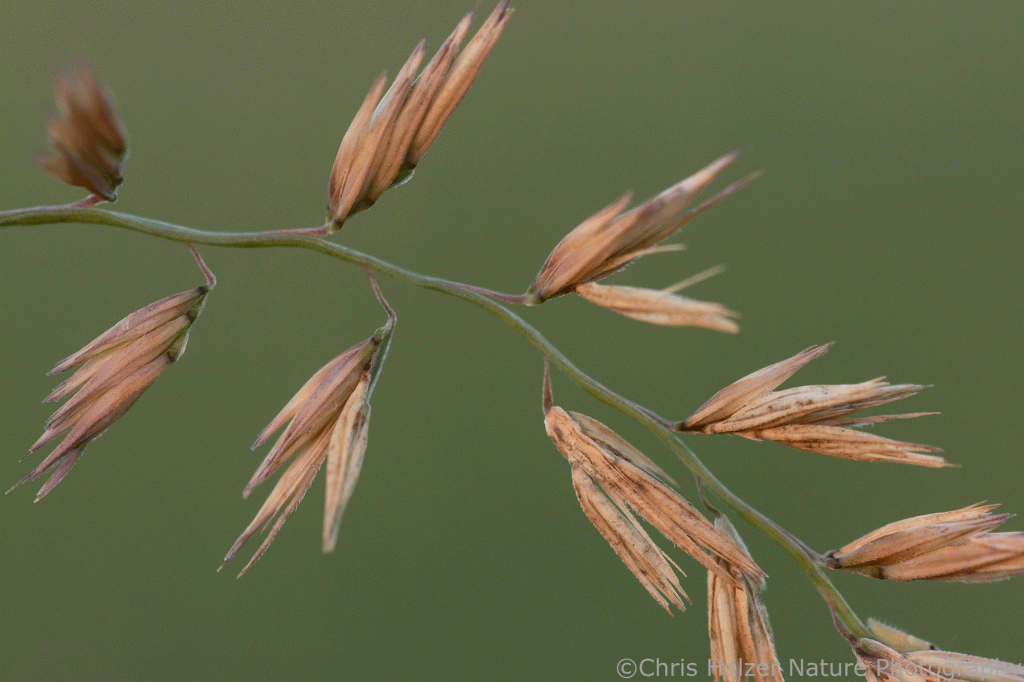
Sideoats grama flowers are always my favorites because they hang so nicely from their stems. They often look like laundry on the line. Neat and tidy.
Except when they aren’t. Then the flowers look like they are full of static electricity and stick out as far as they can from the stem.


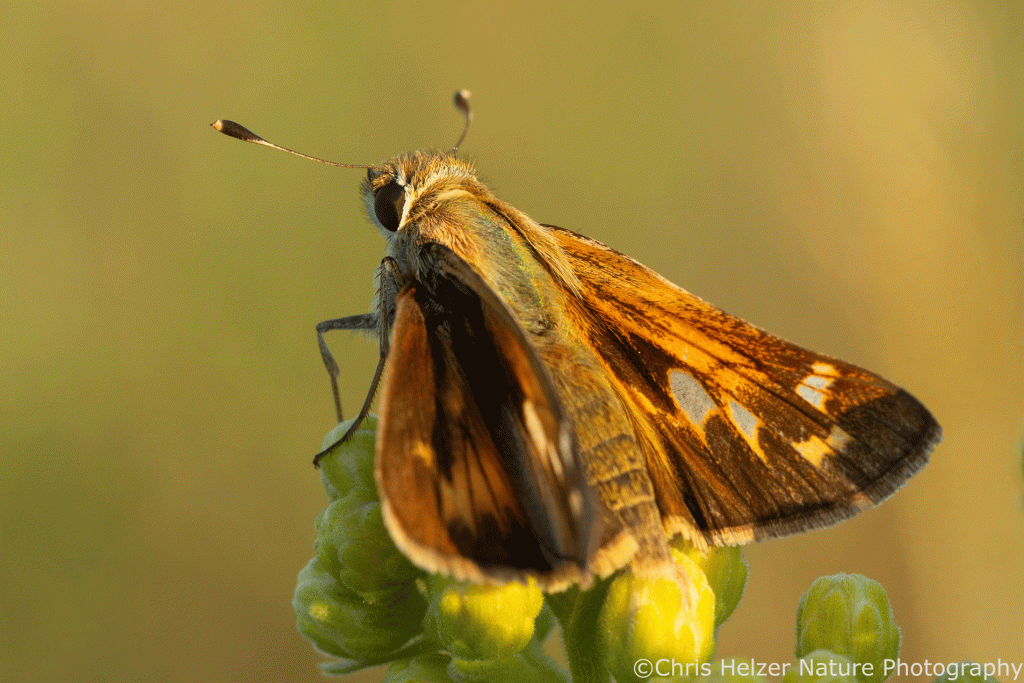
Our family prairie was full of bees, butterflies, and grasshoppers this week. We’re still stubbornly in extreme drought, according to the Drought Monitor, but we’ve caught enough rains that most of the vegetation is green and flowers are blooming. The biggest indication of the drought is the slowness with which grass is recovering from grazing, which is why we will be pulling cattle out soon and reducing next year’s stocking rate significantly.
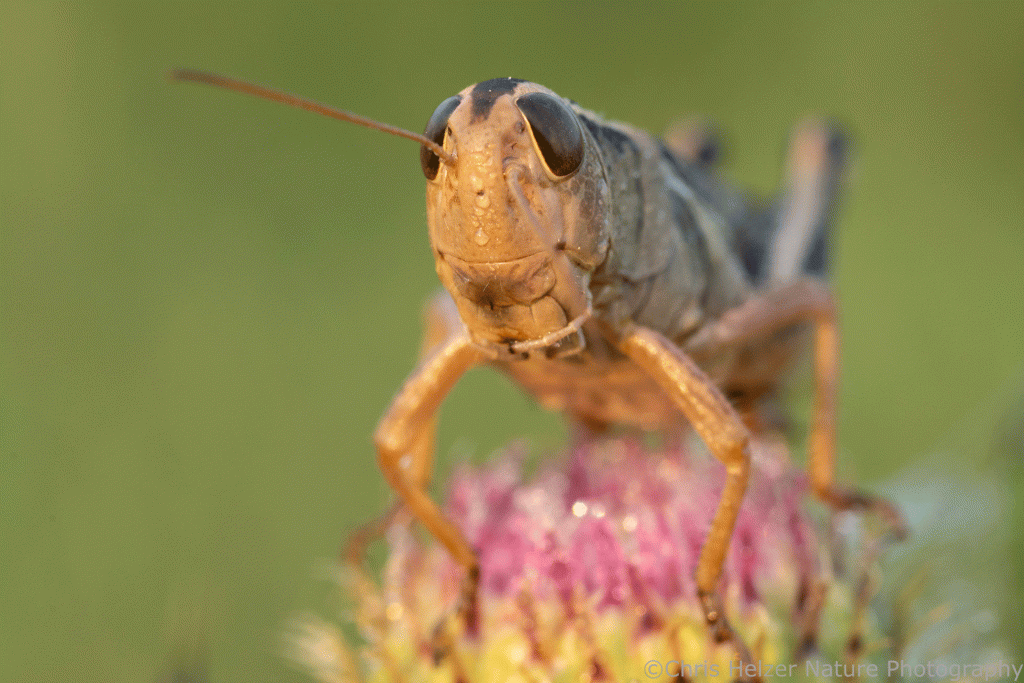
Meanwhile, when walking through the prairie now, grasshoppers are like popcorn at our feet, exploding in every direction with each step. I imagine that’s providing a lot of food for animals that enjoy grasshoppers. Interestingly, I don’t see a lot of obvious impact of those grasshoppers on the vegetation. That’s clearly a sign of me not knowing what to look for, of course, because they have to be eating. But I sure don’t see evidence that they’re reducing vegetation height. Hmm.
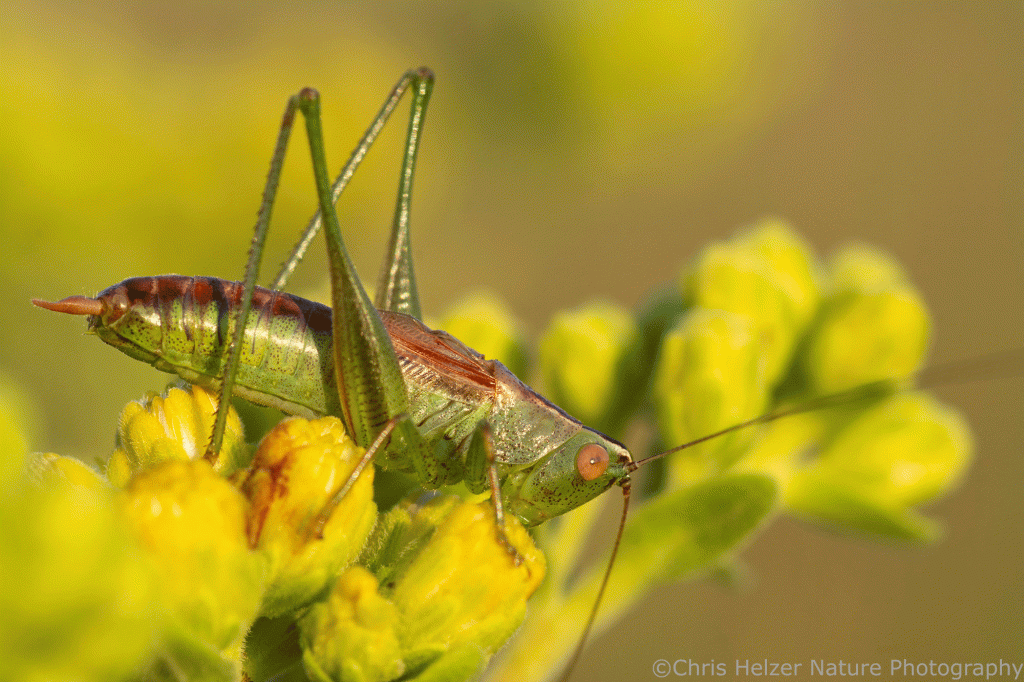
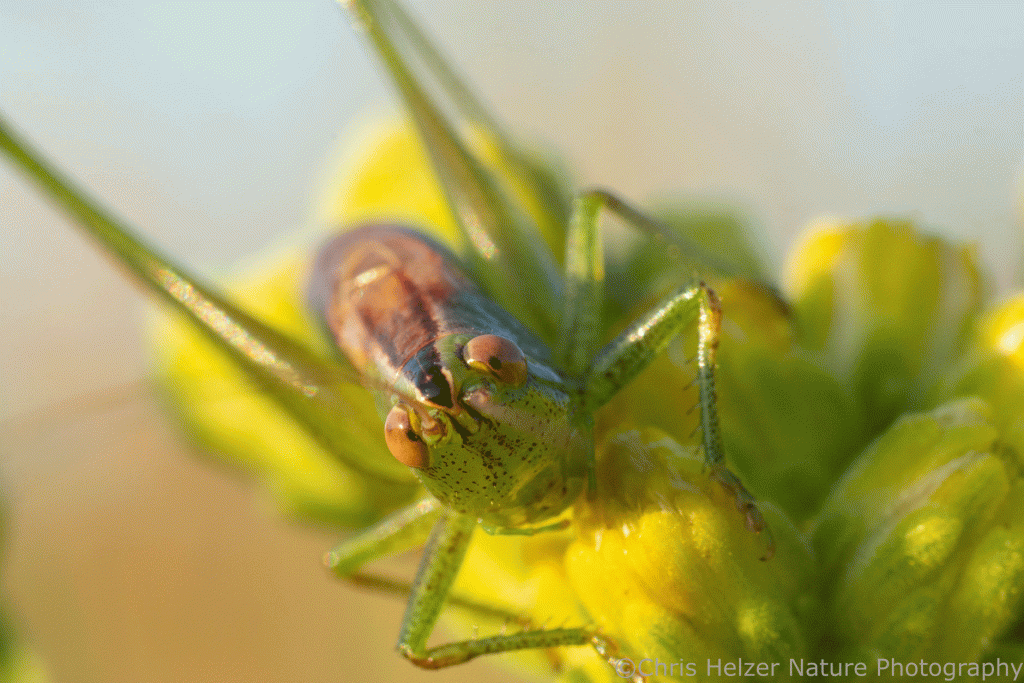
Late summer also seems like the peak time of year to find male bees roosting overnight on vegetation. I’ve always assumed that those males just find a random roost site each night, but observations in my backyard prairie are making me question that. We have a strip of prairie garden along the back alley and there is one Indiangrass plant among mostly wildflowers and sedges. During much of the summer, I’ve been finding several male bees on that Indiangrass plant each morning I remember to check.
While I can’t tell one bee from another within the same species, it sure appears that I might seeing the same bees every night, or at least that some of them are repeat visitors. That makes me want to drop everything and do a research project in which we mark bees one morning and see if they return. Of course, if we mark them while they’re on their roost, that might dissuade them from returning… Hmmm. How do we set this up? Oh, wait, I don’t have time to do that study anyway. You should, though.

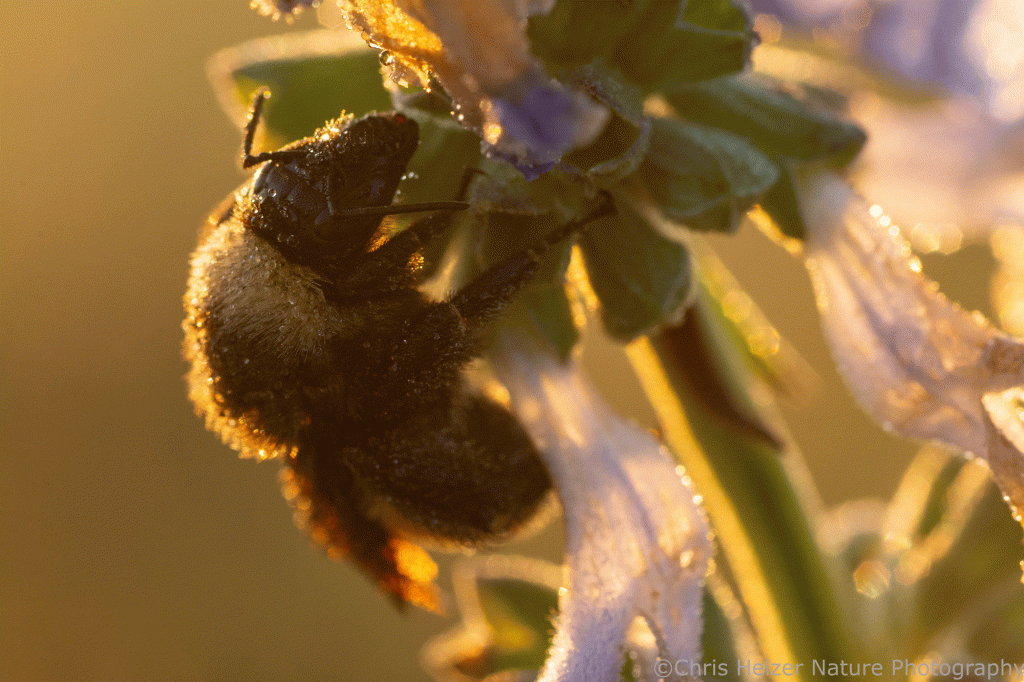
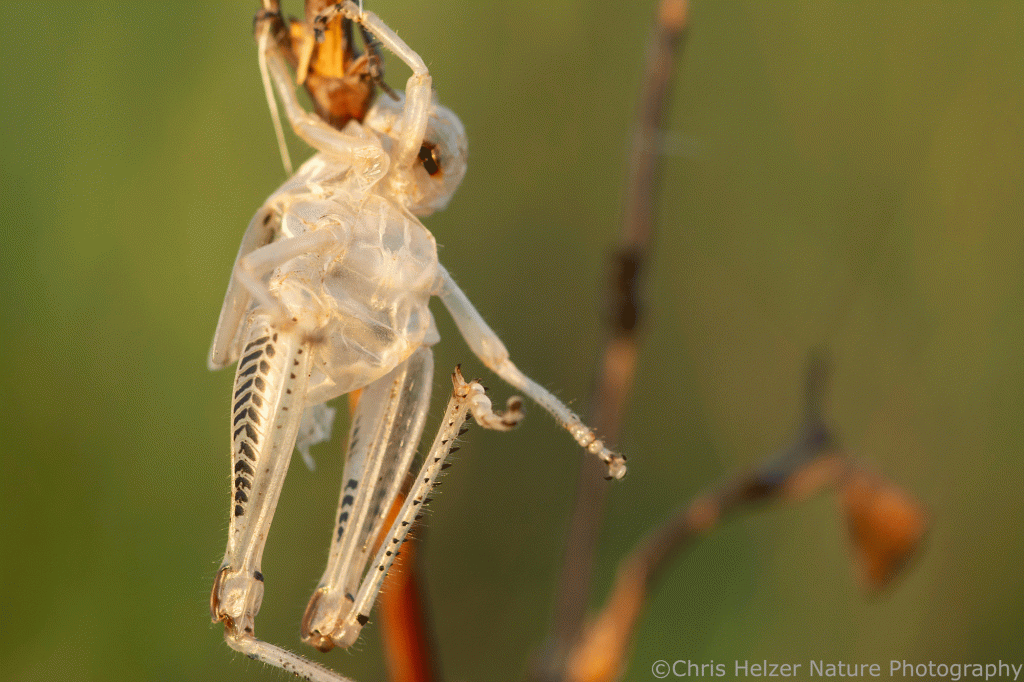
I also wonder about flies and other insects that get covered in dew overnight. Do they select roost sites where they feel protected from predators? Or places where they’ll get early sunlight to warm and dry them the next morning? Or do they just gradually slow down as evening comes along as if they are clockwork toys winding down? What an evocative image that is!!
(Do you young whippersnappers know what clockwork toys are? Do you know what whippersnappers are?? Actually, I don’t think I really know what whippersnappers are…)

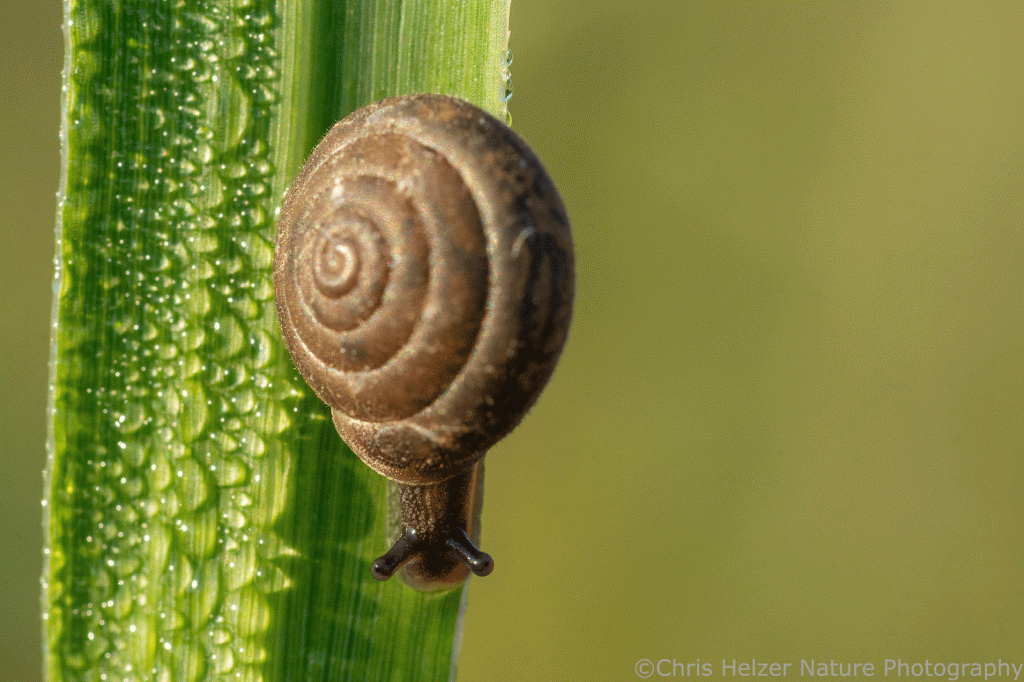
One of my favorite discoveries this week was a snail at Lincoln Creek Prairie, right across town from me. I’ve been exploring and photographing Lincoln Creek Prairie for 26 years or so and have never seen a snail in the prairie until this week. In fact, I can’t think of where I’ve seen a land snail in a Nebraska prairie anywhere close to here. Why now? Where was it hiding? Are there more? What species is it? Why does Wendy’s make square hamburgers??
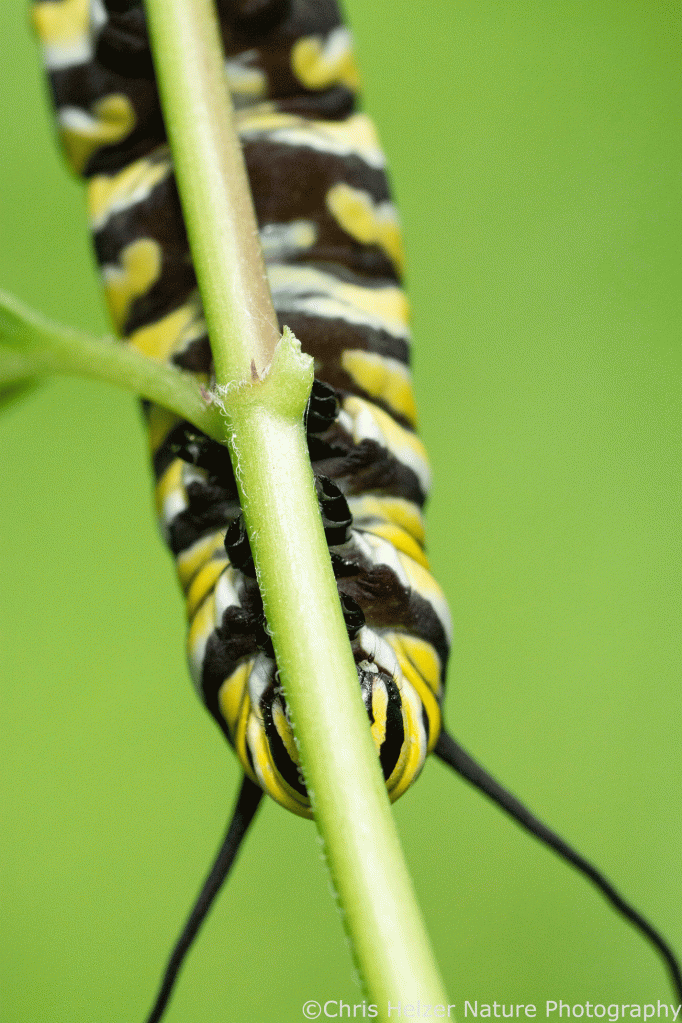
I was doing some work on the exterior of our house this week, but kept getting distracted by insects, including a couple monarch caterpillars in our swamp milkweed patch. I watched them munch away for a while and finally got to capture a phenomenon I’d heard about but hadn’t seen in person. Sometimes, larger caterpillars will chew through part of the leaf petiole (the stem of the leaf) before feeding on the leaf itself. It apparently cuts off the flow of sticky white latex into the leaf, making it easier to eat the leaf material. That seems eminently sensible, but what a cool adaptation! The third photo below shows that happening.
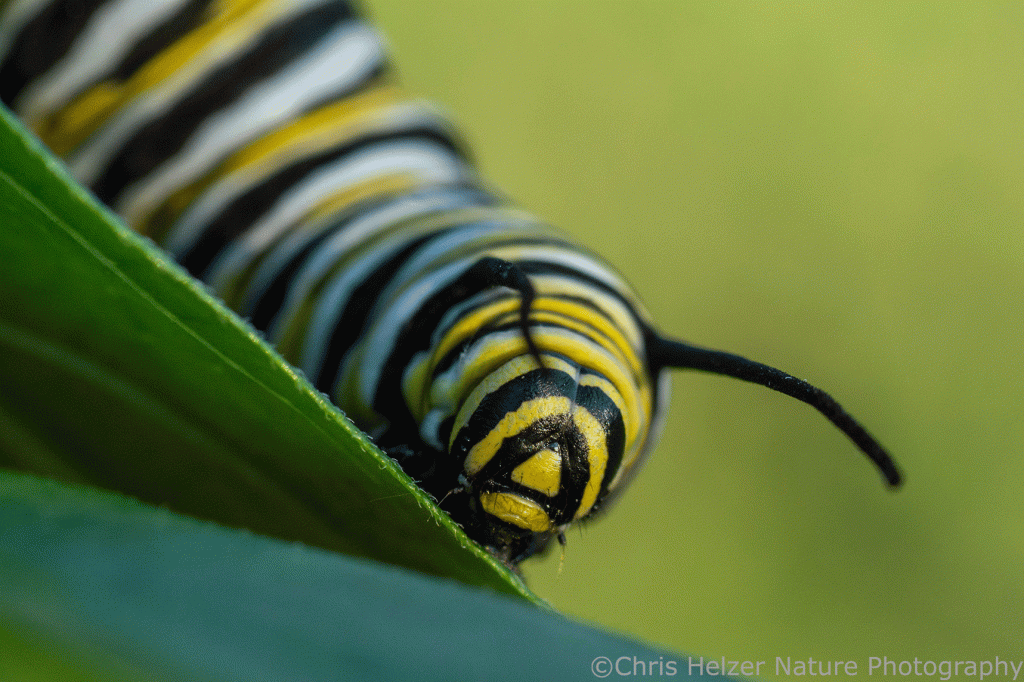
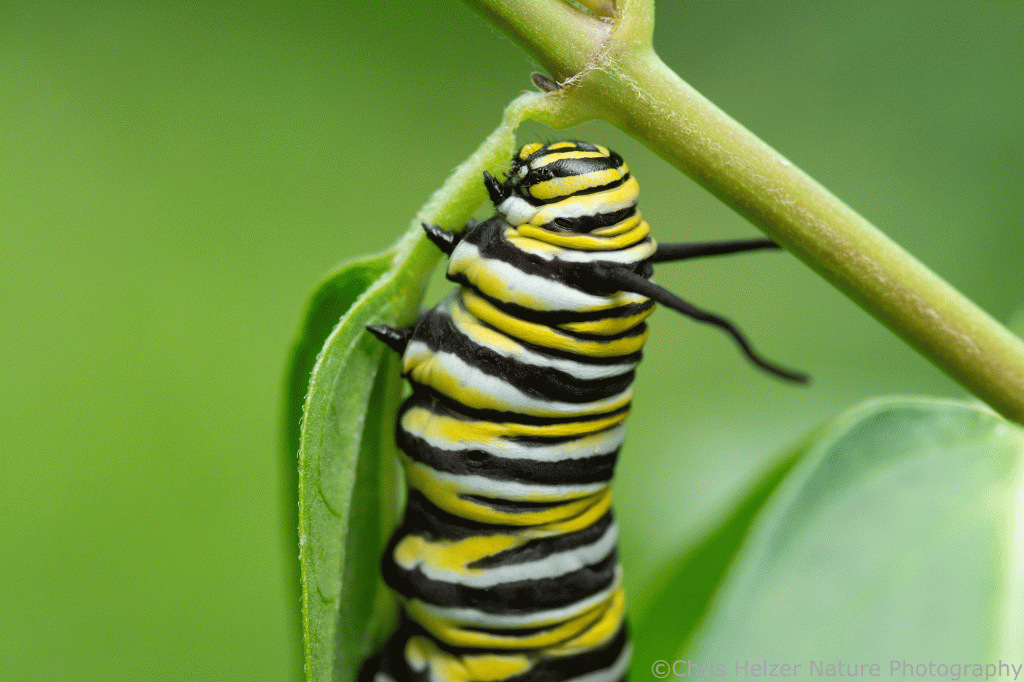
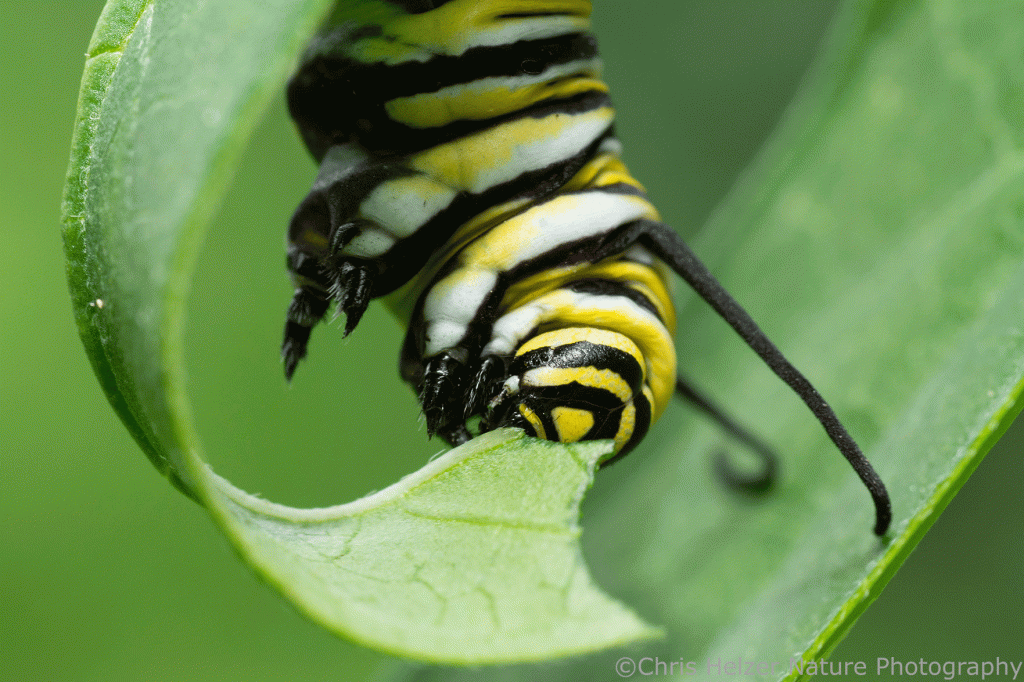
There were quite a few monarch adults in the yard too, most of them feeding on Kim’s zinnias. Take that, purists who don’t think anything but native flowers should be in our yards! (There’s nothing wrong with putting only native plants in your yard. There’s also nothing wrong with adding some non-native flowers that make you happy, as long as they don’t have systemic pesticides in them and aren’t invasive species.)
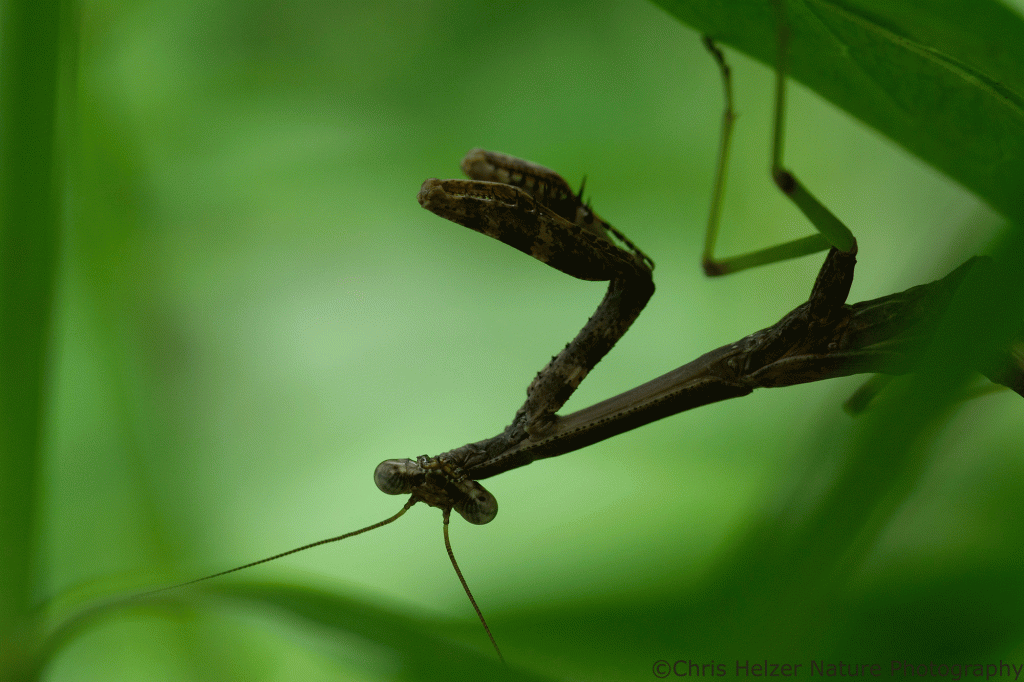
During one of my many ‘breaks’ from working on the house, I chased a plume moth for a while until it finally sat for a photo. There was also a Carolina mantis hiding in the milkweed patch, too. I saw it several days in a row. It was mainly lurking in the shadows, which is why I enjoyed getting the photo I got, which captured that very well. I haven’t finished that house project yet. Weird.

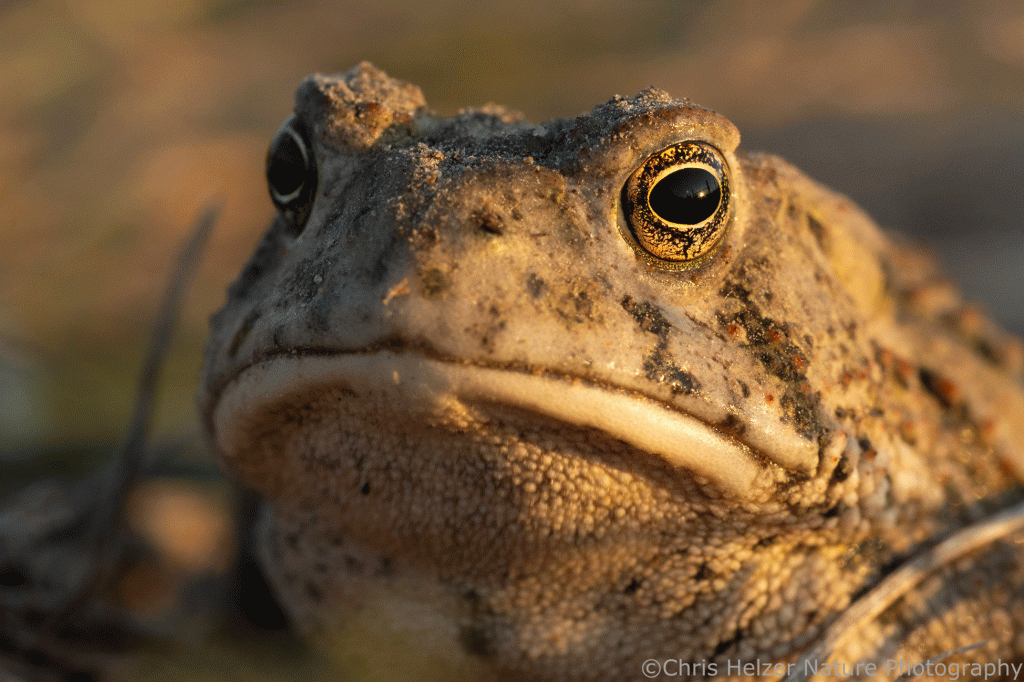
Finally, here’s a toad.


 The Prairie Ecologist