Photos of the Week – July 11, 2023

Quick Note: For those of you working on restoring (reconstructing) prairies, I’d encourage you to consider attending the 2023 Grassland Restoration Network workshop, which will be held in Windom, MN on August 22,23. This is an annual workshop that shifts locations each year but is always focused on learning from each other and improving the work we do in planting prairies – mostly on formerly-cropped land. Participants tend to be mostly from the Midwest and Great Plains, but we encourage participation from other regions! Interested? It would be fun to see you there. Learn more at this link.

Over the weekend, I spent a pleasant morning at our family prairie, exploring and checking in on the condition of the prairie. We’re still in a drought, but have had some recent rains that have turned most vegetation green again. I’ve been keeping a close eye on things, though, because we’re trying to decide whether or not to keep cattle in for the full growing season or not.
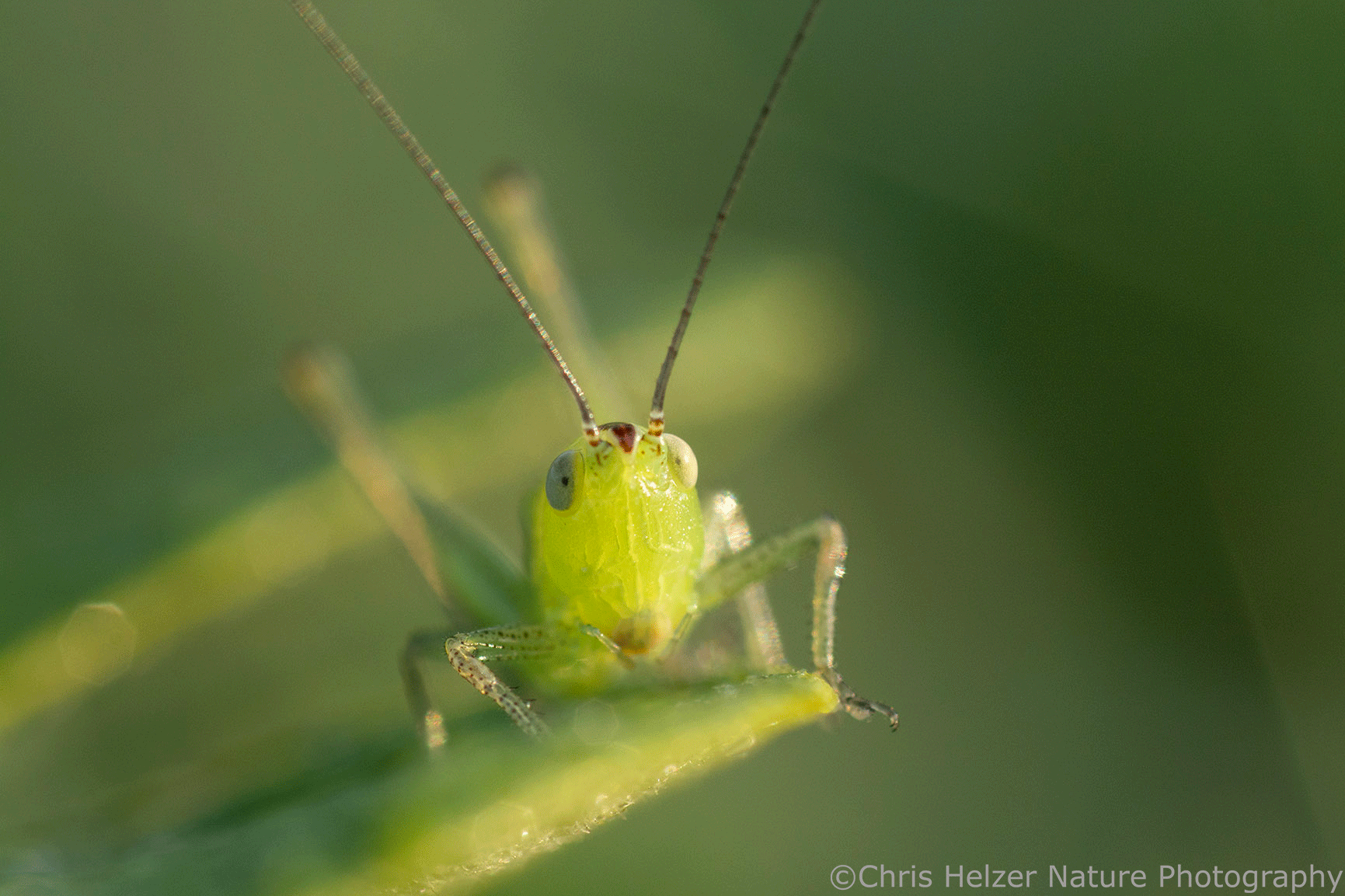
Katydid nymph on milkweed. Nikon 105mm macro lens. ISO 640, f/13, 1/250 sec.

I got distracted, though, from my rigorous assessment work by numerous katydid nymphs and dew drops. It was hard to walk past them without stopping to look more closely. Since I wasn’t on a strict schedule, I stopped. Many times.
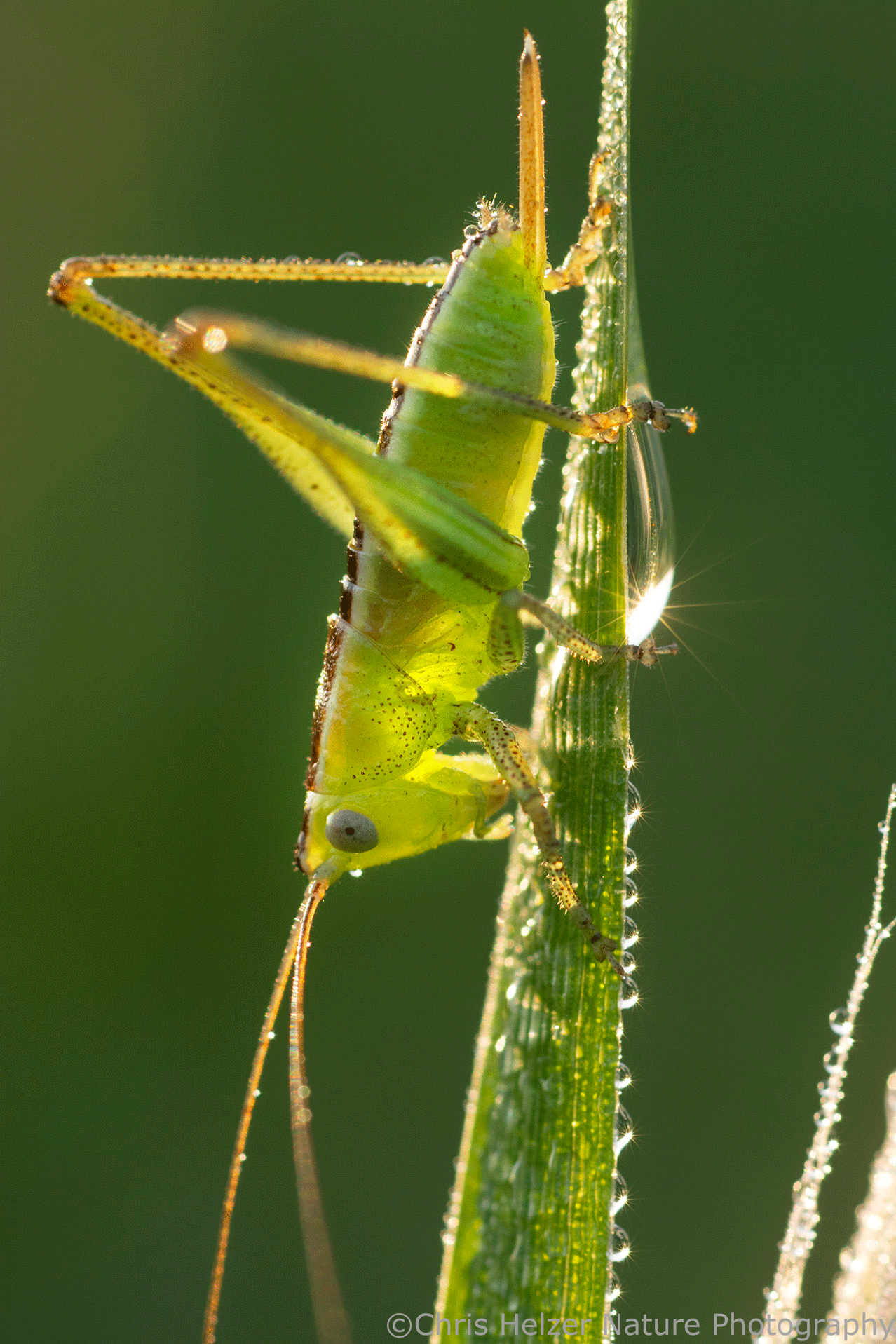
Katydid nymph on foxtail barley. Nikon 105mm macro lens. ISO 640, f/14, 1/200 sec.

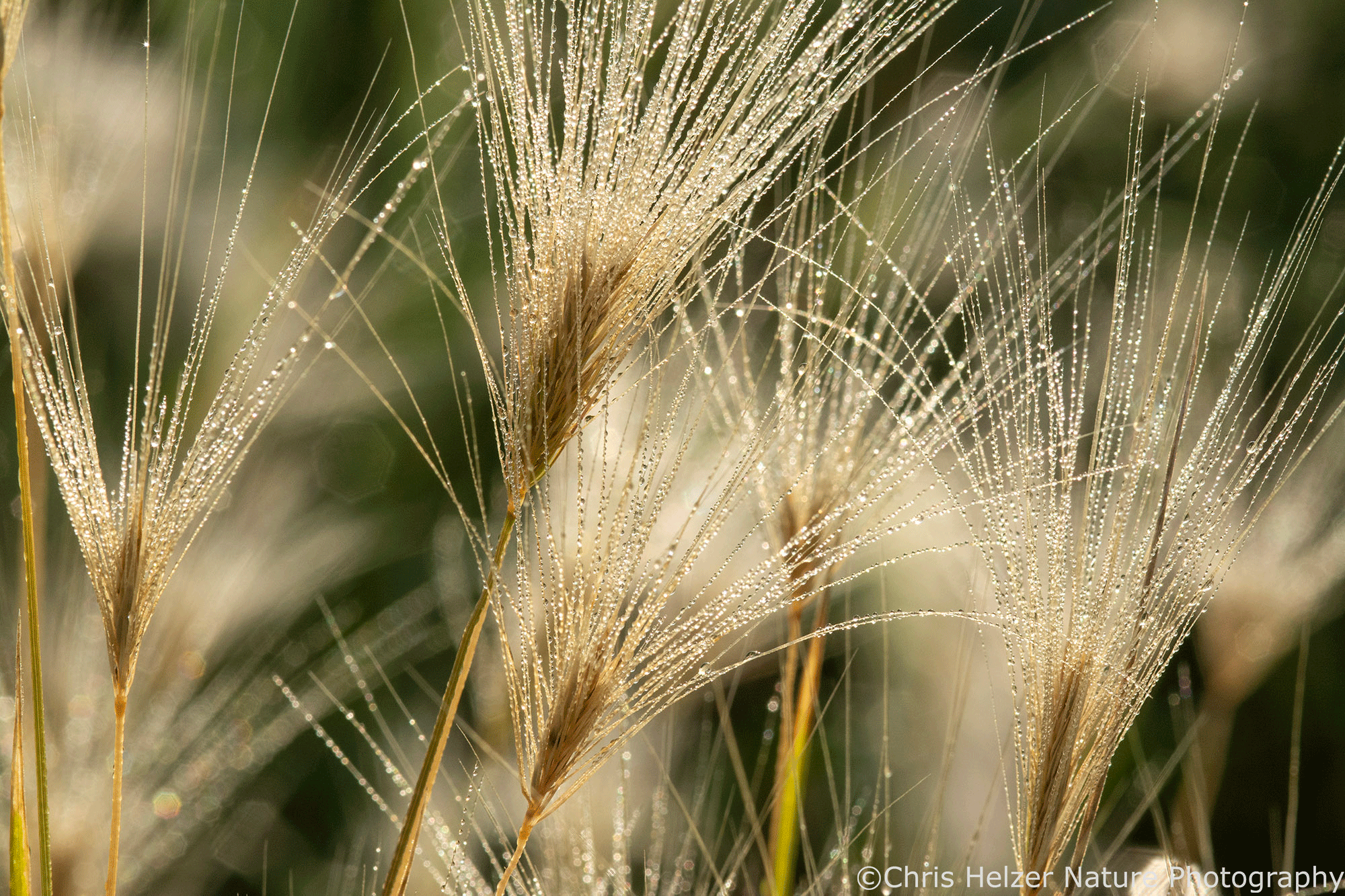
When I came across a patch of sparkling foxtail barley I paused for quite a while. There were numerous katydids and other invertebrates hiding among the long awns of the grass. It was fun playing around with various compositions that included both the insects and the backlit grass.

(Sparkling foxtail barley isn’t the official common name for the grass. Neither is it what you call foxtail barley that isn’t from France. It’s just regular foxtail barley (Hordeum jubatum) that happened to be covered with dew drops that glittered in the morning sunshine.)

Katydid nymph on foxtail barley. Nikon 105mm macro lens. ISO 640, f/14, 1/80 sec.
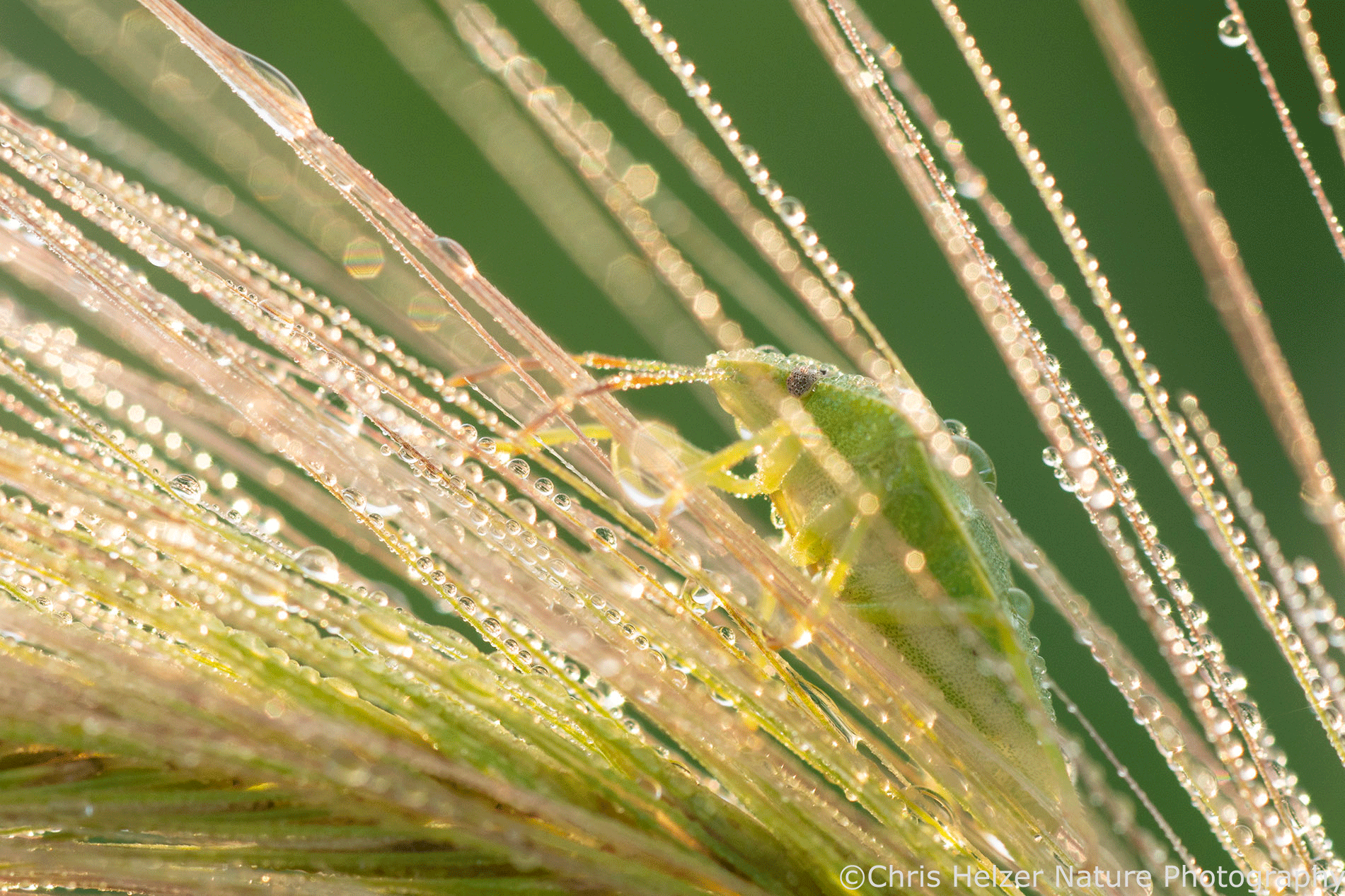
Stink bug on foxtail barley. Nikon 105mm macro lens. ISO 640, f/14, 1/80 sec.
Foxtail barley (Hordeum jubatum). Nikon 105mm macro lens. ISO 640, f/16, 1/400 sec.

After leaving the foxtail barley, I kept strolling and found plenty more to photograph, including both plants and invertebrates.
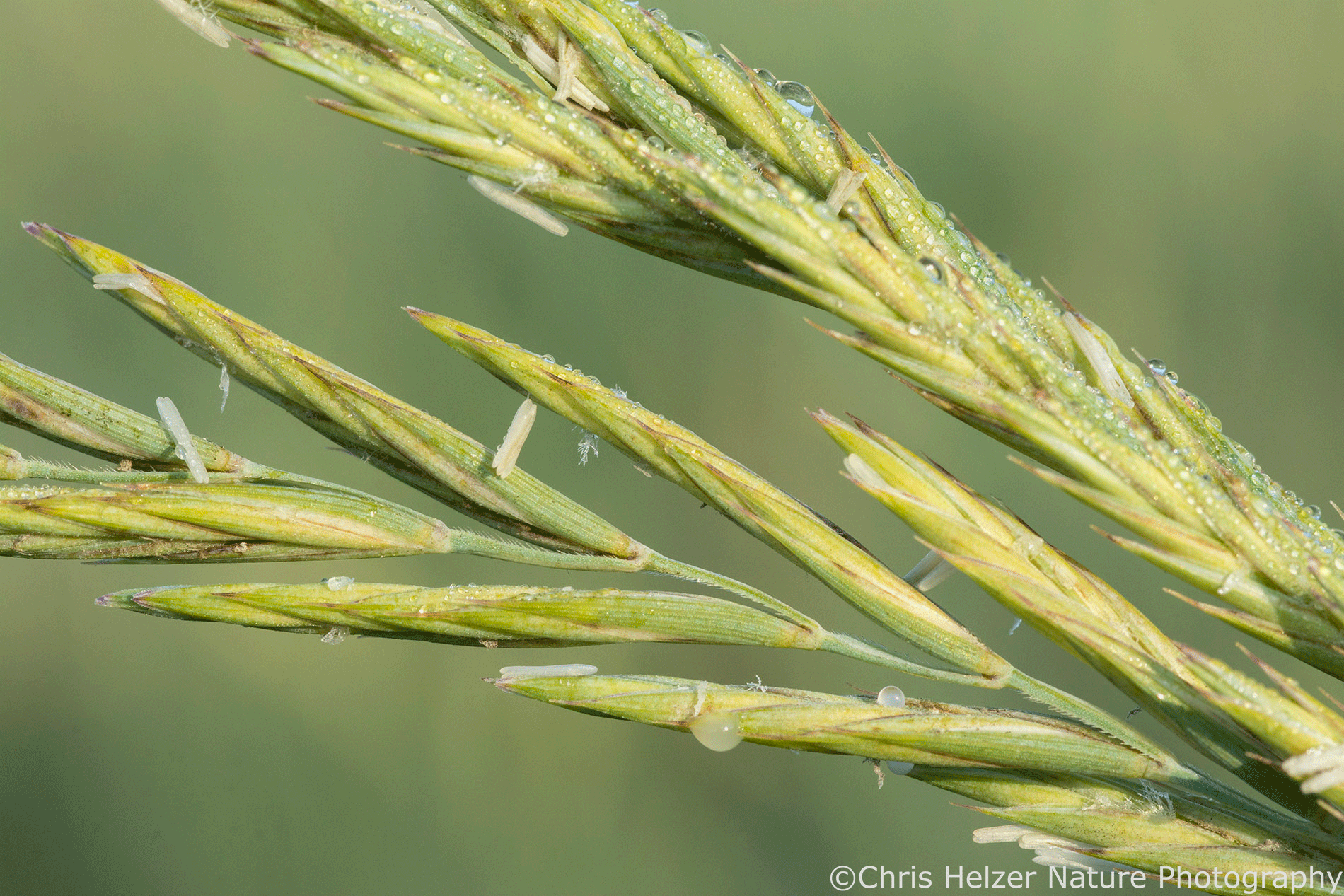
Western wheatgrass (Pascopyrum smithii). Nikon 105mm macro lens. ISO 640, f/16, 1/200 sec.
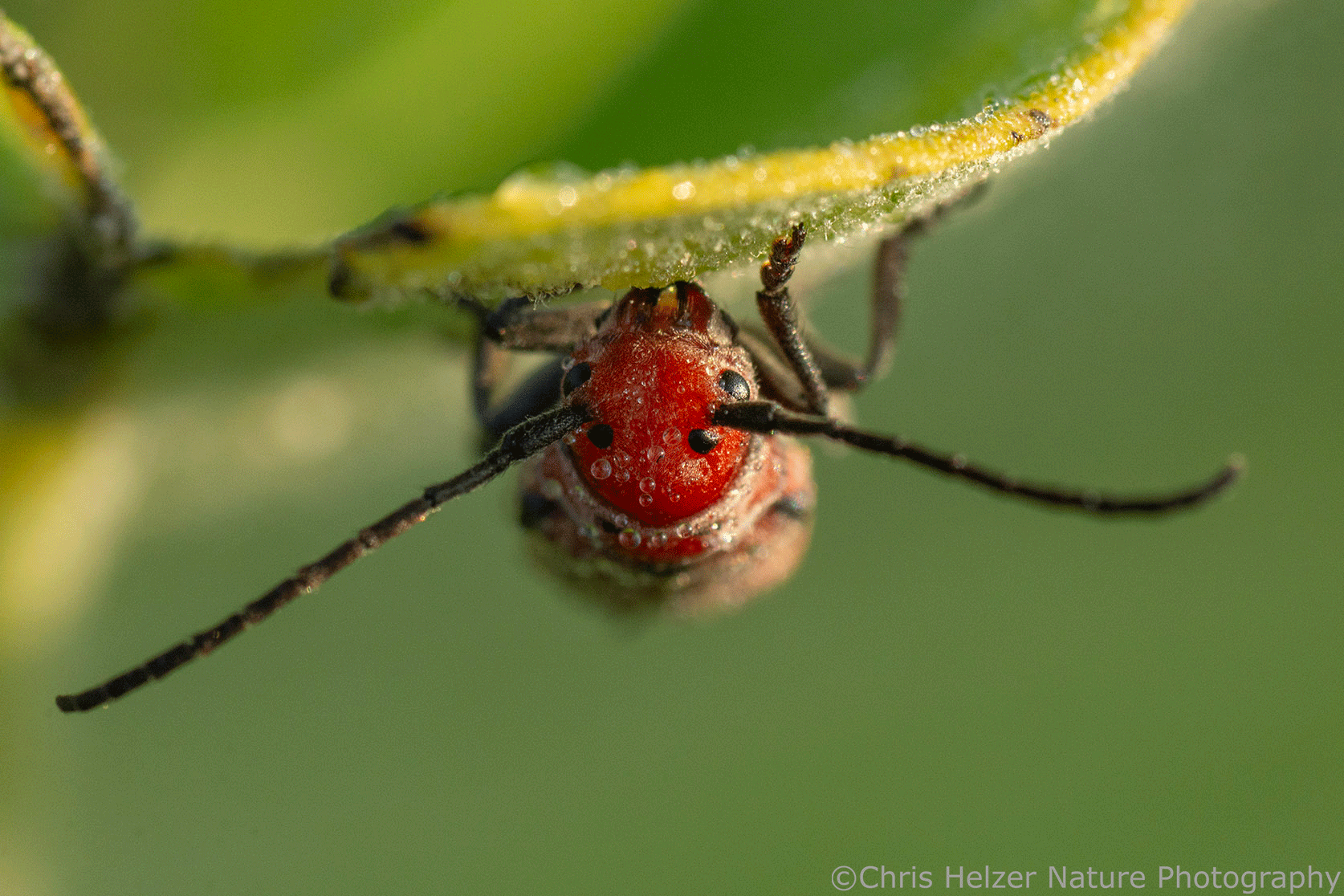
Red milkweed beetle. Nikon 105mm macro lens. ISO 640, f/16, 1/250 sec.
Blister beetle on plains coreopsis (Coreopsis tinctoria). Nikon 105mm macro lens. ISO 640, f/16, 1/200 sec.
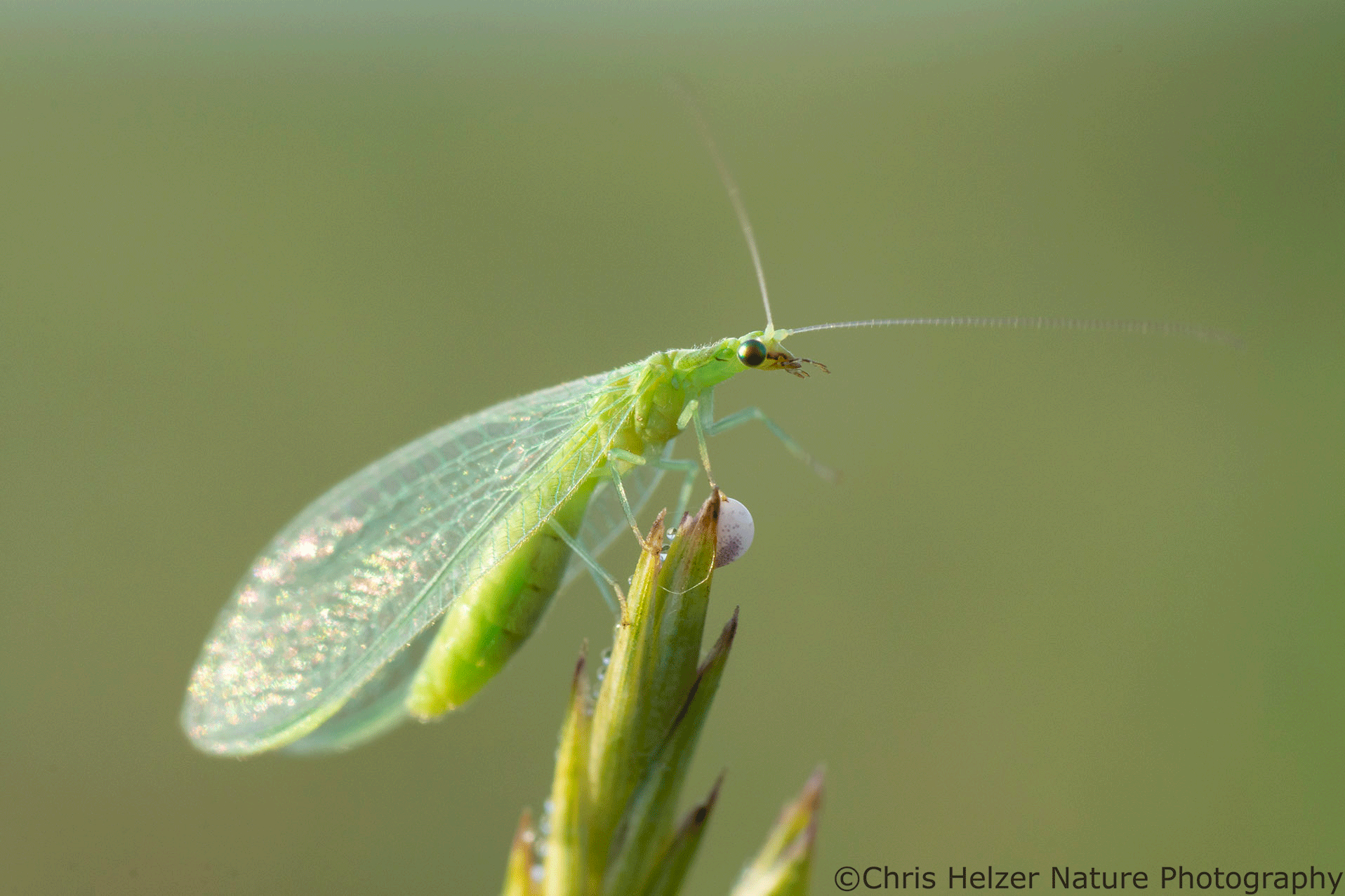
A green lacewing. Nikon 105mm macro lens. ISO 640, f/16, 1/200 sec.

Eventually, I came across a few patches of native thistle in the part of the prairie we grazed hardest last year. Both wavy-leaf and Flodman’s thistle were blooming, which pleased both me and numerous pollinators. However, both species were also demonstrating their ability to capture invertebrates on their sticky calyxes beneath the flowers. This is something I’ve seen and written about often, but it’s still always intriguing to see.

This year, some of the wavy-leaf thistle flowers had really done a number on some black ants. One flower had stopped blooming and, I think, had also started to lose some of its stickiness. As a result, I saw live ants crawling over the dead corpses of their relatives to reach and investigate the top of the flower. Morbid, but fascinating!
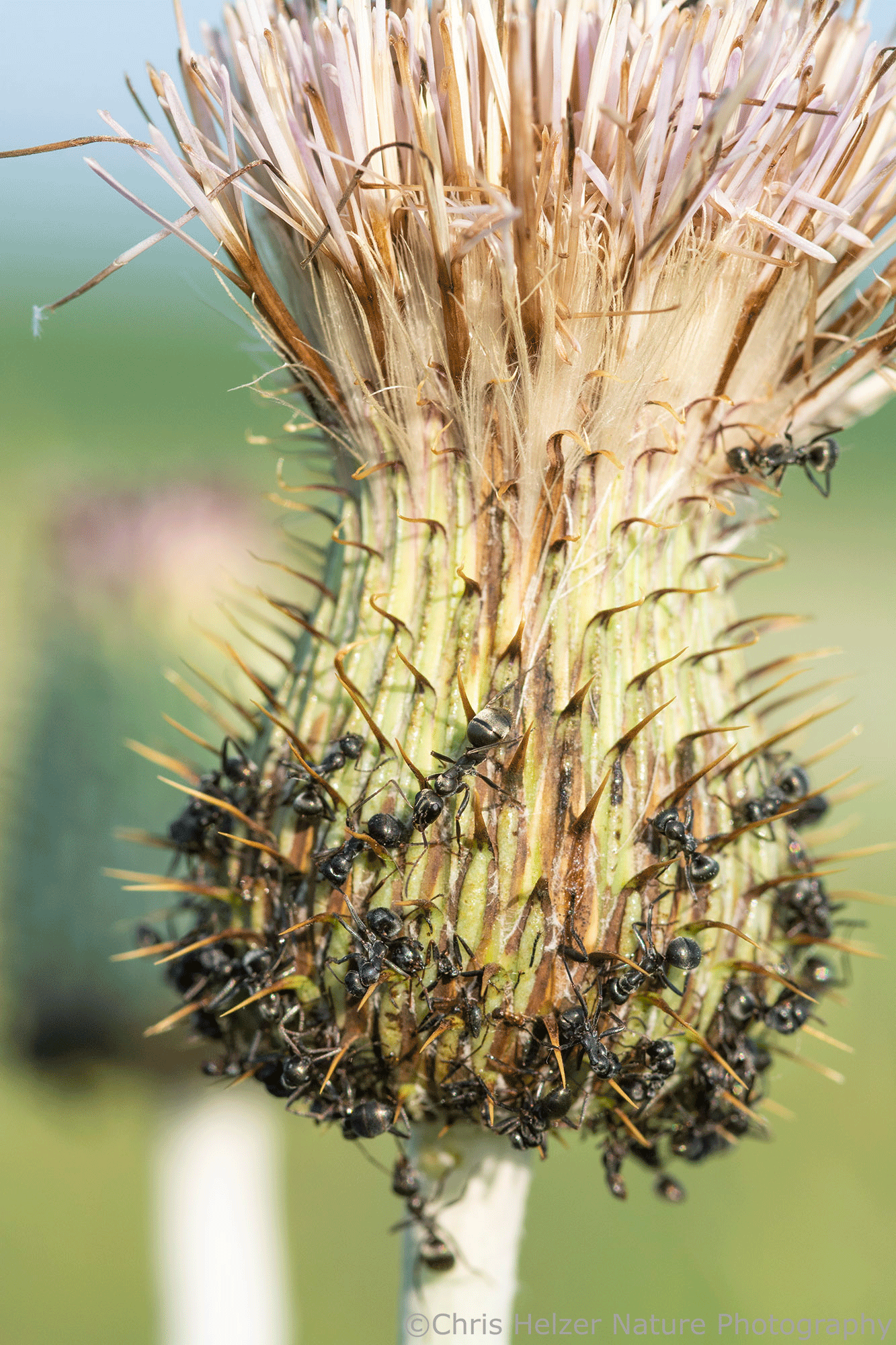
Ants stuck to wavy-leaf thistle (Cirsium undulatum). Nikon 105mm macro lens. ISO 640, f/11, 1/500 sec.

As always, ants weren’t the only insects to get stuck and die beneath thistles. Most prominent this year was a wasp I didn’t recognize who made an unfortunate choice in its overnight (probably) roost location. To be clear, it’s not that I didn’t know the individual wasp. I didn’t know what species of wasp it was, though I guess both are true.
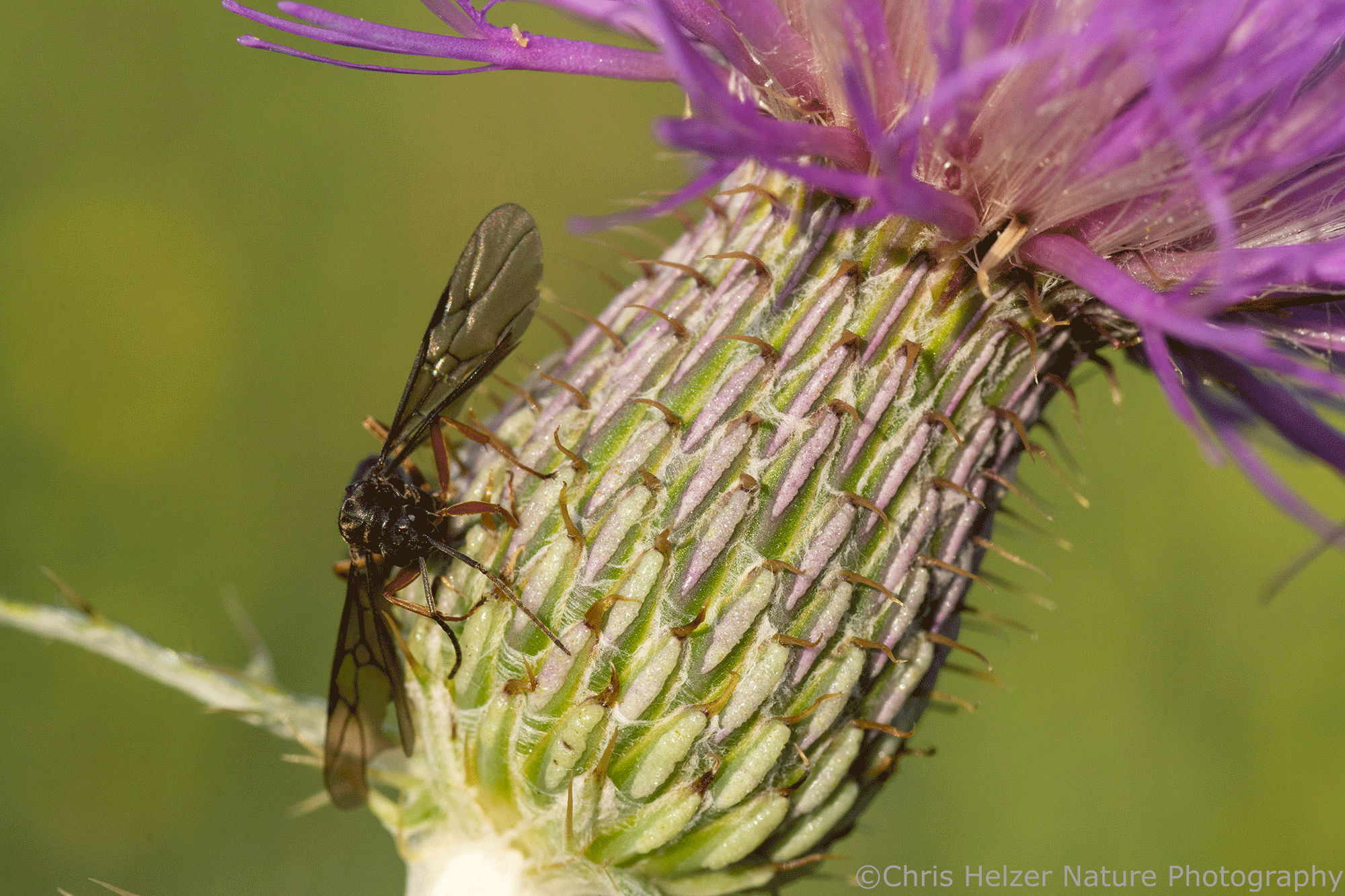
A wasp stuck to Flodman’s thistle (Cirsium flodmanii). Nikon 105mm macro lens. ISO 640, f/16, 1/500 sec.
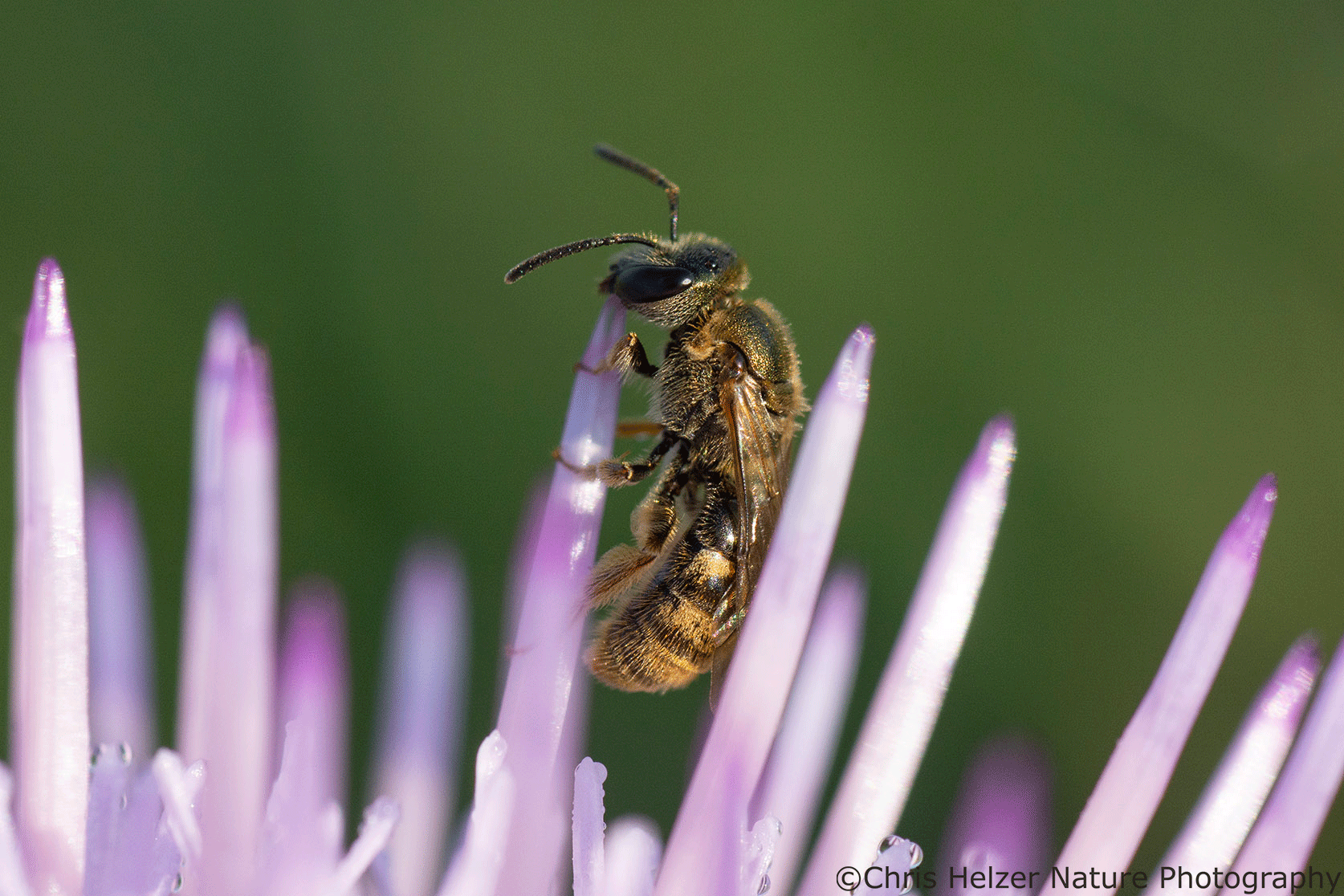
A halictid bee enjoying (I assume) feeding on wavy-leaf thistle. Nikon 105mm macro lens. ISO 640, f/16, 1/500 sec.

After several hours, I looked at the time and realized I should probably head home and get started on some other projects. Depending upon how you measure productivity, I either had a very unproductive morning or a perfectly productive one. I tend toward the latter perspective, I think.

It’s nice to have the time to be distracted without guilt. I hope you all can find time for similar intentional distractions in a prairie near you!
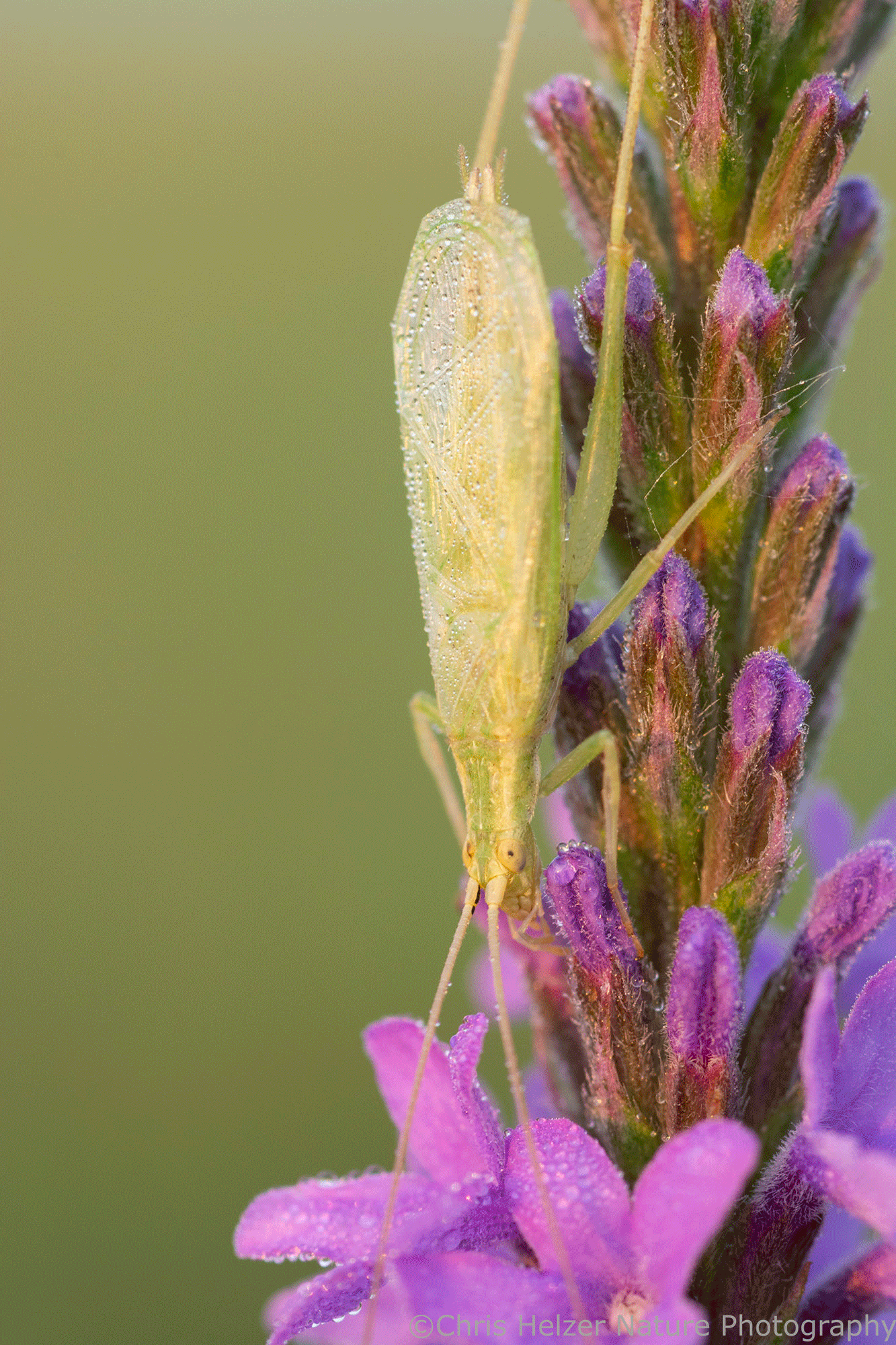
Tree cricket on hoary vervain (Verbena stricta). Nikon 105mm macro lens. ISO 640, f/16, 1/250 sec.

Final Announcement – July 8 Field Day at the Platte River Prairies

Ok, here’s the final call. Please join us at The Nature Conservancy’s Platte River Prairies this Saturday. The weather is going to be spectacular and we’ve got some fantastic session leaders lined up.

The full schedule and directions to the site can be found here.

We’re asking for RSVPs via email (see the schedule/directions) so we have an idea how many people to prepare for. If you decide to come at the last minute and don’t RSVP, come anyway. We’d love to have you.

This moth looks like an airplane. It also desperately wants to meet you at the Platte River Prairies Field Day on this Saturday. As far as you know.

.

Why you should come:

#1. I mean, it’s free. How many free events do you get to attend? Not enough, that’s for sure.

#2. Don’t you like butterflies? Everyone likes butterflies. We’ll not only have butterflies, we’ll have Neil Dankert to identify them for you and tell you all about them.

#3. Maybe you don’t like butterflies, but you’re a huge fan of leaf beetles. If so, good for you. Don’t let anyone yuck your yum. Julie Peterson will be at the field day to talk to you about leaf beetles and any other invertebrate you catch with the nets we’ll let you borrow.

#4. How are you at plant identification? Would you like to be better? Sarah Bailey from Prairie Plains Resource Institute can help. She can also talk about lots of other aspects of plant and prairie ecology. See if you can stump her with a hard question. Good luck.

#5. Have you ever seen a plains pocket mouse up close? Did you know their cheeks are lined with fur? On the INSIDE? What’s that about? Mike Schrad will tell you. He’ll probably catch some pocket mice too – in nice safe boxes, from which he’ll then release them – and you can see what all the fuss is about.

#6. Our Hubbard Fellows are the best. Jojo and Sanketh will be leading a bird hike early in the morning and then taking people out to harvest seed later in the morning. You can come do our work for us!! It’s fun, though. After that, Jojo and Sanketh will be hanging around the rest of the day and will be very happy to meet you.

#7. I’ll be there. Say hi when you arrive! More importantly, Cody Miller, the preserve manager for the Platte River Prairies will also be there. Ask him how he controls invasive species or why he’s having our neighbor cut hay in weird patterns in some of our prairies. Or ask him about quantum physics. It’s not his specialty but it might be fun to ask him anyway.

.

If you don’t know anything about prairies, that’s a perfect reason to come. We’ve got lots of people who will find great joy in introducing you to this amazing ecosystem.

If you love prairies and want to learn as much as you can, that’s also a perfect reason. See above.

If you’re skeptical about prairies, or think they’re just a massive conspiracy designed to support “Big Wildflower” I’ll bet you’re fun at parties. Guess, what? You’re welcome, too. Just be nice, ok?

For those of you who aren’t able to travel, you can also join in the fun. Anytime between 7am and 2:30pm Central Time, walk outside, plug your ears, close your eyes and whisper, “I love prairies.” See what happens next.

(Let me know if something happens. Wouldn’t that be amazing??)

Anyway, I really do hope you can come. It won’t be the same event with you there.