Photos of the Week – May 11, 2023

I can feel the building momentum of spring. Wildflowers are becoming easier to find, landscapes are looking more green than brown, and we’ve even gotten a little rain.

Plant growth and blooming is still a few weeks behind what my brain tells me is ‘average’, assuming that means anything anymore. Weirdly, some of the grassland birds also seem slow to arrive. Upland sandpipers showed up last week and I finally saw my first grasshopper sparrow on Sunday. I’d been expecting to see both of those birds around the 3rd week of April. I have no explanation for why they might show up late. It’s not like they’re sending scouts ahead to check out the weather and growing conditions… Are they??

Regardless, the logjam seems to have broken and spring is now rushing forward.

I was at the Niobrara Valley Preserve for a very quick trip early this week. I gave the Fellows and Krystal, our new technician, a whirlwind tour of some preserve highlights. In about an hour, we saw bison, prairie dogs, and the view from the highest overlook above the river. I didn’t take any photos during that whole time. Sorry about that.

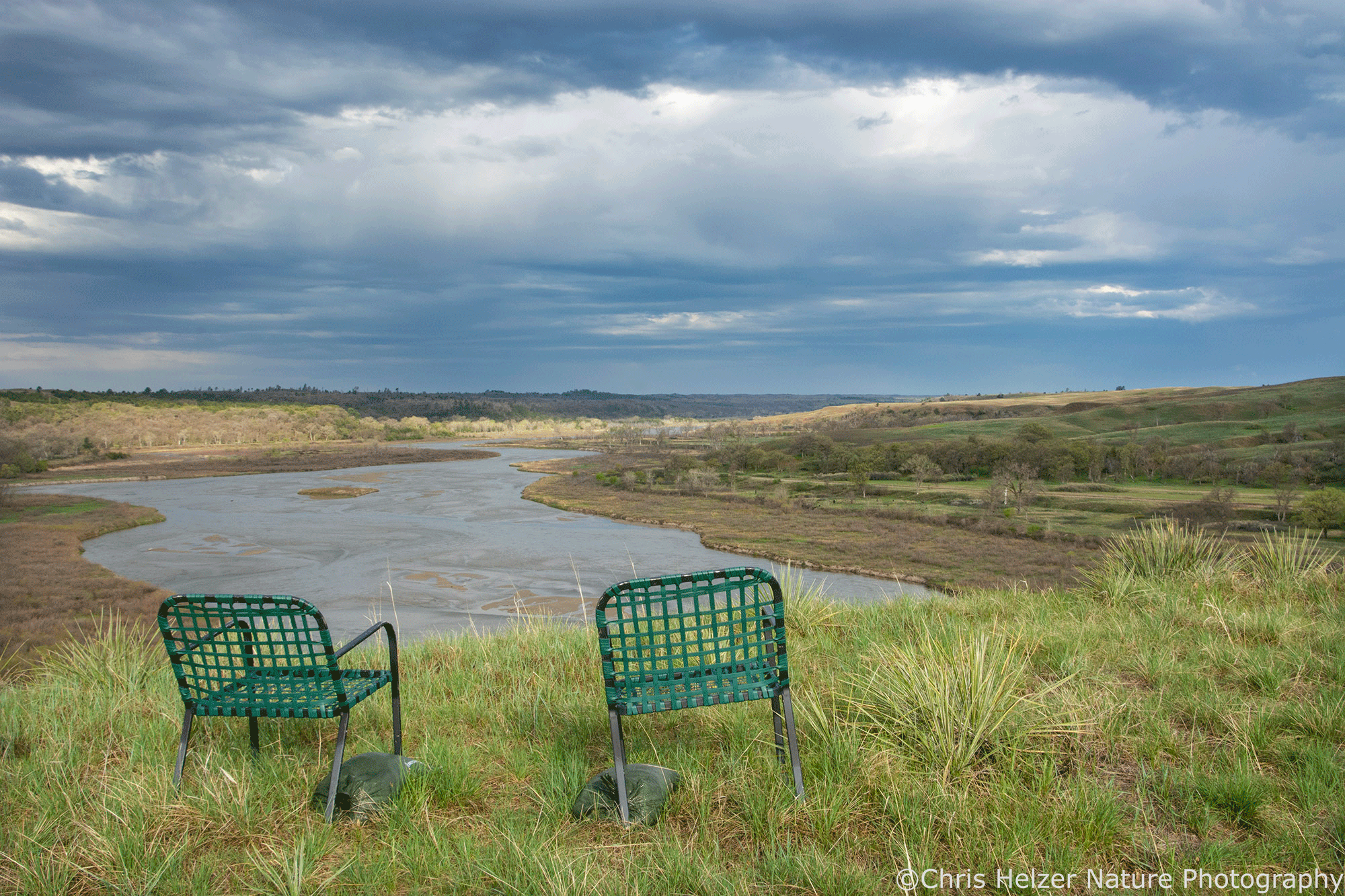
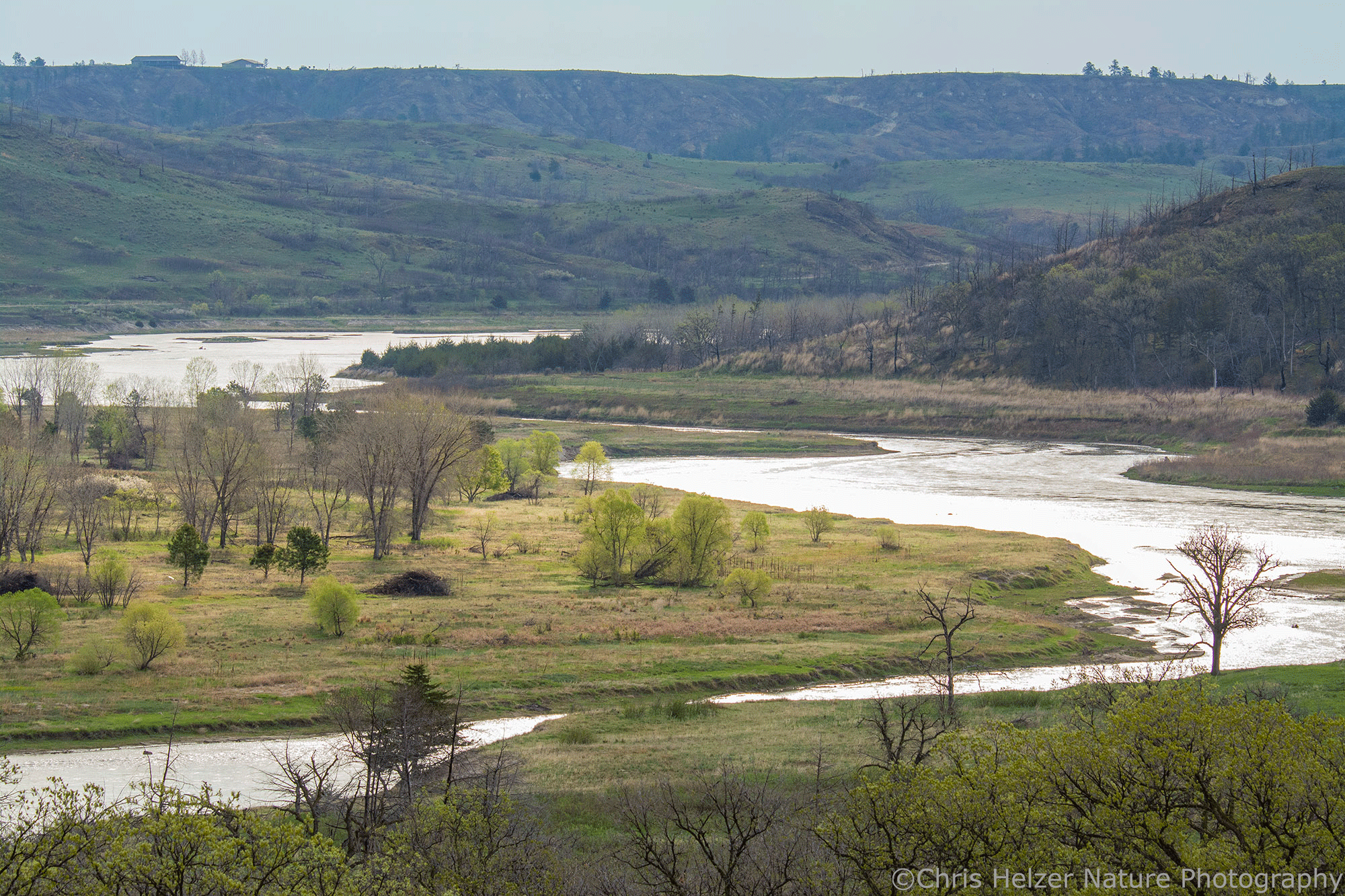
The next morning, though, I did manage a few shots of the Niobrara River as the light filtered through post-rain clouds.
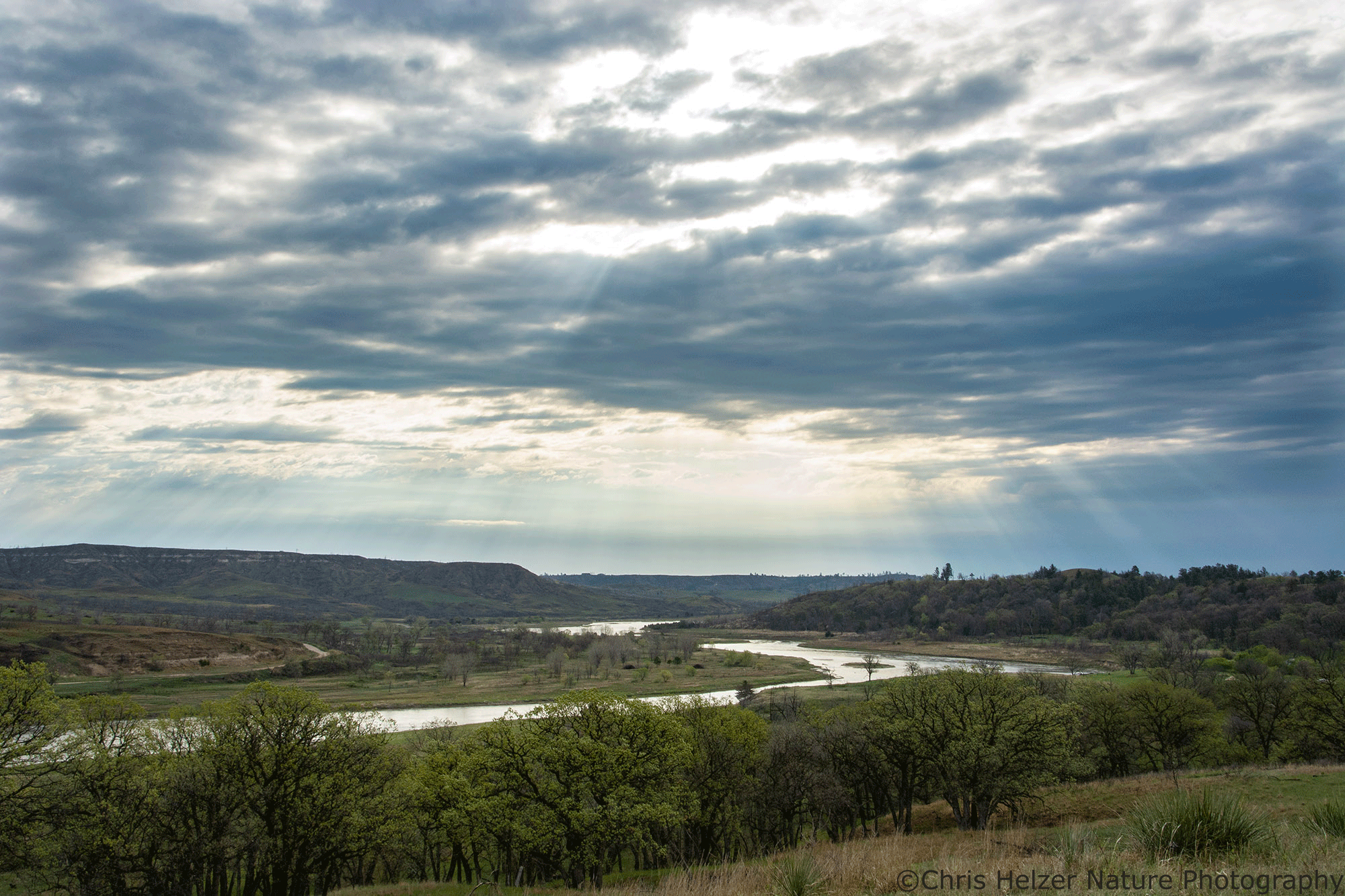
Niobrara River and clouds at the Niobrara Valley Preserve. Nikon 18-300mm lens @26mm. ISO 320, f/16, 1/160 sec.
Niobrara River and clouds at the Niobrara Valley Preserve. Tamron 100-400mm lens @140mm. ISO 640, f/9, 1/400 sec.
Niobrara River, chairs, and clouds at the Niobrara Valley Preserve. Nikon 18-300mm lens @30mm. ISO 320, f/16, 1/160 sec.

.

I also found a pincushion cactus about 20 steps away from the chairs in the above photo. It wasn’t blooming yet, but the spines almost looked like little flowers through the lens of my macro lens.
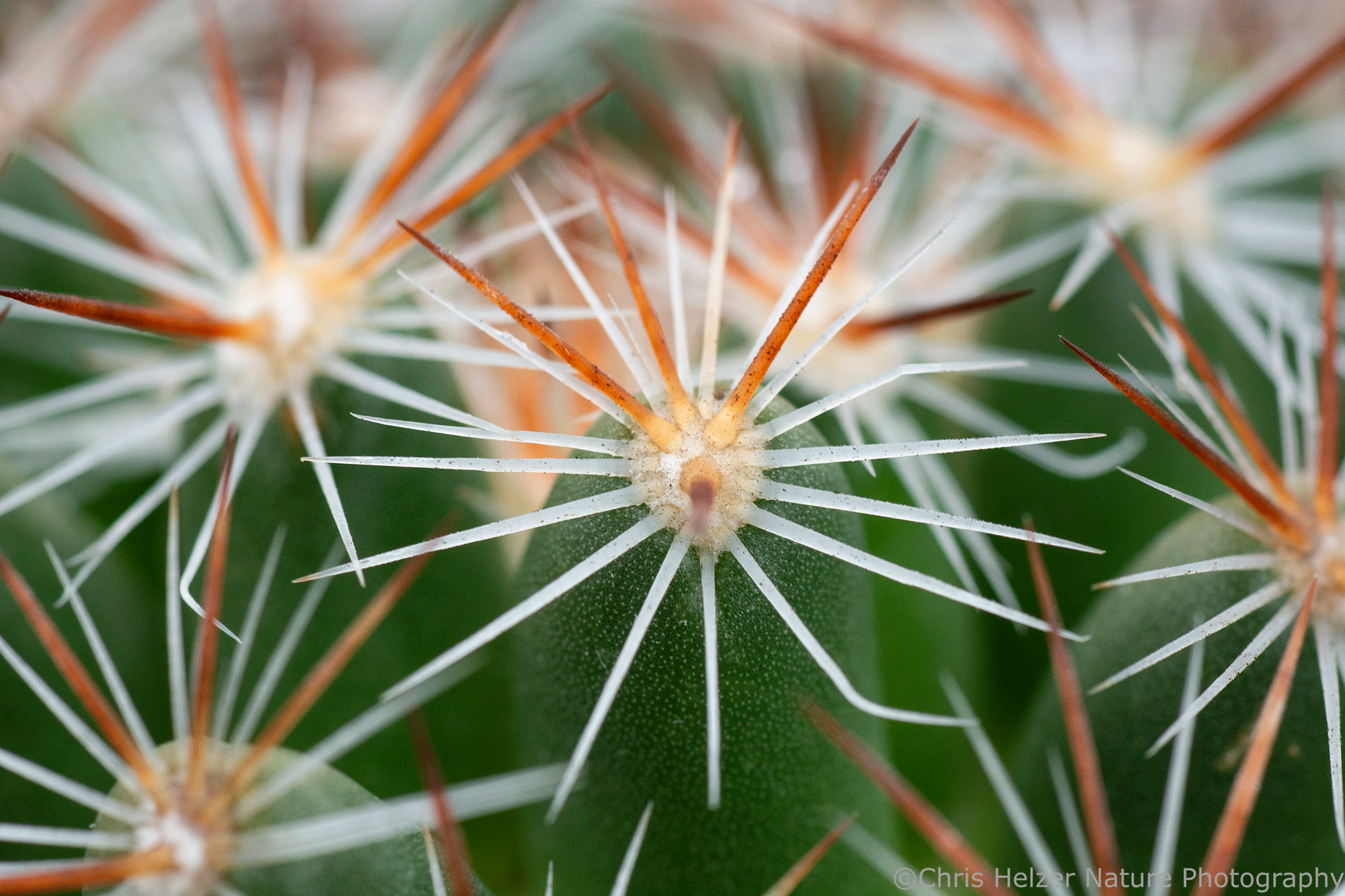
Nikon 105mm macro lens. ISO 320, f/13, 1/60 sec.

.

On Wednesday, I snuck out to our family prairie for a quick check of the early grazing there. I was happy to see a coyote bouncing through the grass. I also heard a lot of thirteen-lined ground squirrels where cattle grazed most intensively last year, which should keep the badgers happy. Best of all, the reed canarygrass patches I sprayed last fall seem to have mostly died and the poison hemlock plants I spaded out last summer haven’t returned.

Pussytoes (Antennaria neglecta) was finishing up its flowering season and I saw more prairie violets (Viola pedatfiida) blooming than I think I’ve ever seen out there before. Four of those prairie violet plants were in the brand new prairie seeding we did last year, which was especially encouraging. Violet wood-sorrel (Oxalis violacea) was going strong in a few scattered patches and blue-eyed grass (Sisyrinchium campestre) and woolly locoweed (Oxytropis lambertii) were just getting started.
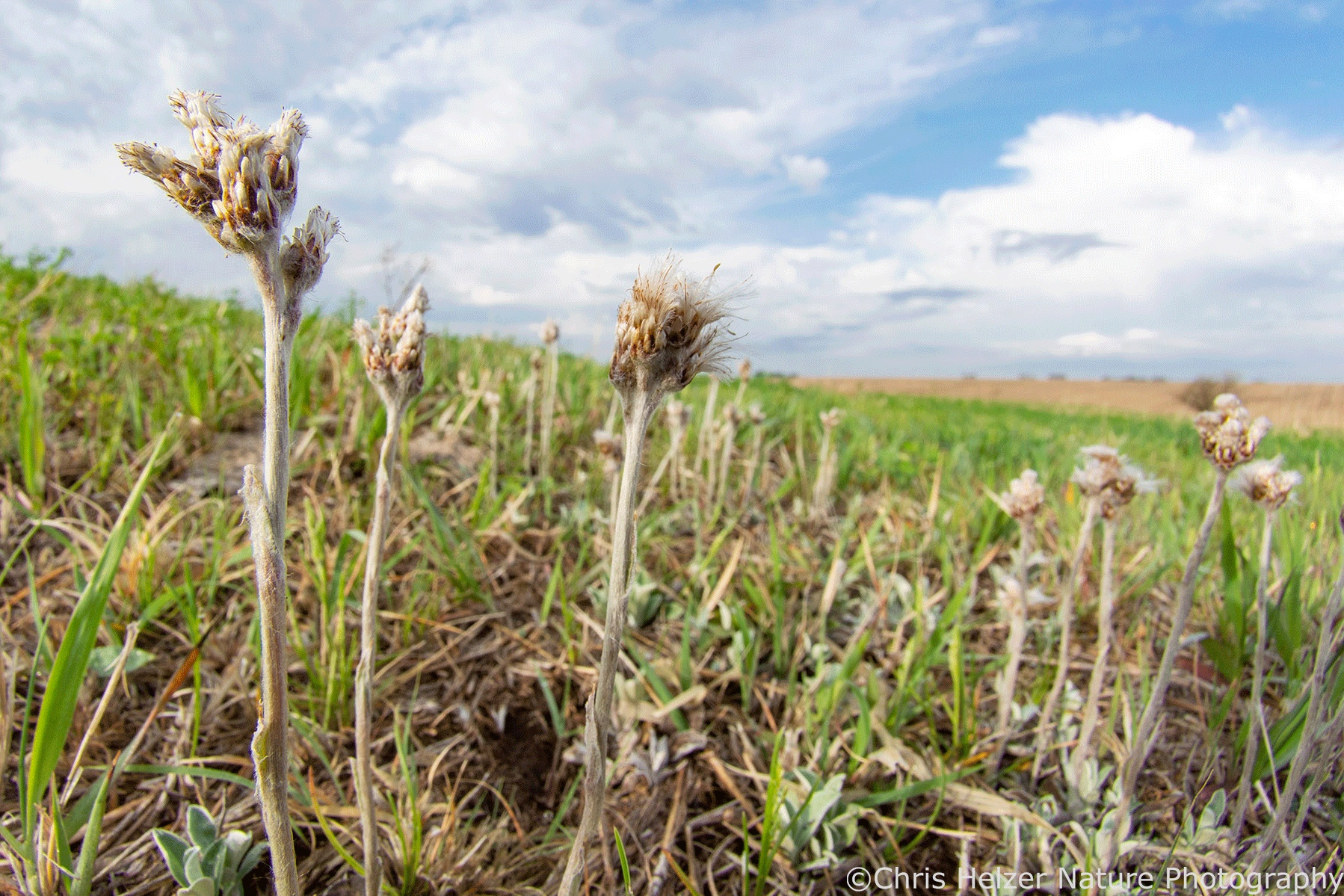
Pussytoes and sky. Nikon 10.5 fisheye lens. ISO 320, f/13, 1/160 sec.

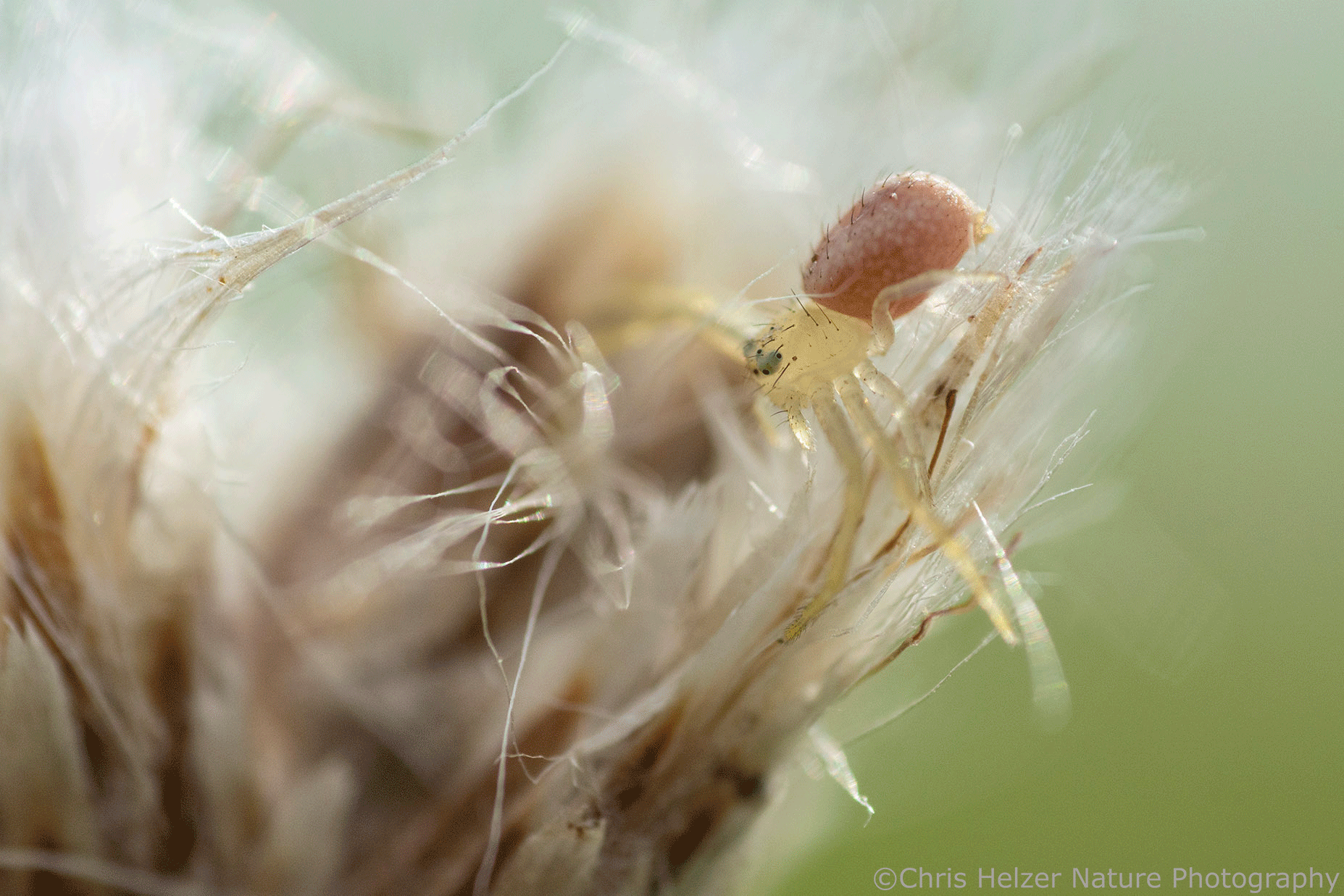
I spent a little while scanning pussytoes for invertebrates. There were several little crab spiders hanging out on the flowers/seed heads. As always, I couldn’t pass up the chance to photograph them.
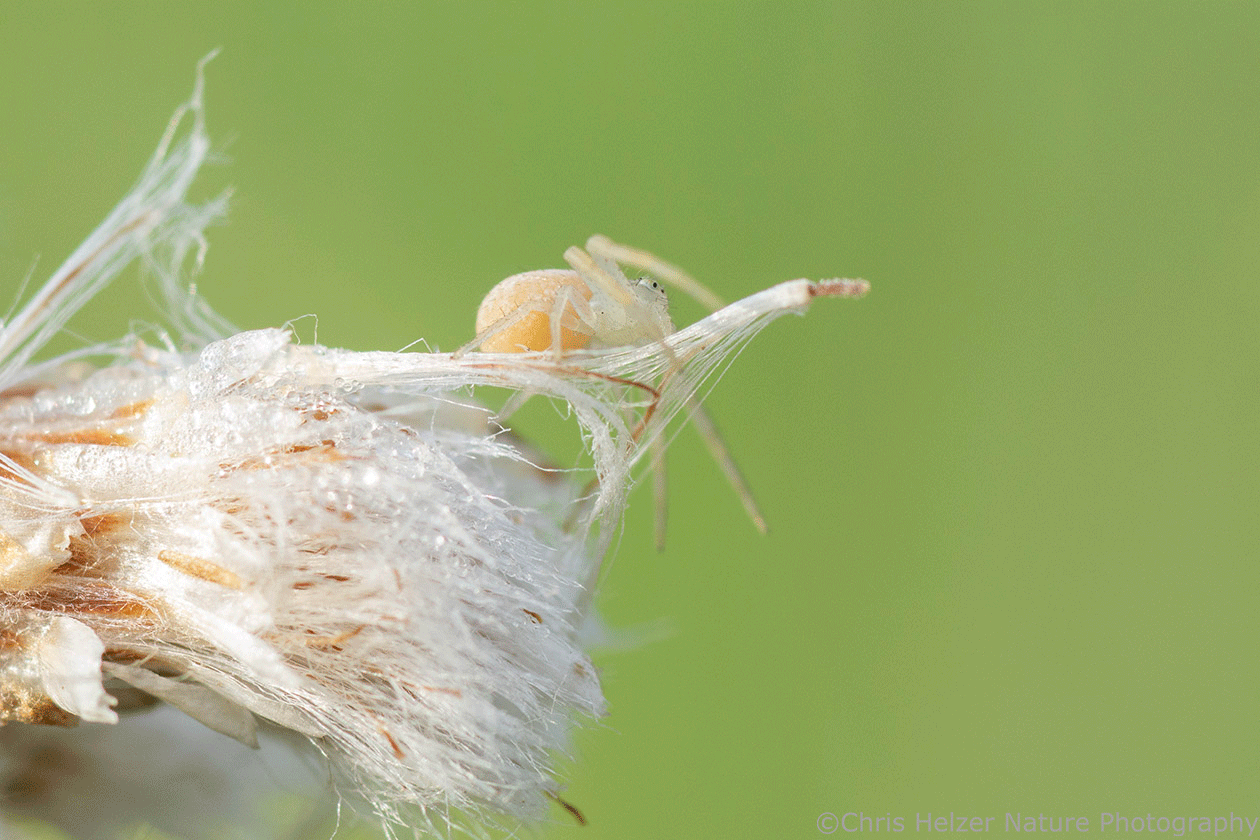
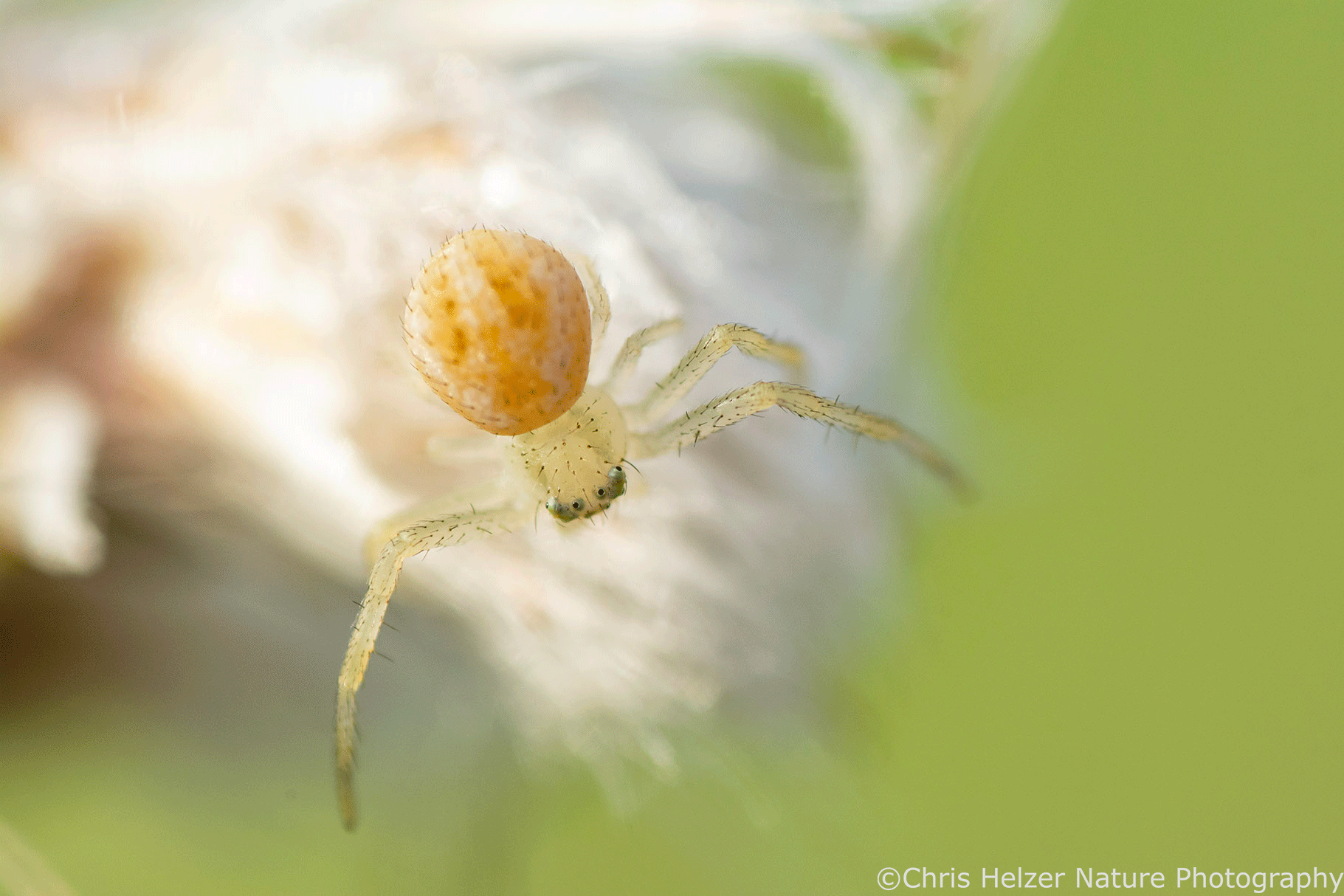
Nikon 105mm macro lens. ISO 640, f/11, 1/320 sec.
Nikon 105mm macro lens. ISO 640, f/13, 1/250 sec.
Nikon 105mm macro lens. ISO 640, f/13, 1/1250 sec.

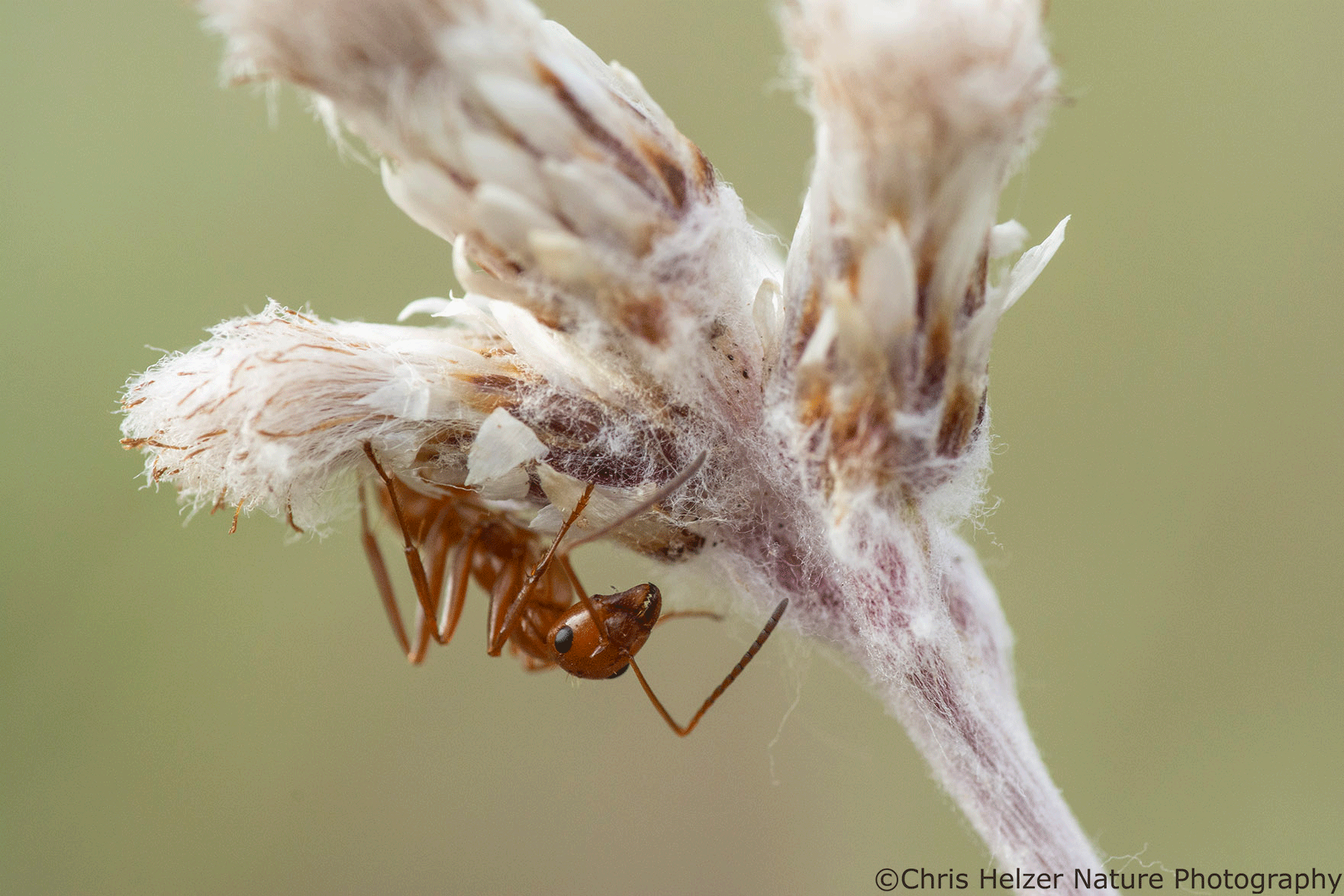
The other activity I noticed on the pussytoes flowers came in the form of (apparently?) foraging ants. I saw a couple different ants crawling up and down the flowers, sometimes multiple times. I couldn’t tell what they were looking for, if anything, and I don’t think I’ve noticed ants on pussytoes before. That doesn’t mean anything, of course, since plenty happens without me seeing it. I did wonder what the ants were searching for, though, and I don’t really have any answers.
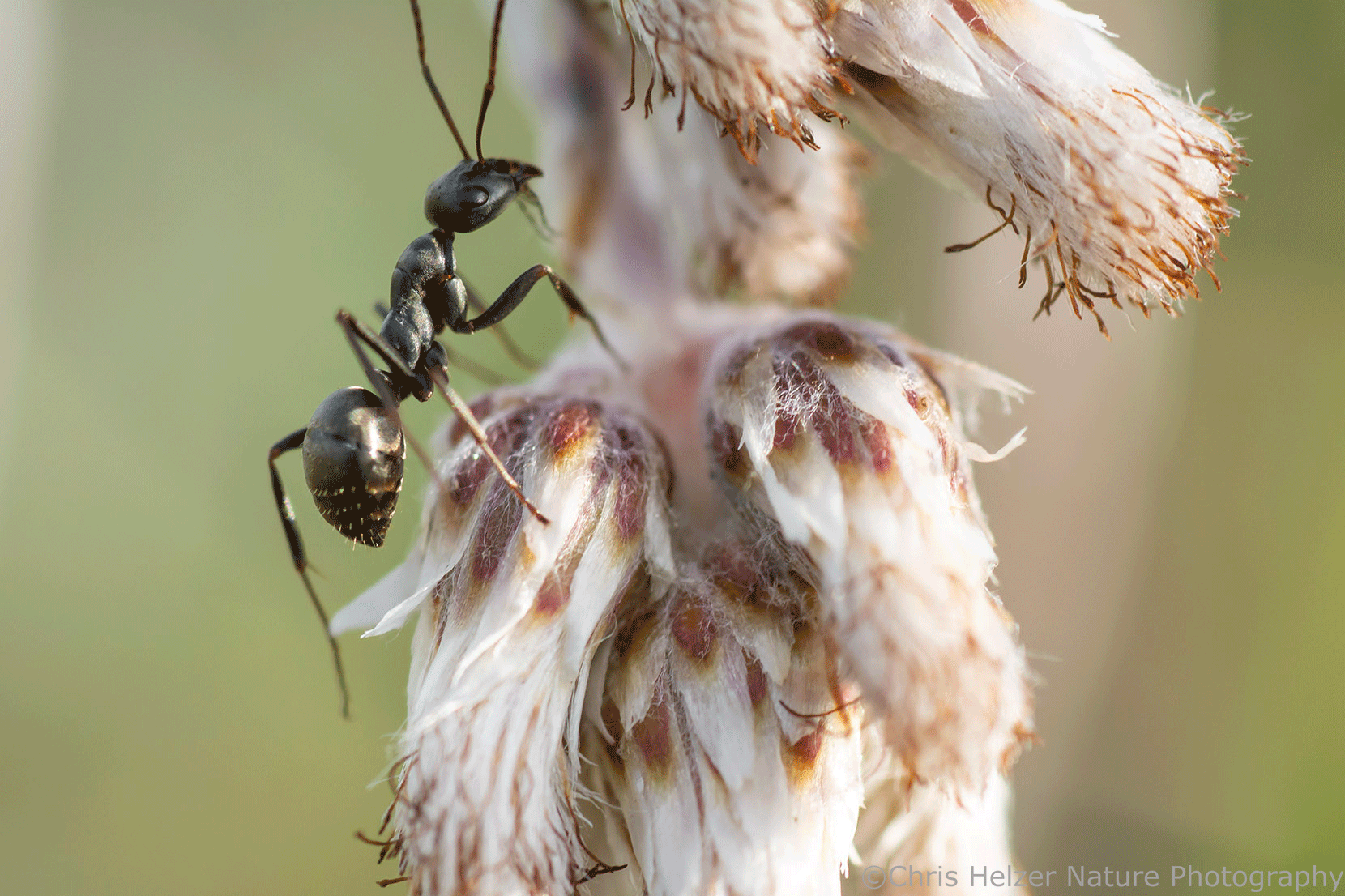
Ant on pussytoes. Nikon 105mm macro lens. ISO 640, f/11, 1/320 sec.
Another ant on pussytoes. Nikon 105mm macro lens. ISO 640, f/13, 1/250 sec.

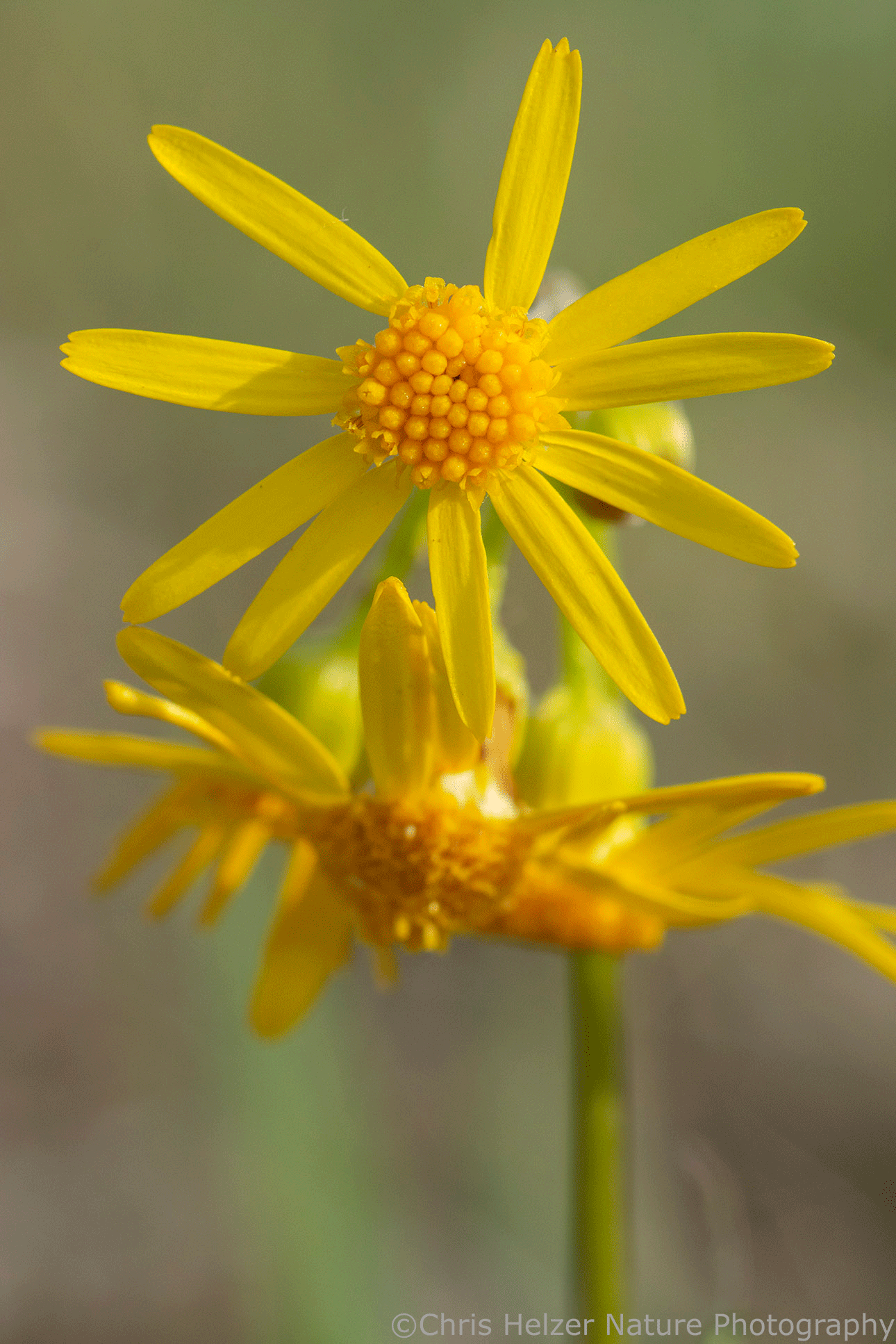
Prairie ragwort (Packera plattensis) just opened up this week and was starting to pull in some flies and other pollinators. And, of course, crab spiders were there too.

Prairie ragwort. Nikon 10.5mm fisheye lens. ISO 640, f/11, 1/320 sec.
Crab spider and ragwort. Nikon 105mm macro lens. ISO 640, f/14, 1/640 sec.
More ragwort. Nikon 105mm macro lens. ISO 640, f/11, 1/1250 sec.

Fringed puccoon was still blooming, and seemed particularly abundant where cattle grazed last year. That might simply be because there was less vegetation to hide them. Either way, it was really nice to see them distributed across parts of the prairie that were farmed until being put back to grass in 1962. As I’ve talked about before, we’ve overseeded those areas over the years, and that’s slowly increasing plant diversity, but the puccoon is moving in on its own. Even better!
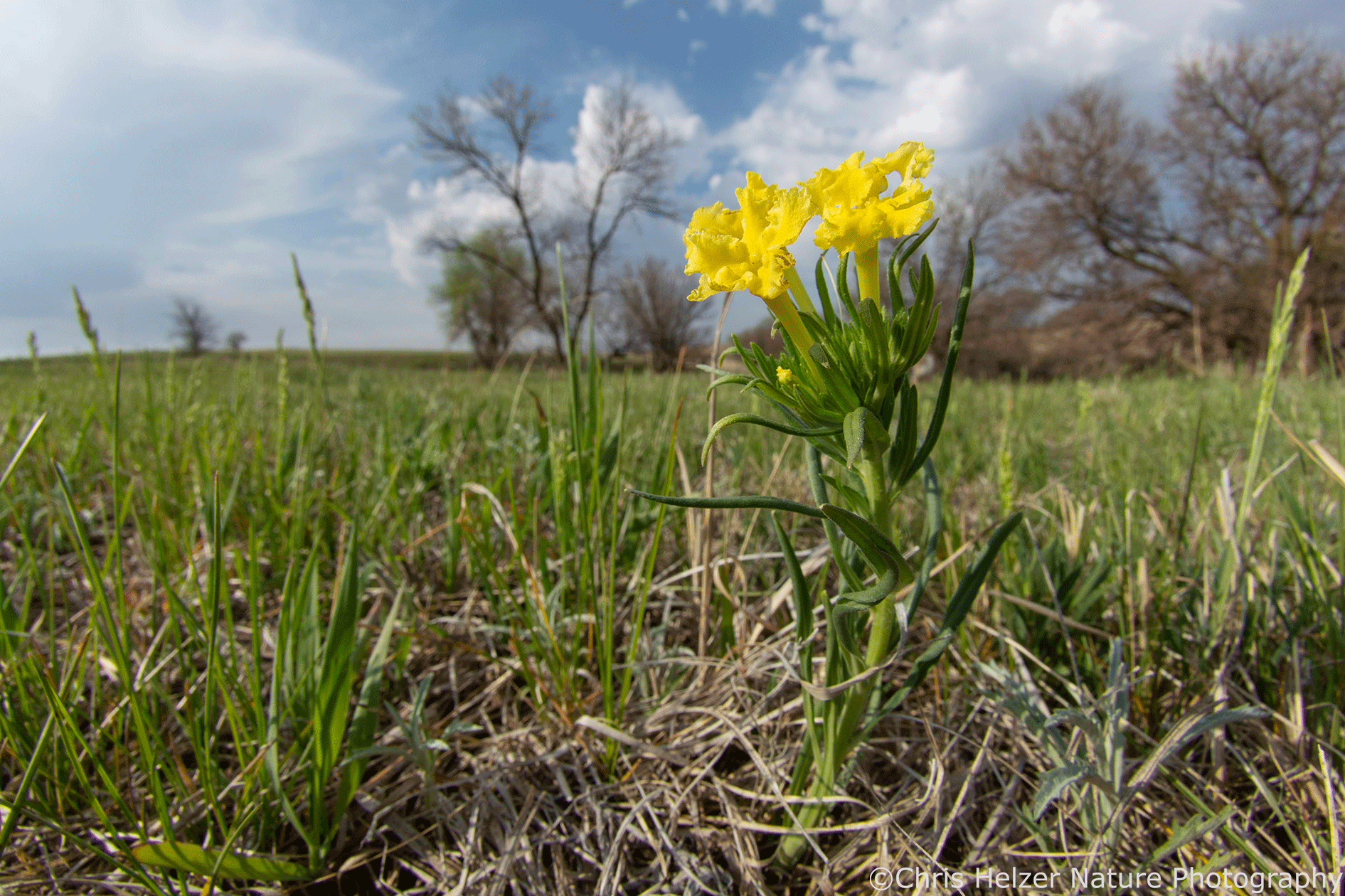
Fringed puccoon. Nikon 10.5mm fisheye lens. ISO 320, f/13, 1/500 sec.

Another season, another set of mysteries…

Why were the grasshopper sparrows so late to arrive? Why are prairie violets having such a good year in our prairie? What were those ants looking for on pussytoes flowers?

It’s going to be a good year.

Ok, Fine, This Post is Mostly Just An Excuse To Share Cute Bison Baby Photos

It’s been a while since I’ve published a deep, philosophical and ecological essay on prairie conservation. I figured I should remedy that.

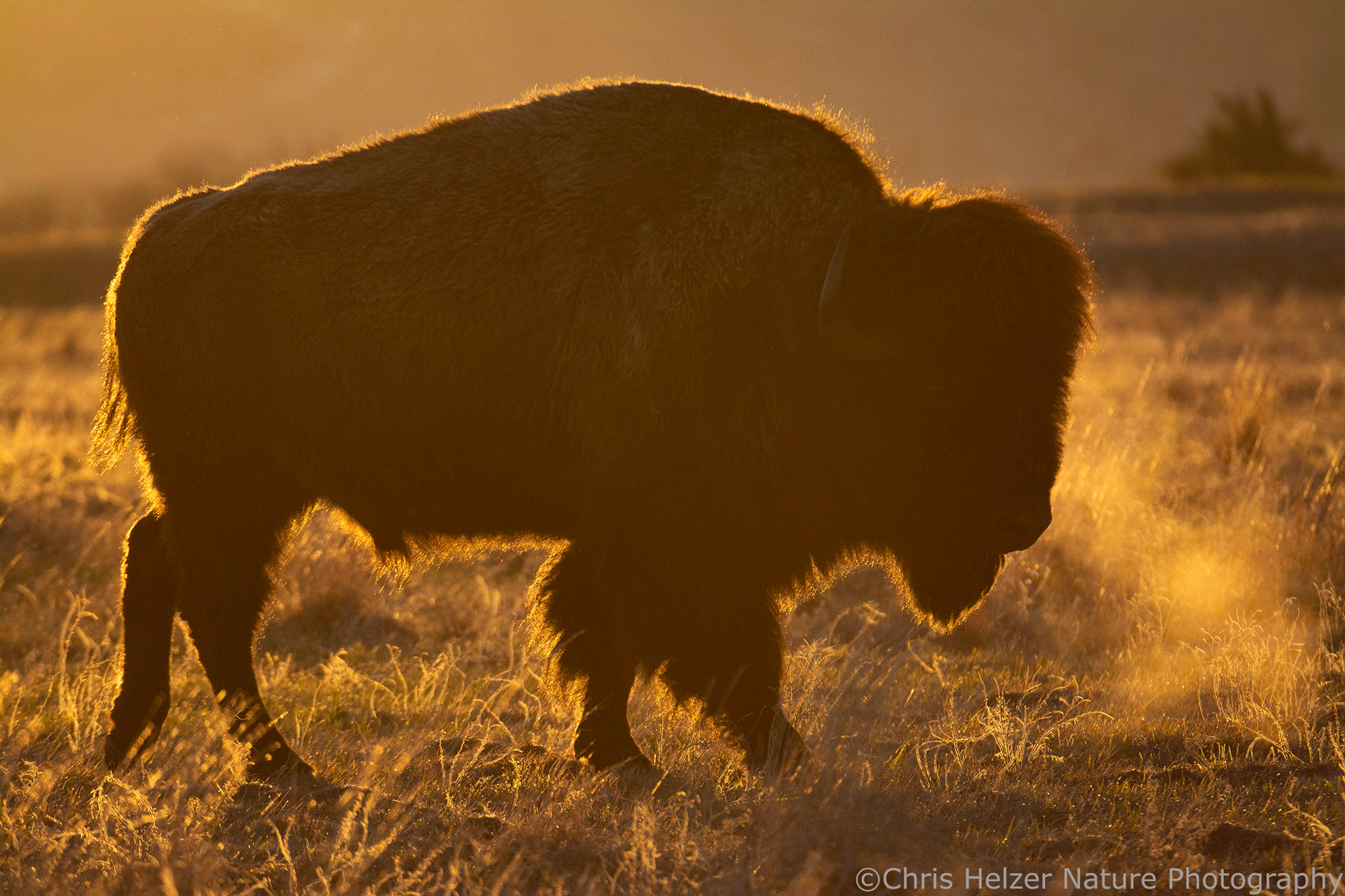
But then I went up to the Niobrara Valley Preserve this week to help with a prescribed fire and got distracted. The morning after the fire, I drove my truck into one of the two big bison pastures at the Preserve. Despite being in their pasture, I wasn’t really looking for bison. Mostly, I was hoping to find some early wildflowers and/or insects and the 10,000 acre pasture was the closest prairie area to headquarters. However, just as the morning sun popped over the horizon, I crested a hill and saw a small group of bison bulls between the sun and me. “Fine,” I thought, “I’ll just grab a couple quick photos and then get back to flower/insect searching.”

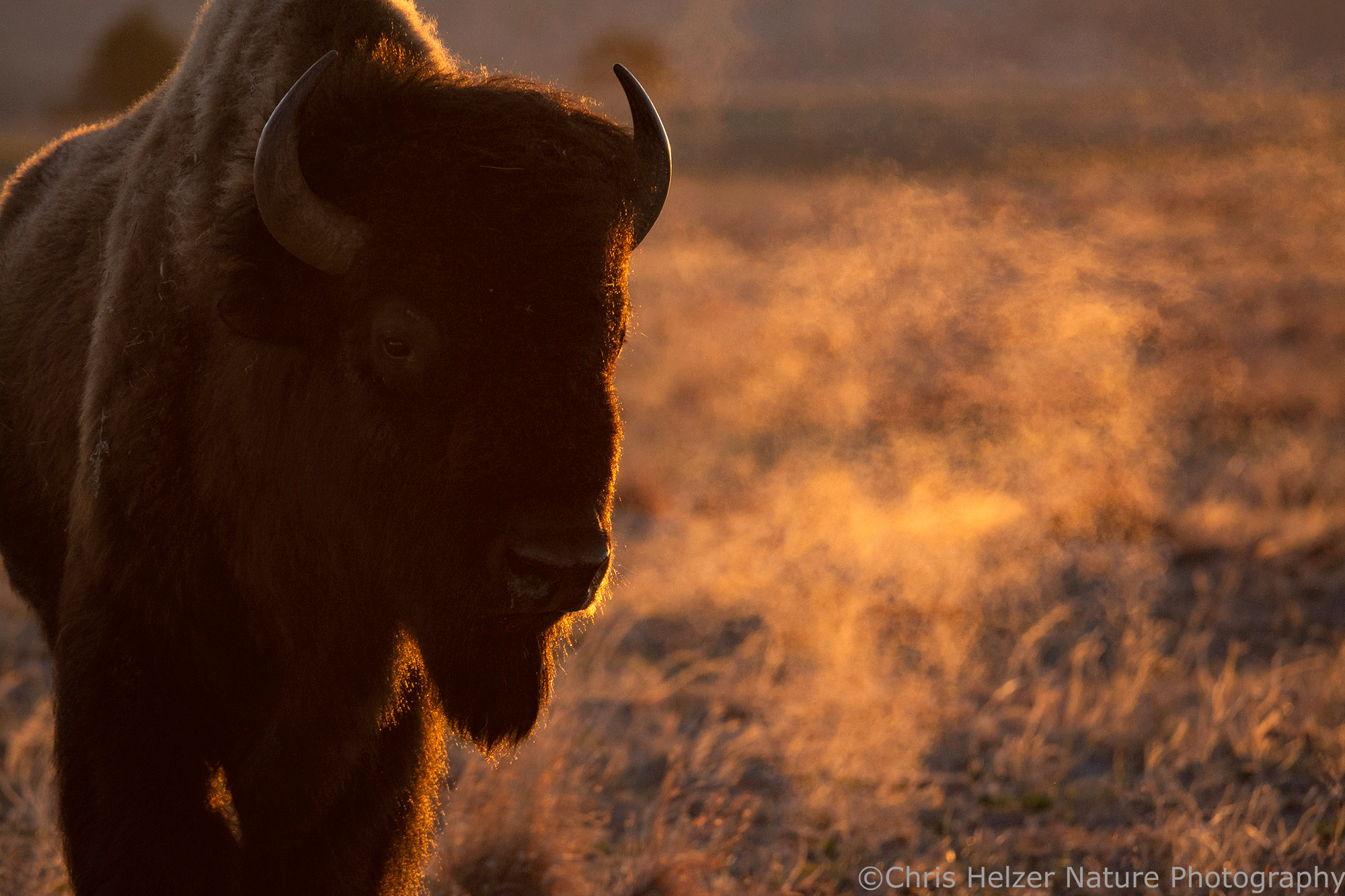
A bison and its breath on a chilly spring morning.

The temperature was just below freezing and the bulls’ breathing was creating little clouds around their heads. That, plus the backlighting made me stick with them a little longer than I’d planned. In the above photo, one animal was standing by himself, posing nicely for a shot. A few seconds later, a second bull stepped into the frame and I muttered something about him ruining the shot. However, when looking at the photos later, I decided I might actually like the photo of both animals better than the photo of one. Opinions?

Two bulls and their foggy breath at sunrise.
More bison bull breath
Bison bull and breath in profile

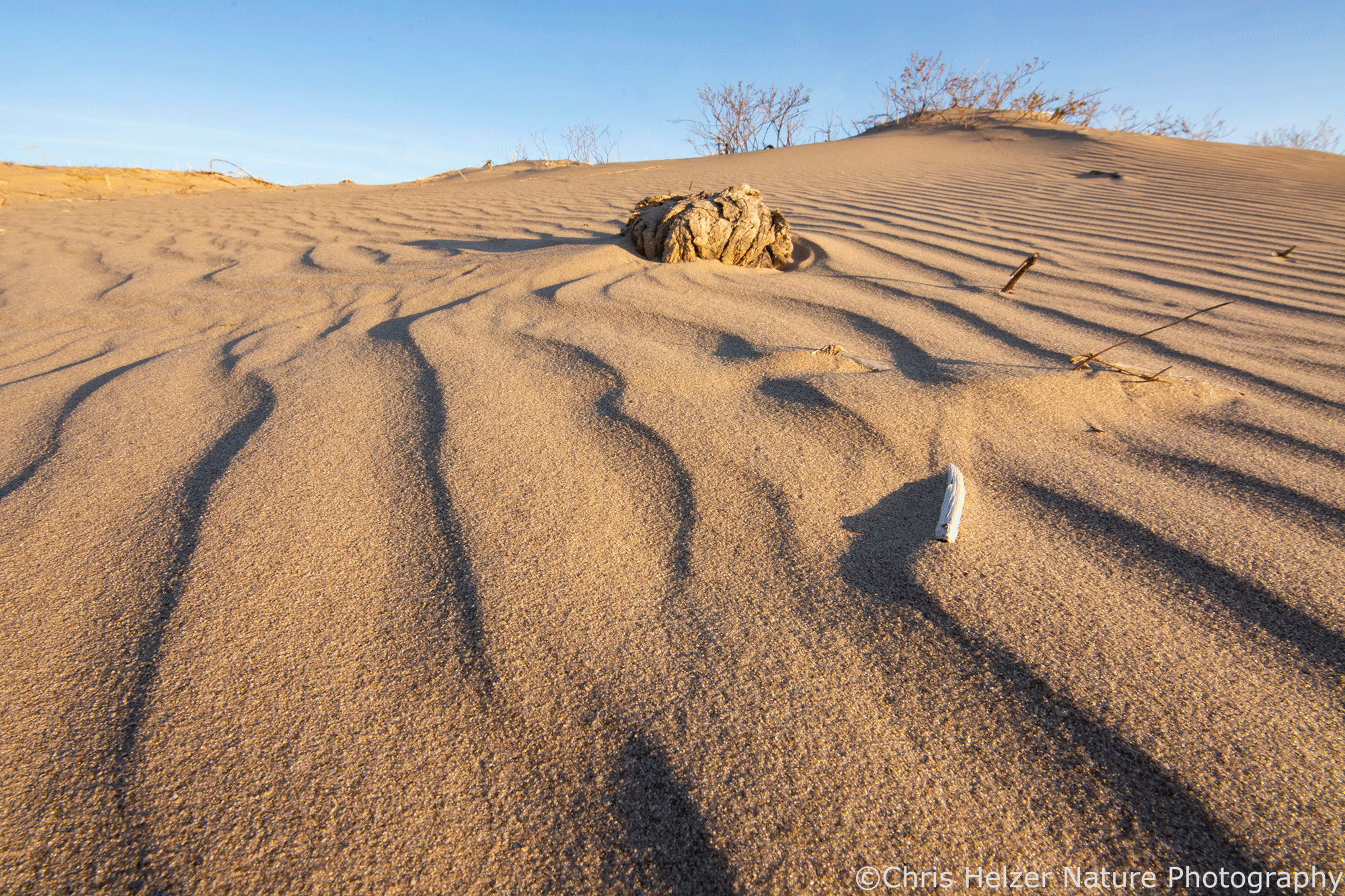
I waited until the bulls grazed their way over the next hill and then started the truck back up and continued my journey. I wasn’t seeing much for flowers, other than lots of sun sedge (Carex heliophila). I stopped and photographed some wind-blown patterns in the sand at a blowout (a bowl-shaped wind-eroded landscape feature) for a while.

Wind-created patterns in a sand blowout, including around a pile of bison manure in the background. Sand and poop – the subject matter all photographers seek out.
Beetle tracks through the sand in a blowout.

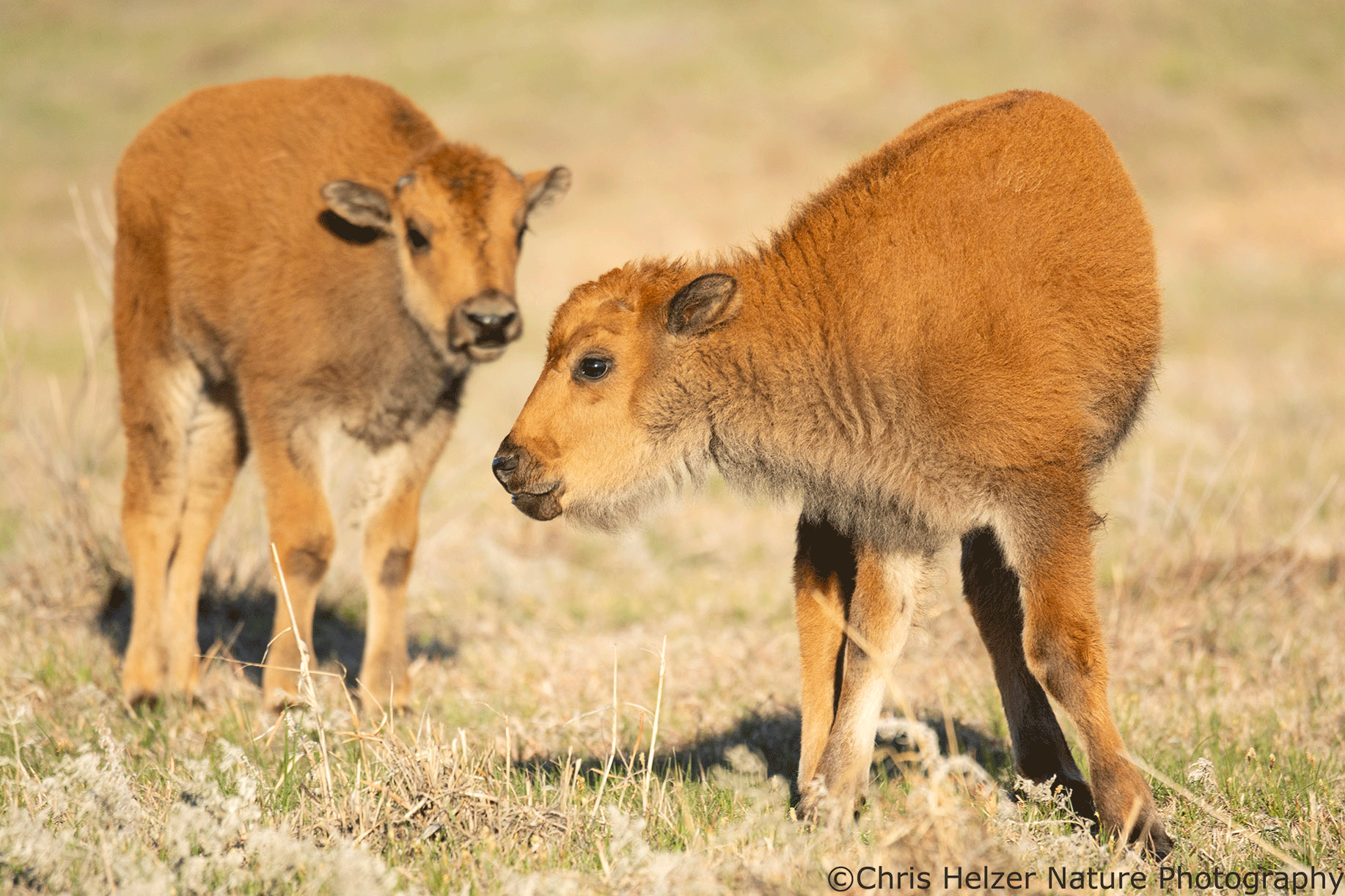
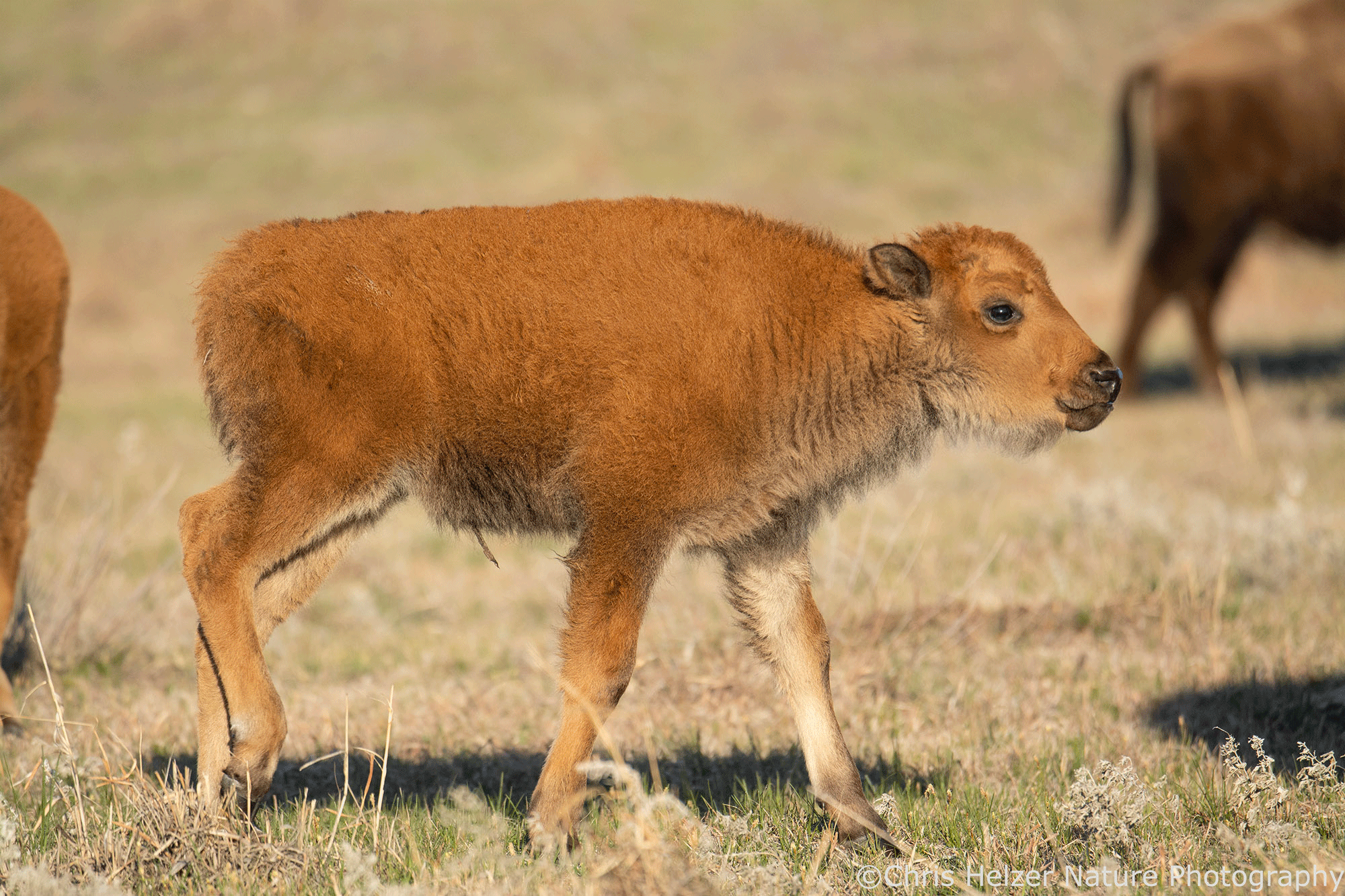
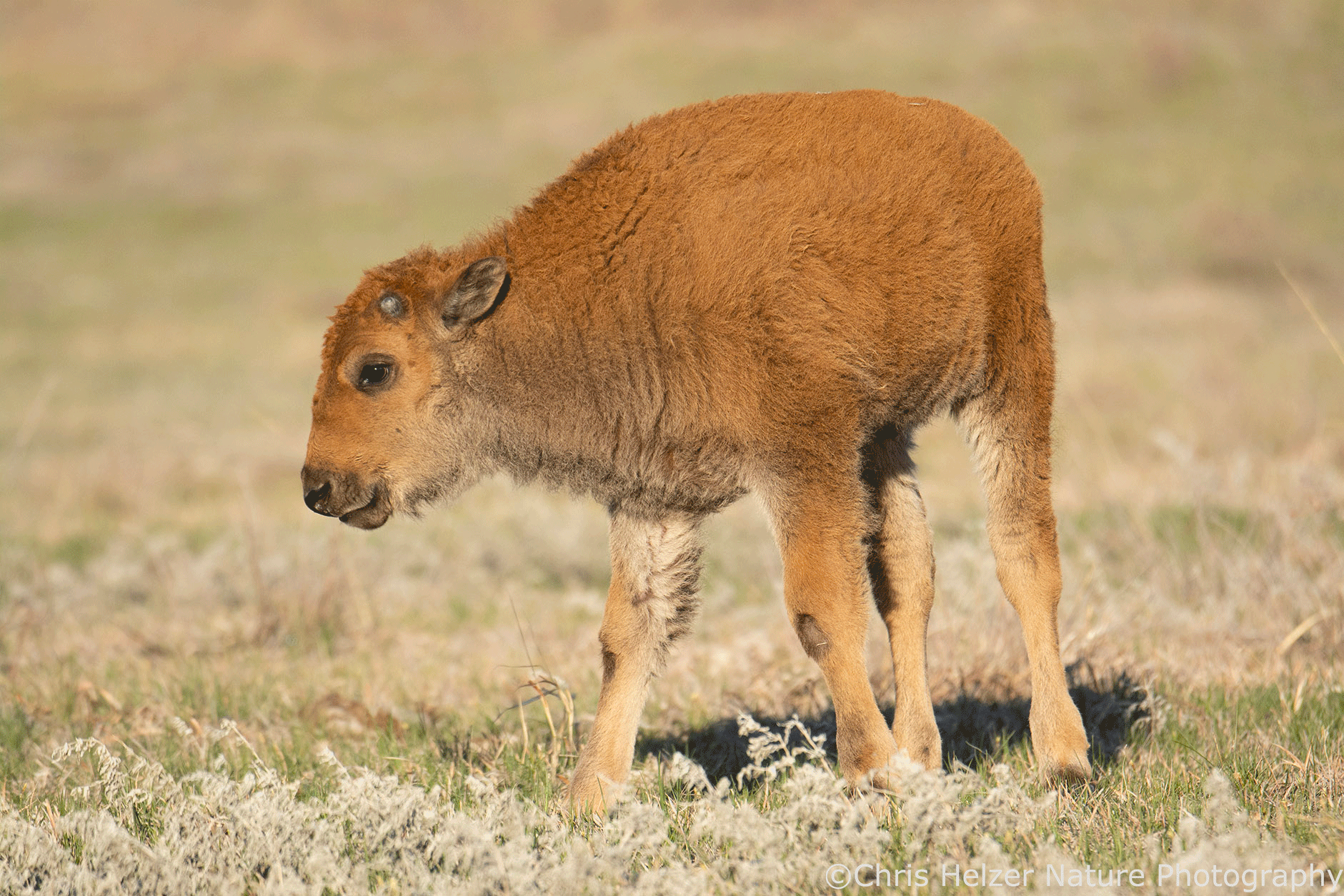
After leaving the blowout, I figured I’d go look for the burrowing owl I’d seen a few weeks ago, just to the south of where I was. I didn’t find the owl, but I did come across a group of bison cows and calves. Cows with new calves are often (understandably) skittish about visitors, so I slowed way down to see if they were going to be spooked by my approach. One of the cows stood up, but the rest continued grazing or resting, so I carefully nudged the truck close enough to get some photos and then shut the engine off.

I spent the next 20 minutes or so watching brand new calves (probably 2-3 weeks old?) explore, cavort, and even spar with each other – all under the watchful eyes of their mothers. They weren’t bees, spiders, or any of the other invertebrates I’d started out to find that morning, but I managed to control my disappointment.

The bison eventually sidled off to the south and I let them go, figuring I’d already gotten more than I’d deserved. I started the truck again and turned back toward headquarters and breakfast.

These two spent about a minute play-fighting with each other. It was adorable.

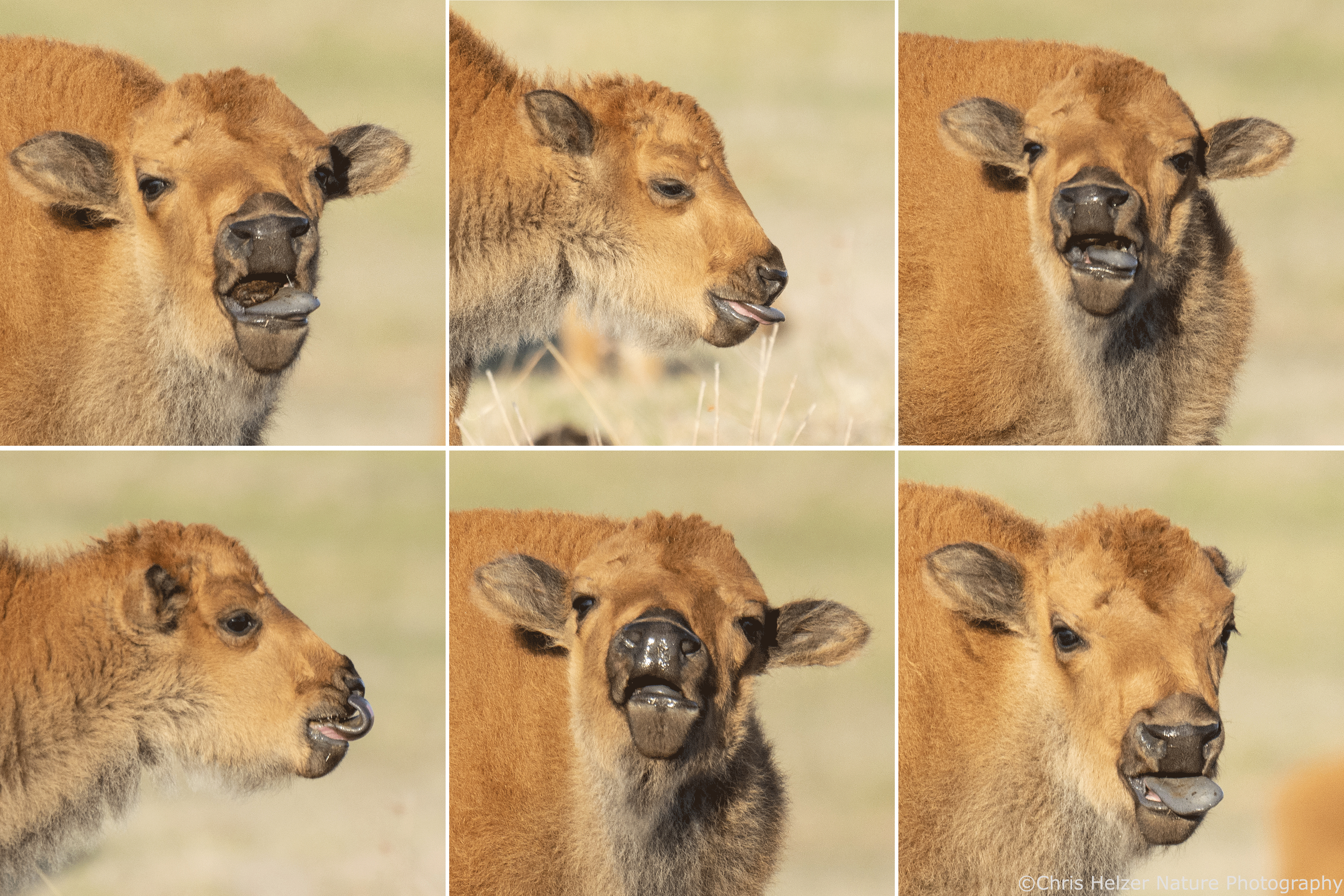
Now, bison calves are clearly cute and charming photo subjects and I felt very fortunate to be so close to them. On the other hand, in the interest of even-handedness, I feel obligated to add that bison calves can also make some pretty goofy faces. Those expressions don’t make them less cute, necessarily, but they do give off a somewhat different vibe. For your edification, I’ve put together a small composite of those bison calf faces. Enjoy:

As always, you can click on this and other images to see a larger, more clear version of it. If you’re reading this in your email, click to the post’s title to open it online so you can see the images better.

.

I’ll try to get back to some in-depth ecology or stewardship topics soon. I hope you weren’t too disappointed by this post and its distinct lack of rigorous content.