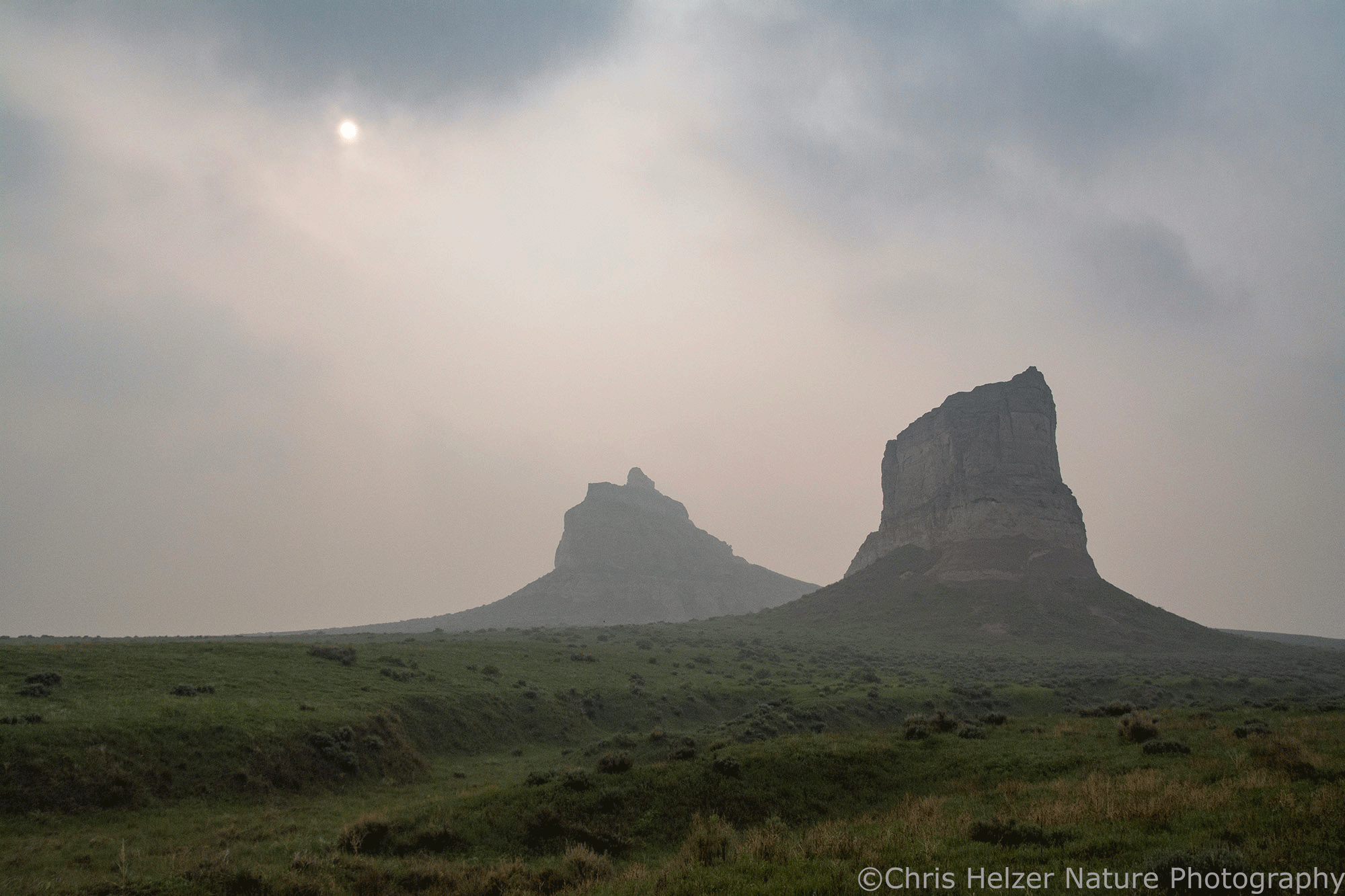
Last Thursday, most of Nebraska was covered in a blanket of smoke from wildfires in Alberta. The smoke was as thick as I can remember seeing from far-away wildfire activity.
I was driving west to the Nebraska panhandle for a couple days of meetings and tours. I wasn’t going to arrive in time for a planned group dinner that evening, so I decided to take a short detour to visit one of my favorite spots in the state. I spent 5 years of my childhood living in Bridgeport, Nebraska and have fond memories of clambering around Courthouse and Jail Rocks south of town. I’ve visited that site a few times recently, and now appreciate it for different reasons.
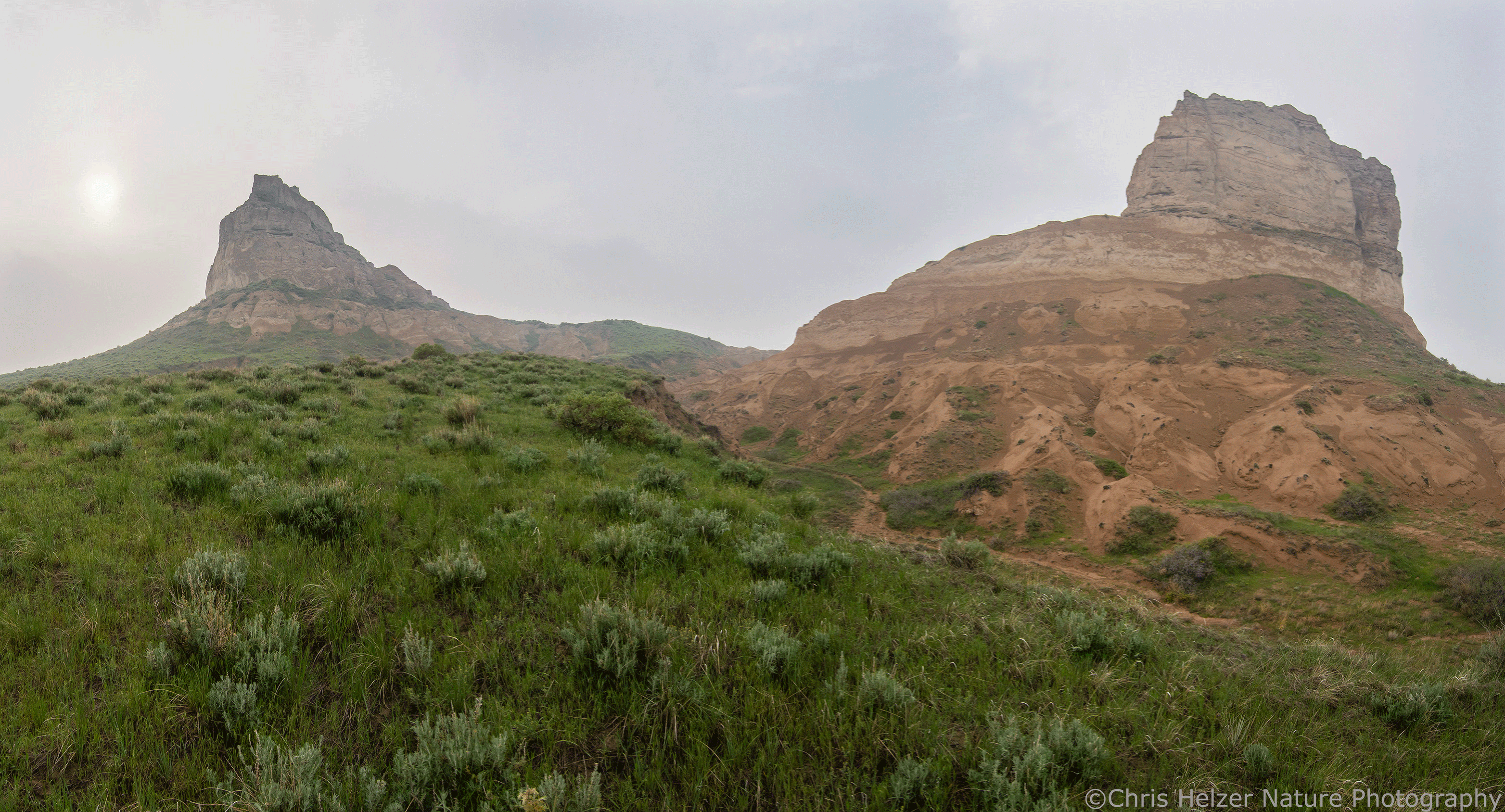
Panorama (multiple images stitched together).
The site is mostly known today as a landmark for European travelers following the Oregon trail to the west. The rocks must have had names in many indigenous languages, but I’ve been unable to find references to those online. The sandstone, volcanic ash, and clay that makes up the structures is fairly easily eroded, but apparently some harder rock on top of these two kept them from eroding as much as their surroundings.
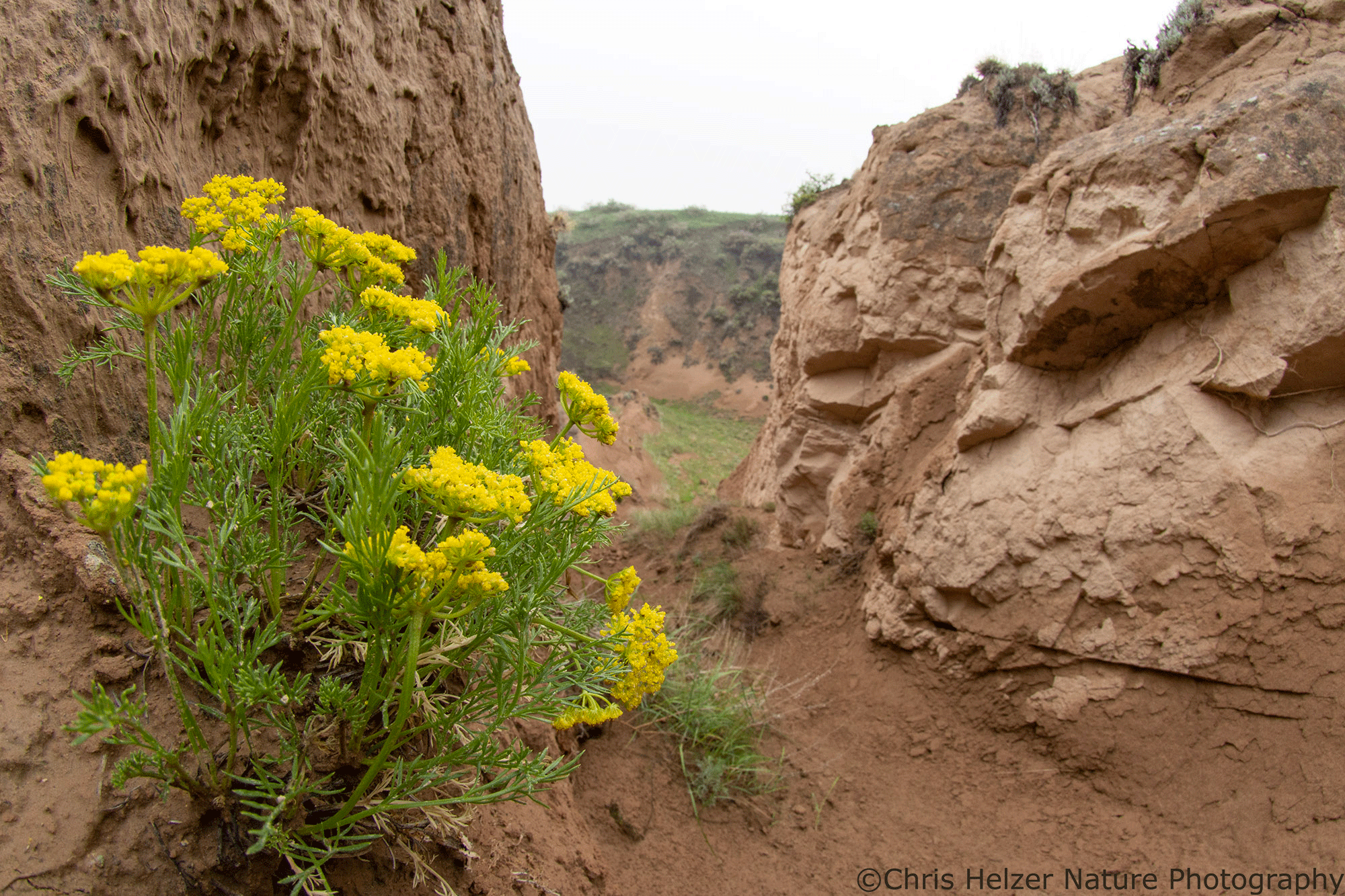
A combination of sandstone and clay leads to beautiful erosion patterns.
When I was a kid, the main attraction of Courthouse and Jail Rocks was the opportunity to climb around on the rough topography. I don’t mind that today, either, but I also appreciate the aesthetic beauty of the rocks and enjoy finding and photographing plants and animals at the site. The public area isn’t particularly large, but it’s big enough to be interesting, and it’s surrounded by wide open spaces, which makes it feel less constrained.
Narrow-leaf musineon (Musineon tenuifolium). I think?
When I visited last week, there were several flowers blooming prominently, but the most abundant, by far, was a species I think is called narrow-leaf parsley, or narrow-leaf musineon. It was growing right out of the clay banks, often by itself. In places, there were long cracks in the clay and it appeared the plants were spreading along those cracks via rhizomes, creating trails of yellow flowers. I had a lot of fun photographing the plant , even though a lot of the shots looked similar to each other. I narrowed it down to just three photos for this post.
Same flower species,very similar composition.Hey look, more musineon. This time on the left side of the photo!
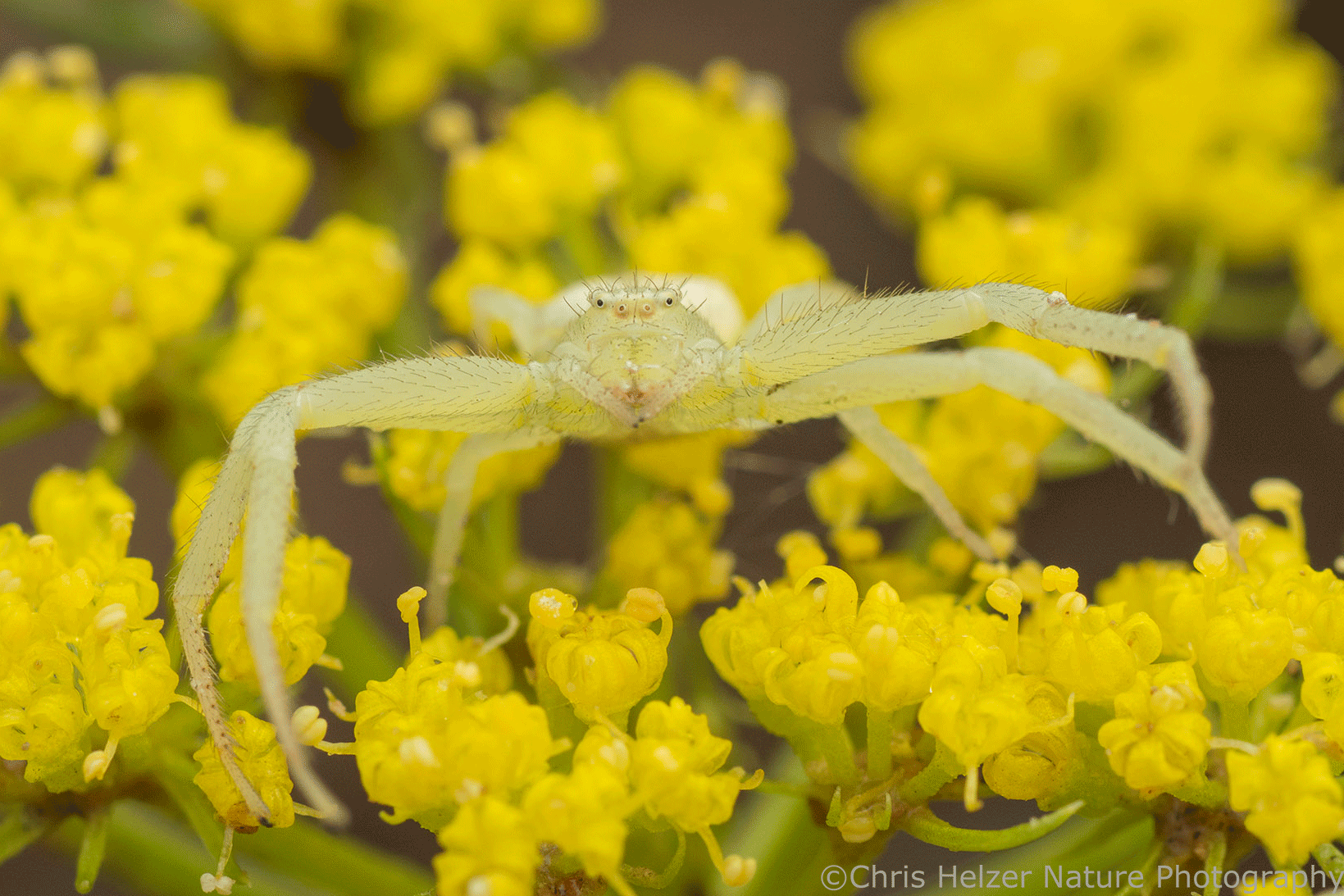
Those of you who have followed this blog for a while know that I’m a big fan of crab spiders and can’t walk past one without trying to photograph it. That held true last week.
And, of course, I found a crab spider on one of the flowers.
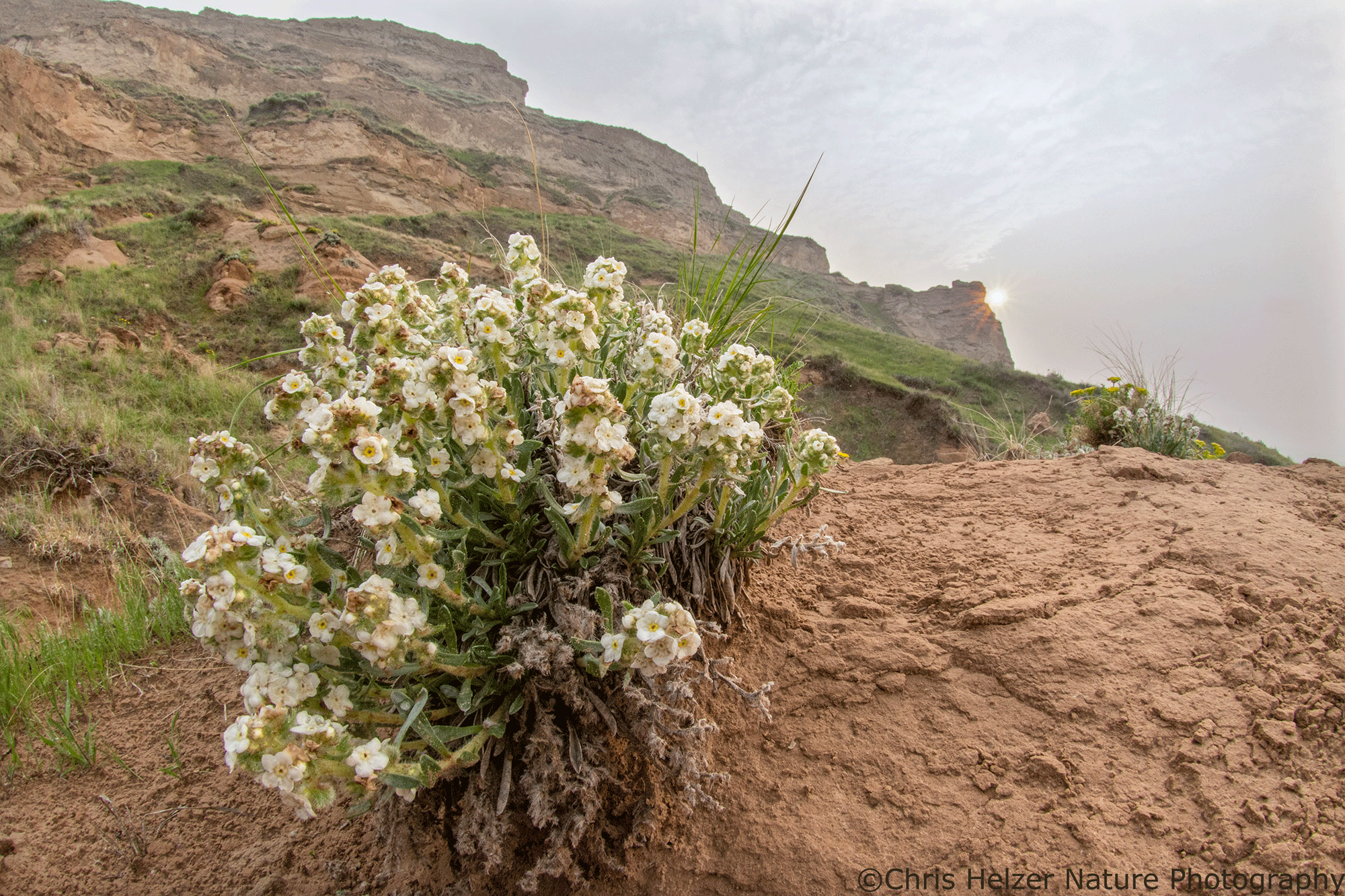
Other species were blooming too, of course. Recent rains have probably helped boost the abundance and size of some of those plants. There was a species of Cryptantha, I think, with creamy white flowers, that grew in the bare clay much like the wild parsley. I don’t know what species of Cryptantha it was, though. I found a few other flowers as well, and managed to photograph a couple of them before the sun dropped too low and it got too dark for photos.
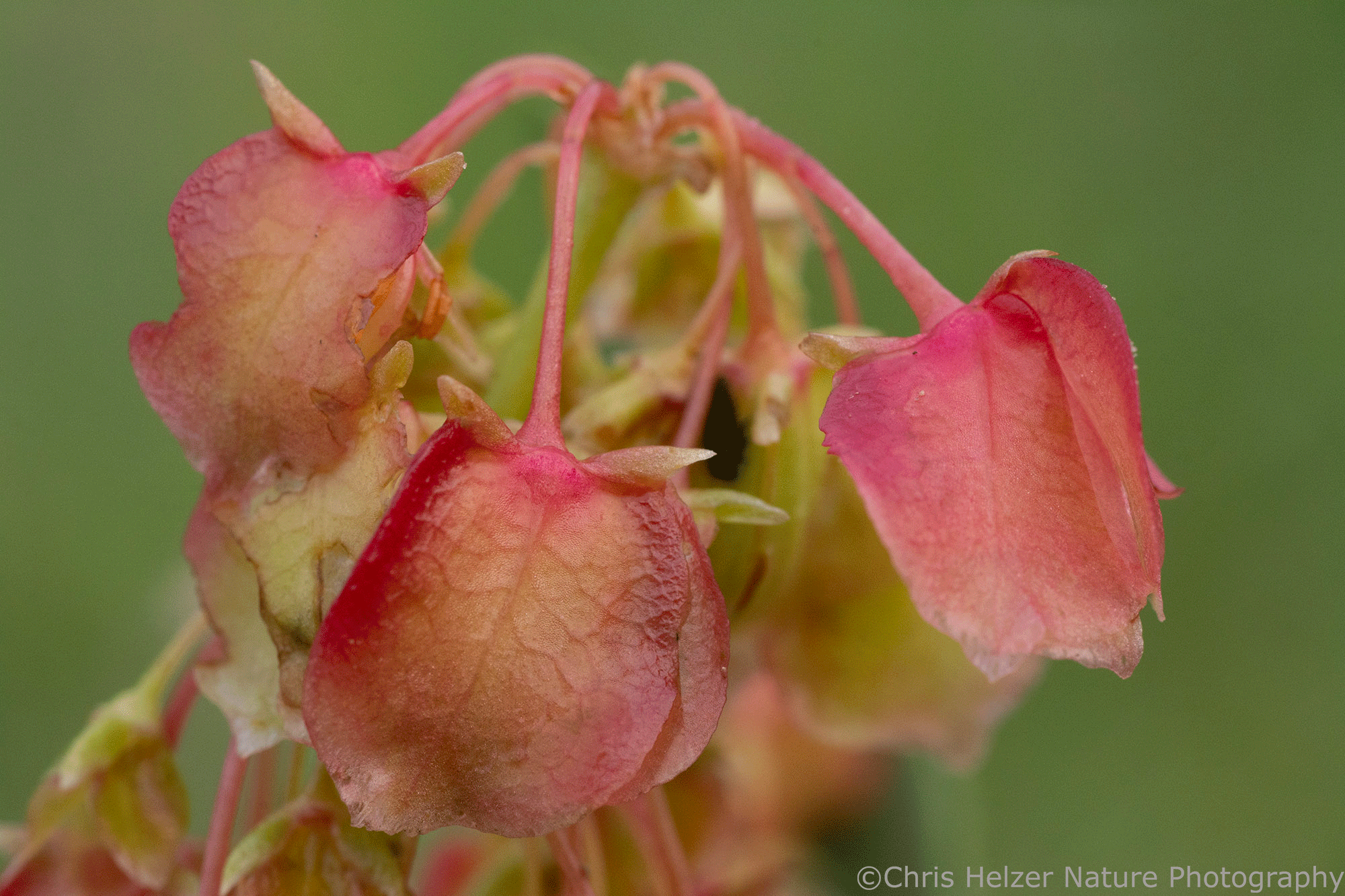
Cryptantha sp.Hoary vetchling (Lathyrus polymorphus), aka showy vetchling, showy peavine, and other names.Wild begonia (Rumex venosus).
If you find yourself traveling through Nebraska and have a few minutes, I highly recommend a stop at Courthouse and Jail Rocks. It doesn’t seem like a well-visited site, despite its easy access from several nearby highways. It could use a little fire or grazing, or both, but is in good-enough ecological shape to satisfy botanists or ecologists looking for a quick hike. Plus, there’s just something very attractive about a couple bumps of clay and sandstone sticking out above the horizon!
While Kim ran her 52 miles (“52.33!” Kim says) at Oklahoma’s Osage Hills State Park last weekend, I walked around with my camera. I caught some nice light early in the day and late in the day and tried to take advantage of it as best I could. It was nice to be further south, where the spring had progressed more than it has so far in Nebraska. There were a lot of flowers, as well as butterflies, grasshoppers, and other life moving around.
Also, it rained. That must be nice. We haven’t seen much of that around here for a while.
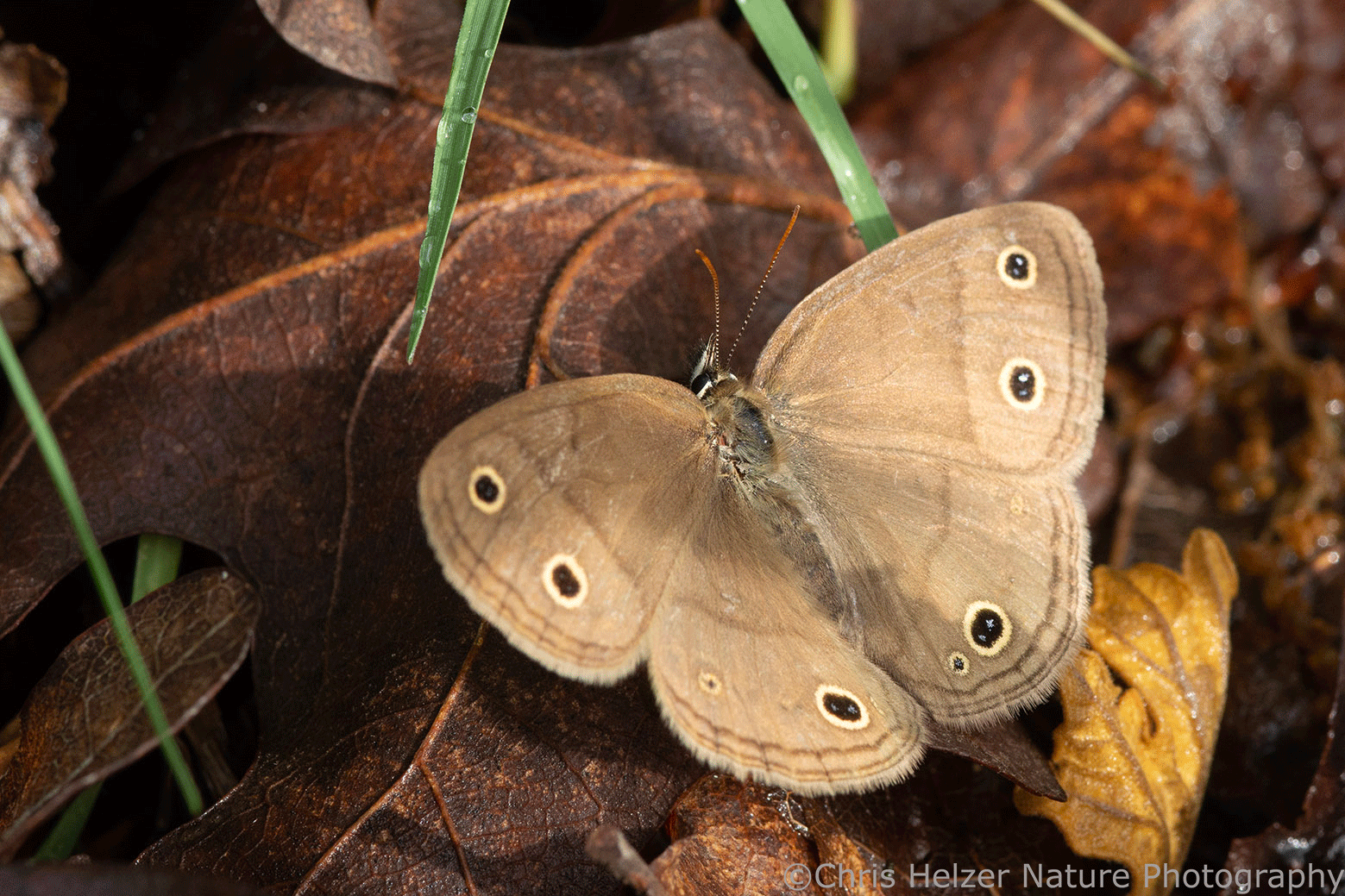
Yarrow (Achillea millefolium). Nikon 105mm macro lens. ISO 640, f/22, 1/200 sec.Little wood satyr butterfly (Megisto cymela) in a patch of sunlight within oak savanna. Nikon 105mm macro lens. ISO 640, f/13, 1/160 sec.
I was tethered to the aid station because I needed to be available whenever Kim ran past. That gave me between 45 minutes and a couple hours at a time to wander as Kim ran various trail loops nearby. It rained for the first three hours of the race, so I used that time to scout out locations for later. As the clouds started to break up, I had an hour or two of pretty nice light before the sun started to blaze hot and white. I didn’t have any trouble finding photography subjects and had a really nice time. Kim did too, but her time was very different than mine.
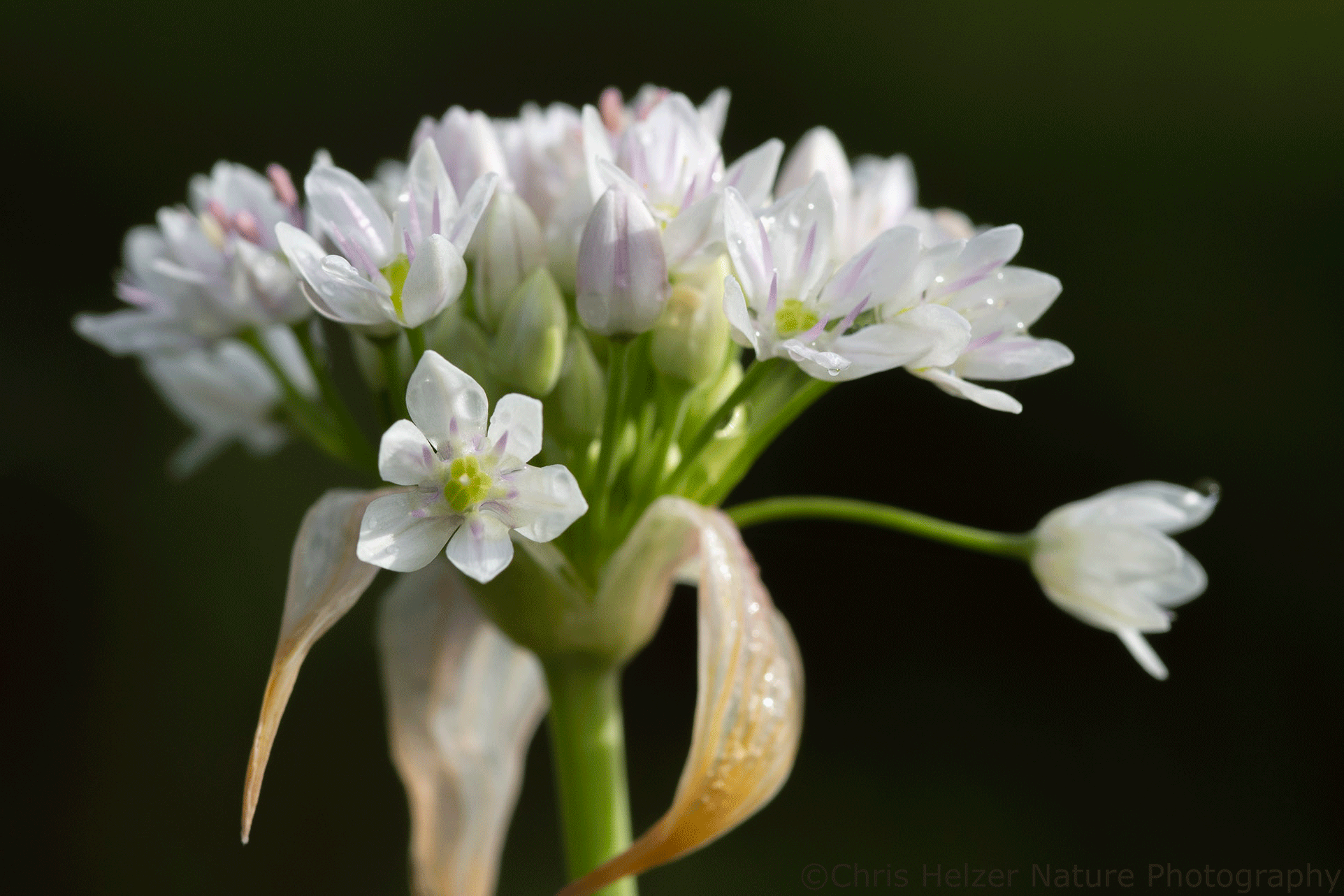
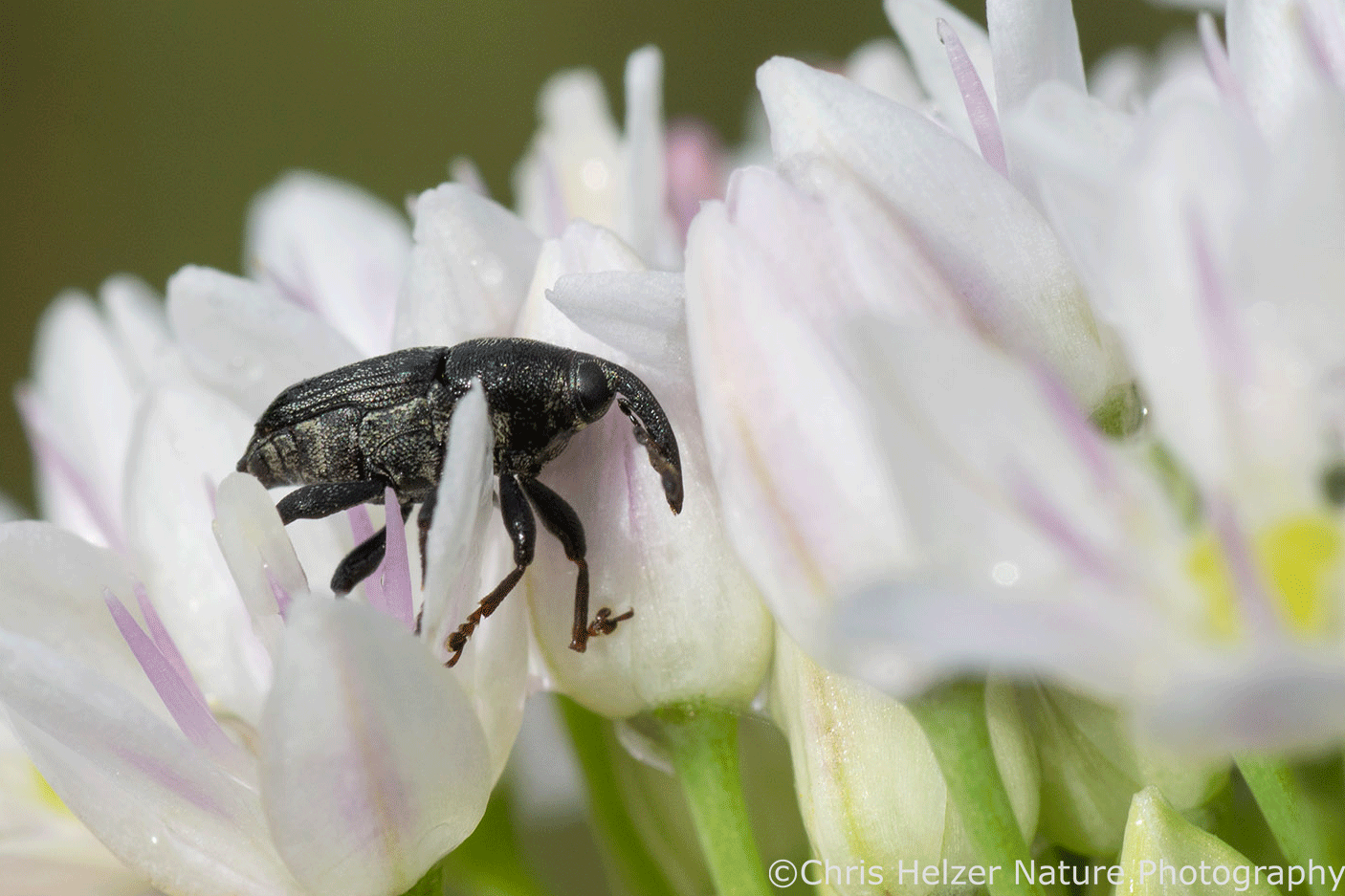
Wild onion (Allium canadense – I assume). Nikon 105mm macro lens. ISO 640, f/13, 1/320 sec.More wild onion. Nikon 105mm macro lens. ISO 640, f/20, 1/200 sec.Weevil on wild onion. Nikon 105mm macro lens. ISO 640, f/20, 1/125 sec.Oak savanna. Tokina 11-20mm wide-angle lens. ISO 500, f/16, 1/160 sec.
As evening came on, clouds started to build again and I had some nice diffused light for a bit before it became dark and overcast. Kim finished running just before another wave of storms hit. A fair number of runners had to finish in both the dark and the rain. These are tough people.
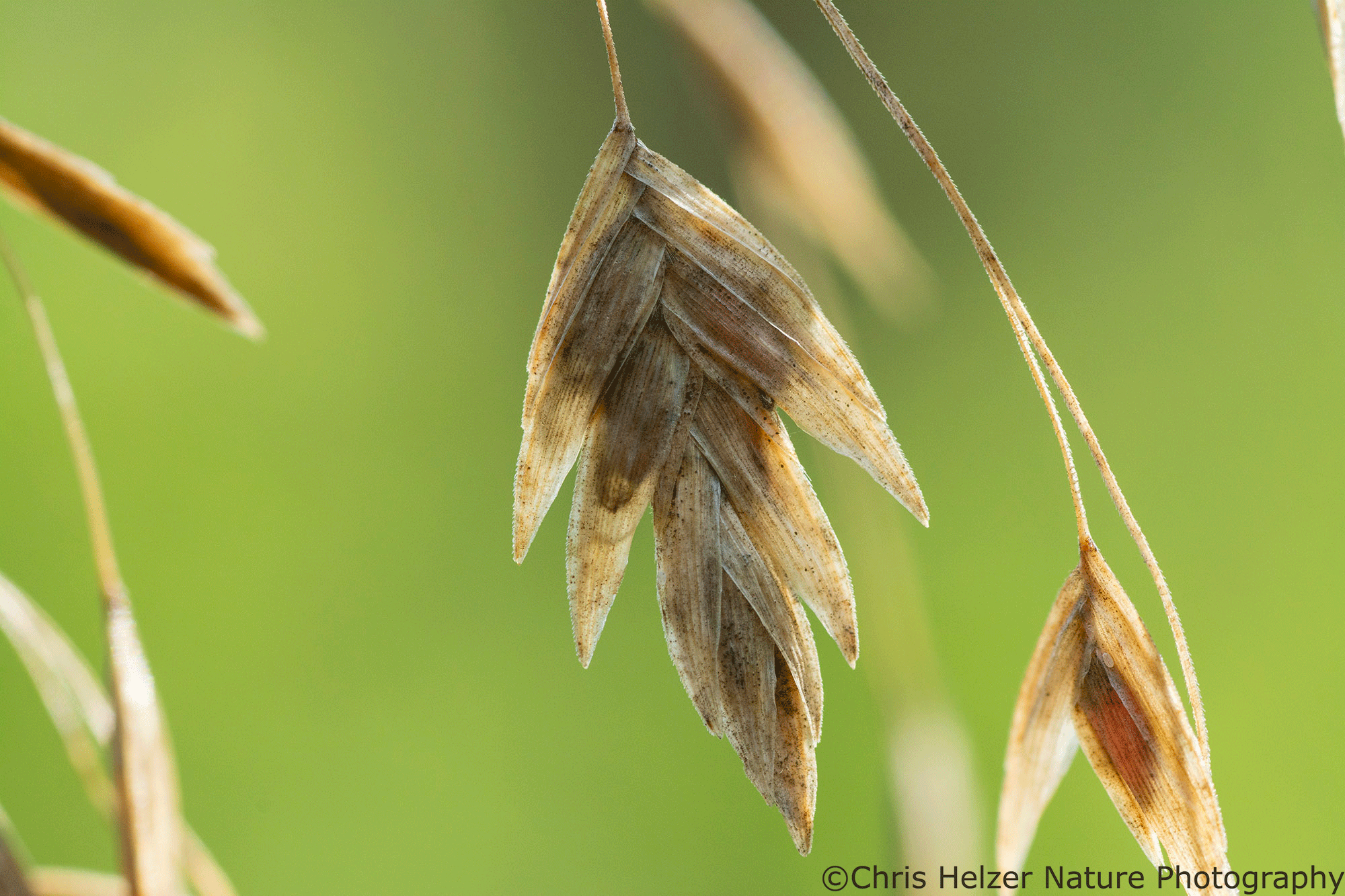
Inland sea oats (Chasmanthium latifolium). Nikon 105mm macro lens. ISO 400, f/10, 1/200 sec.Hover flies on spiderwort. I think it was Ohio spiderwort (Tradescantia ohiensis). Nikon 105mm macro lens. ISO 640, f/11, 1/200 sec.Larkspur (Delphinium carolinense). Nikon 105mm macro lens. ISO 400, f/9, 1/800 sec.
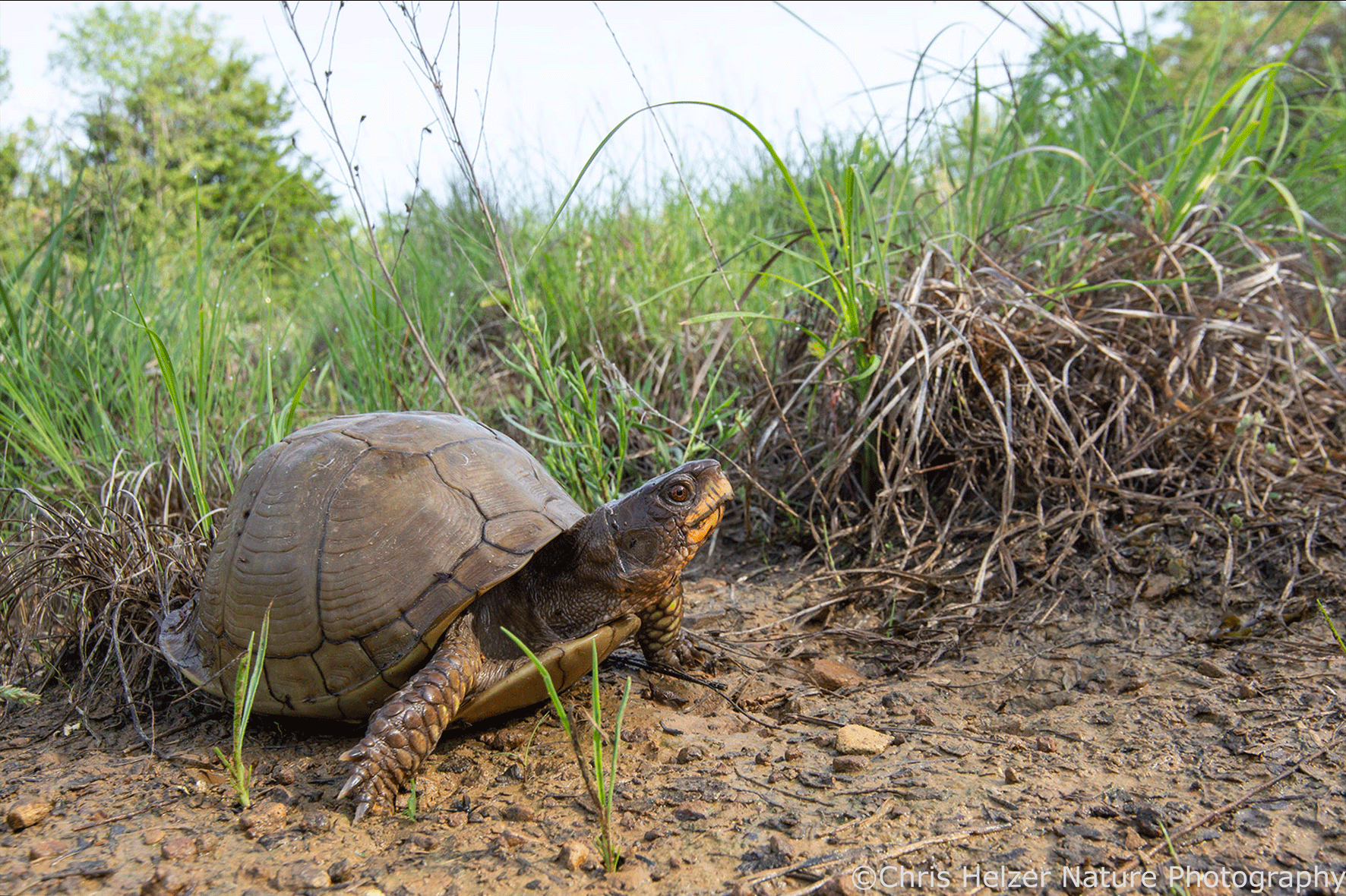
While I was exploring a clearing in the trees, I came across an eastern box turtle. It immediately closed itself up in its shell, but after I sat patiently for a while, it popped out and started moving again. The next day, as we were driving north through the Flint Hills, we saw lots of ornate box turtles crossing the highway. It looked like a perilous time for them, especially compared to the sedate eastern box turtle I’d spent a few minutes with earlier.
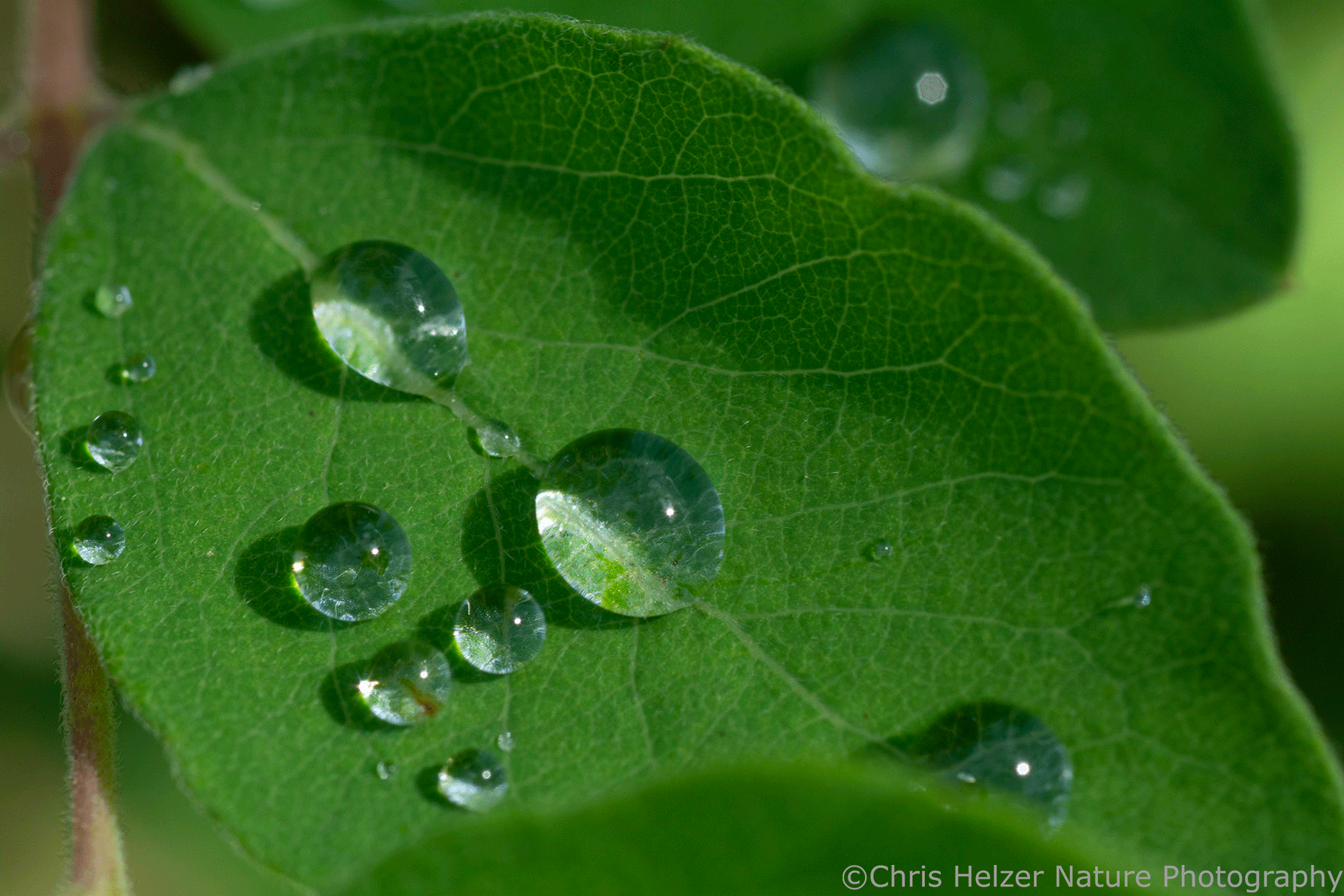
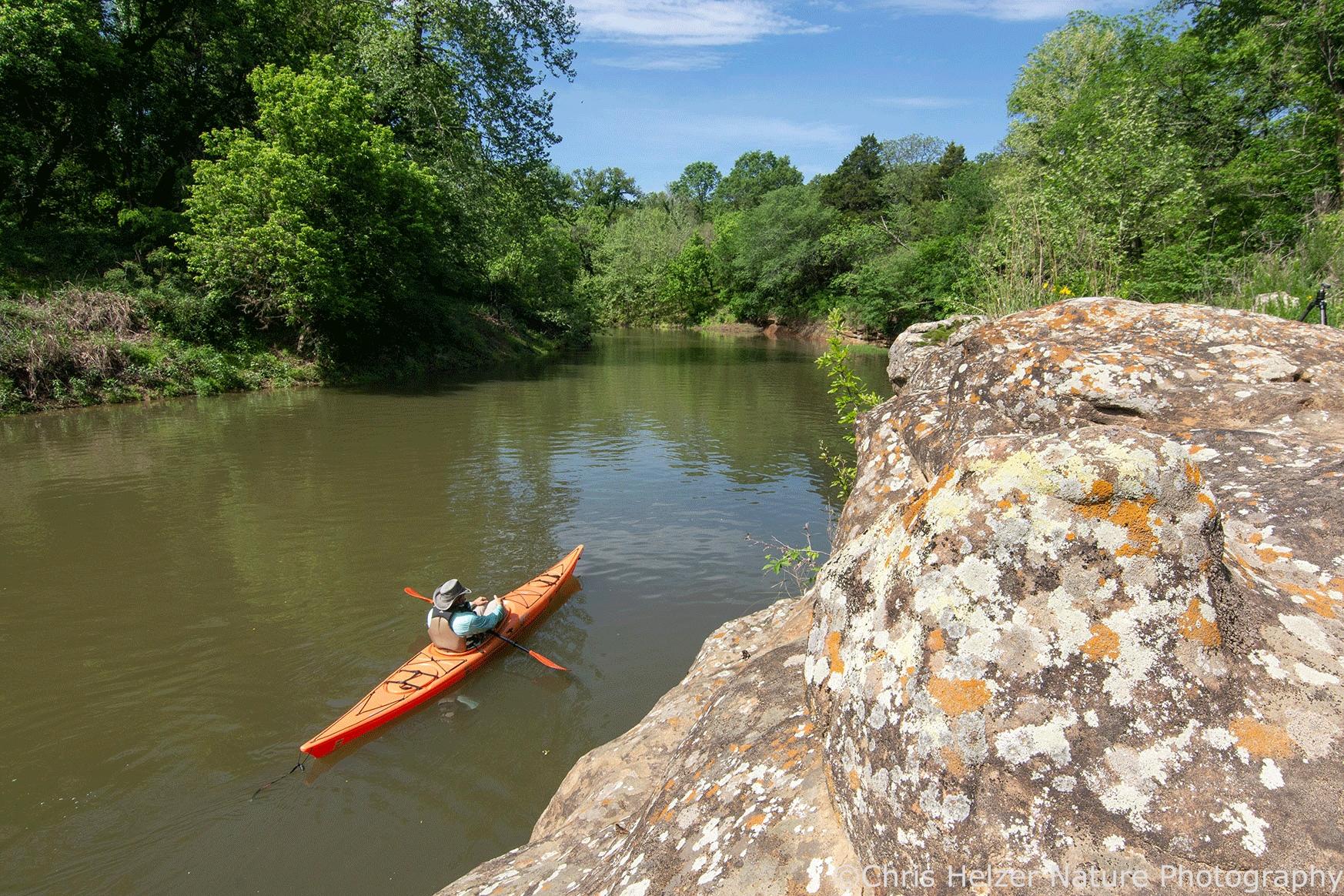
Eastern box turtle. Nikon 105mm macro lens. ISO 400, f/10, 1/200 sec.Eastern box turtle. Nikon 105mm macro lens. ISO 500, f/10, 1/80 sec.Eastern box turtle. Tokina 11-20mm wide-angle lens. ISO 500, f/13, 1/125 sec.Symphoricarpus leaves with rain drops. Nikon 105mm macro lens. ISO 500, f/16, 1/80 sec.Kayaker on Sand Creek. Tokina 11-20mm wide-angle lens. ISO 400, f/14, 1/250 sec.
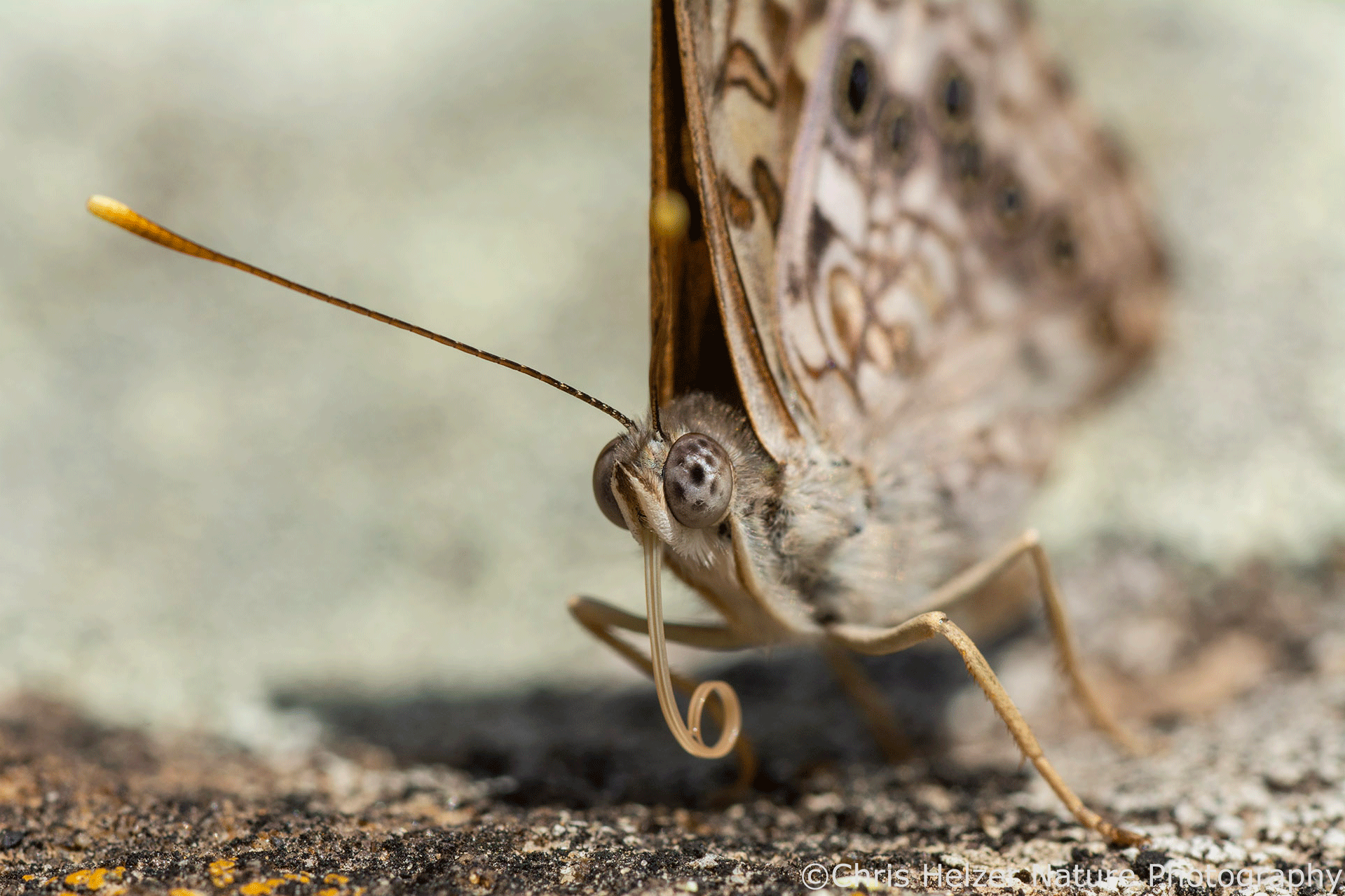
I saw 8 or 10 species of butterflies as I walked, but most weren’t all that interested in having their photo taken. One exception was a group of hackberry butterflies that were sunning themselves on some rocks near the creek and feeding on raccoon poop and mud. If you’re familiar with hackberry butterflies, it might be because they’ve chased you around trying to feed on the sweat on your body. They’re not exactly shy. Hackberry butterflies do eat nectar sometimes, but more often, I see them on scat, carrion, fermenting fruit, and drying mud. Weird little creatures…
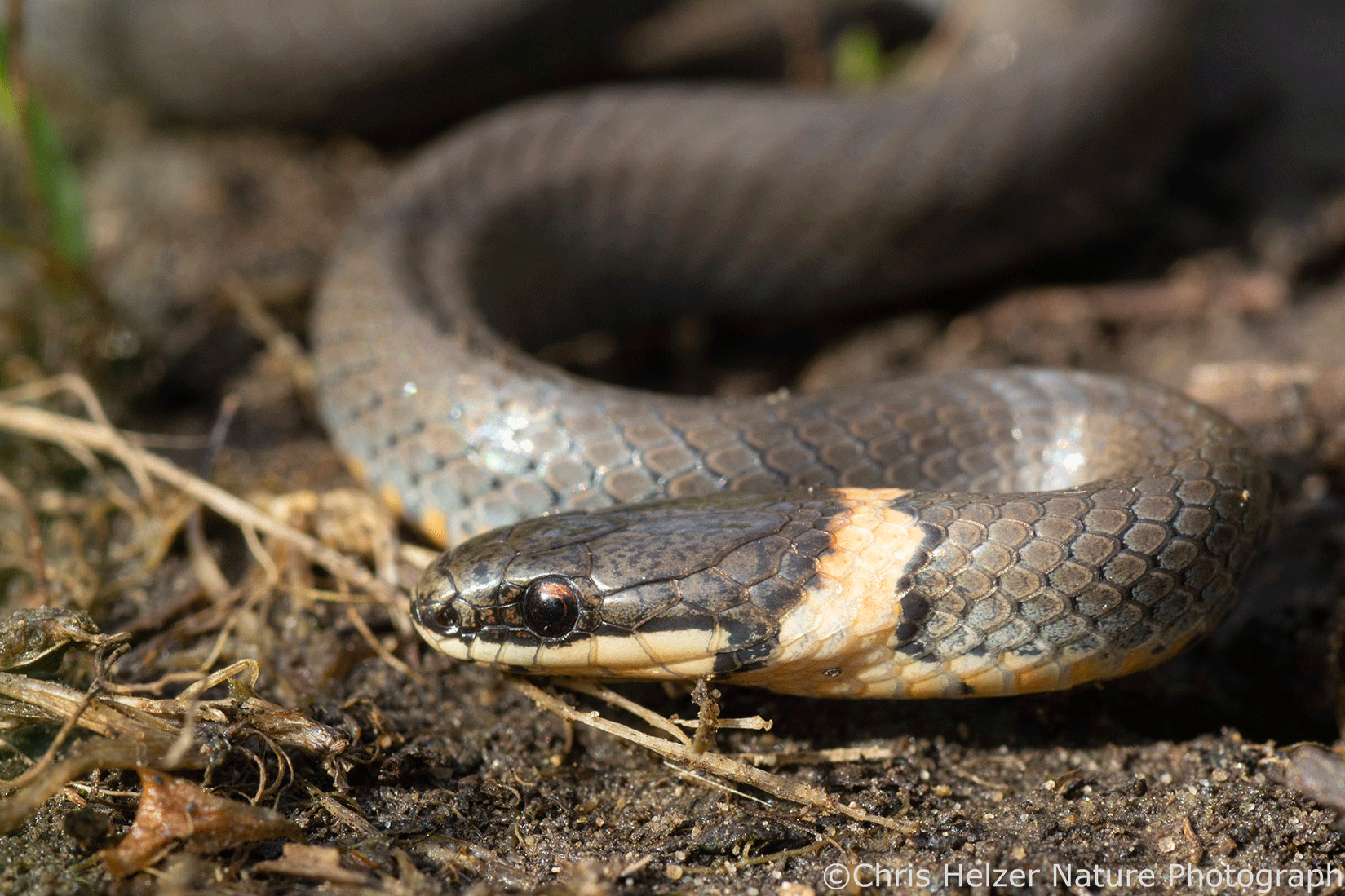
Hackberry butterfly on fish scale-filled raccoon scat. Nikon 105mm macro lens. ISO 400, f/14, 1/250 sec.Hackberry butterfly. Nikon 105mm macro lens. ISO 400, f/14, 1/250 sec.Turkey vulture getting warm and dry after morning rain. Tamron 100-400 lens @400mm. ISO 320, f/8, 1/640 sec.Ring-necked snake. Nikon 105mm macro lens. ISO 400, f/16, 1/100 sec.
I talked about my encounter with the tiny ring-necked snake in my earlier post this week, but I tossed in another photo of it here. Another fascinating encounter I had was with a caterpillar being chased by a parasitoid wasp. The caterpillar was hanging from a tree by a long strand of its silk and it was dropping lower a half inch or so at a time. The movement is what caused me to first see it. Only when I got closer did I see that it was trying to run away from a wasp that was climbing down the thread after it. The caterpillar somehow managed to avoid the wasp for a few minutes, but the wasp inevitably caught up.
The wasp appeared to sting the caterpillar and I assume it laid an egg inside it since I didn’t see any eggs on the outside. Watching the whole thing play out was tense, sad, exciting, and fascinating, all at the same time. I didn’t get any good photos of the action, partly because things were moving too fast and partly because I was too busy trying to see what was going to happen. I did manage to get a few blurry photos with my phone by putting my hand behind the action to help the phone focus.
Here’s the best photo I could get of the wasp and caterpillar. This was shortly before the wasp caught up.A bug. Hemipteran of some kind… Nikon 105mm macro lens. ISO 400, f/8, 1/200 sec.Venus’ looking glass flowers. (Triodanis sp.) Nikon 105mm macro lens. ISO 400, f/14, 1/100 sec.Metallic green sweat bee on coreopsis or greenthread flower (I don’t know which). Nikon 105mm macro lens. ISO 400, f/14, 1/250 sec.A bandwing grasshopper in leaf litter. Nikon 105mm macro lens. ISO 1000, f/16, 1/60 sec.
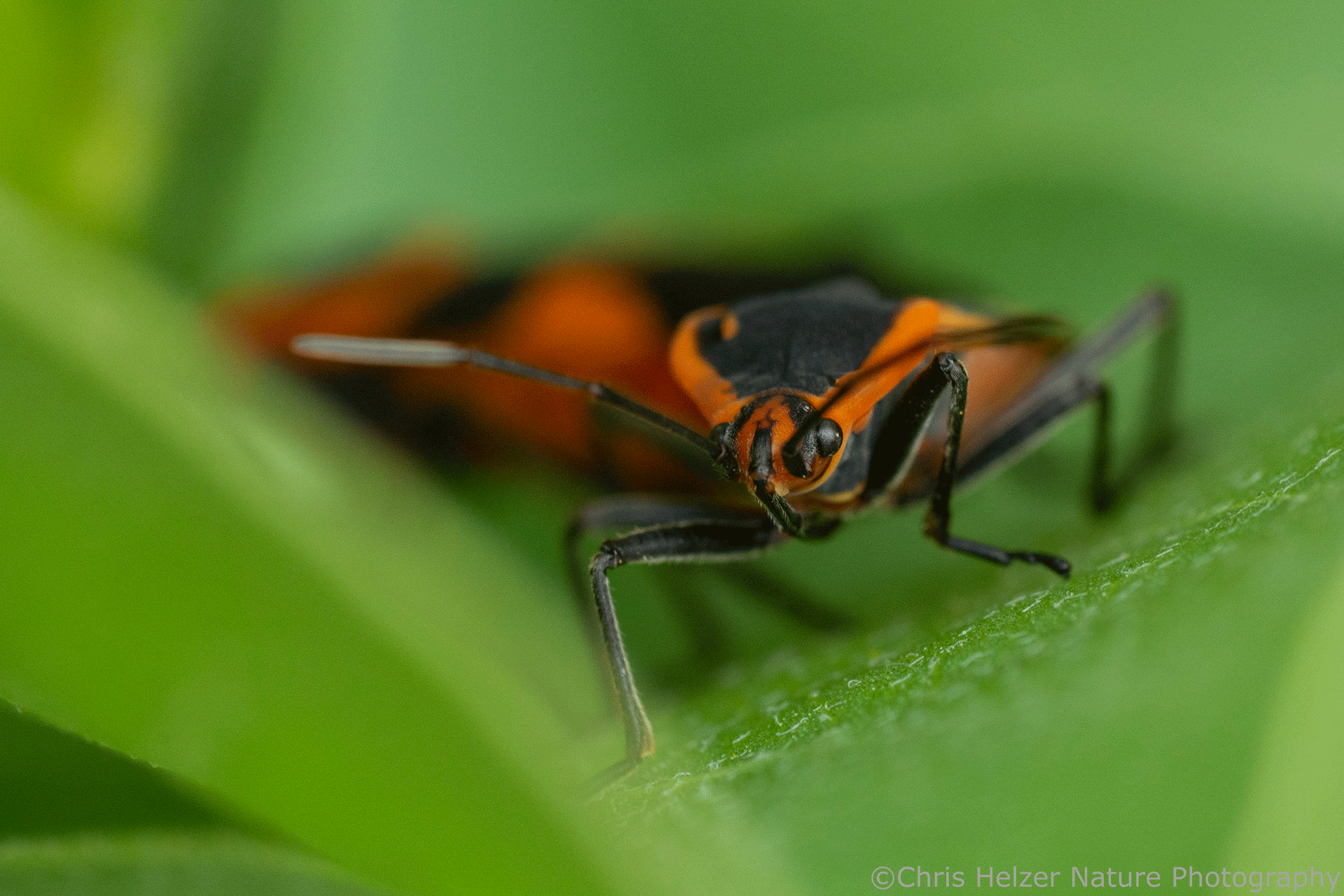
There was a nice spider milkweed plant right near the aid station and it had a lot of insect activity on it. I was a little self-conscious about setting up my tripod and photographing insects so close to both the race trail and the aid station, but I did it anyway. It ended up starting a conversation with a cool guy volunteering at the aid station who said he’d been photographing bees on the same plant the night before!
Large milkweed bugs (Oncopeltus fasciatus) on spider milkweed (Asclepias viridis). Nikon 105mm macro lens. ISO 1000, f/13, 1/80 sec.Spider milkweed, aka green milkweed (A. viridis). Nikon 105mm macro lens. ISO 1000, f/13, 1/125 sec.A chimney bee (Anthophora abrupta) male, with its distinctive yellow face, feeding on spider milkweed. Thanks Mike Arduser for the ID and natural history info. Nikon 105mm macro lens. ISO 1000, f/13, 1/200 sec.
The bee above was one of several that were very actively feeding on the milkweed. When I first saw them, I thought they were bumblebees but there were several indicators that they probably weren’t. First, they were a little small and there were lots of them, which seemed early for this time of year. Even in Oklahoma, I wasn’t sure the first brood of workers would have hatched and emerged just yet. Also, there were some physical characteristics that didn’t look quite right, including the yellow face.
When I got the photos worked up, I sent some to Mike Arduser (retired Missouri Department of Conservation ecologist and extraordinary bee expert). Mike told me they are males of Anthophora abrupta, a kind of digger bee. He said they often nest in large aggregations and that the females (which don’t have yellow faces) carry water (inside themselves) to the site to soften the soil and then excavate themselves a nest. They use the pellets of mud they excavate to then construct a kind of chimney, or turret, above the opening of the nest. That turret can be 3-4 inches tall.
Mike said no one knows for sure why the bees construct the chimney but the females are often seen sitting just inside the top of it first thing in the morning. Scientists have shown that the chimney warms up faster than the rest of the nest, so it’s possible the bees use it to warm themselves up before heading out into the day. I wish I’d known all that when I was at the park because I would have spent time trying to find an aggregation of little chimneys somewhere nearby. Oh well. Next time!















 The Prairie Ecologist