During our annual holiday break visit to the Niobrara Valley Preserve, Kim and I spent some pleasant time together. We cooked, watched movies, hiked around, and just hung out. In addition, we spent time apart while she was doing some long training runs and/or working on a quilt project and I was out chasing light with my camera. That light was a little less accommodating than I would have liked for most of our visit (overcast and dark) but there were some (ahem) bright spots too.
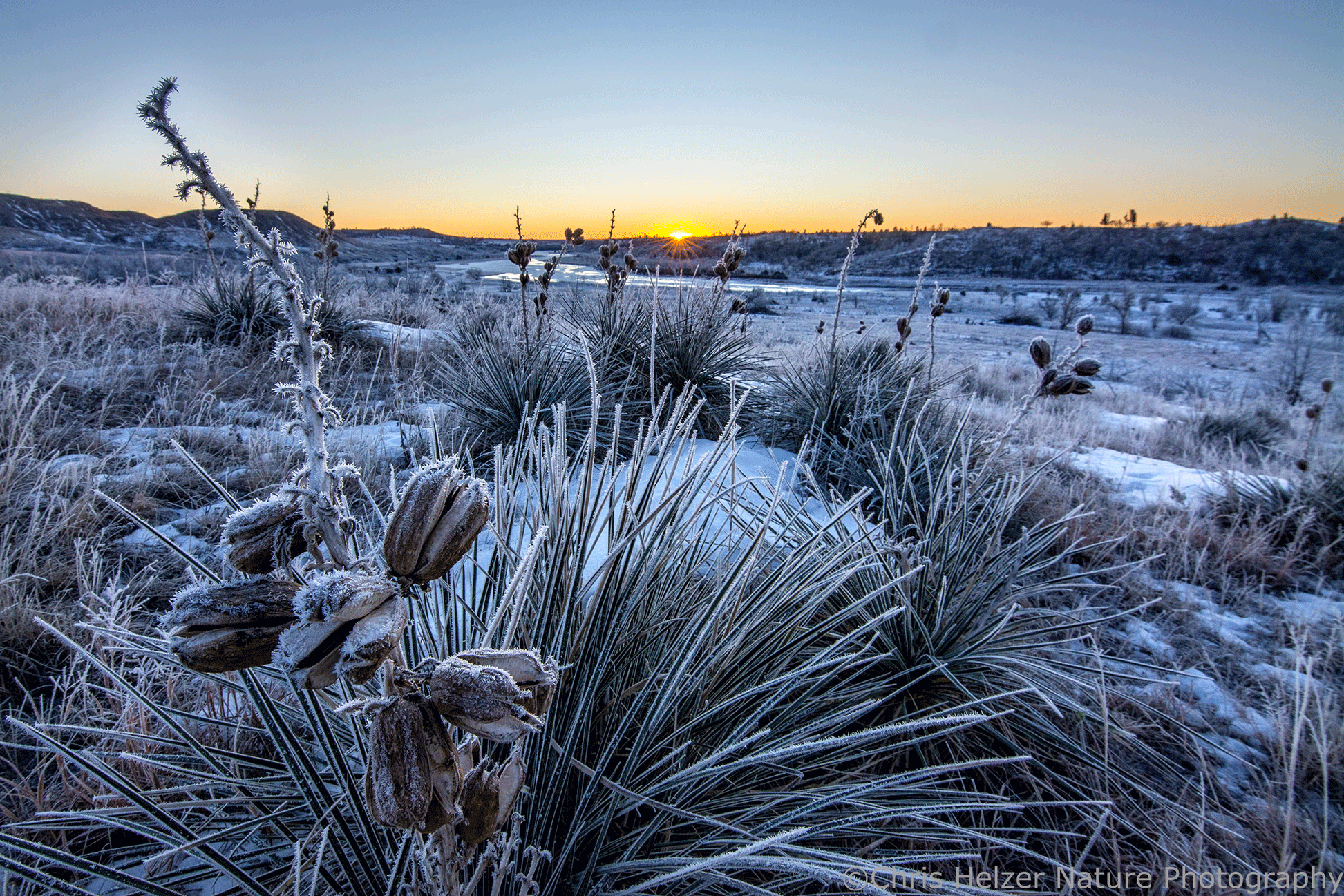
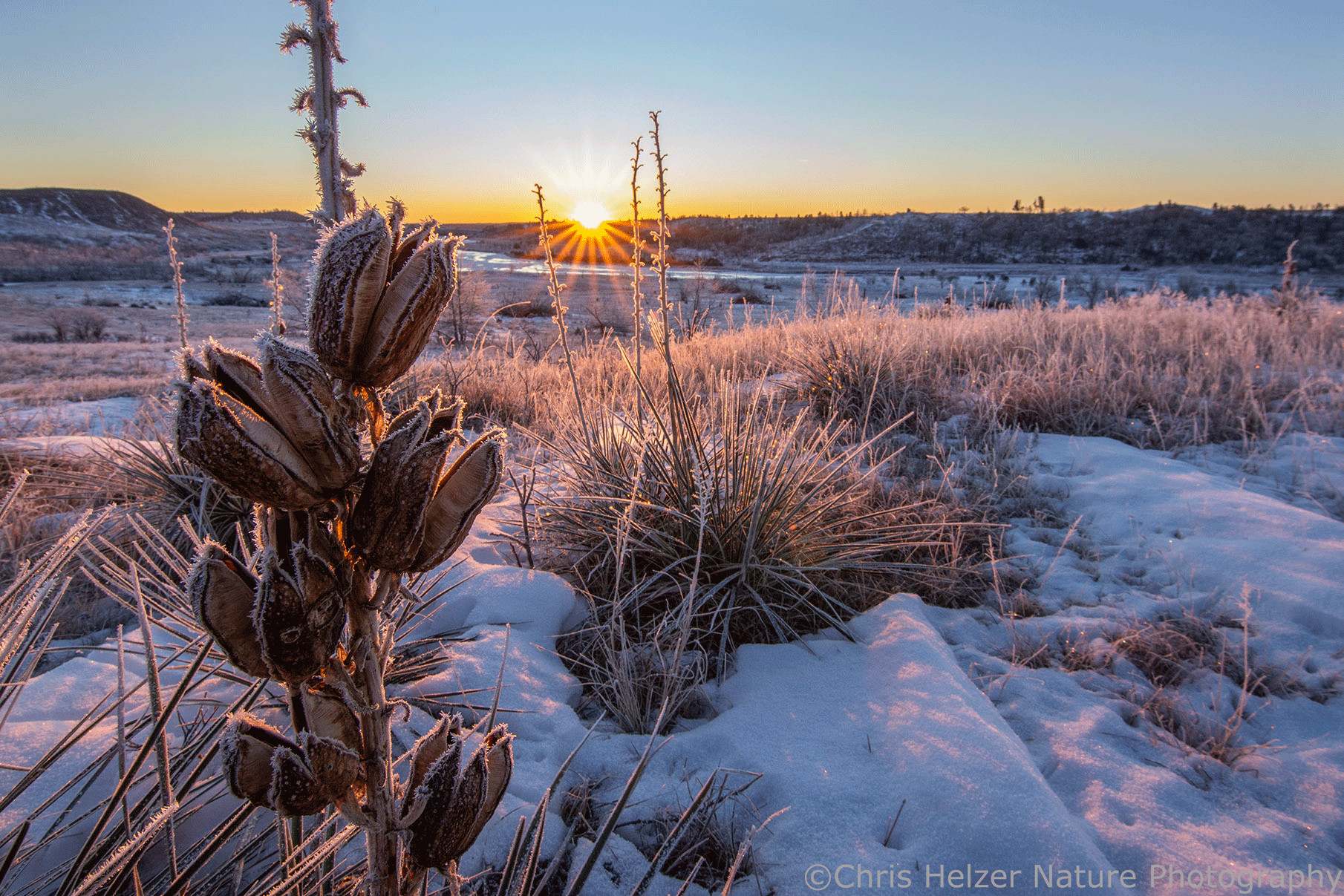
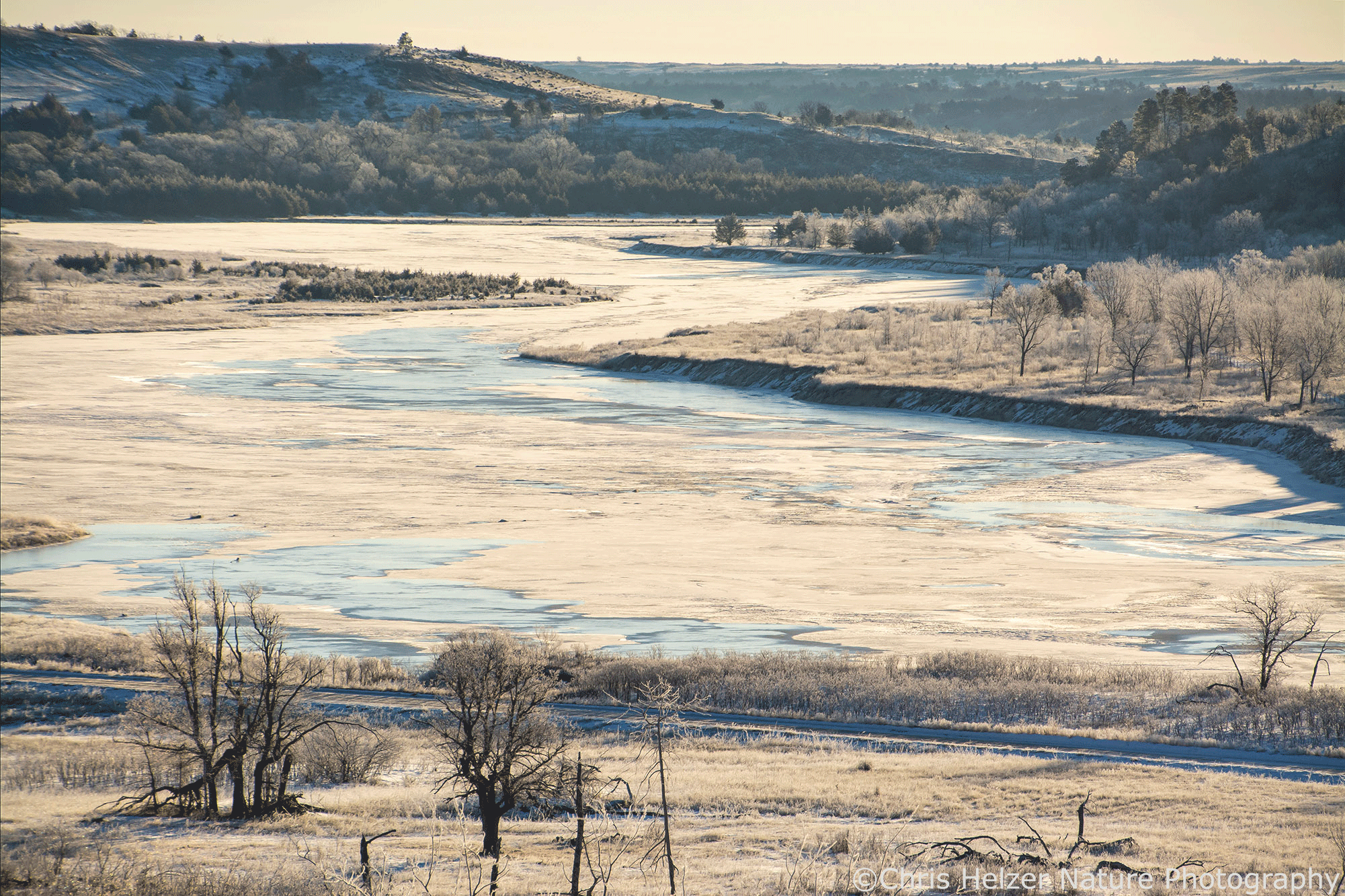
One of those nice windows came on the morning of December 30, which was also the day we were planning to head home. I got up early enough to be halfway up the ridge north of the river before the sun rose. It was the weather I’d been hoping for all trip – sunny, light winds, and frosty, on top of snow that was still present, though much reduced from several days earlier. I started out with my wide angle lens, watching the sun slowly rise above the distant horizon. You can see below how quickly the landscape changed color from a bluish cast to brighter and warmer tones within a very short time.
A frosty early morning scene just as the sun started to peek above the horizon. Tokina 11-20mm lens @11mm. ISO 400, f/13, 1/60 sec.A similar scene, but with more light and a warmer cast as the sun started to shine more brightly. Tokina 11-20mm lens @11mm. ISO 500, f/13, 1/50 sec.
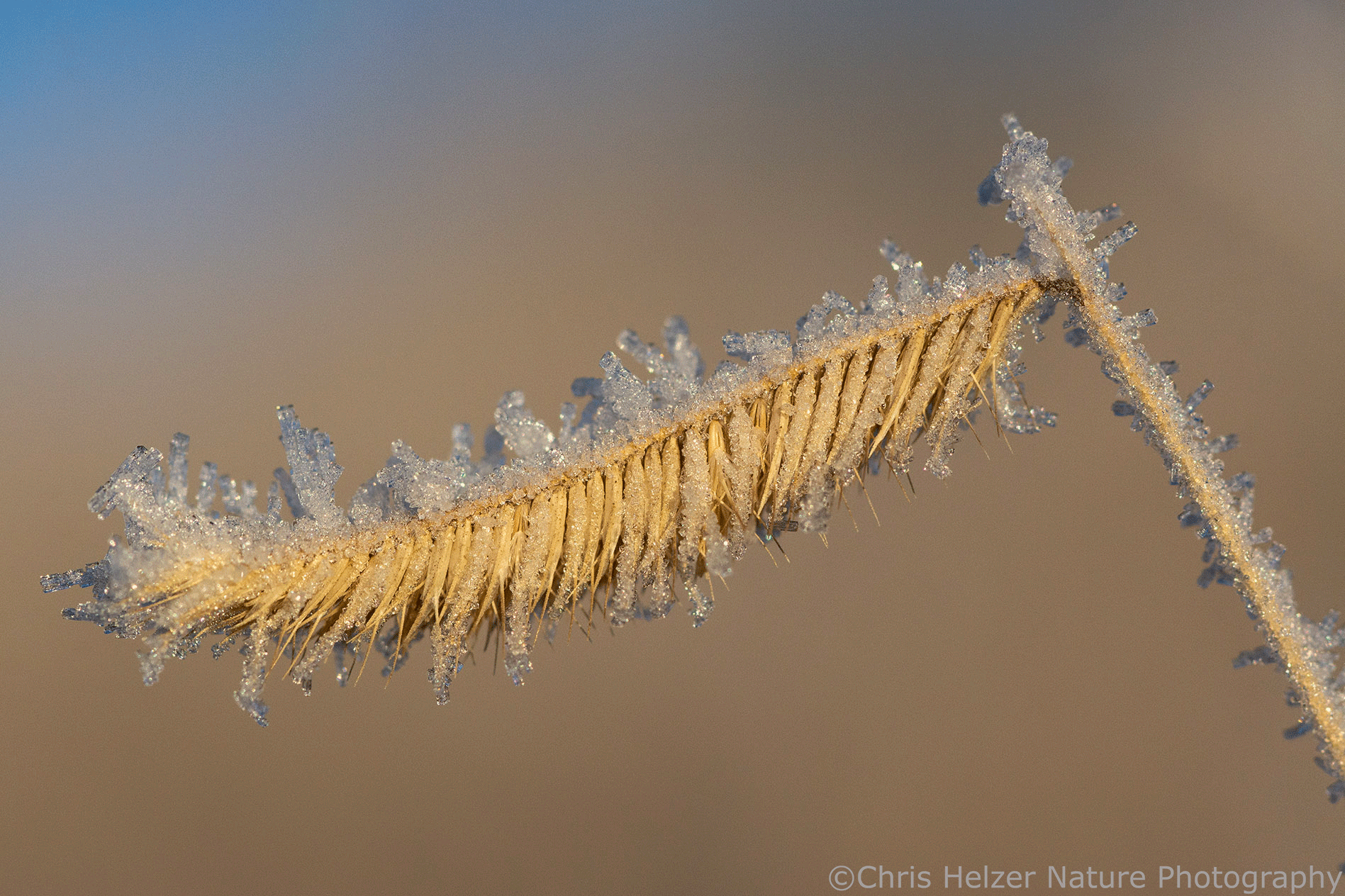
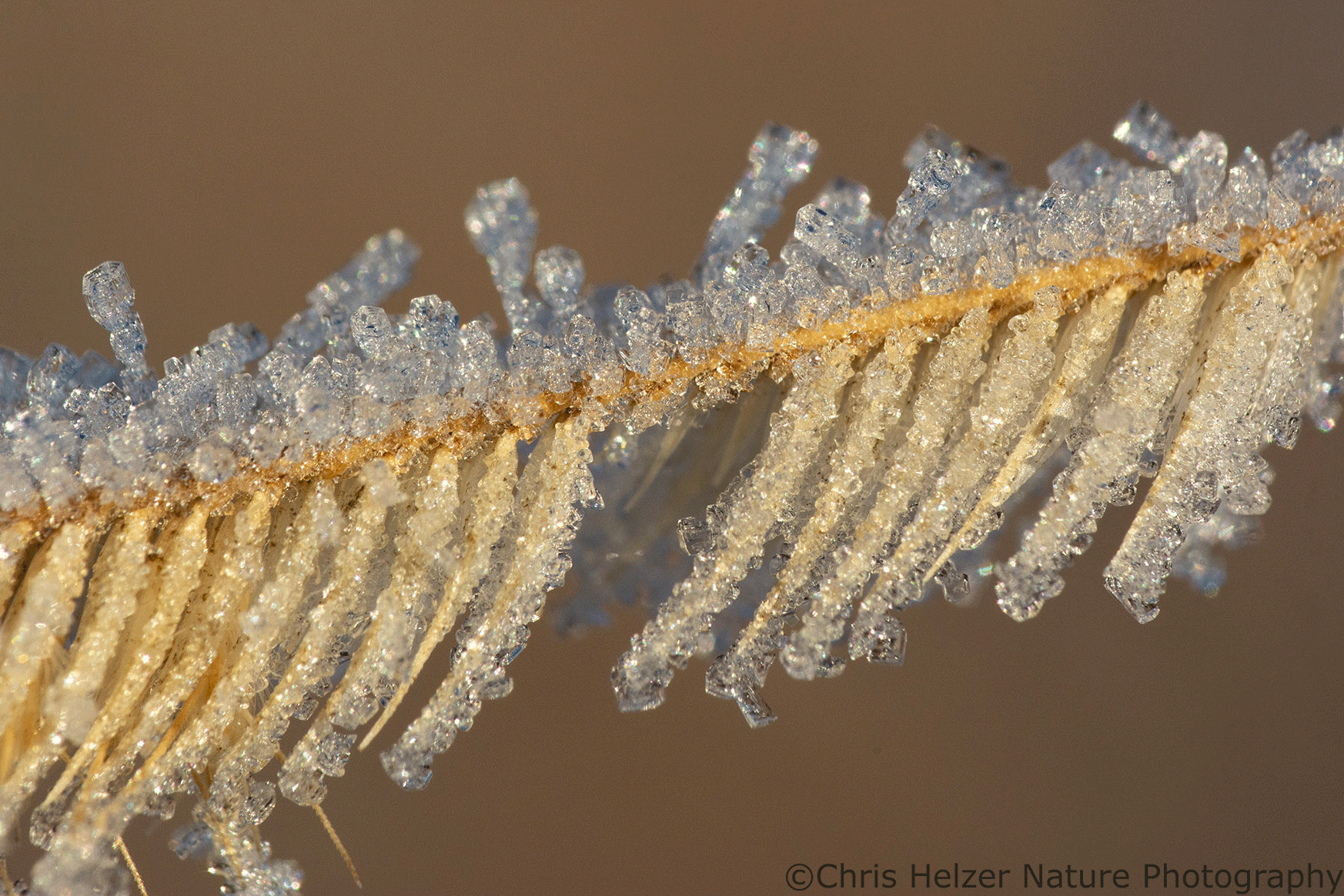
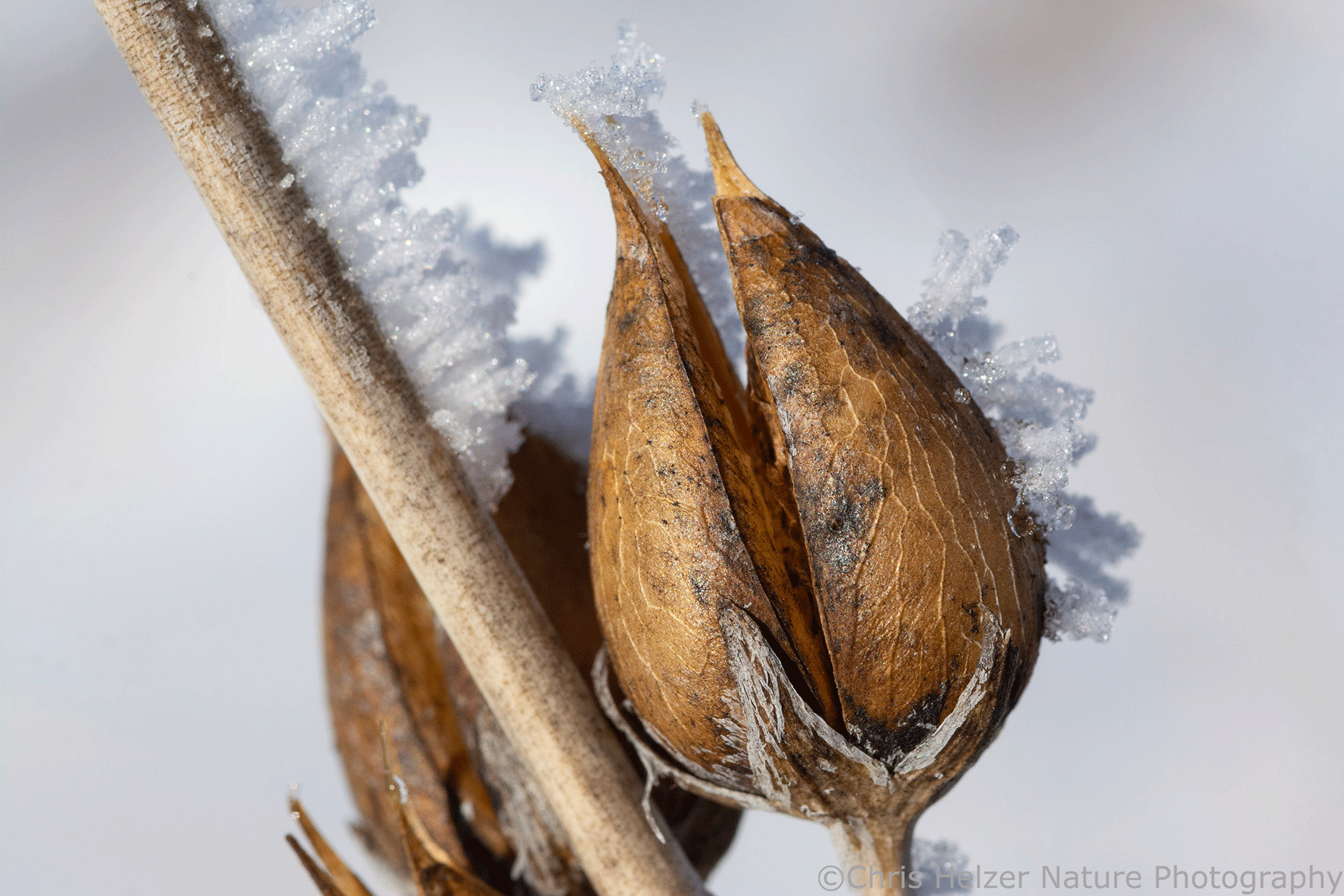
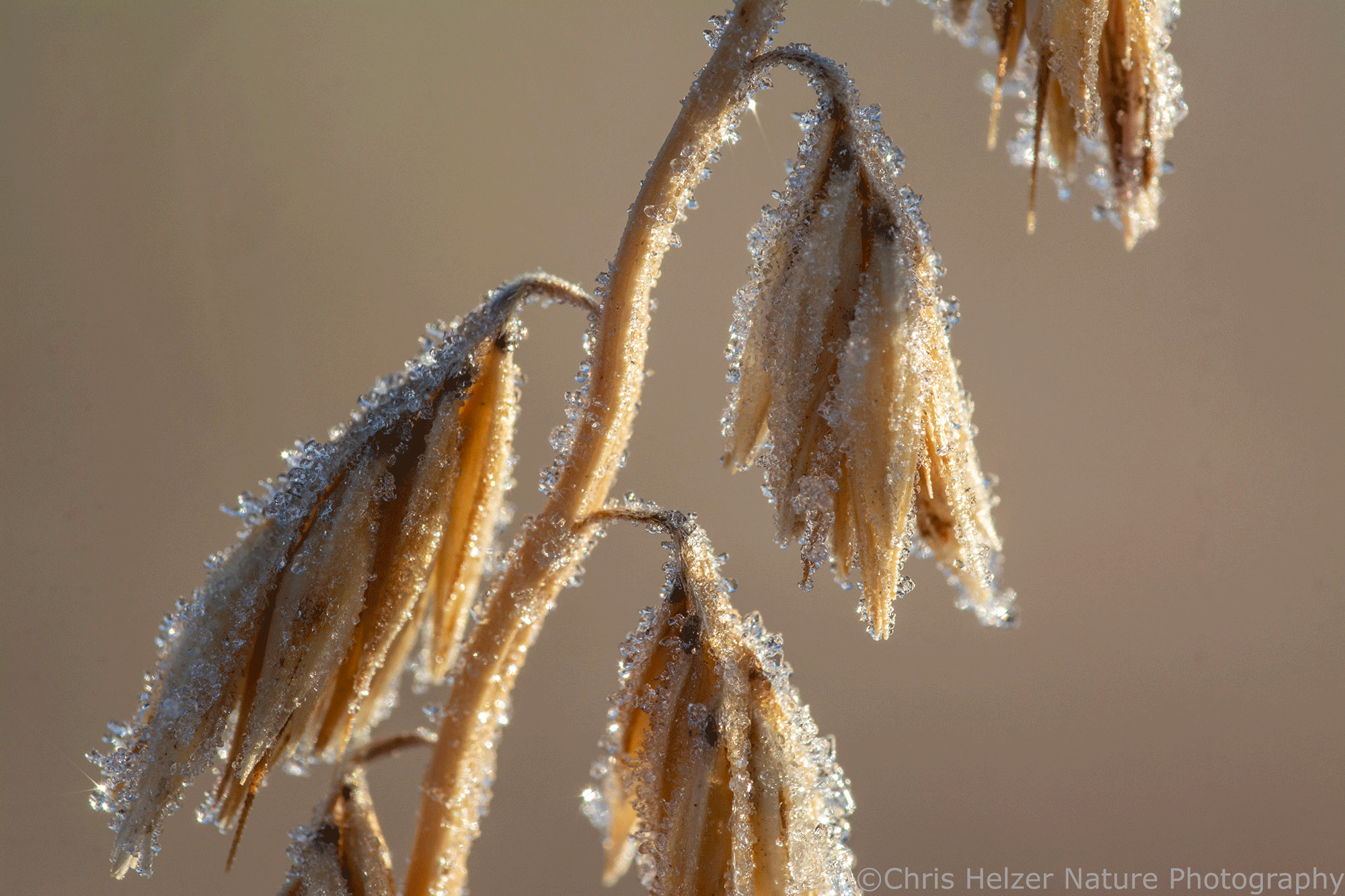
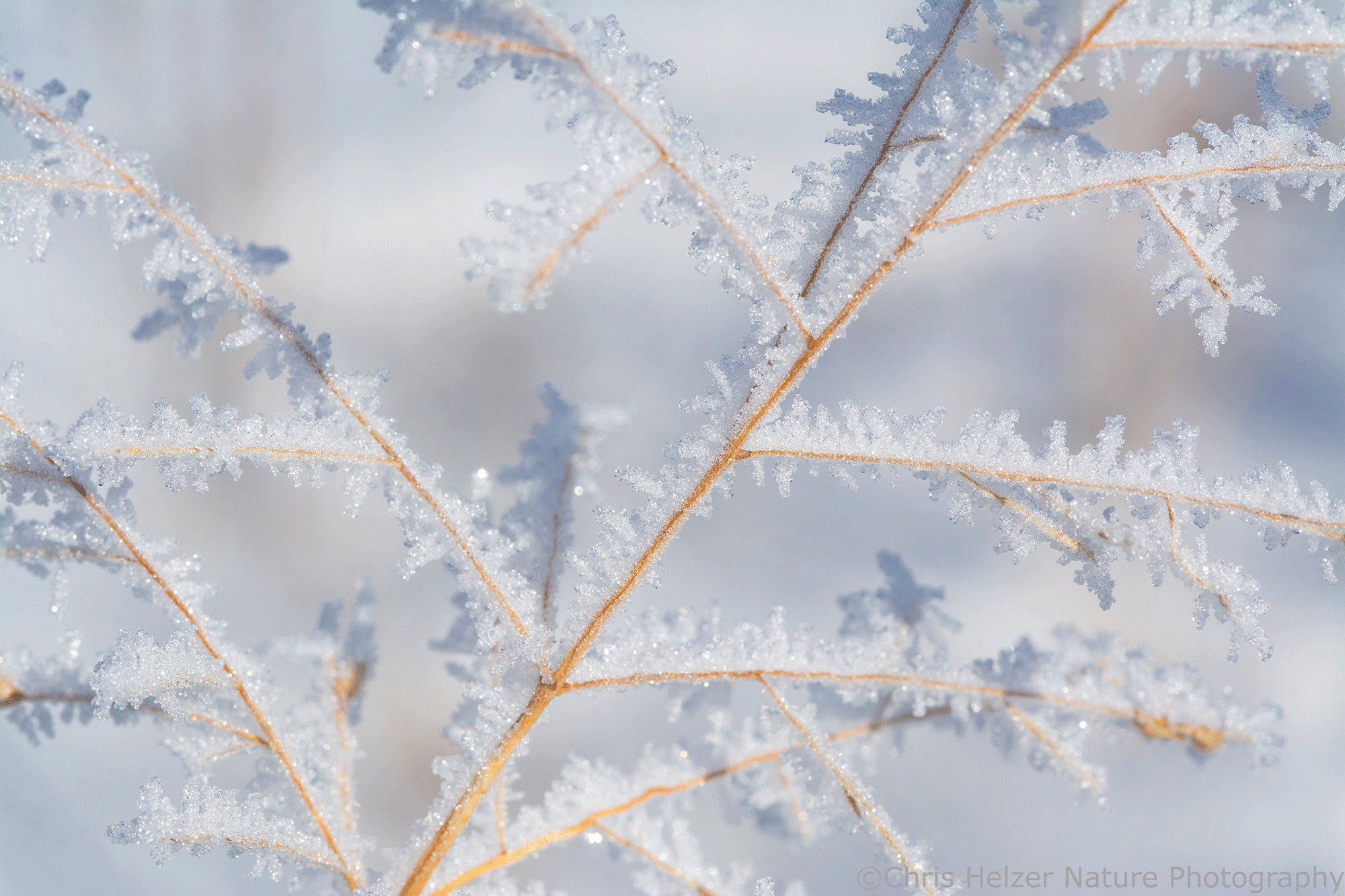
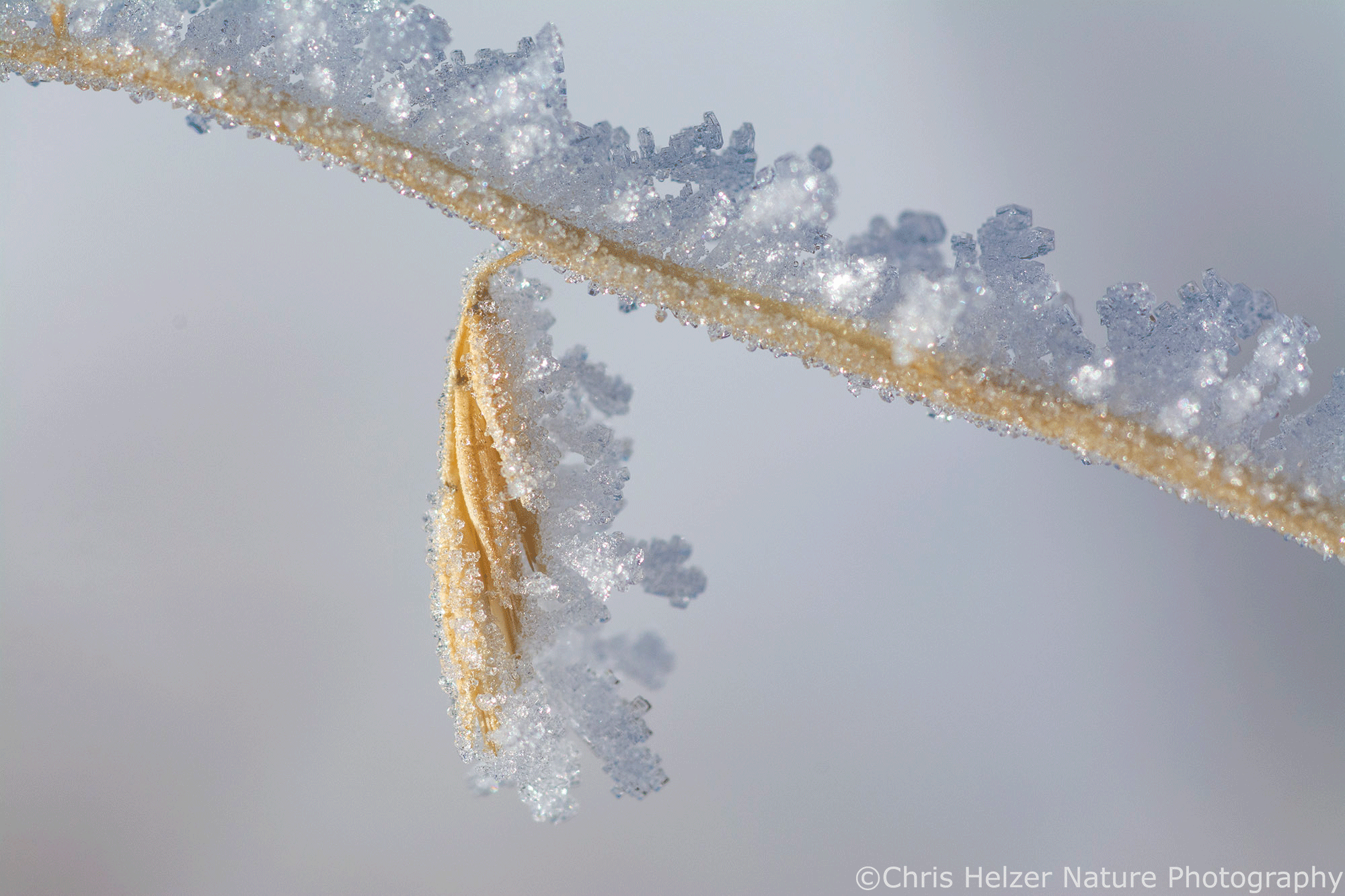
Once the sun was up, I switched to my macro lens and started exploring the frosty landscape for little jewels. Blue grama seed heads were sticking up through the snow all around me, so they were easy targets. However, EVERYTHING was covered in frost, so narrowing my choices was one my biggest challenge.
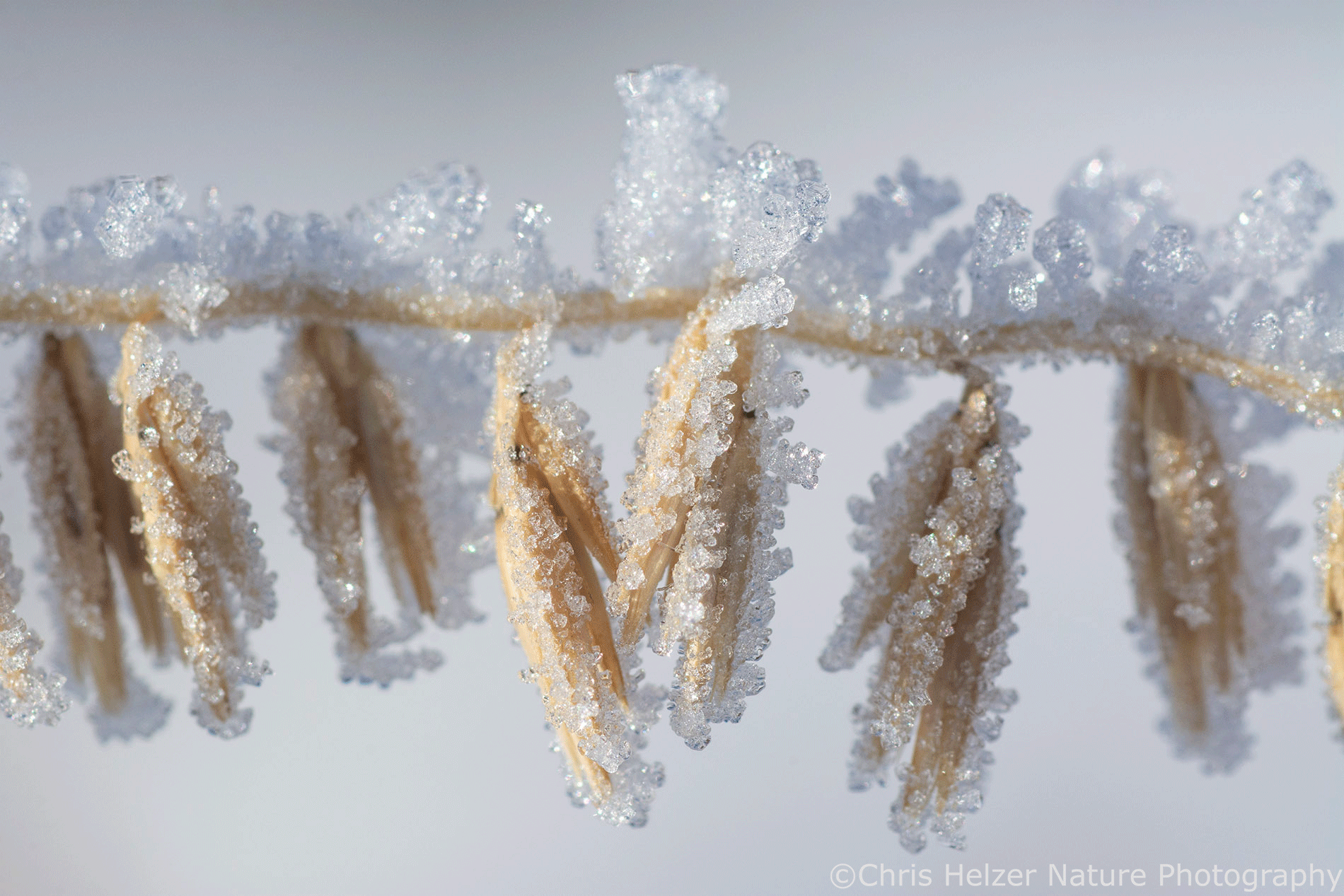
Blue grama (Bouteloua gracilis) and frost. Nikon 105mm macro lens. ISO 500, f/9, 1/2500 sec.Blue grama and frost – a closer look. Nikon 105mm macro lens. IS0 500, f/20, 1/500 sec.Shell leaf penstemon (Penstemon grandiflorus). Nikon 105mm macro lens. IS0 500, f/16, 1/640 sec.
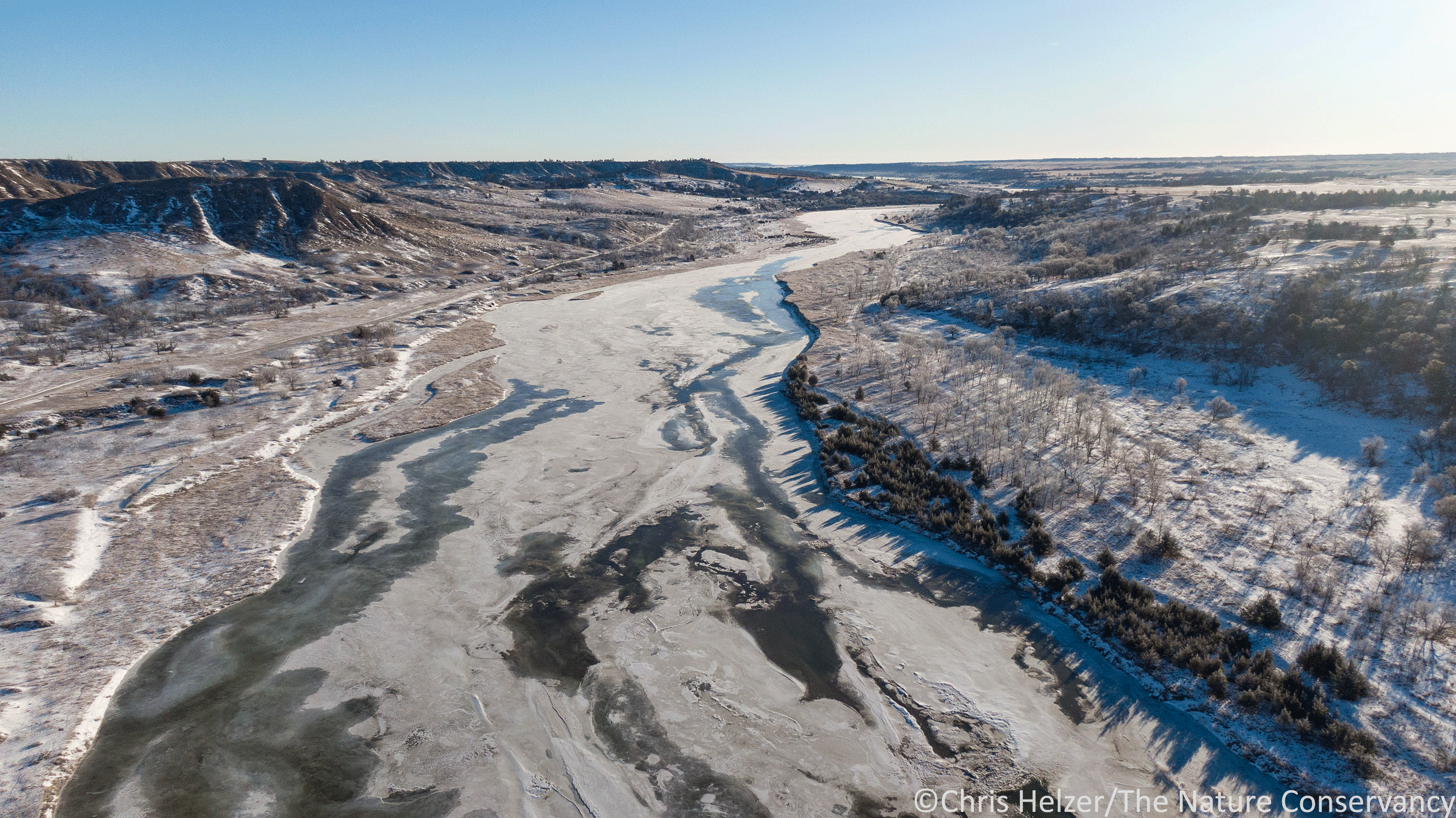
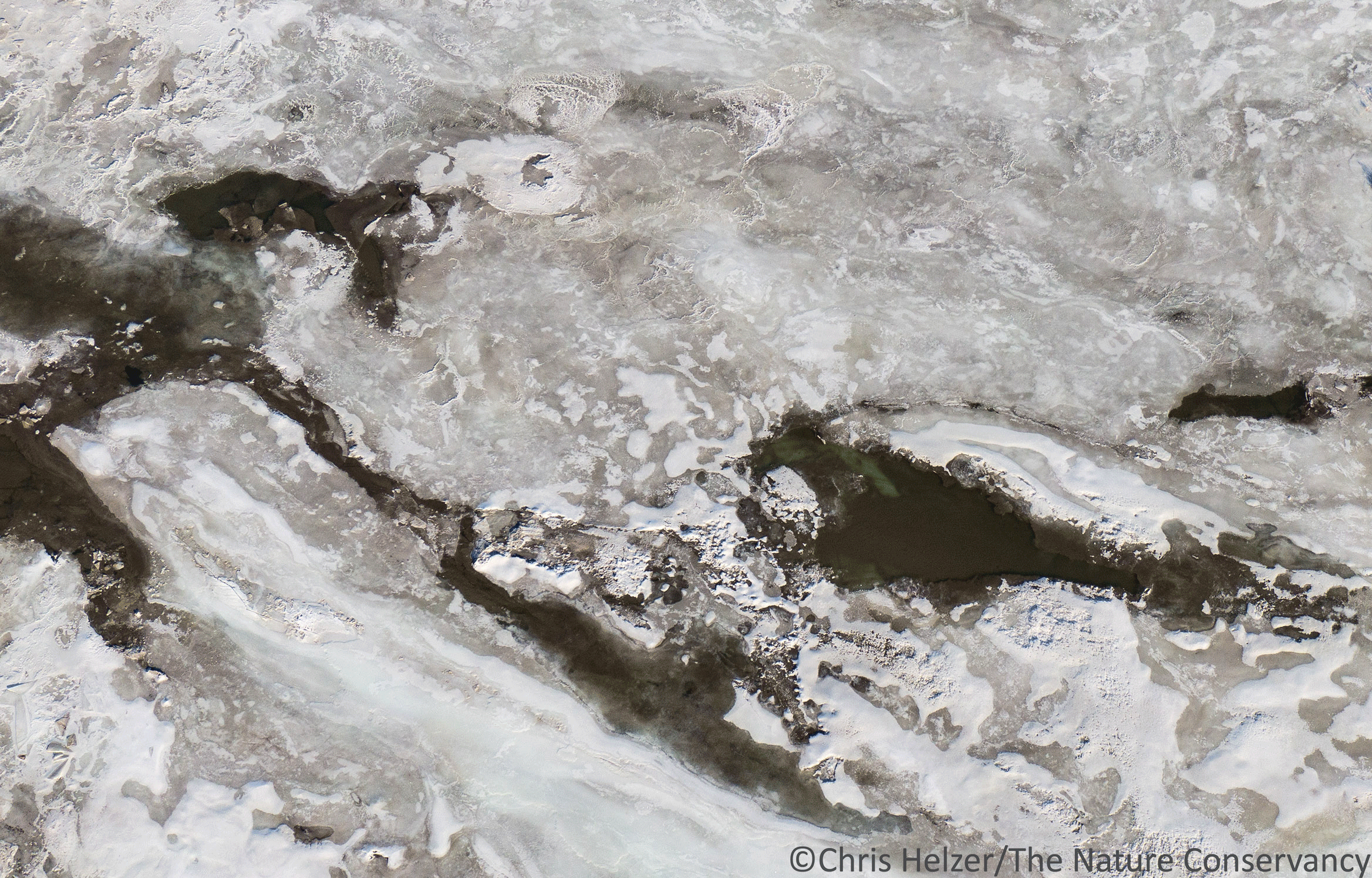
I took a quick break to send the drone into the air. I’d packed it on the 4-wheeler with me when I left the cabin and felt like I should fly it a little to justify bringing it along. Plus, the river had some great patterns of ice, frost, and open water that were worth capturing from above.
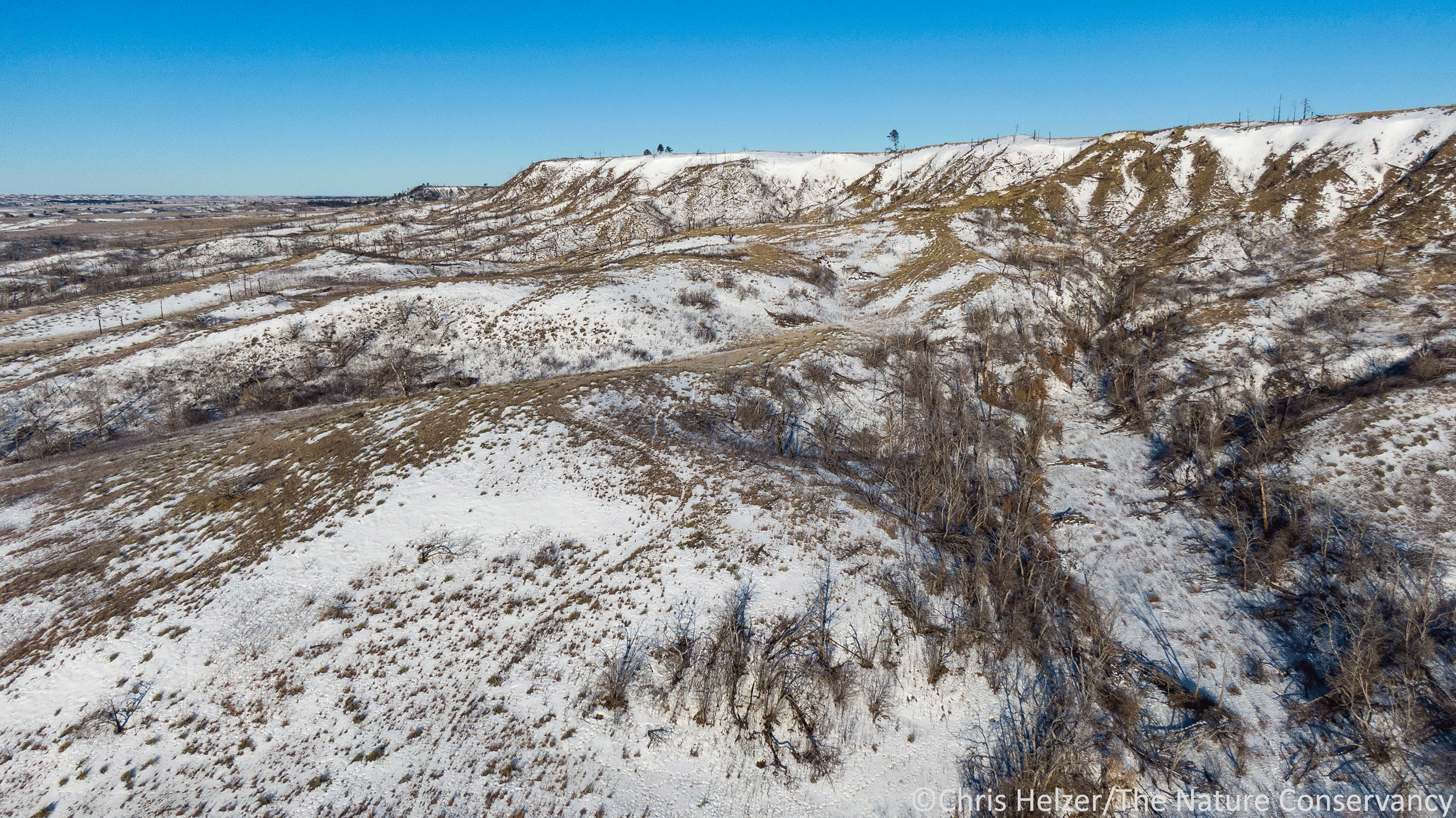
Drone photo of the Niobrara River in late December.The (mostly) frozen river from straight overhead.The ridge north of the Niobrara River covered with snow.
It was a quick flight, though, because I was aware of the increasingly bright light and knew I had a lot more frost to photograph before the light became too intense. I started working uphill, figuring that would both take me to some new close-up opportunities and maybe give me a better vantage point for potential landscape scenics. Unfortunately, the higher I climbed, the less frost I found, so I retreated downhill and (mostly) gave up on scenics in favor of frosty macro photos.
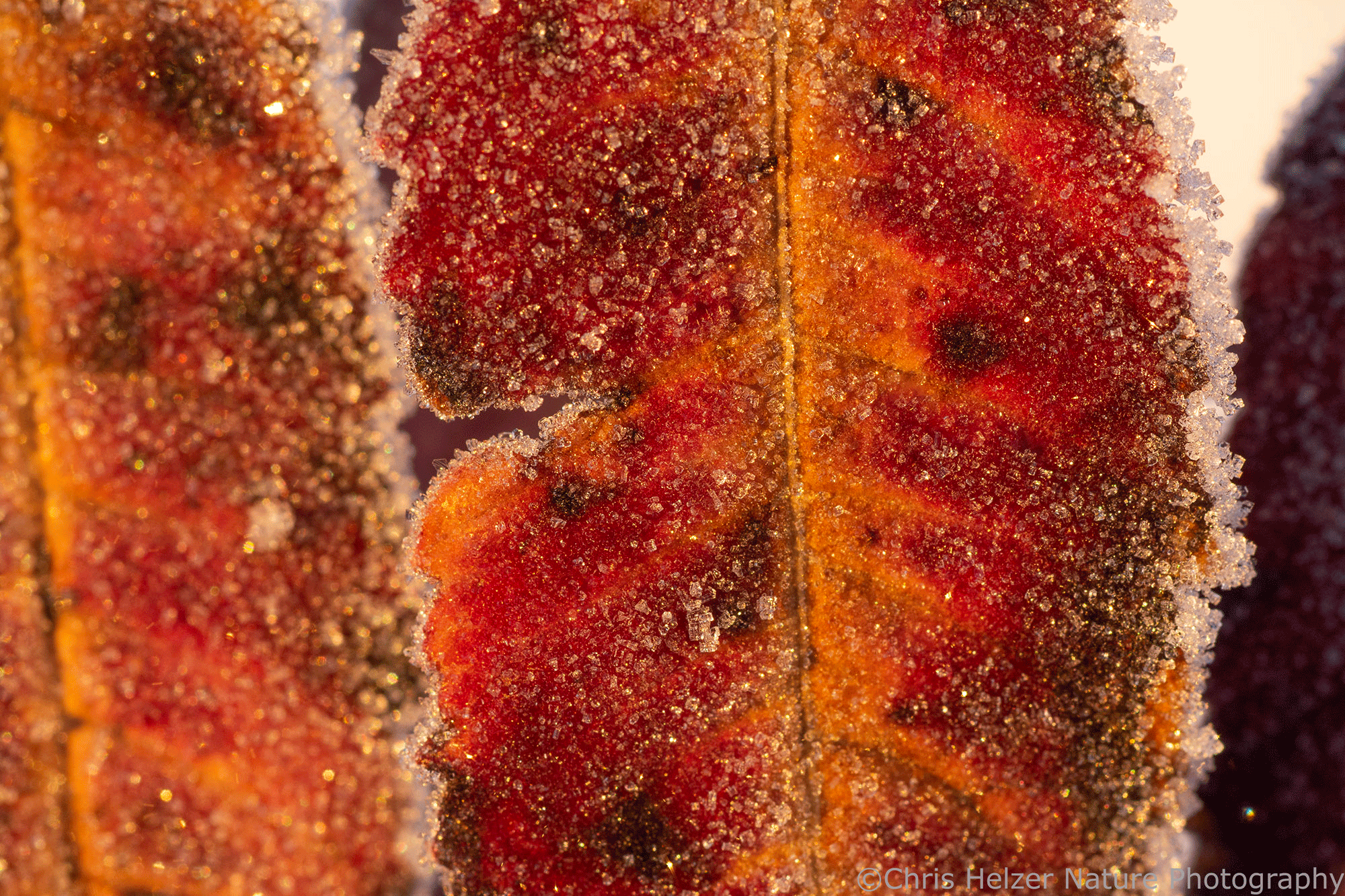
Sideoats grama (Bouteloua curtipendula) and frost. Nikon 105mm macro lens. IS0 500, f/20, 1/500 sec.Dotted gayfeather (Liatris punctata) and frost. Nikon 105mm macro lens. IS0 500, f/16, 1/400 sec.Switchgrass (Panicum virgatum) and frost. Nikon 105mm macro lens. IS0 500, f/16, 1/640 sec.Looking downriver on a cold frosty morning. Nikon 18-300mm lens @170mm. ISO 500, f/9, 1/1250 sec. More sideoats grama. Nikon 105mm macro lens. ISO 500, f/10, 1/1600 sec .Sideoats grama and frost again. Nikon 105mm macro lens. IS0 500, f/16, 1/640 sec.Smooth sumac leaves and frost. Nikon 105mm macro lens. ISO 500, f/16, 1/60 sec.
When I finally broke out of my frosty reverie, I looked at the time and more than two hours had passed since I’d left our cabin. Knowing we needed to get on the road, I hiked back down to my ATV and headed back to help Kim clean up and pack everything for the trip home. The morning had been a perfect punctuation on a quiet, restful trip to a beautiful place. It was also a great way to end the year.
Emma Greenlee is nearing the end of her time as a Hubbard Fellow in Nebraska. Stay tuned for a future post from her with the results of an excellent field research project she designed and carried out for us. That was just one of many contributions she’s made to our work over the last 11 months or so. In this post, Emma compares her seed-related work at the Platte River Prairies to other experiences she’s had. Please enjoy this post written and illustrated by Emma:
Seeds are a key part of prairie restoration, and I’ve been wanting to write about them since the hot days I spent seed collecting in July and August on the Platte River Prairies. The field season was so busy that I never made the time for it, but recently, as I’ve been working on preparing the summer’s seeds for use, I decided to finally put my prairie seed reflections on paper.
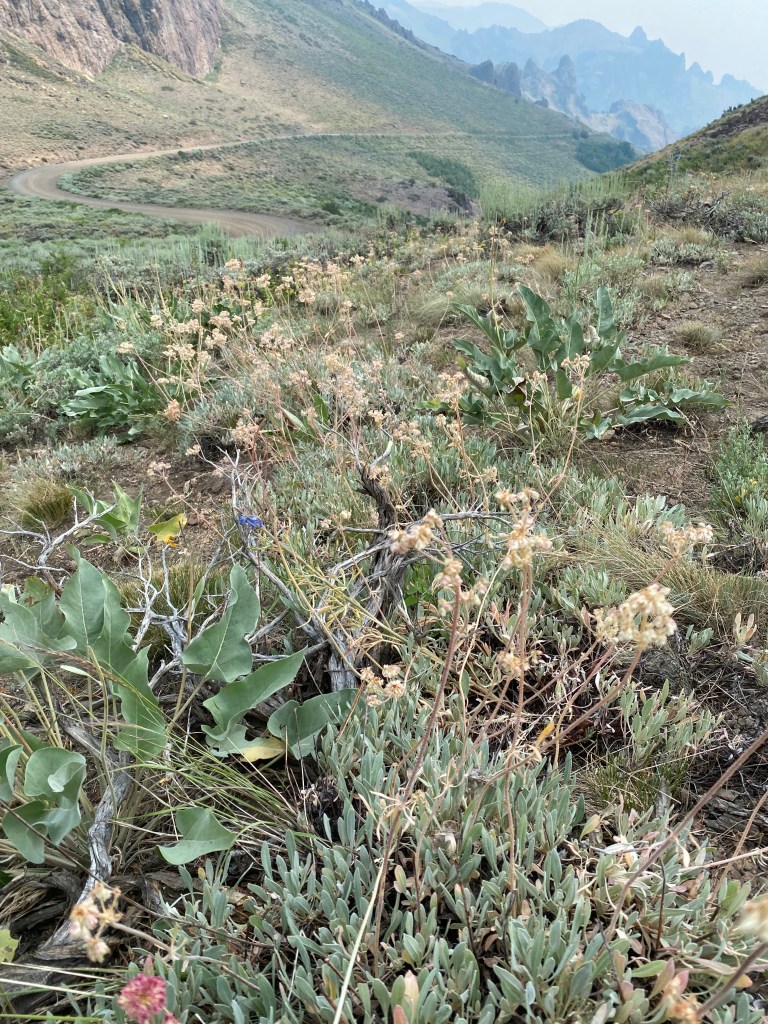
This summer at PRP wasn’t my first time seed collecting. In fact, my previous job in Nevada was six months of primarily scouting for and collecting seeds for the national Seeds of Success (SOS) program, which sends interns across the western U.S.’s public lands each year to collect native seeds for use in research, restoration, and seed banking. My internship was based in Nevada, where I explored the Humboldt-Toiyabe National Forest and learned about the sagebrush steppe ecosystem while scouting for and collecting native plant seeds. Having this background made seed-related work at the Platte all the more interesting! (I also wrote blog posts for that job, in case you want to hear more!
Sights while collecting wild buckwheat species Eriogonum heracleoides in the Santa Rosa Range in Nevada. Photo by Emma Greenlee
Some quick contrasts between my SOS internship and collecting seeds with TNC in Nebraska are illustrative of the different scales and goals of the two programs. Starting with scale, the section of the National Forest I worked on in Nevada (the Santa Rosa Ranger District) covered 280,000 acres, while TNC’s Platte River Prairies take up about 3,500 acres. In Nevada I could drive around the Santa Rosa range all day and not find a satisfactory seed population to collect from, while in Nebraska I was able to find seeds to collect most days I set out to do so (in both cases I considered it a day well spent!).
Seeds of Success collections are supposed to contain 10,000 or more viable seeds, and I referenced a list of native Great Basin species (mostly grasses and a few Asters and other forbs) of high restoration and conservation interest as priorities to collect. At the Platte, one of our main restoration goals is to create diverse restorations from local seeds, so even a handful of seed from a less abundant species can be considered worth collecting. I’m not saying either approach is better; I’ve appreciated seeing how restoration happens at different scales.
In Nevada, I sent my collections to a seed processing facility and never saw them again. It’s been fun at the Platte this winter to learn about what happens to seed once it’s collected for restoration! After being collected, the seed sits in buckets in the “seed barn” (thusly named) until it’s processed, which involves running seeds through a machine that separates them from the hulls, pods, and stems they might be attached to or mixed in with. This was a meditative process for me—as I processed each sample, wearing earplugs to muffle the machine’s noise, I thought about the times I’d spent collecting these seeds, when the prairie was green and bustling and most days were hot and humid.
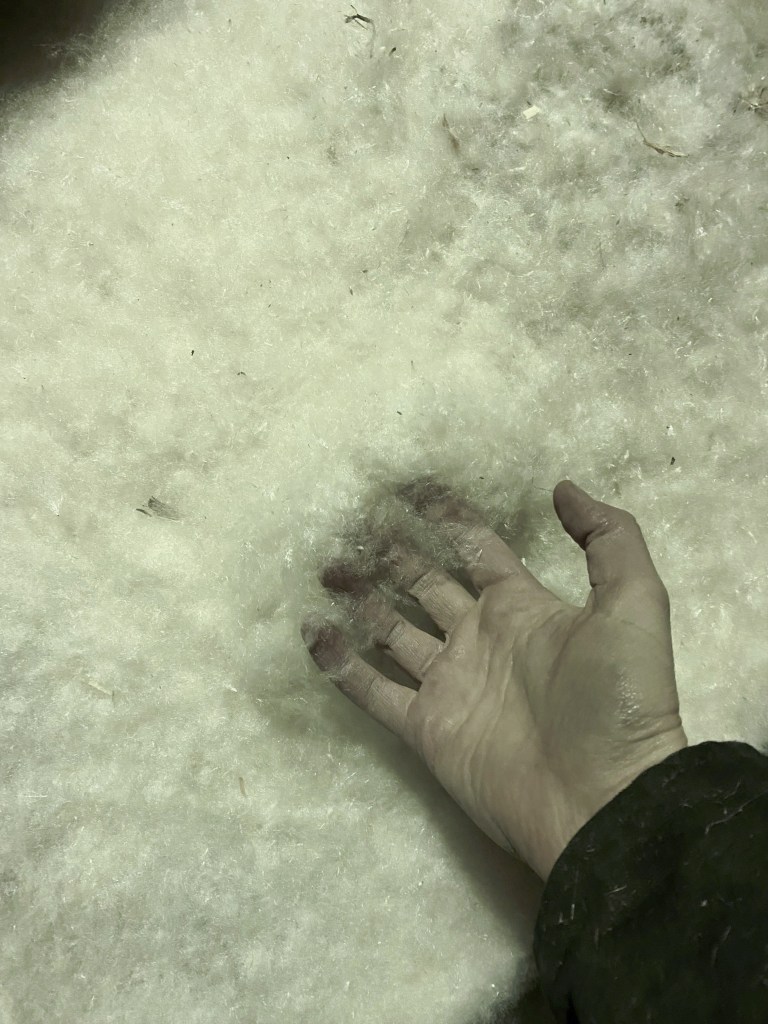
Every species is different to process—some have very tiny seeds that inevitably get all over the floor, in addition to the bucket they’re supposed to drop into from the seed processor, and need to be swept up. Some come out of their seedheads easily and processing them doesn’t seem to change much, but for some species it may scarify the seeds, helping them germinate. Some are attached to bits of downy fluff, like thistles and milkweeds, which brings me to a funny mouse incident I must tell you about…
To give you an idea of the “downy thistle fluff” I’m talking about… Photo by Emma Greenlee
As I mentioned, these buckets of seed wait in the seed barn for several months before being processed. Perhaps surprising no one, a bucket of downy fluff with some seeds mixed in turns out to be an optimal habitat for mice. One day I was processing thistle seeds and became very thankful I was adding seed to the processor handful by handful rather than dumping it in: approximately 12 mice were dwelling in this 2’x2’ barrel!
The mice didn’t reveal themselves to me all at once, but rather made their escapes in ones and twos, often requiring some coaxing to leave their fluffy mansion. Some were adults, and some were smaller and clumsier…it seemed they had started a community! I hope there were still some seeds mixed in with their playground of fluff and they hadn’t all gone to feeding the family.
The goals of the Seeds of Success program and of TNC’s restoration efforts in Nebraska are very different—contributing to restoration and conservation efforts across the Great Basin versus restoring prairie and adding diversity to existing prairie fragments along the Platte River in central Nebraska—and I’ve appreciated this small window into the diversity of approaches to restoration that exist out there. For me, seed collecting is a relaxing process and a chance to explore, and its results (here, new prairies and all the benefits more prairie brings) can be so beneficial and rewarding. Seed comes from seed, giving the process a certain symmetry, too.
What are everyone’s favorite seeds and/or favorite seed stories? Drop yours in the comments!
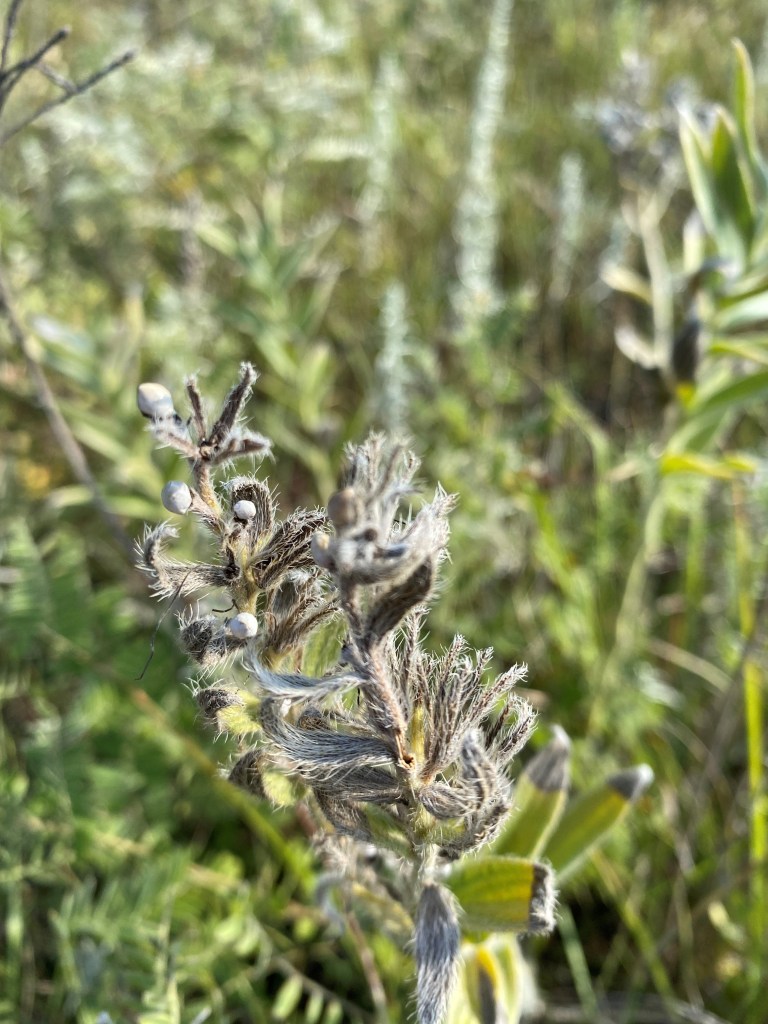
Marbleseed (Onosmodium molle), one of my favorite seeds because they’re pearly and really hard. Not fun to collect though, due to the fine, scratchy hairs on the leaves! Photo by Emma GreenleeMonarch butterfly on a native tall thistle (Cirsium altissimum). Thistles feed creatures all year round! Photo by Emma Greenlee



 The Prairie Ecologist