
It has finally gotten cold enough for my favorite winter wetland to freeze over. Mostly.
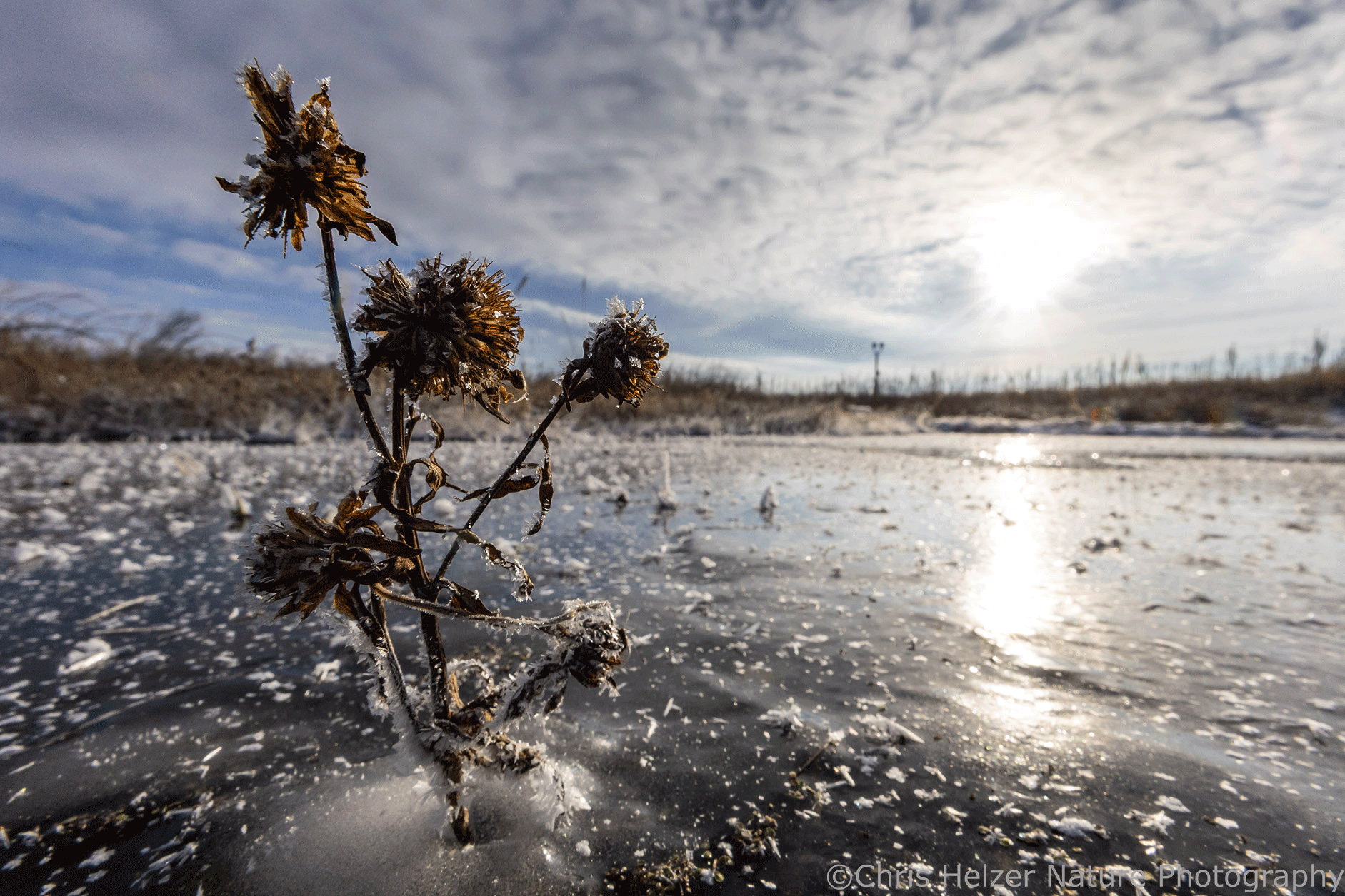
I made two quick trips this week to the restored wetland at the Platte River Prairies. It’s a former sand and gravel mining site and we converted it from a sandpit lake to a stream with side channel and backwater habitats about 15 years ago. It’s one of my favorite places to visit, especially in the winter, when I can slide around on the ice looking for frost and ice patterns – and, of course, ice bubbles. The ice conditions haven’t been ideal for ice bubbles so far this year, but the frost has been very nice.
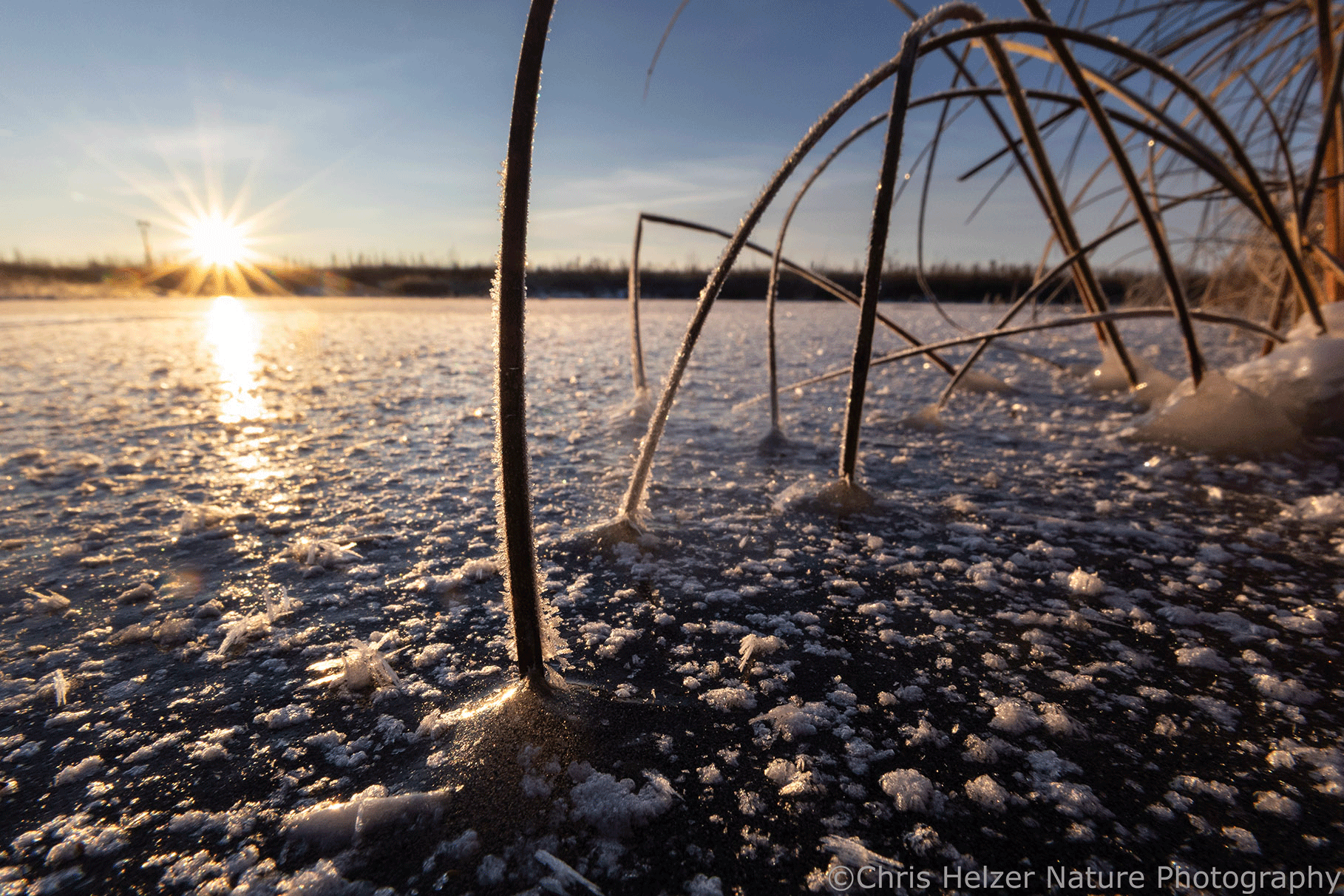
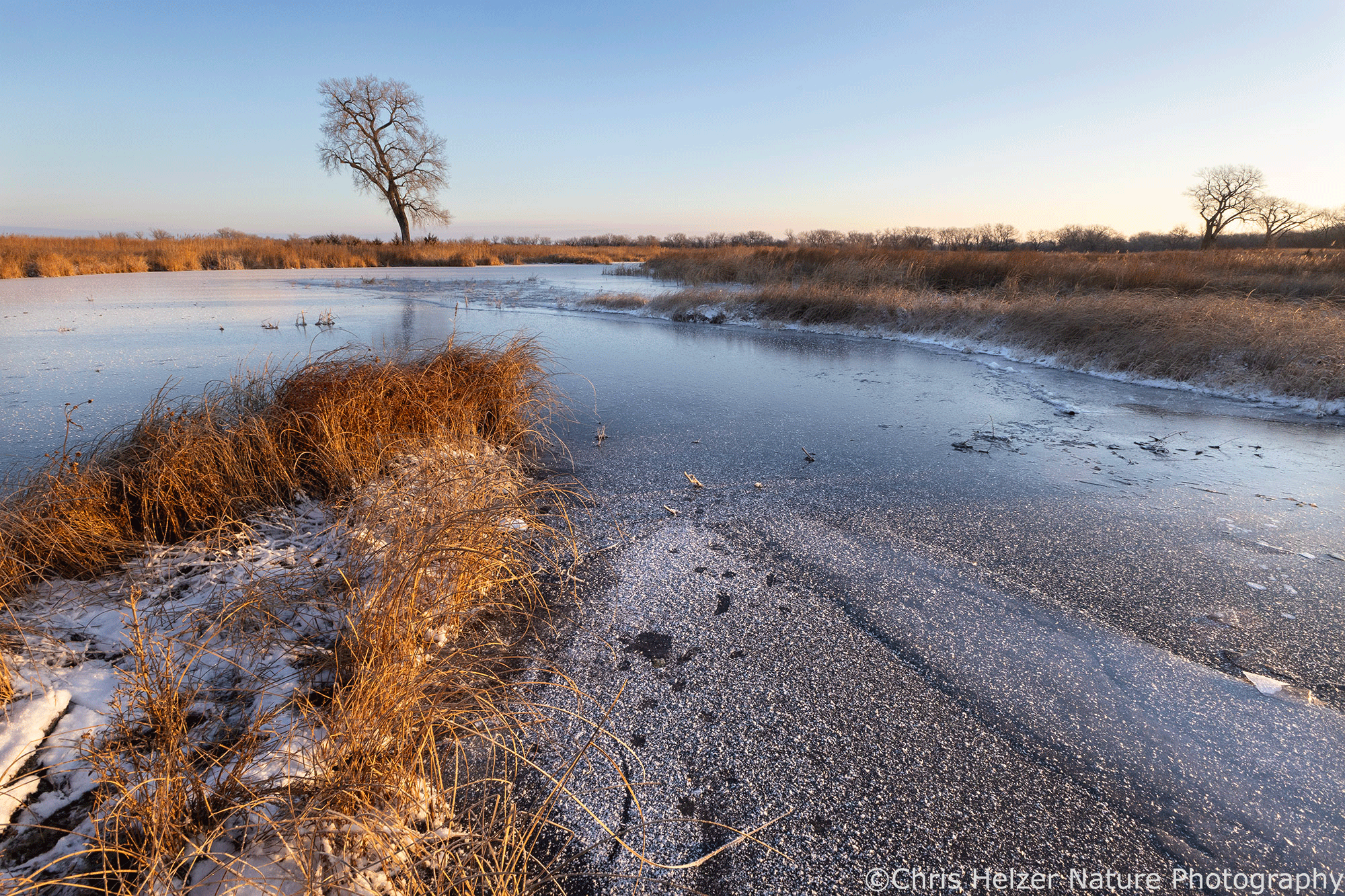
During my first trip, the ice was thick enough to support my weight across most of the wetland. Unfortunately, the exceptions were along the banks, making it difficult to make my way from shore onto the ice. Jumping over the thin ice and hoping the thicker ice would hold me didn’t seem like a smart move. Instead, I just patrolled the banks until I found a spot where the ice had frozen all the way to the edge of the water. Once on the ice, I spent more time army crawling than walking to help ensure I didn’t accidentally take a very cold bath.
The depth of the water was less than a foot, so the greatest risk was a very cold walk back to the truck, and maybe some wet camera gear, but still. By the second time I visited, the ice was thicker, but I still had to move carefully and backtrack when I heard cracking sounds. Who needs caffeine when you have cracking ice sounds to keep you alert?
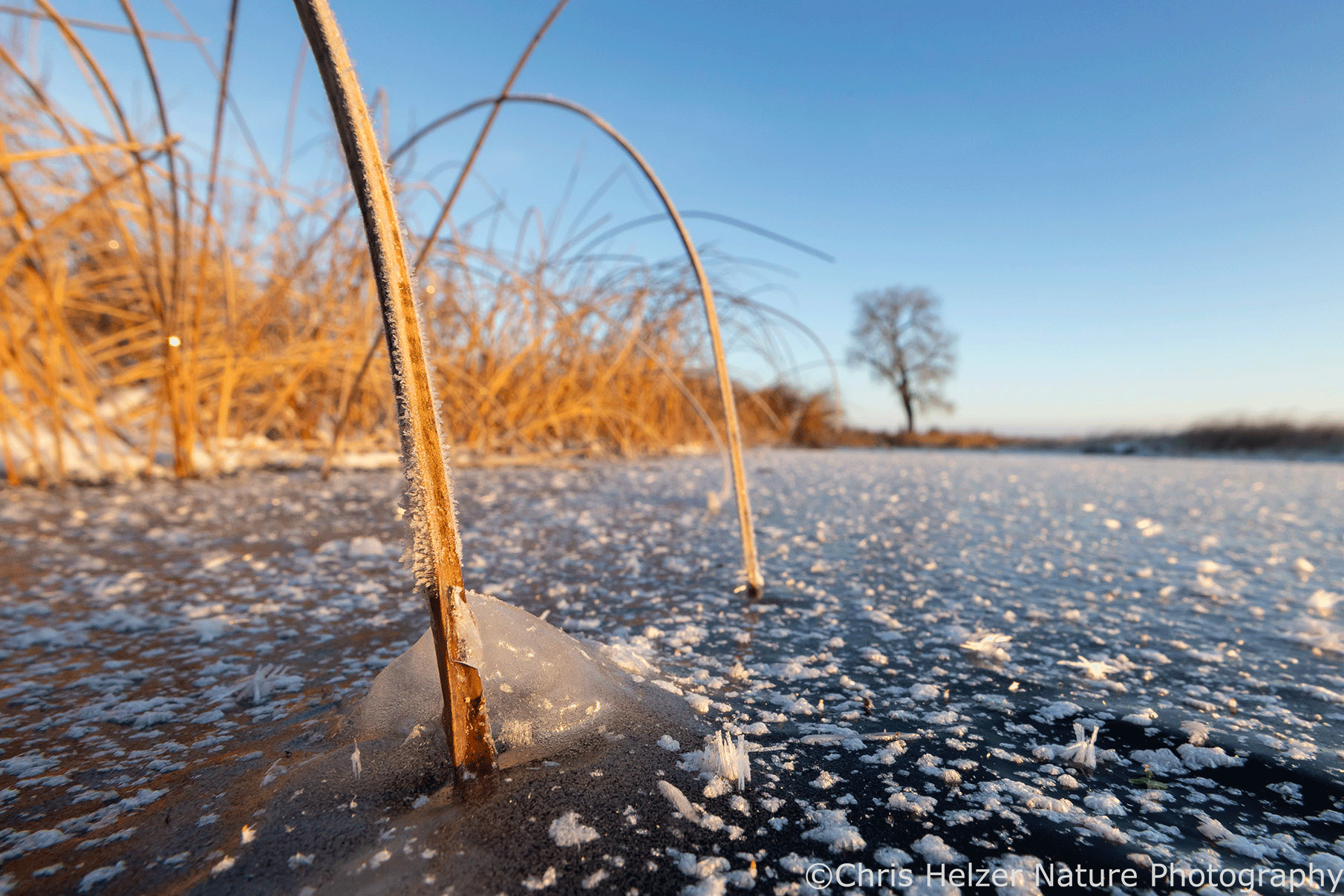
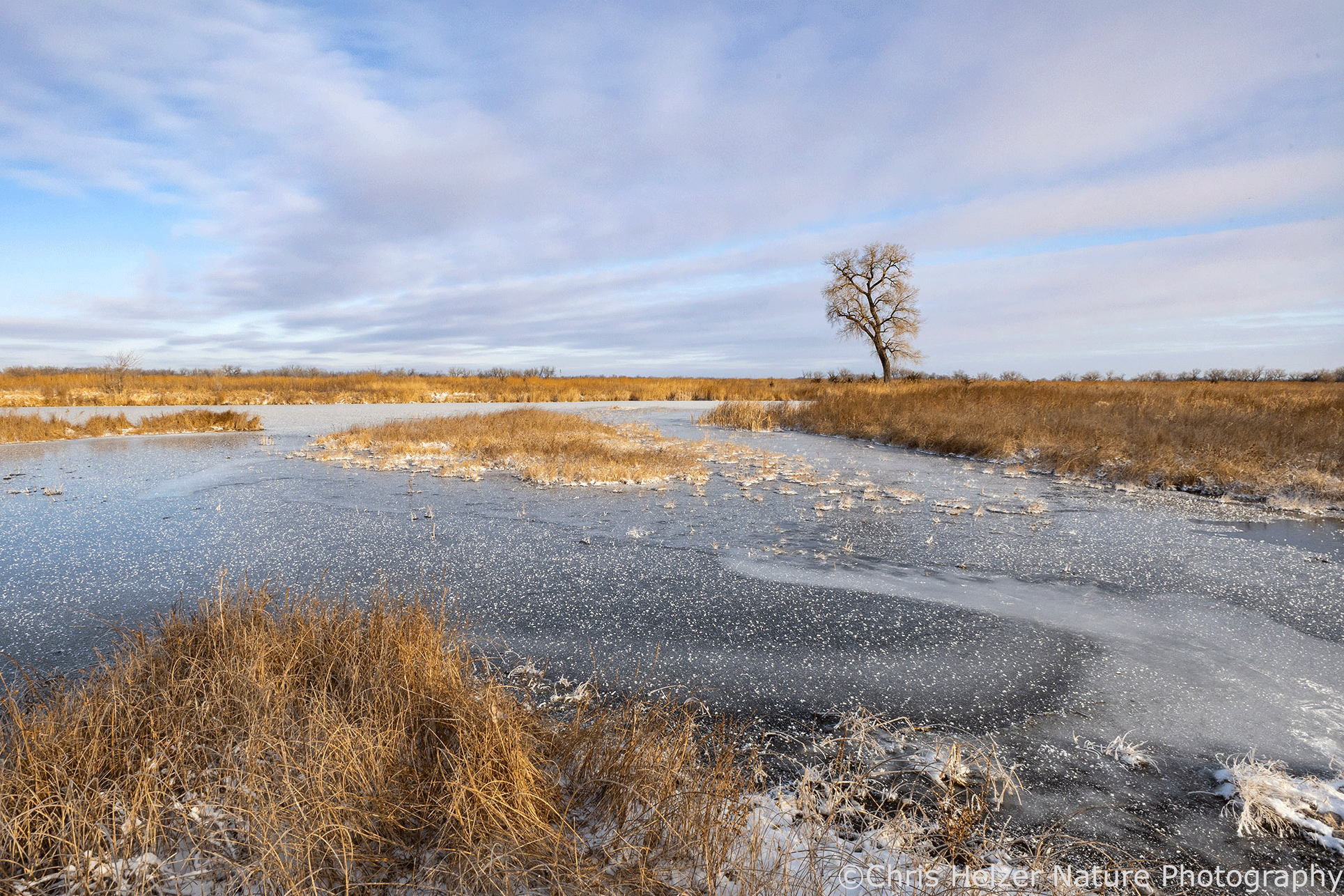
The skies were clear when the sun first came up on my first trip, but some diffuse clouds moved in as the sun rose. That couldn’t have worked out much better – the early sun was soft and warm and then as the light intensity increased with the sun’s height, clouds helped soften it again. There were a few snipe hanging around patches of open water and schools of small fish in pools near beaver dams. A mouse scurried across my patch once, too. Otherwise, I seemed to have the quiet, cold wetland to myself.
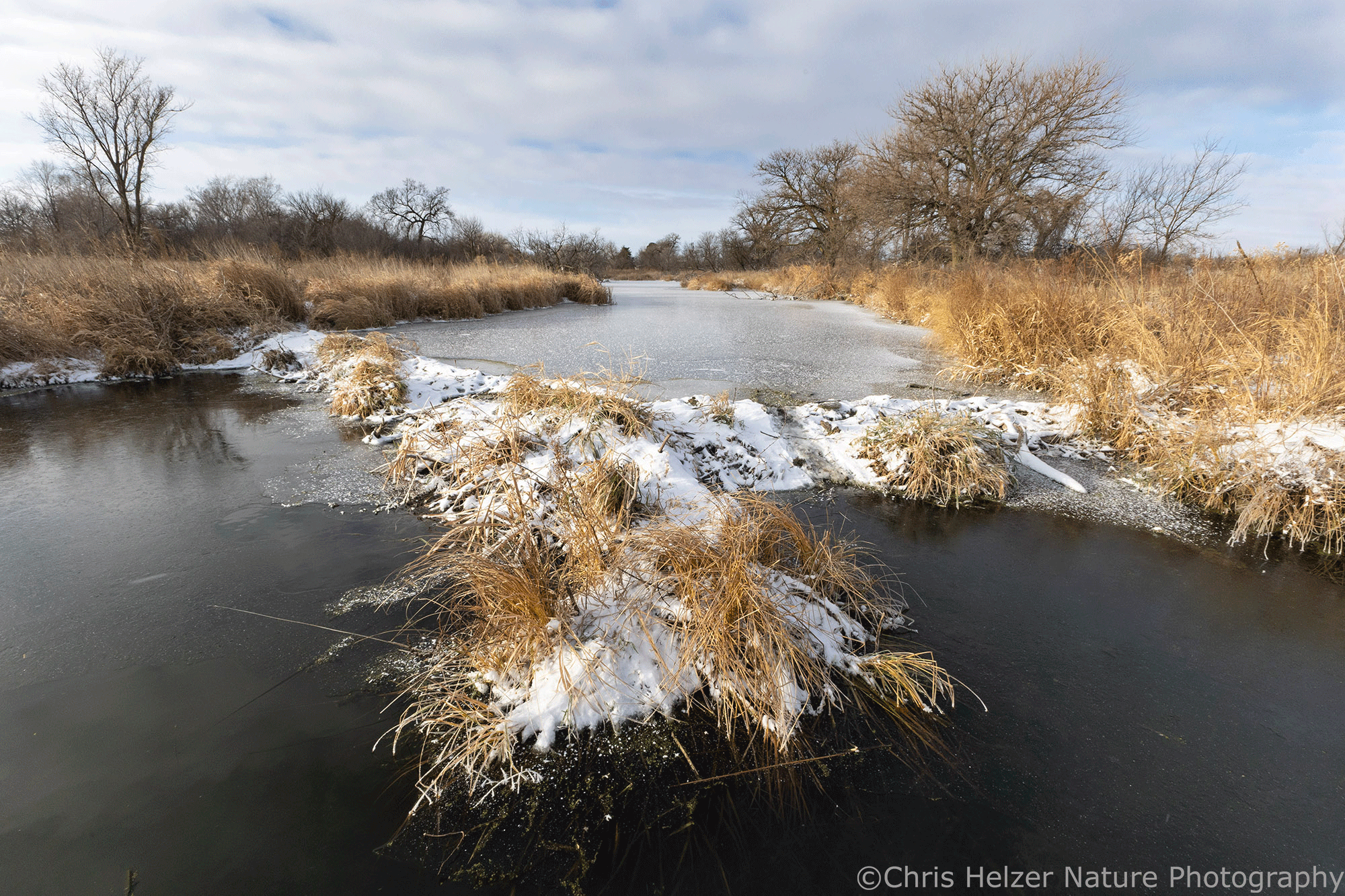
Beavers have found this wetland attractive since we finished the restoration work. We actually designed the wetland with beavers in mind, knowing that both they and floods would continue to mold the initial template we created. Because of that, I didn’t spend a lot of time on the finer details of topographic shaping. Instead, I made sure we created lots of potential paths for the stream entering the site to make its way through the restoration area, depending upon what beavers and flooding chose to do. As a result, the configuration of water and land changes quite a bit from year to year.

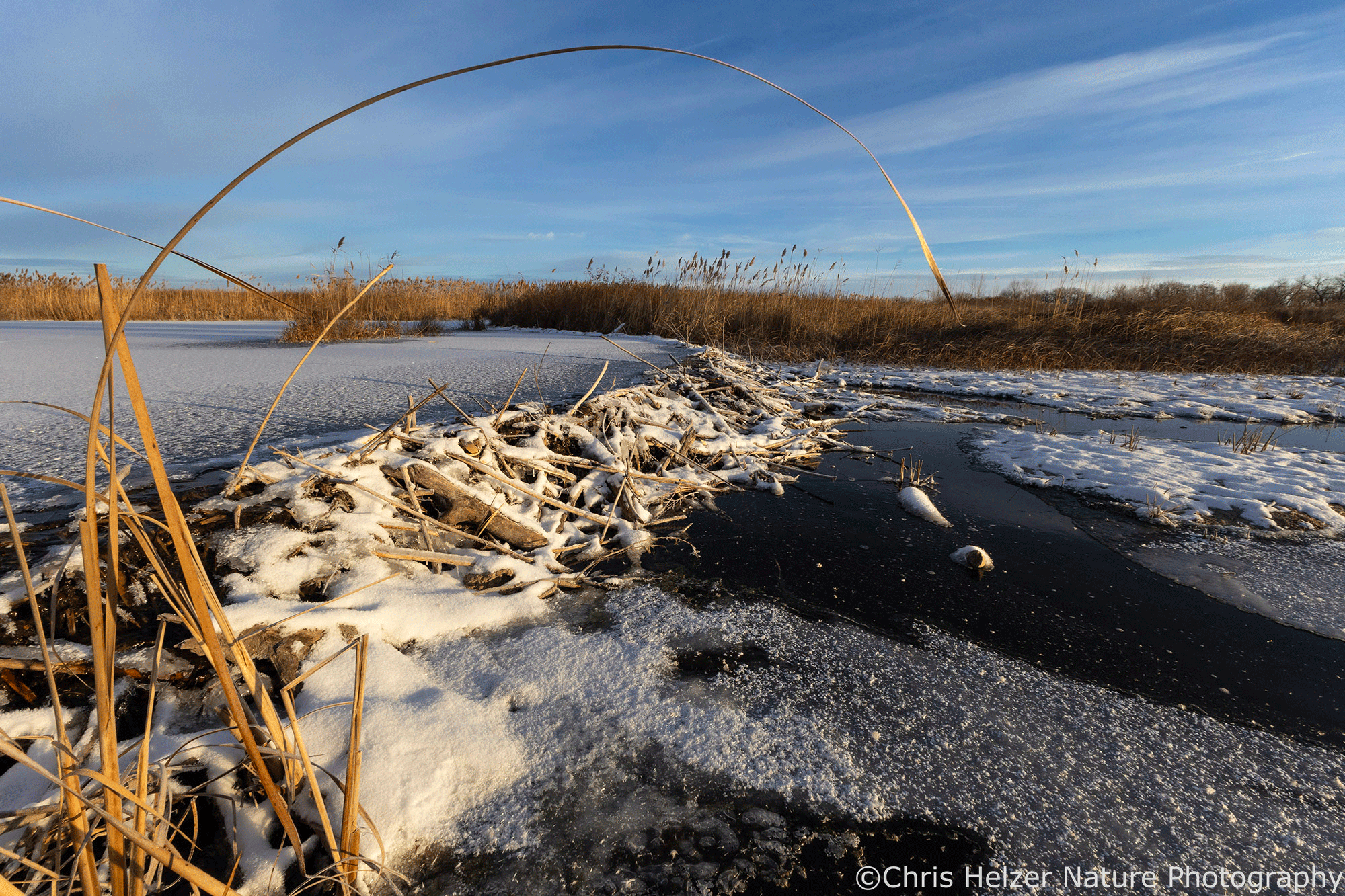
While the beavers are busily impounding water at the site, I also imagine they wished we hadn’t created quite so many potential paths for that water to flow. It takes a lot of dams to hold water back, and even then, there always seem to be little streams that find their way around those structures. If I was a beaver, that would feel pretty frustrating, I think. As an ecologist, though, I think that habitat variety is great!
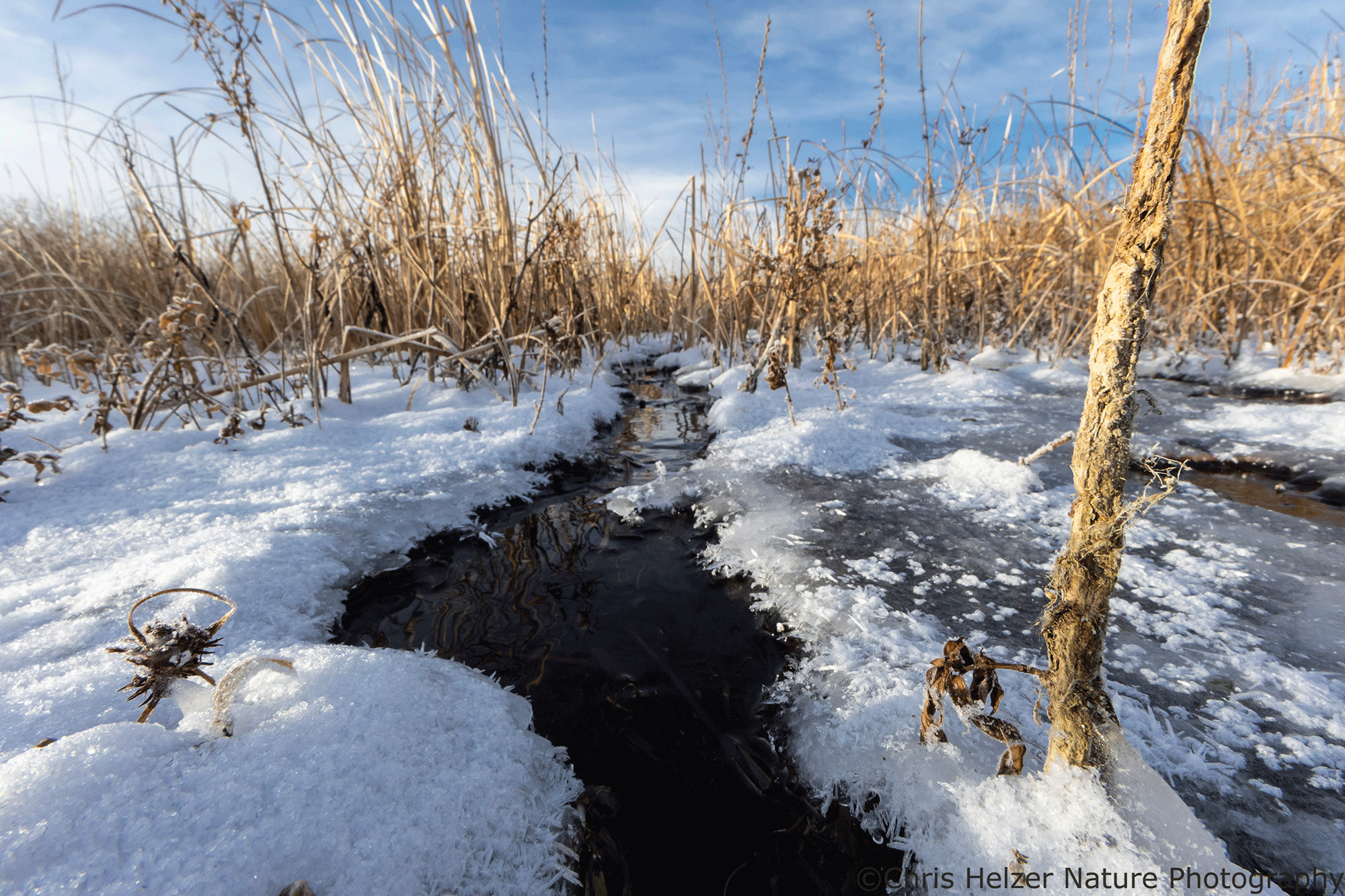
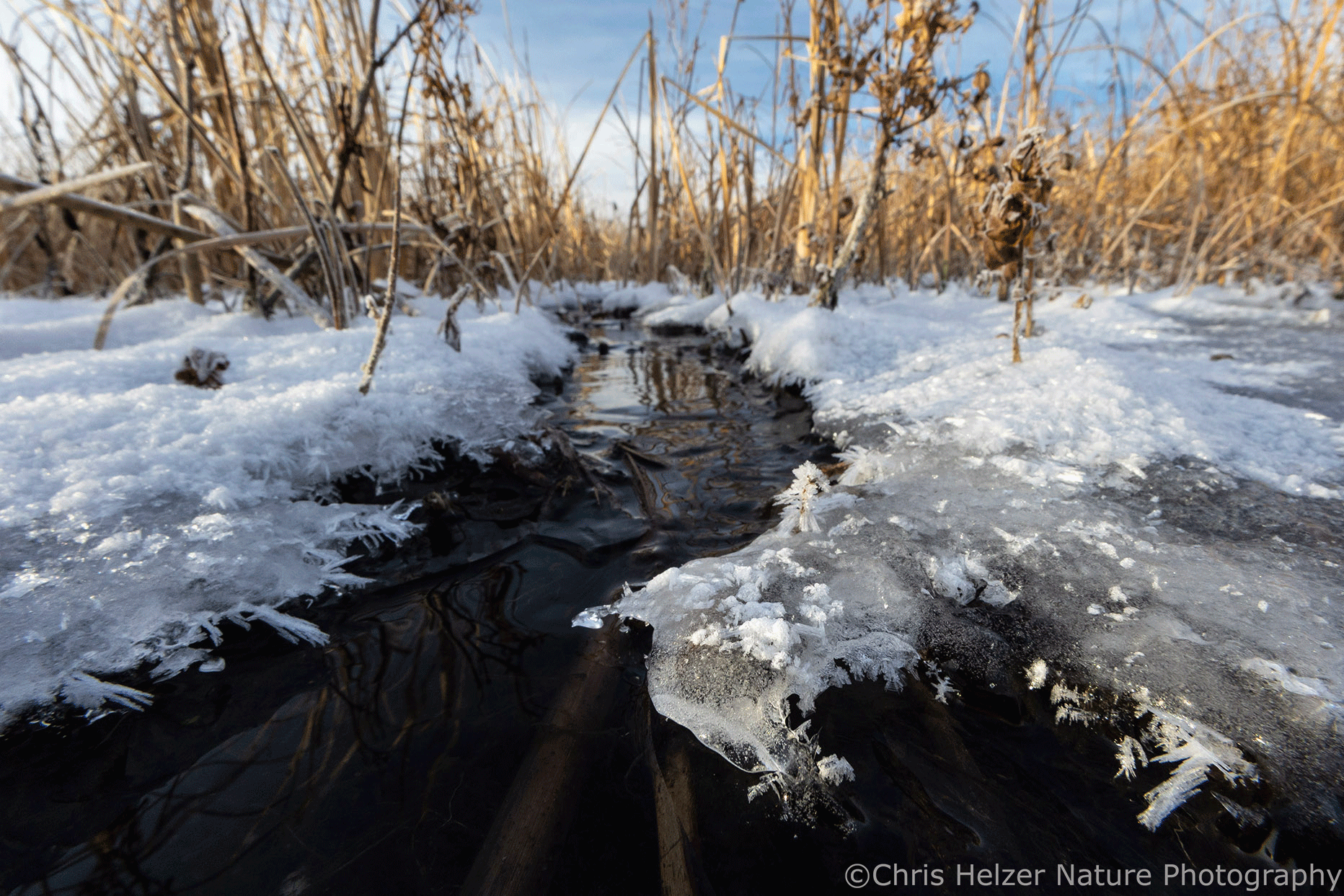
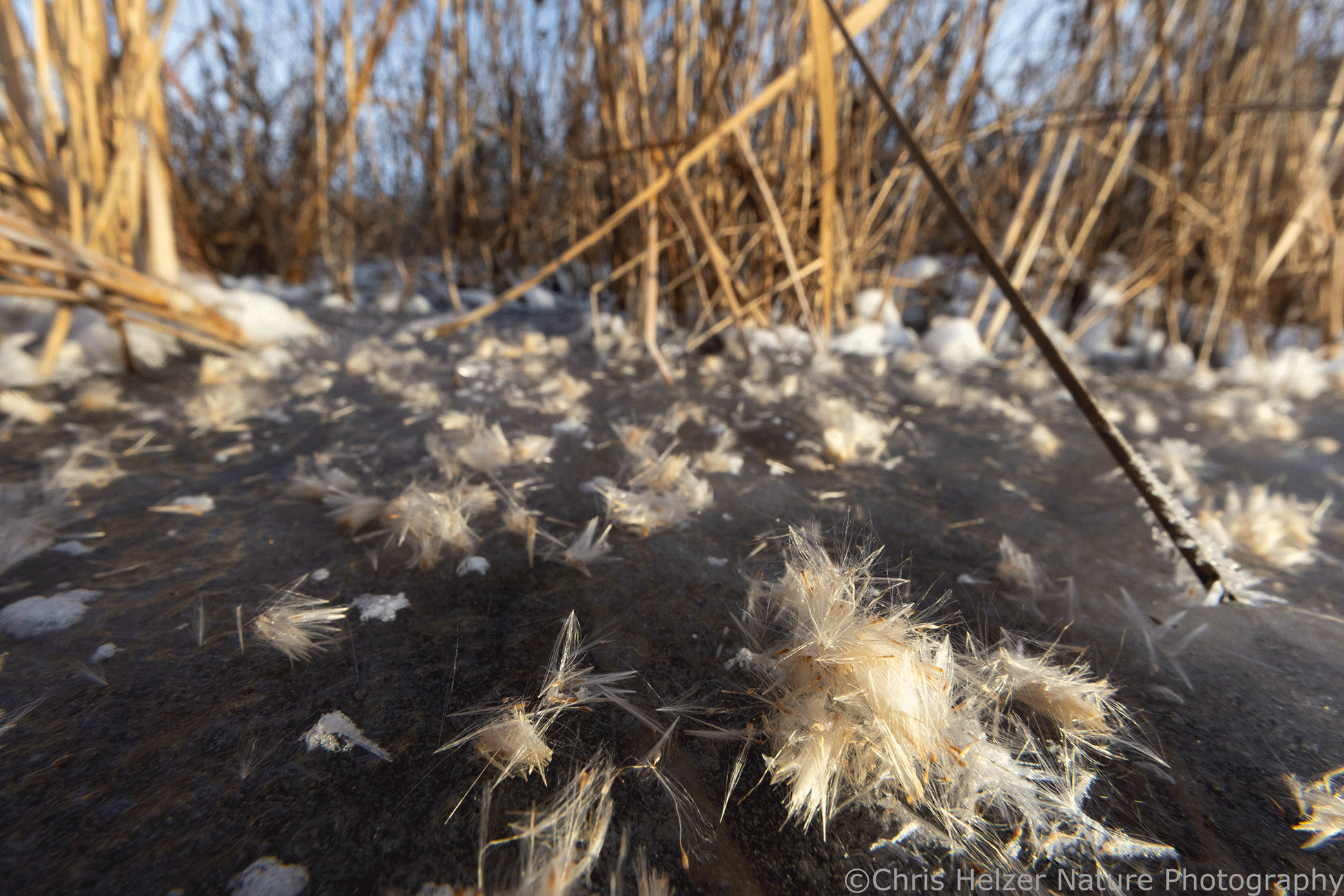
Much of my time on the ice, during both my morning visits, was spent photographing frost accumulated on plants near the surface of the ice. I’ve had days with much more frost than I saw this week, but after many months of no frost at all, I was perfectly happy. Winter is a tough time to find wildflowers and insects to photograph, so frost (and ice bubbles – coming soon, I hope!) help keep me entertained.
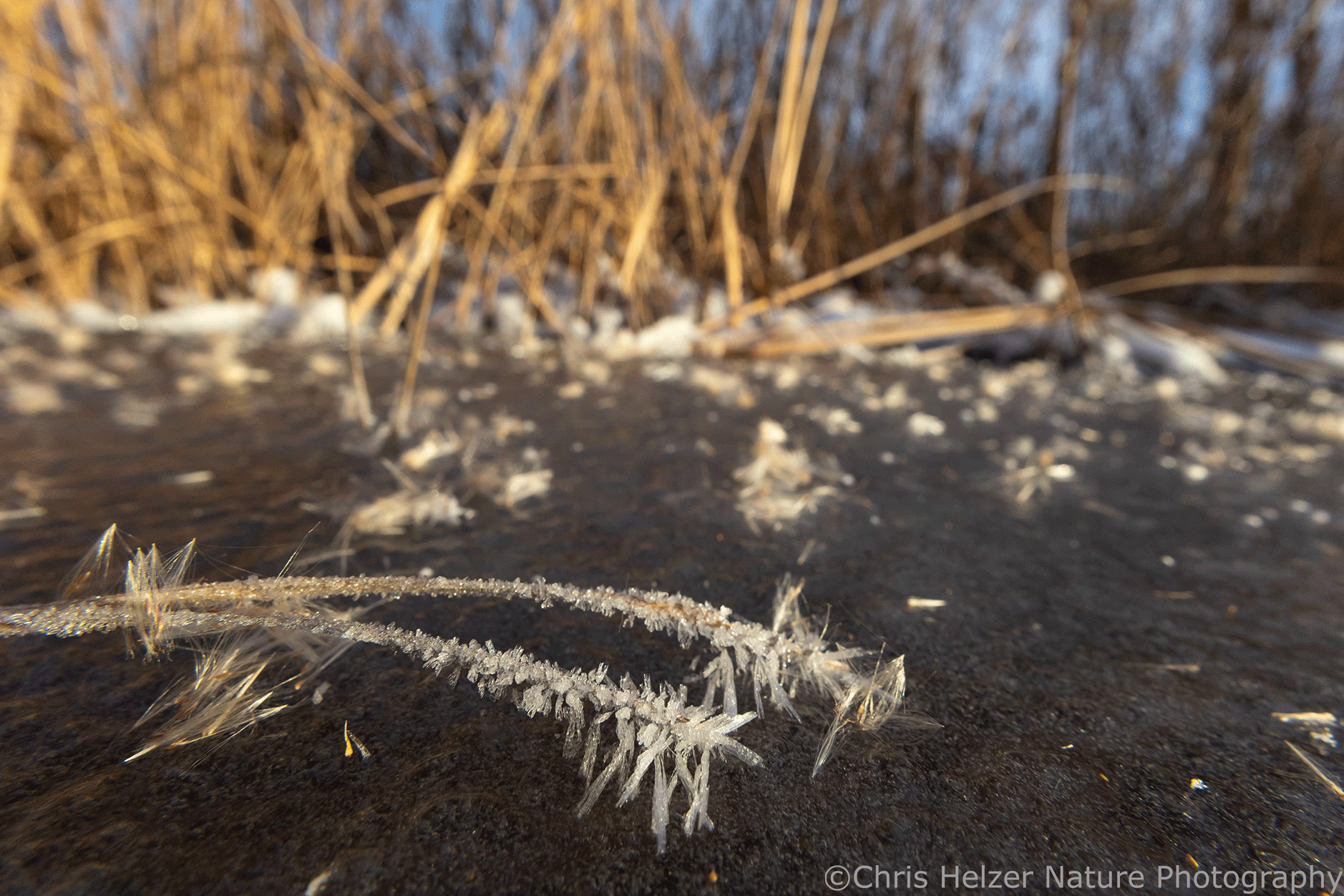
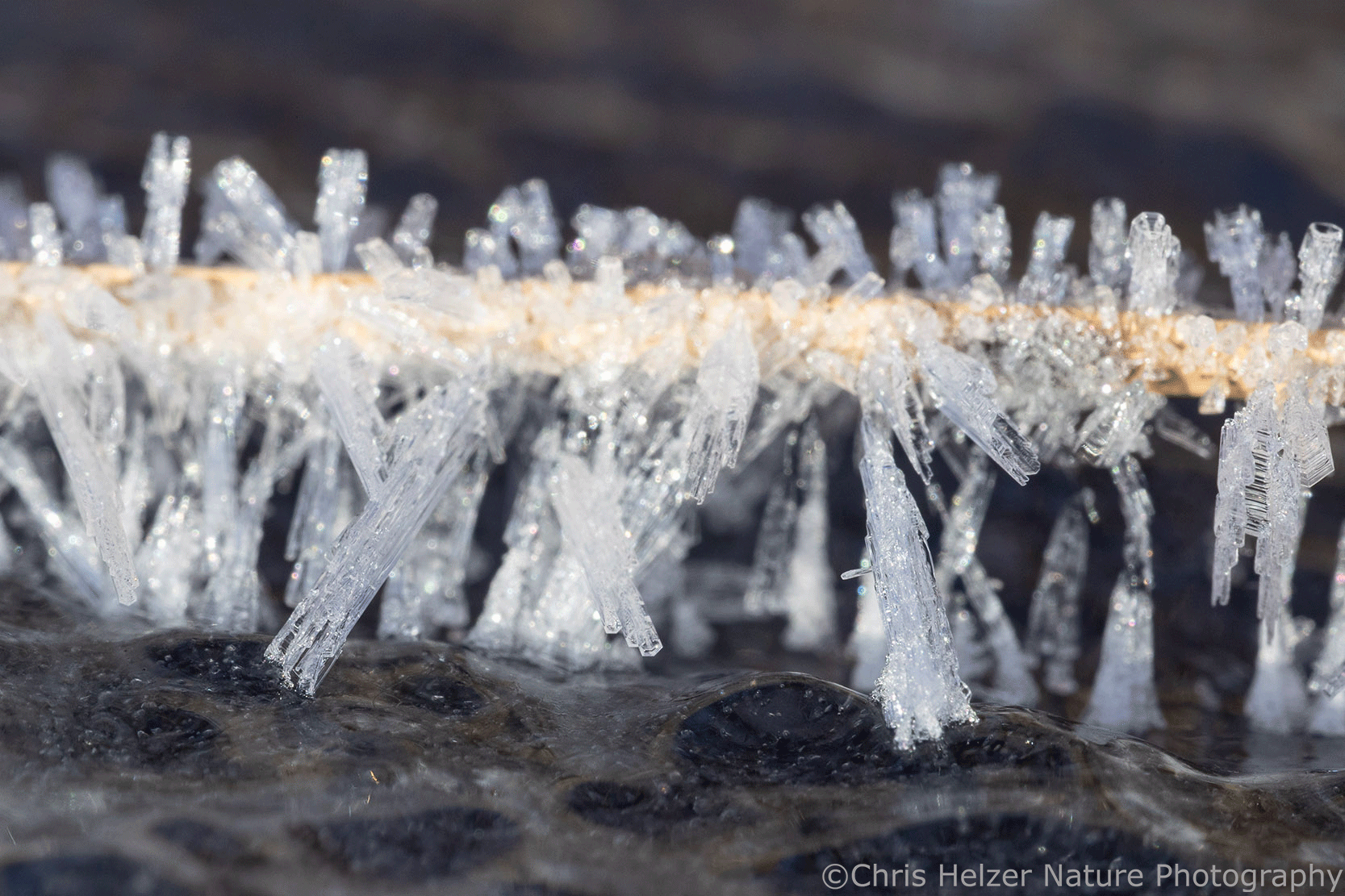

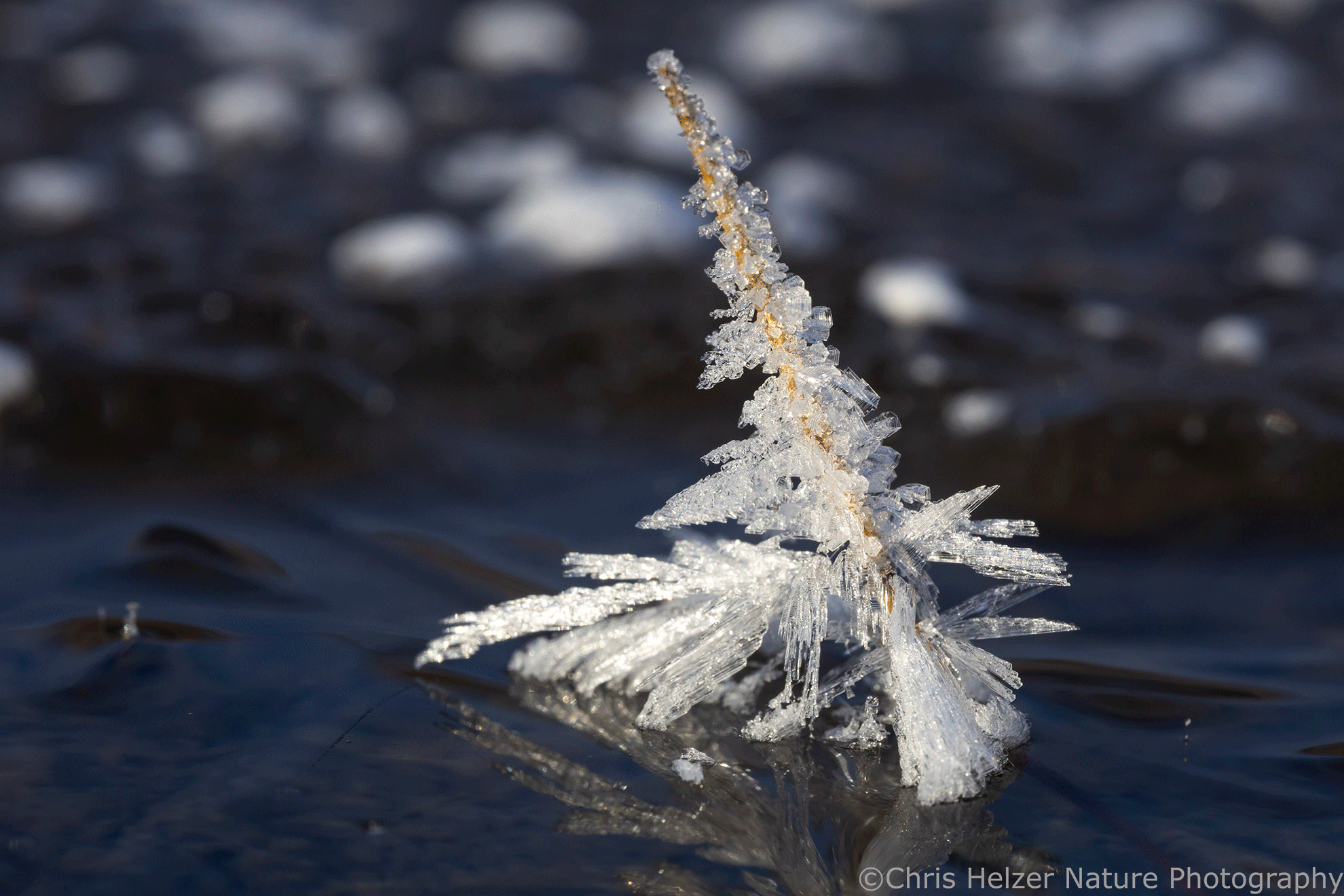

I recognize that not everyone enjoys getting up early on frigid days to go slide around the ice looking for interesting frost accumulations to photograph. My family members, for example, have never shown any interest in joining me. That’s fine. Too many people on the ice would probably be a bad idea anyway.
However, if you’re looking for a way to get some fresh air this winter and you live in a place with frozen wetlands, I do recommend them as a place to explore. There’s always something interesting to see if you look closely. Just keep your weight spread out and be kind to the beavers.
 The Prairie Ecologist