Photo of the Week – April 27, 2012

Blue Wild Indigo.  I’m not sure there’s a more distinctive spring flower in the prairie.  It’s hard to imagine confusing it with any other species…

Also, it would be a great name for a band.
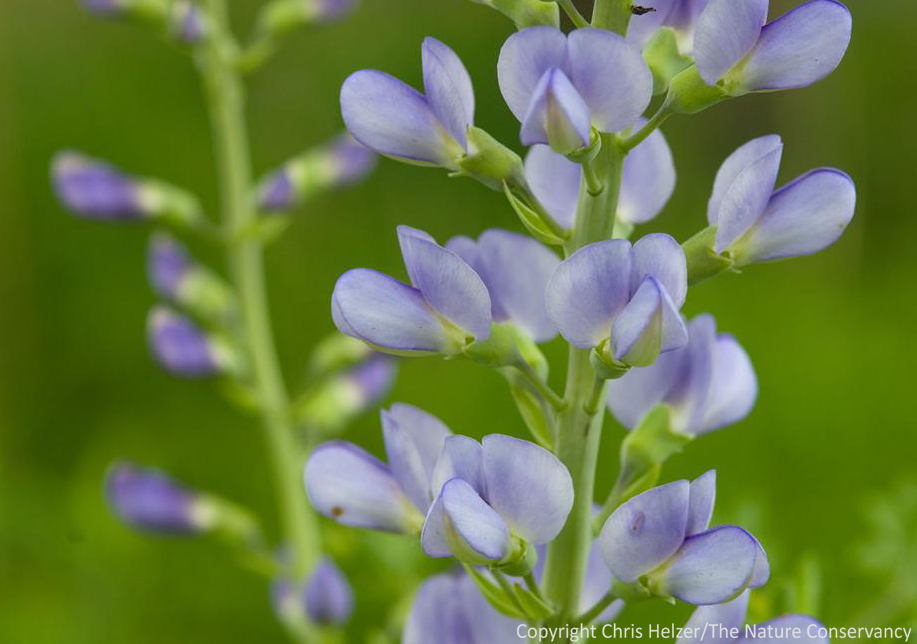
Blue wild indigo (Baptisia australis).

The species just barely makes it into Nebraska – it’s more common east and south of us.  The above photo was taken at my in-laws’ prairie garden where I planted some Kansas seed many years ago.  I know there are Flint Hills (Kansas) prairies where this species blooms in abundance – I’ve yet to see that in person, but would really like to.

This is an old photo, not one from this season.  I think it’s a little early for it to be blooming, but with the exceptionally warm spring, maybe it’s in flower now?  Anyone seeing it down in Kansas or Missouri?

.
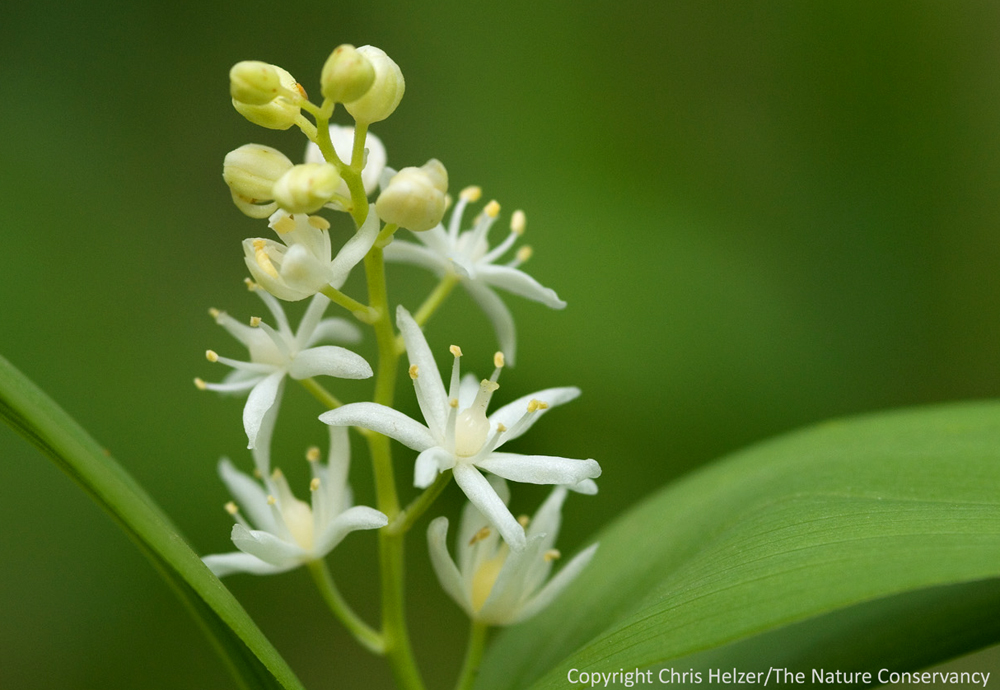
Photo of the Week – April 19, 2012

We’ve been a little short on April showers this spring, but the warm weather is bringing on plenty of flowers.

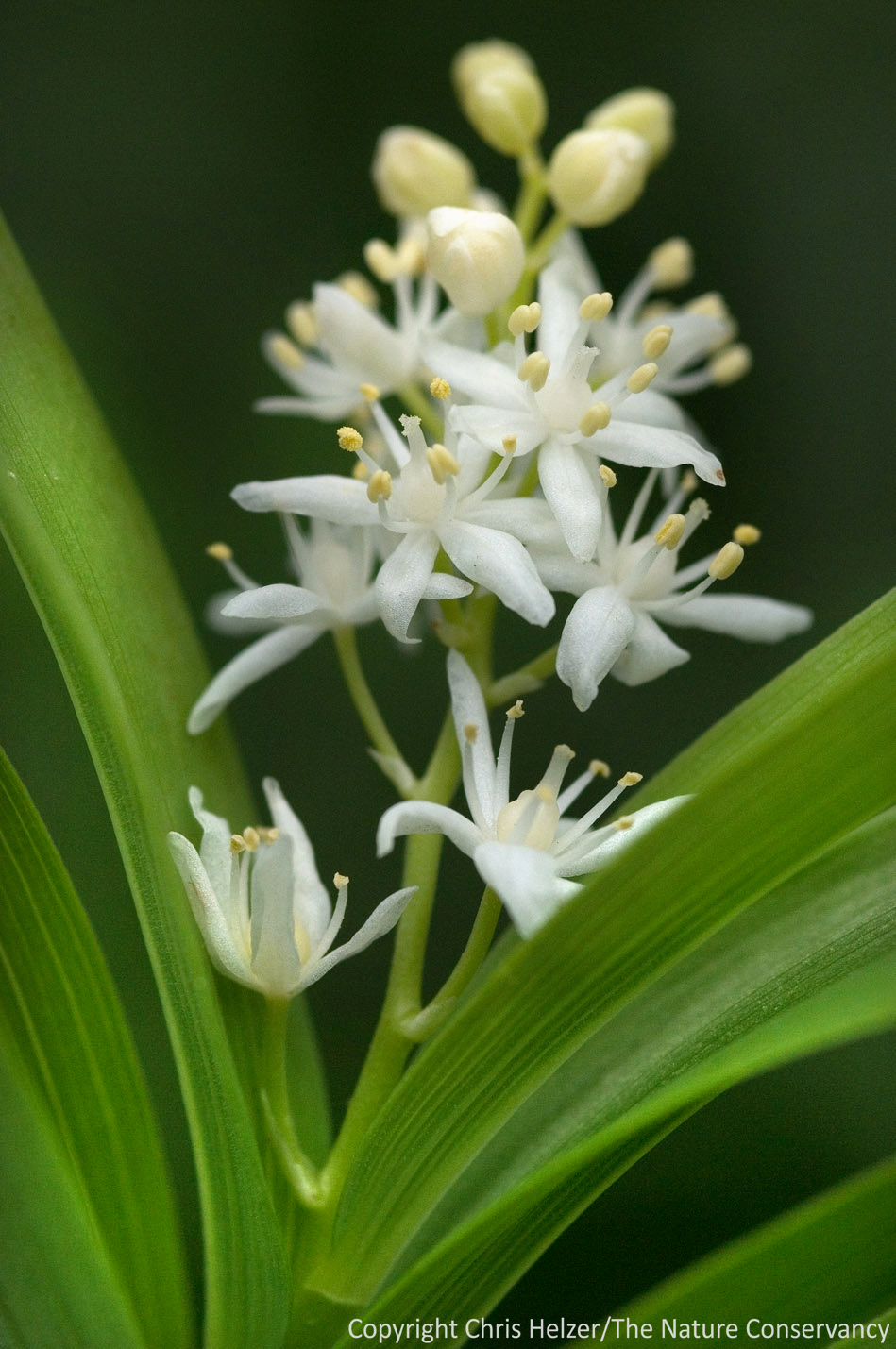
False Solomon's seal flowers.

The little prairie garden in our yard is greening up much faster than it normally does.  Today, the False Solomon’s seal was blooming, and the thin clouds overhead made good conditions for photography.  White flowers can be tricky to photograph because it’s difficult to keep the white from washing out, even in diffused light.  To compensate, I underexposed the photos (made them look a little darker than I normally would) and then brightened them carefully with Adobe Photoshop.

False Solomon's seal. Aurora, Nebraska

False Solomon’s seal (Maianthemum stellatum) is a widespread species that occurs across most of North America.  In Nebraska, it is found in both grasslands and woodlands.  Along the Platte River, I see it both on the tops of sand ridges in lowland meadows, as well as in the nearby cottonwood woodlands.  It’s also common in the oak woodlands in the eastern part of the state.

False Solomon’s seal is named for its similarity to the true Solomon’s seal (Polygonatum biflorum), which does have a somewhat similar appearance, but the flowers of true Solomon’s seal emerge from the axils of the leaves rather than from the top of the plant.