
I spent several days at the Niobrara Valley Preserve this week engaged in long brainstorming discussions about conservation and land management. It was invigorating, but we basically worked from dawn until dusk, so I didn’t have much time to wander with my camera during daylight hours. Working from dawn until dusk, of course, isn’t that hard this time of year, since the days are so short.
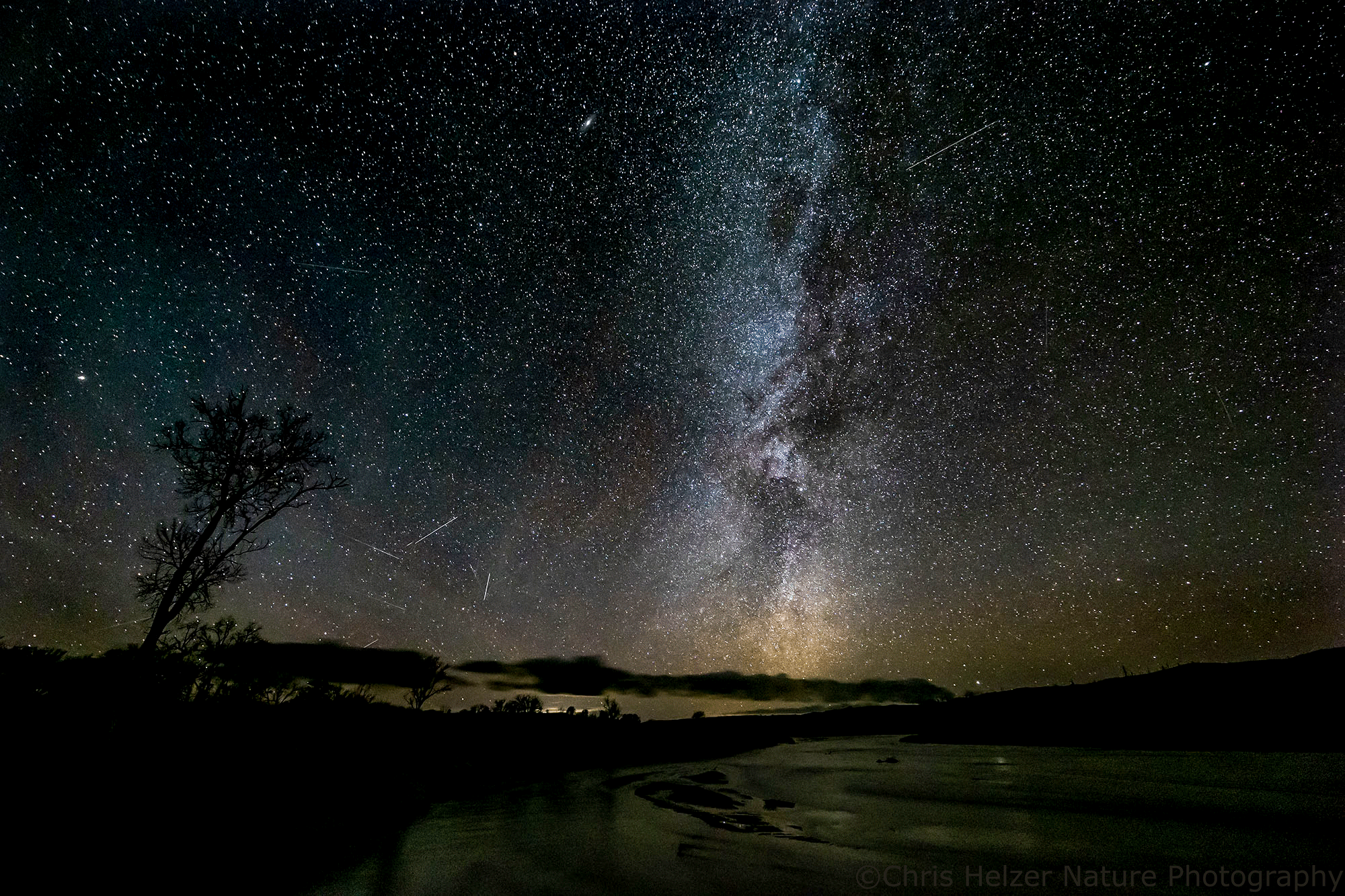
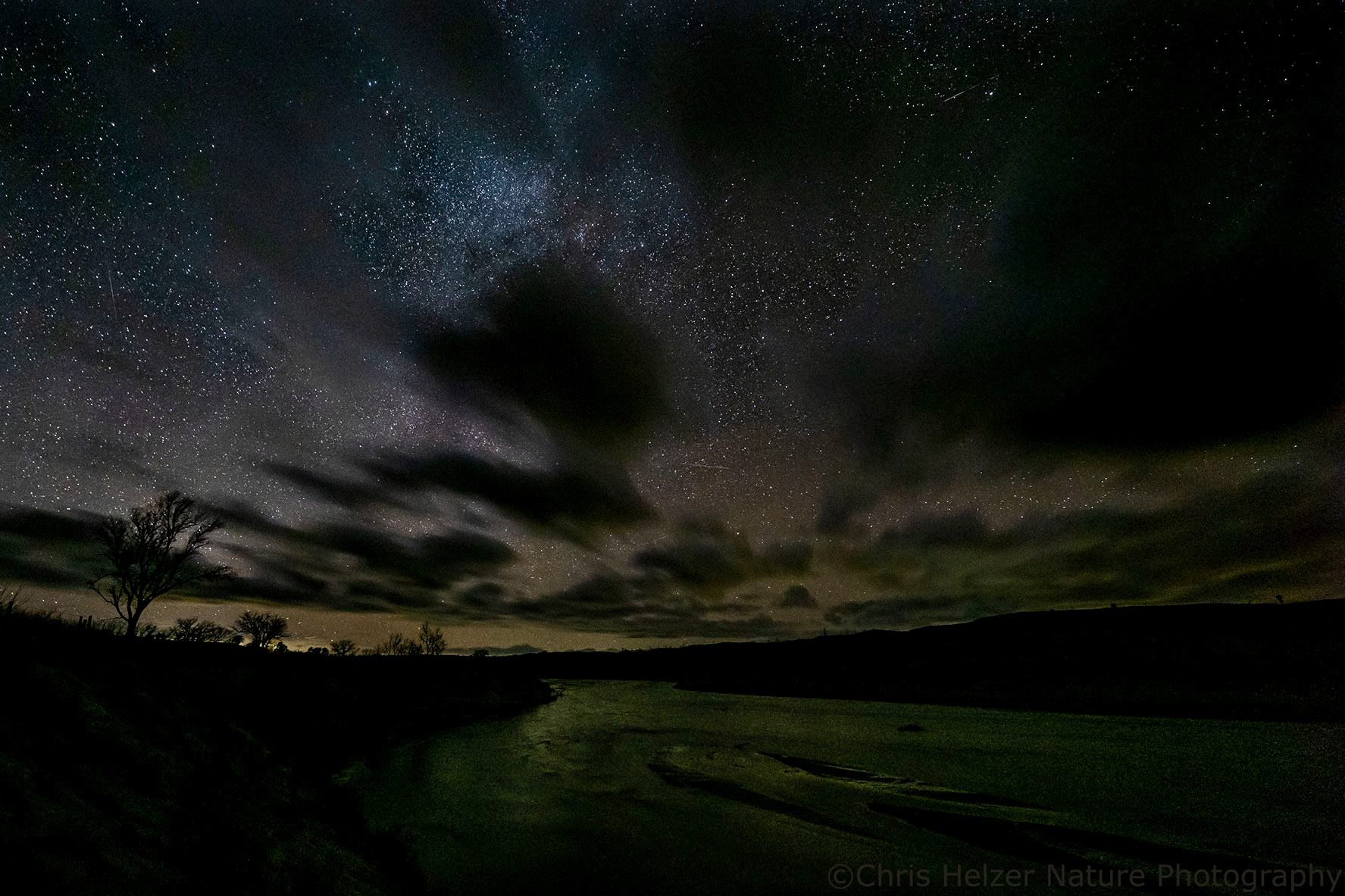
After dark, the stars came out and I jumped at the opportunity to get outside and photograph them. That happened all three nights I was there, though one night I had to wait for the clouds to break up before the stars showed themselves. The Niobrara Valley Preserve is far from towns or other sources of light, so it’s a great place to see the Milky Way. It’s always nice to be there when skies are clear and the moon isn’t around.
It was fun to practice my star photography, but it was even better to have some quiet time to just stare at the sky and think about the universe. The sound of the river gooshing past me, a lone screech owl, and periodic conversations among distant Canada geese were all that broke the silence of the night. The time went by quickly.
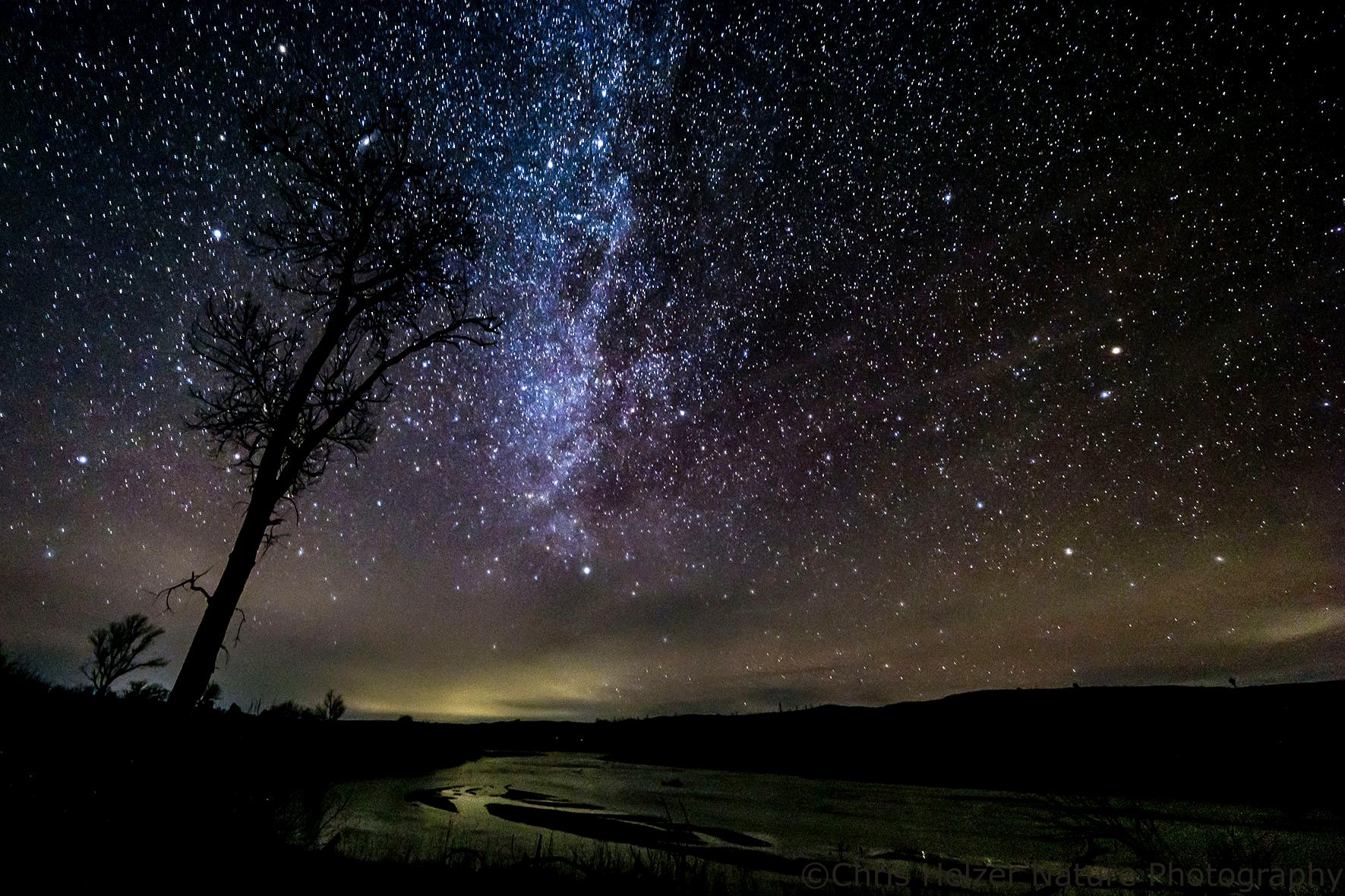
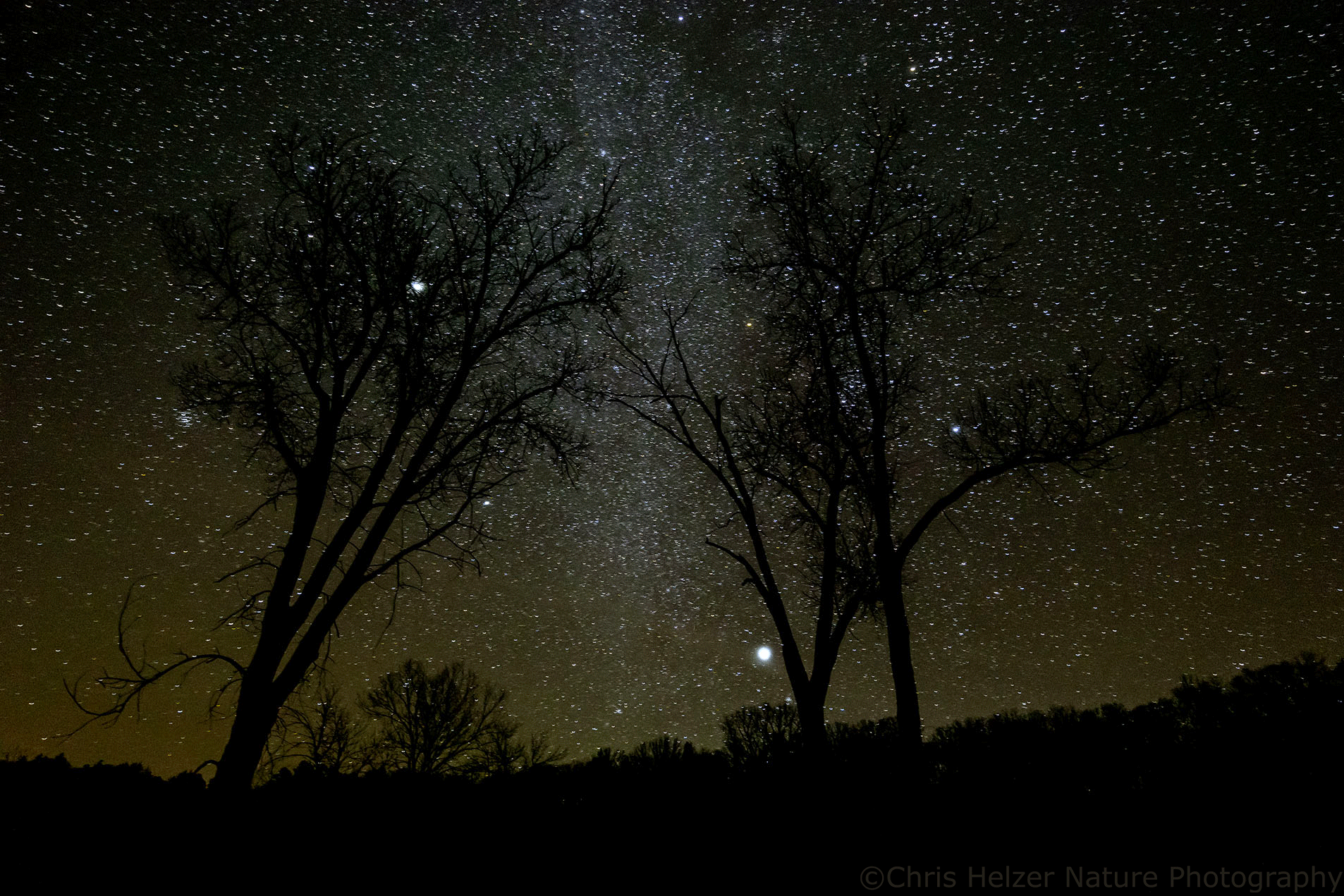
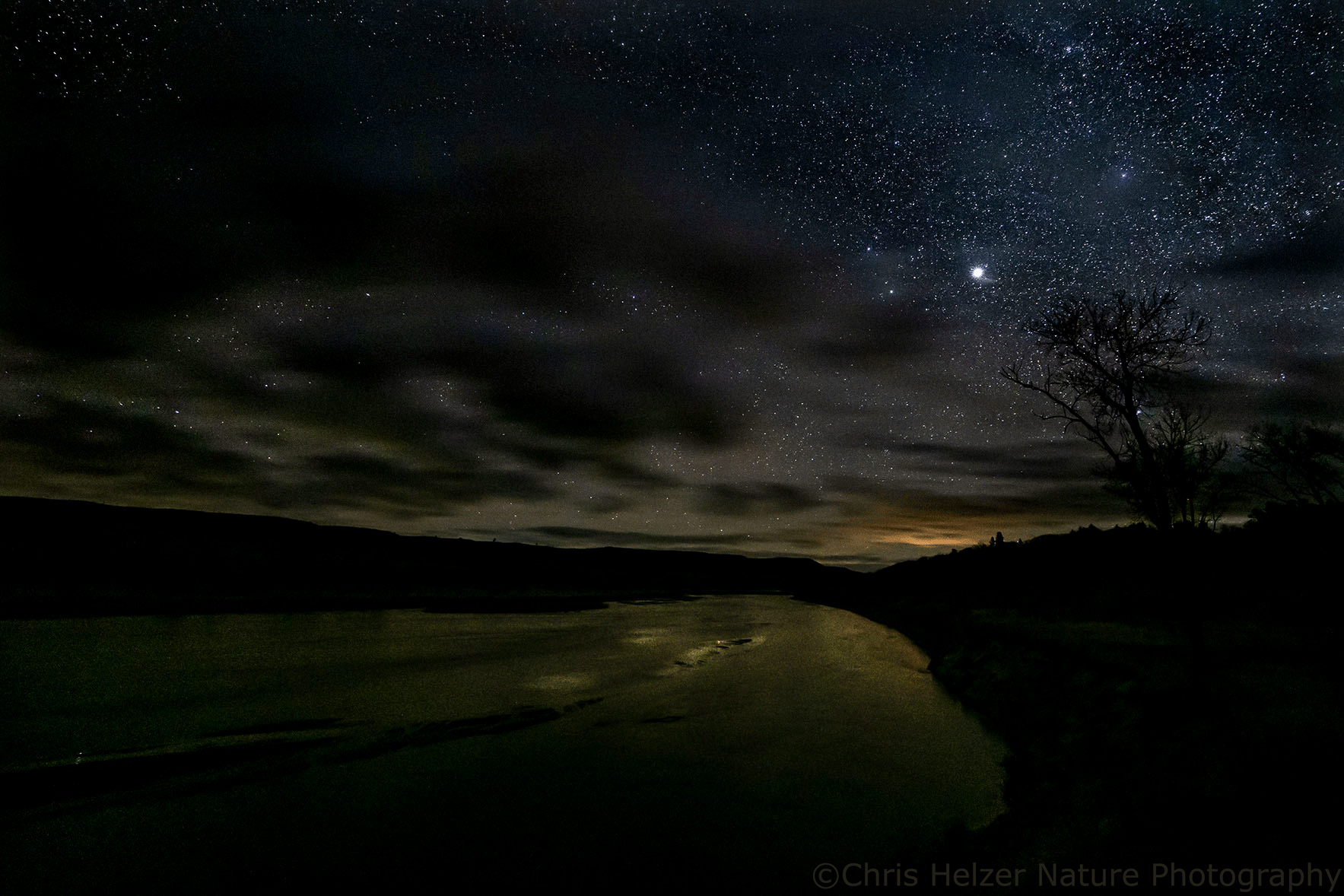
I don’t photograph stars often enough to feel confident in my process and I was also trying out a new lens (Canon 14-35 f/4 L). Having three nights in a row to practice was helpful. The first photo in this post is my favorite and was taken on the last night. Even that one makes me wish I’d played around a little more with exposure time. Oh well. The stars will come out again and I’ll get some more practice then. Hopefully, the screech owl will be around, too.
I hope you enjoy these. If you want to look at them with more clarity and light, click on the photo to see a bigger, better version. If you’re reading this in your email, you’ll have to click on the title of the post to open it online before you can click on photos.

 The Prairie Ecologist