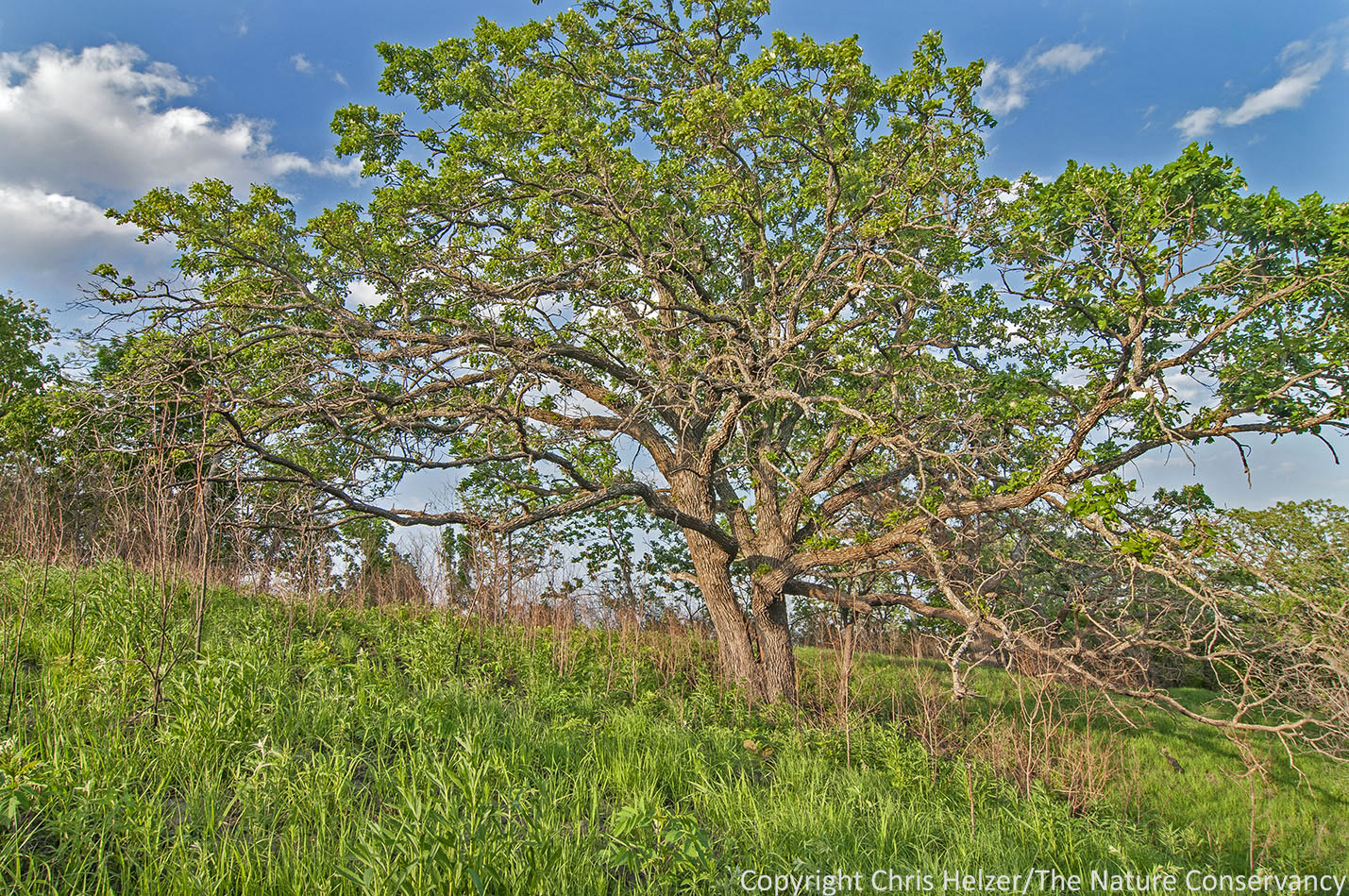
I made another trip up to Griffith Prairie last week. It looked pretty much as it had the week before – still lots of ragwort blooming – but the photographs I returned with were very different. This time, I came home with a bunch of photos of dumb invertebrates.
(I don’t mean that invertebrates as a group or concept are dumb, rather that the particular individuals I photographed seemed not to be very smart or savvy. I’ll explain in a minute.)
Since I’d spent quite a bit of time photographing landscapes on my previous visit, I decided to put my macro lens on the camera and look for insects this time. It was immediately clear that the long winter had dulled my insect photography skills…
First, I had to get my brain refocused on the idea of finding small creatures. That part actually came back fairly easily. Second, however, I had to work on my approach once I spotted those small creatures (come in low and slow). I started by tracking some damselflies that were flitting just ahead of me as I walked. I’d wait for one to land, then creep slowly toward it. Unfortunately, just as I’d set my tripod down and lean forward to focus, the damselfly would fly about 2 feet further away and I’d have to repeat the whole process. That highlighted the third aspect of insect photography I had to recapture… patience.
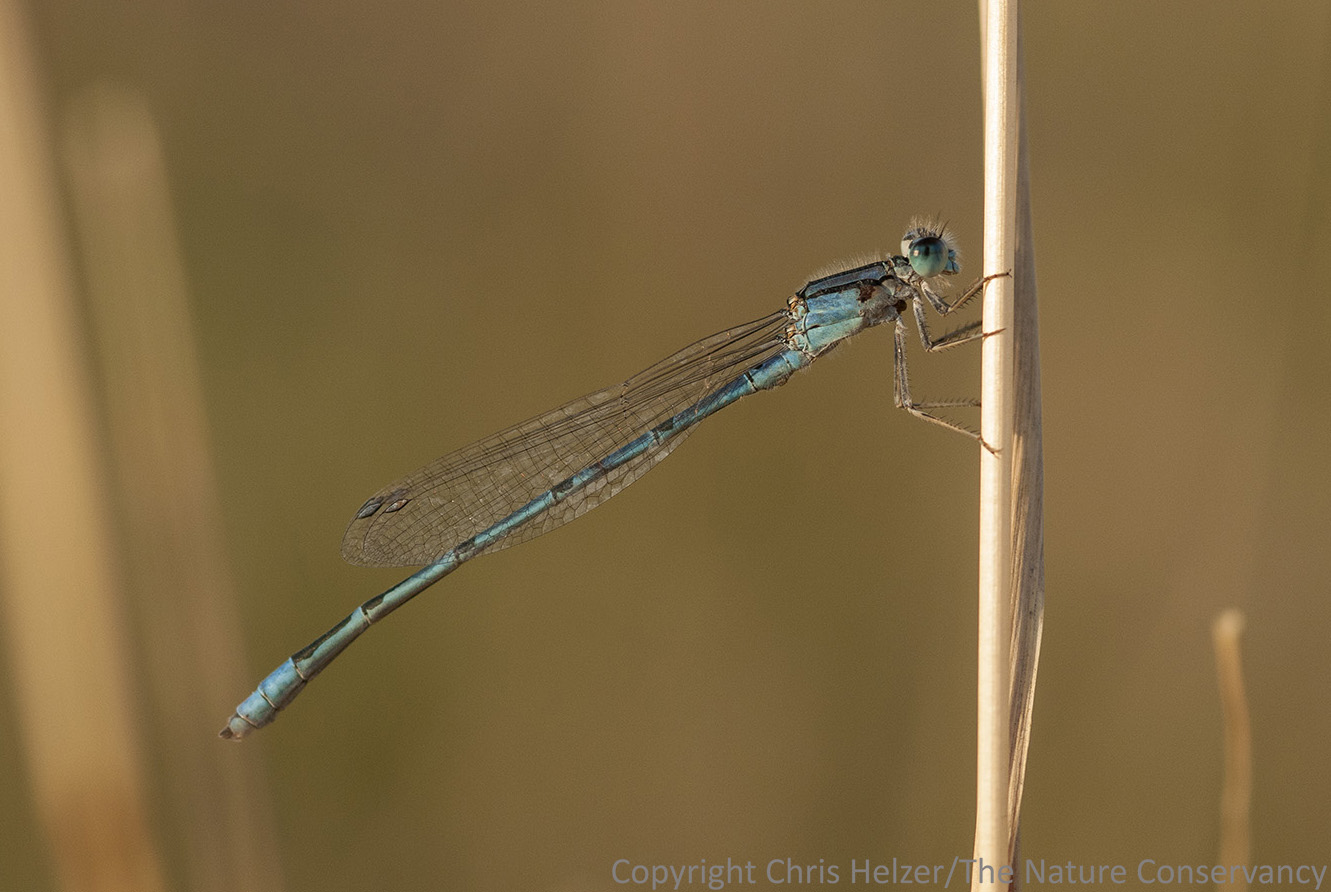
This was not the first damselfly I tried to photograph…just the one that finally let me get close enough to get a picture of it.
I did finally manage to get a photo of a damselfly. I think it was a matter of following several different ones until I found one that wasn’t as skittery. Of course, that’s probably a bad sign for the potential survival of that individual damselfly, since skittery is a good tactic to avoid predation. I often wonder whether the insects I photograph are the ones that are not long for the world…
This returns us to the “dumb insect” topic. Do you suppose smart insects look different from dumb ones? I’ll probably never know because the only invertebrates I can photograph are the ones that are too dumb to run, jump, or fly away!
Here is a selection of some of the invertebrates that hung around on ragwort flowers long enough for me to photograph them last week. I wish them the best, of course, but I’m not optimistic about their long-term survival…
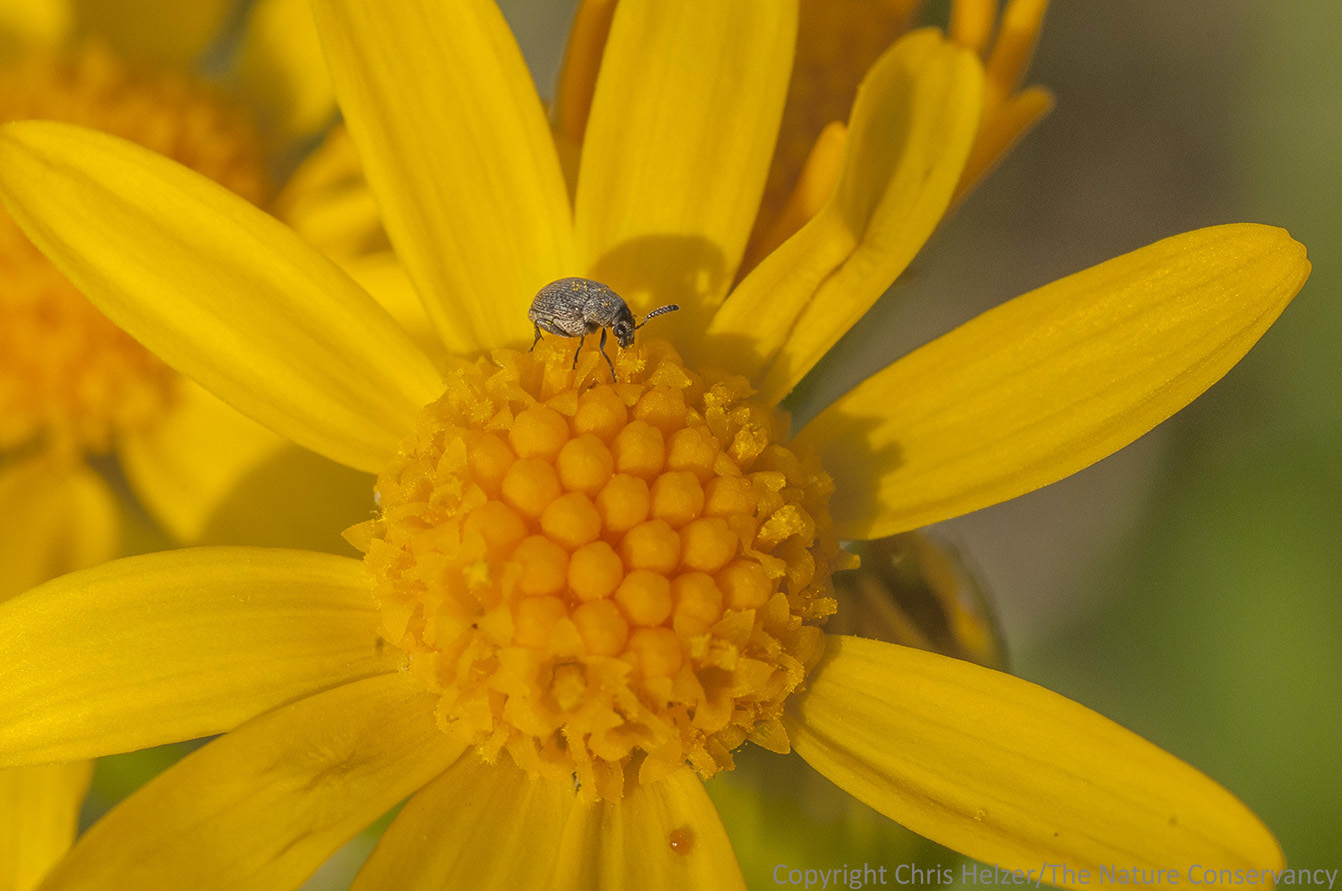
This tiny beetle species was on several ragwort plants. All of the other similar-looking beetles turned away or jumped to safety when they saw me coming, but this one didn’t. It appeared to be enjoying its pollen dinner too much to bother running away. It’s probably inside a bird or spider by now.
.

Not a very smart little fly…
.
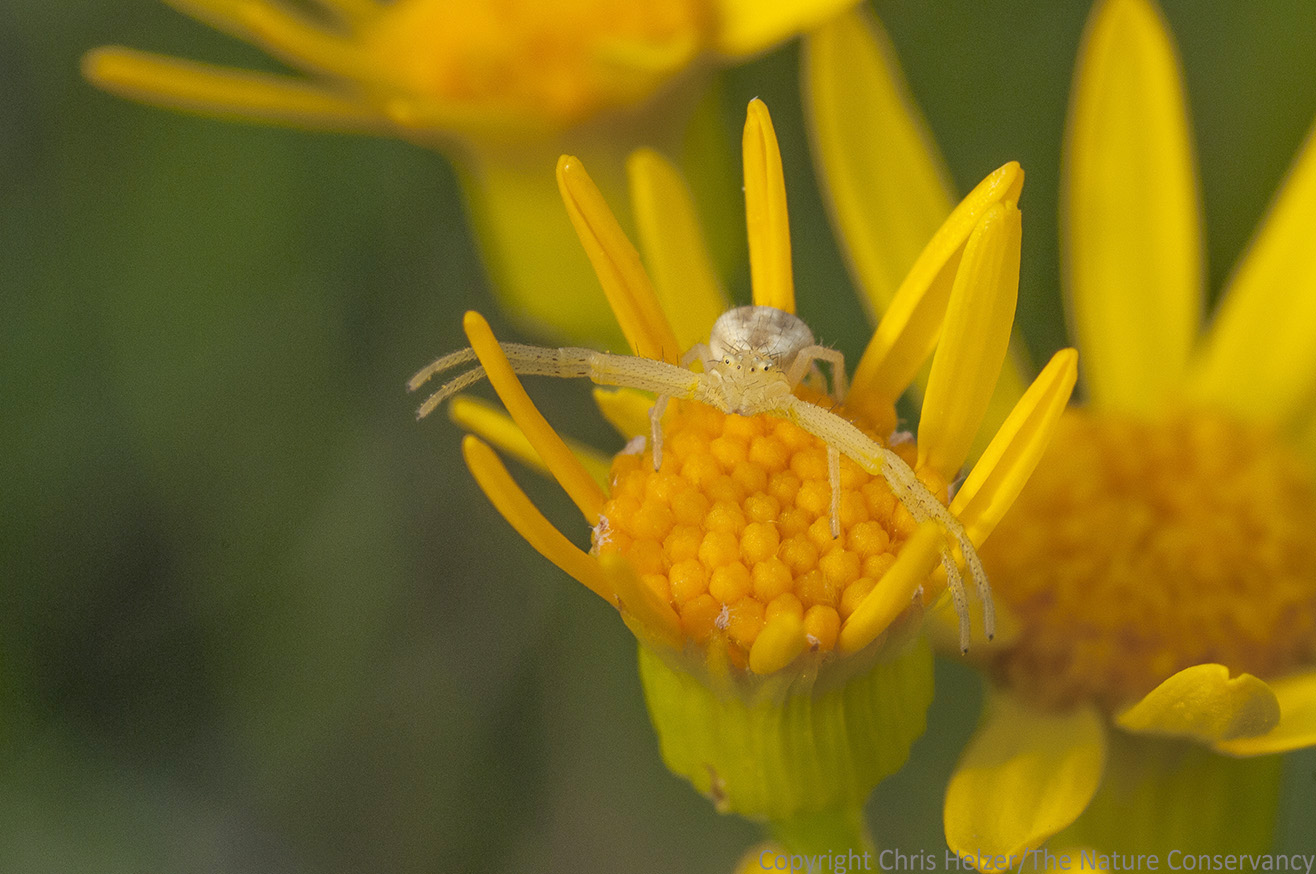
I must have seen two dozen crab spiders before I got this photo. All the rest of them crawled beneath the petals when I approached, or dropped to the ground if I kept coming. This one just sat there.
.

I was able to photograph several individuals of this bug species (a true bug – Hemiptera). Maybe the whole species is not so smart?
It was pretty neat to see the diversity of insects and other invertebrates using this one species of wildflower. There were quite a few more than I’m showing here because most of them didn’t stick around long enough to be photographed (the smart ones). I’m grateful to those that did.
…and I bet there are some grateful predators out there too.