
Managing grasslands for biological diversity and resilience depends a lot on habitat heterogeneity. Every plant and animal in the prairie has its own needs and preferences related to factors like vegetation height and density, diversity of blooming flowers, the amount of exposed bare ground, and many others. To provide for all those needs, we have to manage in a way that provides all those habitat types.
Even more, we want to manage so that those various habitat types occur in different places each year in a kind of shifting mosaic of habitat patches. That allows mobile creatures to move to where they want to live, hunt, forage, mate, etc. It also allows plants to experience the growth conditions they like best at least every few years. As a result, no species consistently wins or loses and everybody stays in the game (persists in the prairie).
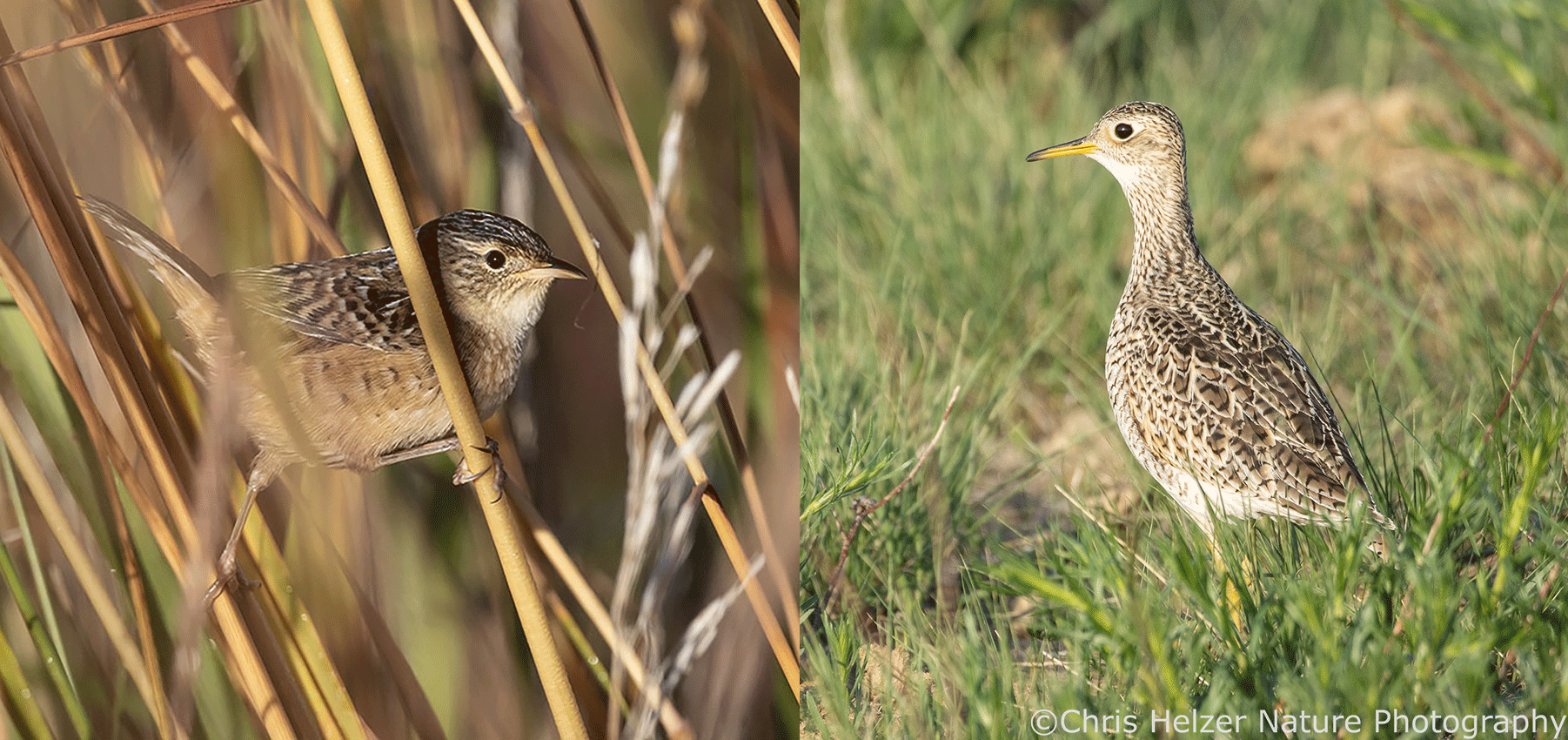
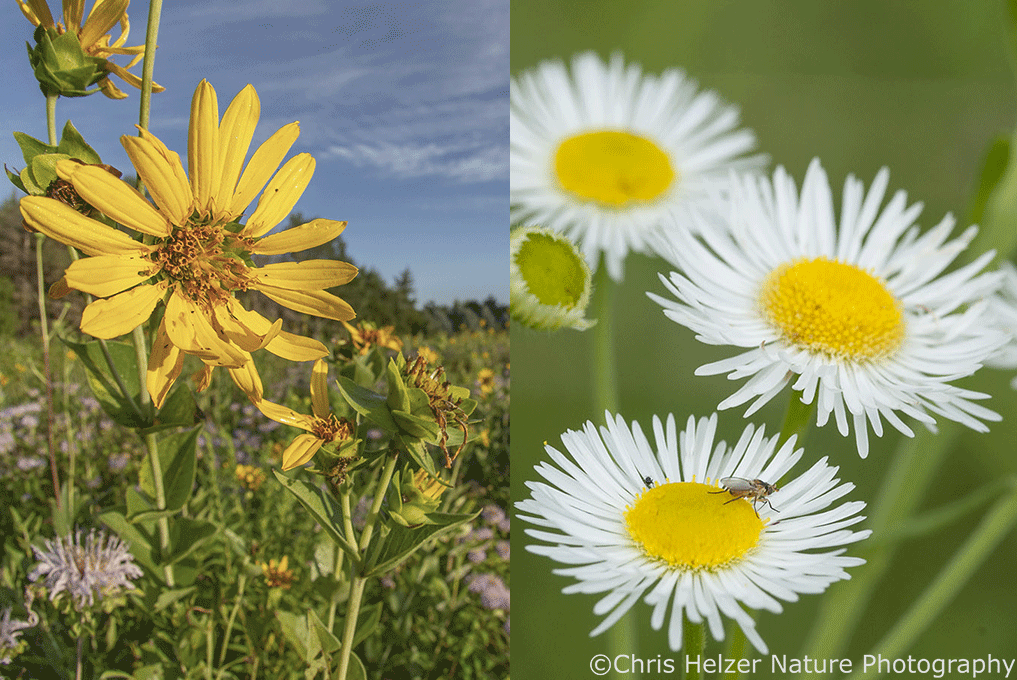
There are lots of effective ways to create this kind of shifting mosaic and support a strong diversity of plants and animals (and other organisms). Foundationally, it just requires managers to split a prairie into multiple patches each year and make sure that each patch is both different from its neighbors and different than it was the previous year. Mowing, burning, and grazing are all ways to manipulate habitat structure and growing conditions.
All of those treatments can be applied at any time throughout the year, giving you a lot of options to play with. In addition, if you mow, you can vary the timing and number of times you mow a particular spot during the season, but you can also adjust the mower height each time. Grazing is even more flexible because you can vary timing, intensity, and duration to achieve a wide variety of results. Fire is the least flexible, but even so, you can burn during any season, as long as you have enough fuel (dry vegetation) present to carry fire. You may also be able to take advantage of fuel and weather conditions to create either a complete burn or a patchy one, depending upon your preferences.
If both fire and grazing are options for you, patch-burn grazing can be a terrific way to create a shifting mosaic. Within a patch-burn grazed prairie, large grazing animals (e.g., bison or cattle) focus their grazing in recently-burned areas much more than unburned areas. Managers burn a new patch each year to move the grazing pressure and rest around the grassland. We usually burn around 1/3 to 1/4 of the total site, depending upon how many years it usually takes for burned/grazed areas to fully recover. In drier and/or less productive sites, recovery from being burned and then grazed all season takes longer, so we burn a smaller percentage of the total area each year. Within that basic framework, there are lots of options regarding stocking rate, timing and duration of the grazing period, and more – allowing you to tailor the general approach to your specific objectives.
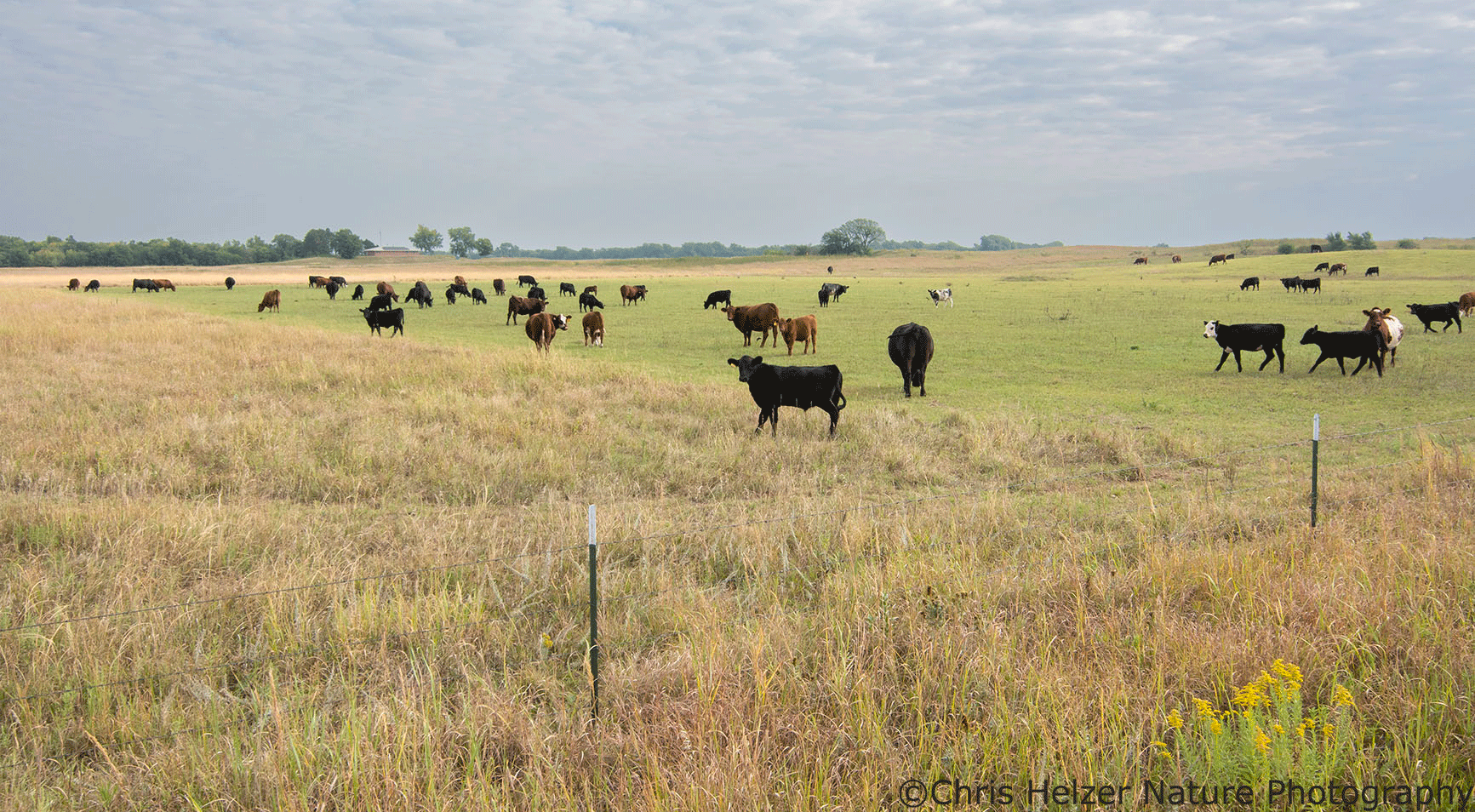
Patch-burn grazing, however, relies on frequent and consistent use of prescribed fire, which isn’t logistically possible for a lot of people. As a result, we’ve experimented with other approaches to “focal grazing” where we encourage grazers to do most of their grazing in one part of a larger grassland and then shift that focus patch around through space and time. One of those approaches is open gate rotational grazing, which takes advantage of the kind of fence and water infrastructure most ranchers already have, but creates more heterogeneity than most rotational grazing strategies. This summer, we’re testing virtual fencing as a way to influence cattle grazing patterns, and have a lot of optimism about that technology as well.
An additional method we’ve used over the years, and (finally) the topic of this post, is something we call patch-hay grazing. It’s not very complicated. It’s really just patch-burn grazing, but instead of burning, we cut hay where we want to focus grazing pressure. As with patch-burn grazing, the key is to create an area where fresh, nutritious grass growth, without any standing dead vegetation, lures grazers in and encourages them to spend most of their grazing time in that patch.
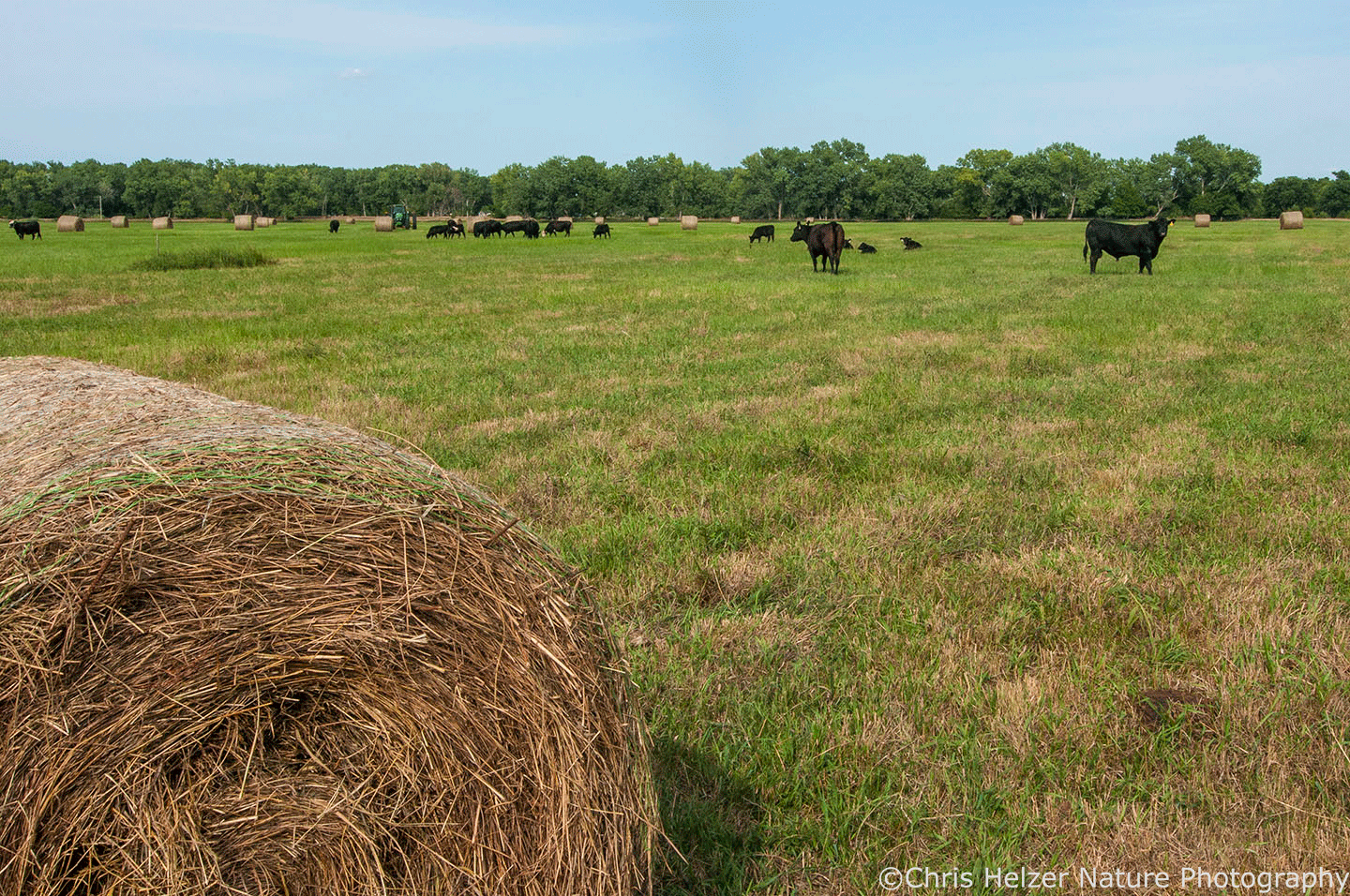
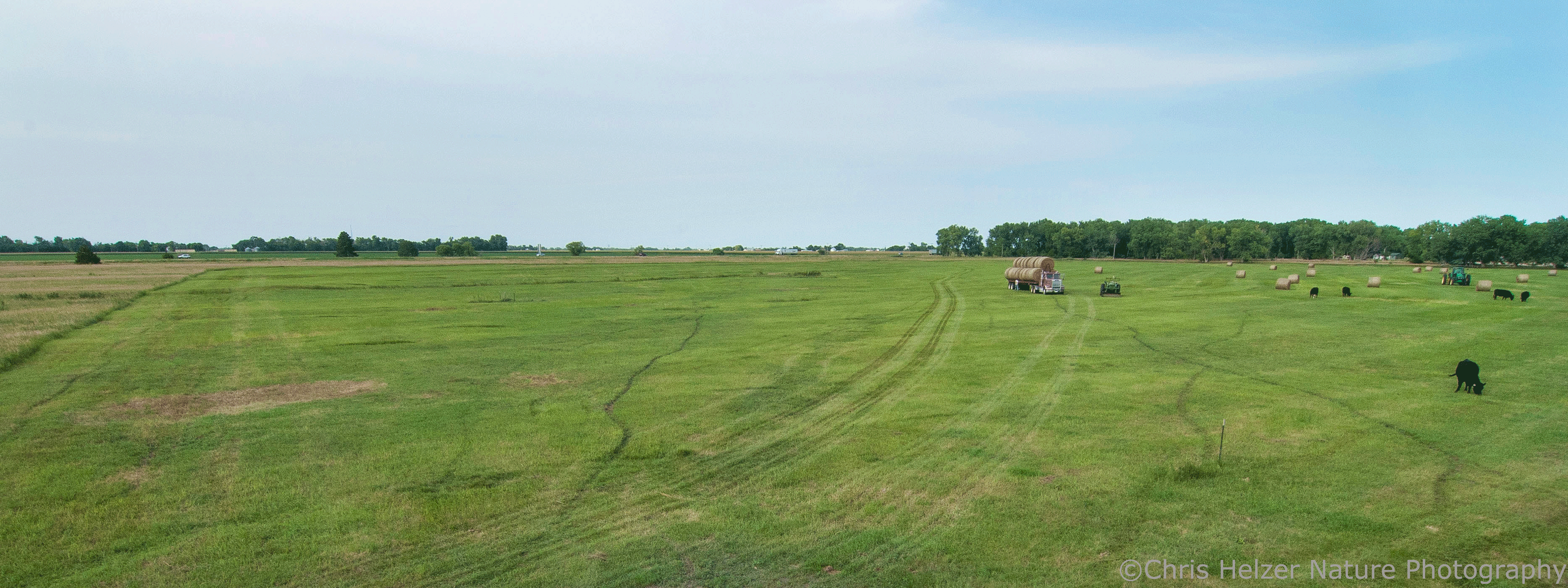
The results we’ve seen with patch-hay grazing have been very similar to patch-burn grazing, though we are still experimenting and learning. Both cattle and bison gravitate toward recently hayed areas and spend the majority of their time grazing there. That leaves the unhayed areas mostly ungrazed.
We’ve cut hay at various times of year across the growing season and have seen good success with everything we’ve tried. I’d say the biggest concern we’ve run into is that if we cut hay too late in the summer (e.g., late August), especially if we have a dry autumn, there isn’t always enough regrowth to lure grazers in. When that happens, they wander around and create small grazing lawns distributed across much of the pasture. The next spring, they tend to start on those small patches again instead of focusing solely on the hayed area. It’s not terrible, but the grazing isn’t as concentrated as we’d like.
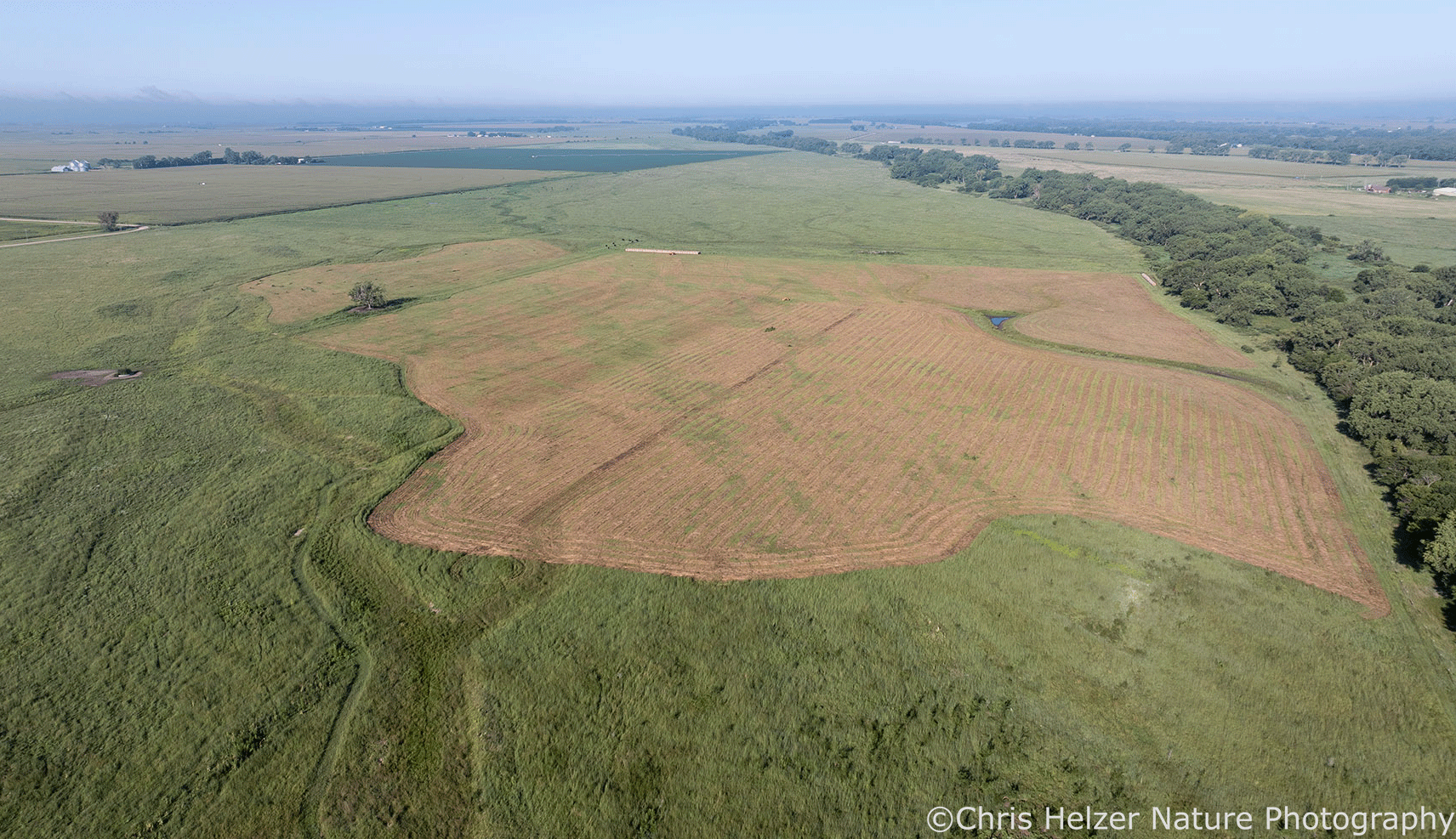
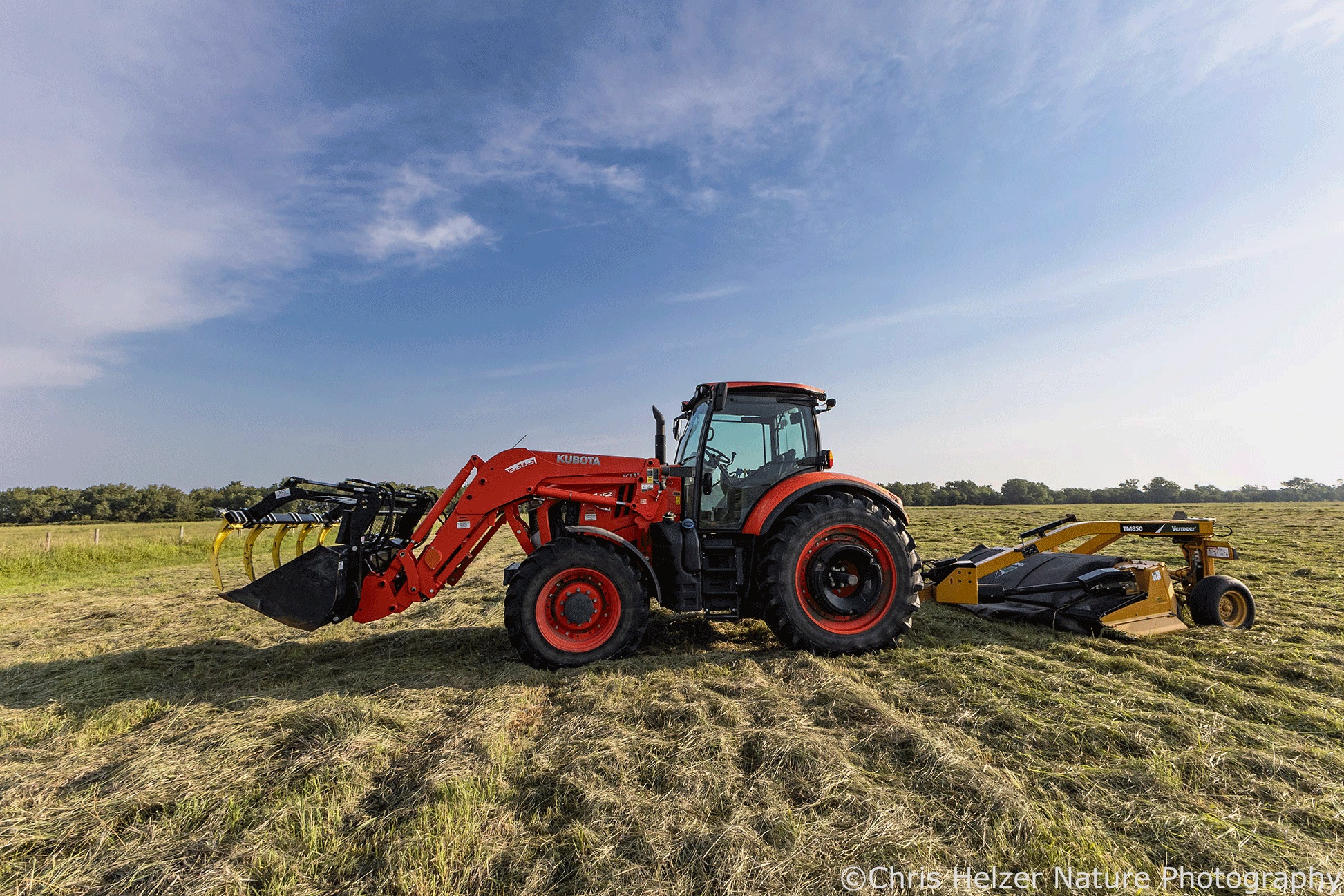
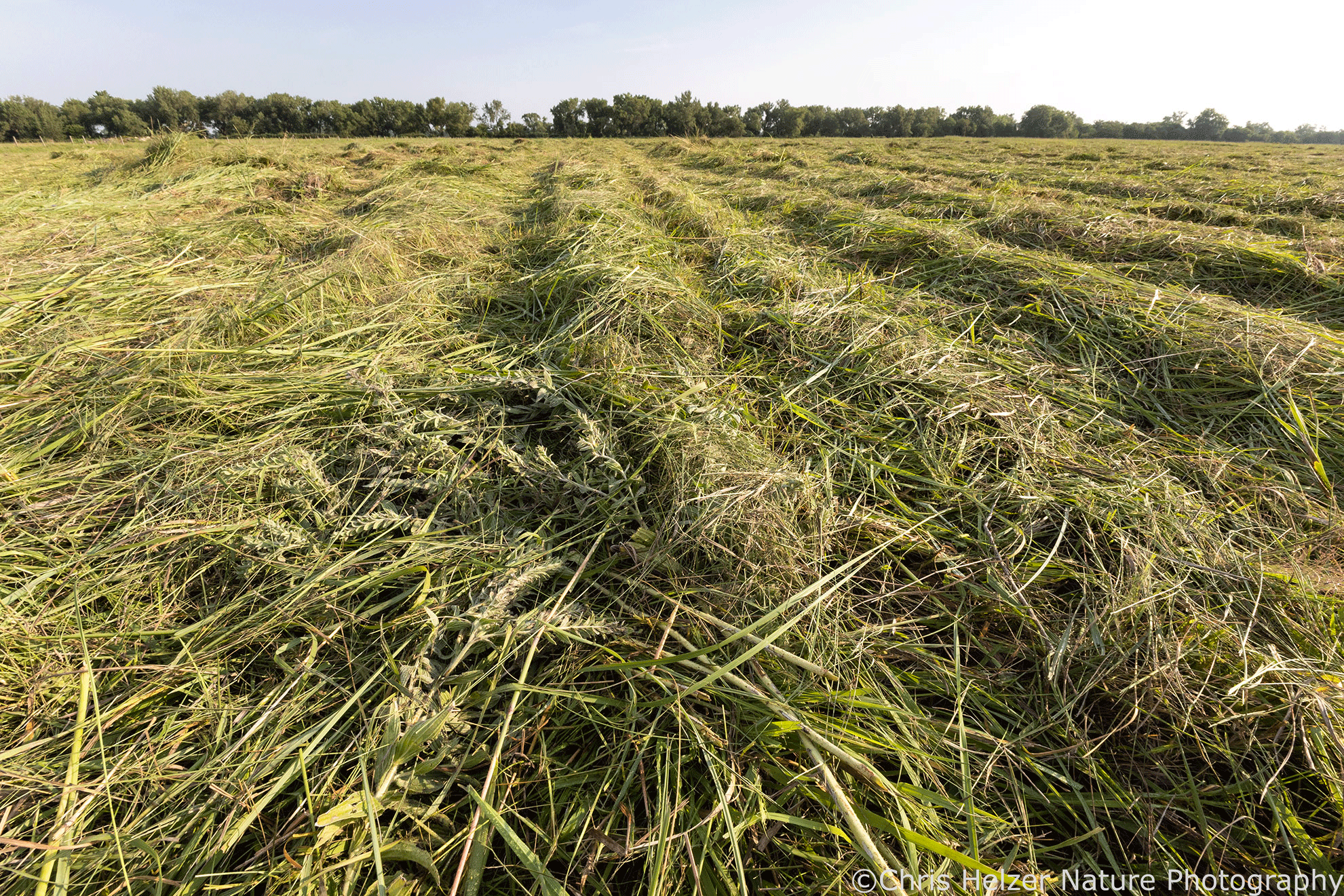
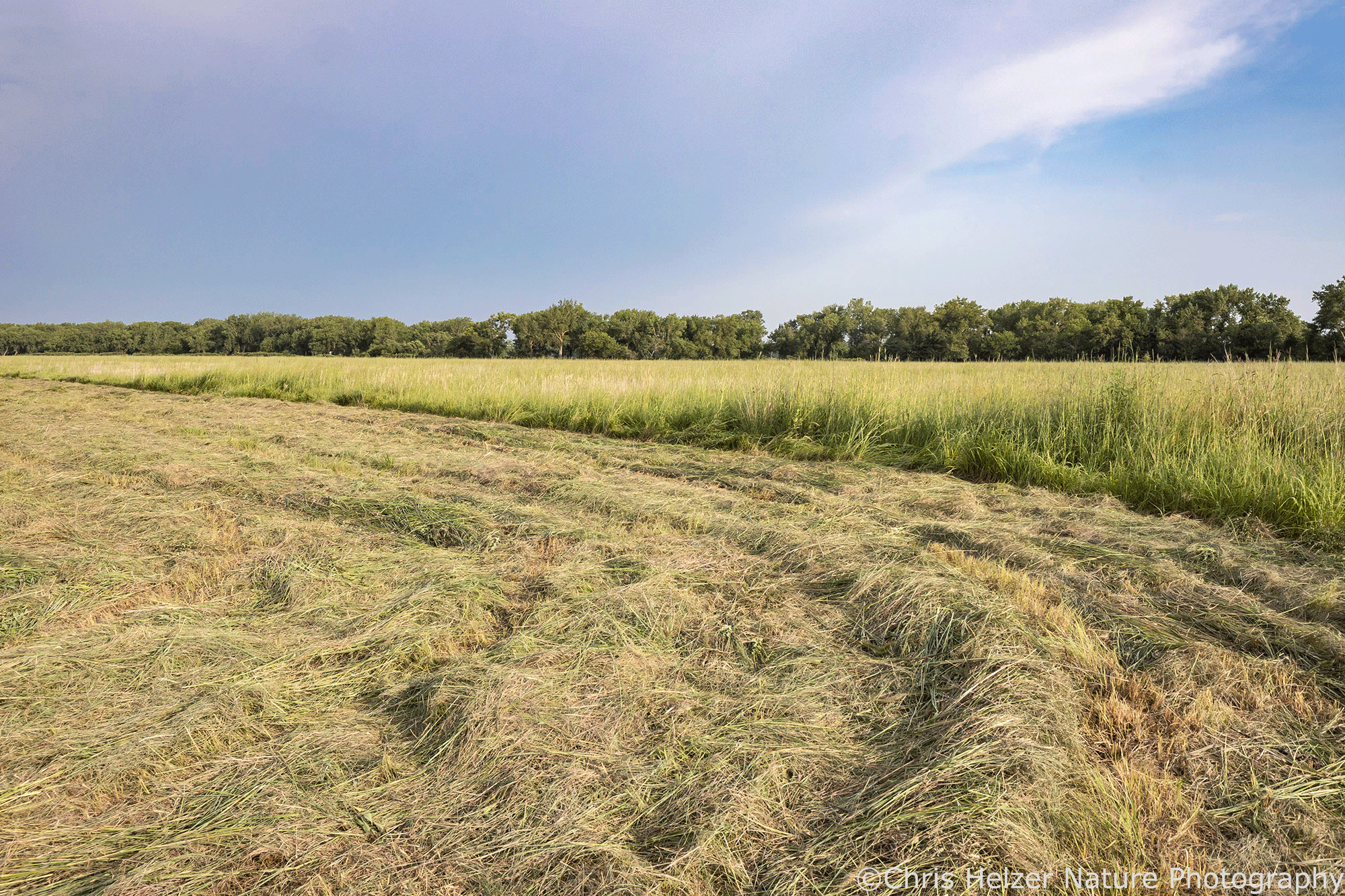
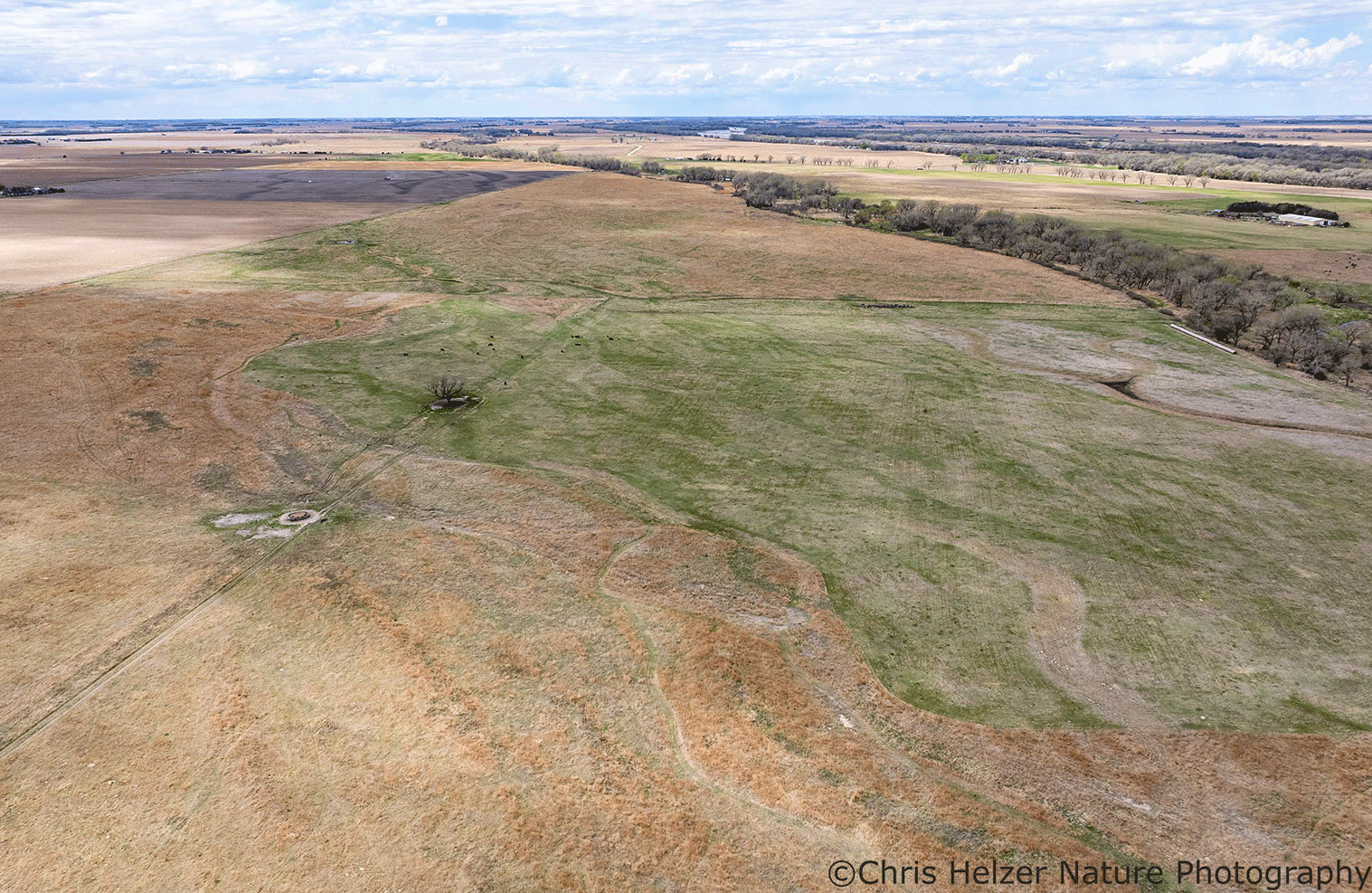
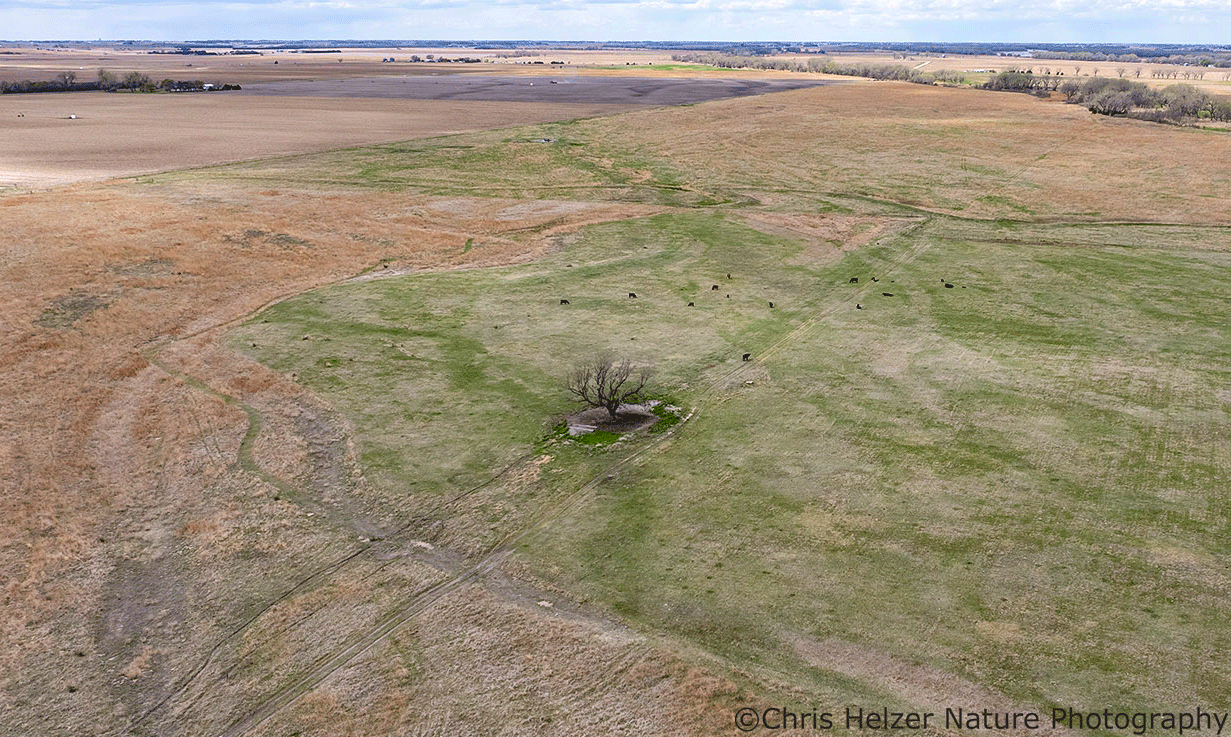
The nice thing about the concept of patch-hay grazing is that it can be incorporated into lots of situations. You can run it as a season-long grazing system as we usually do – cutting hay to concentrate grazing in one area more than others. But you can also mix some hay harvesting into just about any grazing approach. If there are parts of a pasture cows don’t often graze, you could hay those areas (assuming topography allows it) to encourage more grazing pressure. You could also incorporate haying into a rotational system. You could mow portions of several pastures, for example, to create more patches of higher forage quality and increased habitat heterogeneity at the same time. There’s plenty of room for creativity, depending on what you’re trying to accomplish.
Regardless of the tools and techniques you use, a focus on habitat heterogeneity and a shifting mosaic can help you support the broadest possible diversity of species in your prairie. That diversity is important for its own sake, of course, but it also props up the ecological resilience of the site. Given the raft of challenges facing prairies today, the more resilient we can make them, the better.
>>>>>>>>>>>>>>>>>>>>>><<<<<<<<<<<<<<<<<<<<<<<<
Notes on hay-patch grazing logistics: For those who are interested, here are a few additional things we’ve learned.
First, we have had no problem with cutting hay while cattle are in the pasture. The cattle started grazing the hayed area almost immediately after the mower went through and walked between the wind rows without messing them up.
Second, lower mowing heights seem create more attraction for grazers than when the hay mower is set higher. I assume that’s because there is less thatch and old material present, but I don’t know for sure. It’s just what we’ve noticed.
Third, you might wonder if you can just mow instead of cutting hay and baling/removing it. Sure, but a bunch of dried material lying on top of the green regrowth counteracts a lot of the attractiveness of that regrowth. Now when a grazer takes a bite, it’s probably going to get some old dead stuff in its mouth along with the new green growth it really wants. Mowing may still work if the rest of the pasture is tall and dense because the mowed area will probably be more attractive than that, but it’s certainly not as good as haying.
Finally, you might wonder how to calculate a stocking rate when you’re cutting and removing a bunch of forage from the site. When we figure stocking rates for patch-burn grazing, we start with the recommended stocking rate (based on soils, rainfall, etc.) for the whole pasture and that’s usually pretty close. Often, we find ourselves bumping that rate up over the first several years until we find the sweet spot where we get good grazing pressure in the burned areas but light enough grazing elsewhere that previously burned patches recover within a few years.
We calculate stocking rate the same way when we cut hay instead of burning. It feels like we’re able to graze as normal while still cutting hay from about 1/3 or 1/4 of the site. I’m not really able to explain that because it seems like we’d be removing some production from the site and reducing the amount of available forage. One reason might be that we typically mow the tallest and most rank grass, which the cattle weren’t going to be grazing anyway. Regardless, we’ve never yet had an issue with using the same stocking rate as we’d use with patch-burn grazing.
Oh, and it hopefully goes without saying that any of the general approaches here will still require managers to watch and adapt management over time. In addition, there will surely be additional work needed to help suppress invasive species and/or encroaching woody plants, or whatever other challenges your individual prairie faces. None of these approaches should be seen as a recipe that, if followed, will cover all the needs of a prairie.

