
Quick Note: For those of you working on restoring (reconstructing) prairies, I’d encourage you to consider attending the 2023 Grassland Restoration Network workshop, which will be held in Windom, MN on August 22,23. This is an annual workshop that shifts locations each year but is always focused on learning from each other and improving the work we do in planting prairies – mostly on formerly-cropped land. Participants tend to be mostly from the Midwest and Great Plains, but we encourage participation from other regions! Interested? It would be fun to see you there. Learn more at this link.
Over the weekend, I spent a pleasant morning at our family prairie, exploring and checking in on the condition of the prairie. We’re still in a drought, but have had some recent rains that have turned most vegetation green again. I’ve been keeping a close eye on things, though, because we’re trying to decide whether or not to keep cattle in for the full growing season or not.
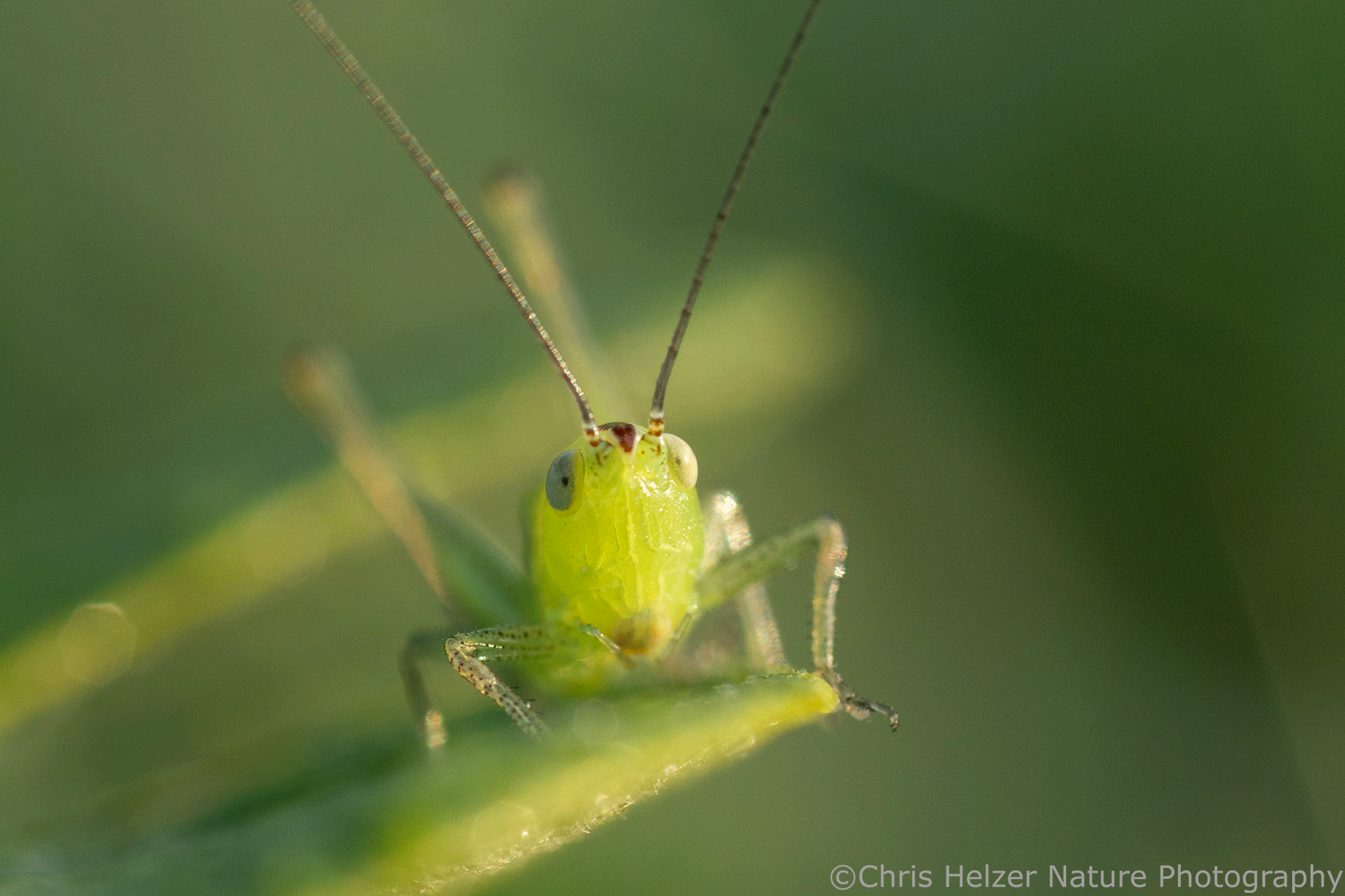
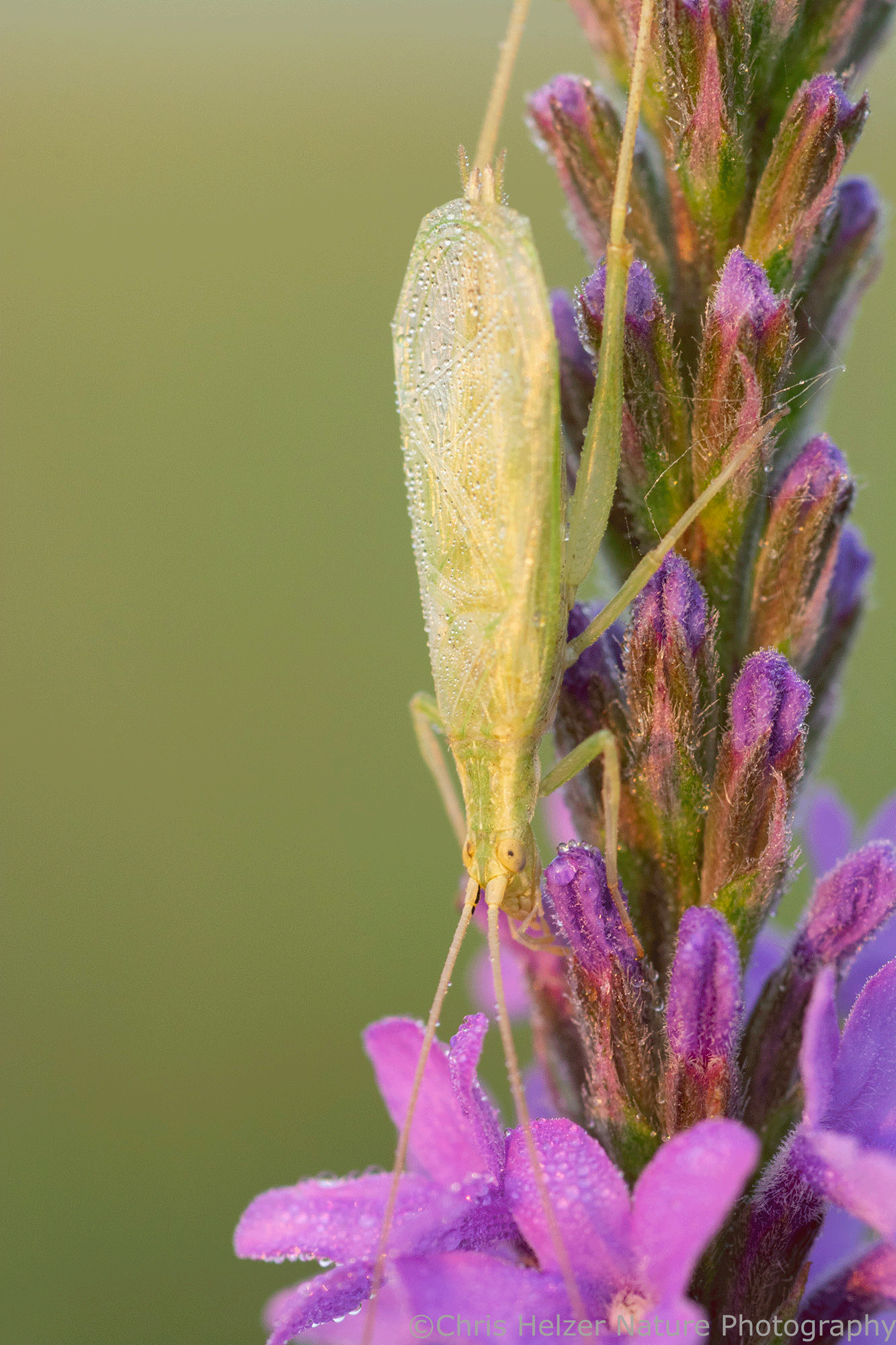
I got distracted, though, from my rigorous assessment work by numerous katydid nymphs and dew drops. It was hard to walk past them without stopping to look more closely. Since I wasn’t on a strict schedule, I stopped. Many times.
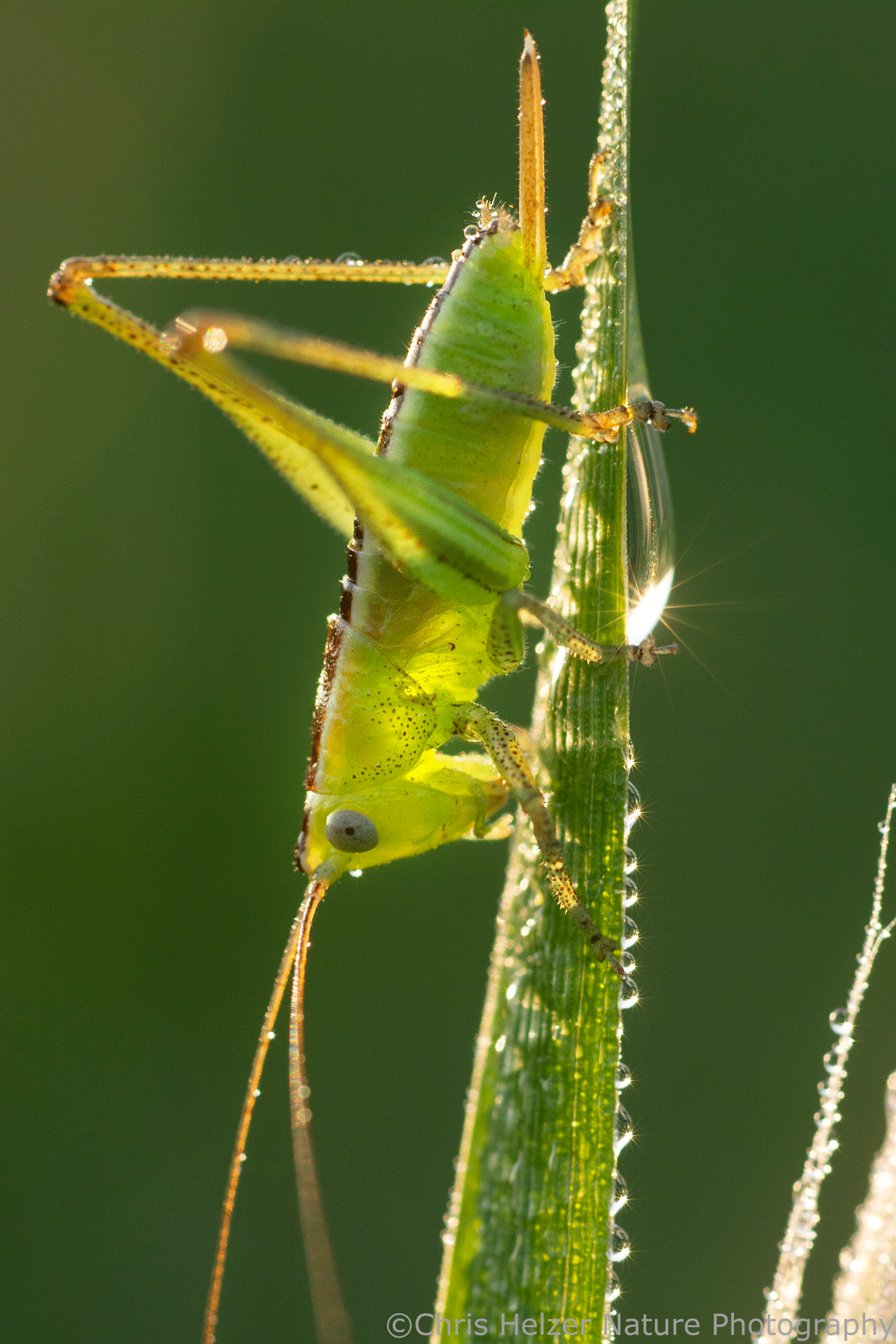
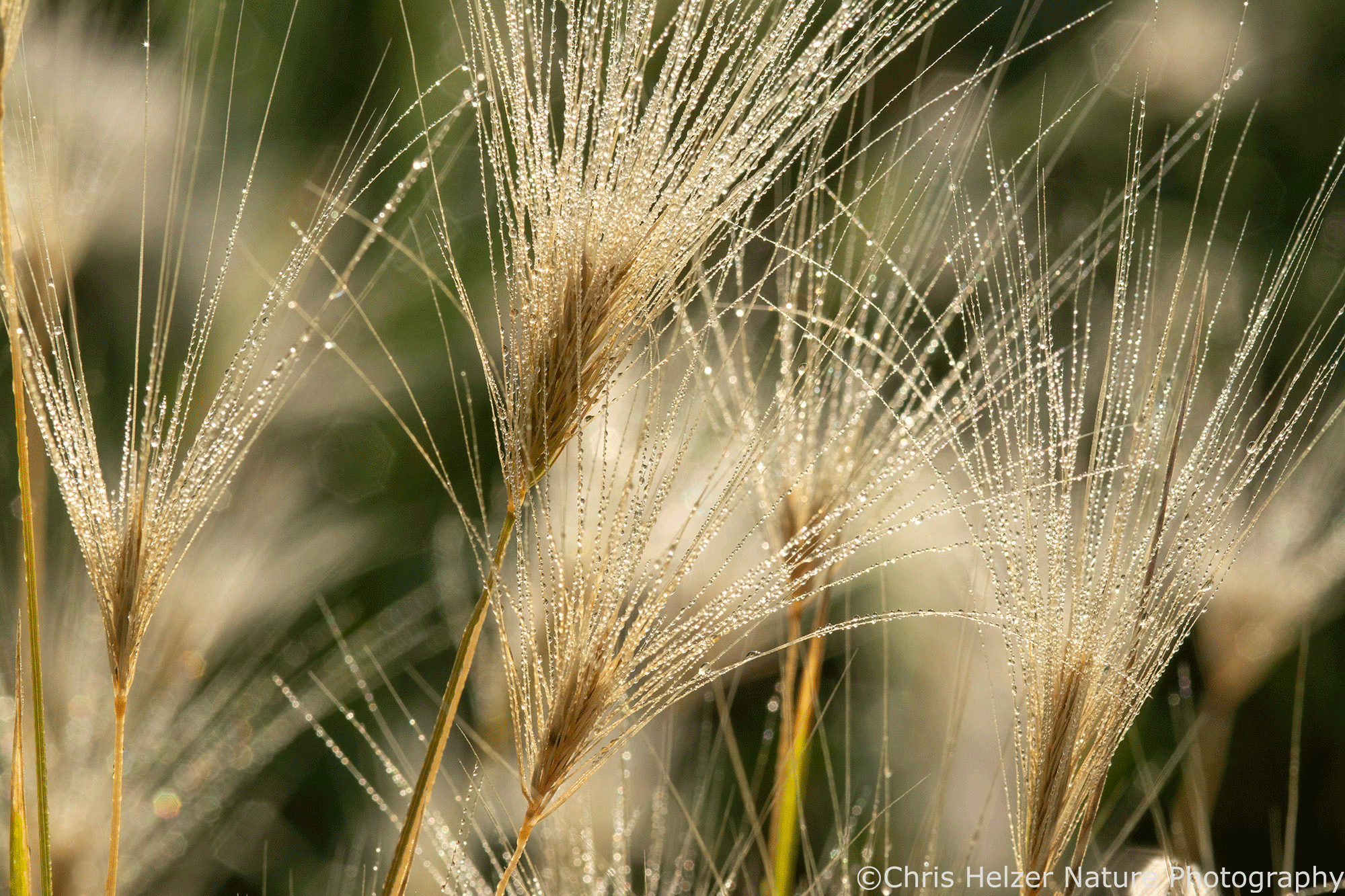
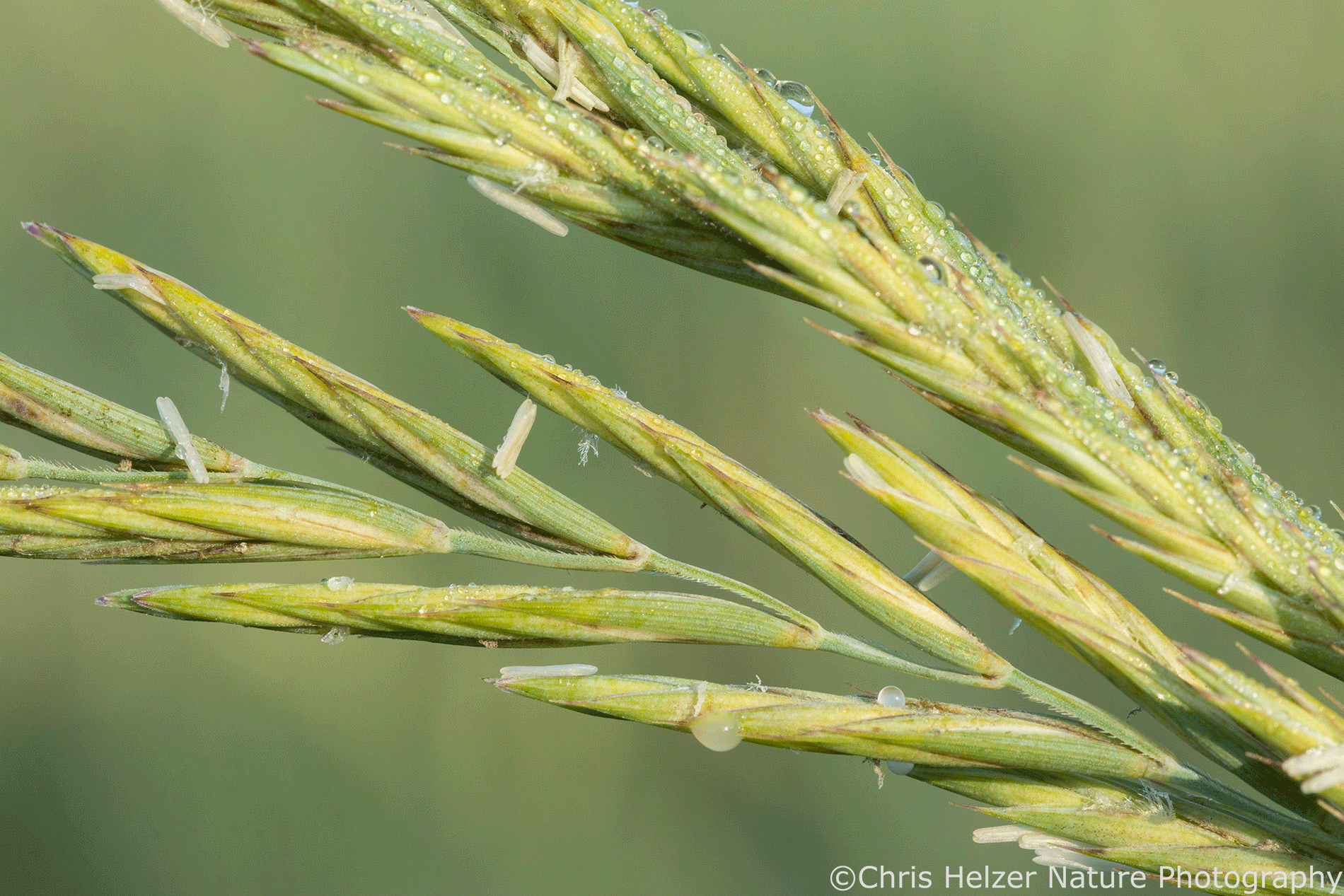
When I came across a patch of sparkling foxtail barley I paused for quite a while. There were numerous katydids and other invertebrates hiding among the long awns of the grass. It was fun playing around with various compositions that included both the insects and the backlit grass.
(Sparkling foxtail barley isn’t the official common name for the grass. Neither is it what you call foxtail barley that isn’t from France. It’s just regular foxtail barley (Hordeum jubatum) that happened to be covered with dew drops that glittered in the morning sunshine.)


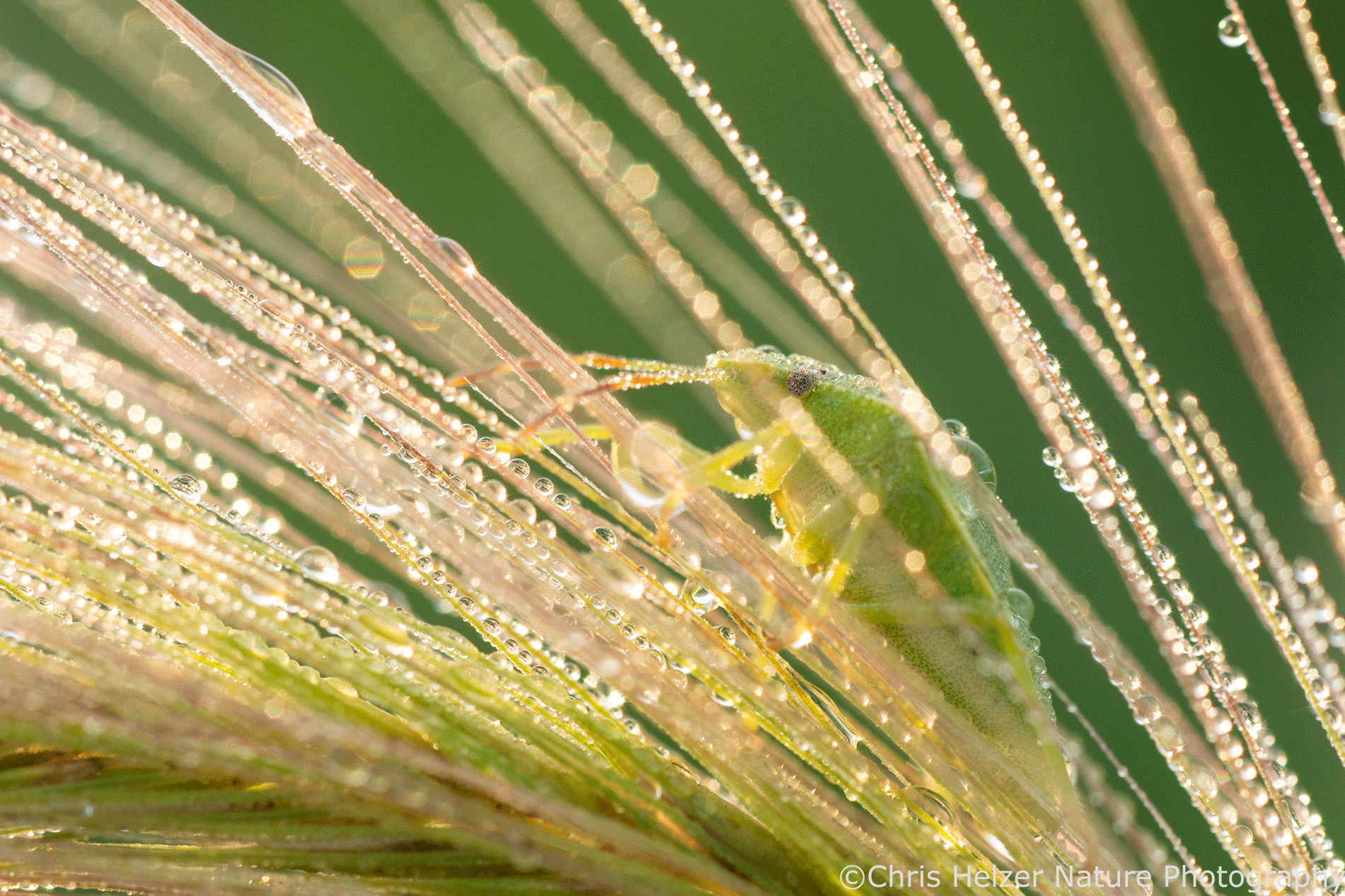
After leaving the foxtail barley, I kept strolling and found plenty more to photograph, including both plants and invertebrates.
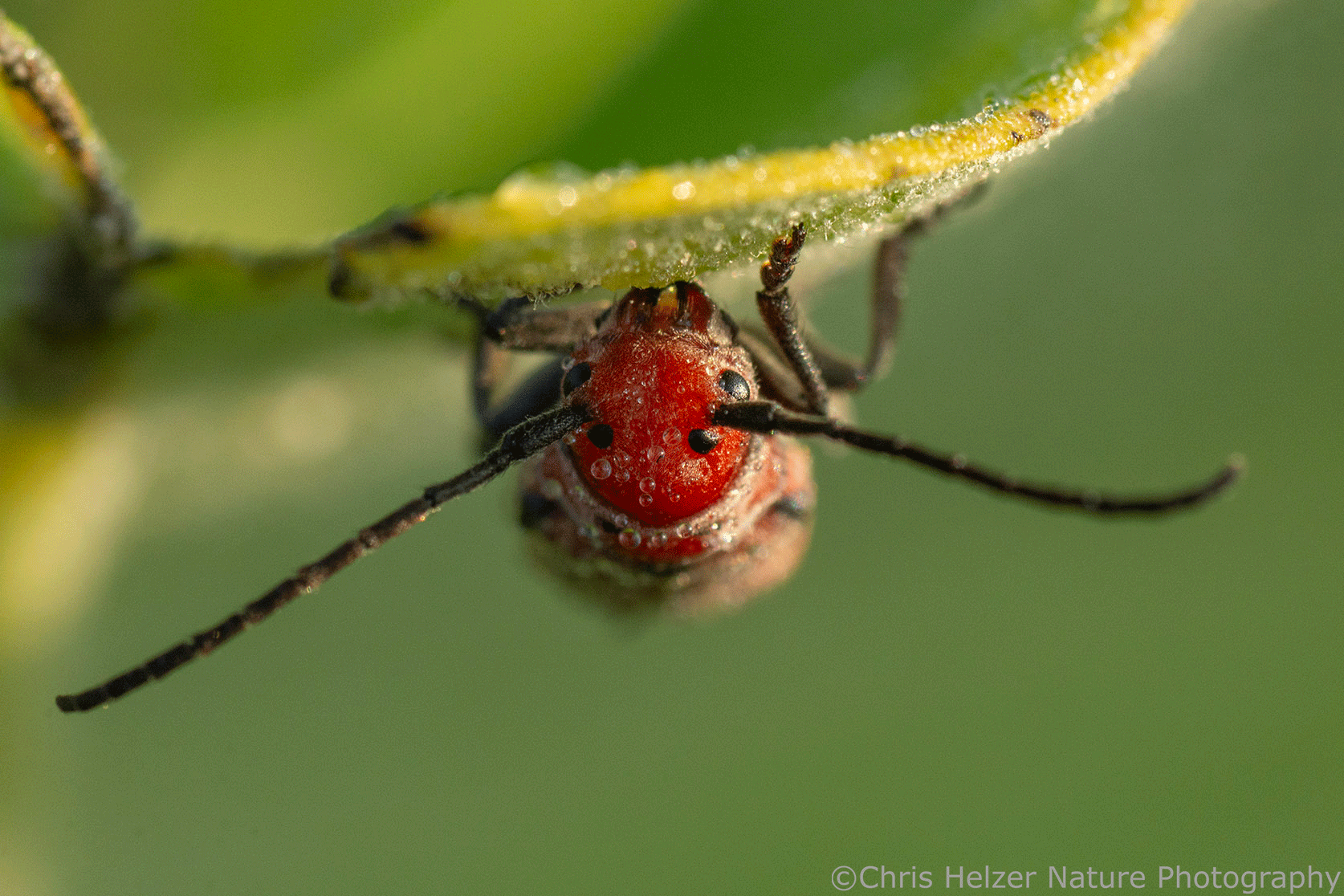

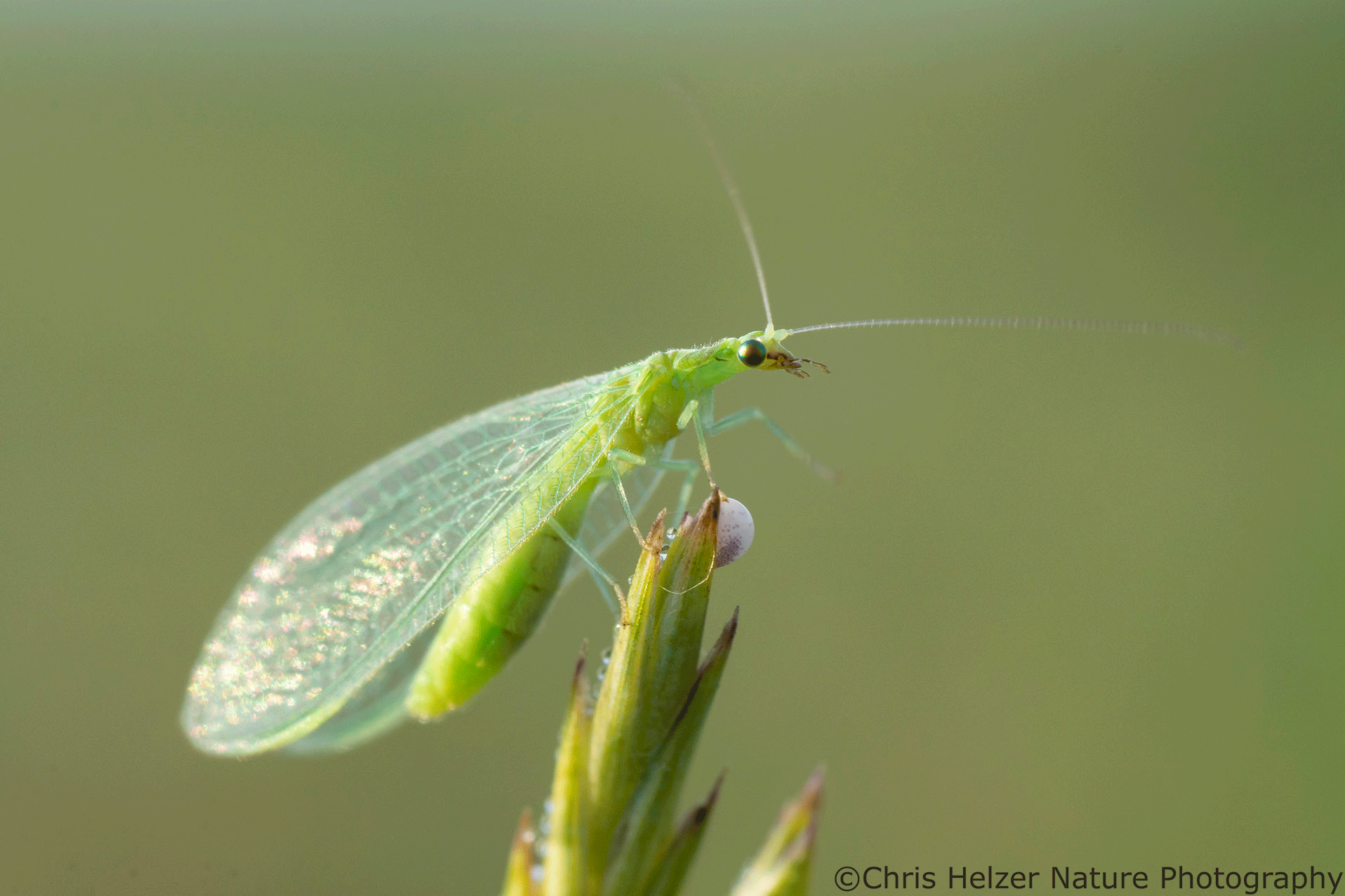
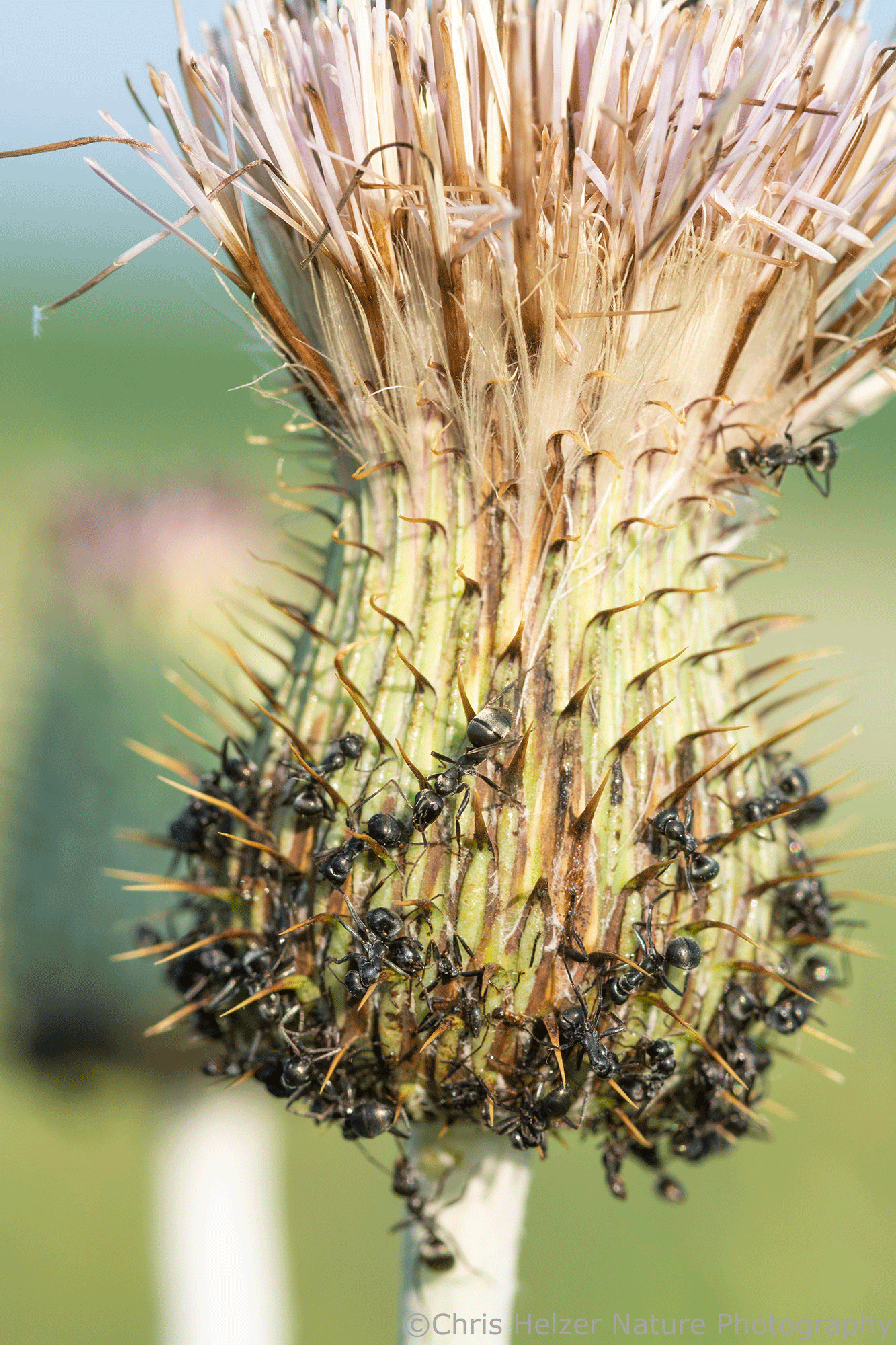
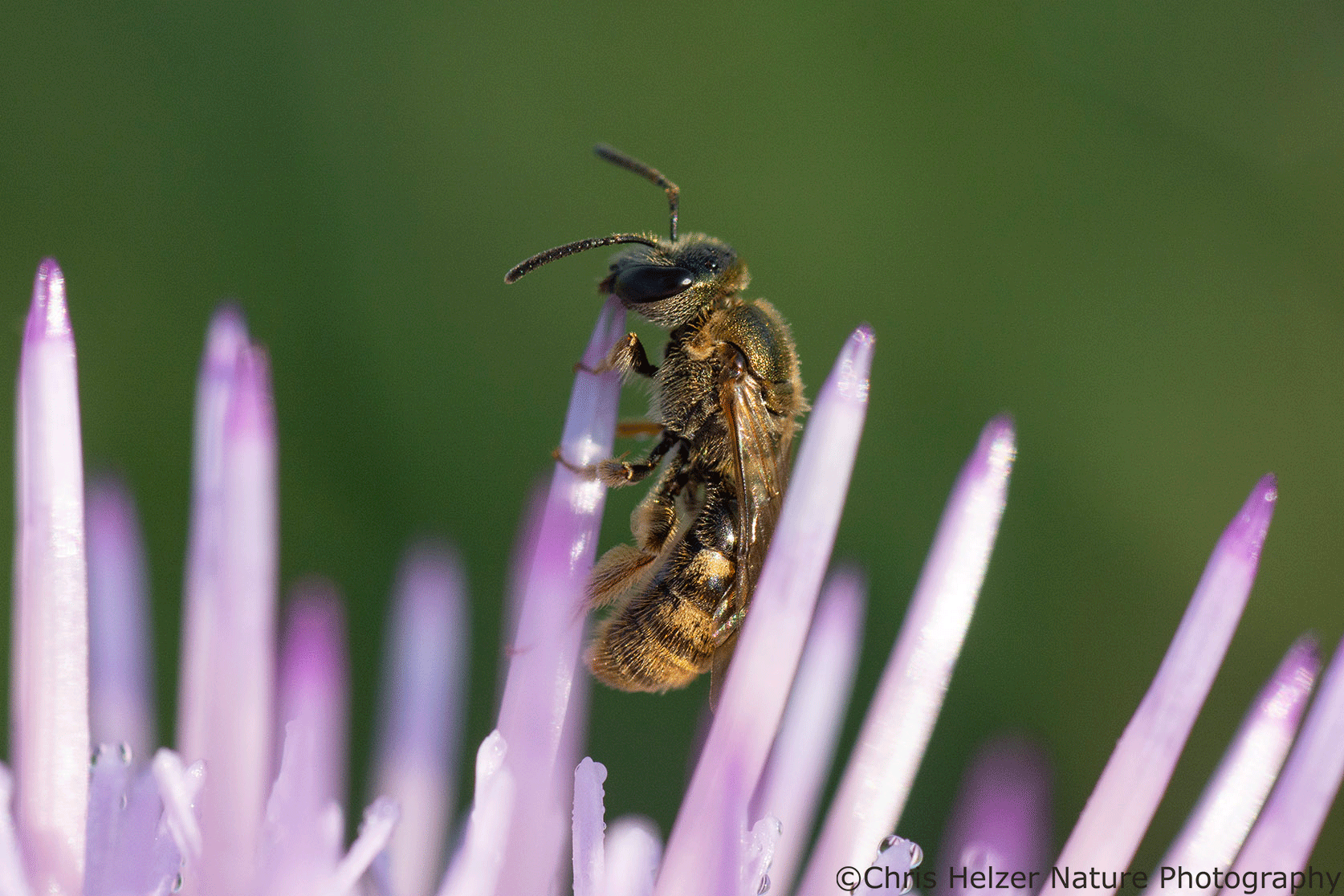
Eventually, I came across a few patches of native thistle in the part of the prairie we grazed hardest last year. Both wavy-leaf and Flodman’s thistle were blooming, which pleased both me and numerous pollinators. However, both species were also demonstrating their ability to capture invertebrates on their sticky calyxes beneath the flowers. This is something I’ve seen and written about often, but it’s still always intriguing to see.
This year, some of the wavy-leaf thistle flowers had really done a number on some black ants. One flower had stopped blooming and, I think, had also started to lose some of its stickiness. As a result, I saw live ants crawling over the dead corpses of their relatives to reach and investigate the top of the flower. Morbid, but fascinating!
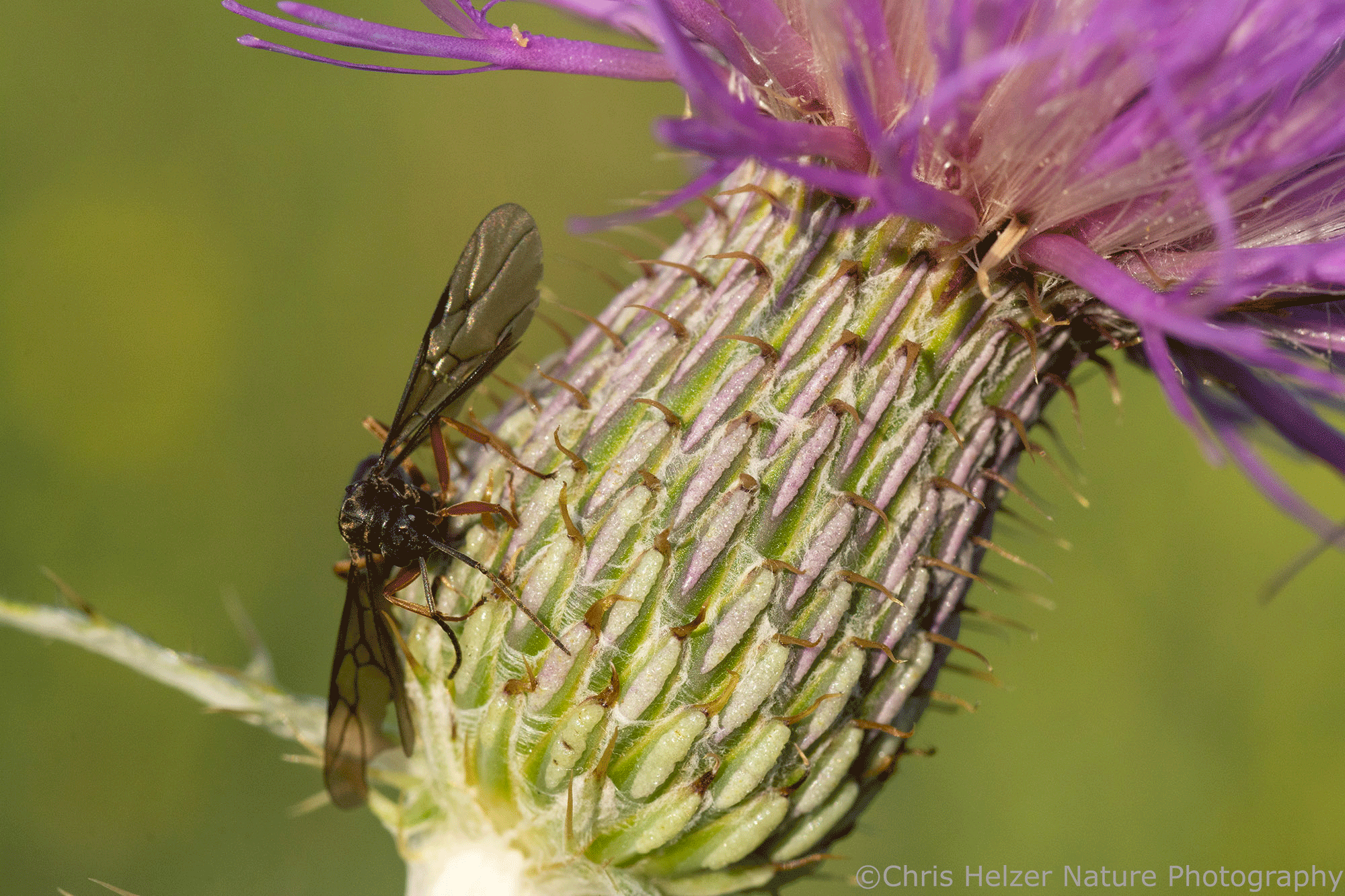
As always, ants weren’t the only insects to get stuck and die beneath thistles. Most prominent this year was a wasp I didn’t recognize who made an unfortunate choice in its overnight (probably) roost location. To be clear, it’s not that I didn’t know the individual wasp. I didn’t know what species of wasp it was, though I guess both are true.
After several hours, I looked at the time and realized I should probably head home and get started on some other projects. Depending upon how you measure productivity, I either had a very unproductive morning or a perfectly productive one. I tend toward the latter perspective, I think.
It’s nice to have the time to be distracted without guilt. I hope you all can find time for similar intentional distractions in a prairie near you!
 The Prairie Ecologist
I really like your photos and appreciate the work you do restoring prairies.
Inspirational and amusing, as always! Thank you.
It is Windom. Love your column!
>
Ah! Good correction, thank you!
Lovely photos and most interesting details. I am interested in learning more about native thistles and native sedges. Can you suggest a good book or website?
Hi Paula,
I’m not sure I can recommend a single book. Field guides, of course, are helpful in learning the identification of the species, but the right one depends on where you’re from. If you give me a location I can see if I can help you find good ones. Otherwise, I’d suggest Googling some of the species to see what you can learn, though that’s not a very creative suggestion…
Fantastic photos, Chris! Love your plant images as much as your insects.
Oh my goodness, I would love a morning exploring your prairie! The top photos are my favorites! I just love your photos, Chris!
Wow, I’m always fascinated by your vividly clearly closeup photos of insects. Always important to stop, look down, ‘get down close’, and see the little critters on the plants. Such variety of ‘everything’. Thanks Chris!!!!!
What a revelation about the thistle flower. They are prairie “flytraps” cool.
The phyllaries on Cirsiums are one of my favorite places to check for stuck insects and not just ants. I find that no one kind of insects is caught more often.
Are thistles (Cirsium) a carnivorous plant or just a protocarnivorous, or borderline carnivorous? I have often wondered about this for the thistles. In my observations in North Texas the resins produced only happen after the weather gets hot. Additionally not all the thistles produce the resins even in the hot weather. I read an article a few months ago about a tropical plant that catches insects with it resins then digests it. However it only did this when the plant was really stressed. https://www.sciencetimes.com/articles/44125/20230603/elusive-part-time-carnivorous-plant-becomes-meat-eaters-when-nutrient.htm
So this makes me wonder if the thistles might do something similar?
Others found that the some assassin bugs use the plant resins to protect its eggs. https://academic.oup.com/aesa/article/100/2/320/8421
Still another paper on assassin bugs that put the resin directly on themselves to help capture prey. https://www.sciencealert.com/scientists-discover-a-rare-example-of-insects-using-tools-to-capture-prey
So maybe the thistles’ resins are more than just for defense? Just a thought.
Your photos and descriptions are delightful and informative. Thank you!