
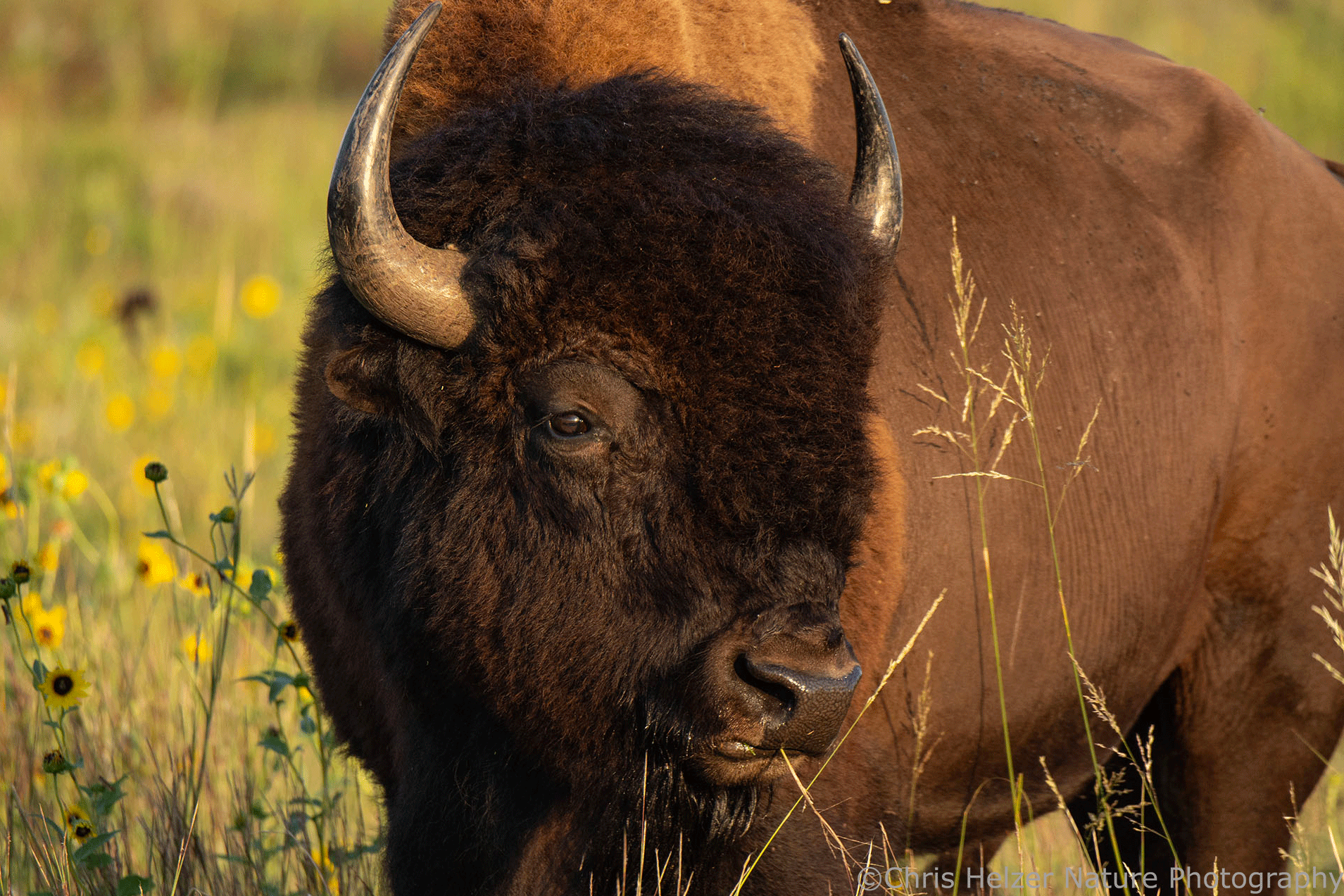
I only had an hour or so between sunrise and when I needed to be at the Niobrara Valley Preserve headquarters to prepare for the day’s workshop. I ended up spending most of that hour with bison, but that hadn’t been the plan. It wasn’t exactly a ‘life handed me lemons’ moment, though. When life hands me bison, I am appropriately grateful.
Last week was the final plant identification/habitat workshop we hosted for conservation professionals. The night before the workshop, we scouted out the driving route and stops and then I set up a flagged/numbered line of plant species for workshop participants to test themselves with at the end of the day. By the time I finished, the sun was nearly down and, while I got my camera out and walked around a little, I was too tuckered out to really concentrate on photography.
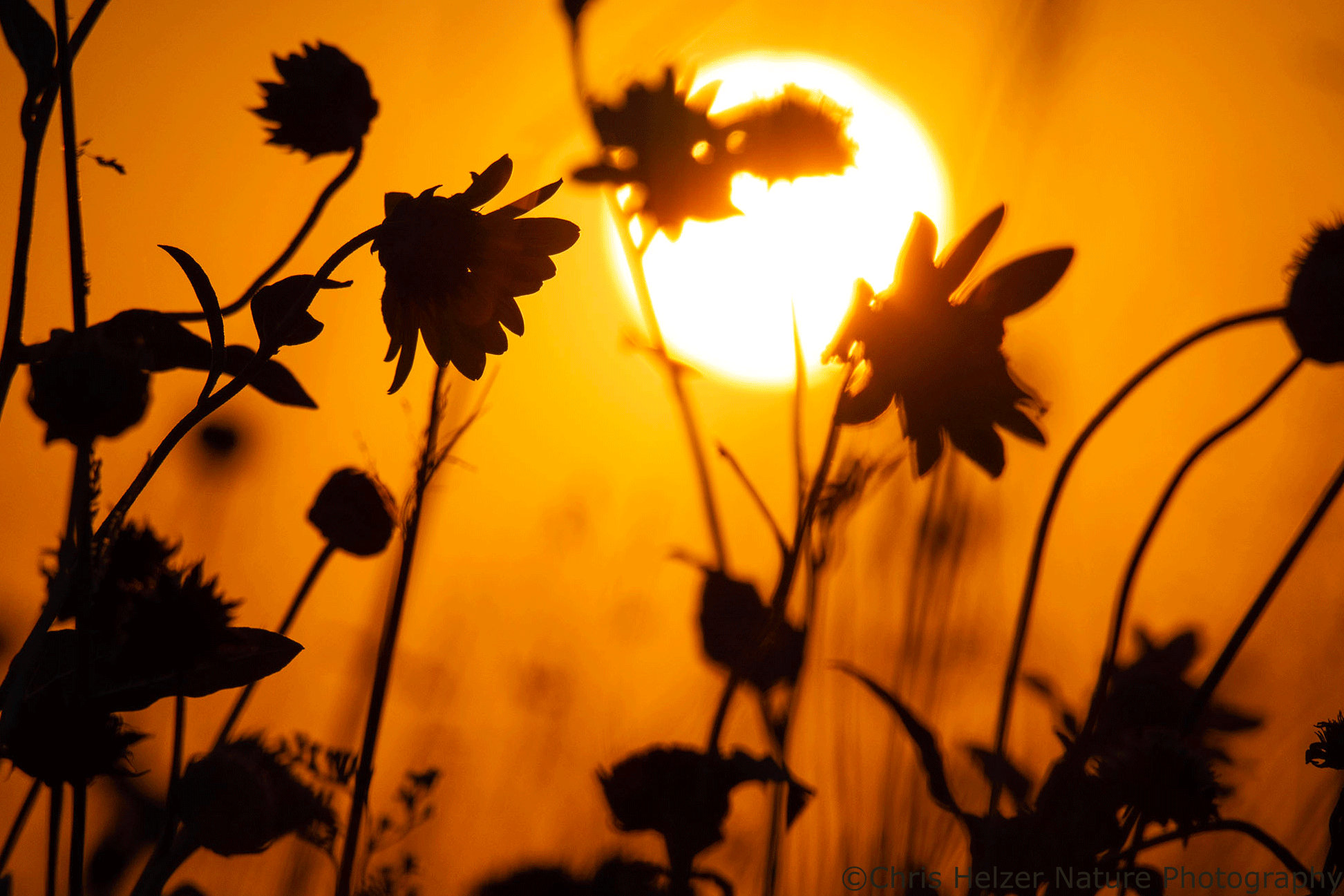
The next morning, though, I bounced out of bed and was up in our east bison pasture before the sun came up, ready to capture as many macro photos as I could. There were big patches of plains sunflower (Helianthus petiolaris) blooming, and I gave them special attention because I know how popular they are with insects. First, though, I framed a few of them against the rising sun and orange horizon with my long telephoto lens.

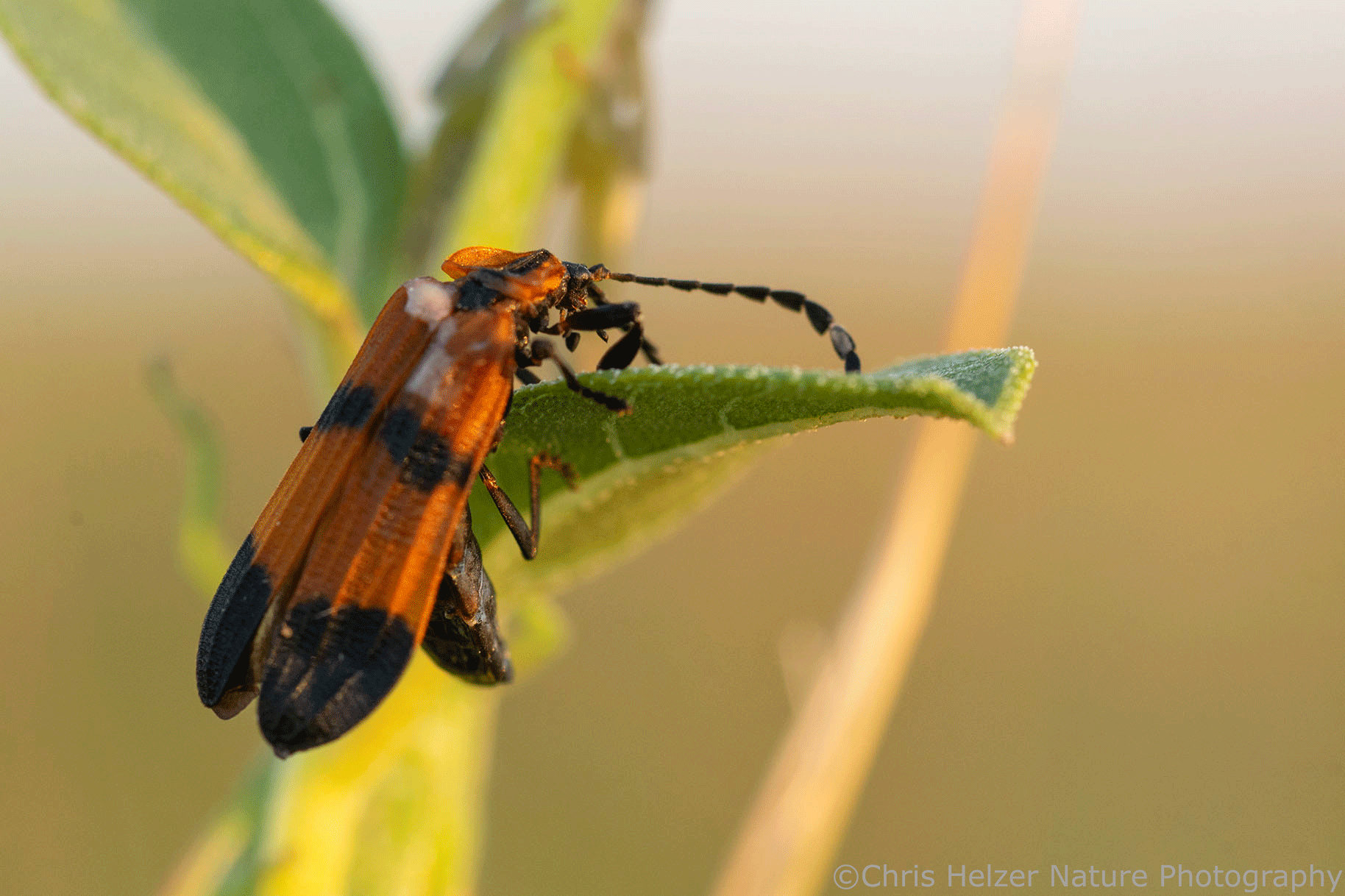
Next, I spotted what initially looked like a bunch of orange and black moths crawling around the sunflowers and nearby lead plant. Upon closer inspection, I realized they were actually beetles. I knew I’d seen them before, but didn’t know what they were. Later, I looked them up and I’m pretty sure they’re net-winged beetles in the genus Calopteron. Interestingly, there are moths that look very much like them, and might gain some advantage from resembling beetles that release foul-smelling and foul-tasting chemicals to repel predators.
Looking up from the beetles, I noticed that the flowering heads of sand bluestem were glowing attractively in the early sunlight. I spent a little time finding just the right individual bluestem plant to train my macro lens on. Then I spent even more time trying to find the composition I liked best. As I focused on that task (yes, literally and figuratively), I could hear the distant grunts of bison over the hills to the south.

It was hard to tell how far away those bison sounds were. Hilly topography can play tricks on your mind. Apparently, they weren’t far at all because as I finally found the right composition for the bluestem, the first bison crested the hill nearest me. For safety, I knew I had to get back to my vehicle (which was nearby). After doing that, I needed to choose between driving somewhere else to keep looking for close-up photo ops or just turn my lens on the bison.
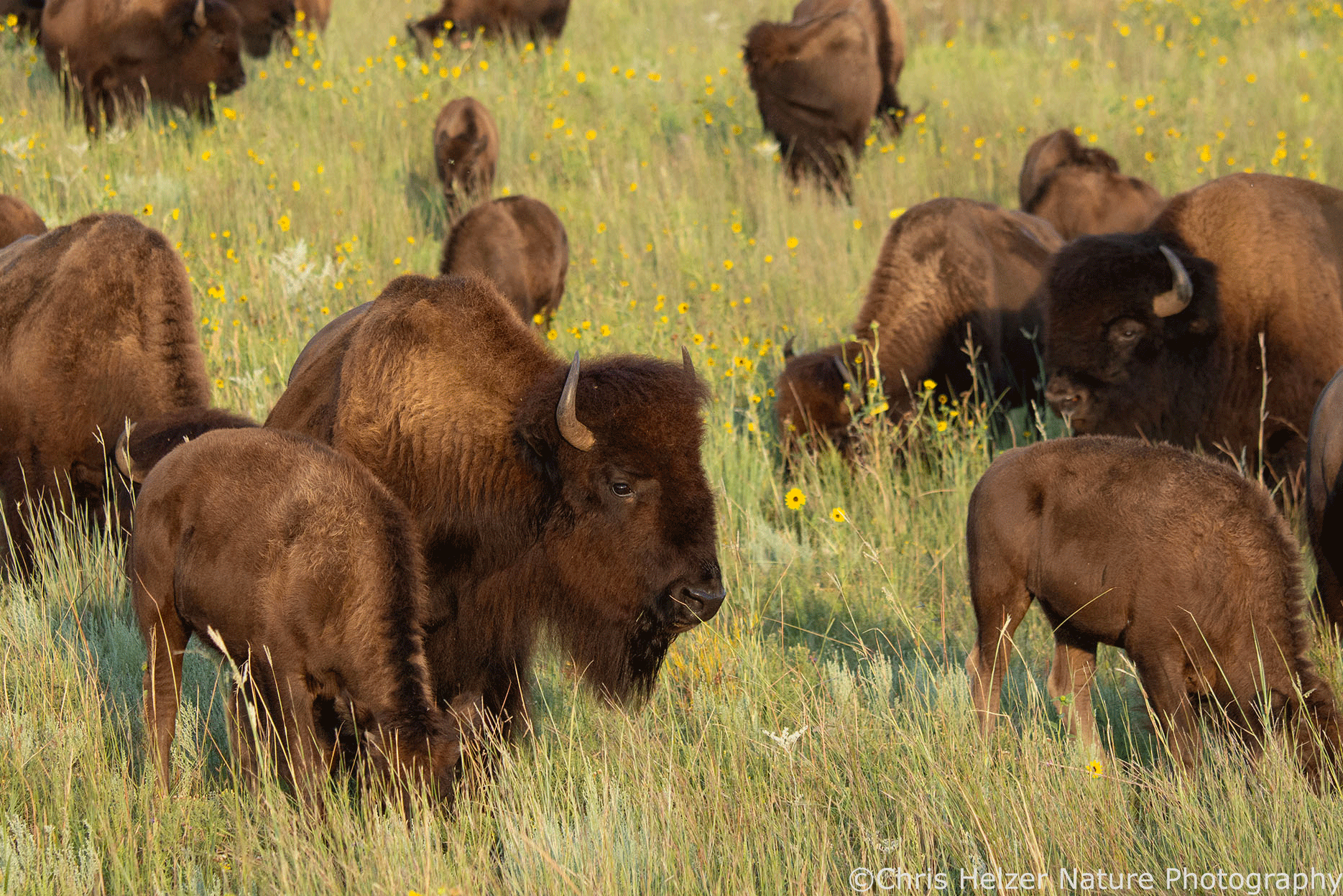
I’m very fortunate to have a lot of bison photos in my library from numerous visits to the two bison pastures at the Niobrara Valley Preserve. That familiarity doesn’t make me immune to their charms, though. I can find beetles, grass flowers, grasshoppers, and other small subjects in other prairies. I moved the truck into an advantageous position and waited for the bison to keep grazing toward and (hopefully) past me. They were very accommodating.

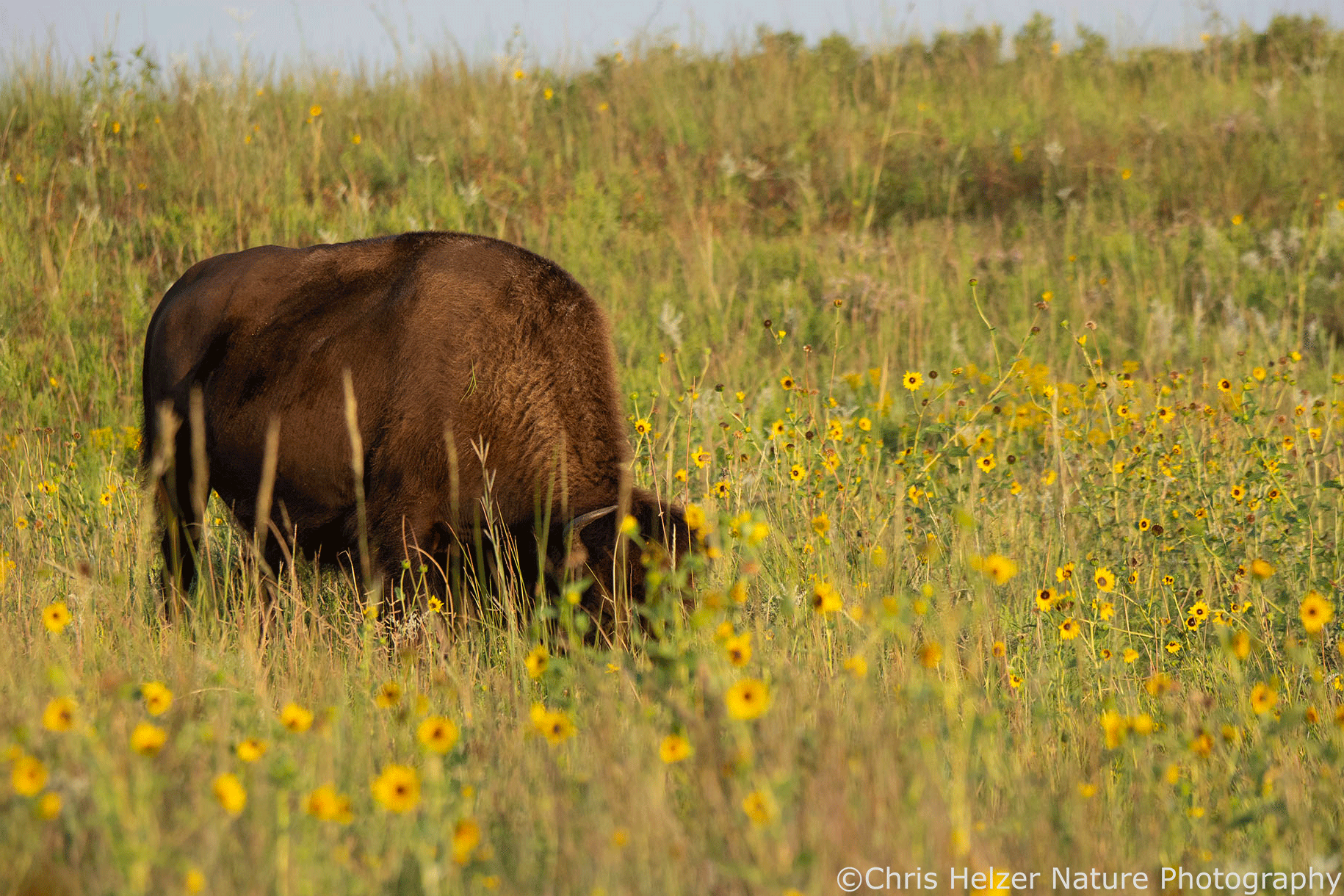
The last time I’d spent time with this herd, the calves were still red. Now, most were nearly the same rich brown color as their moms, and only occasionally nursing. They seemed a little less playful too, but that could have been age or just the time of day or other circumstances. All the animals seemed pretty intent on their grazing (apart from the randy bulls and the cows they were paying court to).
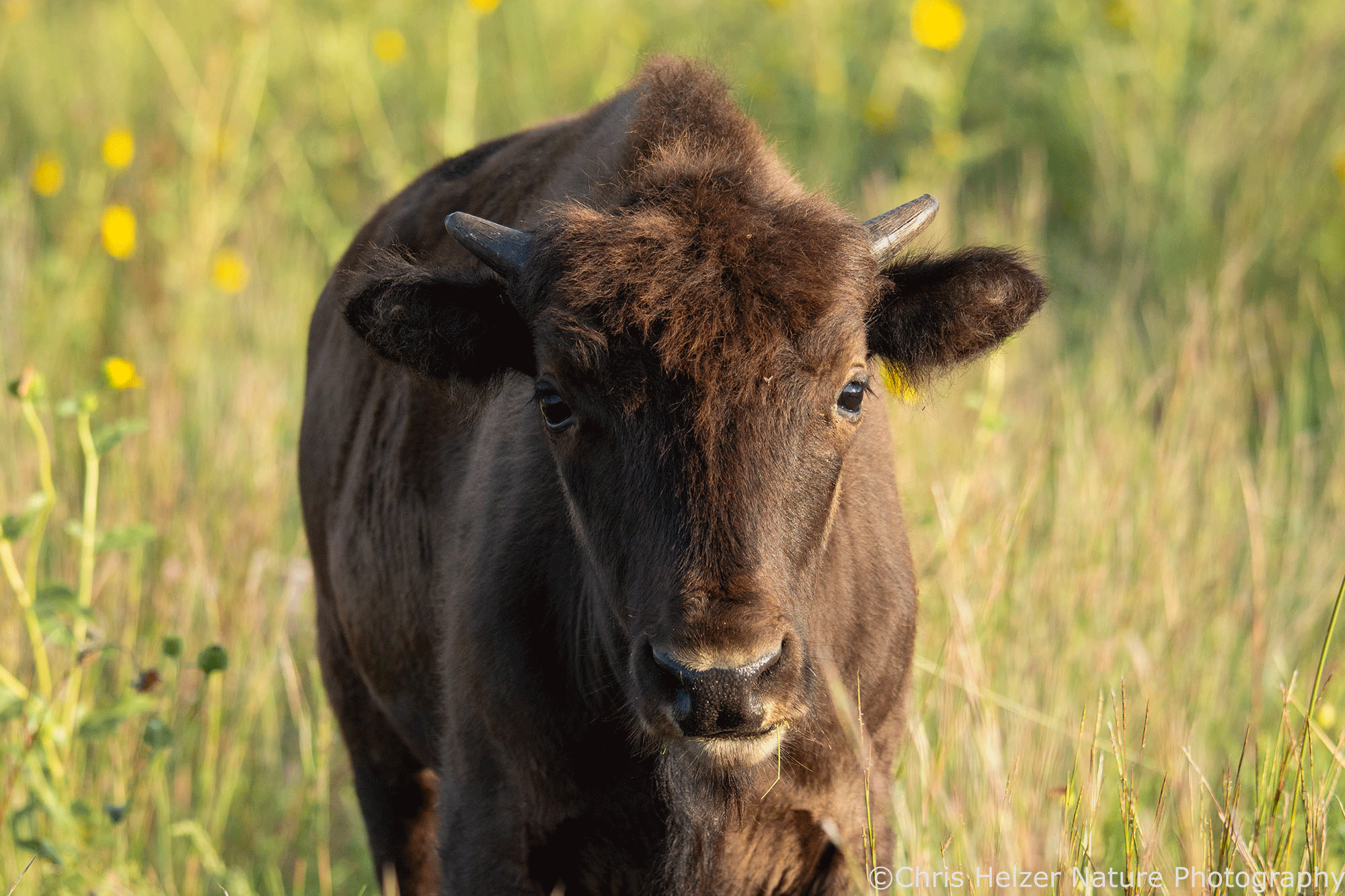


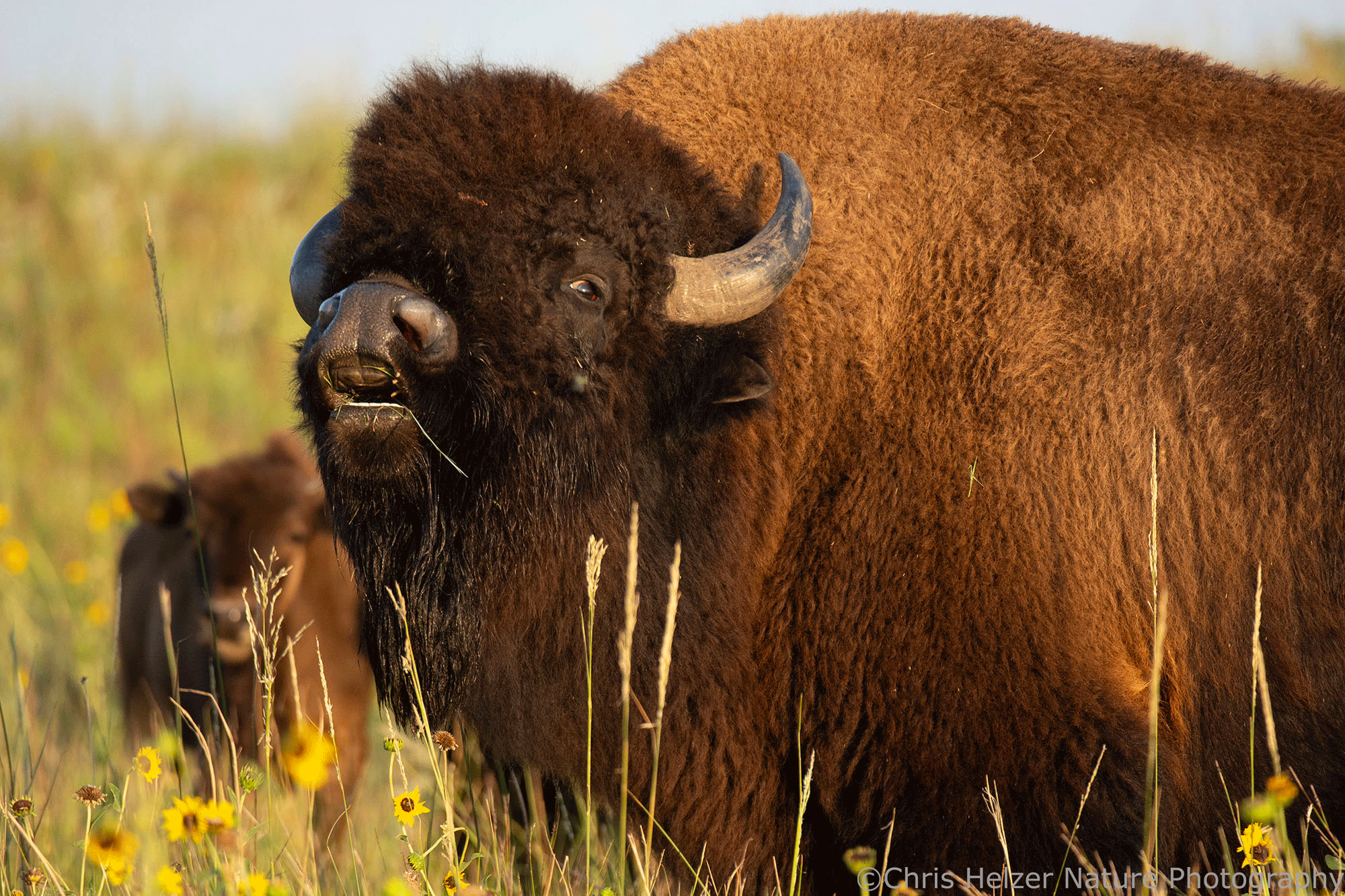
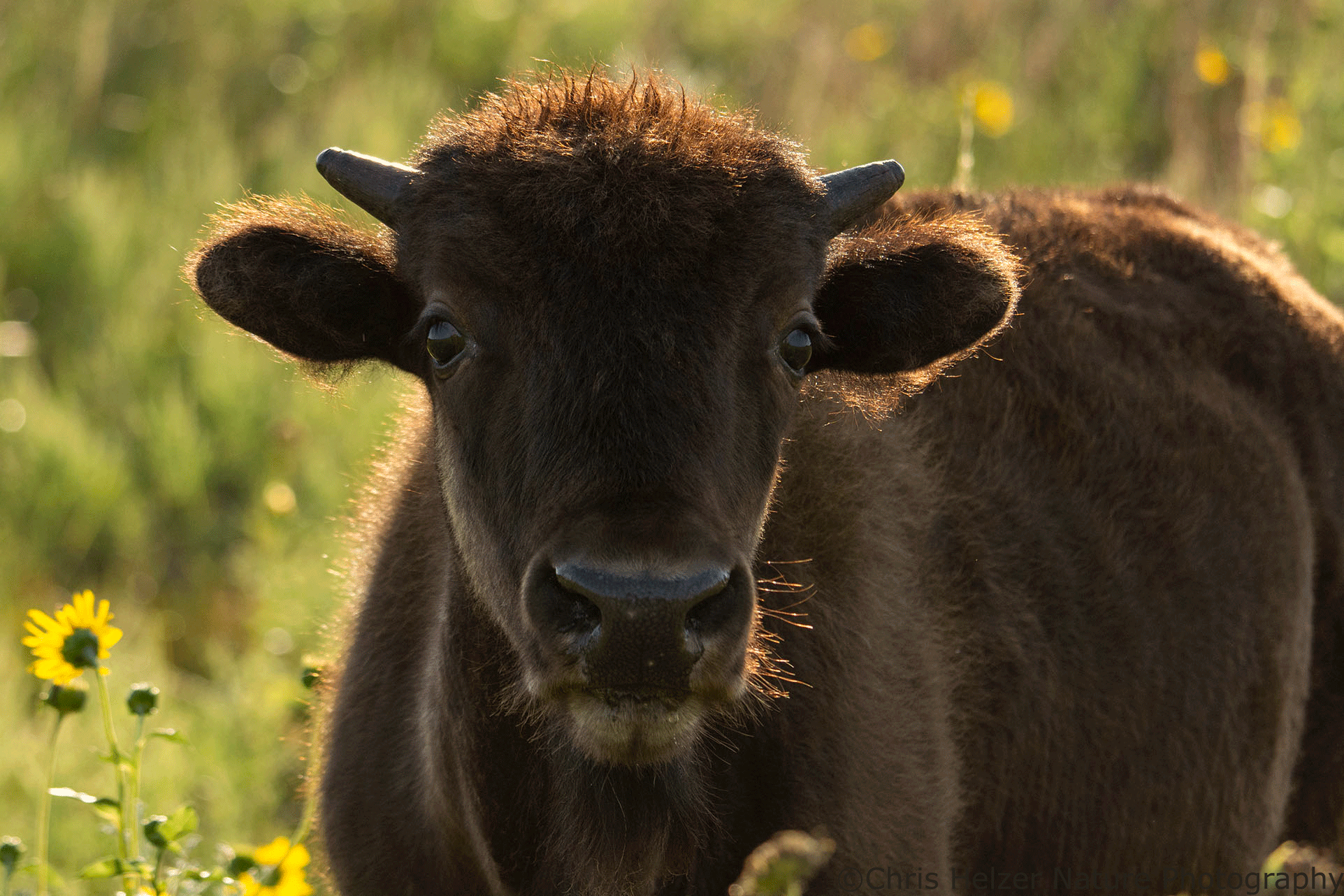
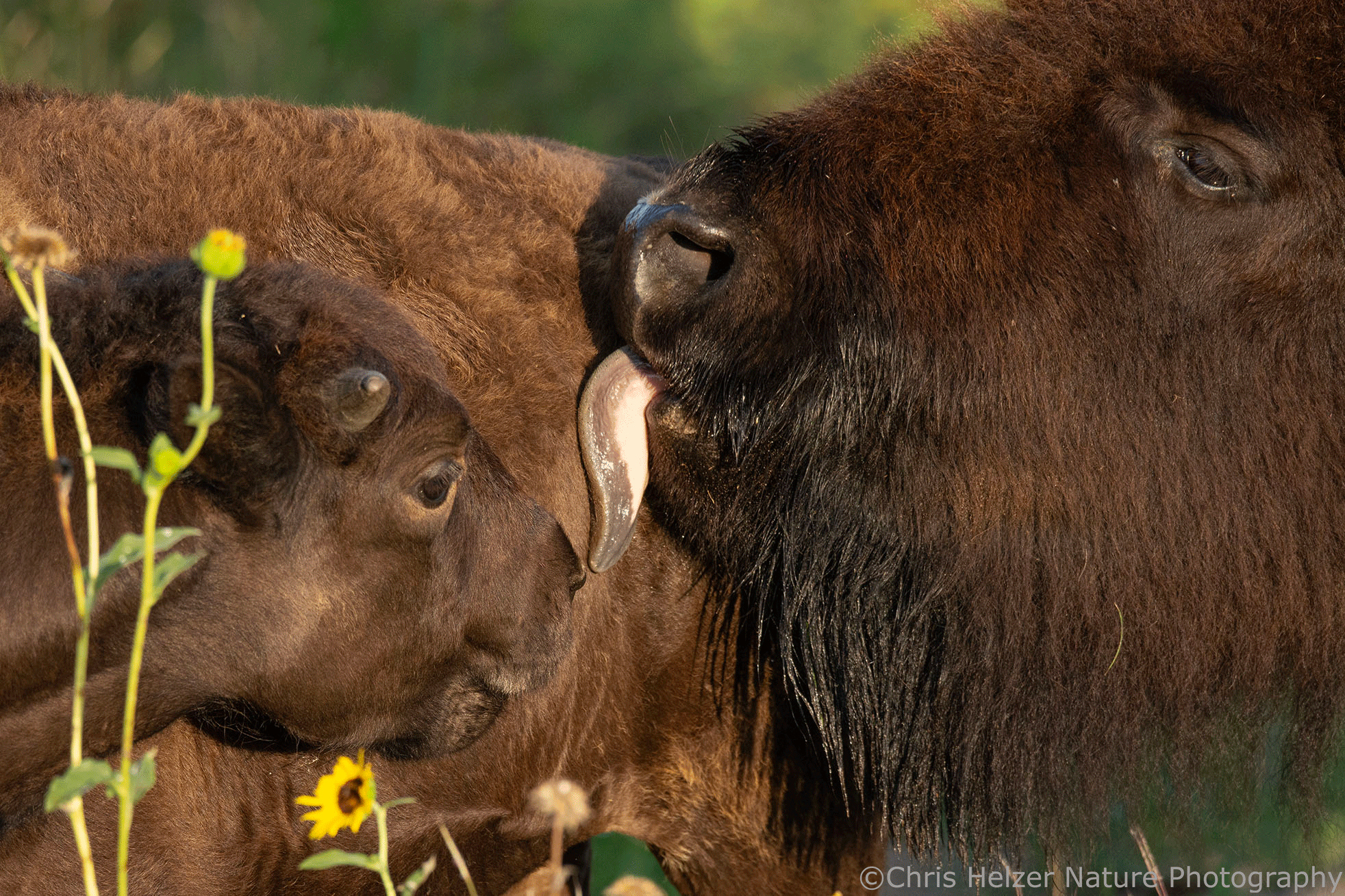


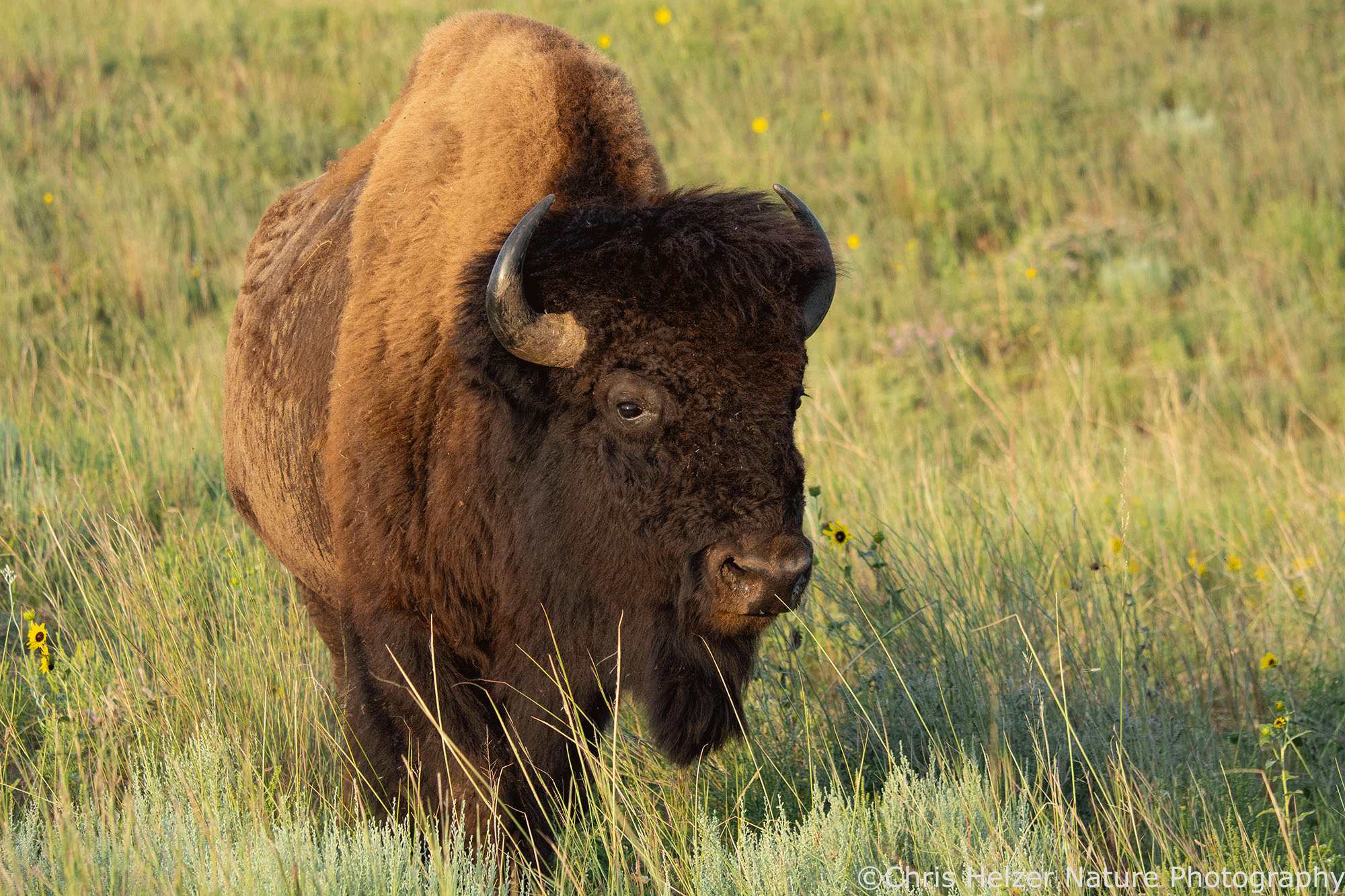
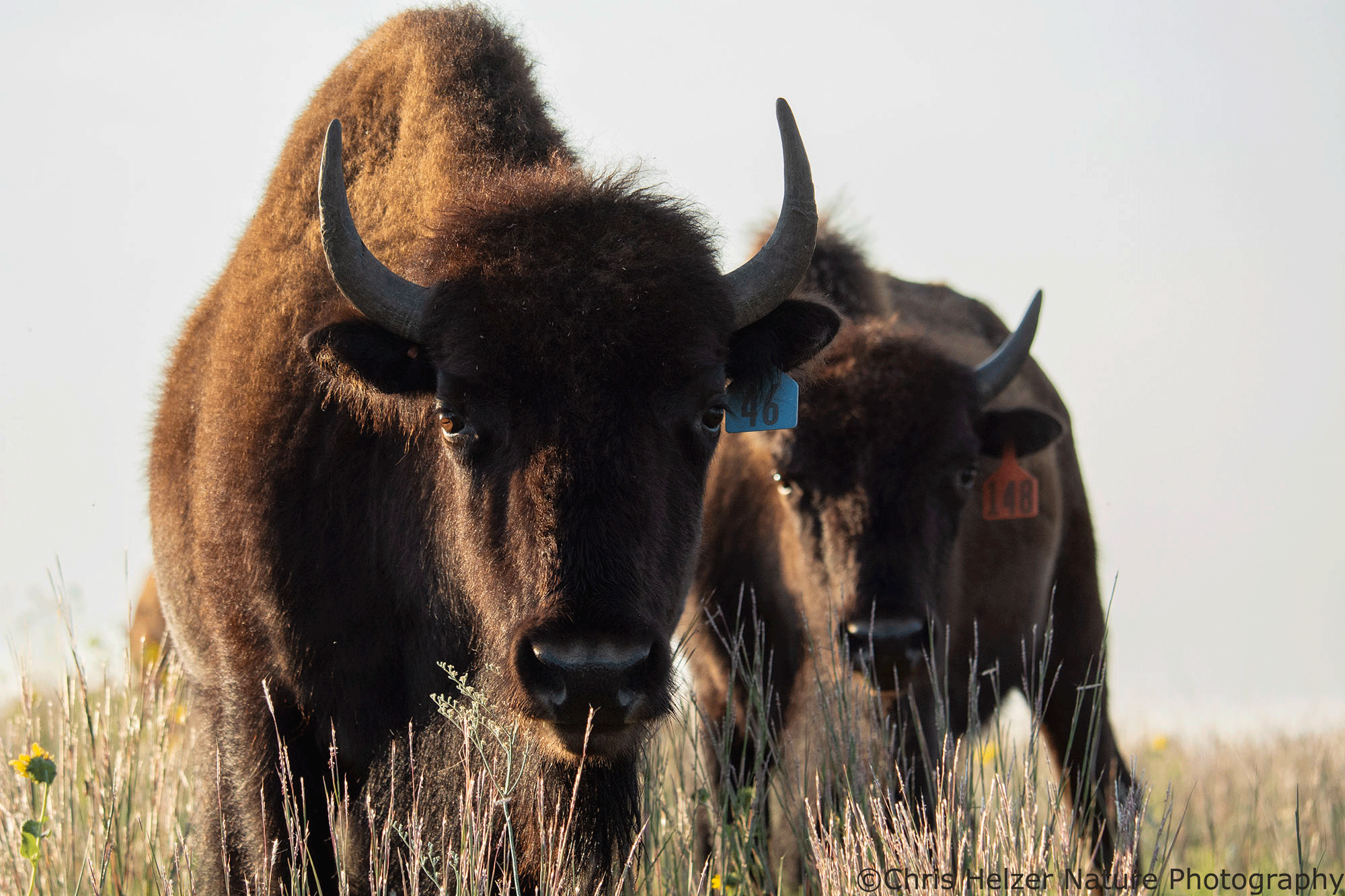
I repositioned the truck slightly a couple times (for lighting and composition purposes) but mostly just let the slow river of bison flow past me. That gave me time to watch behaviors, but also to just soak in the soft sounds of their grunting, chewing, and walking through the prairie.
Eventually, time moved on far enough that I needed to do the same. I started up the truck and eased myself slowly out of the bison river (which had nearly passed by anyway). They didn’t seem concerned one way or the other about my departure, but I was certainly glad they’d found me. I didn’t get as many butterfly, flower, or grasshopper photos as I’d expected, but the morning had gone pretty well anyway.

 The Prairie Ecologist
Thanks, Chris…love the bison pix!
Thank you