
As I mentioned in my last post, Kim and I visited Konza Prairie Biological Station this past weekend. While she was fighting through a long training run in the heat, I was fighting the breeze and trying to get some decent photos. It’s a good thing both of us are equally tough and resilient people and managed to deal with challenges of similar difficulty.

(As always, you can click on an image to see a bigger version. If you’re reading this in an email, click on the post title to open it online so you can click on images.)
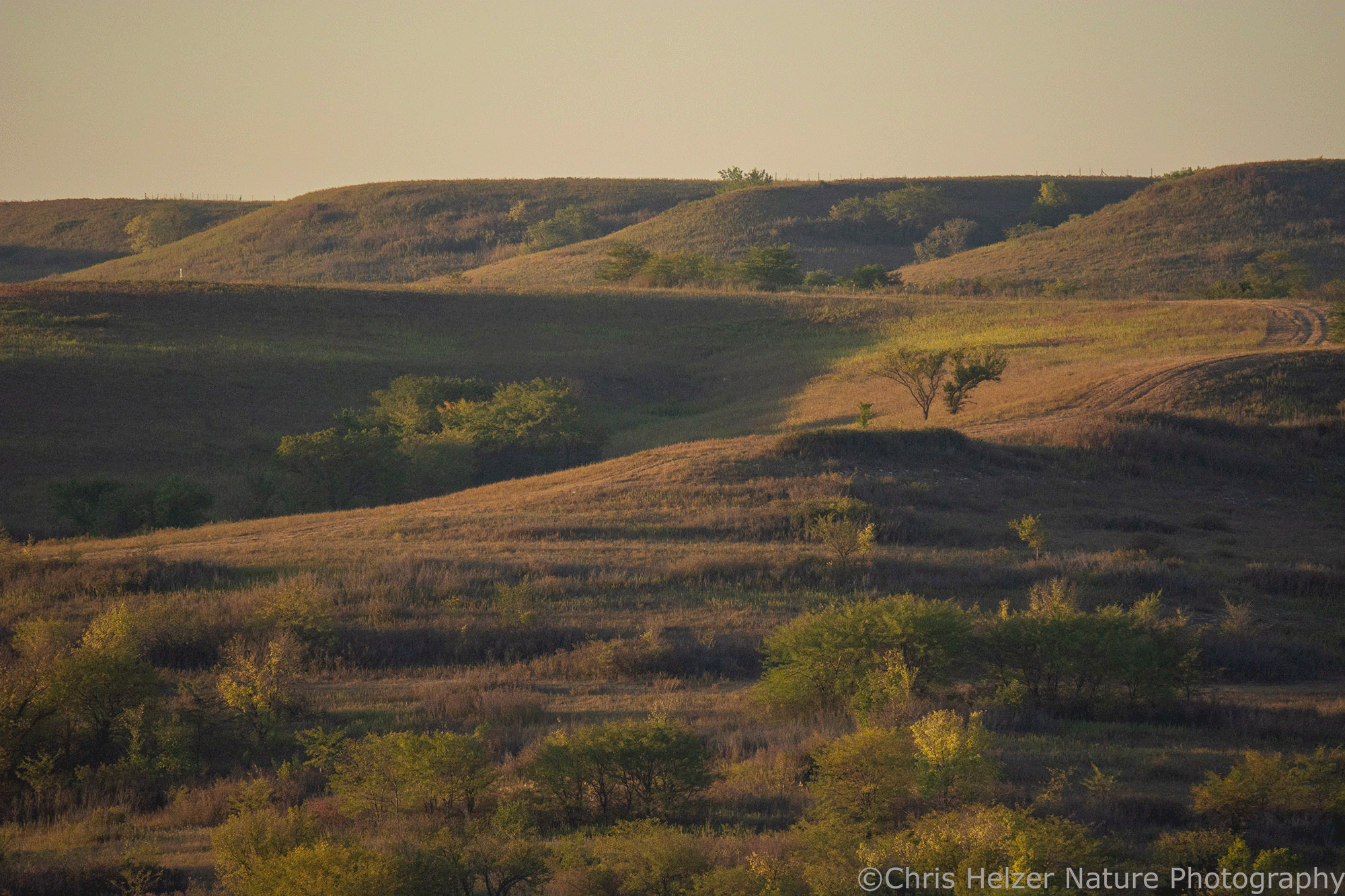
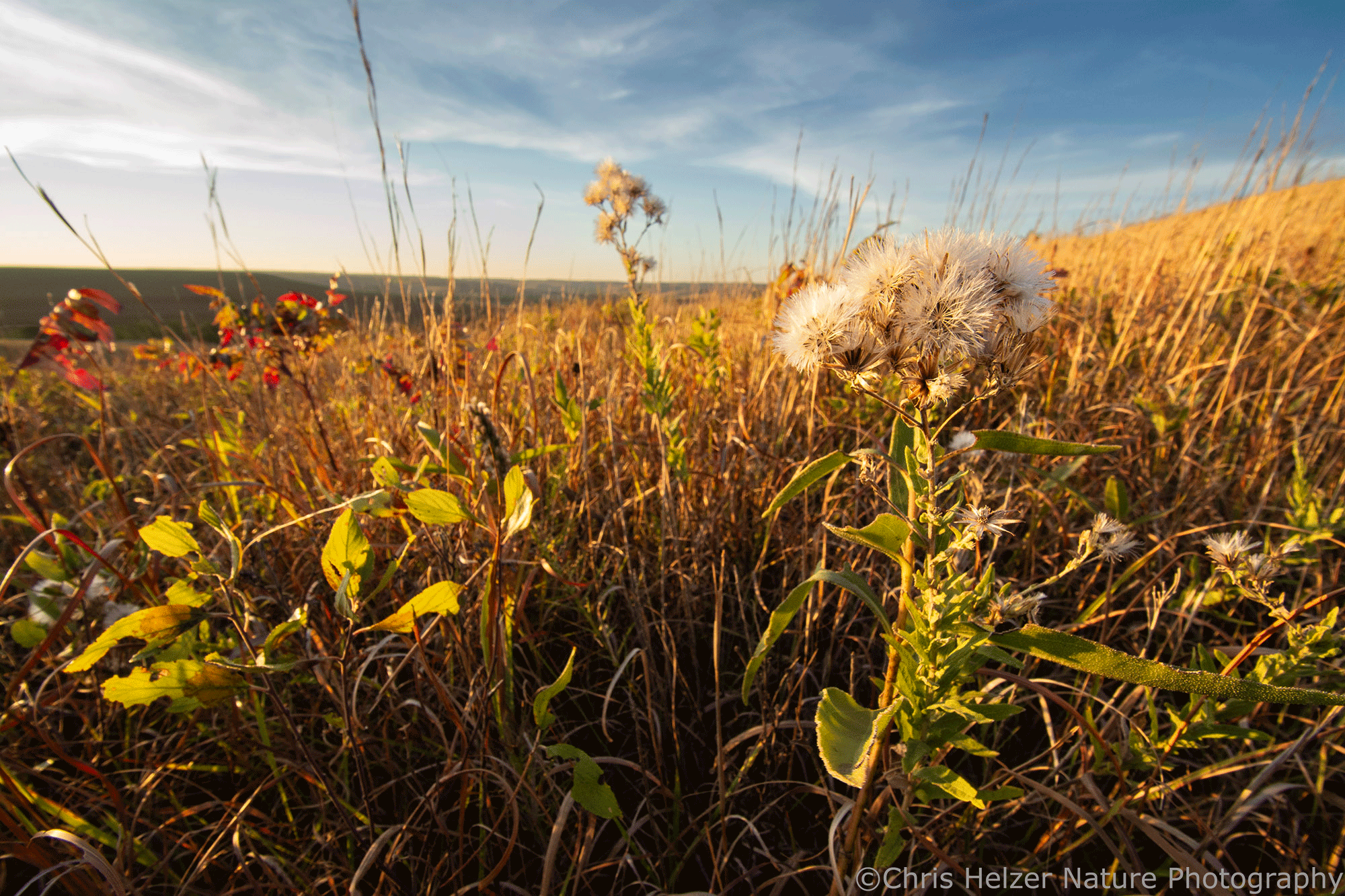
I made it to the top of the first big hill just after sunrise and tried to capture that early light on the prairie. It was beautiful, but the effects of the severe drought on the prairie were pretty obvious. Since we were going three hours south of home, I’d expected to see more green vegetation and flowers than we have left up here. That wasn’t the case, at least not in the places I hiked.
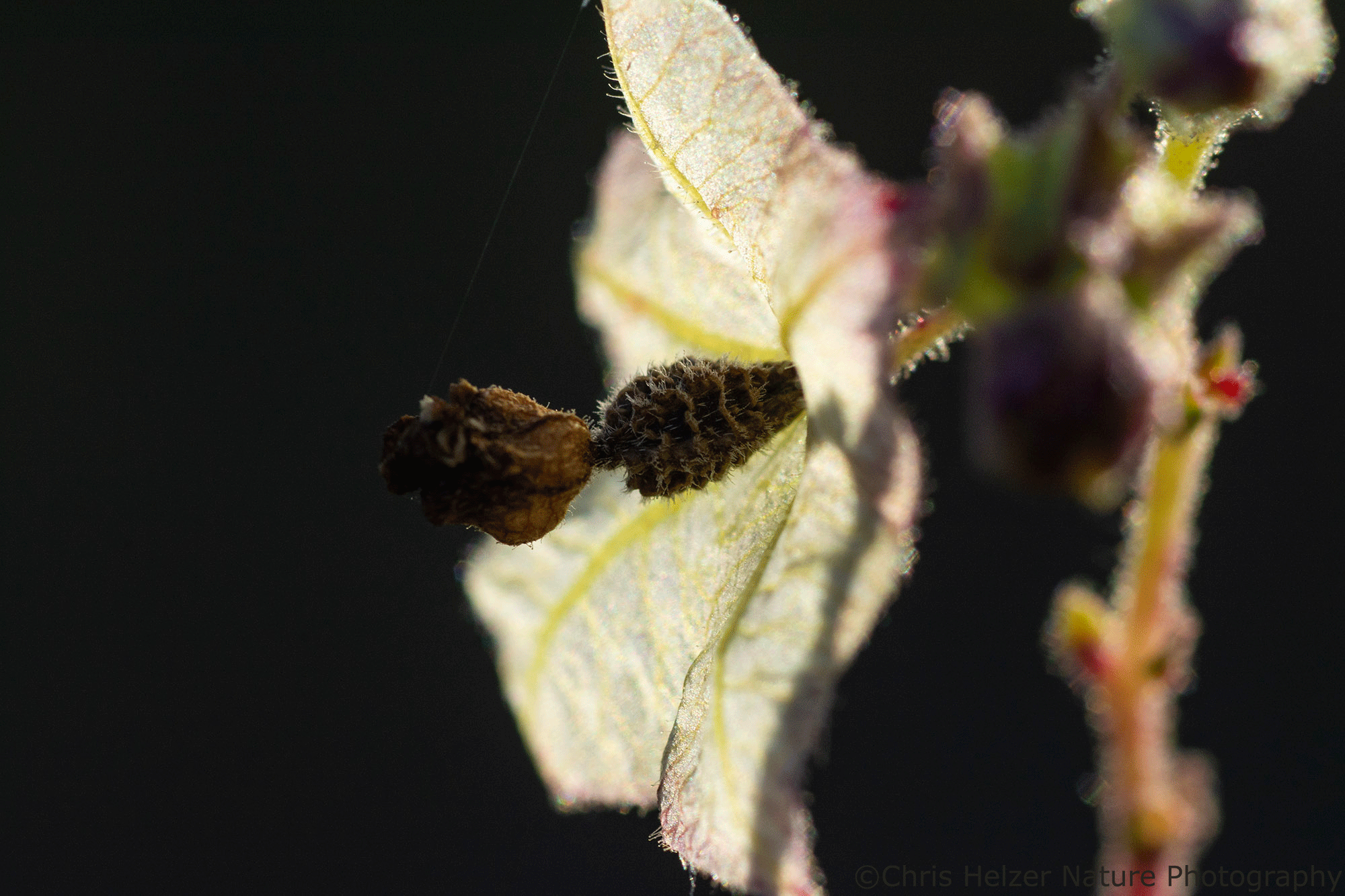
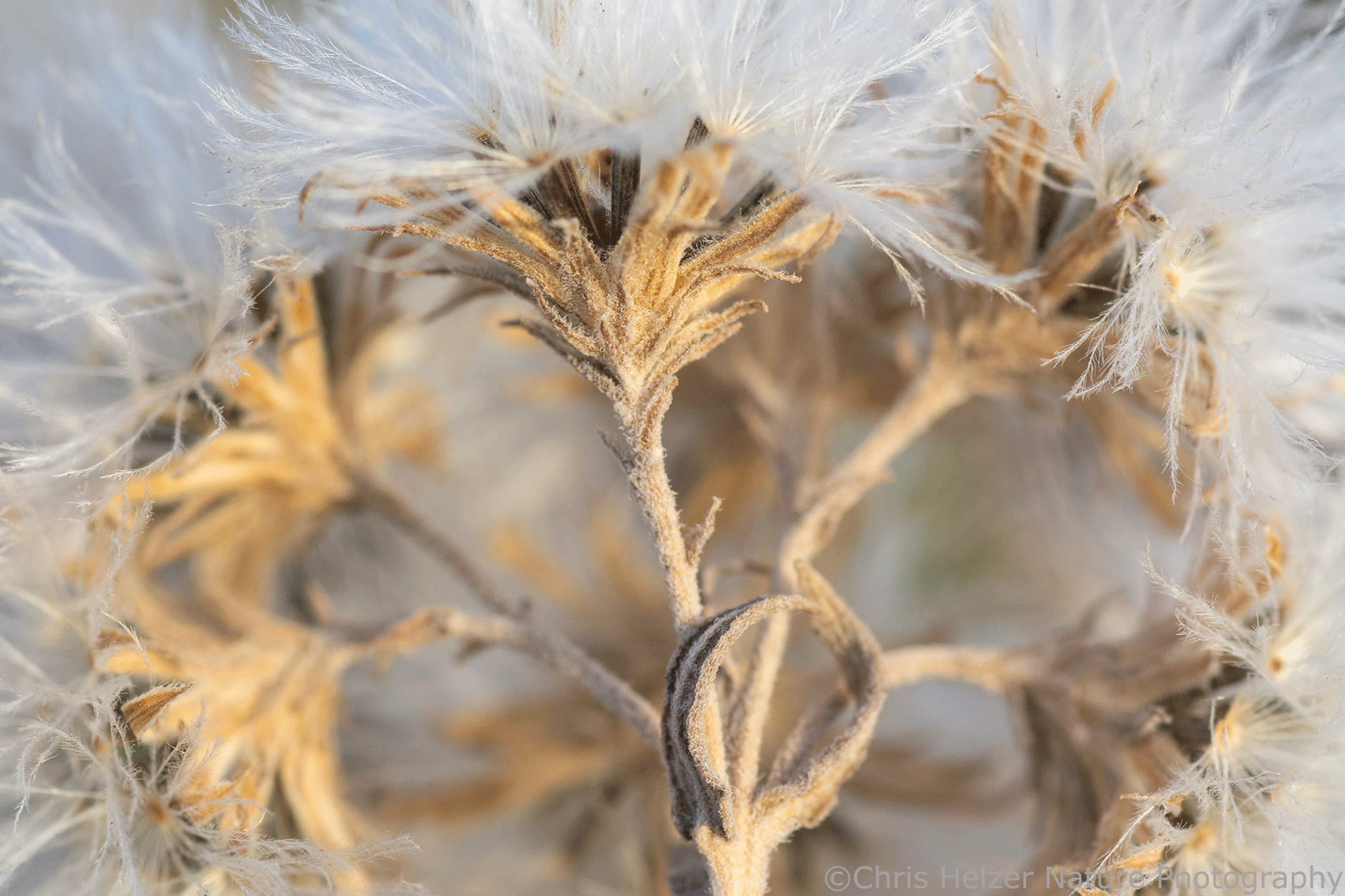
Don’t get me wrong, there was plenty to see and enjoy. There were still flowers around, as well as lots of fun seed heads, colorful leaves, etc. Invertebrates were also relatively plentiful, and I had fun finding them.
The wind, though, was a real pain. I ended up taking a LOT of shots, hoping at least one would be sharply focused, and I tried to time shots between stronger gusts. Landscape shots were a lot easier than close-up photos because the swaying motion of plants was less of an issue at a distance. For some reason, Kim seemed to enjoy that breeze more than I did as she ran her 25 miles through the increasingly hot day. It takes all kinds, I guess.
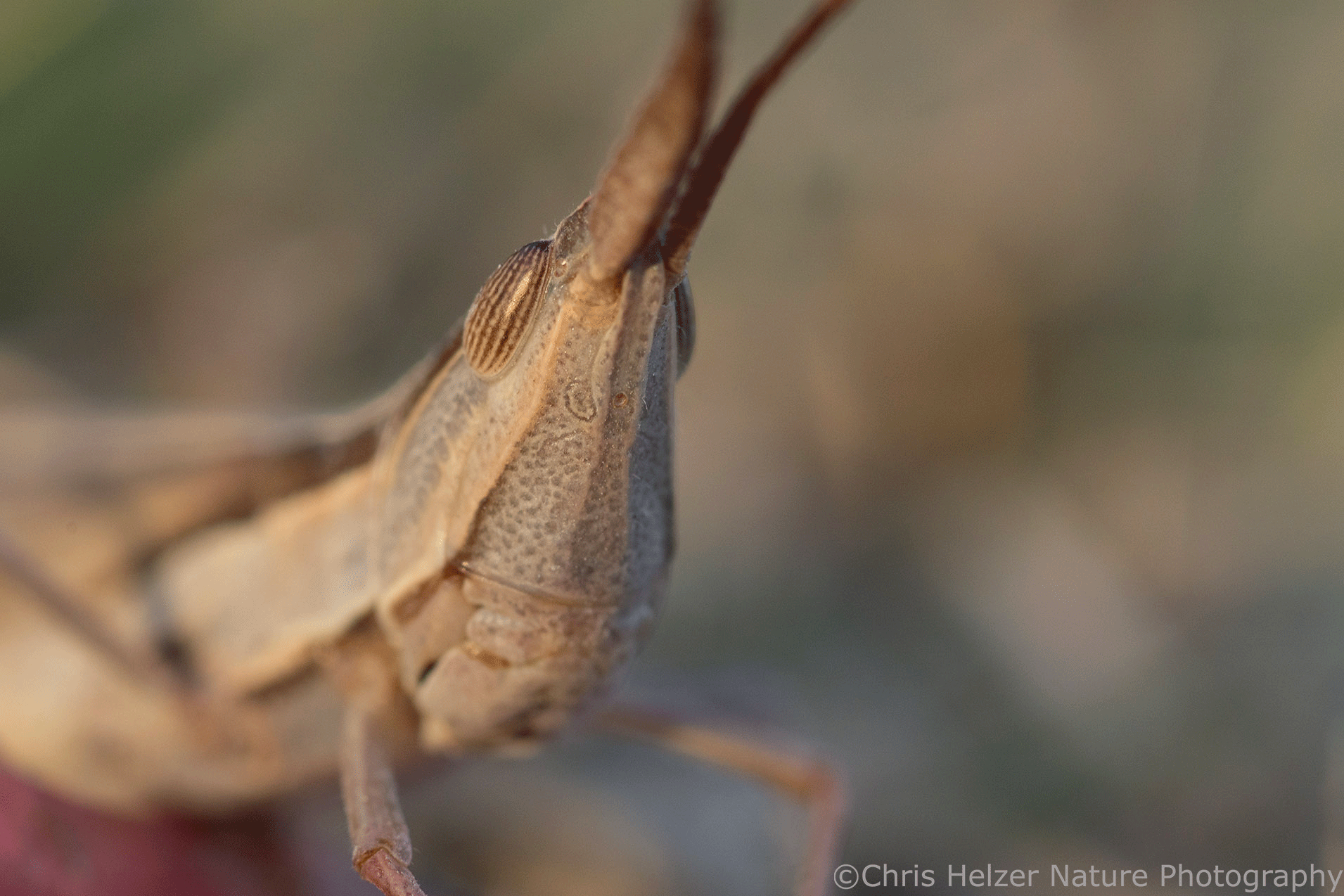
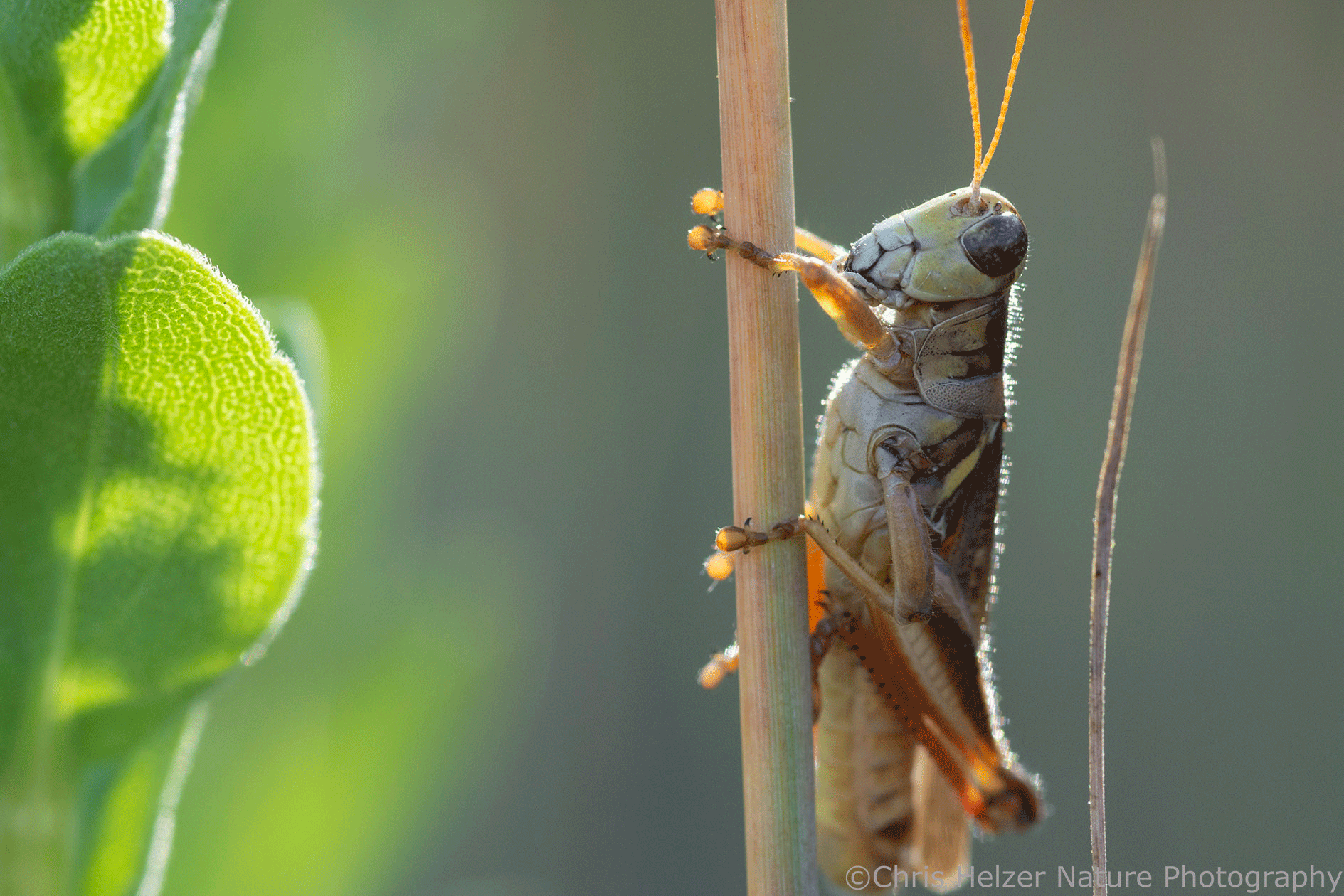
For a while, I tried chasing grasshoppers along the edge of the trail because I figured if they were sitting on the ground, the wind wouldn’t affect them. That would have worked a lot better if they’d been willing to sit still long enough for me to creep up to them. I did manage to get close to one toothpick grasshopper, but all the others were having fun baiting me and then cackling with laughter (I may be projecting) as they hopped/flew away.

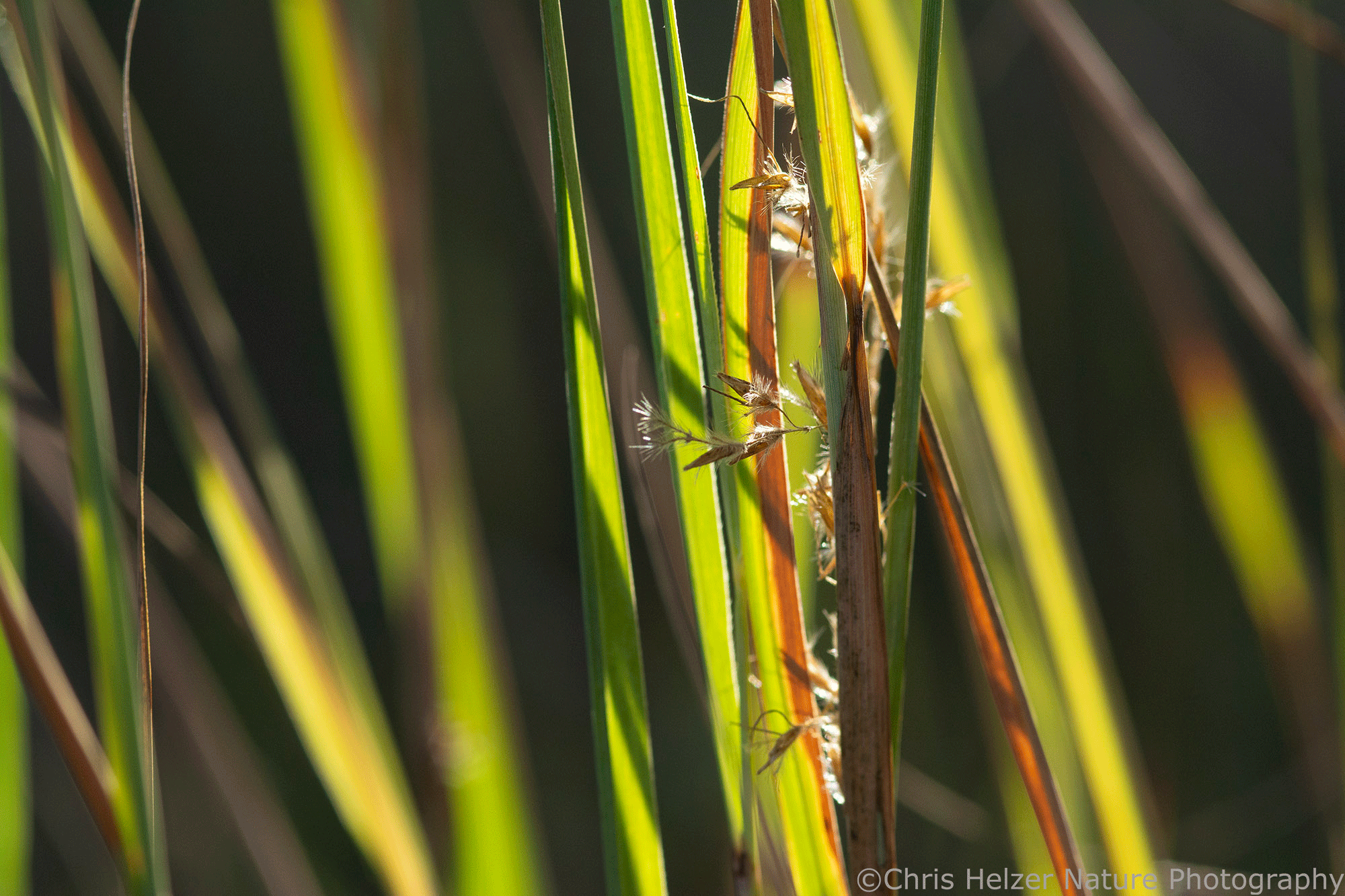
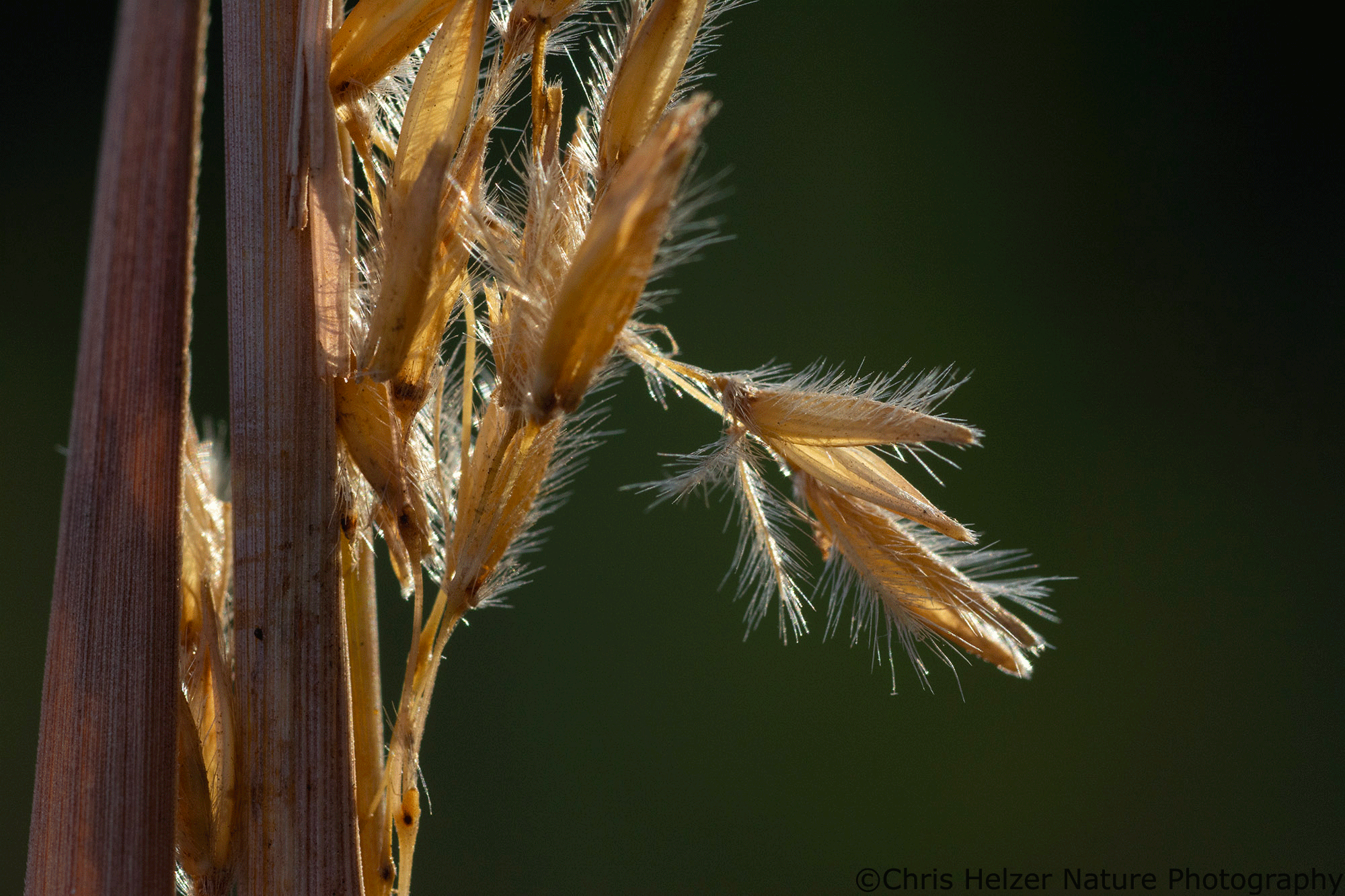
To help with both the wind and the increasing brightness of the light, I started gravitating toward copses of trees, where I could work in the diffused light near the edge of their shadows. I also photographed a lot of backlit subjects.


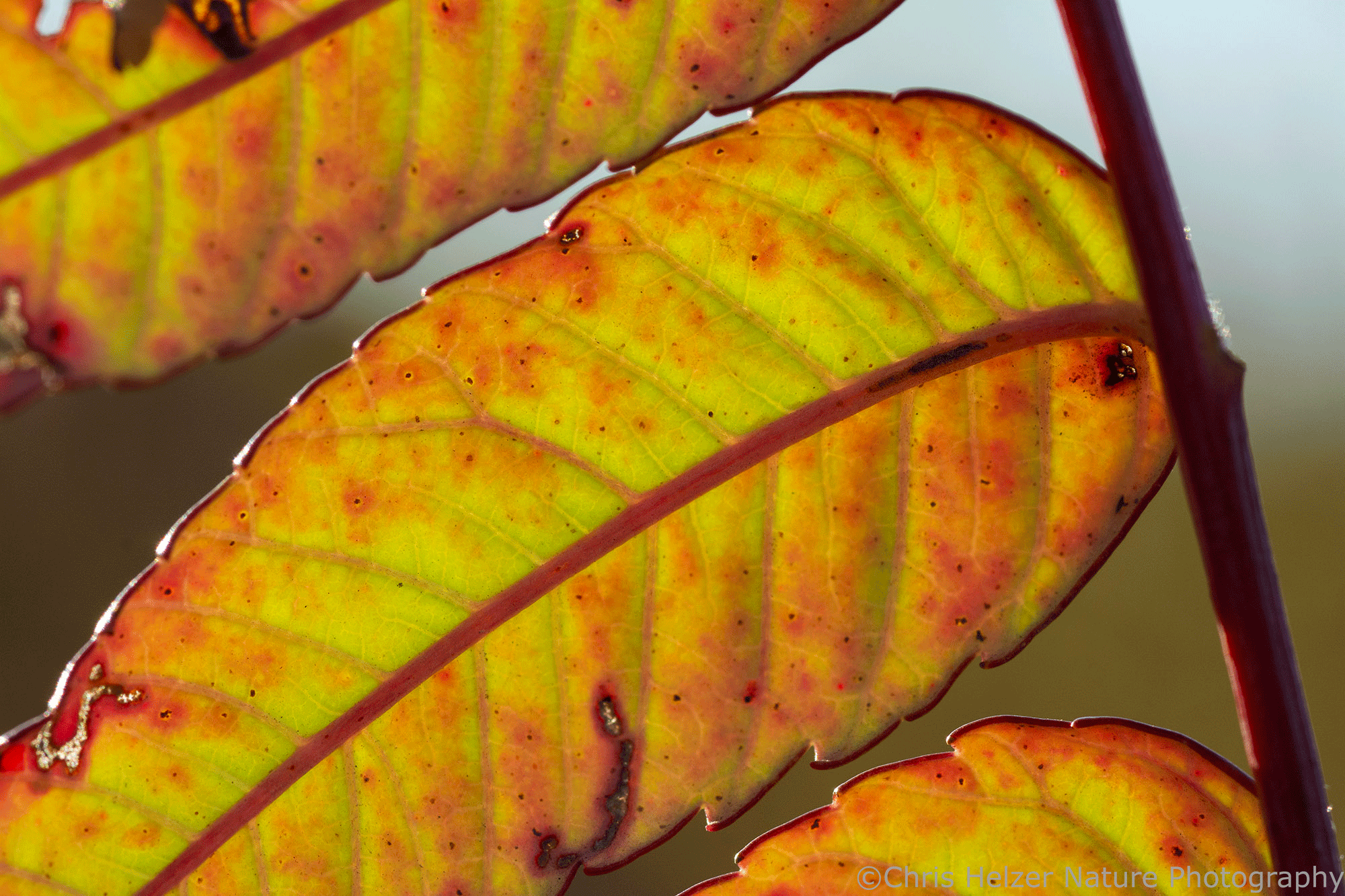
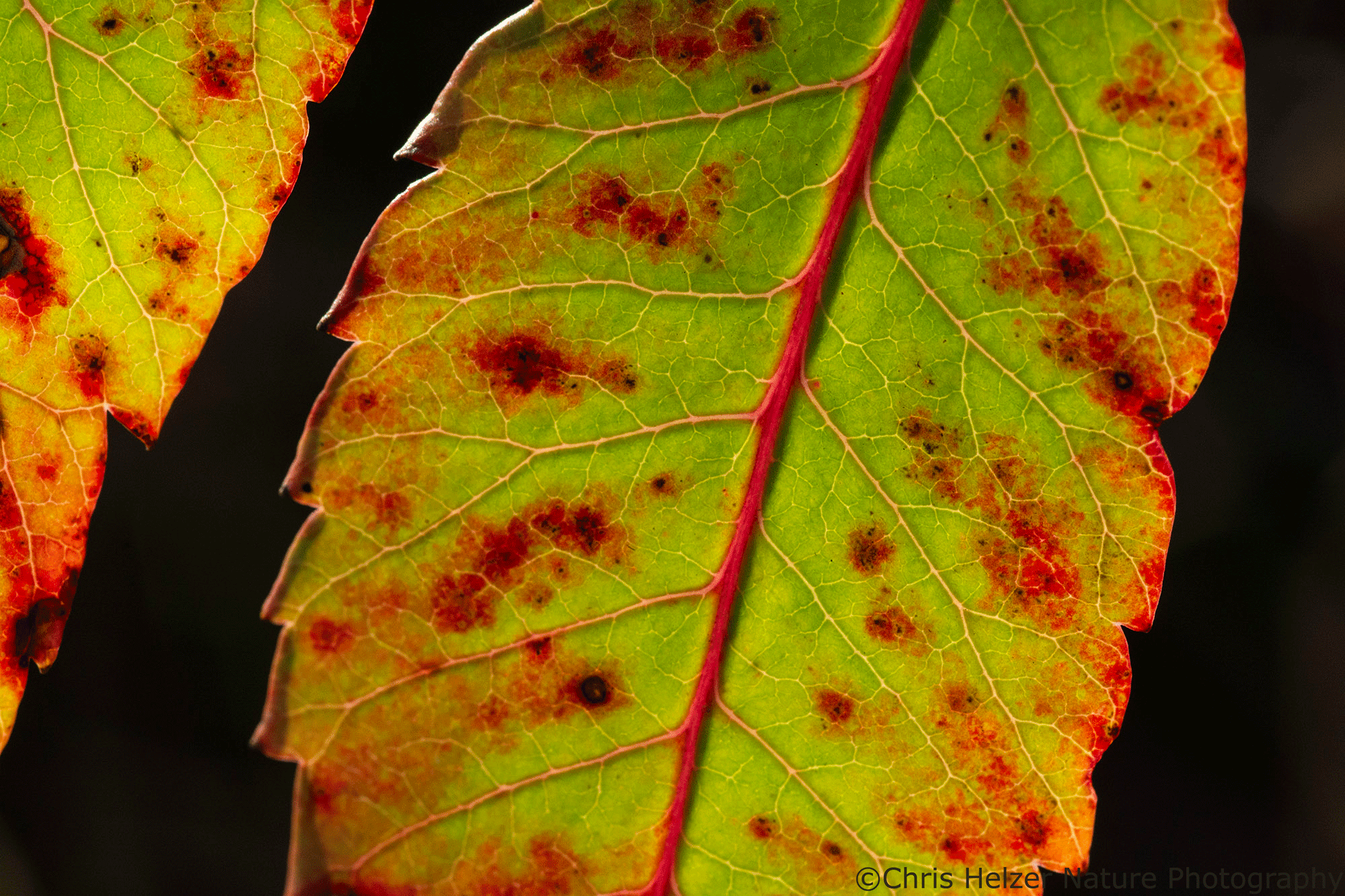
Smooth sumac was turning color, and I found some that was slightly sheltered from the wind. I spent quite a bit of time trying to find compositions I liked. I don’t know that I got any world-changing photos, but I got a least a few that made me happy. I love looking at the patterns of color-change within each leaf, and wondering who/what caused the little injuries many of the leaves had.
Eventually, I worked my way back toward the trail head and spent time working along the edge of the tree shadows there. That’s where I found the spiders I featured in my last post, but also lots of other insects. There was still enough breeze to be challenging, so I didn’t get photos of the monarch and other butterflies, for example, that were moving around. I did, though, manage to sneak up on a couple grasshoppers.
Other than the orb weaver spiders I watched for a long time, the other big invertebrate highlight of the day was finding two big wheel bugs. I’d seen them before, but hadn’t ever been able to photograph them (other than one that once sat on my hand just long enough for a quick shot.) These two seemed to be hunting on and around some stiff goldenrod plants.


If you’re not familiar with this kind of insect, you might reasonably think they’re fake. I can assure you they’re wheel bugs. The ‘wheel’ on their backs wasn’t as fully formed as I’ve seen before, but not in a way that detracted from their attractiveness. While the wind was pushing the goldenrod plants around, the bugs, at least, moved slowly enough that I could keep up with them as they patrolled for prey.
Wheel bugs are a kind of assassin bug, and they capture and eat prey just like their cousins do. They grab their prey and then jab their long, sharp mouthpart into them. The wheel bug then injects chemicals that paralyze and then ‘pre-digest’ the soft tissues in that hapless creature. Once its prey is sufficiently internally-liquefied, the week bug uses its tubular mouthpart like a big straw to suck up all the goodness before it discards the empty shell that remains.
Because they’re big (1 to 1 1/2 inches in length) and armored, wheel bugs look pretty scary. If you harass them, they can give you a pretty nasty bite that will make you wish you hadn’t. They’re not out to get you, though. I’ve spent a lot of time up close to various assassin bugs, including a few wheel bugs, and haven’t ever triggered them to bite me. As with most of our fellow creatures on earth, if you treat them respectfully, they’ll do the same.

It was great to be back in the Kansas Flint Hills for a while. I enjoy seeing rocks in prairie, for example, which I don’t get very often around home. The topography is also fun, especially when I’m just meandering up and down the hills (as opposed to, say, running 25 miles on a hot day). I’m grateful to be only a few hours away from such a terrific landscape.
We’re forecast to drop down to about 32 degrees Fahrenheit here tonight. That means the number of flowers and invertebrates around to photograph will also be dropping soon. It’ll still be fun to wander the prairies after that, of course. There’s a lot to look forward to this fall, including more fluffy seed heads, frosty mornings, lots of pre-winter food gathering by small mammals, and much more. I’ll miss the bees, butterflies and flowers, though.
April seems a long way off…
 The Prairie Ecologist