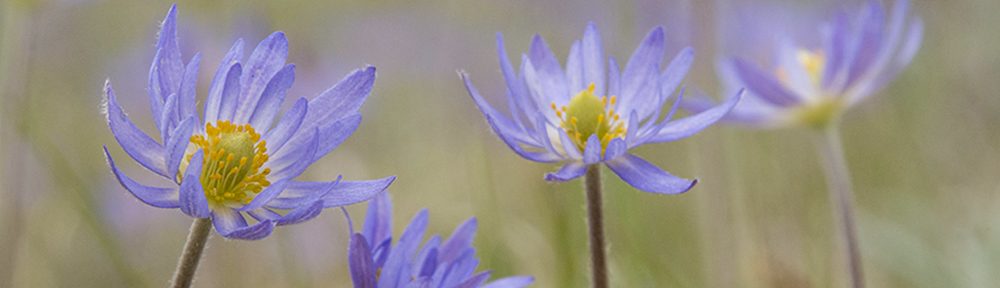
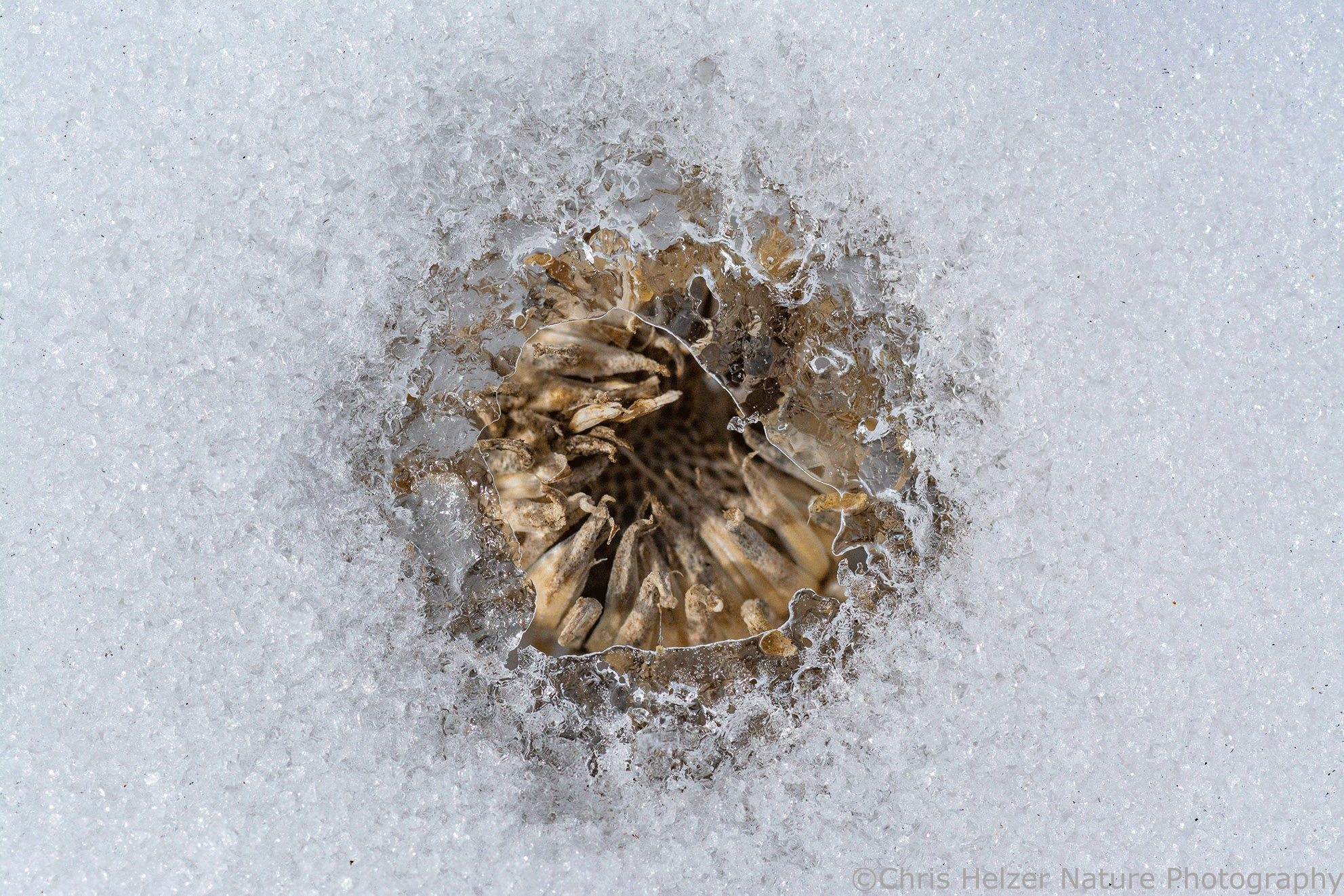
As the year continues to wind down, here’s another batch of my favorite photos from 2023. Today’s images all come from the Helzer Family Prairie, a quarter section of land that includes small scattered patches of remnant prairie embedded within formerly-cropped land planted to grass in the early 1960’s. The grass plantings are slowly transitioning to more diverse prairie communities – a process we’re facilitating with overseeding efforts.
It’s not the prairie I want it to be yet, but it’s the one I know and love the best. Few things give me as much joy as watching the steady increase in plant diversity or finding new insect or other species. I make frequent trips out to check on the grazing, but a lot of those are really just excuses to wander with my camera. These are some of the photos that resulted from this year’s wanderings.
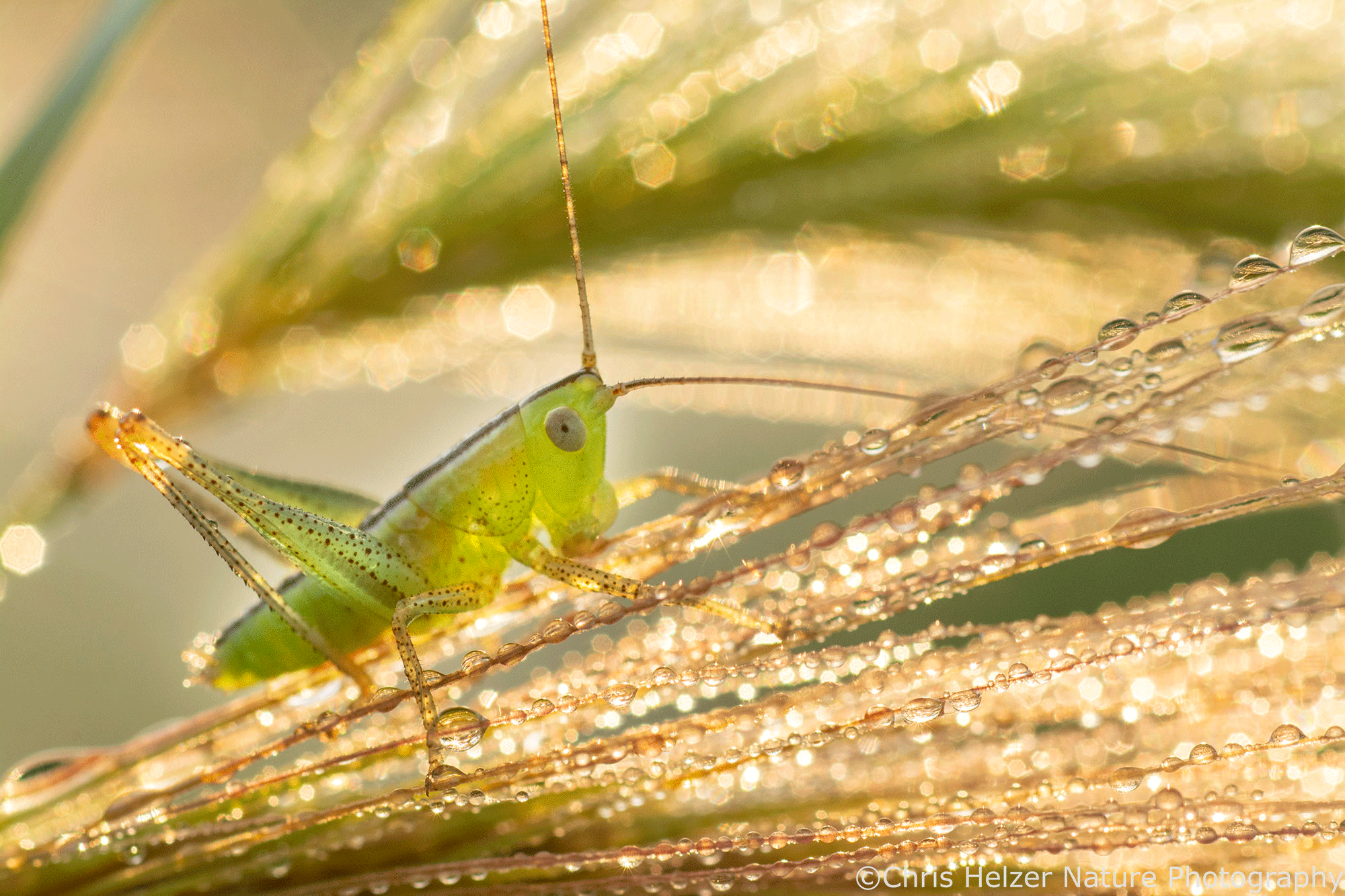
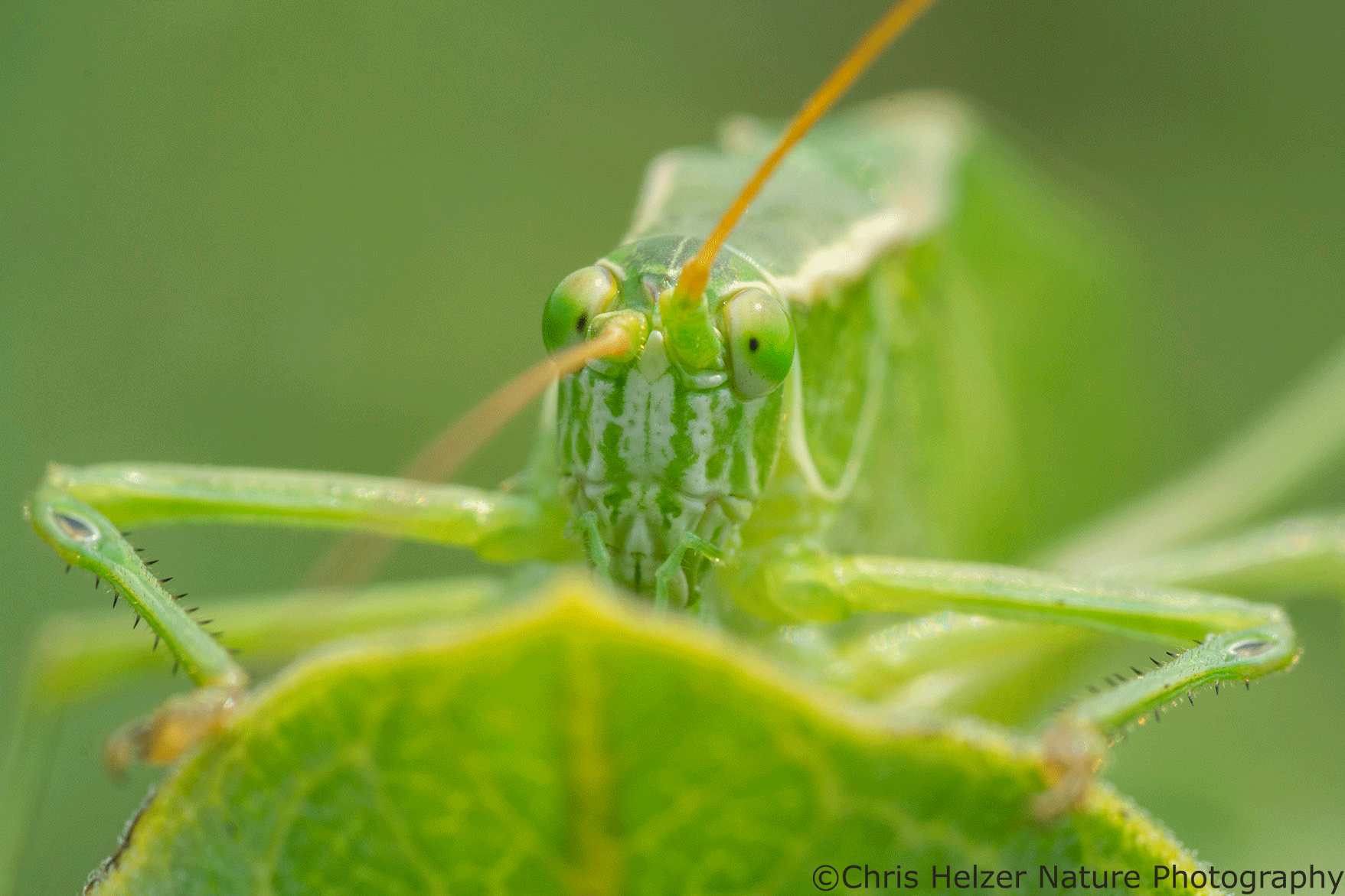
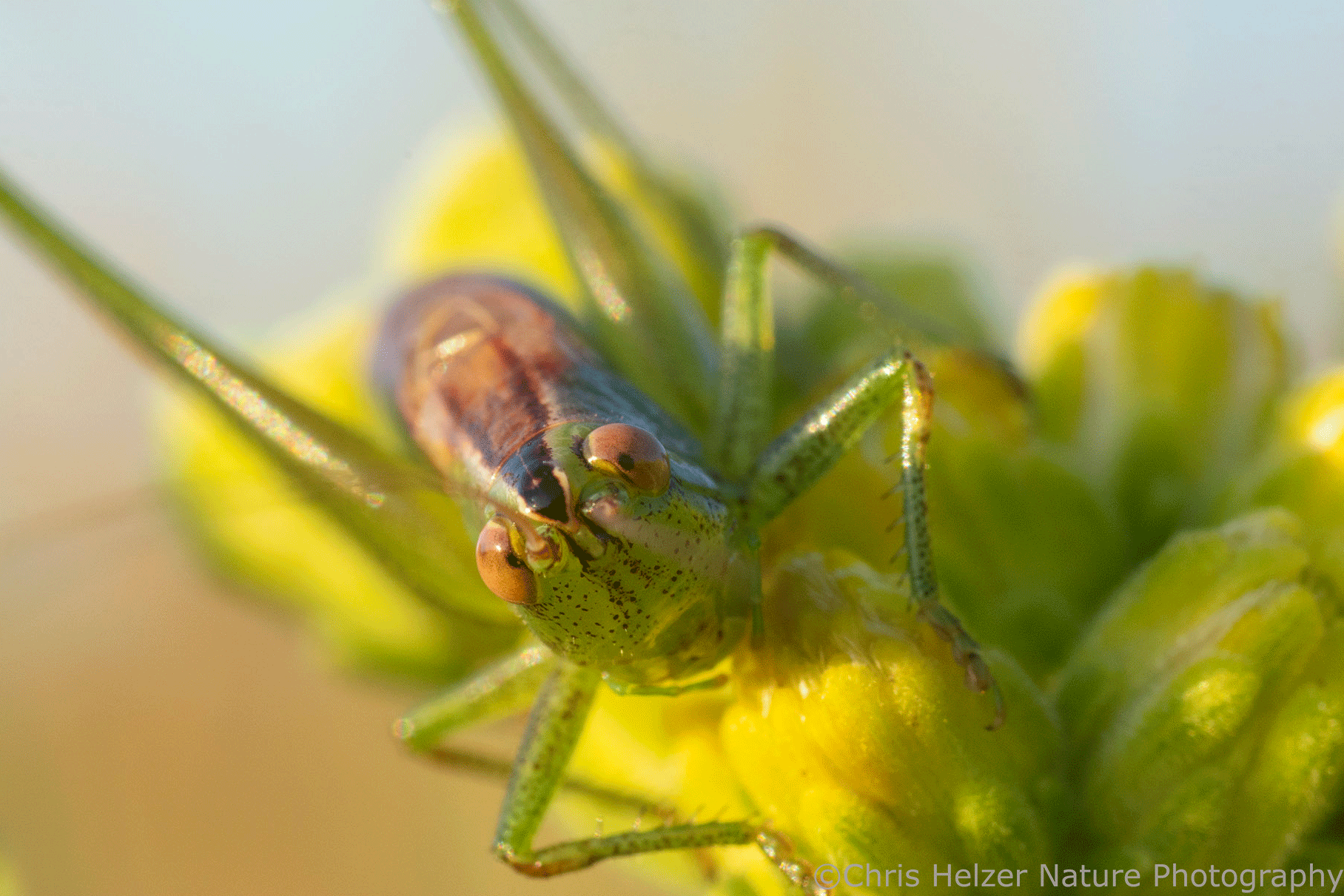
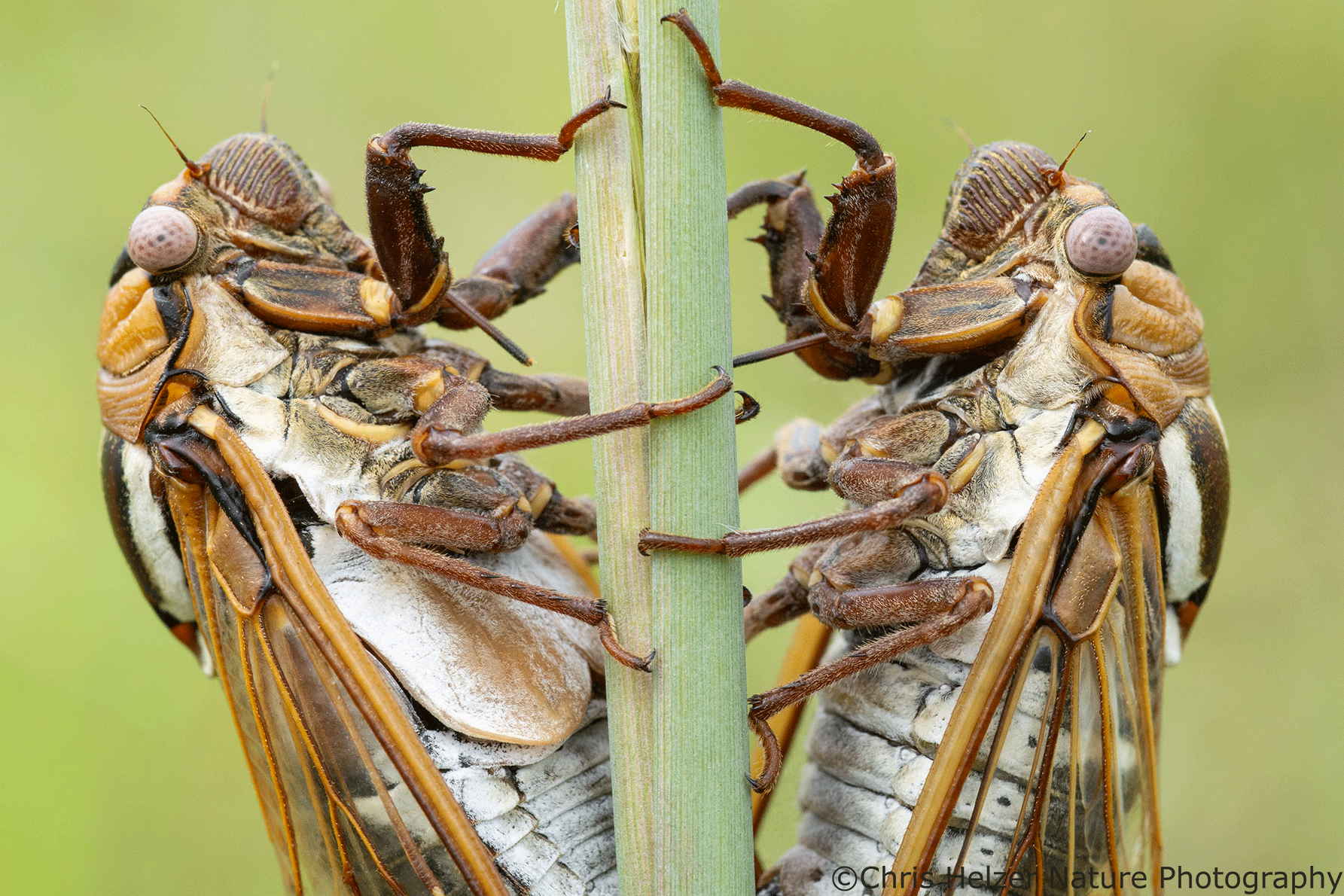
Weirdly, three of my 2023 favorites from the Helzer Prairie include katydids. It’s not that I’m intentionally seeking out katydids, though they are very photogenic. Those long, splayed out antennae don’t hurt, and their big eyes and charming faces are hard to resist. Plus, of course, they’re often willing to sit still and pose, which might be their best attribute.
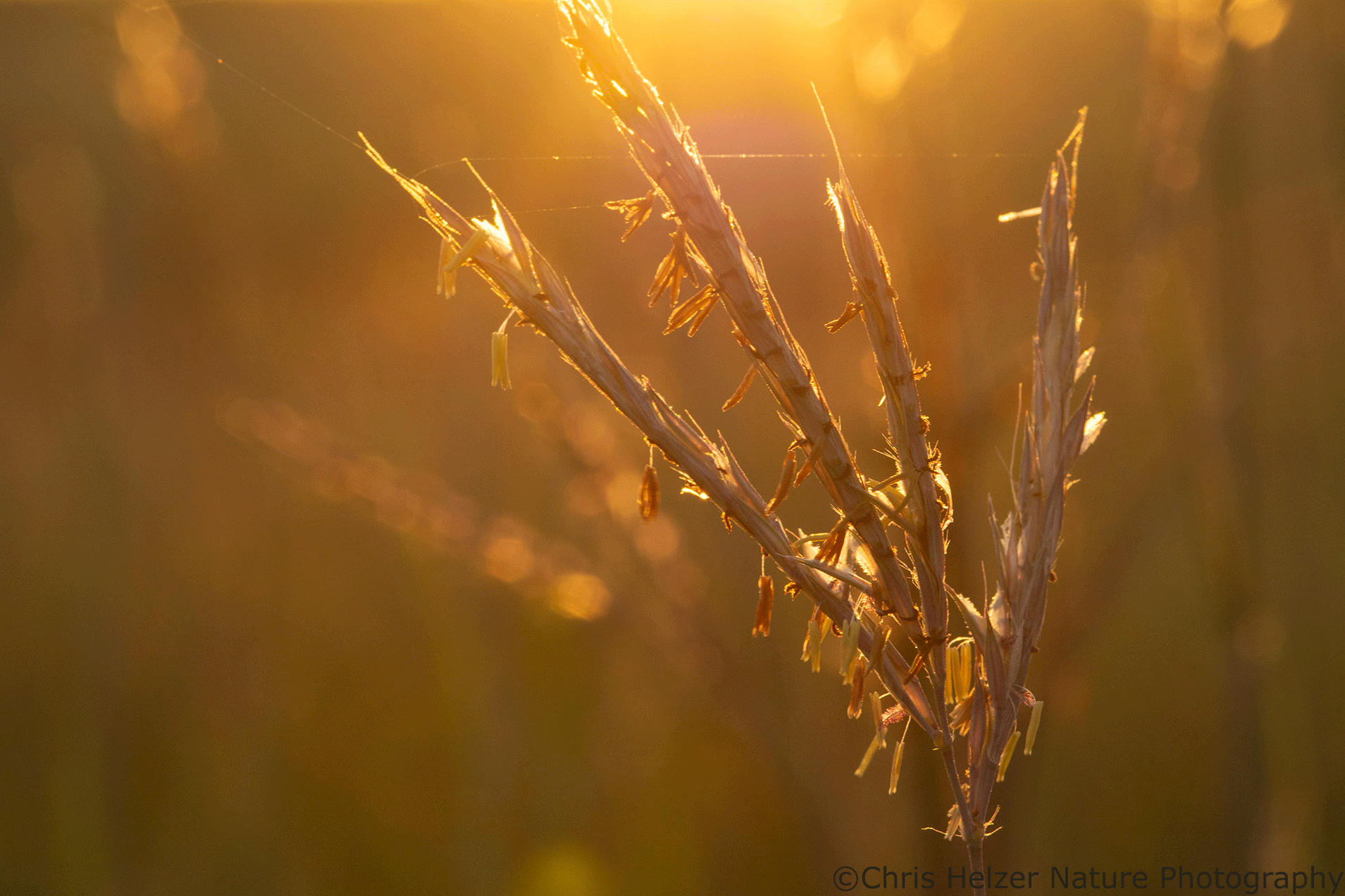
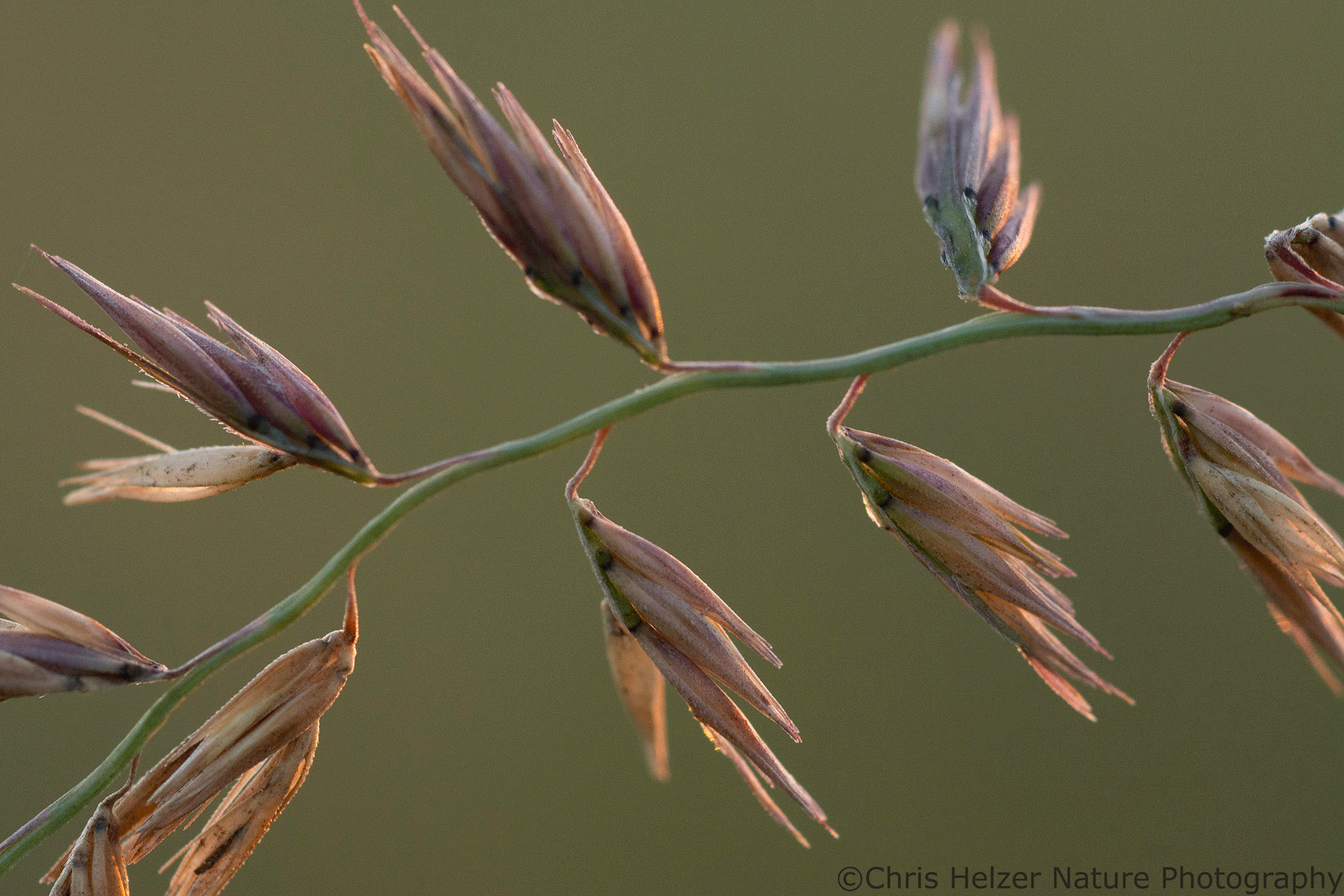
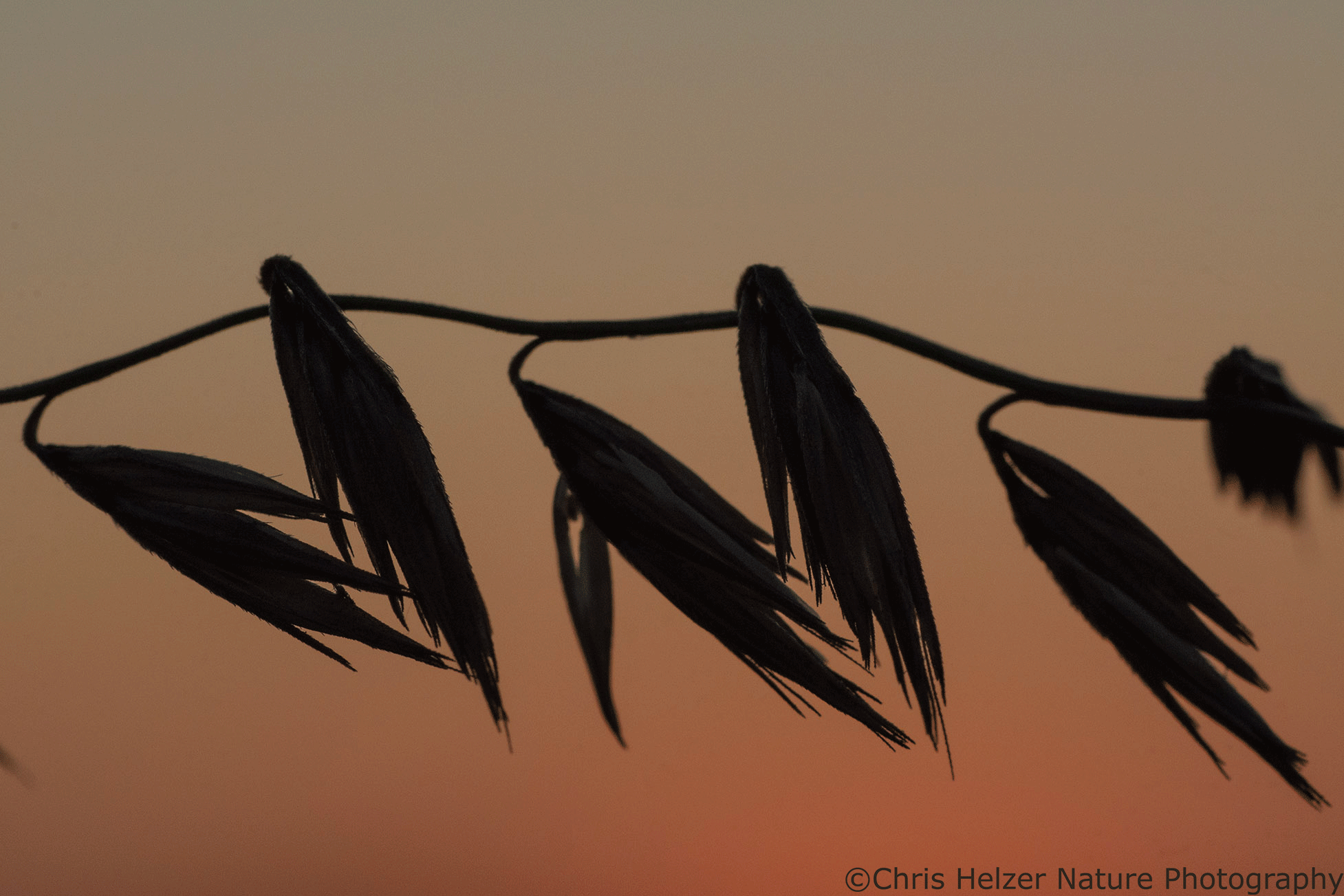
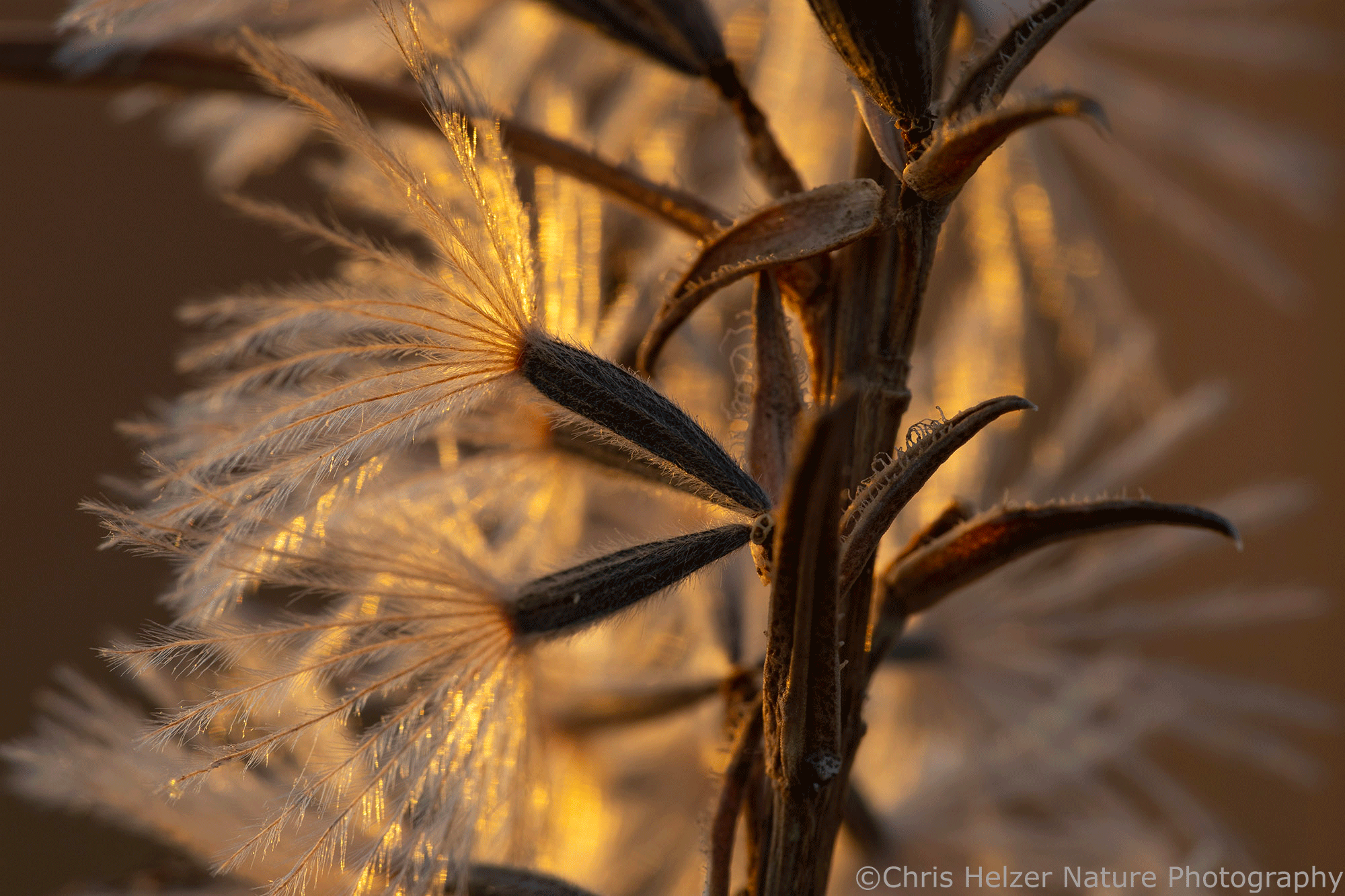
There’s a lot of grass in prairies, but sideoats grama has the most interesting architecture. I have hundreds of sideoats grama photos in my library, but – as with milkweed seeds – I can’t seem to walk past a patch without stopping to get more. The challenge now is to find new ways to frame them so I can help others see how wonderful they are.

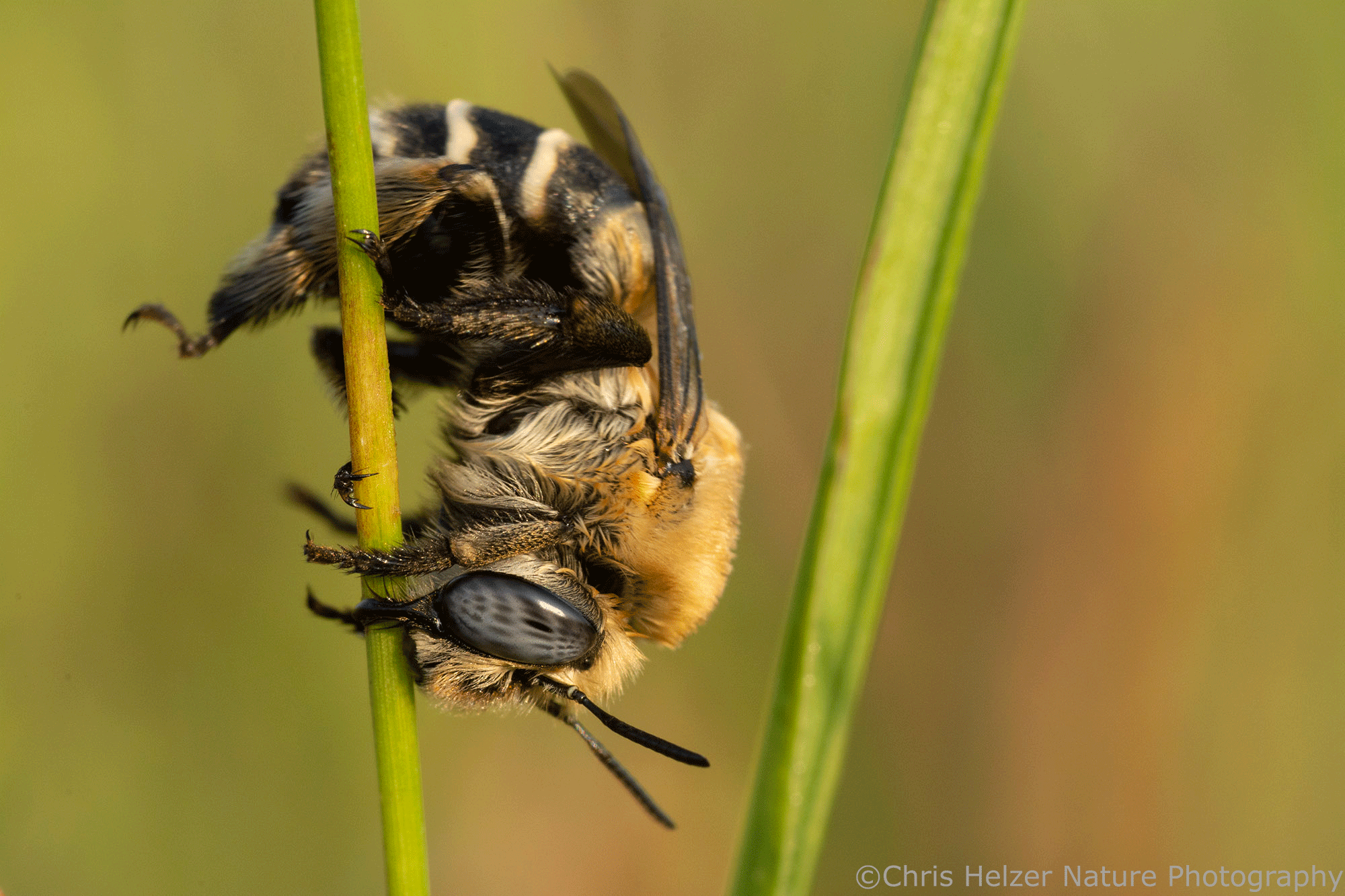
A lot of bees sleep overnight suspended in the vegetation of a prairie. Most of these are male bees, which don’t have nests to protect (or to protect them). Female bees of most species have built themselves a burrow in the ground or plant stem and hunker down there through the night. The males (and cuckoo bees, which lay their eggs in other bees’ nests) have to just make do with what they can find. As a result, they’re great photo subjects for me before they warm up and dry out enough to fly off into the new day.

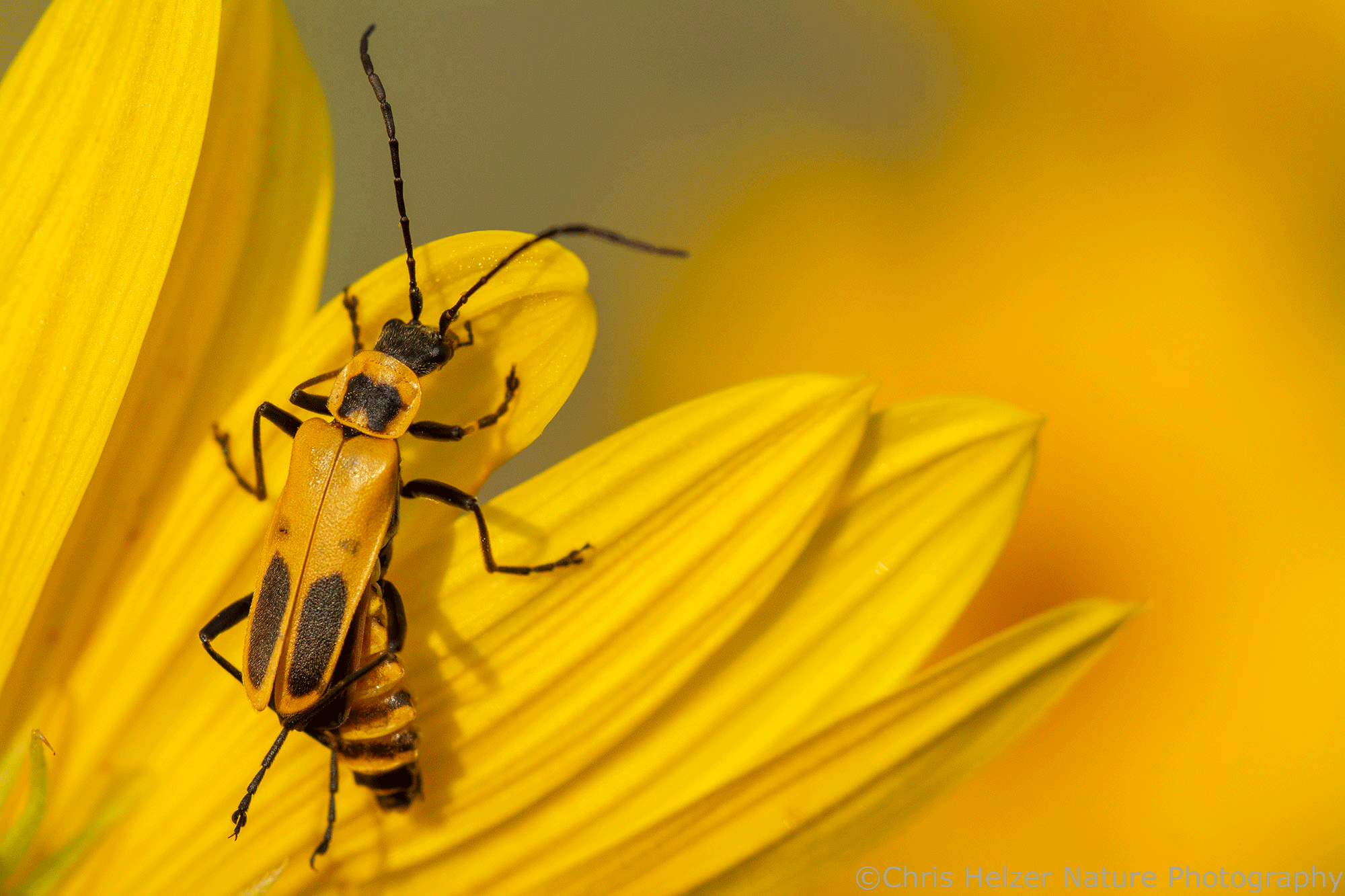
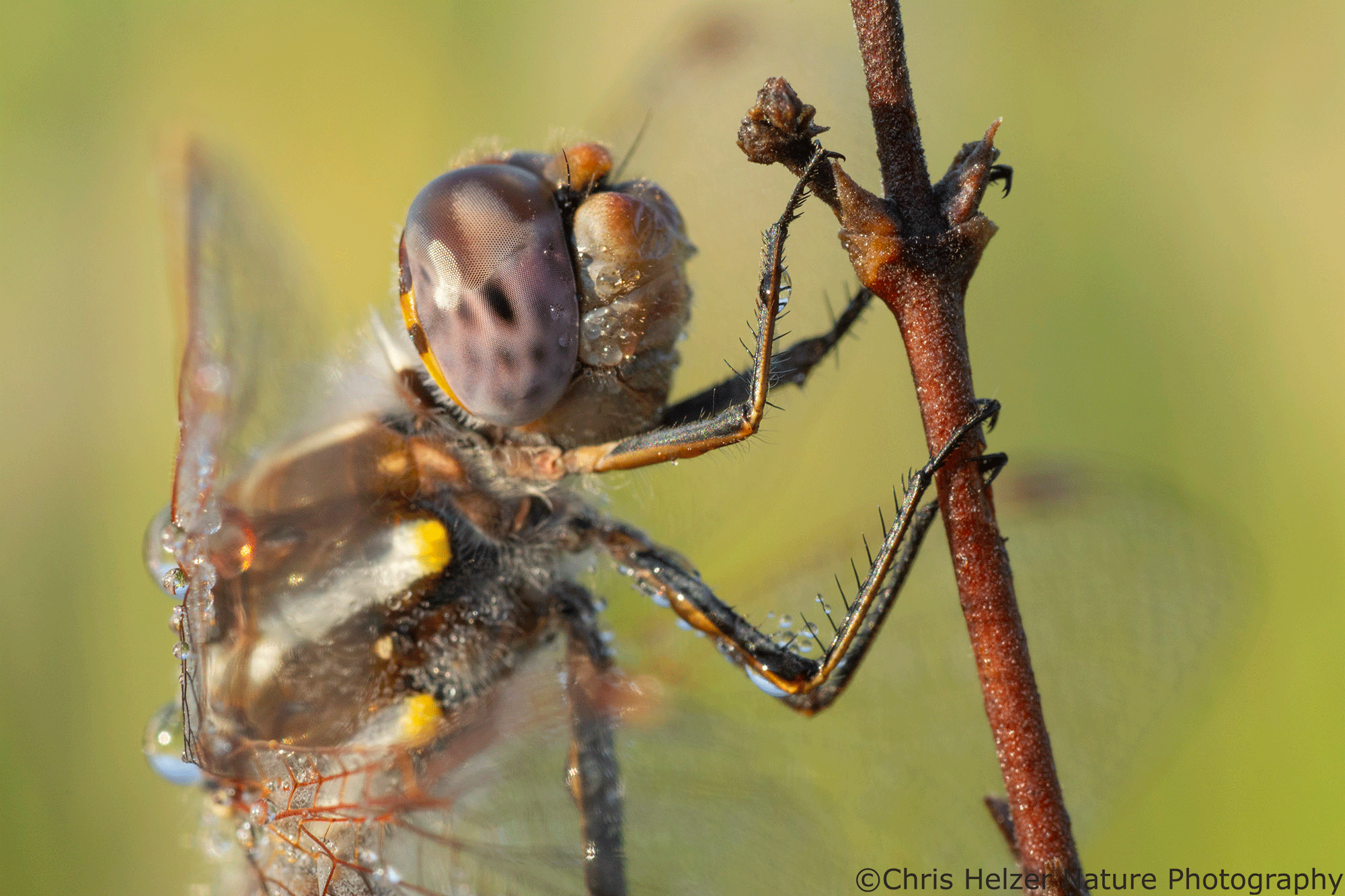
Dragonfly migration season is always a great time for macro photos, especially on dewy mornings when the dragonflies are all sparkly and still. I wonder how many of the individuals I photograph each year make it to where they’re going, and whether they (or their offspring) will make their way back again in the spring.

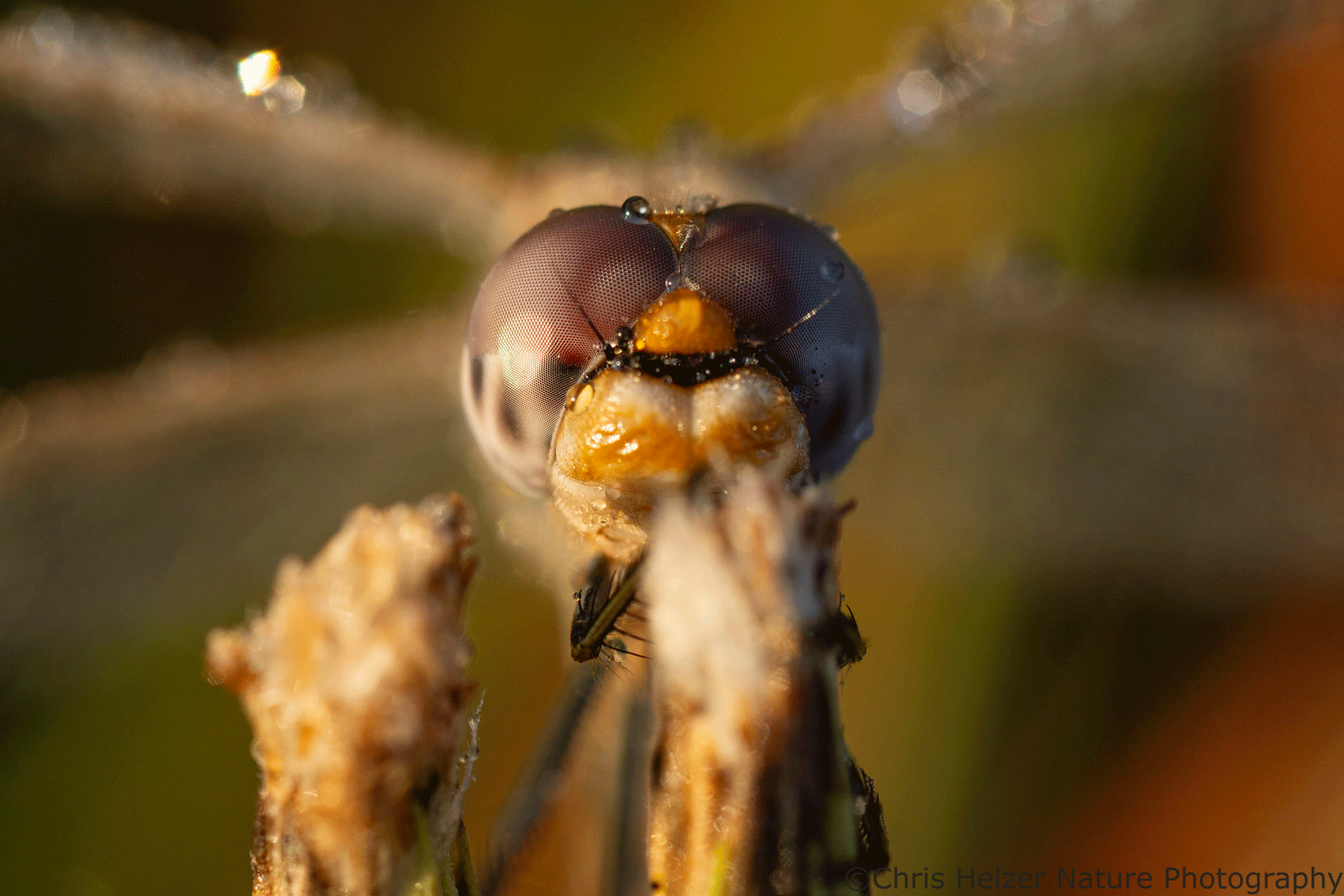
I’ll end with what is currently my favorite photo from 2023. It’s a variegated meadowhawk on a dewy morning during fall migration. I have lots of similar images of this species, but there’s something about this one that feels like it just hits all the notes. The light is wonderful, the focus is sharp, and the dew drops add beautiful accents.
What really brings it home, though, is something about how the wings are there, but barely distinct enough to be recognized. They envelop the head and body in a kind of ethereal way, I think, though I’m probably trying way too hard to describe something that doesn’t need explanation. I just really love the image.
A lot happened this year at the Helzer Prairie, though none of these photos show the honey locust trees I keep chasing down or the prairie violets that continue to spread across the grasslands. They don’t show the pond that’s been bone dry for two years but still full of smartweed, coreopsis, and other flowers that attract lots of pollinators and other insects.
You can’t tell from the images how well the new 7-acre restored prairie planting is establishing either, though some of these photos were taken in that former crop field that’s transforming into a flowerful bonanza. You’d also never know we’re in the second year of a pretty extreme drought, and that a lot of the prairie was brown during the summer. We had a couple good shots of rain that greened it all back up for a while, but not enough to get us through a full grazing season. It’s all good – like The Dude, the prairie abides. It’s built to withstand just about whatever comes at it.
In other words, things are doing just at the ol’ family prairie. Next year will be good too, though a little rain wouldn’t hurt anything, if that’s not too much to ask.
 The Prairie Ecologist
So good, Chris—thanks for painting such a terrific picture—literally! Happy holidays to you and yours.
Beautiful shots and great choices for photos of the year. It must be a tough job sorting through photos to pick the best ones!
Dennis
Thank you for sharing photos from your home prairie-they are wonderful. Your photos make me smile every time I open a post…sometimes I even get a bit smarter. :) Thanks Chris.
These are ridiculously good. Great photos and info as usual.
Graham
Graham Steinhauer
Goose Pond Sanctuary Land Steward
Badgerland Bird Alliance*
e: gsteinhauer@madisonaudubon.org
p: 608-333-2947 | w: madisonaudubon.org
[image: facebook.com/madisonaudubon] http://facebook.com/madisonaudubon [image: instagram.com/madisonaudubon] http://instagram.com/madisonaudubon [image: https://www.youtube.com/user/MadisonAudubon%5D https://www.youtube.com/user/MadisonAudubon [image: madisonaudubon.org/donate] http://madisonaudubon.org/donate
**Learn more about our recent name change. https://madisonaudubon.org/new-name*
Thanks for sharing your photos and passion for the prairies.
oh the dragonflies!! ❤️
Your splendid dragonfly photos, and the mention of their migration, reminded me that I first learned about those migrations from our National Weather Service office. A few years ago they picked up an enormous cloud of dragonflies on radar, and publicized the screen shots. I knew that birds could show up on radar, and even bats, but dragonflies? Wonderful!
Thank you for sharing the beauty of the prairie.
MaryJo
<
div dir=”ltr”>
<
blockquote type=”cite”>